‘High Value Target: The Hunt For Saddam’ Episode 6 Recap and Ending Explained: Everything That Happens in “The Devil You Know” and What It Means


Episode 6 of ‘High Value Target: The Hunt for Saddam’ landed on TNT this Sunday, and it pushes John Nixon into arguably his most uncomfortable position yet. Titled “The Devil You Know,” the episode premiered as part of the show’s staggered Sunday and Monday release pattern. After spending the previous hour deep in hostile territory, Nixon returns home only to find that surviving the field was the easy part.
The series has built its entire back half around one uncomfortable question, and this episode finally forces the answer into the open. After following Saddam’s warning, John returns from Najaf with the unwavering conviction that the real threat is Iran, and now he must convince the most powerful leaders in the United States government to believe him. That single sentence carries the whole episode, and it says a lot about where ‘High Value Target’ is headed as it closes out its eight episode run.
What Happens in ‘High Value Target’ Episode 6?
The episode picks up directly from the fallout of Nixon’s dangerous detour into hostile territory the week before. In defiance of orders, John had forged his way into hostile territory and ended up in a chase for his life, and that recklessness is what sets Episode 6 in motion. Nixon’s unauthorized trip to Najaf was never about proving his bravery, it was about chasing something Saddam Hussein told him, and this episode is where that information finally has to be reckoned with.
Once Nixon is back in Washington, the tone shifts from field thriller to political drama almost immediately. He is no longer dodging insurgents, he is dodging skeptical superiors who see him as an analyst who has overstepped his role. That tension has simmered since the earlier episodes, and ‘The Devil You Know’ brings it to a head.
The episode’s central conflict is not a chase or a raid, it is a briefing room argument. Nixon has to translate what he heard from Hussein into something the intelligence community and, eventually, the White House can actually act on. Given how the season has framed Nixon’s arc, that scene is likely to be the emotional spine of the hour.
Saddam Hussein’s Warning About Iran, Explained
The pivot toward Iran did not come out of nowhere, and longtime viewers of the show will recognize it as a thread the writers have been pulling since Nixon first sat across from Hussein. The show’s depiction of Nixon and Hussein’s first confrontation, set roughly halfway through the series, was built from transcripts of two men sitting across from one another talking about how they feel and what they believe, according to coexecutive producer Leslie Greif. That grounding in real interrogation material is part of why Hussein’s warning carries weight instead of playing like a screenwriting twist.
Historically, this beat tracks with what the real John Nixon has described in interviews and in his memoir. Nixon volunteered to go to Iraq after the invasion and joined the hunt for Hussein, and after Hussein was captured during Operation Red Dawn, Nixon became the first US agent to interrogate him directly. The show is dramatizing a real intelligence relationship, not inventing one, which is why Nixon’s insistence on the Iran angle in Episode 6 lands as more than just conflict for conflict’s sake.
It is worth remembering that ‘High Value Target’ is not a strict transcript of events. The programme is a scripted adaptation of Nixon’s 2016 memoir rather than an episode by episode reconstruction, and it takes its perspective from Nixon’s own account of the period. That distinction matters when evaluating how much of Episode 6’s Iran subplot is drawn directly from history versus shaped for television pacing.
For a show that has spent five episodes on manhunts and firefights, pivoting toward a geopolitical warning in Episode 6 is a deliberate structural choice. It reframes Hussein from a fugitive to be captured into a source whose information now threatens to upend the entire narrative Washington has told itself about the war.
John Nixon and the Fight to be Believed
Nixon’s arc has always hinged on credibility, both his own and the intelligence he is trying to deliver. The character is defined in part by never having been a field operative despite coming from a family steeped in military symbolism, with his retired colonel father frequently needling him for never having been in the dirt. That backstory is exactly why Episode 6’s central struggle hits harder than a typical bureaucratic showdown.
Joel Kinnaman’s performance has been the subject of some split opinion among critics covering the show. One reviewer noted Kinnaman gives a complicated performance in a piece that could have easily settled for histrionics instead. Other outlets have been harsher, with at least one review calling his casting a poor fit for the material, but the consensus across coverage is that Nixon’s credibility crisis is the character’s defining trait heading into the final stretch.
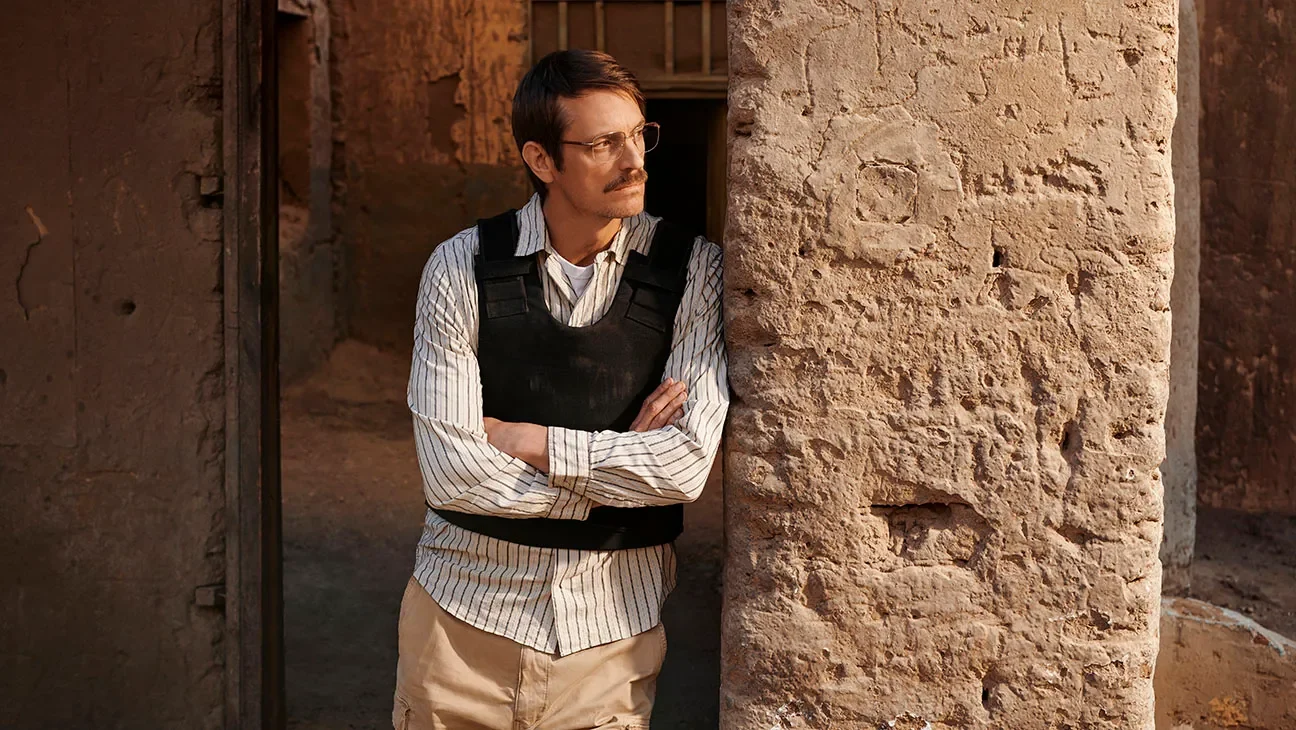
That credibility problem is compounded by what Nixon is up against institutionally. He is an analyst, not a field agent, trying to convince career officials and political leadership that the entire premise of the war they sold to the public needs to be reconsidered. Episode 6 essentially asks whether one man’s firsthand account can outweigh an administration already committed to its own narrative.
The stakes of that fight extend beyond Nixon’s career. If the show follows its established pattern, this episode functions as the hinge between the manhunt half of the season and the reckoning half, where Nixon’s discoveries start colliding directly with policy.
Critical Reception and Where the Story Goes Next
Reviews of ‘High Value Target’ have been mixed as the season has unfolded, and that divide is worth understanding heading into the final episodes. On Rotten Tomatoes, the first season holds a 71 percent approval rating based on seven critic reviews, with an average rating of 5.7 out of 10, while Metacritic gave the show a score of 53 out of 100 based on six critics, indicating mixed or average reviews. That split suggests critics see real ambition in the series even when the execution wobbles.
Some of the harsher notices have zeroed in on pacing in the earlier hours. One review argued the series, especially its first five episodes, is too conventional, formulaic and safe and lacks narrative urgency, while still crediting the show for being the first major television drama to chronicle the hunt for Saddam Hussein. Other critics have pointed to the scenes between Nixon and his translator Samir as the show’s strongest material, suggesting the character work outpaces the war movie mechanics around it.
With only two episodes left after ‘The Devil You Know,’ the season is clearly building toward Hussein’s trial and the political fallout Nixon has been trying to head off. The next episode finds Iraq in chaos after two years with no weapons of mass destruction found, the White House under political siege, and Nixon convinced the ousted dictator holds the key to peace in the region, even as he struggles to persuade the CIA to intervene on Hussein’s behalf. Episode 6 is where Nixon’s Iran warning either gains traction or gets buried, and that outcome will shape everything the finale needs to pay off.
Do you think anyone in Washington is actually going to listen to John Nixon about Iran, or is ‘High Value Target’ setting him up to be right and ignored anyway?