Hispanic Actresses Who Are Anti-Woke

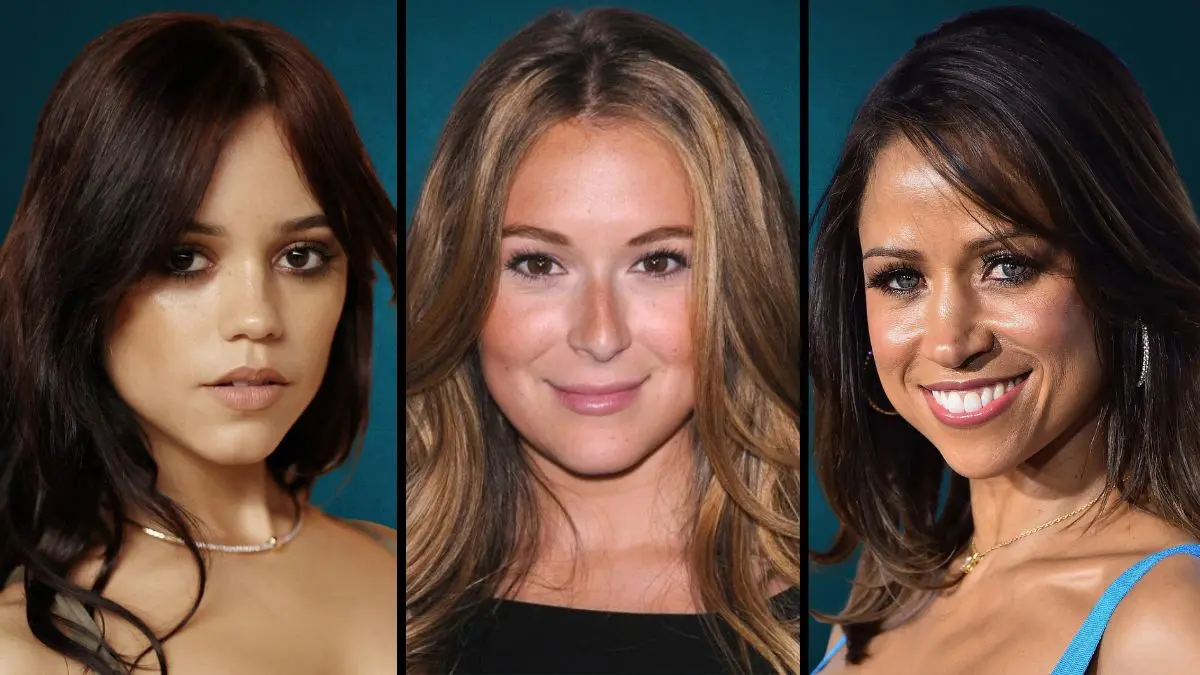

The entertainment industry is often perceived as a monolith of progressive ideology, but a significant number of Hispanic actresses have challenged this narrative. From Hollywood stars to telenovela icons, these women have voiced conservative viewpoints, championed traditional values, or stood against the “woke” cultural shifts in media. Some have faced professional consequences for their bold stances on free speech and politics, while others have quietly built brands centered on faith and family. This list highlights Hispanic actresses who have diverged from the mainstream political consensus of the acting world.
Stacey Dash
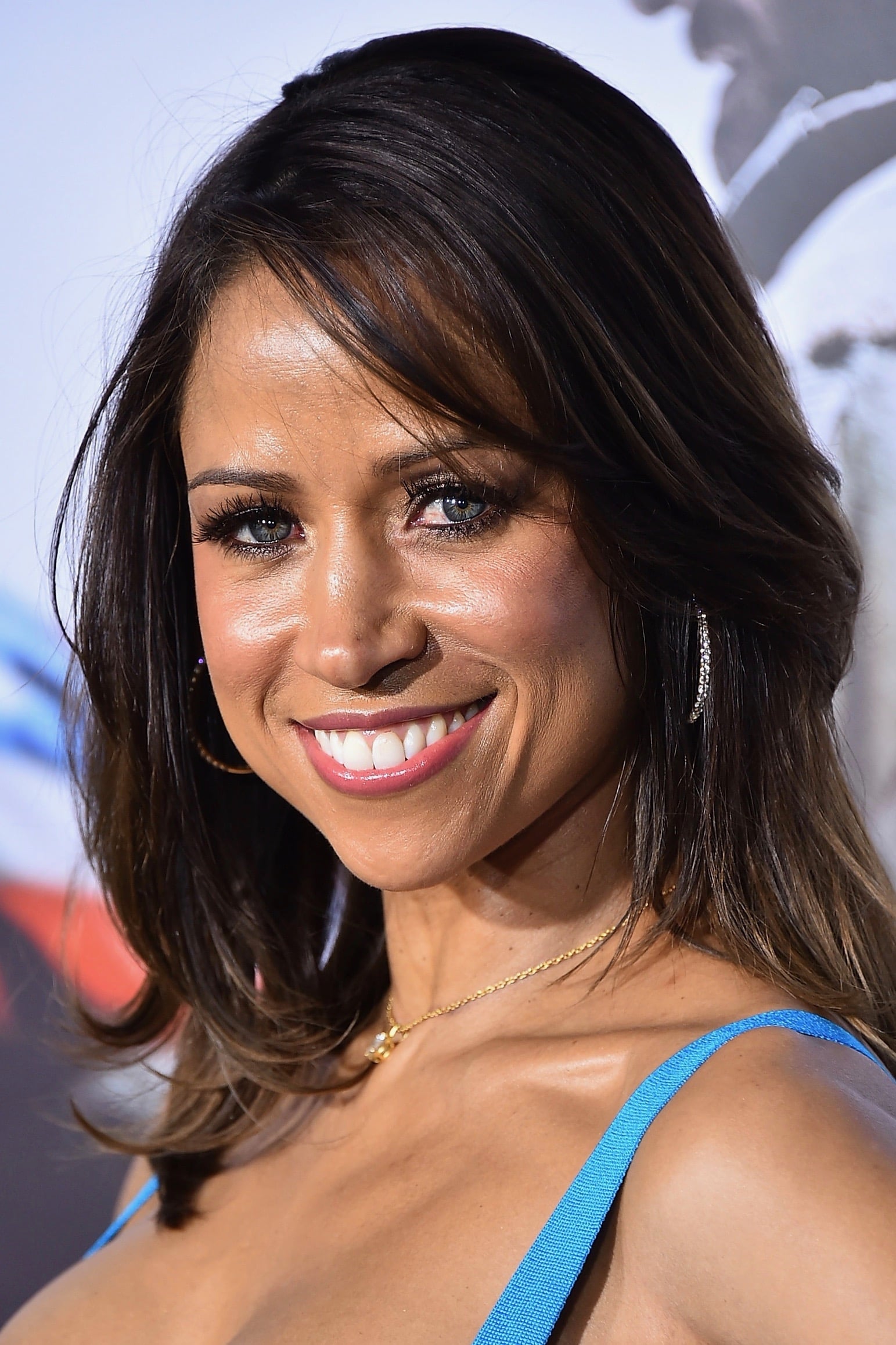
Stacey Dash, known for her role in ‘Clueless’, made a dramatic shift from actress to conservative political commentator. She has been a vocal critic of identity politics, arguing that institutions like BET and Black History Month can deepen divides rather than heal them. Dash faced significant backlash from the industry and black community for her support of conservative presidential candidates. Despite the criticism, she has maintained her stance that true empowerment comes from individualism rather than collective identity.
Patricia Navidad
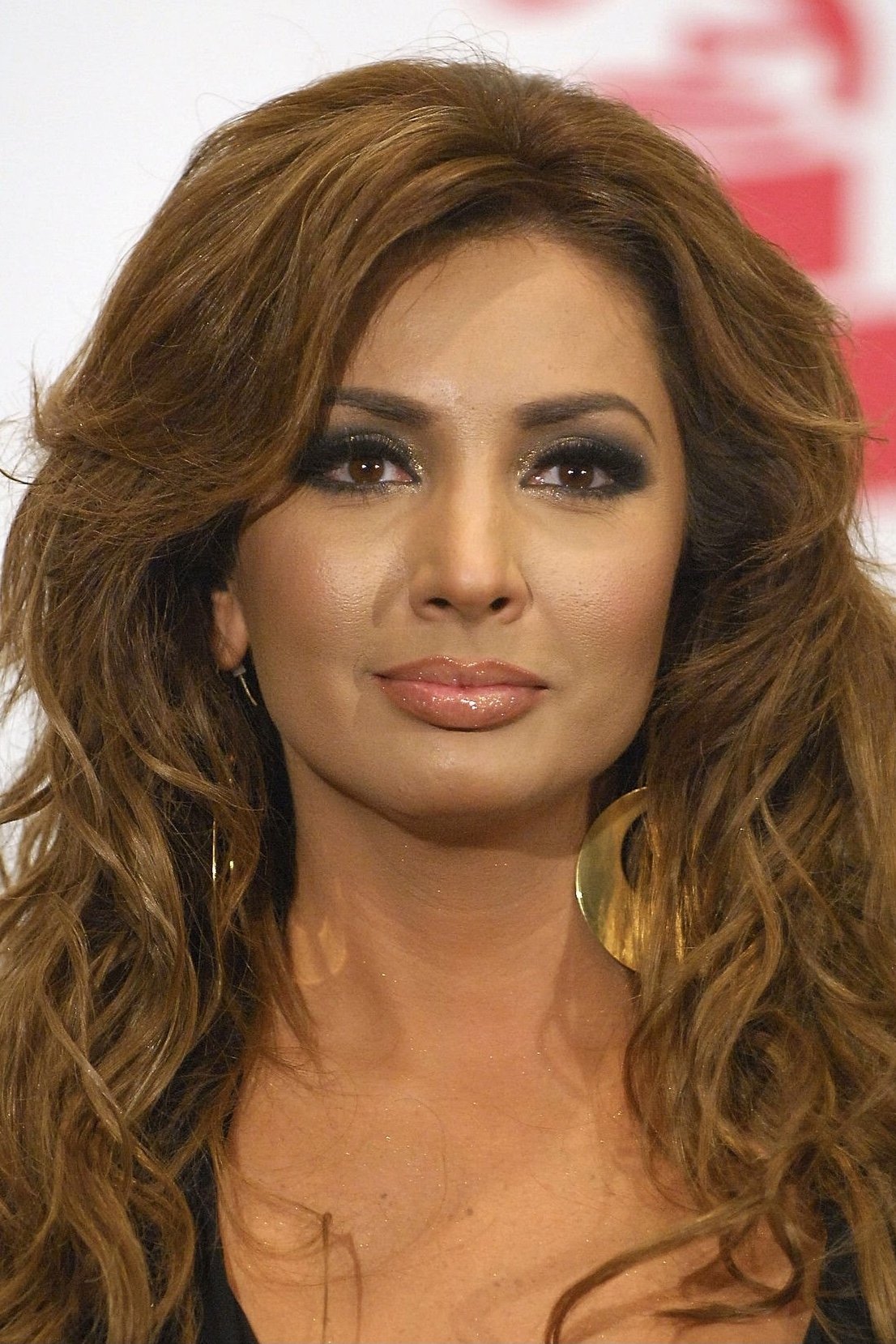
Patricia Navidad is a Mexican actress who became a polarizing figure for her unfiltered support of Donald Trump and her skepticism toward globalist agendas. During the recent global health crisis, she used her platform to question mandates and mainstream narratives, earning her a suspension from Twitter. Navidad argues that she is a champion of free thought and refuses to be silenced by what she calls a “dictatorship” of political correctness. Her willingness to speak out has made her a hero to many who feel unrepresented by the media.
Kat Von D
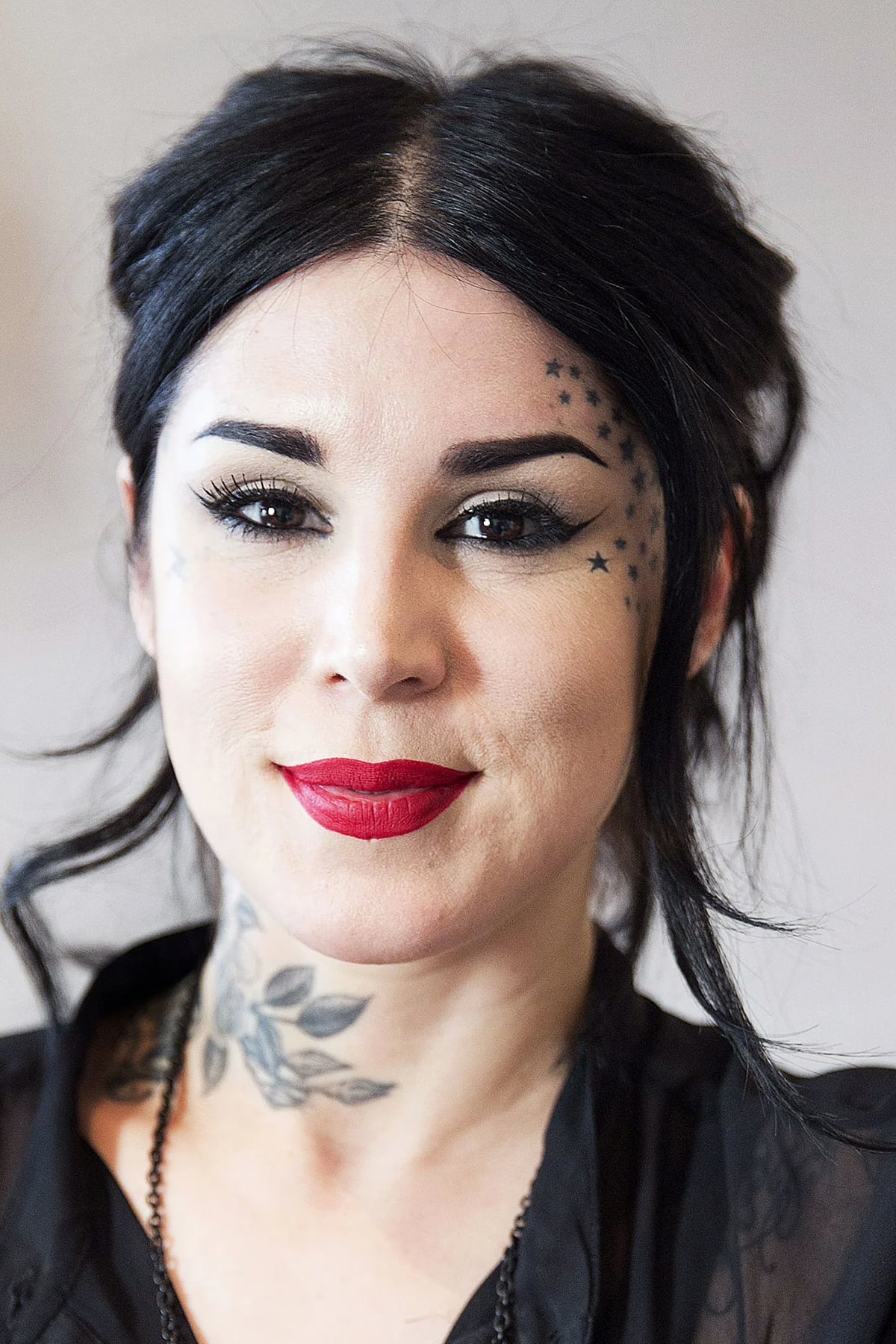
Kat Von D, a Mexican-born television personality and tattoo artist, recently made headlines for her conversion to Christianity and her rejection of the occult aesthetic she once popularized. She publicly announced her departure from California, citing the state’s oppressive taxes and government overreach as key reasons for her move to Indiana. Her transformation includes a focus on traditional family values and homeschooling, marking a significant departure from her previous counter-culture image. Von D has faced criticism from former fans but remains steadfast in her new faith-based journey.
Rachel Campos-Duffy
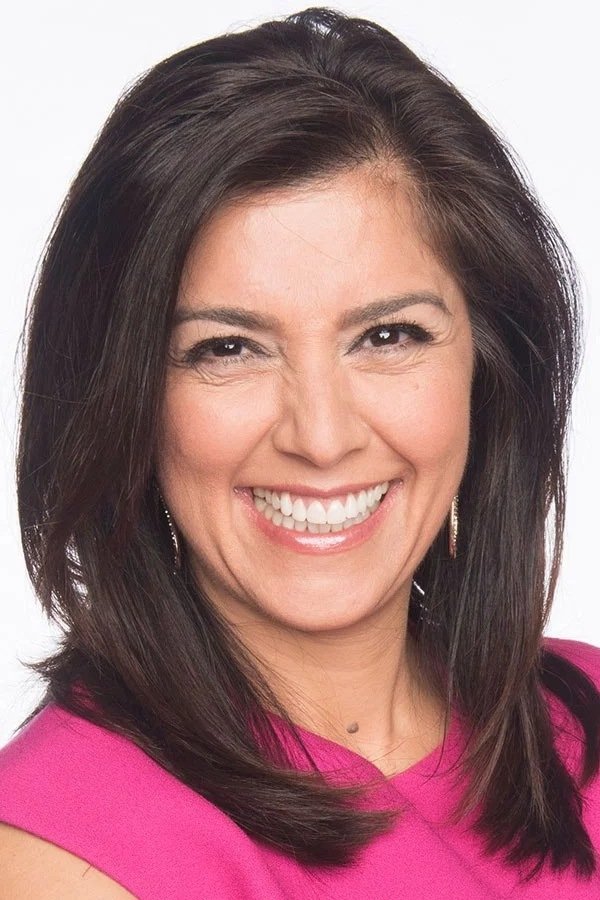
Rachel Campos-Duffy gained fame on ‘The Real World’ before establishing herself as a prominent conservative host and author. She frequently critiques the “woke” indoctrination of children and advocates for strong family units rooted in Catholic values. Campos-Duffy argues that the entertainment industry often mocks the values that many Hispanic families hold dear. As a host on Fox News, she uses her platform to empower parents and promote fiscal and social conservatism.
Raquel Welch

Raquel Welch was an icon of Bolivian descent who maintained conservative views throughout her decades-long career. Unlike many of her contemporaries, she championed self-reliance, patriotism, and the American Dream without succumbing to the era’s radical social movements. Welch often spoke about the importance of traditional values and expressed skepticism regarding the sexual revolution’s long-term effects. Her legacy is defined not only by her beauty but by her independent spirit and refusal to conform to industry political pressure.
Zoe Saldaña
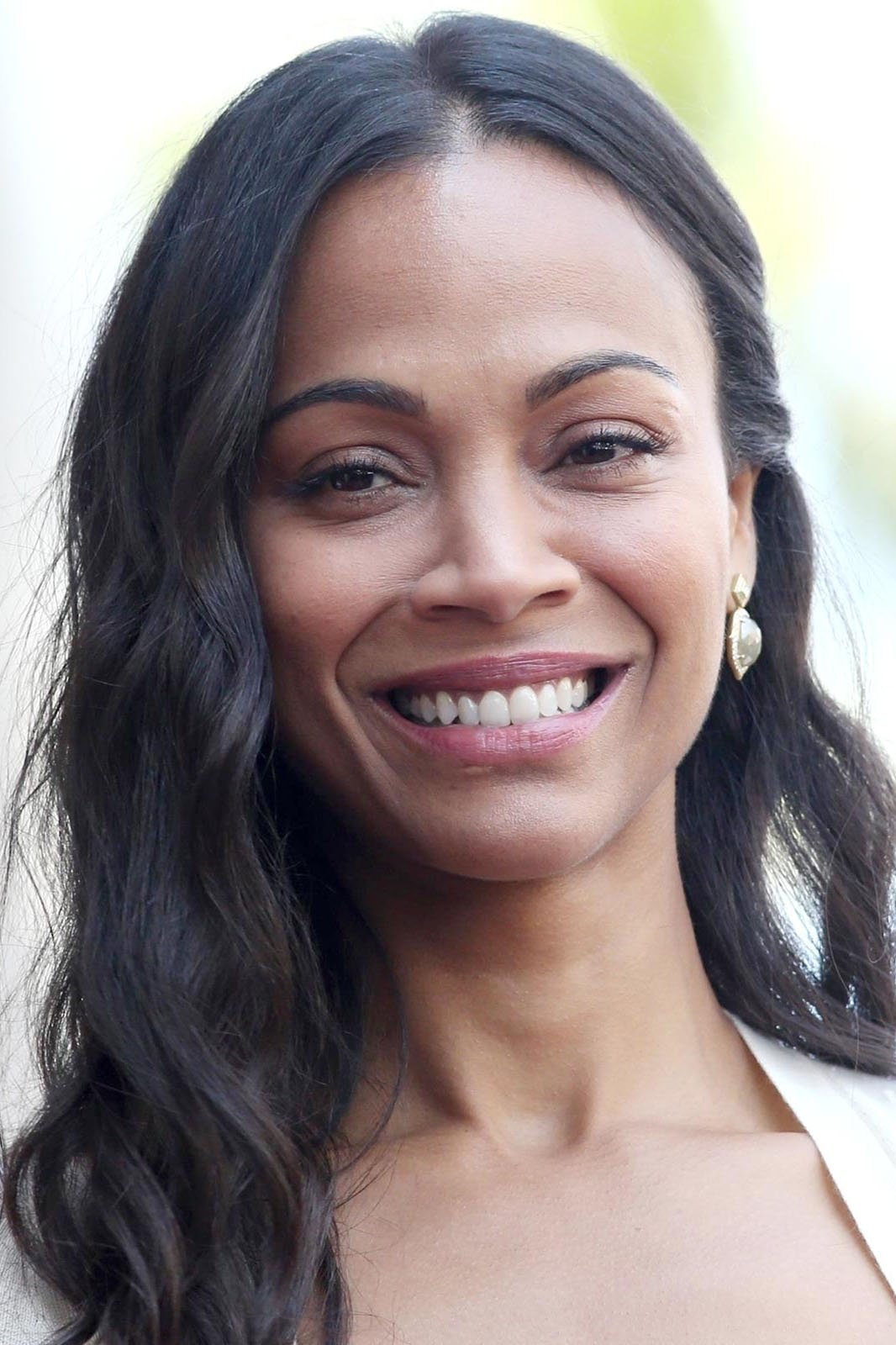
Zoe Saldana has distinguished herself by criticizing the elitism and intolerance often found in Hollywood, particularly regarding the treatment of conservative voters. She sparked a conversation about empathy when she stated that the industry’s bullying of Donald Trump and his supporters was counterproductive and divisive. Saldana champions a more nuanced approach to race and identity, preferring meritocracy over forced diversity quotas. Her comments have occasionally put her at odds with the more radical elements of the progressive movement.
Michelle Rodriguez
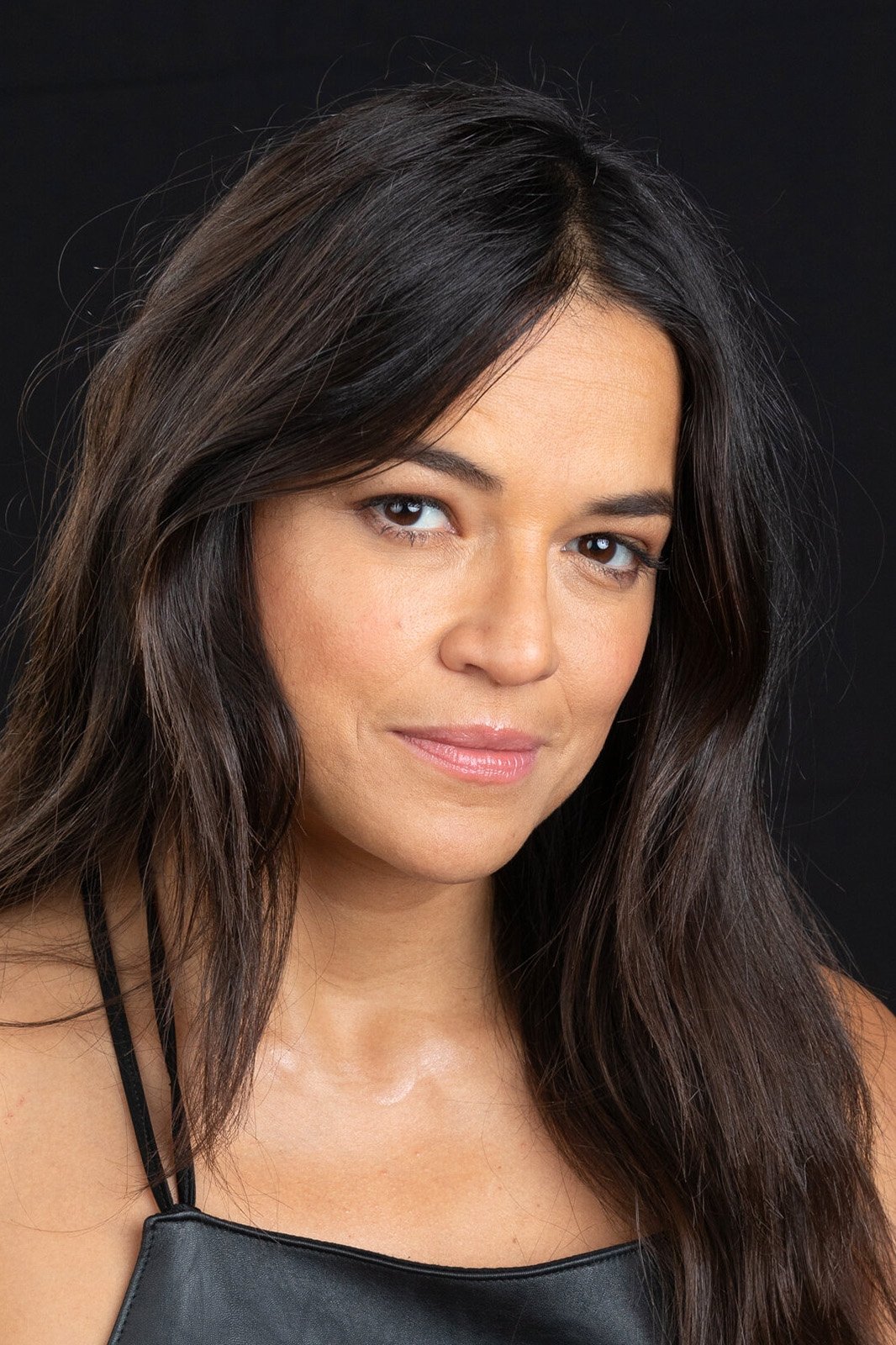
Michelle Rodriguez has been a vocal critic of the trend of “race-swapping” white characters to achieve diversity, arguing that it denotes a lack of creativity. She believes that minority creatives should build their own mythologies and original characters rather than accepting “hand-me-down” roles. Rodriguez has faced backlash for these views but maintains that true representation comes from authentic storytelling, not tokenism. Her blunt honesty has made her a unique voice in a culture often afraid to criticize corporate diversity strategies.
Alexa PenaVega
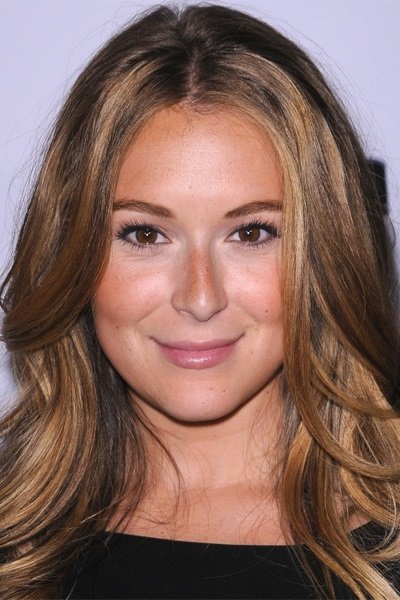
Alexa PenaVega, known for ‘Spy Kids’, left the Hollywood bubble to raise her family with traditional Christian values. She and her husband produce content that promotes faith and wholesome family dynamics as an alternative to the secular material often churned out by the industry. PenaVega is vocal about her pro-life stance and the importance of prioritizing God and family over career ambition. Her lifestyle choices reflect a conscious rejection of the progressive values that dominate Los Angeles.
Odette Annable
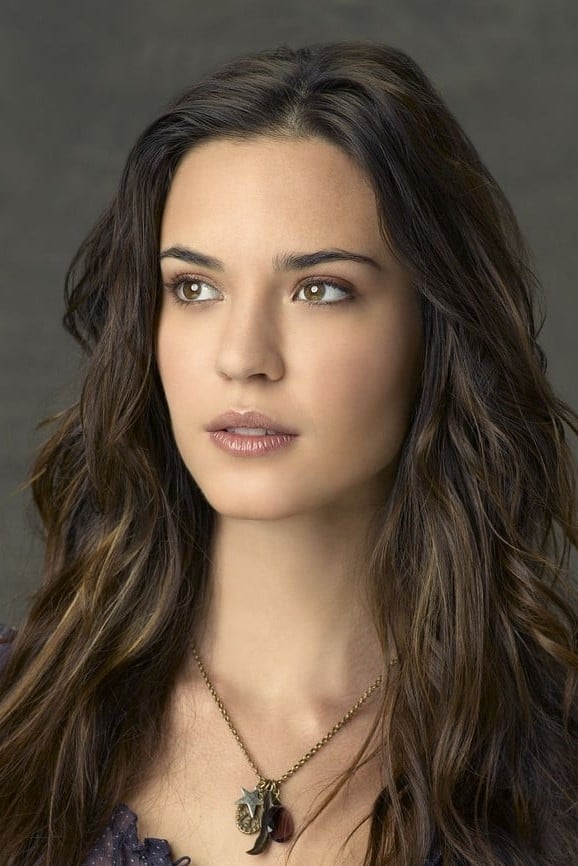
Odette Annable is a Cuban-American actress who publicly stood against medical mandates during the height of the pandemic restrictions. She used her social media to advocate for medical freedom and the right to choose, despite the heavy pressure in Hollywood to conform to strict protocols. Annable frequently shares content related to motherhood and personal liberty, aligning herself with the “mama bear” movement. Her willingness to question authority has resonated with fans who felt alienated by the industry’s uniform compliance.
Jaci Velasquez
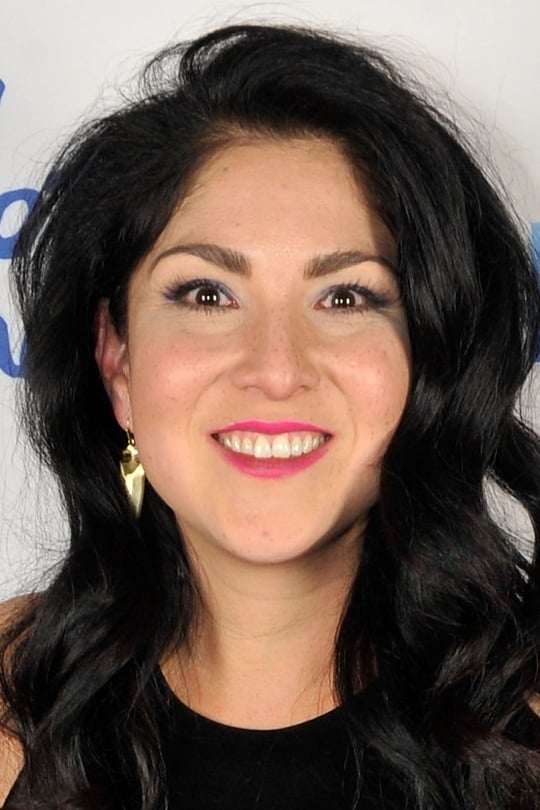
Jaci Velasquez is a Grammy-nominated singer and actress who has been a consistent voice for conservative values within the Christian entertainment industry. She has performed at Republican political events and advocates for pro-life and pro-family initiatives. Velasquez balances her career with her faith, often choosing projects that uplift traditional morals rather than subvert them. She represents a large segment of the Hispanic community that prioritizes religious conviction over secular progressive trends.
Yuri
Yuri is a Mexican singer and actress who has drawn ire from feminists for her traditional views on gender roles. She has famously stated that “calladitas nos vemos más bonitas” (we look prettier when quiet), a phrase that sparked intense debate about feminism in Latin America. Yuri is also a devout Christian who has expressed opposition to same-sex adoption, citing her religious interpretation of the family unit. Despite protests from LGBTQ groups, she continues to fill arenas, supported by a conservative fanbase.
Laura Zapata
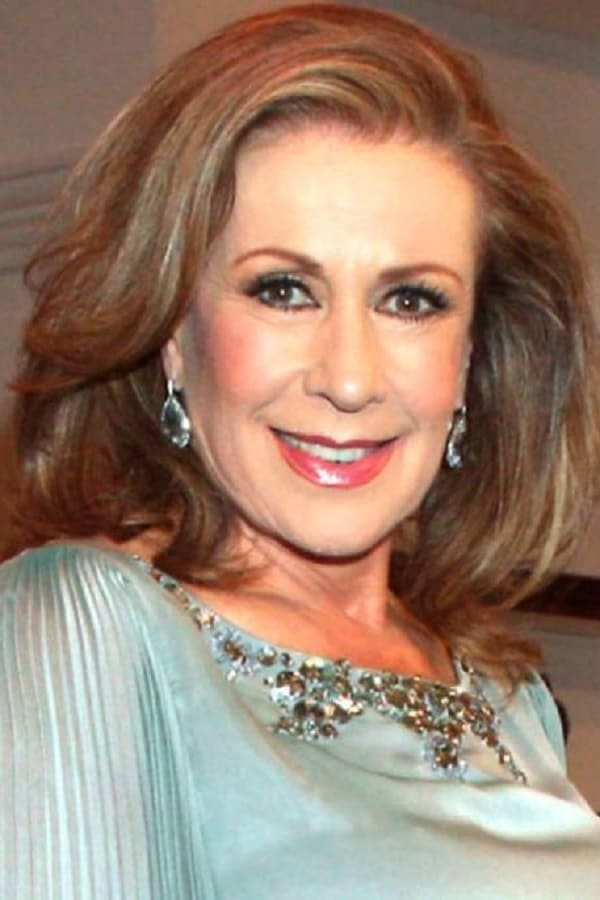
Laura Zapata, a celebrated villain of Mexican telenovelas, is a staunch conservative and a fierce critic of Mexico’s populist left-wing government. She frequently engages in political battles on social media, denouncing what she views as the destruction of democratic institutions by socialist policies. Zapata champions traditional Mexican values and has been a vocal opponent of the modern feminist movement, which she views as radical. Her abrasive style and refusal to apologize have made her a figurehead for the Mexican right.
Jenna Ortega
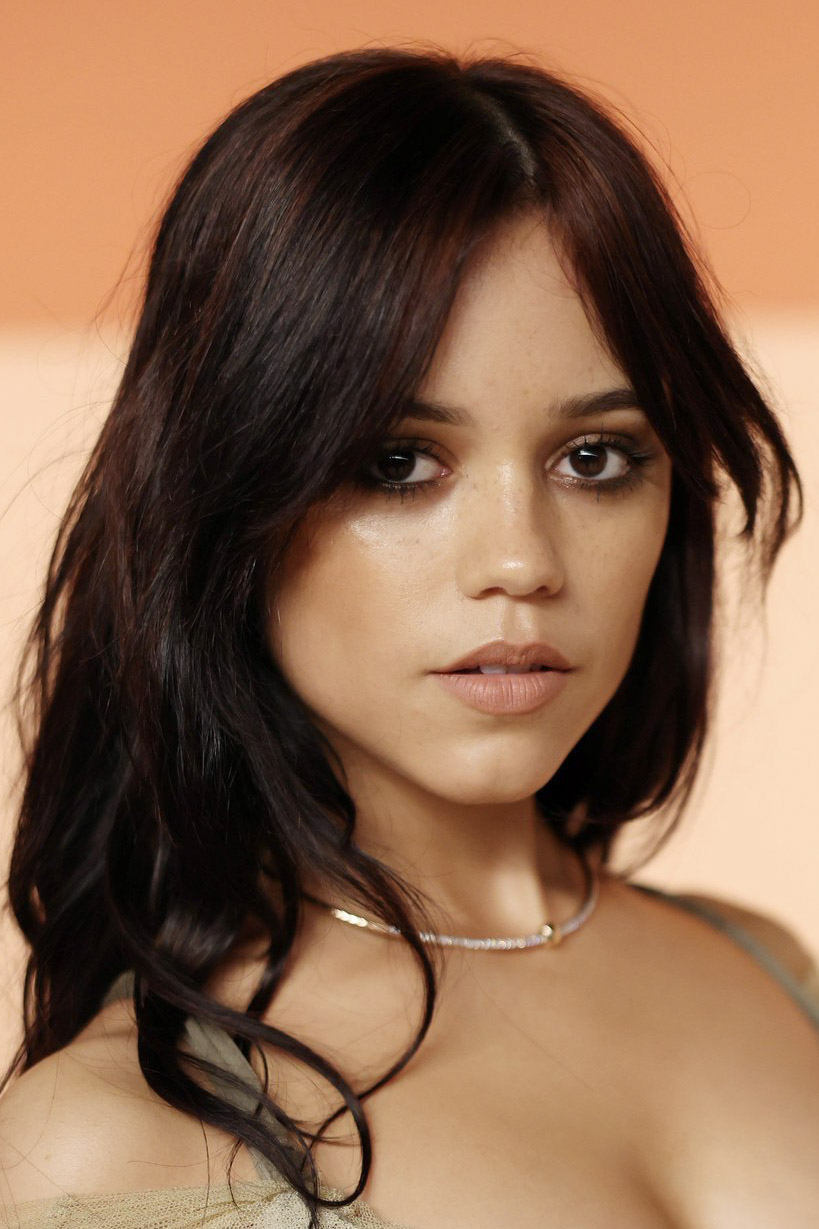
Jenna Ortega sparked a debate about the laziness of modern casting when she expressed her disinterest in a female James Bond. She argued that women should have their own badass franchises rather than being gender-swapped into male roles, a sentiment that aligns with anti-woke critiques of Hollywood’s reboot culture. Ortega advocates for original storytelling that respects the integrity of classic characters. Her comments were hailed by fans who are tired of established IPs being altered for modern audiences.
Karyme Lozano
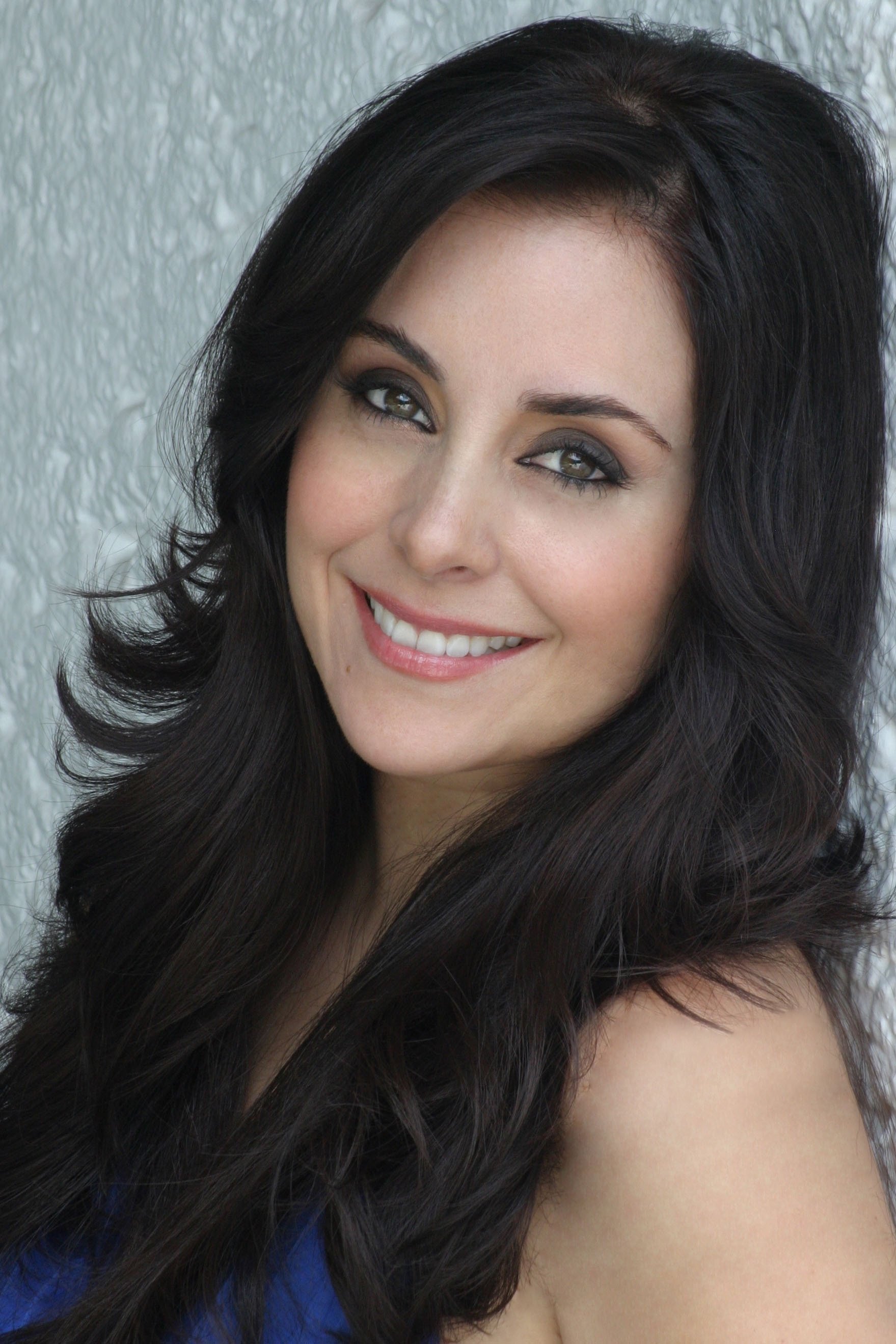
Karyme Lozano is a Mexican star who stepped away from the limelight to dedicate herself to pro-life activism and her Catholic faith. She has openly regretted some of her past roles that she feels contributed to the sexualization of women and now focuses on projects that promote chastity and family values. Lozano serves as a spokesperson for various pro-life organizations, using her fame to advocate for the unborn. Her career pivot highlights a personal rejection of the secular entertainment industry’s standards.
Marisol Nichols
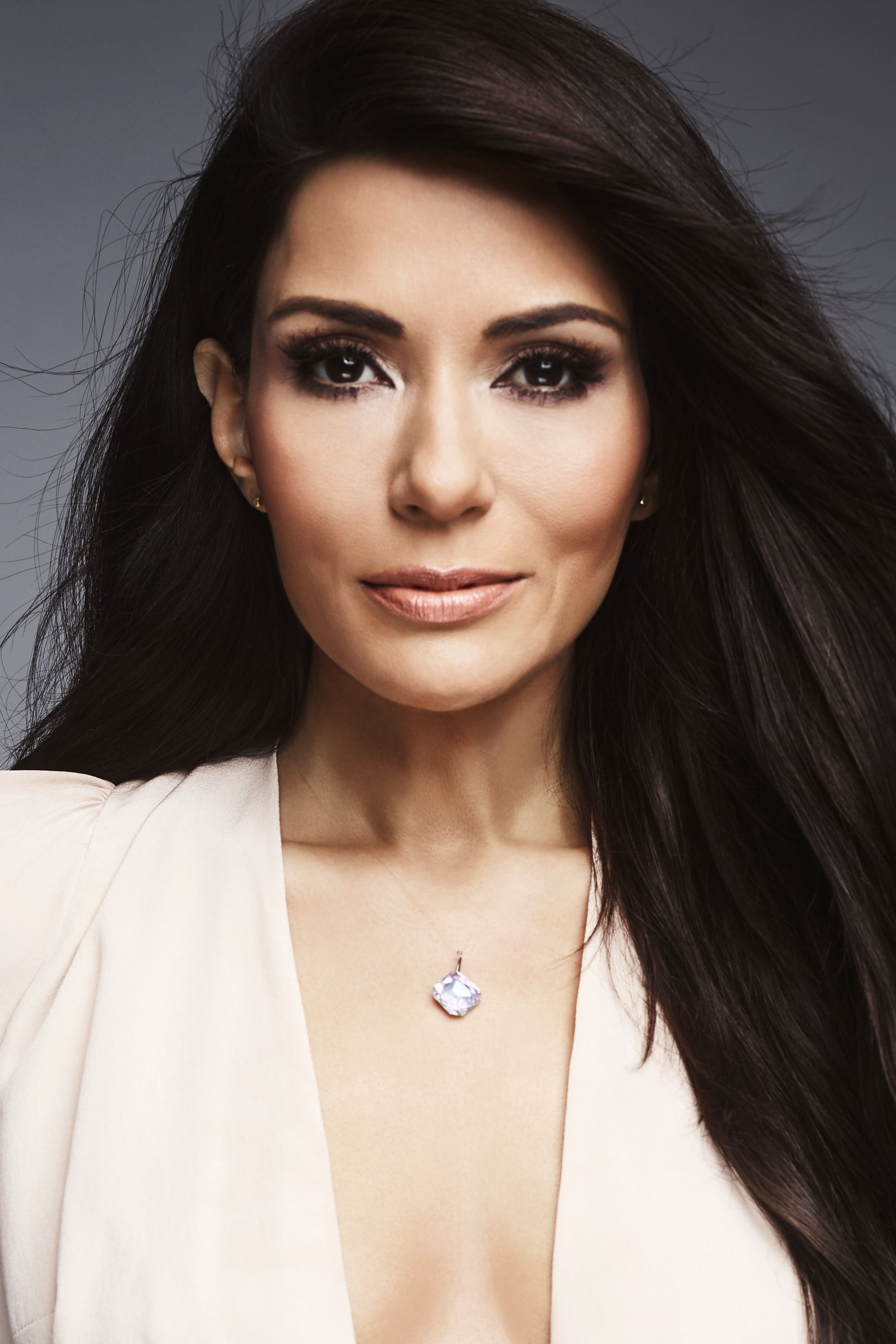
Marisol Nichols, known for ‘Riverdale’, leads a double life as an undercover agent against human trafficking, work that often aligns her with anti-establishment groups. She has collaborated with organizations dedicated to exposing child exploitation, a cause that has recently become a rallying cry for anti-woke conservatives. Nichols is critical of the media’s failure to adequately cover these crimes and focuses her energy on tangible action rather than virtue signaling. Her advocacy prioritizes the protection of children over Hollywood politics.
Victoria Abril
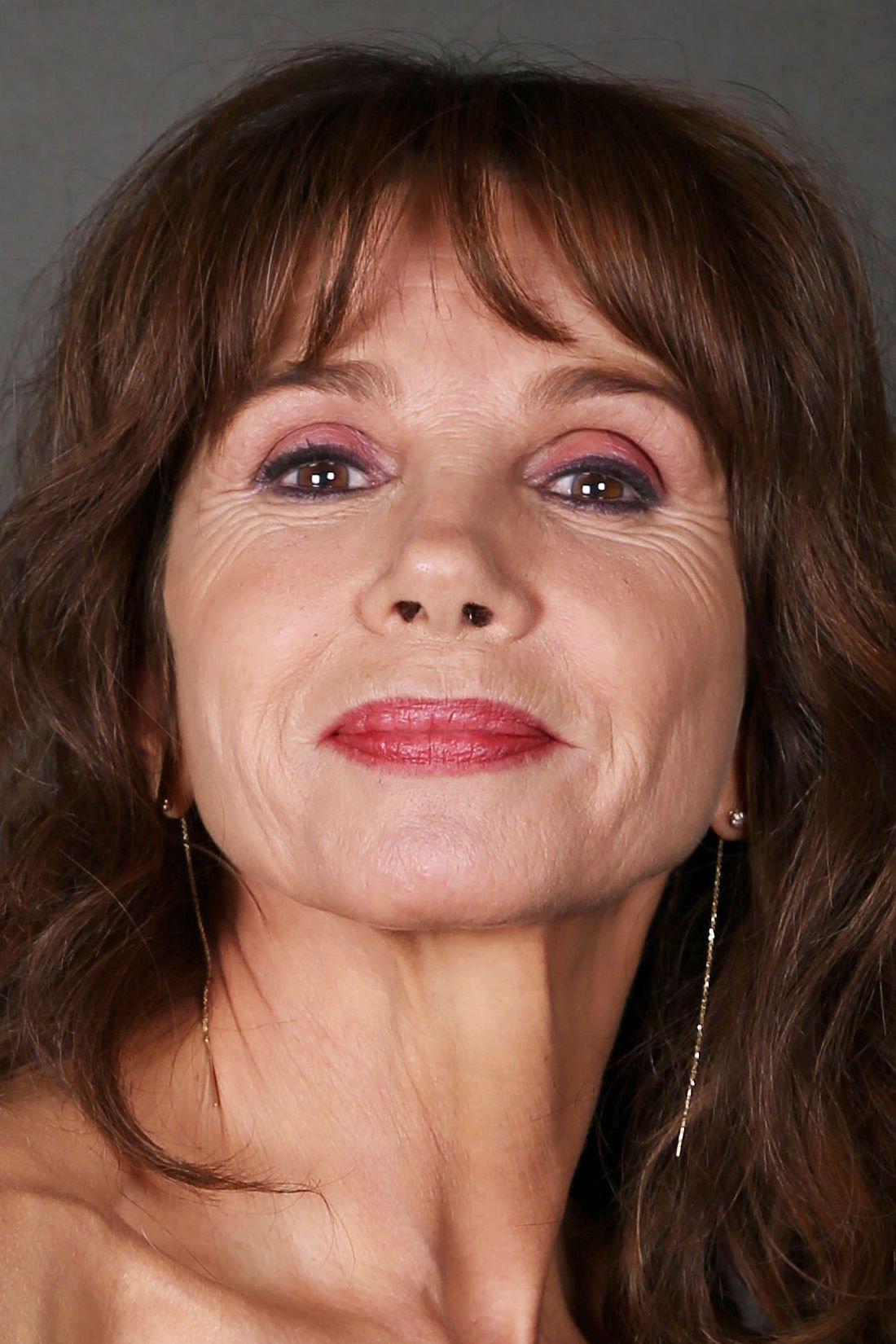
Victoria Abril is a Spanish actress who faced severe backlash for criticizing the “climate of terror” created by the #MeToo movement. She argued that the movement had gone too far, turning men into pariahs without due process, and called out what she perceived as the hypocrisy of French feminists. Abril’s comments led to her being ostracized by parts of the European film community, but she refused to retract her statements. She stands as a rare dissenting voice in the European entertainment scene.
Paulina Rubio
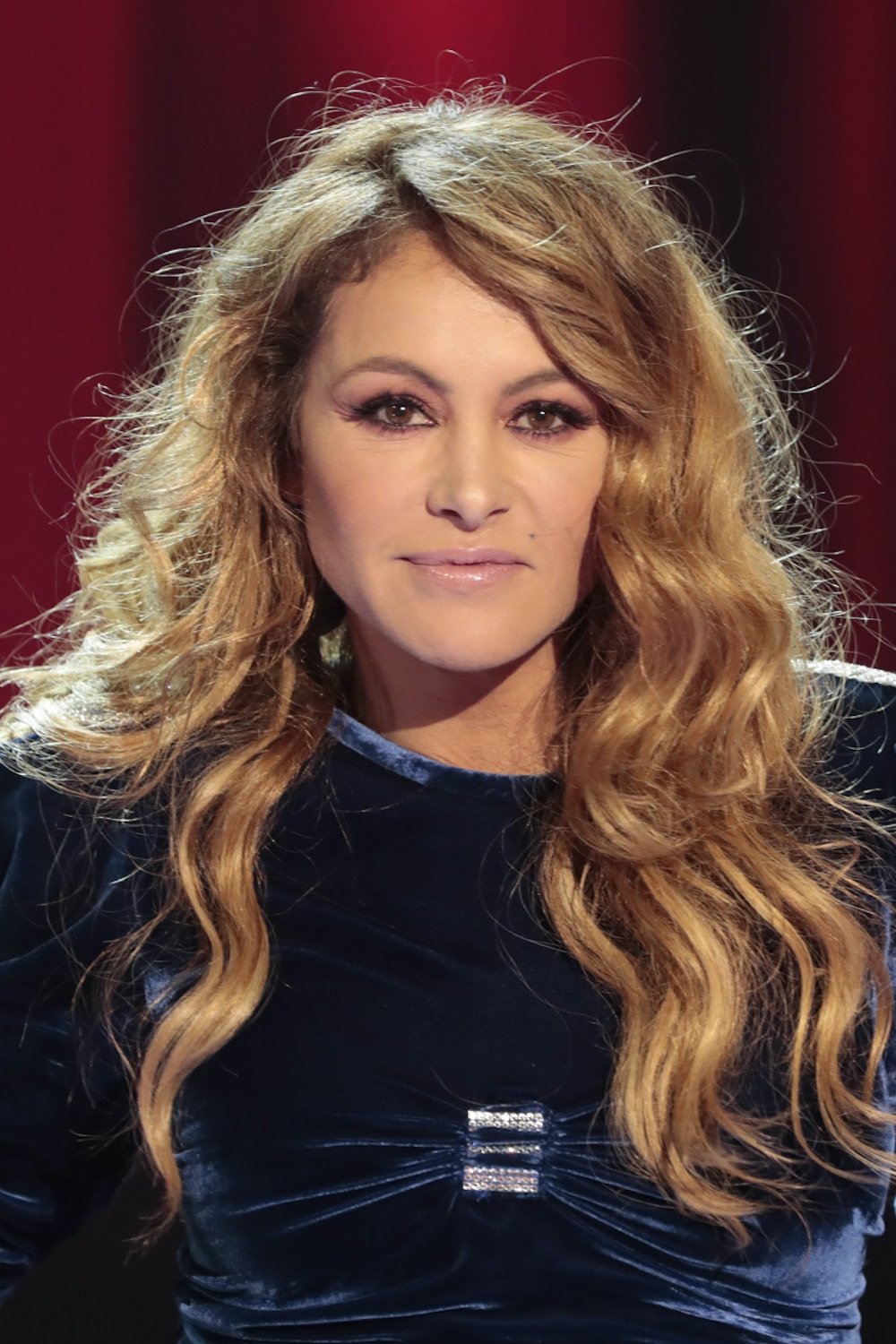
Paulina Rubio caused a stir during a concert when she shouted, “We like Donald Trump,” confusing and angering many of her liberal fans. While she later attempted to downplay the comment, it revealed a disconnect between her and the vehemently anti-Trump stance expected of Latin artists. Rubio has often prioritized her business and brand over political activism, refusing to be a mouthpiece for the standard celebrity causes. Her outburst remains a point of contention and speculation regarding her private views.
Catherine Fulop

Catherine Fulop is a Venezuelan-Argentine actress who has been a relentless crusader against the socialist regime in Venezuela. She frequently criticizes the silence of the international left regarding the human rights abuses committed by the Maduro government. Fulop argues that “woke” politics often ignore the realities of living under actual authoritarian socialism. Her activism is rooted in the tangible suffering of her people rather than theoretical social justice.
Rosie Rivera

Rosie Rivera, of the famous Rivera dynasty, has built a brand centered on evangelical Christianity and traditional family dynamics. She often preaches about the redemptive power of Jesus and criticizes the secular world’s influence on youth. Rivera’s content focuses on being a godly wife and mother, themes that run counter to modern feminist narratives. She has expressed skepticism about the entertainment industry’s moral compass, preferring to operate within faith-based circles.
Viviana Canosa
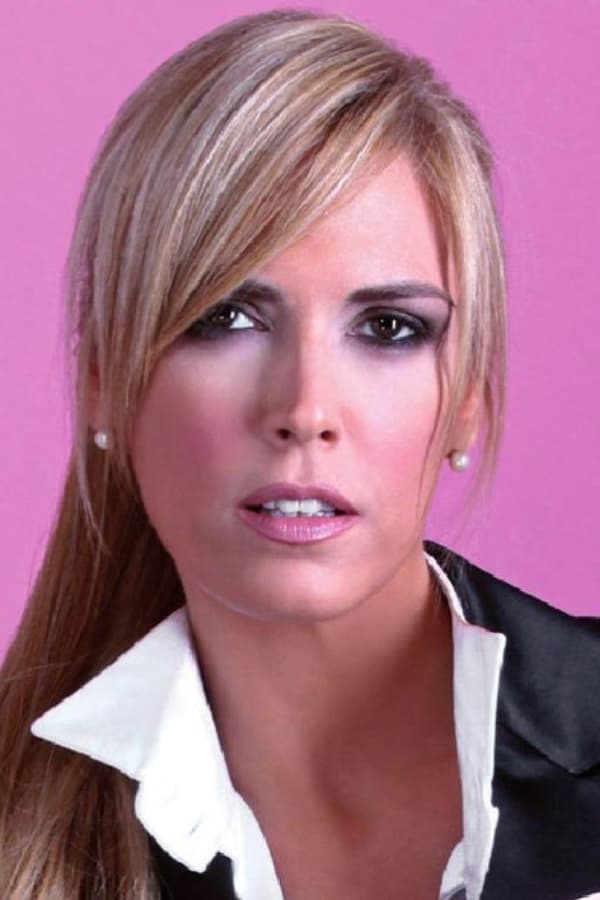
Viviana Canosa is an Argentine journalist and television personality known for her fiery anti-woke editorials. She has publicly drunk chlorine dioxide to defy health mandates, railed against the “ministry of women,” and criticized the feminist agenda in Argentina. Canosa is perhaps the most vocal opponent of progressive gender politics on South American television, regularly triggering outrage from the left. She positions herself as the voice of the “common sense” majority against the elite.
Verónica Castro
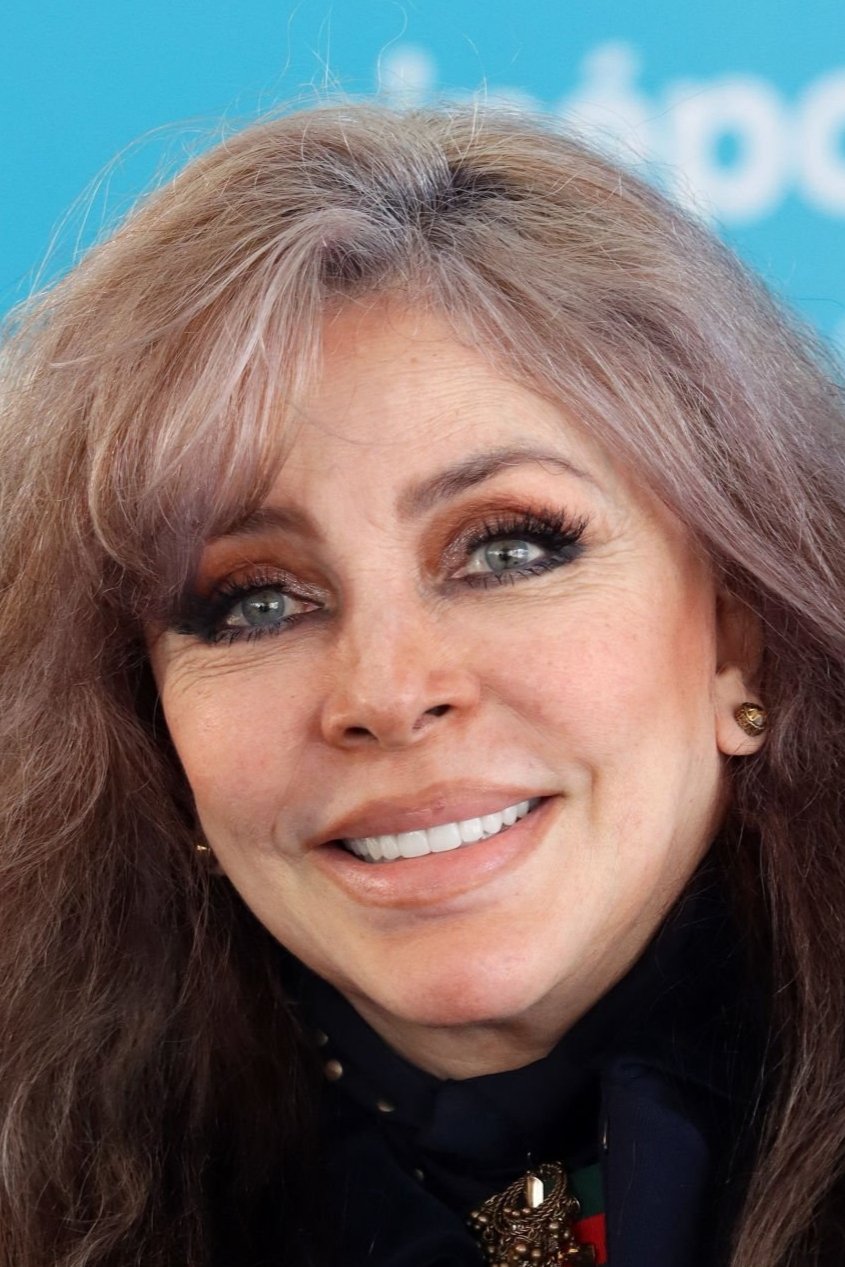
Verónica Castro, the queen of telenovelas, has maintained a traditional Catholic public image throughout her career. She has expressed discomfort with the modern, explicit content often required in new series, leading to her departure from high-profile projects like ‘The House of Flowers’. Castro prioritizes respect and modesty, values that she feels are being lost in today’s “edgy” entertainment landscape. She represents the old guard of stardom that values decorum over shock value.
Dulce María
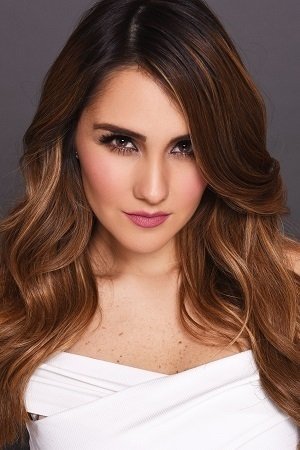
Dulce María, of RBD fame, surprised many fans by participating in the “La Vida Por Delante” campaign, which supports women with unexpected pregnancies, effectively taking a pro-life stance. She emphasized that she believes in defending life, a view that contrasts with the strong pro-choice movement in the Mexican entertainment industry. Dulce María advocates for supporting mothers so they don’t feel forced to choose abortion. Her position aligns with the conservative Catholic values of many of her fans.
Ximena Navarrete
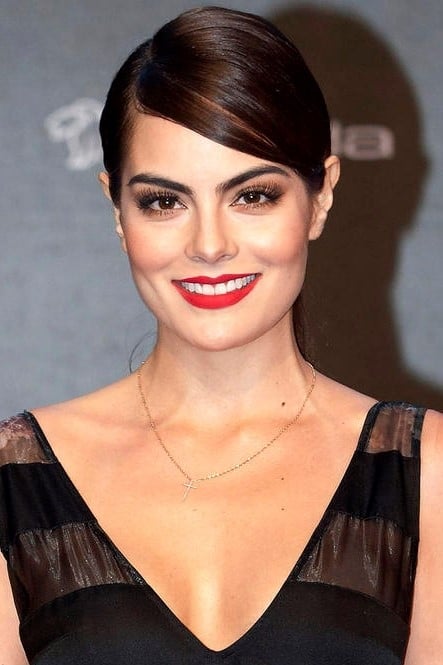
Ximena Navarrete, a Miss Universe and actress, has publicly expressed pro-life sentiments, engaging in the heated abortion debate in Mexico. She has used her social media to share messages about the sanctity of life, drawing criticism from feminist groups. Navarrete focuses her public life on motherhood and family, embodying a traditional feminine ideal. She refuses to back down from her moral convictions despite the industry’s liberal pressure.
Patricia Manterola
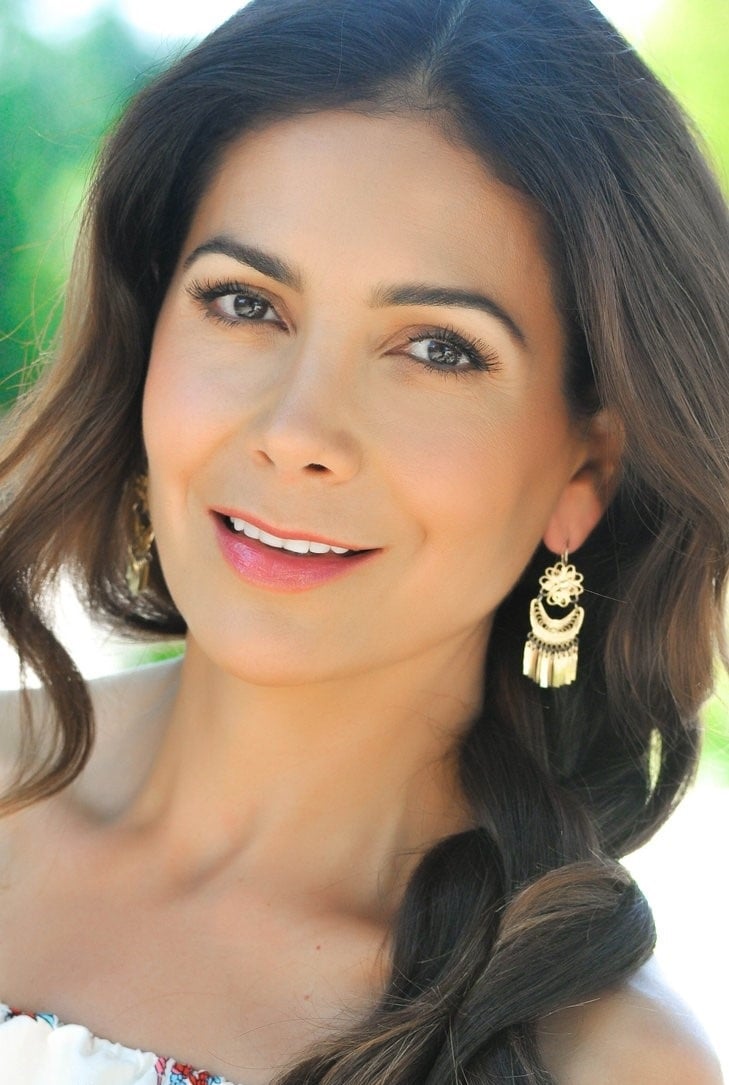
Patricia Manterola has shifted her focus from pop stardom to a holistic, family-centered lifestyle that embraces traditional wellness and spirituality. She advocates for natural living and has expressed skepticism about the pharmaceutical industry’s influence on health. Manterola prioritizes her role as a mother and wife, often sharing content that reinforces the nuclear family unit. Her lifestyle rejects the frenetic, career-obsessed culture of modern Hollywood.
Ninel Conde
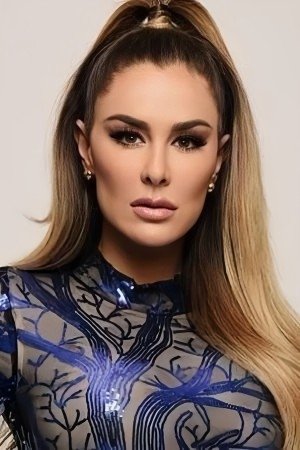
Ninel Conde is a Mexican actress and singer who frequently turns to her Christian faith to navigate public scandals. She shares biblical verses and messages of faith, attributing her resilience to God rather than social justice movements. Conde often ignores the “cancel culture” mobs that attack her, choosing instead to focus on her work and her spiritual beliefs. Her resilience is rooted in traditional religious reliance.
Lucero
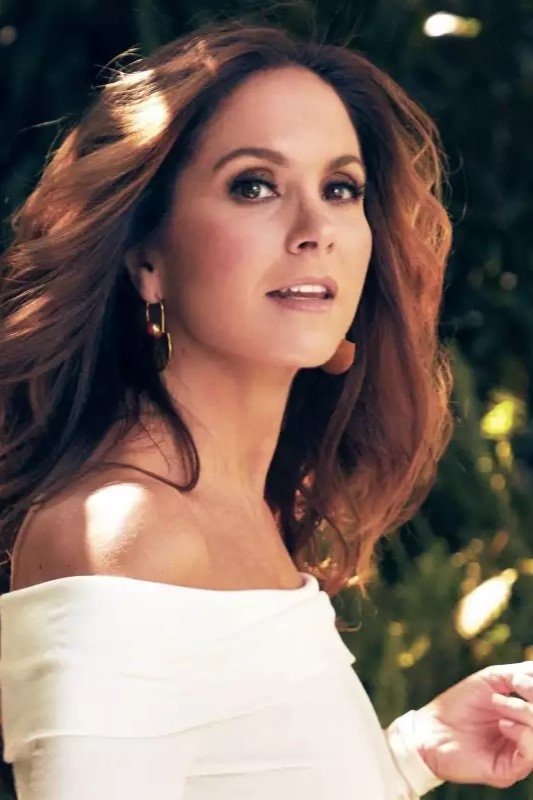
Lucero, known as “La Novia de América,” has maintained an apolitical, family-friendly image that harkens back to a more traditional era of entertainment. She avoids the trendy activism of her peers, focusing instead on her music and acting legacy. Lucero’s refusal to engage in divisive political discourse is itself a stance against the demand that all celebrities must be activists. She represents the silent majority that values unity and entertainment over politics.
Anahí
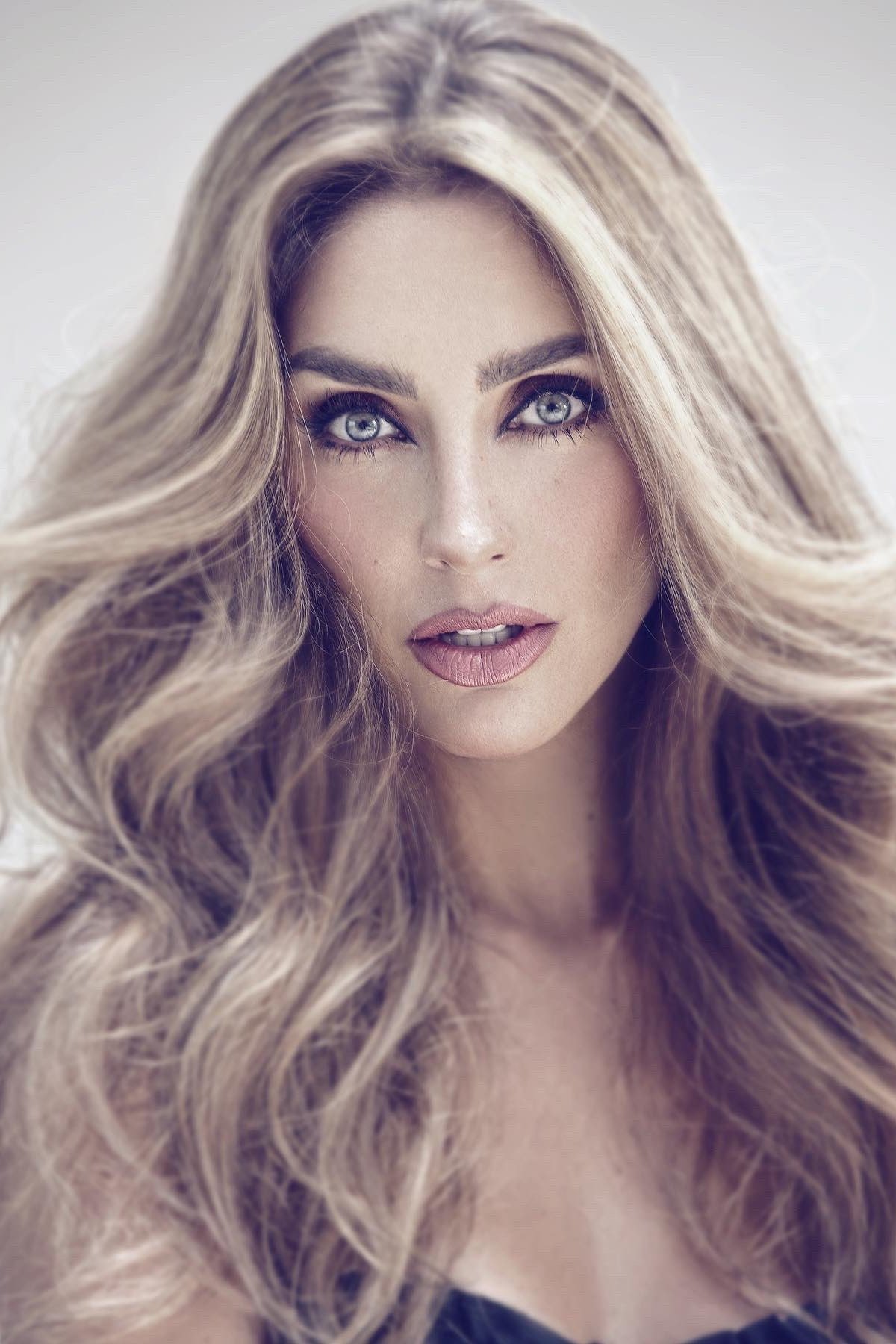
Anahí served as the First Lady of Chiapas and embraced a traditional role supporting her husband’s political career. She pivoted from being a pop rebel to a figure of maternal devotion and family stability. Anahí often shares content that highlights national pride and Catholic traditions. Her transformation aligns with a more conservative, family-first worldview.
Daniella Alonso
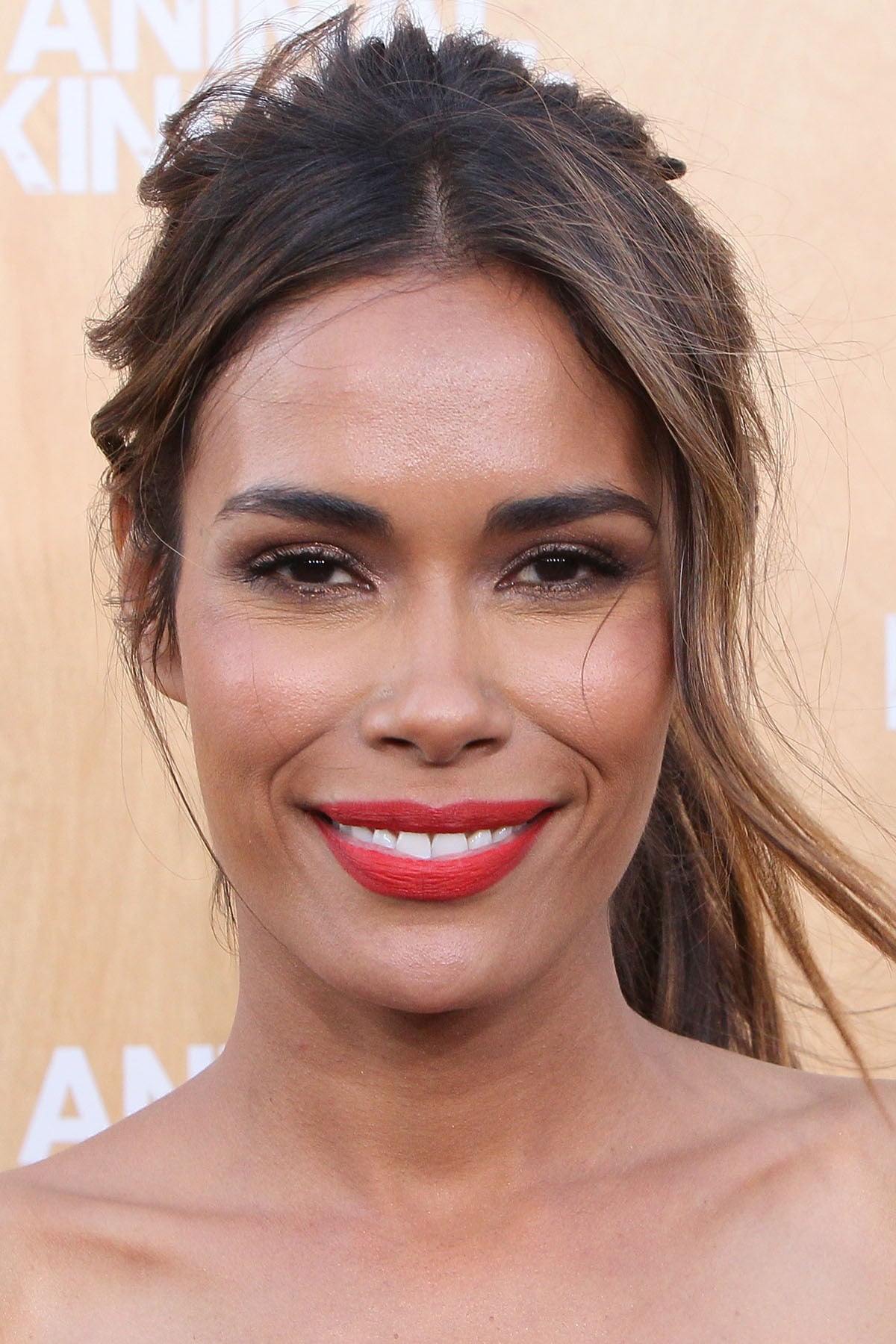
Daniella Alonso has been listed among Republicans in Hollywood, a rare distinction for a working actress. She keeps a low profile regarding her specific views, likely to protect her career, but her affiliation suggests a rejection of the industry’s default liberalism. Alonso focuses on her craft rather than using her platform for progressive virtue signaling. Her silence in a loud industry speaks to her desire to separate work from politics.
Aracely Arámbula
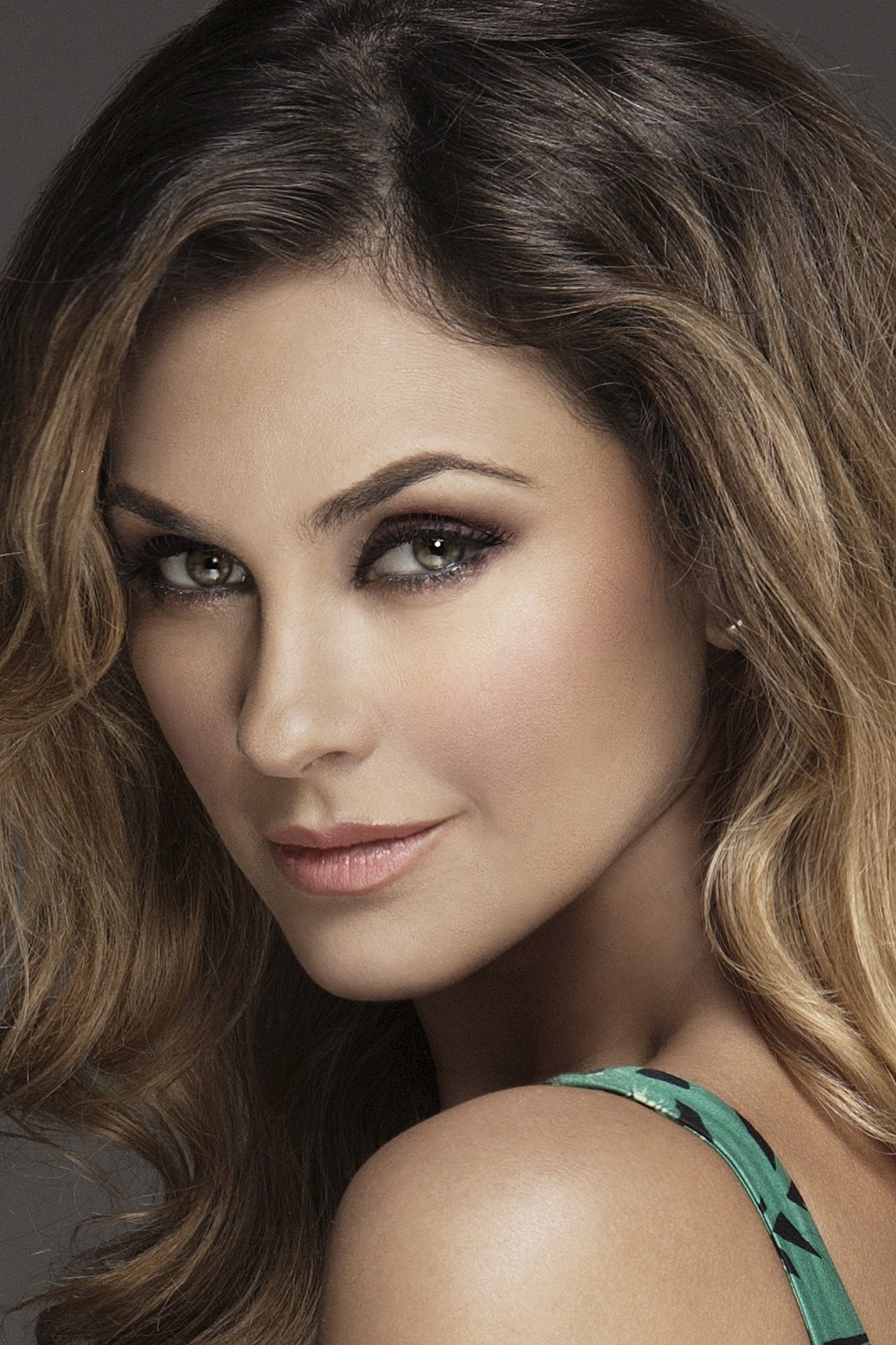
Aracely Arámbula has built her public persona around being a dedicated mother and a strong, independent woman within a traditional framework. She often appeals to family values and the importance of raising children with respect and discipline. Arámbula avoids the radical feminist rhetoric of the industry, preferring a more classic empowerment narrative. Her focus is on the well-being of her family unit above all else.
Chiquinquirá Delgado
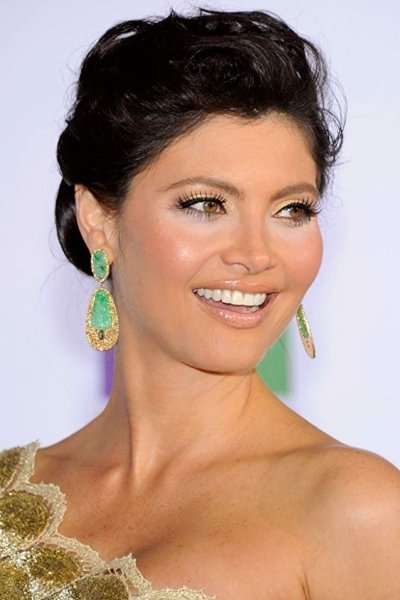
Chiquinquirá Delgado is a Venezuelan host and actress who stands firmly with the anti-regime opposition in her country. She uses her visibility to keep the plight of Venezuelans in the spotlight, criticizing the socialist policies that caused the crisis. Delgado champions democracy and free enterprise, values that are often under attack in the current political climate. Her activism is practical and anti-totalitarian.
Marjorie de Sousa
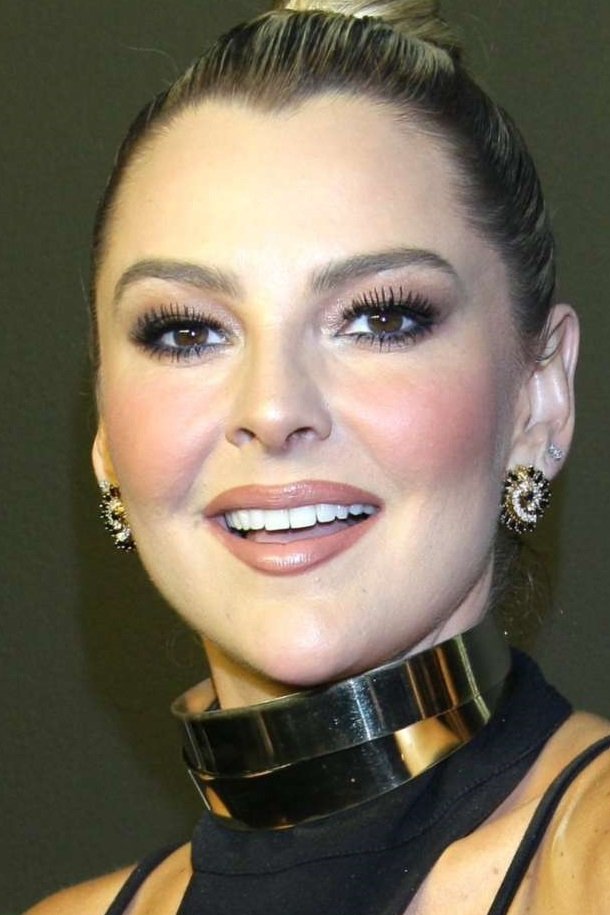
Marjorie de Sousa is a Venezuelan actress who has had to navigate the complexities of working in an industry often soft on socialism while her home country suffers under it. She supports initiatives that help victims of the regime and promotes a message of resilience and hard work. De Sousa’s focus on individual perseverance over systemic victimhood aligns with conservative thought. She represents the immigrant work ethic.
Maite Perroni
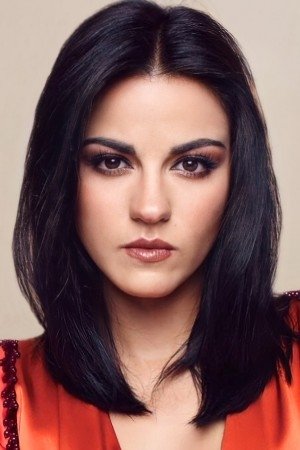
Maite Perroni has managed to stay relevant while avoiding the “woke” purity spirals of social media. She focuses on her acting roles and maintains a private life that values close family bonds and long-term partnership. Perroni’s refusal to jump on every social justice bandwagon distinguishes her as an independent thinker. She prioritizes her art over political performativity.
Angelique Boyer
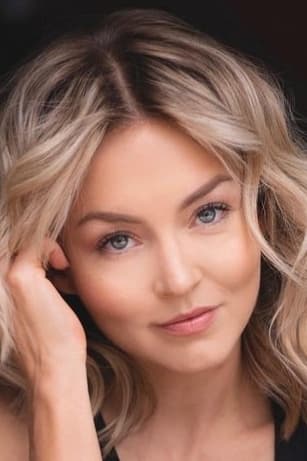
Angelique Boyer is a French-Mexican actress who has adopted a quiet, traditional life with her partner, Sebastian Rulli. She avoids the aggressive feminism of her peers, instead celebrating her relationship and the balance between masculine and feminine energies. Boyer’s public image is one of harmony and traditional romance. She rejects the conflict-driven narrative of modern gender politics.
Itatí Cantoral
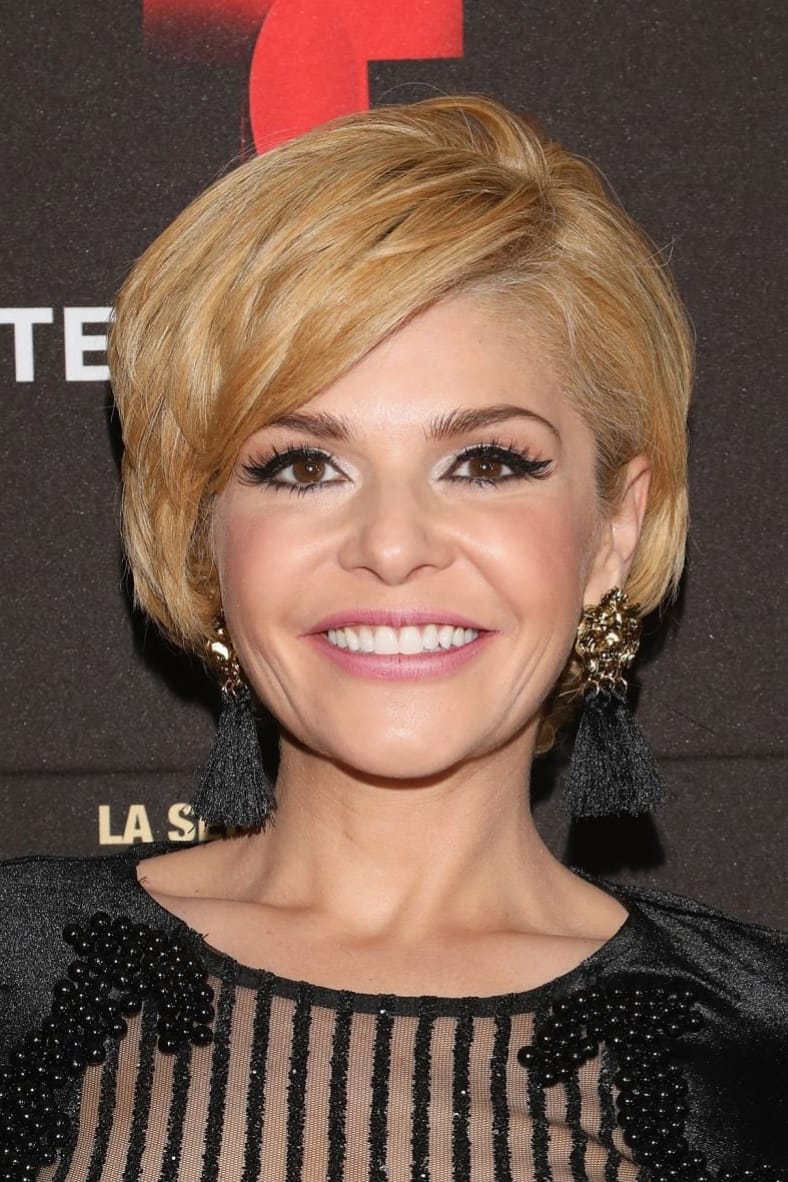
Itatí Cantoral, famous for her role as Soraya Montenegro, is a devout Catholic who notably sang to the Virgin of Guadalupe. She maintains strong ties to the church and often speaks about the power of faith in her life. Cantoral’s adherence to religious tradition in a secular industry marks her as a cultural conservative. She values her spiritual heritage over modern secular trends.
Lucía Méndez
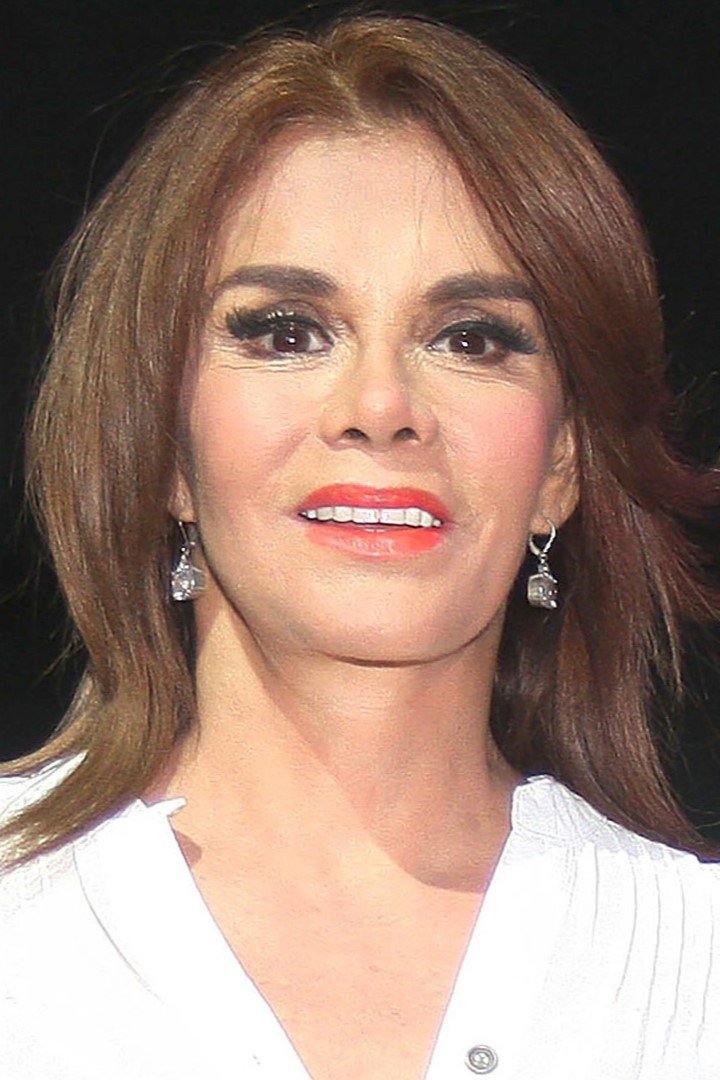
Lucía Méndez is a legend of the screen who has embraced evangelical Christianity later in life. She frequently credits God for her successes and speaks against the “darkness” she perceives in the entertainment world. Méndez advocates for a return to spiritual values and warns against the moral decay of society. Her worldview is explicitly shaped by her biblical interpretation of the world.
Share your thoughts on these actresses and their stances in the comments.