Horror Icons Who Disappeared After One Cult Classic


Some horror performances burn so brightly they feel larger than the film itself—and then the person behind them all but vanishes. Fans swap stories, convention clips, and old interviews, but the trail often goes quiet after that one unforgettable turn. The result is a strange kind of legend: a face everyone recognizes, a name that makes die-hards nod, and a career path that zig-zagged away from the spotlight.
Here are horror icons who became indelibly linked to a single cult classic and then stepped off the industry treadmill. Each left behind a role that keeps finding new viewers, even as their lives moved into teaching, health care, sculpture, community work, and other fields far from fog machines and scream cues.
Heather Donahue (Rei Hance)
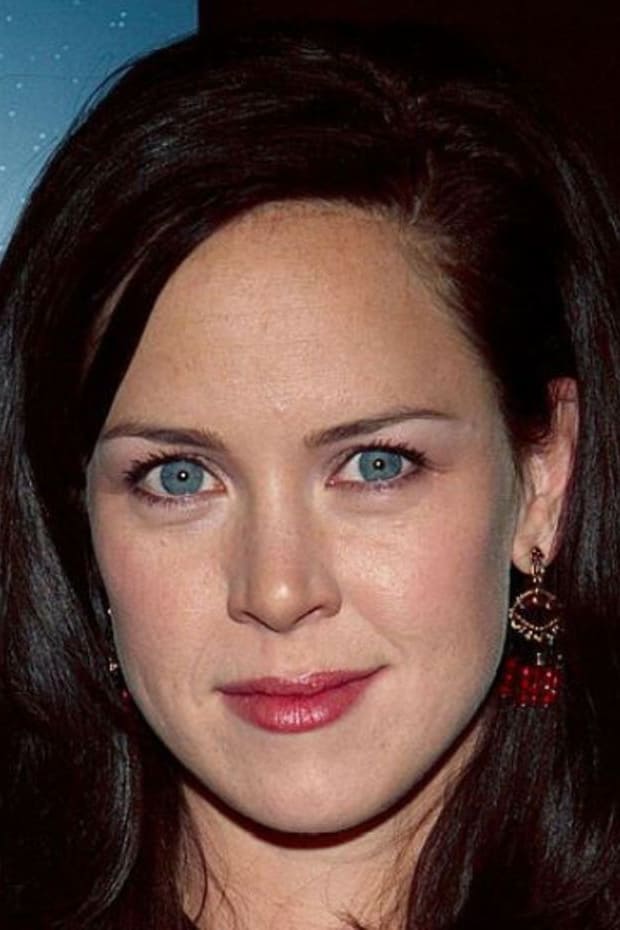
Heather Donahue fronted the viral lightning-in-a-bottle that was ‘The Blair Witch Project,’ a micro-budget phenomenon that reshaped found-footage horror and indie marketing. The film’s improvisational approach, minimalist production, and word-of-mouth rollout turned its young cast into instant fixtures of late-night talk shows and magazine covers.
After that whirlwind, she opted out of the audition grind. Donahue eventually stepped away from screen work, wrote about life beyond Hollywood, and pursued entrepreneurial projects outside entertainment. She later adopted her birth name, Rei Hance, and has kept her connection to the movie largely to occasional anniversary conversations and fan events.
Candace Hilligoss
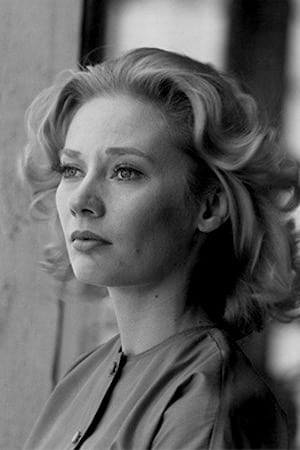
Candace Hilligoss starred in ‘Carnival of Souls,’ a low-budget oddity whose eerie organ score, spare locations, and dreamlike pacing made it a repertory staple and film-school favorite. Trained at the American Academy of Dramatic Arts and in the Method tradition, she brought a cool, inward style that matched the film’s ghostly mood.
Screen roles for Hilligoss were surprisingly few after that breakout. She modeled, did commercial work, and made only scattered appearances, even as the movie’s reputation kept growing through midnight screenings and restorations. Her legacy rests on how completely that single performance anchors a film now taught in courses on atmospheric horror.
Sandra Peabody (credited as Sandra Cassel)

Sandra Peabody’s first major credit was ‘Last House on the Left,’ an early Wes Craven shocker that became a cornerstone of grindhouse history thanks to its raw handheld look and boundary-pushing violence. The film’s notoriety gave its cast an enduring cult following at festivals and retrospectives.
Peabody soon left on-camera work and shifted to education and production behind the scenes. She built a career as an acting teacher and children’s media producer, especially in the Pacific Northwest, choosing to engage with storytelling from the classroom and local studios rather than major film sets. Her work in training young performers is how many students came to know her, not her infamous debut.
Paul Kelman
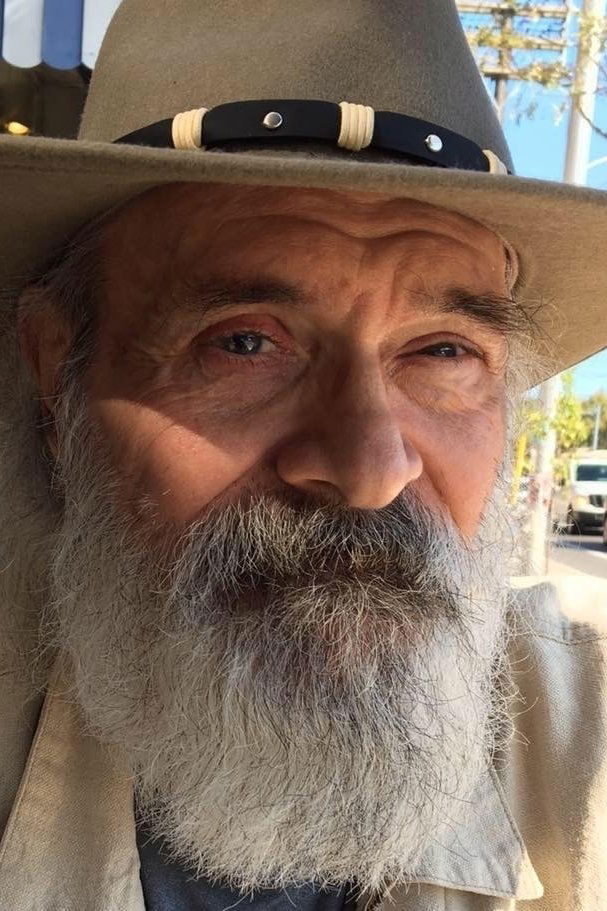
Canadian actor Paul Kelman headlined the slasher favorite ‘My Bloody Valentine,’ a coal-town whodunit that stood out for its industrial setting and practical effects. The movie became a staple of seasonal horror marathons and was revived for new audiences through restorations that restored previously cut gore.
Kelman’s screen appearances were limited after a handful of genre titles, and he largely stepped away from film and television. He resurfaced occasionally for interviews tied to reissues and fan conventions, but maintained a low profile outside those moments. The single helmet-lamp glare and miner’s mask imagery remain the calling card fans associate with his name.
Tisa Farrow
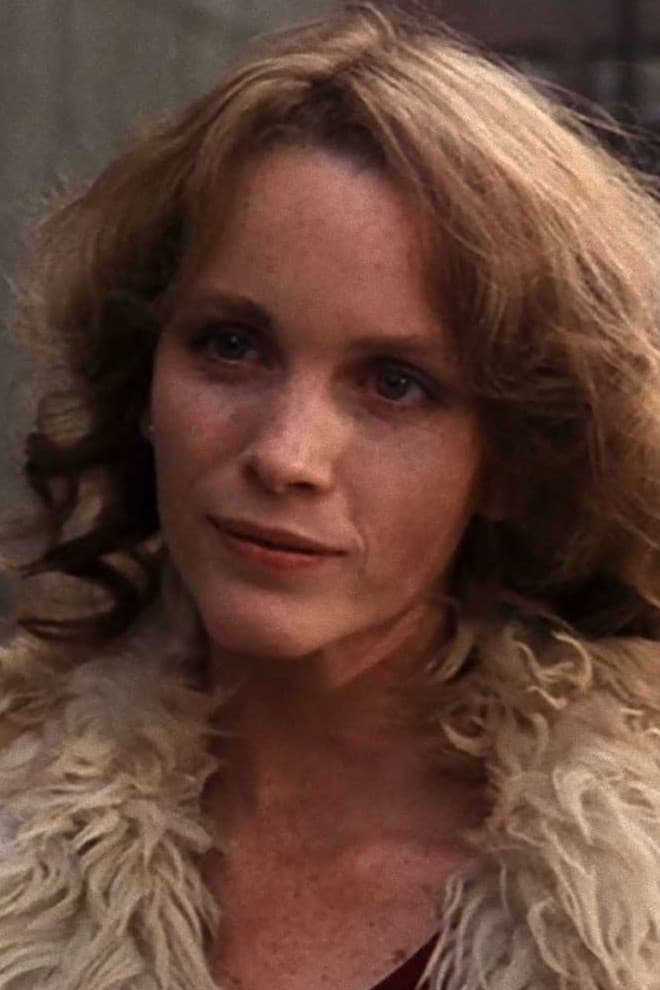
Tisa Farrow—part of a Hollywood family but on her own career path—starred in Italian cult horror such as ‘Zombie,’ a landmark of splatter cinema with Caribbean locations, memorable makeup work, and a now-famous aquatic set piece. She also appeared in other European genre productions that circulated widely on home video.
Farrow retired from acting not long after those projects and moved into a life far from film sets. She later worked in health care, a field unrelated to her brief screen run, and has generally avoided public appearances. Her performances continue to travel the world through restored discs and late-night programming, even as she keeps her private life private.
Kyra Schon
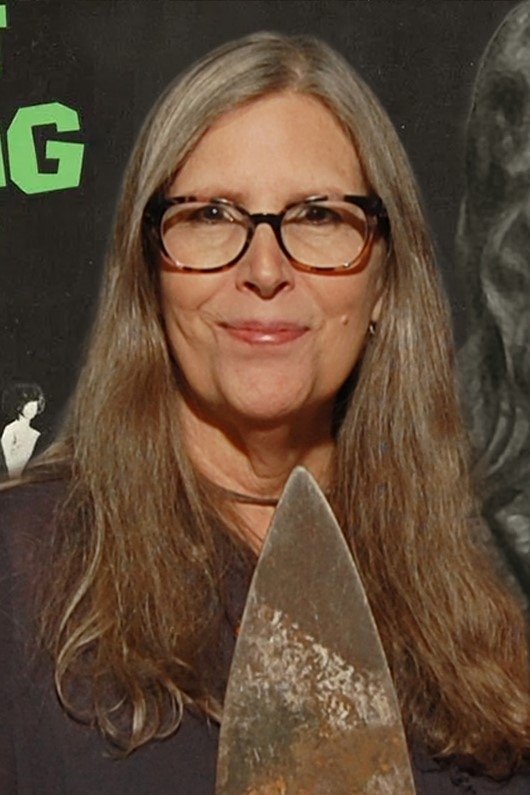
Kyra Schon played the trowel-wielding child in George A. Romero’s ‘Night of the Living Dead,’ a role that became one of the most striking images in classic zombie cinema. The film’s public-domain status and constant circulation turned her brief performance into one of the most seen in horror history.
Schon did not pursue a long on-screen career afterward. She focused on work outside the industry, returned for occasional fan conventions, and contributed to documentaries about the movie’s legacy and her family’s involvement in its production. Her single appearance remains a fixture of horror iconography taught in classes and quoted by genre historians.
Kevin Van Hentenryck
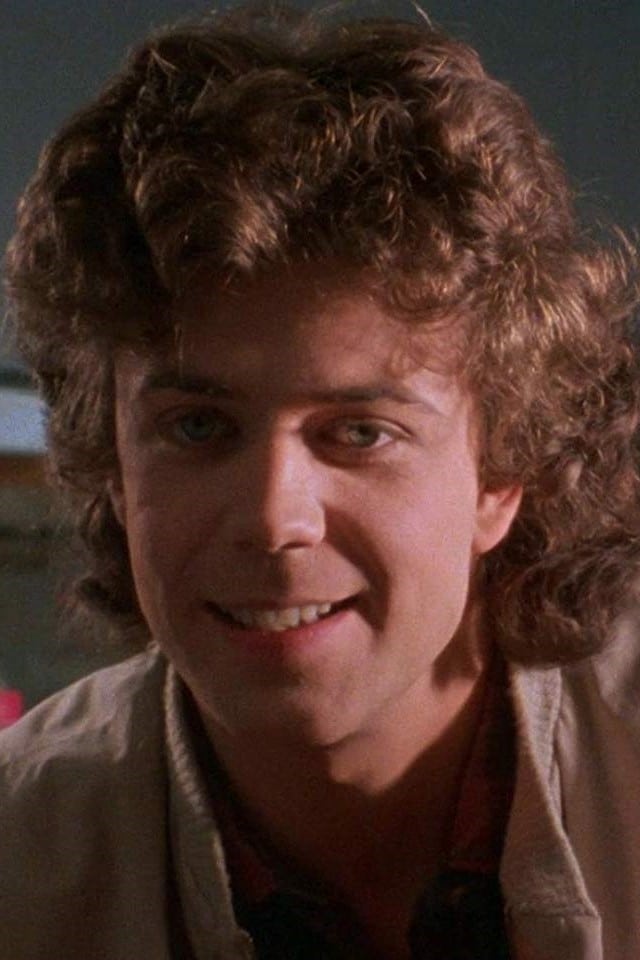
Kevin Van Hentenryck starred in ‘Basket Case,’ a grimy New York City splatter comedy remembered for its stop-motion flourishes, seedy hotel setting, and handmade special effects. The film’s VHS life built a devoted following and turned its central duo into cult-figure poster material.
Van Hentenryck’s main career became sculpture, with large-scale stone and mixed-media works exhibited in galleries. While he returned for follow-ups connected to his breakout, he kept day-to-day focus on the studio rather than the set. For many fans, his name evokes both the movie’s grindhouse energy and the unexpected path from midnight movies to fine-arts workshops.
Michael C. Williams
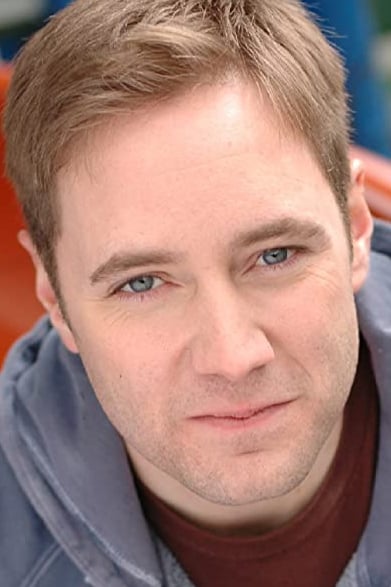
Michael C. Williams shared the camcorder frame in ‘The Blair Witch Project,’ helping sell the improvisational realism that made audiences argue about what, if anything, had been staged. The film’s minimal crew, map-and-compass plotting, and viral mystique reshaped how micro-budget horrors are marketed.
Williams pivoted to community and youth work in New York, including theater education and leadership roles at local arts spaces. He kept ties to performance through stage projects and occasional appearances, but put steady screen acting behind him. His path illustrates how a single, massively visible credit can lead to a fulfilling arts-adjacent life off camera.
Desiree Gould
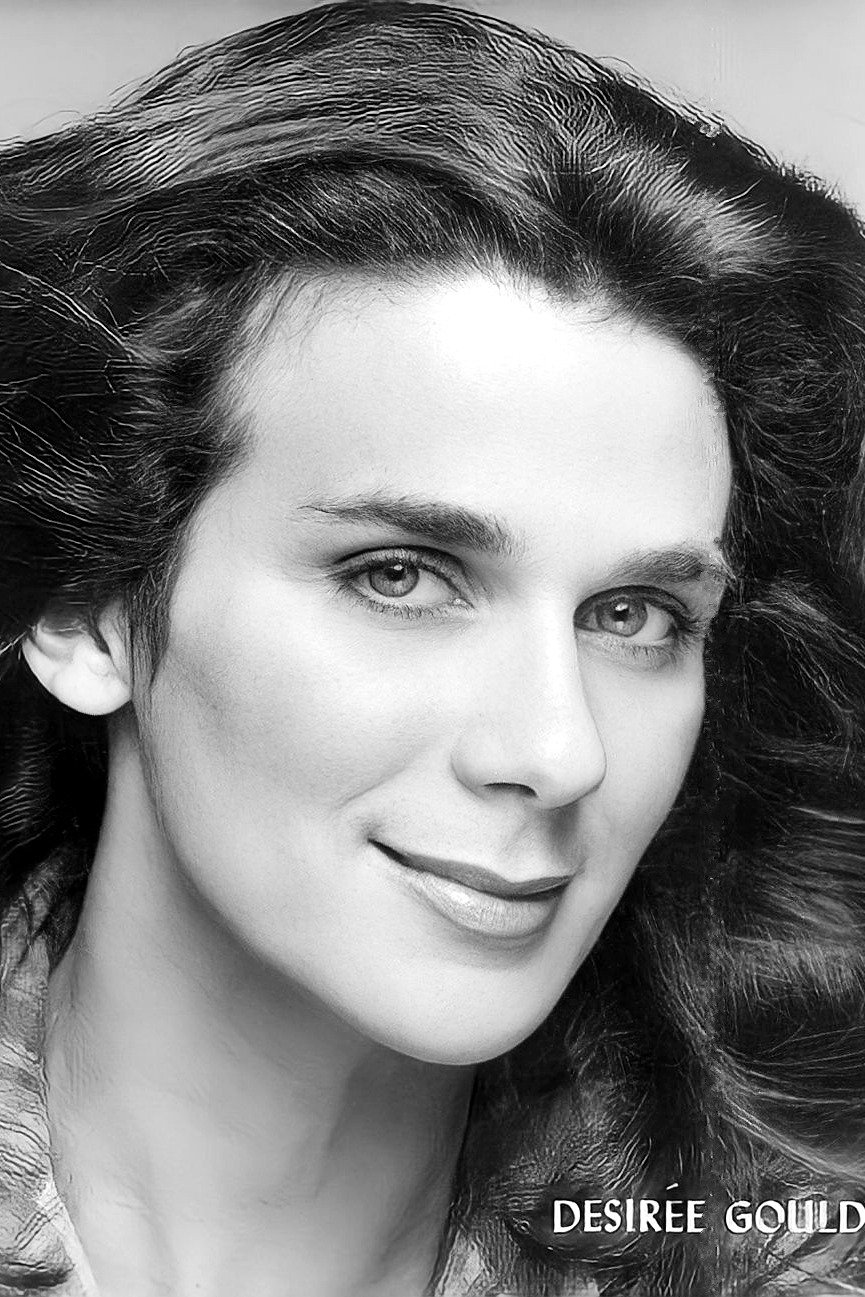
Desiree Gould became a cult favorite through a few unforgettable scenes as Aunt Martha in ‘Sleepaway Camp,’ a summer-camp slasher that built a reputation for its twist and off-kilter tone. Her distinct line deliveries turned a supporting role into a convention-circuit highlight decades later.
Gould returned only sporadically to acting and instead built a long career in New York real estate, reconnecting with fans mainly at reunions and special screenings. Her contribution remains central to the film’s enduring appeal, yet she kept her professional focus outside entertainment for most of her life.
Share the horror icon you think vanished too soon—and the one role that made you a fan—in the comments!