Horror Movies with the Perfect 100% Rotten Tomatoes Score


Finding a perfect score on the Tomatometer is rare, and in horror it usually means the movie carved out something special that critics agreed on completely. From classic chillers to inventive indies and modern festival sleepers, these titles earned wall to wall praise while still delivering plenty of goosebumps. Here are fifteen horror films that stand proudly with spotless scores.
‘Angst’ (1983)
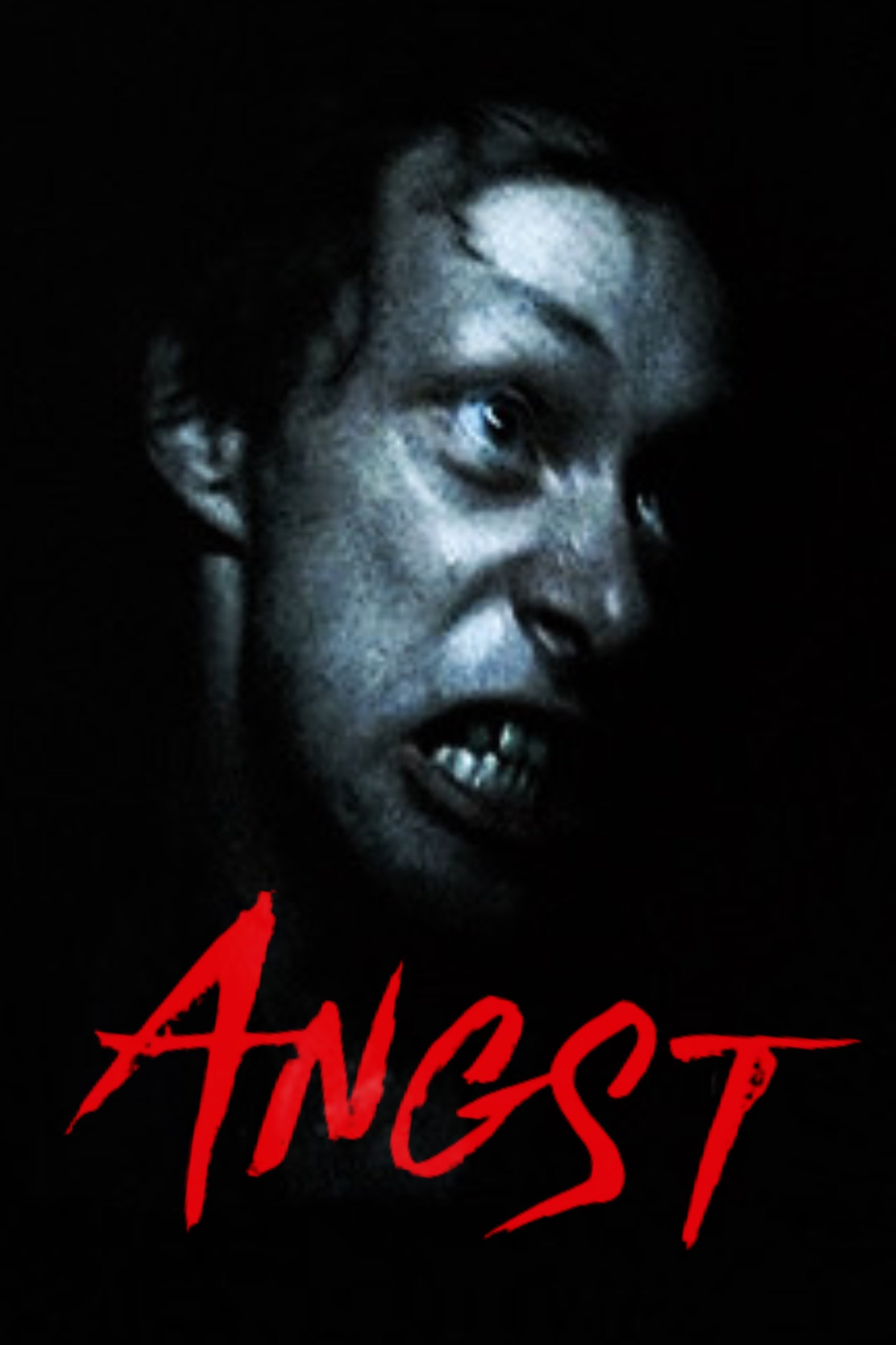
Austrian filmmaker Gerald Kargl’s shocking feature follows a recently released killer whose crimes unfold in stark, unflinching detail. The film is known for its disorienting camerawork from Oscar winner Zbigniew Rybczyński and a nerve fraying score by Klaus Schulze. For years it was hard to find due to censorship and limited release, which only added to its cult reputation. New restorations have made it easier to see and appreciate as a landmark of European horror.
‘Creep 2’ (2017)
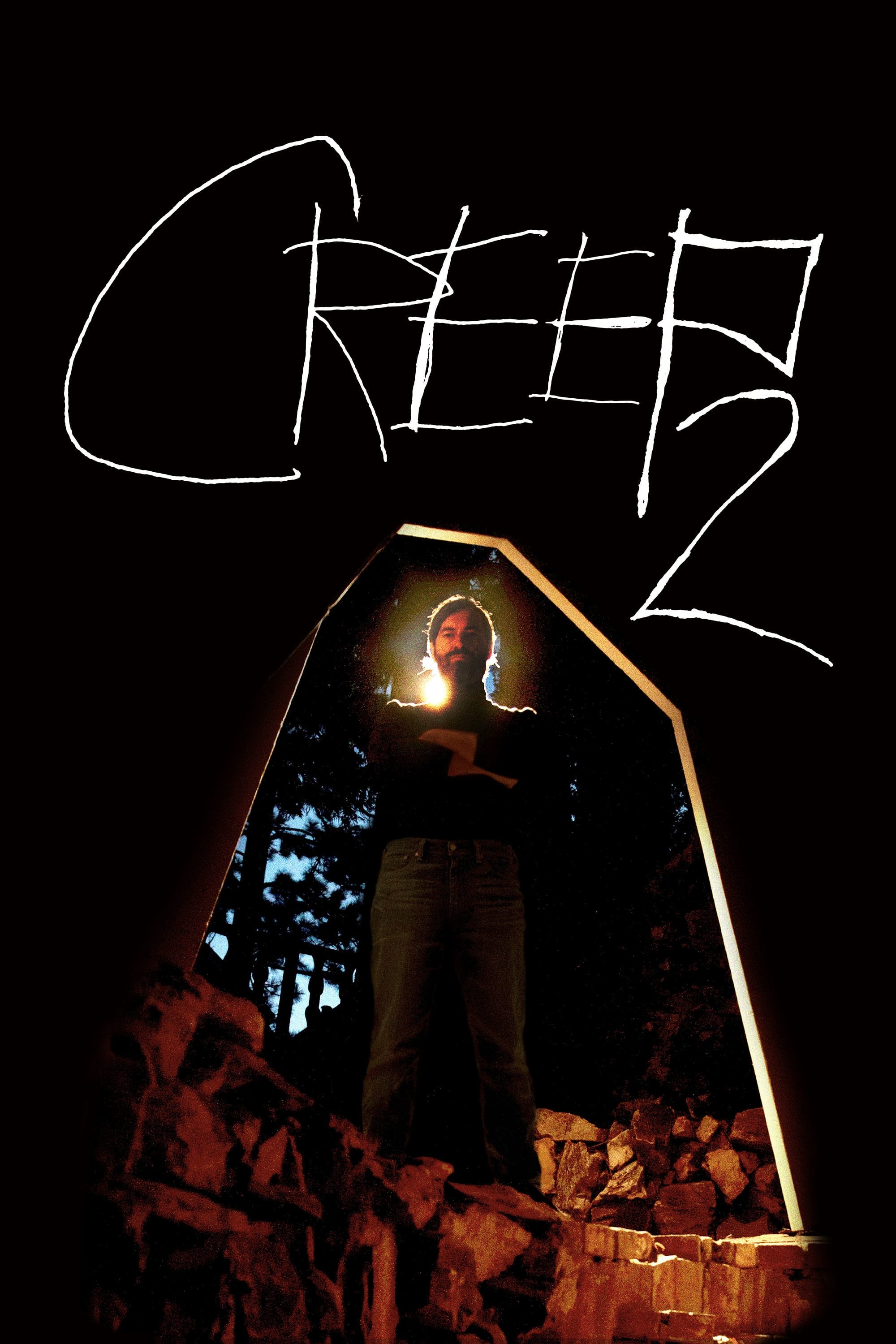
Director Patrick Brice returns with Mark Duplass as the unnervingly candid predator who invites a documentarian to capture his life on camera. The sequel leans into awkward intimacy and uneasy humor while keeping the found footage style tight and personal. Desiree Akhavan’s turn as a fearless video artist adds a fresh dynamic to the cat and mouse setup. It’s a rare follow up that critics embraced for deepening the original’s strange appeal.
‘Dr. Terror’s House of Horrors’ (1965)
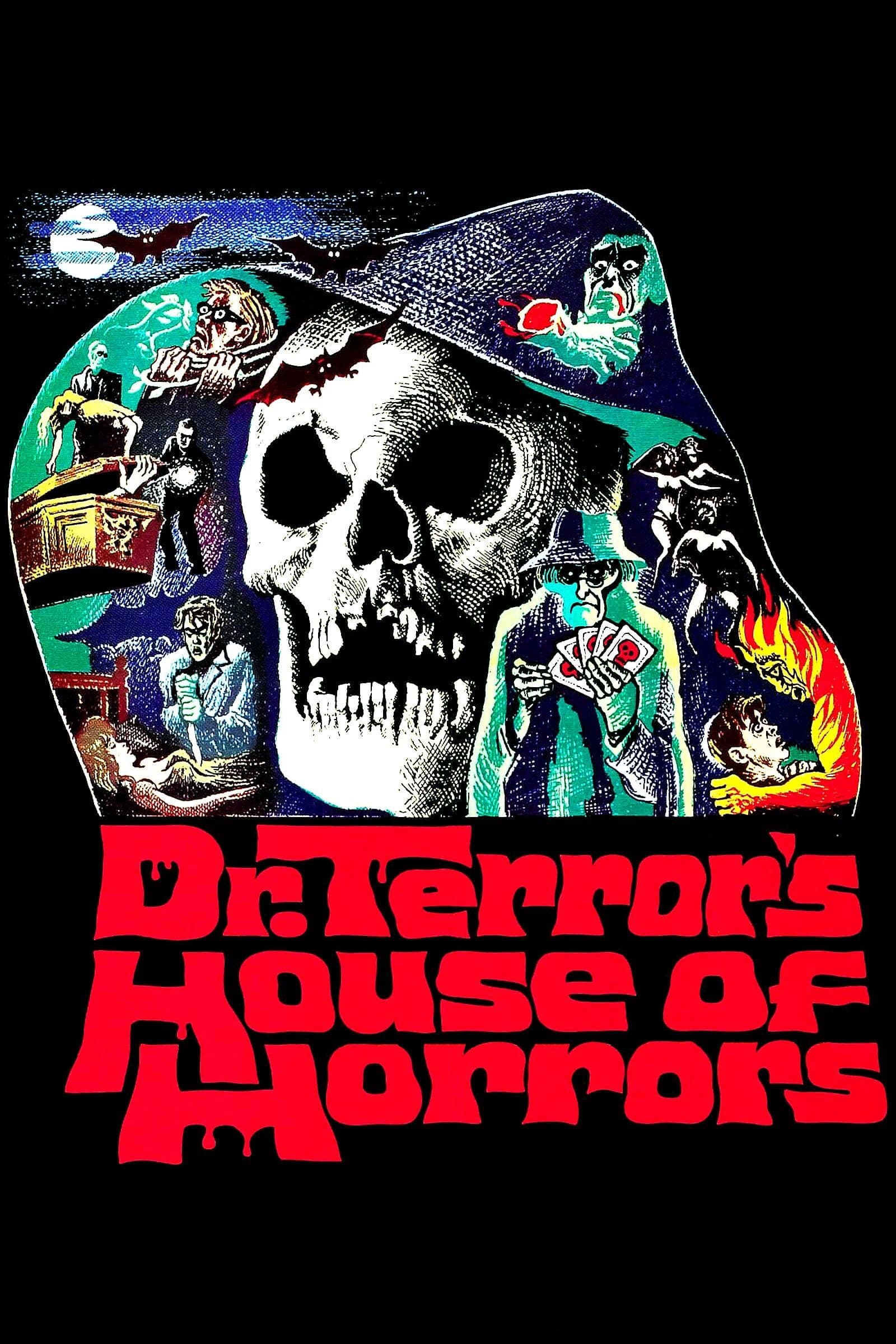
Amicus Productions’ anthology brings five eerie stories told by a mysterious tarot reading traveler played by Peter Cushing. Christopher Lee and Donald Sutherland headline segments that range from vampire scares to crawling vine mayhem. The portmanteau format helped define a popular 60s and 70s horror trend outside the Hammer banner. Its playful structure and starry cast made it a perennial late night favorite.
‘Dawn Breaks Behind the Eyes’ (2021)
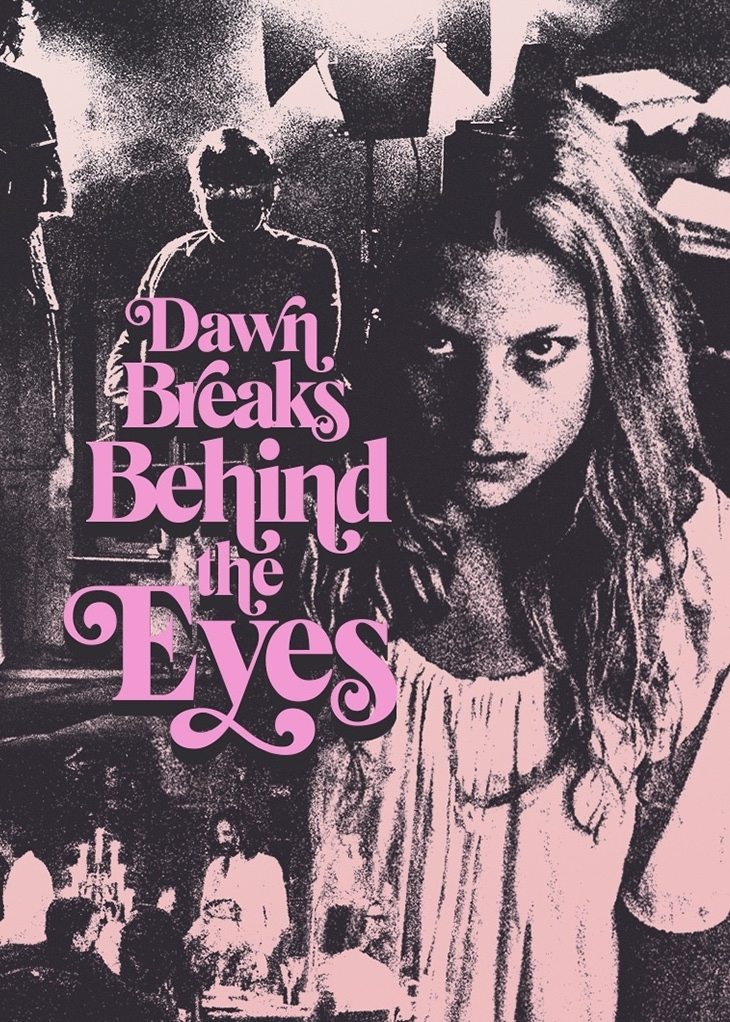
German filmmaker Kevin Kopacka crafts a neo gothic puzzle about a feuding couple who inherit a crumbling castle where reality bends. Reverent to Euro horror textures, it layers time shifting identities with saturated color and dreamy soundscapes. Festival play led to a North American release through Dark Sky Films, bringing wider attention to its trippy design. It is a modern love letter to psychedelia and castle bound chills.
‘Butterfly Kisses’ (2018)
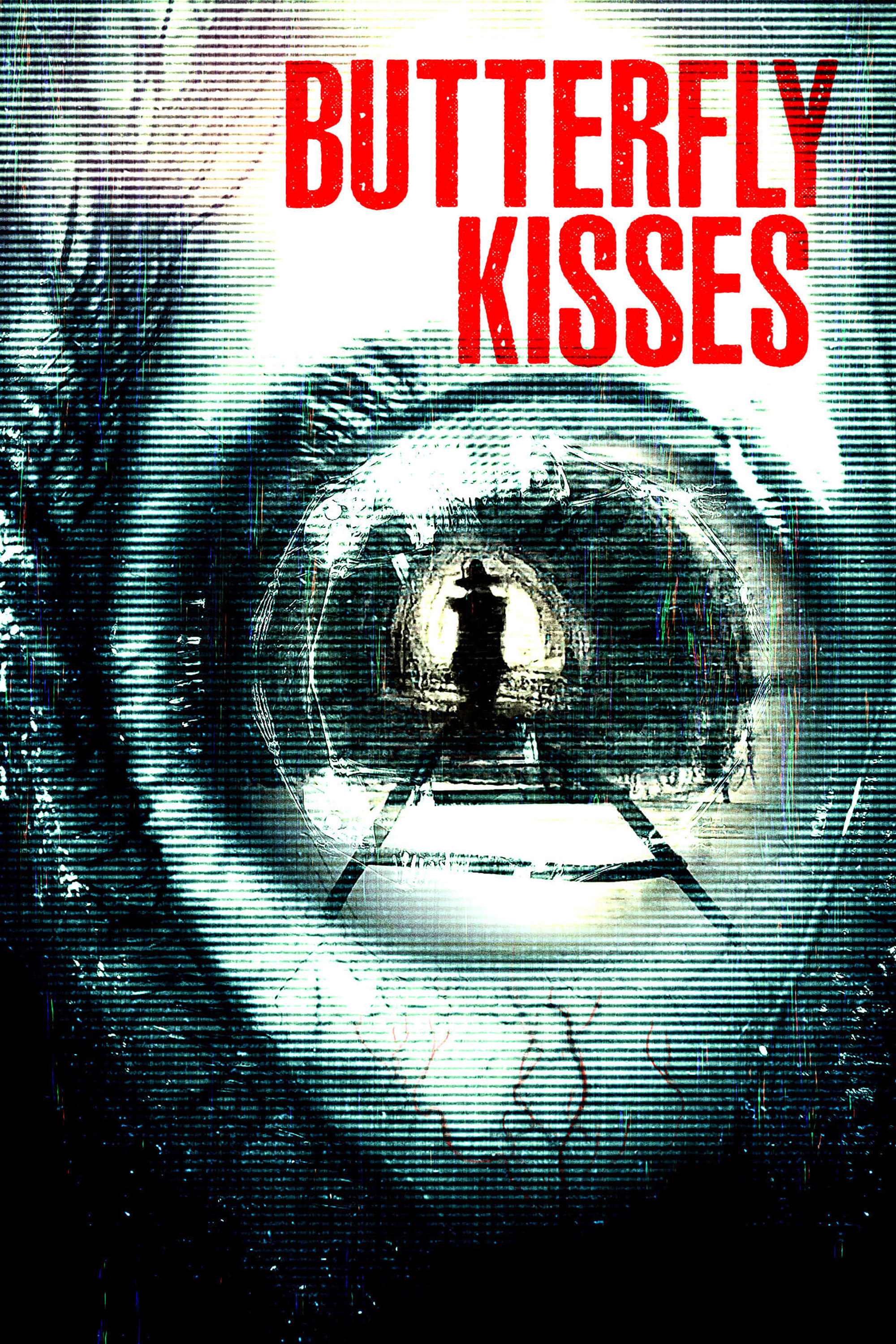
Presented as a documentary investigation, the film tracks a filmmaker who finds tapes about a Maryland tunnel legend known as the Blink Man. As he tries to prove the footage is real, the project slowly consumes his life and credibility. The movie plays with layers of hoax, meta commentary, and found footage conventions. Its commitment to the faux doc approach turned a regional urban myth into a festival talking point.
‘Crush the Skull’ (2015)
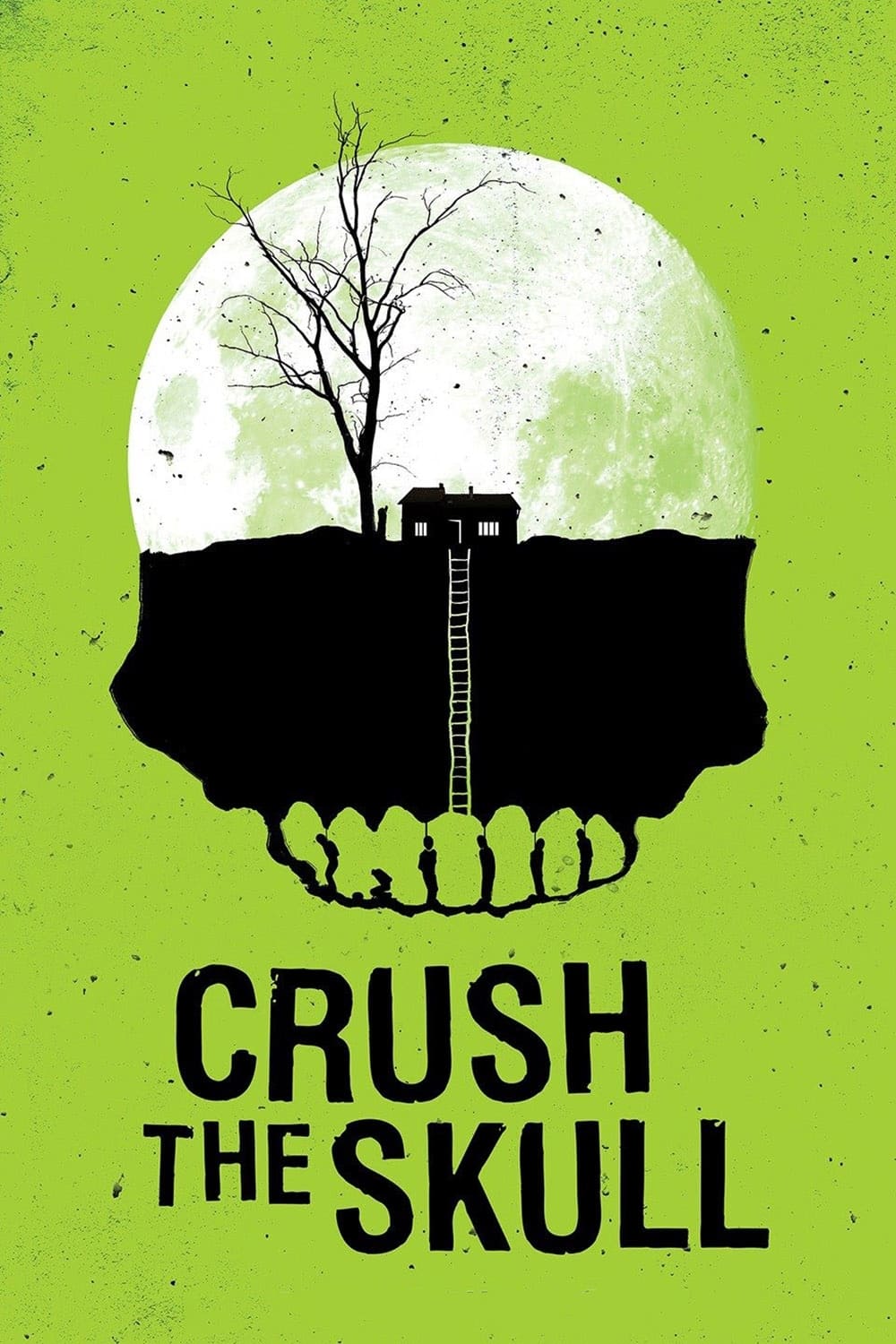
A pair of unlucky burglars break into the wrong house and discover a nightmare maze run by a serial killer. Writer director Viet Nguyen mixes caper energy with trap laden terror, keeping the pace brisk and the set pieces inventive. The cast led by Chris Dinh and Katie Savoy delivers quick banter against mounting peril. It’s a lean genre mashup that critics singled out for clever execution.
‘Double Blind’ (2024)
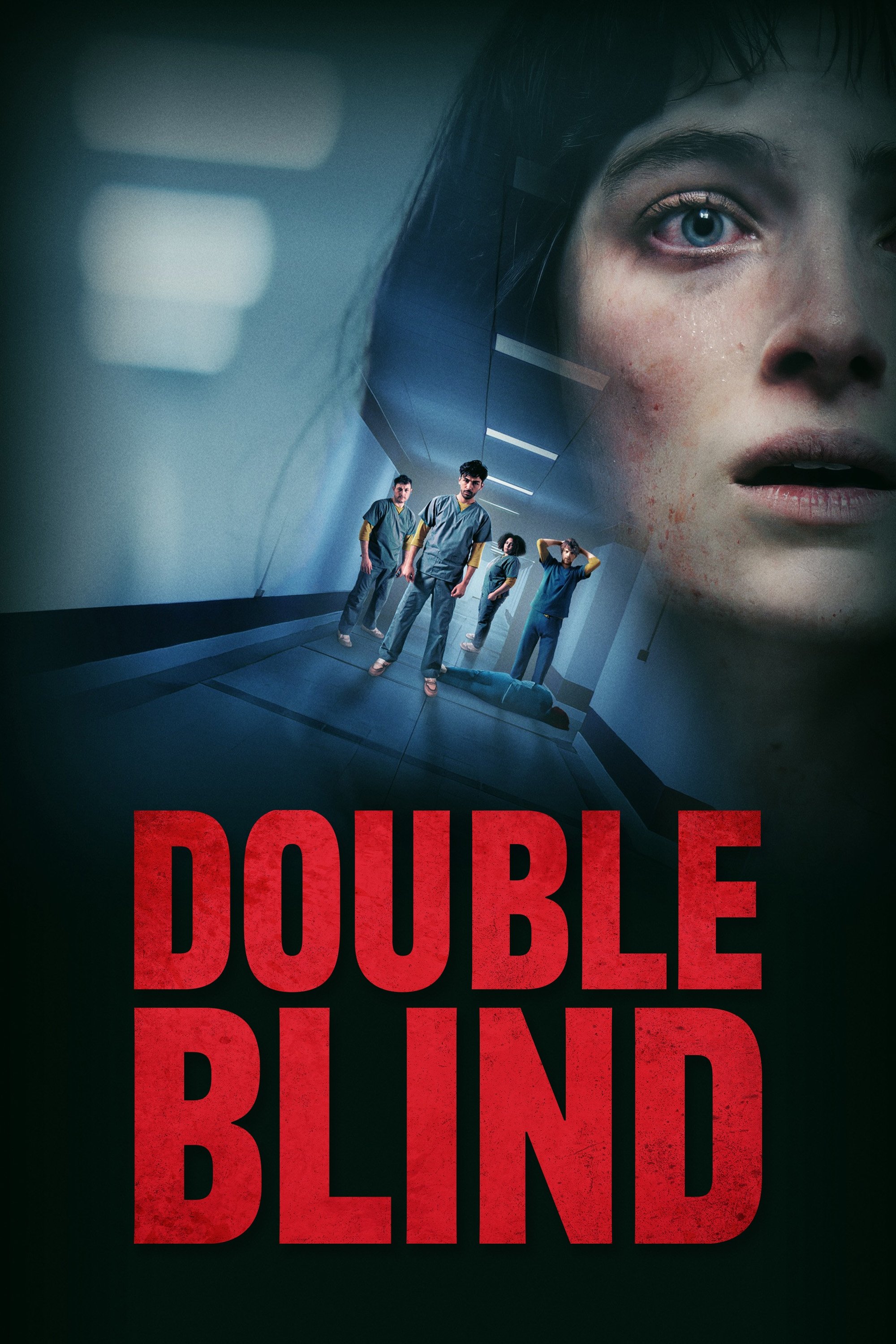
An isolated pharmaceutical trial leaves participants awake for days, only to discover sleep will kill them after an experimental drug goes wrong. Millie Brady leads the ensemble with Pollyanna McIntosh as the clinical figure overseeing the locked down facility. Shot in Limerick, the Irish production rolled through genre festivals before a theatrical and digital release. Its survival puzzle hooks viewers on the simple question of how long anyone can stay awake.
‘Disappear Completely’ (2023)
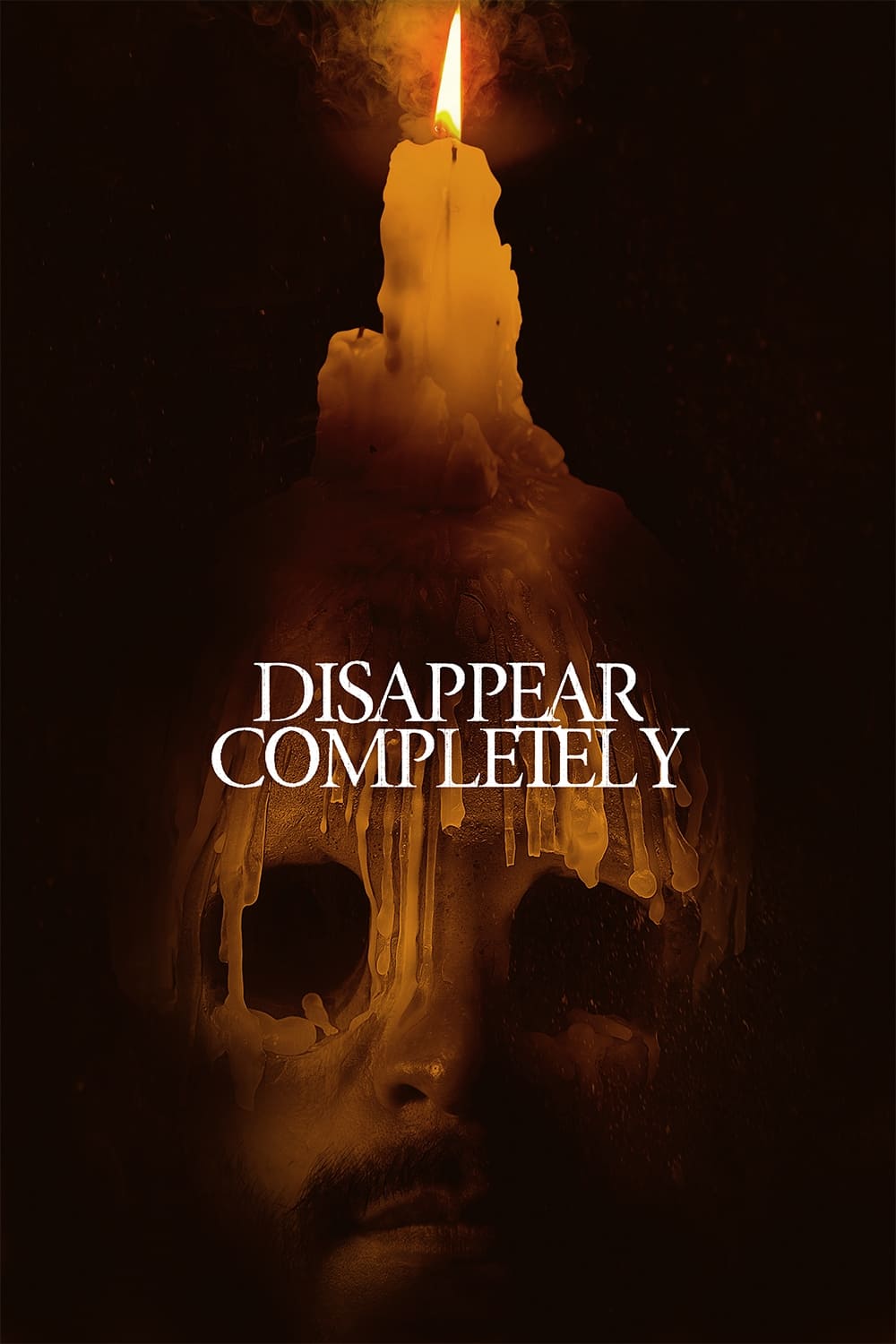
This Mexican folk horror mystery follows a tabloid crime photographer who begins losing his senses after visiting a gruesome scene. Directed by Luis Javier Henaine, it premiered at Fantastic Fest before a wider release and streaming availability. The story threads brujería elements through a grounded character study anchored by Harold Torres. Each lost sense tightens the noose as the investigation turns inward.
‘Dead Sushi’ (2012)
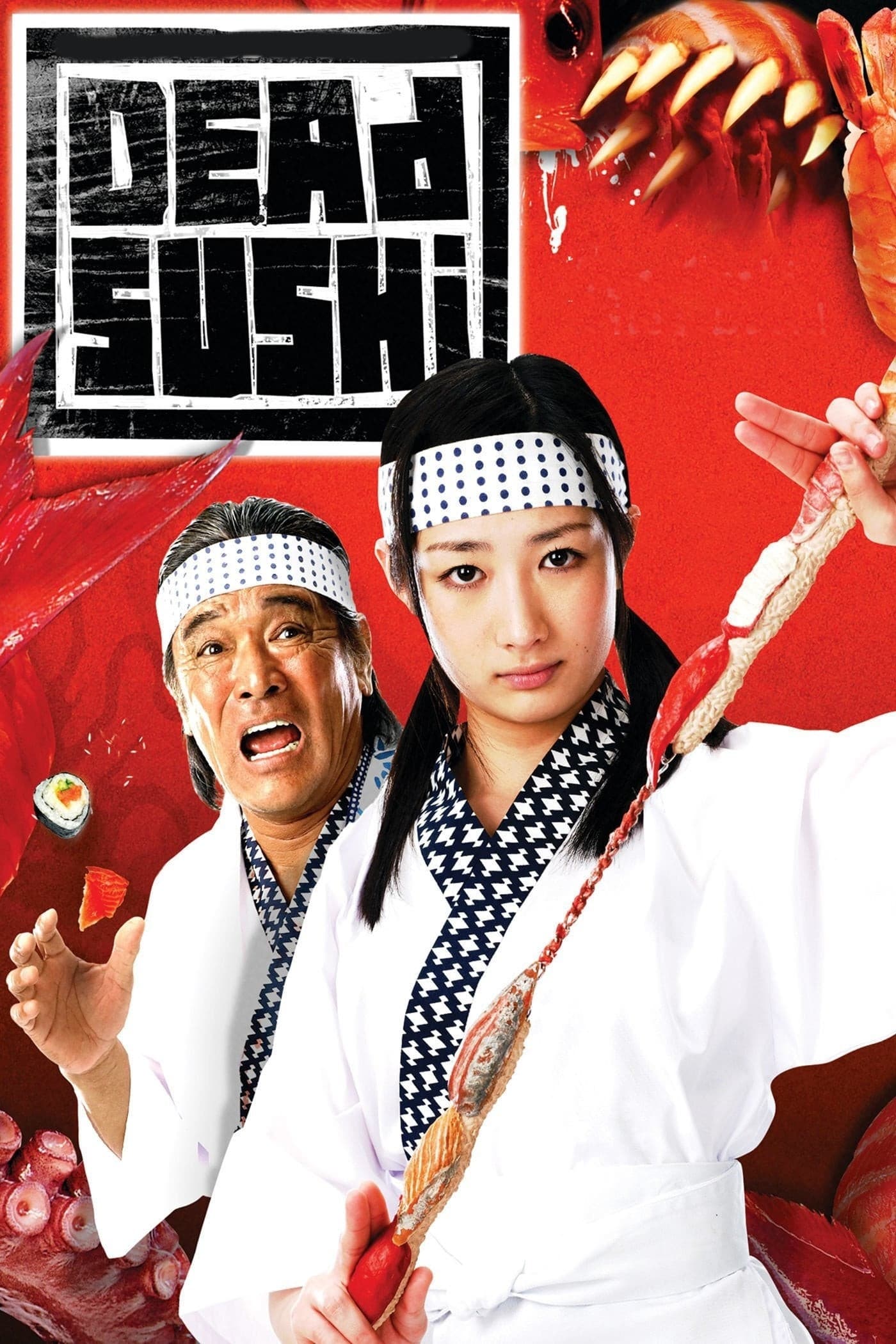
From splatter maestro Noboru Iguchi, this gonzo outing unleashes murderous sushi in a countryside inn. Martial arts gags, creature effects, and seafood puns pile up as a trainee chef fights back. The movie sits squarely in the outrageous corner of Japanese genre cinema. It has become a cult midnight selection for fans of anything goes horror comedy.
‘Death of a Vlogger’ (2019)
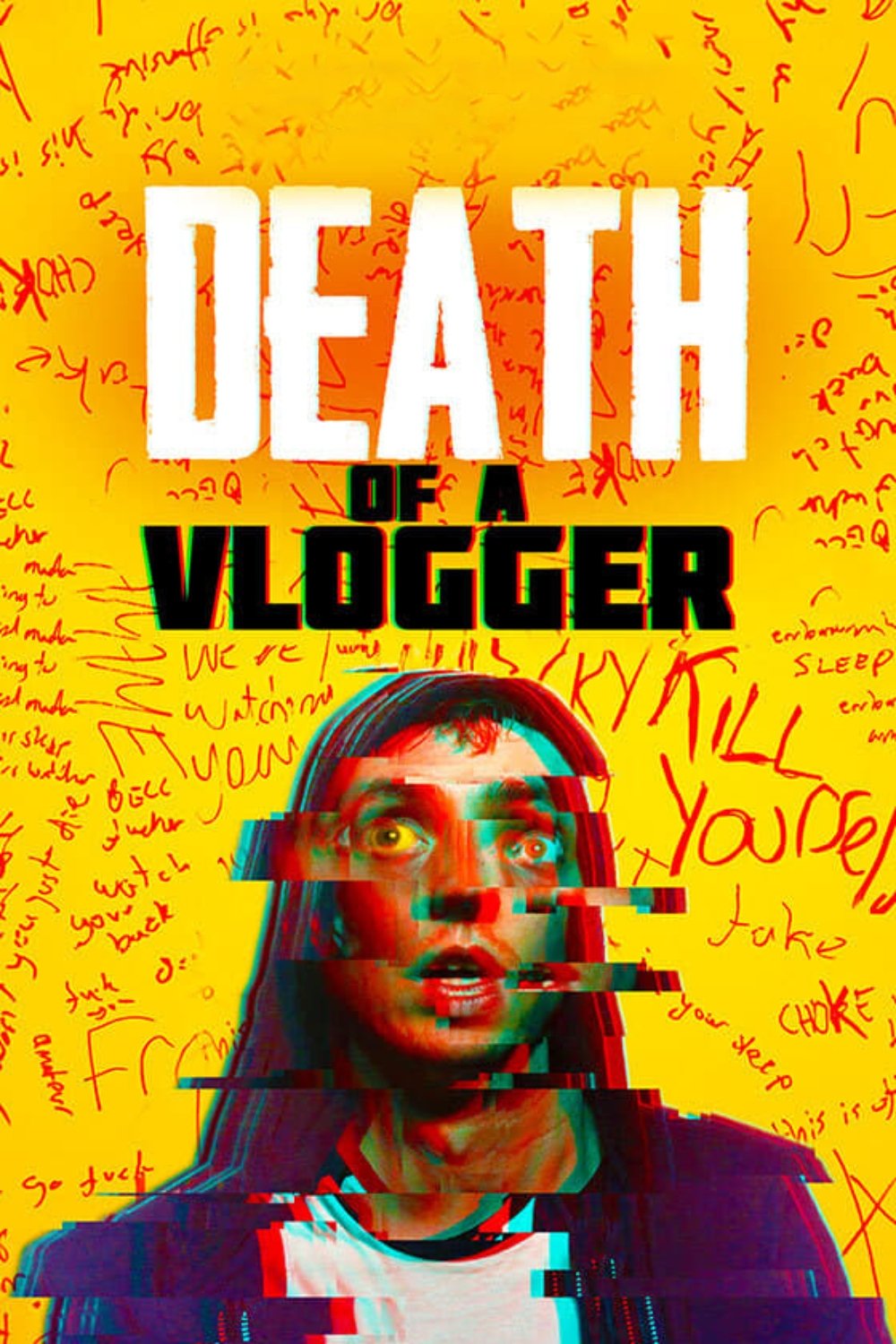
A Scottish found footage chiller examines online fame as a YouTuber’s viral haunting spirals into obsession and backlash. Director Graham Hughes blends mock interview footage with social media artifacts to question what counts as proof. The low budget format suits its critique of clout chasing and crowd fueled hysteria. It fits neatly alongside modern internet age horror stories.
‘A Quiet Place in the Country’ (1968)
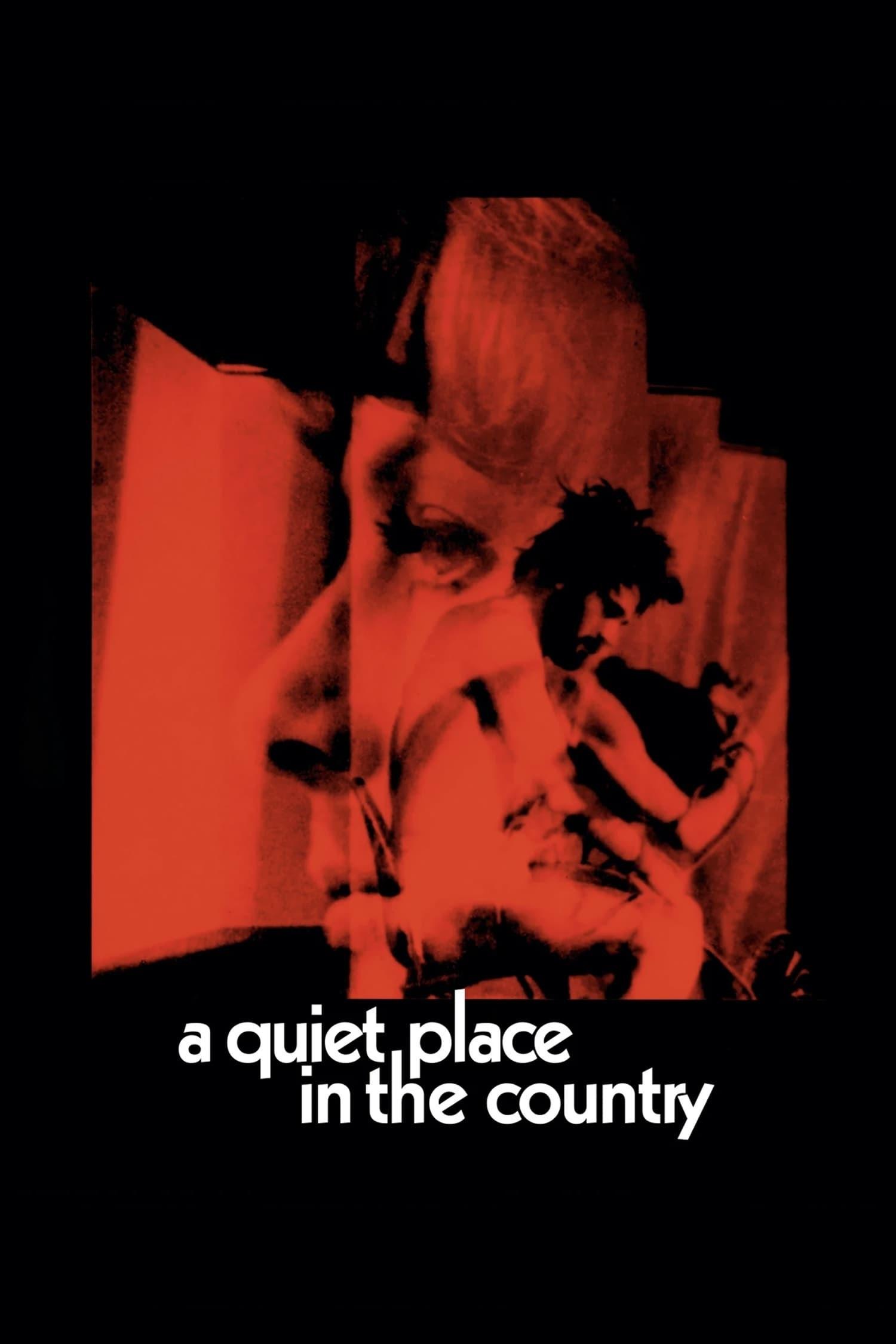
Starring Franco Nero and Vanessa Redgrave, this Italian psychological shocker sends an artist to a rural villa where violence and hallucination blur together. Director Elio Petri filters giallo tinges through a breakdown narrative that leaves motives slippery. The production’s swinging modernist look sits in eerie contrast with the haunted house mood. It stands as an intriguing bridge between art film and genre menace.
‘Blood From Stone’ (2020)
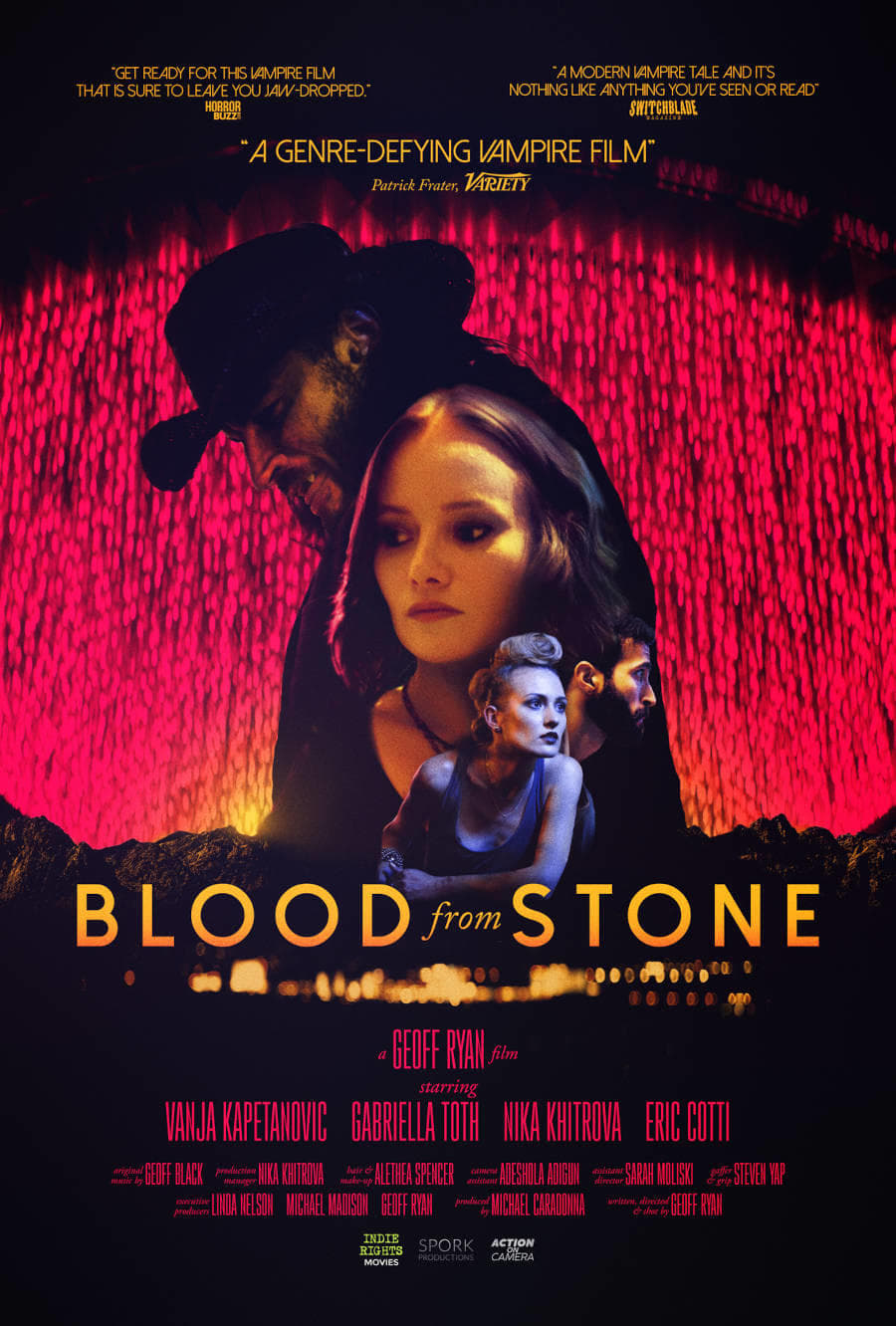
An offbeat vampire drama set in the neon glow of Las Vegas follows an immortal whose messy love life refuses to die. Writer director Geoff Ryan uses desert settings, motel rooms, and late night diners to ground the centuries old curse. The emphasis on character dynamics makes it feel like a relationship film with fangs. Critics noted its distinctive tone within contemporary vampire cinema.
‘Chastity Bites’ (2013)
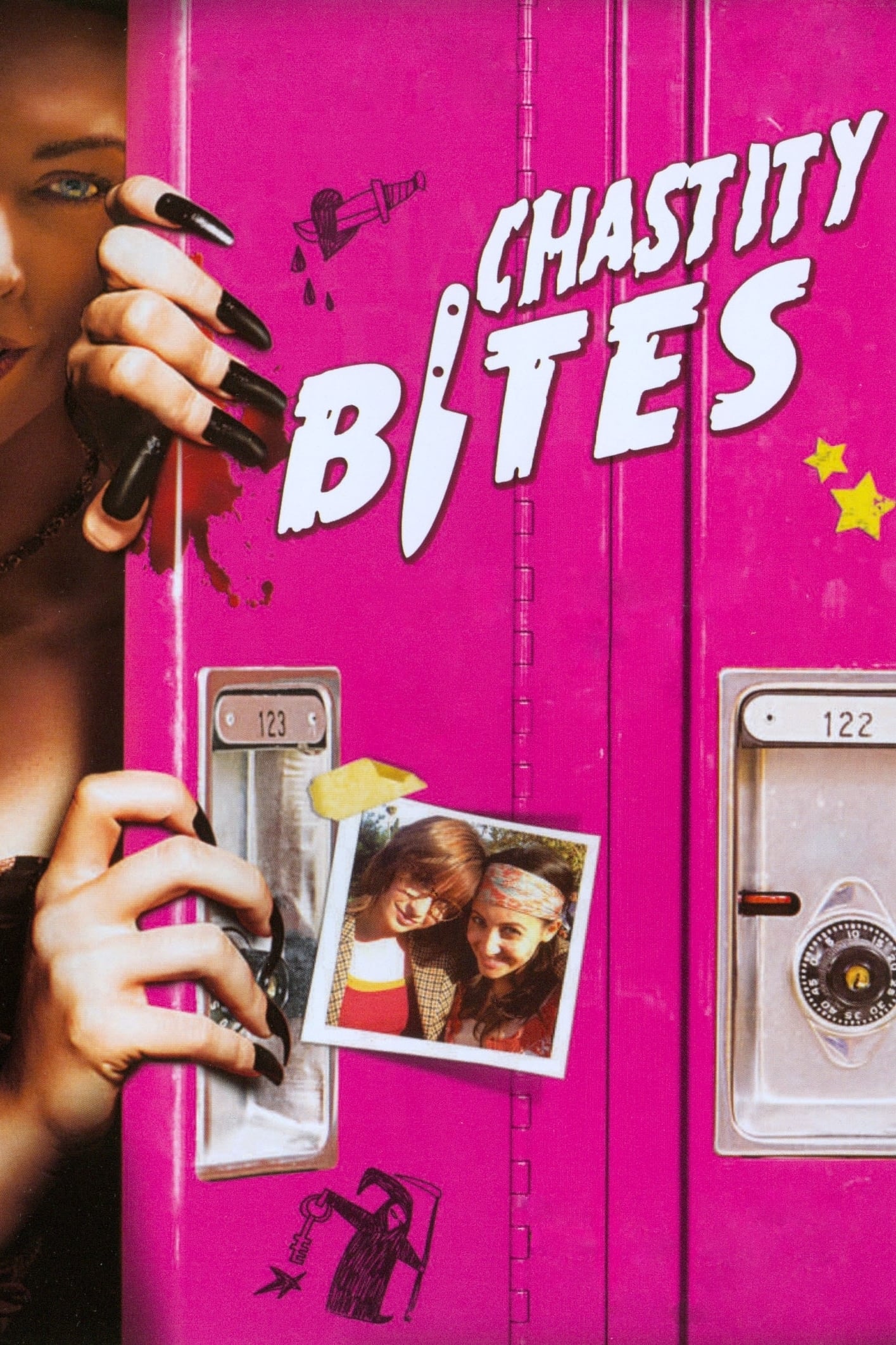
A high school journalist suspects a wellness celebrity is actually Countess Elizabeth Bathory hiding in plain sight. John V. Knowles directs a satirical horror comedy that riffs on purity culture and image obsession. The script by Lotti Pharriss Knowles keeps the teen newsroom banter lively while the stakes escalate. It slots into the long tradition of vampiric legends updated for modern campuses.
‘#chadgetstheaxe’ (2022)
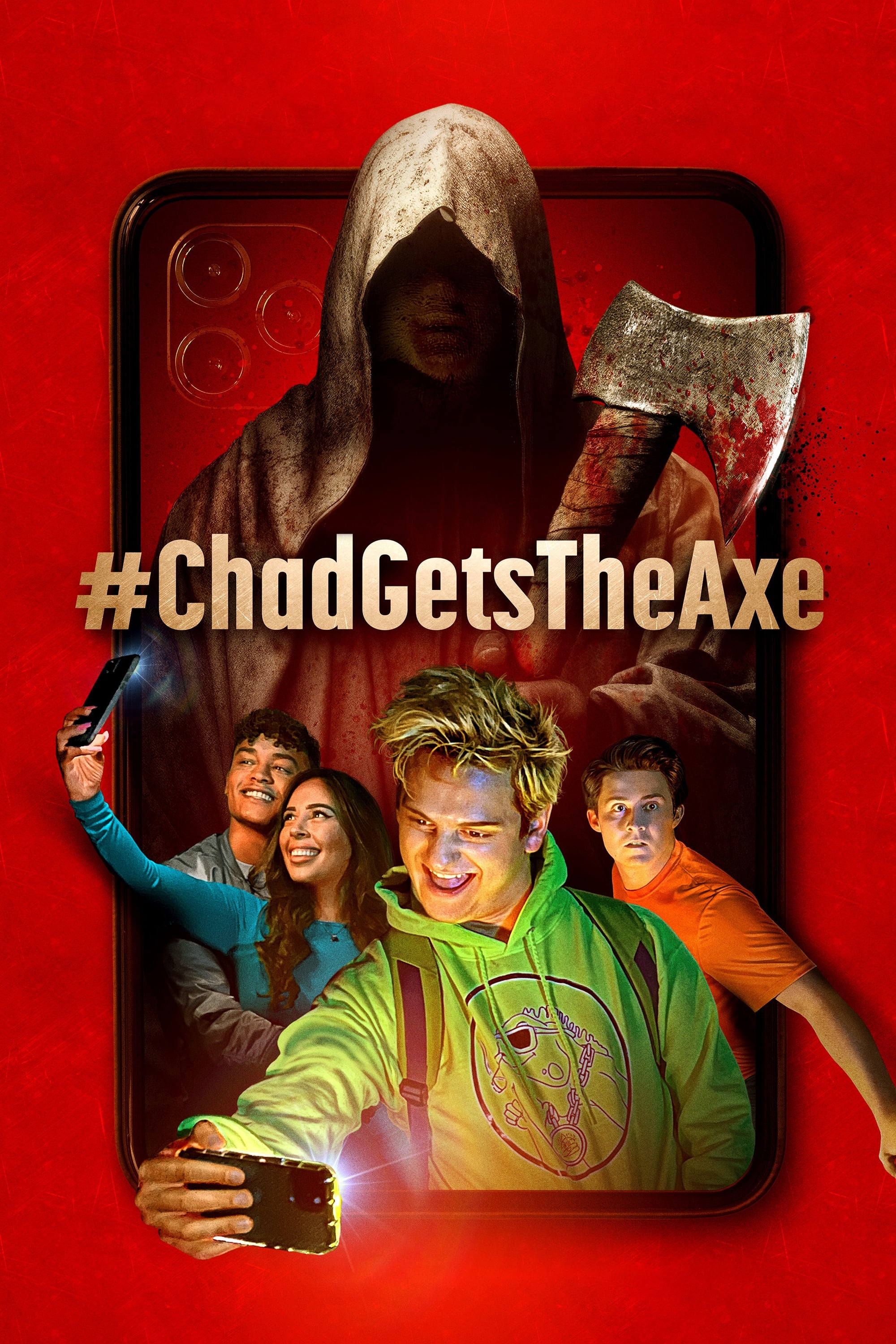
Four influencers livestream a clout chasing visit to the site of a satanic cult and discover their audience is watching something far more dangerous than a stunt. The film plays in real time through phones and streams, turning comments and metrics into pressure cookers. Its format amplifies voyeurism and the way viewers egg on bad choices. The result is a social media horror snapshot that feels uncomfortably current.
‘One Cut of the Dead’ (2017)
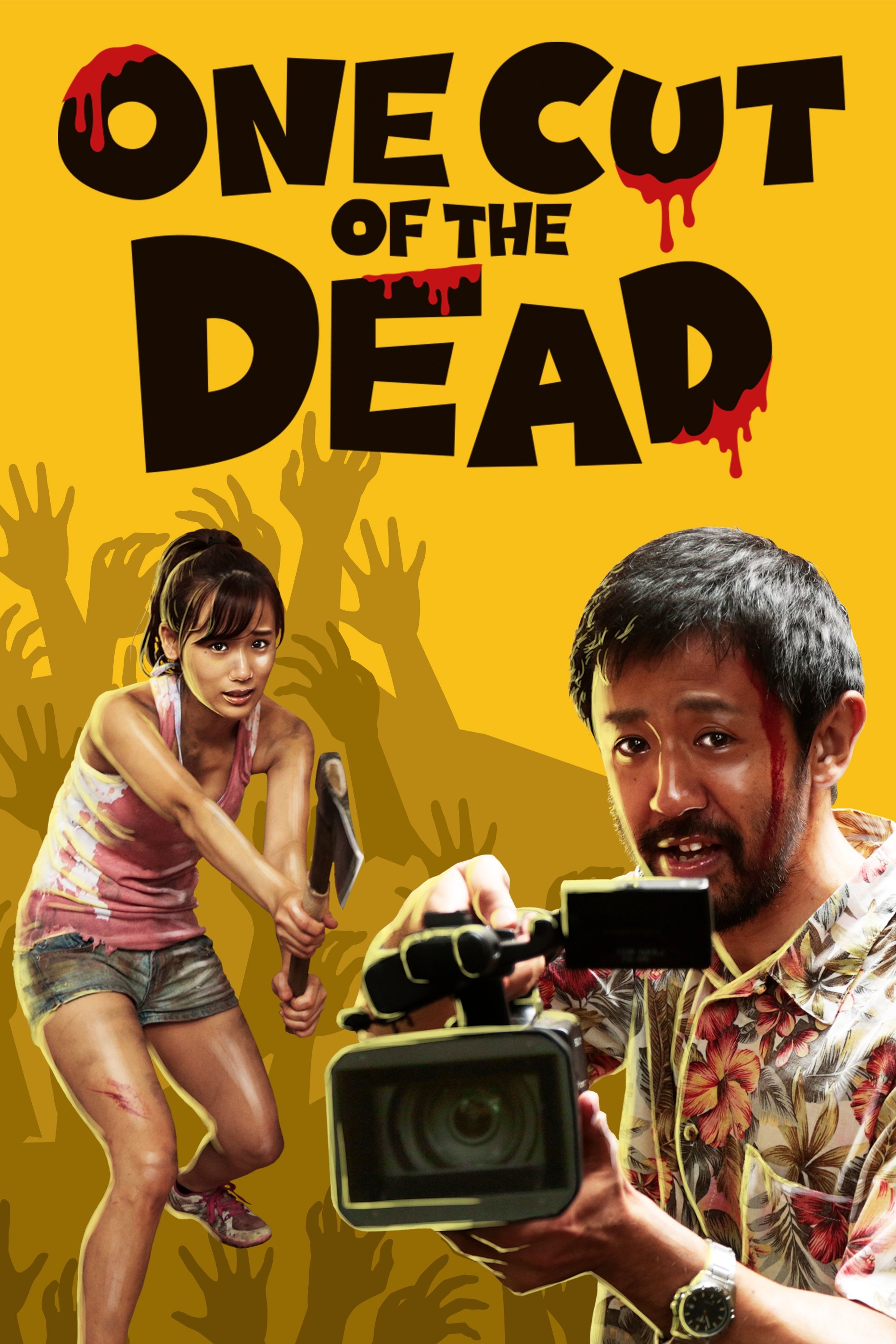
Shin’ichirō Ueda’s microbudget sensation begins as a chaotic single take zombie shoot, then pulls back to reveal the bonkers production holding it together. Made with a tiny cast and crew, it exploded through word of mouth after a small late night release. The film became a box office phenomenon in Japan relative to its cost and spawned stage shows, a TV special, and a French language remake. Its handmade spirit and sharp structural tricks turned a scrappy idea into a full on crowd pleaser.
‘The Cabinet of Dr. Caligari’ (1920)
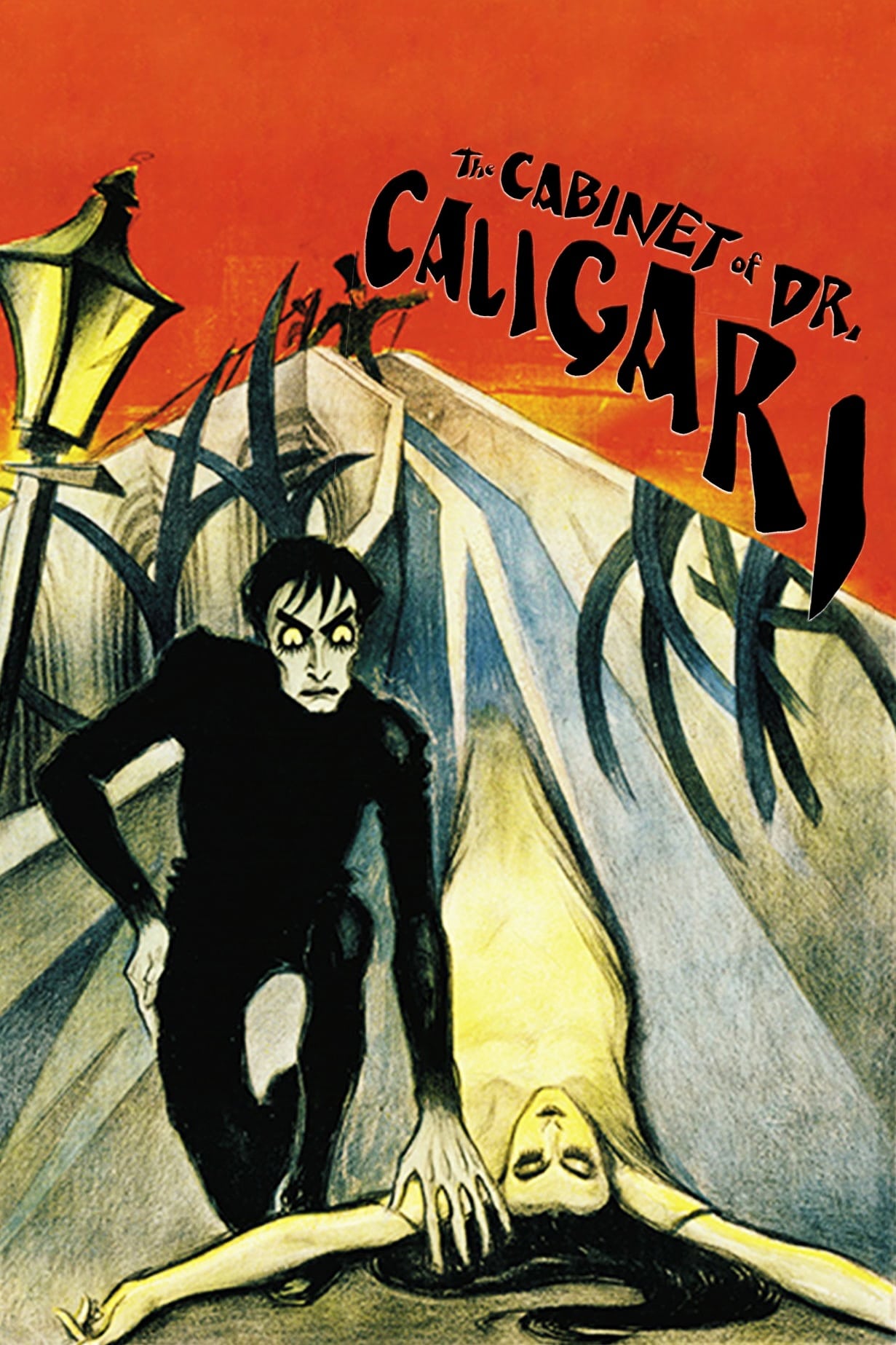
Robert Wiene’s silent landmark uses jagged painted sets and skewed perspectives to mirror a story about a sinister showman and his somnambulist. Conrad Veidt’s Cesare and Werner Krauss’s Caligari became defining images of German Expressionism. The twist ending helped shape later psychological horror while the stylized design influenced generations of filmmakers. Restorations have returned its otherworldly look and tinted palette to modern viewers.
‘Eyes Without a Face’ (1960)
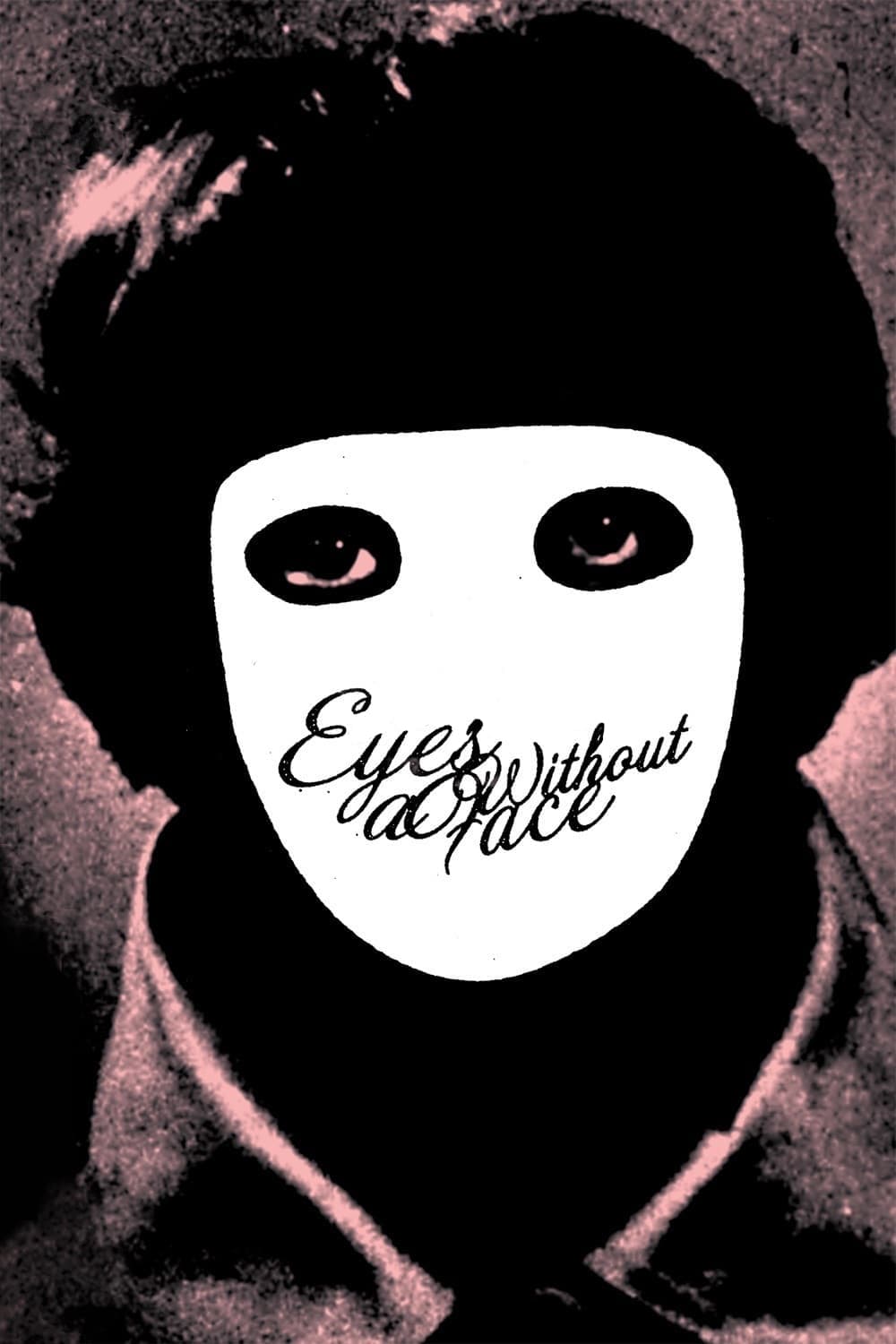
Georges Franju tells the story of a brilliant surgeon who kidnaps young women while trying to restore his daughter’s disfigured face. The porcelain mask worn by the daughter became an enduring horror image and inspired countless homages. French censors initially balked at its surgical sequences before the film found acclaim for its eerie calm. Its mix of poetry and cruelty placed it at the crossroads of arthouse and genre.
‘Carnival of Souls’ (1962)
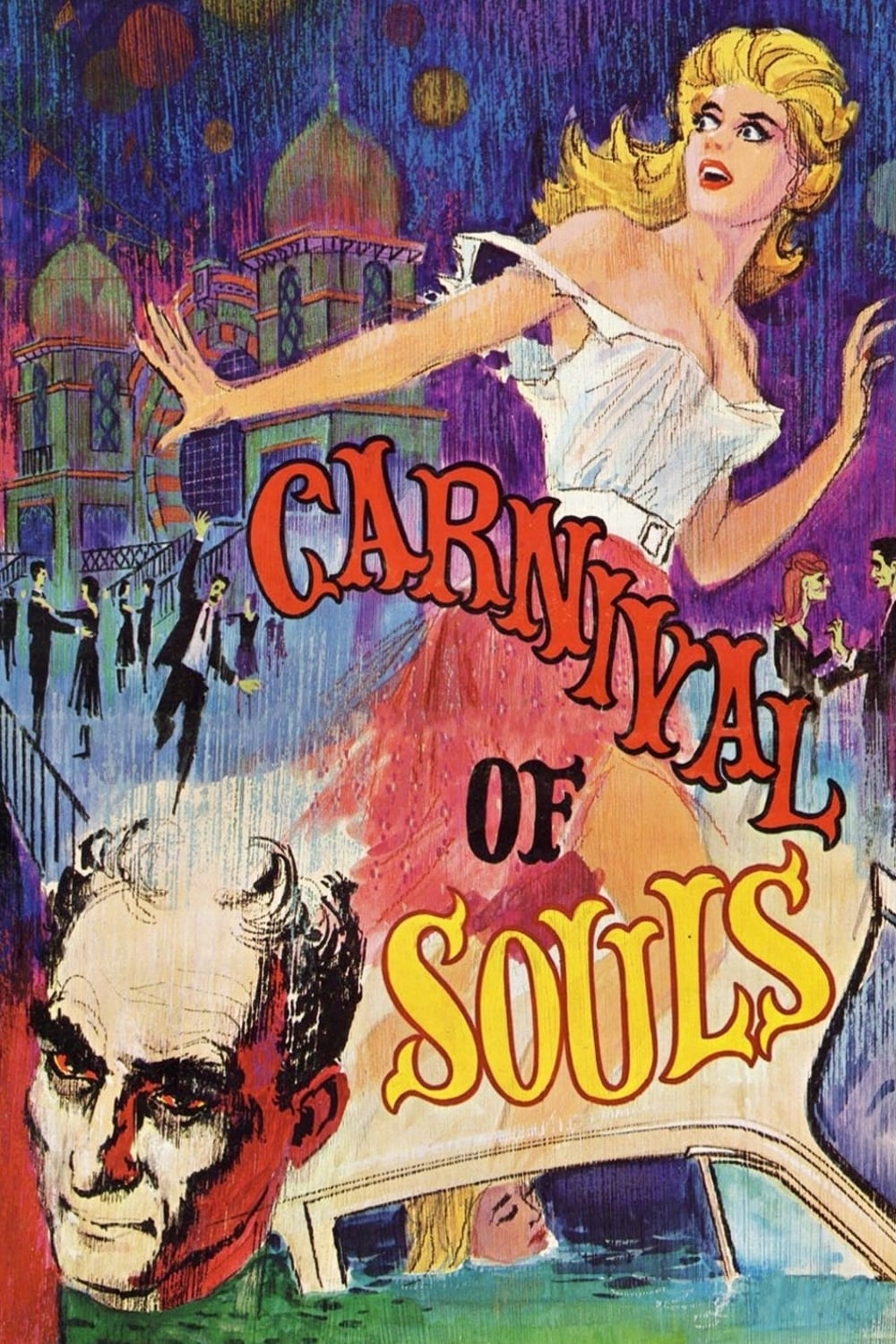
Made by industrial filmmakers from Kansas, this cult classic follows an organist drawn to an abandoned lakeside pavilion after surviving a car crash. Director Herk Harvey fills the film with drifting camera moves and dreamlike encounters. The real life Saltair resort provides the decaying stage for its spectral figures. Sparse dialogue and a haunting organ score create an uncanny, sleepwalking mood.
‘The Devil Rides Out’ (1968)
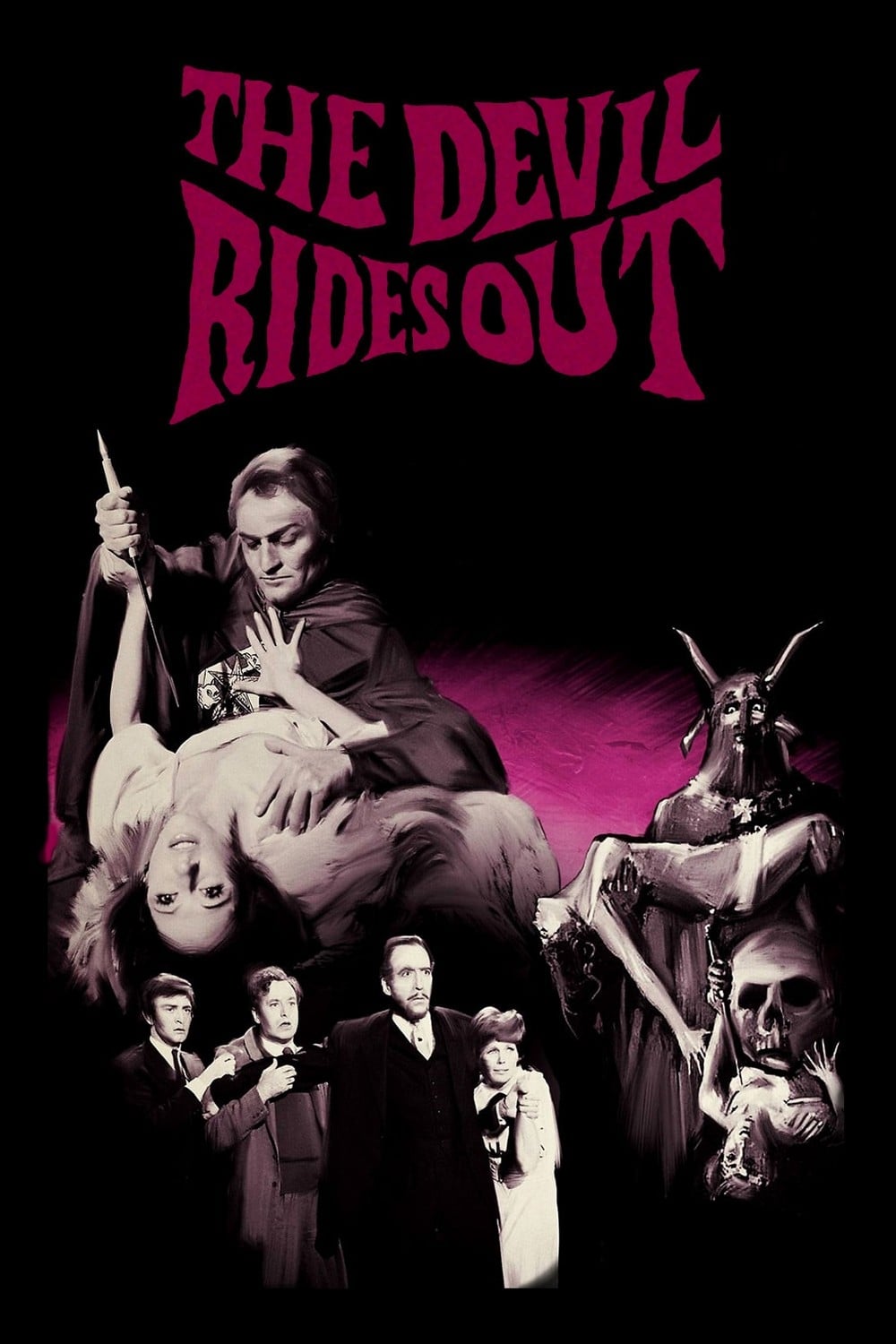
Hammer Films adapts Dennis Wheatley’s occult thriller as a rare heroic turn for Christopher Lee. Terence Fisher stages sabbaths, protective circles, and a memorable showdown with a goat headed apparition. The story pits a small group of friends against a charismatic cult leader in stately English settings. Practical effects and ritual detail give its esoteric battles a tactile weight.
‘Häxan’ (1922)
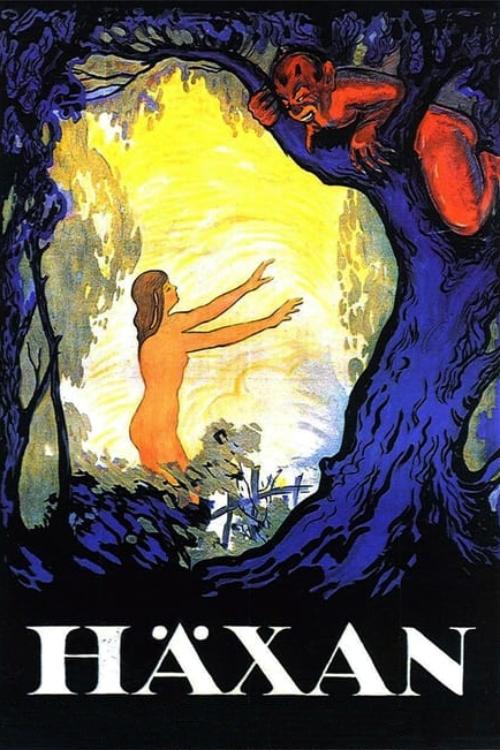
Benjamin Christensen blends lecture, dramatization, and lurid tableau to explore witchcraft, hysteria, and medieval superstition. The film’s vivid imagery of sabbaths and inquisitorial cruelty shocked early audiences and faced bans in several territories. Later restorations and a narrated reissue introduced it to new generations. Its hybrid documentary form still feels strikingly modern.
‘The Old Dark House’ (1932)
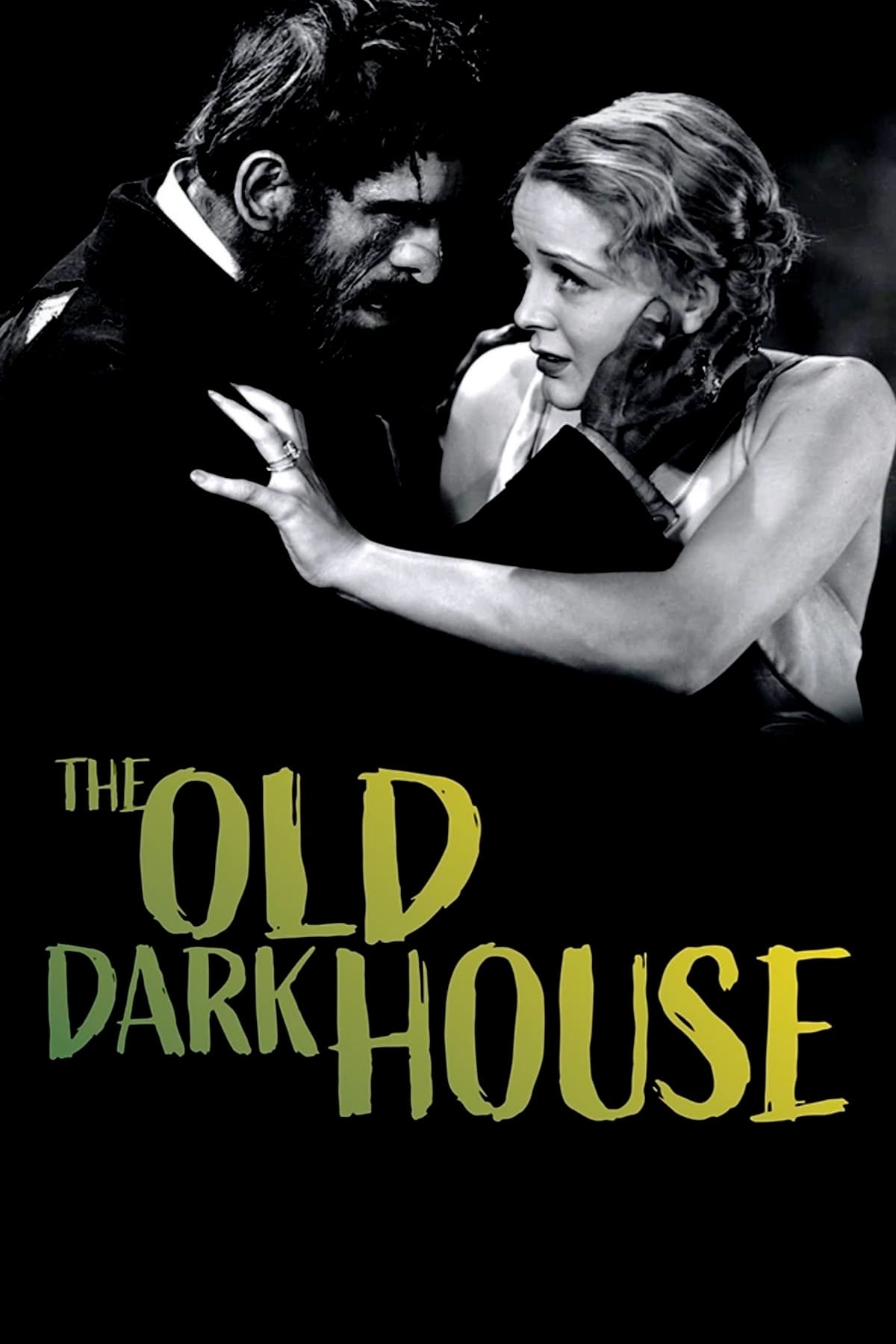
James Whale gathers a stranded group in a storm lashed mansion run by the eccentric Femm family. Boris Karloff looms as the hulking butler while a parade of odd relatives keeps danger simmering. The script balances macabre humor with sudden menace in candlelit corridors. Long considered lost to rights issues, it returned in a pristine restoration that highlighted its gleeful nastiness.
‘The Innocents’ (1961)
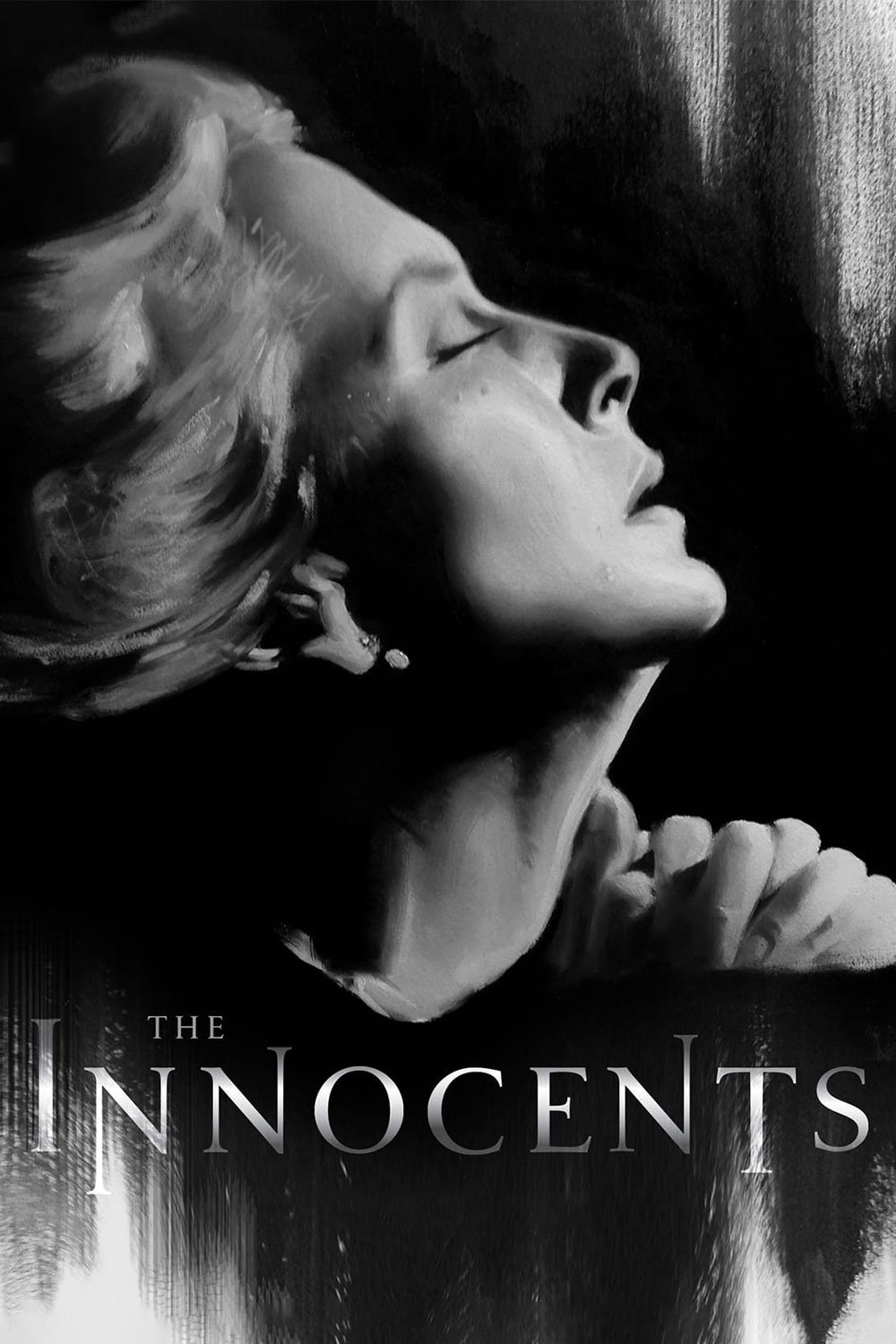
Jack Clayton adapts Henry James’s ‘The Turn of the Screw’ with an emphasis on psychology and suggestion. Deborah Kerr plays a governess who believes two children are under the sway of ghosts at a country estate. Freddie Francis’s luminous black and white cinematography and meticulous sound design make every whisper feel threatening. The ambiguity of what is seen and not seen keeps the tension exquisitely poised.
‘Lake Mungo’ (2008)
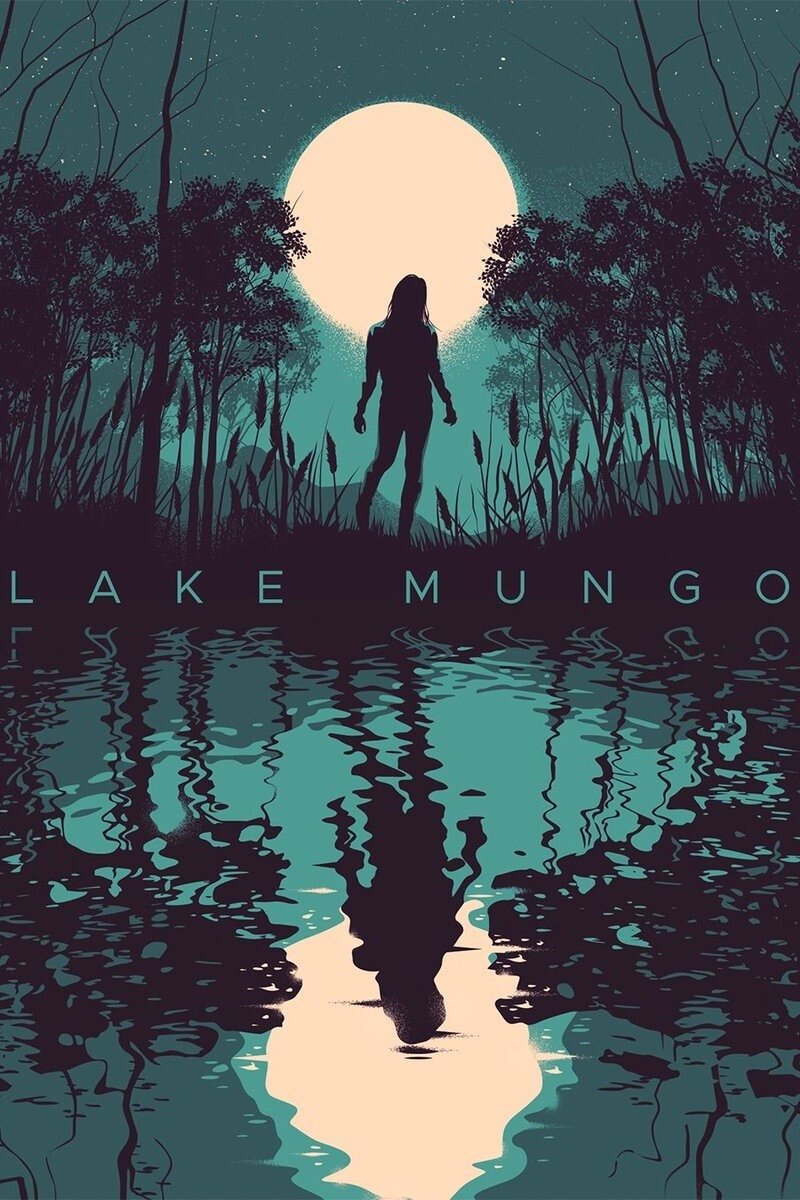
Told as a faux documentary with interviews and home video artifacts, this Australian chiller follows a family grappling with a daughter’s death. As clues surface, the story shifts from paranormal investigation to buried secrets. The restrained format makes each reveal feel uncomfortably intimate. Careful editing and quiet performances let the dread creep in from the edges.
‘The Orphanage’ (2007)
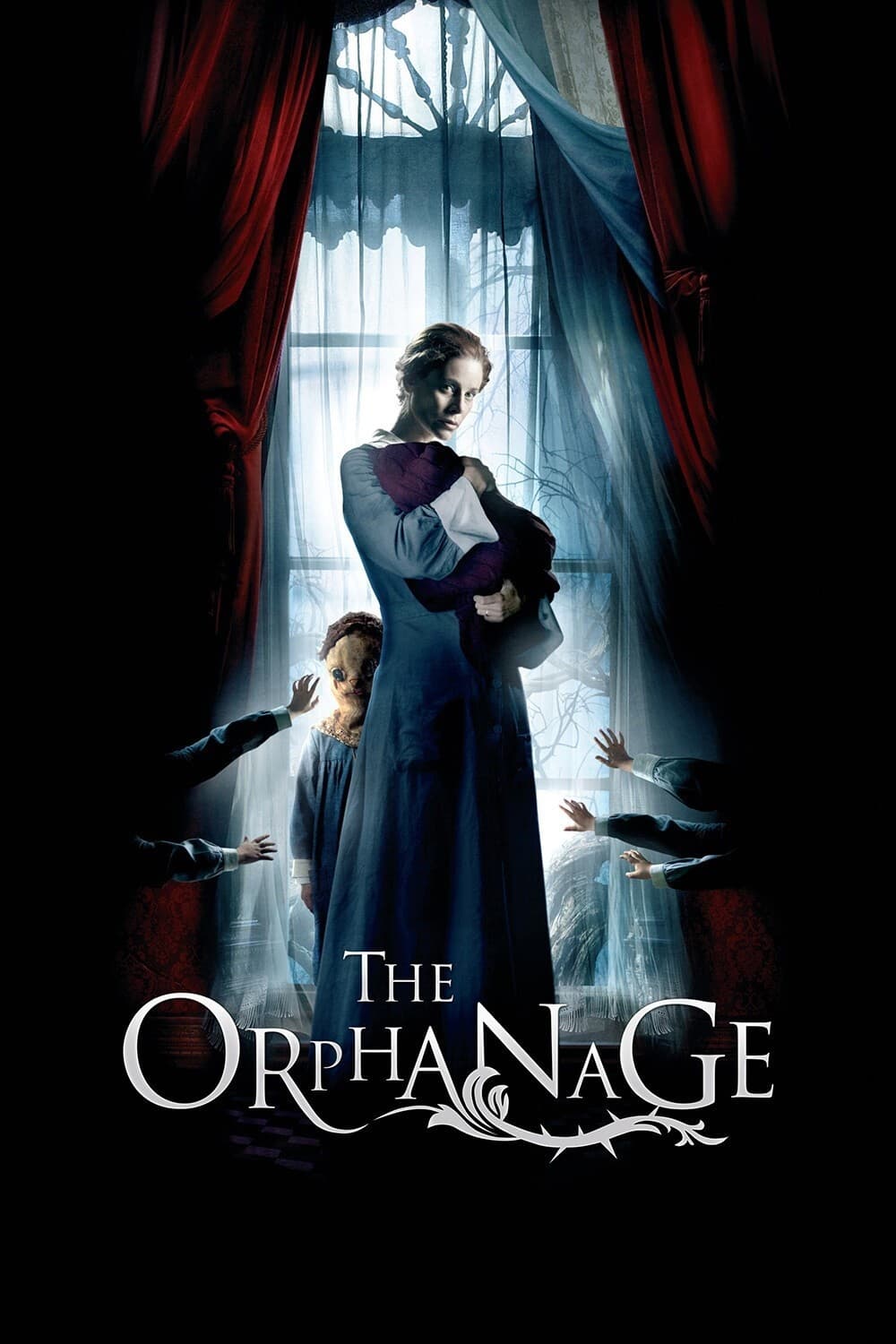
J. A. Bayona’s feature debut centers on a woman who returns to the seaside orphanage where she grew up and begins to sense a masked child. Belén Rueda leads a cast that balances grief with creeping supernatural signs. The production’s period textures and sound cues build toward a carefully staged finale. Presented internationally by Guillermo del Toro, it brought renewed attention to Spanish language ghost stories.
‘Kuroneko’ (1968)
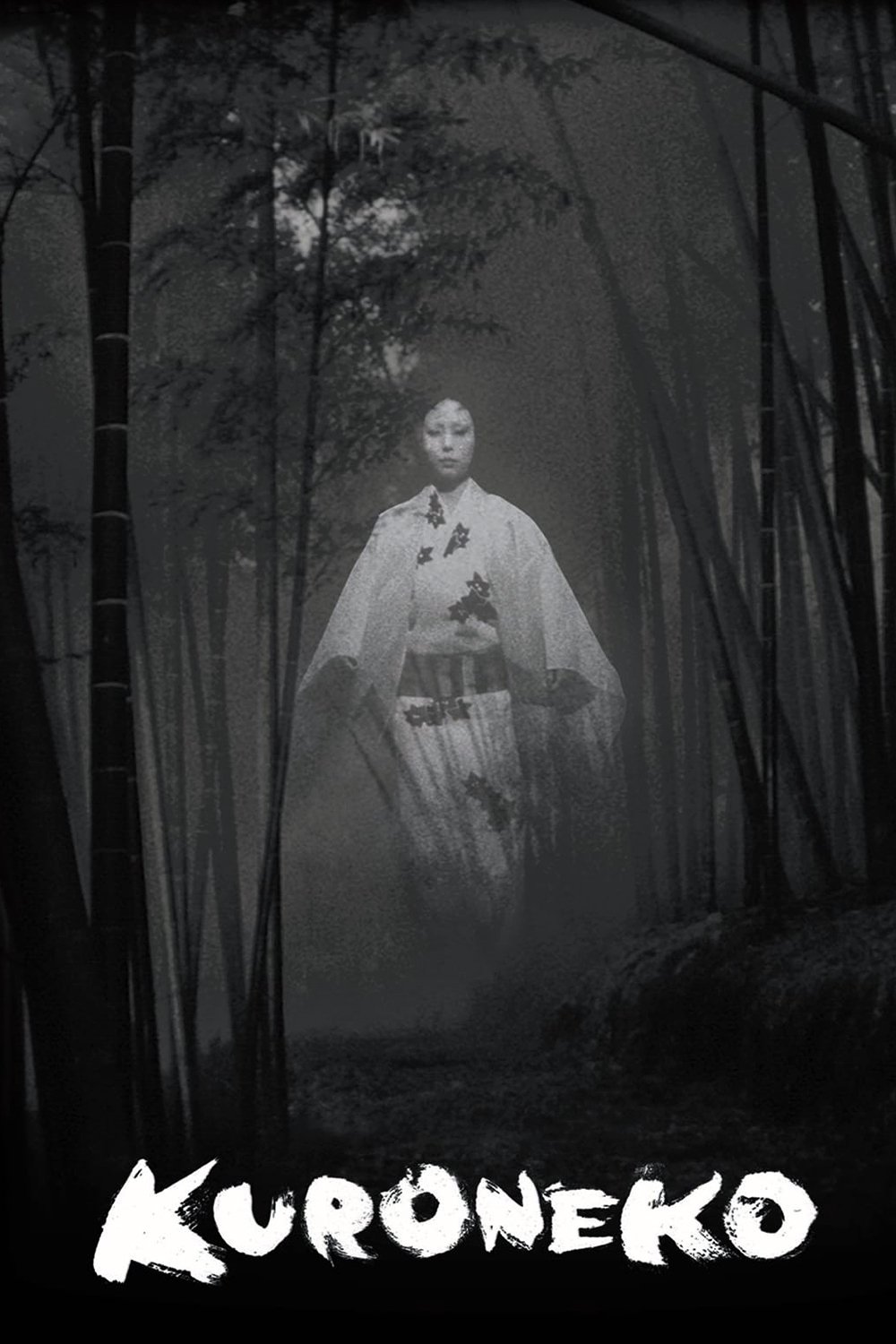
Kaneto Shindō’s ghost tale follows two women wronged by soldiers who return as vengeful spirits luring samurai into a bamboo grove. The film uses Noh inspired movement and mist filled sets to create a floating, ritual atmosphere. Performances by Kichiemon Nakamura and Nobuko Otowa give the revenge myth aching gravity. Its moonlit images have become part of the classic Japanese horror canon.
‘The Vanishing’ (1988)
Georges Sluizer’s psychological nightmare tracks a man obsessed with finding out what happened to his missing partner. The film methodically reveals the perspective of the kidnapper, turning curiosity into a trap. Cool performances and everyday locations make the horror feel disturbingly plausible. Its final sequence left a lasting mark on thriller storytelling.
‘Possession’ (1981)
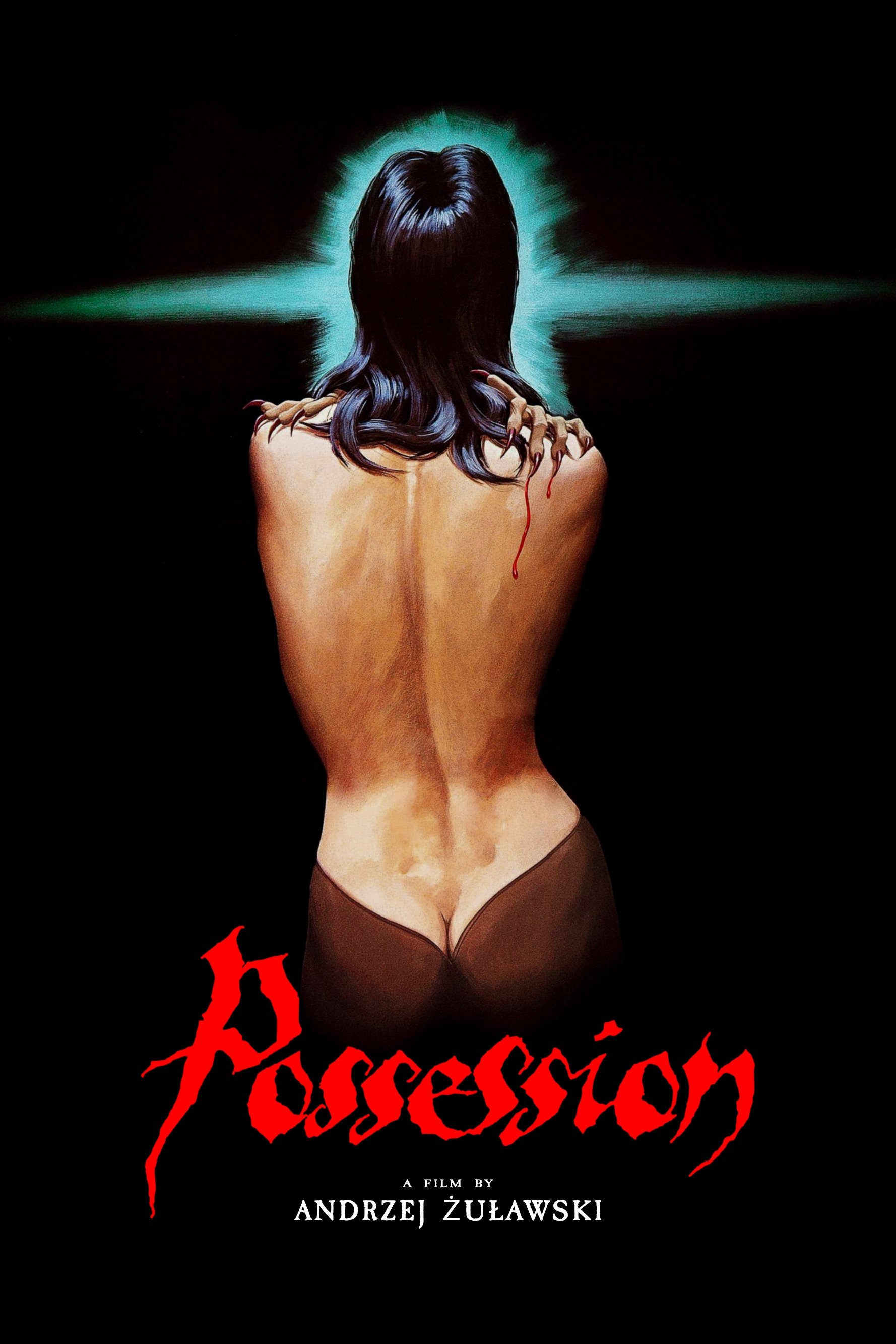
Set in a divided Berlin, the story follows a couple’s unraveling that spirals into doppelgängers, secret apartments, and a creature in the shadows. Isabelle Adjani delivers a ferocious performance that won prizes at major festivals. Sam Neill matches her intensity as paranoia and surveillance seep into domestic spaces. Practical effects by Carlo Rambaldi add a clammy, biological terror to the breakdown.
‘The Changeling’ (1980)
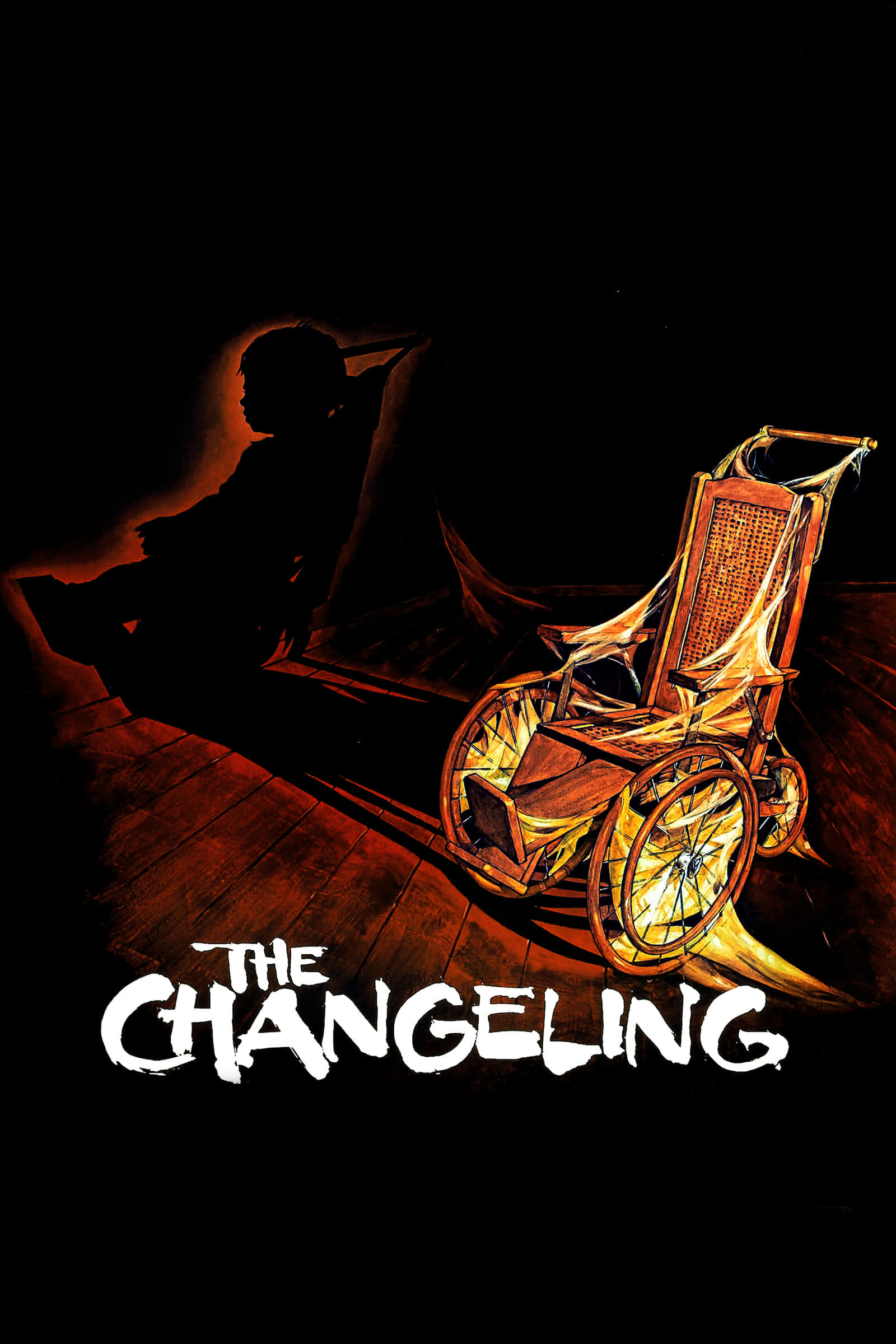
A composer relocates to an old mansion after a tragedy and begins to experience poltergeist activity tied to a long buried crime. George C. Scott’s weary determination turns the investigation into a grieving man’s quest for truth. Echoing footsteps, a child’s red ball, and a hidden room supply classic haunted house imagery. Location work across Vancouver and Seattle gives the mystery a stately, wintry chill.
‘The Wolf Man’ (1941)
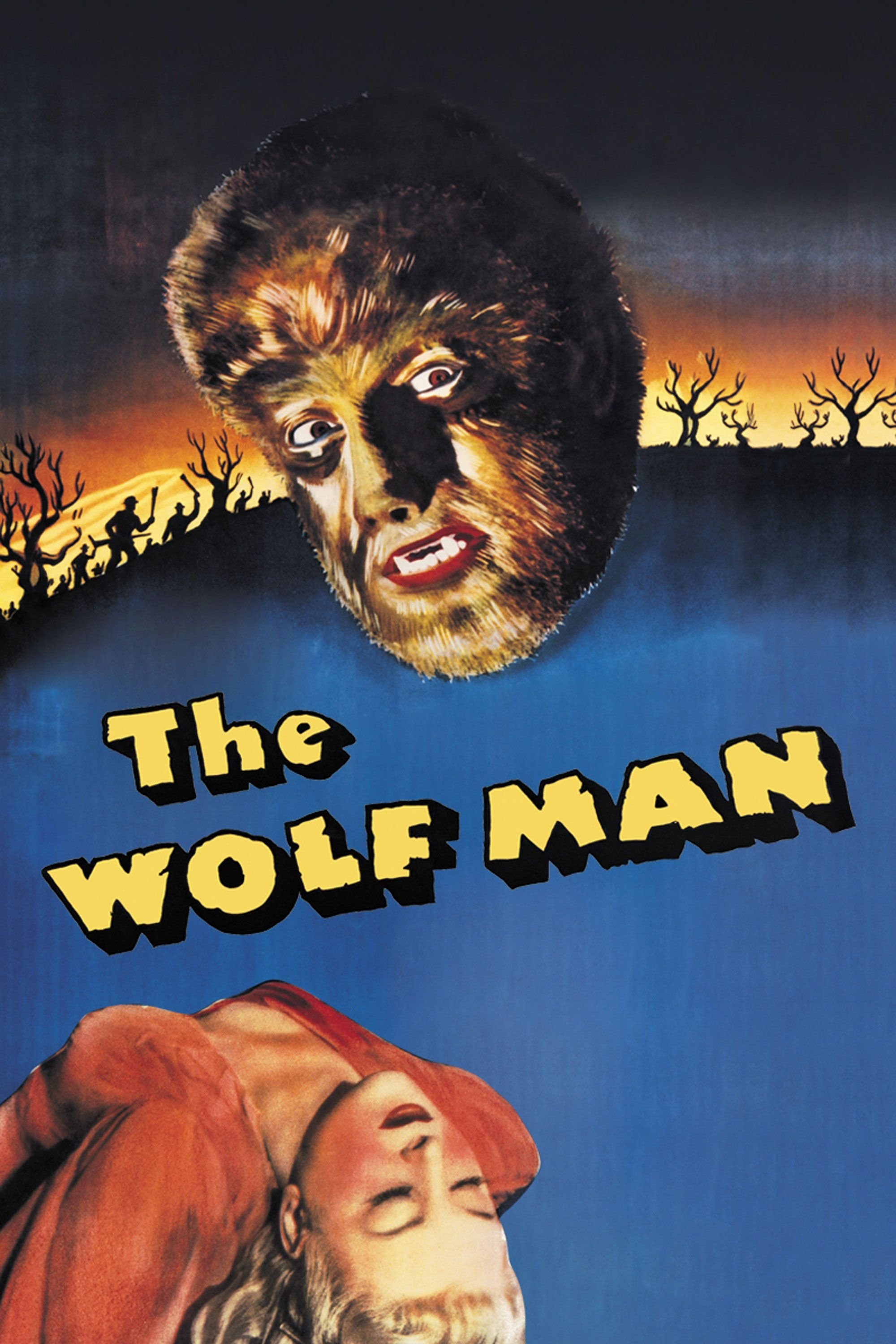
Lon Chaney Jr. plays Larry Talbot, a man bitten by a werewolf and cursed to transform under the full moon. The film codified silver bullets, pentagrams, and wolfsbane in popular werewolf lore. Jack Pierce’s makeup design became a touchstone for later creature features. Foggy sets and nightbound village scenes shape the movie’s enduring gothic mood.
‘Cat People’ (1942)
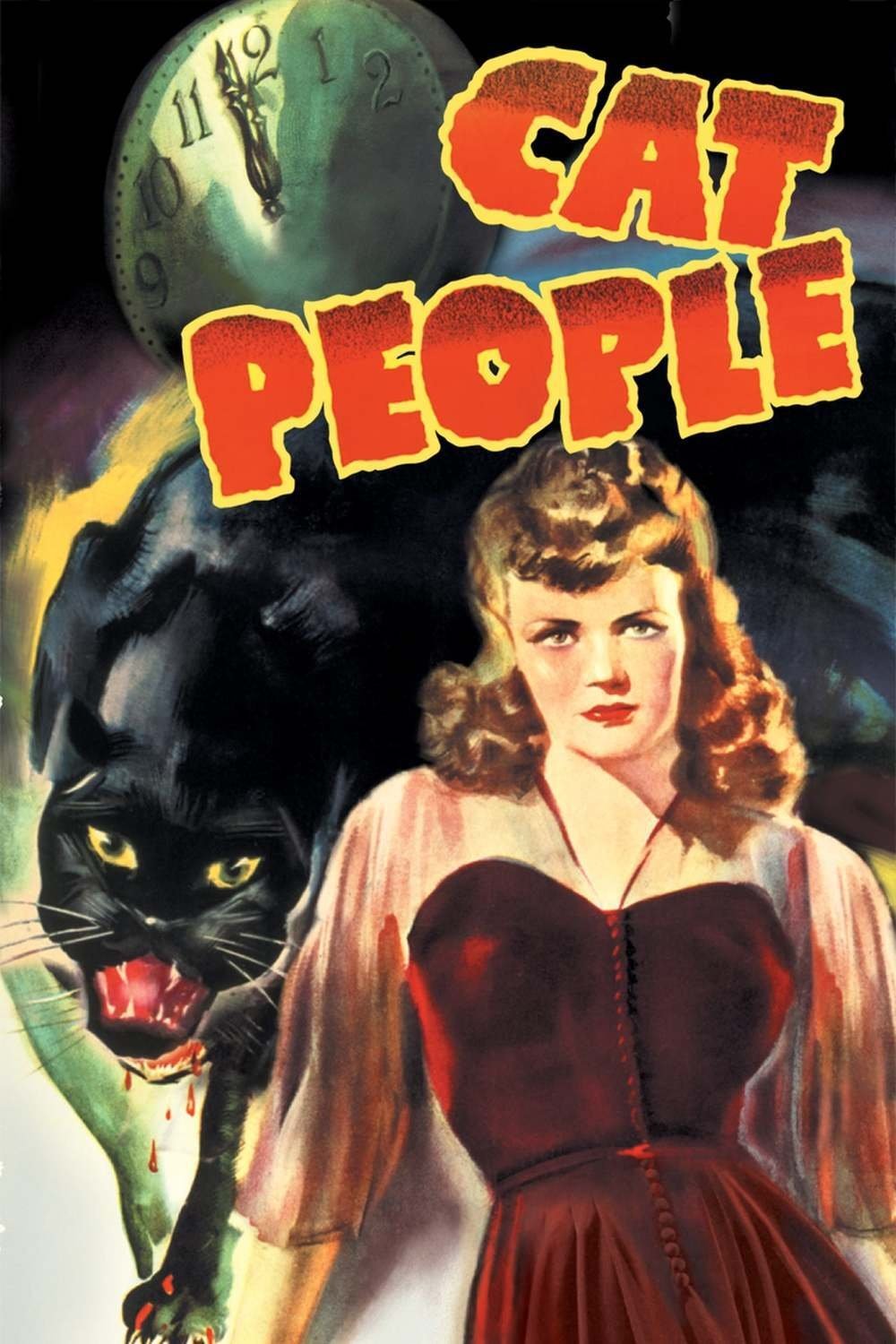
A Serbian immigrant in New York believes an ancient curse will turn her into a panther if she is aroused or angered. Producer Val Lewton emphasizes suggestion with shadowy pools, stalking footfalls, and a famous bus jump scare. Director Jacques Tourneur builds tension through everyday spaces that feel suddenly predatory. Its success led to a sequel that expanded the mythos.
‘The Body Snatcher’ (1945)
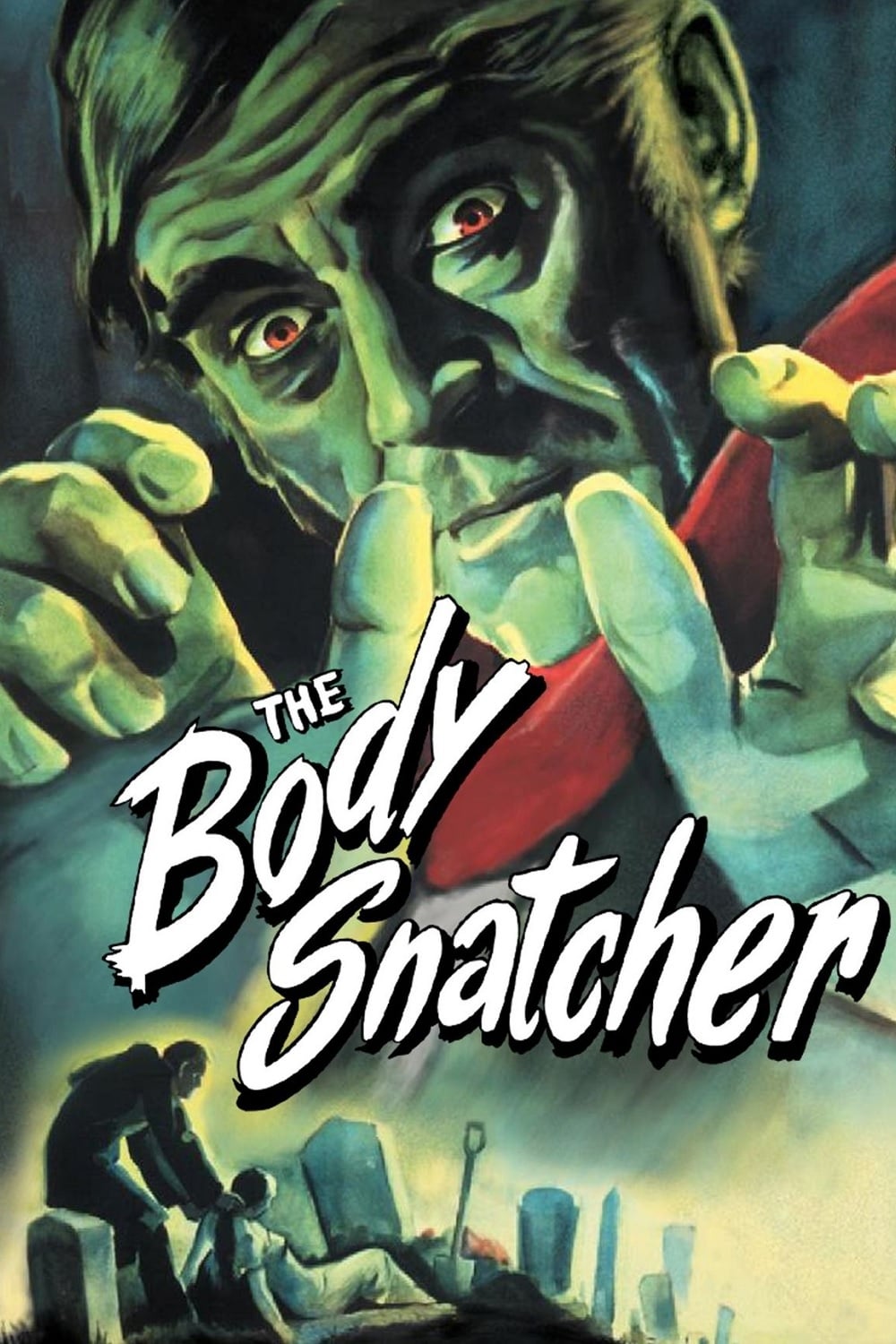
Set in 19th century Edinburgh, the story follows a doctor who buys cadavers from a sinister coachman with grave connections. Based on a Robert Louis Stevenson tale, it evokes the real world Burke and Hare murders. Boris Karloff’s performance anchors a study of complicity and fear. Horse drawn nights and gaslit alleyways give the film a clammy historical texture.
‘The Seventh Victim’ (1943)
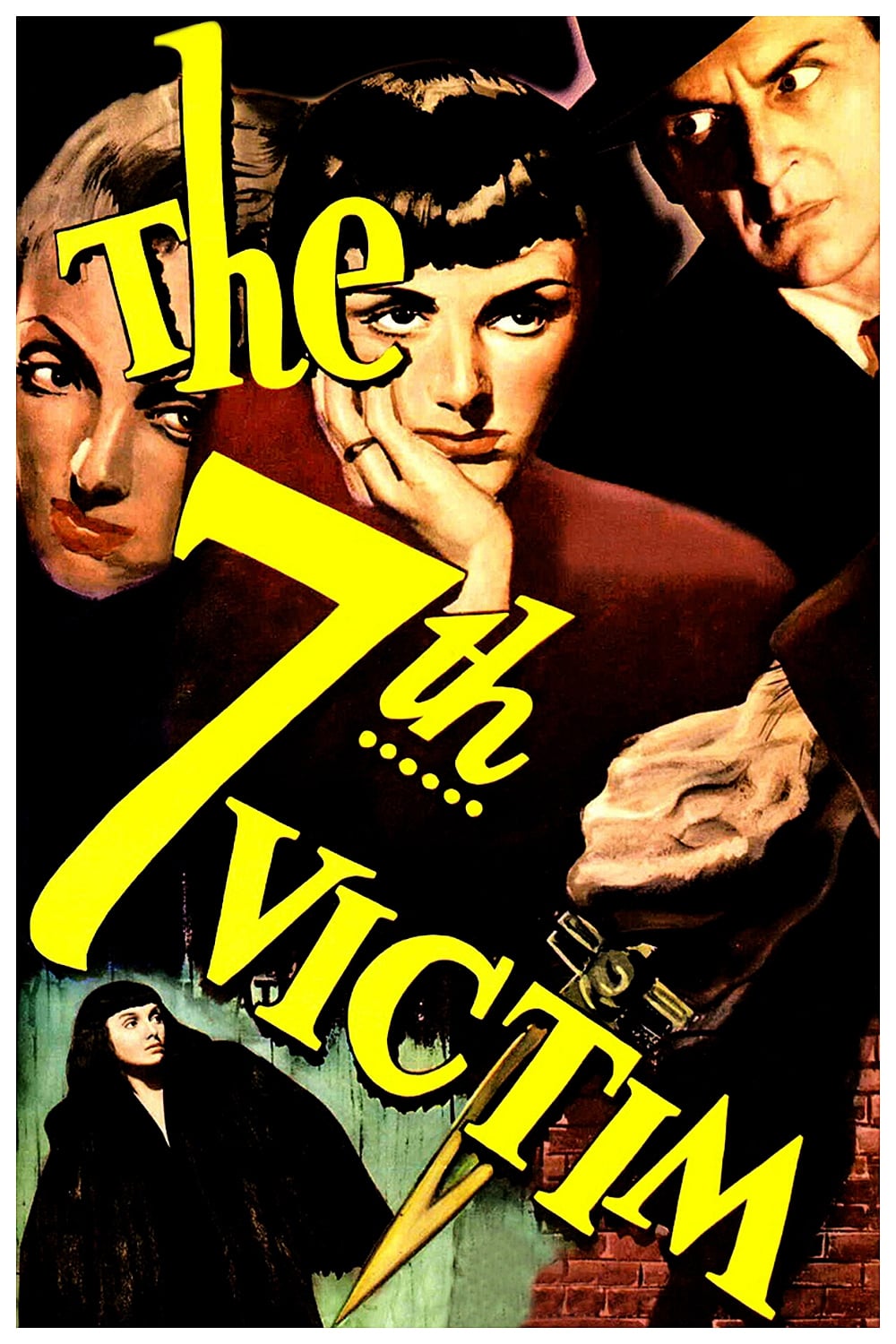
A young woman searches New York for her missing sister and crosses paths with a clandestine cult. The movie threads existential dread through boarding houses, restaurants, and subway corridors. Producer Val Lewton favors quiet menace over overt shocks. A striking closing image helped cement its reputation as a bleak urban chiller.
‘The Brood’ (1979)
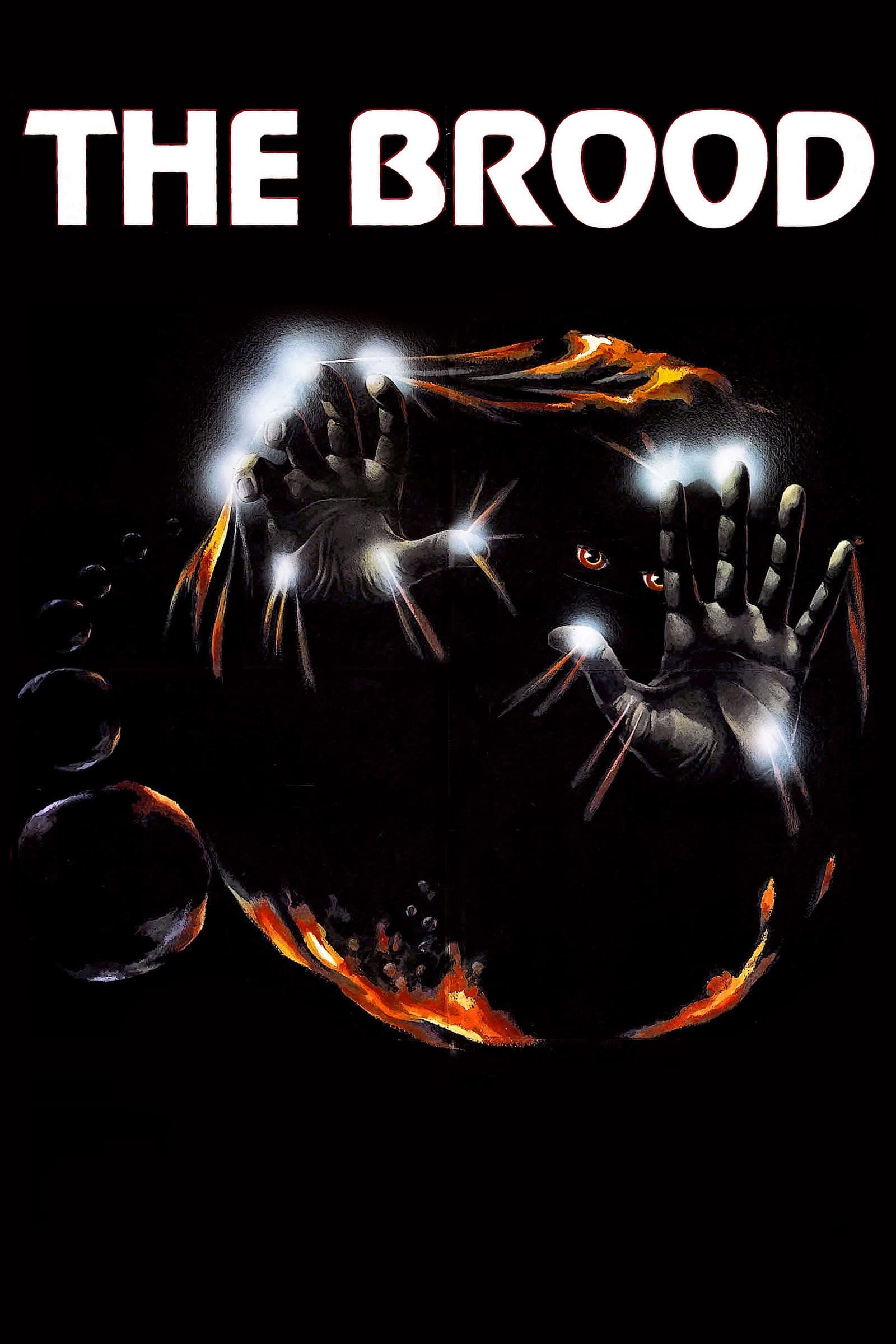
A man uncovers a radical therapy program whose methods manifest physically through his estranged wife’s rage. Director David Cronenberg connects psychological trauma to shocking external symptoms. Stark winter locations and clinical interiors underline the sterile menace. The story’s medical files and institutional secrecy guide the investigation toward a grim reveal.
‘Near Dark’ (1987)
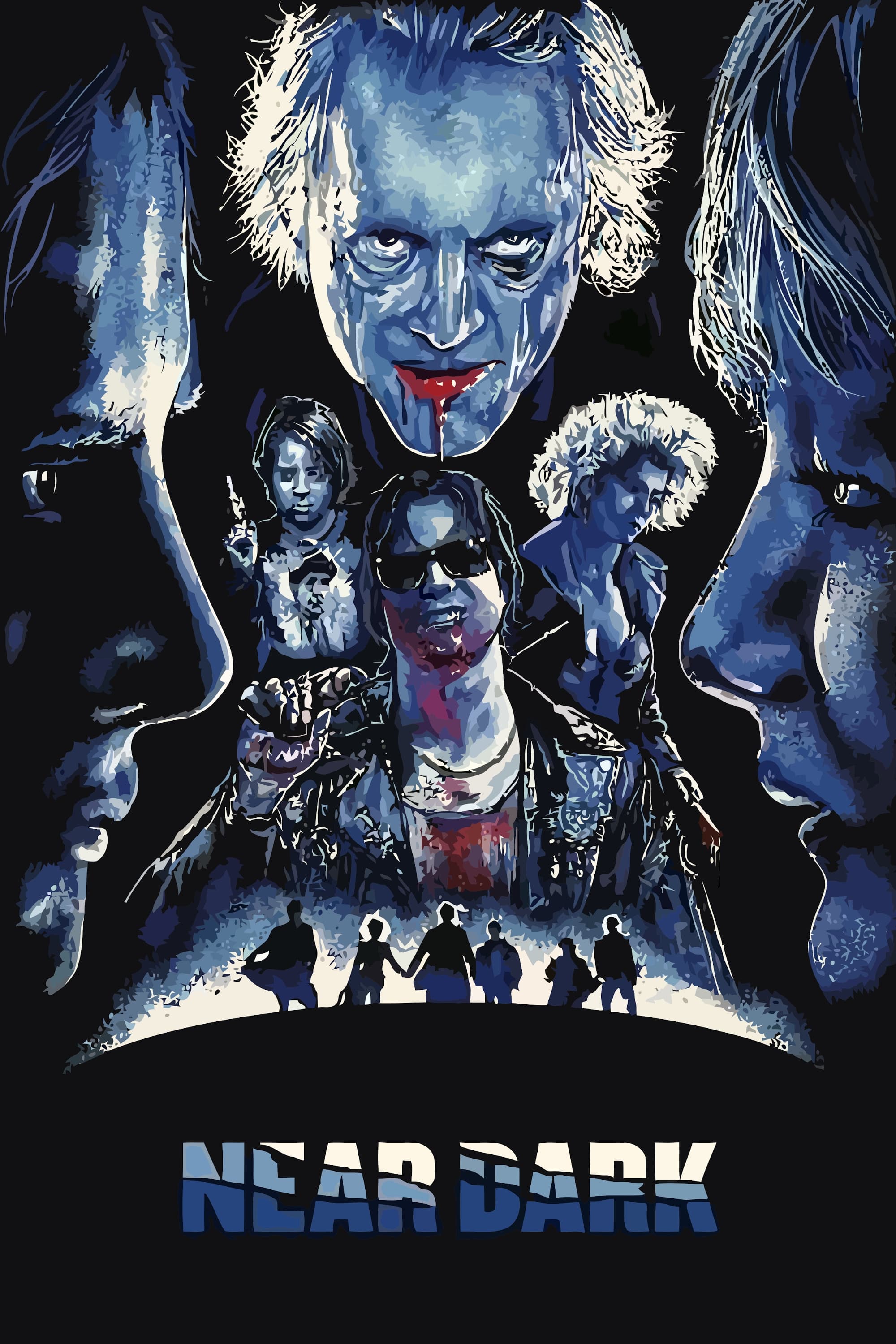
A farm boy is pulled into a roving vampire clan that treats the American West like a nocturnal hunting ground. Director Kathryn Bigelow blends road movie rhythms with bloodthirsty set pieces. Neon lit bars, motel rooms, and desert truck stops become waystations of danger. The film earned a following for its stripped down rules and itinerant family dynamics.
‘The Devil’s Backbone’ (2001)
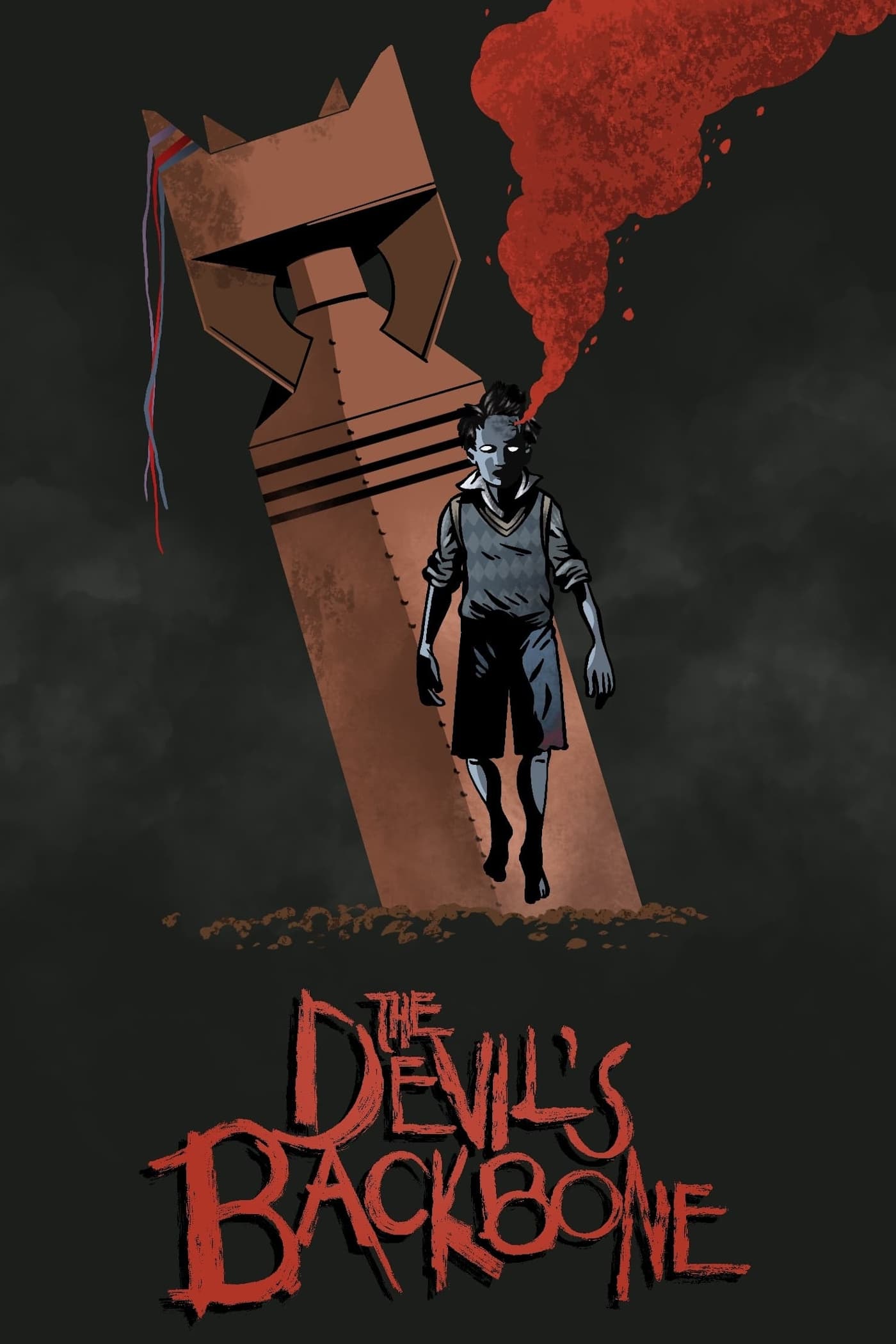
During the final days of the Spanish Civil War, an orphanage boy encounters a spectral figure and a mystery tied to the building’s past. Director Guillermo del Toro balances political context with intimate hauntings. Dusty courtyards, unexploded ordnance, and a central cistern shape the setting’s unease. The ghost’s appearance reflects wounds that refuse to heal.
‘Ginger Snaps’ (2000)
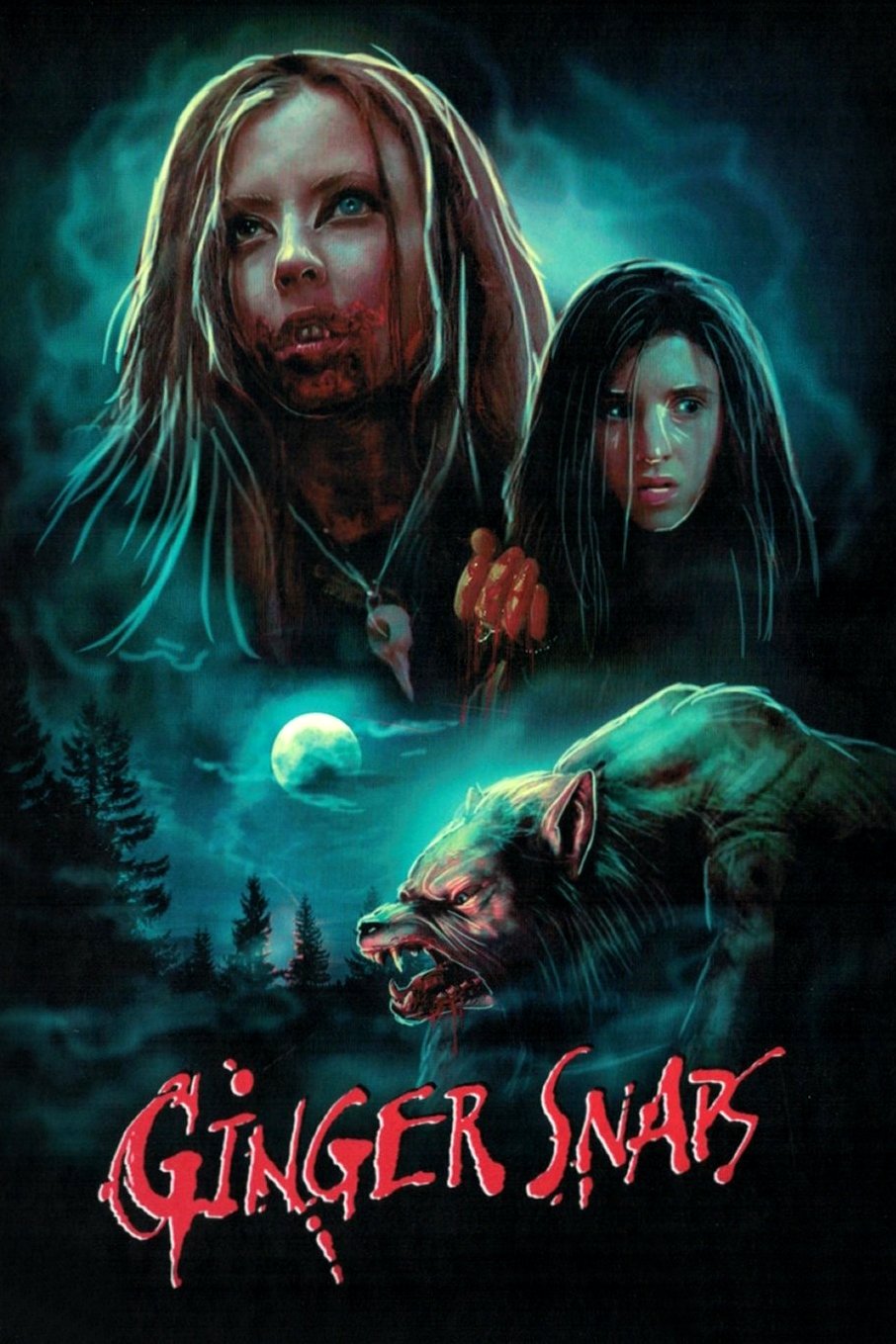
Two sisters obsessed with morbidity confront a literal transformation after a late night attack. The screenplay intertwines lycanthropy with coming of age anxieties at school and at home. Suburban streets and a rundown greenhouse become recurring danger zones. Practical effects highlight the slow shift from injury to irreversible change.
‘The Autopsy of Jane Doe’ (2016)
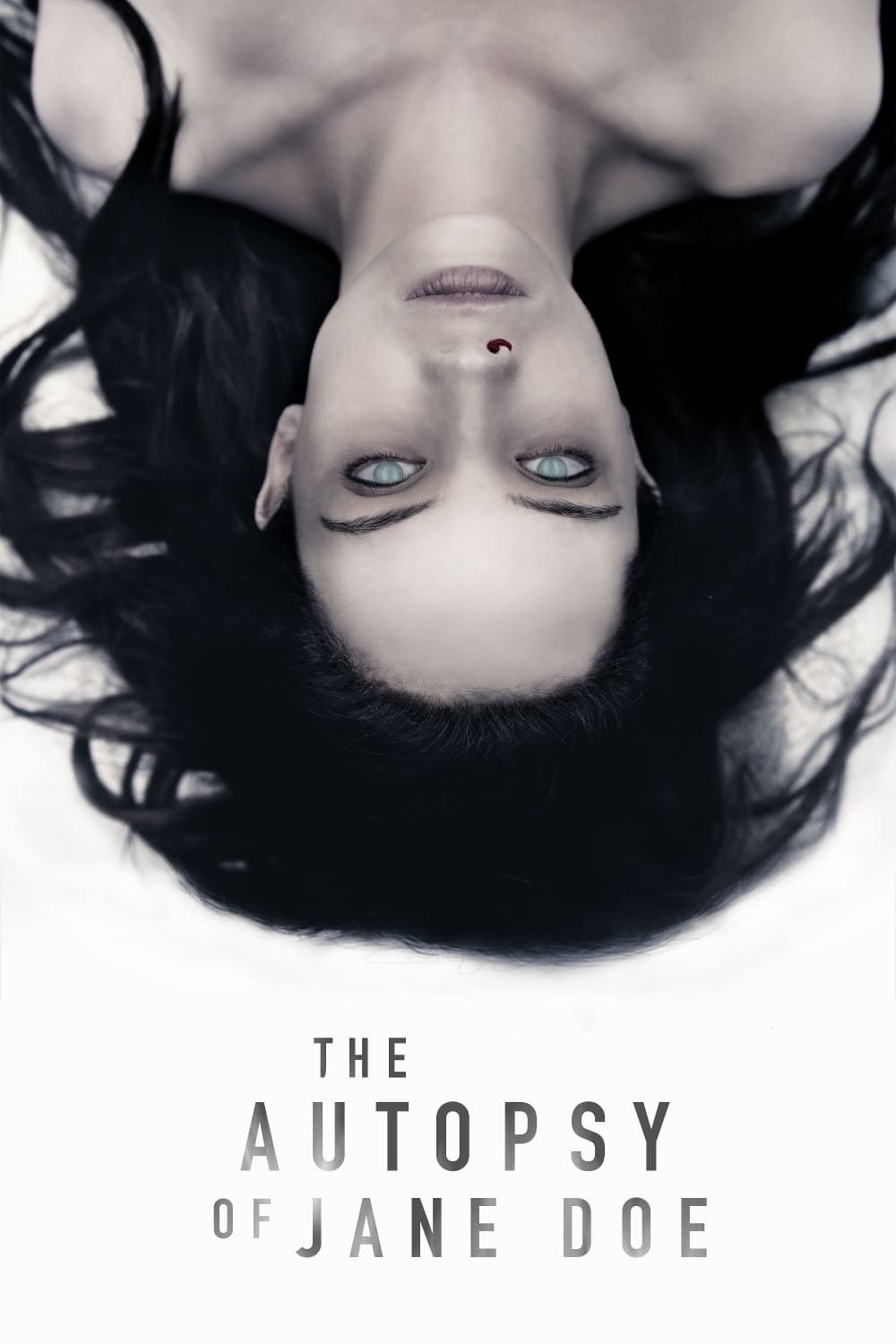
A father and son team of coroners work through a mysterious corpse whose body yields impossible clues. The single location morgue structure creates a procedural clock as storms cut off escape. Medical steps and evidence tags trace a clear path through mounting anomalies. Each discovery points to an older history that reframes the case.
‘The Invitation’ (2015)
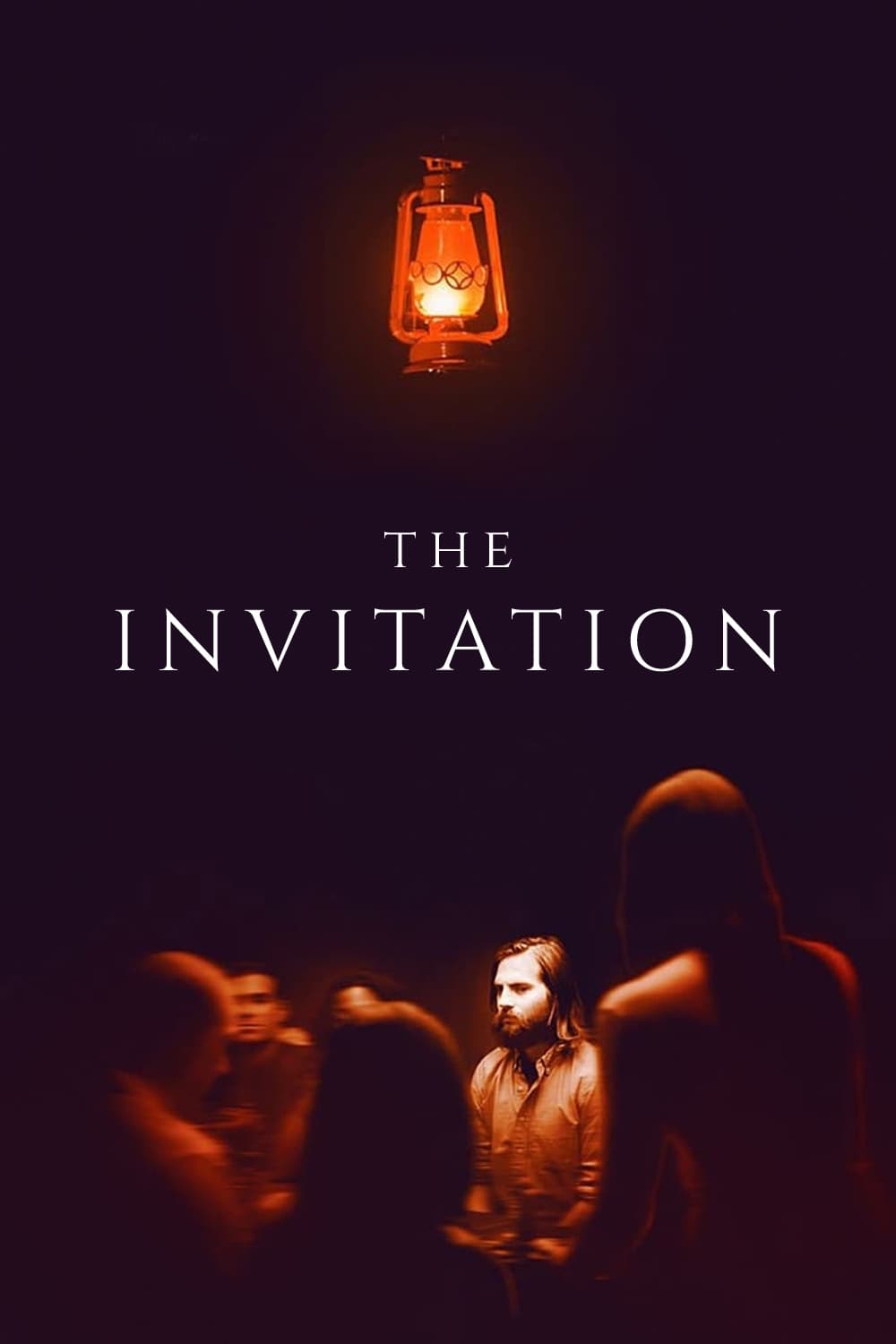
A dinner party reunion gradually reveals an agenda that puts the guests on edge. The film uses conversational rhythms, toasts, and small rituals to escalate suspicion. Architectural lines and closed doors emphasize the house as both stage and trap. Details from past grief ripple through every polite exchange until the plan surfaces.
‘The Babadook’ (2014)
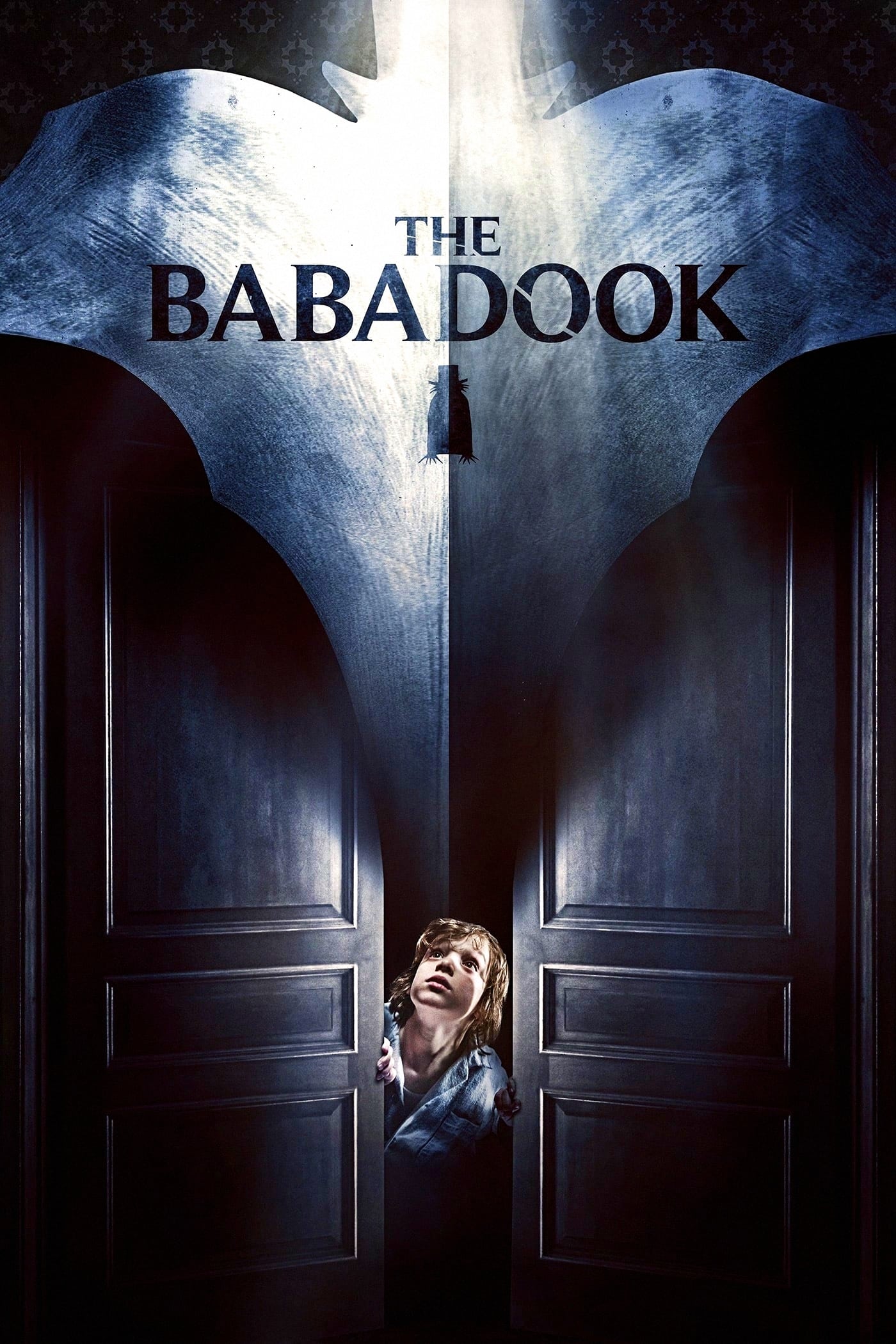
A widowed mother and her son are haunted by a top hatted figure that appears after a strange pop up book arrives. The film maps insomnia and parental strain onto creeping disturbances. Minimal color and carefully arranged interiors mirror the home’s emotional pressure. The children’s storybook format frames an entity that feeds on denial.
‘The Wailing’ (2016)
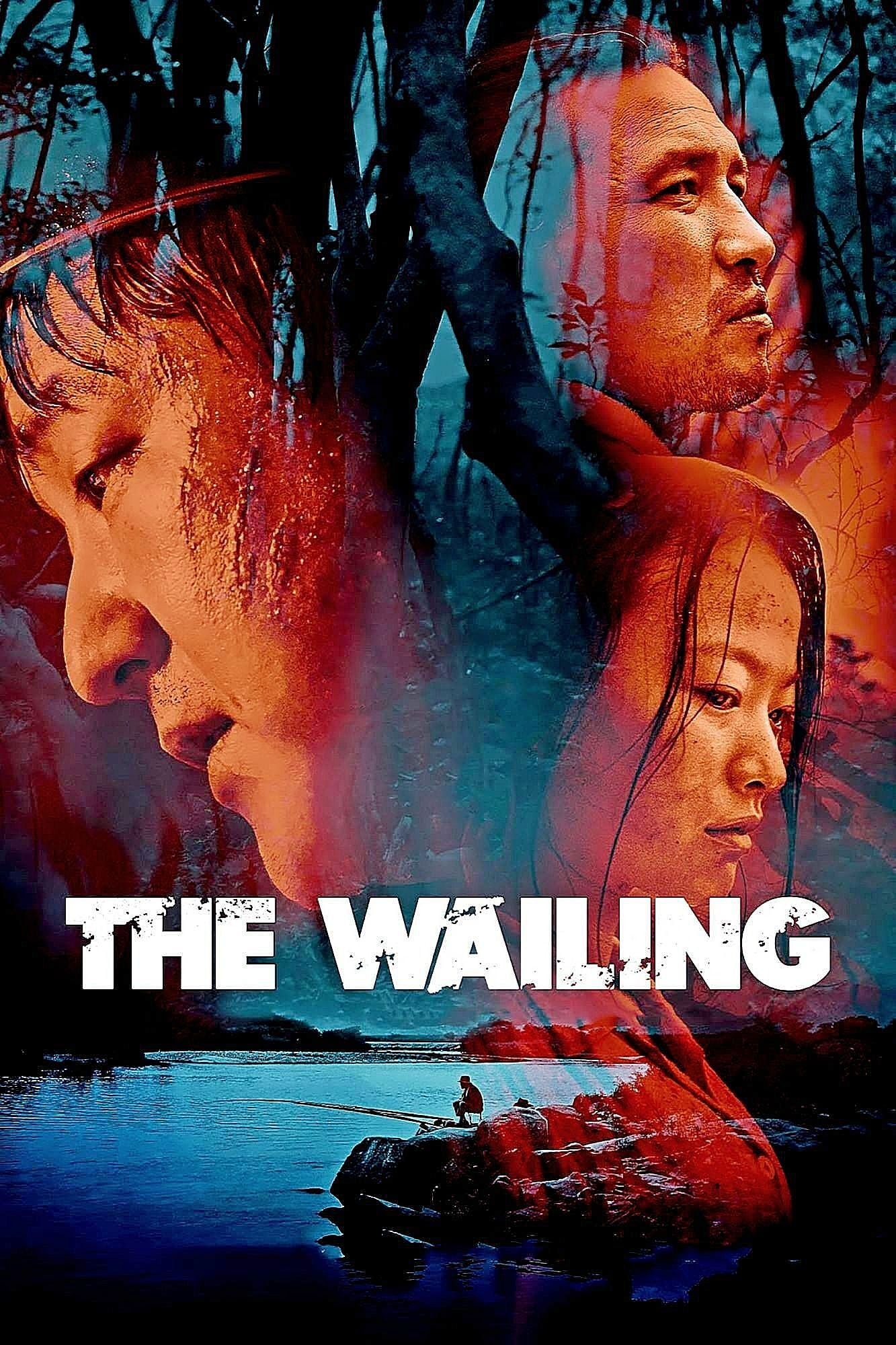
A small town cop investigates a wave of sudden illnesses and violent outbursts that seem linked to a mysterious stranger. The case draws on shamanic rituals, folklore, and police legwork. Rain soaked mountains and isolated farmhouses frame the community’s unraveling. The investigation spirals through conflicting explanations until a devastating conclusion.
‘Let the Right One In’ (2008)
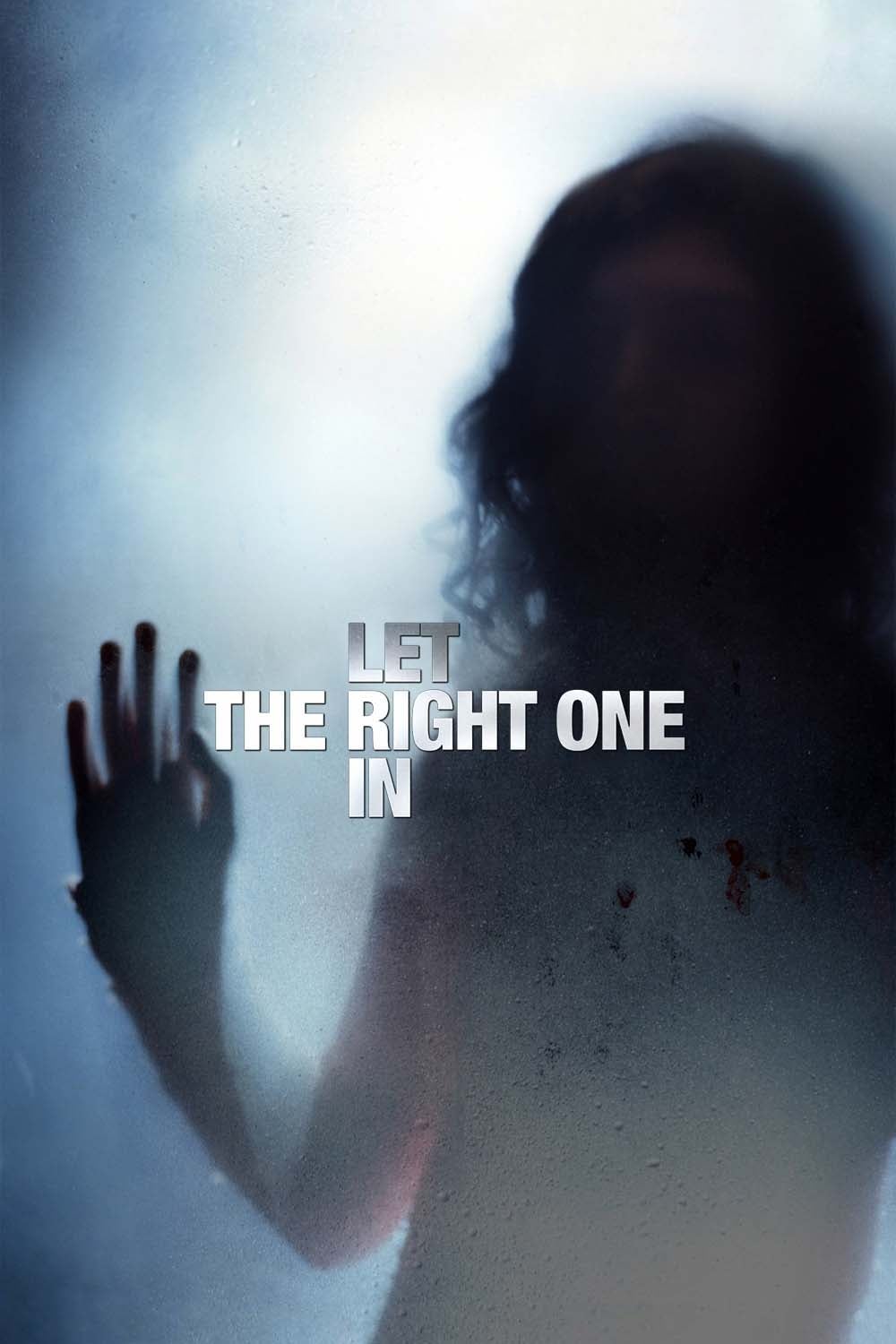
A bullied boy befriends a childlike vampire who moves into his snowy apartment complex. The story’s quiet winter nights and empty playgrounds set an intimate tone. Careful framing and sparse dialogue build a pact that complicates innocence. Poolside and stairwell scenes mark turning points in their dark companionship.
Share your favorite perfect score horror in the comments and tell us which one surprised you most.