


Horror Movies You Are Sleeping On (But Shouldn’t)

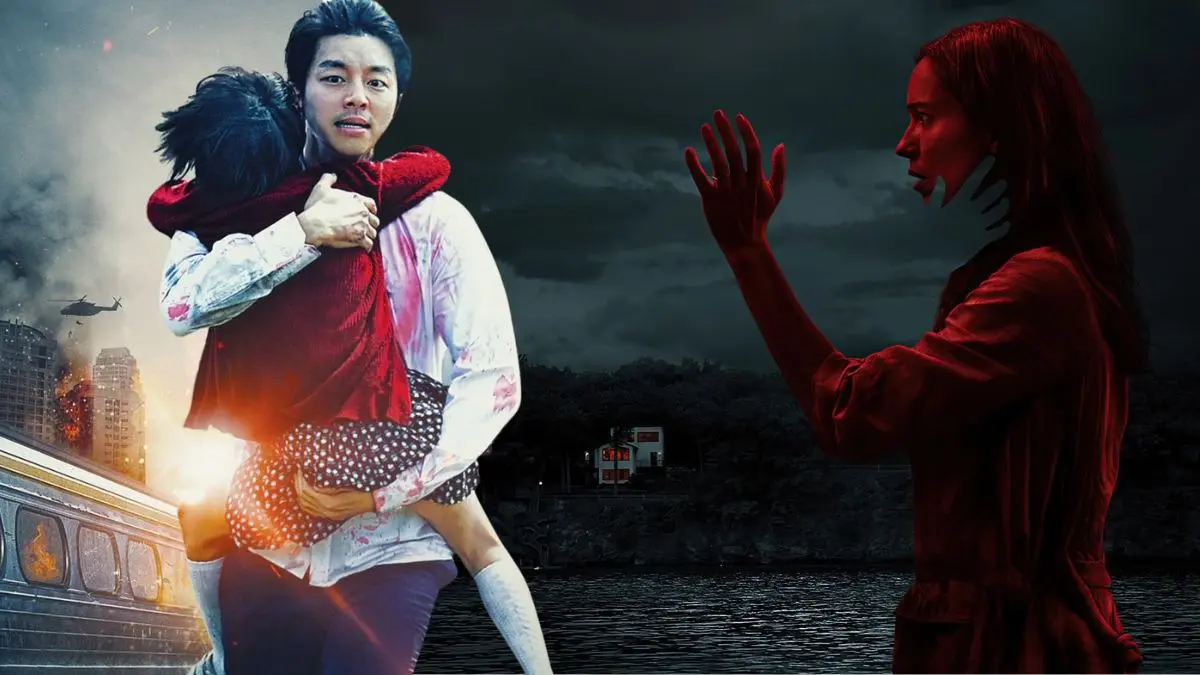


There are horror gems that slipped past crowded release calendars and streaming home pages. Some built reputations slowly while others were overshadowed by bigger studio franchises. The titles below reward a closer look with strong craft, memorable ideas, and clever storytelling that landed just under the radar for many viewers.
Each pick includes simple context you can use to decide what to watch next. You will also see, woven in naturally, where each film landed in theaters or on platforms, since distribution often shapes how widely a title is discovered in the first place.
‘The Autopsy of Jane Doe’ (2016)
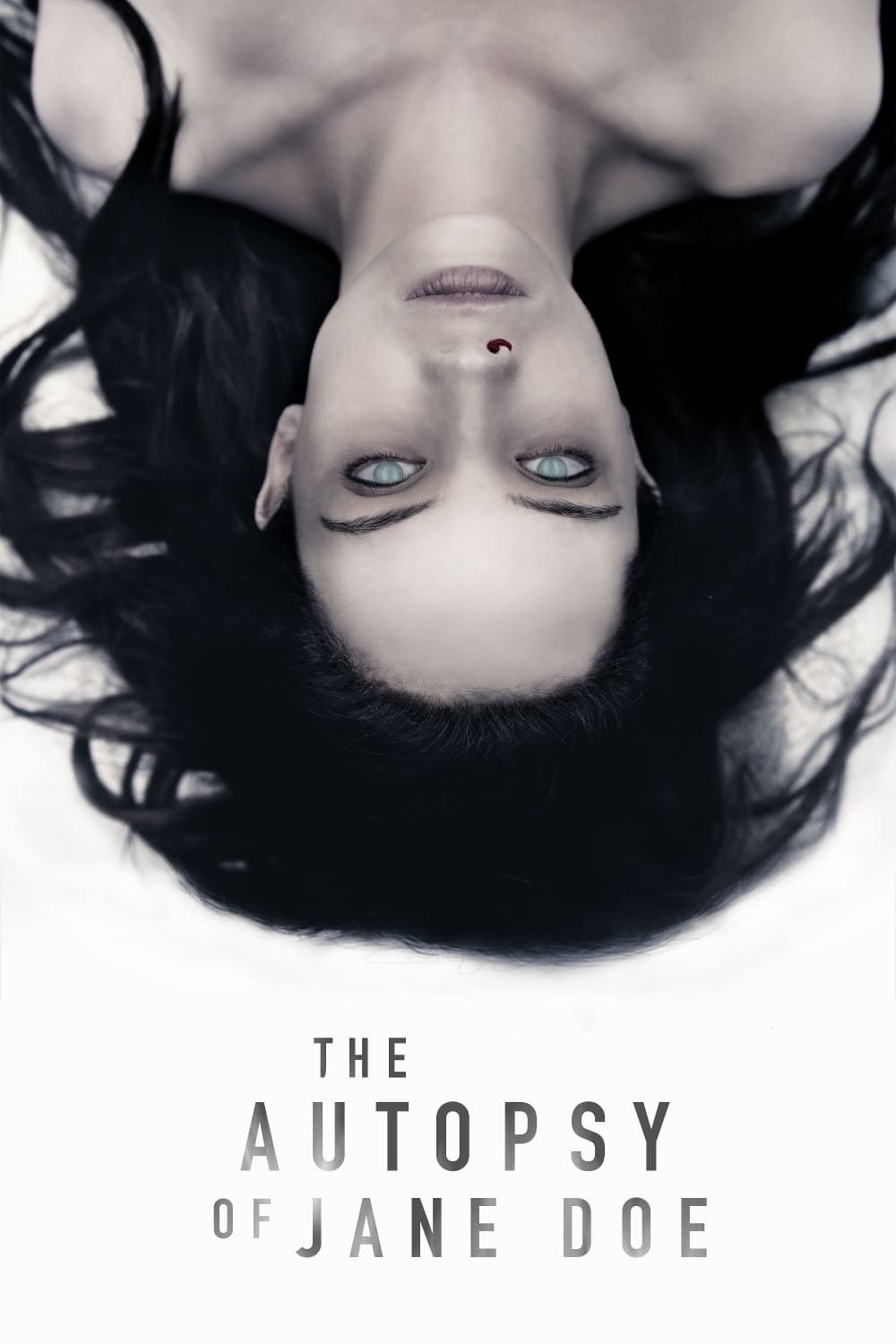
André Øvredal directs a contained mystery about a father and son coroner team who receive an unidentified body with no external injuries and a long list of impossible internal anomalies. The film stars Brian Cox and Emile Hirsch and unfolds almost entirely inside a small-town morgue as the examination reveals clues that point to centuries-old events.
The movie reached American genre audiences through IFC Midnight, which helped it play late-night slots and digital platforms. Production took place in the United Kingdom with interior sets built to allow long takes inside the lab rooms.
‘The Invitation’ (2015)
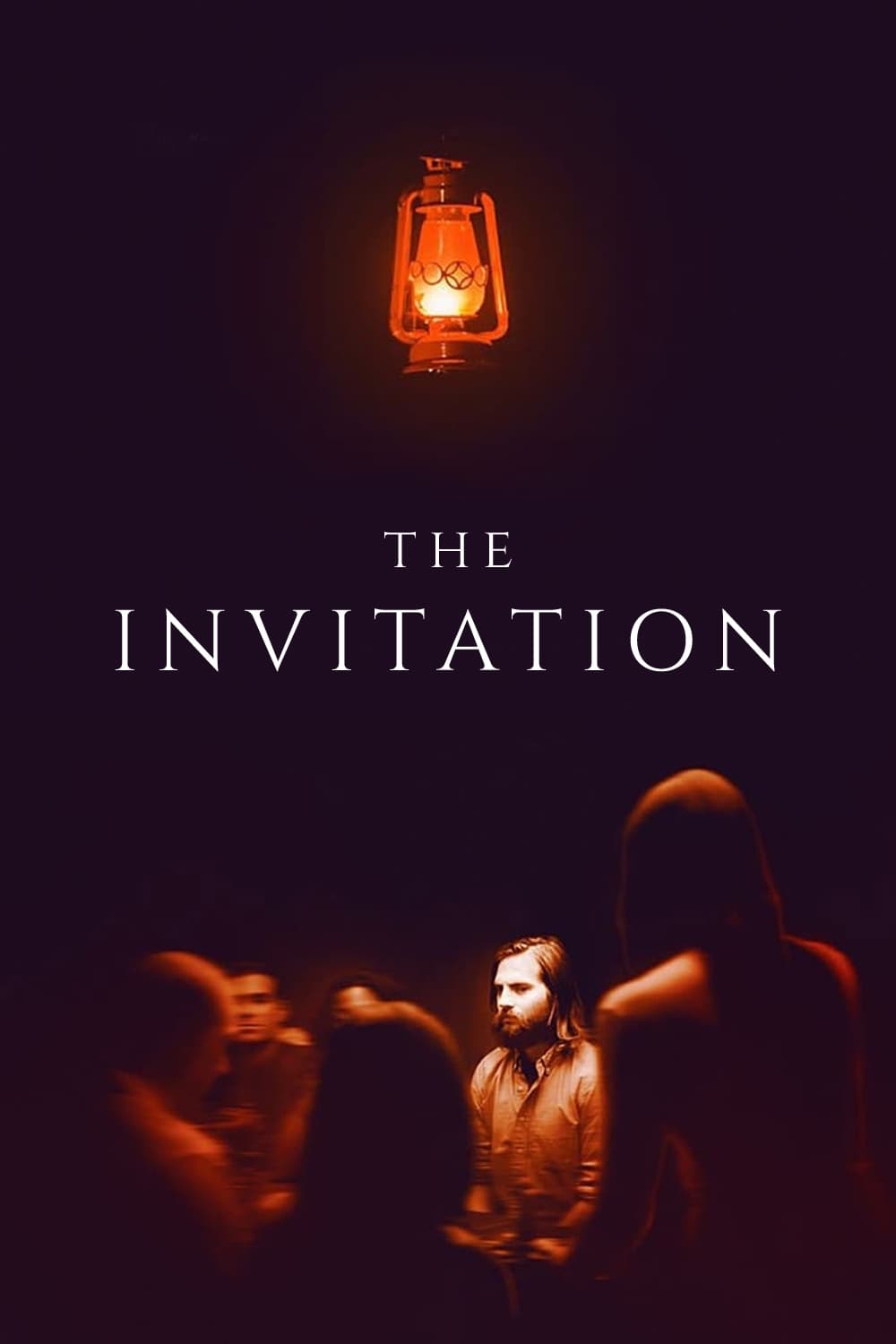
Karyn Kusama crafts a slow-burn dinner party thriller centered on a man who attends a reunion at his former home and notices a series of unsettling behaviors from the hosts. Logan Marshall-Green leads a cast that includes Tammy Blanchard and Michiel Huisman, with the story using the house’s layout to stage escalating conversations and locked-door reveals.
The release moved through Drafthouse Films in the United States alongside a limited theatrical run and VOD. Screenwriter Phil Hay developed the script with a focus on grief and group psychology, which informed the party’s structured games and speeches.
‘The Empty Man’ (2020)
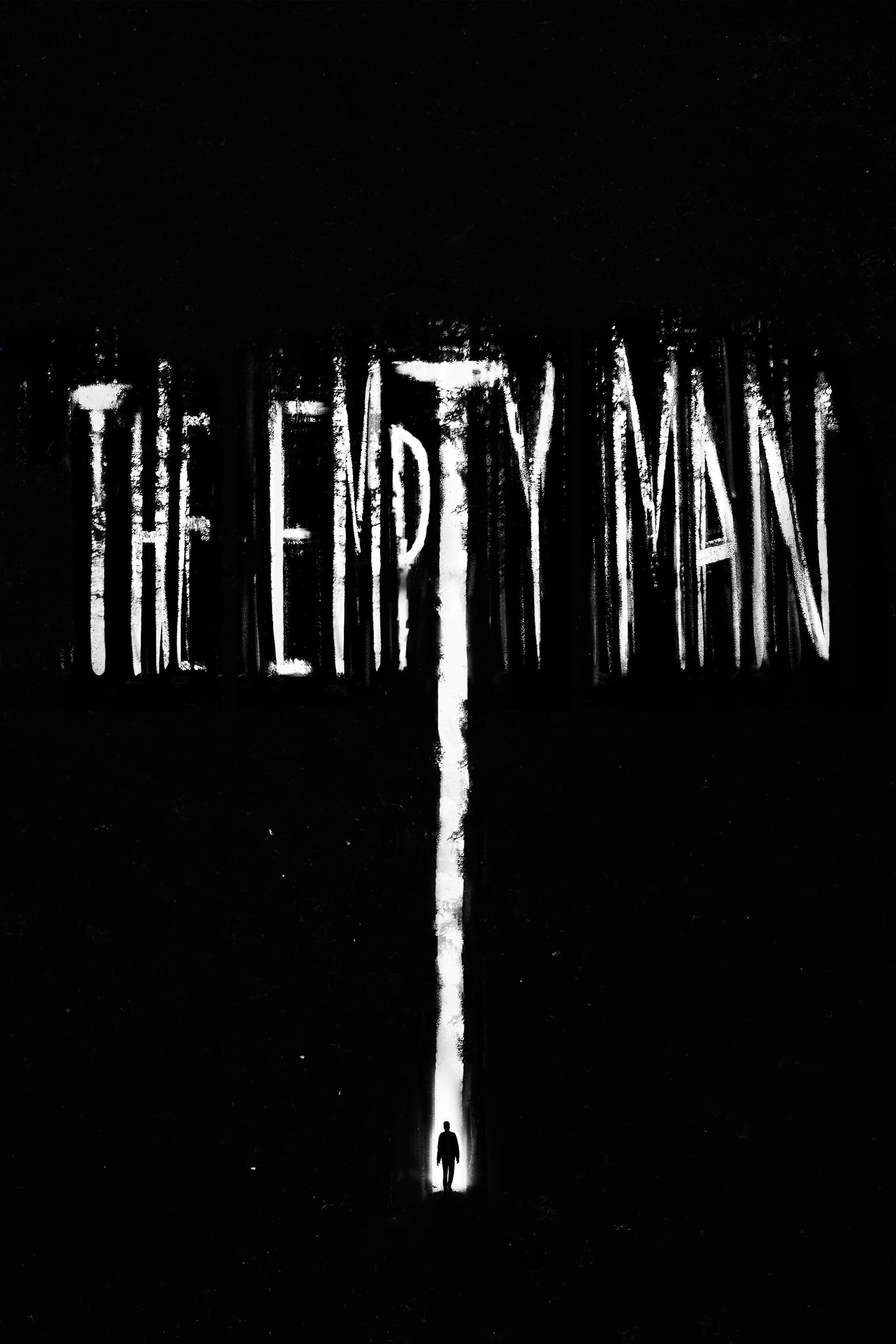
Based on a Boom Studios concept, this feature follows a former detective who investigates a missing teen case tied to an urban legend and a secretive organization. James Badge Dale anchors a narrative that shifts from Midwestern suburbs to isolated compounds, with an extended prologue set in the Himalayas establishing the myth’s origin.
The film came out under 20th Century Studios after the Disney acquisition of Fox, which influenced a late theatrical window. Principal photography took place in Missouri and South Africa with David Prior directing and composing additional sound design elements in post.
‘A Dark Song’ (2016)
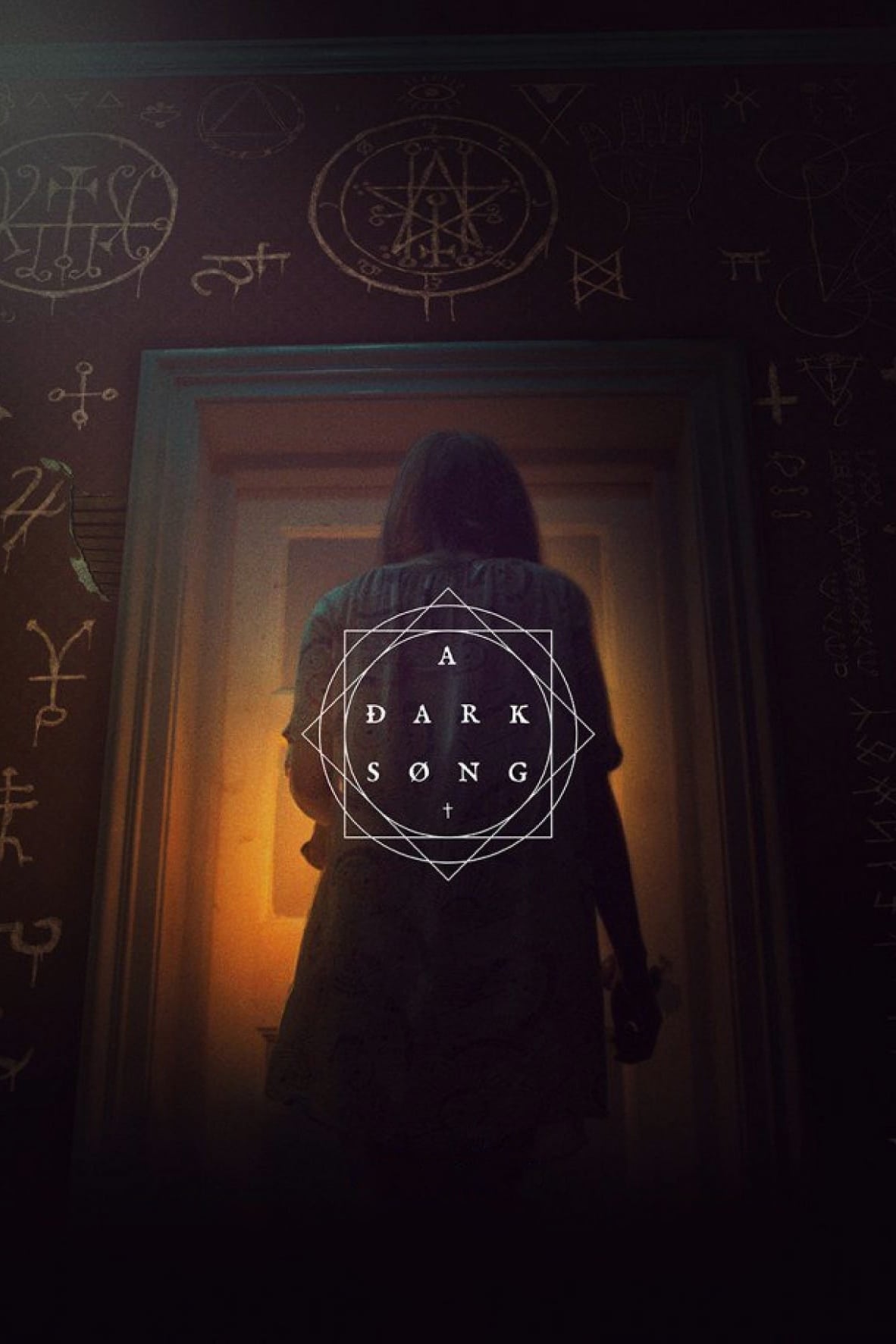
Liam Gavin’s feature follows a grieving mother and an occultist who seal themselves inside a remote house to attempt a months-long ritual that requires strict rules and constant discipline. Catherine Walker and Steve Oram carry the story through two-handed scenes that track the ritual’s physical and mental toll.
The film made its U.S. debut via IFC Midnight, which positioned it on specialty screens and digital storefronts. Production used rural locations in Ireland, and practical effects emphasized markings, circles, and locked rooms to support the ritual’s step-by-step structure.
‘Coherence’ (2013)
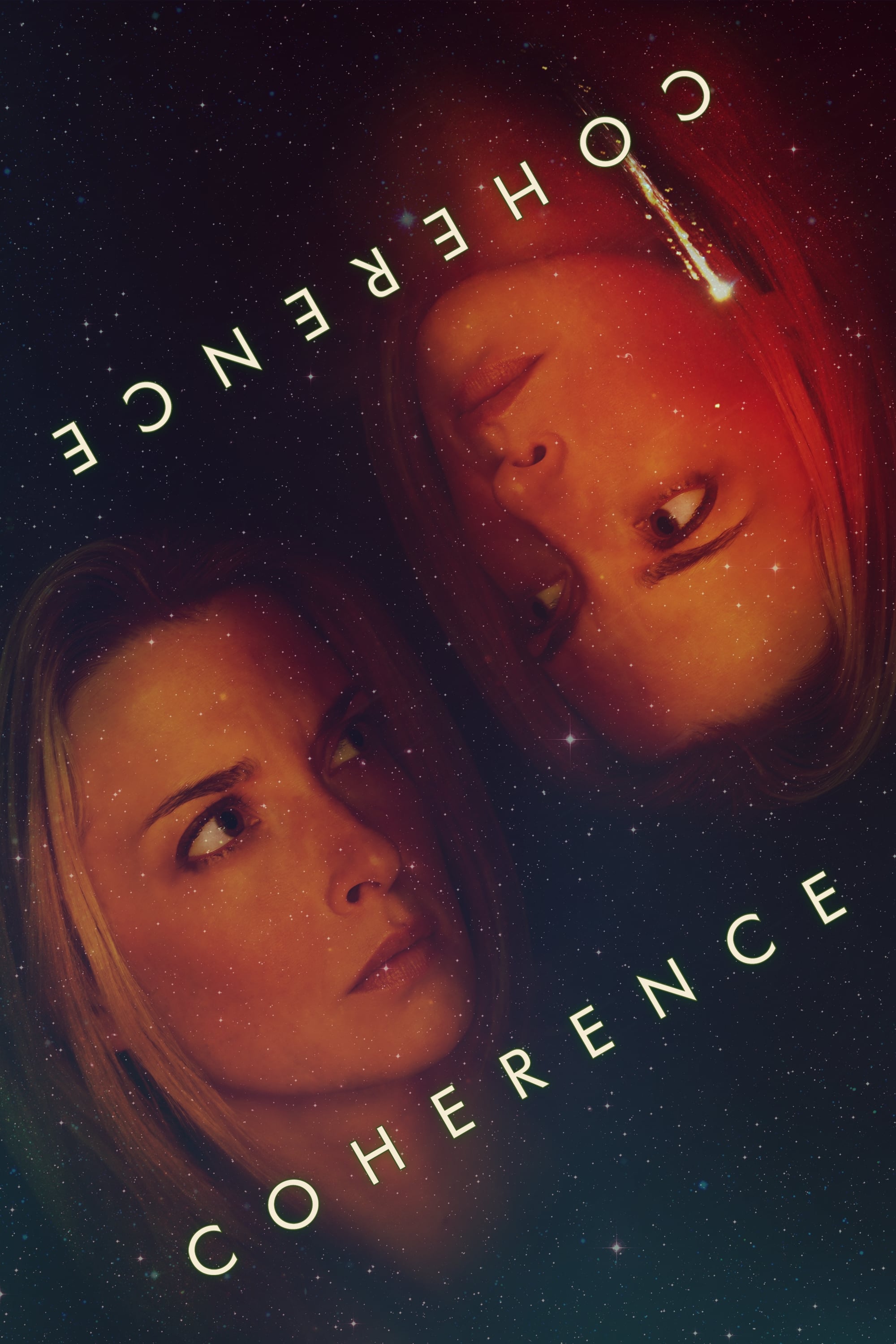
James Ward Byrkit shot this science fiction thriller in his own home with an ensemble of friends and a largely improvised approach guided by nightly scene notes. During a dinner, a passing comet creates overlapping realities and doubles, and the characters test different rooms and street corners to see how the world has shifted.
Oscilloscope Laboratories handled the U.S. release, pairing a small theatrical footprint with a quick home rollout. The production relied on minimal lighting and color cues to track divergent timelines, which viewers can spot by props and subtle costume variations.
‘Lake Mungo’ (2008)
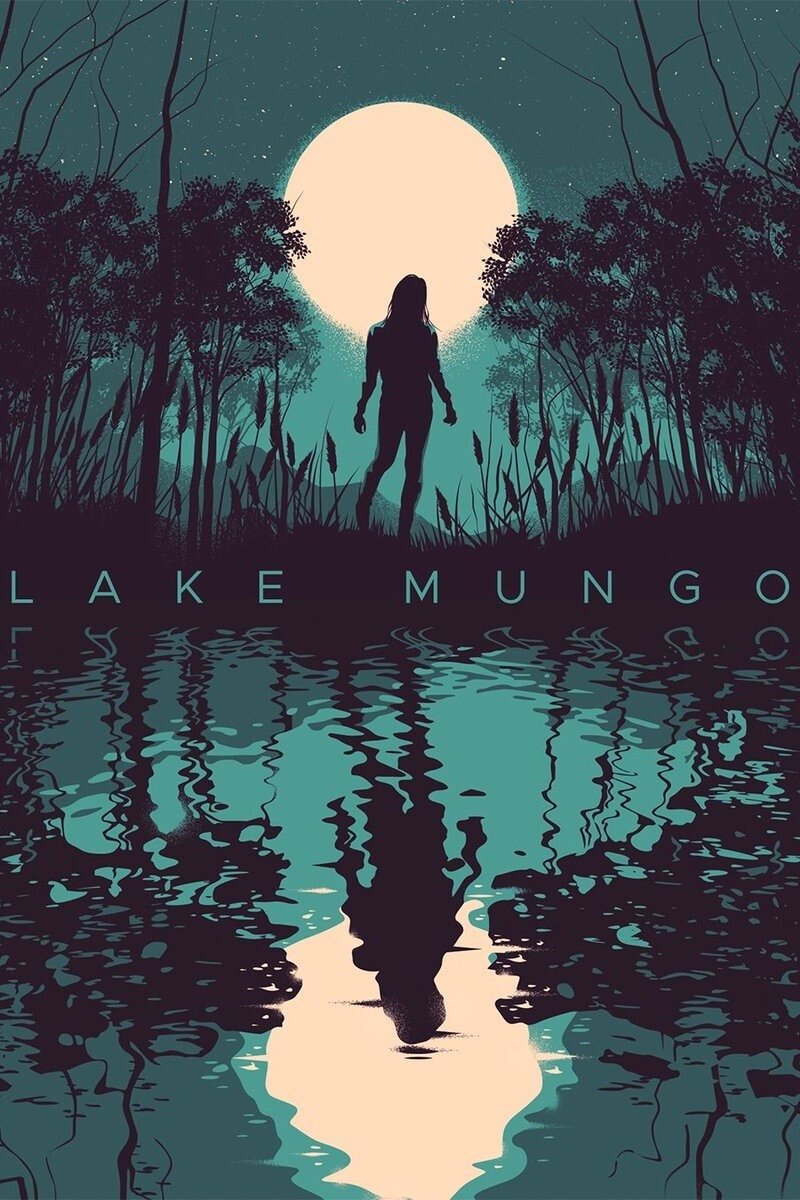
This Australian feature presents a faux documentary about a family grieving a teenage daughter while discovering secrets in her phone and on home videos. Interviews with neighbors and staged news segments explain how the investigation branches into reported sightings and a final trip to a dried lakebed.
After Dark Films introduced the title to U.S. horror audiences as part of a curated festival lineup, which later expanded on home media. Shooting took place in Victoria with careful framing to sell the documentary illusion, including time-coded footage and slow zooms on still photos.
‘The Devil’s Backbone’ (2001)
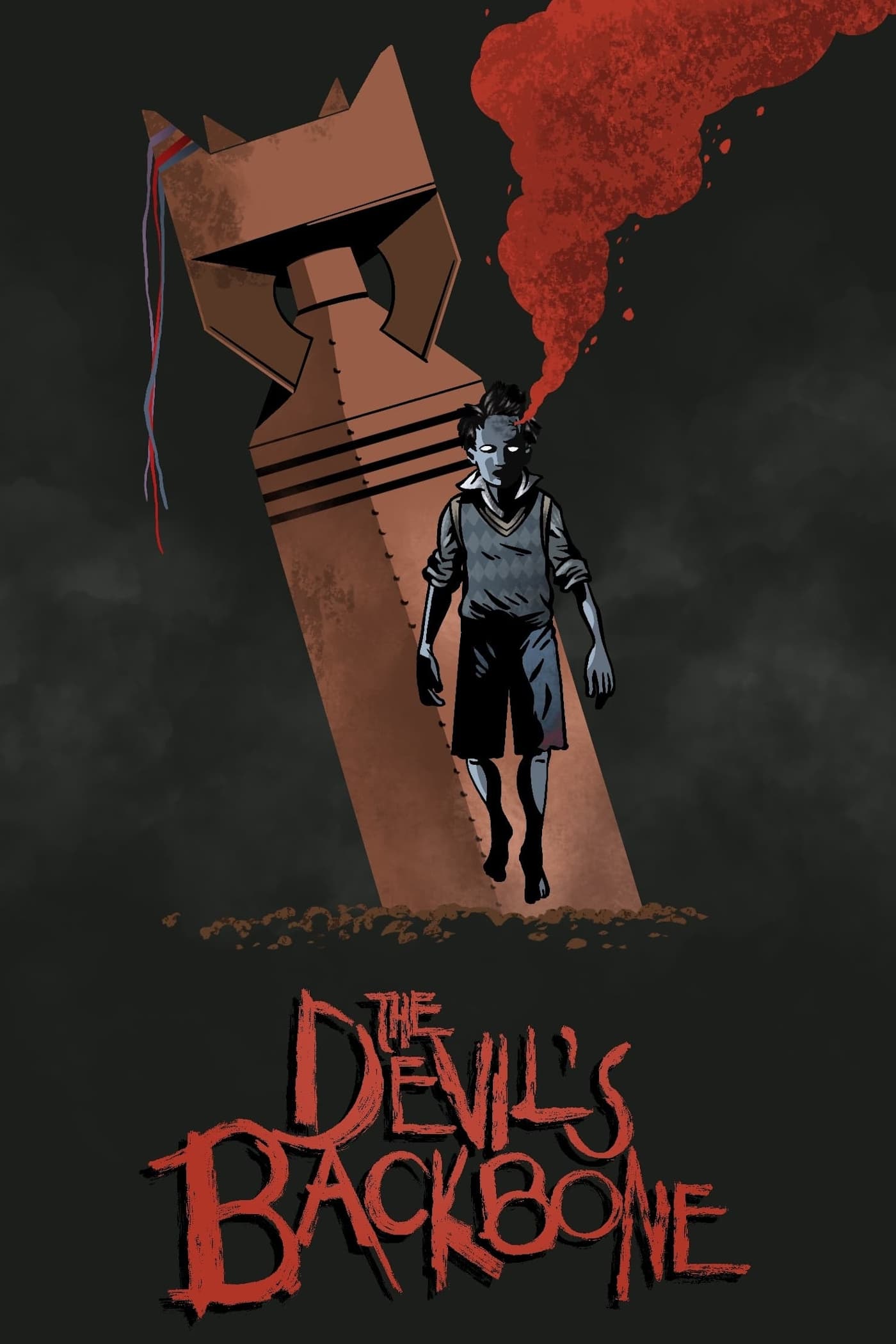
Guillermo del Toro sets this ghost story at a remote orphanage during the Spanish Civil War, where a boy encounters a spectral presence and a hidden stash of wartime gold. The narrative weaves adult tensions among staff with children’s alliances, leading to a mystery about a bomb lodged in the courtyard.
Sony Pictures Classics guided the North American release, bringing the Spanish-language film to art-house venues. The production shot in Spain with cinematography by Guillermo Navarro, and the score by Javier Navarrete uses recurring motifs tied to the orphanage bell and the pool.
‘They Look Like People’ (2015)
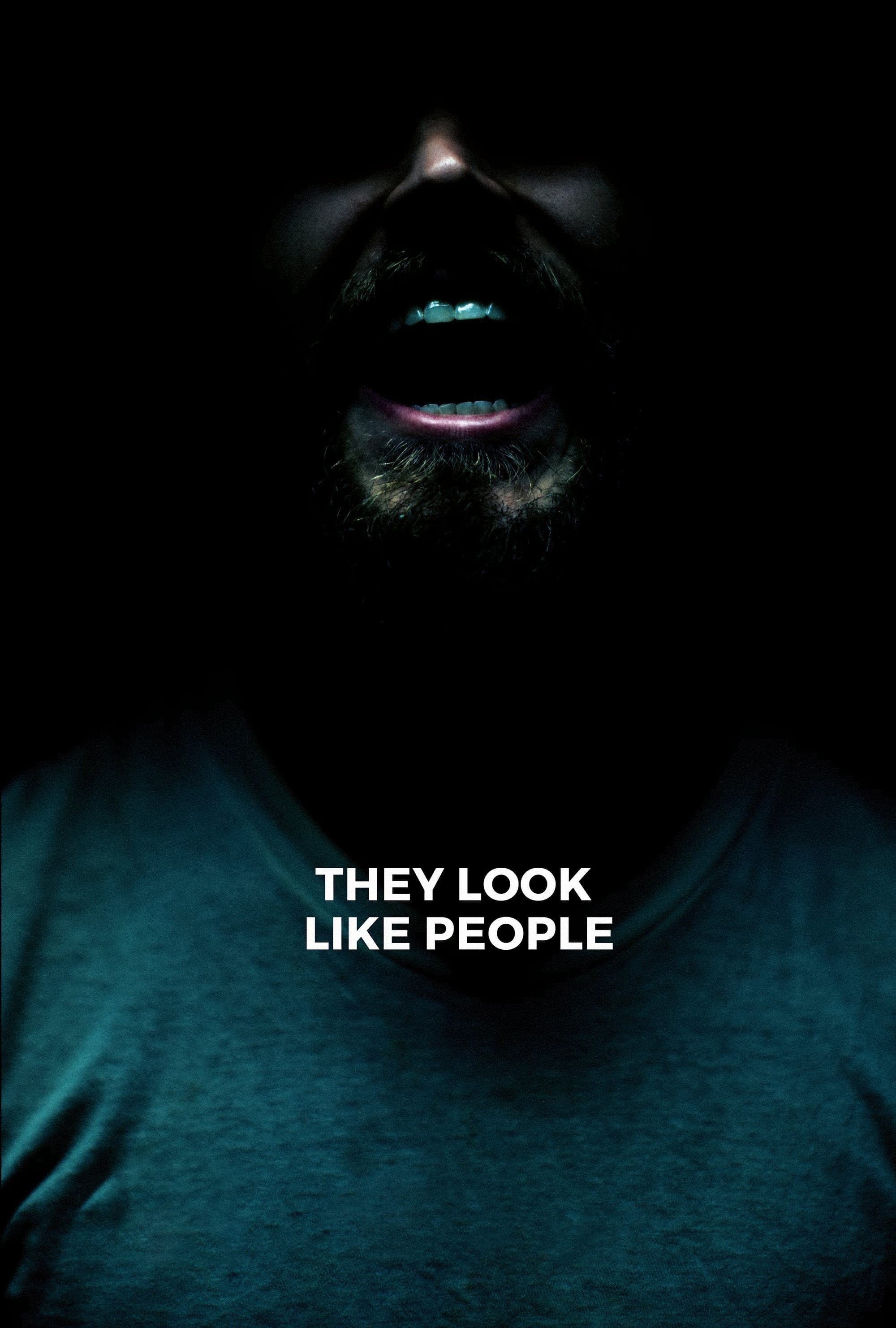
Perry Blackshear’s microbudget debut follows a man who believes an inhuman takeover is imminent and reconnects with an old friend while preparing for an attack he thinks could happen any day. The story uses New York apartments and rooftops to keep the characters close and the tension grounded in everyday spaces.
Gravitas Ventures released the film domestically, making it accessible on VOD and niche platforms. The small crew had multiple roles across sound and camera, and the production emphasized practical night shoots to create a hushed, late-hour atmosphere.
‘The Taking of Deborah Logan’ (2014)
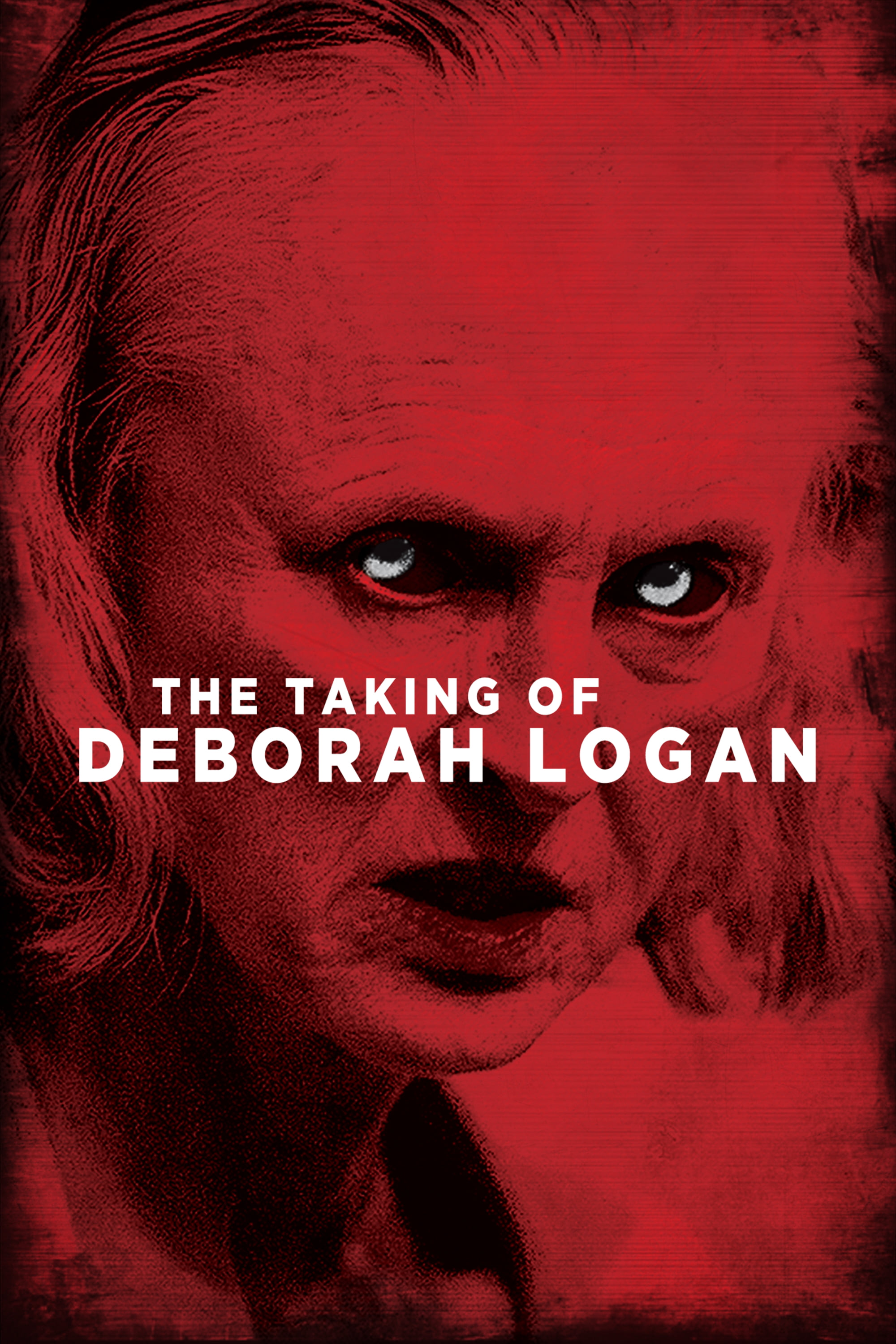
This found-footage entry documents a graduate student filmmaking team that records an Alzheimer’s patient and slowly captures evidence of something beyond disease. Jill Larson’s performance tracks changes in posture and voice while the crew revises their shooting plan to follow new leads.
Millennium Entertainment managed the U.S. release, getting it onto digital storefronts and cable VOD. Filming used an approachable suburban home layout to justify camera placements, including static setups, body-mounted rigs, and handheld runs through hallways.
‘The Blackcoat’s Daughter’ (2015)
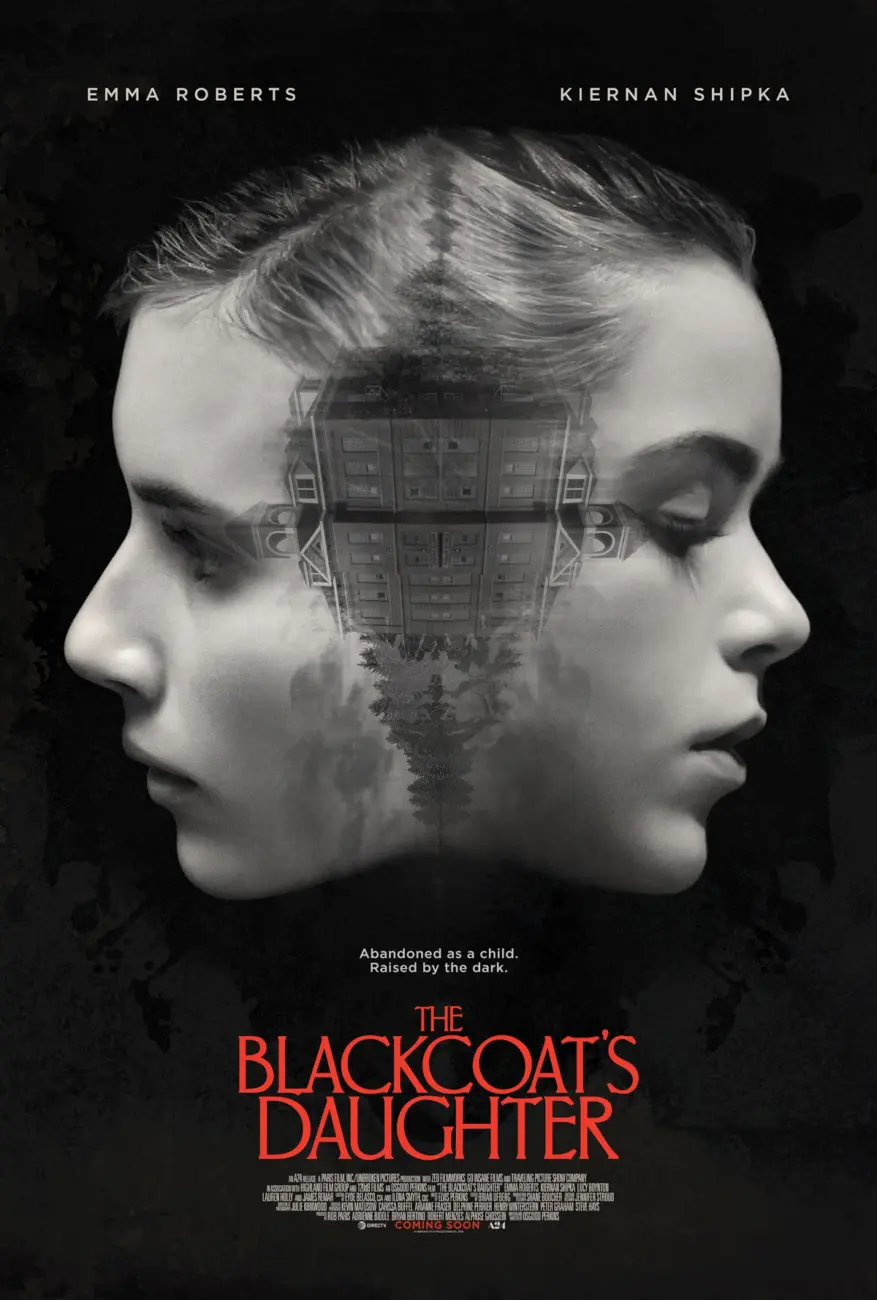
Osgood Perkins structures the story around two timelines at a snowbound Catholic boarding school and a parallel winter road trip. Kiernan Shipka, Emma Roberts, and Lucy Boynton anchor separate segments that eventually intersect inside the school’s boiler room.
A24 brought the film to U.S. theaters after festival play, followed by streaming availability. The production shot in Ontario during cold months to capture visible breath and frost, with a sound mix that favors rumbling heat pipes and distant footsteps.
‘Tigers Are Not Afraid’ (2017)
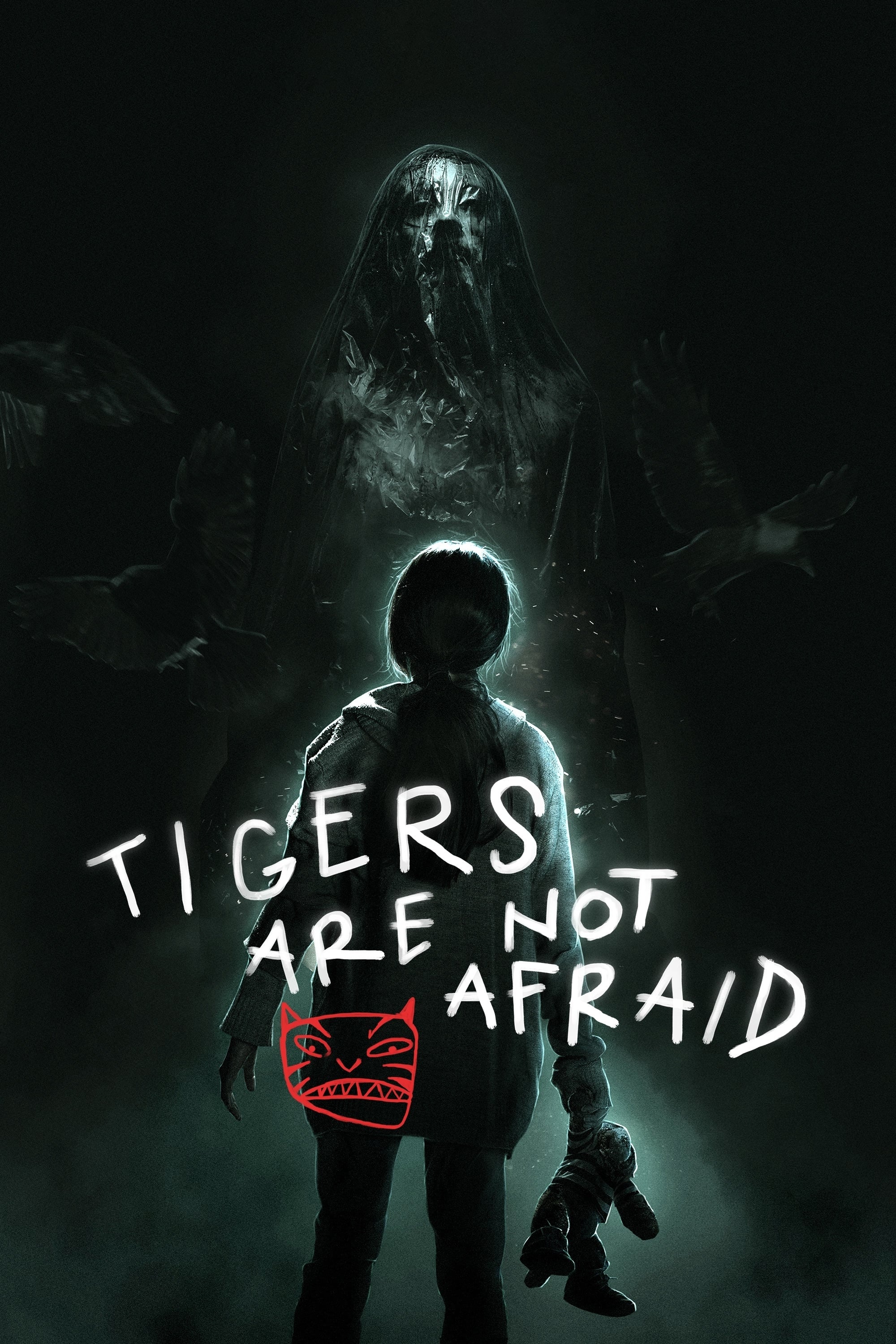
Issa López blends supernatural elements with real-world violence as a group of children in a Mexican city navigate cartel danger and ghostly warnings. The narrative follows a wish-granting piece of chalk and a set of rules the kids invent to keep themselves safe in abandoned buildings.
Shudder championed the film in North America and RLJE Films handled its wider home release. Shooting in Mexico City used practical locations with graffiti and collapsed structures, and the production used modest visual effects to integrate small apparitions.
‘The Eyes of My Mother’ (2016)
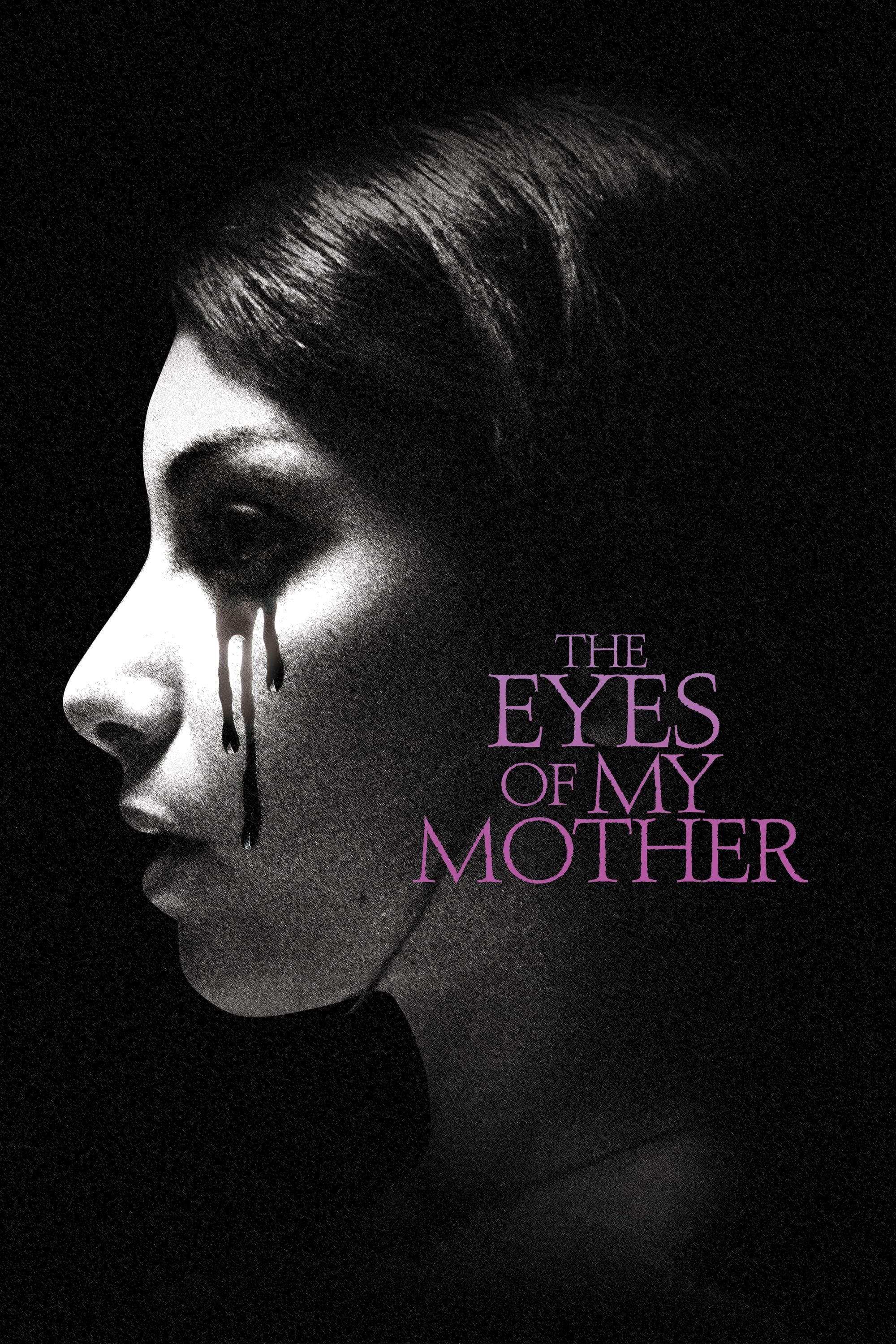
Nicolas Pesce presents a stark black-and-white portrait of a woman who grows up isolated on a rural farm after a traumatic home invasion. The film divides into chapters that track her routines, visitors, and cellar secrets, with sparse dialogue and deliberate framing.
Magnet Releasing steered the domestic rollout, pairing limited theatrical play with a strong digital push. The production used 35mm film stock to achieve its grain and contrast, and the farmhouse set was dressed to age across time jumps.
‘The Lodge’ (2019)
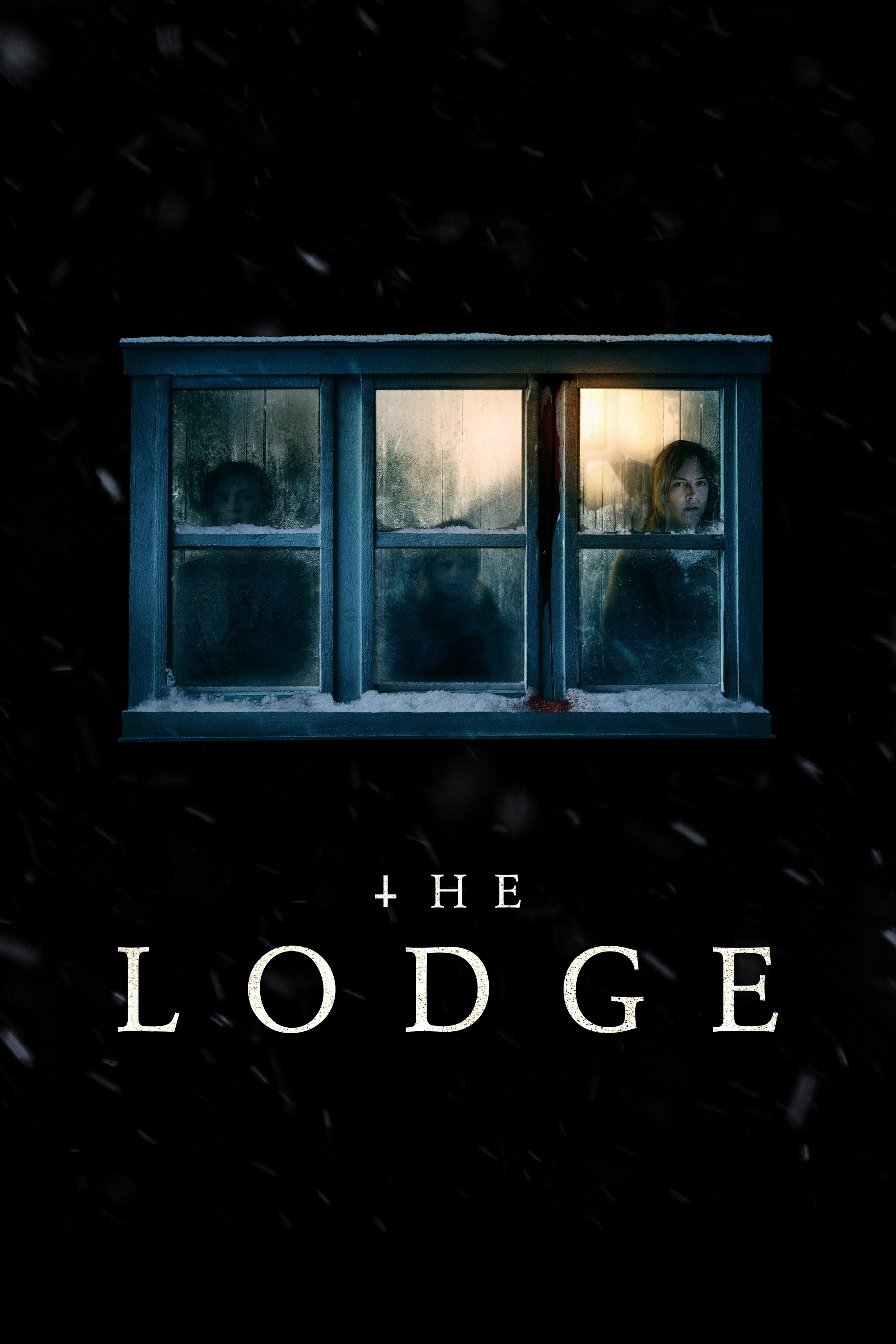
Severin Fiala and Veronika Franz follow a soon-to-be stepmother and two children who are snowed in at a remote cabin while the father returns to the city for work. Strange occurrences lead to questions about medication, religious trauma, and what is real inside the house.
Neon handled the U.S. release, positioning the film with winter-season specialty bookings. The production shot in Quebec to capture heavy snowfall and relied on practical dollhouse miniatures that mirror the cabin’s layout in key transitions.
‘Hush’ (2016)
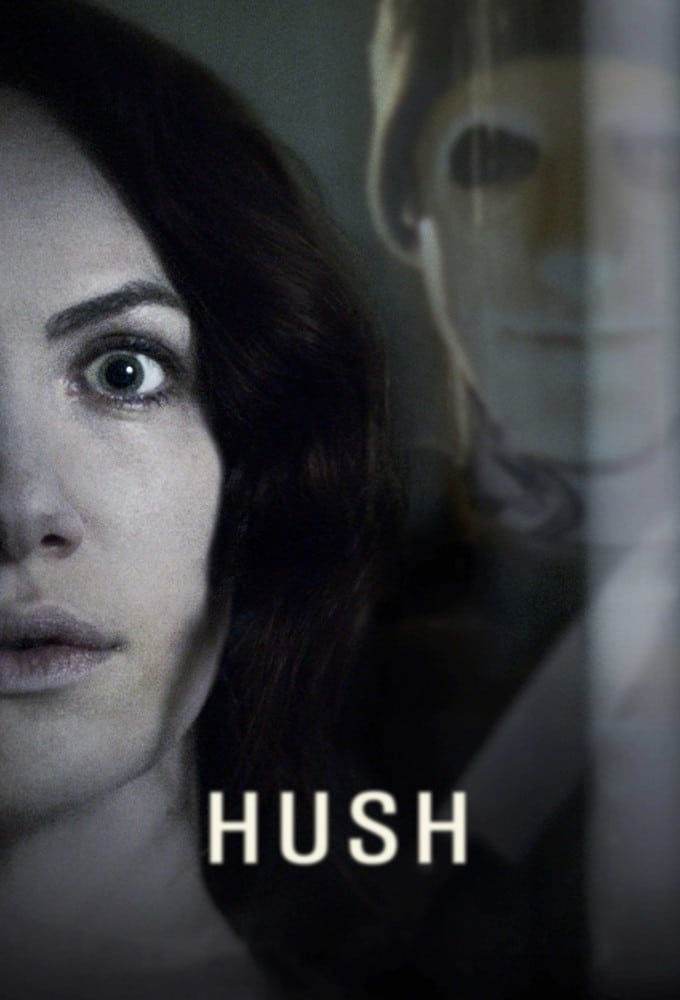
Mike Flanagan centers the story on a deaf-mute author who lives alone in the woods and must outthink a masked intruder who discovers her disability. The script blocks action around windows, back decks, and a locked kitchen door to emphasize line of sight and timing.
Netflix distributed the film as a direct-to-streaming release, which helped it find a large audience quickly. Shooting took place in Alabama with a compact schedule, and the sound design alternates between the character’s internal silence and exterior noise.
‘One Cut of the Dead’ (2017)
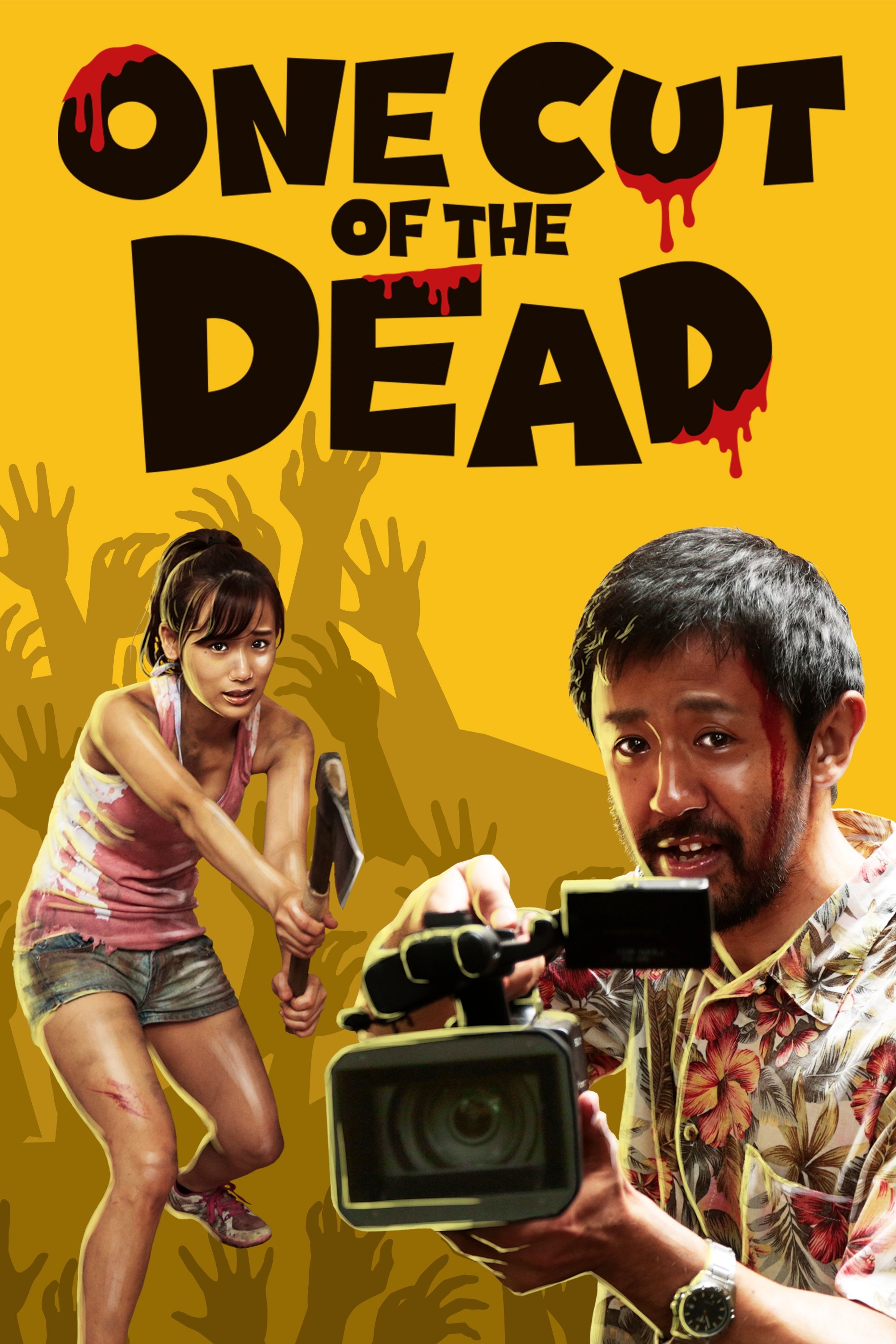
This Japanese feature begins as a low-budget zombie single take and then shifts to reveal how the production came together under chaotic constraints. The cast and crew characters work around broken props, missed cues, and improvised fixes that explain earlier oddities.
Shudder introduced the movie to many U.S. viewers after its festival success, complementing a small theatrical presence. The opening long take ran over thirty minutes and required rehearsals that mapped camera moves through a multilevel location.
‘Train to Busan’ (2016)
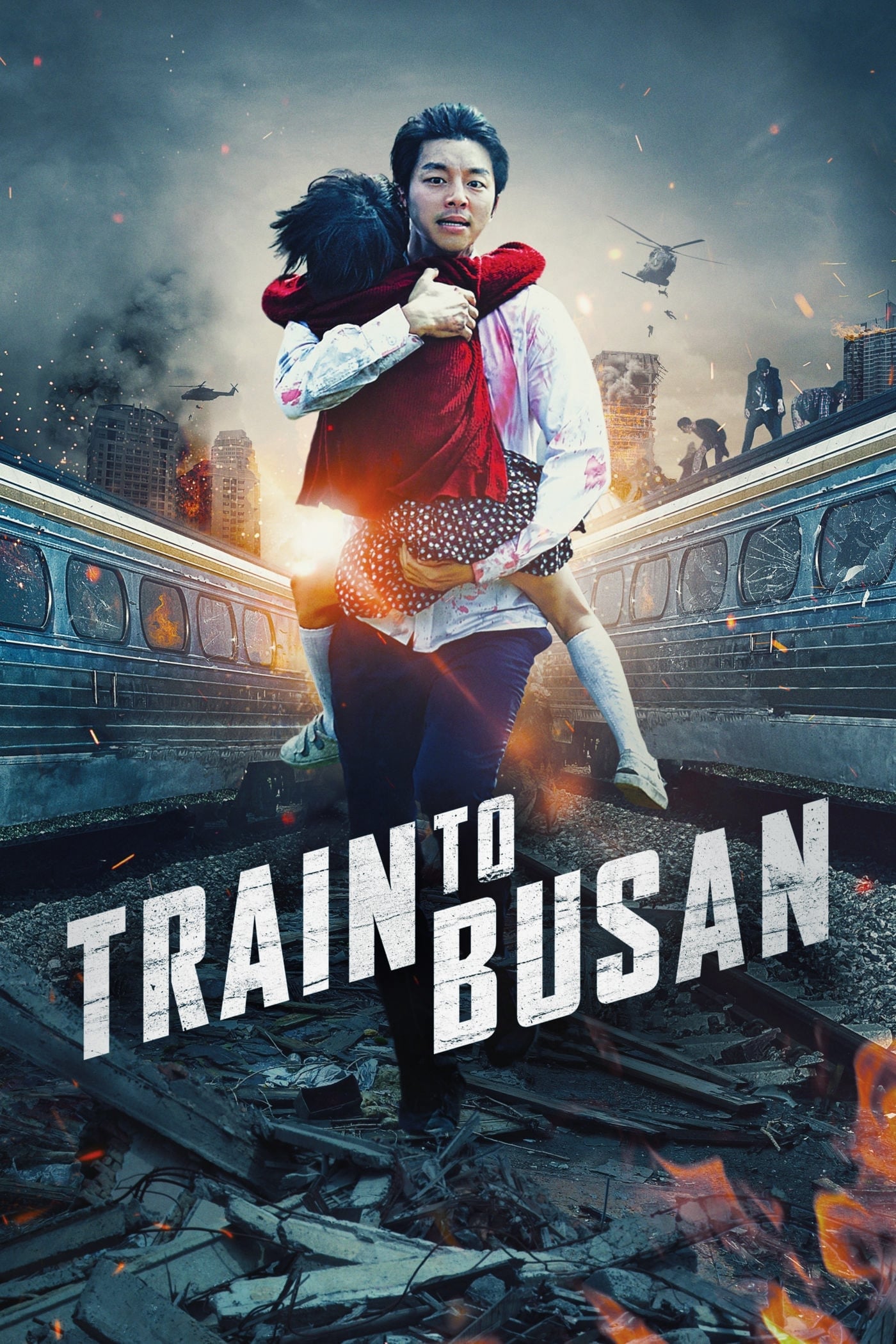
Yeon Sang-ho’s action-horror follows a father and daughter trapped on a high-speed train during a sudden outbreak, with the car doors and bathroom stalls becoming survival chokepoints. The ensemble includes Gong Yoo, Ma Dong-seok, and Jung Yu-mi as passengers with competing priorities.
U.S. distribution ran through Well Go USA, supporting a nationwide limited release with strong genre marketing. The production combined extensive stunt work with train set builds that allowed moving-camera action through narrow aisles.
‘The Cured’ (2017)
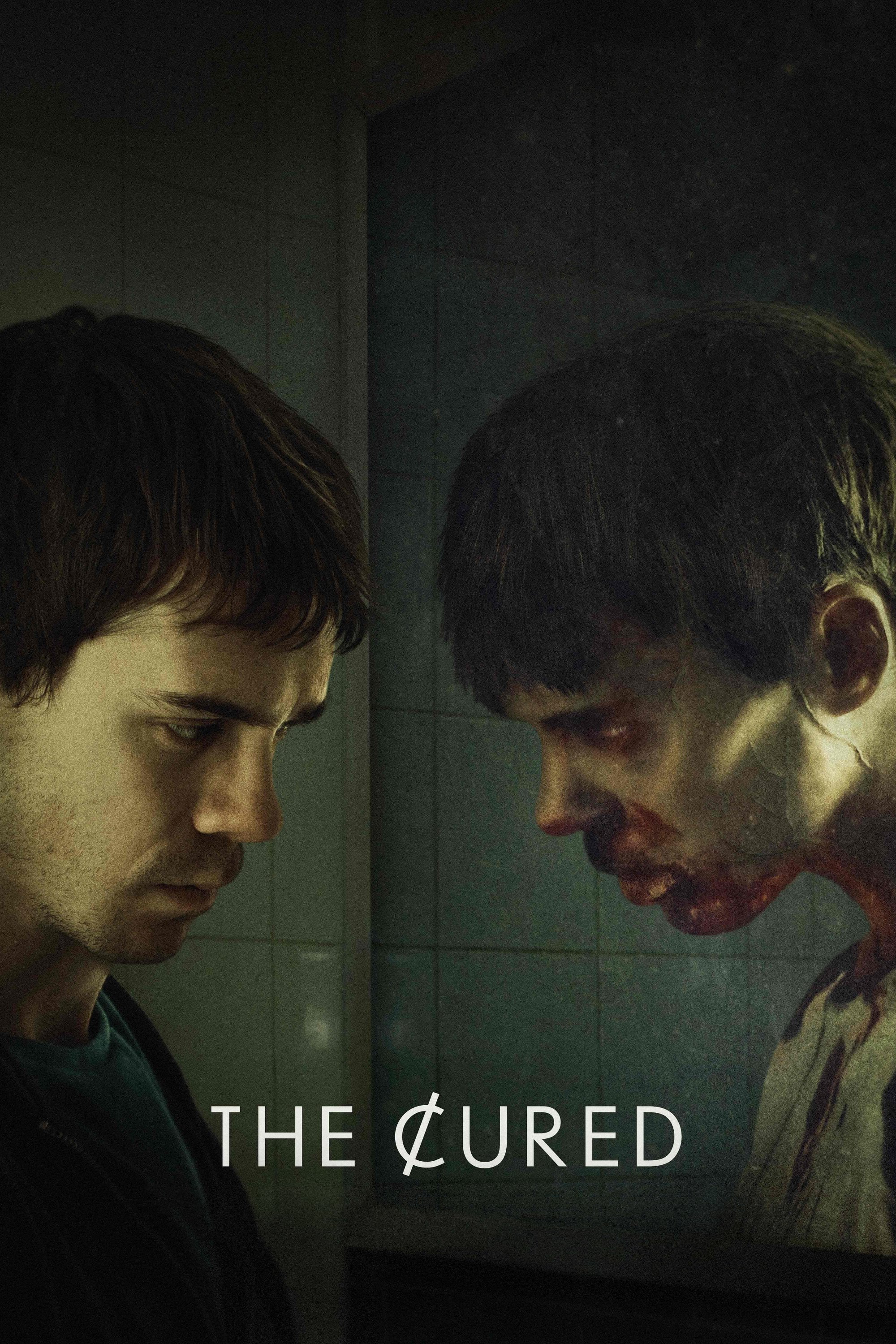
Set in Ireland after a zombie-like infection has been medically reversed, the story follows former infected citizens reintegrating into neighborhoods that remember their attacks. Ellen Page and Sam Keeley lead as a journalist sister-in-law and a man struggling with flashbacks and discrimination.
IFC Films brought the feature to U.S. theaters and VOD, continuing the company’s focus on international genre titles. The production shot in Dublin and Wicklow, using muted color grading and real council estates to ground the social-reintegration premise.
‘Goodnight Mommy’ (2014)
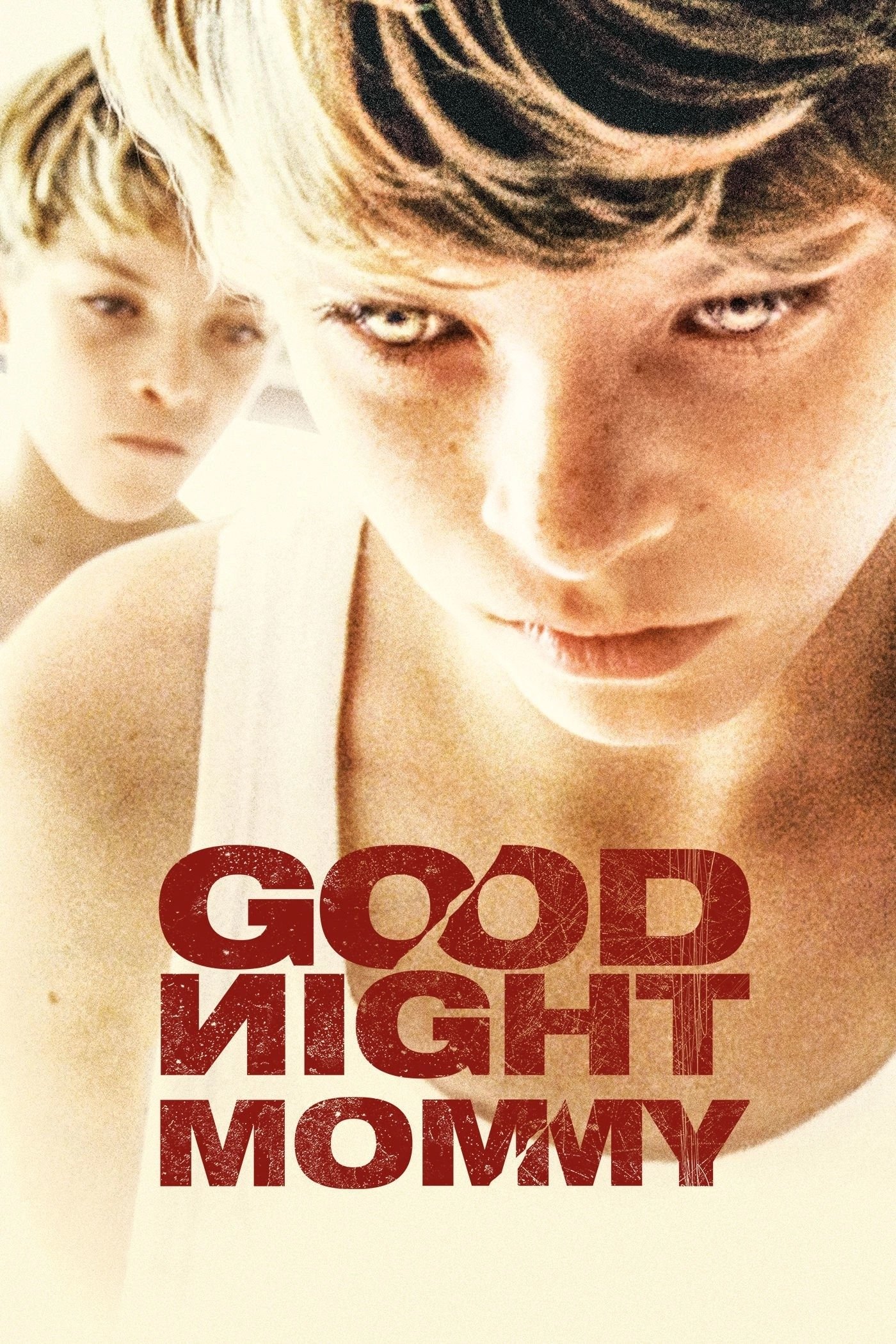
This Austrian film depicts twin boys who suspect the woman recovering from facial surgery in their home is not actually their mother. The narrative uses taped bandages, blackout curtains, and rural cornfields to build a series of tests the children devise.
Radius-TWC introduced the film to U.S. audiences, coupling festival buzz with a specialty run. Filming took place outside Vienna, and the production relied on natural light and minimal score, which spotlights environmental sounds around the lake house.
‘The House of the Devil’ (2009)
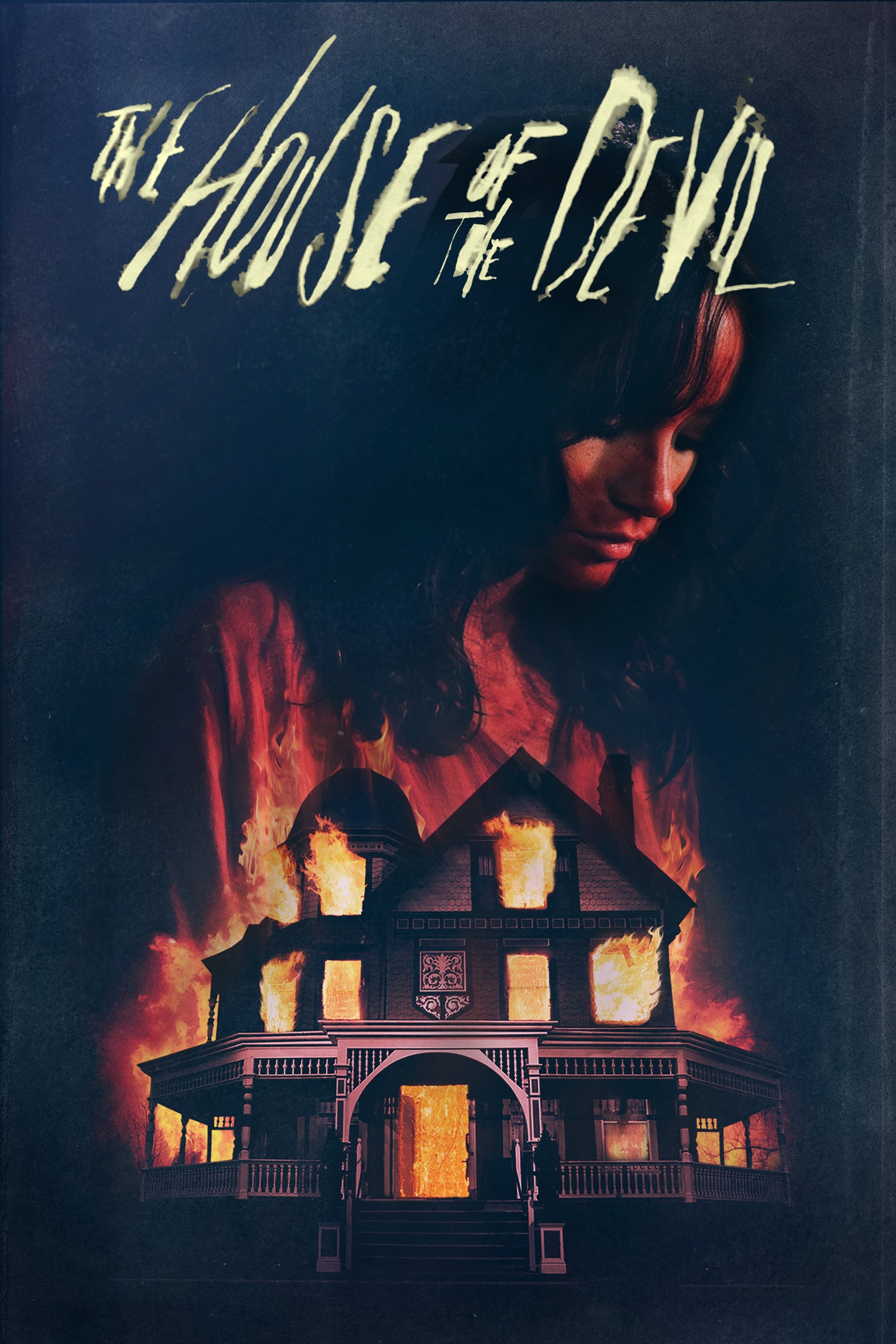
Ti West’s period chiller follows a college student who accepts a babysitting job in a remote house during a lunar eclipse, only to find the assignment is not what it seems. The movie uses rotary phones, Walkman headphones, and period wardrobe to lock into an early 1980s vibe.
Magnet Releasing guided the rollout with a mix of theatrical and home formats during the resurgence of retro-styled horror. Shooting on 16mm gave the image its textured look, and the house location was scouted for winding hallways and a basement staircase.
‘The Orphanage’ (2007)
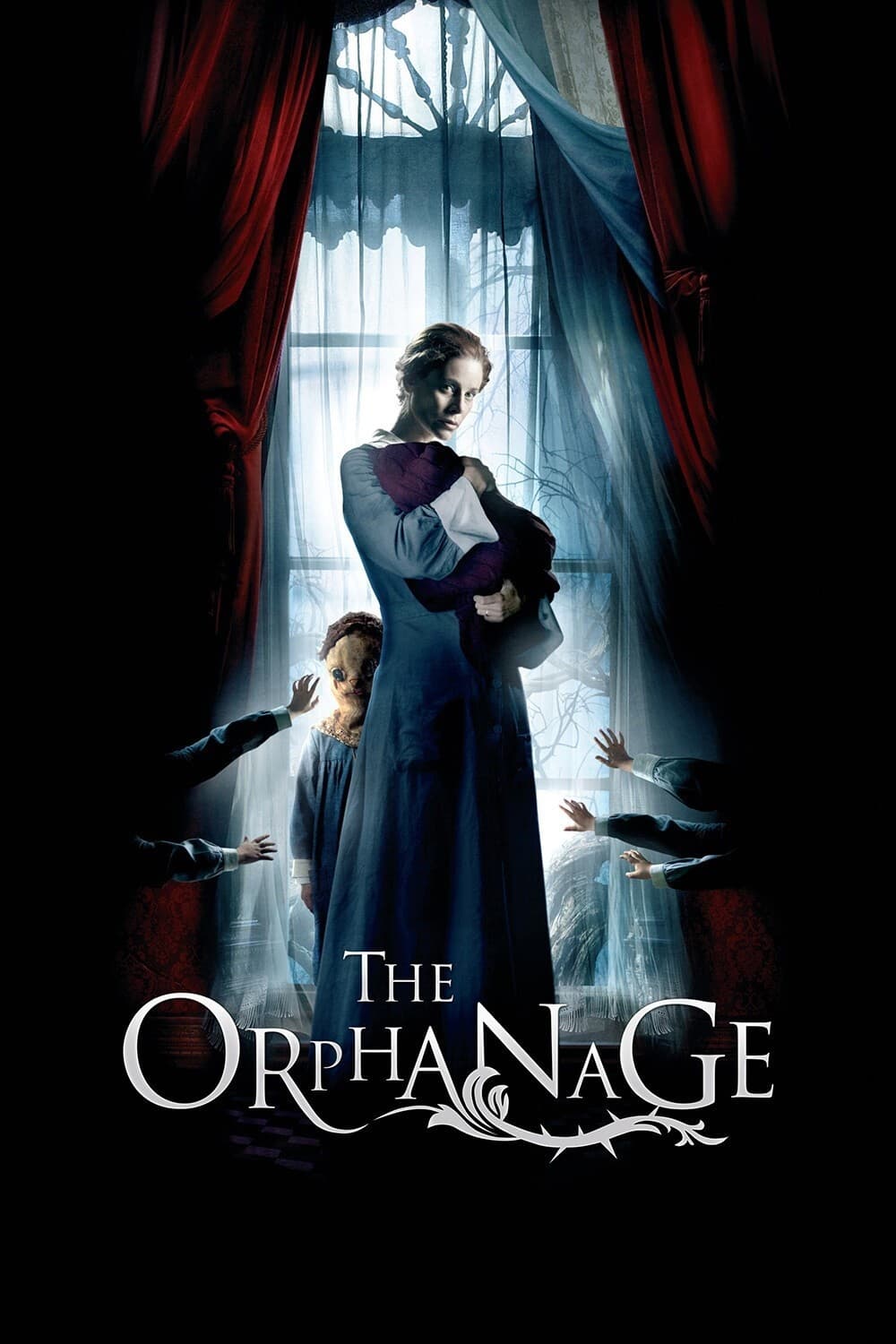
J. A. Bayona tells the story of a woman who returns to the seaside orphanage where she grew up and plans to reopen it, only for her son to vanish during a party. The narrative traces a treasure-hunt trail and a radio signal that helps triangulate a crucial room.
Picturehouse released the film in the United States, supporting a multilingual campaign tied to producer Guillermo del Toro. The production shot in Asturias and Barcelona, and the art department created the masked children’s costumes that appear in the house’s past.
‘The Night House’ (2021)

Rebecca Hall stars as a widow who begins to uncover architectural clues in the lakeside home her husband built, including reversed floor plans and hidden spaces. The plot follows her research through school records, blueprints, and a boat shed while a shape seems to echo her movements.
Searchlight Pictures handled the theatrical release in North America following a festival premiere. Filming took place in upstate New York, and the house set was designed with mirrored elements that support key reveals.
‘The Medium’ (2021)
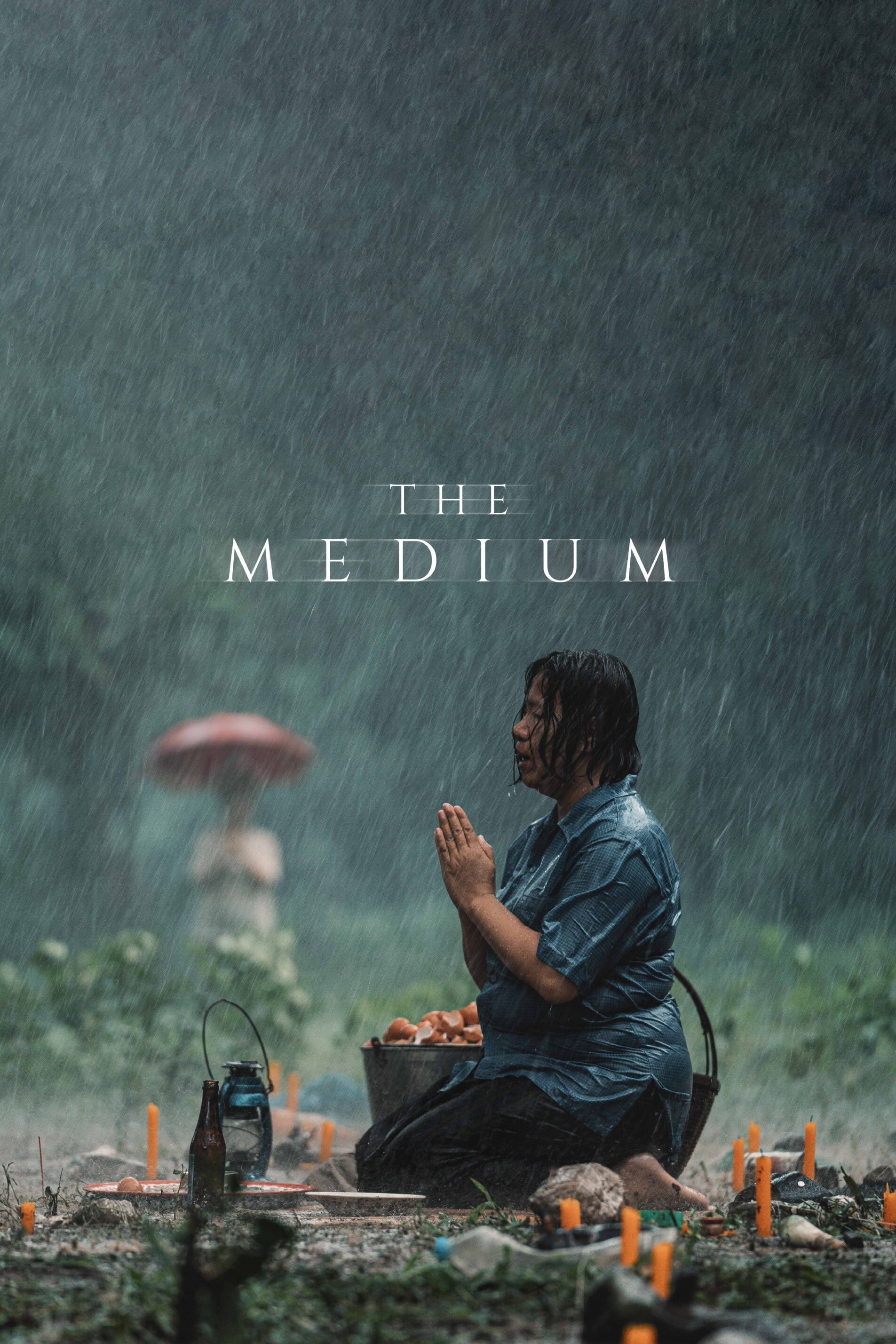
This Thai and Korean co-production by Banjong Pisanthanakun portrays a documentary crew following a shaman whose niece begins displaying disturbing signs that may not be her family’s ancestral spirit. The footage shifts from interviews to night-vision surveillance as events escalate in a rural village.
Shudder acquired North American streaming, which positioned the title for genre viewers outside its original Asian release. The production involved local non-actors in certain scenes and used practical rituals documented with handheld cameras.
‘The Vigil’ (2019)
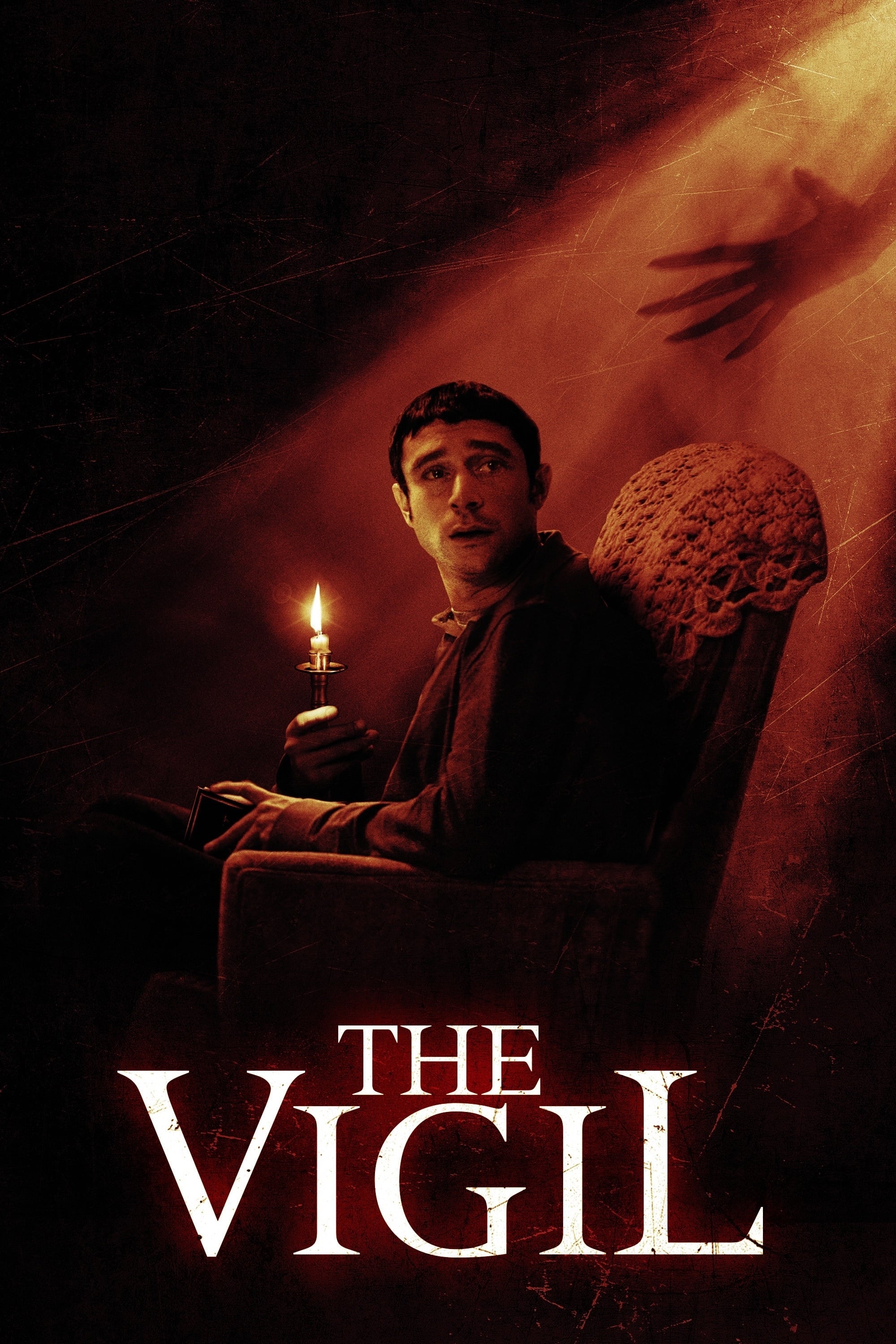
Set in Brooklyn’s Hasidic community, the film follows a man who accepts a one-night job as a shomer, keeping watch over a deceased member of the community, and encounters a presence linked to wartime trauma. Dave Davis leads a small cast in a story that unfolds largely inside a single house.
IFC Midnight released the movie in the U.S., pairing select theaters with VOD. The production consulted cultural advisors for accuracy around customs, and low-light cinematography emphasized candle glow and sheet-draped mirrors.
‘Sputnik’ (2020)
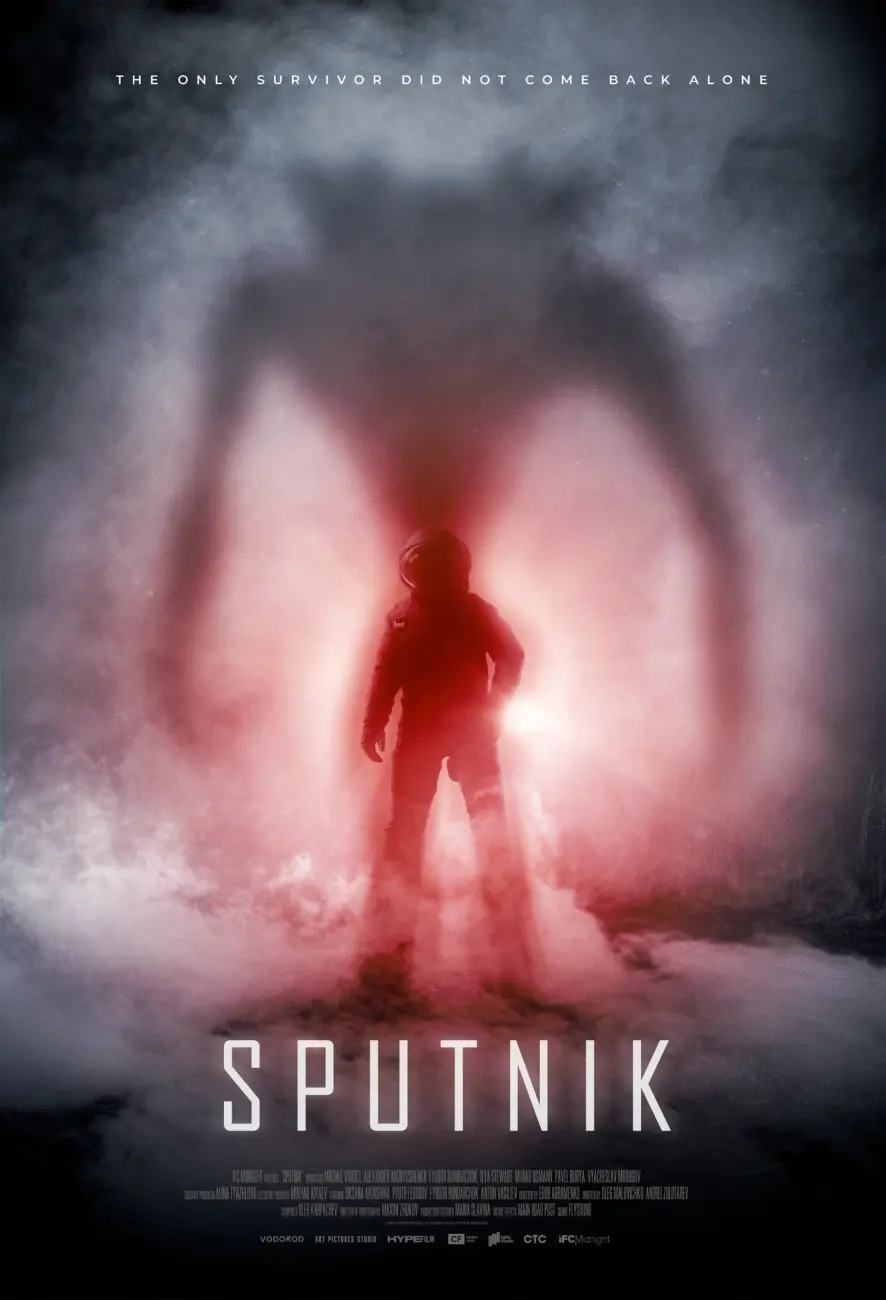
Egor Abramenko’s feature is set in 1983 at a Soviet research facility where a cosmonaut returns from orbit carrying a parasitic organism that only emerges under controlled conditions. A doctor is brought in to assess whether the host can be separated from the creature without killing him.
IFC Midnight brought the Russian-language film to North America after festival buzz, ensuring quick digital access. The production combined creature animatronics with CG augmentation and built modular lab sets to stage containment sequences.
‘The Canal’ (2014)
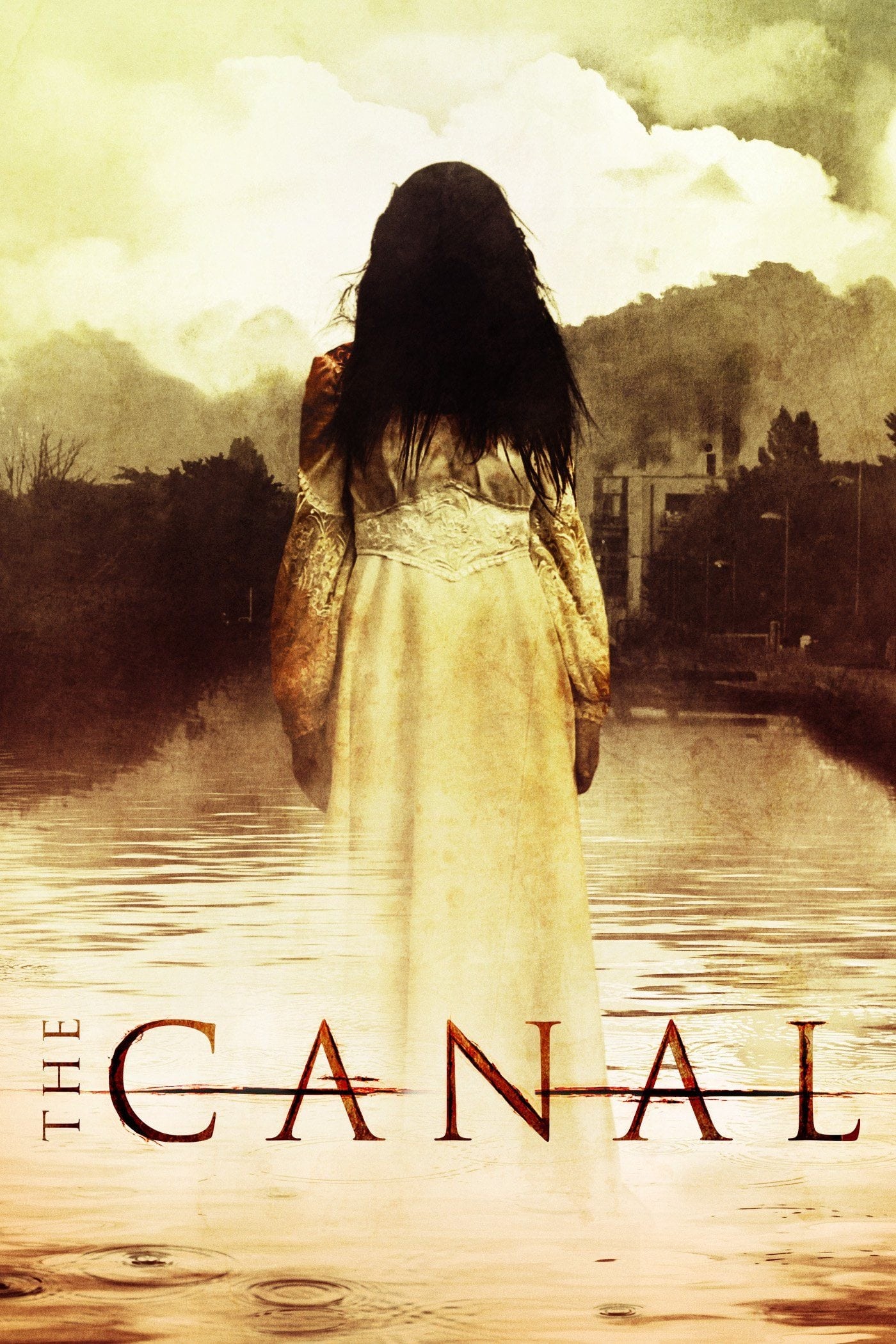
This Irish thriller centers on a film archivist who suspects a century-old murder in his house is influencing his life after he views damaged reels from a police case. As he investigates, he records new footage in the same locations and compares frames to track repeating figures.
The Orchard handled the U.S. release with day-and-date availability that helped it reach streaming viewers. Principal photography took place in Dublin, and the archival material was shot on Super 8 and 16mm to match the look of early twentieth-century film.
Share the underrated horror picks you’d add to this list in the comments.

