Horror TV Shows That Turned Out Better Than the Movies


Some horror stories get a second life on TV and end up exploring worlds the films only hinted at. These series kept the familiar names and ideas while adding new characters, longer arcs, and fresh mysteries. They brought back memorable villains, dug into backstories, and stretched the scares across seasons. Here are fifteen horror shows that grew out of films and built something bigger on the small screen.
‘Buffy the Vampire Slayer’ (1997–2003)
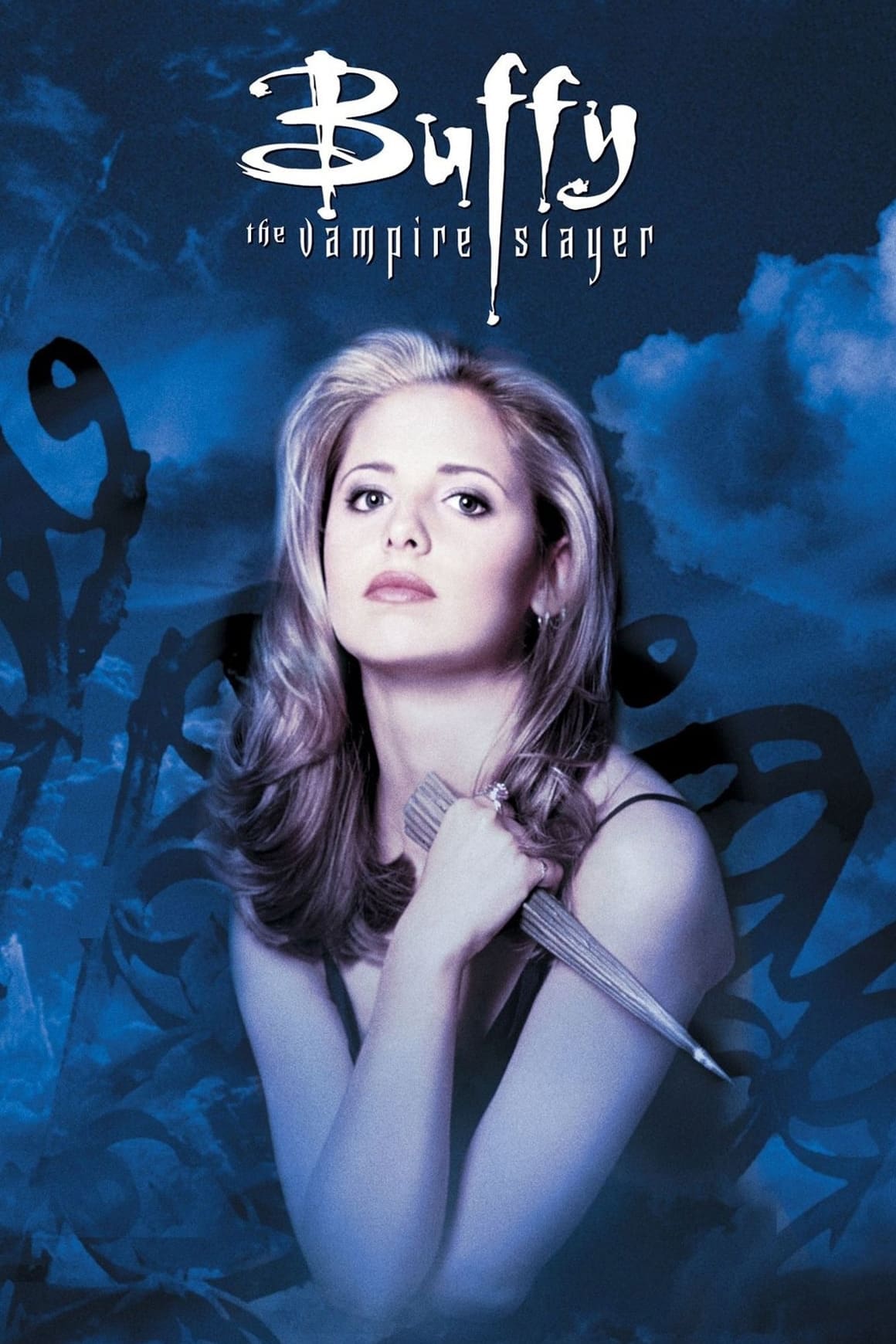
This series reimagines the 1992 film with Sarah Michelle Gellar taking over the role and Joss Whedon steering the story he first scripted for the movie. It ran for seven seasons on The WB and UPN and followed a high schooler who balances homework with nightly monster hunting. The show expands the lore with the Hellmouth setting, the Watchers Council, and a rotating team of allies. It also spins off ‘Angel’ and keeps a seasonal big bad structure that lets major arcs unfold across dozens of episodes.
‘Bates Motel’ (2013–2017)
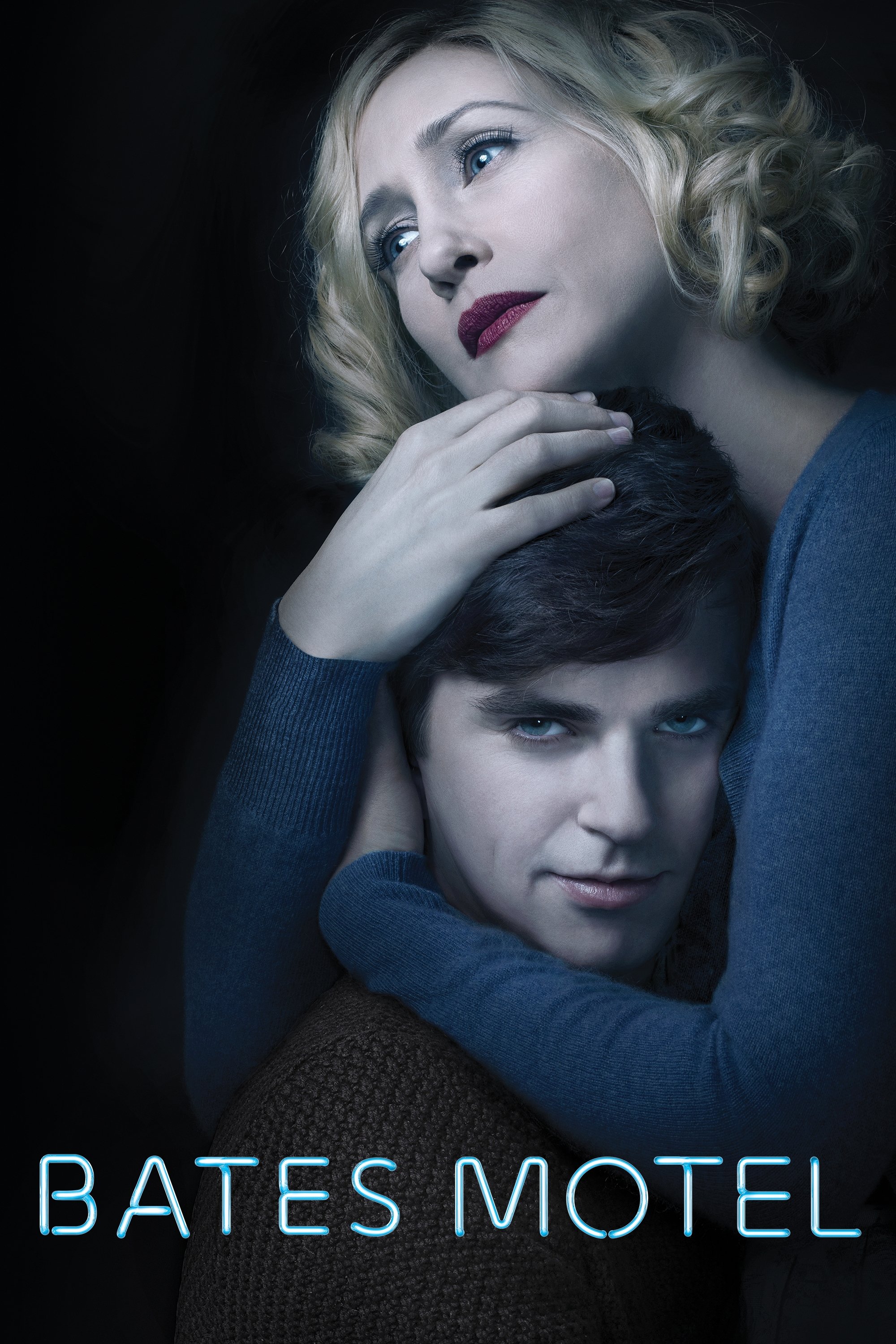
Serving as a contemporary prequel to ‘Psycho’, this series follows Norman and Norma Bates in a coastal town with secrets of its own. It aired on A&E and tracks Norman’s adolescence, his blackouts, and the complicated bond with his mother. The show introduces original characters like Dylan and Sheriff Romero to widen the world beyond the motel. Later seasons reinterpret iconic moments from the Hitchcock classic within a modern timeline.
‘Hannibal’ (2013–2015)
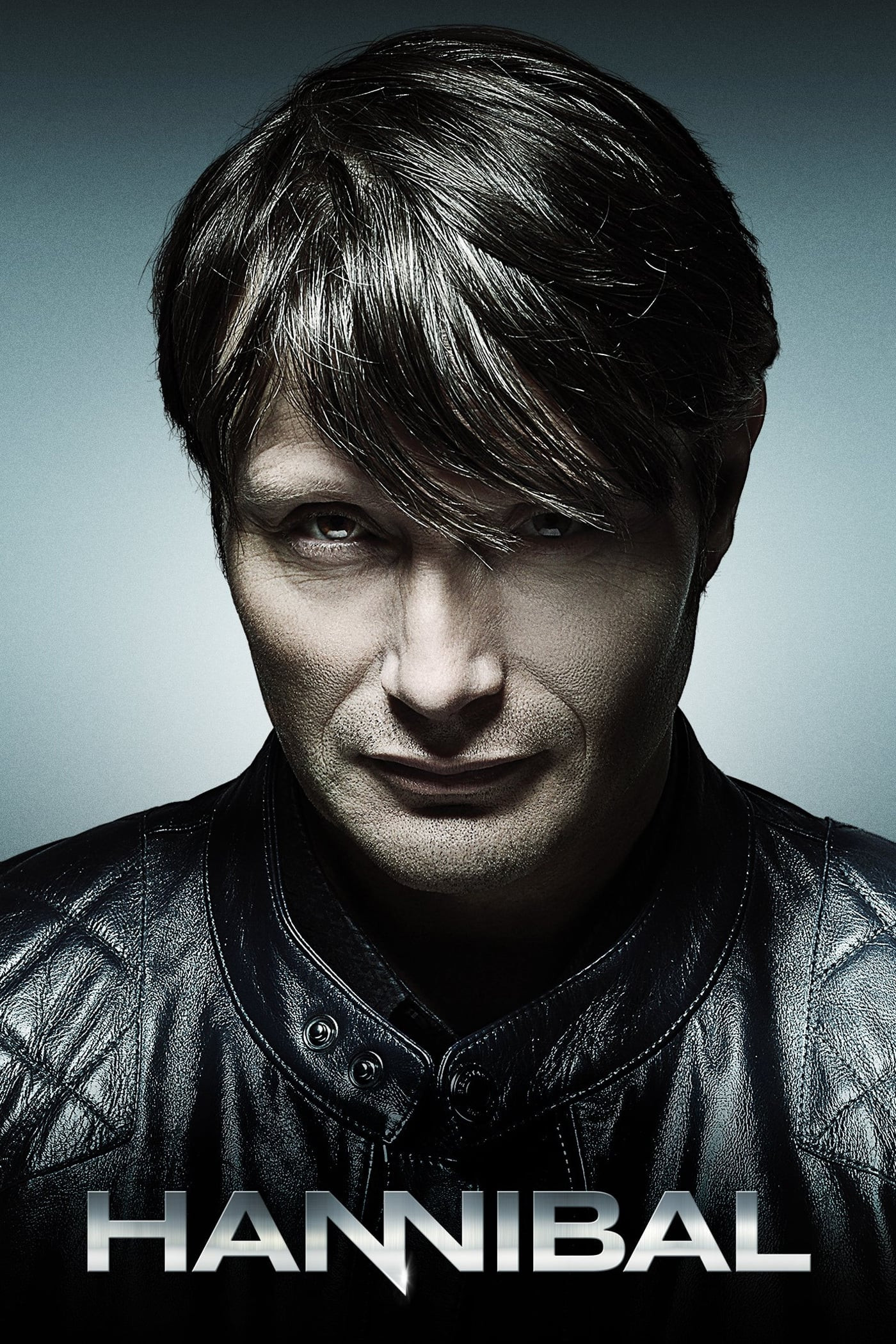
Drawing from Thomas Harris’s novels and the film legacy of Hannibal Lecter, this series pairs criminal profiler Will Graham with Dr. Lecter before his capture. It aired on NBC and blends procedural cases with a long game about identity and manipulation. The show adapts portions of ‘Red Dragon’ while weaving in visual motifs fans know from the films. Its three seasons build a continuous narrative that clarifies relationships across multiple book and movie eras.
‘Ash vs Evil Dead’ (2015–2018)
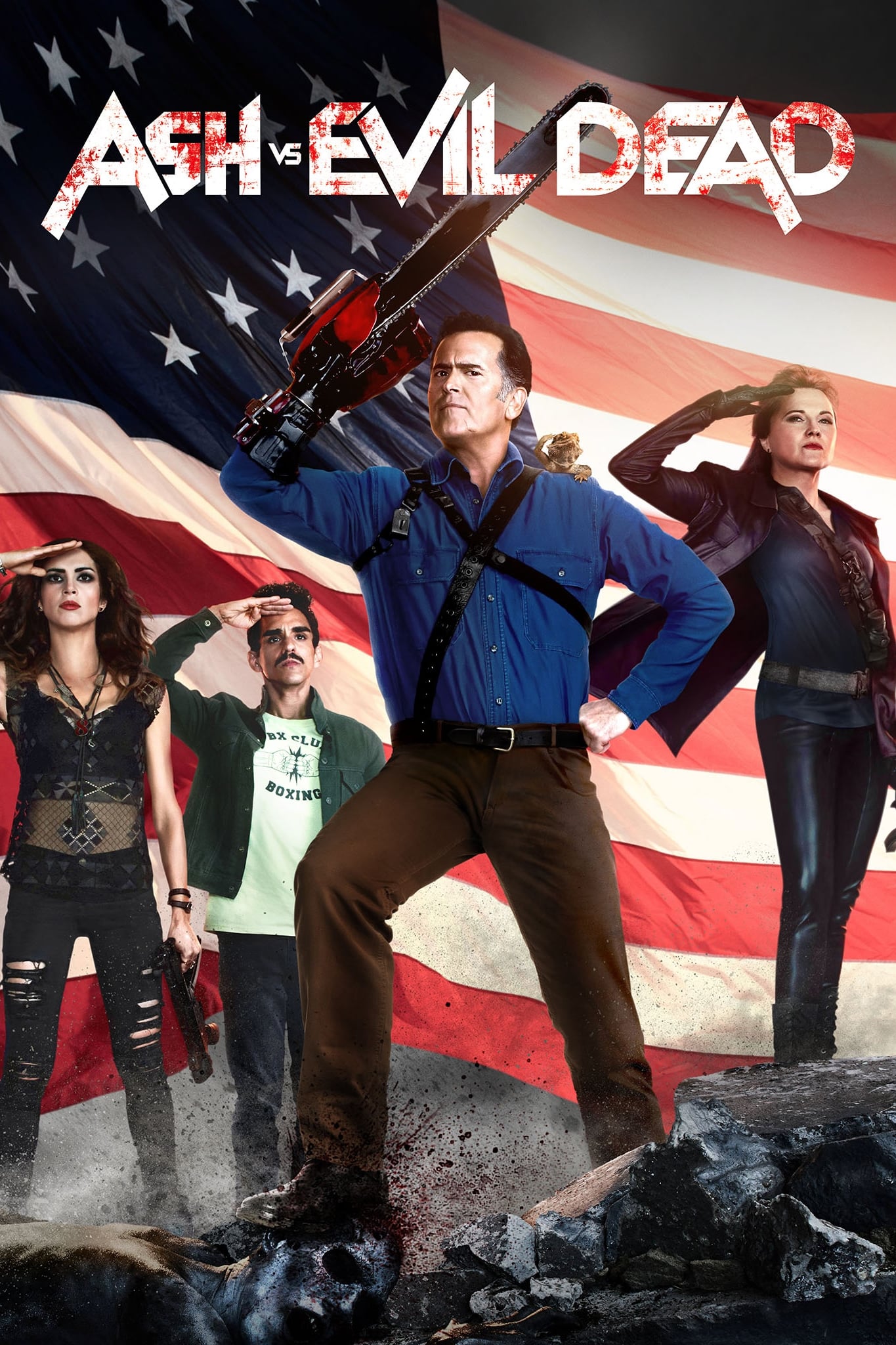
Continuing the ‘Evil Dead’ films, this series brings Bruce Campbell back as Ash Williams decades after the cabin incident. It ran on Starz and keeps the Necronomicon, Deadites, and chainsaw mayhem front and center. The story sends Ash on a cross-country hunt with new partners while revisiting familiar threats. Over three seasons it connects to events from ‘The Evil Dead’, ‘Evil Dead II’, and ‘Army of Darkness’ with episodic quests and season-long showdowns.
‘The Exorcist’ (2016–2018)
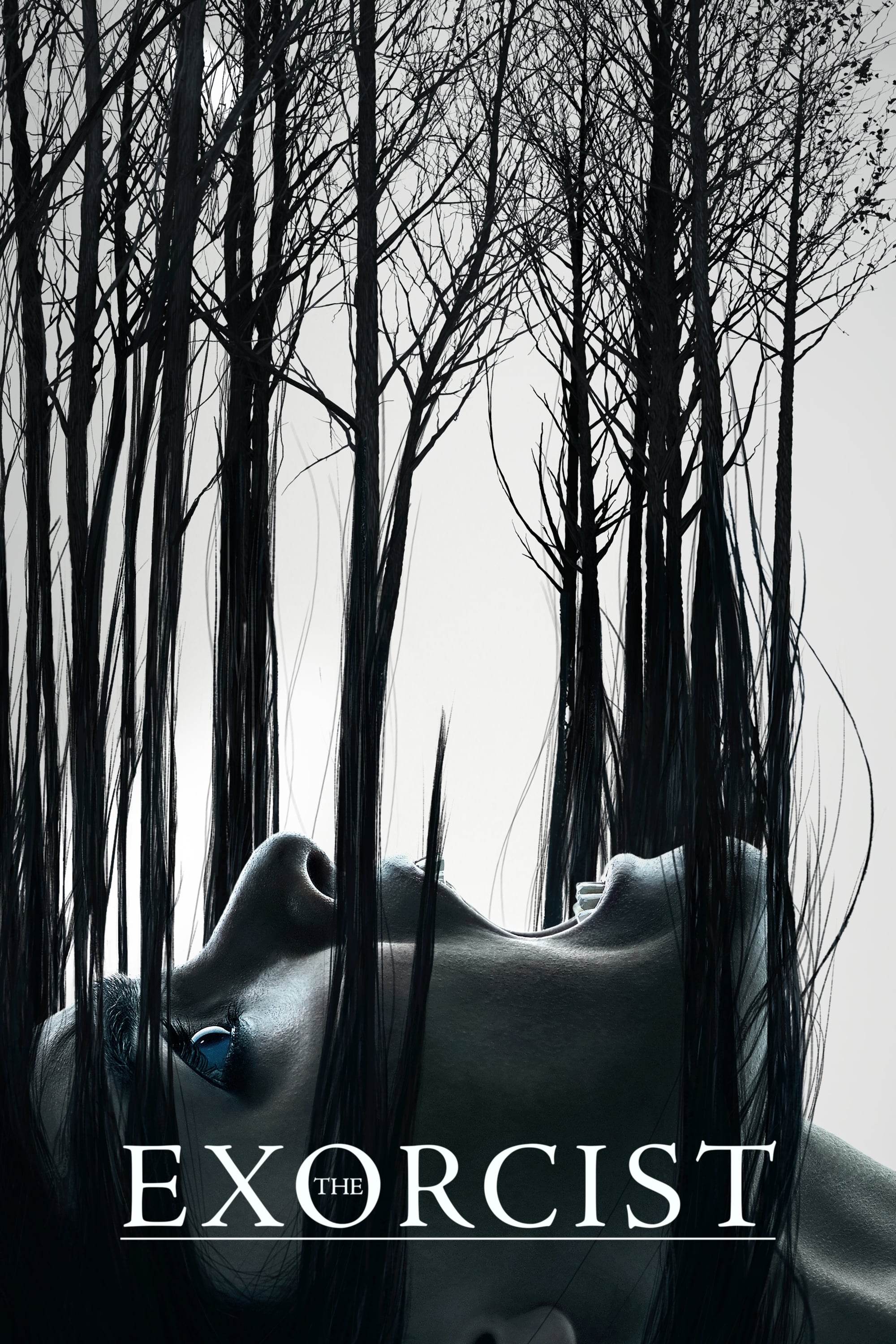
This series positions itself as a sequel to the original ‘The Exorcist’ while telling a new possession story with two priests at its center. It aired on Fox and ties into the MacNeil family legacy without repeating the film’s set pieces. Season arcs send the investigation from a single household to a larger conspiracy within the church. Practical effects and ritual details give the exorcisms a case-file structure across episodes.
‘From Dusk Till Dawn: The Series’ (2014–2016)

Expanding Robert Rodriguez’s vampire crime film, the show digs deeper into the Gecko brothers, the cartel world, and the temple mythology. It premiered on El Rey Network and follows the road-trip setup to a broader supernatural web. Characters like Santánico Pandemonium get full backstories that the film only teases. Across three seasons it maps the Nine Lords and codifies the rules of its serpent vampire culture.
‘Teen Wolf’ (2011–2017)

Inspired by the 1985 comedy, this MTV series pivots to a darker coming-of-age horror focus. It follows Scott McCall through high school, lacrosse, and packs, with Beacon Hills serving as a nexus for creatures. The show introduces hunters, kanimas, oni, and dread doctors to build a shared bestiary. Multi-season arcs connect adversaries and lore while keeping the full moon transformations at the core.
‘Wolf Creek’ (2016–2017)
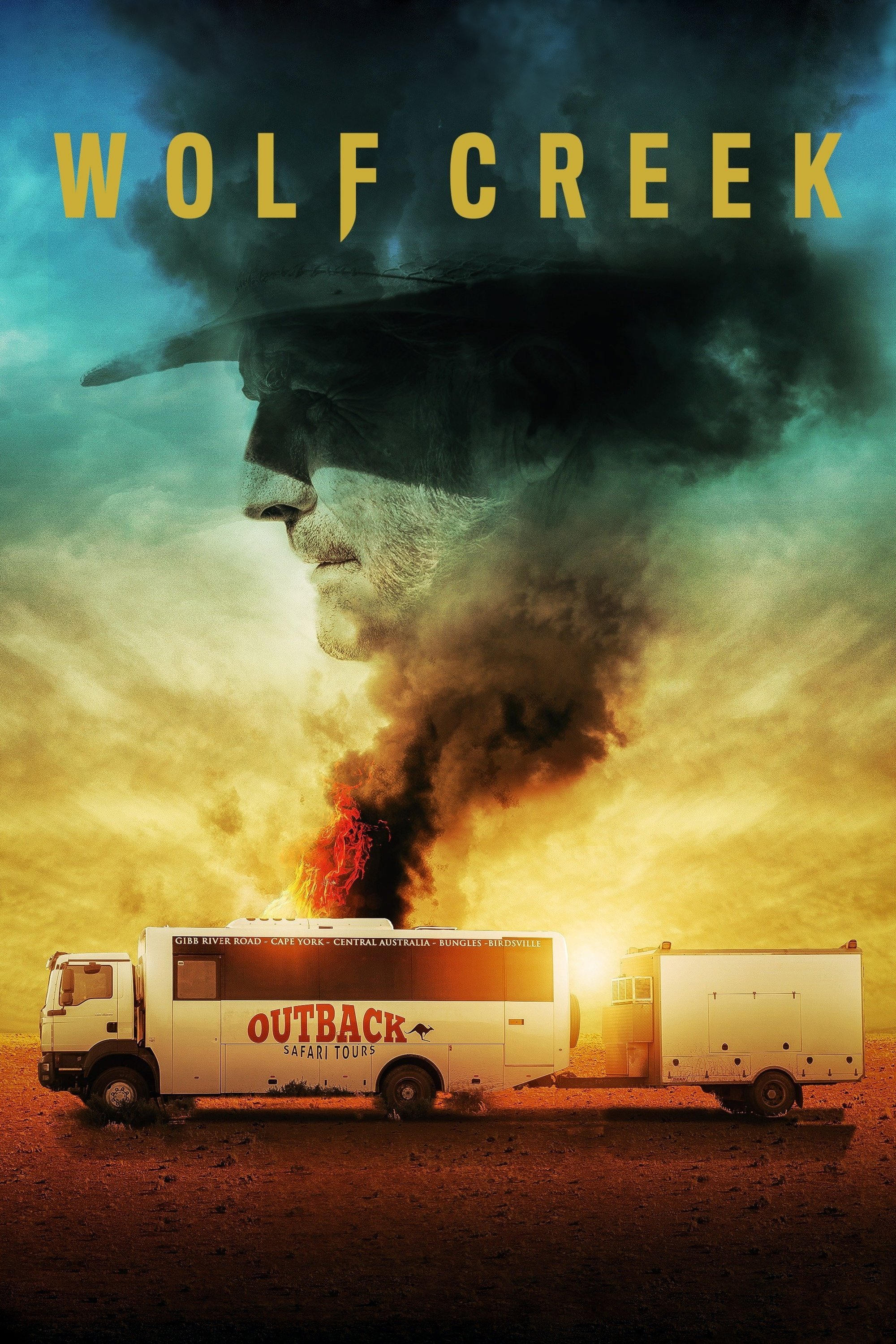
Set in the world of the Australian film, this Stan series revisits the outback killer Mick Taylor with new survivors and investigations. The first season tracks a revenge quest after a family attack that echoes the movie’s setup. Season two shifts to a luxury bus tour to show how the landscape shapes the horror. The show uses the vast desert setting to stage cat-and-mouse stories that play out over longer timelines.
‘The Purge’ (2018–2019)
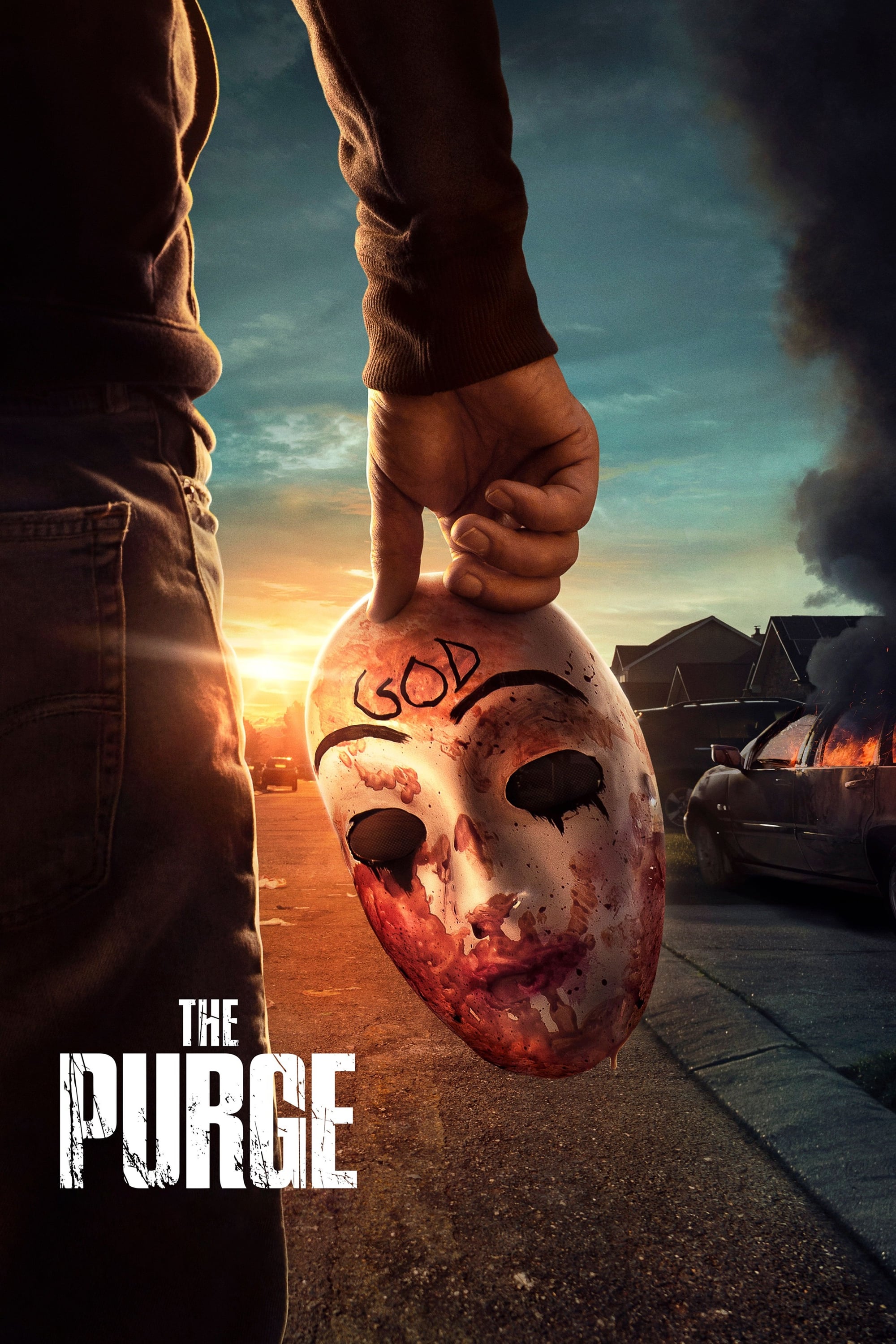
Growing from the film franchise about a yearly lawless night, this USA Network series follows several characters across an entire Purge cycle. It explores how corporations, cults, and neighborhoods adapt to the event before and after the sirens. The second season spends more time on the consequences that the films usually skip. Flashbacks and interludes fill in the planning and aftermath that drive each character’s choices.
‘Let the Right One In’ (2022–2023)
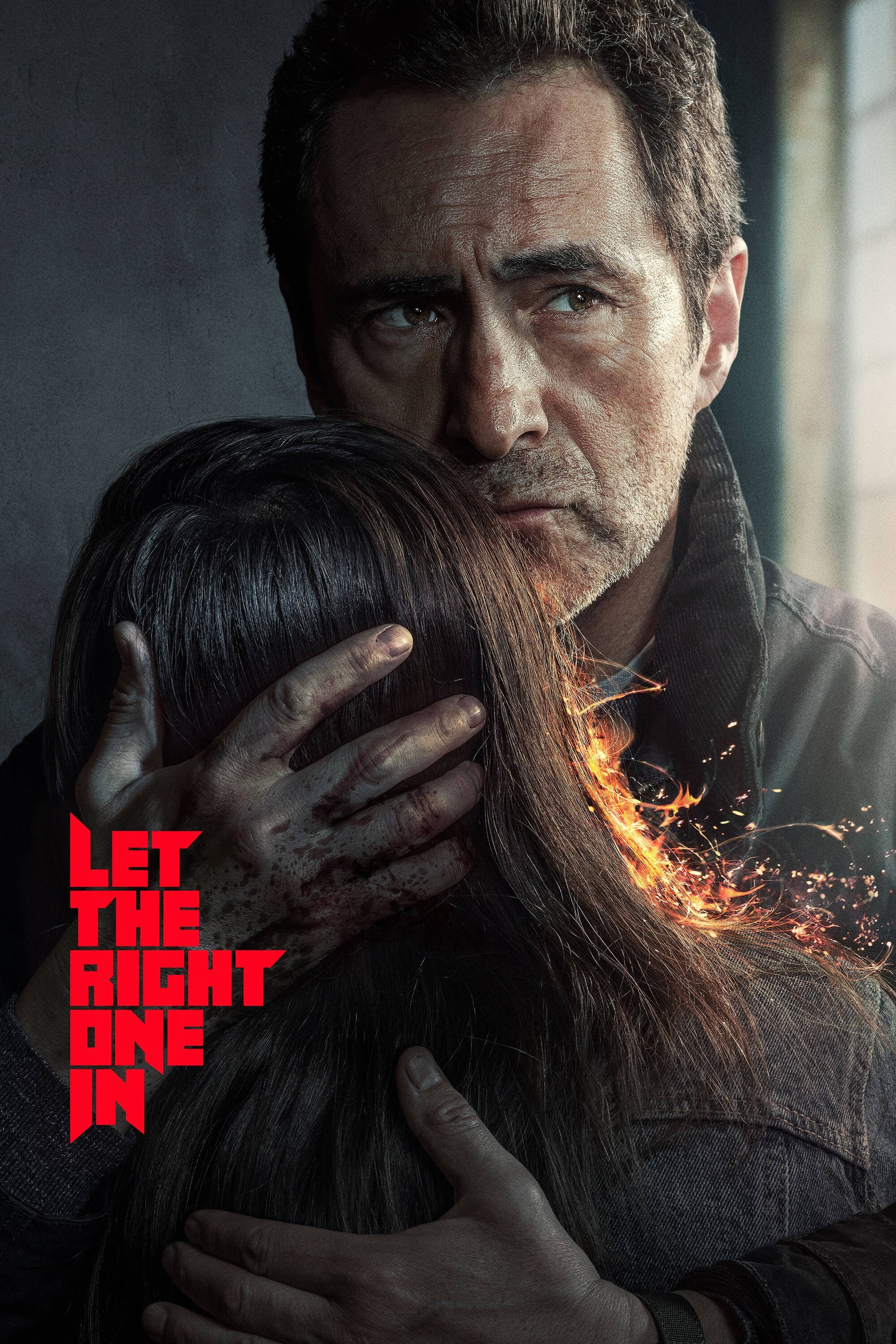
Based on the Swedish film and novel, this Showtime series centers on a father and his vampire daughter living under strict rules. It relocates the story to New York and expands the circle of people who might discover their secret. The plot adds research efforts into the condition and the black-market networks that profit from it. The season structure lets the pair’s routines and setbacks unfold with careful detail.
‘Constantine’ (2014–2015)
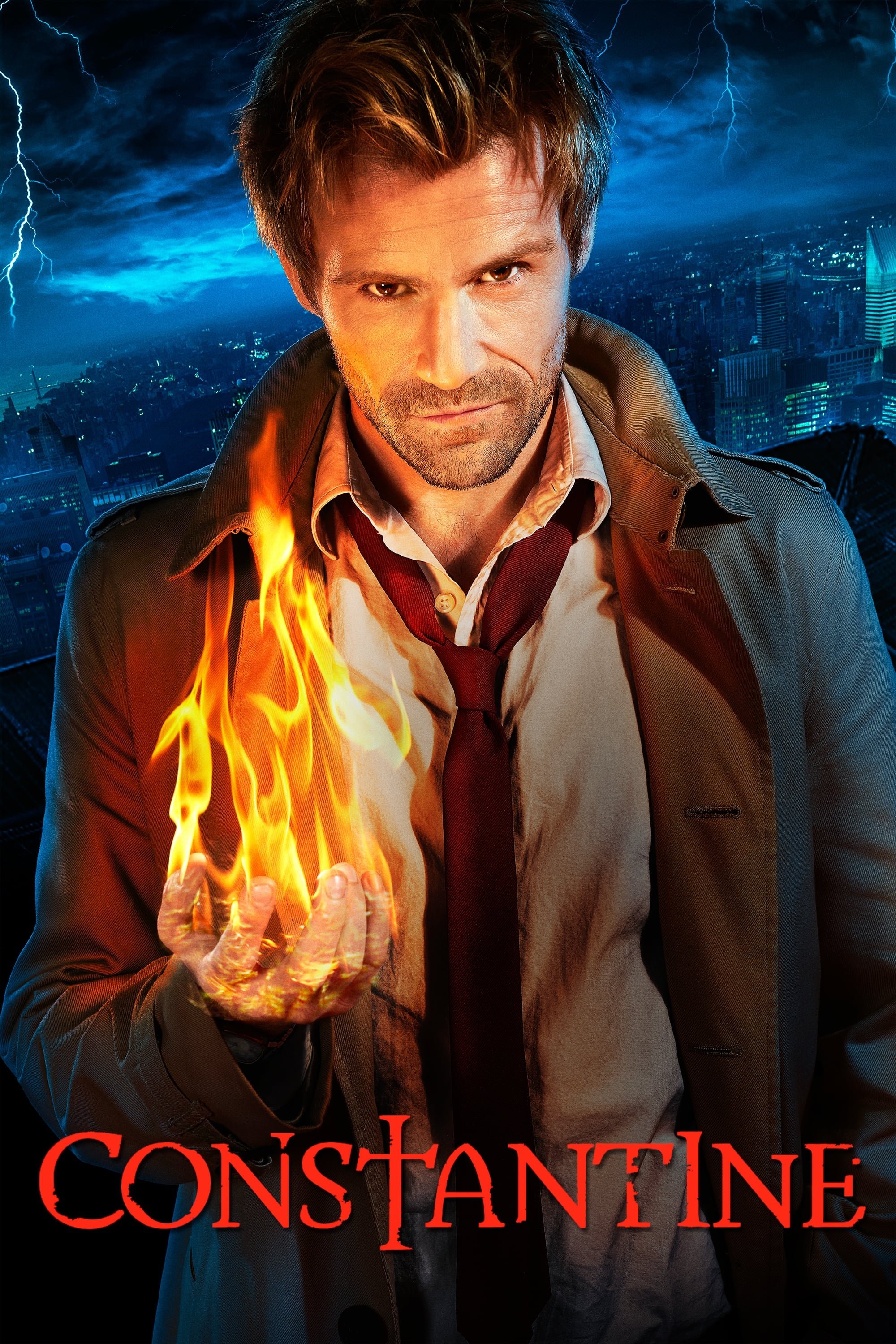
Following the ‘Constantine’ film and the comic source, this NBC series tracks John Constantine as he tackles demons and curses. It leans on case-of-the-week exorcisms while building toward a Rising Darkness arc. Artifacts and sigils recur across episodes to create a shared occult toolkit. Crossovers with ‘Arrow’ later keep the character active inside a broader TV universe.
‘Swamp Thing’ (2019)
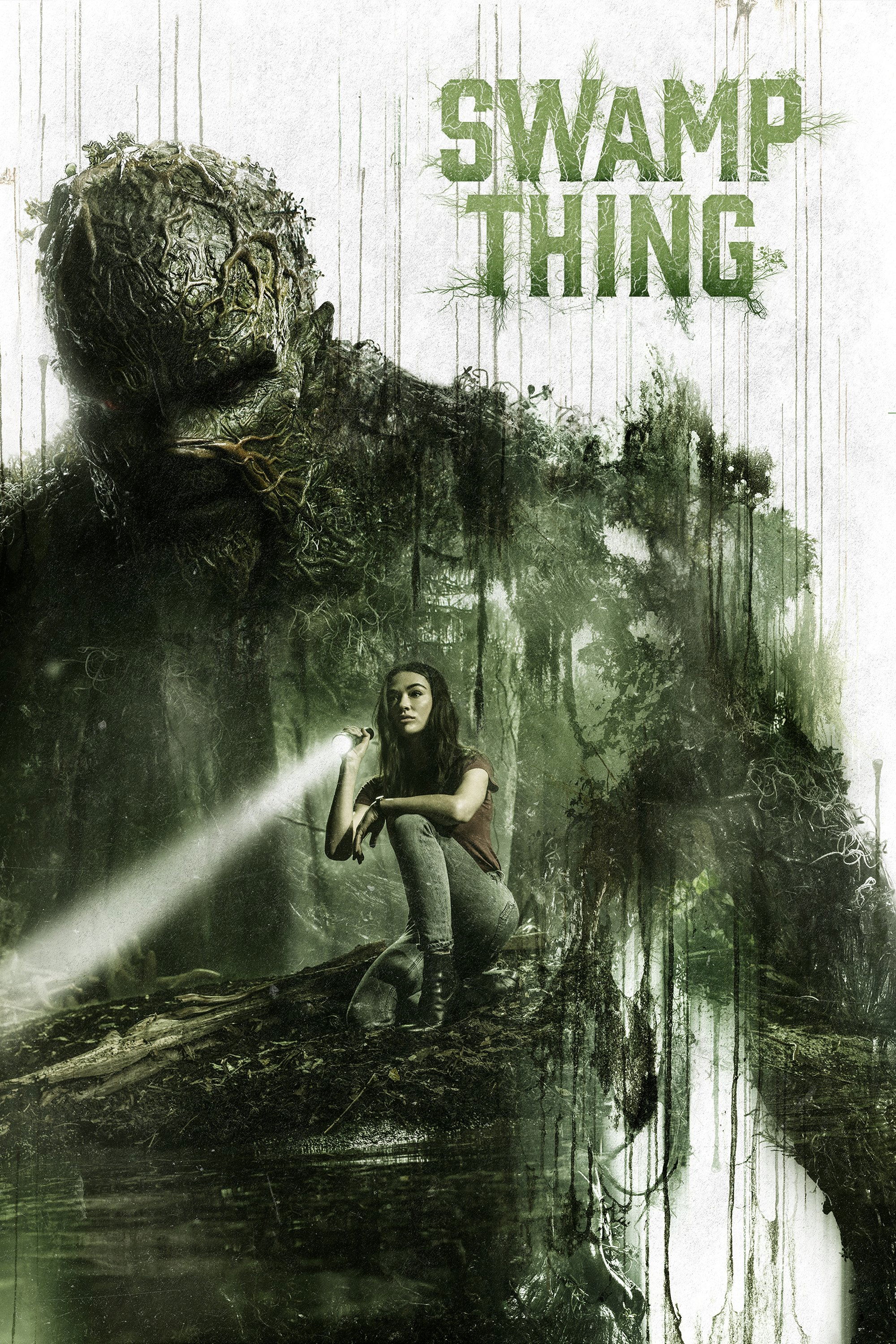
Rooted in the films and the comics, this DC Universe series sets Alec Holland’s transformation against a small town’s bio-terror mystery. It focuses on the Green, medical labs, and murky politics in Louisiana. The production uses large-scale suits and practical environments to ground the creature. One season establishes the Parliament of Trees and a scientific angle that complements the earlier movie takes.
‘Damien’ (2016)
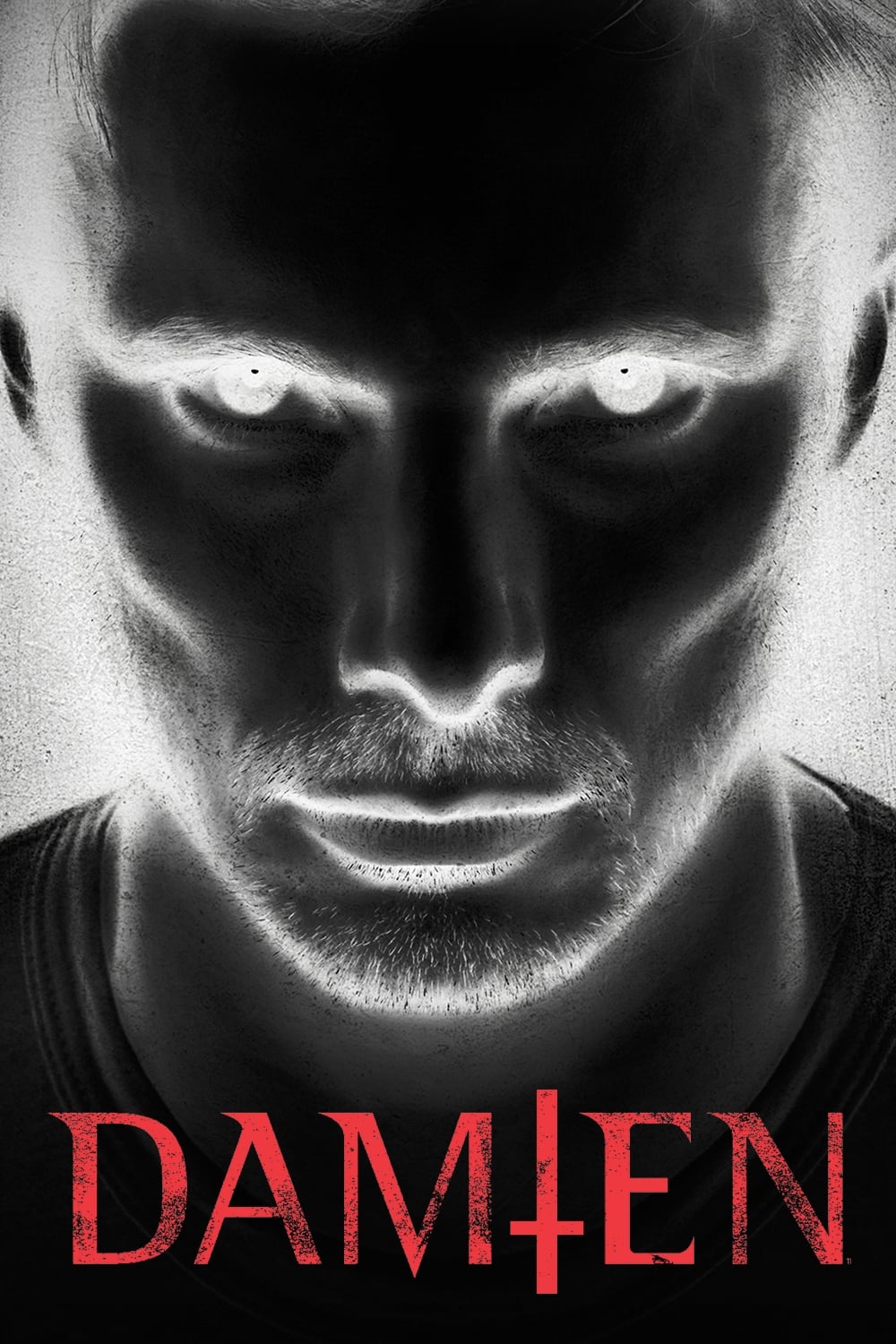
Picking up from ‘The Omen’, this A&E series follows an adult Damien Thorn as he confronts the past he cannot remember. It introduces photojournalism assignments and new allies who either shield or manipulate him. The mythology returns to prophecies, daggers, and signs that echo the film’s imagery. Over its episodes it charts his awareness of a larger destiny and the factions surrounding it.
‘The Dead Zone’ (2002–2007)
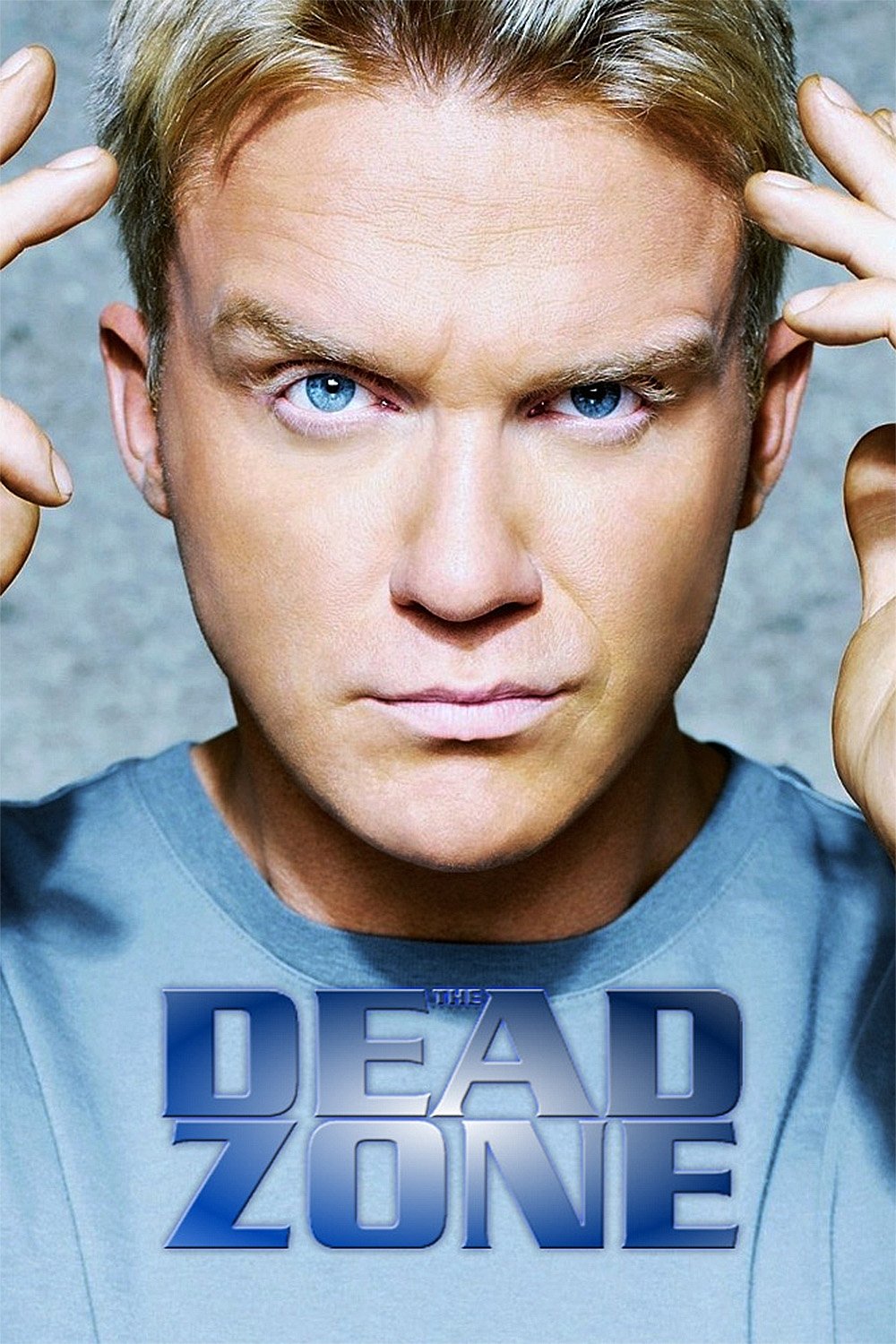
Adapted from the Stephen King story and the 1983 film, this USA Network series expands Johnny Smith’s visions into an ongoing casework framework. It shows how the injury affects his relationships and his role in the town. The Greg Stillson plotline threads through seasons while weekly stories explore crimes and disasters. Recurring ethics debates about intervention give structure to the gift that the film introduces.
Share your favorite movie-to-TV horror upgrades in the comments and tell us which series handled the source material best.