How Popular Comic Book Characters Remain a Significant Part Of Global Pop Culture?


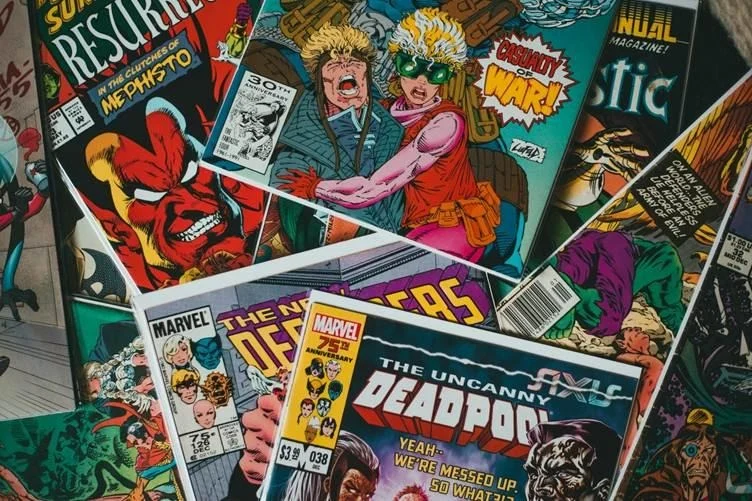
People who grew up in the 2000s and 2010s cannot imagine a world without comic book characters. Marvel and DC have become a cultural phenomenon, and stories about Spider-Man or Iron Man are mythological. These characters, who originated on the pages of cheap newsprint magazines in the first half of the 20th century, have now become the leading titans of the global entertainment industry.
They dictate cinematic trends, break video game sales records, become symbols of social movements, and inspire millions of people around the globe. Comic books have long ceased to be «entertainment for children and teenagers», transforming into a complex cultural layer studied by sociologists, art historians, and cultural experts.
The popularity of comics cannot be explained by nostalgia or a random marketing trend. The popularity of superheroes and other cartoon characters is rooted in human psychology, the peculiarities of visual perception, and the laws of the global marketplace. It is worth taking a detailed look at how comic book culture conquered the planet, the stages of its evolution, and why images of cartoon characters remain a key element of 21st-century pop culture.
From the Yellow Press to Modern Myths – A Historical Digression
Why are people so obsessed with superheroes? It all started when comics were initially just cheap entertainment for ordinary working people and immigrants in America. Simple pictures, minimal text, and that was it.
But everything changed in 1938, when Superman appeared. People were deep in the Great Depression and waiting for World War II to break out, so they desperately needed someone strong to solve their problems and give them hope. Superman was the answer.
Then others followed: Batman, Wonder Woman, Captain America. Each of them addressed their own fears. Captain America even became a powerful propaganda tool: on the covers, he heartily lashed out at Hitler, raising the spirits of soldiers and ordinary people.
But in the 1950s and 1960s, during the so-called Silver Age, Marvel changed the game. Stan Lee and his team decided, «Let’s make the heroes real people, with their own flaws?» And it worked. Peter Parker was perpetually broke, the Fantastic Four were constantly at odds with each other, and the X-Men became symbols of the fight for human rights. It was this «humanity» that made them legends for decades to come.
Psychological Attractiveness – Archetypes and Neo-Mythology
If you delve into cultural studies, comics are essentially our modern mythology. People used to be obsessed with Hercules or Thor, but today people have created their own pantheon of gods in exactly the same way, only in spandex. All these characters are pure archetypes that live within us. Take a closer look at why specific heroes captivate people so much:
- Superman. He is the classic Messiah. The ideal people to look up to when they want to remember what «good» is. A kind of moral compass in a world where everything is constantly changing.
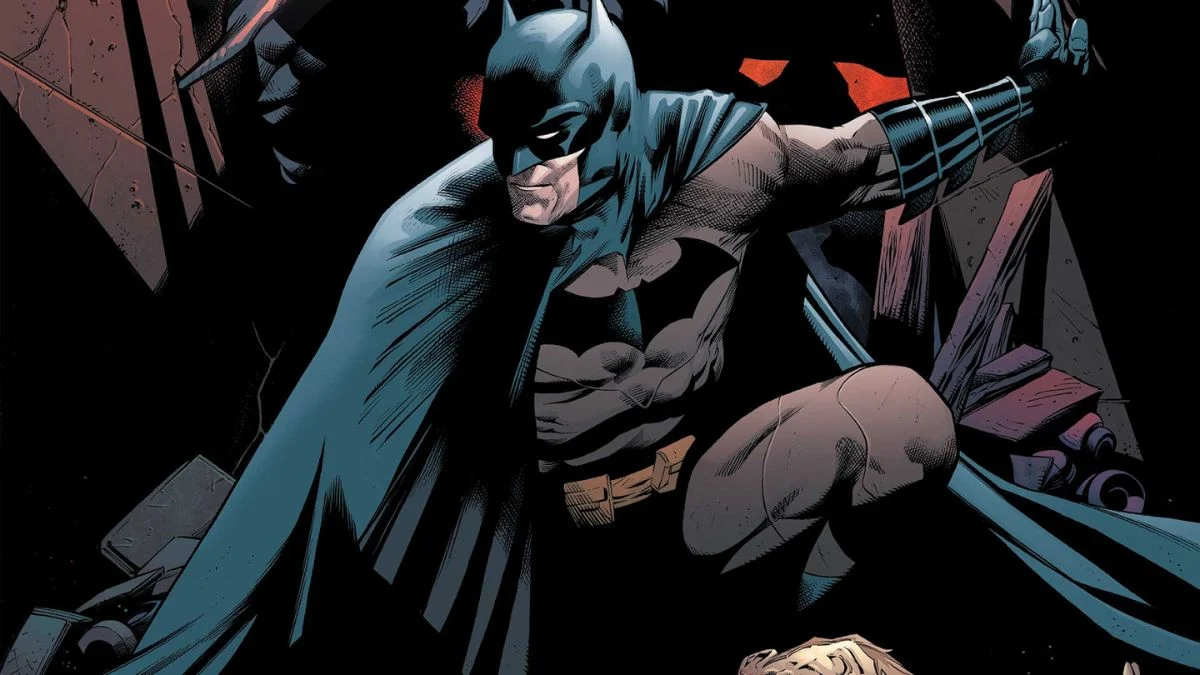
- Batman. That is more interesting. He is our Shadow, a story about how a man takes his personal drama and turns it into a weapon. He is also, in essence, a «regular guy» who proves that if you have the will to act and the brains, you can fight back against any chaos.
- Spider-Man. A clear example of the «eternal teenager». It is a story about growing up and suddenly being burdened with a responsibility you are not prepared for. The phrase about «great power» has become a meme for a reason – it truly resonates with how people learn to take responsibility for their actions.
It all works because we people do not just look at pictures – they experience their own conflicts through these characters. They see themselves in these heroes, and this, oddly enough, helps them navigate their own life crises.
Economic Engine And Transmedia
Nowadays, comics are not just pictures; they are a huge money-making machine. The idea is simple: one story is told everywhere – in movies, games, books, and T-shirts. It is called transmedia, and the comic book industry is ahead of the curve.
Take the Marvel or DC cinematic universes. They have turned ordinary films into endless series with billion-dollar budgets. Now, a movie is not a standalone story, but a piece of a giant puzzle. Want to understand what is going on? You have to watch everything, otherwise you will lose the context. It is a great way to keep viewers hooked on every release.
| Franchise / Main Character | Year of First Appearance | Total Global Box Office | Key Related Media Platforms |
| Marvel Cinematic Universe | 2008 (film) / 1939 (comics) | More than 30.0 Billion USD | Film, streaming (Disney+), video games, toys |
| Spider-Man (all solo projects) | 1962 | More than 10.5 Billion USD | Film, animation, exclusive PlayStation games |
| Batman (Burton, Nolan, Reeves universes) | 1939 | More than 6.8 Billion USD | Film, iconic Arkham game series, comics |
| Superman | 1938 | More than 2.5 Billion USD | Film, television series, merchandise |
These numbers represent that people love comic book heroes to the point that they are willing to spend additional time learning details about every next movie or TV show. Because they care about the destiny of their heroes and the cultural statement every installment is about to make.
Globalization, Digitalization And New Markets
Comics have long ceased to be a purely American phenomenon. They are now a global movement, equally popular in Europe, Asia, and Latin America. What is cool is that these regions are not just consuming content from the States; they are creating their own. Japanese manga and Korean webtoons, for example, have grown so much that they’ve pushed aside classic superheroes and completely changed our understanding of what graphic novels should look like.
The influence of comics has permeated everything from technology to mobile apps. Just look at how modern platforms are structured: WinBet, for example, maintains a huge audience through gamification and vibrant visuals. Digital subscriptions like Marvel Unlimited or DC Universe Infinite work in a similar way – give them access to a database of thousands of issues, and that’s it, you are lost.
And what about the visual quirks of comics? Those fonts, sound effects like «BAM!» or «POW!» – designers and marketers are incorporating them into interfaces simply because they work. Digital has completely erased boundaries. Now fans from all over the world gather on social media to post fan art, write fan fiction, or discuss cosplay. And what about festivals like Comic-Con? They are no longer just geek gatherings, but huge cultural forums where all the major new films and games are presented.
The Influence Of The Comics Industry On Cinema And Culture
When the main discussing topic is the dominance of comic book characters, it is impossible to avoid the movie theme as many actors have been able to become popular only because certain films became hits. Over the past two decades, MCU and DCEU have created a couple of strong movies, like Iron Man, Avengers, Justice League, Man of Steel. They have made actors who played leading roles so popular that they were not able to be ignored by Hollywood.
Many critics, including iconic director Martin Scorsese, have criticized this trend, comparing superhero films to «amusement park rides». However, it’s undeniable that these characters are what allow movie theaters to survive in the age of the rapid growth of streaming services.
Before examining specific examples of how comic books have revolutionized the industry, it is important to note that their influence extends beyond commerce – they are changing the very principles of storytelling. Below is a list of characters whose on-screen incarnations have revolutionized pop culture:
- Iron Man – Robert Downey Jr.. This second-tier Marvel Comics character became the foundation for the most successful film franchise in history in 2008. His portrayal of a charismatic, cynical, yet deeply vulnerable billionaire genius rewrote the standards of what a modern hero should look like.
- Joker – Heath Ledger/Joaquin Phoenix. This character proved that comic book villains could be deeper and more complex than the heroes of classic dramas. Their roles as the Joker earned the actors prestigious Oscars, finally legitimizing comic book films in the eyes of the conservative film community.
- Black Panther. The 2018 film became a major cultural milestone for the African-American community. It brought the concept of Afrofuturism to the big screen and proved that a blockbuster with a predominantly Black cast could gross over a billion dollars at the global box office.
- Deadpool – Ryan Reynolds. Destroyed the myth that a successful comic book film must have a «kids» rating. Its borderline humor, brutality, and constant breaking of the fourth wall paved the way for more mature and experimental content within the genre.
The flexibility of comic book characters is what makes them so popular – they are capable of adapting to any genre. Such political thrillers, like Captain America: The Winter Soldier or psychological dramas, like Joker are the best examples for that.
Social Dimension And Representativeness
Comic book characters remain relevant because they can change with the world. Today, creators are increasingly emphasizing inclusivity and diversity.
While in the mid-20th century, superheroes were almost exclusively white, heterosexual men, today things are different. Heroes like Miles Morales, a Latino-African American Spider-Man, and Kamala Khan, a Pakistani-American Muslim woman who became Ms. Marvel, have emerged. Now, more and more people can recognize themselves as the heroes who save the world.
This is crucial for children. When a child from any social group sees a hero who looks like them, it greatly boosts their self-esteem and confidence. Furthermore, comics have become a great space for discussing complex issues without unnecessary formality: from mental health and self-discovery to ecology and acceptance of others.
The Future of Comic Book Characters in a Changing World
With the constant advancement in technologies, it may be difficult to predict what the future holds for comic book heroes and pop culture in general. There are a couple of key vectors:
- New authors with small budgets. Thanks to the internet, people will have more leverage in pitching a new project to big studios by making fan movies available to the masses online. It was the way Ryan Reynolds presented his vision of how Deadpool should look in the 2016 version of the character.
- Convergence with Eastern culture. The boundaries between American superheroes, Japanese manga, and Korean webtoons will continue to blur. People will see more collaborations and crossovers between Western and Eastern characters.
- Use of artificial intelligence. Neural networks are already helping colorists and artists speed up the comic book creation process. In the future, this could lead to the emergence of personalized comics, where the plot adapts to the preferences of a specific reader in real time.
- Focus on Local Mythologies. There is growing interest in comics based on non-trivial cultural codes – Slavic, African, Indian, and Scandinavian mythologies- which will enrich the global market with new, original images.
These trends ensure that the comic book format does not stagnate. It is ready to transform to meet the needs of new generations, while maintaining its core values – strong, memorable characters and timeless stories about the struggle between good and evil.