How Sci-Fi and Comics Inspire the Next Generation of Java Developers



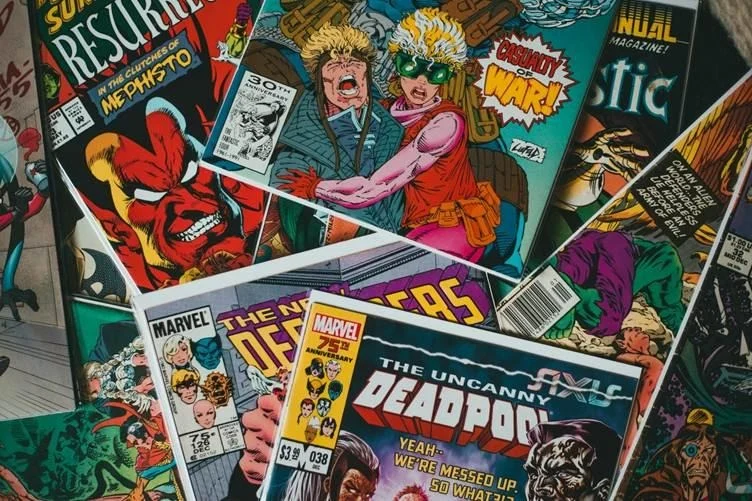
A future Java developer does not always begin with a textbook. Sometimes, the first spark comes from a comic book panel, a spaceship dashboard, or a clever robot on screen.
Sci-fi and comics make technology feel alive. They turn code, machines, and data into stories about courage, invention, and problem-solving. For many students, that emotional pull matters.
A young reader may not understand object-oriented programming yet. Still, they can feel curious about how a digital suit, alien translator, or smart assistant might work. That question can become the beginning of a real coding journey.
Why Fiction Makes Programming Less Intimidating
Many beginners see programming as cold and difficult. They imagine endless symbols, strange errors, and confusing rules. Sci-fi and comics change that first impression.
Stories give technology a face. A computer system becomes a ship assistant. A database becomes a hero archive. A Java class becomes easier to understand when it behaves like a character with traits and actions.
That kind of connection helps students relax. They stop seeing code as a wall and start seeing it as a creative tool. Java programming then feels less like memorization and more like building.
Imagination Turns Into Technical Curiosity
A good story often leaves readers with questions. How does that robot make decisions? How does the hero’s suit track damage? How could a spaceship calculate a safe route?
Those questions lead naturally into computer science. Students begin to notice logic, systems, commands, and patterns. Without realizing it, they are already thinking like developers.
A beginner inspired by fiction might try small Java projects such as:
- a mission tracker for a superhero team;
- a simple chatbot with spaceship-style replies;
- a comic collection manager with search filters;
- a robot battle simulator with health points;
- a futuristic school dashboard for tasks and deadlines.
These ideas feel playful, but they teach useful skills. Students practice variables, loops, classes, methods, arrays, and debugging while building something they actually enjoy.
That enjoyment can keep them learning when errors appear. A dull exercise is easy to abandon, but a personal project feels worth saving.
When students first approach Java, they often feel overloaded by tight deadlines, complex syntax, and multiple assignments arriving at the same time. In moments of pressure, some may think, “If someone could do my Java homework for me I would finally reduce this overload and spend more time understanding how each concept connects in practice”. Pressure usually occurs when the workload feels unstructured, and every error takes longer than expected. With better planning, gradual practice, and the right support, the learning process becomes more manageable and predictable.
Comics Teach Structure Better Than Many Lectures
Comics are built on structure. Every page has panels, timing, movement, dialogue, and visual order. Readers follow cause and effect from one scene to the next.
Java also depends on structure. Clean code needs clear classes, useful methods, readable names, and logical flow. When students already understand story structure, programming concepts can feel more familiar.
Characters Help Explain Objects
Object-oriented programming sounds technical at first. Yet comics offer a simple way to explain it.
A superhero has a name, strength level, costume, skills, limits, and actions. In Java, an object can also hold data and perform actions. A “Hero” class may include health, energy, speed, and special abilities.
A villain object could have similar fields but different behavior. A sidekick object might support the hero, carry tools, or unlock extra options. Suddenly, classes and objects feel much less abstract.
Inheritance also becomes easier to picture. A FlyingHero can extend a general Hero class. A TechHero might have gadgets, repair tools, and shield controls. Students see how one idea can grow into several related types.
Story Choices Mirror Control Flow
Every comic story has decisions. A character takes a risk, follows a clue, loses a fight, or changes strategy. Code also moves through decisions.
In Java, an if statement can decide whether a hero has enough energy to attack. A loop can repeat training until a score improves. An event can unlock a new level after the player completes a challenge.
That connection makes control flow memorable. Students are not only reading syntax. They are creating rules for a small world.
Sci-Fi Concepts That Match Real Java Skills
Science fiction often imagines tools before they become everyday technology. Voice assistants, virtual worlds, smart homes, wearable devices, and AI systems all appeared in stories early.
Java developers work with related ideas in real life. They create applications, manage data, build APIs, test features, and support large software systems. The fictional version may look dramatic, but the foundation is practical.
Students can move from imagination to real skills through a steady path:
- Learn Basic Java Syntax With Small Console Programs.
- Practice Classes And Objects Through Fictional Characters.
- Build Simple Apps Inspired By Future Technology.
- Create Small APIs For Profiles, Scores, Or Collections.
- Use Git To Track Changes And Protect Progress.
- Explore Spring Boot After Core Java Feels Comfortable.
This path gives learners room to grow. They can begin with simple code and slowly reach professional software development concepts.
A student does not need to build a perfect AI or full game engine. A small working project already builds confidence.
Robots, AI, and Smart Assistants
Sci-fi robots often feel emotional, funny, loyal, or mysterious. They make artificial intelligence feel less distant. Students who love these characters may become curious about automation and decision-making.
Java can support beginner-friendly AI experiments. A rule-based assistant can answer questions, suggest actions, or react to user input. That project may use conditionals, strings, lists, and simple data handling.
Later, students can connect Java apps with external services. They may explore APIs, natural language tools, or machine learning platforms. The first robot-inspired idea can grow into real backend development.
Spaceships and Software Architecture
A spaceship in fiction is never just one machine. It has navigation, oxygen control, engines, shields, communication, and emergency systems. Everything must work together.
Modern software has similar layers. One part handles login. Another stores data. Another sends notifications or manages payments. Java developers often work inside these connected systems.
Sci-fi helps students understand why architecture matters. If one module fails, the whole system should not collapse. Error handling, testing, and clean design start to feel important.
Why Java Still Works for Young Coders
New languages appear often, and students hear many opinions online. Even so, Java remains a strong learning choice. It teaches structure, discipline, and careful thinking.
Java is used in enterprise software, Android development, banking systems, cloud tools, and educational platforms. That range gives students many possible directions.
A learner can begin with a simple program. Later, the same language can support web services, mobile apps, data tools, and larger team projects.
A Language for Builders and Problem-Solvers
Sci-fi and comics often celebrate builders. Some characters design armor, repair broken systems, invent gadgets, or save others with technical skill. Java gives students a similar builder mindset.
A good developer needs imagination, but imagination alone is not enough. Ideas must become clear requirements, readable code, tests, and improvements. That process teaches patience.
Helpful habits for young Java learners include:
- writing small programs before chasing huge ideas;
- naming classes, variables, and methods clearly;
- reading error messages with patience;
- testing one feature before adding another;
- saving progress with Git after meaningful changes;
- asking for feedback without feeling embarrassed.
These habits sound simple, yet they shape stronger developers. They also help students handle frustration with more confidence.
Many beginners think bugs mean failure. In reality, bugs are part of the craft. Every fixed error teaches a small lesson.
How Teachers Can Bring Stories Into Java Lessons
Teachers can use fiction to make programming lessons warmer and more memorable. A class does not need expensive tools or complicated software to do this.
Instead of another generic calculator, students can build a starship fuel tracker. Instead of a plain list exercise, they can create a hero registry. The same Java concepts appear, but the context feels more alive.
Projects That Feel Like Missions
A good classroom project should still have a clear learning goal. Fun themes help, but students need to understand what each task teaches.
A hero database can teach objects, arrays, sorting, and file handling. A space mission planner can introduce classes, interfaces, exceptions, and user input. A comic quiz app can teach conditions and score tracking.
These projects give students a reason to care. They are not just finishing homework. They are building a small piece of a world.
Fandom Can Become a Learning Community
Fandom often brings people together. Students discuss characters, timelines, theories, designs, and hidden details. Coding can become another way to join that conversation.
One student may build a quiz for friends. Another may create a timeline tool for a complex story universe. Someone else may design a character generator or reading tracker.
These projects teach more than Java syntax. Students learn feedback, revision, communication, and user experience. They discover that software is not only written for machines.
From Fan Project to Portfolio Piece
Personal projects inspired by fiction can become strong portfolio work. Students should avoid copying protected images, names, or assets. Original themes usually look cleaner and more professional.
A “galactic task manager” can show planning skills. A “hero training tracker” can show object-oriented design. A “space station inventory app” can show data handling and interface logic.
Recruiters do not need to love the same comic or sci-fi series. They want to see clear thinking, working features, and readable code. A creative project can show all three.
The Future May Start With a Story
Not every comic reader becomes a programmer. Not every sci-fi fan chooses software engineering. Still, stories can open doors that a formal lesson may never reach.
A student may begin with a robot, a hero, or a fictional planet. Then comes a tutorial, a first Java file, a confusing error, and finally a working program. That moment can feel unforgettable.
Sci-fi and comics remind young people that technology begins with imagination. Java helps them shape that imagination into logic, structure, and useful software.
The next generation of Java developers may not start by dreaming about syntax. They may start by turning a page and wondering how the machine works.