Iconic Movies that Were Actually Huge Flops when They Came Out


Some of the most beloved films in history didn’t connect with audiences the first time around. Marketing misfires, unfortunate release timing, studio interference, confusing cuts—there are lots of reasons a future classic can stumble out of the gate. Box-office data, trade reports, and later critical polls show how these titles were written off early, only to be rediscovered through TV, home video, re-releases, and streaming.
Below is a sourced, verifiable list of 25 widely recognized films that underperformed on initial release yet went on to major cultural impact. For each, you’ll find what happened at the box office and how the film later earned its reputation.
‘The Shawshank Redemption’ (1994)
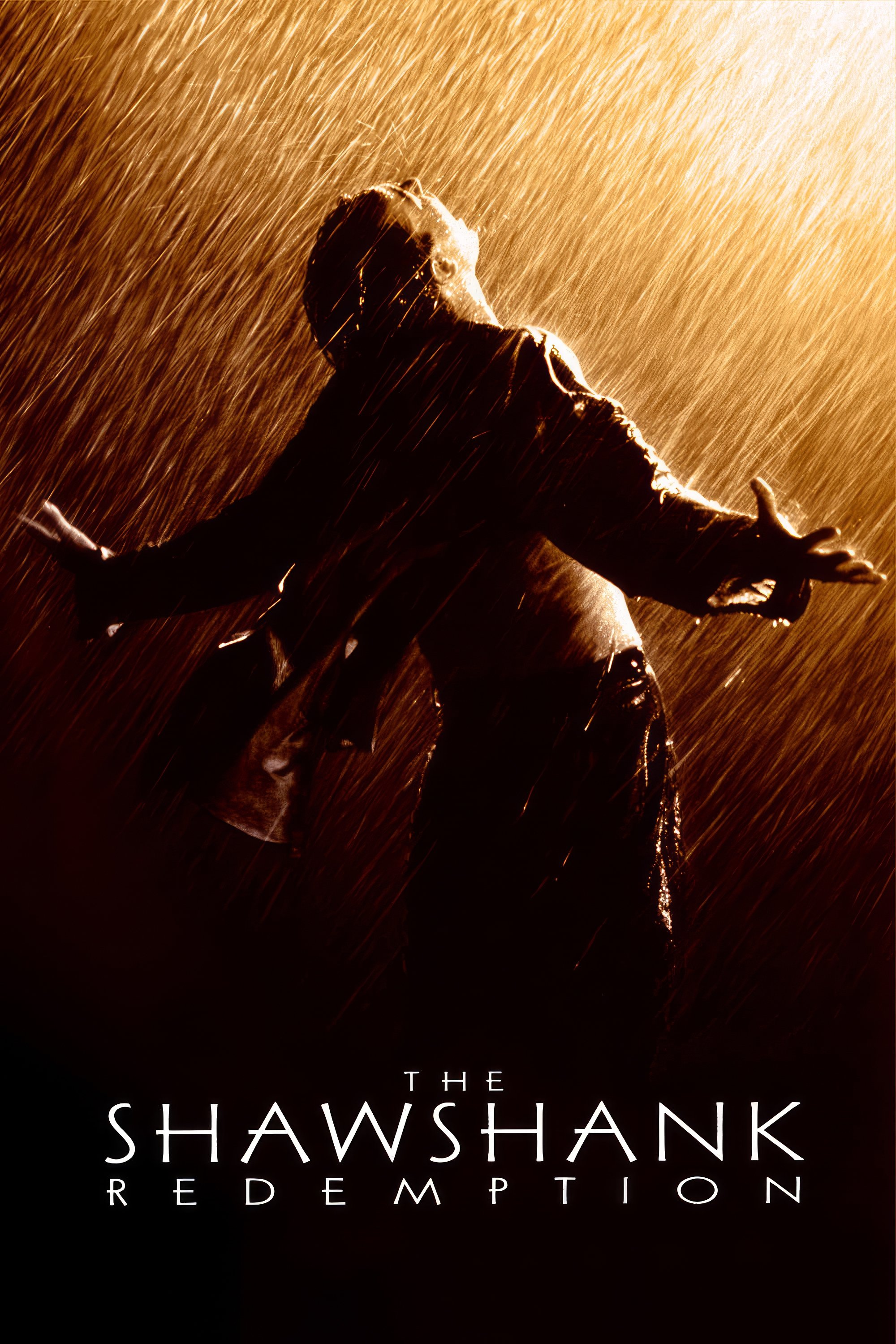
Frank Darabont’s prison drama opened modestly—its first weekend pulled in just $727,327 domestically—and its initial run failed to cover its $25 million budget, despite seven Oscar nominations. Home video and cable syndication later pushed it to massive popularity, with sustained audience acclaim over decades.
Over time, the film climbed in major audience rankings and became a perennial TV staple, illustrating how strong word-of-mouth in the rental era could transform a theatrical underperformer into one of the most watched dramas of the last 30 years.
‘Blade Runner’ (1982)
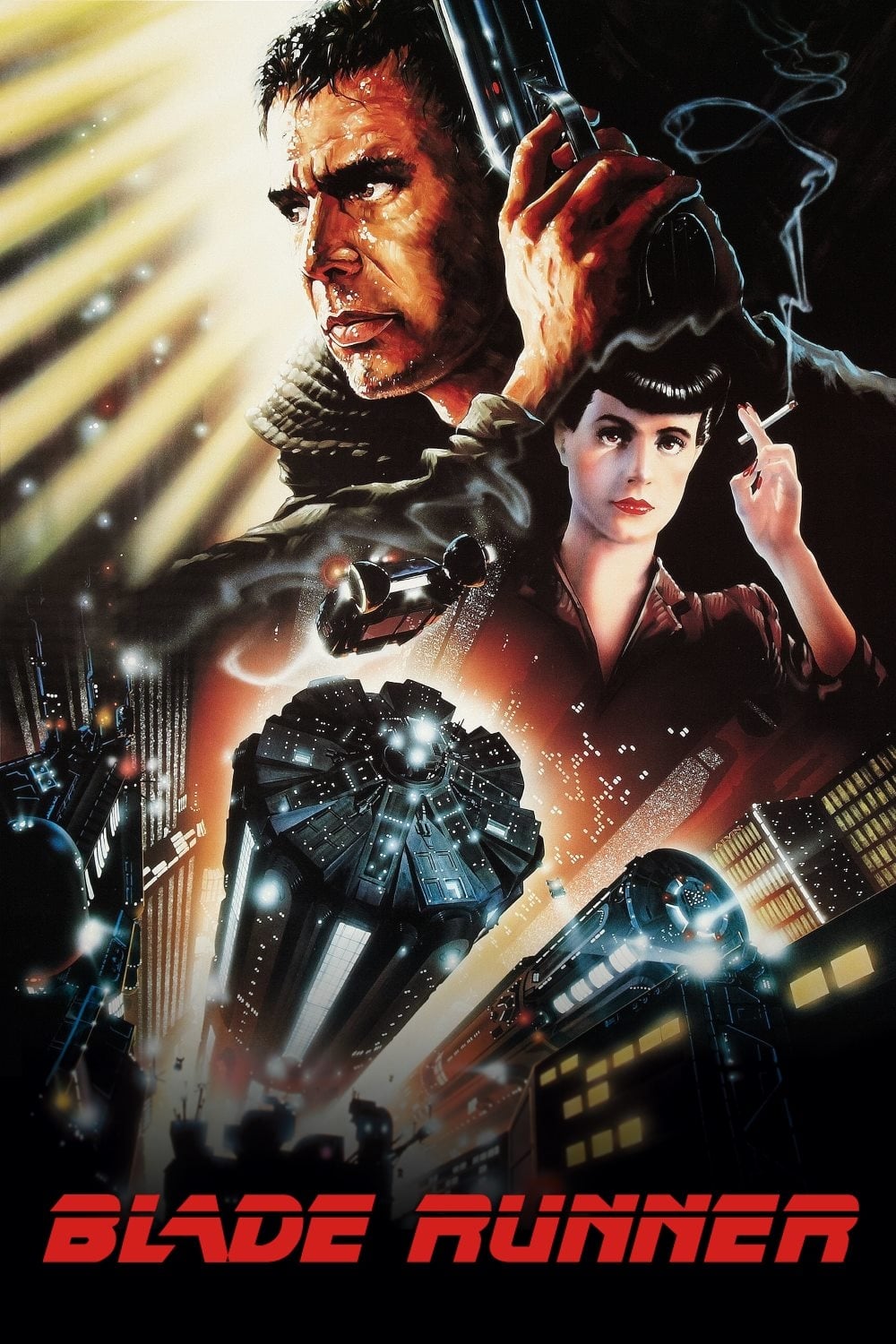
Released the same summer as ‘E.T. the Extra-Terrestrial’, Ridley Scott’s neo-noir debuted at $6.15 million and faded quickly, with a U.S. total under $33 million. Contemporary coverage and later box-office tallies show it as a commercial disappointment in 1982.
Multiple later cuts—especially the 1992 director’s cut—spurred critical reappraisal and interest. Today it’s central to discussions of sci-fi world-building and visual design, even though early revenues lagged.
‘The Thing’ (1982)
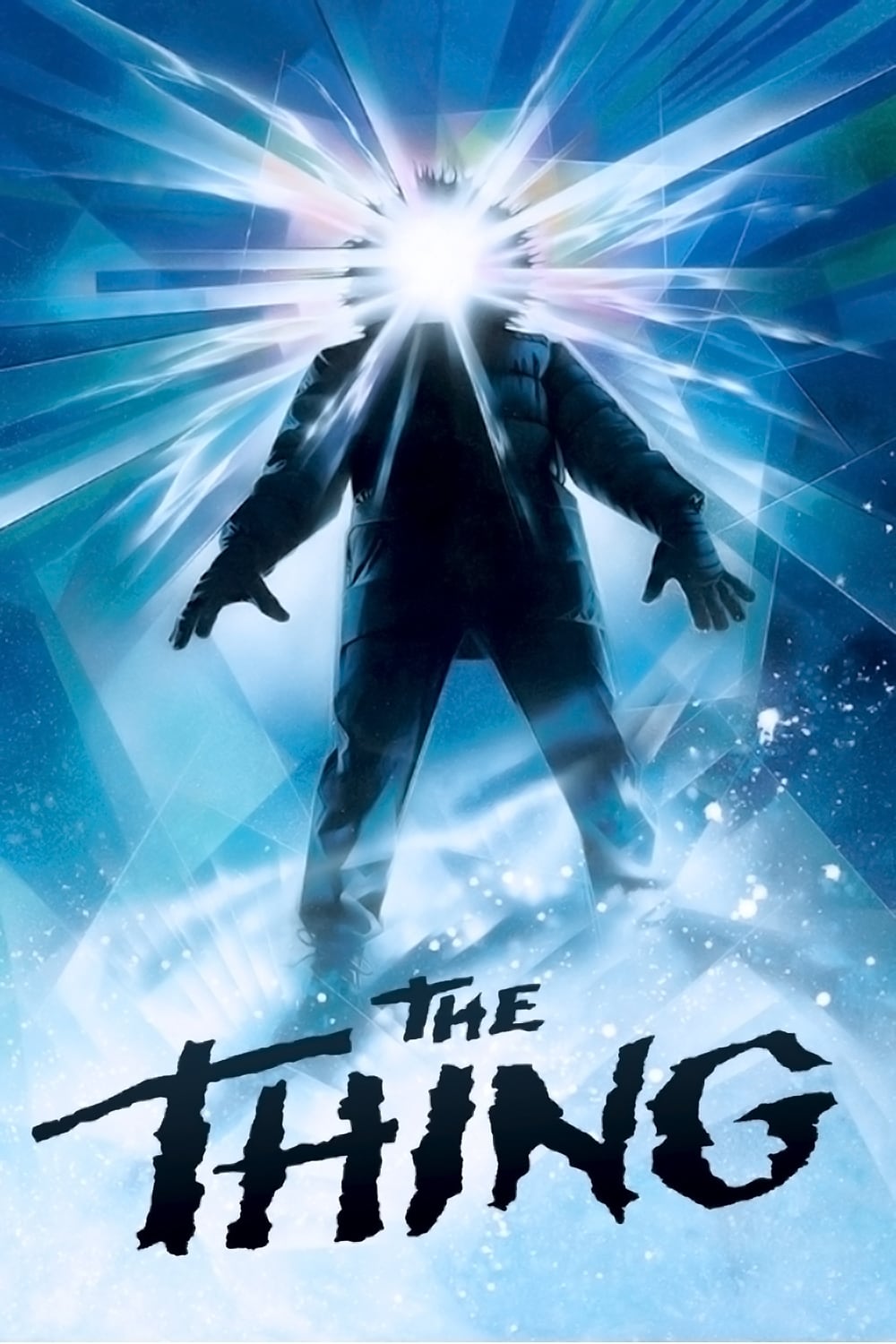
John Carpenter’s film struggled in the summer of 1982, grossing around $19.6 million amid a crowded sci-fi slate and direct competition from ‘E.T.’, whose optimistic tone contrasted sharply with Carpenter’s bleak horror. Contemporary reporting and retrospectives link the initial underperformance to timing and audience mood.
Home video and television revived interest, and the film is now regarded as a landmark of practical effects and paranoia-driven storytelling, regularly cited by later filmmakers as an influence.
‘Fight Club’ (1999)

Theatrically, David Fincher’s adaptation earned about $100.8 million worldwide on a reported $63–68 million production budget, a soft outcome for its scale. Trades and financial trackers documented the weak domestic run.
The movie’s fortunes flipped on DVD, where it became a major seller and pop-culture touchstone—an oft-cited case of the home-video market rescuing a theatrical underperformer.
‘The Iron Giant’ (1999)
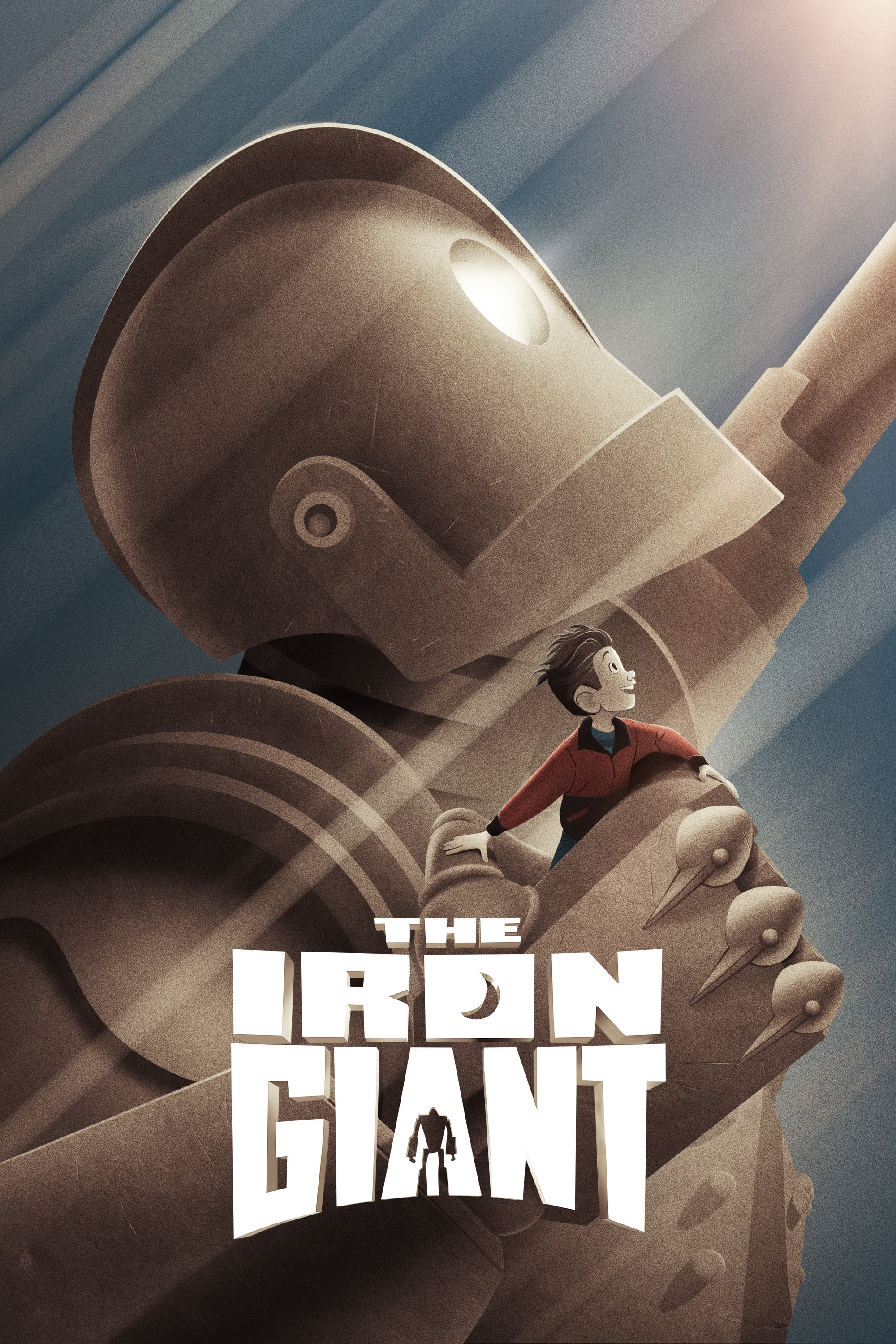
Brad Bird’s animated debut cost roughly $48–50 million and earned just over $31 million worldwide. Reporting and post-mortems point to minimal marketing as a key factor in the box-office miss.
Despite that start, sustained cable airings, home video, and later re-releases built its reputation as a modern animation classic, with industry pieces chronicling its turnaround.
‘Donnie Darko’ (2001)
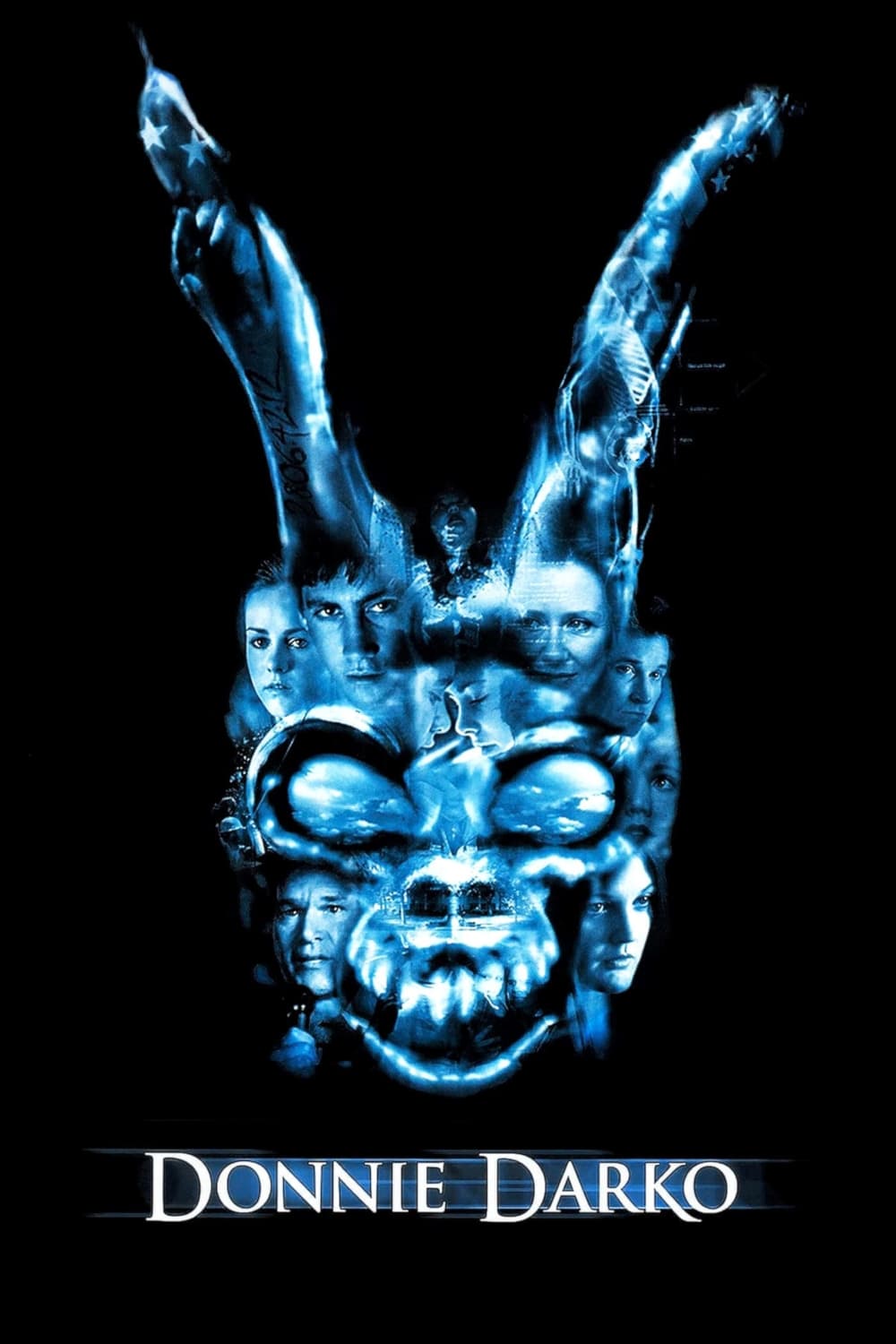
After a limited rollout soon after the September 11 attacks, the film took in only a few hundred thousand dollars domestically before reissues. It later amassed $7.5 million worldwide and significant U.S. home-video revenue, becoming a cult favorite.
Sales data and distribution histories show how DVD and international markets—particularly the U.K.—helped the film find its audience well beyond the theatrical run.
‘Citizen Kane’ (1941)
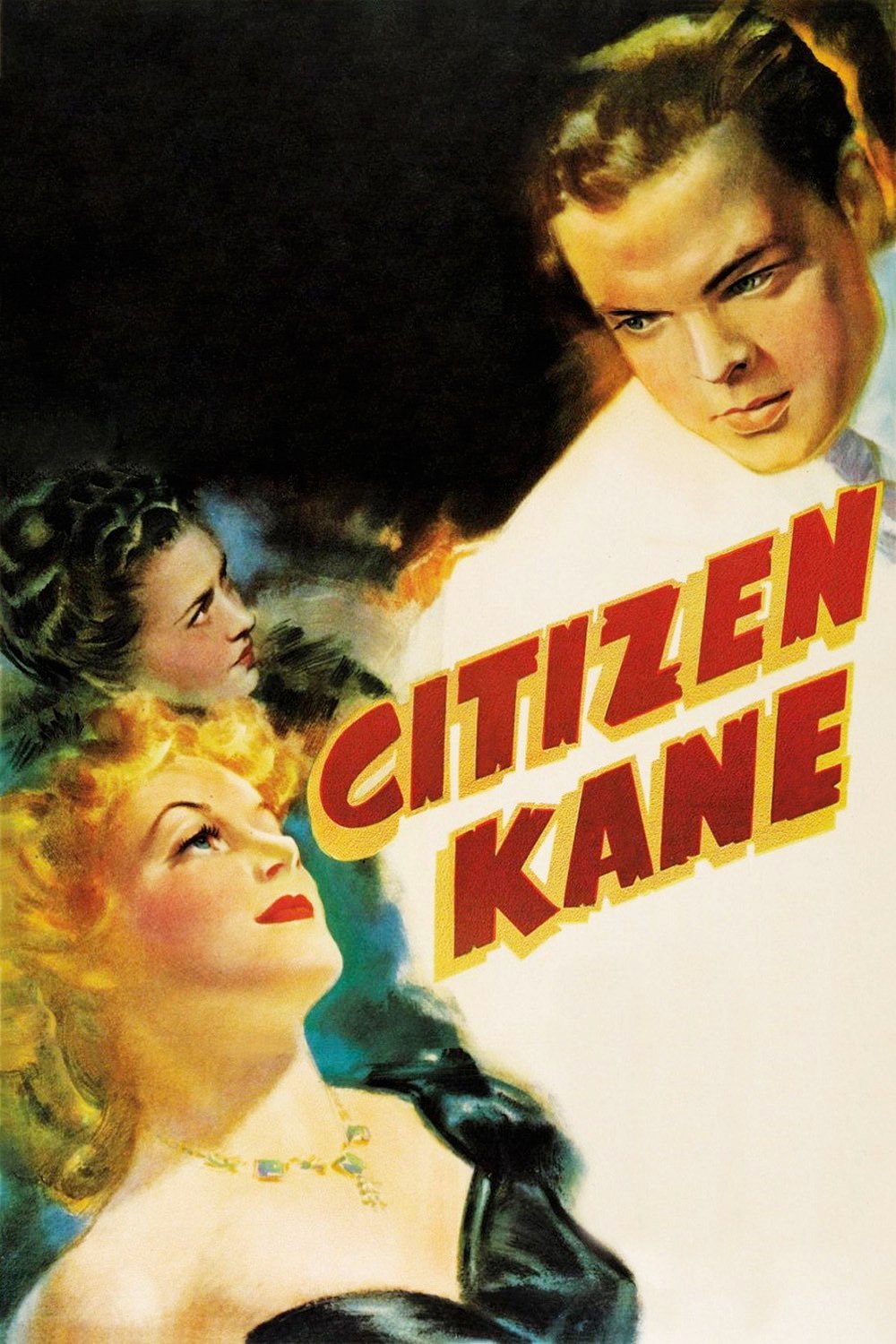
Industry resistance—including a press boycott tied to William Randolph Hearst—hampered distribution and attendance, and RKO recorded a loss on the film during its initial run.
Decades of critical reevaluation, restorations, and poll placements cemented its stature; its early financial stumble is now a textbook example of how reception and legacy can diverge.
‘It’s a Wonderful Life’ (1946)
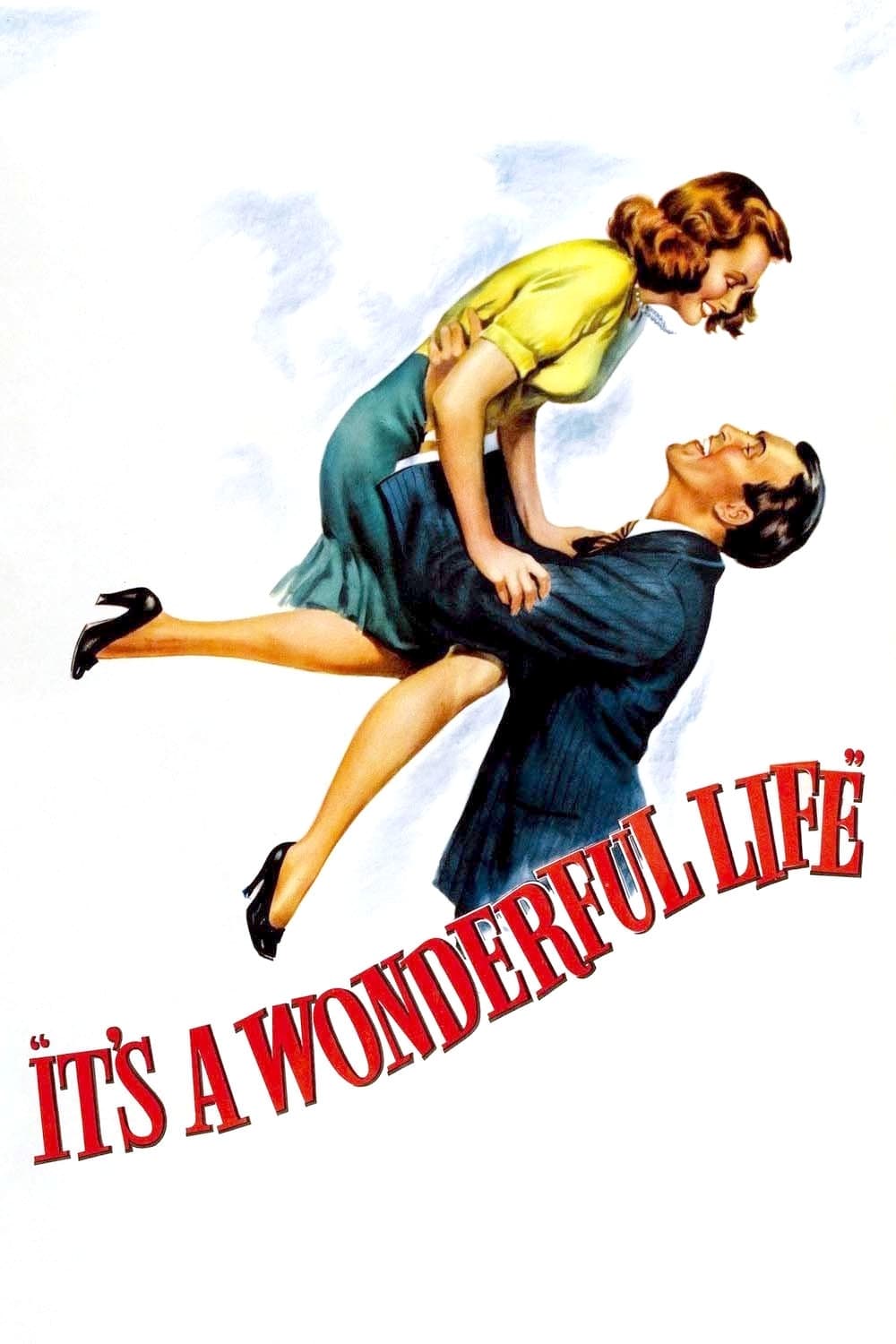
Frank Capra’s holiday tale failed to meet its break-even target in theaters and was seen as a box-office disappointment.
When its copyright lapsed in 1974, TV broadcasters aired it widely at Christmastime, transforming it into a seasonal classic and dramatically expanding its audience.
‘The Wizard of Oz’ (1939)
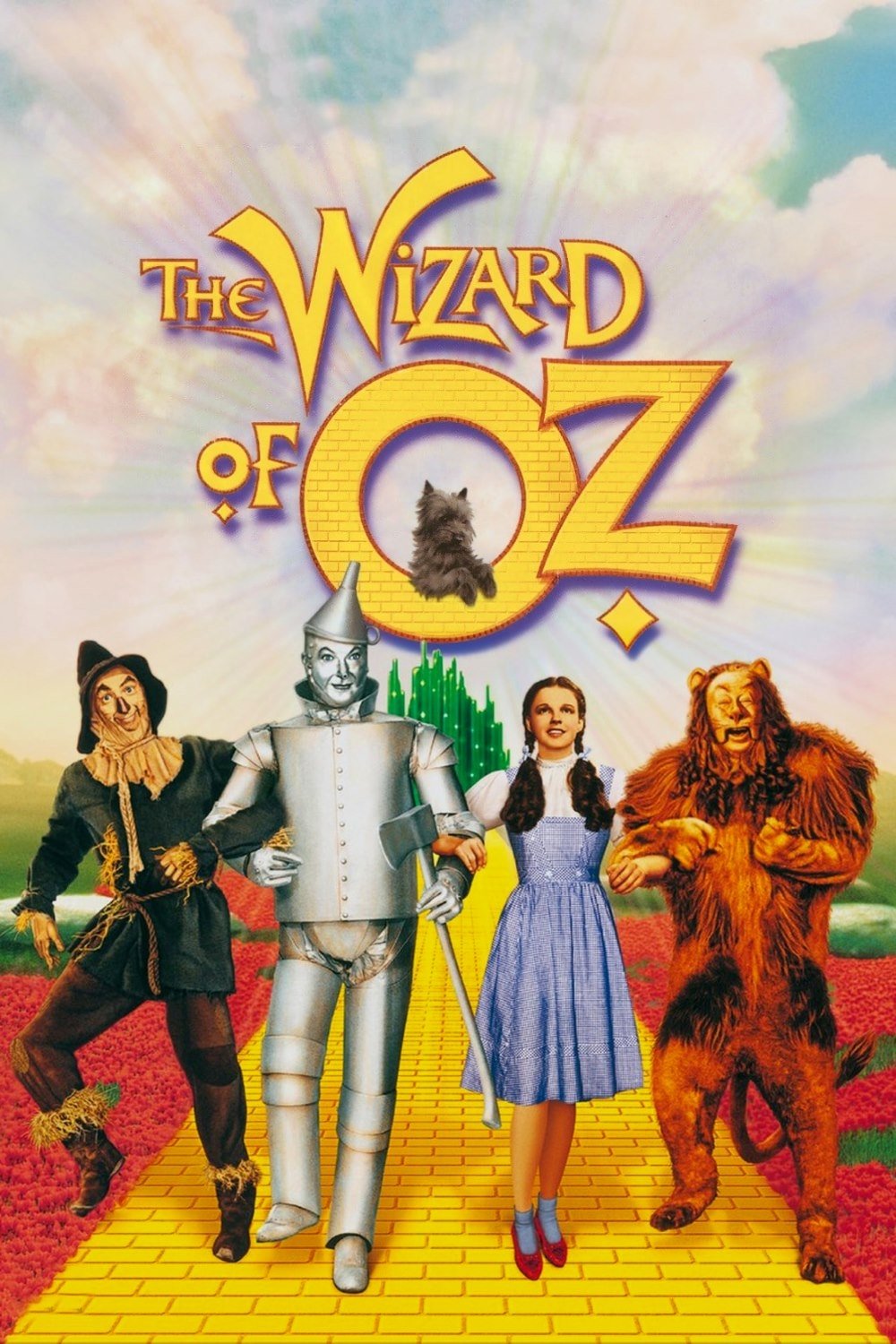
MGM’s records show that the film’s initial release lost money due to high production and distribution costs, despite respectable attendance; it didn’t break even until a decade later via re-release.
Later television broadcasts and periodic theatrical reissues built its multigenerational popularity, with re-release grosses and preservation milestones underscoring the long tail of its success.
‘Vertigo’ (1958)
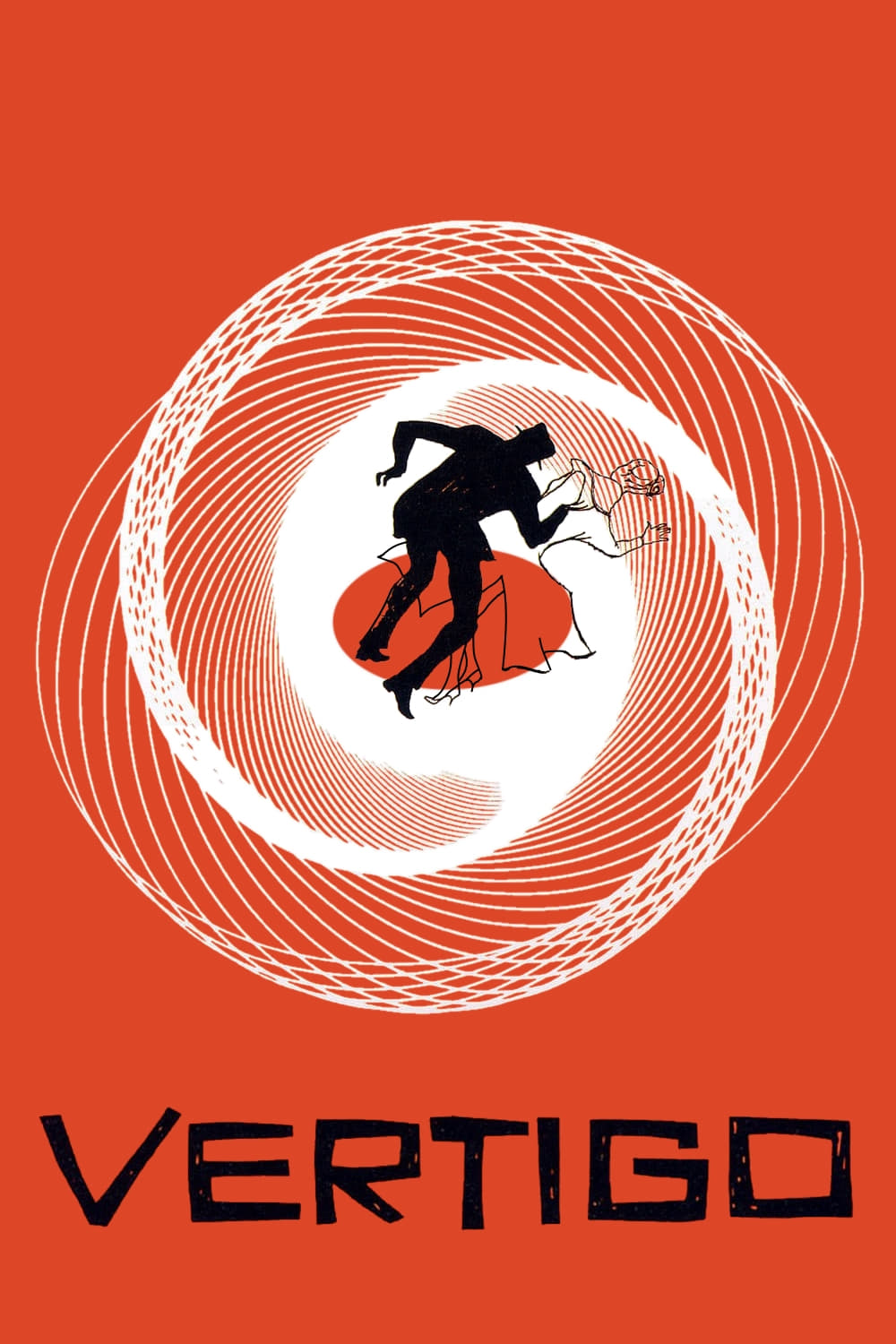
Hitchcock’s psychological thriller underperformed in 1958 and was widely regarded as a financial disappointment. Over subsequent decades, it rose steadily in major critics’ polls.
By 2012 it topped Sight & Sound’s once-a-decade poll; the 2022 update kept it among the top-ranked films, illustrating its profound reassessment since release.
‘Willy Wonka & the Chocolate Factory’ (1971)
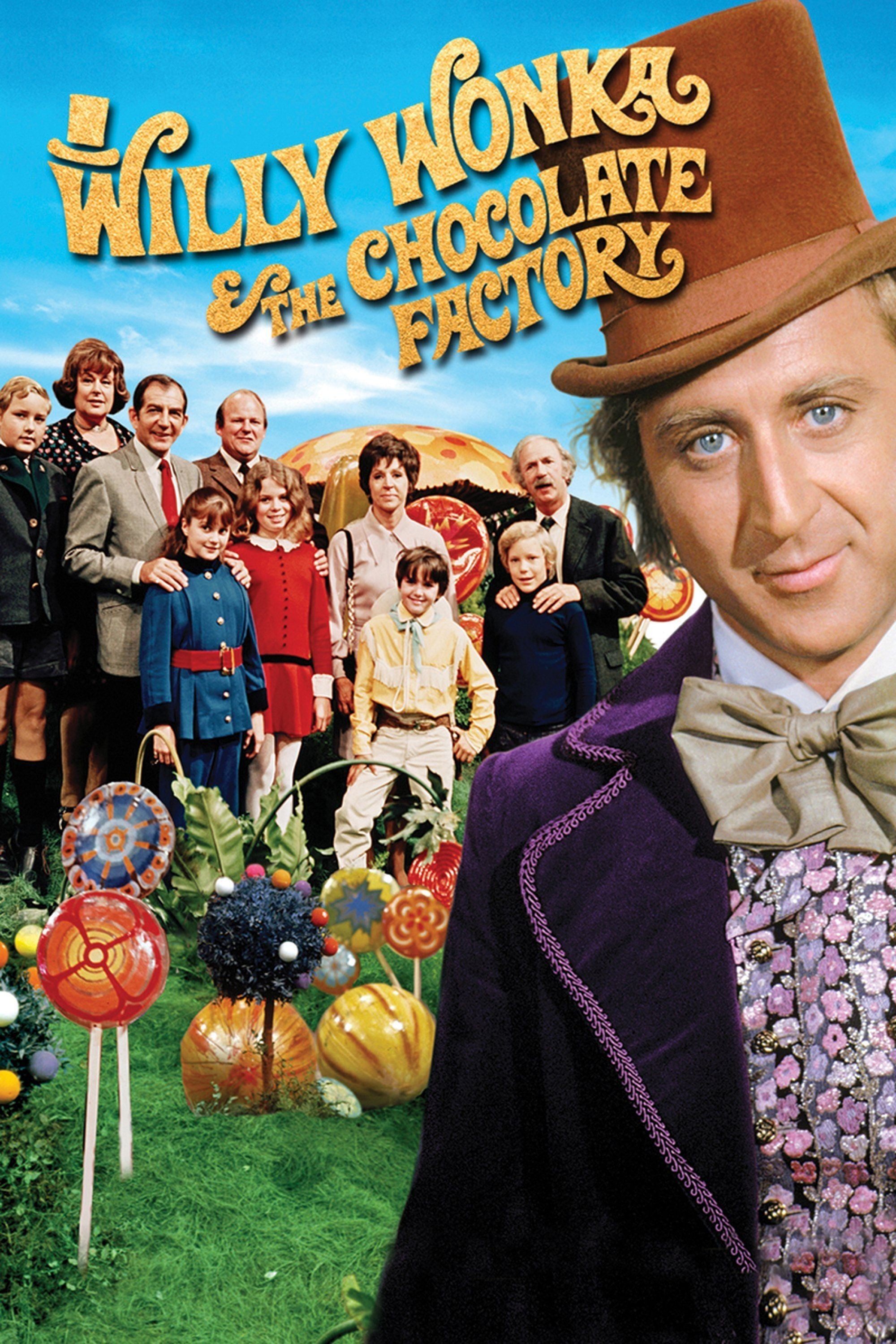
Financial trackers indicate a small initial gross relative to its costs, and the film slipped into obscurity when its early distribution rights lapsed in the late 1970s.
Repeated TV airings and home video in the 1980s and 1990s elevated it to family-film staple status, culminating in registry honors and steady revival screenings.
‘The Big Lebowski’ (1998)
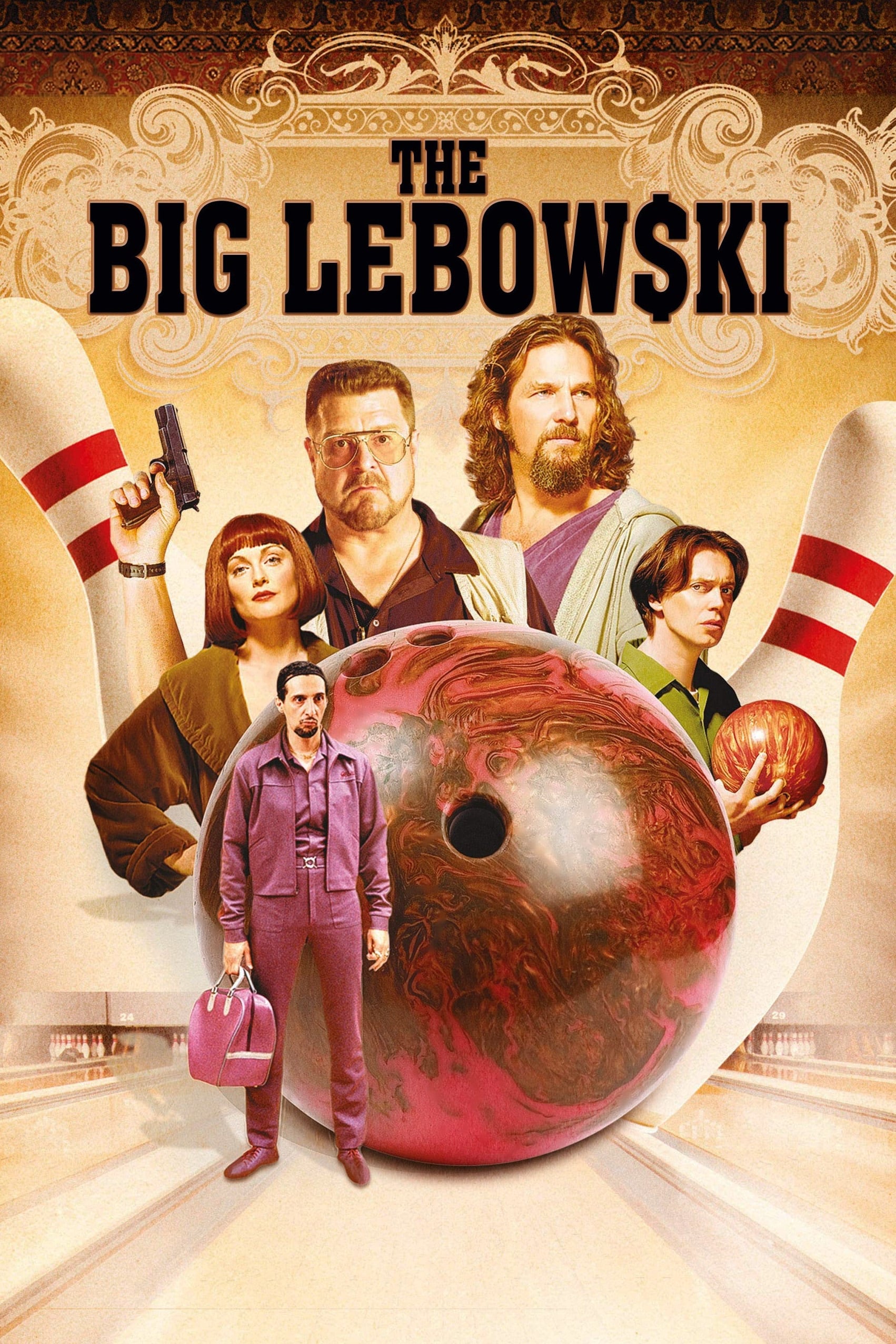
Domestic totals stalled under $20 million during its original run, a sharp comedown from the Coens’ prior hit. Box-office histories and later coverage document the tepid initial response.
Subsequent international play and video releases helped it grow into a cult phenomenon, complete with festivals, fan organizations, and persistent repertory screenings.
‘Brazil’ (1985)
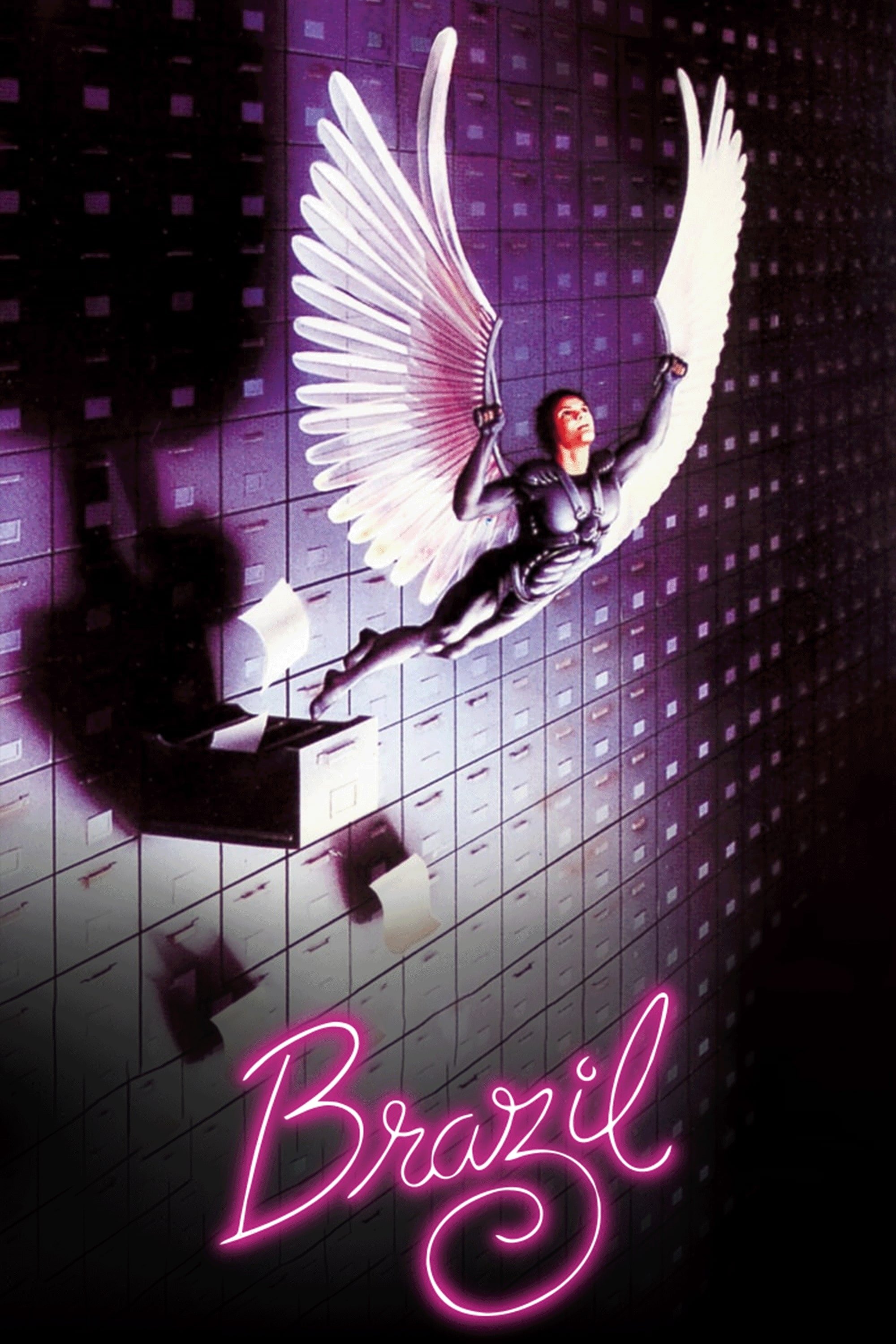
Terry Gilliam’s dystopia faced a high-profile dispute with its U.S. studio over cuts and release strategy, with contemporary reporting detailing the public standoff and delayed rollout.
While the controversy hurt its box office, later restorations and director’s-cut releases spurred critical embrace, and the film is now a canonical entry in sci-fi satire.
‘Office Space’ (1999)

Mike Judge’s workplace comedy took in roughly $10–12 million domestically against about a $10 million budget, modest for a wide release. Trade coverage and encyclopedic entries note the weak theatrical performance.
Strong home-video sales and constant cable rotation built its long-tail audience, with props and scenes entering broader pop culture and even influencing real-world product lines.
‘Hocus Pocus’ (1993)
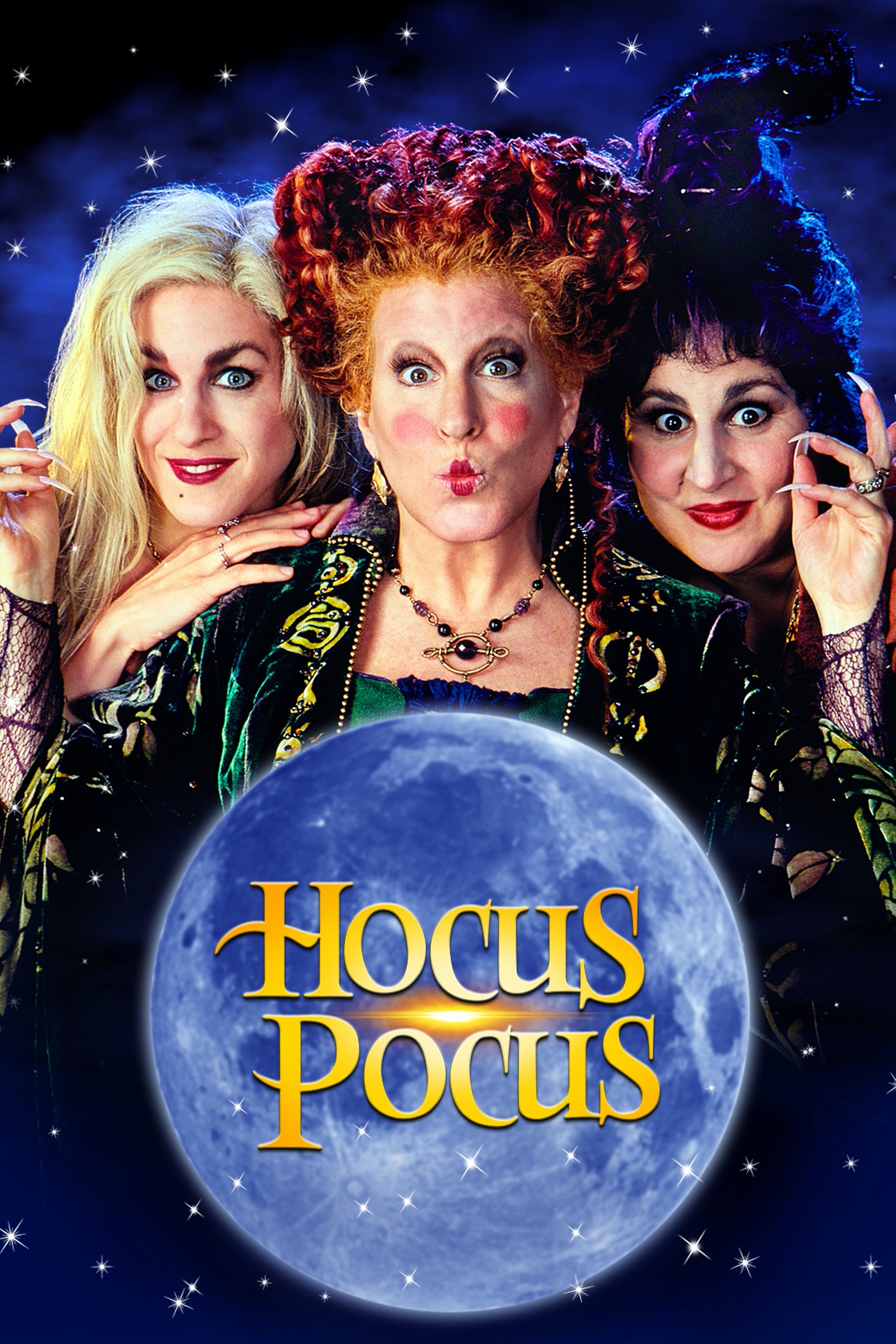
Released in summer rather than October, the film did about $39 million in North America on a ~$28 million budget and was considered a disappointment by Disney at the time.
Television marathons, merchandise, and a record-setting streaming sequel decades later reveal how it evolved into a Halloween mainstay with multigenerational reach.
‘The Rocky Horror Picture Show’ (1975)
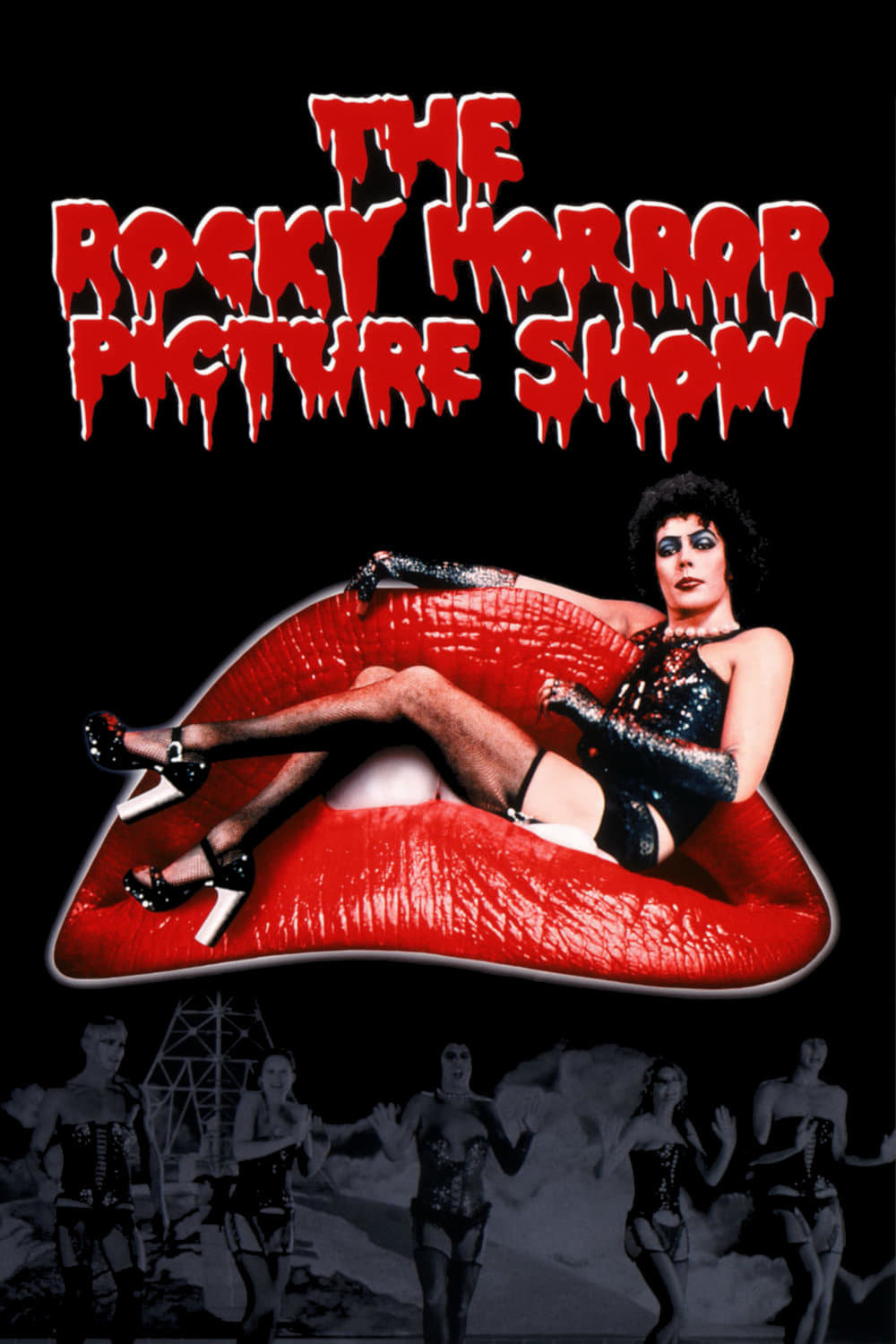
The musical initially flopped in general release, then found new life as a midnight movie starting in 1976, a model that turned audience participation into an institution.
Box-office records show massive cumulative grosses driven by decades of ongoing screenings, illustrating one of the longest theatrical tails in film history.
‘Heaven’s Gate’ (1980)

Michael Cimino’s western suffered a famously bloated production and disastrous launch, becoming one of Hollywood’s most notorious bombs; archival reporting documents the scale and fallout.
Restorations and critical reassessments have since reframed the film for many scholars and cinephiles, even as its initial failure reshaped studio risk tolerance in the early 1980s.
‘Dune’ (1984)

David Lynch’s adaptation opened to about $6 million and struggled to recoup its reported $40 million budget, with box-office ledgers registering a shortfall.
Despite the early miss, it developed a cult following through video and TV play, and it remains a key waypoint in discussions of large-scale, stylized sci-fi adaptations.
‘Speed Racer’ (2008)

Warner Bros.’ live-action anime adaptation cost well over $100 million and earned under $95 million worldwide—well below marketing-inclusive costs, per box-office analyses.
Retrospectives and critical essays describe a vigorous reevaluation, with many viewers discovering the film’s audacious aesthetic years after the theatrical stumble.
‘Treasure Planet’ (2002)
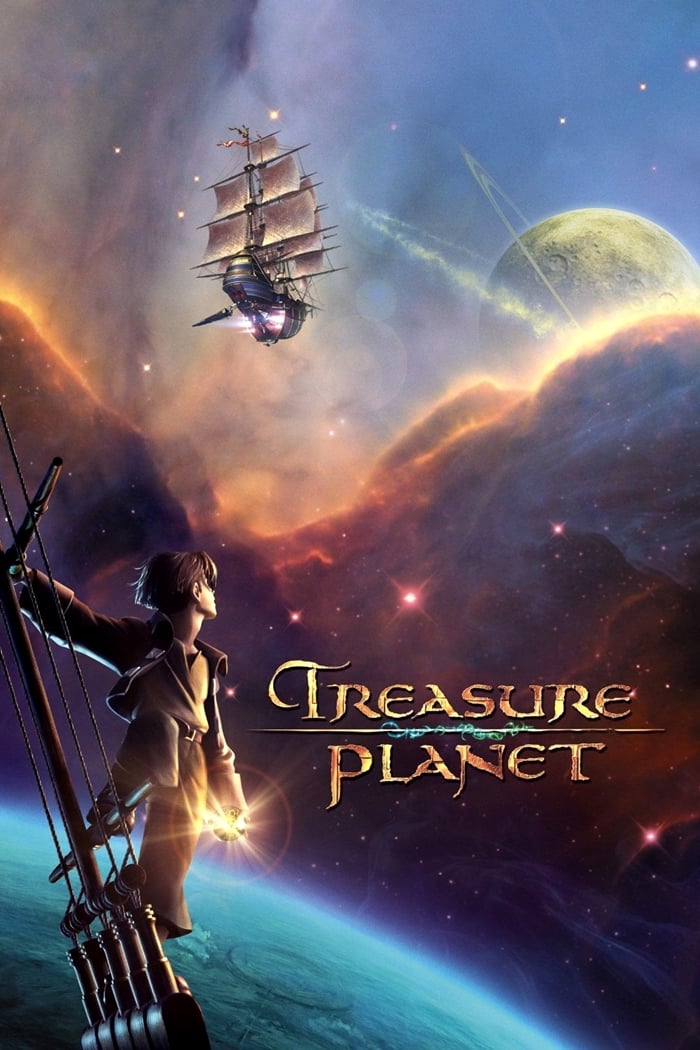
Disney’s sci-fi spin on ‘Treasure Island’ grossed about $109.5 million worldwide on a reported $140 million budget, making it one of the studio’s early-2000s disappointments.
Subsequent cable, streaming, and fandom attention elevated it to cult status, with later coverage noting its ambitious hybrid animation and steady afterlife.
‘Children of Men’ (2006)
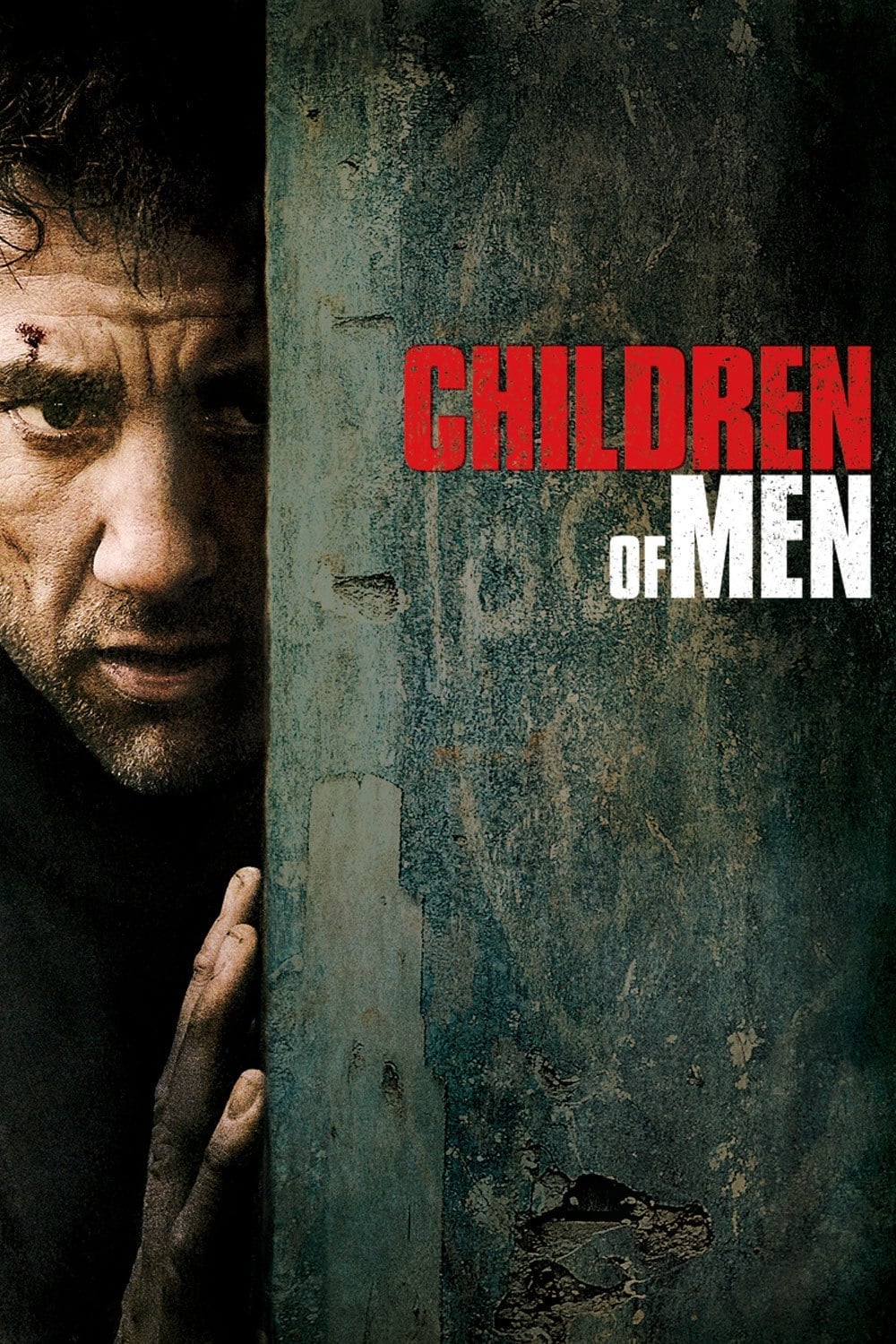
Alfonso Cuarón’s film drew strong reviews and major award nominations but underperformed commercially in many territories, according to box-office breakdowns.
It has since been widely cited for its technical innovations and prescient themes, ranking prominently in critics’ polls of twenty-first-century cinema.
‘Scott Pilgrim vs. the World’ (2010)
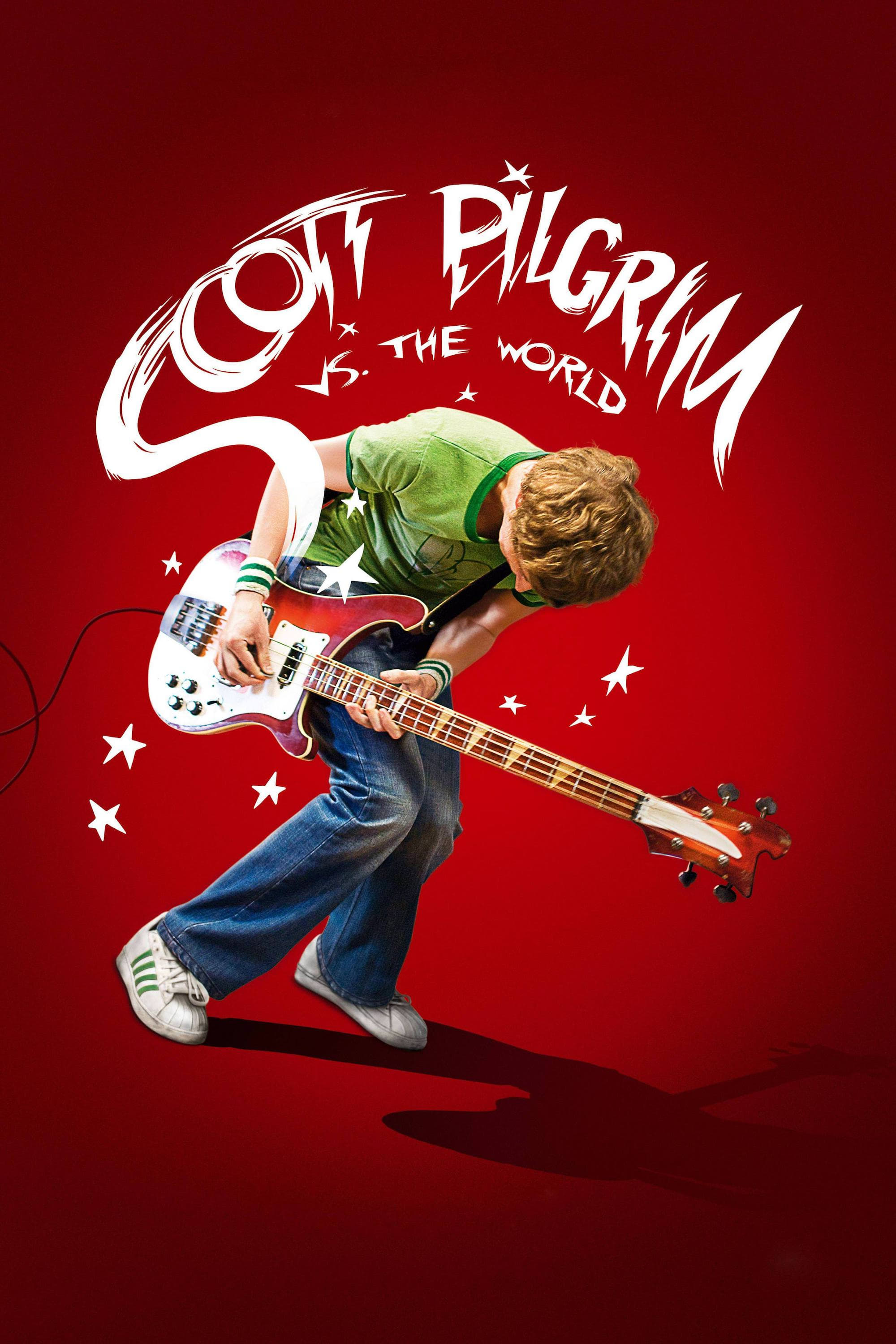
Edgar Wright’s adaptation earned roughly $49 million worldwide against reports of an ~$85 million budget, making it a high-profile financial miss on release.
The film later flourished through home media and streaming, with a Netflix animated continuation bringing the original ensemble back—evidence of its lasting fan base.
‘The Assassination of Jesse James by the Coward Robert Ford’ (2007)

This acclaimed western grossed about $15 million worldwide on a reported $30 million budget, with a very limited domestic rollout that capped theatrical earnings.
International and repertory interest, high-definition restorations, and continuing critical attention have strengthened its standing well beyond its initial box-office footprint.
‘Showgirls’ (1995)

Paul Verhoeven’s NC-17 drama was a theatrical bomb and critical punching bag on release, but it later developed a substantial cult following—especially in midnight screenings and LGBTQ+ communities.
Anniversary coverage and documentaries have chronicled its afterlife, tracing how camp appeal and participatory screenings turned a flop into an enduring cult phenomenon.
‘Blade Runner 2049’ (2017)

Despite strong reviews, Denis Villeneuve’s sequel earned about $259 million worldwide on a production budget reported around $150 million, with trades labeling it an underperformer relative to costs.
Its stature has grown as a major sci-fi achievement of the 2010s, frequently cited for its craft and design—much like its 1982 predecessor’s path from financial disappointment to modern classic.
What other release-day duds turned into all-time favorites for you—tell us in the comments!