Is Theo the Witch-king in ‘The Lord of the Rings: The Rings of Power’?

Ever since Prime Video launched ‘The Lord of the Rings: The Rings of Power‘, viewers have been captivated by the sprawling political intrigue and ancient history of Middle-earth’s Second Age. The television adaptation takes significant creative swings, exploring uncharted eras that J.R.R. Tolkien originally outlined across broad chronological appendices. This grand canvas has fueled endless community speculation regarding how familiar legends and shadowy figures truly originated.
Because the author intentionally left vast gaps in the histories of the Second and Third Ages, the creators have used narrative mystery to keep audiences invested in the fates of original and canonical characters alike. Each season introduces complex moral dilemmas and ominous character trajectories that echo the overarching theme of spiritual corruption. As the darkness orchestrated by Sauron steadily tightens its grip across the mortal realms, fans have scrutinized every dramatic cue to anticipate who will succumb to evil.
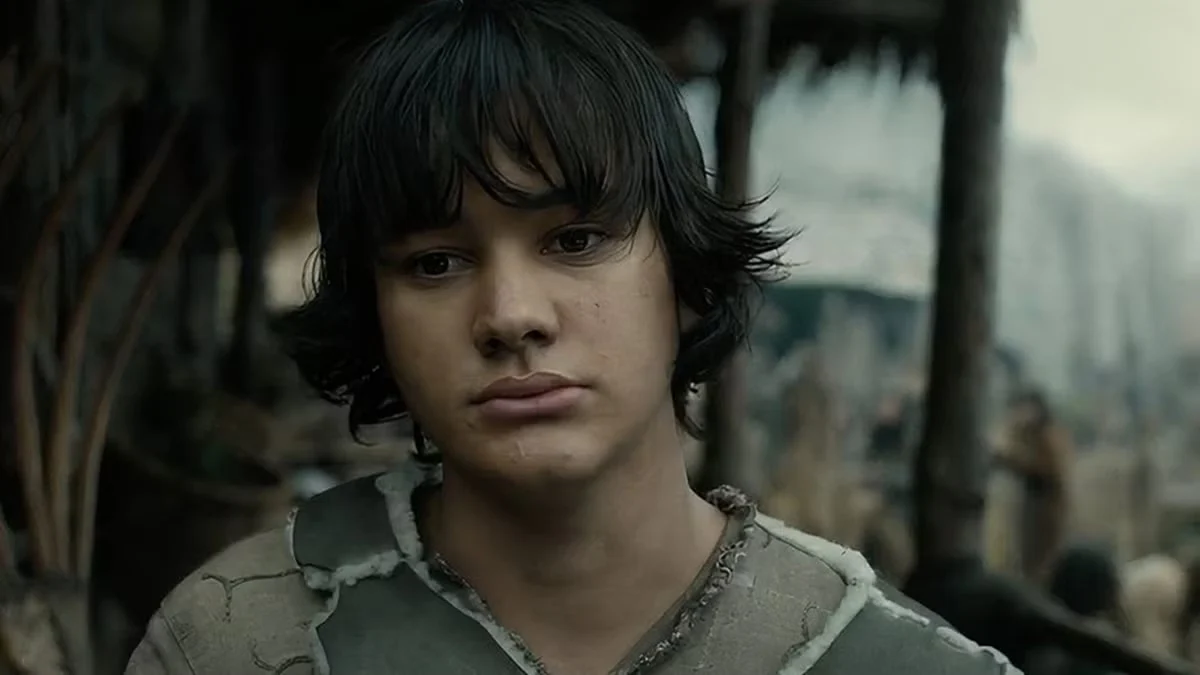
Among the figures subjected to relentless scrutiny, Theo has long stood out as the primary candidate for an agonizing downfall. Introduced as a reckless village boy from Tirharad, the young Southlander has steadily drifted toward the shadow across three consecutive seasons. This dark descent reached a boiling point when narrative clues converged, leading many viewers to ask whether Theo is destined to become the dreaded Witch-king of Angmar.
A Tragic Path Carved by Grief and Manipulation
Theo’s vulnerability to evil began back in the debut season when he uncovered the sinister, blood-drinking sword hilt that acted as the mechanism to ignite Mount Doom. That harrowing discovery bound his personal fate to the lands that soon transformed into Mordor, exposing a latent susceptibility to dark magic. Even after relocating to Pelargir with the displaced Southlanders in Season Two, the devastating grief caused by the death of his mother, Bronwyn, left him disillusioned with the world.
Showrunners J.D. Payne and Patrick McKay explained why Theo became such easy prey for the Dark Lord’s machinations. “This is a kid whose soul has always hung in the balance from the very beginning,” the showrunners explained in an interview with Nerdist. “He was never the wealthiest, nor the most powerful. He’s not the elves, he’s not the Númenóreans, he’s fatherless, and he loses everything.”
Without family or political standing, Theo possessed precisely the kind of wounded pride that Sauron excels at exploiting. Actor Tyroe Muhafidin underscored this transformation, noting that five years of hardship stripped away his character’s youthful innocence and lingering hopes for peace. With every pillar of support crumbling around him, the boy was left wide open to false promises of strength and autonomy.
Nazgnagôl Corruption and the Witch-king Hints
In Season Three, the show accelerated Theo’s downward spiral when he led the desperate Southlanders directly to Barad-dûr. Upon meeting Sauron, the Dark Lord identified the ancient scar left by the broken hilt and stoked Theo’s hunger for retribution. Sauron explicitly promised the young man that he could become a conqueror, a sorcerer, and a king before granting him one of the nine rings forged for mortal men.
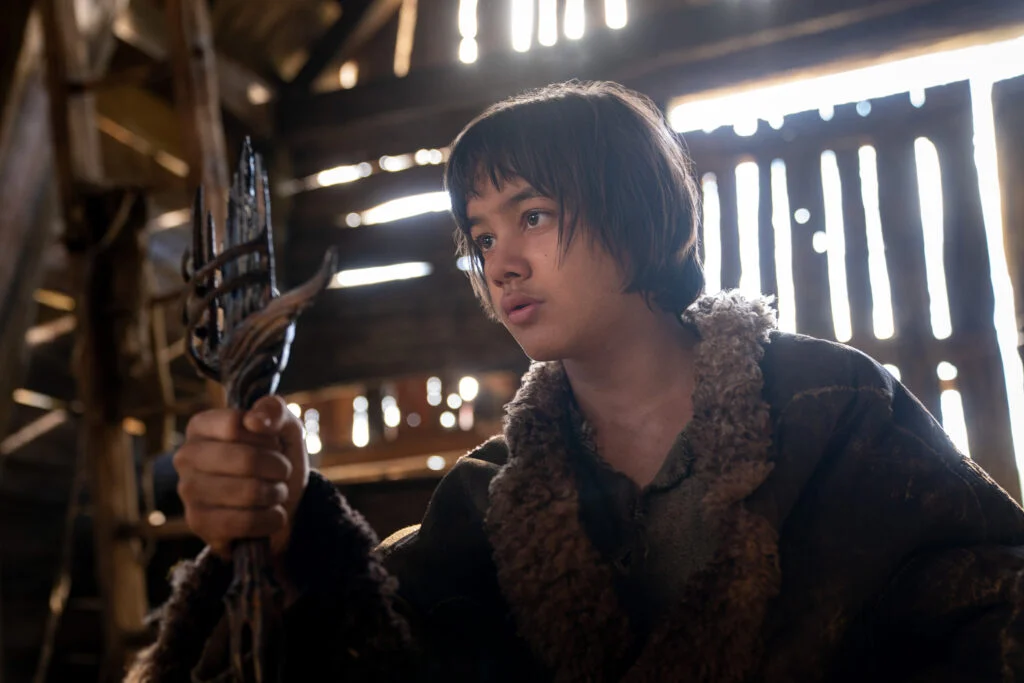
This momentous bargain transformed Theo into a Nazgnagôl, an early stage Ring-servant destined to degrade into a wraith. The creative decision to use the term “sorcerer” alongside “king” serves as a direct nod to the Witch-king of Angmar, who is renowned throughout Tolkien lore for combining black magic with martial leadership. Furthermore, Theo’s horrifying act of executing his former mentor Arondir at Gundabad cemented his descent into unforgivable darkness.
When asked about persistent theories that Theo could eventually become the terrifying Lord of the Nazgûl, Muhafidin was reflective about the character’s bleak horizon. “I mean it would be cool. I don’t know I don’t know what I could say the coolest. I think it would yeah,” Muhafidin admitted in a video interview with the Hindustan Times. The actor also conceded that while the topic has been discussed behind closed doors with the showrunners, the creative team keeps its ultimate master plan closely guarded.
Does Theo Fit Tolkien’s Established Canon?
While the television series undeniably hints at Theo assuming the crown of Angmar, Tolkien’s source texts maintain deep ambiguity regarding the Ringwraiths. In the legendary appendices of ‘The Lord of the Rings: The Return of the King’, the author established that three of the nine Ringwraiths were powerful lords of Númenor, while Khamûl the Easterling was the only wraith explicitly named. The true identity of the Witch-king prior to his wraith transformation was never recorded, granting modern adaptations considerable room for creative interpretation.
Making Theo the Witch-king would provide an emotional, character-driven tragedy for an antagonist who previously lacked a human face. However, it also remains plausible that Theo represents one of the other eight Nazgûl, allowing the chief sorcerer mantle to fall upon a corrupt Númenórean noble later in the storyline. Until the writers confirm his ultimate title, Theo remains confirmed as an evolving Ringwraith whose soul has crossed the point of no return.
Do you believe Theo will truly become the Witch-king of Angmar, or do you think another character will claim that dark crown?