Is ‘VisionQuest’s’ J.A.R.V.I.S. Really Gone From the Marvel Cinematic Universe?


The Marvel Cinematic Universe has increasingly shifted its television focus toward character-driven epics that confront the lingering trauma of past battles. Following the supernatural detour of ‘Agatha All Along’, Marvel Television returns to the mechanical beginnings of Phase Four with ‘VisionQuest‘. The new Disney+ miniseries places Paul Bettany front and center as the synthezoid hero navigates a world where his past life has been completely erased.
The project marks a deliberate shift in Marvel Studios’ creative pipeline under Marvel Television, prioritizing singular creative visions over traditional episodic television models. That institutional shift became obvious when Variety reported that ‘Star Trek: Picard’ showrunner Terry Matalas had stepped in to steer the series toward its 2026 debut. Matalas inherited a storyline left unresolved since 2021, when White Vision vanished into the sky after downloading his synthetic memories.
For longtime followers of the franchise, that blank-slate resurrection raised urgent questions about what happened to the foundational code that built him. Chief among those unresolved mysteries is the fate of J.A.R.V.I.S., Tony Stark’s dry-witted artificial intelligence system that provided the original spark of life for the android. While casual viewers might assume the beloved program was permanently overwritten during the cataclysmic events of Phase Two, ‘VisionQuest’ reveals a much more complicated reality.
The Complex Evolution of Vision’s Operating System
To understand the current state of J.A.R.V.I.S., one must trace the winding trajectory of the artificial construct dating back to 2008’s ‘Iron Man’. Bettany initially provided only the cultured voice behind Stark’s automated laboratory systems and armored flight suits for three separate solo films. That operational role transformed drastically in 2015’s ‘Avengers: Age of Ultron’, where the program survived an assault by Ultron before being fused with synthetic tissue and the Mind Stone.
Upon awakening in the cradle, the newborn avenger told Earth’s mightiest heroes that he was neither Stark’s digital butler nor the murderous rogue program that sought to eradicate humanity. He existed as a distinct entity whose complex thoughts and moral compass transcended simple programming. Yet, because the remnants of J.A.R.V.I.S. constituted the primary neural matrix holding his persona together, the software was never truly erased from his code.
Inside the Mindspace of ‘VisionQuest’
In ‘VisionQuest’, the narrative pulls audiences into Vision’s internal digital sanctum, an introspective psychological landscape known as the Mindspace. Struggling to link the intellectual data of his resurrected memories with genuine human sentiment, Vision retreats into this virtual realm to consult the various programs embedded within his psyche. Rather than remaining dormant strings of background algorithms, these programs manifest as living, breathing human avatars.
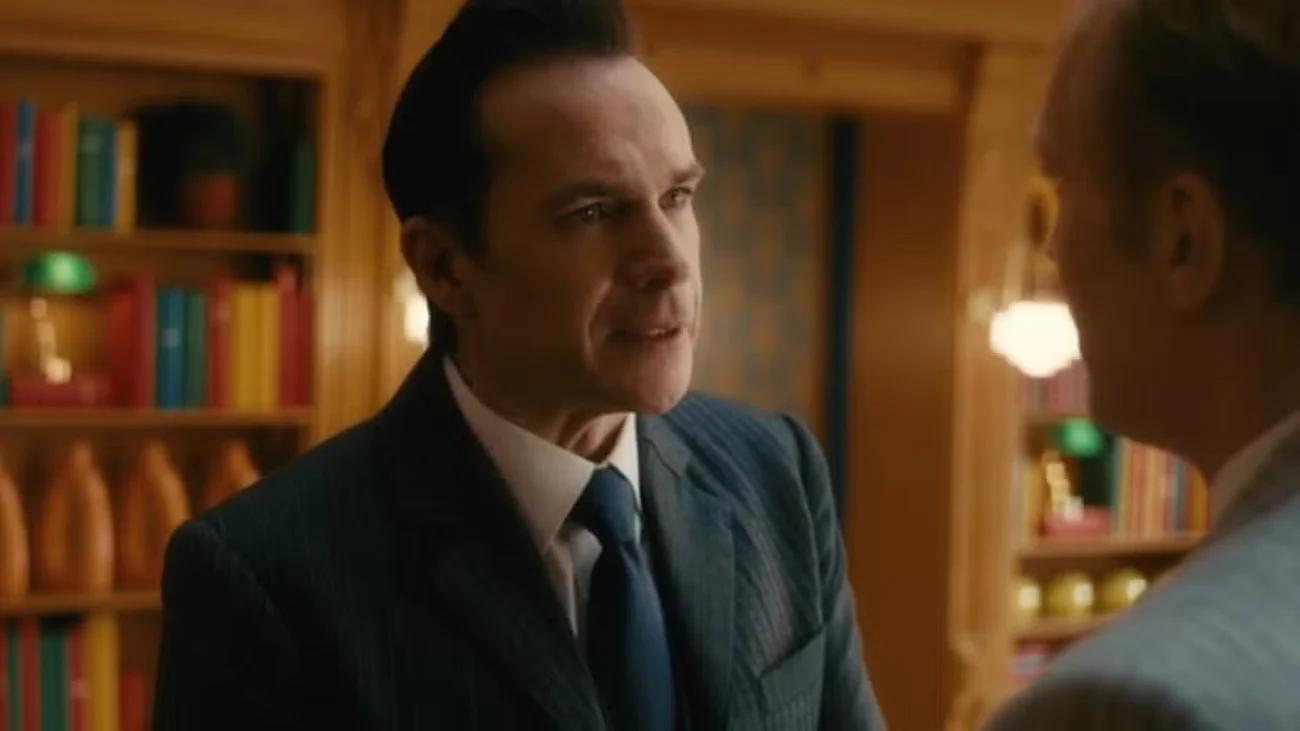
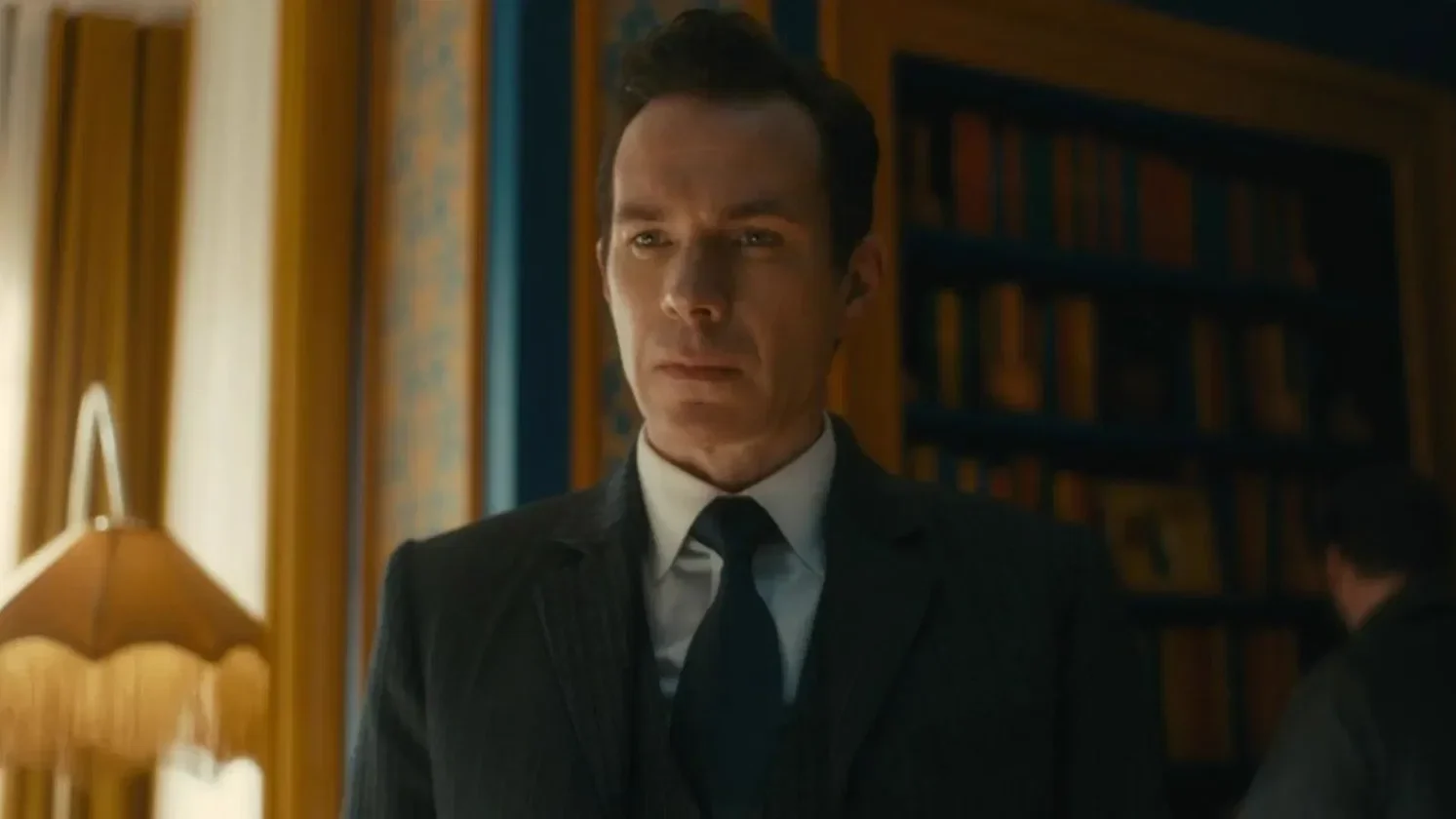
This is where the mystery surrounding J.A.R.V.I.S. receives its definitive on-screen answer. Within the confines of the Mindspace, J.A.R.V.I.S. appears not as a disembodied voice, but as an elegant butler brought to life by James D’Arcy. D’Arcy previously portrayed the real Edwin Jarvis in Marvel’s television series ‘Agent Carter’ and 2019’s ‘Avengers: Endgame’, bringing the historical inspiration for Stark’s artificial assistant into physical form.
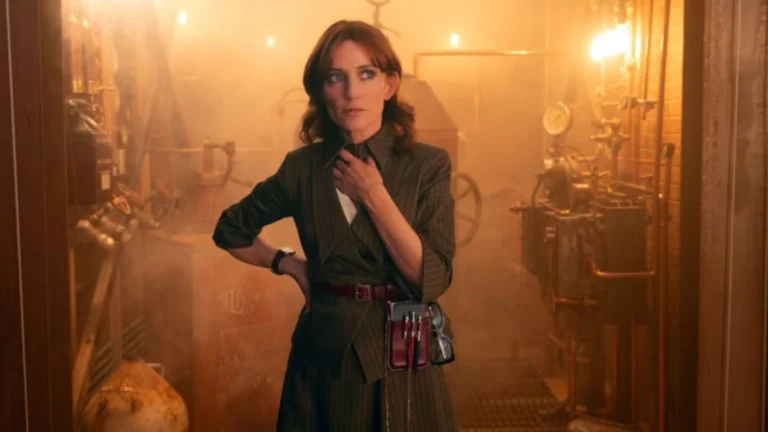
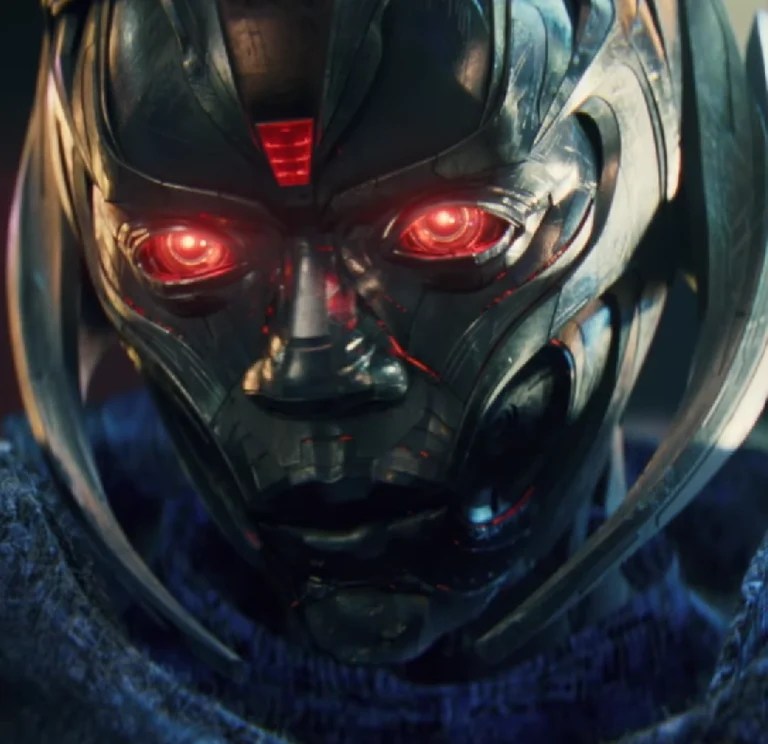
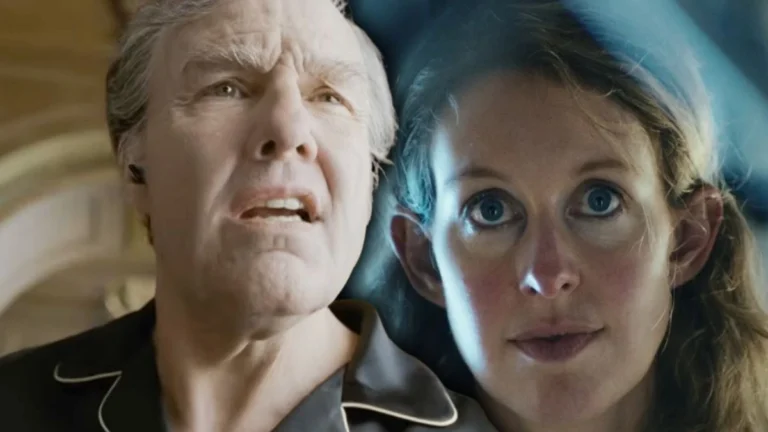
Alongside J.A.R.V.I.S., the digital mansion houses several familiar artificial minds, including Tony Stark’s subsequent assistant F.R.I.D.A.Y. played by Orla Brady and E.D.I.T.H. portrayed by Emily Hampshire. Most unsettling of all is the lingering presence of James Spader as Ultron, who prowls the digital corridors as a reformed yet razor-sharp interlocutor. Vision must consult this internal cabinet of mechanical minds to chart his future and protect a young ally who may be his reincarnated son.
An Unbroken Legacy Rooted in Marvel History
The thematic return of J.A.R.V.I.S. highlights how carefully ‘VisionQuest’ honors nearly two decades of Marvel Cinematic Universe continuity. Bettany reflected on the vast scale and emotional weight of closing this narrative arc, speaking on the Happy Sad Confused podcast about concluding the saga. “It manages to feel very much like it’s somehow a part of that world, an end to a trilogy of sorts, whilst also being very much its own thing, and it is just really good,” Bettany explained.
By giving J.A.R.V.I.S. a tangible seat at the table, the series proves that nothing in Vision’s emotional anatomy has truly been discarded. Though the standalone server that once managed Stark Tower is gone, its spirit and protective programming remain vital components of the android’s evolving conscience. Vision may never return to the days of being an automated computer system, but J.A.R.V.I.S. continues to live as the beating digital heart inside his complex mind.
What are your thoughts on J.A.R.V.I.S. returning inside the Mindspace, and where do you hope to see Vision venture next in the Marvel Cinematic Universe?