Who Is Allison Hogan? Marvel’s ‘VisionQuest’ Reveals the Heartbreaking Origins Behind Stark’s AI


The Marvel Cinematic Universe has spent nearly two decades examining the complicated intersection of humanity and synthetic consciousness. From the sleek digital assistants humming inside high-tech armor to self-aware synthezoids contemplating existential philosophy, artificial intelligence remains central to Marvel Studios’ ongoing storytelling. As the franchise branches into deeper character studies on Disney+, long-dormant narrative threads from the legacy of Tony Stark continue to ripple across the wider superhero landscape.
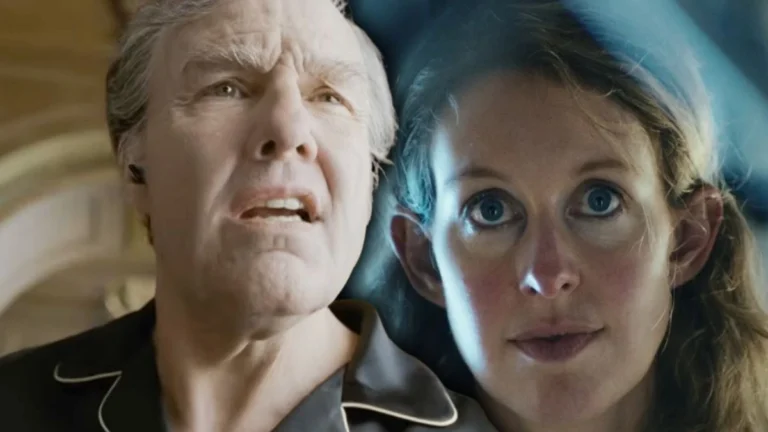
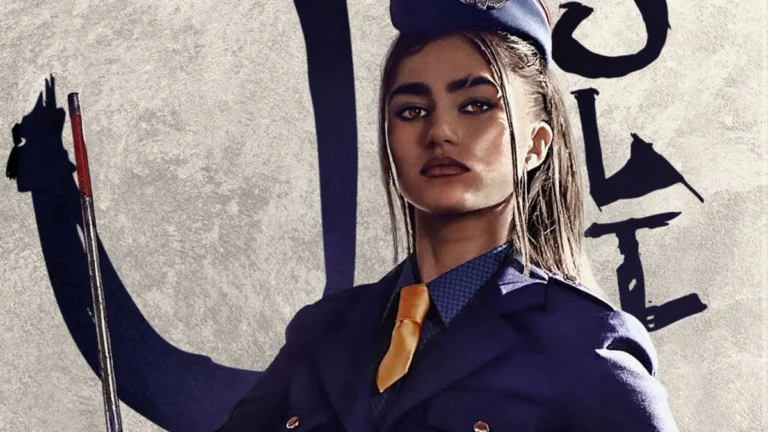
When Marvel Television developed the continuation of the synthezoid’s journey following the surreal events of ‘WandaVision’, creative architect Terry Matalas stepped in to guide the character through uncharted psychological territory. As Variety confirmed during the project’s early development, the series was designed to explore how White Vision reconstructs his identity after unlocking years of suppressed memories. Rather than relying solely on grand cosmic spectacles, the narrative pivots inward to examine the emotional code that birthed these digital entities.
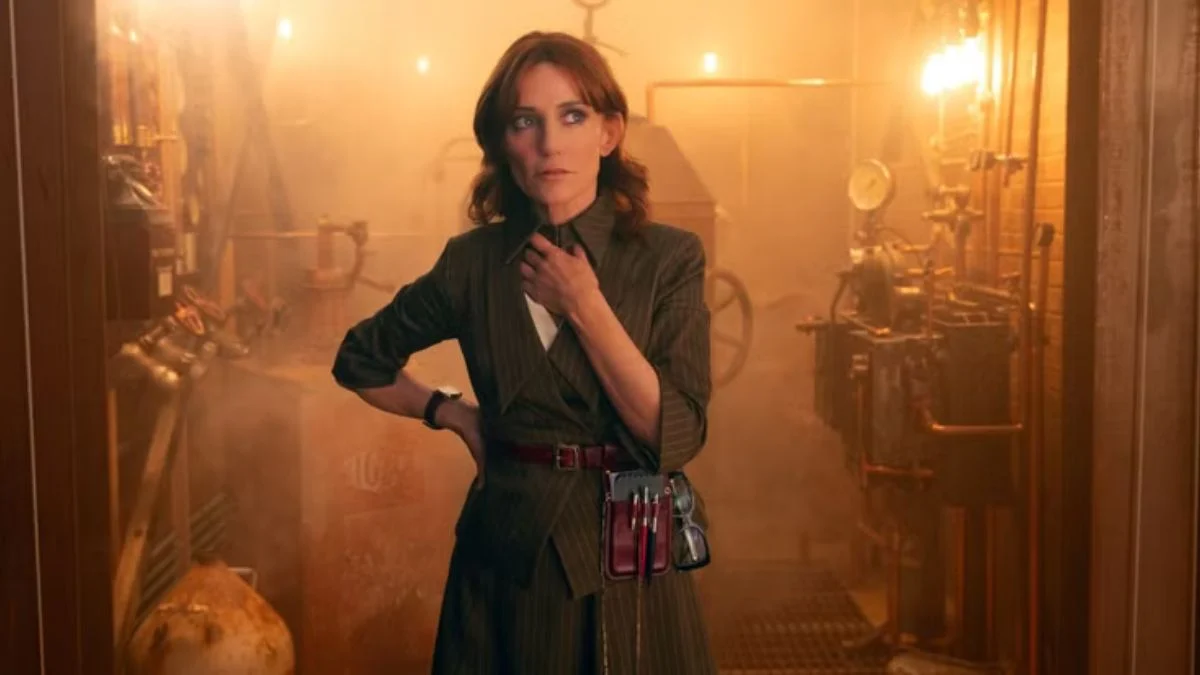
In ‘VisionQuest‘, that introspective journey takes the form of an internal Mindspace where Vision communes with human avatars representing Tony Stark’s most iconic artificial intelligences. Among those familiar algorithmic personalities is F.R.I.D.A.Y., portrayed in corporeal form by Orla Brady. During a pivotal exchange in the show’s third and fourth episodes, the series delivers a profound revelation about her foundational matrix by introducing the name Allison Hogan.
The Real-Life Inspiration Behind F.R.I.D.A.Y.
Allison Hogan was not a digital construct, but a living woman who played a vital role in the history of Stark Industries. Serving as Howard Stark’s personal office administrator and executive assistant, she was colloquially remembered within company walls as his indispensable “Girl Friday.” Beyond managing the day-to-day operations of an eccentric industrialist’s empire, she also helped raise a young Tony Stark during a turbulent childhood marked by emotional neglect.
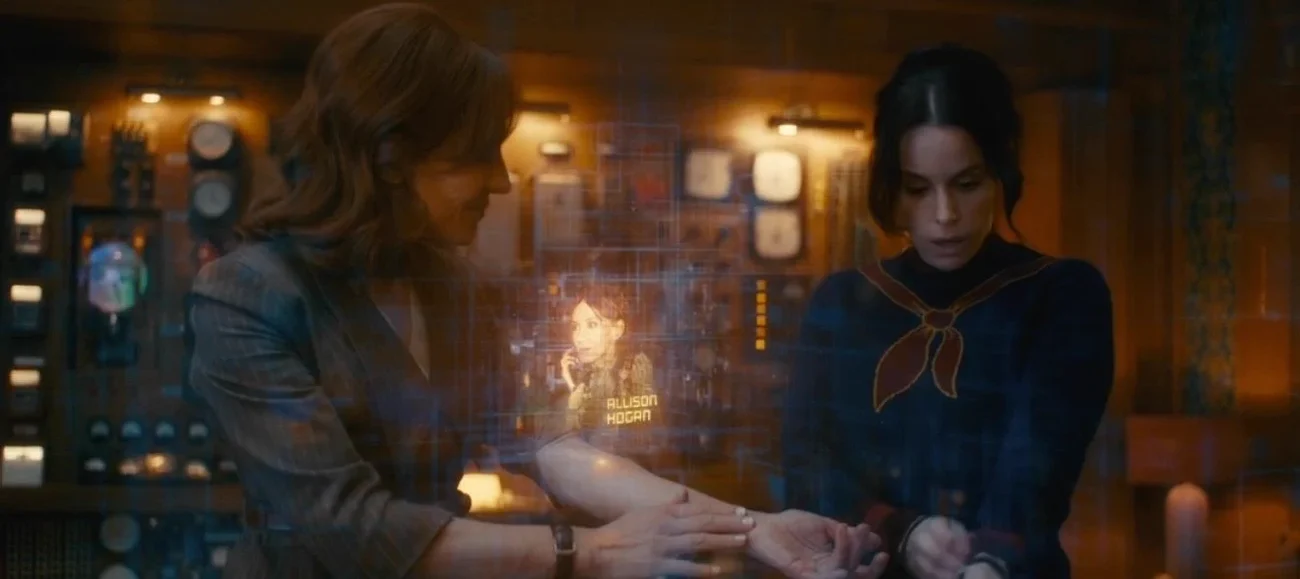
Tony programmed F.R.I.D.A.Y. to adopt Allison Hogan’s temperament, steadfast loyalty, and calm maternal authority after the tragic destruction of his first companion in ‘Avengers: Age of Ultron’. The synthezoid Mindspace confirms that Tony did not simply invent artificial assistants out of pure algorithmic convenience. Instead, he repeatedly modeled his digital protectors after the real human guardians who sheltered him when his own parents could not.
The Generational Connection to Happy Hogan
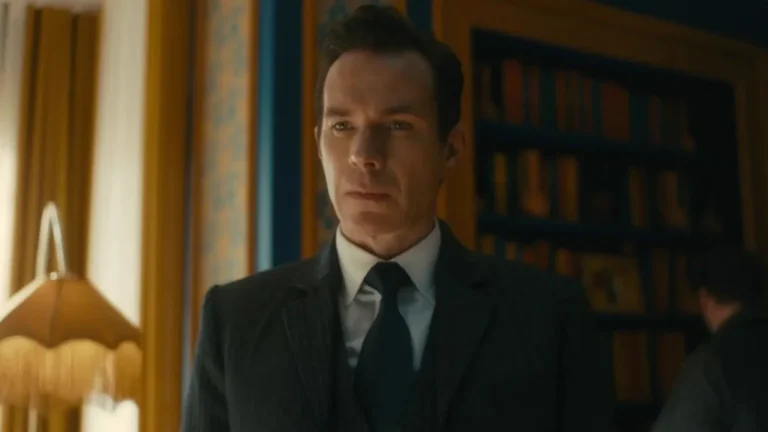
The surname carries immense emotional weight across Marvel lore, directly linking Allison to Tony’s longtime bodyguard and head of security, Harold “Happy” Hogan. Played by Jon Favreau since the kickoff of ‘Iron Man’ in 2008, Happy has long functioned as Tony’s surrogate brother and fierce emotional anchor. By establishing Allison Hogan as a foundational figure in the Stark household, the MCU strongly signals that she is Happy Hogan’s mother, cementing a multi-generational bond between the two families.
This subtle piece of worldbuilding retroactively enriches every interaction Tony shared with Happy over 15 years of cinema. Tony’s fierce impulse to shield Happy from harm in ‘Iron Man 3’ and his enduring trust in him regarding Peter Parker take on new warmth. Their camaraderie was never a typical employee-boss arrangement, but the continuation of a lifelong domestic kinship that started with Allison running Howard’s office.
Stark’s AIs and the Burden of Grief
The revelation of Allison Hogan aligns perfectly with how Tony structured his other technological creations throughout his MCU tenure. Vision’s predecessor, J.A.R.V.I.S., famously honored Edwin Jarvis, Howard Stark’s loyal British butler who appeared in ‘Agent Carter’ and ‘Avengers: Endgame’. Furthermore, ‘VisionQuest’ reveals that E.D.I.T.H., portrayed by Emily Hampshire, inherited the neural likeness of Edith Marks, a fearless Stark test pilot whose resilience resonated deeply with the billionaire inventor.
This humanization gives the digital assistants a profound sense of tragic personhood, especially when considering the devastating climax of the Infinity Saga. While reflecting on how F.R.I.D.A.Y. processed the catastrophic loss of her creator, in an interview with GamesRadar+ showrunner Terry Matalas asked, “What’s that like for an AI, to not be able to protect the one they’re programmed to protect?”
That maternal imperative, inherited directly from Allison Hogan’s instinct to watch over Tony, makes the AI’s helplessness during his final moments even more heartbreaking.
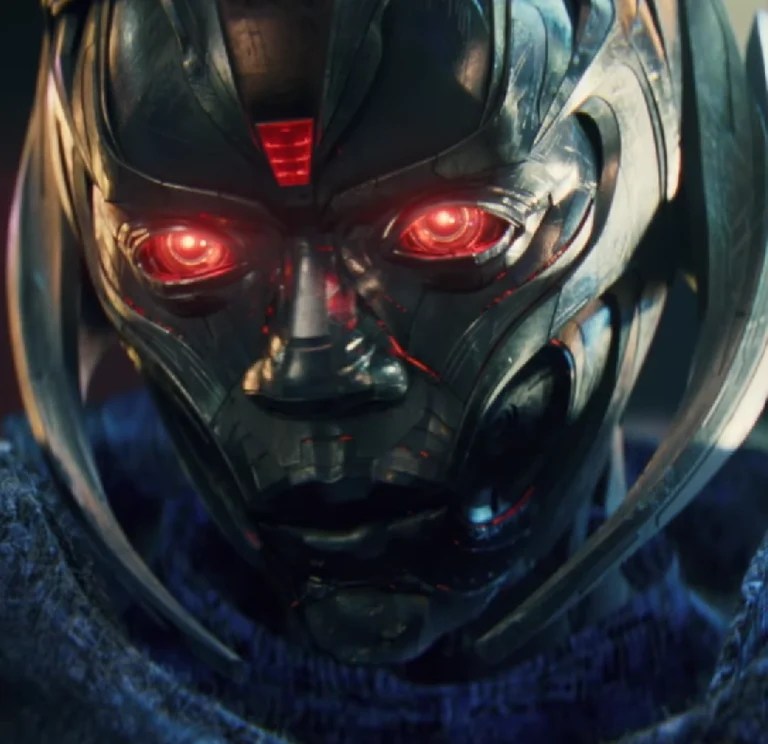
While Ultron proudly declares himself a complete original avatar without a human mold, the Stark AIs carry human history woven into their source code. By uncovering the human identity of Allison Hogan, ‘VisionQuest’ turns what could have been a passing Easter egg into an intimate portrait of grief, love, and generational devotion. The ghosts of Tony Stark’s past continue to walk among synthezoids, proving that even artificial minds are shaped by human hearts.
How do you feel about the emotional backstory behind Tony Stark’s AI companions in ‘VisionQuest’? Share your thoughts in the comments below!