‘La Bola Negra’ Review: A Love Story That Refuses to Stay Buried


Few films arrive with a title that carries this much baggage. ‘La Bola Negra‘ borrows its name from an unfinished play by Federico García Lorca, and directors Javier Calvo and Javier Ambrossi, the pair known as Los Javis, use that fragment as a doorway into three separate lives. The film hops between 1932, 1937 and 2017, and it asks what a country chooses to remember about the men it silenced.
Calvo and Ambrossi made their name in Spanish television, and this is their second feature, which makes the scale of it startling. Their ambition here is enormous, with a ghost story, a wartime romance and a modern family drama all competing for the same two and a half hours. Netflix gives it a theatrical run from November 6 before it streams on December 4, and it will want the big screen.
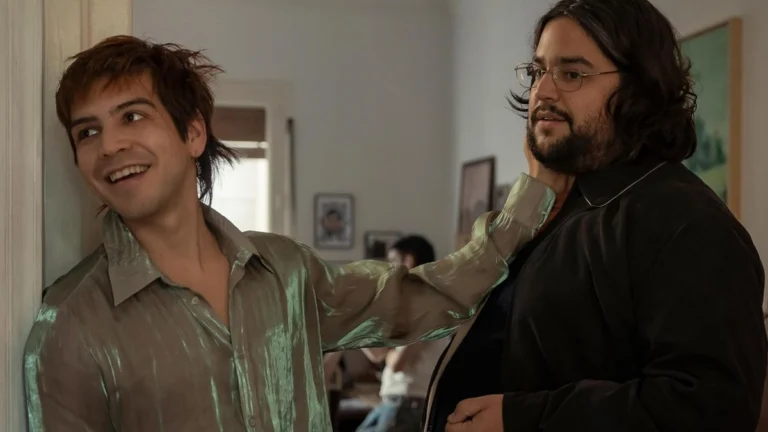
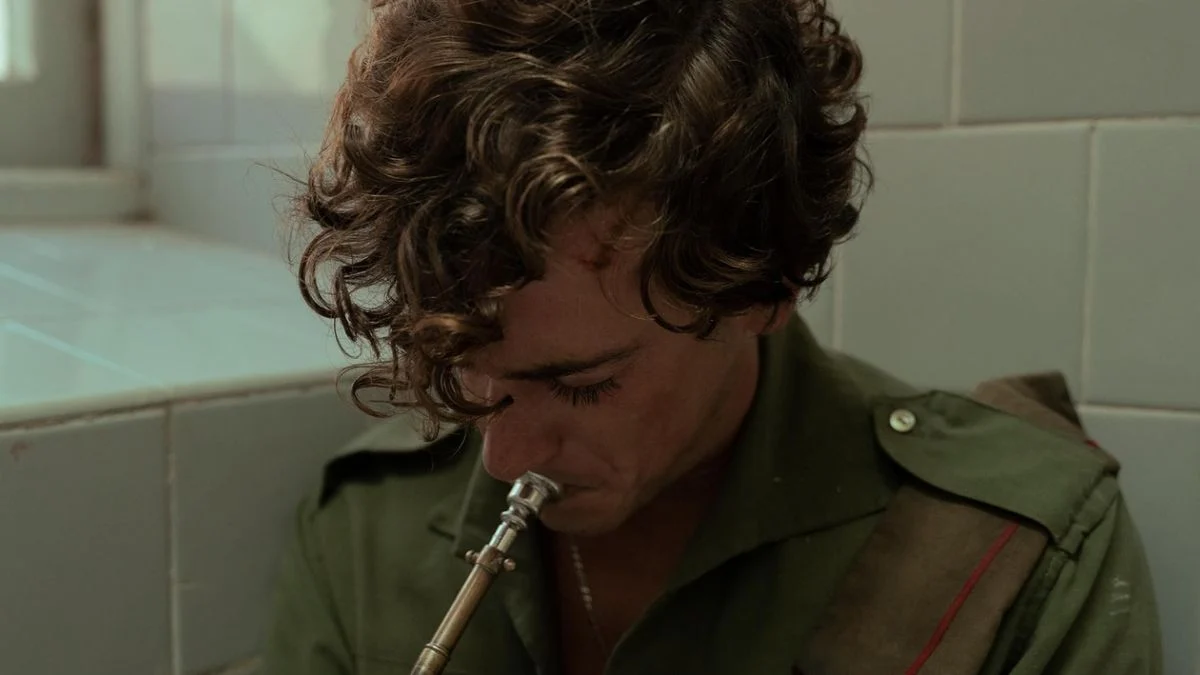
The thing that won me over is how little the film treats history as a museum piece. Sebastián, a musician serving with Franco’s forces, falls for Rafael, a wounded Republican prisoner, and the scenes between them hum with danger and tenderness at once. Guitarricadelafuente, a singer making his acting debut, has a stillness that suits a man who has learned to hide everything, and Miguel Bernardeau matches him with a warmth that never feels naive.
The 2017 thread follows Alberto, a historian played by Carlos González, whose digging into the past runs straight into his own fractured family. Lola Dueñas is excellent as his mother, and the scenes where words fail between them hurt more than any gunfire does in the wartime sections. These two eras rhyme rather than connect neatly, and I loved that the film trusts you to hear the echo.
Then there is Penélope Cruz as Nené Romero, a cabaret performer who sings for the troops. She walks in, takes over the screen, and gives the story a burst of colour exactly when its grief threatens to calcify. Glenn Close also turns up in a smaller role as a literature professor, and she makes every minute count.
The film is not flawless. It sometimes reaches for a big emotional swell when a quiet look would have done the job, and a few threads feel crowded when they should breathe. A tighter hand in the middle stretch would have made the final act land even harder.
Still, the craft is hard to fault. Gris Jordana’s cinematography gives the wartime scenes a sun-baked ache and the modern ones a colder, more lonely palette, and the music carries real feeling without drowning the actors. By the closing sequence I was thoroughly wrecked in the best way.
I came out of ‘La Bola Negra’ wanting to call someone I had not spoken to in too long, which is a rare thing for a period epic to do. It is bold, sad, sensual and generous, and its flaws are the flaws of a film that cares too much rather than too little. I give it 9 out of 10.
How did you like 'La Bola Negra'?
Did ‘La Bola Negra’ break your heart the way it broke mine, or do you think it tries to carry too much, so tell us in the comments?