‘Little House on the Prairie’s’ Fever Storyline Explained, as the Netflix Reboot Tackles a Devastating Real History


Netflix’s reimagining of ‘Little House on the Prairie‘ has viewers scrambling to understand one particular plot point, the mysterious “intermittent fever” that sweeps through the Ingalls family and the town of Independence, Kansas. The storyline pulls directly from Laura Ingalls Wilder’s original novels, but the show adds new layers that have sparked plenty of conversation online.
For anyone confused about what this illness actually was and why it hits the Ingalls family so hard, the answer lies in frontier medicine, a real historical figure, and a chapter from the source material that has haunted readers for generations.
What Is the Intermittent Fever on ‘Little House on the Prairie’
In the Netflix series, Charles Ingalls falls ill in Episode 4 with what the town doctor calls intermittent fever, a condition caused by malaria. Charles’s illness triggers painful memories of his brother George and a heated argument with his own father about getting George help. The fever does not stop with Charles either, as Laura eventually succumbs to it as well.
When Laura is overtaken by the fever, she experiences a dream reunion with her grandmother, a character played by Megan Follows. That dream sequence has become one of the more emotional beats of the season for viewers who grew up with ‘Little House on the Prairie’ in its various forms.
In the original book, the sickness is described in a chapter Wilder titled “Fever ‘n’ Ague.” The entire Ingalls family falls gravely ill after a period of berry picking, during which they all endure severe mosquito bites. What the family did not understand at the time is now recognized as malaria, a disease spread through mosquito bites rather than the “night air” that Pa originally blamed.
Fever ‘n’ Ague and the Real History Behind the Illness
The phrase “fever ‘n’ ague” was the common term settlers used before the medical community fully understood malaria’s cause. The novel is set around 1874, and Laura is only about seven years old when hot weather brings the sickness through the family’s new home near the mosquito infested creek bottoms. Laura was the first to show symptoms, followed by Mary, then Pa, and finally Ma, leaving the entire family bedridden and barely conscious.
Every settler living near those creek bottoms eventually caught the same illness, since none of them understood the mosquito connection at the time. One neighbor, Mrs. Scott, was even convinced the sickness came from eating watermelons that grew nearby rather than from insect bites. That kind of folk belief was common on the frontier, where germ theory and disease transmission were still decades away from being widely understood.
The Ingalls family’s aches, chills, and fevers arrived within days of their exposure, and Laura later drifted in and out of consciousness while faithful family dog Jack stayed close by her side. It is a harrowing sequence in the books, and the Netflix adaptation leans into that same sense of dread while expanding the world around it.
Doctor Tann and the Quinine Storyline
A key figure in both the books and the new series is Dr. George Tann, the physician who treats the Ingalls family and the surrounding settlers during the outbreak. Tann was a Black practitioner of eclectic medicine who lived about a mile from the family and administered the quinine that ultimately saved their lives. In the books, he appears only briefly, but the Netflix version gives him a far more expanded role in the story.
On the show, George’s desperate search for quinine becomes a central thread of the outbreak episode, and he discovers that one woman in town has been hoarding a stash of the medicine and refuses to hand it over. That hoarding subplot has struck a chord with viewers who lived through more recent public health scares.
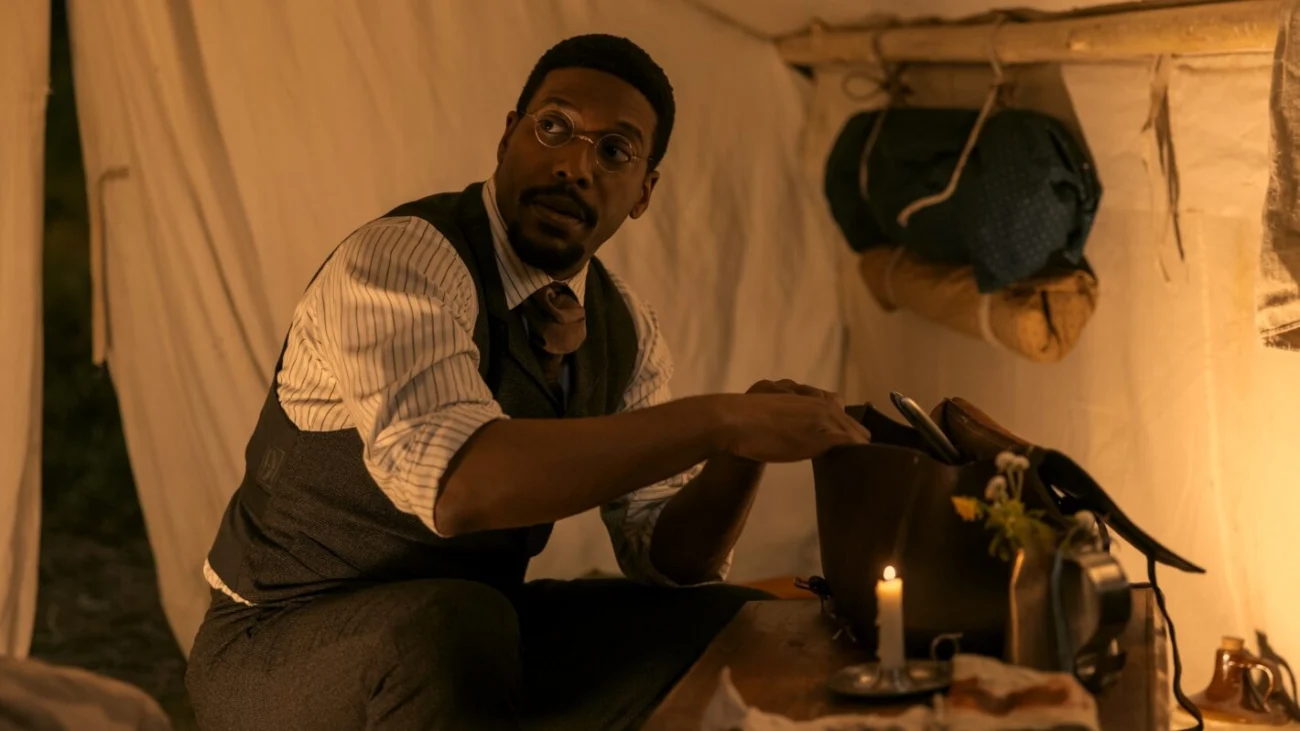
Showrunner Rebecca Sonnenshine has spoken about the thinking behind that particular choice. Sonnenshine has explained that the character’s instinct to hoard quinine during the outbreak was written to reflect modern pandemic era behavior, weighing good intentions against ingrained social prejudice. It is a deliberate bit of modern commentary layered onto a nineteenth century setting, and it gives the fever arc more resonance than a simple period drama plot point.
The Netflix series depicts the entire town of Independence being swept by intermittent fever, not just the Ingalls household, which raises the stakes for every character involved. That wider scope lets the show explore how a small frontier community pulls together, or fails to, when a crisis threatens everyone at once.
How The Show Expands on Doctor Tann
Beyond the medical crisis itself, the series uses the fever storyline to deepen Dr. Tann as a character in ways the books never did. Dr. Tann appears in the original novels and was based on a real historical figure, but the Netflix version gives him a more tangled backstory along with a love interest, general store proprietor Emily Henderson. That expansion has been one of the more talked about creative liberties the reboot has taken with the source material.
The Ingalls family’s neighbor Mr. Edwards is also given a deeper arc in this version, with the show exploring his struggles with alcoholism in a way the earlier adaptations largely skipped over. Combined with the fever outbreak, these additions paint a fuller, messier picture of frontier life than past versions of ‘Little House on the Prairie’ have offered.
The season’s ending suggests that even as the Ingalls family faces natural disasters like the fever alongside human made troubles born of greed and prejudice, the family ultimately finds a deeper sense of community on the prairie. That throughline, sickness giving way to connection, has become one of the defining emotional arcs of the season for fans following along.
With the fever outbreak reshaping so much of the Ingalls family’s journey and giving Dr. Tann a far bigger spotlight than the books ever did, how do you think this version of the story stacks up against the family sickness readers have known for generations?