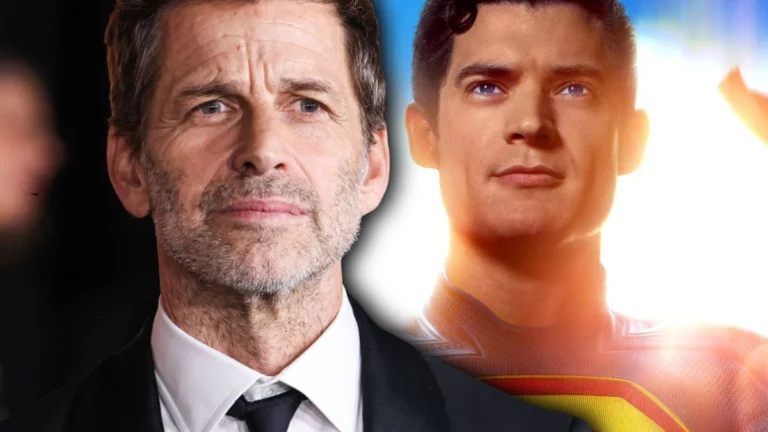
‘Man of Steel’ Director Zack Snyder Explains Why He Rejected Marvel’s ‘Amusement Park Ride’ Approach to Superhero Films

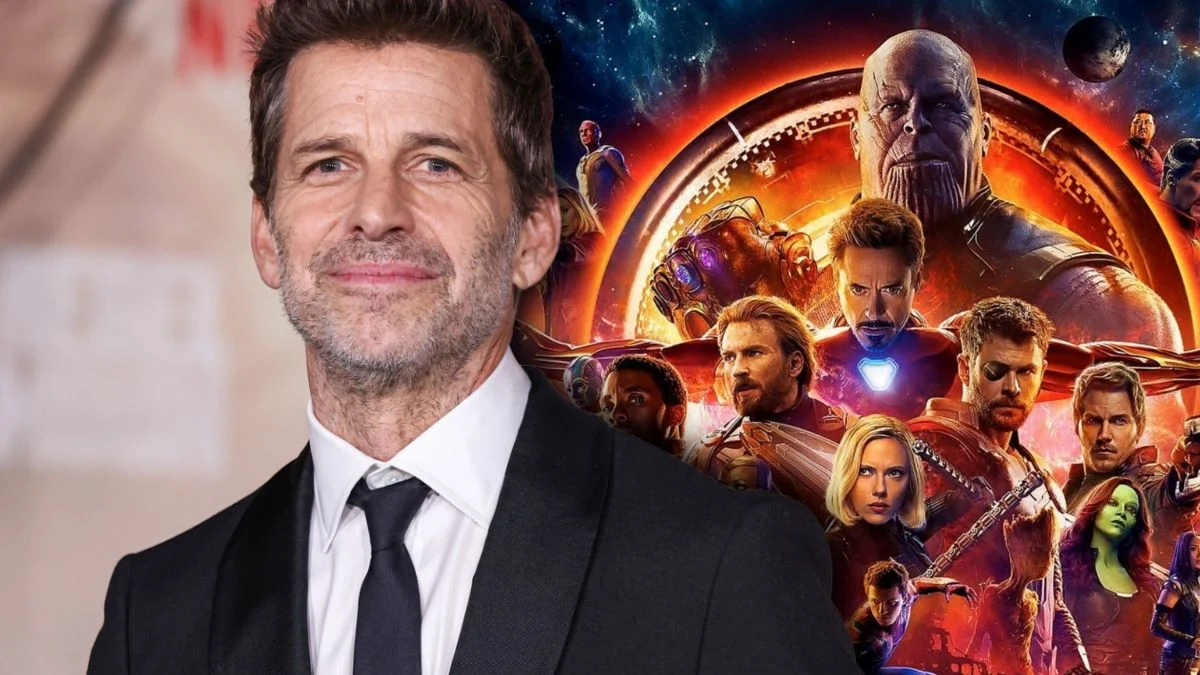

Zack Snyder has never shied away from defending the specific creative choices that set his DC films apart from the rest of the superhero genre. Long after stepping away from the DCEU, he’s continued to articulate exactly what he was trying to build with ‘Man of Steel,’ ‘Batman v Superman,’ and ‘Justice League,’ even as those films drew a genuinely polarized response from critics and audiences alike.
That conversation resurfaced once again this week as Snyder promoted ‘The Last Photograph,’ his first film made entirely independently without a studio or streamer attached, ahead of its world premiere at the Toronto International Film Festival. Asked to reflect on his broader approach to franchise filmmaking, Snyder offered one of his most direct explanations yet for why he never wanted to make comic book movies the way Marvel does.
Snyder described Marvel’s formula in blunt terms, comparing it to an amusement park ride built around a predictable rhythm of highs and drops designed to leave audiences feeling entertained rather than genuinely moved. He explained that he had no interest in replicating that structure, saying he’d rather just talk about the mythology of these characters, in comments reported by The Hollywood Reporter.
Snyder acknowledged that his preference for exploring mythology over spectacle came with an obvious tradeoff, admitting that his approach might not be as fun as the theme-park thrill ride Marvel has perfected. That kind of self-awareness has become a recurring theme in how Snyder discusses his DC legacy, framing his films as a deliberate departure from crowd-pleasing formula rather than simply a different flavor of the same genre.
Snyder pointed to Batman, Superman, and Wonder Woman as the most recognizable superheroes in the world outside of Spider-Man, a status that should theoretically make them easy to sell to mainstream audiences. In his view, Marvel figured out how to shape its characters into an easily marketable product, prioritizing accessibility and momentum over the kind of deeper thematic excavation he was drawn to.
Rather than optimizing for that kind of broad commercial appeal, Snyder said his own interest lay in digging into what he considered the iconic, inner core of these characters, treating figures like Superman less as blockbuster protagonists and more as modern mythological archetypes worth genuinely interrogating. That philosophy has remained consistent throughout his career, showing up just as clearly in his approach to ‘The Last Photograph’ as it did during his years steering the DCEU.
That consistency extends to how Snyder has continued engaging with the superhero genre even after leaving it behind creatively. Despite the friendly rivalry fans have tried to manufacture between him and current DC Studios co-chief James Gunn, Snyder has remained a vocal supporter of Gunn’s rebooted approach to the DC Universe, even while holding firmly onto his own, very different creative philosophy about what these characters are actually for.
Snyder’s comments arrive at an interesting moment in his career, given that ‘The Last Photograph’ represents his first project made entirely outside the traditional studio system. Freed from the commercial pressures that shaped his DC output, his reflections on Marvel’s formula carry an added layer of perspective, coming from a filmmaker now working without any of the box office expectations that once constrained his mythology-first instincts.
That distinction matters because it reframes Snyder’s earlier DC work not as a failed attempt to compete with Marvel on its own terms, but as a deliberate refusal to play that particular game in the first place. Whether audiences ultimately preferred Marvel’s more consistently crowd-pleasing formula or not, Snyder’s comments make clear he never set out to build the same kind of amusement park ride to begin with.
Given how much continued discourse still surrounds his DCEU output years after his departure, Snyder’s willingness to keep explaining his underlying philosophy suggests he still feels there’s a meaningful distinction worth drawing between mythology-driven storytelling and pure spectacle. Whether that distinction resonates more with audiences going forward remains an open question, but Snyder himself doesn’t appear interested in revising his approach.
Do you think Zack Snyder’s mythology-focused approach to superhero movies was the right choice?
Have something to add? Let us know in the comments.