‘Michael’ Sequel Will Tackle Child Abuse Allegations From Jackson’s “Point of View,” Says Star Jaafar Jackson as New Details Are Revealed


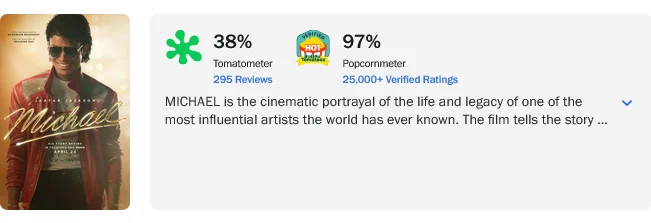
The first “Michael” biopic became one of 2026’s biggest box office surprises, grossing more than $1 billion worldwide despite ending its story in 1988, well before the child sexual abuse allegations that came to define much of the public conversation around Michael Jackson’s later life and legacy. That narrative choice drew significant criticism from critics and commentators, many of whom argued the film sidestepped the most difficult chapter of Jackson’s story entirely.
Now, with a sequel moving closer to production, star Jaafar Jackson, Michael Jackson’s nephew, says the follow-up film will address those allegations, though from a specific vantage point. Speaking with GQ Middle East, Jaafar said he believes “the second film will give even more insight from his point of view, because at the end of the day, [the allegations] are always from someone else’s.”
He continued, framing the family’s perspective on the criticism the first film received: “It’s someone else’s story. It’s someone else’s idea of what it is, and it’s mainly driven by an agenda. And that’s really the issue we’ve been having as a family – not having Michael’s voice being heard. I think that’s very, very important, especially in the late years.”
The allegations Jaafar referenced date back to 1993, when Michael Jackson was first accused of child molestation by Evan Chandler, whose then-13-year-old son Jordan alleged the singer had abused him. That case was settled out of court in 1994, with Jackson’s legal team maintaining the settlement was not an admission of guilt. Jackson later faced criminal charges in a separate case and was acquitted on all counts following a 2005 trial.
Those allegations resurfaced prominently in 2019 with the release of “Leaving Neverland,” an HBO documentary in which accusers Wade Robson and James Safechuck detailed abuse they alleged occurred when they were between seven and ten years old. Jackson was never criminally convicted in connection with either man’s claims.
According to reporting from Variety, the film originally intended to explore the fallout of the 1993 allegations directly, with much of its third act built around that scandal, before those sequences were reportedly removed due to a previously unnoticed legal complication tied to a settlement clause involving Jordan Chandler.
That removal required costly reshoots reportedly covered by the Jackson estate, which produced the film in cooperation with the family and has consistently denied the abuse allegations. Dan Reed, who directed “Leaving Neverland,” reviewed an early draft of the biopic’s script and described it as amounting to a “complete whitewash” of Jackson’s history.
Co-star Colman Domingo has previously addressed the criticism directly, describing the first film on the “Today” show as covering “the making of Michael” and suggesting the sequel could pick up the more difficult chapters from there. Lionsgate chairman Adam Fogelson has confirmed to Variety that the studio intends to incorporate several sequences originally shot for the first film but ultimately cut, with production on the sequel expected to begin in late 2026 or early 2027 under returning director Antoine Fuqua.
Jaafar, whose casting as his uncle received public backing from Michael’s mother Katherine Jackson and the Jackson estate, was careful to note that he doesn’t have final say over how the sequel’s screenplay ultimately handles the material, since the script remains in active development. He’s also generally avoided wading deeply into the broader public discourse surrounding the allegations in past interviews, at one point sidestepping a question about the “biggest misconception” surrounding his uncle by instead pointing to the idea that Jackson “wanted to be white.”
Given how much scrutiny the first film’s omissions already generated, how the sequel ultimately frames these allegations, whether as contested claims, family-disputed accusations, or something more directly addressed, will likely determine whether the follow-up quiets that criticism or reignites it. With production still months away, exactly how filmmakers translate Jaafar’s comments into the finished screenplay remains an open question.
What approach should the sequel take when addressing the child abuse allegations against Michael Jackson?
Have something to add? Let us know in the comments!