‘Monster’ Season 4 Digs Up Lizzie Borden’s Axe Murders and the True Story Is Even Stranger


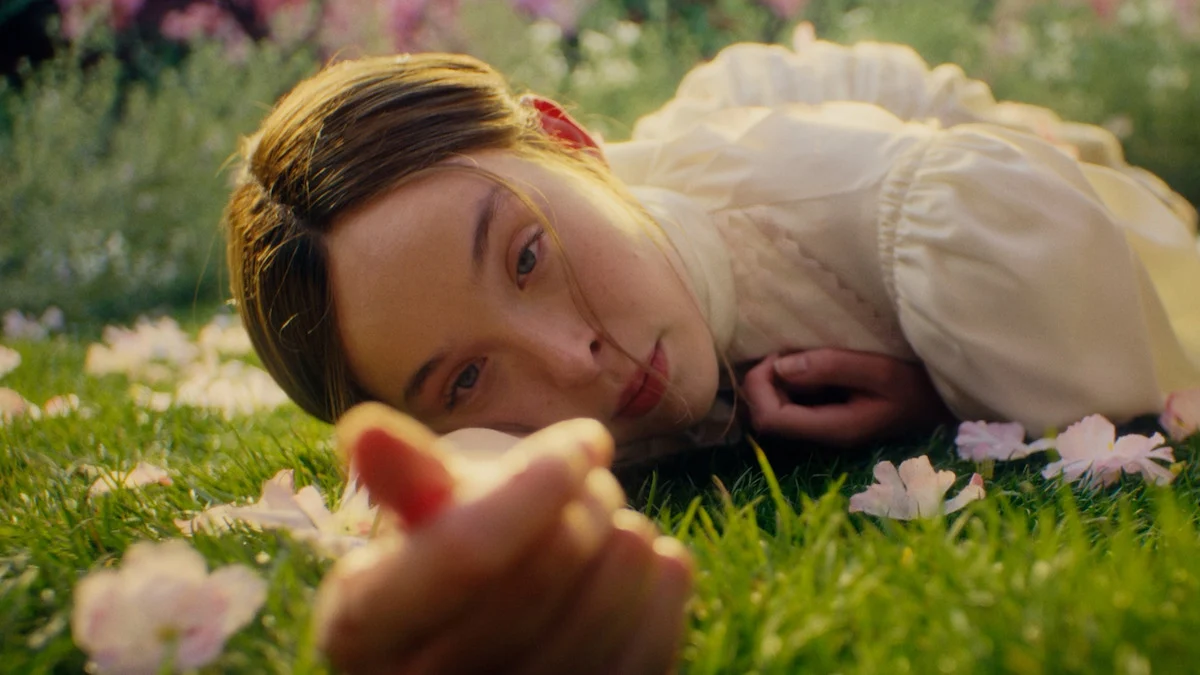
Ryan Murphy’s anthology series has tackled Jeffrey Dahmer and the Menendez brothers, and now it is turning its attention to one of America’s oldest unsolved mysteries. ‘Monster: The Lizzie Borden‘ Story is the fourth season of the biographical crime drama anthology series created by Ian Brennan for Netflix, centering on murder suspect Lizzie Borden, played by Ella Beatty, who was tried and acquitted of the 1892 axe murders of her father and stepmother in Fall River, Massachusetts. All eight episodes dropped on Netflix this week, and viewers are already buzzing about how much of it actually happened.
The real Lizzie Borden case has haunted American true crime for well over a century, inspiring a schoolyard rhyme, several previous film adaptations, and endless amateur sleuthing. The brutal nature of Borden’s alleged crimes has captivated national attention for more than a century, culminating in movies such as The Legend of Lizzie Borden, Lizzie Borden Took an Ax, and Lizzie. Now Netflix is asking audiences to look at her story through a very different lens.
The Real Lizzie Borden Murder Case
On August 4, 1892, Andrew and Abby Borden were found dead in the home they shared with Lizzie and her older sister in Fall River, Massachusetts, with Andrew’s mutilated body discovered on a couch in the sitting room after his head and face were struck repeatedly with an axe or hatchet. The prosecution could never produce a murder weapon with blood on it, bloody clothing, or any physical evidence whatsoever linking Lizzie to the crime, since a hatchet found in the basement lacked a handle and had no blood on it.
Despite the popular rhyme claiming forty whacks for her mother and forty-one for her father, the facts are that Abby Borden suffered something like 18 blows and Andrew Borden was dealt 11, with contemporary accounts suggesting the murder weapon was likely a hatchet rather than an axe. Lizzie’s own inquest testimony was riddled with contradictions and was ultimately not admitted into evidence during the trial because she had not received proper legal counsel beforehand.
The most sensational moment of the entire ordeal may have come from evidence, not testimony. The Bordens’ actual skulls were brought into the courtroom during Lizzie’s trial, and she reportedly fainted when the district attorney produced them during his opening remarks.
Lizzie Borden’s Trial and Acquittal
Lizzie was ably defended by Andrew V. Jennings and George D. Robinson, the former governor of Massachusetts, and the jury seemed unable to believe that a 32 year old, single woman of known moral character and good standing in the community could commit such a bloody, horrific crime. On June 20, 1893, Lizzie Borden was acquitted after the jury deliberated for only 65 minutes, and no one else was ever arrested for the murders, leaving the crime officially unsolved.
Life after the trial was not exactly a clean escape for Lizzie. Following her acquittal, she continued living in Fall River until her death in 1927, becoming a figure of legend whose story has since inspired countless songs and retellings that often misrepresent her as a straightforward villain. The mystery of who really swung that hatchet has never been definitively solved, which is exactly the kind of ambiguity ‘Monster’ thrives on.
How ‘Monster: The Lizzie Borden’ Story Reimagines the Case
Where the historical record is fragmented, Ryan Murphy and Ian Brennan filled in the gaps with plenty of dramatic license. The official trailer, taking many creative liberties, portrays Beatty’s Borden as a repressed young woman who conspires with her rebellious maid to kill her abusive parents. That maid, Bridget, becomes a central emotional anchor for the season rather than a background figure.
The cast surrounding Beatty includes Vicky Krieps as Bridget, the Bordens’ live in maid, Charlie Hunnam as Lizzie’s father Andrew, Rebecca Hall as stepmother Abby, Billie Lourd as older sister Emma, and Jessica Barden as Nance O’Neil, an actor friend of Lizzie’s. Fans of the franchise will notice a familiar face doing double duty this season too. Hunnam previously portrayed Ed Gein in the prior season of ‘Monster,’ making his casting as Andrew Borden something of an anthology reunion.
The show also takes a genuinely strange swing by folding in killers who never crossed paths with Lizzie in real life. Sarah Paulson appears as serial killer Aileen Wuornos, and though Lizzie and Aileen were not alive at the same time, Ryan Murphy has said her appearance is part of the show’s thematic focus on female rage. The season also weaves in Elizabeth Báthory, the Hungarian countess accused of torturing and killing girls and women centuries earlier, as another spectral presence in Lizzie’s story.
Why ‘Monster’ Chose Lizzie Borden as Its First Female Killer
This installment marks the first time the anthology has centered on an alleged female perpetrator. Brennan has been candid about what drew the creative team to this particular case. Co-showrunner Brennan explained that the job of the show was throwing into contrast the cage that any woman living in that time and place would have felt, particularly this strange young girl who loved animals and lived in a repressive household.
Beatty, who stars as Lizzie, said she came to the role without much prior knowledge of the case. She was largely unaware of the true story behind the Borden case until signing on to ‘Monster,’ but dove in headfirst once cast. She has also spoken about the emotional questions the role forced her to sit with.
Beatty explained that every season of ‘Monster’ has been an exercise in understanding whether a killer is born or made, and that Murphy and Brennan were really interested in exploring what brings a woman to the point of violence. She added that being cast as the anthology’s first female subject felt like a significant honor, saying she felt incredibly lucky to be the first woman monster.
Critics have responded warmly to the tonal shift this season takes compared to previous ‘Monster’ installments. Variety’s review noted the season has a playful, vibrant tone despite its grim subject matter, and carefully distinguishes Lizzie from her male killer counterparts while highlighting the oppressive conditions women faced in the era.
Whether Lizzie Borden actually picked up that hatchet remains just as debatable now as it was in 1893, and ‘Monster’ seems perfectly happy to let that ambiguity linger. With Ella Beatty’s performance already dividing viewers between sympathy and suspicion, it feels like the right moment to ask which version of Lizzie you walked away believing.