Most Polarizing Oscar Snubs


Awards night always brings surprises, but some outcomes echo for decades. Film history is packed with cases where consensus favorites missed the podium or industry giants went home empty-handed, leaving audiences and historians to revisit the ballots and the context behind them. The entries below spotlight high-profile categories, nomination totals, and who actually won instead—useful details that explain why these moments still come up whenever Oscar trivia starts flying.
This list focuses on what happened, who was nominated, and which wins reshaped categories and rules. You’ll see nomination counts, the specific awards at stake, and verifiable aftermaths such as branch rule changes or later career recognition. It’s a tour of facts, not hot takes—because the paper trail of ballots, credits, and category outcomes tells its own story.
‘Citizen Kane’ (1941)
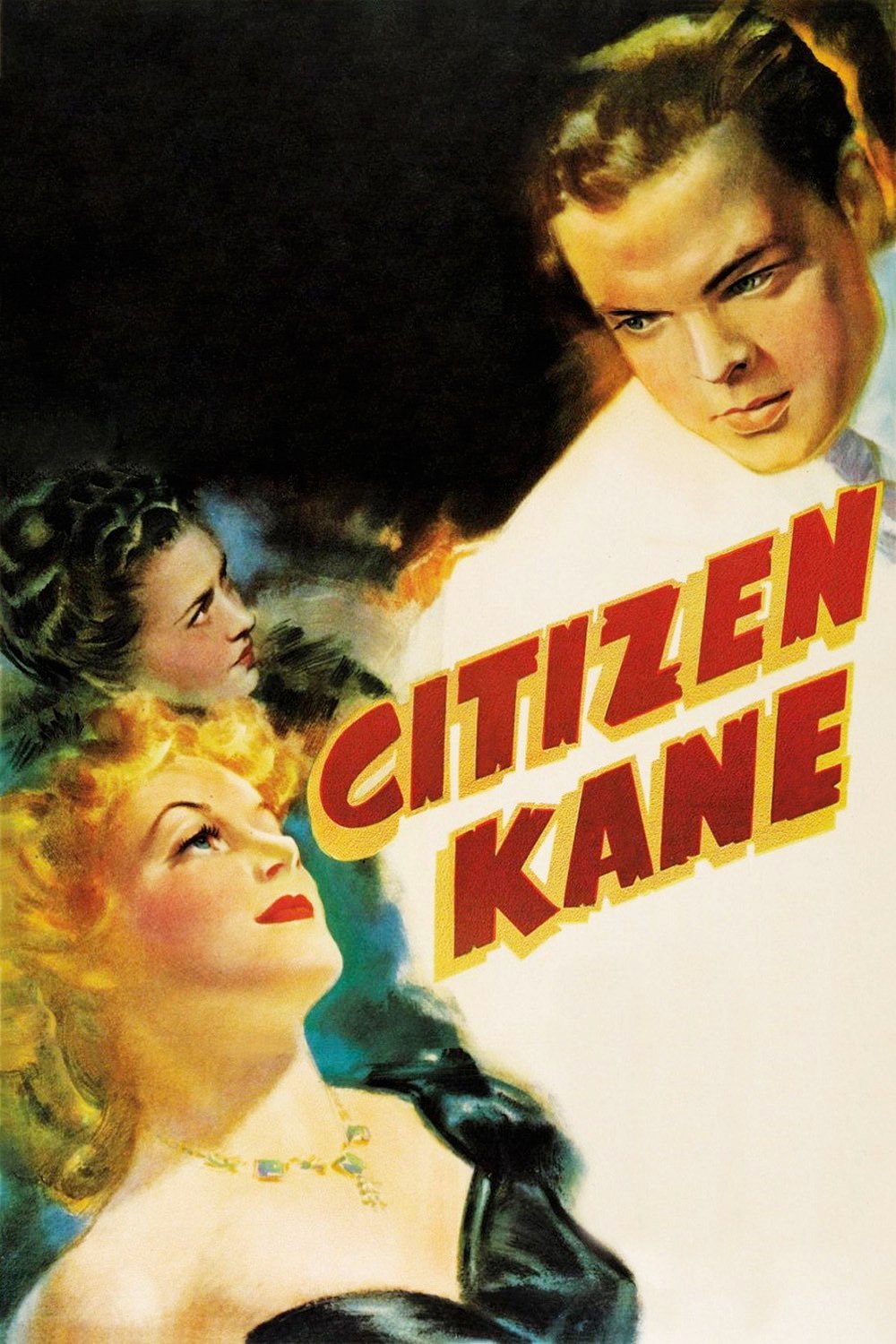
Considered a landmark of studio-era craftsmanship, ‘Citizen Kane’ entered its ceremony with nine nominations and left with a single win for Original Screenplay, credited to Herman J. Mankiewicz and Orson Welles. It lost Best Picture to ‘How Green Was My Valley’, while Welles also came up short in Best Director and Best Actor despite nominations in both categories.
The film’s sparse win total contrasted with its technical and narrative innovations, documented across nominations for Cinematography, Art Direction, Sound, and Editing. Its results also underscored the Academy’s voting dynamics that year, with ‘How Green Was My Valley’ securing the top prize and John Ford taking Best Director.
‘Saving Private Ryan’ (1998)
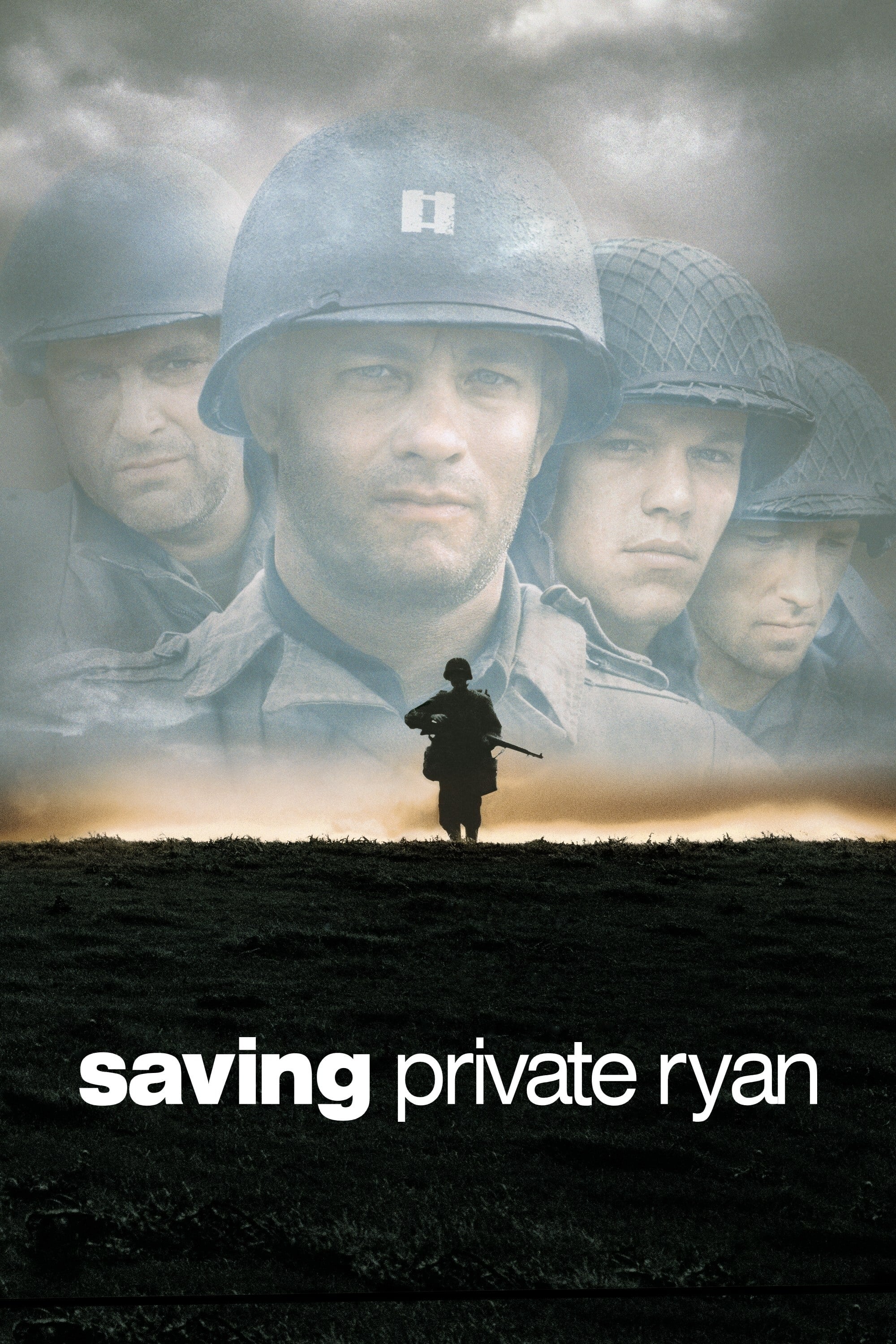
‘Saving Private Ryan’ scored eleven nominations and five wins, including Best Director for Steven Spielberg, Film Editing, and multiple sound awards. Best Picture went to ‘Shakespeare in Love’, which finished the night with seven wins after a broad campaign that translated nominations across acting, writing, and craft categories into statuettes.
The outcome split the headline categories—Director to ‘Saving Private Ryan’, Picture to ‘Shakespeare in Love’—a pattern that occasionally occurs when the Academy’s branches align differently in preferential balloting. The year became a case study in the impact of wide-ranging guild support and producer-driven awards strategies.
‘Brokeback Mountain’ (2005)
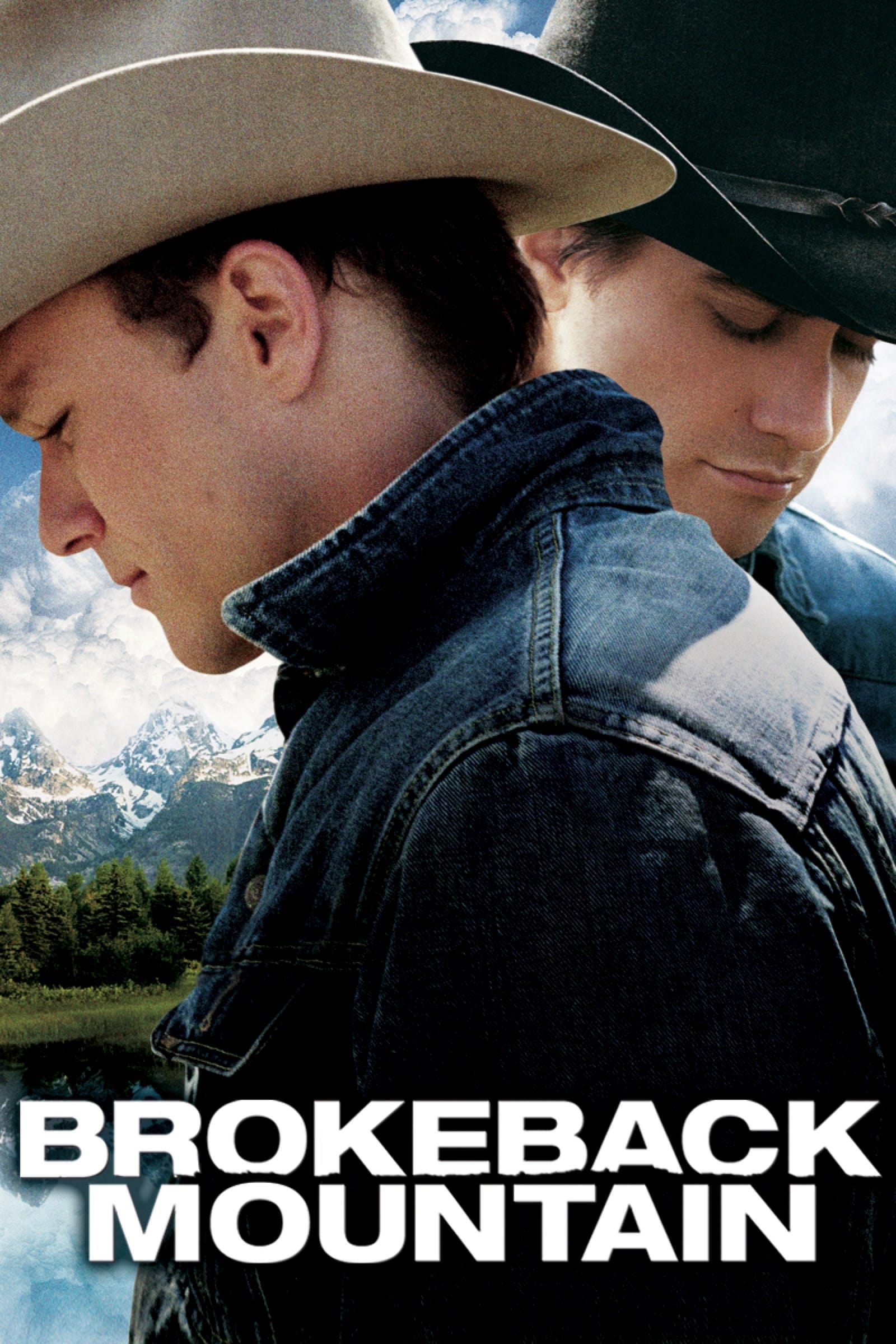
‘Brokeback Mountain’ led its field with eight nominations and won three: Best Director for Ang Lee, Adapted Screenplay, and Original Score. Best Picture went to ‘Crash’, which also won Editing and Original Screenplay among its totals.
The split capped a season in which ‘Brokeback Mountain’ had strong guild recognition, while ‘Crash’ built momentum with an ensemble cast and topical storyline. The official tally shows how preferential ballots can elevate a film with broad cross-branch support even when another title secures the directing prize.
‘Goodfellas’ (1990)
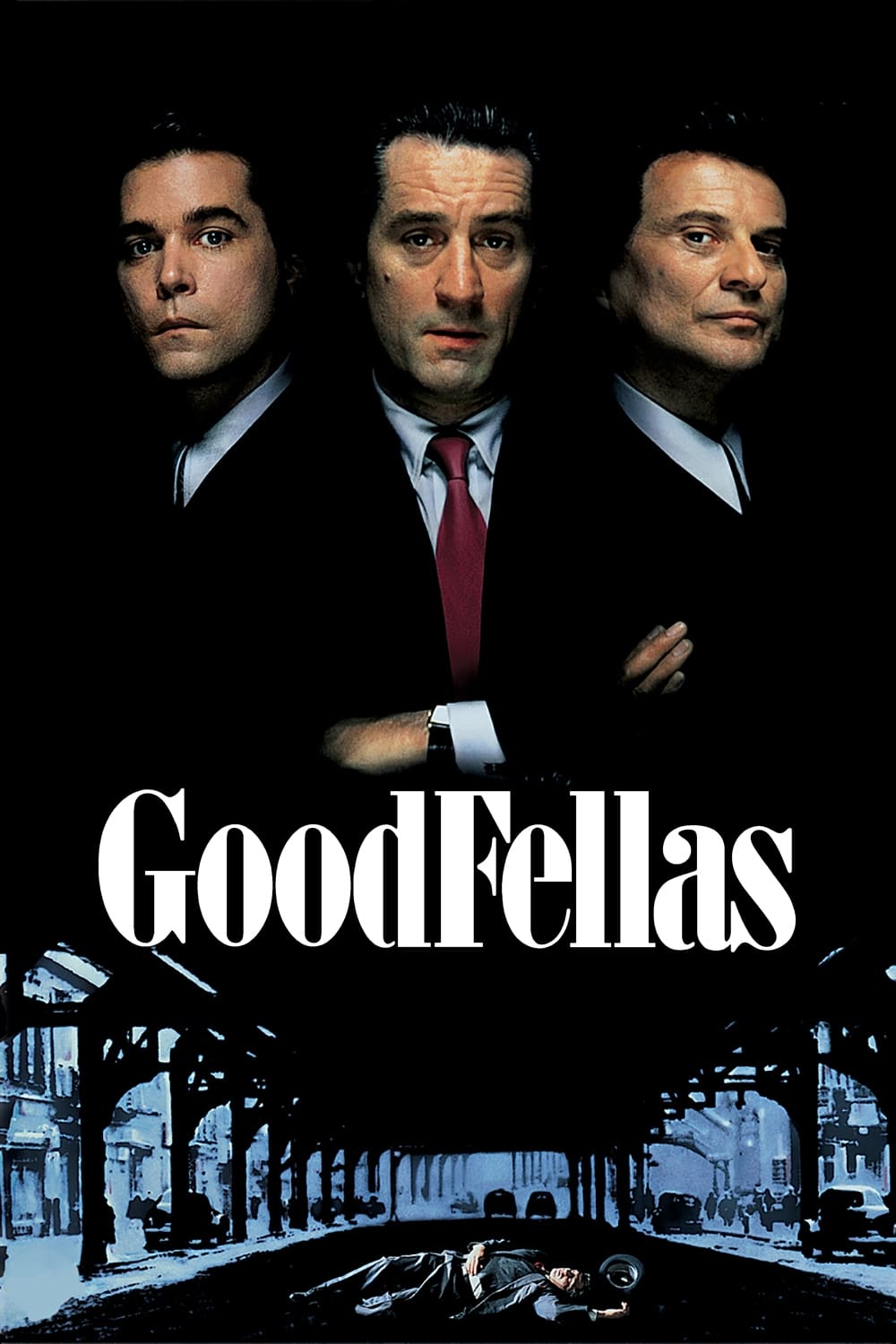
‘Goodfellas’ earned six nominations and one win, with Joe Pesci taking Best Supporting Actor. Best Picture and Best Director went to ‘Dances with Wolves’, which collected multiple awards including Cinematography, Sound, and Adapted Screenplay.
Martin Scorsese’s film was recognized in Editing, Director, and Adapted Screenplay nominations, reflecting support in key branches even as ballots consolidated around ‘Dances with Wolves’ for top awards. The night’s ledger illustrates how a strong competitor can dominate across above-the-line and craft categories.
‘Raging Bull’ (1980)
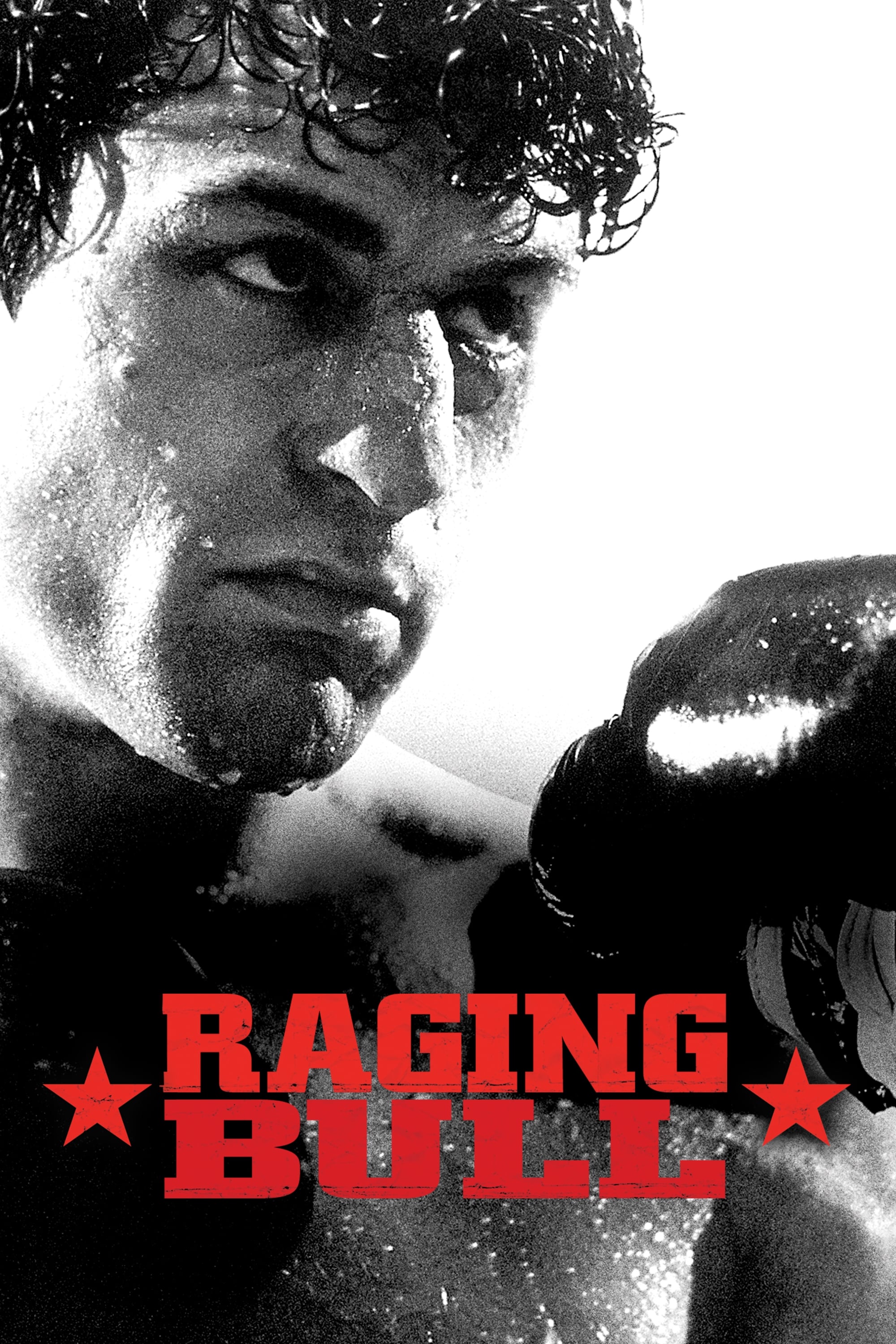
‘Raging Bull’ received eight nominations and won two, including Best Actor for Robert De Niro and Film Editing for Thelma Schoonmaker. Best Picture went to ‘Ordinary People’, with Robert Redford also winning Best Director.
The category distribution shows a split between performance and picture honors: ‘Raging Bull’ was cited for Cinematography and Director among its nominations, while ‘Ordinary People’ converted its top-category support into multiple wins. The results highlight how acting and editing victories do not always predict the Best Picture outcome.
‘Pulp Fiction’ (1994)
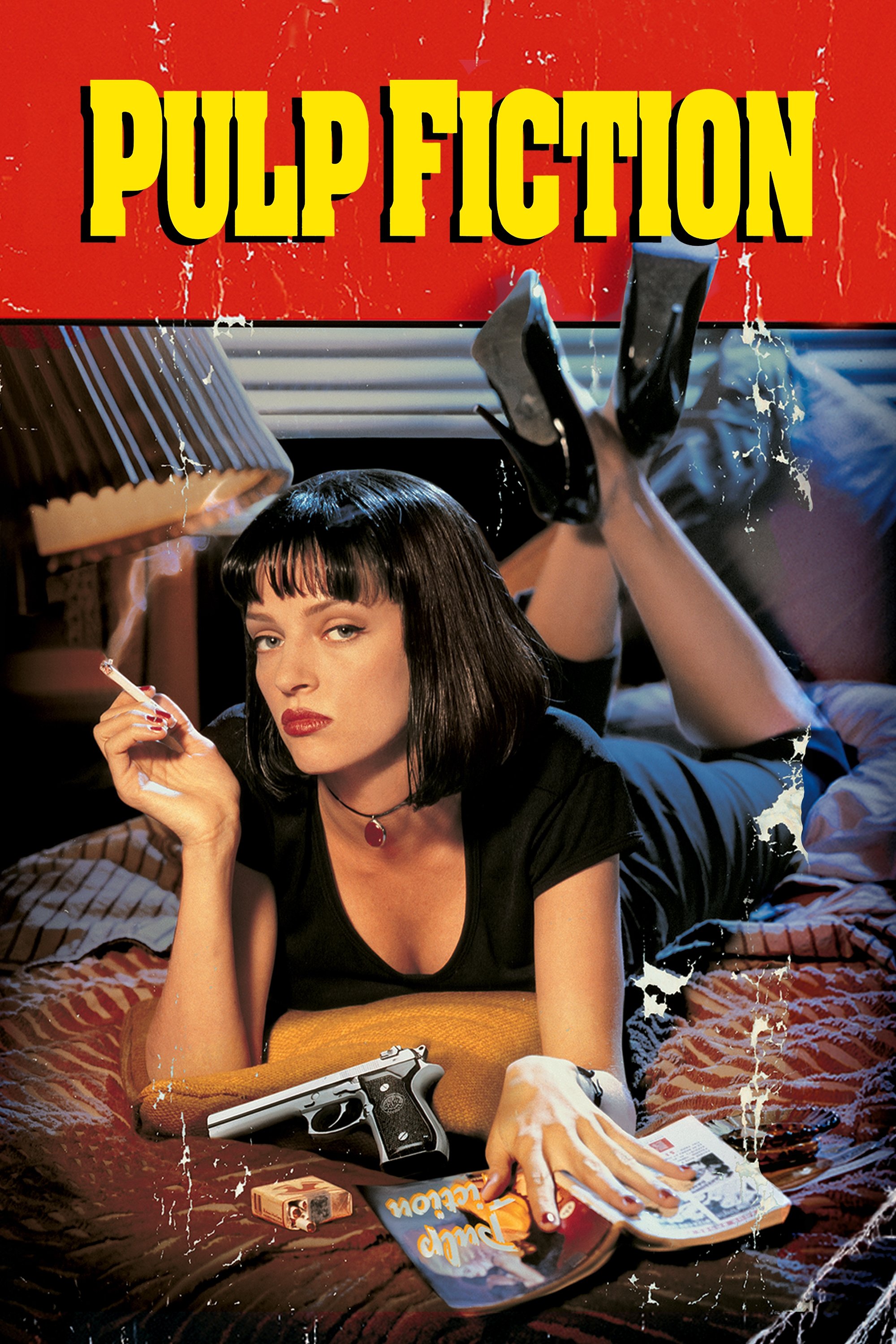
‘Pulp Fiction’ secured seven nominations and won one for Original Screenplay, credited to Quentin Tarantino and Roger Avary. Best Picture went to ‘Forrest Gump’, which also took Best Director, Best Actor, and several craft categories.
The year’s ballot data reflects two distinct voting coalitions: ‘Pulp Fiction’ dominated in screenplay recognition, while ‘Forrest Gump’ amassed broad support across performance, direction, and below-the-line races. The final tally maps clearly onto the Academy’s branch-by-branch nomination patterns.
‘The Dark Knight’ (2008)
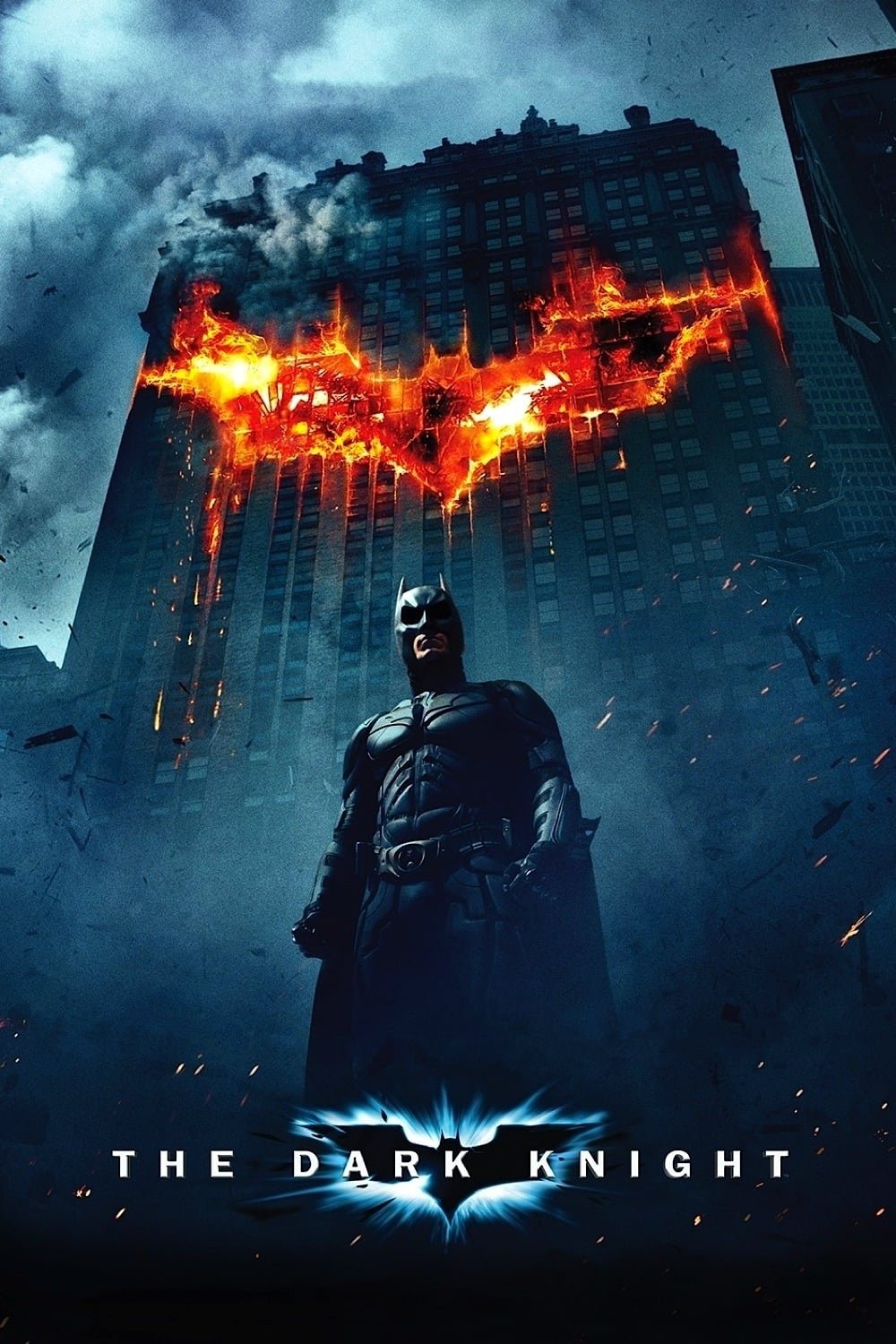
‘The Dark Knight’ landed eight nominations and won two, including Best Supporting Actor for Heath Ledger and Sound Editing. The film missed a Best Picture nomination, an omission widely cited by the Academy when it subsequently expanded the Best Picture field to allow more nominees.
Heath Ledger’s win came alongside nominations in categories such as Cinematography, Editing, Art Direction, Visual Effects, and Sound. The official shift to a larger Best Picture slate the following season was publicly framed as a way to capture broader audience favorites like ‘The Dark Knight’ within the top race.
‘Do the Right Thing’ (1989)
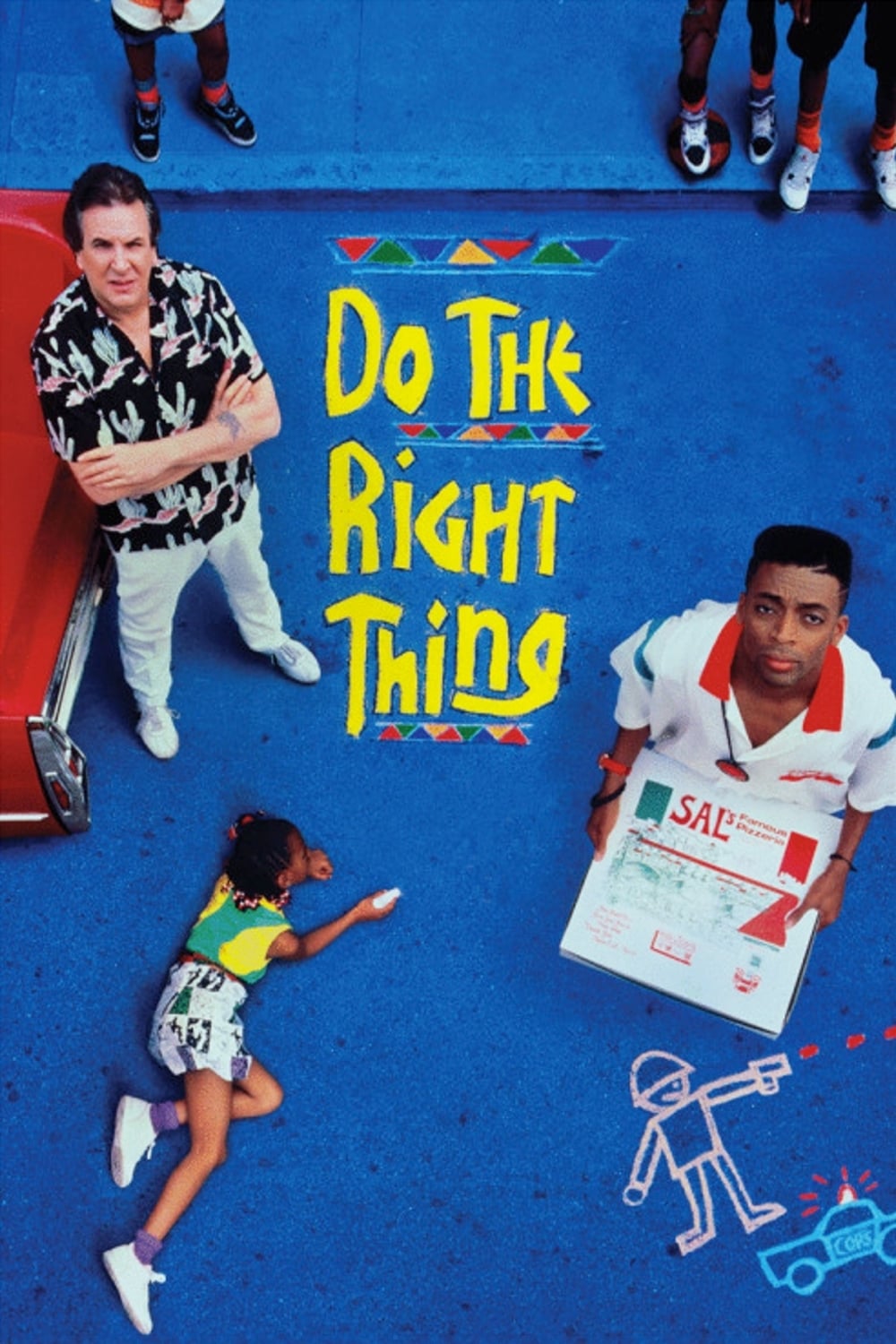
Spike Lee’s ‘Do the Right Thing’ earned nominations for Original Screenplay and Supporting Actor (Danny Aiello) but was not nominated for Best Picture or Best Director. That season’s Best Picture winner was ‘Driving Miss Daisy’, a film whose director was notably not nominated for Best Director.
The year’s slate became a reference point in discussions of how branch-level voting can exclude titles from top categories despite strong cultural impact and screenplay recognition. The outcome is often cited in Academy retrospectives that track nomination patterns for directing and picture alignment.
Alfred Hitchcock’s Missing Best Director Oscar
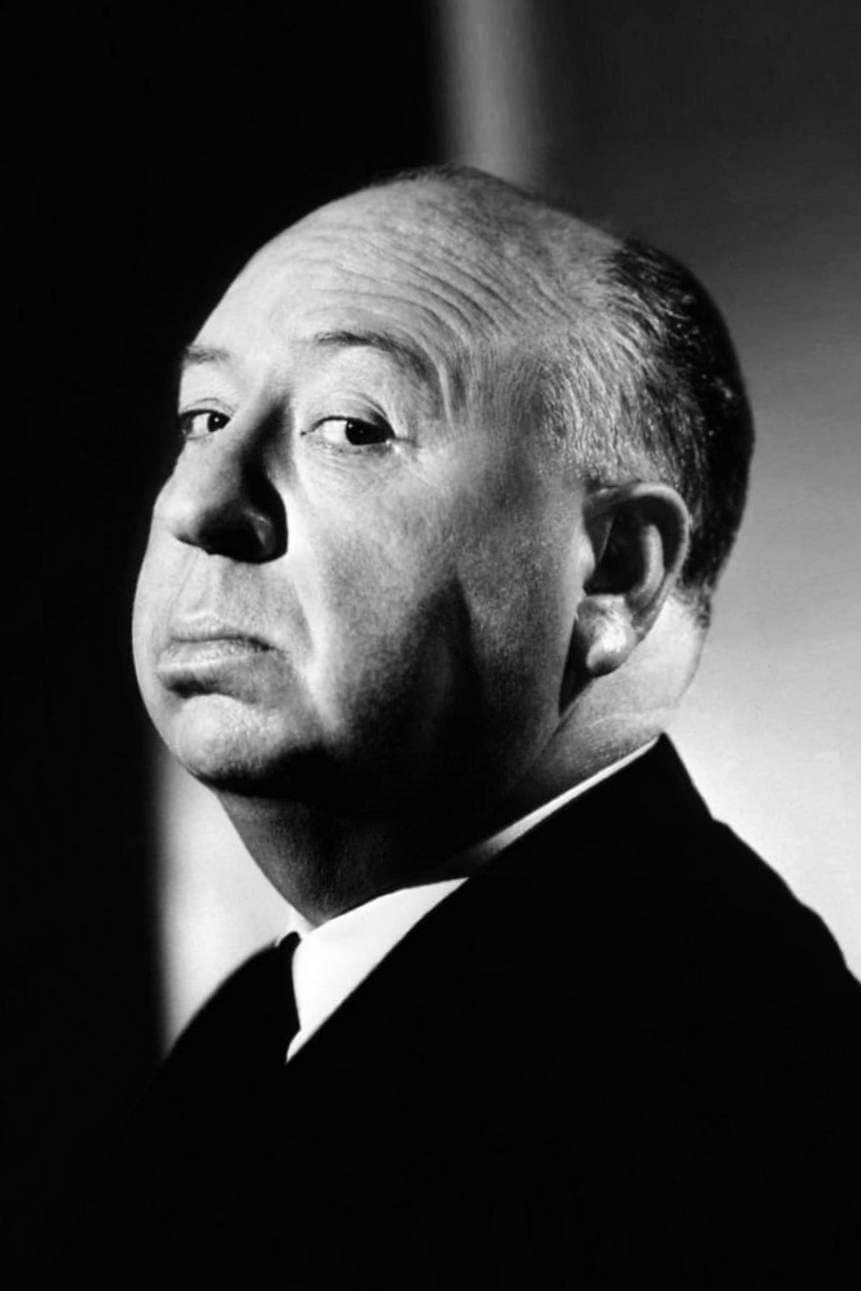
Alfred Hitchcock received five Best Director nominations—for ‘Rebecca’, ‘Lifeboat’, ‘Spellbound’, ‘Rear Window’, and ‘Psycho’—without a competitive win. He later accepted the Irving G. Thalberg Memorial Award, the Academy’s honorary recognition for producers of consistently high-quality work.
Hitchcock’s record illustrates how repeated nominations can reflect sustained peer acknowledgment while still stopping short of a competitive victory. His films earned extensive recognition across categories such as Cinematography, Score, and Art Direction, yet the director statuette remained elusive throughout his career.
Glenn Close’s Unwon Acting Oscars

Glenn Close has eight acting nominations without a win, spanning both supporting and lead categories. Her nominated performances include ‘The World According to Garp’, ‘The Big Chill’, ‘The Natural’, ‘Fatal Attraction’, ‘Dangerous Liaisons’, ‘Albert Nobbs’, ‘The Wife’, and ‘Hillbilly Elegy’.
The tally ties the mark for the most acting nominations without a win, a statistic tracked by the Academy’s official records and widely referenced in awards databases. The spread across genres and decades demonstrates consistent branch support while underscoring how competitive voting can leave even frequently nominated performers without a statuette.
Share your own most-debated Oscar snubs in the comments and tell us which outcomes you still revisit when awards season rolls around.