Movie Casting Choices that Sparked Online Wars Even Before the Release


Sometimes the biggest drama happens long before the first showtime. Casting news can ignite comment sections, spawn hashtags, and push studios to clarify choices while a film is still deep in production. The internet turns these moments into round-the-clock debates, where source-material purists, casual fans, and industry watchers all weigh in.
Below are twenty cast announcements that set off firestorms the moment they hit social feeds. For each one, you’ll find what triggered the uproar, how studios and creators responded, and the context around the actors’ selection—so you can see how these flashpoints formed and what fueled them.
‘Batman v Superman: Dawn of Justice’ (2016) – Ben Affleck as Bruce Wayne/Batman
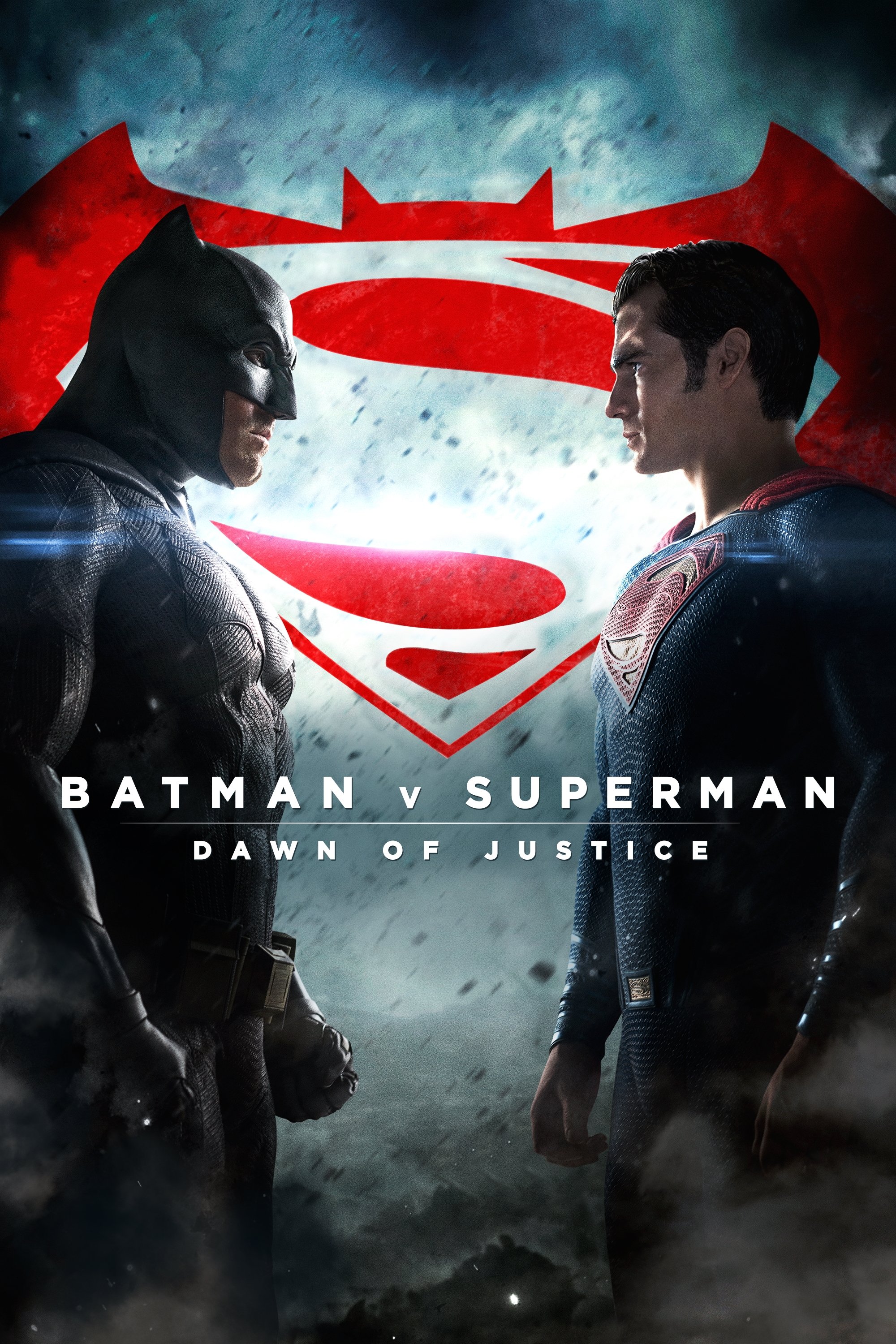
When the studio confirmed Ben Affleck as Bruce Wayne in ‘Batman v Superman: Dawn of Justice’, the announcement trended worldwide within minutes and drove a surge of petitions calling for a recast. The pushback centered on Affleck’s association with high-profile roles outside the superhero genre and the perception of tonal mismatch with the darker iteration of Gotham’s vigilante the project signaled.
Behind the scenes, filmmakers cited Affleck’s experience both in front of and behind the camera, pointing to his track record leading large-scale productions and his preparation regimen for the part. The production emphasized a seasoned, world-weary Bruce Wayne, and early official imagery focused on that angle to frame expectations while principal photography continued.
‘The Dark Knight’ (2008) – Heath Ledger as Joker
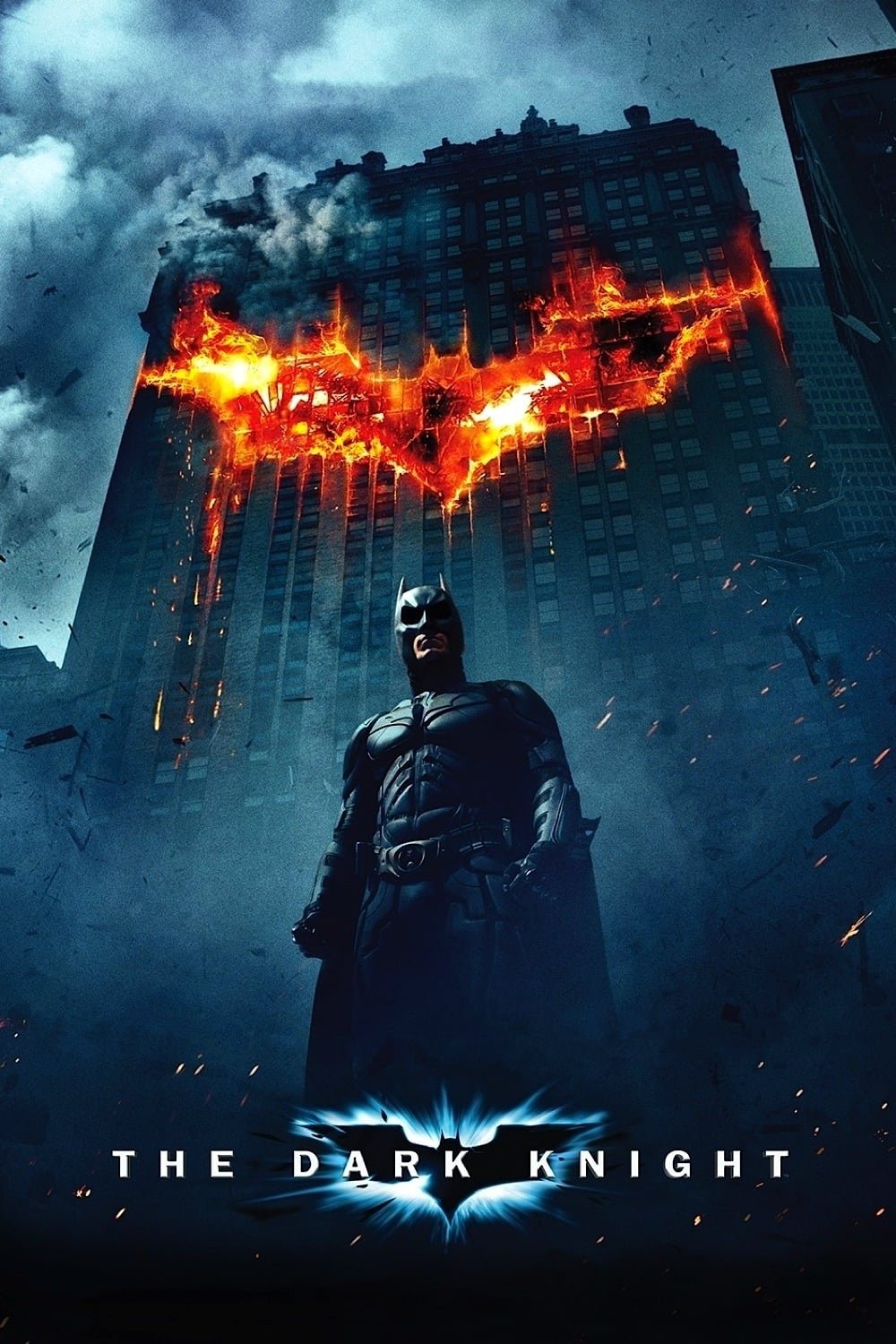
News that Heath Ledger would play the Joker in ‘The Dark Knight’ triggered immediate online skepticism, with message boards and early social platforms comparing the choice to prior portrayals. Much of the reaction fixated on Ledger’s previous roles and questioned whether he matched the character’s established on-screen profile.
The creative team publicly stood by the casting, highlighting Ledger’s range and commitment during pre-production. As marketing rolled out, the campaign used selective stills and teaser audio to underline the character’s menace, an approach designed to reframe the conversation while the film was still months from release.
‘Casino Royale’ (2006) – Daniel Craig as James Bond
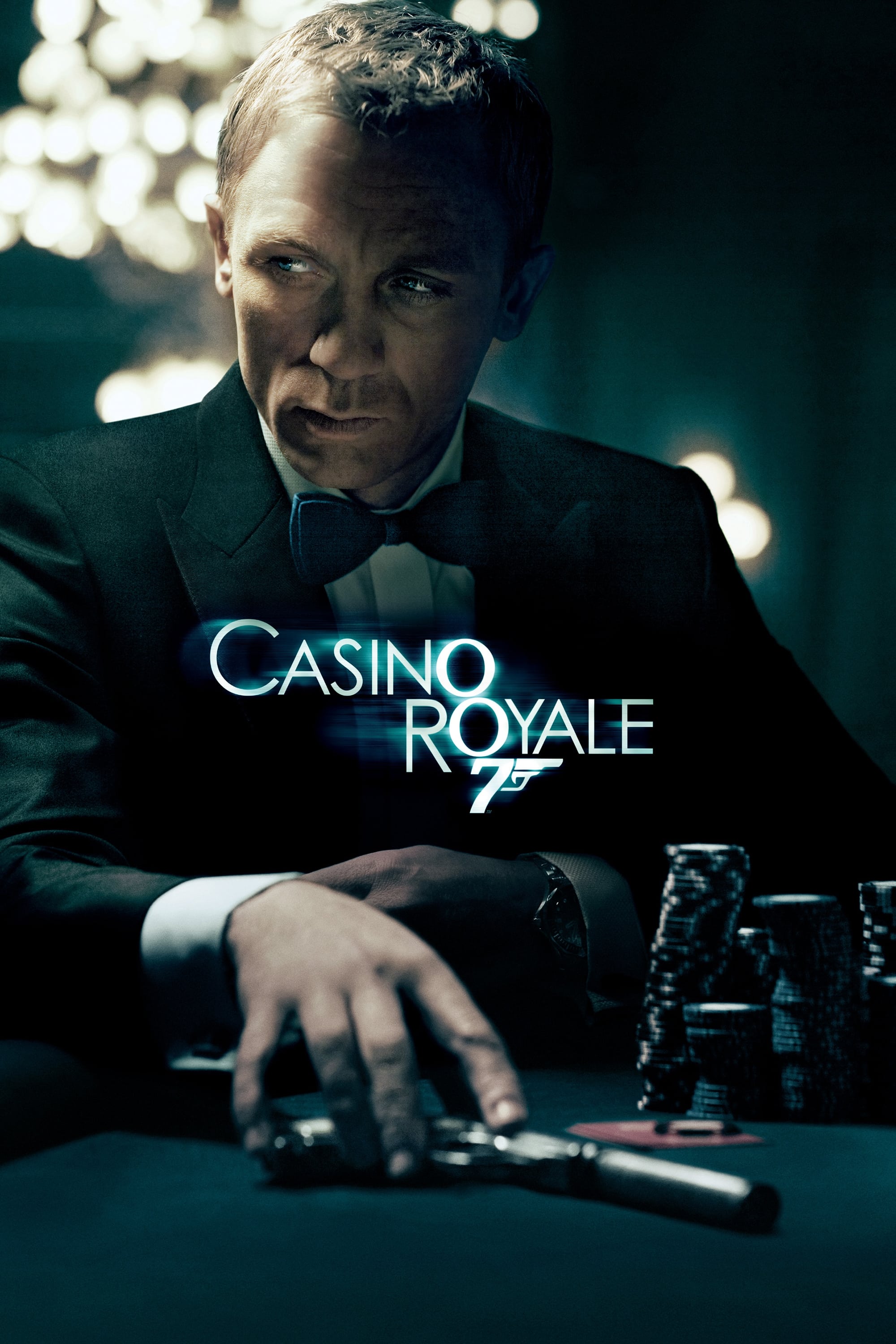
The reveal of Daniel Craig as the new James Bond set off a prolonged online backlash, including high-visibility fan sites and the “CraigNotBond” slogan. The discussion centered on perceived departures from the franchise’s visual template and long-running expectations about the character’s presentation.
Producers and the author’s estate representatives pointed to a return-to-roots interpretation shaped by the source material. As production advanced, the studio pushed behind-the-scenes footage of Craig’s stunt training and location work, using official channels to showcase the grounded tone chosen for this iteration of the spy.
‘The Batman’ (2022) – Robert Pattinson as Bruce Wayne/Batman
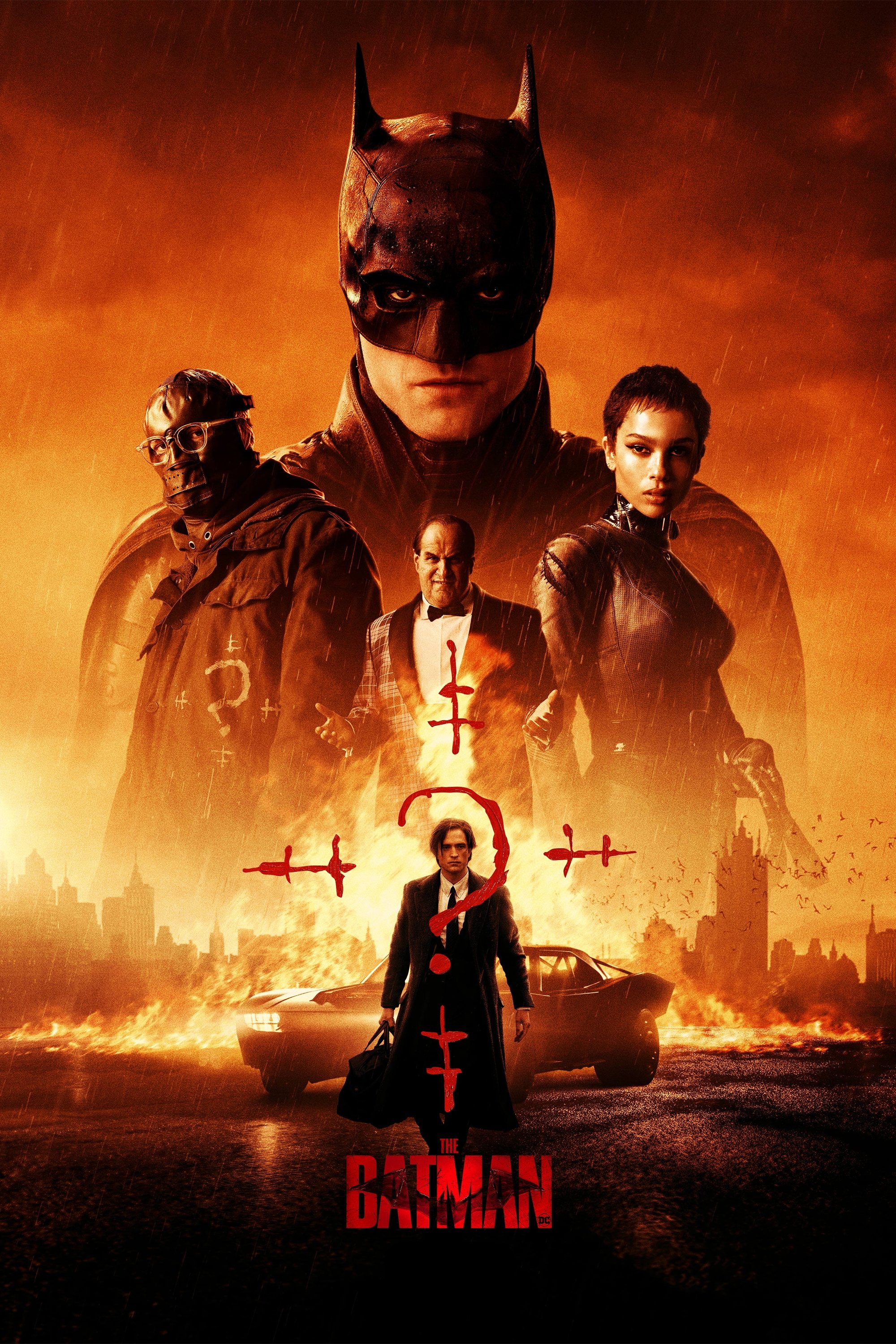
Robert Pattinson’s casting in ‘The Batman’ prompted intense online debate, with many threads referencing his earlier franchise work and questioning the tonal direction. The initial wave of posts focused on whether this version would emphasize detective elements or lean into action-driven spectacle.
Production notes and interviews stressed a noir-influenced approach, with the creative team highlighting Pattinson’s preparation and screen-test results. Early costume and camera tests were strategically released to shape perception, spotlighting the character’s investigative edge and supporting the film’s stated vision.
‘Batman v Superman: Dawn of Justice’ (2016) – Gal Gadot as Diana Prince/Wonder Woman
Gal Gadot’s selection for ‘Batman v Superman: Dawn of Justice’ sparked threads about the character’s physicality and how the role would integrate into a shared-universe plan. Commenters compared depictions across comics and animation, scrutinizing costume design and combat portrayal based on limited pre-release material.
The production responded by emphasizing Gadot’s military background and intensive training, noting weapons, fight choreography, and dialect coaching as part of preparation. Early stills and convention footage highlighted Amazonian armor elements and battlefield staging to align expectations with the character’s mythological roots.
‘Spider-Man: Homecoming’ (2017) – Zendaya as MJ

Casting Zendaya in ‘Spider-Man: Homecoming’ ignited speculation about reinterpretations of established supporting characters. Online discussions examined how the film would handle legacy names and character dynamics within a younger, school-centric setting.
The studio clarified naming conventions and narrative placement while keeping plot specifics under wraps during production. Marketing later foregrounded the ensemble’s high-school framework, giving context to MJ’s role among classmates and emphasizing the grounded tone that guided the character’s introduction.
‘The Little Mermaid’ (2023) – Halle Bailey as Ariel

Halle Bailey’s announcement as Ariel in ‘The Little Mermaid’ produced a massive online response that touched on adaptation choices and representation. The conversation quickly expanded beyond casting to cover song performance, hair, and visual design details glimpsed in early previews.
Disney highlighted Bailey’s vocal credentials and released controlled clips to feature her rendition of key musical numbers. Production updates focused on the hybrid approach to underwater sequences, explaining performance capture and soundstage methodology used to support the character’s movement and singing.
‘Ghost in the Shell’ (2017) – Scarlett Johansson as Major
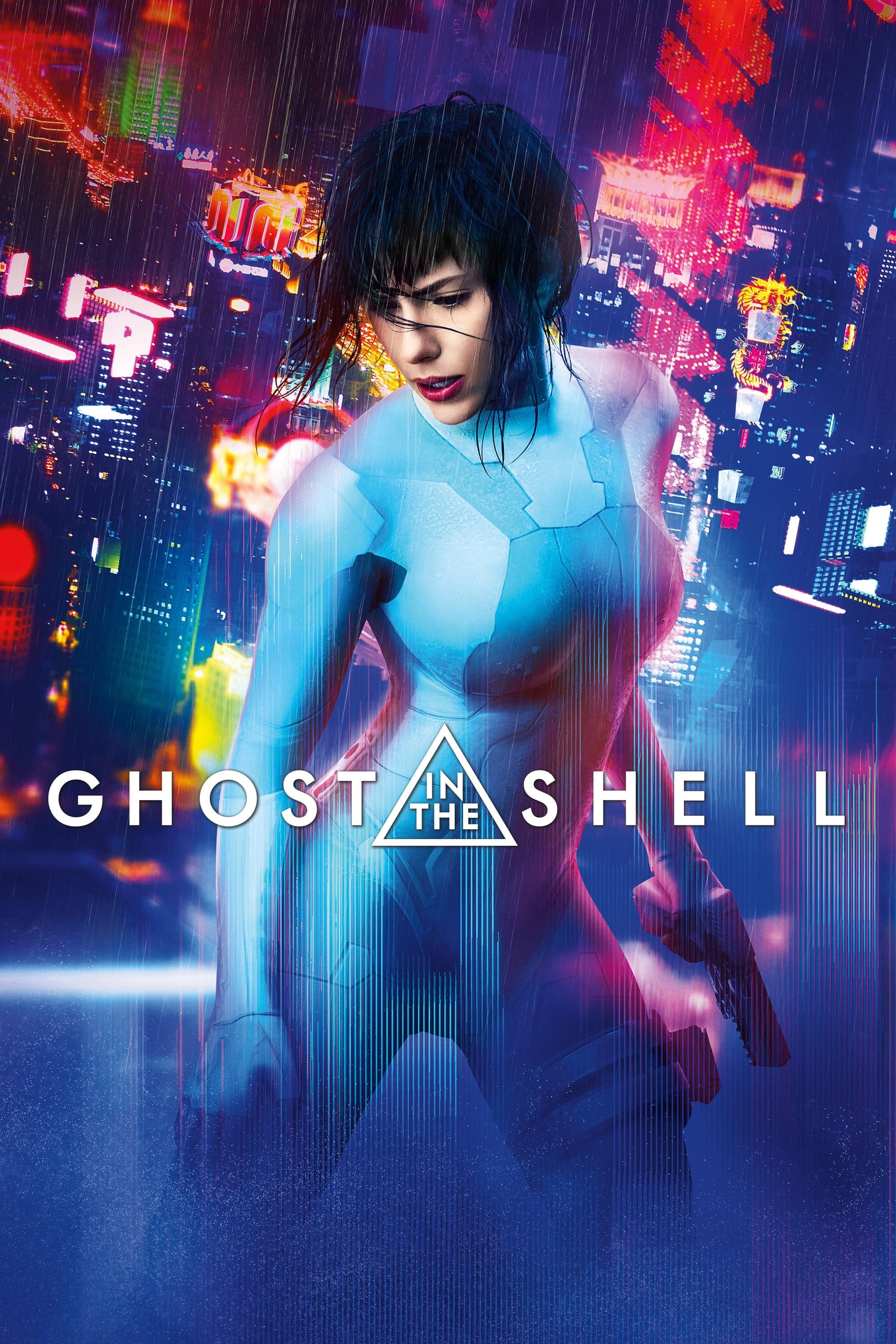
Scarlett Johansson’s casting in ‘Ghost in the Shell’ drew immediate criticism centered on adaptation practices and the handling of the character’s identity in a live-action context. Threads compared the original manga and anime depictions with the announced direction, scrutinizing naming, setting, and design choices.
In response, the production discussed story rationales for the character’s on-screen presentation and released featurettes detailing cybernetic design work and practical-effects integration. Official materials outlined how the team approached the setting’s technology and police-procedural elements to translate animated visual language into live action.
‘Doctor Strange’ (2016) – Tilda Swinton as The Ancient One
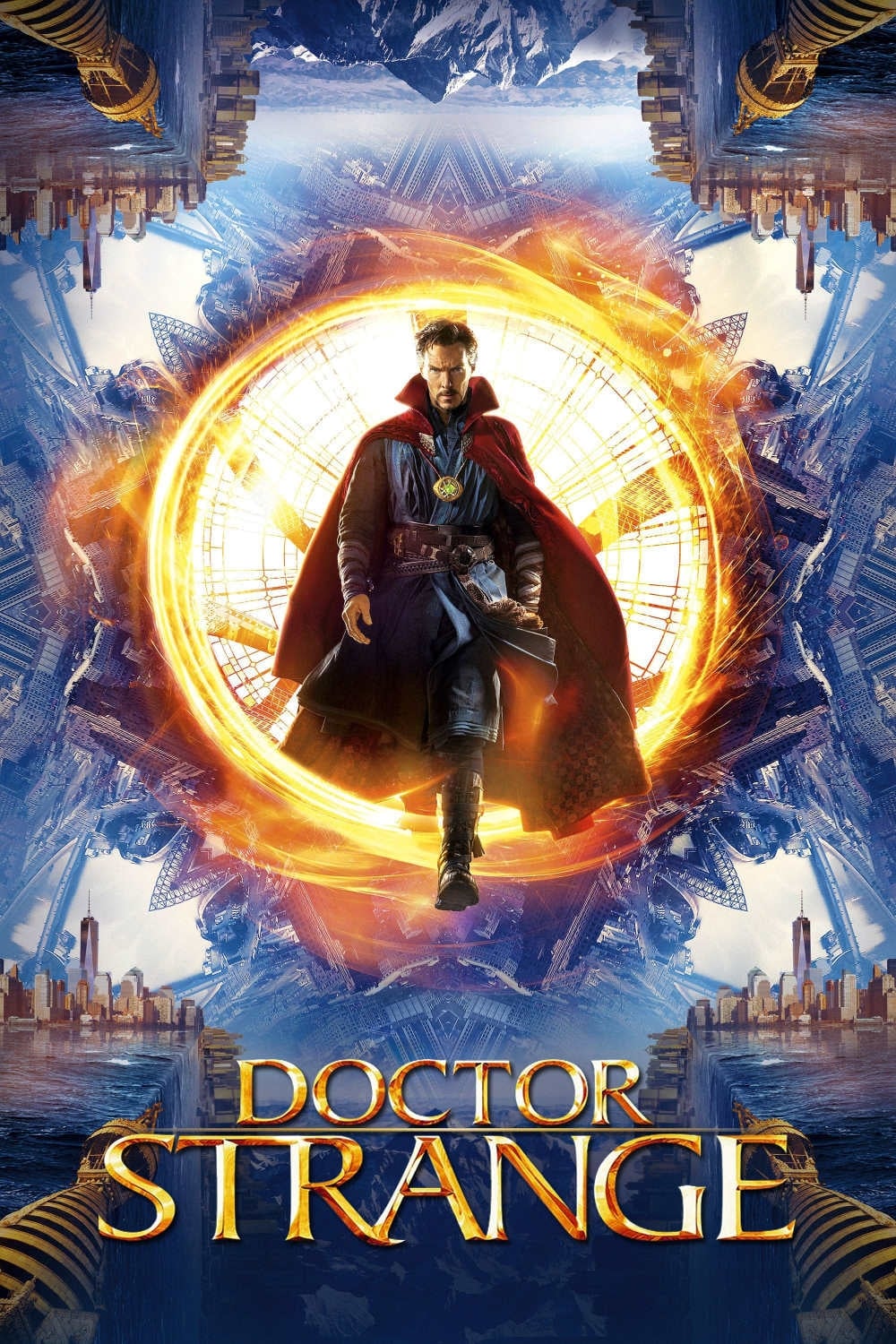
Tilda Swinton’s selection as the Ancient One in ‘Doctor Strange’ sparked online debate about the character’s reimagining. Fans analyzed trailers and publicity stills, focusing on the departure from well-known archetypes associated with the role in other media.
Marvel and the filmmakers explained their intent to avoid stereotypical tropes while reshaping the character’s backstory for the cinematic narrative. Production notes and interviews highlighted the ensemble’s training in movement and fight styles, showing how mentorship dynamics and mystic-arts worldbuilding were being constructed on set.
‘The Hunger Games’ (2012) – Amandla Stenberg as Rue
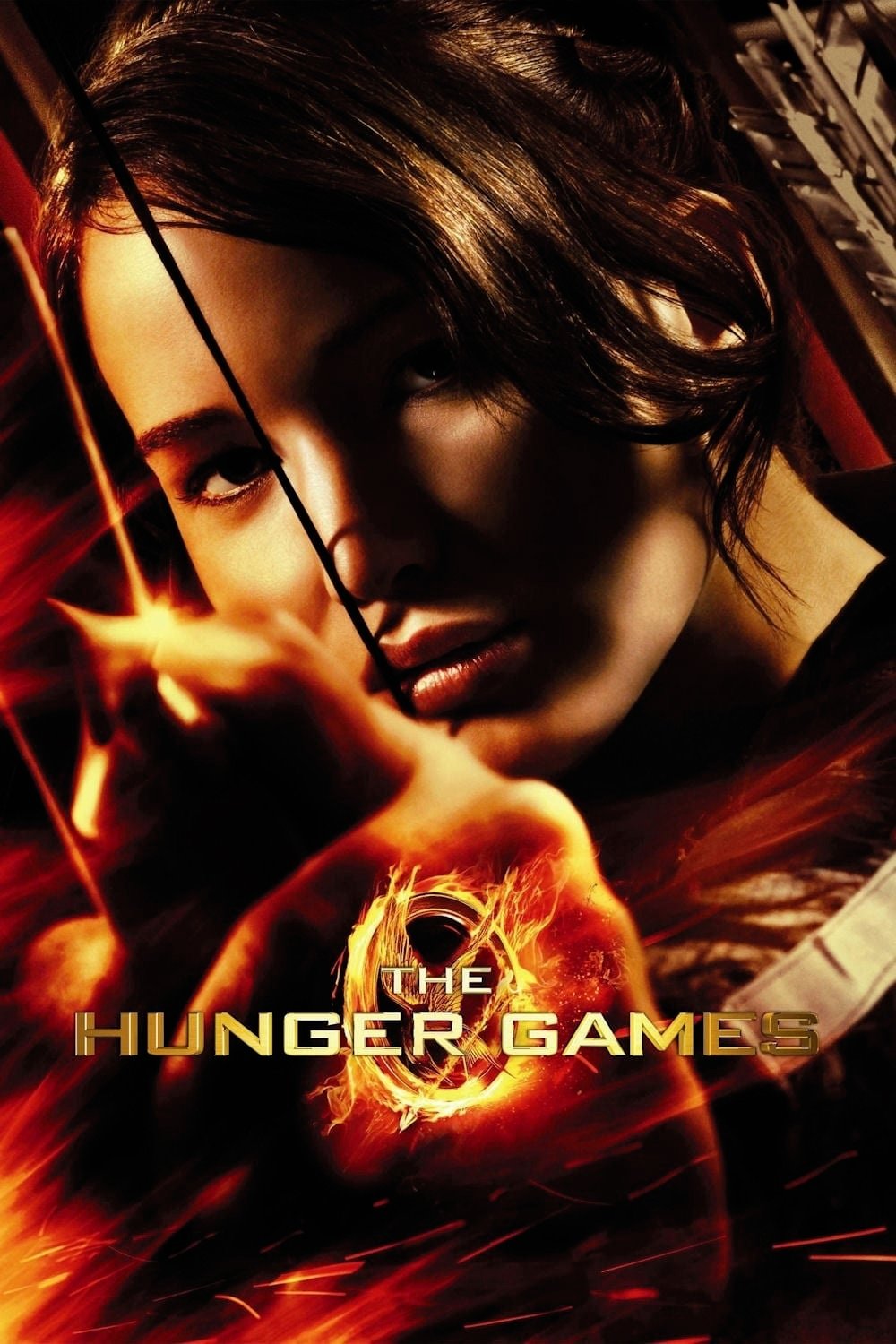
The casting of Amandla Stenberg as Rue in ‘The Hunger Games’ generated a wave of online discourse tied to readers’ differing interpretations of descriptive text. Social feeds amplified divergent readings, and the conversation intensified as production images surfaced.
Studio representatives and the author’s public comments reiterated how the casting aligned with the source material’s character description. Marketing materials subsequently centered Rue’s alliance narrative and district context, grounding the character’s presence in the story’s survival framework.
‘Jack Reacher’ (2012) – Tom Cruise as Jack Reacher
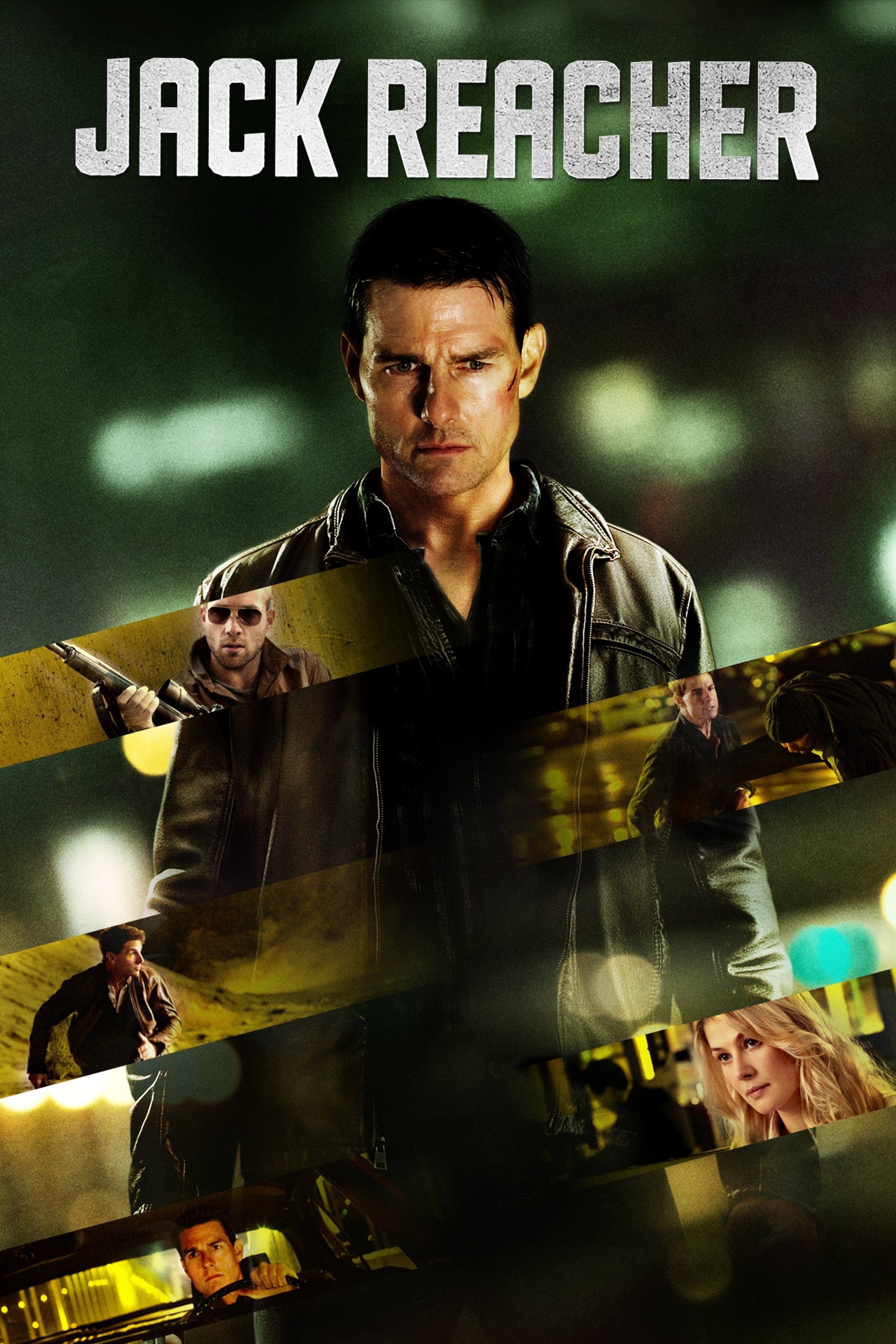
Tom Cruise’s casting as Jack Reacher prompted strong reactions from readers of the novels who emphasized the character’s physical profile. Online discussions questioned whether the adaptation would preserve the lone-wolf investigative tone and close-quarters combat style associated with the books.
Filmmakers addressed the concerns by focusing on tactical choreography, emphasizing situational awareness and precision strikes in behind-the-scenes content. Location reports and production notes highlighted how the adaptation would translate Reacher’s methods—mobility, observation, and leverage—into cinematic set-pieces.
‘Suicide Squad’ (2016) – Jared Leto as Joker
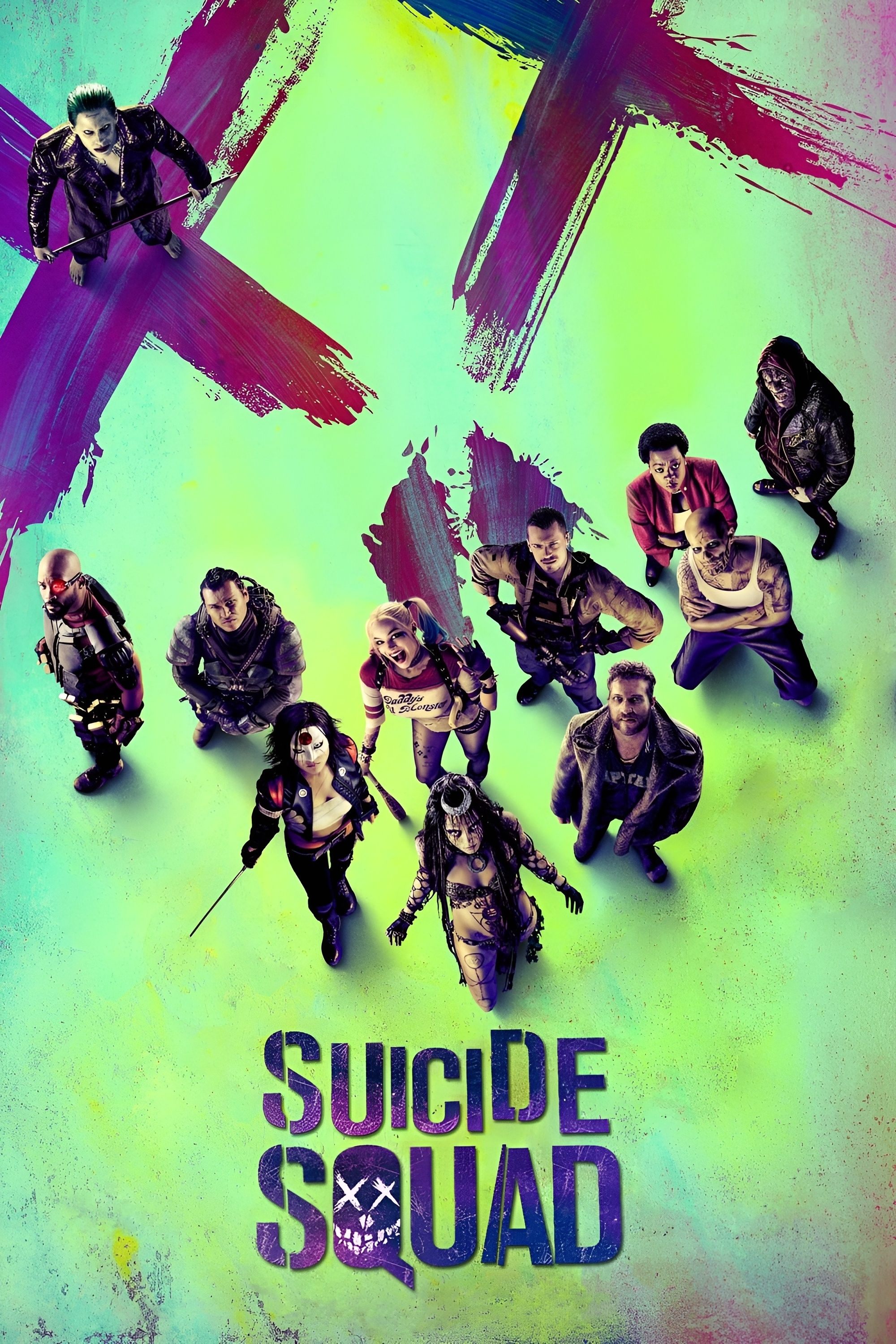
Jared Leto’s turn as the Joker in ‘Suicide Squad’ became a flashpoint as soon as publicity images circulated, with threads debating visual design, tattoos, and the role’s narrative footprint. The conversation branched into comparisons with earlier portrayals, even before plot specifics were widely known.
The studio leaned into viral marketing, releasing stylized portraits and ensemble roll-outs to frame the tone. Coverage of Leto’s preparation and the film’s stunt work aimed to detail how the character would function inside the team-centric structure, addressing questions about screen time and story importance.
‘Star Trek Into Darkness’ (2013) – Benedict Cumberbatch as Khan Noonien Singh
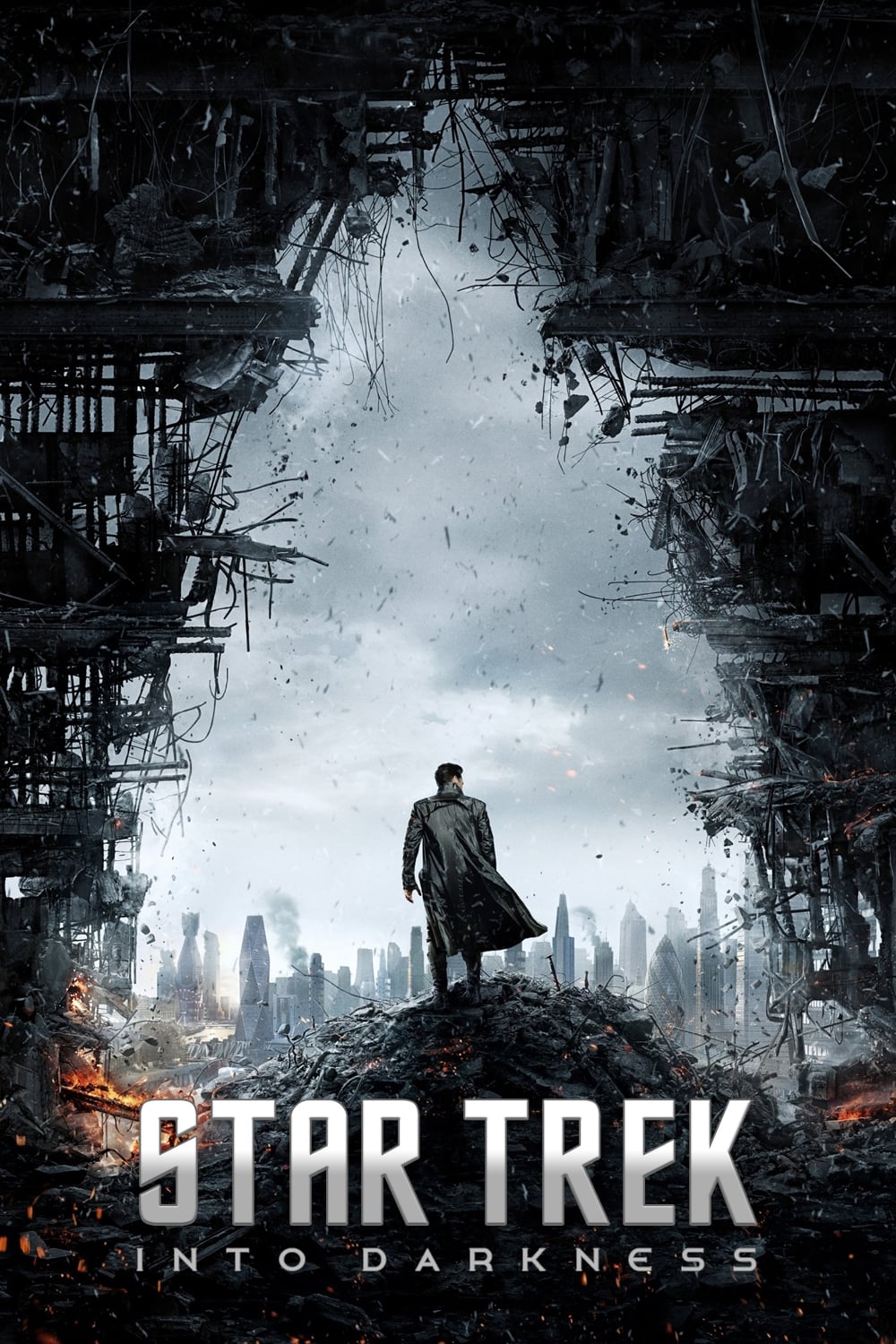
Benedict Cumberbatch’s involvement in ‘Star Trek Into Darkness’ set off months of speculation that intensified when character secrecy met leaked details. Online debates zeroed in on lineage and continuity, with fans tracking interviews and trailer frames to parse identity hints.
As speculation converged, the production offered limited confirmations while emphasizing narrative themes the film would explore. Press materials later outlined how the antagonist’s capabilities and history informed set-piece design, starship tactics, and the ethical conflicts placed at the center of the story.
‘Fantastic Four’ (2015) – Michael B. Jordan as Johnny Storm/Human Torch
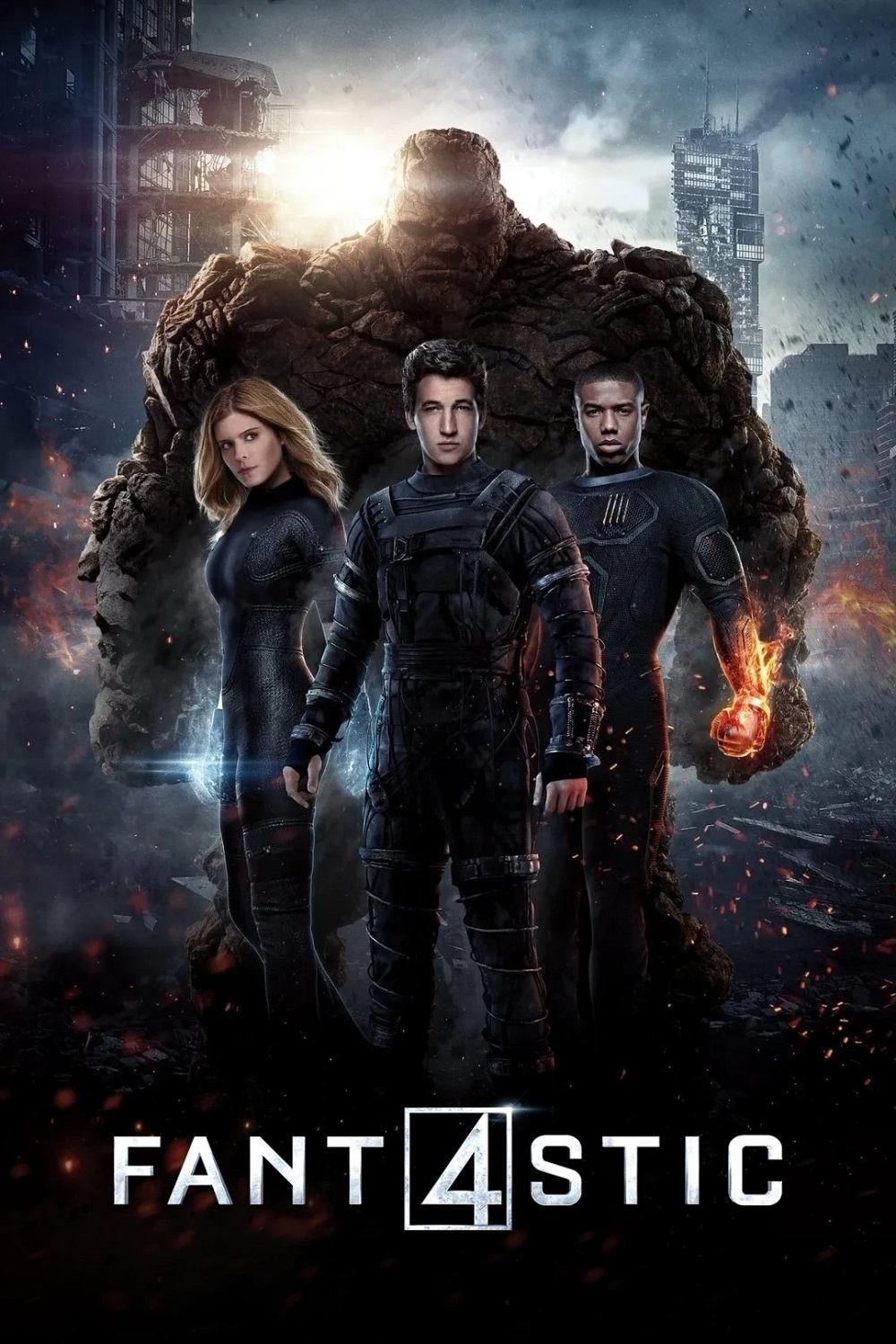
Michael B. Jordan’s casting as Johnny Storm in ‘Fantastic Four’ set off high-volume threads about family dynamics and adaptation latitude. Commenters compared different comic runs, focusing on how the film would address sibling relationships and backstory.
The production clarified character relationships and emphasized ensemble chemistry, referencing screen tests and rehearsal processes. Official stills and featurettes showcased effects concepts for flame flight and containment, underscoring how the Human Torch’s powers would integrate with the team’s reimagined origin.
‘Captain Marvel’ (2019) – Brie Larson as Carol Danvers
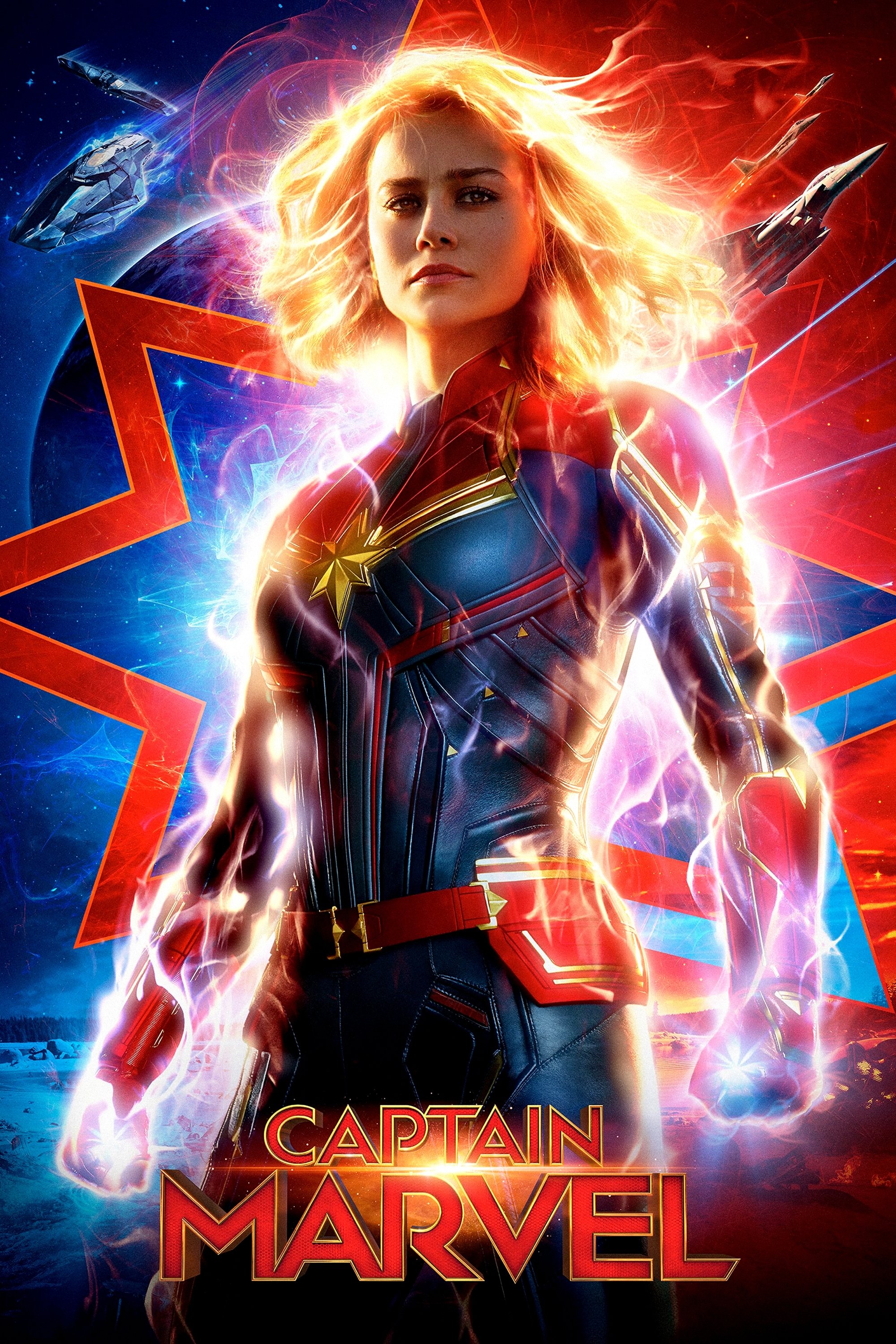
Brie Larson’s lead role in ‘Captain Marvel’ triggered an extensive online response that spanned casting, tone, and continuity placement within a larger interconnected slate. The discourse tracked training updates, costume reveals, and how the character’s abilities would be presented on screen.
Marvel highlighted Larson’s preparation through pilot training and physical conditioning, pairing those notes with technical breakdowns of flight sequences and energy-projection effects. As marketing scaled up, the studio used archival-style visuals and period design choices to situate the hero within an earlier timeline while signaling key connections.
‘No Time to Die’ (2021) – Lashana Lynch as Nomi/007
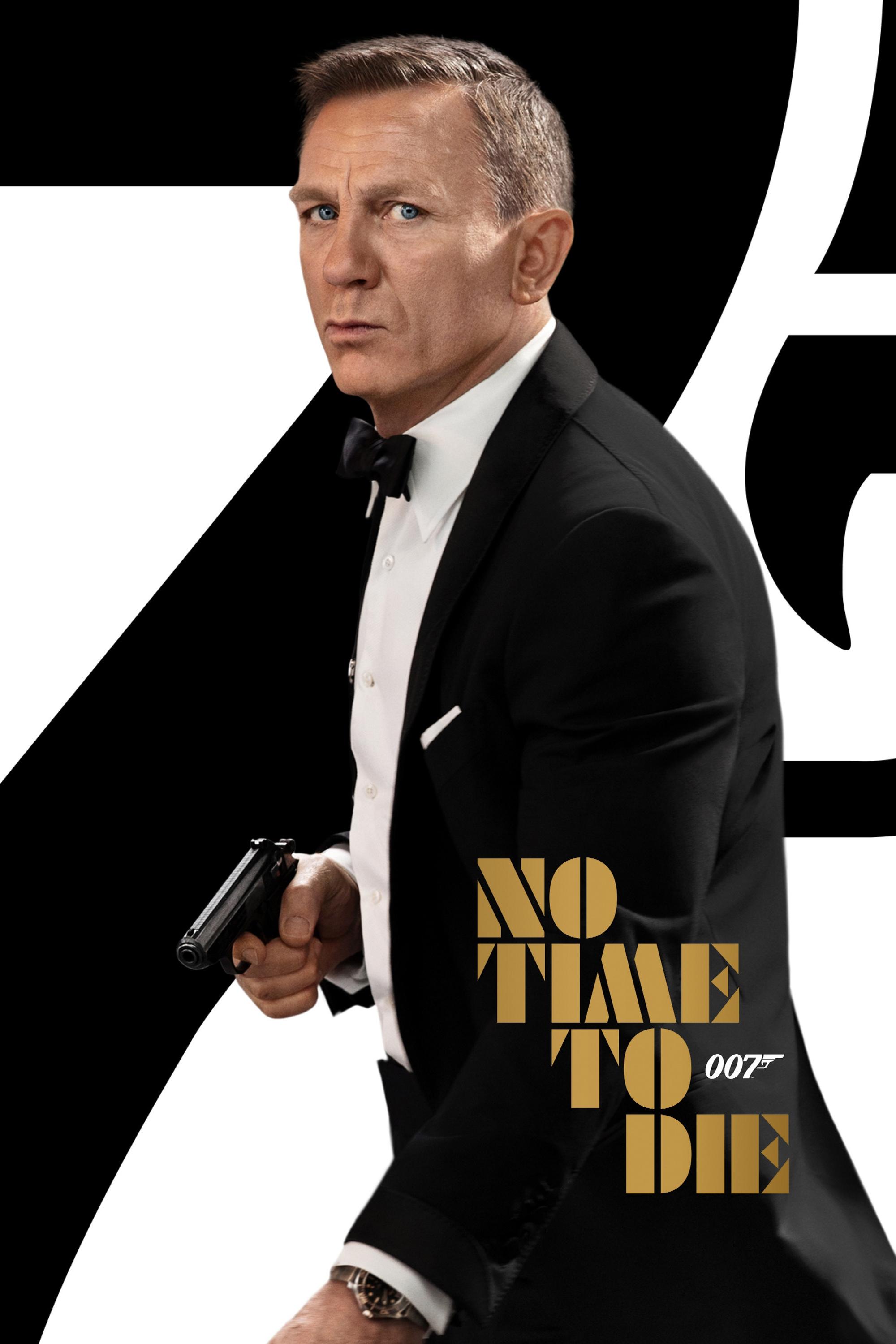
Lashana Lynch’s casting in ‘No Time to Die’ fueled immediate online conversation when coverage linked her character to the 007 designation. Threads dissected how numbering, rank, and assignment operate inside the series’ fictional service structure.
Producers clarified the narrative framework around titles and field roles, while press materials established Nomi’s training, equipment, and mission parameters. Featurettes detailed the character’s stunt work and operational partnership dynamics, explaining how those elements would interact with returning figures.
‘Snow White’ (2025) – Rachel Zegler as Snow White
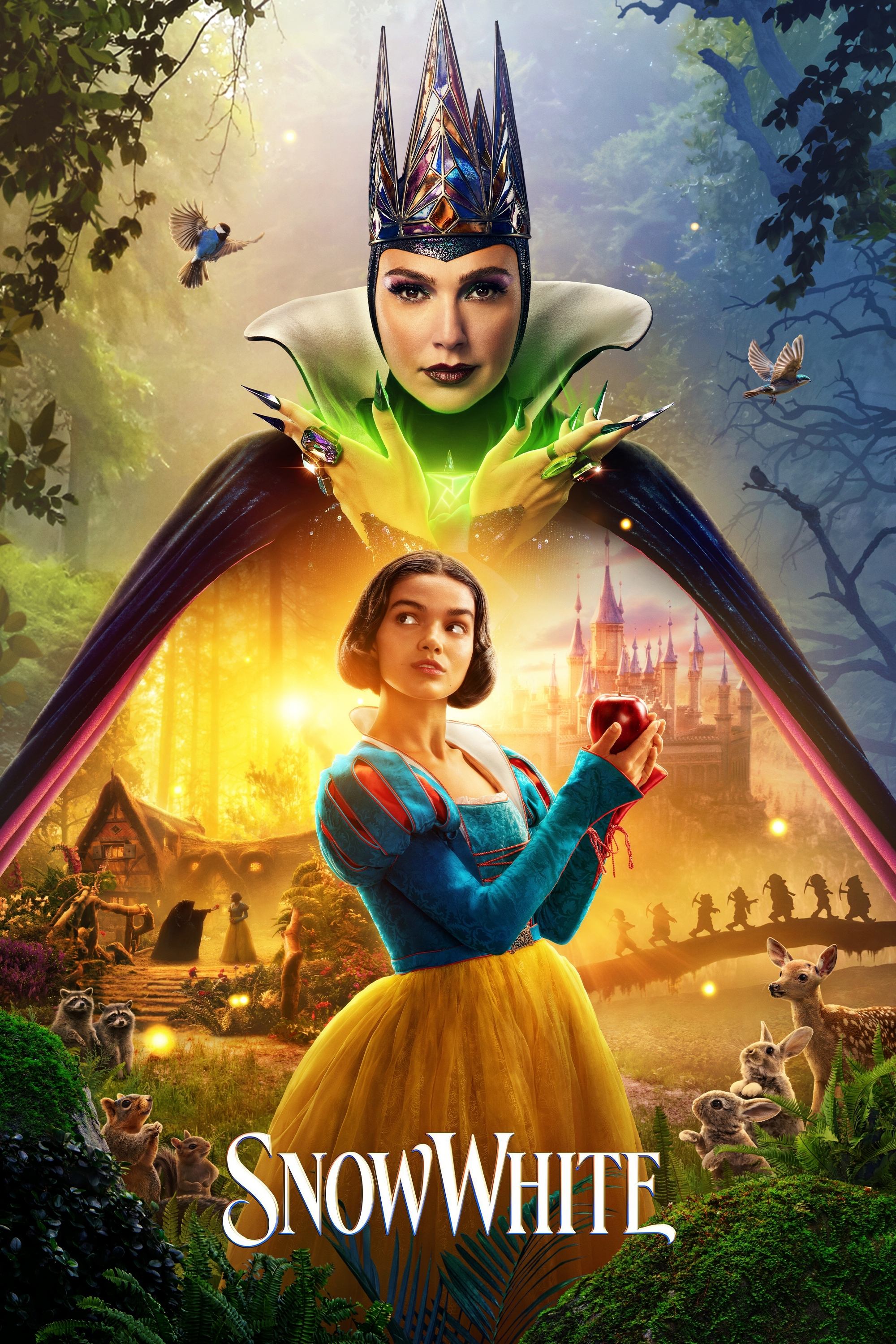
Rachel Zegler’s casting as the lead in ‘Snow White’ set off large-scale online debates spanning performance expectations, script modernization, and design choices revealed in initial previews. The conversation expanded to include questions about the depiction of companions and the handling of classic set-pieces.
Disney addressed these points in staged interviews and production updates that outlined consultation with cultural advisors and guild-standard safety practices for effects. As filming milestones were shared, the studio spotlighted musical rehearsals, choreography development, and costume construction to anchor attention on craft decisions.
‘Fifty Shades of Grey’ (2015) – Jamie Dornan as Christian Grey
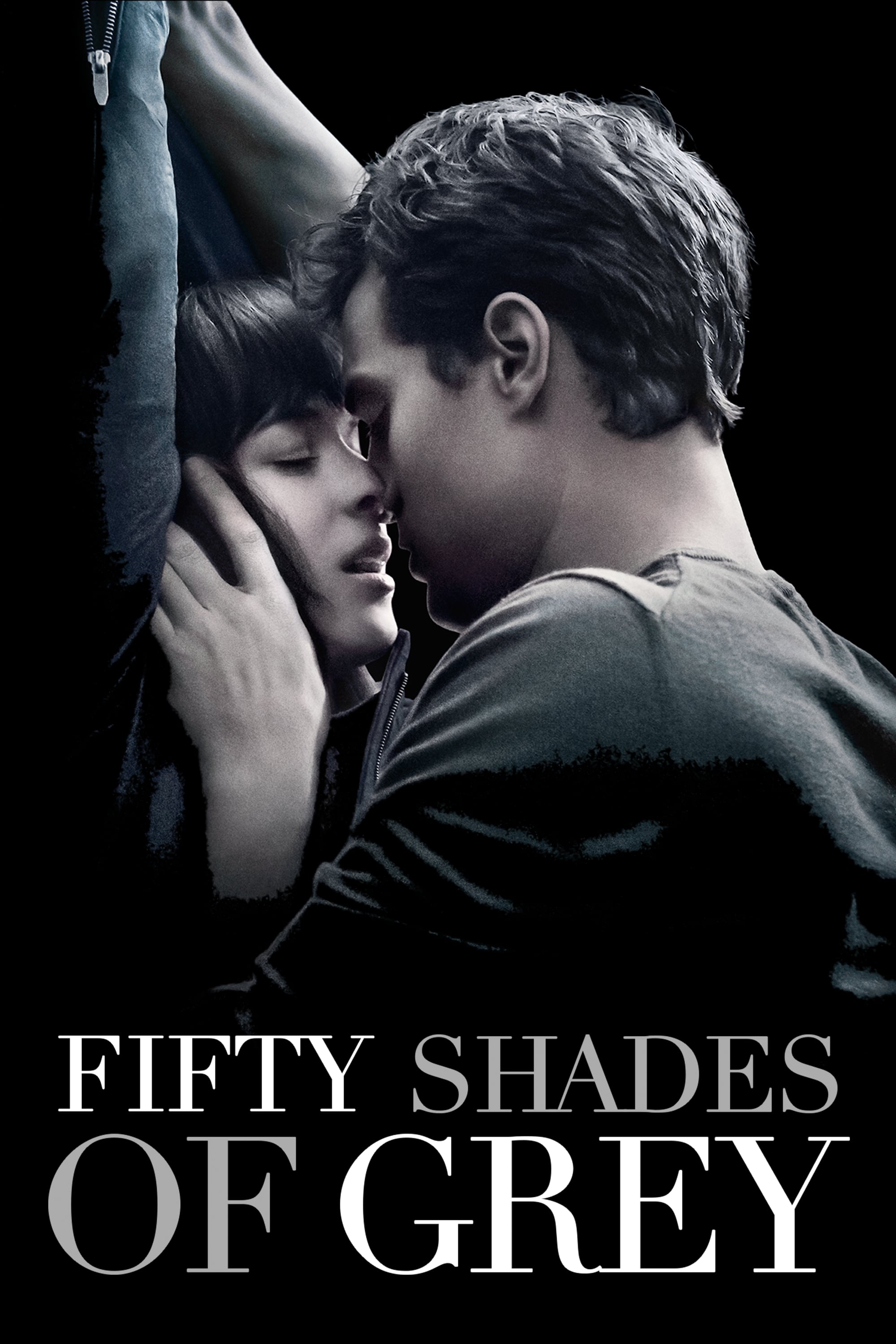
When Jamie Dornan was announced for ‘Fifty Shades of Grey’, online reaction centered on comparisons to widely circulated fan shortlists. Threads tracked how the production would approach the character’s demeanor, business profile, and relationship dynamics drawn from the source material.
The team emphasized chemistry reads and outlined coaching resources brought in for sensitive content, including coordination protocols and closed-set practices. Interviews described how locations, wardrobe, and prop design would reflect the character’s lifestyle, giving context to choices made during principal photography.
‘Fifty Shades of Grey’ (2015) – Dakota Johnson as Anastasia Steele
Dakota Johnson’s selection for ‘Fifty Shades of Grey’ prompted immediate scrutiny of age, demeanor, and characterization. Online discourse ran parallel to casting for Christian, with particular focus on how the adaptation would stage the protagonist’s perspective and narrative voice.
Producers highlighted Johnson’s screen tests and discussed collaborative work with the director to calibrate dialogue delivery and scene intimacy. Production briefings described rehearsal processes, on-set guidelines, and the approach to adapting interior monologue through framing, music, and visual motifs.
‘The Dark Knight Rises’ (2012) – Anne Hathaway as Selina Kyle/Catwoman
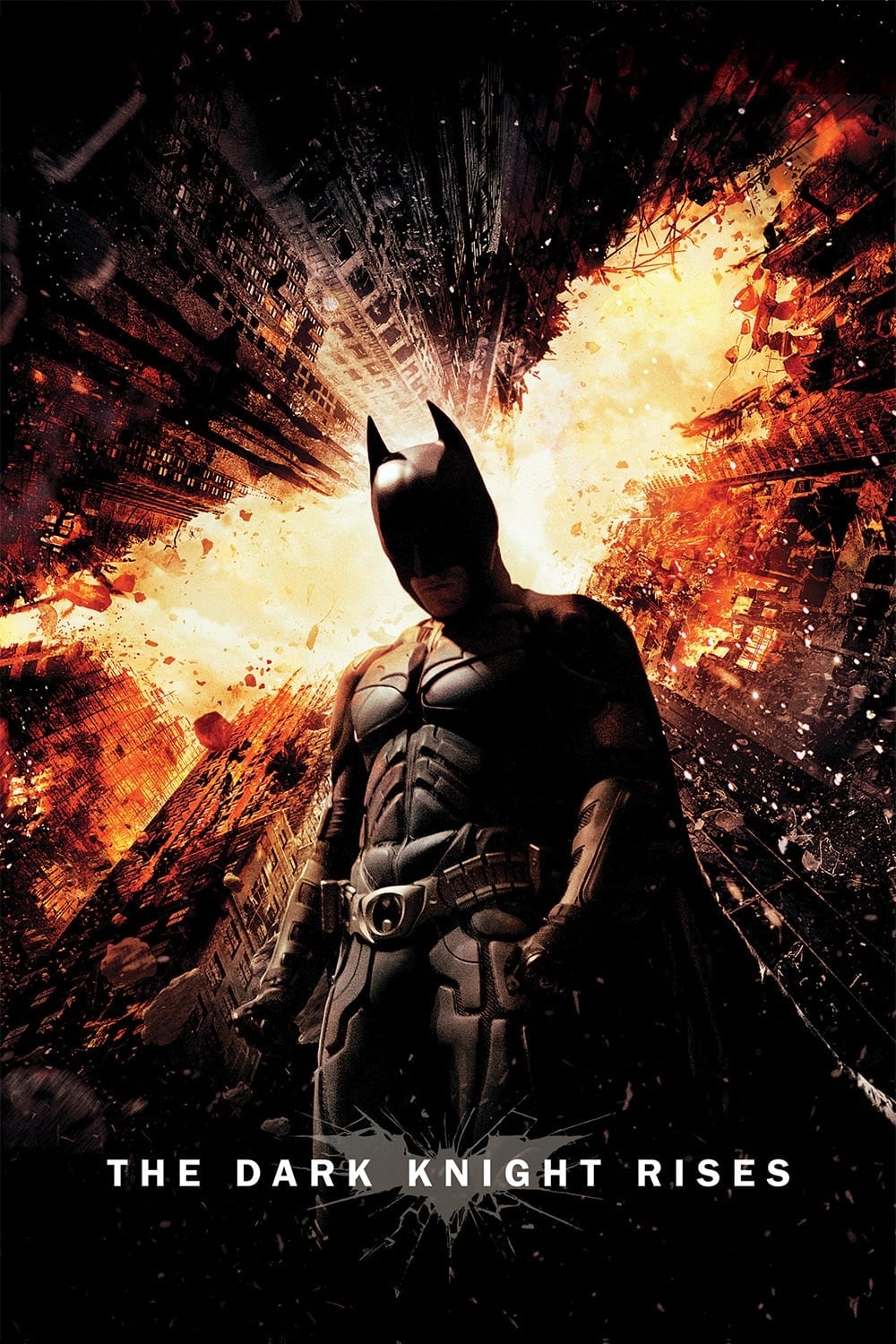
Anne Hathaway’s casting as Selina Kyle in ‘The Dark Knight Rises’ triggered spirited online exchanges about tone, gadgetry, and the character’s dual identity within a grounded setting. Early images drew attention to vehicle design and suit functionality, with debates over how burglary skills and agility would be shown.
Nolan’s team answered by detailing fight-training programs, wire work, and motorcycle rig development. Press notes explained how costuming balanced mobility with the film’s established aesthetic, while unit photography emphasized practical effects to demonstrate how the character would operate during key heist and chase sequences.
What other pre-release casting debates do you remember—drop your picks in the comments and tell us why they blew up your feed!