Movie Casting Choices that Sparked Online Wars


When a studio announces who’s stepping into an iconic role, the internet tends to light up fast. Fans compare the pick to the source material, revisit earlier versions, and pull out receipts from interviews or past performances. Sometimes it’s a few spirited threads; other times it’s petitions, trending hashtags, and months of think-pieces.
Below are twenty casting choices that set timelines ablaze. Each one stirred intense debate when it was revealed, drew waves of reaction as trailers and set photos rolled out, and left a measurable footprint on pop culture conversation long after opening weekend.
‘The Dark Knight’ (2008) – Heath Ledger as Joker
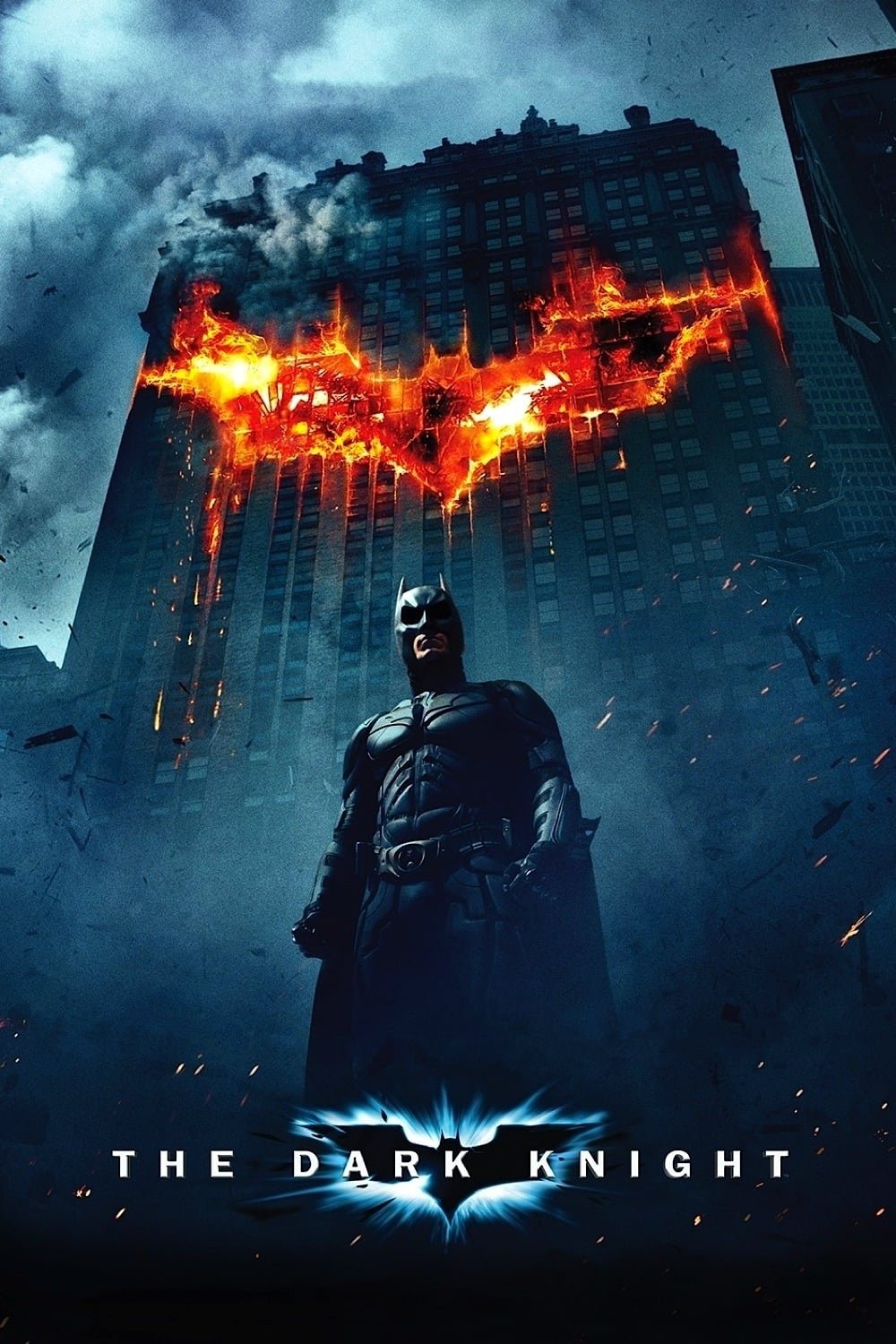
Warner Bros. confirmed Heath Ledger’s casting after a lengthy search for a new take on Batman’s greatest antagonist, prompting immediate backlash on message boards and early social platforms that cited his prior romantic dramas as a mismatch for the role. The studio and director Christopher Nolan emphasized a grounded vision, and the first official photo of the character—smeared makeup in stark close-up—became a viral talking point that reframed expectations.
As production progressed, on-set reports and trailer teases highlighted Ledger’s voice, physicality, and improvisational touches, which fueled intense frame-by-frame analysis online. After the film’s release, industry awards and critical recognition became part of the discourse, and the performance’s influence on later franchise villains was cataloged in countless retrospectives and video essays.
‘Batman v Superman: Dawn of Justice’ (2016) – Ben Affleck as Batman
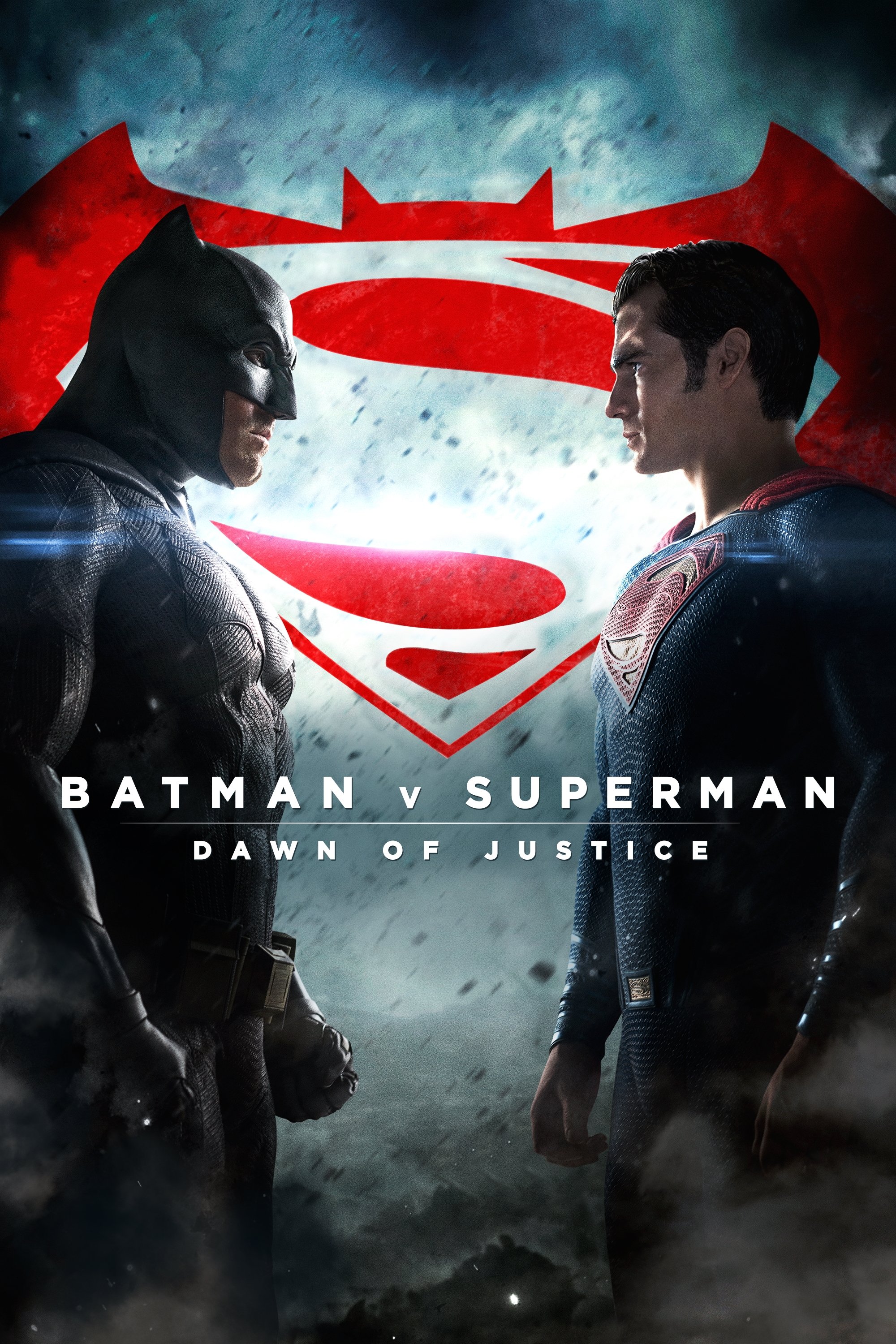
The announcement of Ben Affleck’s casting triggered petitions and trending hashtags arguing over fit and tone, with comparisons to his earlier superhero work circulating widely. Warner Bros. responded with official stills of a bulked-up silhouette beside the Batmobile, signaling a veteran vigilante inspired by specific comic eras.
Trailers highlighted a low, electronically modulated voice and a heavier fighting style, which fans dissected shot by shot. After release, box-office milestones, crossovers, and subsequent cameos were tracked closely, and the actor’s training regimen and suit design became frequent subjects in behind-the-scenes features that continued to drive engagement.
‘The Batman’ (2022) – Robert Pattinson as Batman
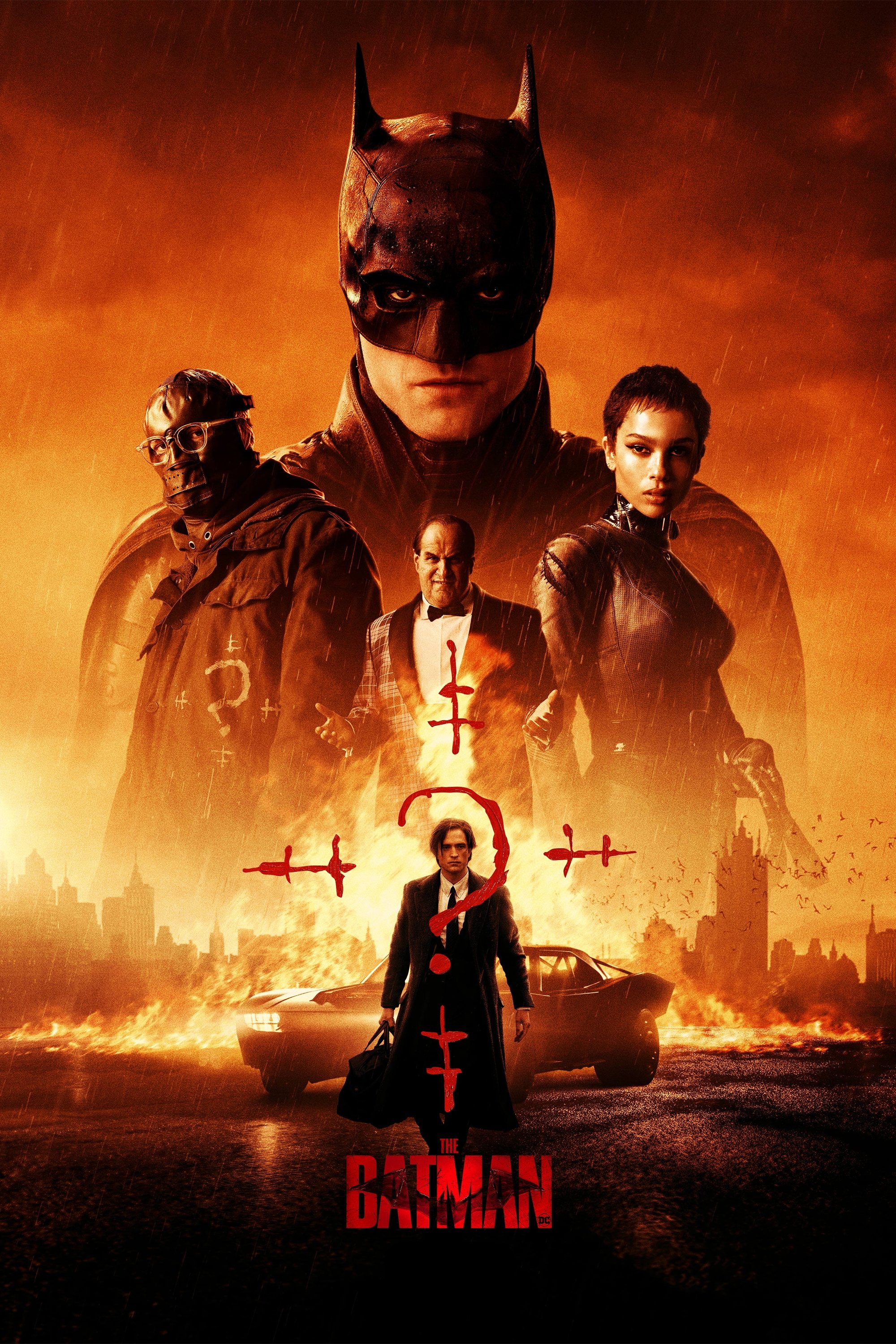
Initial reactions to Robert Pattinson’s casting leaned heavily on his early franchise image, prompting debate threads that resurfaced interviews and indie-film credentials to argue both sides. Set photos and a camera test revealing the chest emblem and cowl shifted attention to production design choices that viewers connected to specific detective-story influences.
As marketing unfolded, trailer analyses focused on a younger Bruce Wayne, forensic details, and the character’s use of grounded tech. Post-release, discussions cataloged stunt methodology, suit functionality, and the performance’s alignment with long-running comic interpretations, supported by craft interviews with the stunt, sound, and costume departments.
‘The Little Mermaid’ (2023) – Halle Bailey as Ariel

Disney’s casting of Halle Bailey generated a large volume of social-media debate about representation and fidelity to the animated original, with campaigns both supportive and hostile trending for weeks. The studio showcased her vocal performance first, releasing a teaser built around a signature song to emphasize continuity with the musical heritage of the brand.
Subsequent trailers and featurettes documented extensive underwater performance capture, hair and lighting workflows, and voice recording sessions. After the film opened, audience-generated reaction videos and global box-office reporting became part of the broader narrative about casting in legacy remakes and their international reception.
‘Star Wars: The Force Awakens’ (2015) – John Boyega as Finn
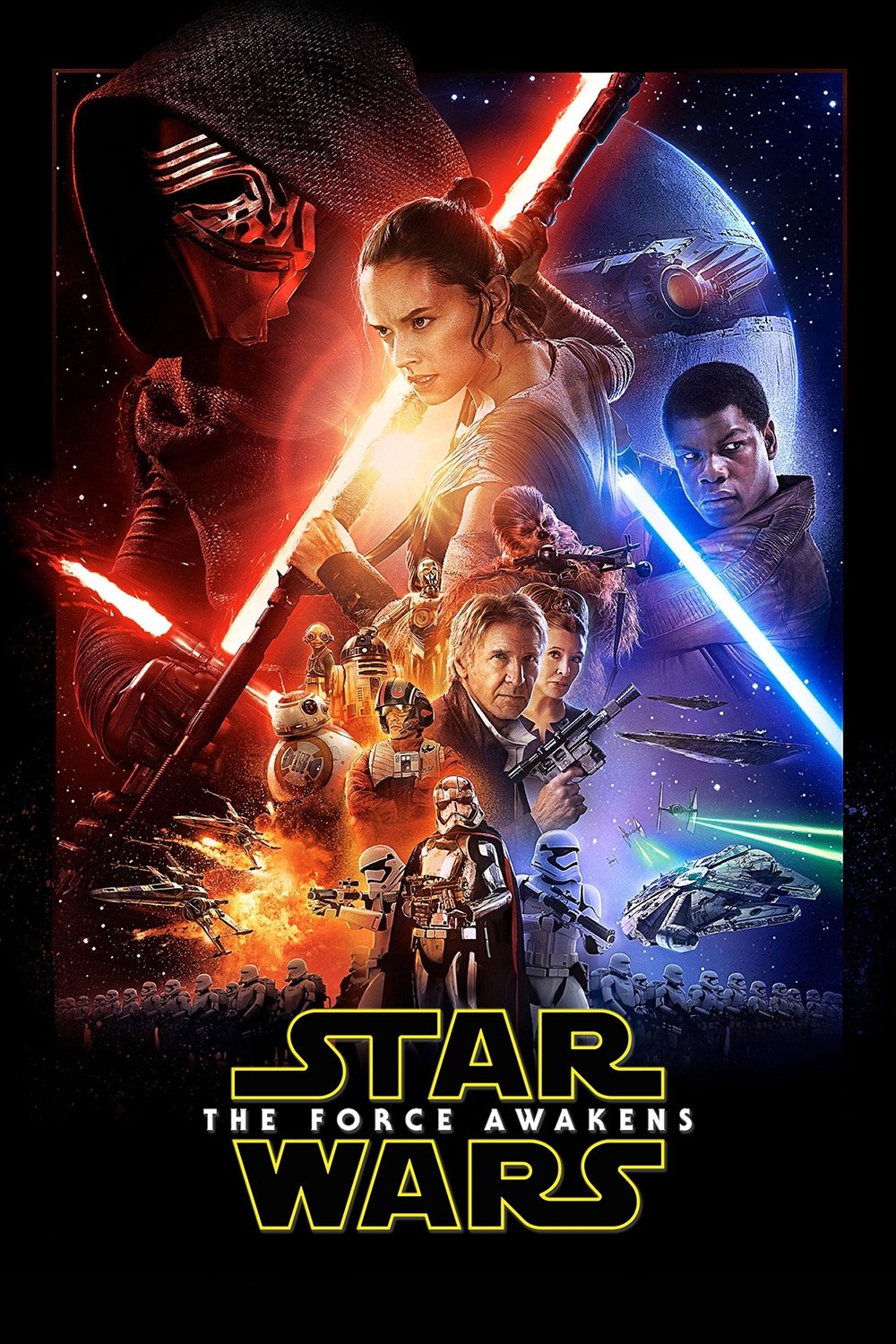
The first teaser’s reveal of John Boyega in stormtrooper armor sparked intense online conversation about character identity and franchise tradition. Lucasfilm and Disney followed with trading cards, stills, and panel appearances clarifying that the character was central to the new ensemble, which redirected debate toward story speculation.
As marketing expanded, behind-the-scenes reels documented Boyega’s stunt training and location shoots, giving fans concrete material to parse. Post-release, interviews spotlighted the actor’s audition process, and fan discussions tracked the character’s arc across subsequent installments, mapping screen time and narrative beats in charted threads.
‘No Time to Die’ (2021) – Lashana Lynch as Nomi
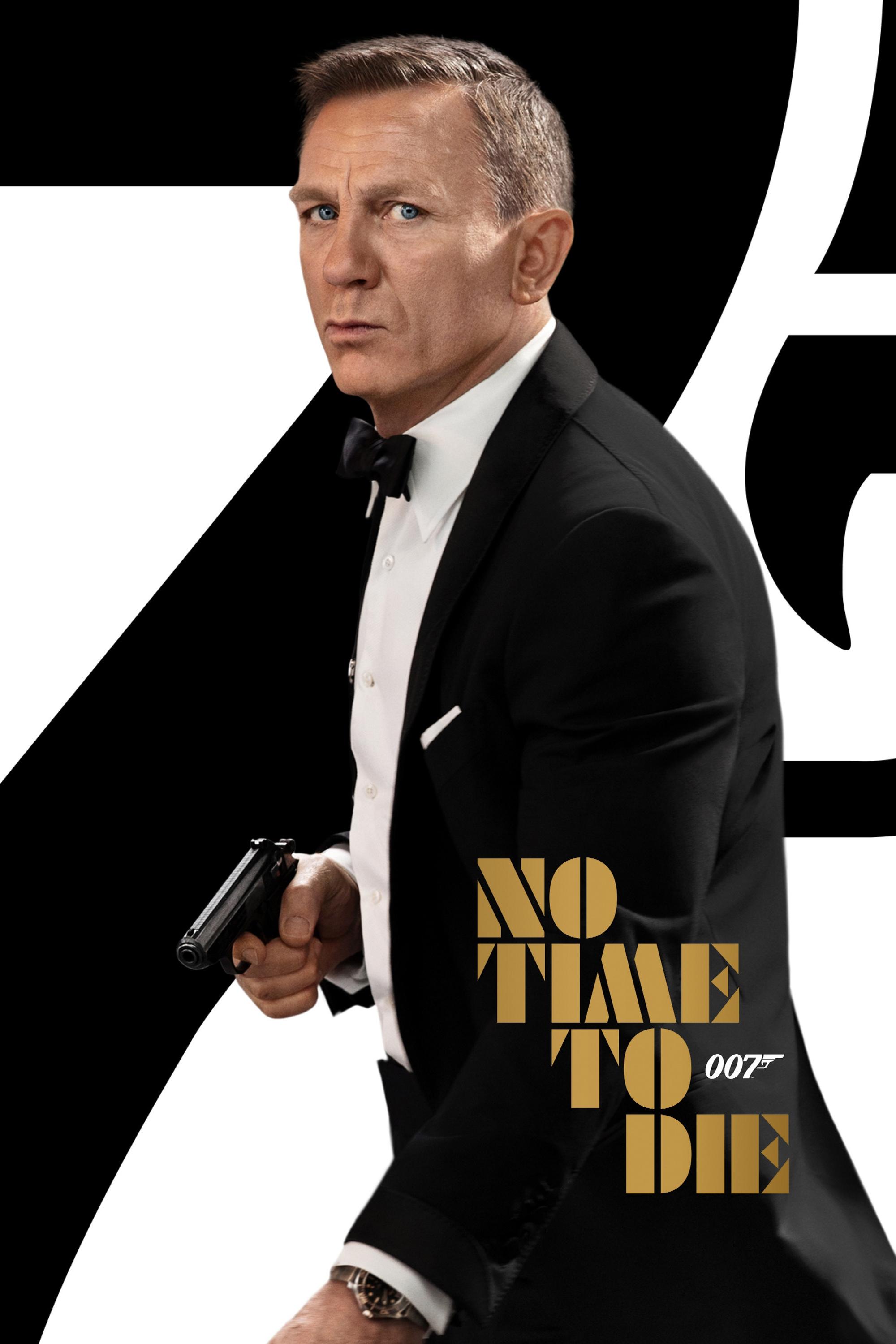
Reports that Lashana Lynch’s character would carry the 007 designation at points in the story prompted headlines and heated exchanges about franchise conventions. Official stills, a character featurette, and coverage from press set visits outlined her training, gear, and relationship to MI6, offering context for the role within the narrative framework.
After release, viewers cataloged her key sequences and how the codename functions within the organization’s structure, referencing dialogue and prop details. The casting became a frequent case study in discussions about succession within long-running series and the separation of a numeric designation from a specific individual.
‘Casino Royale’ (2006) – Daniel Craig as James Bond
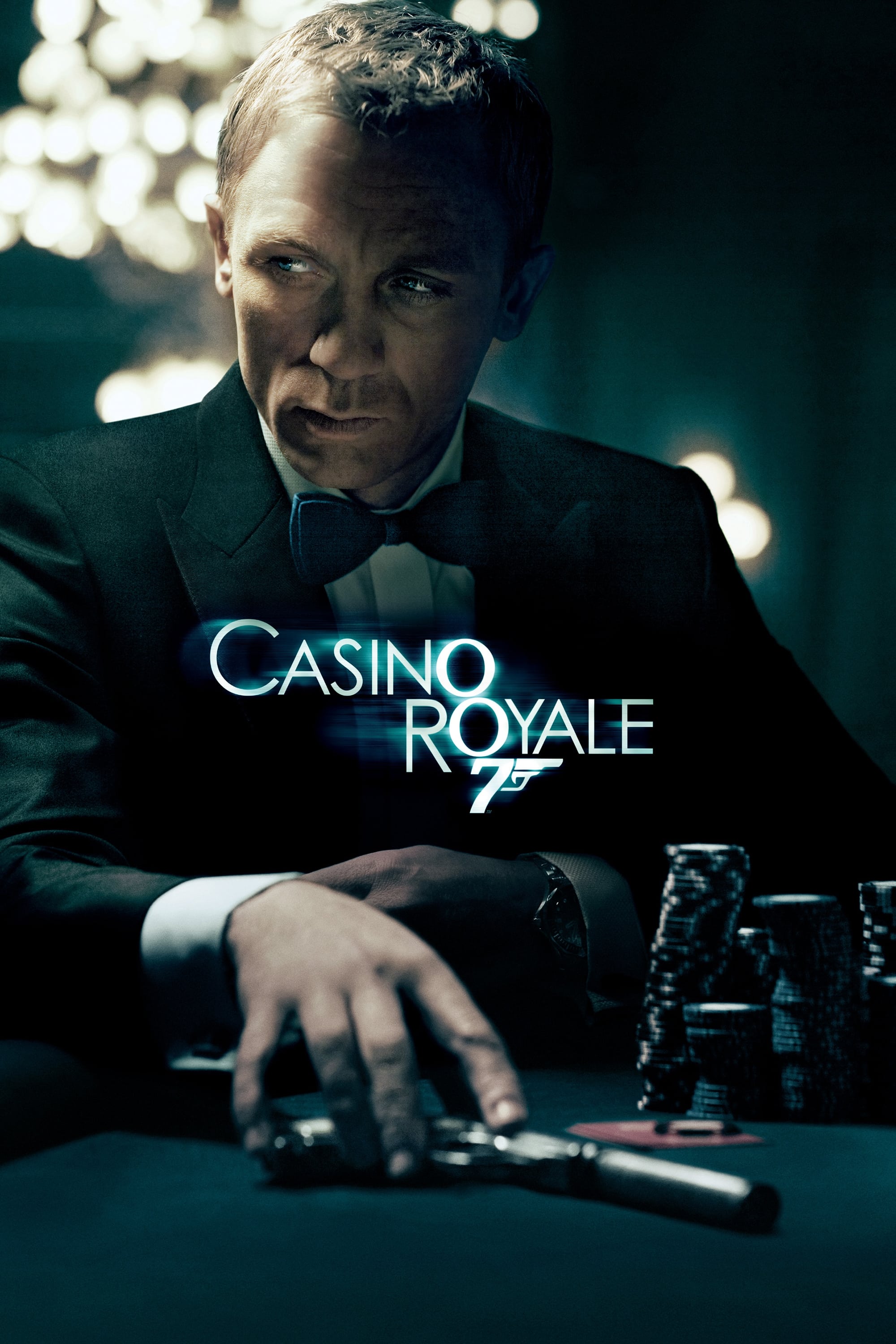
EON Productions’ choice of Daniel Craig led to early skepticism centered on aesthetics and perceived departure from previous portrayals, which fueled active fan sites and tabloid coverage. The studio countered with a press launch, training footage, and location reports emphasizing a reset to an earlier stage of the character’s career.
Trailer breakdowns highlighted practical stunts, a rough-and-tumble fight style, and a focus on psychological stakes. Following release, articles traced how the casting decision recalibrated the series’ tone in subsequent entries, citing production interviews, action-unit methodologies, and shifts in supporting character dynamics.
‘Doctor Strange’ (2016) – Tilda Swinton as The Ancient One
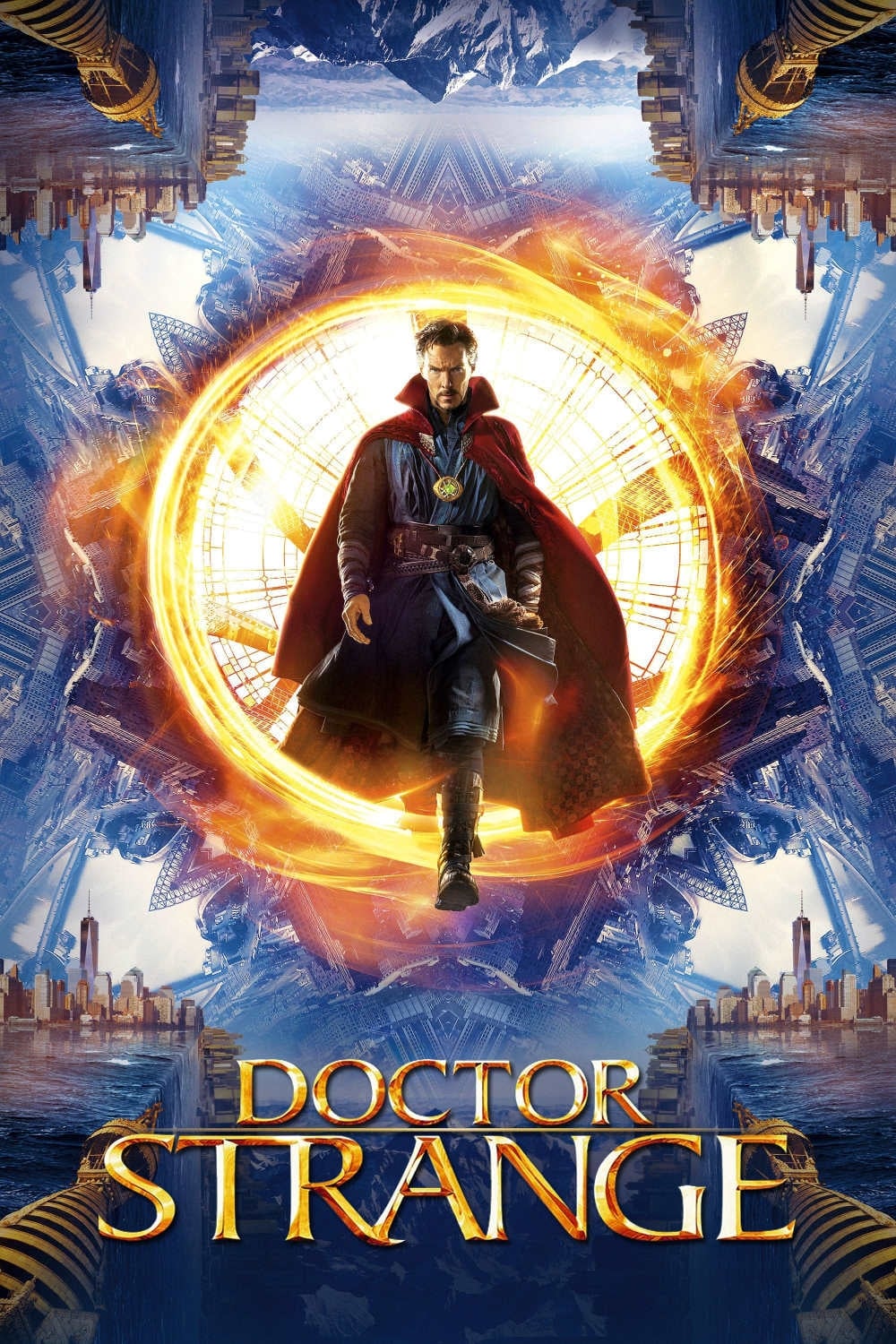
Marvel’s casting of Tilda Swinton for a role historically depicted with Asian origins ignited extensive online debate about adaptation choices and industry representation. The studio released statements and interviews discussing a reimagined backstory and composite influences intended to avoid specific stereotypes, which themselves became points of contention.
Featurettes and VFX breakdowns later detailed how the character’s abilities were visualized through complex simulations and choreography, providing concrete production context. Post-release, think-pieces aggregated creator comments and casting rationales across multiple interviews, situating the decision within broader conversations about inclusion in large franchises.
‘Thor’ (2011) – Idris Elba as Heimdall
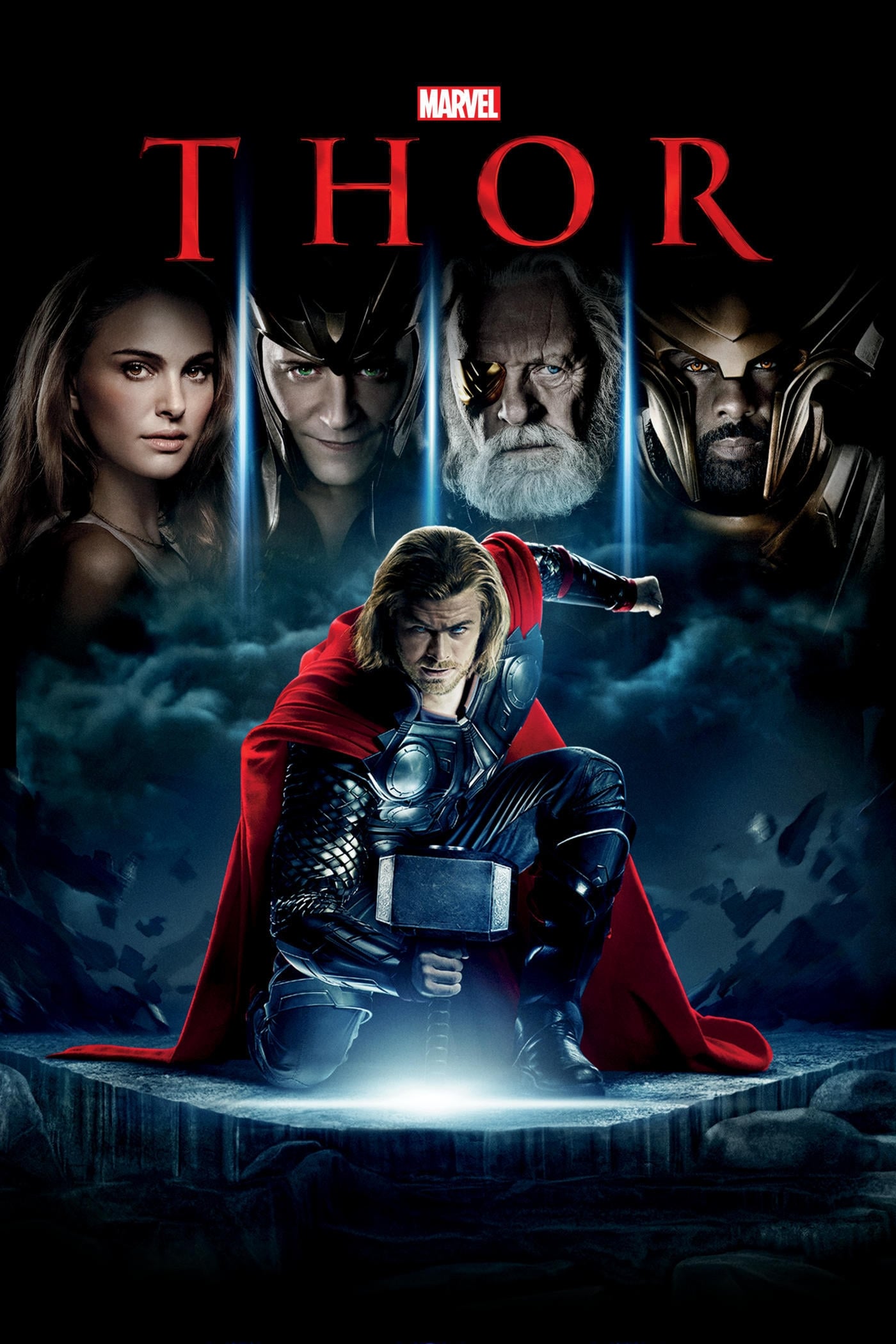
News that Idris Elba would portray Heimdall generated debates on message boards and social networks focused on mythology, comics precedent, and casting flexibility. Marvel showcased the Asgardian ensemble in production stills and a trailer cut that emphasized the Bifröst sequences, drawing attention to the character’s visual identity and function as sentry.
Interviews with the actor highlighted scheduling across multiple projects and the scale of set pieces, giving fans behind-the-scenes insights to reference. As later installments expanded the character’s role, viewers tracked continuity notes and power-set details, compiling timelines of appearances and key moments.
‘Snow White’ (2025) – Rachel Zegler as Snow White
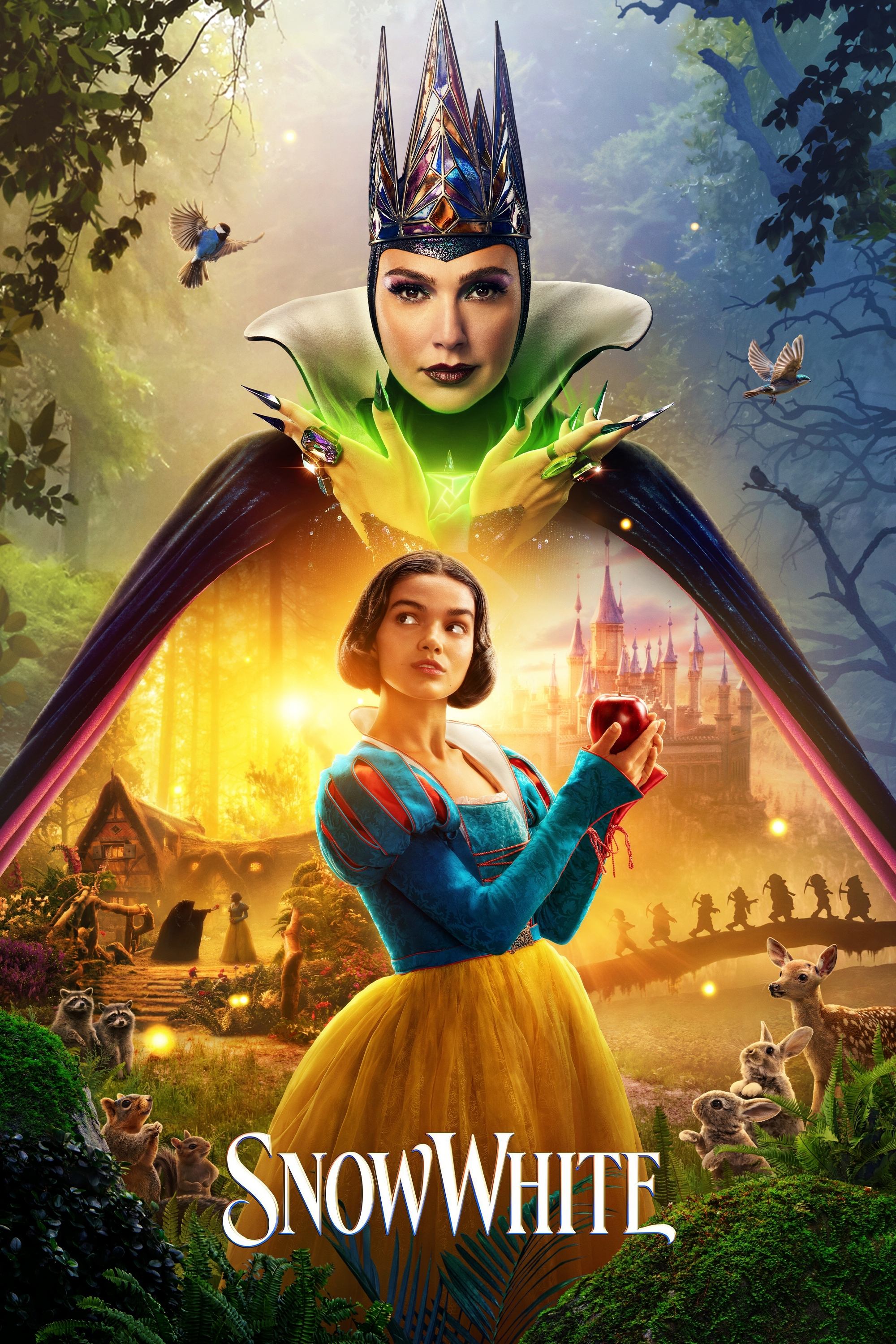
Disney’s selection of Rachel Zegler triggered extensive discourse around adaptation, source-text interpretation, and musical direction, amplified by clips from earlier performances that circulated widely. Official first-look images and statements from the creative team outlined an approach centered on character agency and contemporary storytelling elements.
As production updates emerged, coverage detailed location shoots, costume design processes, and the integration of practical and digital effects. Fans parsed these materials to anticipate tonal choices, while trade reports mapped the film’s path through development milestones, providing a running record of how the casting fit into the studio’s live-action strategy.
‘The Last Airbender’ (2010) – Nicola Peltz as Katara
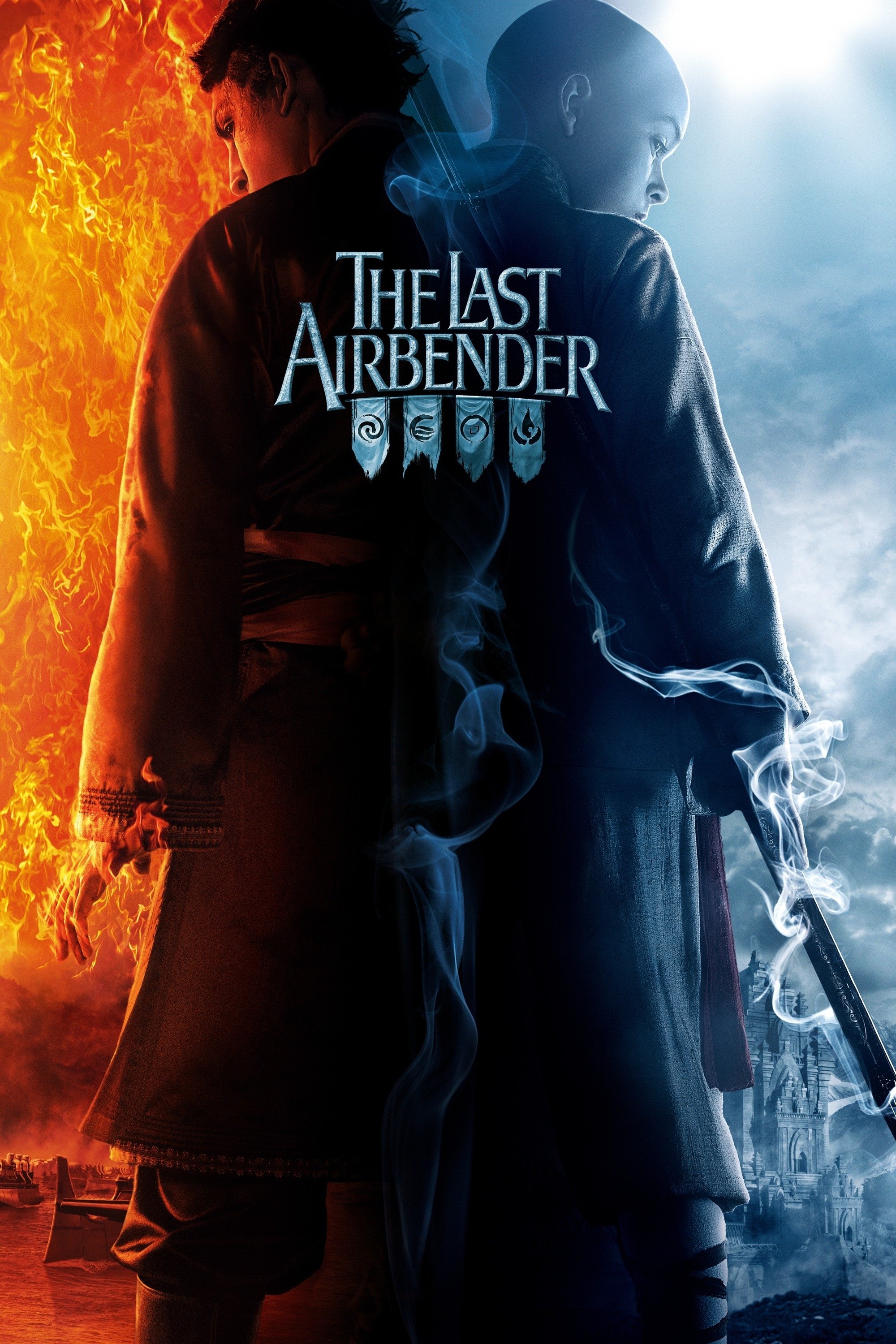
Paramount’s casting choices for this adaptation drew sustained criticism about whitewashing, with Nicola Peltz’s role at the center of online petitions and organized campaigns. Production notes and interviews discussed open casting calls and choreography demands for bending styles, details that communities used to analyze selection criteria.
After release, viewers cataloged divergences from the animated characterization and compiled side-by-side comparisons of design and world-building. The casting remained a frequent reference point in case studies about adaptation fidelity and representation, often cited in educational and industry discussions.
‘Prince of Persia: The Sands of Time’ (2010) – Jake Gyllenhaal as Dastan
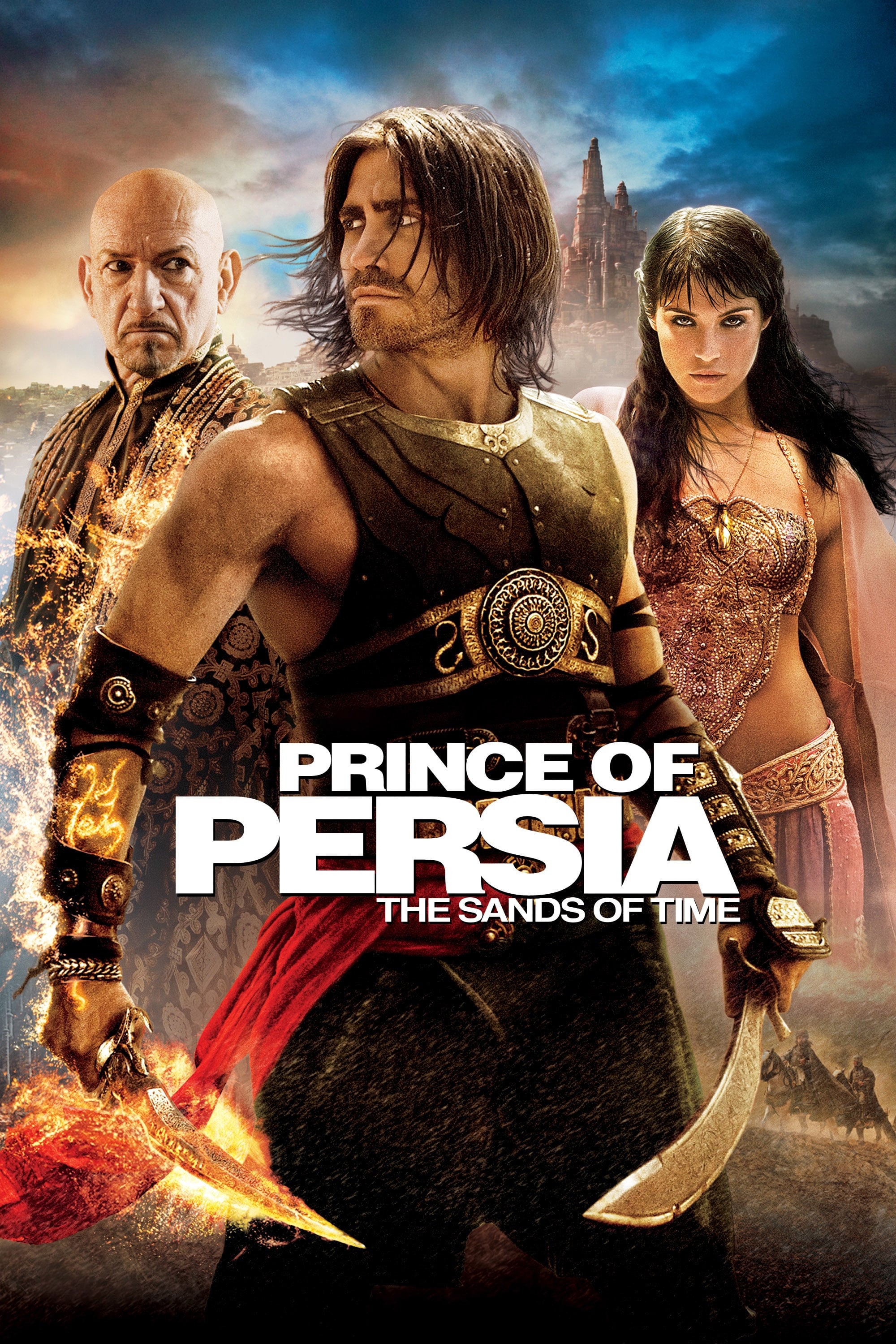
The decision to cast Jake Gyllenhaal as a Persian prince sparked conversations about ethnicity in big-budget adventure films. Behind-the-scenes materials highlighted extensive stunt training, wire work, and parkour-inspired choreography, offering context for the physical demands associated with the role.
Analyses of the production tracked influences from the original game series, including set design and action beats adapted for live action. In the aftermath, the casting became a standard example in articles and panels examining how source-region stories are staffed on screen and the downstream effects on audience perception.
‘Exodus: Gods and Kings’ (2014) – Christian Bale as Moses
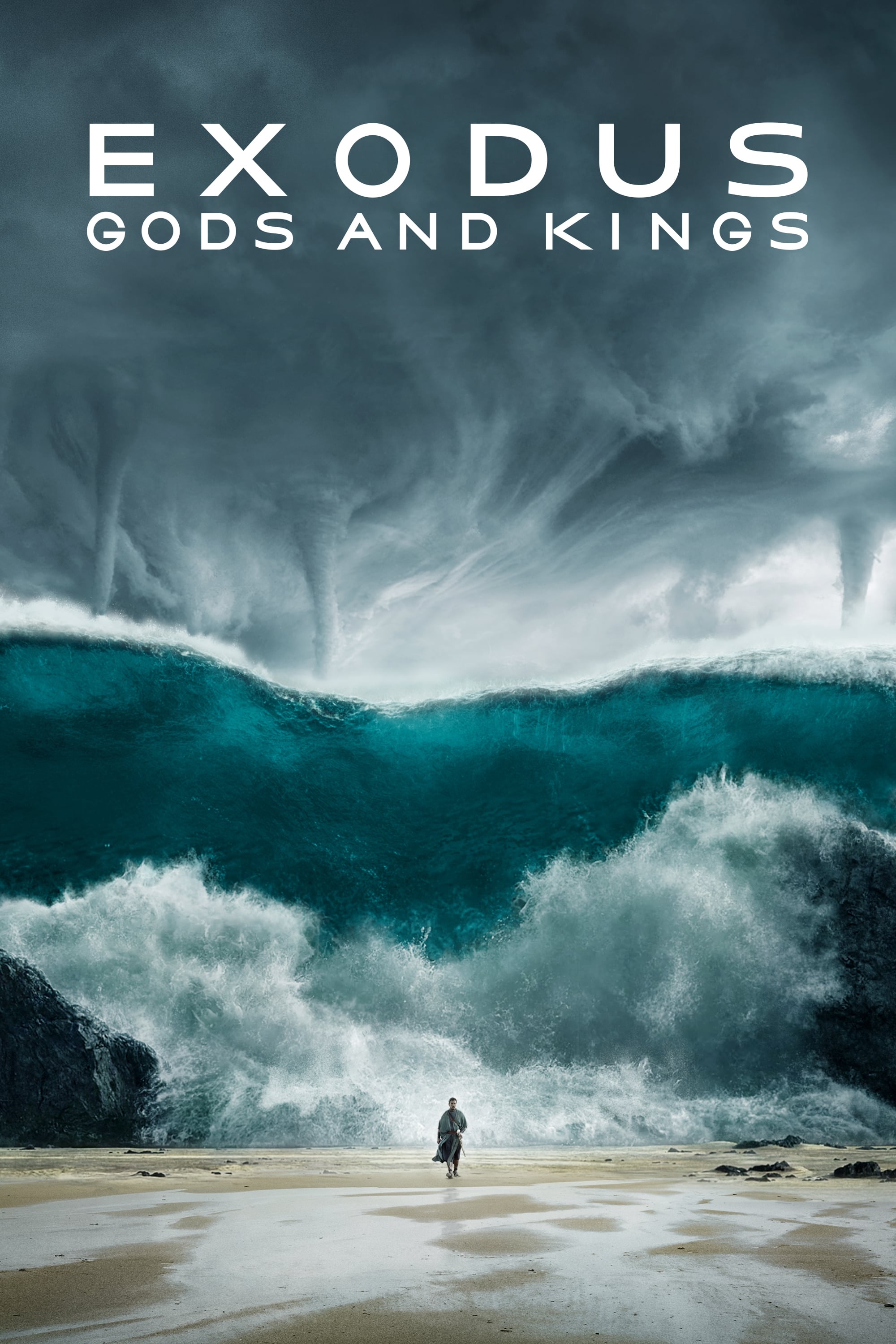
Ridley Scott’s epic drew a sustained online backlash over the predominantly white principal cast, with Christian Bale’s role frequently cited in open letters and think-pieces. Production coverage documented large-scale location shoots, practical effects, and digital crowd systems, giving observers a technical lens on how the film was assembled.
Industry commentary tracked how the debate intersected with distribution considerations and regional marketing. The casting decision has since been referenced in policy discussions and guild panels as a case study in how audience response can influence discourse around historical and religious narratives on screen.
‘The Lone Ranger’ (2013) – Johnny Depp as Tonto
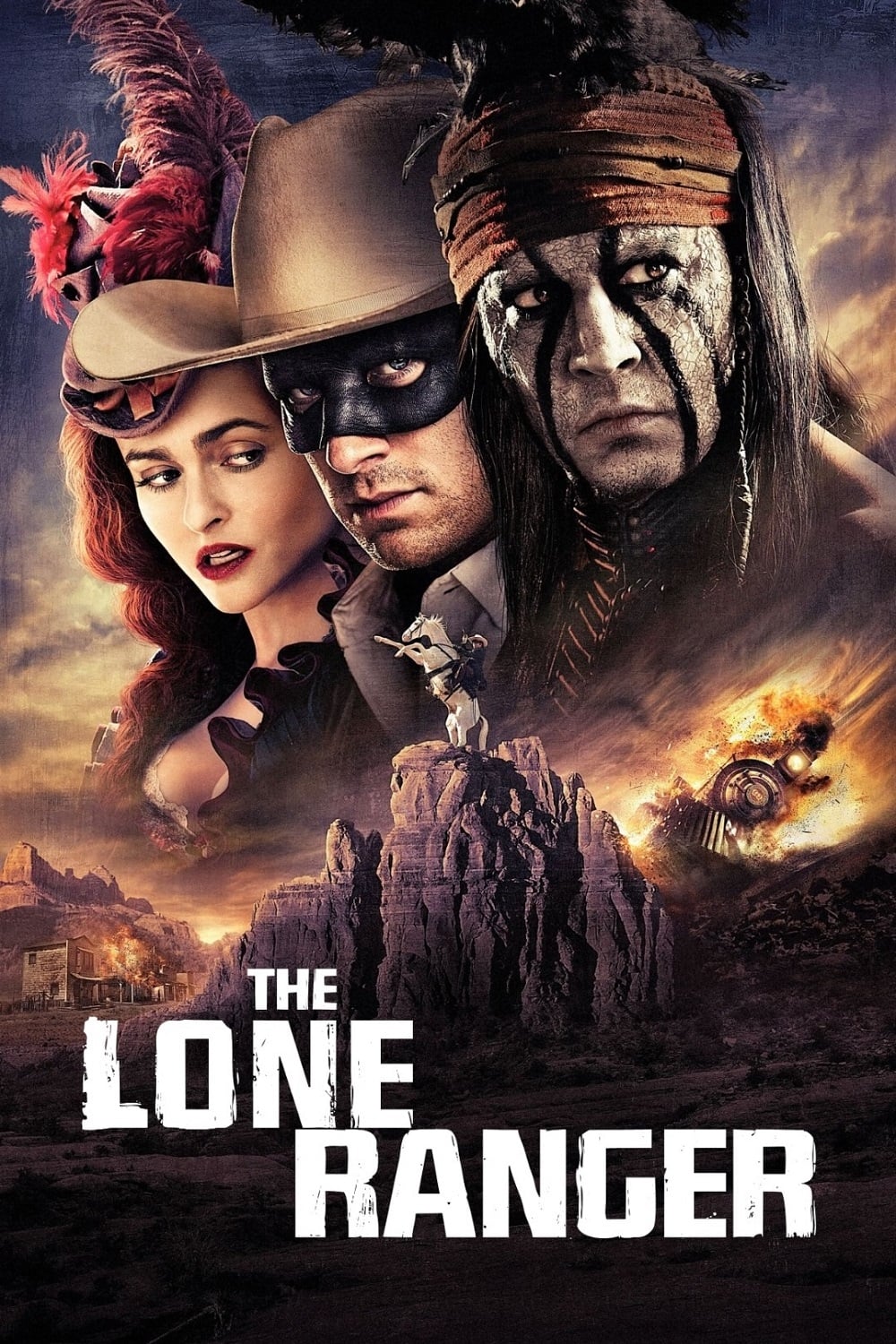
Disney’s announcement that Johnny Depp would portray Tonto led to widespread debate about Indigenous representation and consultation practices. The studio publicized aspects of costume design, on-set advisors, and location choices, which were scrutinized by advocacy groups and fans alike.
Post-release, interviews and press materials became primary sources for documenting the extent of cultural input during production. The casting remains a recurring example in media studies courses and journalism pieces that track how high-profile projects handle character backgrounds rooted in specific communities.
‘Aloha’ (2015) – Emma Stone as Allison Ng

News and early trailers for Cameron Crowe’s film drew strong criticism when promotional materials identified Emma Stone’s character as part Asian and part Native Hawaiian. Studio statements and the filmmaker’s subsequent remarks were cataloged in coverage that traced the project’s development and casting rationale.
Analyses compiled by journalists and academics examined the role’s naming, backstory, and screenplay drafts where available. The debate became a reference point in discussions about crediting consultants, casting language in breakdowns, and how marketing communicates character identity prior to release.
‘Aladdin’ (2019) – Will Smith as Genie
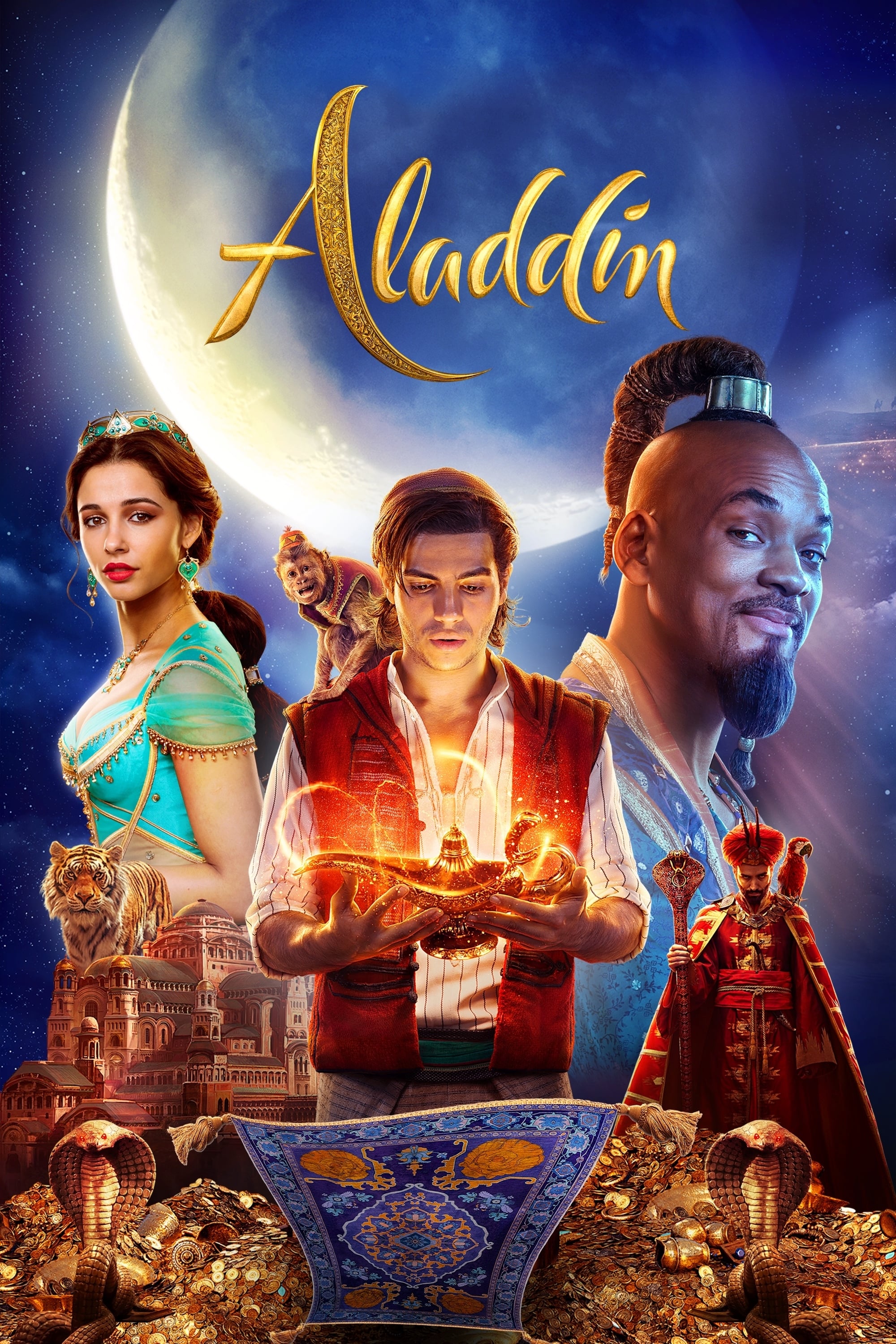
The reveal that Will Smith would take on the Genie—paired with early looks at both a human and a blue, CG-augmented form—triggered heavy meme traffic and side-by-side comparisons to the animated classic. Disney released musical snippets, choreography rehearsals, and VFX spotlights that detailed how the character’s transformations were executed.
As the campaign progressed, featurettes outlined recording sessions, dance numbers, and set construction for Agrabah, providing concrete production insights. After the film’s rollout, trade reports and interviews examined how nostalgia, new arrangements, and character updates drove engagement across age groups.
‘Suicide Squad’ (2016) – Jared Leto as Joker
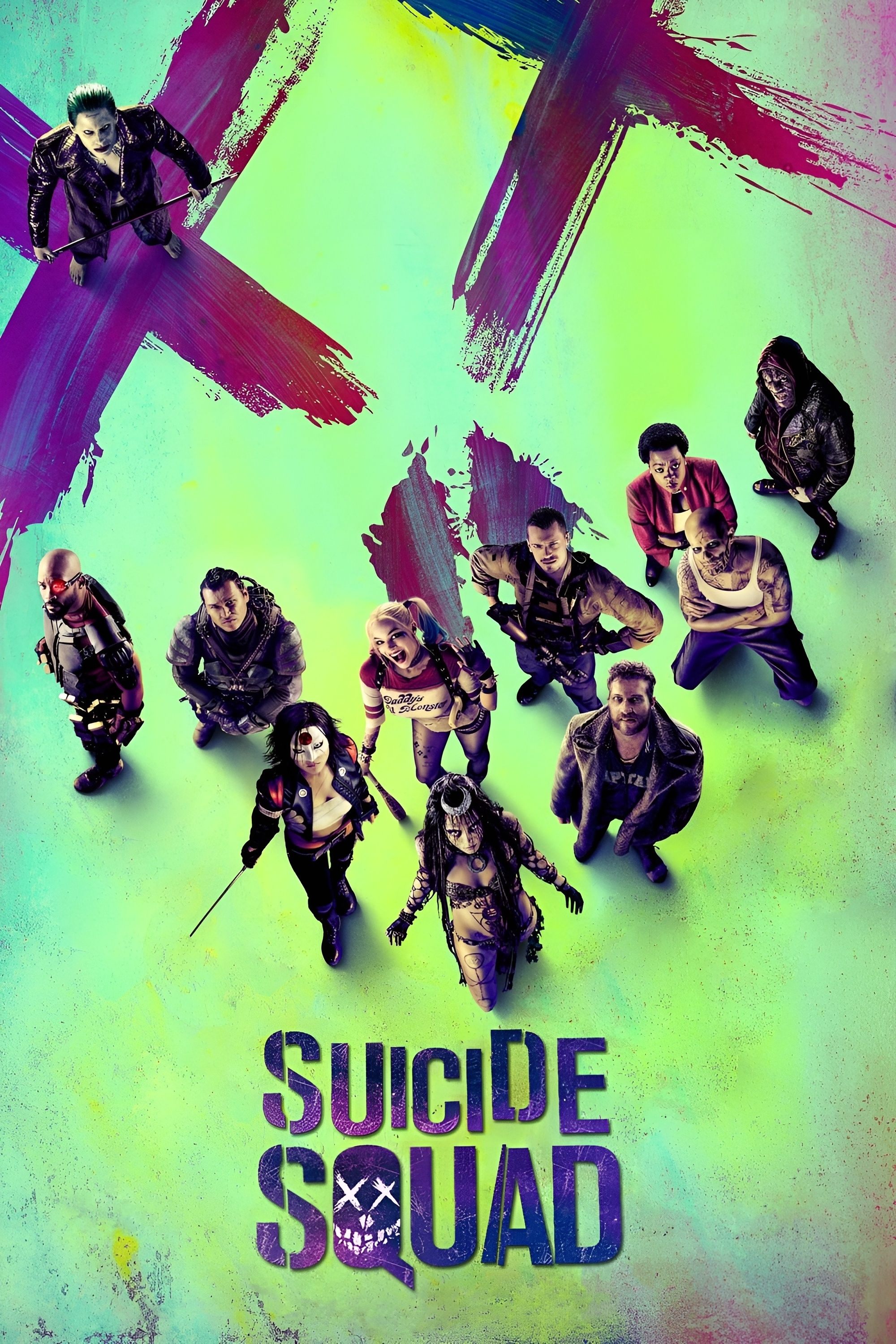
Announcements about Jared Leto’s Joker emphasized a radical visual design and method-acting approach, prompting waves of speculation and debate about tonal direction. Official portraits and trailer moments—tattoos, grills, and a distinct laugh—were dissected across platforms to predict screen time and narrative significance.
Following the theatrical cut, fans mapped the character’s scenes against trailer footage, compiling lists of moments that did or didn’t appear. Subsequent cameos and franchise planning were tracked through trade coverage, keeping the casting in the conversation as the role evolved across related projects.
‘Fantastic Four’ (2015) – Michael B. Jordan as Johnny Storm
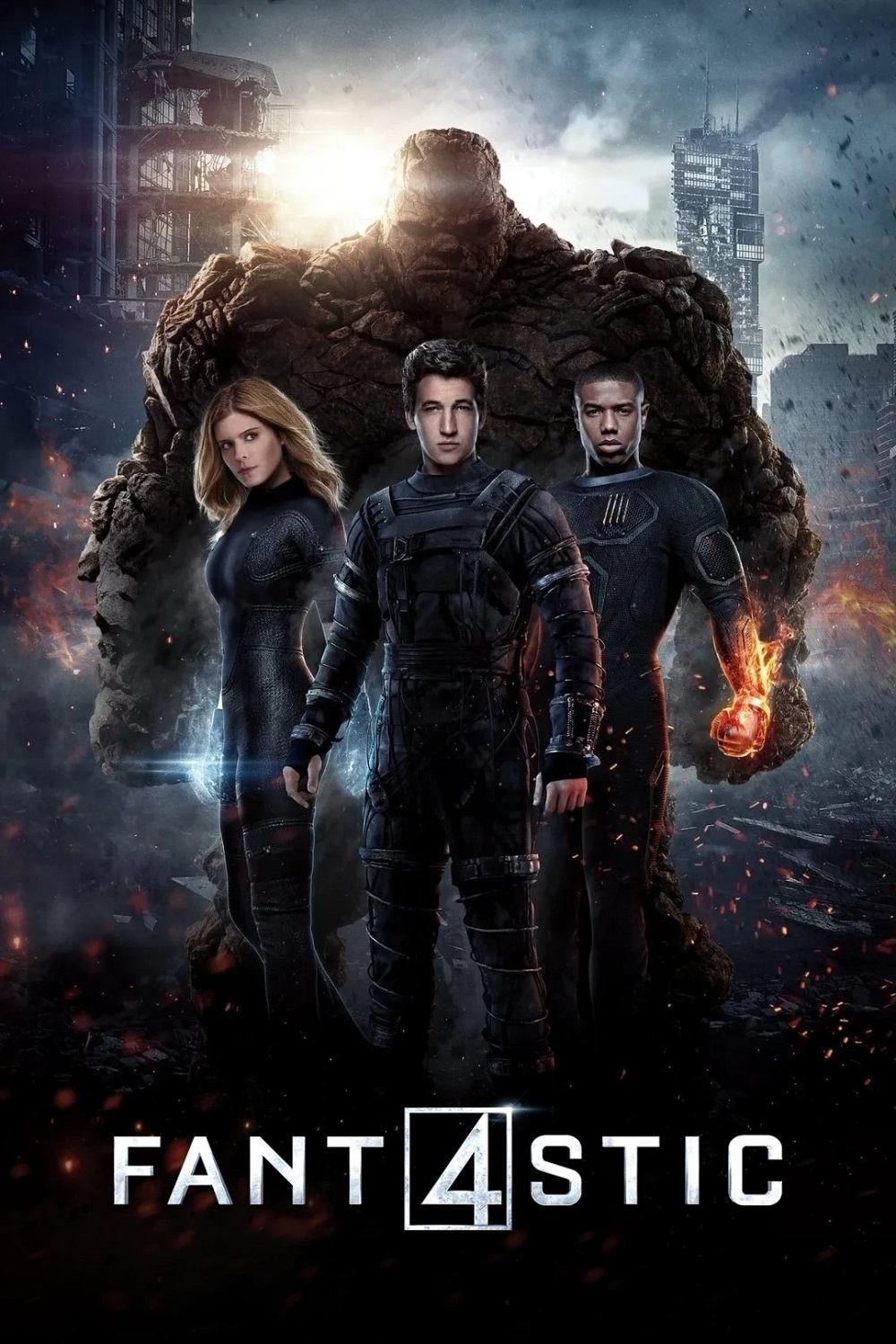
Michael B. Jordan’s casting as Johnny Storm was met with pushback from segments of the fanbase centered on continuity with earlier versions. The production released images of the revamped team suits and a more grounded tech aesthetic, shifting some discussion toward world-building choices.
After release, timelines of the film’s development—script changes, reshoots, and studio notes—were compiled by trade reporters and fans, contextualizing how the character fit into the final cut. The debate is frequently revisited in analyses of reboot strategies and ensemble chemistry in superhero teams.
‘Captain Marvel’ (2019) – Brie Larson as Carol Danvers
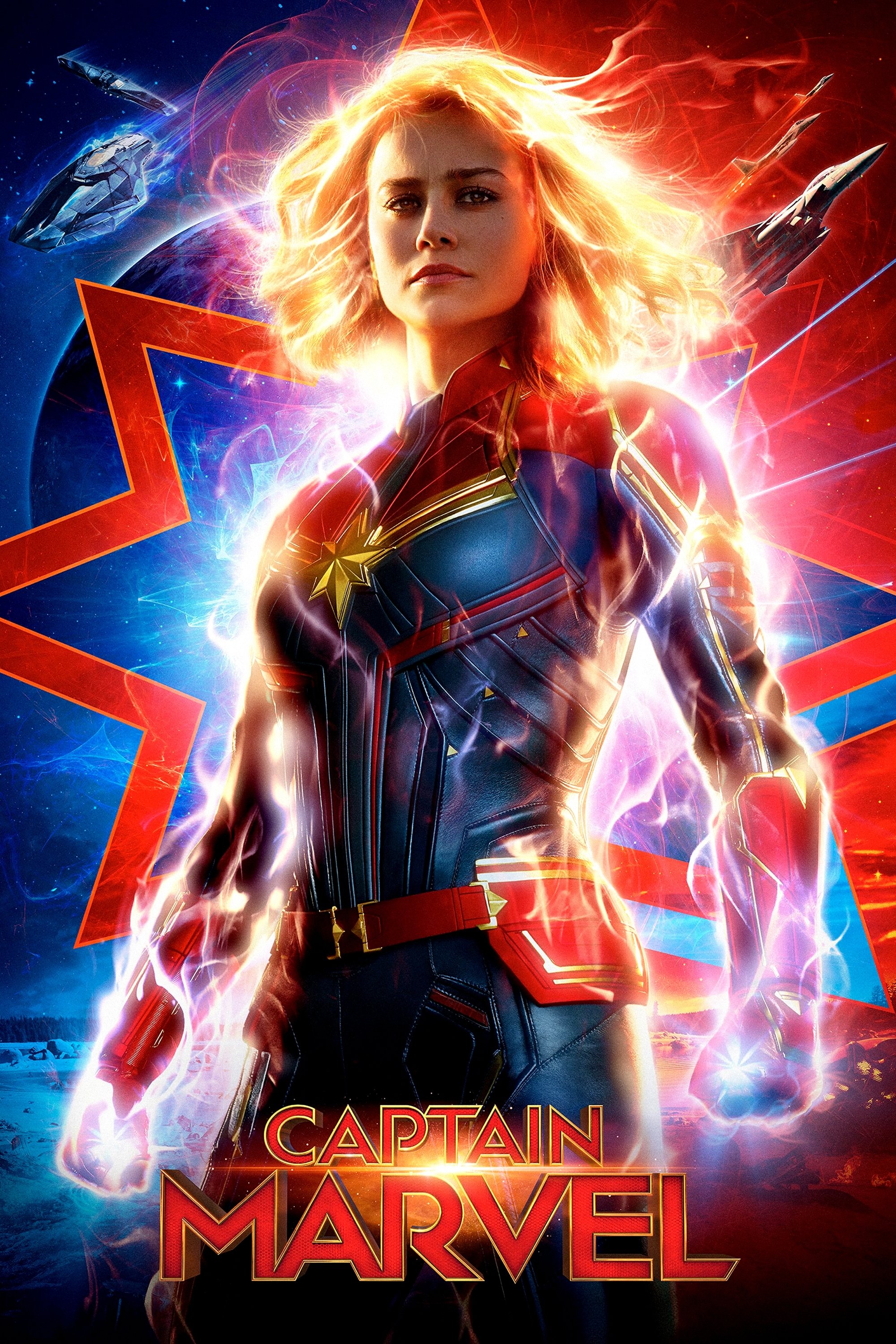
Brie Larson’s selection prompted organized online campaigns and counter-campaigns that tracked trailer views, audience scores, and media interviews. Marvel spotlighted Air Force consultation, flight training, and archival research into the character’s comic history, supplying verifiable production details to the public narrative.
As the film connected to broader franchise arcs, viewers assembled watch guides and chronology charts to situate the character within the larger storyline. The casting sits at the center of ongoing discussions about female leads in tentpole franchises and how pre-release sentiment correlates with global performance.
‘Ghost in the Shell’ (2017) – Scarlett Johansson as Major
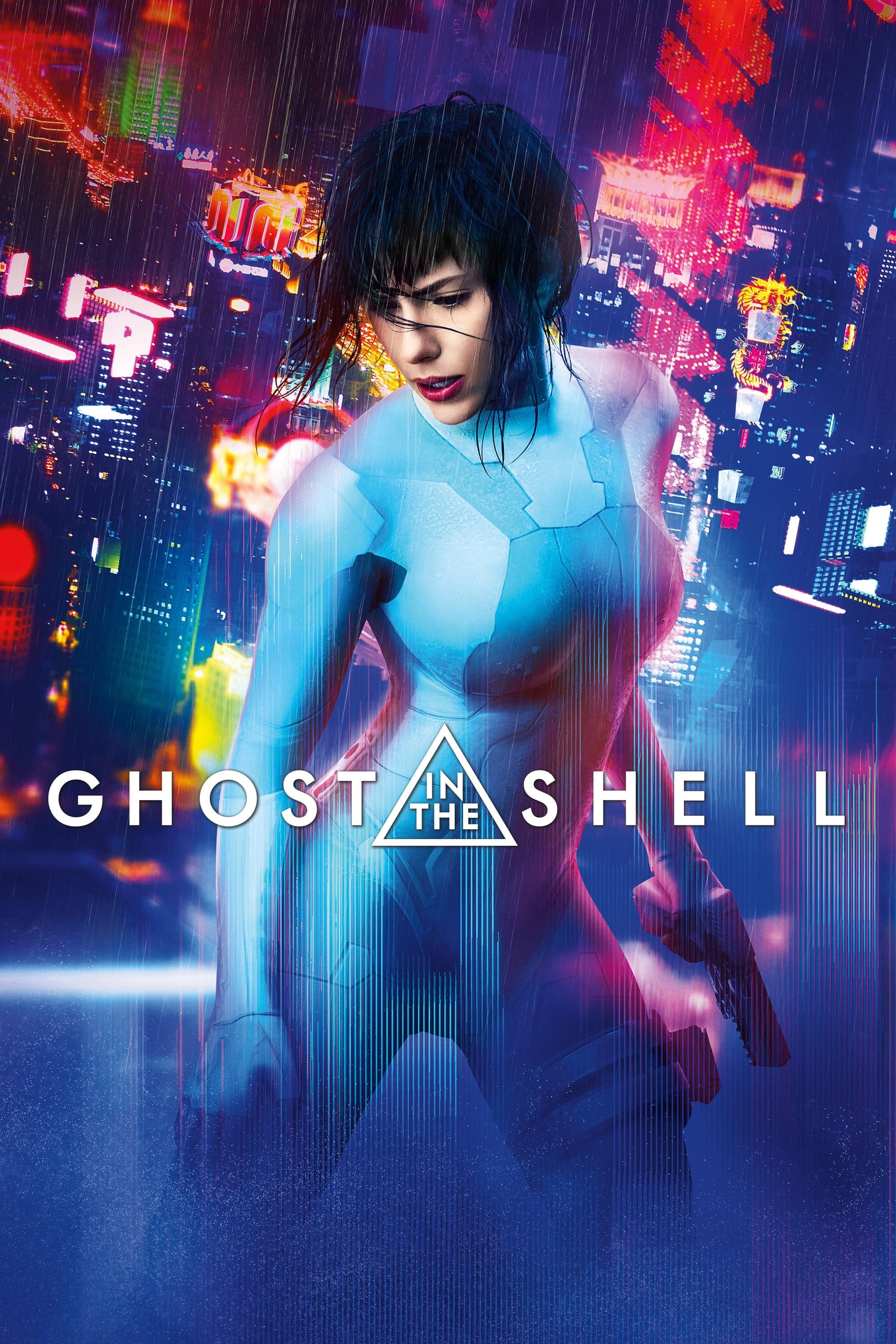
The decision to cast Scarlett Johansson in a role derived from a Japanese manga and anime sparked sustained online debate about whitewashing and adaptation practice. Paramount’s marketing highlighted cyberpunk production design, practical prosthetics, and digital enhancements, and released featurettes on choreography and stunt work that became focal points for technical commentary.
After release, side-by-side comparisons of iconic sequences from earlier iterations circulated widely, with analysts documenting changes in character naming, setting, and plot structure. The casting remains a frequent reference in conversations about global IP, localization strategies, and the responsibilities involved in remaking culturally specific stories.
What other casting choices do you remember causing a firestorm—drop your picks in the comments so everyone can weigh in.