Movie Plot Twists People Still Argue About


Some plot twists land so hard they keep conversations going long after the credits. These are the reveals that hinge on careful setups, misdirection, and details viewers catch only on a rewatch, sparking endless debates about clues, fairness, and what the twist changes about everything that came before.
Below is a collection of seismic turns from across genres and decades. Each entry explains the core reveal, how the story plants it, and why the implications continue to fuel discussion—without leaning on opinions, just the facts of how each twist is constructed and what it means inside its narrative.
‘Psycho’ (1960) – Norman Bates is the killer, not his mother
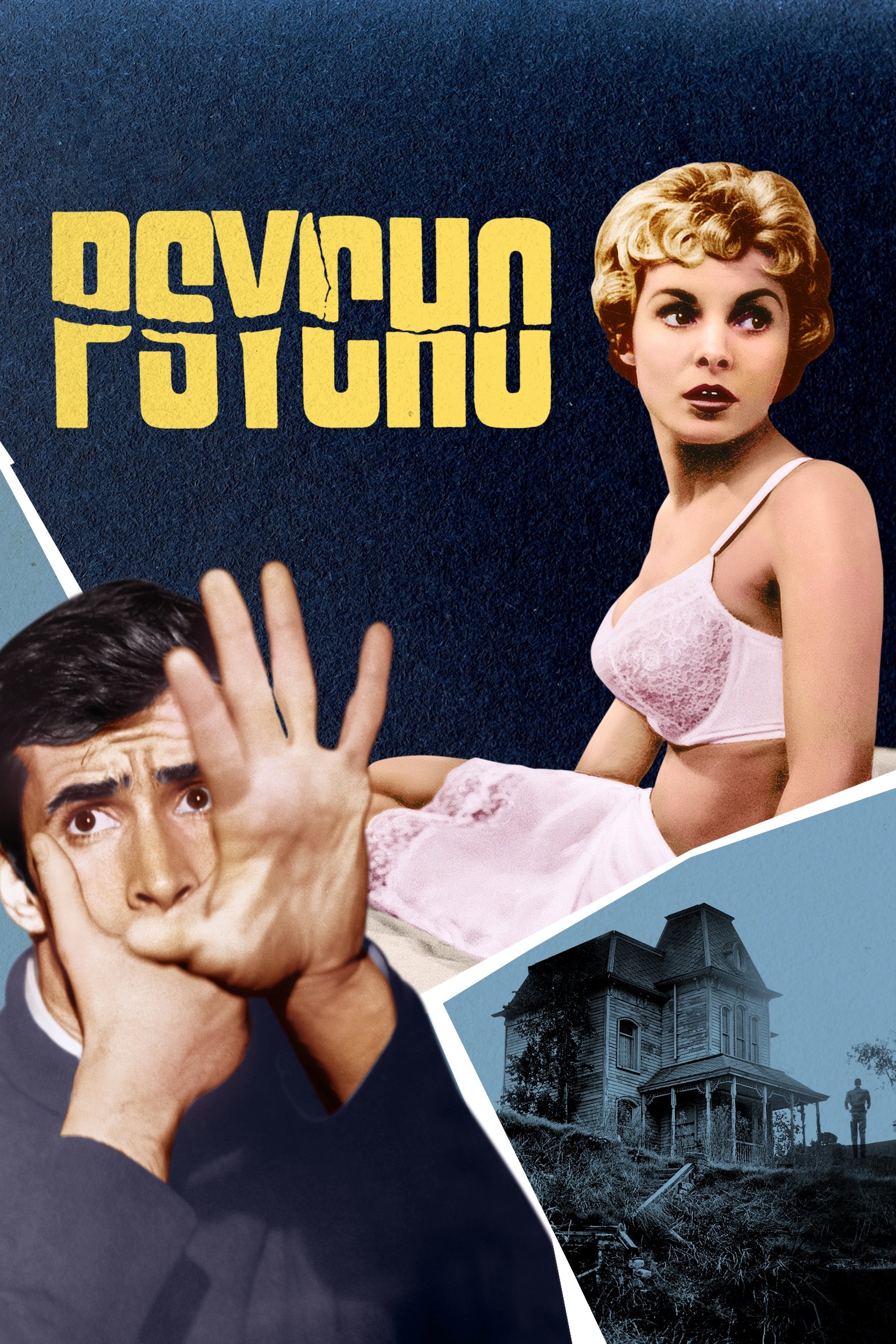
The story frames the murders as the work of Norman Bates’s unseen mother, supported by dialogue, the house silhouette, and the preserved bedroom that suggests an active presence. Scenes are staged so that the “Mother” voice is heard offscreen and a figure in a dress is glimpsed, while Norman appears meek, shifting suspicion away from him through blocking and camera placement.
The reveal confirms that Norman’s mother is long dead and that Norman has assumed her persona, explaining the voice, the clothes, and the basement tableau. The twist retrofits earlier events—like the shower scene and the parlor conversation with taxidermy birds—as evidence of Norman’s fractured identity and the narrative’s deliberate sound and visual misdirection.
‘Planet of the Apes’ (1968) – The planet is actually Earth

The film presents the setting as an unknown world where apes dominate and humans are primitive, with dialogue about deep-space travel and a crashed spacecraft selling an alien-planet premise. Landmarks and cultural markers are hidden until late, and the characters’ maps and speculation reinforce the assumption of an alien locale.
The final discovery of a ruined Statue of Liberty establishes that the characters never left Earth, reframing the ape society as a future human outcome. The twist accounts for the language, artifacts, and geological features encountered along the journey, transforming scattered clues into evidence of a post-cataclysm landscape.
‘The Empire Strikes Back’ (1980) – Darth Vader is Luke’s father
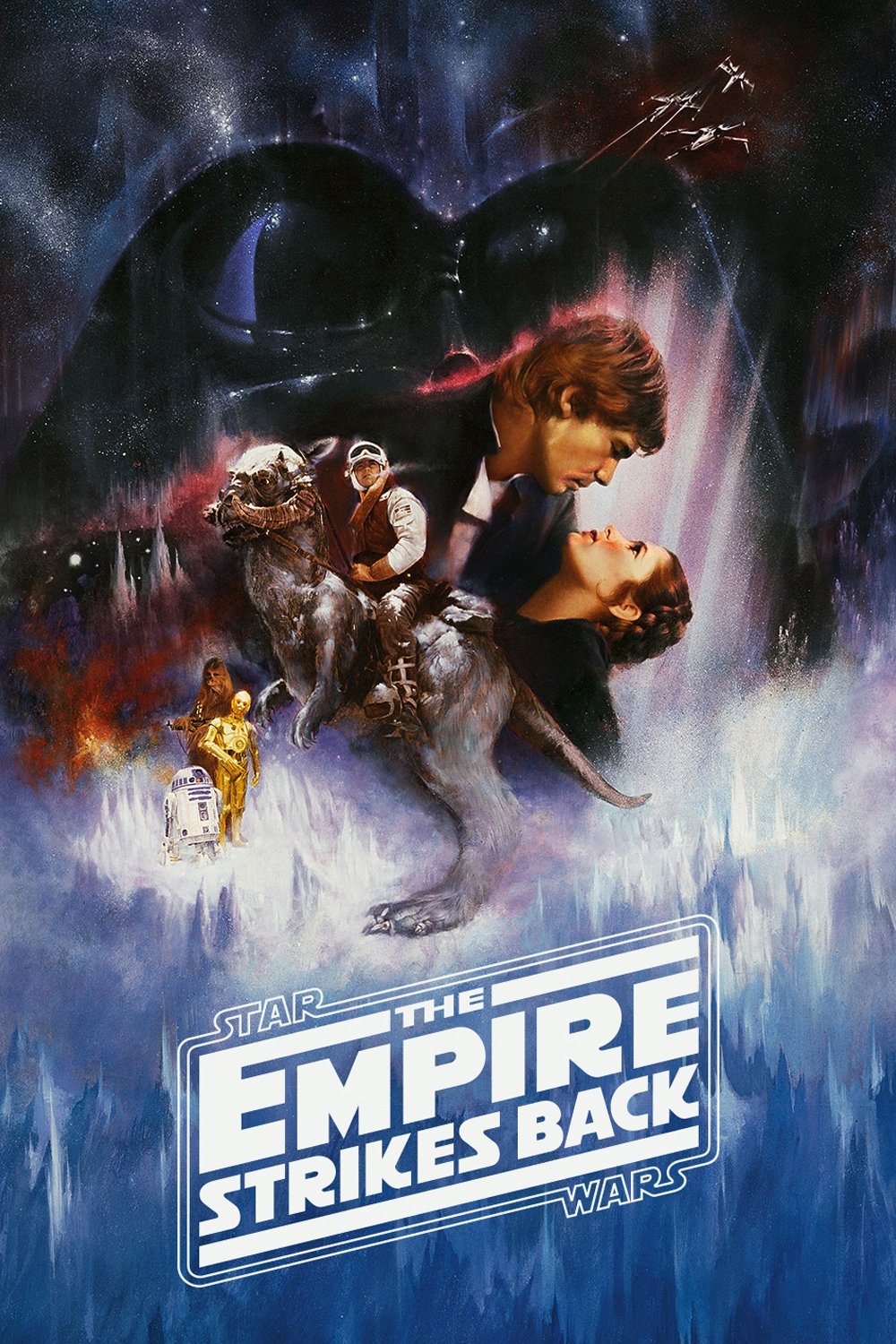
The narrative seeds questions about lineage through conversations among mentors and the intensity of Vader’s pursuit. Key scenes obscure certain truths with careful wording, and the duel sequences emphasize a personal fixation that exceeds strategic necessity.
The revelation of parentage reinterprets earlier guidance, the training warnings, and the villain’s interest in recruiting Luke. It explains the resonance of specific force-connected moments and sets up later conflicts over allegiance, confirming that the central struggle has deep familial stakes embedded in the saga’s mythology.
‘The Usual Suspects’ (1995) – Verbal Kint is Keyser Söze
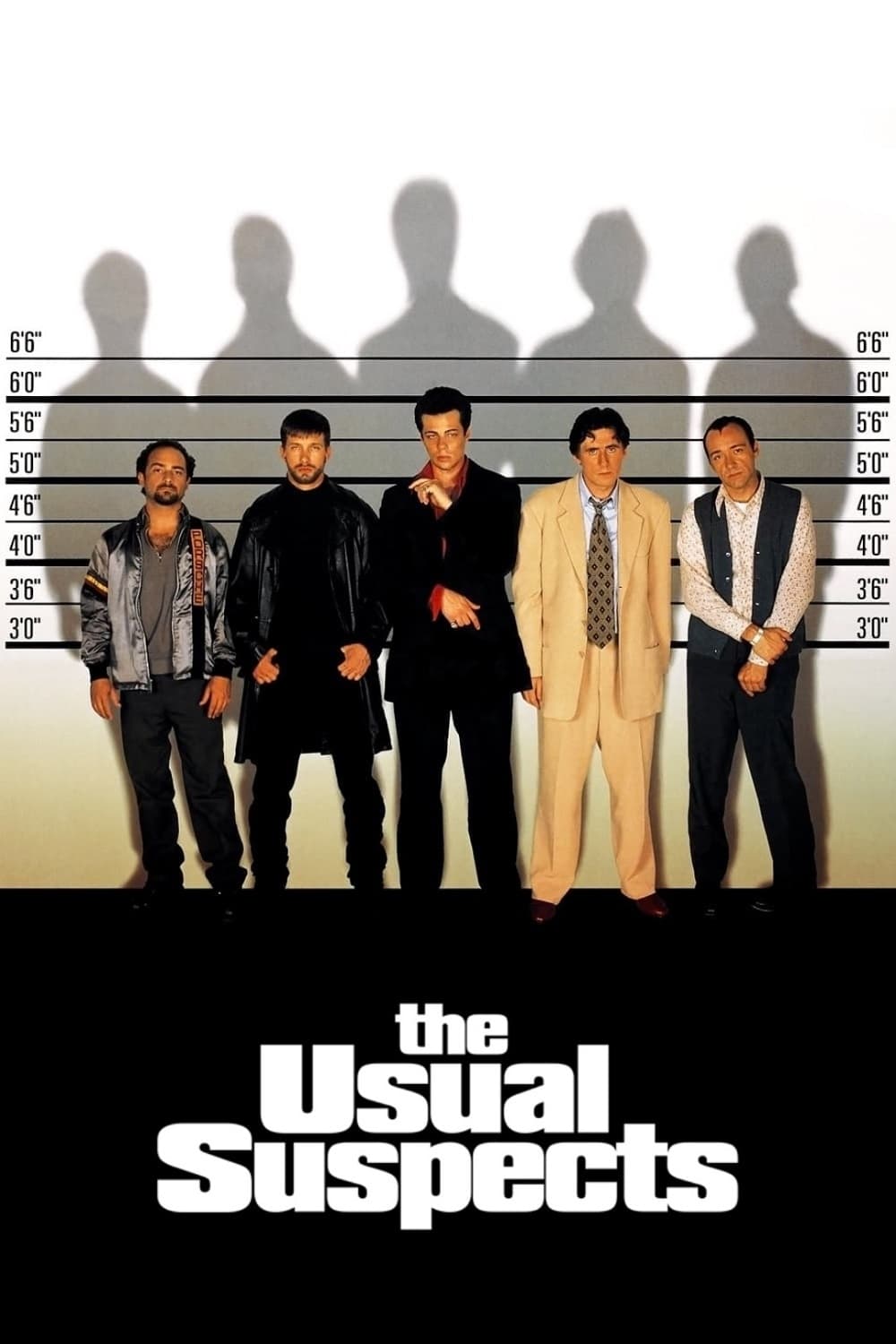
The interrogation structure positions Verbal Kint as a low-level, physically limited participant recounting events to law enforcement. His story threads names, locations, and details that seem specific, while visual cutaways create the impression of objective corroboration.
The final montage shows that Kint’s tale was stitched from items on a bulletin board and a coffee cup, establishing that he is Keyser Söze. This reframes the entire heist narrative as a constructed myth designed to mislead investigators, explaining inconsistencies and the disappearance that follows his release.
‘The Sixth Sense’ (1999) – Malcolm Crowe has been dead the whole time
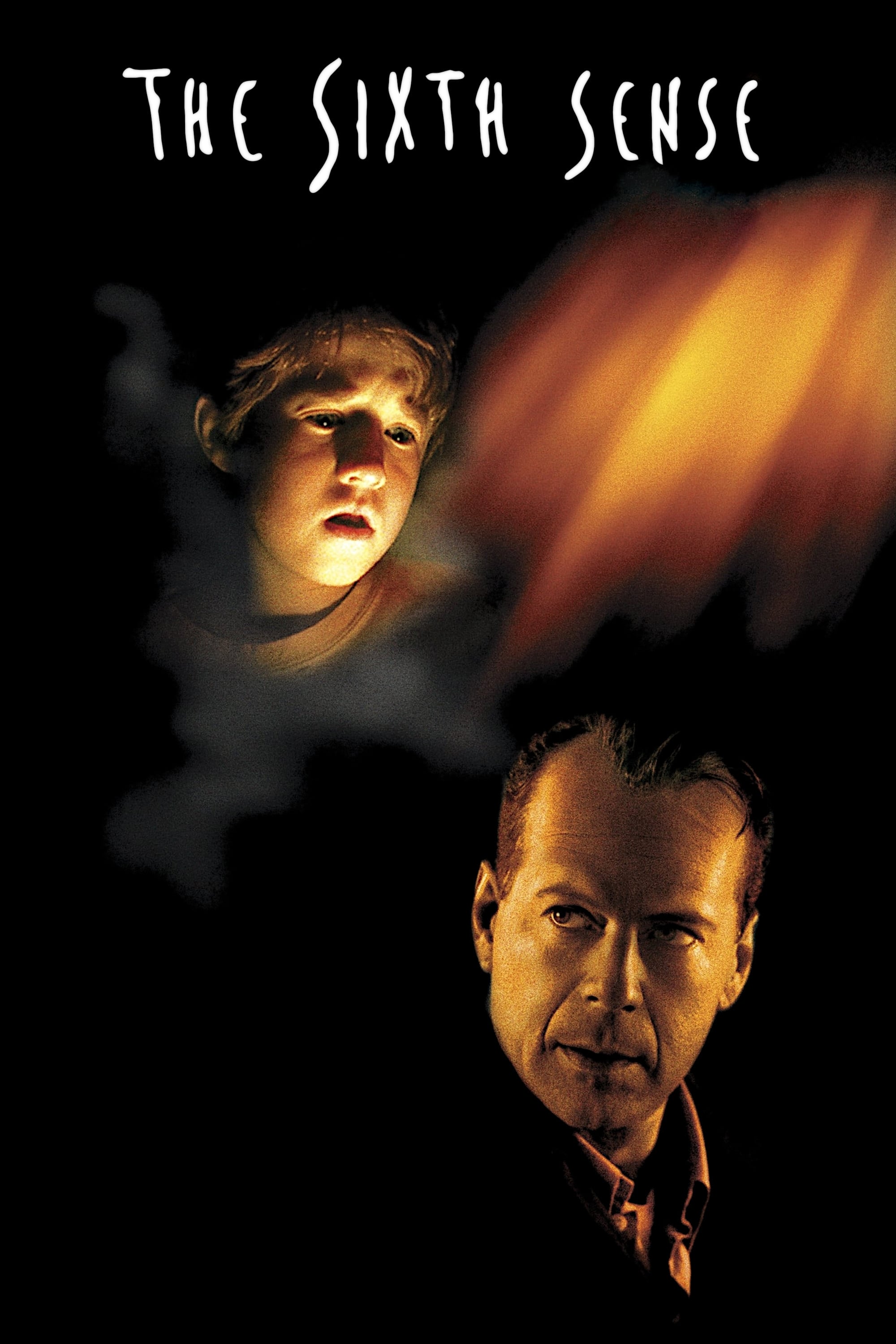
The film presents Malcolm as actively pursuing therapy with a young patient, using shot composition and editing to isolate him from other characters. Scenes suggest domestic strain through silence and avoidance, which read as emotional distance rather than physical impossibility.
The twist clarifies that Malcolm’s interactions are limited because only the child can see him, explaining the lack of direct acknowledgments and the seamless cuts that imply participation without confirmation. Earlier motifs—temperature changes, breath, and selective communication—convert into precise markers of his condition embedded throughout the narrative.
‘Fight Club’ (1999) – The Narrator and Tyler Durden are the same person

Two distinct figures appear to collaborate, with dialogue and staging that keep them separated in group contexts and public spaces. The story uses insomnia, blackouts, and missing time to justify gaps, while supporting characters respond to “Tyler” in ways that seem eccentric rather than diagnostic.
The reveal unites both identities, clarifying the origin of the club, the escalation of operations, and the reactions of side characters who recognized only one man. Visual repetitions—like matching clothing, mirrored gestures, and disappearing acts—become deliberate cues that the partnership was a single, divided perspective.
‘Se7en’ (1995) – The final sin is delivered in a box
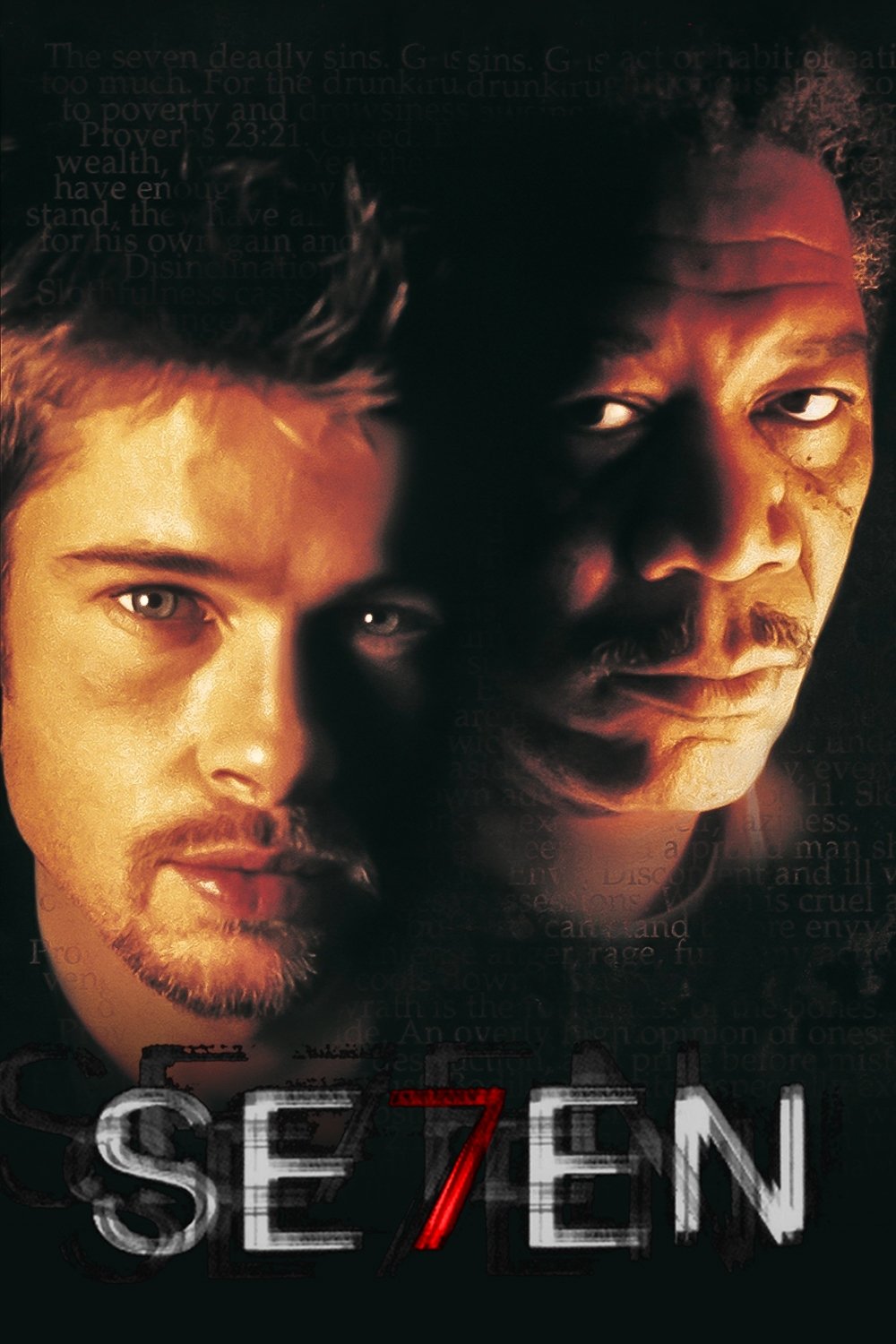
The investigation catalogs murders as moral tableaux aligned with seven deadly sins, establishing a pattern with clear escalation and public staging. The killer’s surrender appears to break the pattern, offering a confession that promises closure while redirecting the detectives off their established path.
The final delivery presents an unseen but described package that completes the sequence by coercing a response. The act explains the killer’s calm surrender, the route chosen, and the controlled timing, converting the case from pursuit to a predetermined endgame in which the detective becomes integral to the final tableau.
‘Oldboy’ (2003) – The romance is orchestrated as revenge
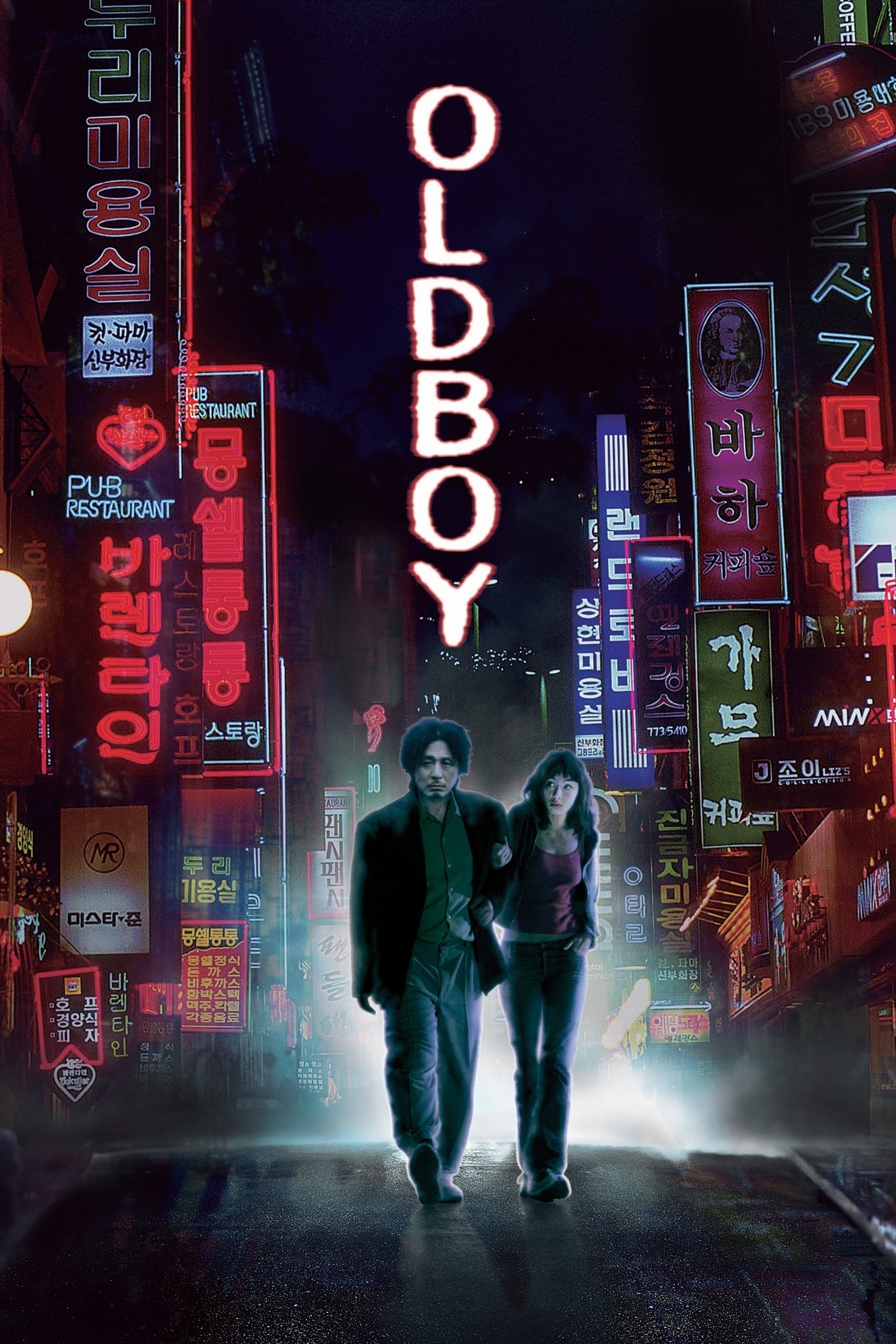
A man’s abduction and unexplained release set up a mystery that appears to be about captivity and lost time. His subsequent investigation leads to a relationship that seems incidental, supported by coincidence and limited information about each person’s past.
The twist reveals the relationship was engineered by the antagonist, connecting it to a school-era incident and a meticulous plan using surveillance and suggestion. Specific props, hypnotic triggers, and orchestrated encounters retroactively link the romance to the revenge plot, explaining the precision of the captor’s timing and knowledge.
‘The Others’ (2001) – The family are the ghosts in the house
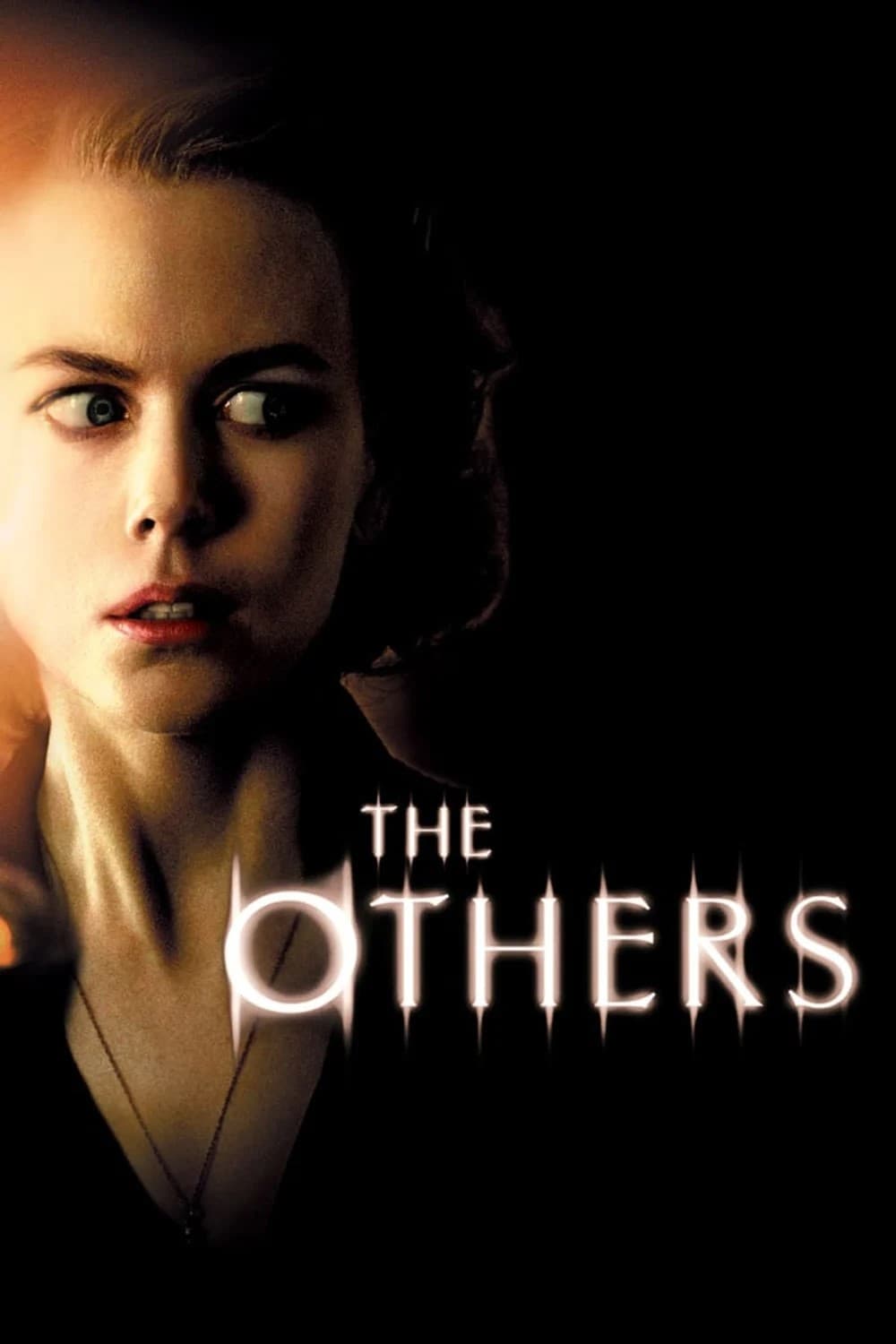
A mother and her photosensitive children live under rigid rules, with unexplained sounds, displaced objects, and sightings framed as external hauntings. Staff changes and a mysterious set of photographs contribute to the impression of an intruding presence.
The twist clarifies that the “intruders” are living occupants and that the protagonists are the spirits, which accounts for doors opening, the cold atmosphere, and the séance scene. The reveal integrates the house’s history with the family’s tragedy, aligning all unexplained phenomena with a ghost story told from the other side.
‘Shutter Island’ (2010) – Teddy Daniels is actually patient Andrew Laeddis
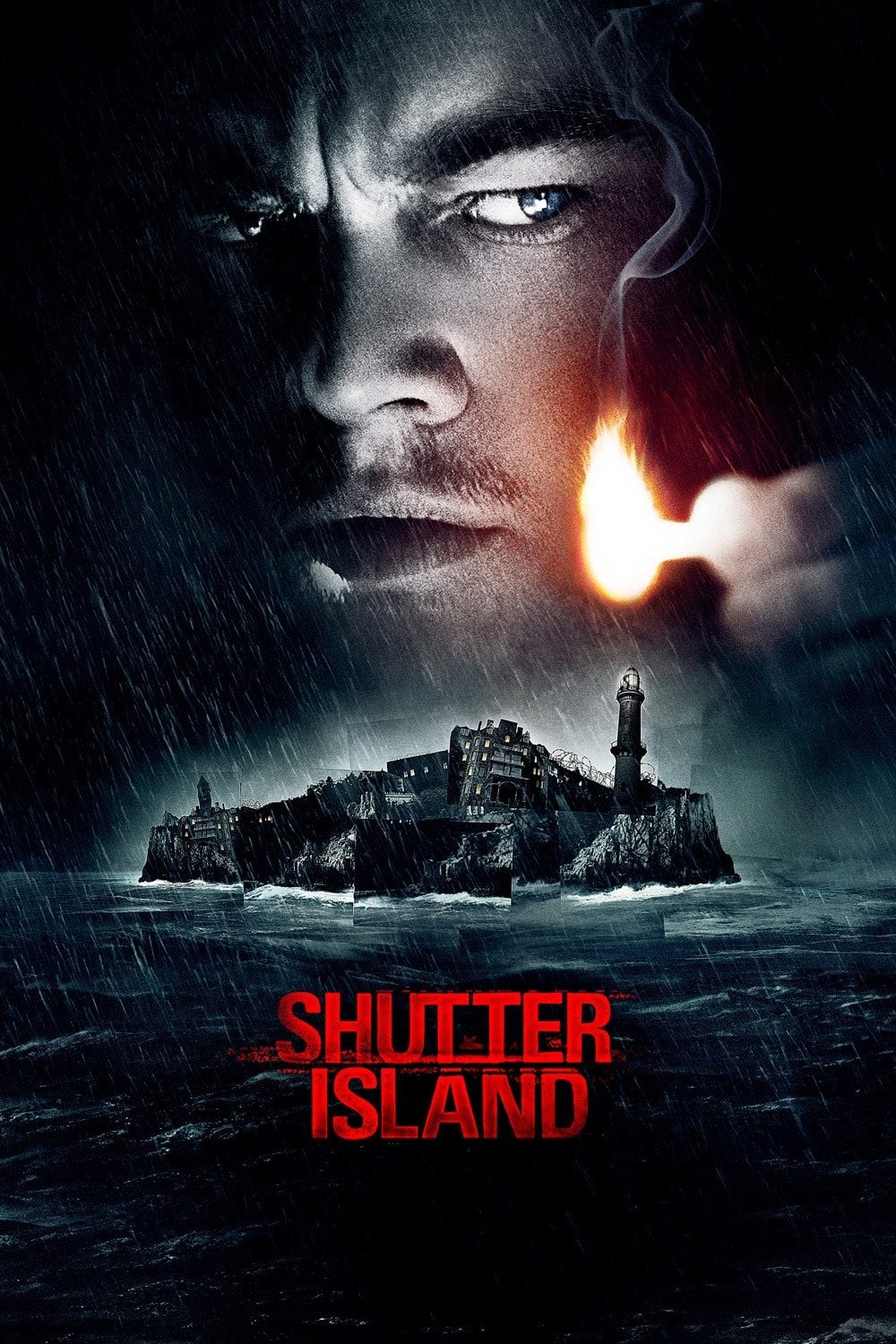
A federal marshal arrives to investigate a disappearance at a remote hospital, encountering staff who seem evasive and procedures that appear irregular. His partner, the patient interviews, and the island’s rules reinforce a conspiracy reading built on restricted access and coded exchanges.
The twist reframes the investigation as a therapeutic role-play meant to break through a delusional system. Patient files, medication references, and staff behavior align with treatment rather than cover-up, while names, anagrams, and repeated triggers resolve into clinical details supporting the hospital’s stated objective.
‘Primal Fear’ (1996) – The defendant fakes dissociative identity disorder
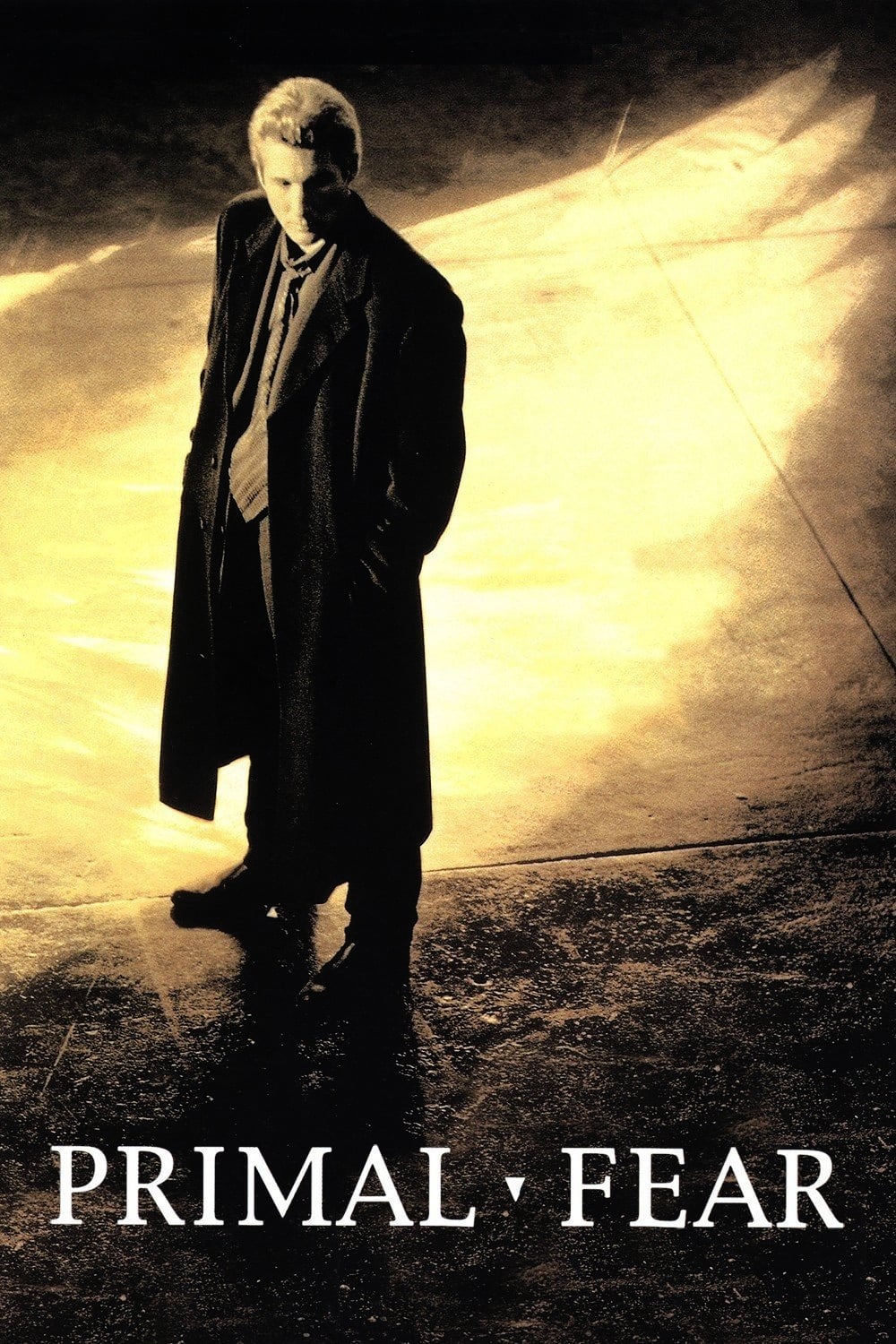
A high-profile case introduces a soft-spoken altar boy accused of murder, with courtroom testimony and psychiatric evaluations suggesting a protective alternate personality. Outbursts and amnesia episodes appear consistent with a clinical pattern observed by expert witnesses.
The closing disclosure shows the disorder was fabricated to manipulate perceptions, explaining strategic timing of episodes and inconsistencies in testimony. Legal maneuvers, plea discussions, and the defendant’s final conversation convert prior ambiguity into a calculated performance designed to secure an advantageous verdict.
‘Saw’ (2004) – Jigsaw is the body on the bathroom floor
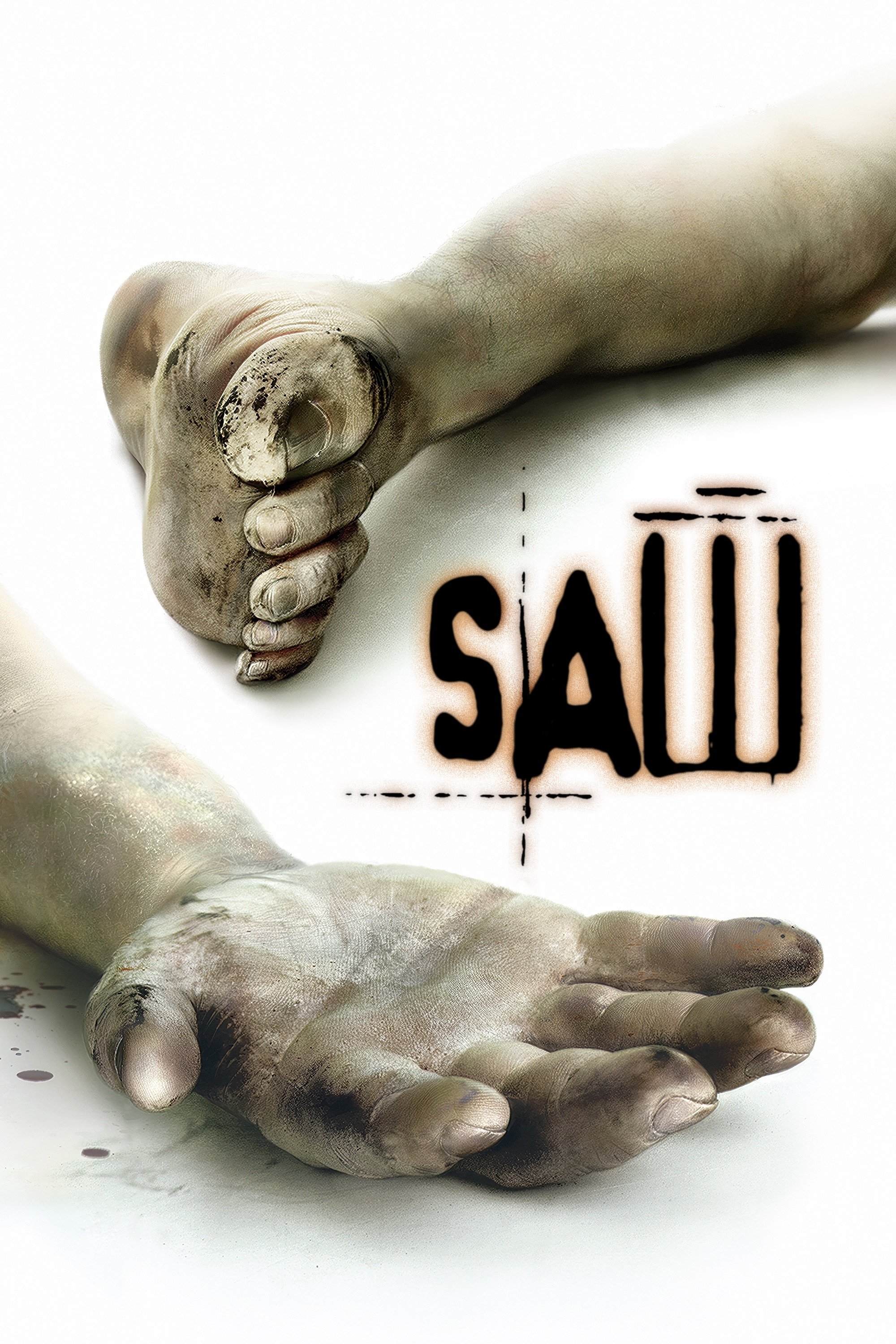
Two captives wake chained in a room with a bloodied corpse between them, and the rules of their “game” are delivered through tapes and a third-party enforcer. The setup encourages the assumption that the mastermind is elsewhere, observing from a safe distance.
The twist reveals that the “corpse” is the orchestrator, who has monitored the test in person the entire time. Blood, poison references, and the exact placement of clues are reinterpreted as elements of a staged scene, accounting for the room’s layout, the timing of interventions, and the exit strategy.
‘The Prestige’ (2006) – One magician is two people; the other makes copies
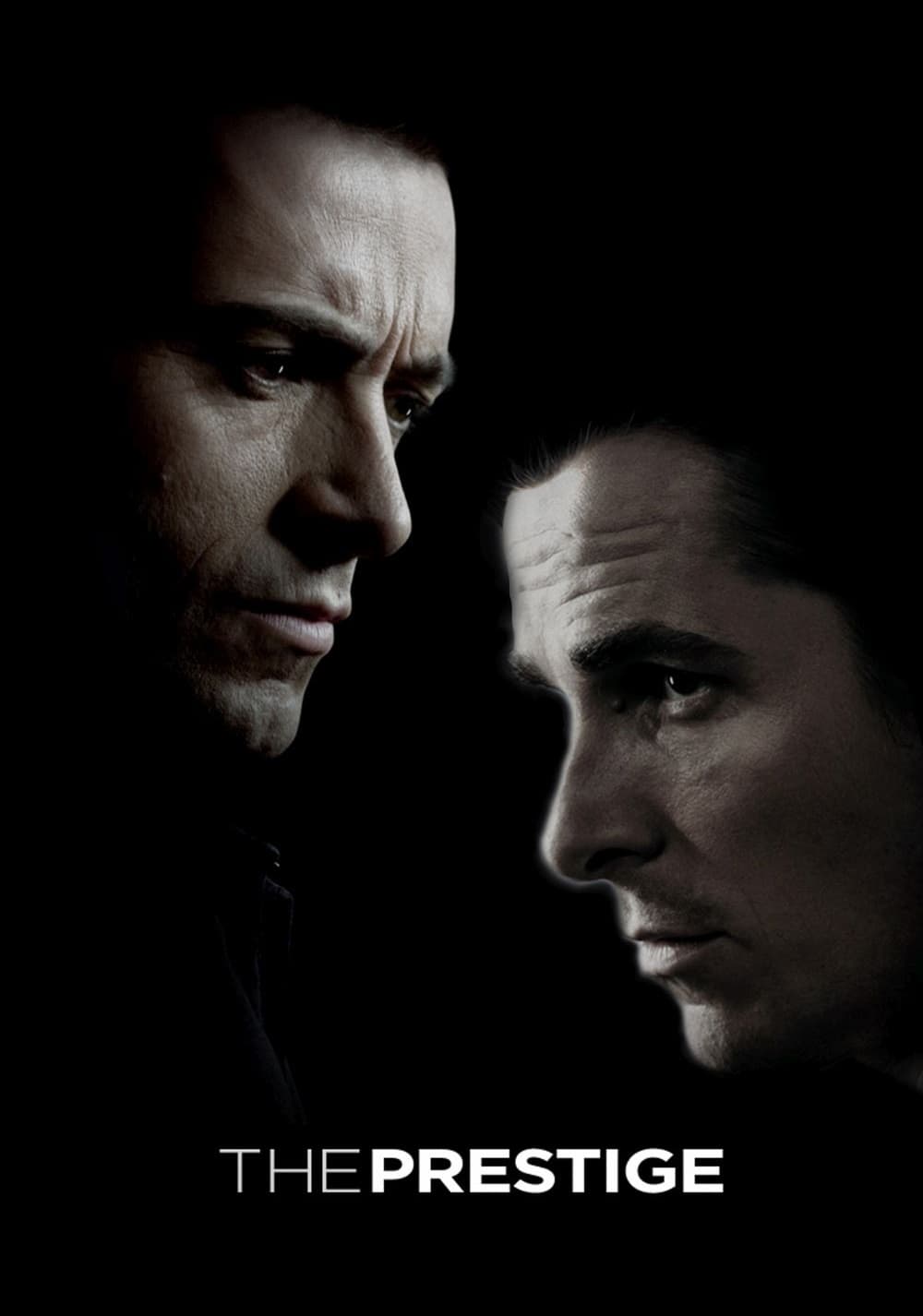
Rival illusionists compete to perfect a teleportation trick, with diaries, stagecraft, and espionage shaping a technical arms race. Discrepancies in injuries, mannerisms, and personal relationships suggest hidden variables that the narrative keeps close.
The twin and duplication reveals explain the transport trick’s consistency, the sacrifice required, and the suspicious evidence surrounding accidents and disappearances. Props like the fishbowl, the knot debate, and the identical handwriting are recast as demonstrations of method, aligning clues across performance and private life.
‘Arrival’ (2016) – The visions are memories from the future

A linguist’s dreams and flashbacks appear to be grief-driven recollections that color her work with extraterrestrial visitors. The language acquisition process introduces non-linear concepts, while the visitors’ written symbols are shown to encode meaning without temporal sequence.
The twist establishes that learning the language alters perception of time, turning apparent memories into premonitions that guide choices with foreign officials and scientists. The daughter’s storyline, the diplomatic phone call, and the heptapods’ stated purpose synchronize into a causality loop supported by the film’s linguistics framework.
‘Gone Girl’ (2014) – Amy stages her own disappearance
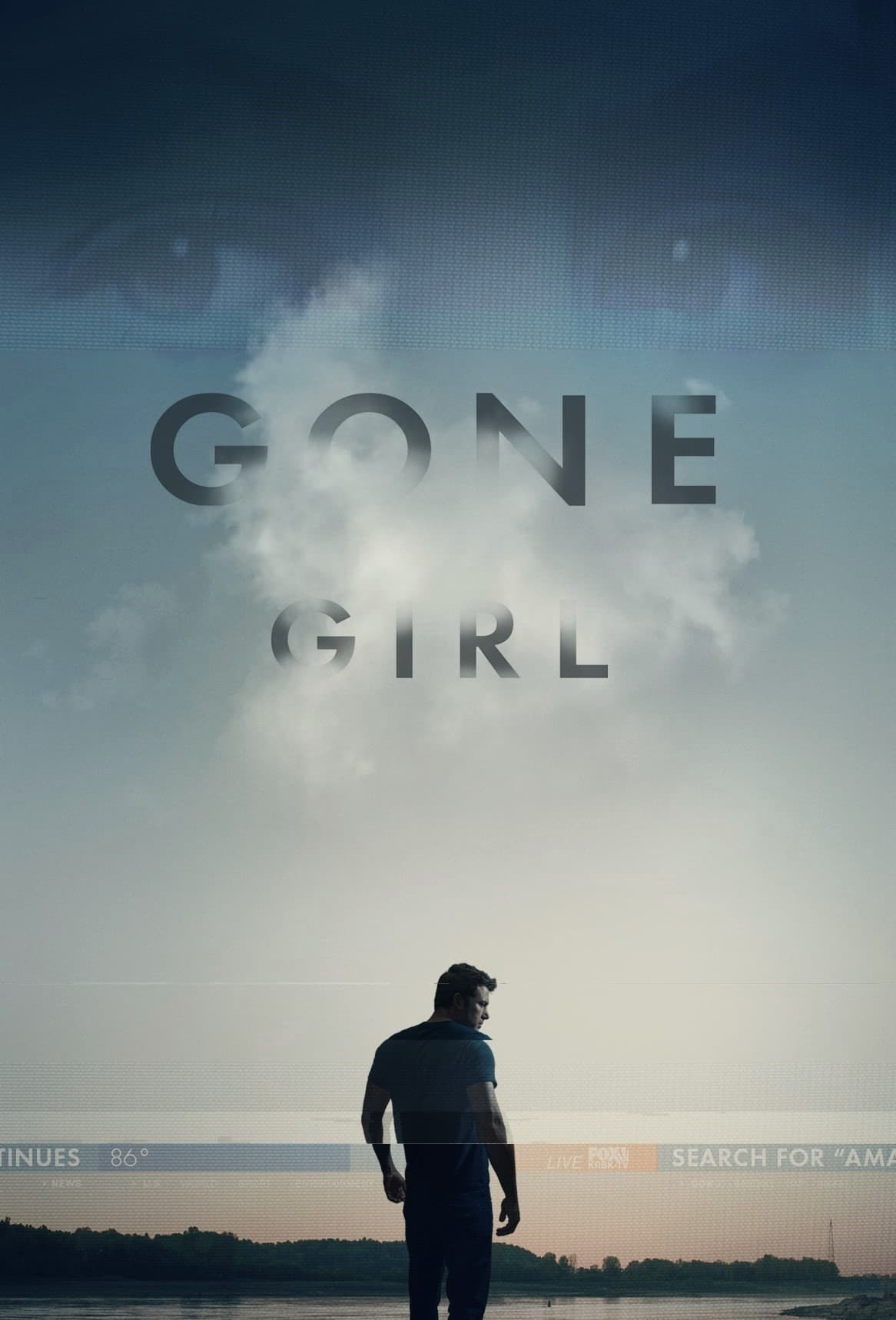
A missing-person investigation focuses on a husband whose alibi, media presence, and household clues point toward foul play. Diary entries and staged evidence push authorities toward a specific narrative consistent with domestic-crime patterns.
The reveal that Amy engineered the disappearance explains the credit card trail, the forged writings, and the manipulated neighbors. Later developments—changes in appearance, the lake house plan, and the pivot after a violent incident—track her contingency planning and control of public perception through timed disclosures.
‘Parasite’ (2019) – A secret bunker family changes the class conflict
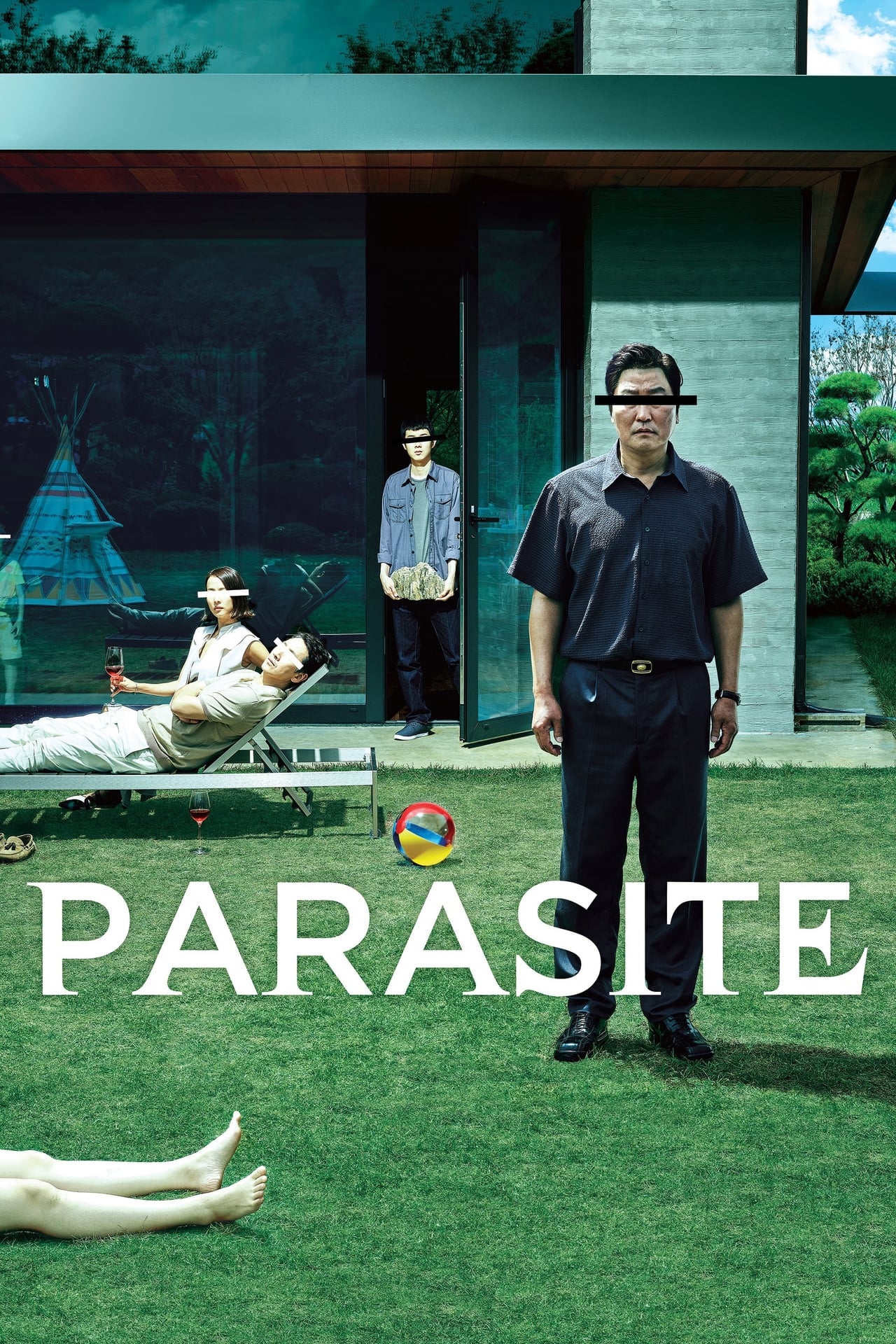
A struggling family infiltrates a wealthy household through separate jobs, coordinating schedules and keeping their connections hidden. The home’s architecture, staff histories, and housekeeper’s tenure are introduced as background details that support the infiltration plot.
The discovery of a concealed basement and the housekeeper’s spouse reframes the story into a multi-layered struggle. The hidden refuge explains the home’s power fluctuations, the housekeeper’s behavior, and the escalating tension during the storm, transforming a single con into intersecting survival strategies under one roof.
‘Hereditary’ (2018) – A cult orchestrates a demonic coronation
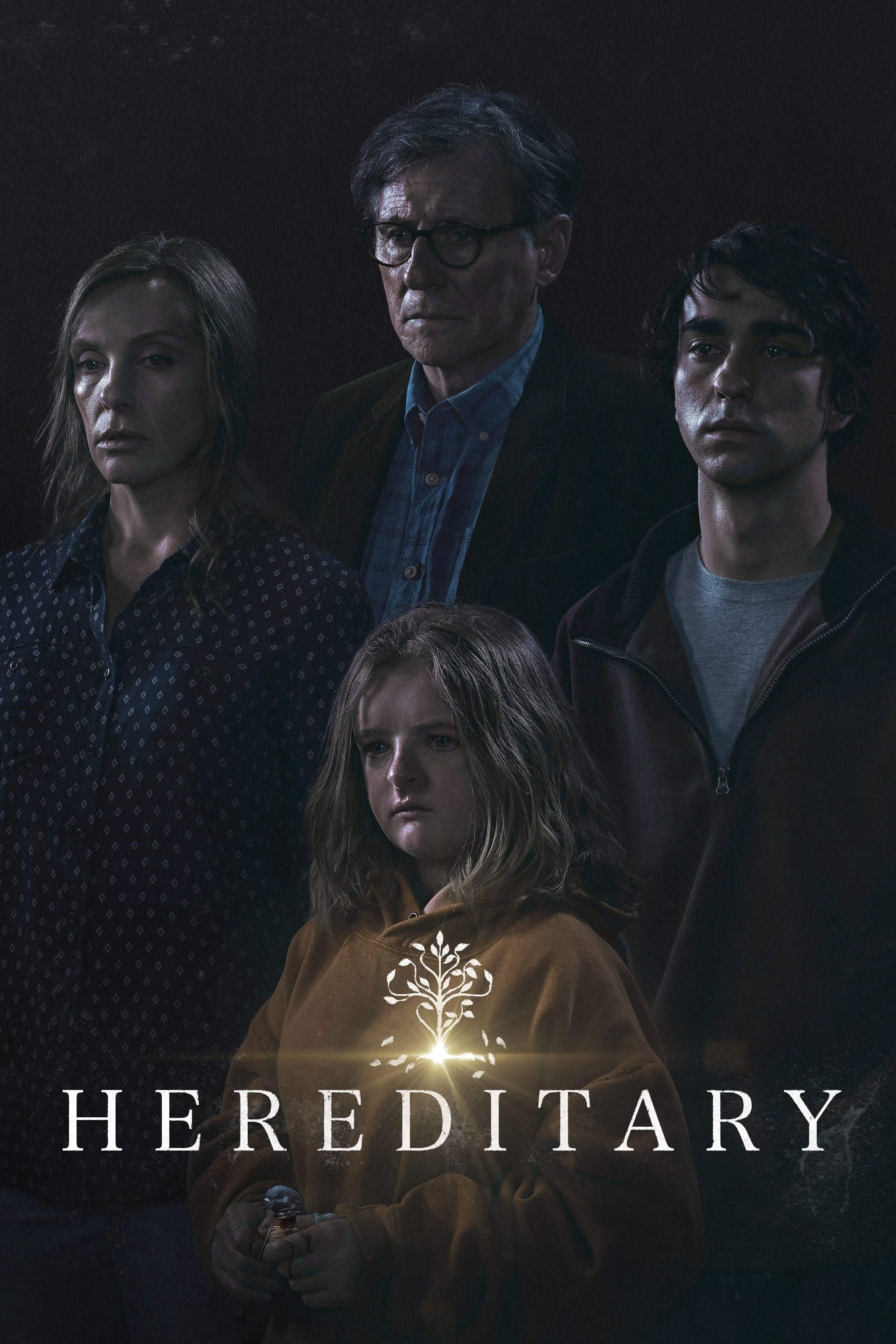
A family’s tragedies appear random, with sleepwalking, miniature models, and grief counseling sessions building a portrait of unraveling domestic life. Background figures, inscriptions, and a symbol recurring across locations act as quiet, repeated markers.
The twist clarifies that a cult has engineered key events to install a specific entity in a chosen host. Photographs, the grandmother’s connections, and ritual arrangements retroactively tie disparate incidents together, mapping the household’s misfortunes onto a coordinated plan executed through symbols and timed interventions.
‘Scream’ (1996) – There are two killers working together
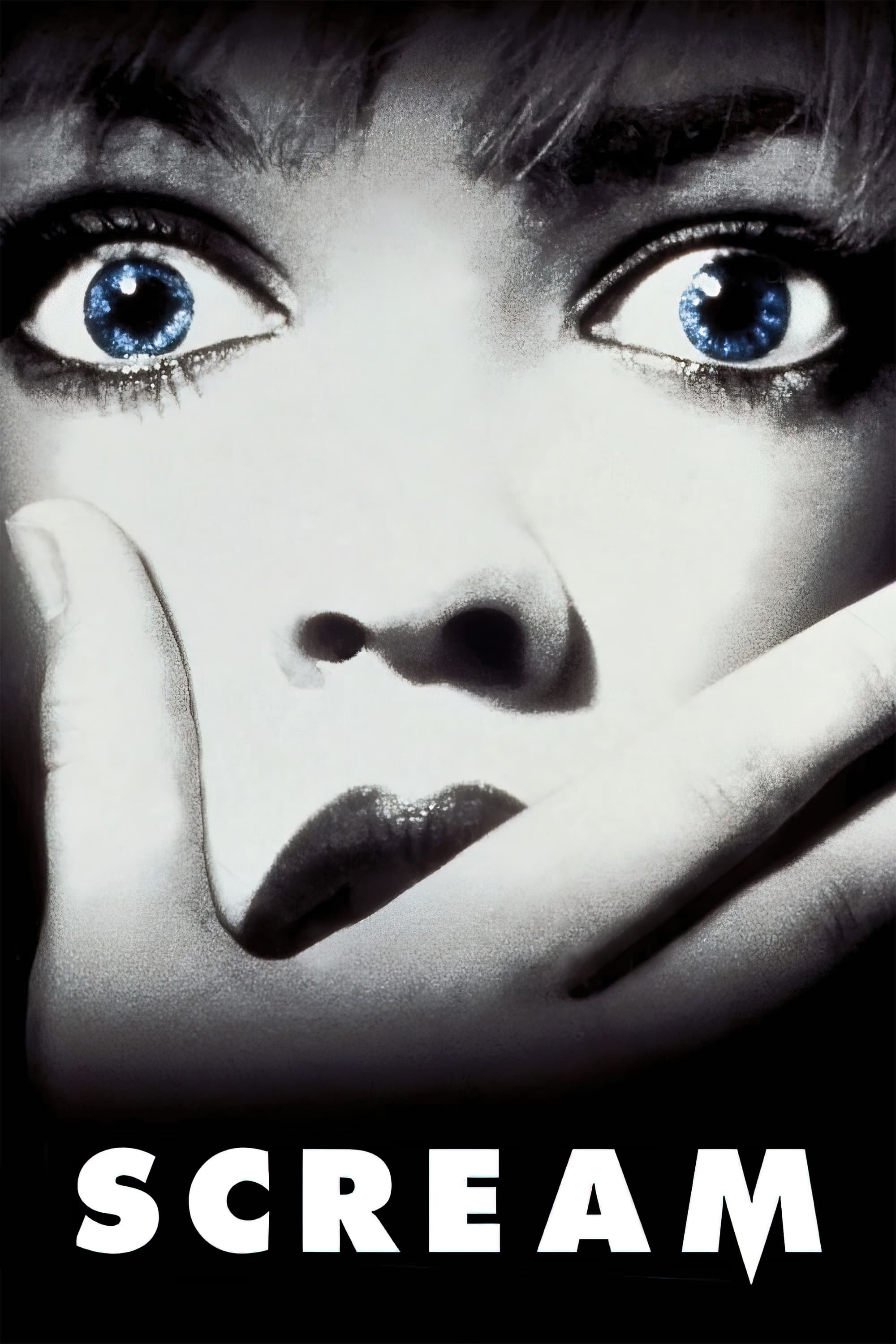
A masked attacker terrorizes a town, using horror-movie rules and phone calls to manipulate victims. Evidence appears contradictory, placing suspects in multiple places and creating alibis that seem to exonerate individuals at crucial times.
The dual-killer reveal reconciles the impossible timelines and overlapping sightings. The staging of injuries, phone cloning, and costume exchanges provide a logistical explanation for earlier attacks and misdirections, accounting for how multiple suspects appeared innocent while crimes continued.
‘The Village’ (2004) – The monsters are fabricated; the world outside is modern

An isolated community enforces strict borders using tales of cloaked creatures that punish trespass. Rituals, color taboos, and warning systems maintain cohesion and fear, supported by elders who guard the settlement’s history.
The twist discloses a deliberate deception designed to keep residents within a protected reserve, with the outside world continuing as normal beyond the woods. Artifacts, creature suits, and medical needs expose the manufactured mythology, explaining transport restrictions and the elders’ control of information.
‘No Way Out’ (1987) – The hero is the Soviet mole
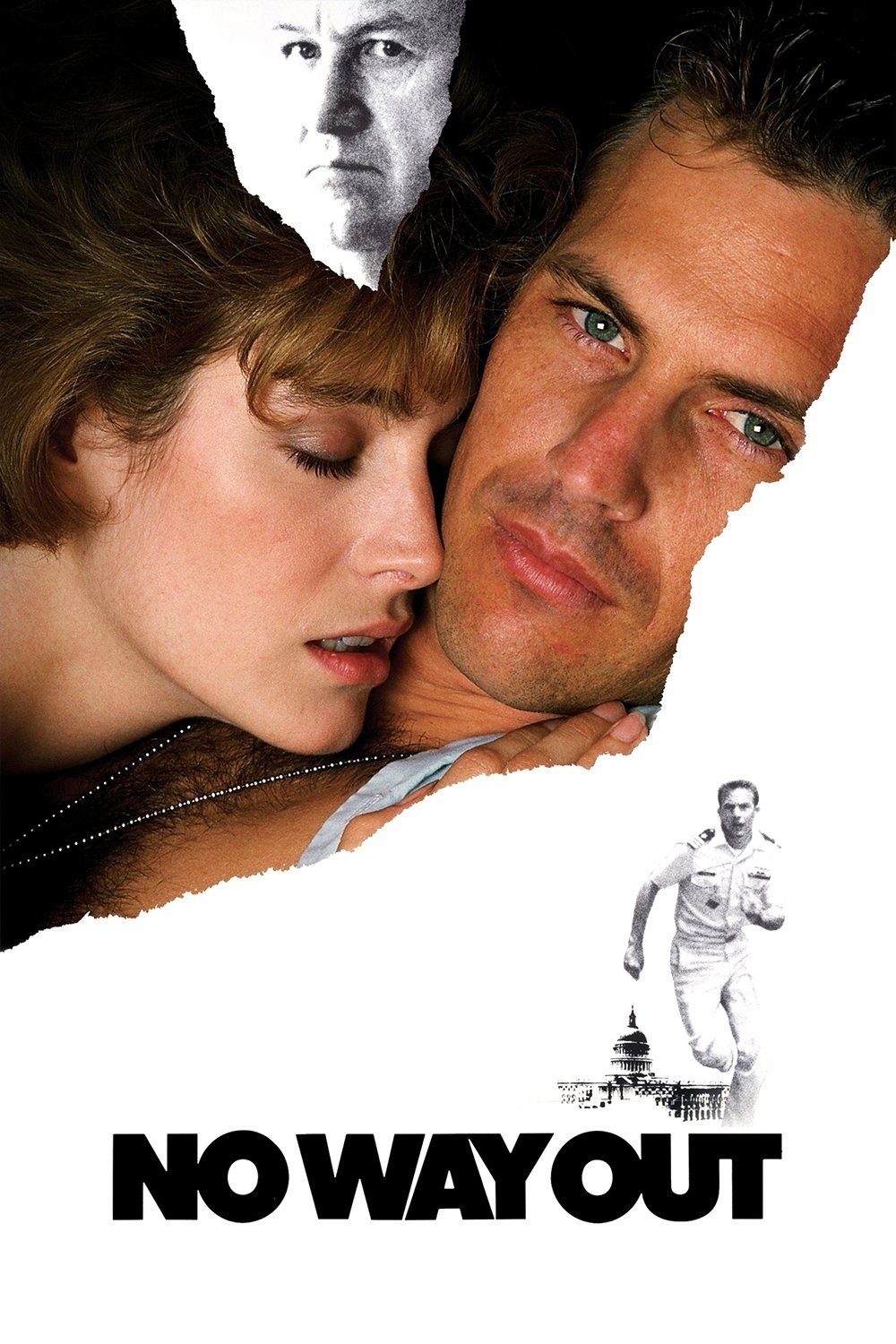
A naval officer investigates a murder that implicates powerful figures, while a hunt for a legendary foreign agent named “Yuri” unfolds in parallel. The investigation’s computer searches, photo enhancement, and office politics weave a narrative that pits the protagonist against the system.
The closing turn reveals the protagonist himself is the sought-after spy, recontextualizing his access, his choices during the cover-up, and his reactions to surveillance pressure. Hints in language knowledge, route familiarity, and handler contact align to show how the mole evaded exposure while directing the inquiry.
Share the twist that still sparks the biggest debates for you in the comments!