Movie Remakes that Critics Hated (but Fans Loved)


Not every remake lands with reviewers the first time around. Some releases drew lukewarm or even hostile notices at launch, only to find enthusiastic audiences in theaters, on home video, or years later through streaming and fan communities. That gap between critical reception and viewer response can come from timing, expectations set by the original, or bold stylistic choices that made early assessments tough.
This list rounds up remakes that ran into stiff headwinds with critics yet connected with paying crowds, genre devotees, or new generations discovering them outside opening weekend. You’ll find production details, source-material links, and the concrete ways fans showed up—through box office, word-of-mouth, conventions, and sustained cult interest.
‘The Thing’ (1982)
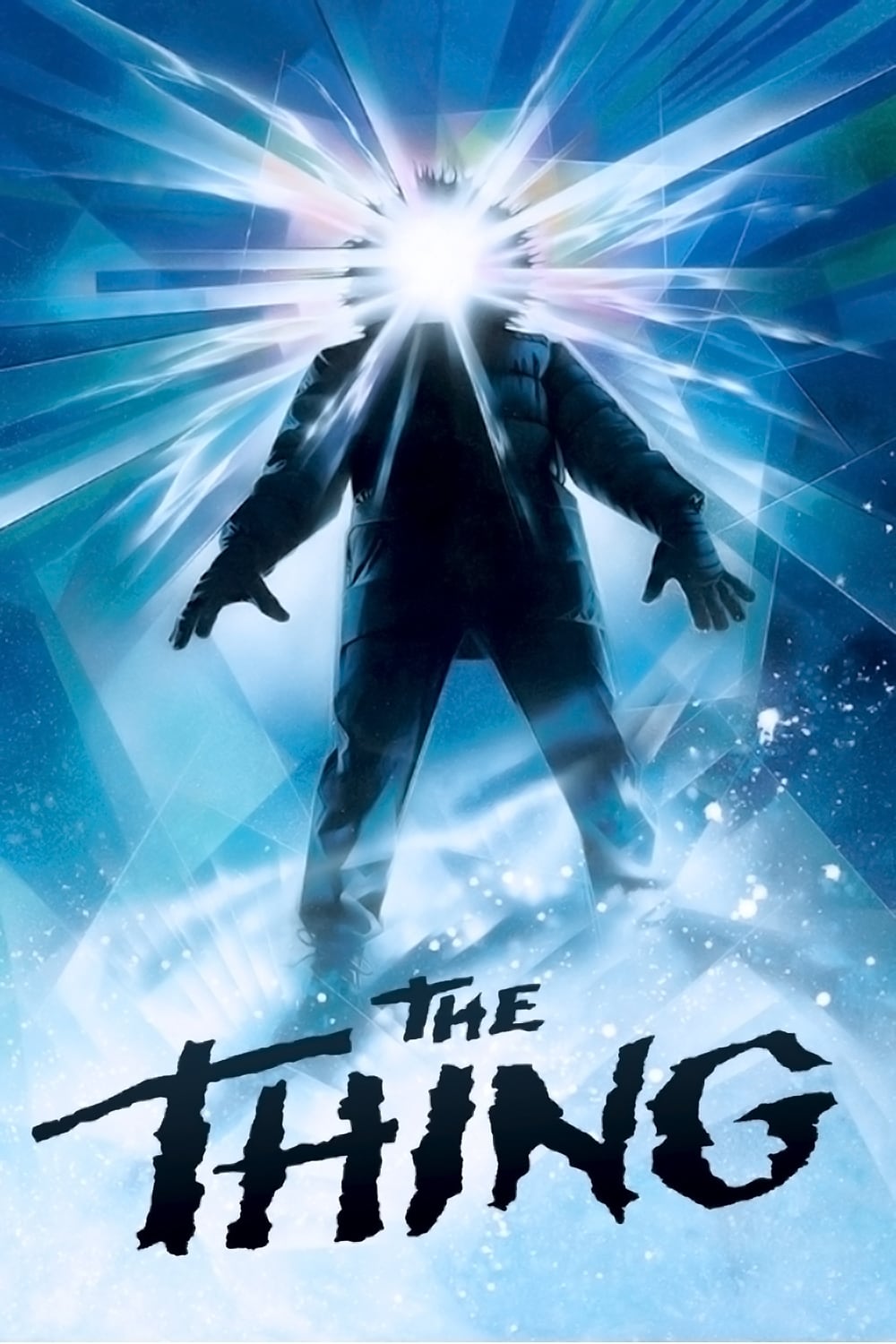
John Carpenter directed ‘The Thing’ as a direct remake of ‘The Thing from Another World’, adapting John W. Campbell Jr.’s novella via a new screenplay by Bill Lancaster. The effects team led by Rob Bottin delivered practical creature work that became an industry touchpoint, and Ennio Morricone composed the score. Universal distributed the film during a crowded summer, positioning it as a hard-R science-fiction horror entry anchored by Kurt Russell.
Initial reviews were harsh about its tone and gore, yet the movie surged on home video and cable, where science-fiction and horror fans championed its special-effects craftsmanship, ensemble dynamics, and faithful return to the source’s paranoia. Conventions, retrospectives, and multiple restored releases helped consolidate a large cult following that treats ‘The Thing’ as a benchmark for practical effects and claustrophobic storytelling.
‘Scarface’ (1983)

Brian De Palma’s ‘Scarface’ remakes Howard Hawks’s crime drama, transplanting the rise-and-fall template to Miami with Oliver Stone’s screenplay. The production became notable for its stylized violence, Giorgio Moroder’s music, and Al Pacino’s lead performance opposite Michelle Pfeiffer and Steven Bauer. Universal backed an ambitious marketing push that emphasized the film’s scale and contemporary setting.
Early critics targeted its brutality and excess, but audiences repeatedly returned to theatrical re-releases and later home formats. Lines, imagery, and music from ‘Scarface’ permeated hip-hop, sports culture, and fashion, while midnight screenings and anniversary editions kept the movie in circulation. Fan enthusiasm turned the remake into a pop-culture fixture long after its rocky critical start.
‘The Blob’ (1988)
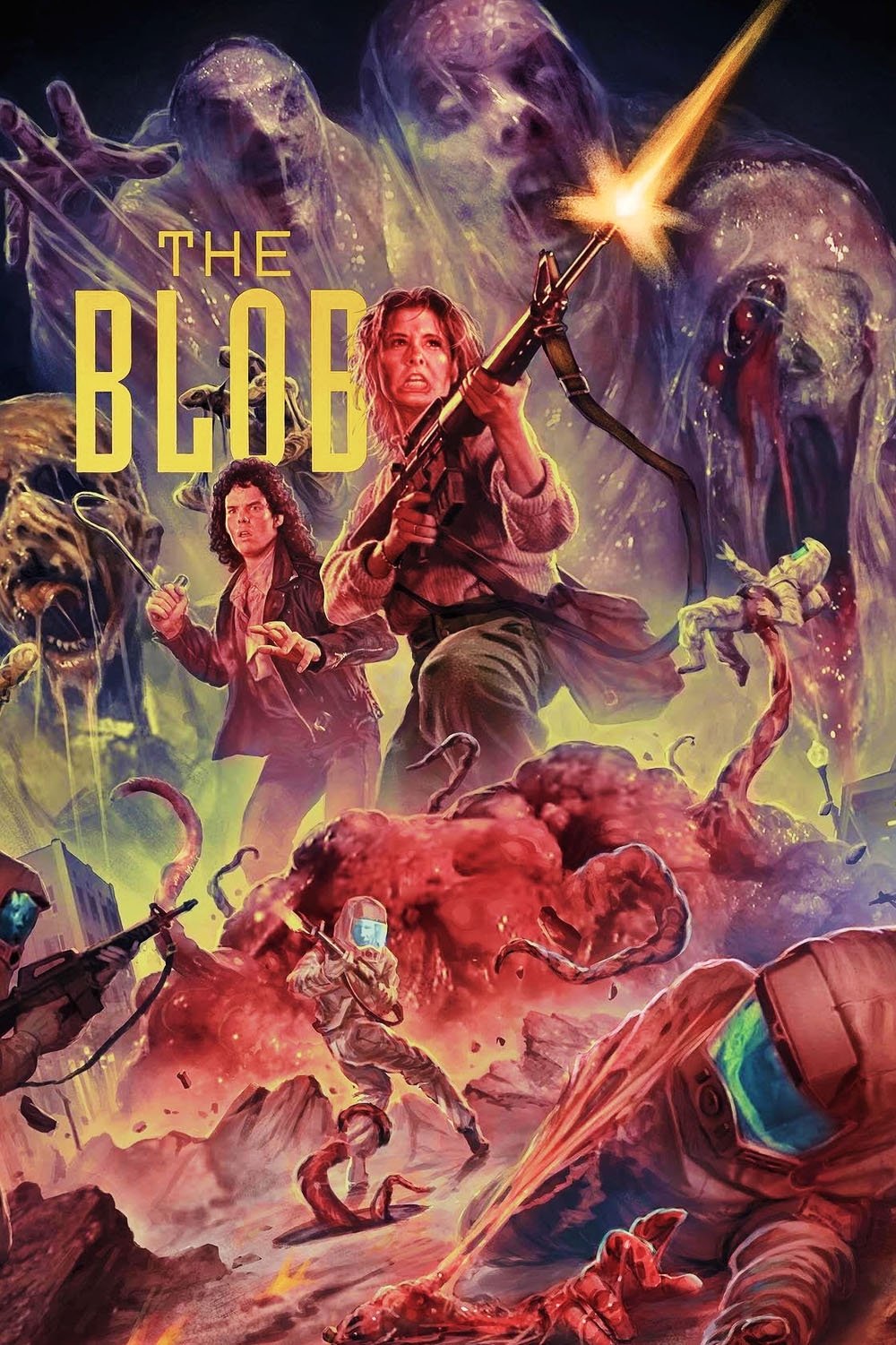
Chuck Russell’s ‘The Blob’ remakes the Steve McQueen cult favorite with an updated effects approach, including elaborate miniatures, prosthetics, and on-set gags that emphasized the creature’s corrosive threat. The production relocated small-town settings to deliver larger set pieces, while the screenplay by Russell and Frank Darabont reshaped character beats and government-conspiracy angles.
Although reviewers were cool on the film’s intensity, horror fans gravitated to its practical-effects ingenuity and energetic pacing on VHS and late-night TV. Screenings at genre festivals and collector demand for special-edition releases have kept ‘The Blob’ in steady circulation with viewers who prioritize tactile effects and creature-feature craft.
‘King Kong’ (1976)
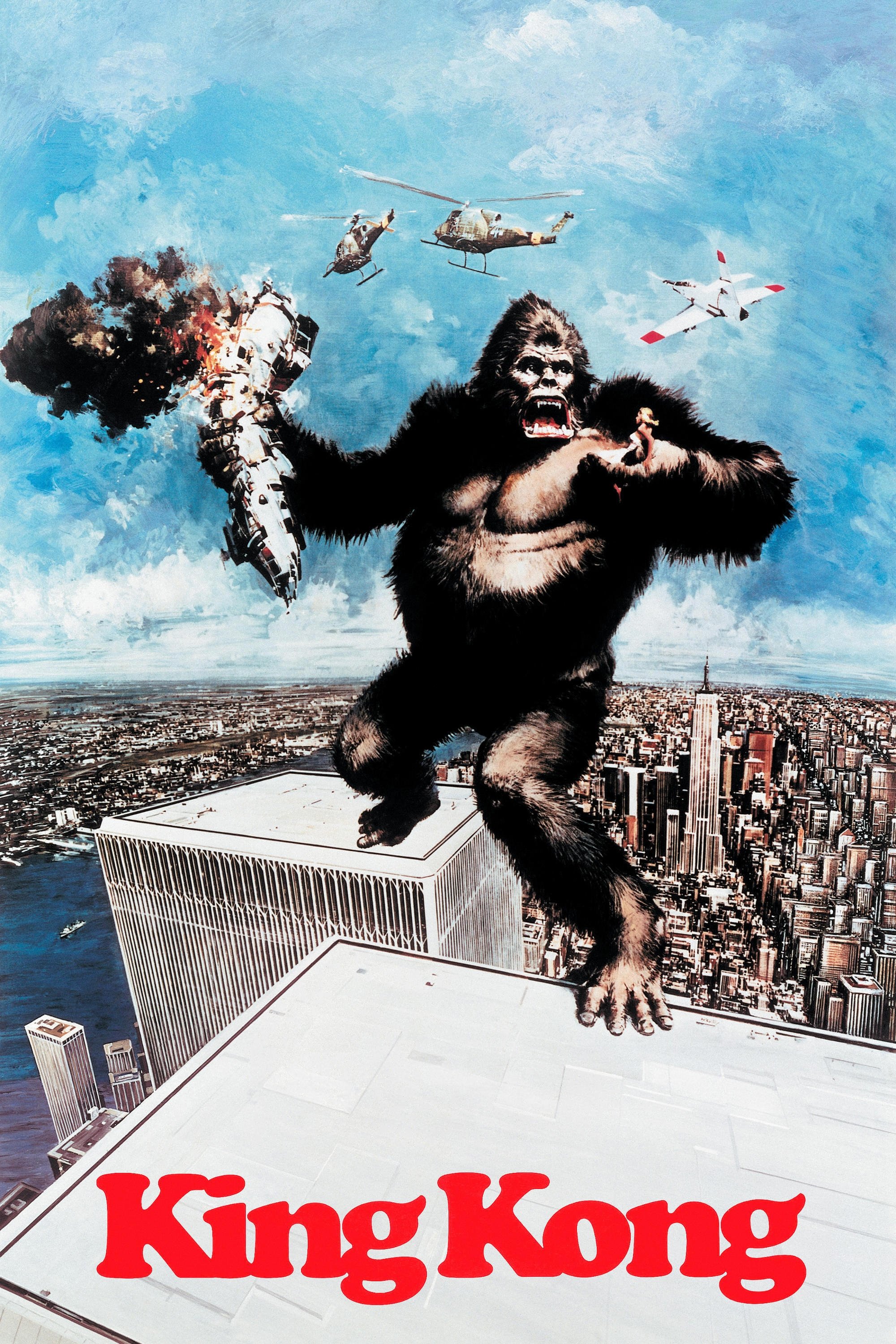
Dino De Laurentiis produced ‘King Kong’ as a modernized remake of the classic, with John Guillermin directing and a screenplay by Lorenzo Semple Jr. The film used large-scale animatronics and suit work supervised by Carlo Rambaldi and Rick Baker, pairing them with location photography and a romantic-adventure tone. Jessica Lange and Jeff Bridges headlined the cast, and Paramount handled distribution.
Critical response questioned the update, but the movie drew substantial audiences and became a broadcast and cable staple. Merchandise, TV airings, and later home releases helped maintain viewer interest, while the production’s mechanical effects and urban-set finale remain points of fan discussion and behind-the-scenes curiosity.
‘Planet of the Apes’ (2001)
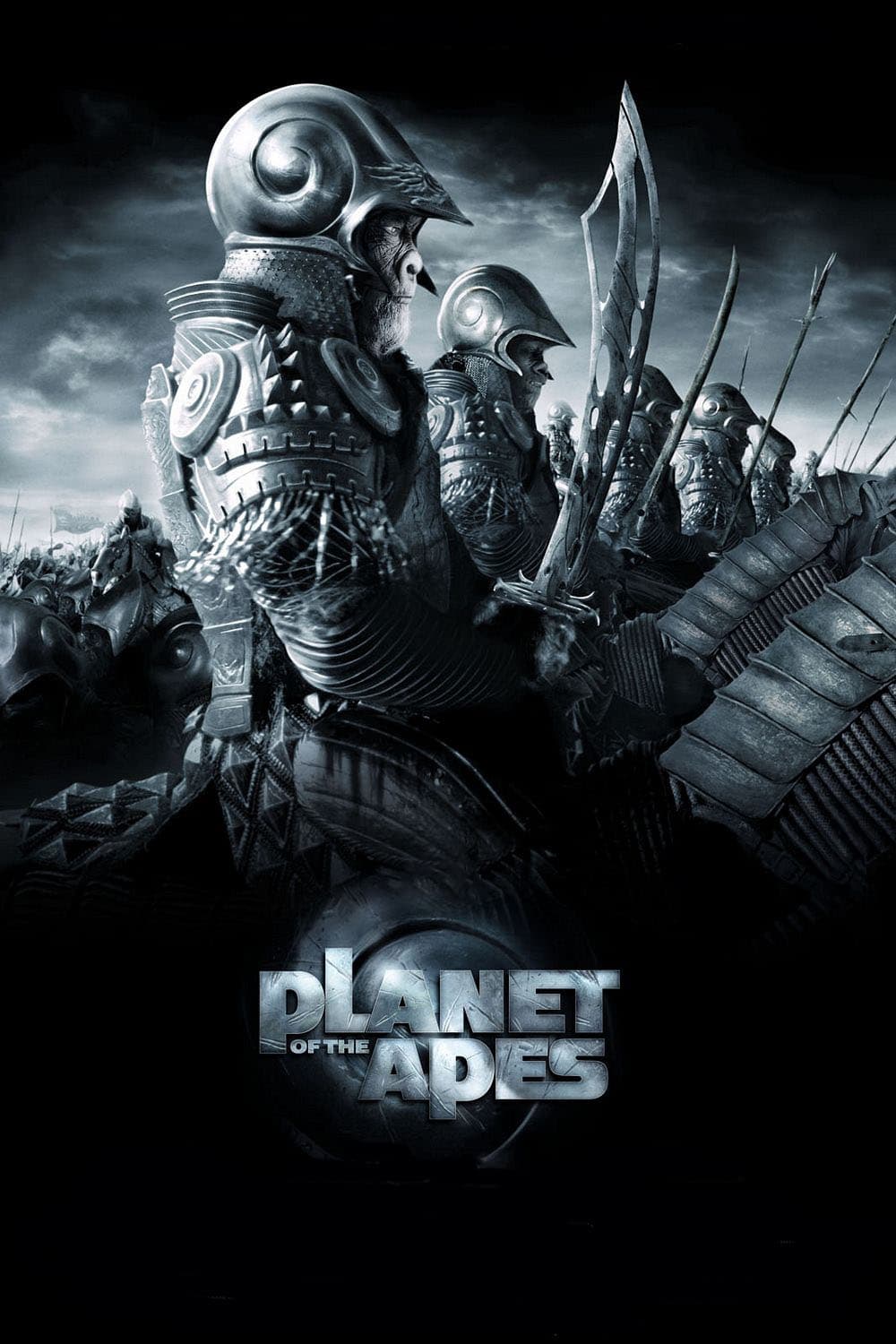
Tim Burton’s ‘Planet of the Apes’ reimagined the original film with new character dynamics and a standalone timeline. The production emphasized prosthetic makeup from Rick Baker’s team, extensive set builds, and large-scale crowd scenes. Mark Wahlberg led the cast alongside Helena Bonham Carter, Michael Clarke Duncan, and Tim Roth.
Reviews skewed negative about its narrative choices, yet the movie opened to strong audience turnout and maintained interest through its design work, makeup achievements, and alternate-ending twist that sparked ongoing fan debate. Tie-in materials, from making-of books to DVD features, sustained engagement well beyond its initial release window.
‘Clash of the Titans’ (2010)
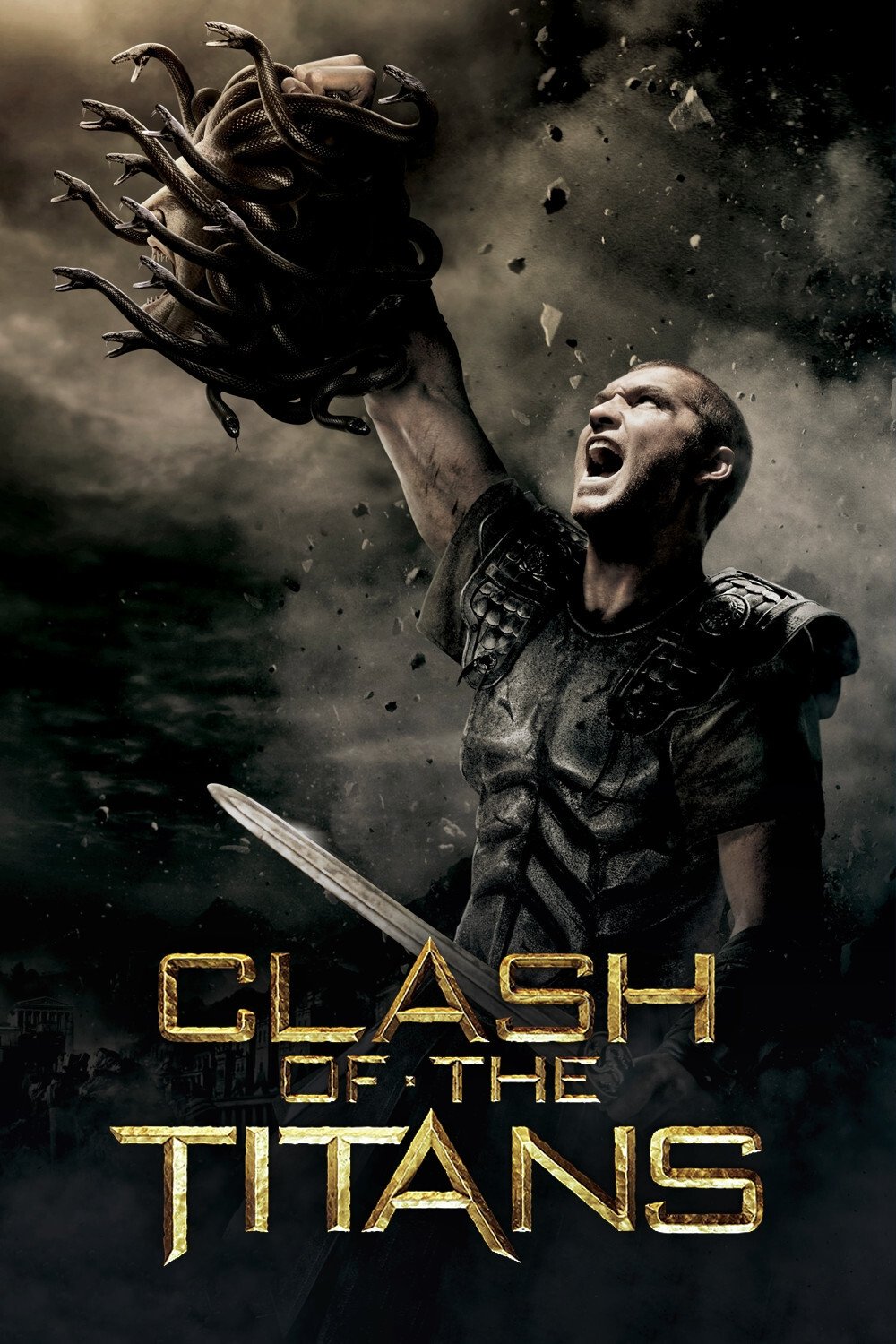
‘Clash of the Titans’ remakes the Ray Harryhausen adventure with contemporary VFX, directed by Louis Leterrier and starring Sam Worthington, Gemma Arterton, and Ralph Fiennes. The production mounted location shoots and CG-heavy sequences, including Medusa and Kraken set pieces, while Warner Bros. positioned it as a spring tentpole.
Critics took aim at its conversion and tone, but audiences turned out globally, leading to continued interest and a follow-up entry. Video-game tie-ins, art books, and effects breakdowns attracted fans of mythic action who were keen on large-format spectacle and creature designs inspired by the original’s stop-motion legacy.
‘The Longest Yard’ (2005)
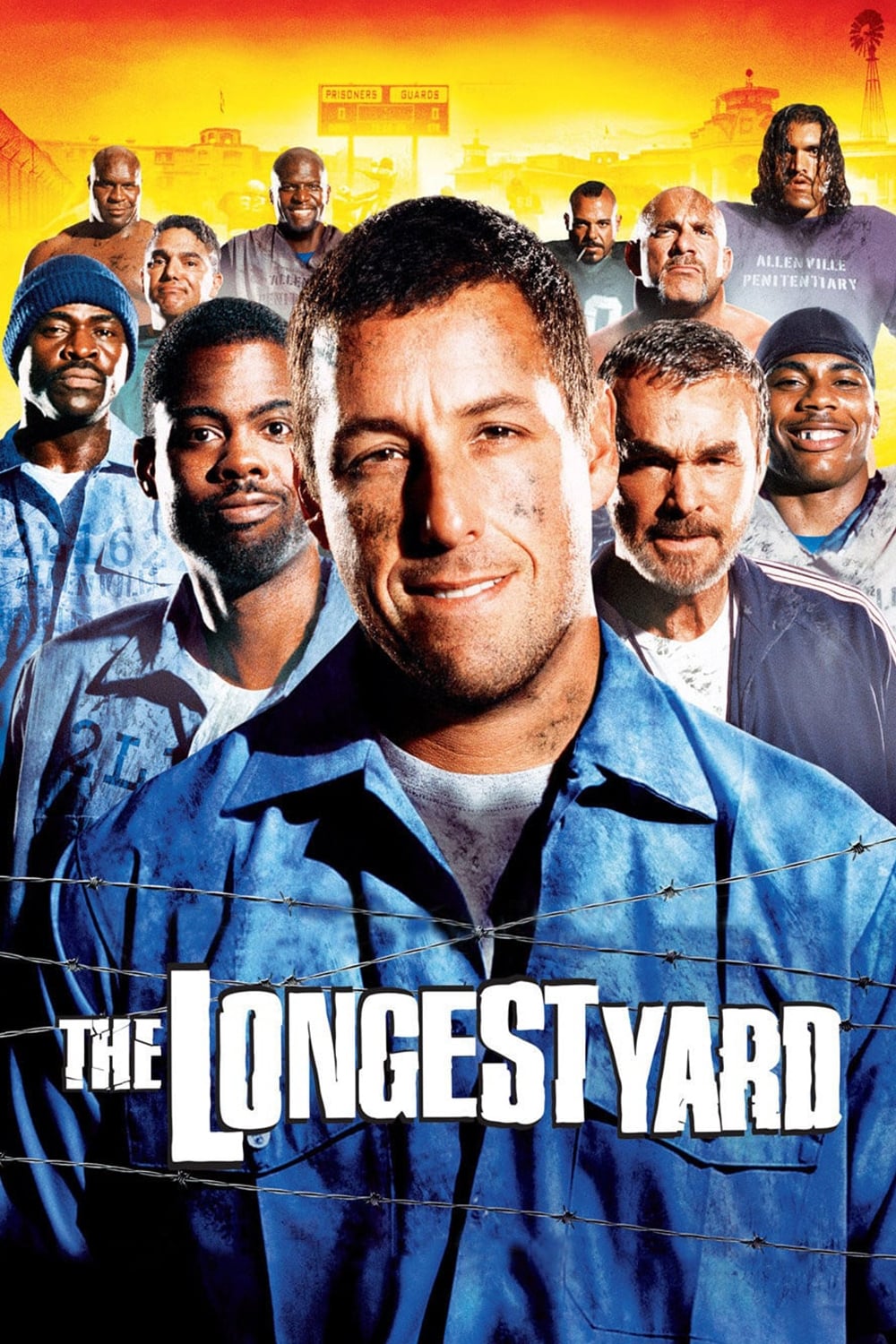
Peter Segal’s ‘The Longest Yard’ remakes the sports-prison comedy with Adam Sandler stepping into the role originated by Burt Reynolds, who also appears in the remake. The production mixed professional athletes with comedians, staged full game sequences, and shot on locations that could handle large crowds and stunt work.
While critics were skeptical about the update, the film’s theatrical performance demonstrated broad audience interest, particularly among sports viewers and fans of ensemble comedies. Ongoing TV rotation and home releases kept it visible, and the cameo-filled cast became a draw for rewatchers seeking a star-packed reinterpretation of the original premise.
‘Charlie and the Chocolate Factory’ (2005)
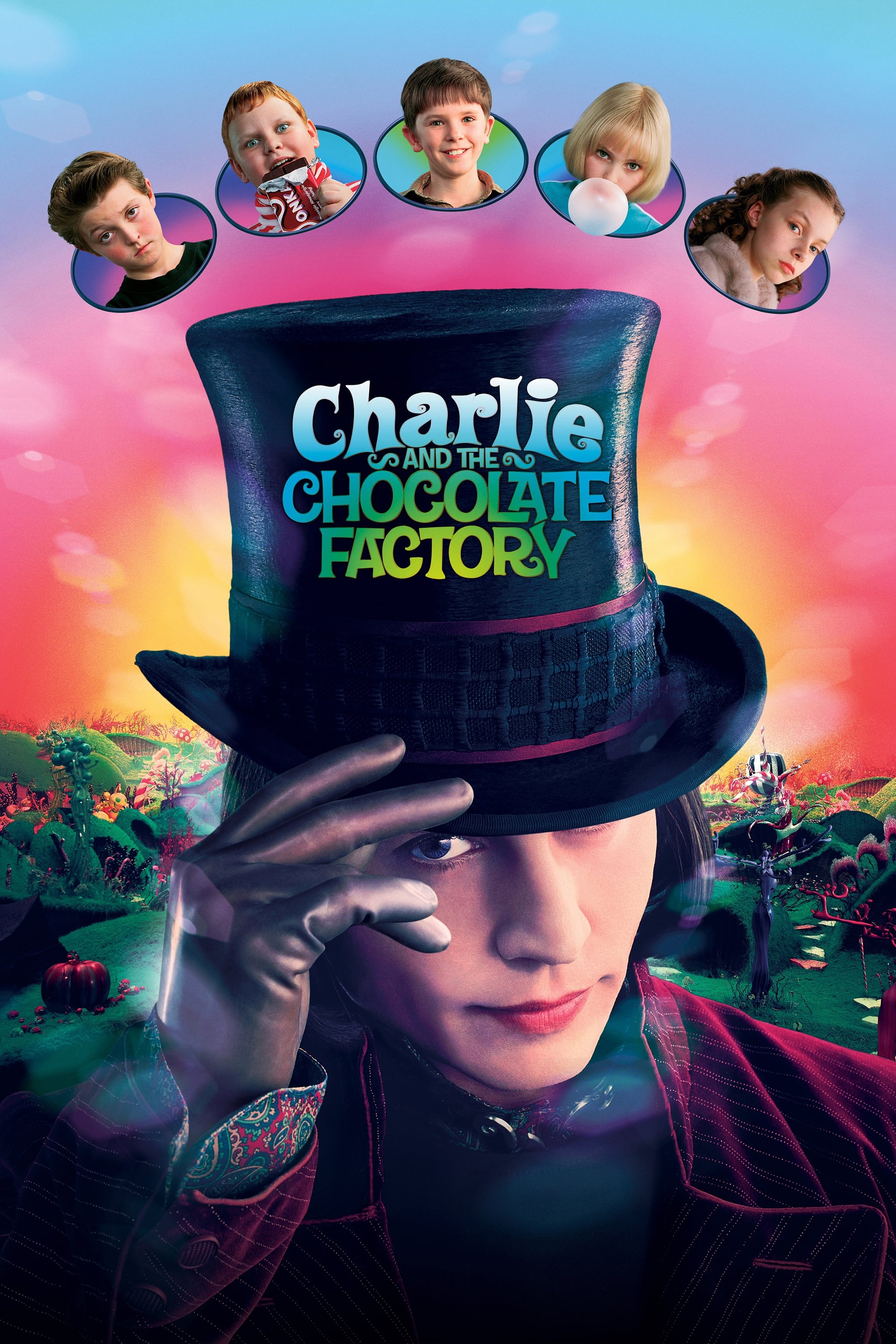
Tim Burton’s ‘Charlie and the Chocolate Factory’ serves as a new screen version of Roald Dahl’s book, distinct from the earlier film while overlapping in iconic imagery. Johnny Depp, Freddie Highmore, and an ensemble of child actors headlined the production, which leaned on elaborate sets, stylized costuming, and Danny Elfman’s music.
Critical reaction was mixed, but families and fans of Dahl’s work continued to support the film through theatrical repeats and home entertainment. Featurettes detailing set construction, prop design, and musical elements gave viewers a window into the production’s craftsmanship, helping the remake sustain a sizable audience long after release.
‘The Italian Job’ (2003)
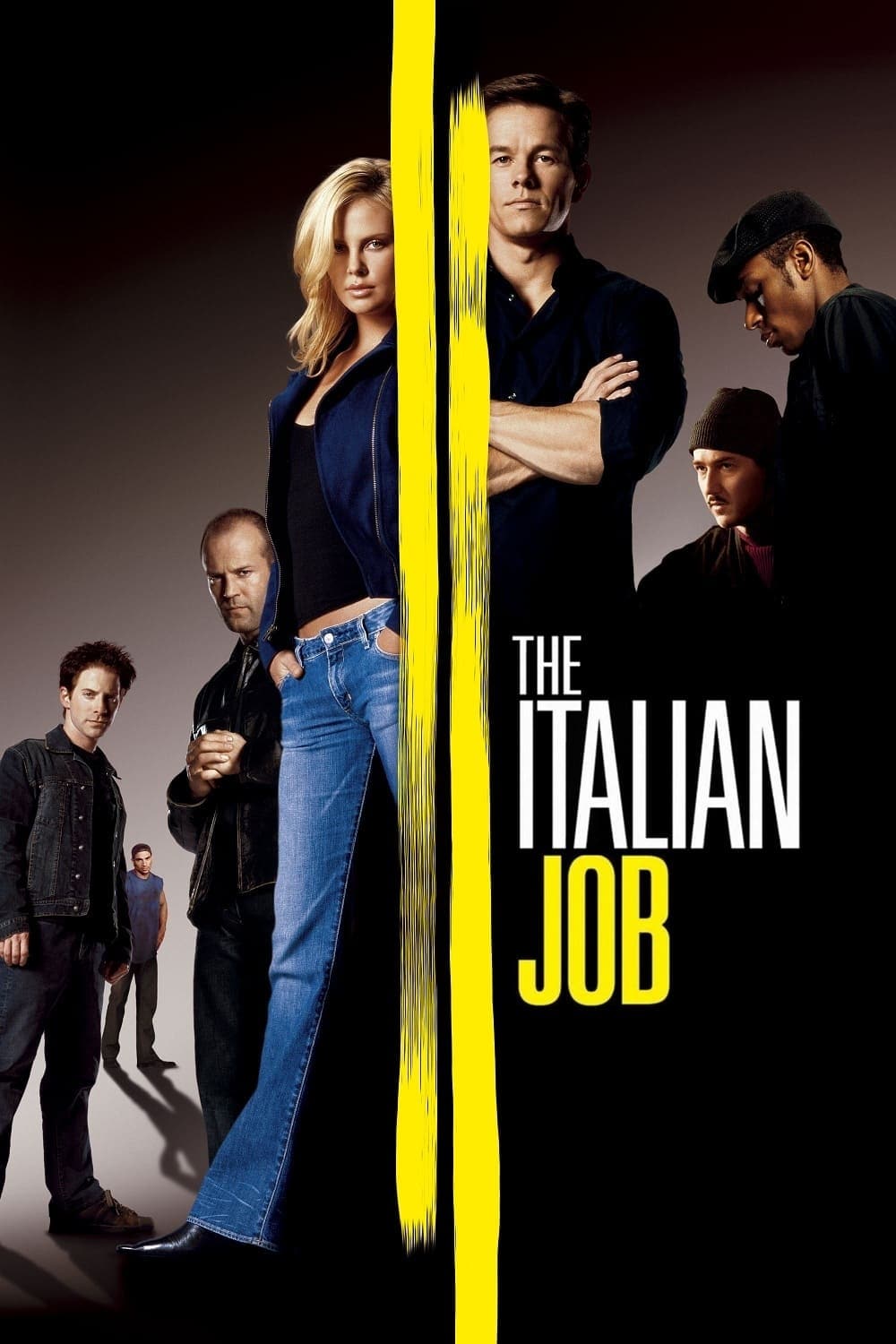
F. Gary Gray’s ‘The Italian Job’ updates the heist framework of the original with a new Los Angeles and Venice storyline, a cast led by Mark Wahlberg and Charlize Theron, and distinctive Mini Cooper chase choreography. The production coordinated extensive driving sequences, practical stunts in tight urban spaces, and visual effects for complex set-piece transitions.
Reviewers were split on the necessity of a remake, yet audiences embraced the caper’s car-centric set pieces, ensemble chemistry, and glossy execution. The Mini Cooper association became a marketing touchstone, and the movie’s frequent TV airings and streaming availability cemented its status as a popular modern heist rerun.
‘Red Dawn’ (2012)

‘Red Dawn’ remakes the earlier invasion thriller with an updated geopolitical backdrop and a cast that includes Chris Hemsworth, Josh Peck, and Adrianne Palicki. The production navigated delays and distributor changes, executing location-based action sequences and close-quarters firefights designed for a youthful ensemble.
Critical notices were largely negative, but the film found viewers through action-genre channels, streaming platforms, and cable rotations. Fan attention often centers on its production history and set-piece breakdowns, and the cast’s later rise in other franchises has driven ongoing curiosity and rewatch value among audiences.
‘Total Recall’ (2012)
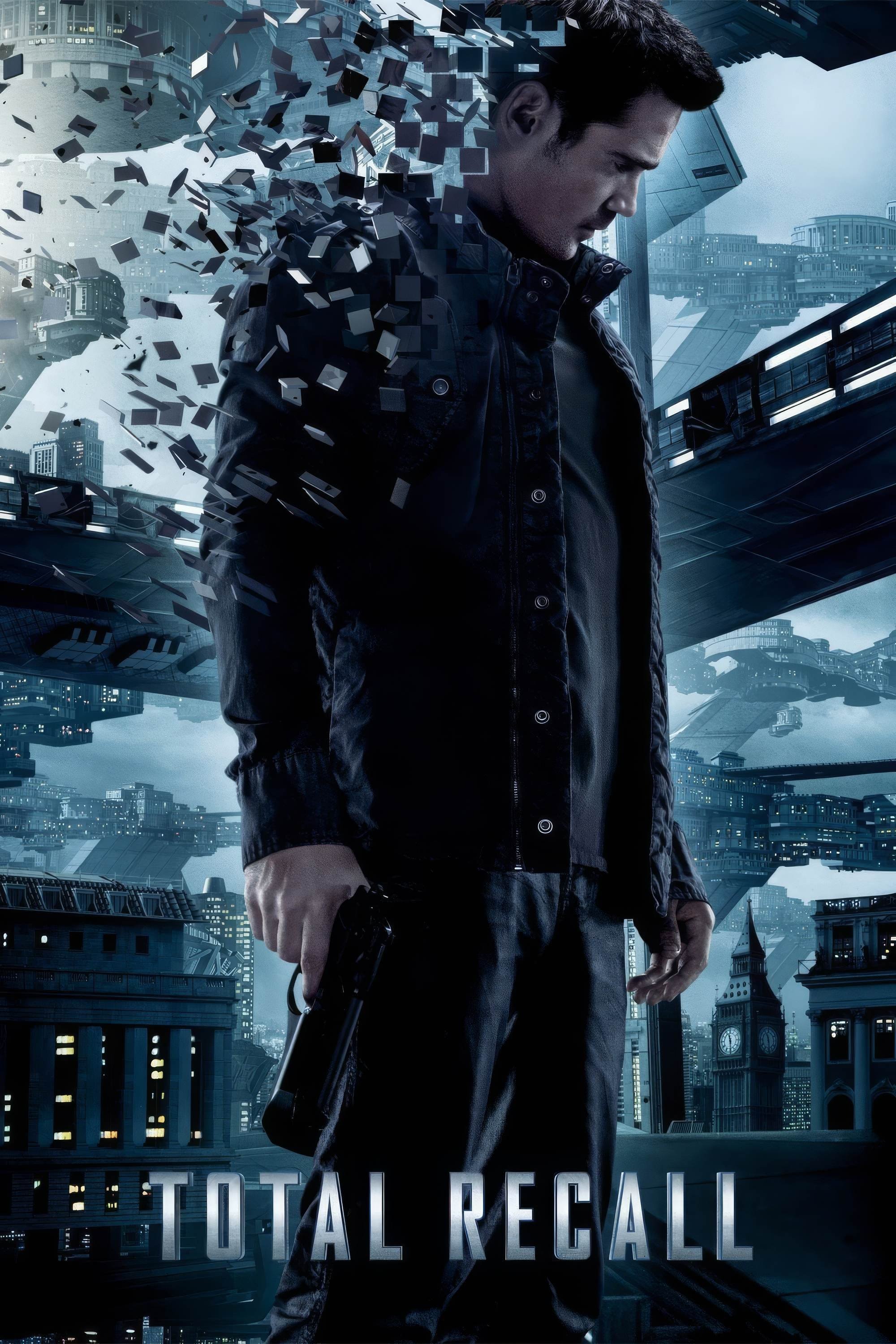
Len Wiseman’s ‘Total Recall’ remakes the earlier sci-fi action film with a new aesthetic drawn from contemporary urban futurism, featuring Colin Farrell, Kate Beckinsale, and Jessica Biel. The production integrated large practical sets with CG cityscapes, including the vertical transit systems and synthetic-police sequences that define its look.
Despite negative critical comparisons to the original, the movie posted solid global box office and built an audience interested in its production design, stunt coordination, and alternate cut material on home media. Feature commentaries and behind-the-scenes segments highlight the blend of practical and digital work that fans continue to revisit.
‘The Wicker Man’ (2006)
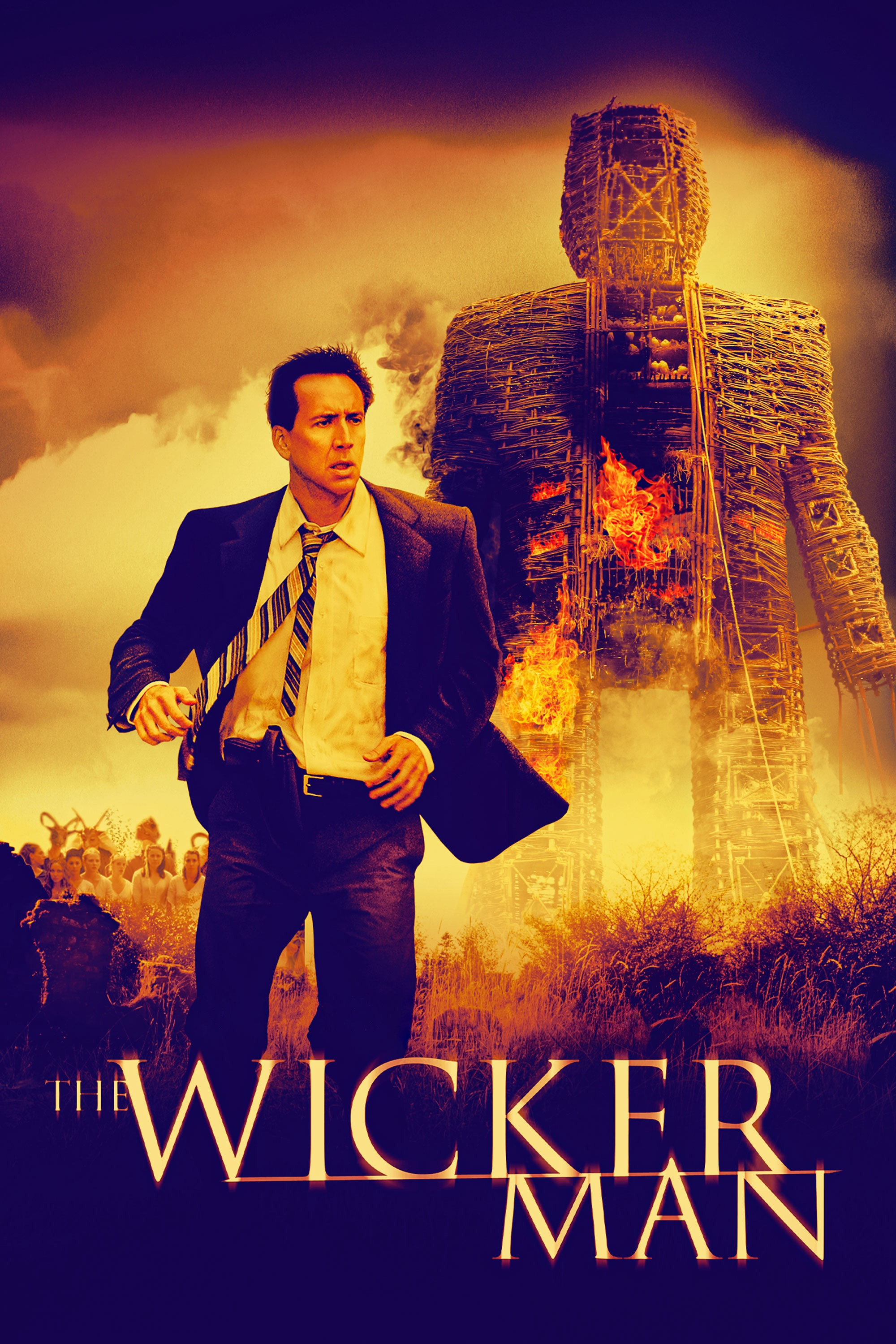
Neil LaBute’s ‘The Wicker Man’ revisits the folk-horror premise with Nicolas Cage in the lead and a Pacific Northwest setting. The production emphasized ritual imagery, seasonal color palettes, and an isolated island community, while Lionsgate marketed it as a psychological mystery with escalating dread.
Critics were dismissive, but the movie developed a persistent cult viewership through midnight screenings, meme culture, and home-video rediscovery. Fans frequently reference its dialogue, performance choices, and alternate-ending material included on discs, which have kept ‘The Wicker Man’ in circulation among genre collectors and camp-cinema enthusiasts.
‘Halloween’ (2007)
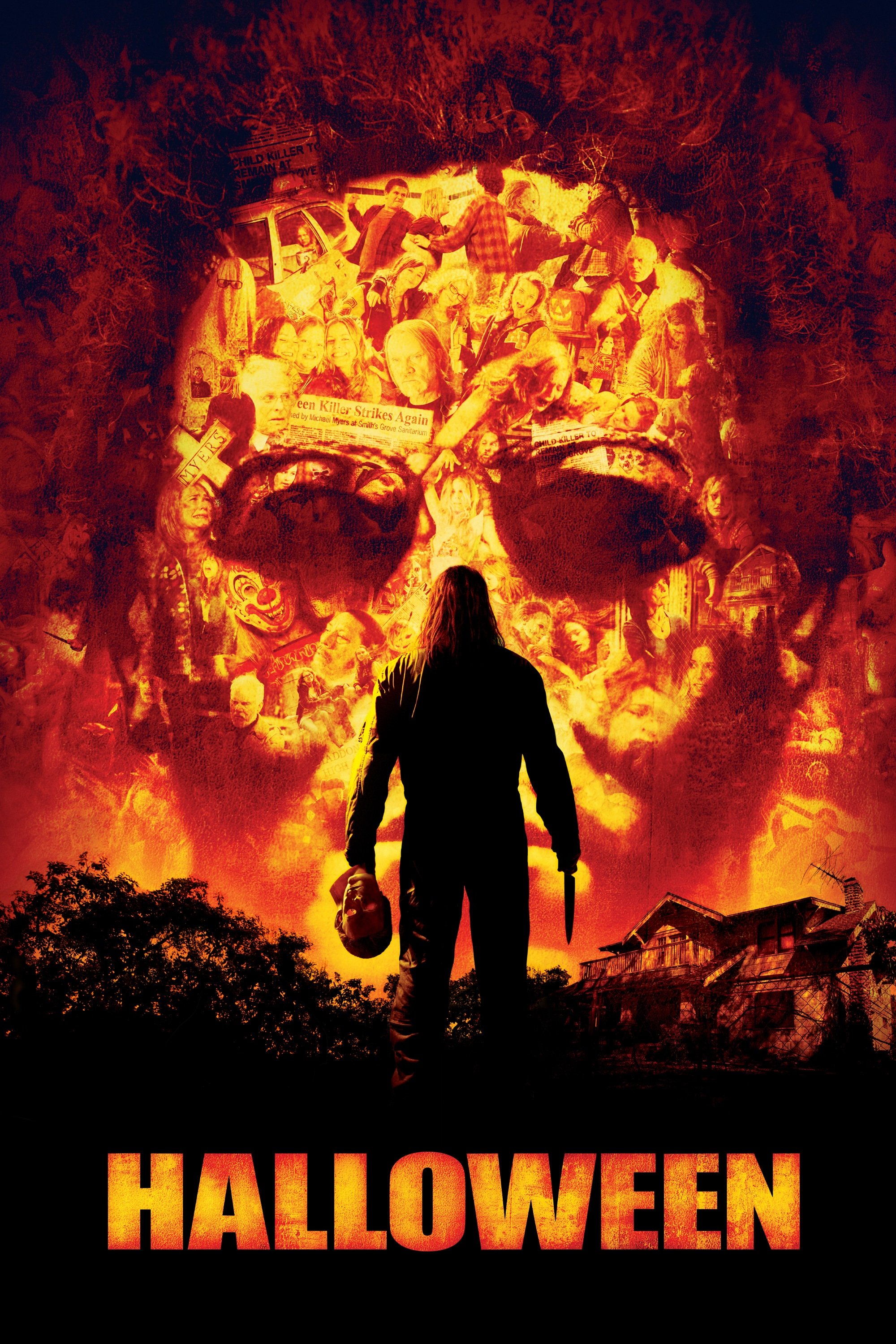
Rob Zombie’s ‘Halloween’ remakes John Carpenter’s slasher with an origin-focused structure and a new ensemble. The production balanced practical gore effects with handheld camerawork, and Dimension Films released both a theatrical version and an extended cut for home media. Tyler Mane assumed the role of Michael Myers, with Malcolm McDowell as Loomis.
Reviewers criticized the reimagining, yet the film delivered strong opening-weekend turnout and cultivated a dedicated fanbase that engages with its alternate cuts, soundtrack choices, and casting. Convention panels, director’s commentary, and making-of features support continued interest from horror audiences exploring divergent takes on the franchise.
‘RoboCop’ (2014)
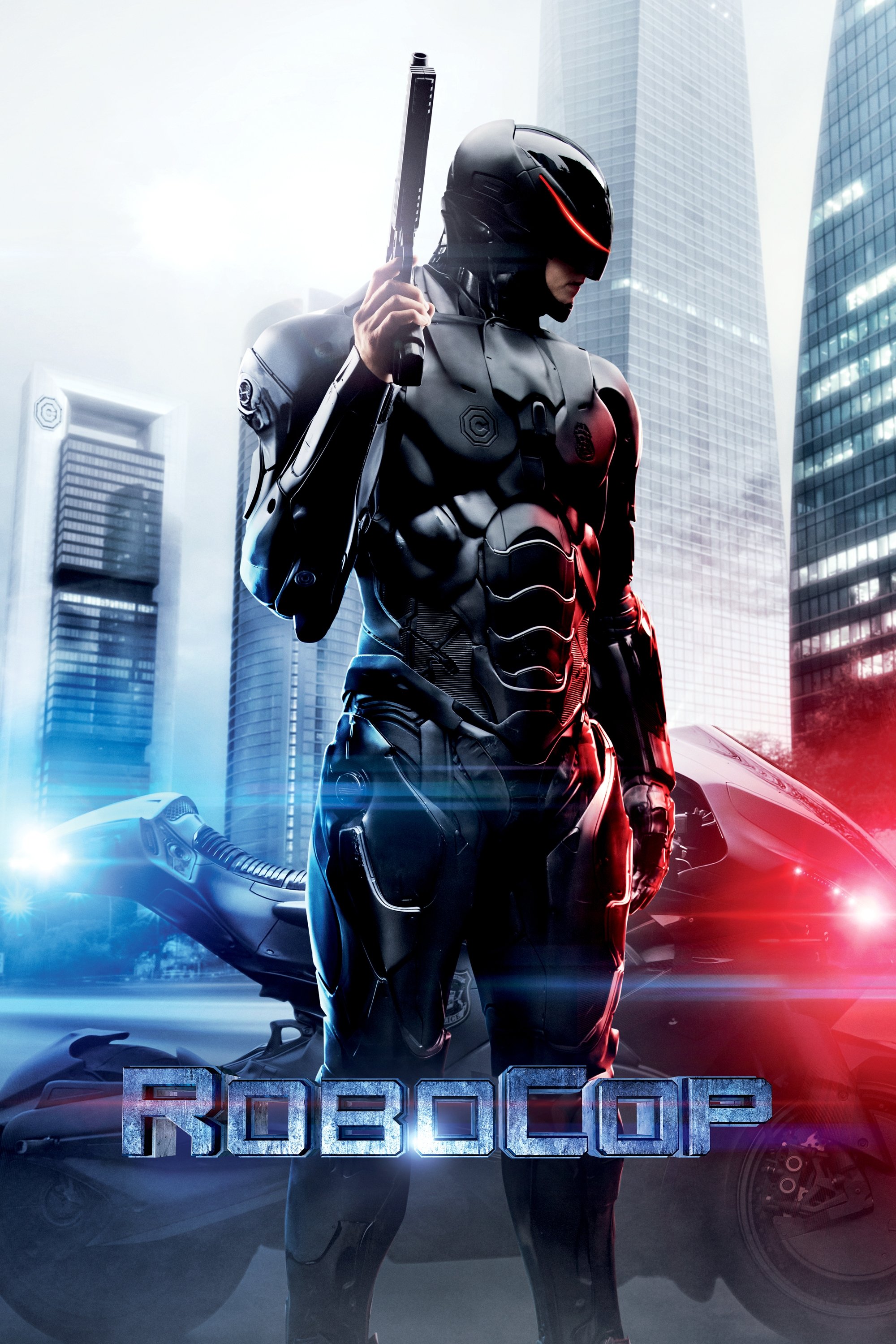
José Padilha’s ‘RoboCop’ reboots the cyberpunk action template with Joel Kinnaman, Abbie Cornish, Michael Keaton, and Gary Oldman. Production emphasized a sleeker suit design, drone-era themes, and updated corporate-media satire, combining practical suit work with digital augmentation. MGM and Sony positioned it for a global rollout with IMAX bookings.
Critical response leaned negative in comparison to the original, but audiences engaged with its action and technology-focused worldbuilding through theatrical runs and streaming. The movie’s featurettes on suit construction, robotics choreography, and VFX pipeline remain popular with fans interested in design evolution within franchise remakes.
‘Poltergeist’ (2015)
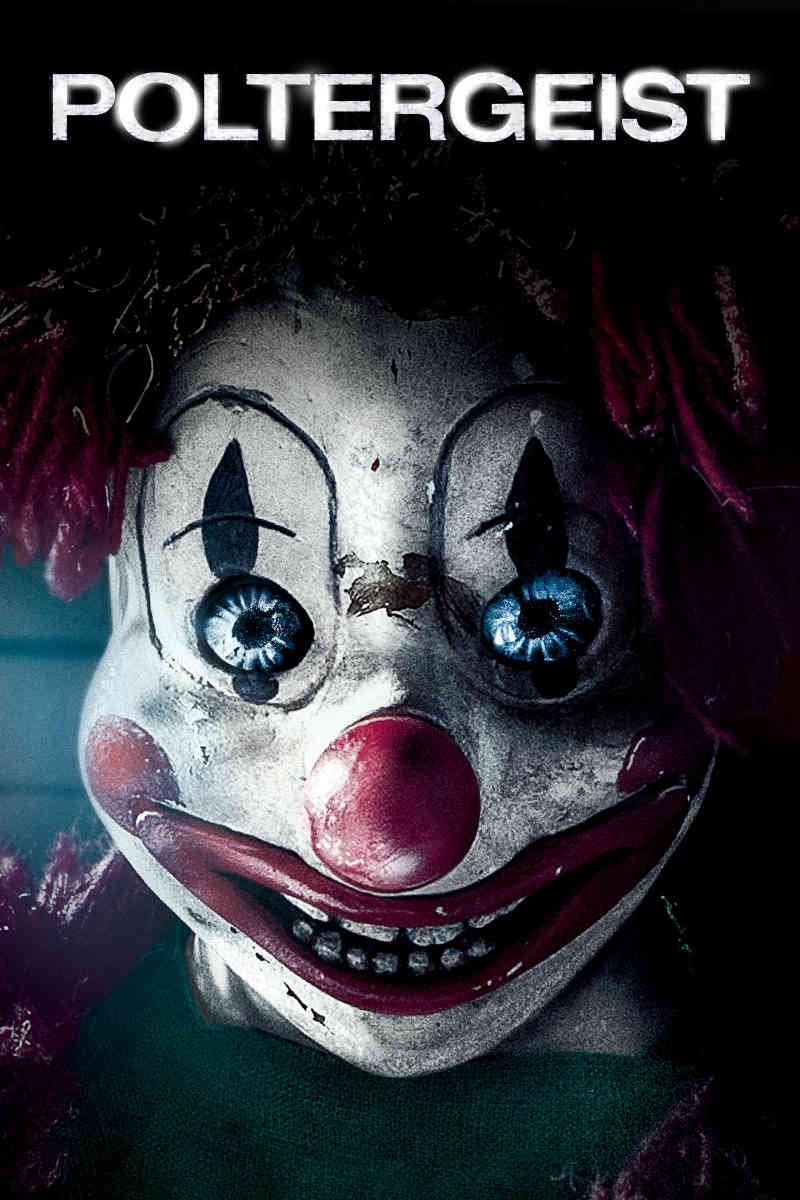
‘Poltergeist’ remakes the haunted-suburbia story with Sam Raimi producing and Gil Kenan directing, starring Sam Rockwell and Rosemarie DeWitt. The production updated the family’s tech landscape, incorporated contemporary effects for the otherworldly set pieces, and recreated signature moments with new staging.
Although critics were underwhelmed, the film reached family-horror audiences who discovered it via streaming and television. Bonus materials documenting stunt rigs, creature concepts, and set design keep viewers engaged, and the remake’s accessible runtime and familiar beats helped it remain a steady performer on home platforms.
‘A Nightmare on Elm Street’ (2010)
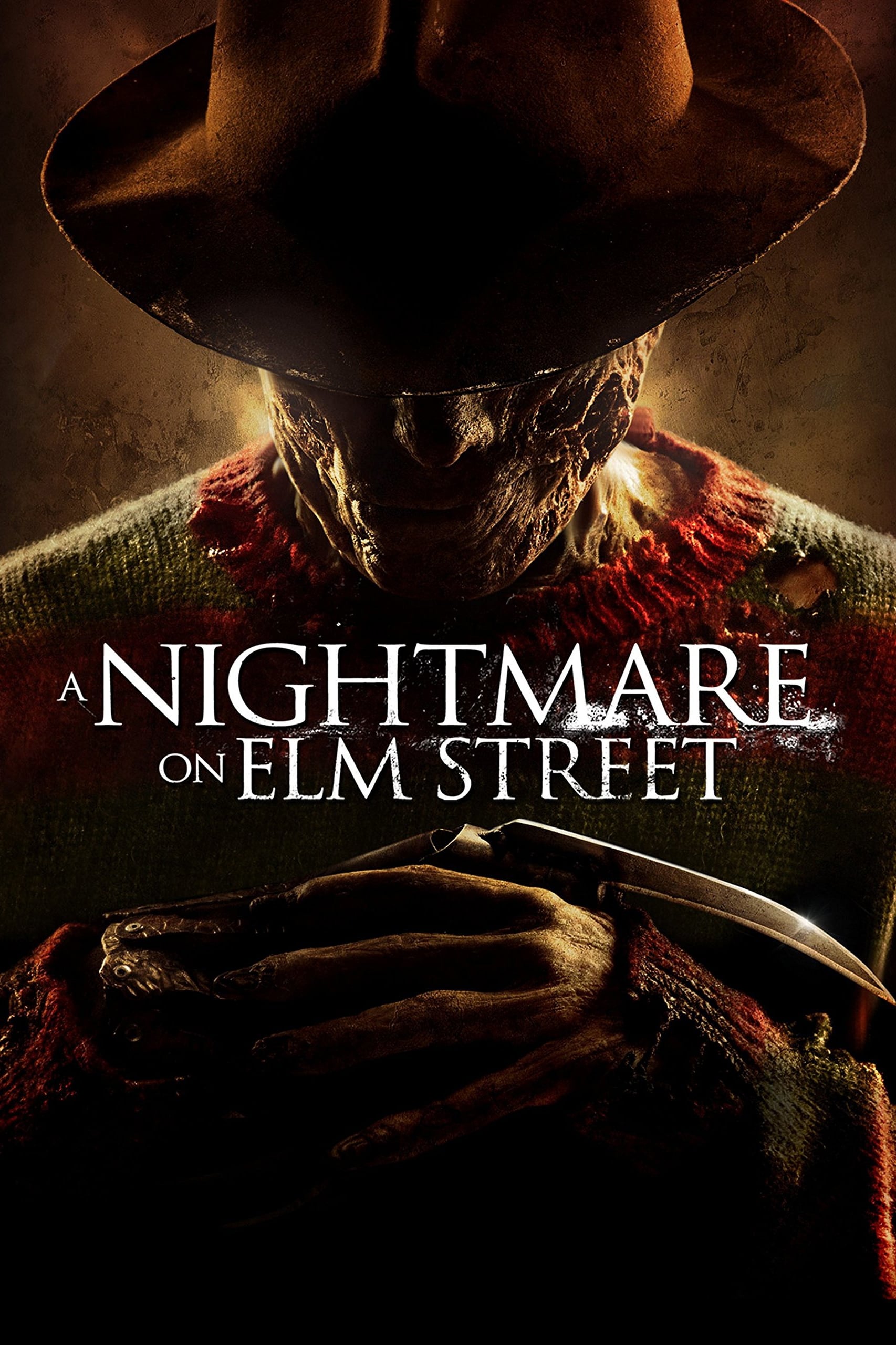
Samuel Bayer’s ‘A Nightmare on Elm Street’ remakes the slasher classic with Jackie Earle Haley taking over as Freddy Krueger and Rooney Mara among the new ensemble. The production leaned on updated makeup techniques, digital augmentation for dreamscapes, and a darker visual palette.
Reviews were largely negative, but horror fans turned out at the box office and continued to stream the film, focusing on its effects work and reinterpretation of core mythos elements. Disc extras and production galleries documenting prosthetics and set builds have kept it active in franchise marathons and collector discussions.
‘Friday the 13th’ (2009)
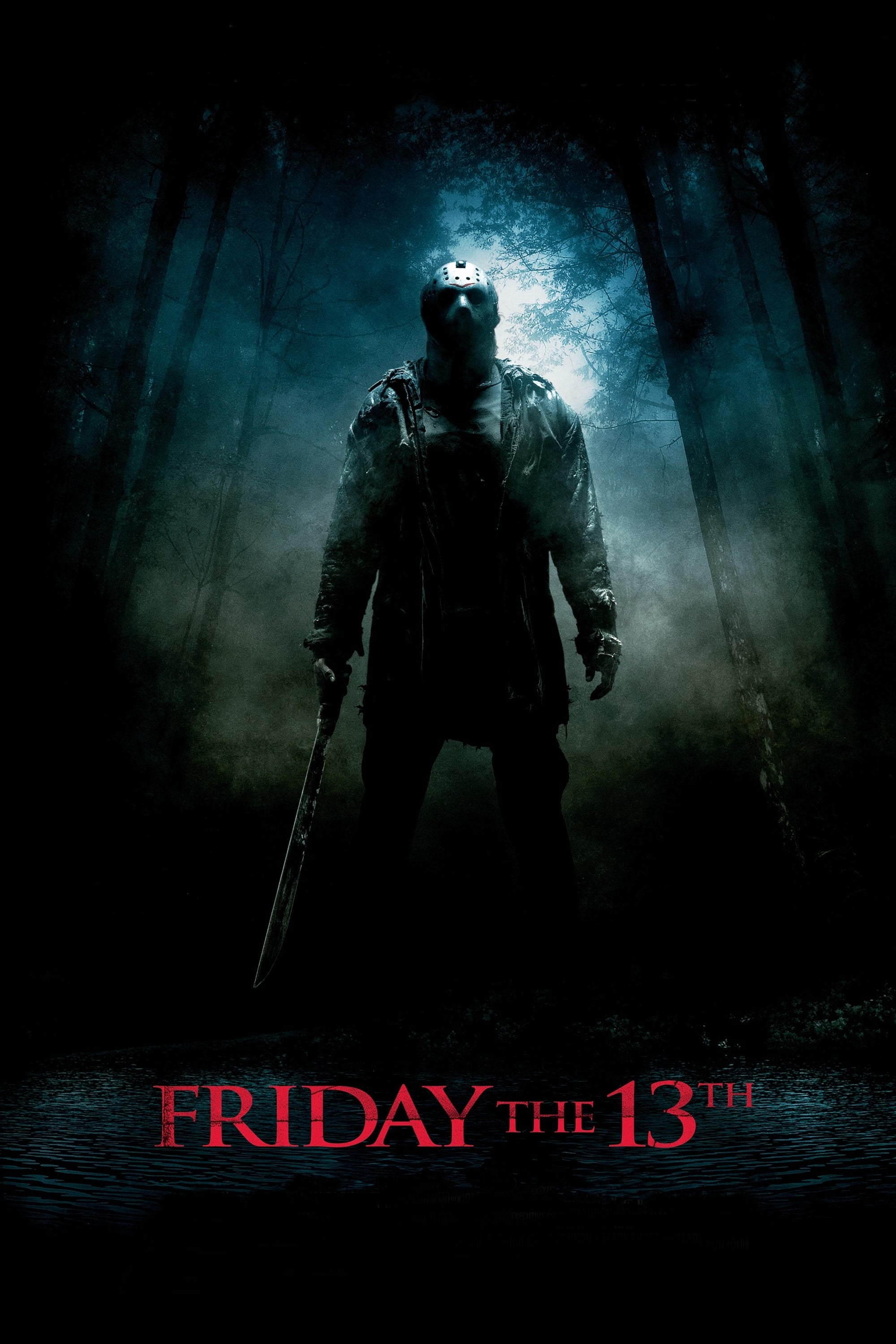
Marcus Nispel’s ‘Friday the 13th’ condenses elements from several early entries into a single remake narrative. The production emphasized practical stunt work around lakeside locations, elaborate set-piece kills engineered by seasoned effects teams, and a brisk pacing geared to theater crowds.
Critics were dismissive, yet the movie delivered a strong opening and remained a staple of slasher rewatches on cable and streaming. Fan interest often highlights the film’s behind-the-scenes stunt coordination and the way it consolidates franchise lore, making it a frequent starting point for new viewers exploring the series.
‘Ben-Hur’ (2016)
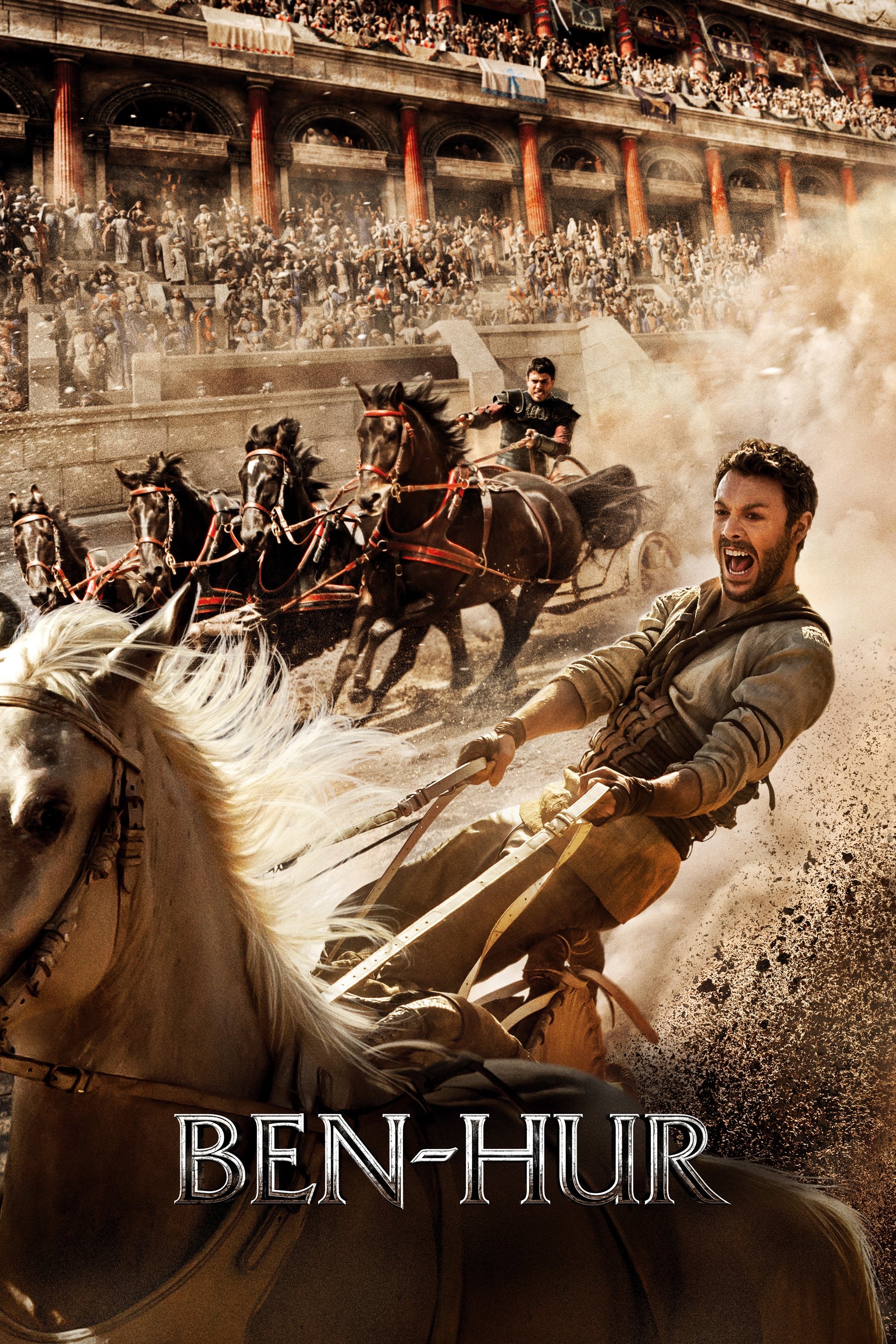
‘Ben-Hur’ remakes the historical epic with Timur Bekmambetov directing and Jack Huston, Toby Kebbell, and Morgan Freeman starring. The production staged large-scale racing sequences with a mix of practical chariot work and digital extensions, and it reframed character relationships while retaining key story pillars from earlier versions.
Despite negative reviews, the film found an audience through faith-market outreach, international distribution, and home-video curiosity about its chariot-race filmmaking. Featurettes that break down horse training, track design, and safety systems have continued to circulate among fans interested in epic-scale logistics.
‘Teenage Mutant Ninja Turtles’ (2014)
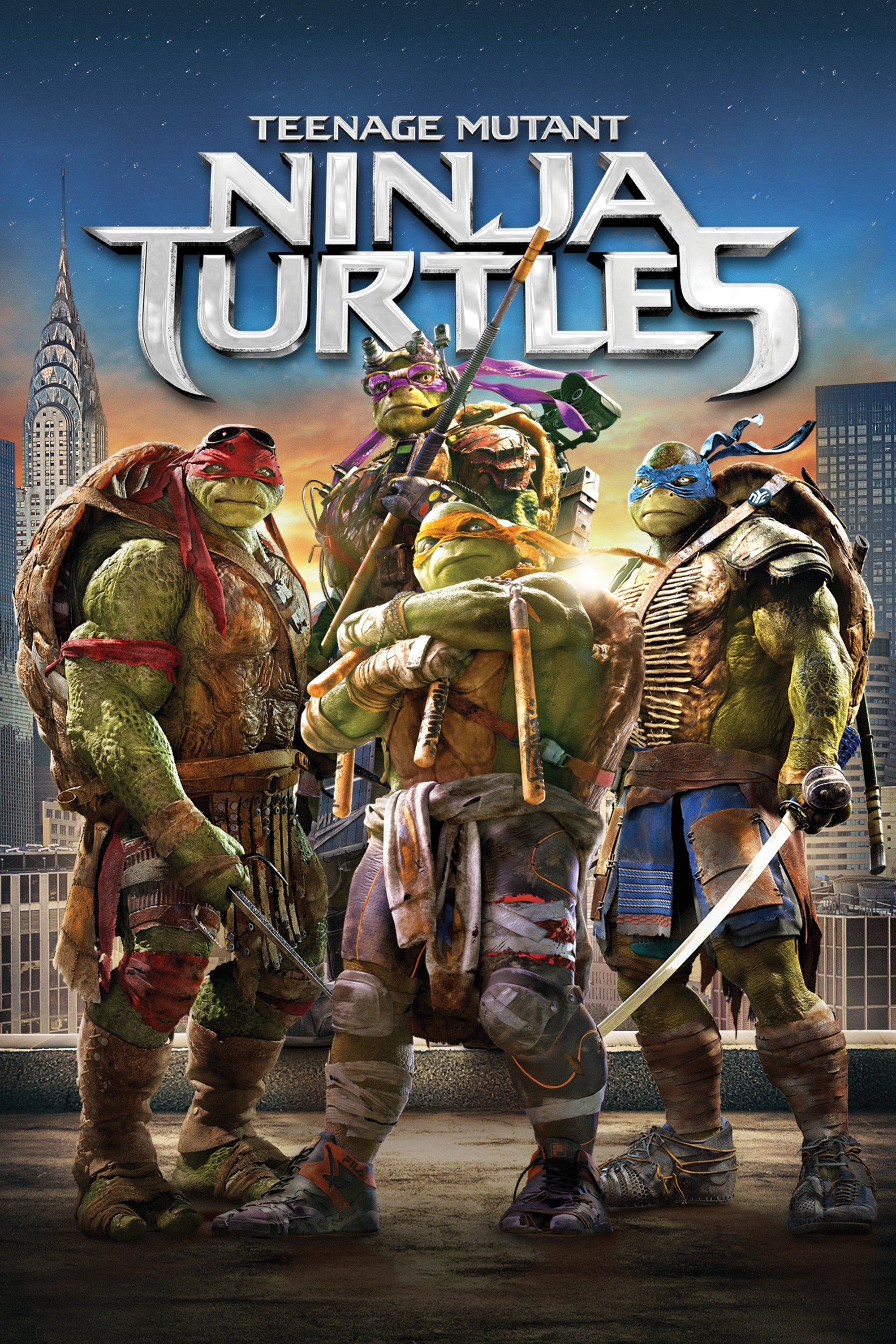
Jonathan Liebesman’s ‘Teenage Mutant Ninja Turtles’ reboots the earlier live-action series with performance-capture turtles and Megan Fox and Will Arnett in human leads. The production combined practical sets with CG characters, delivering action sequences designed for large-format screens.
Reviewers criticized the update, but the movie delivered sizable global box office and maintained strong merchandise and streaming presence. Fans engage with the film’s VFX breakdowns and motion-capture process, and the sequel produced soon after underlines how audience interest sustained the rebooted approach.
‘Man on Fire’ (2004)
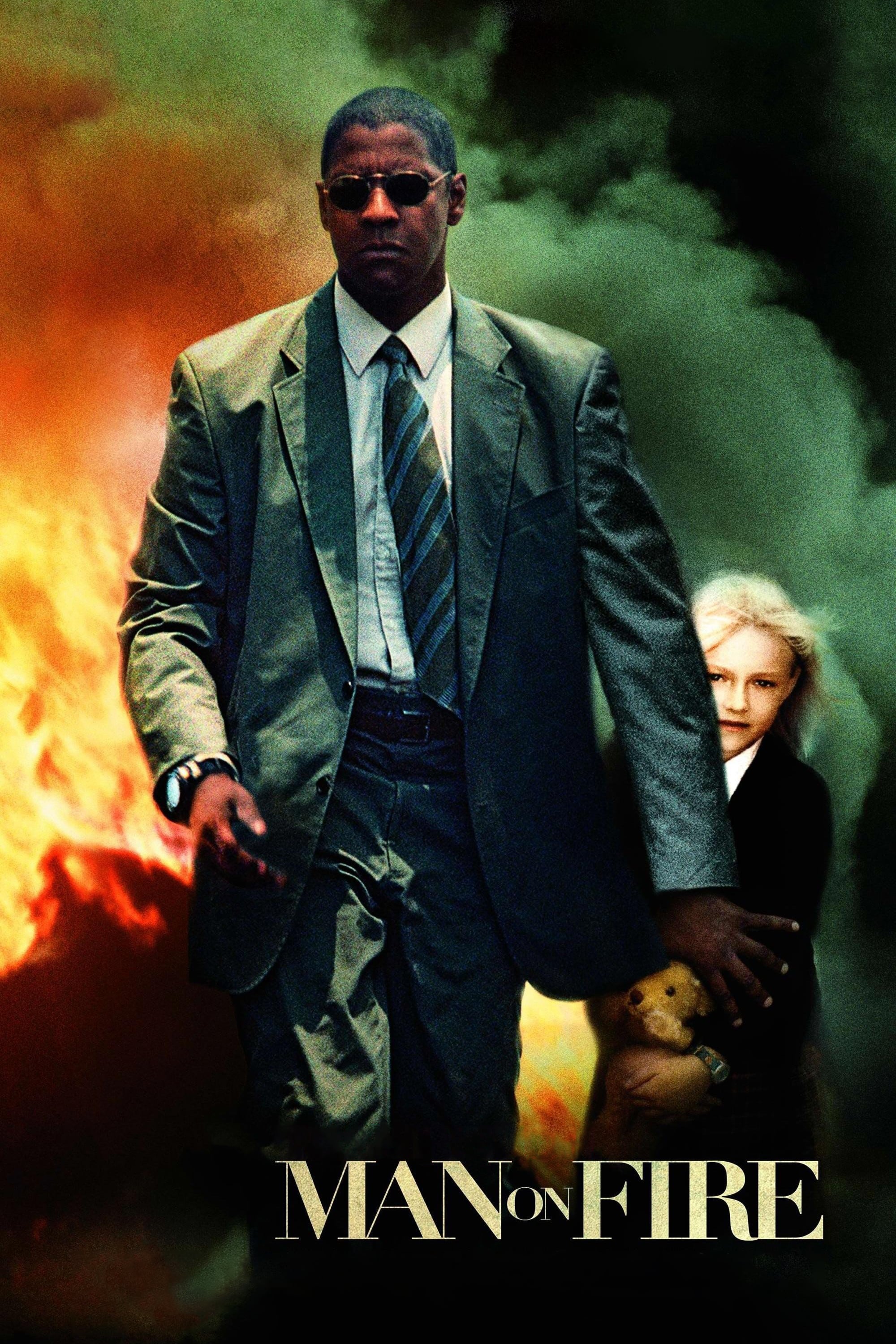
Tony Scott’s ‘Man on Fire’ remakes a late-1980s adaptation of A. J. Quinnell’s novel, with Denzel Washington, Dakota Fanning, and an international supporting cast. The production shot extensively on real locations, integrating multilingual dialogue, documentary-style coverage, and a distinctive in-camera editing and text-on-screen technique.
Initial reviews were mixed to negative about its intensity, but the movie performed well theatrically and achieved long-tail popularity on television and disc. Viewers continue to seek out materials on its location shooting, score by Harry Gregson-Williams, and Scott’s visual methods, which have been analyzed in filmmaking circles and fan essays.
Share your own example of a critic-slammed remake that won over audiences in the comments!