Movie Remakes that Fans Hated (but Critics Loved)


Some remakes walk into theaters already carrying the weight of a beloved original. Even when the craft is strong and reviewers respond, fan expectations can be impossible to meet, whether due to tonal shifts, casting changes, or bold departures from familiar story beats. The gap between critical praise and audience grumbling has produced a fascinating subset of do-overs that are better than their reputations suggest—at least on paper.
Below are twenty remakes that sparked backlash from pockets of moviegoers despite strong notices from professional reviewers. For each title, you’ll find concrete details about what changed, who made those changes, and how the new versions differ from the films that inspired them.
‘Ghostbusters’ (2016)
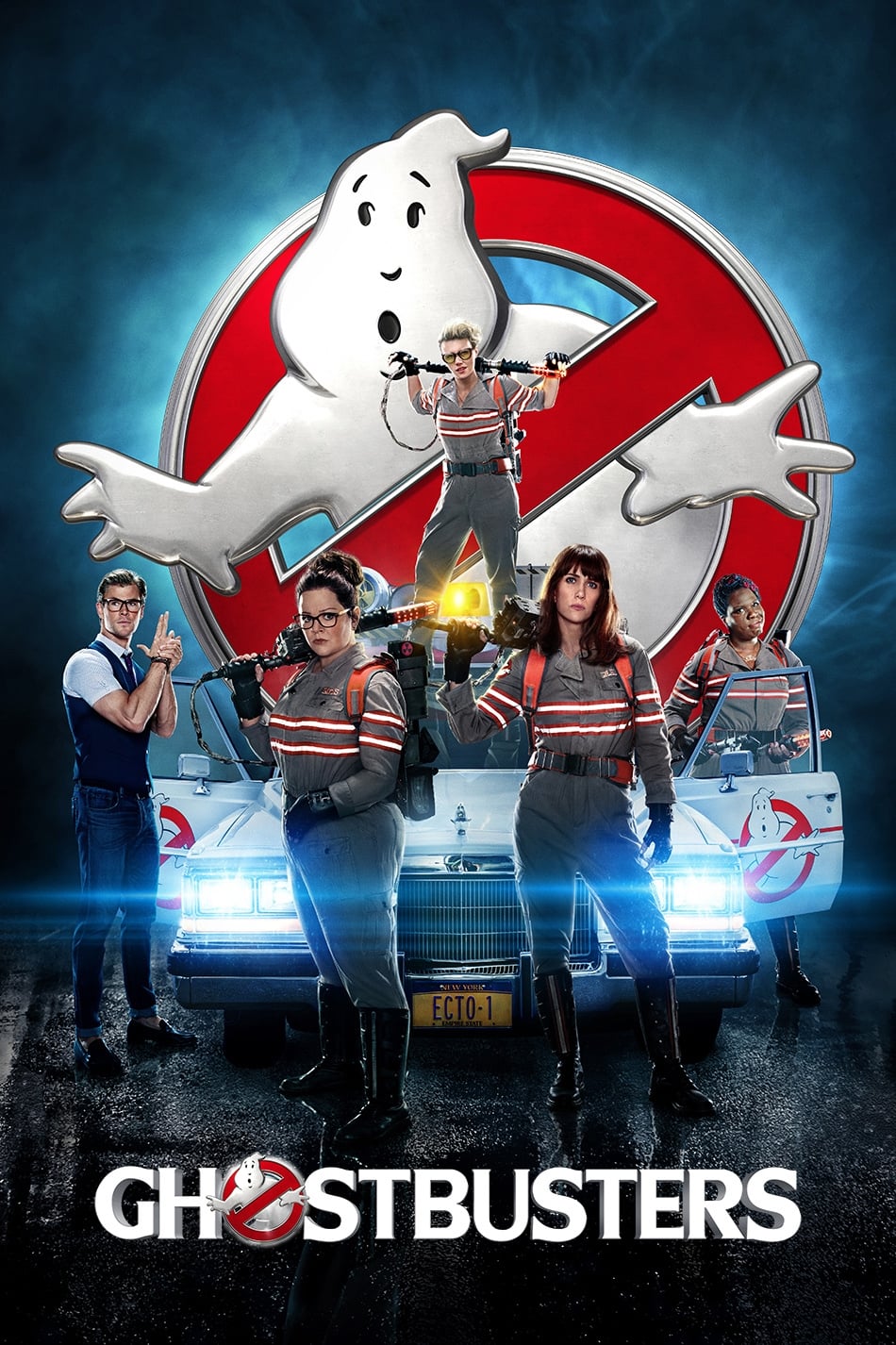
Director Paul Feig reimagined ‘Ghostbusters’ with a new team led by Melissa McCarthy, Kristen Wiig, Kate McKinnon, and Leslie Jones, shifting the focus to a fresh quartet of scientists and engineers in New York. The film introduced updated proton gear, a different villain framework centered on engineered paranormal unrest, and a batch of cameos from legacy cast members in newly conceived roles.
Sony positioned ‘Ghostbusters’ as a franchise relaunch with extensive VFX work, an emphasis on gadgetry, and new supporting characters like Chris Hemsworth’s earnest receptionist. The marketing campaign highlighted original iconography—Ecto-1, the logo, and slime—while threading a separate continuity from the earlier films rather than a direct continuation.
‘Charlie and the Chocolate Factory’ (2005)
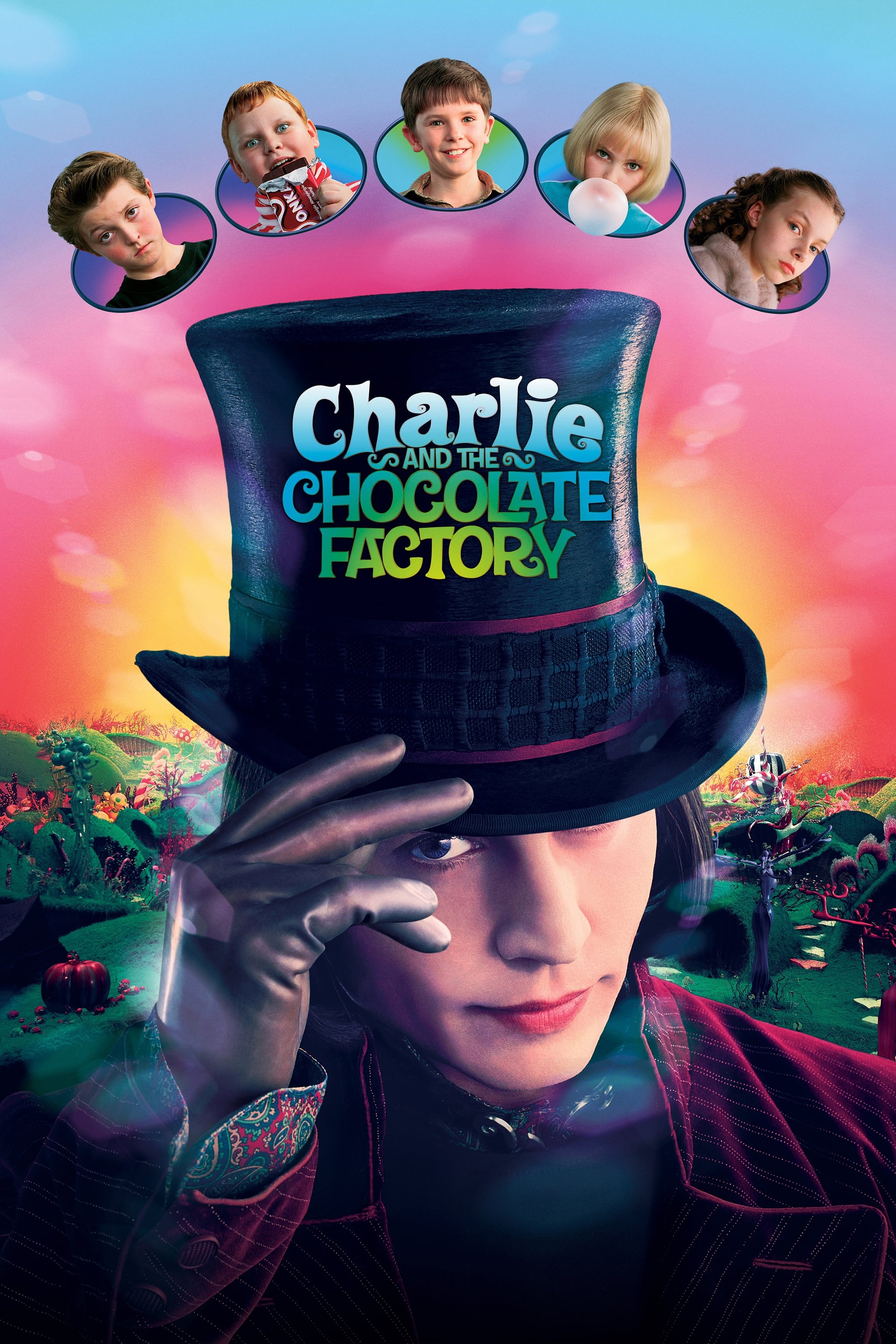
Tim Burton’s ‘Charlie and the Chocolate Factory’ adheres more closely to Roald Dahl’s book than the earlier film, emphasizing Willy Wonka’s personal backstory and a more eccentric, insulated interpretation of the chocolatier. Johnny Depp’s Wonka is framed through stylized flashbacks, while the Oompa-Loompa musical numbers are presented as genre-hopping set pieces performed by a single actor composited in multiple roles.
Production leaned into Burton’s signature design ethos—oversized, candy-coated sets and a heightened color palette—while preserving the narrative structure of golden tickets, factory trials, and moral tests. The screenplay foregrounds Charlie’s family life, especially the Bucket household, to parallel the factory’s spectacle with a grounded home dynamic.
‘Let Me In’ (2010)
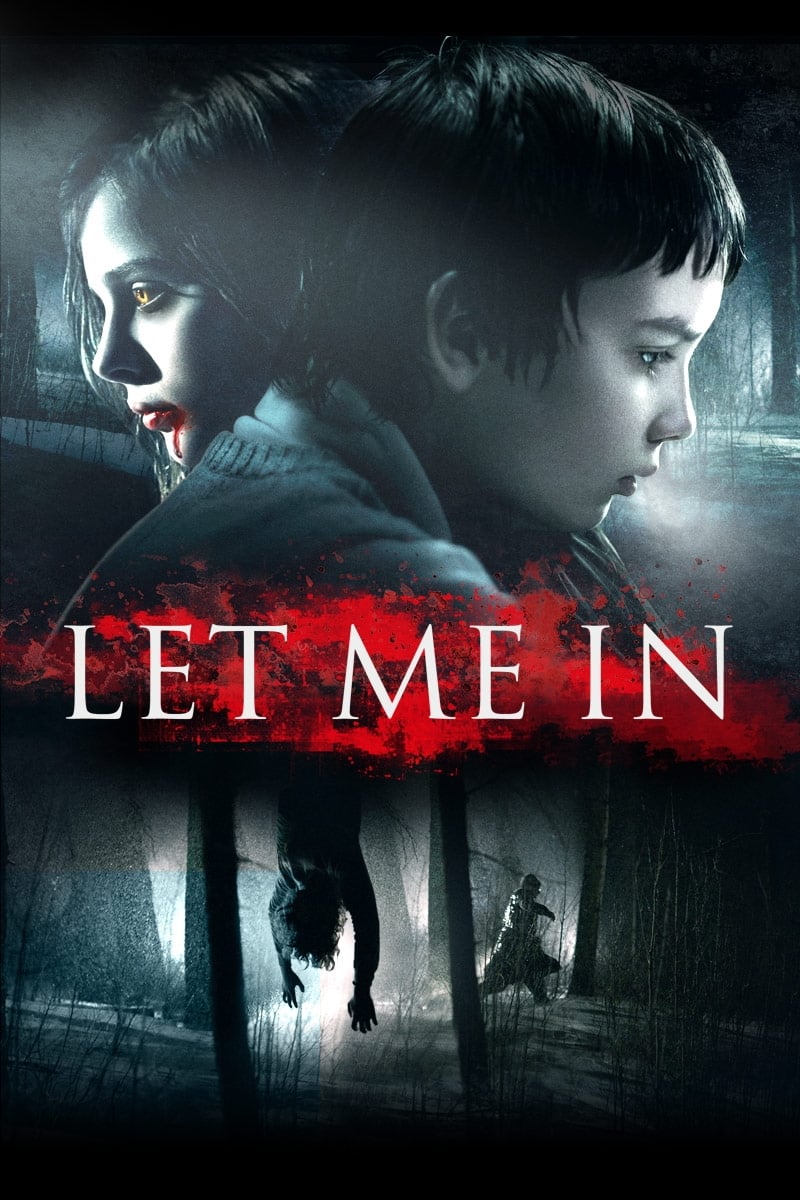
Matt Reeves’s ‘Let Me In’ relocates the story of a lonely boy and an ageless vampire to a snowbound American setting, retaining the intimate character focus of the Swedish original ‘Let the Right One In’. The film uses a reserved visual style, with long takes and wintry nighttime exteriors, to emphasize isolation and the unsettling rules governing the vampire’s existence.
Practical effects and selective CG support a few shock moments, but the film mostly prioritizes atmosphere and hushed conversation. Michael Giacchino’s score and Greig Fraser’s cinematography work together to create a subdued tone, while the screenplay preserves key narrative turns involving bullying, secrecy, and the costs of companionship.
‘Suspiria’ (2018)

Luca Guadagnino’s ‘Suspiria’ expands Dario Argento’s dance-academy horror into a broader historical and political canvas, intertwining the story with tensions in Berlin and the inner governance of a coven. The choreography becomes narratively central, with movement doubling as ritual, and the film adds an administrative council that reframes the school’s power structure.
Thom Yorke contributes an original score that alternates between sparse vocals and minimalist themes, complementing a muted, grain-heavy visual approach. The production emphasizes elaborate practical effects and extended dance sequences staged by contemporary choreographers, distinguishing the remake’s aesthetic from the neon-drenched look associated with the original.
‘West Side Story’ (2021)
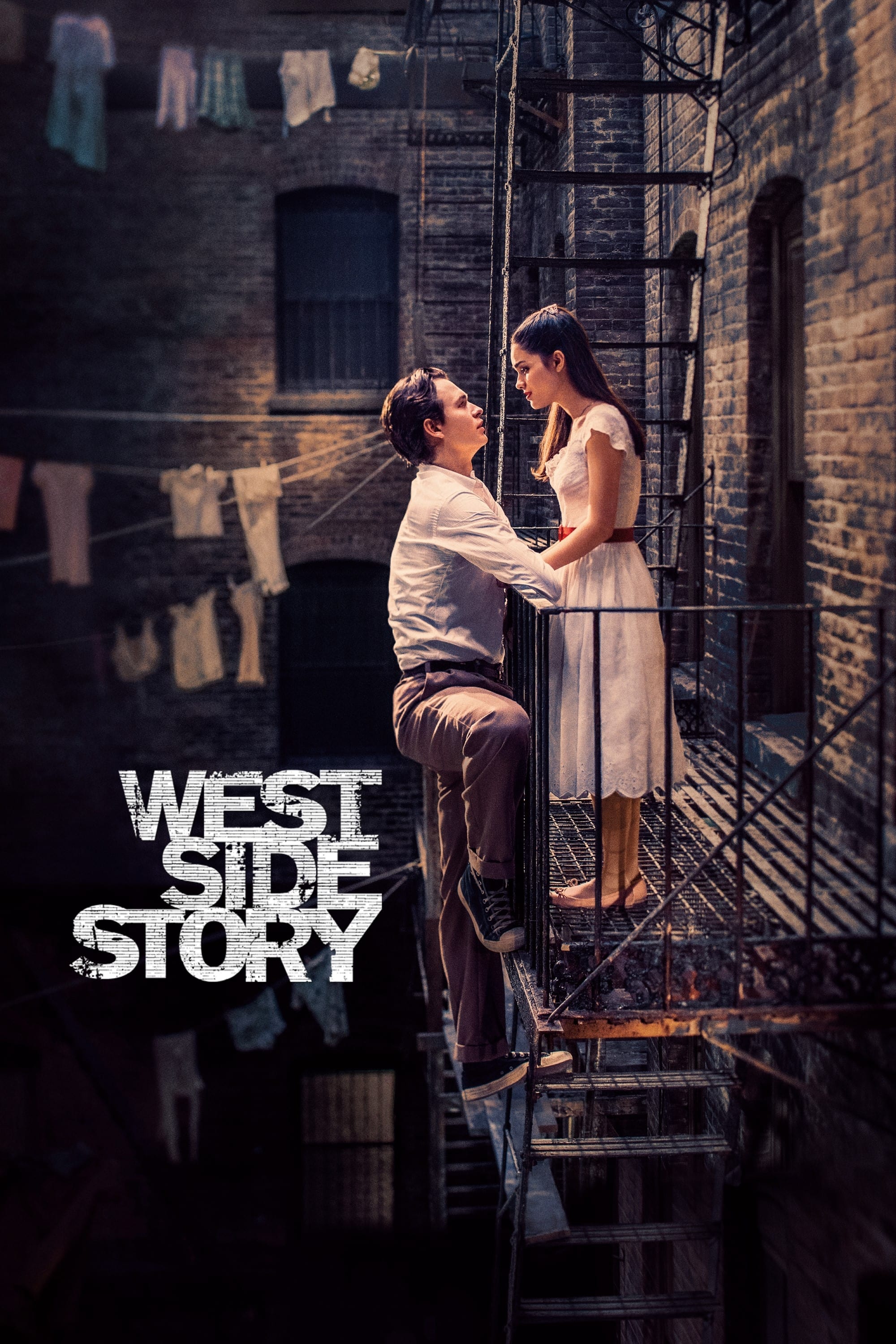
Steven Spielberg’s ‘West Side Story’ presents a new staging of the musical with choreography that nods to Jerome Robbins while integrating location shooting across authentic New York neighborhoods. Tony Kushner’s screenplay refines character motivations and community dynamics, expanding supporting roles and shifting some musical numbers to emphasize narrative causality.
The film records vocals with a balance of pre-recorded and on-set elements to preserve performance energy, while the orchestra arrangements highlight woodwinds and percussion in fresh ways. Casting foregrounds actors with musical-theater experience, and Spanish dialogue is used contextually to reflect how the rival groups communicate and live.
‘Fright Night’ (2011)
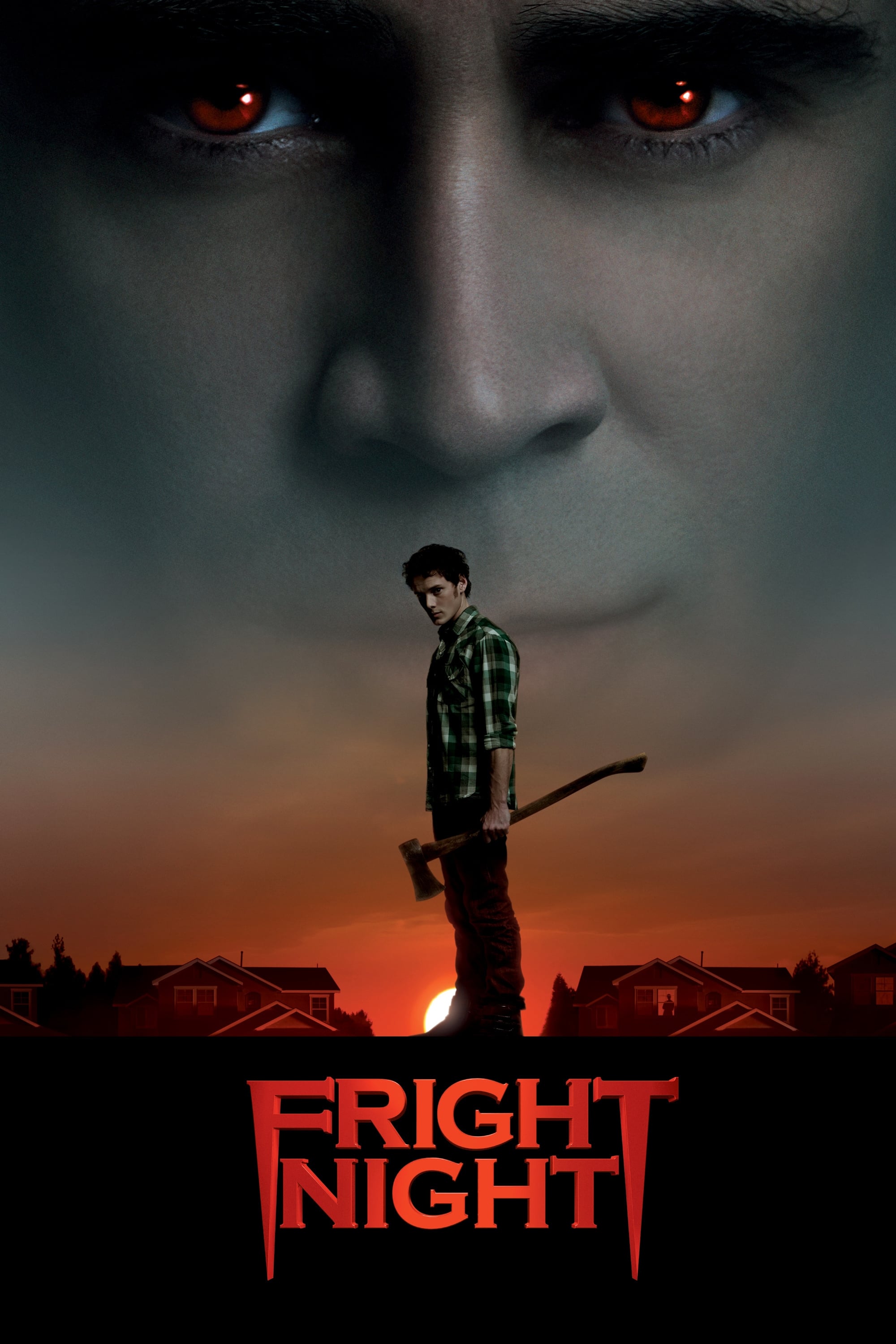
Craig Gillespie’s ‘Fright Night’ moves the vampire-next-door premise to a Las Vegas suburb, leveraging the transient, nocturnal culture of the city to justify predatory behavior that blends into the nightlife. Colin Farrell’s antagonist operates under the cover of neighborhood anonymity, while David Tennant’s Peter Vincent shifts to a stage-magician persona with occult trappings.
The remake emphasizes practical makeup for bite marks and transformations, augmenting with CG for high-speed movement and final-act set pieces. The script preserves the teen-horror humor of the premise while restructuring key confrontations to take advantage of the desert setting and the geography of model homes and cul-de-sacs.
‘Pete’s Dragon’ (2016)

David Lowery’s ‘Pete’s Dragon’ transforms the original’s musical-comedy into a gentle family adventure that centers on found family and an all-CGI dragon rendered with soft, tactile fur. The story pivots from show-business hijinks to a small-town logging community, introducing park rangers and local folklore as anchors for the boy-and-dragon relationship.
The production focuses on location photography in forested landscapes, supporting themes of wilderness preservation and secrecy. Visual effects teams designed the dragon’s movement to read like a giant, protective companion animal, aligning animation choices—ear twitches, tail gestures, and hovering—with a child’s-eye point of view.
‘The Manchurian Candidate’ (2004)
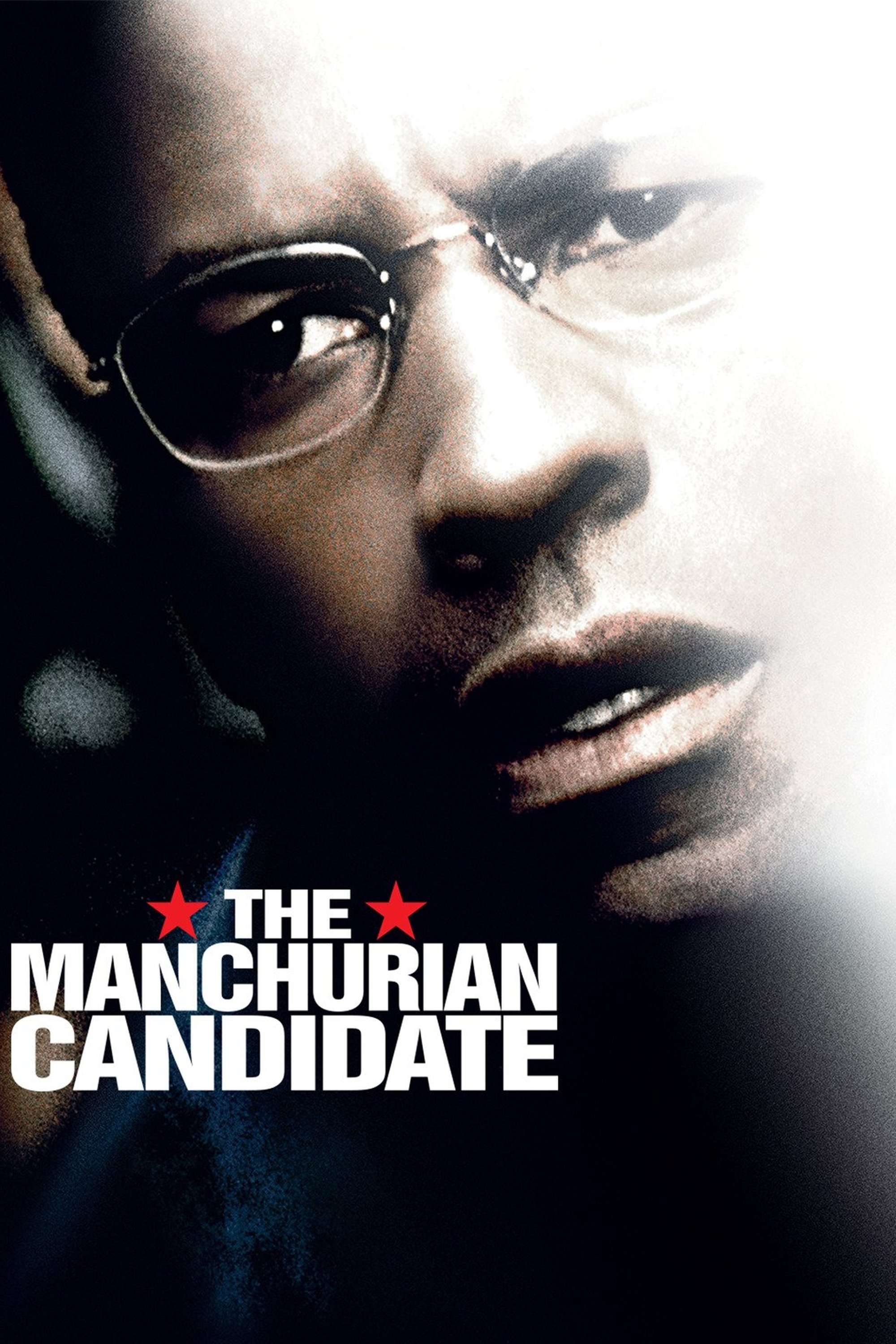
Jonathan Demme’s ‘The Manchurian Candidate’ updates the political-thriller mechanics to a contemporary corporate and military context, substituting private defense contractors for earlier-era geopolitical forces. Brainwashing becomes a fusion of implantable tech and psychological conditioning, reframing control as a commercially aligned system.
The film retools key characters, especially the ambitious political figure shaped by a dominating parent, while staging public events, debates, and convention-floor spectacle as narrative pressure points. Editing and sound design intercut campaign optics with fragmented memory, highlighting the gaps between public messaging and manipulated private experience.
‘War of the Worlds’ (2005)
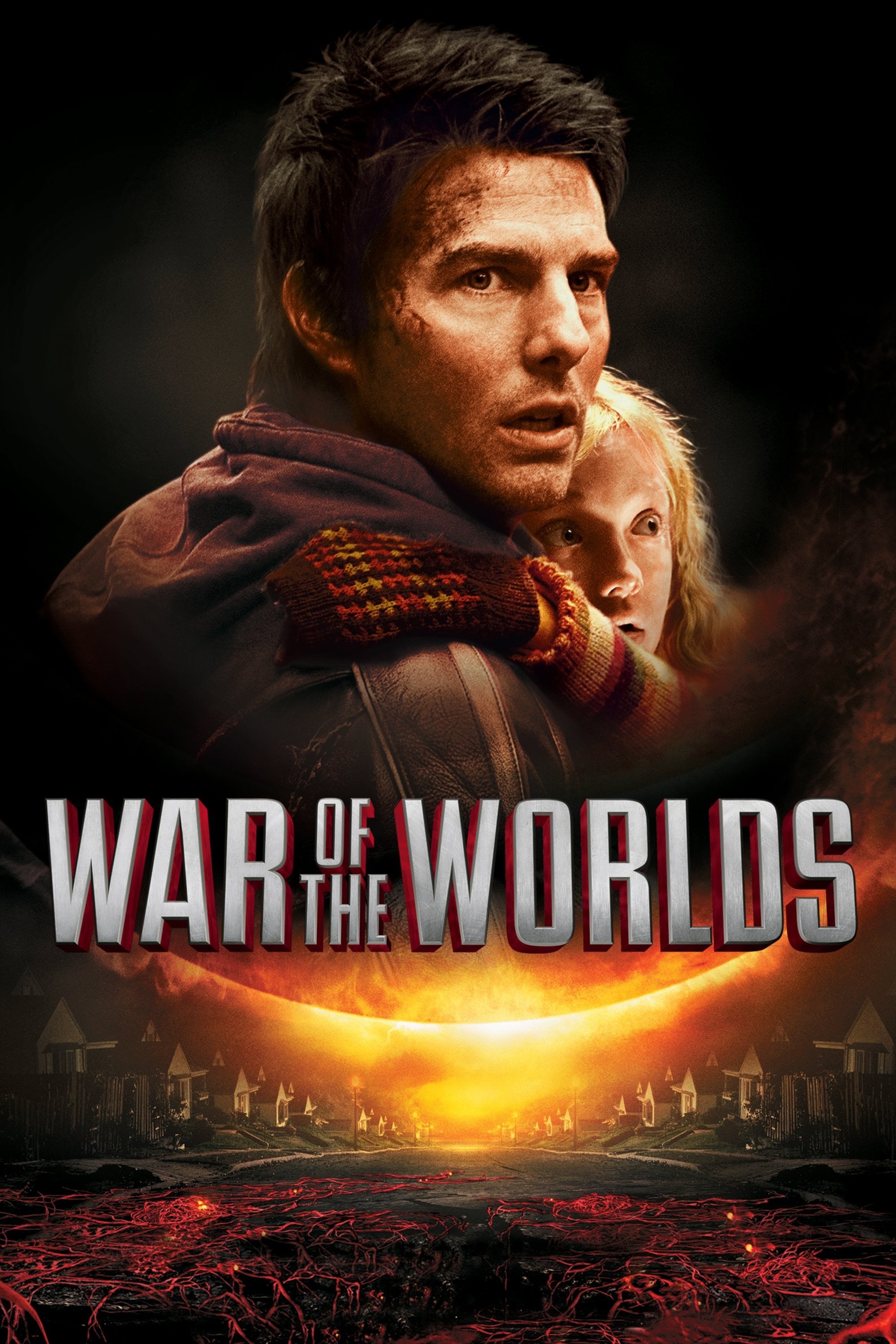
Steven Spielberg’s ‘War of the Worlds’ centers on a working-class family’s flight from an overwhelming extraterrestrial invasion, emphasizing ground-level survival over military strategy. The tripod machines arrive through buried devices triggered from above, creating an immediate sense of inevitability and scale.
Industrial sound design—mechanical foghorn blasts, metallic screeches, and percussive destruction—defines the invaders’ presence, while ILM’s VFX integrate dust, debris, and heat distortions into live-action plates. The adaptation retains the core motif of a technologically superior force and the natural-world resolution, aligning imagery with a contemporary disaster framework.
‘The Magnificent Seven’ (2016)
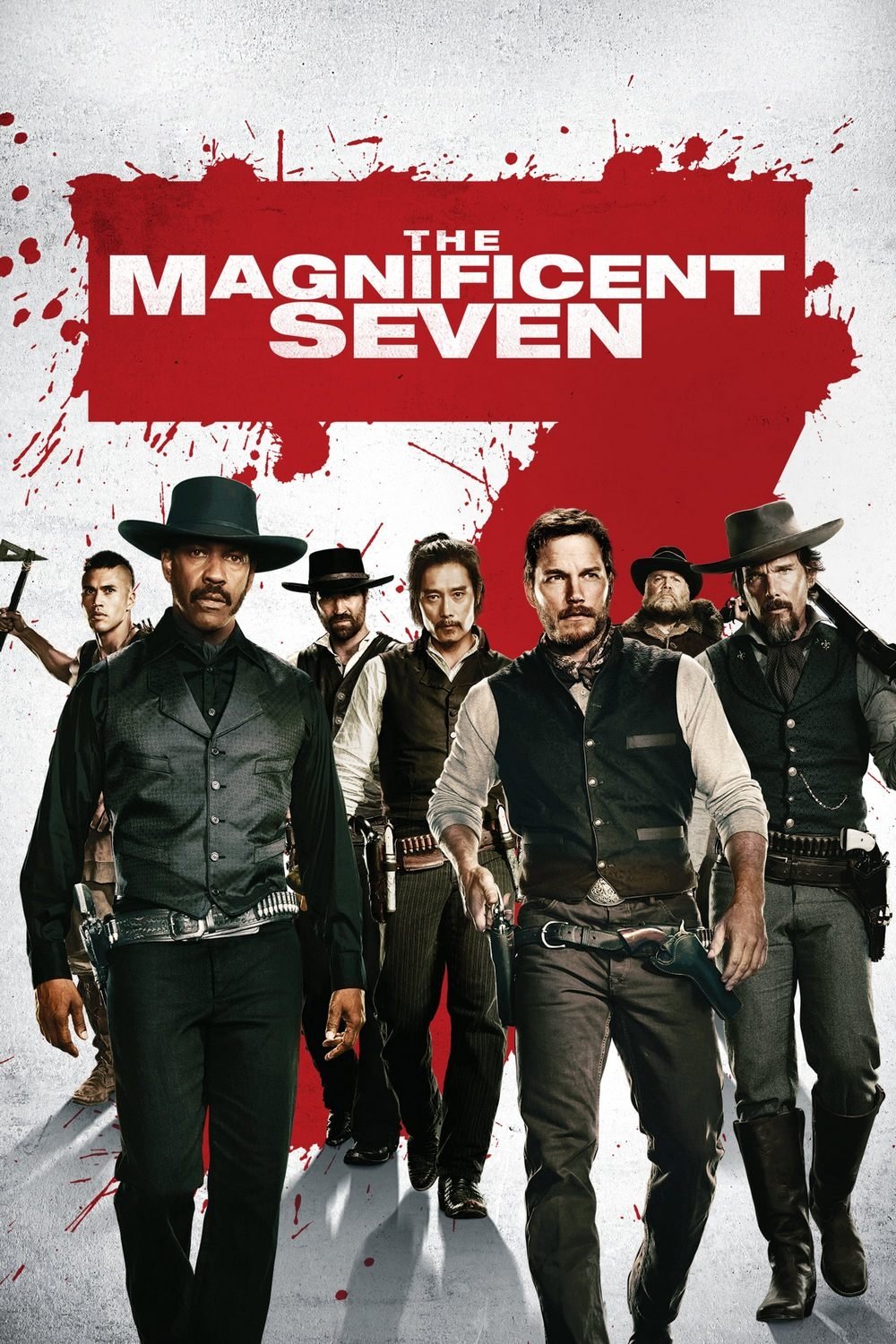
Antoine Fuqua’s ‘The Magnificent Seven’ reframes the mercenary-assembly western with a more diverse ensemble and a villain tied to industrial expansion. The recruitment structure remains central, but the town’s plight is rooted in resource exploitation and corporate control rather than strictly banditry.
Action scenes showcase practical stunts, horse work, and black-powder gunplay scaled up with large ensemble blocking. The score incorporates thematic echoes of Elmer Bernstein’s famous motif while carving new material, and production design balances frontier authenticity with readable geography for the climactic siege.
‘The Karate Kid’ (2010)
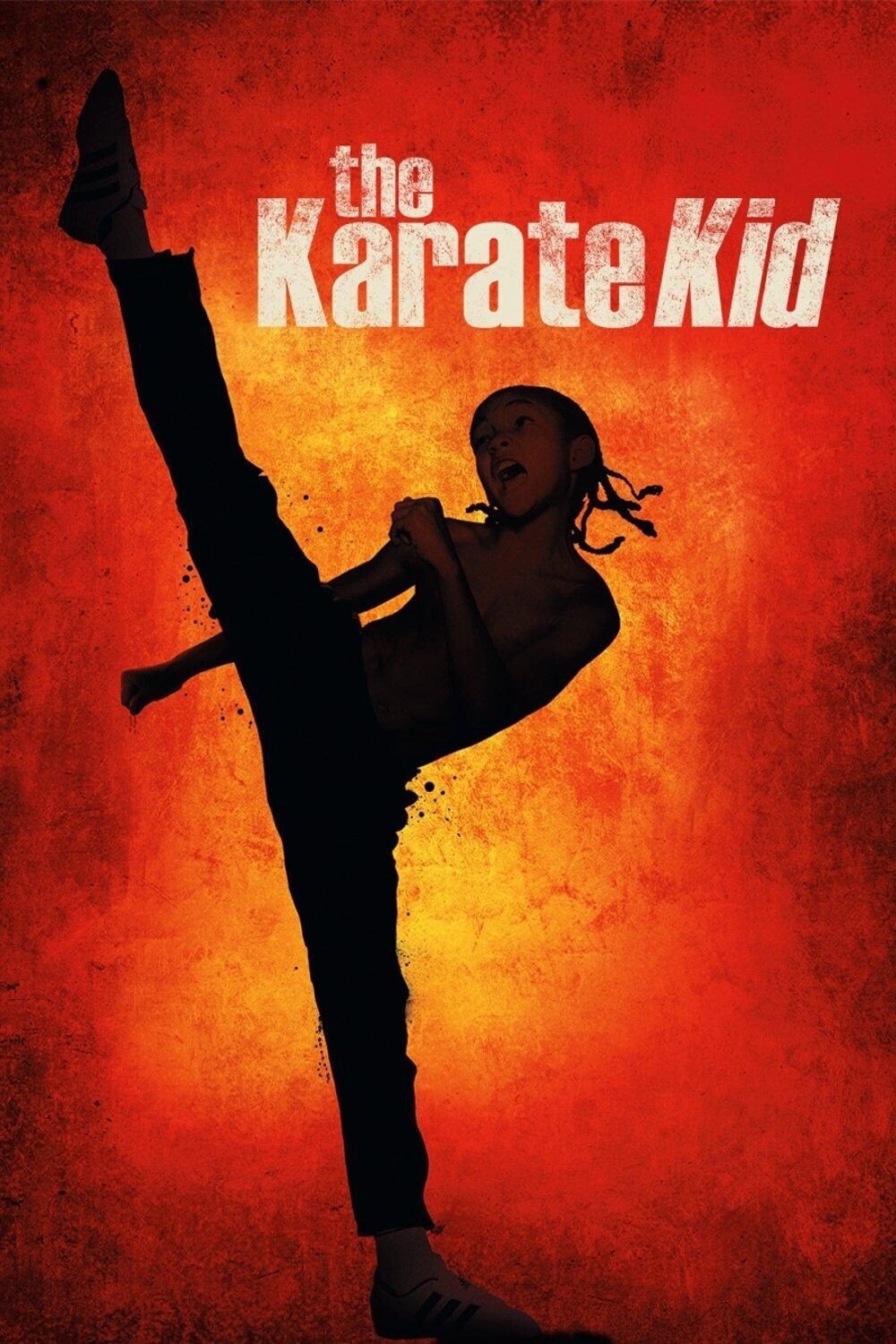
Harald Zwart’s ‘The Karate Kid’ relocates the underdog martial-arts tale to Beijing, focusing on a pre-teen protagonist learning kung fu under a reclusive mentor. Training sequences integrate traditional forms, balance exercises, and cultural practices, with city landmarks and rural retreats used as backdrops.
The remake explores language barriers, acclimation, and school dynamics as story threads, while the mentor’s backstory is delivered through a cathartic set piece tied to personal loss and discipline. Fight choreography emphasizes technique and respect, culminating in a tournament structure that mirrors the original arc with new rules and tactics.
‘A Bigger Splash’ (2015)
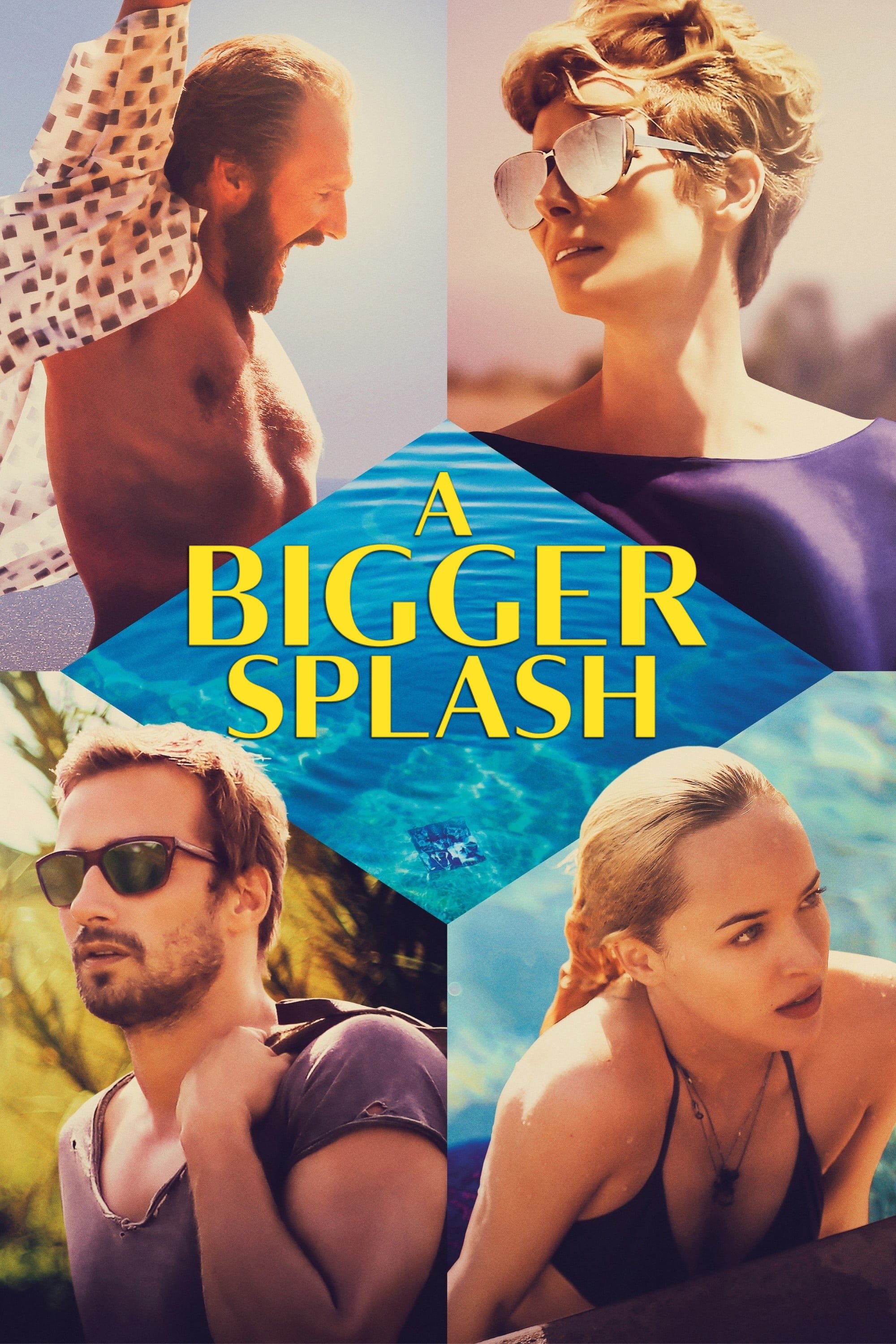
Luca Guadagnino’s ‘A Bigger Splash’ reworks ‘La Piscine’ into a character study about a rock star, her partner, and disruptive guests on a Mediterranean island. The film uses long, sun-drenched takes and elliptical dialogue to trace shifting alliances, jealousy, and unresolved history.
Sound design and diegetic music emphasize the protagonist’s career and the tensions between silence, rest, and intrusion. The setting’s cliffs, pools, and narrow roads become functional staging grounds for confrontations, while wardrobe and production design signal status, intimacy, and power changes across the ensemble.
‘The Beguiled’ (2017)
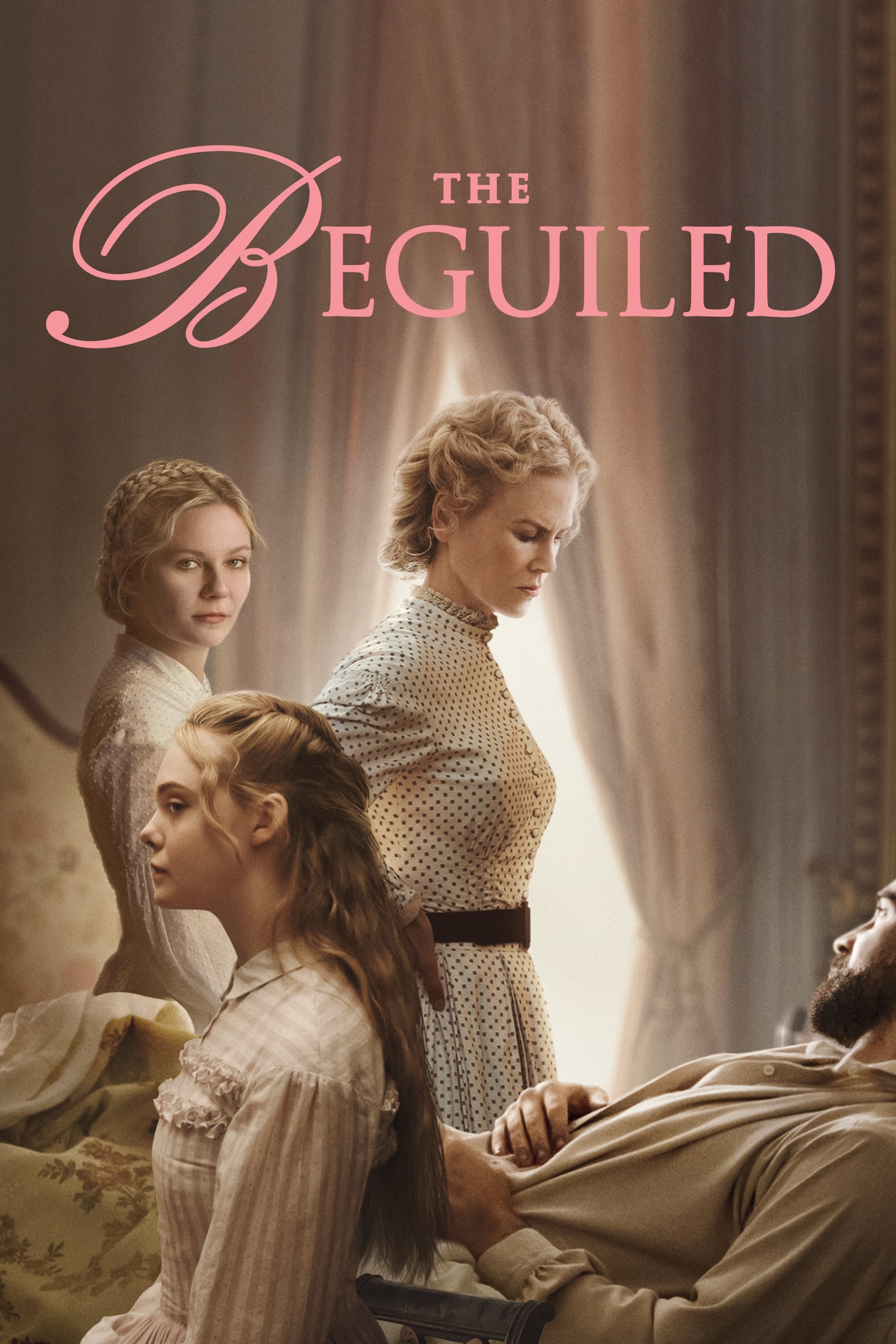
Sofia Coppola’s ‘The Beguiled’ returns to a Southern girls’ school during wartime, centering on the arrival of a wounded soldier whose presence destabilizes the household. The film compresses the timeline and focalizes through the women, highlighting shifting alliances, restraint, and negotiation inside a closed environment.
Natural light and desaturated interiors establish a hushed mood, with candlelit scenes and soft costuming textures guiding attention to glances and gestures. The adaptation trims certain incidents from earlier versions, keeping attention on competing loyalties and the consequences of small breaches in propriety.
‘The Thomas Crown Affair’ (1999)
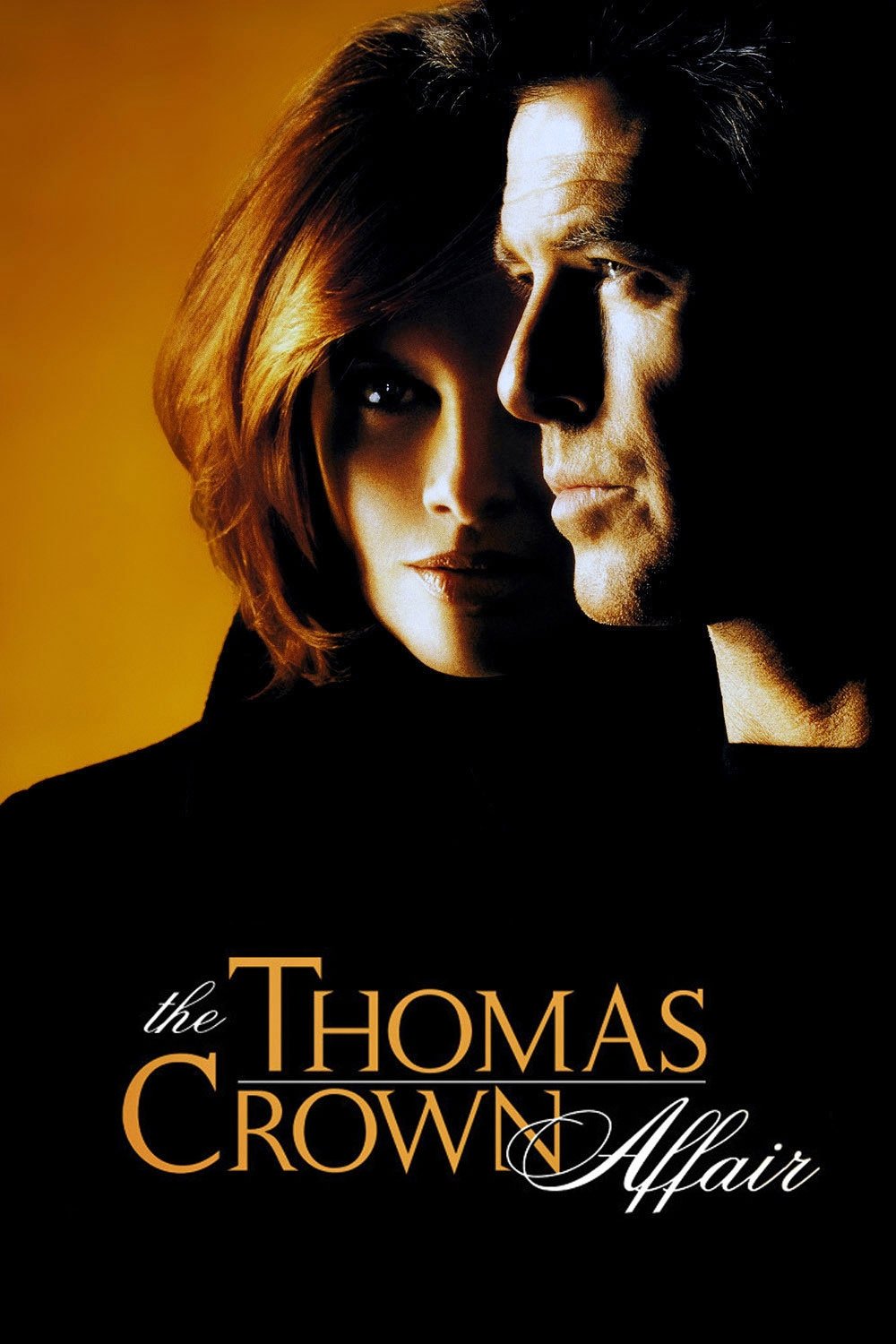
John McTiernan’s ‘The Thomas Crown Affair’ recasts its lead as a high-finance dealmaker who engineers a museum heist to outmaneuver investigators and test his own limits. The cat-and-mouse dynamic between the thief and an insurance investigator powers the plot, with flirtation and tactical misdirection shaping each set piece.
New theft mechanics lean on crowd control, decoys, and art-history sleight of hand, integrating camera surveillance and museum protocols. The score and sleek production design emphasize polished interiors, contemporary art, and tailored costuming, aligning the remake with a modern caper sensibility.
‘The Italian Job’ (2003)
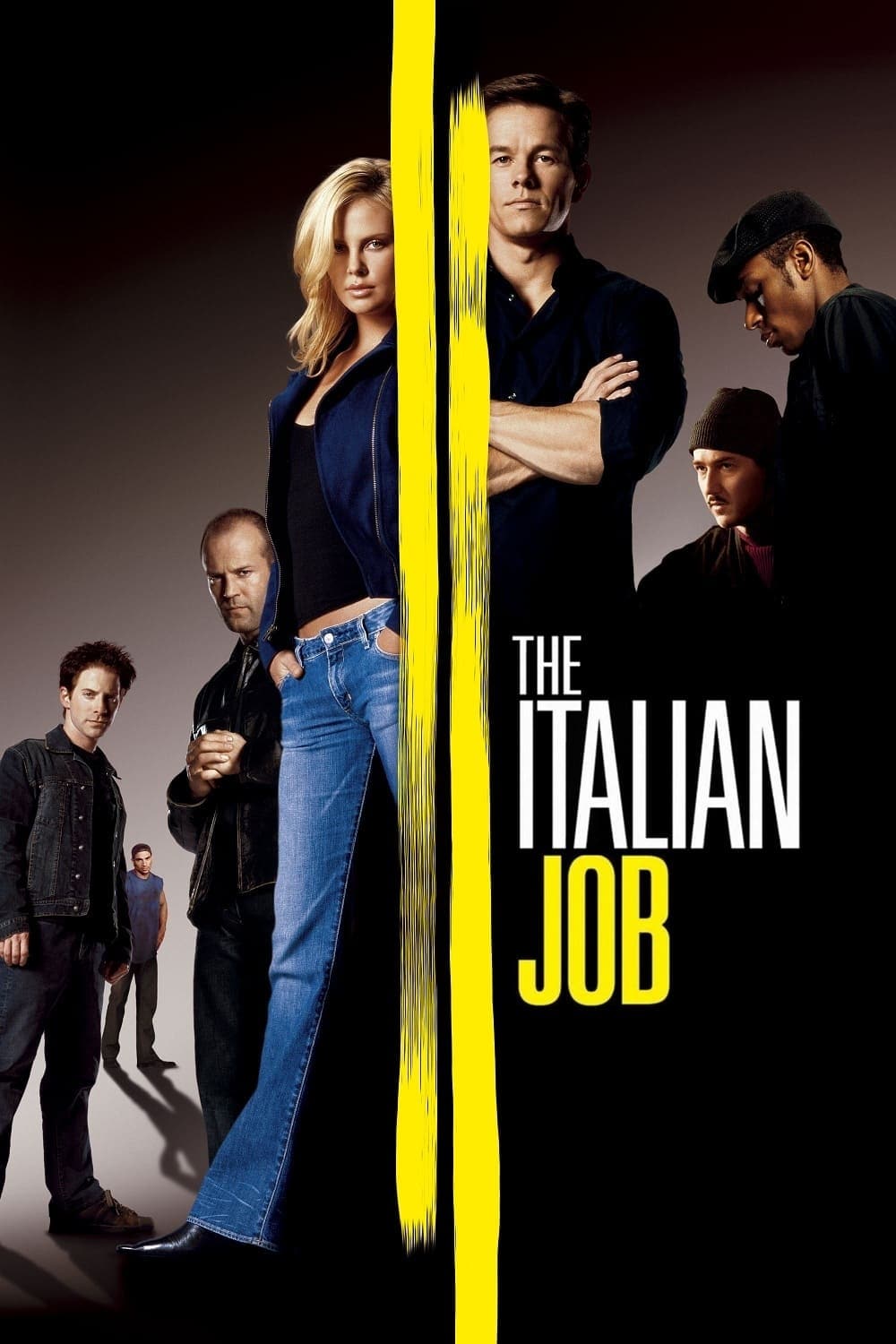
F. Gary Gray’s ‘The Italian Job’ rebuilds the heist around a betrayal that splits the crew, re-centering the plot on an intricate revenge-and-recovery plan. Mini Coopers return as signature getaway vehicles, this time calibrated for subway tunnels, tight street grids, and elevator shafts.
The screenplay shifts the setting to Los Angeles for the final movements, incorporating traffic-signal hacking and armored vault engineering. Team roles—safecracker, hacker, wheelman, and disguise specialist—are clearly delineated, with gadgetry and mapping sequences explaining how the crew manipulates chokepoints and timing.
‘Funny Games’ (2007)
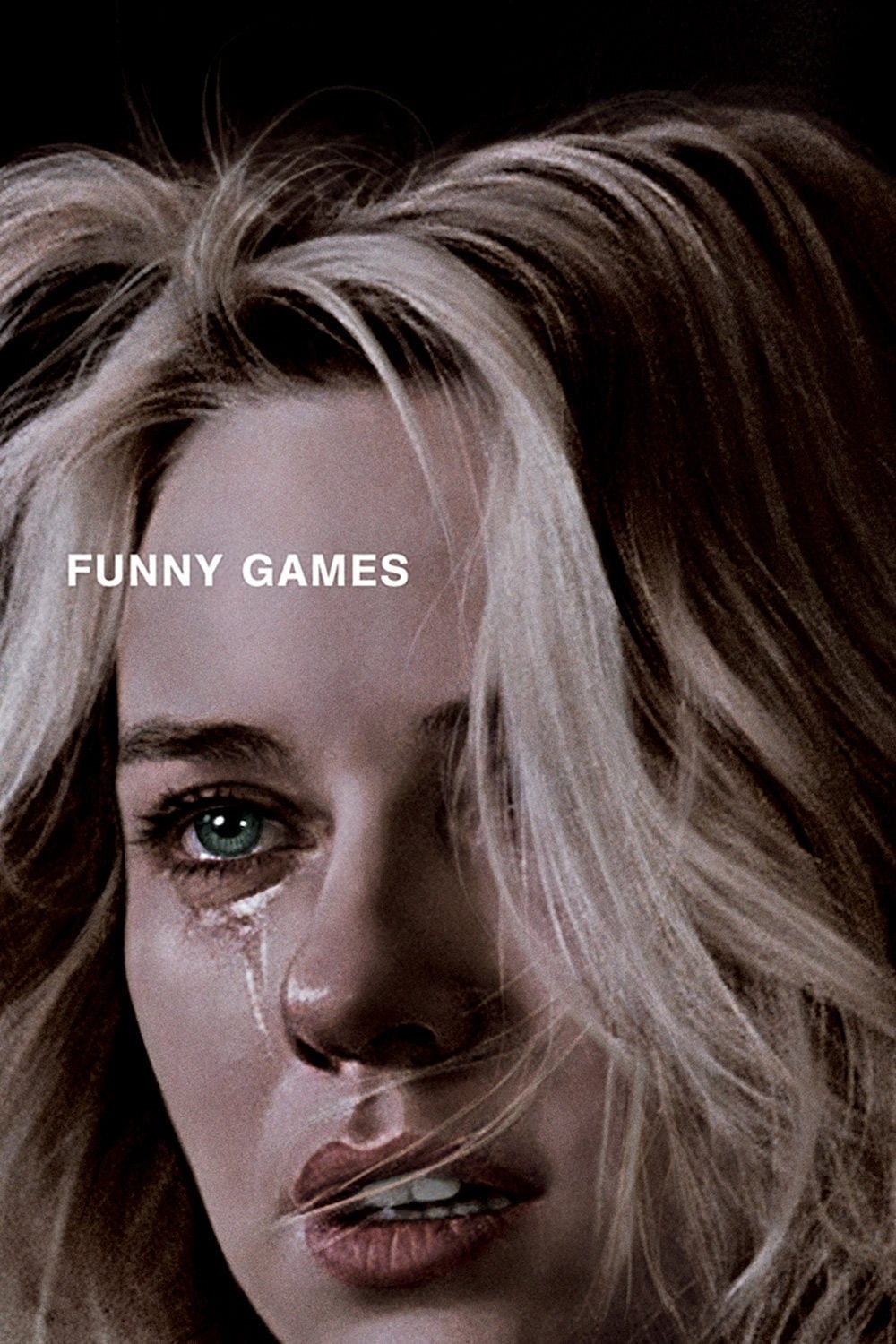
Michael Haneke remade his own ‘Funny Games’ in English with a nearly shot-for-shot approach, preserving the home-invasion structure and meta-cinematic asides. The film uses static framing and off-screen sound to depict violence indirectly, positioning the audience as an implicated observer.
Production design recreates the well-appointed lakeside setting, while the actors’ formal politeness and measured speech patterns contrast with escalating coercion. The remake maintains the original’s deliberate pacing, using pauses and repeated gestures to undermine expectations about relief and rescue.
‘The Crazies’ (2010)
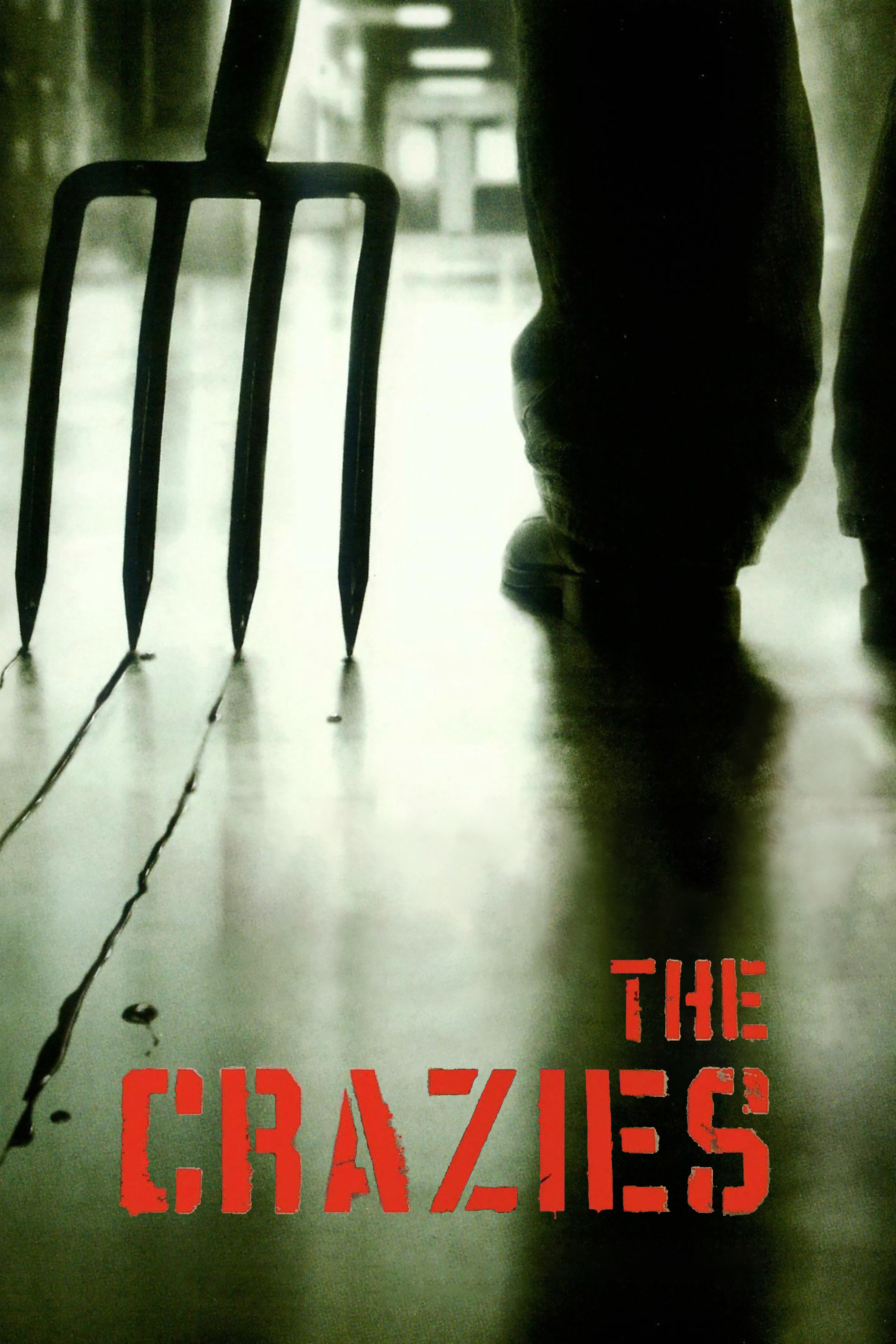
Breck Eisner’s ‘The Crazies’ updates George A. Romero’s outbreak thriller with a focus on containment protocols and the breakdown of local infrastructure. The pathogen at the story’s center spreads through a small farming community, with first responders and municipal systems quickly overwhelmed.
Cinematography emphasizes empty streets, fields, and water sources to track the vector’s progress, while practical effects and makeup depict subtle-to-extreme behavioral changes. Military checkpoints, decontamination tents, and aerial surveillance broaden the scope, contrasting personal survival with official response.
‘The Last House on the Left’ (2009)
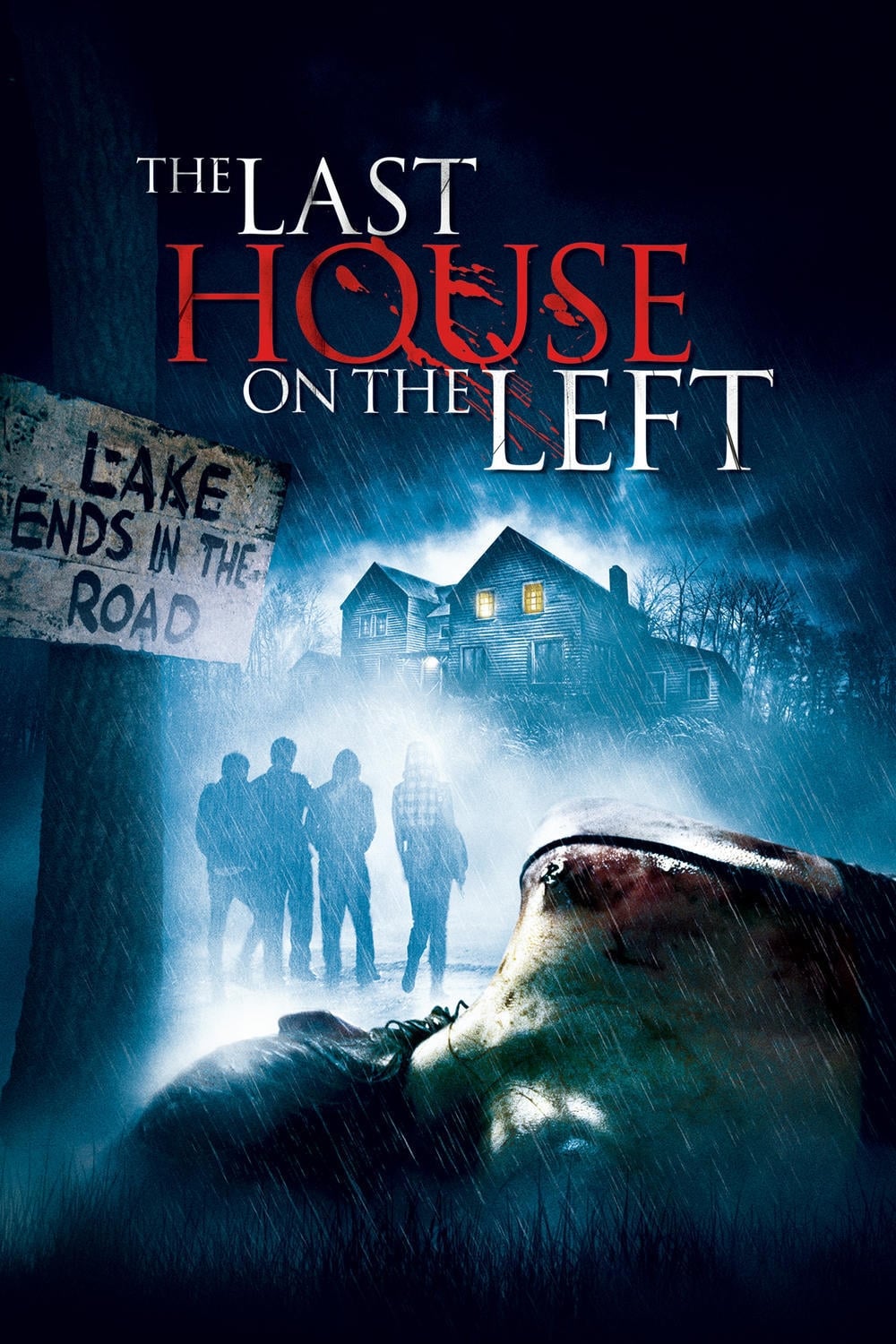
This version of ‘The Last House on the Left’ reconfigures the original’s shock structure into a more linear home-invasion-and-revenge arc. The screenplay fleshes out family dynamics and escape attempts, using the lakeside house layout to stage reversals and improvised defenses.
The production employs grounded stunt work for fights and chases, reserving more graphic effects for turning points that change the power balance. Location choices—wooded roads, remote docks, and cramped interiors—support the geography of pursuit and confrontation.
‘The Hills Have Eyes’ (2006)
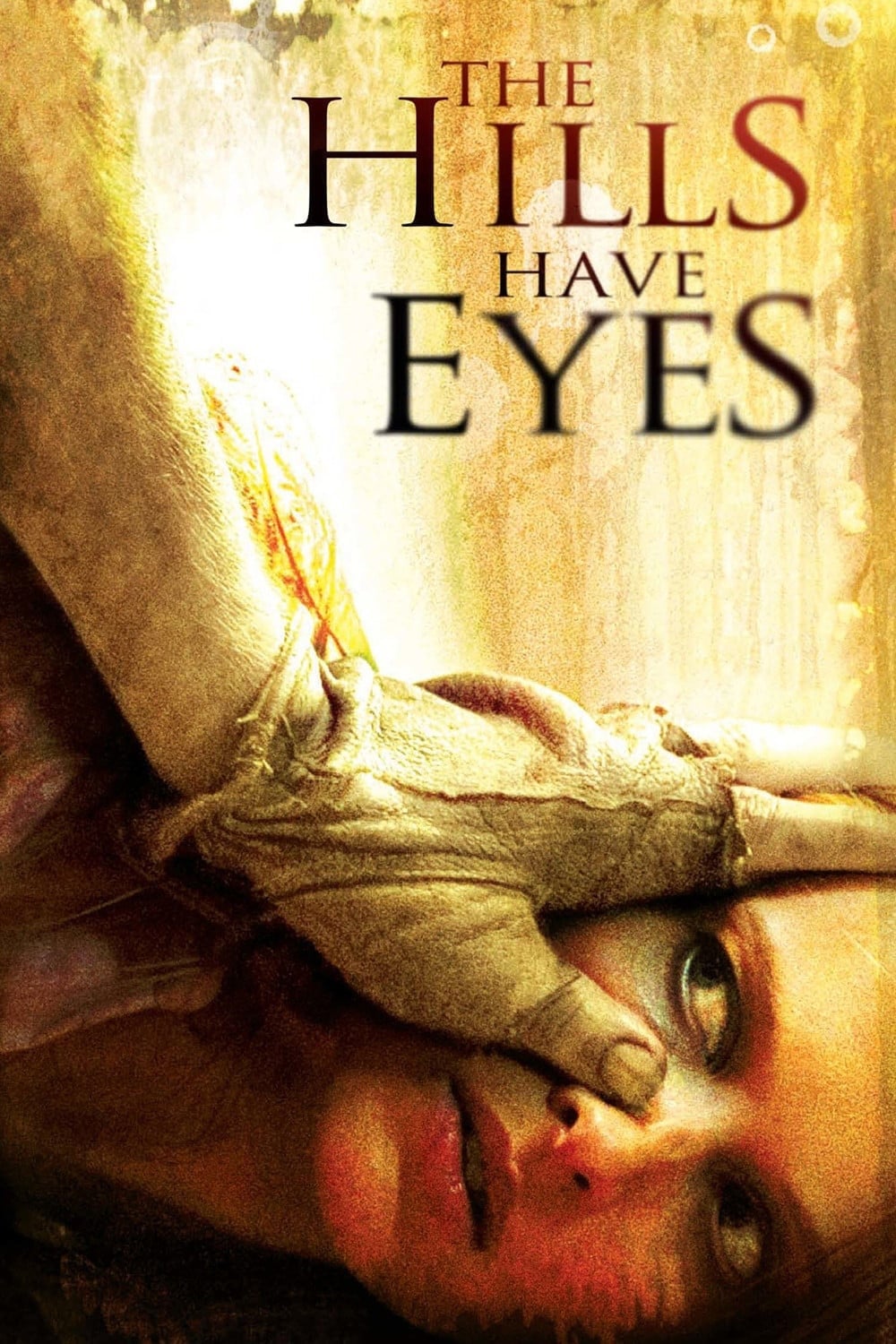
Alexandre Aja’s ‘The Hills Have Eyes’ expands the desert-set survival narrative, tying the antagonists to nuclear testing sites and environmental fallout. The family’s convoy becomes the center of an ambush, with communication failures and limited resources driving decision-making.
Set pieces include claustrophobic trailer interiors and exposed cliff trails, composed to stress line-of-sight and elevation. Makeup and prosthetics define the attackers’ look, while sound cues—wind, distant engines, and radio static—convey isolation and escalating threat.
‘The Ring’ (2002)
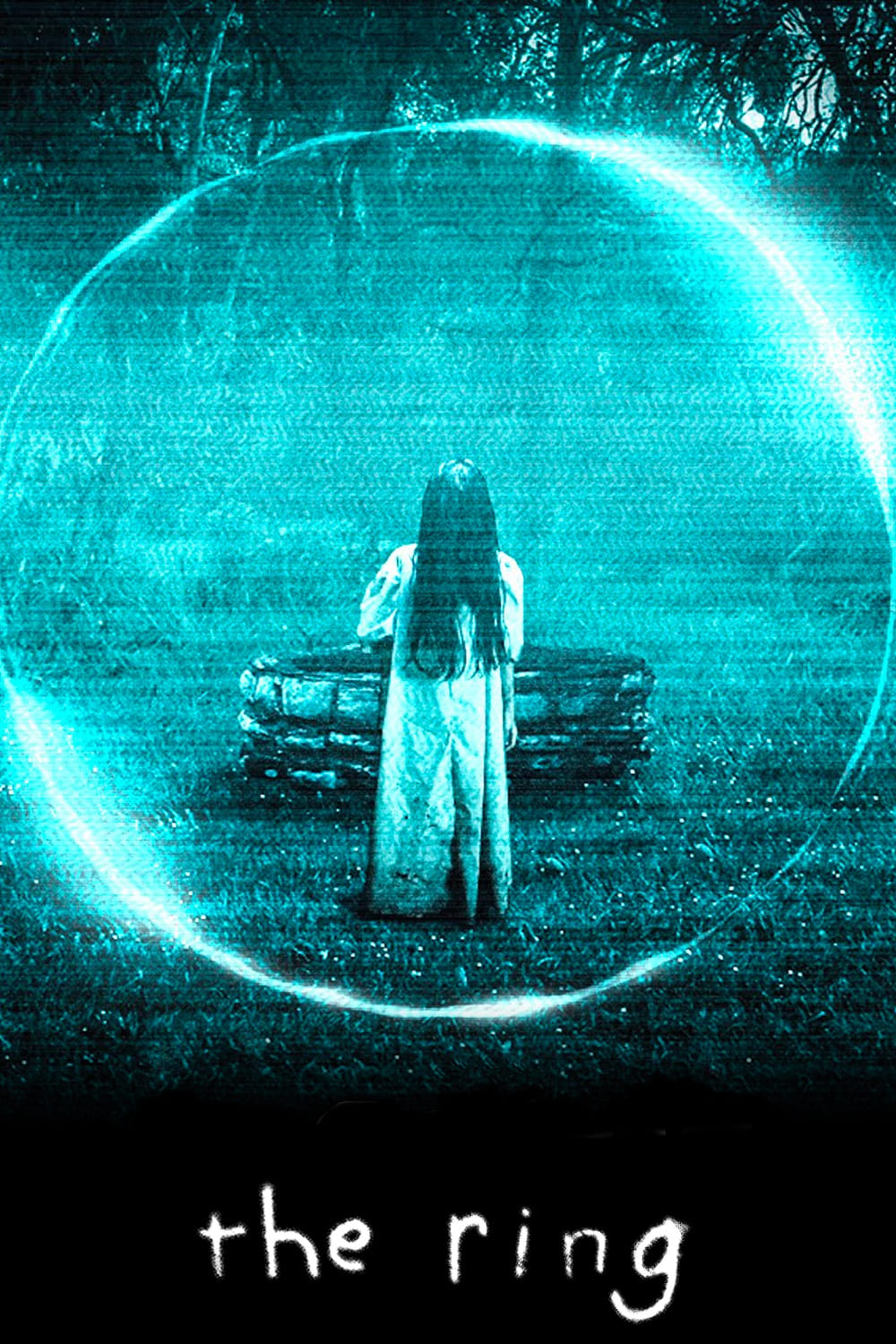
Gore Verbinski’s ‘The Ring’ translates ‘Ringu’ into a Pacific Northwest mystery anchored by a journalist investigating a cursed videotape. The motif of decaying media—VHS static, distorted imagery, and archival records—links the investigation to the supernatural rules that govern the tape.
The production emphasizes rain-soaked landscapes, farmhouses, and ferry crossings to build a sense of damp, creeping dread. Visual effects are used sparingly, with practical photography techniques—reverse motion, undercranking, and desaturation—creating the tape’s iconic, unsettling fragments.
Share your take: which of these remakes worked for you and which didn’t—drop your thoughts in the comments!