Movie Sequels that “Ruined” the Original


Sometimes a follow-up shifts tone, format, or casting so much that it changes how people remember the movie that came before it. Distribution plans, production constraints, and creative handoffs can all steer a sequel in a direction that clashes with what the original set up.
This list gathers twenty sequels that materially altered their series’ trajectories. For each, you’ll find verifiable context—creative teams, format or lore changes, production notes, release performance, awards chatter, and how studios adjusted the franchises afterward.
‘Jaws: The Revenge’ (1987)
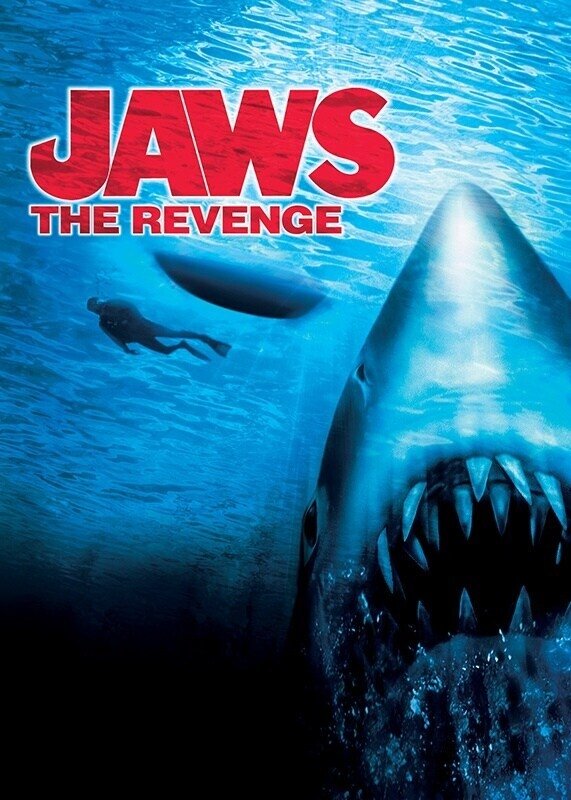
This entry follows the Brody family to warmer waters and centers on a shark attack that reconnects to events in Amity. Lorraine Gary returned as Ellen Brody, and Michael Caine joined the cast; location work split between coastal New England and Caribbean shoots, with mechanical and process-tank effects used extensively.
The film posted markedly lower domestic earnings than earlier series highs and drew widely negative reviews. After its run, the studio put big-screen plans for the property on hold, and future appearances of the brand remained limited to home media and television airings.
‘Speed 2: Cruise Control’ (1997)
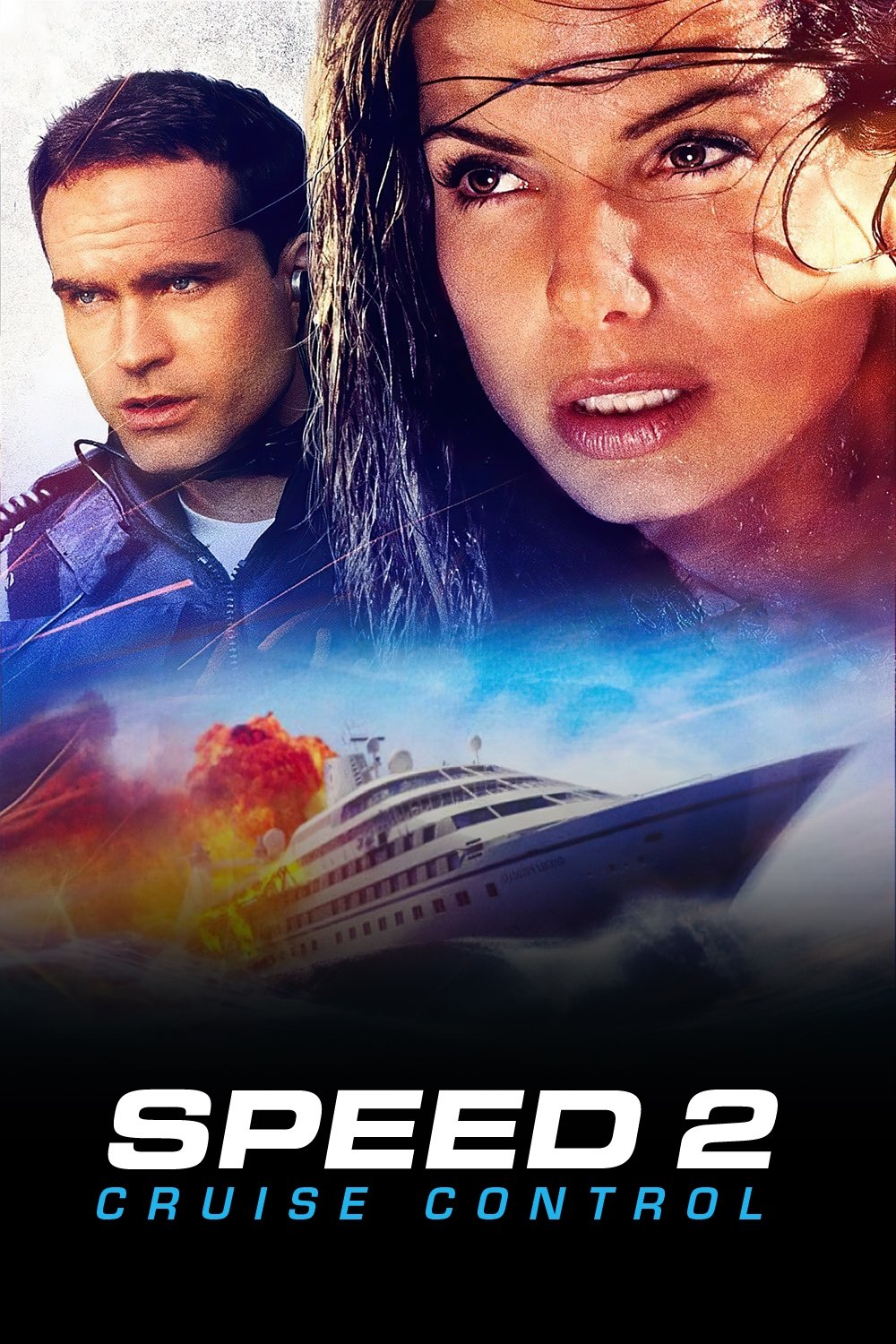
The sequel relocates the action to a luxury liner under the control of a saboteur, with Sandra Bullock returning and Jason Patric stepping in as the new co-lead. Jan de Bont remained as director, and production emphasized large-scale maritime stunts and second-unit work at sea.
Box office fell well below the original’s totals, and critical reception was poor. No third theatrical installment followed, and the property largely receded to catalog status after the release window.
‘Highlander II: The Quickening’ (1991)
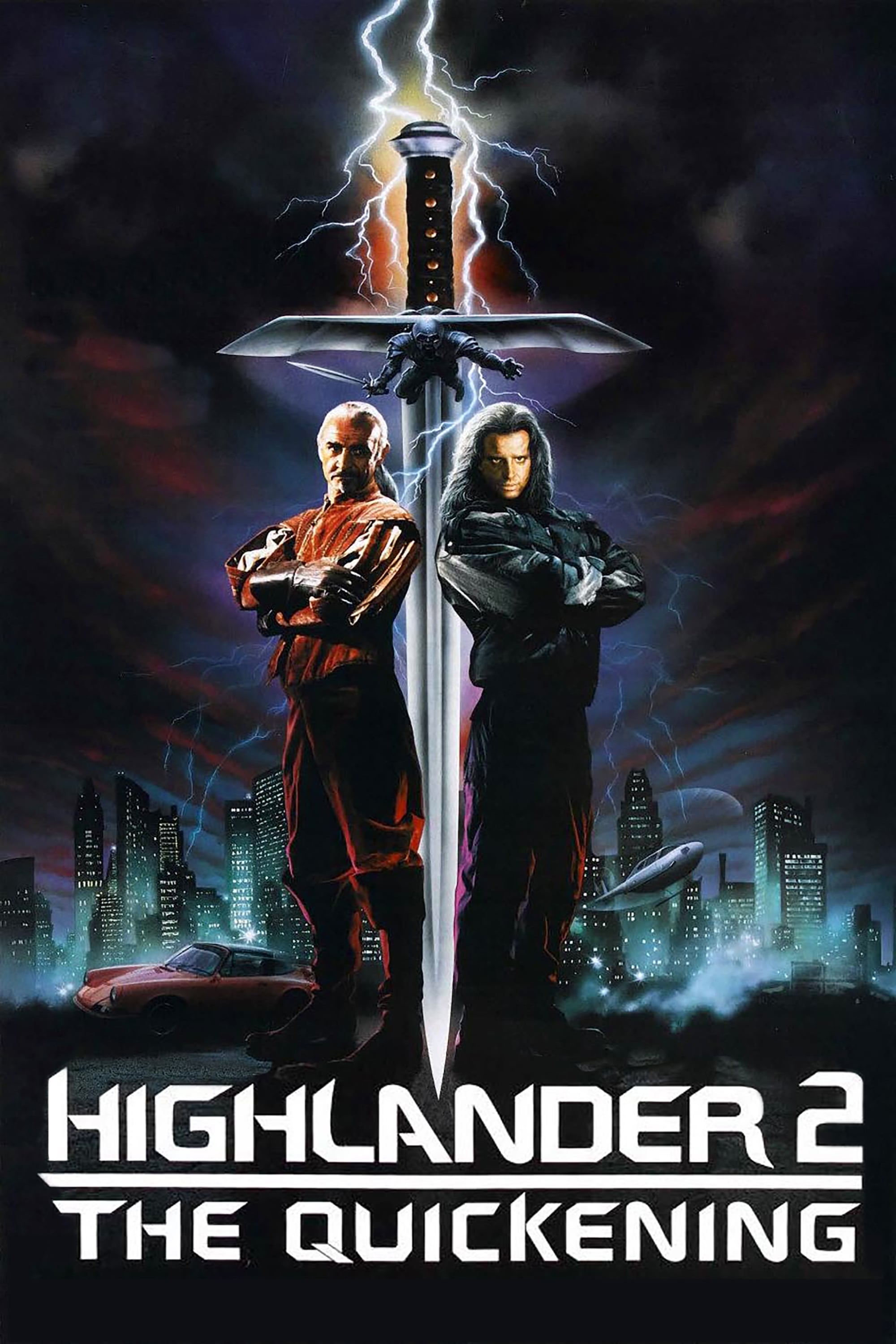
The follow-up reframes the immortals’ origin and sets much of the story in a dystopian future. Christopher Lambert and Sean Connery returned, with Russell Mulcahy directing amid reported financing and post-production pressures; principal photography included stages and backlots in South America and Europe.
Multiple cuts exist, including a “Renegade Version” recut that removed and reworked plot points. Later entries and the television series shifted continuity, frequently disregarding or revising elements introduced here.
‘Caddyshack II’ (1988)
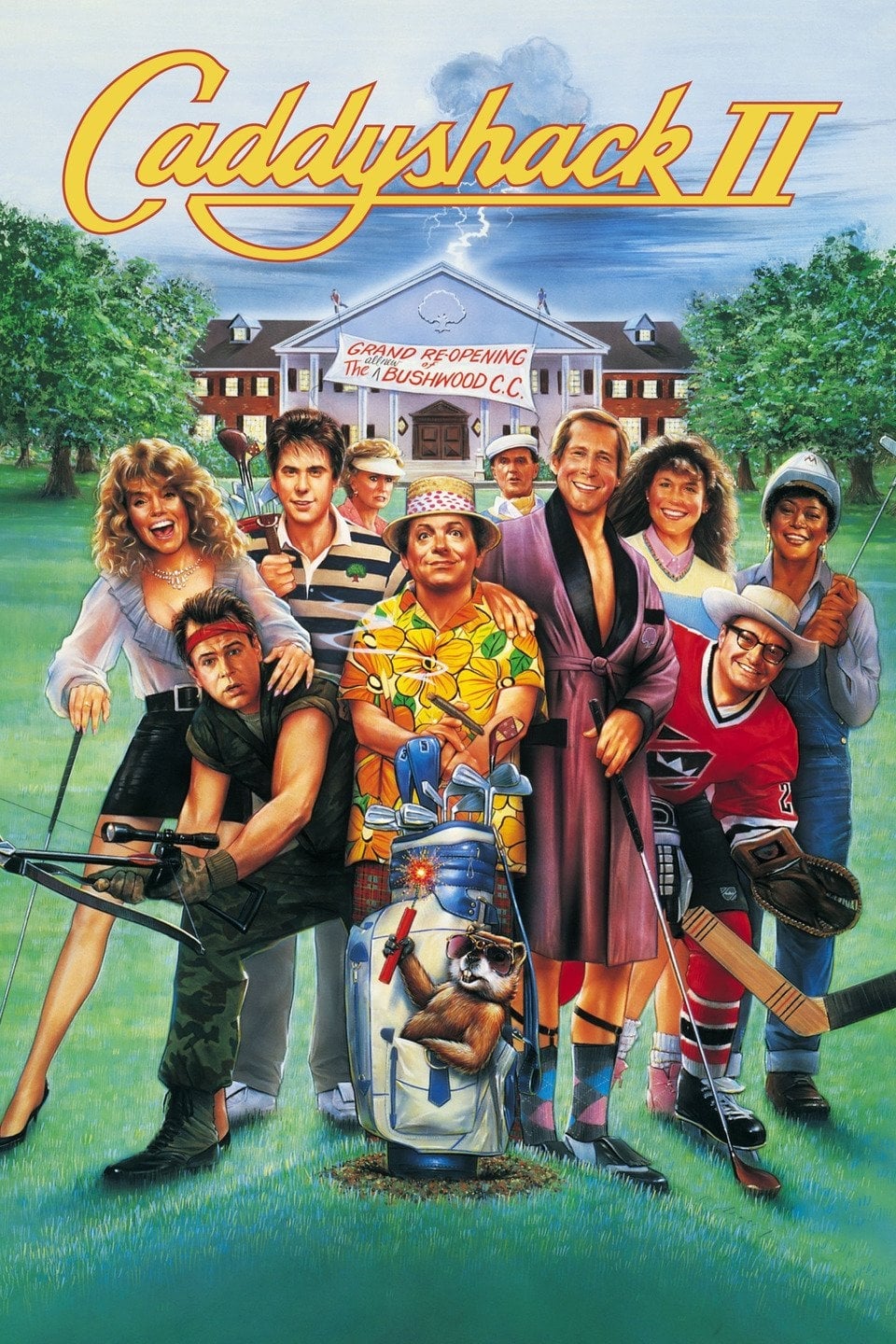
This comedy sequel features a largely new ensemble at the same country club setting, with Jackie Mason and Dan Aykroyd joining the cast. The original’s core creative energy was dispersed, with only limited carryover on screen and in the writers’ room.
The movie underperformed relative to the first film and was panned by reviewers. No additional theatrical chapters were produced, and the franchise presence persisted mainly through the original’s continued popularity.
‘Book of Shadows: Blair Witch 2’ (2000)
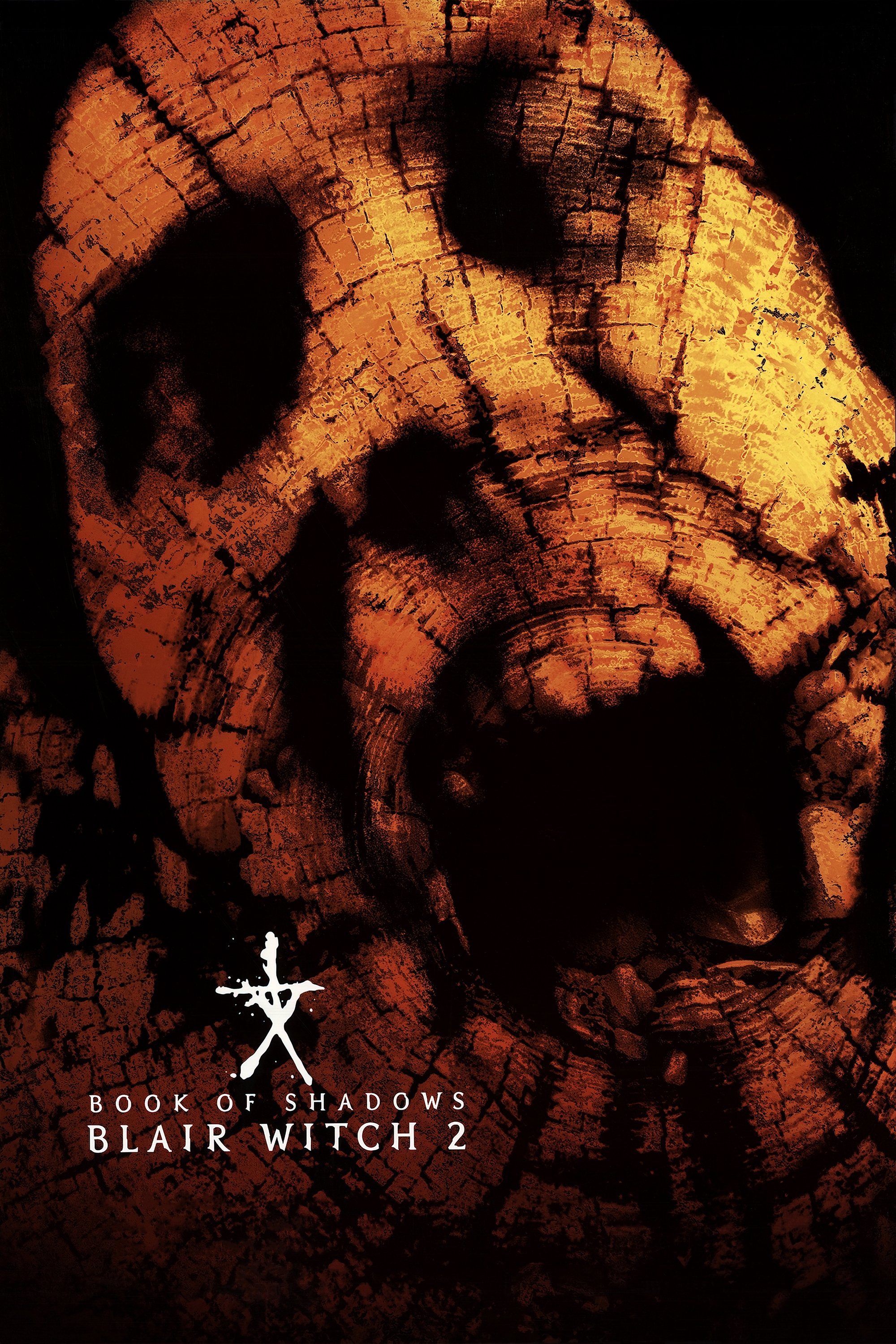
Instead of repeating found footage, the sequel adopts a conventional narrative about a tour group investigating the first film’s phenomenon. Joe Berlinger directed, and the studio mandated re-shoots and an alternate cut that added graphic inserts and psychological-thriller beats.
The format shift drew critical pushback and cooled audience interest. The series later returned to the mock-documentary style in subsequent installments, framing this chapter as an outlier.
‘Son of the Mask’ (2005)
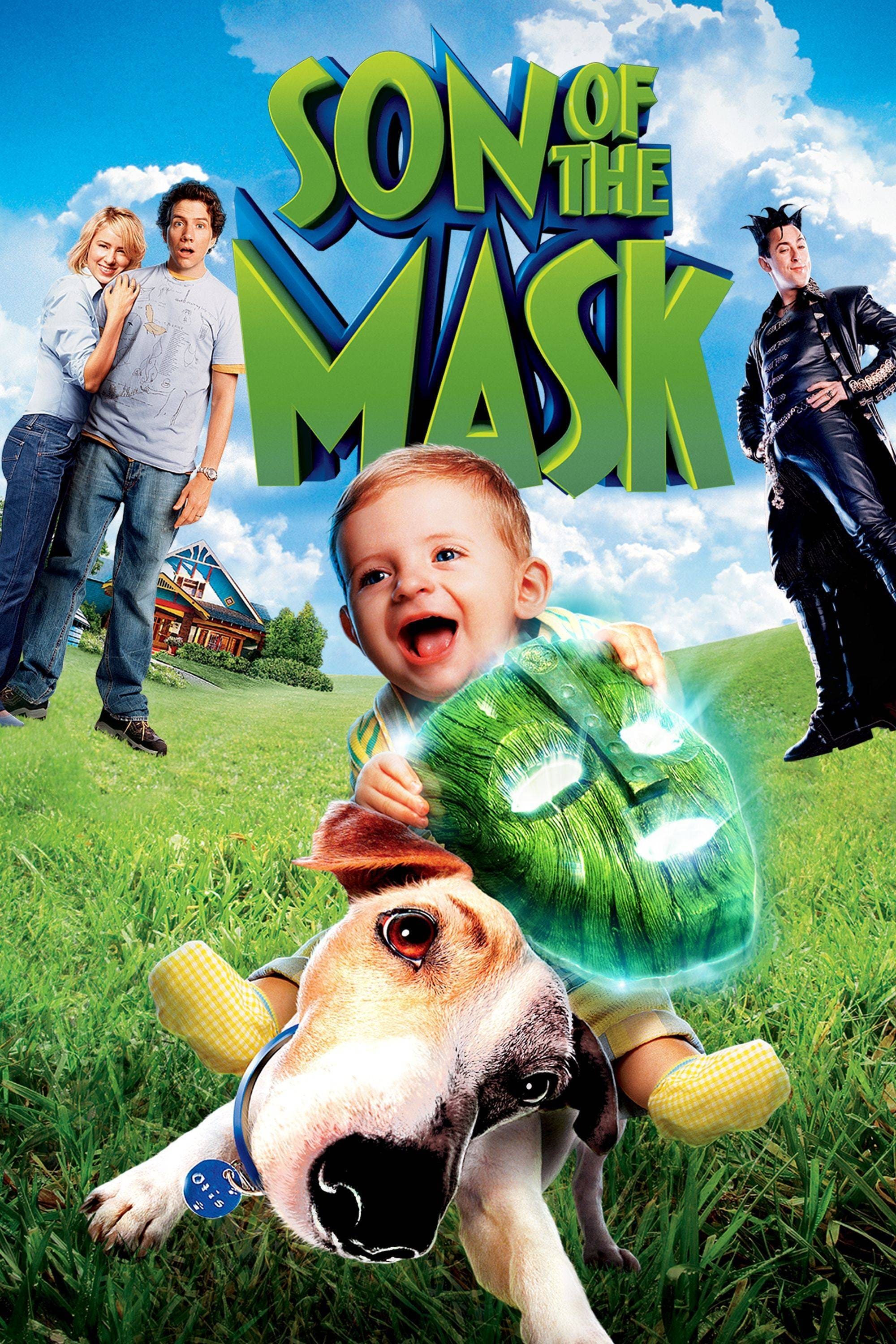
Moving toward family fantasy, this sequel centers on a baby who inherits the mask’s powers, with Jamie Kennedy and Alan Cumming leading the cast. Production leaned on CG character animation and cartoon-inspired set pieces, with extensive stage work for visual-effects integration.
Reception was poor, and grosses landed far below the original’s results. The property did not continue theatrically afterward, and the original remained the primary reference point in home-video circulation.
‘Batman & Robin’ (1997)
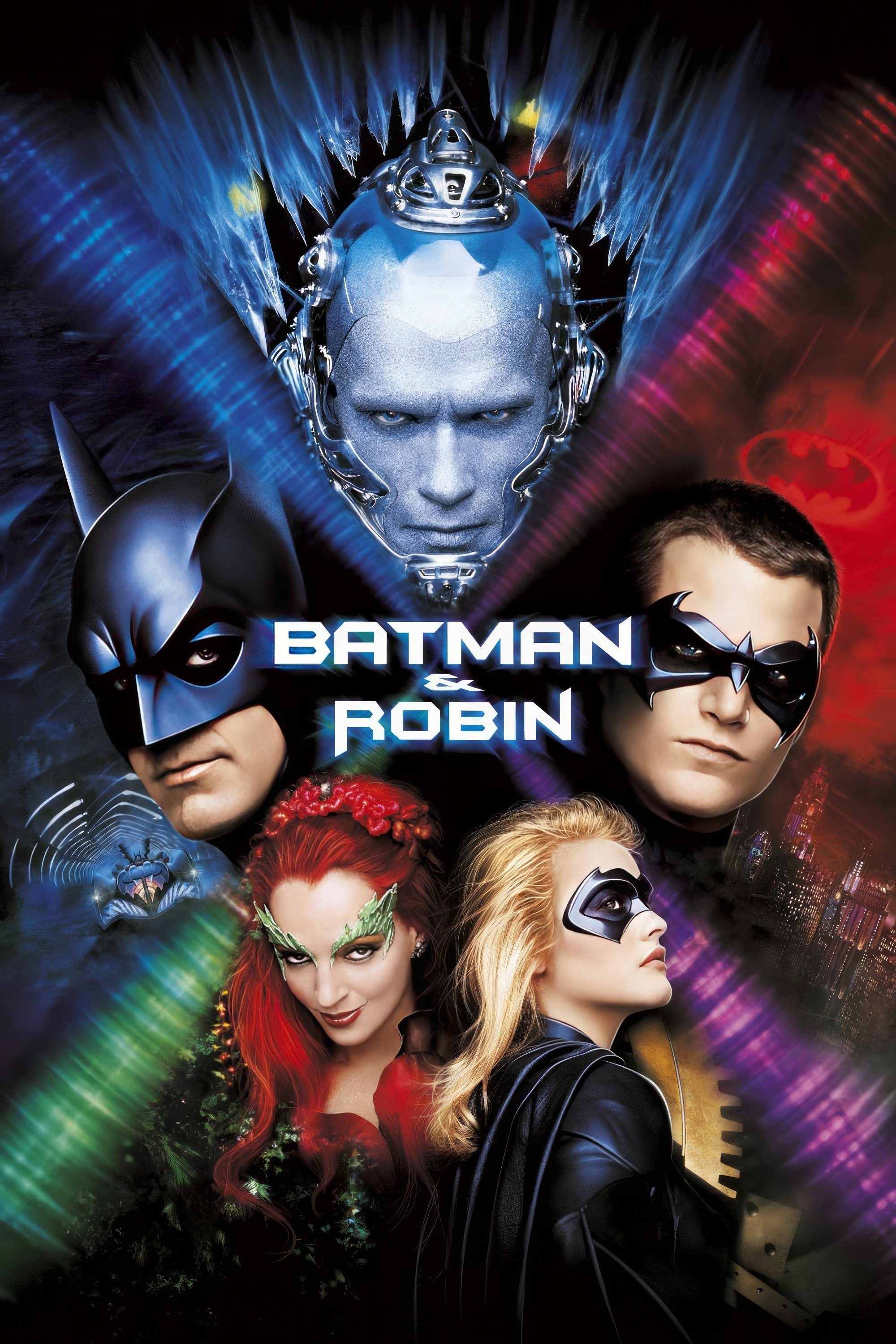
This installment presents a brighter, merchandise-friendly aesthetic with George Clooney as Bruce Wayne and villains played by Arnold Schwarzenegger and Uma Thurman. Joel Schumacher returned to direct, and the shoot invested heavily in large soundstage builds, suit redesigns, and stylized production design.
Negative reviews and audience drop-off led the studio to cancel a developing follow-up in the same continuity. The character later returned in a ground-up reboot with a different creative team and a markedly altered tone.
‘The Matrix Revolutions’ (2003)
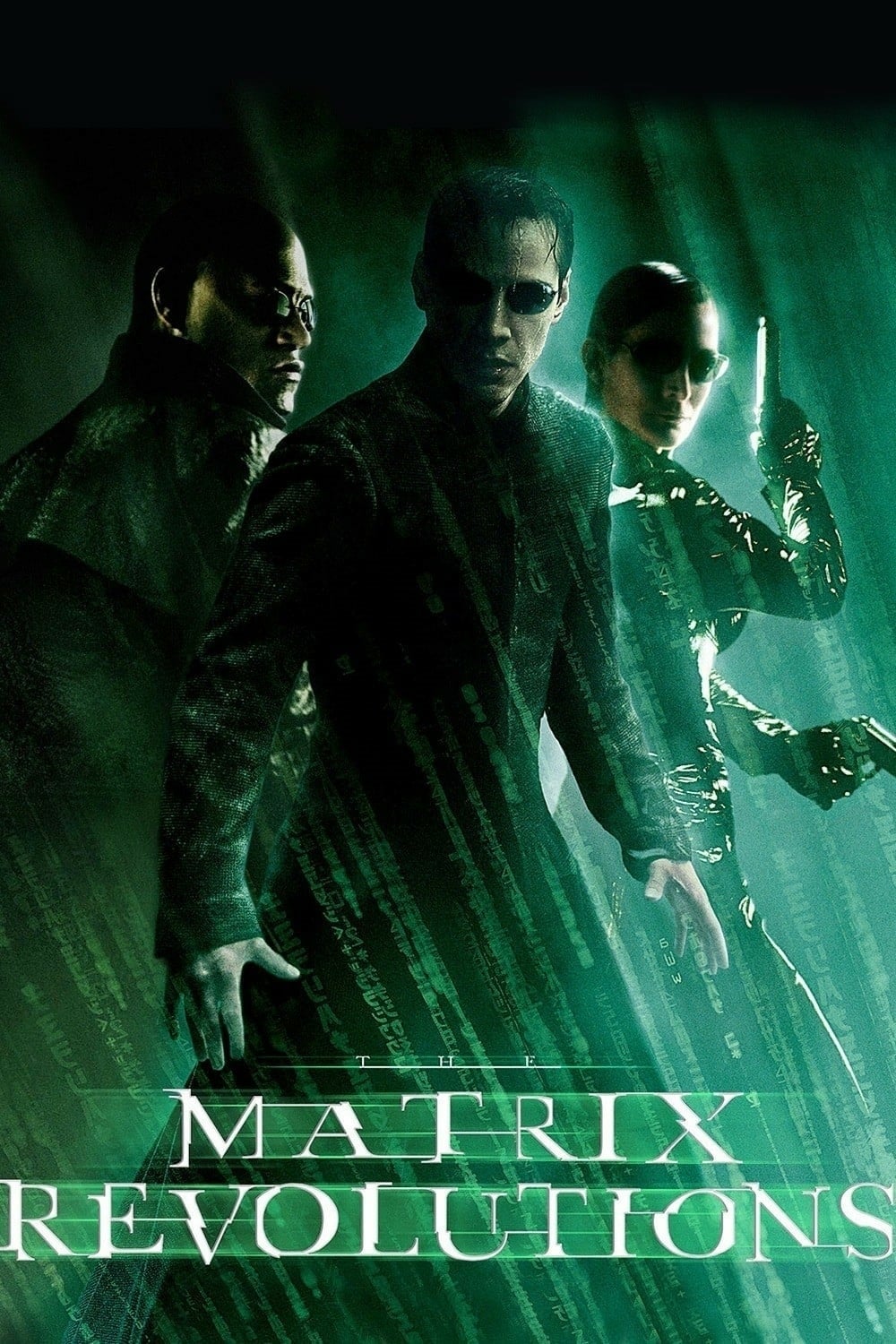
Concluding the trilogy, the film stages full-scale battles in Zion and a city-scape finale between Neo and Smith. The Wachowskis continued the series’ cross-media approach, aligning the film with animated shorts and game tie-ins, and mounted one of the earliest day-and-date global releases for a major tentpole.
Critical and audience responses were divided, particularly around the narrative’s resolution and exposition density. The franchise paused before later entries revisited the world with new framing and meta-textual choices.
‘The Godfather Part III’ (1990)
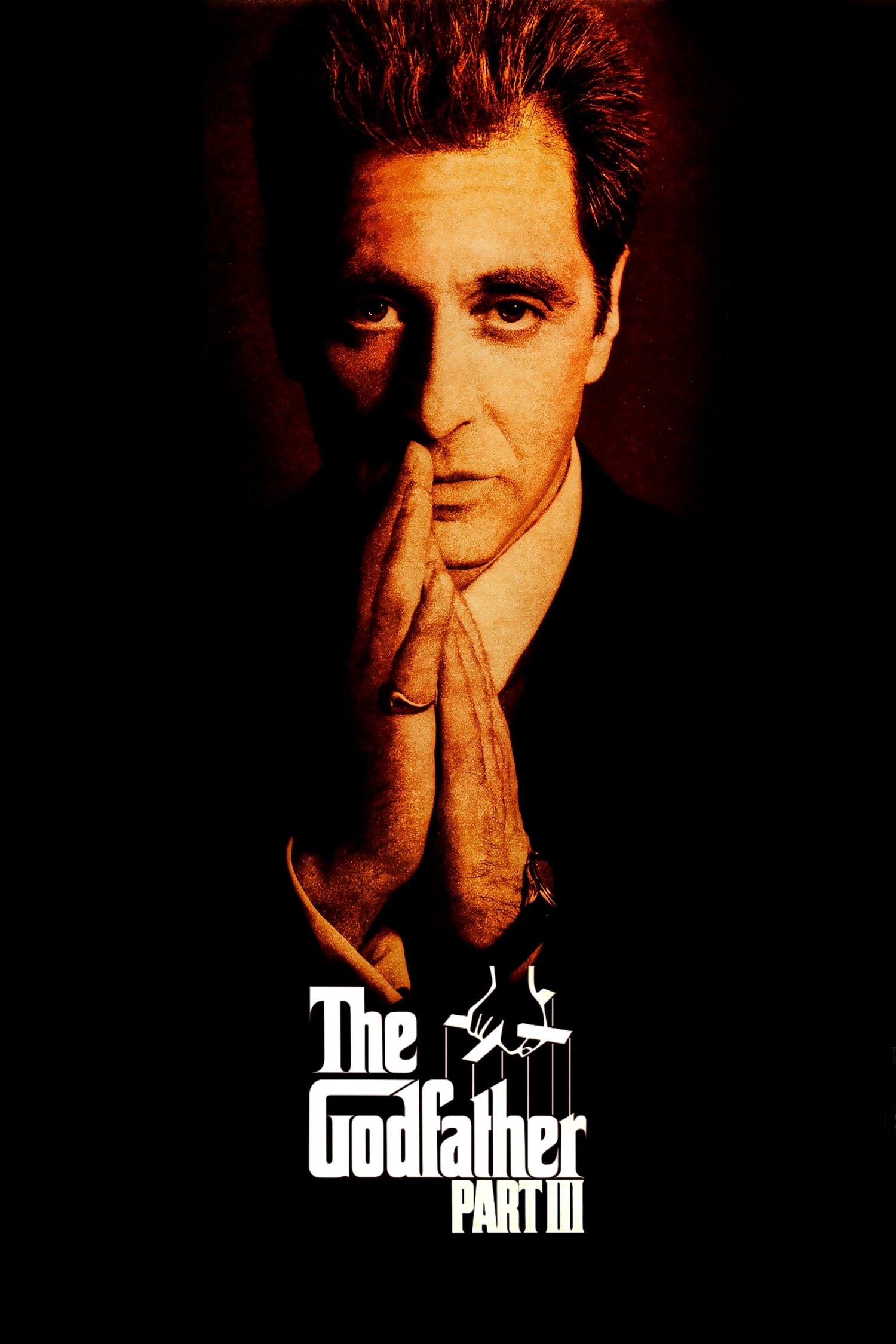
This chapter follows Michael Corleone’s push to legitimize the family’s business, involving church finances and internal succession. Francis Ford Coppola directed, Al Pacino and Diane Keaton returned, and key roles were reshaped late in pre-production.
The film earned multiple major award nominations but drew consistent comparison to the first two entries. Coppola later released a re-edited version titled ‘Mario Puzo’s The Godfather, Coda: The Death of Michael Corleone’, adjusting structure and emphasis for home release.
‘Transformers: Revenge of the Fallen’ (2009)
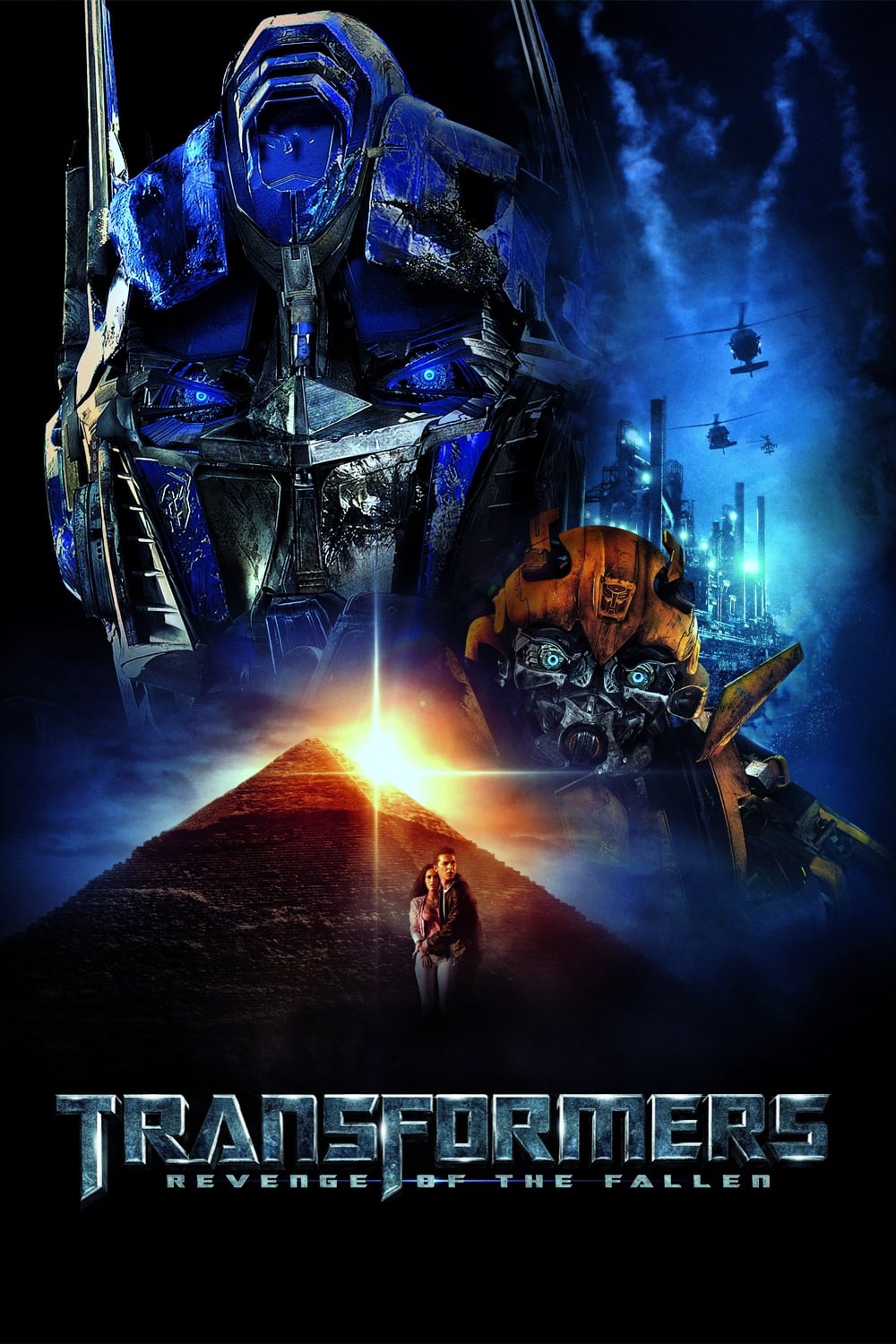
The second live-action entry expands the mythology to ancient factions and globe-spanning set pieces. Michael Bay directed, and the writers’ strike compressed development, with location work across deserts, city centers, and military installations and a heavy CG workload.
Reviews cited coherence issues even as the film delivered strong worldwide grosses. Subsequent sequels altered character focus and continuity, integrating audience feedback while maintaining large-scale effects.
‘X-Men: The Last Stand’ (2006)
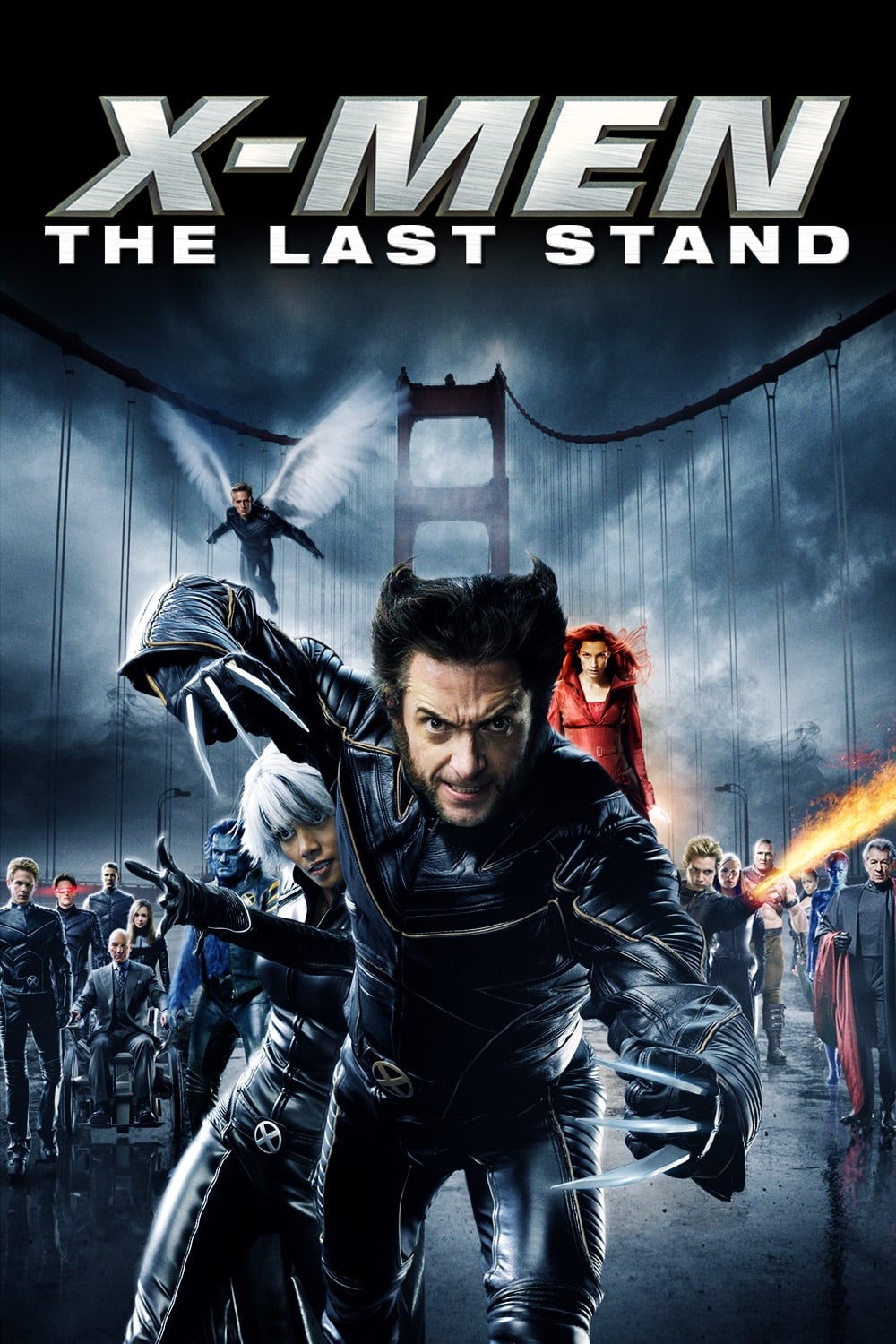
Combining a mutant-cure plot with the “Dark Phoenix” arc, the film introduced irreversible status-quo changes for several leads. Brett Ratner took over directing late in development, the ensemble expanded substantially, and the accelerated schedule shaped action-driven staging.
The movie opened big but fell sharply in later weeks and drew criticism over character exits. Later series entries used time-travel and soft-reboot devices to reconfigure events depicted here.
‘Spider-Man 3’ (2007)
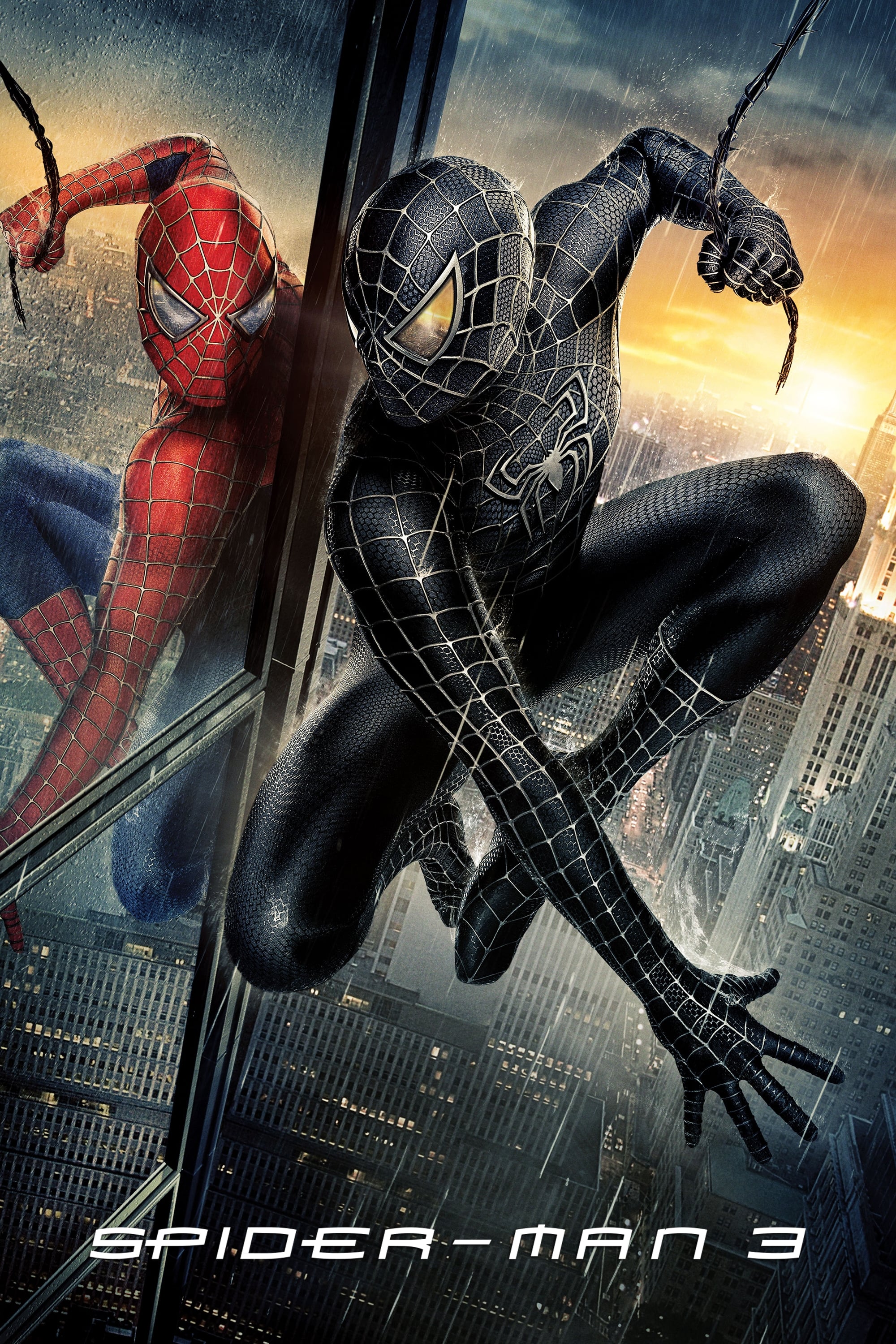
Sam Raimi’s third chapter adds multiple antagonists and the symbiote storyline to Peter Parker’s arc. Studio priorities expanded the villain roster beyond early plans, and the production mounted large practical-effects sequences alongside CG character work.
The film set franchise opening records but faced steep declines and mixed notices. Plans for a direct continuation with the same team were shelved, and the character relaunched on screen with a new cast and creative leadership.
‘Independence Day: Resurgence’ (2016)
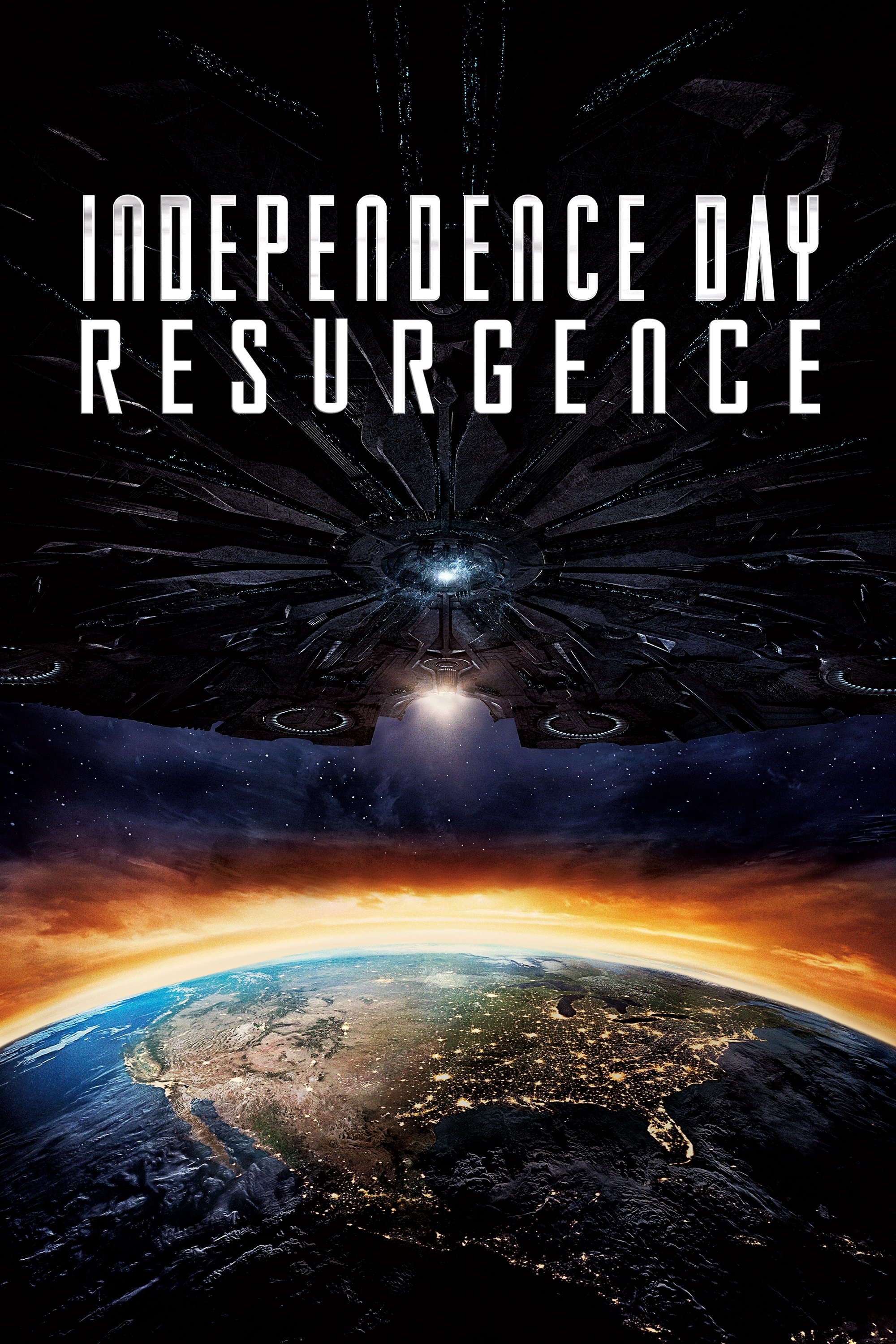
Set decades after the invasion, the story follows a multinational defense using reverse-engineered technology against a larger threat. Roland Emmerich returned to direct, the cast mixed returning and new leads, and large-scale effects were designed to stage aerial and ground battles.
Domestic performance lagged far behind the first film’s run despite significant international receipts. Announced follow-ups stalled, and the brand’s visibility centered on the original’s re-releases and ancillary media.
‘Zoolander 2’ (2016)
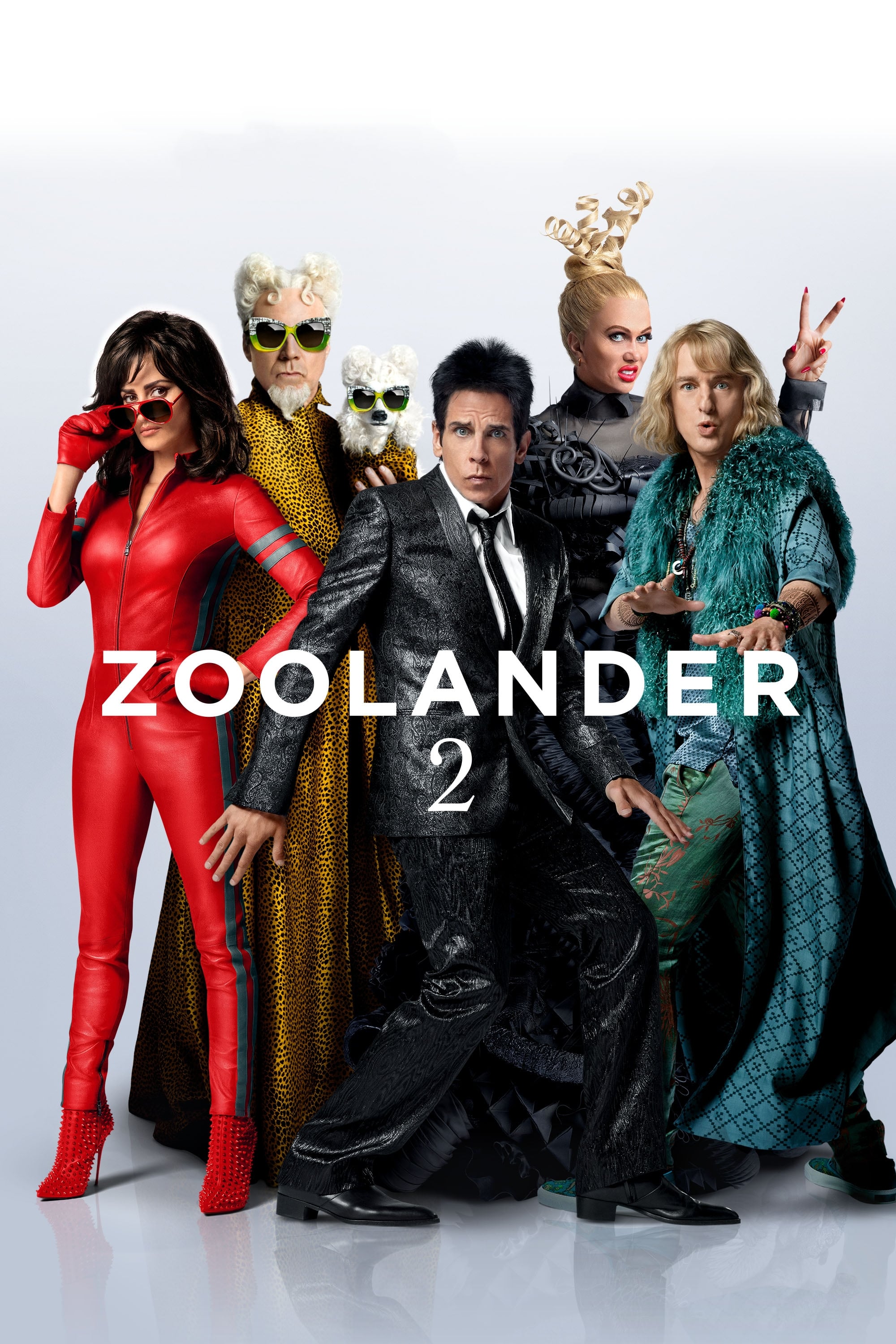
The sequel reunites Ben Stiller and Owen Wilson in the fashion-world spoof, stacking in cameo appearances from designers, models, and musicians. Stiller directed again, with European location work and runway-show set pieces anchoring the production.
The film’s domestic grosses were low and reviews broadly negative compared with the original’s cult growth on home media. No further theatrical entries followed, and the property’s footprint remained tied to the first film’s ongoing quotability.
‘Wall Street: Money Never Sleeps’ (2010)
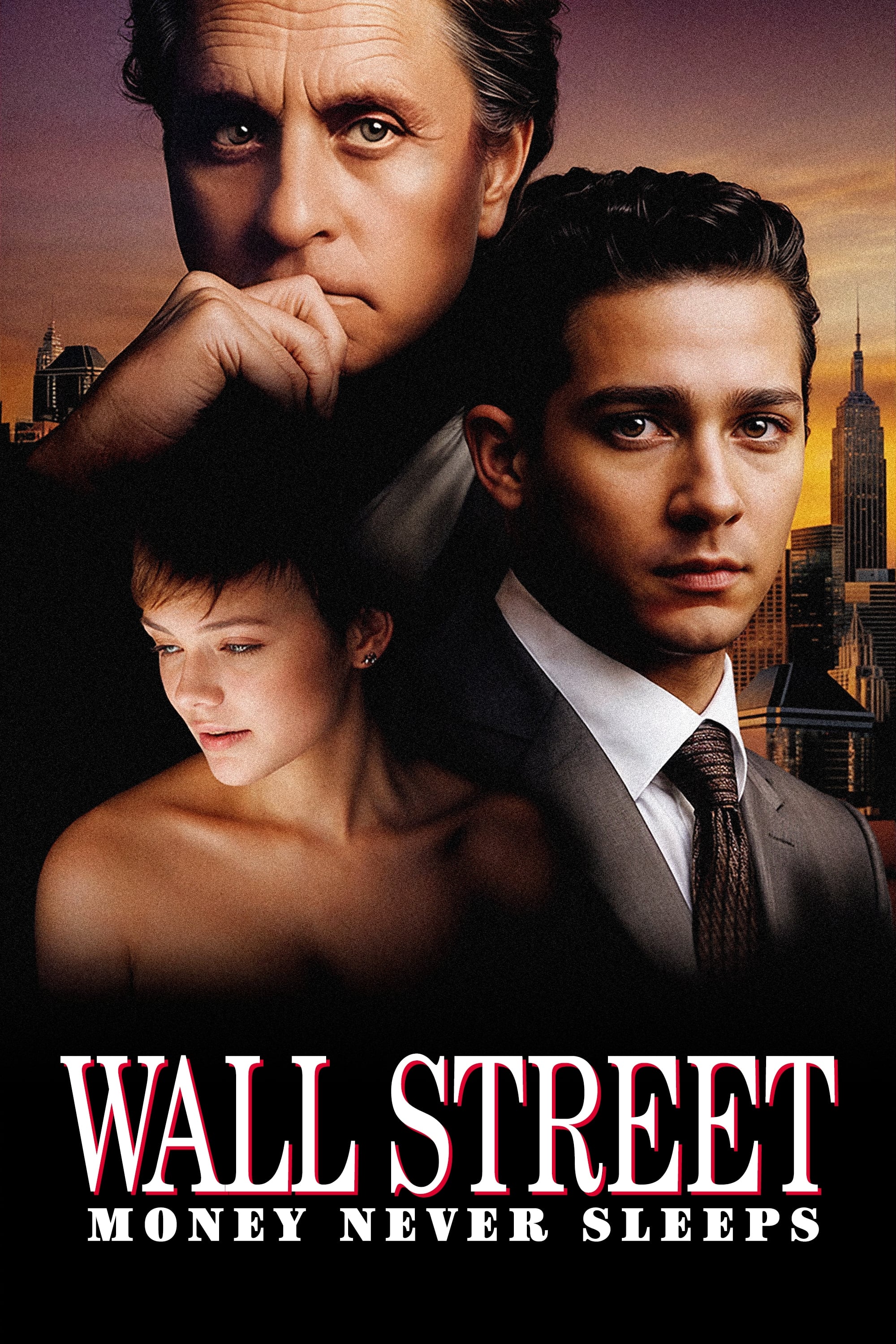
Oliver Stone returns to Gordon Gekko amid an unfolding market crisis, pairing Michael Douglas with Shia LaBeouf and Carey Mulligan. The narrative incorporates mergers, regulatory scrutiny, and investment-bank practices, with shoots on trading floors and at financial institutions.
Reception was mixed-to-moderate, and box office totals landed below the first film’s cultural footprint. The sequel functions as a time-capsule of the period’s financial anxieties and closed the cinematic story for these characters.
‘The Mummy: Tomb of the Dragon Emperor’ (2008)
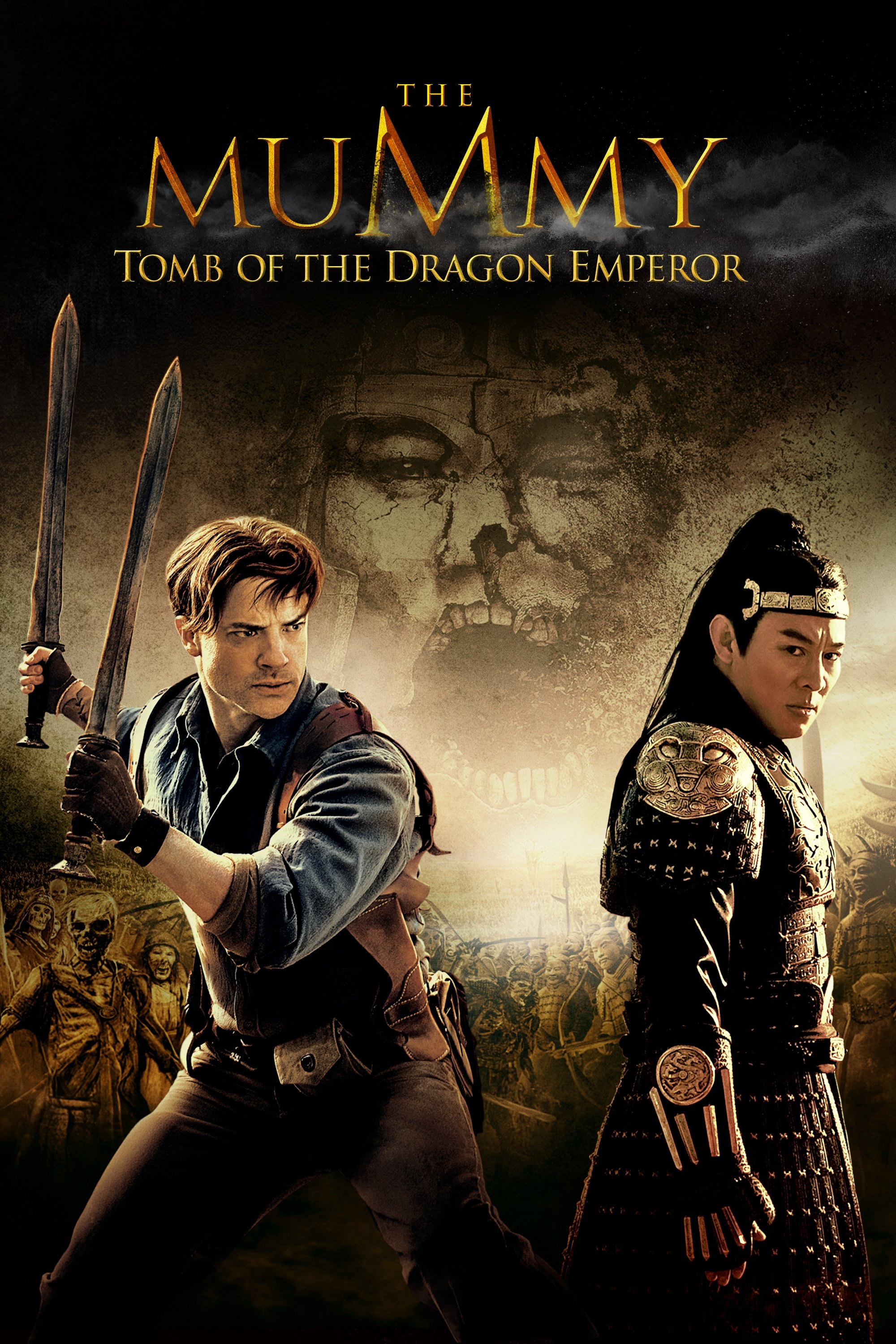
The third adventure shifts to East Asia, introducing a terracotta-army mythology and a new immortal ruler. Brendan Fraser returned, Jet Li and Michelle Yeoh joined the ensemble, and the role of Evelyn was recast, altering family dynamics on screen.
International earnings were sizable, while domestic turnout declined compared with earlier entries. Universal’s next move with the property was to attempt a broader connected-monster initiative under a fresh cast and creative direction.
‘Jurassic Park III’ (2001)
This installment features a rescue mission on Isla Sorna with streamlined runtime and a new apex predator, the Spinosaurus. Joe Johnston directed, Sam Neill returned, and production included significant on-set rewrites alongside animatronic-and-CG hybrid creature effects.
The film delivered solid global grosses yet trailed the original’s domestic phenomenon. The series paused afterward before returning with a park-reopening concept and updated technology in a new era.
‘Ghostbusters II’ (1989)
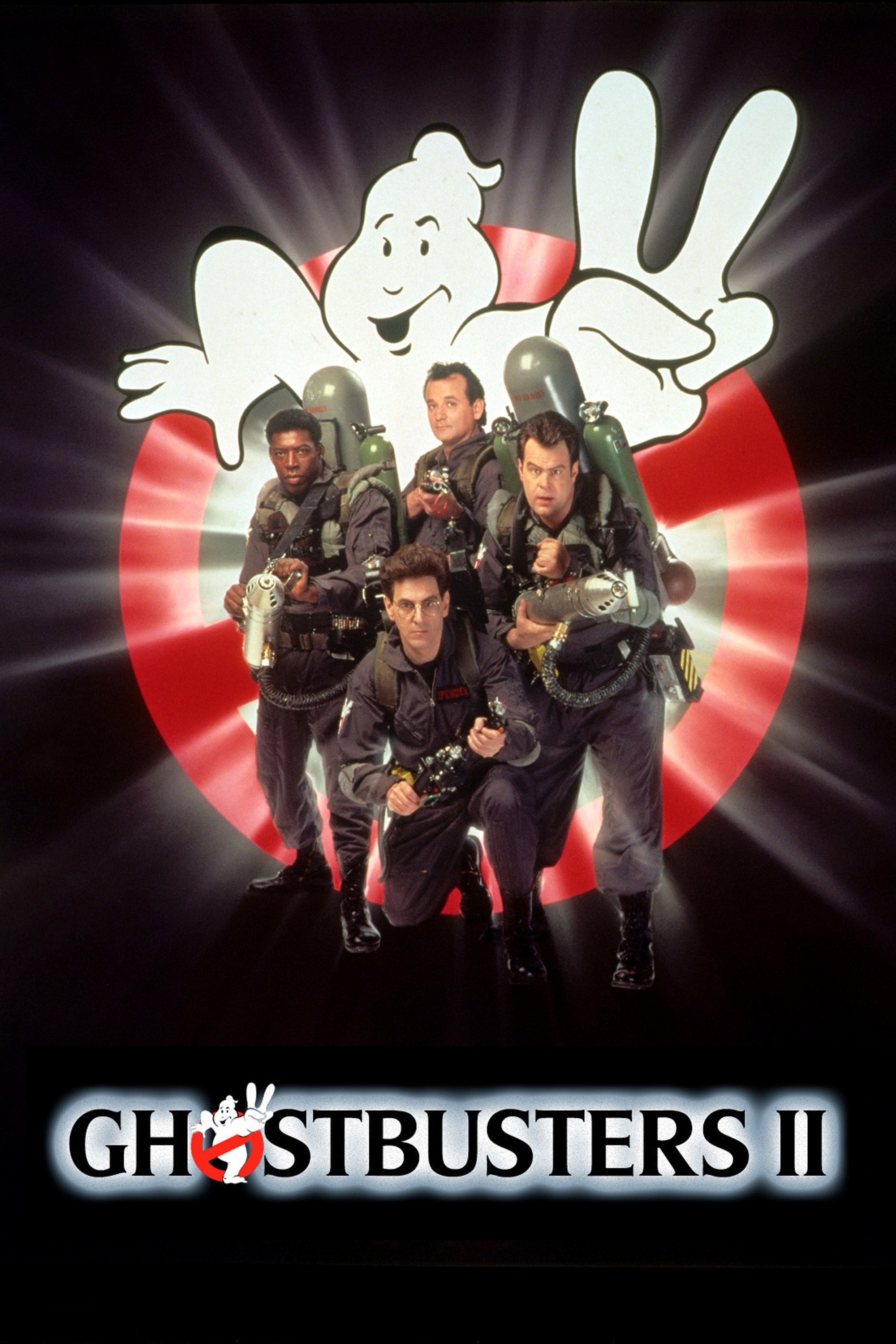
The team reunites against a villain tied to a museum artifact and a river of mood-reactive slime beneath New York City. Ivan Reitman directed again, with principal photography across familiar Manhattan locations and extensive optical and practical effects.
The sequel opened strong but finished below the first film’s long-tail performance and merchandising impact. The brand’s next notable steps were animated series, licensed games, and later a legacy-cast continuation that repositioned the timeline.
‘Alien³’ (1992)
Set on a prison-foundry world, the story pares the ensemble down and introduces a new xenomorph life-cycle variant. David Fincher made his feature debut under heavy studio oversight, and the release version reflected a difficult post-production.
A later “Assembly Cut” presented a substantially different experience, restoring characters and plot beats. Subsequent entries and prequels reoriented the mythos again, often treating this chapter as a tonal pivot for the series.
‘Kick-Ass 2’ (2013)
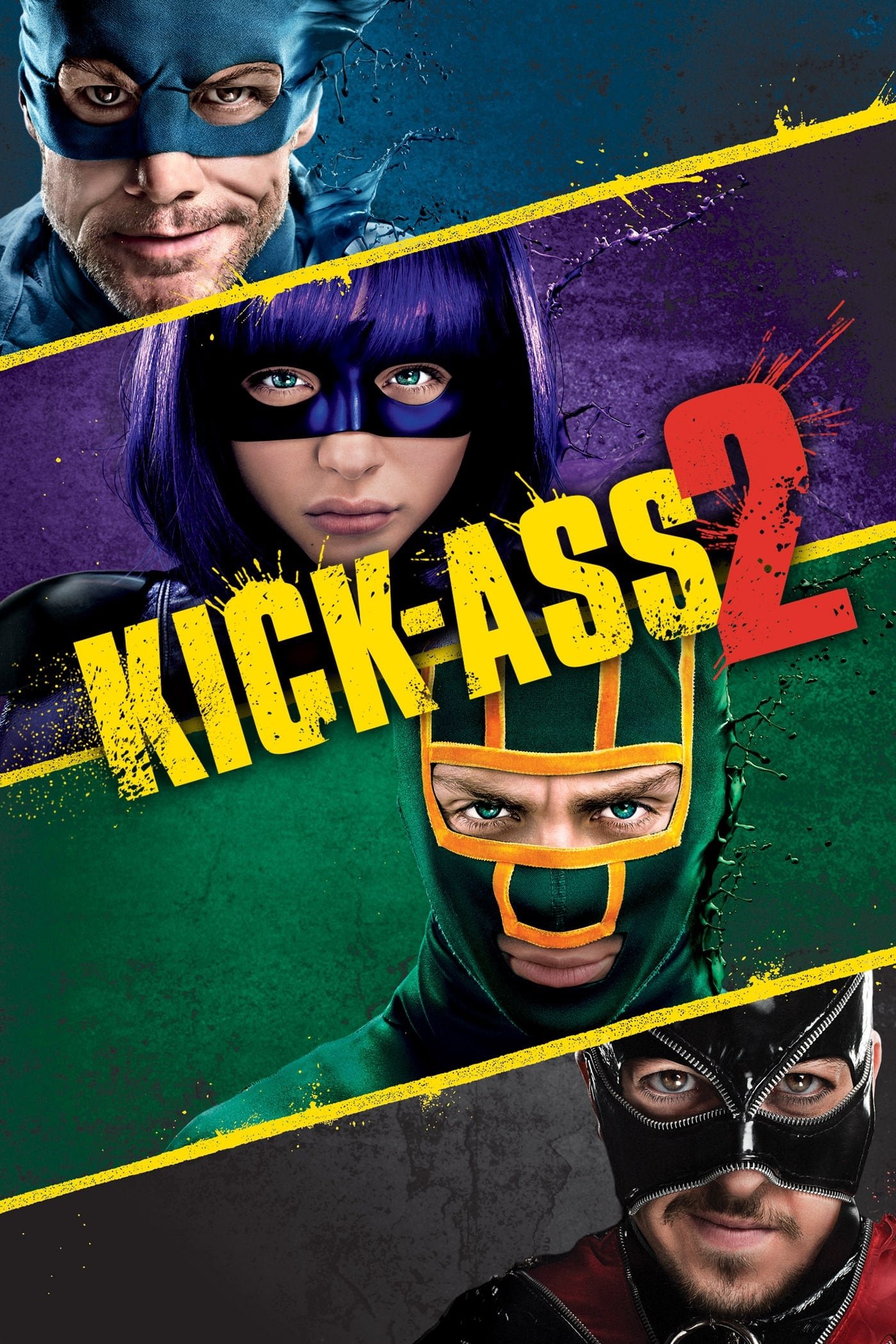
The sequel adapts additional graphic-novel arcs, expanding the roster of amateur heroes and introducing a new masked nemesis. Jeff Wadlow directed, with returning leads Aaron Taylor-Johnson, Chloë Grace Moretz, and Christopher Mintz-Plasse, and practical stunt work foregrounded street-level fights.
Critical response and ticket sales dropped from the first film’s breakout. Plans for another theatrical continuation did not materialize, and the property’s momentum shifted back to print and ancillary media.
Share your picks that reshaped how you view an original, and tell us why in the comments!