Movies Halted Because of an Actor’s Death


Film productions are complicated machines, and when a key performer dies mid-project, everything stops while studios, filmmakers, and insurers figure out what can be done. Sets go dark, schedules are torn up, and the immediate focus turns to safety, investigations, and the well-being of the cast and crew. Only after that do producers assess what was shot, what’s missing, and whether a project can be completed at all.
Sometimes the solution is a rewrite that reshapes the story around existing footage. Other times filmmakers turn to stand-ins, body doubles, or digital techniques to finish scenes an actor never got to film. Below are notable cases where a movie hit pause because of an actor’s death, along with how each production chose to move forward and ultimately reach audiences.
‘The Crow’ (1994)
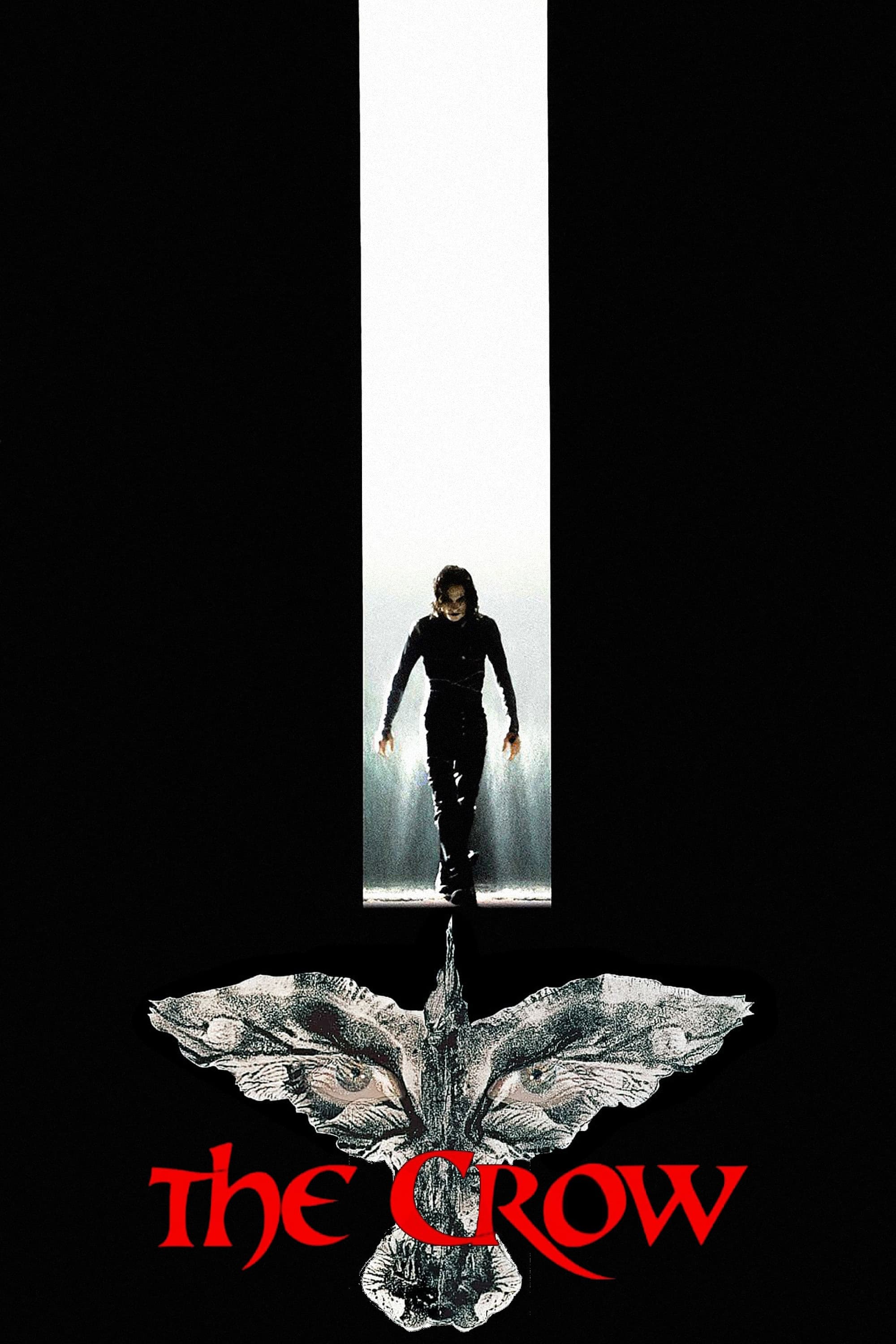
Production stopped after Brandon Lee was fatally injured while filming a scene involving a prop firearm, prompting official investigations and a full shutdown to review safety procedures and account for what footage remained. Producers, insurers, and the creative team evaluated how much of the lead performance had been captured and what story elements would need to change to finish the film.
Filmmakers later completed the project using a combination of body doubles, carefully staged shots, and digital compositing to place Lee’s likeness into certain moments. Several scenes were rewritten to minimize new material featuring the main character, and the finished film was released with an on-screen dedication to Lee.
‘Furious 7’ (2015)
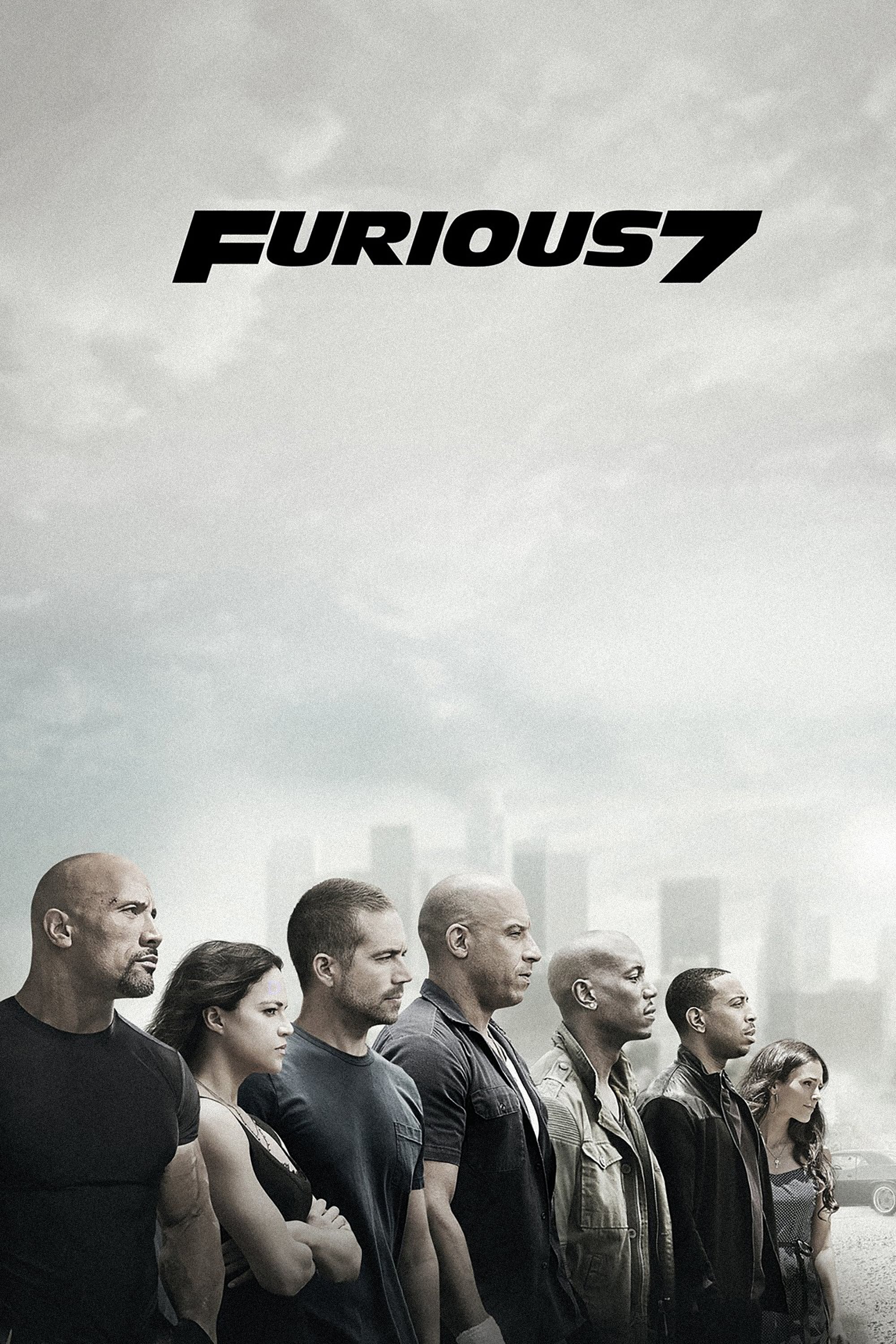
After Paul Walker died in a car crash during a production break, filming halted while the studio determined whether and how to proceed. The pause allowed the team to assess which sequences had been completed, what remained for the central character, and how to adjust the narrative without reshooting from scratch.
Work resumed with Walker’s brothers, Caleb and Cody, serving as stand-ins for select shots, while visual-effects artists created facial doubles to complete dialogue and action beats. Story revisions provided a new exit for the character, and the completed movie closed with a tribute sequence acknowledging Walker’s role in the franchise.
‘Gladiator’ (2000)
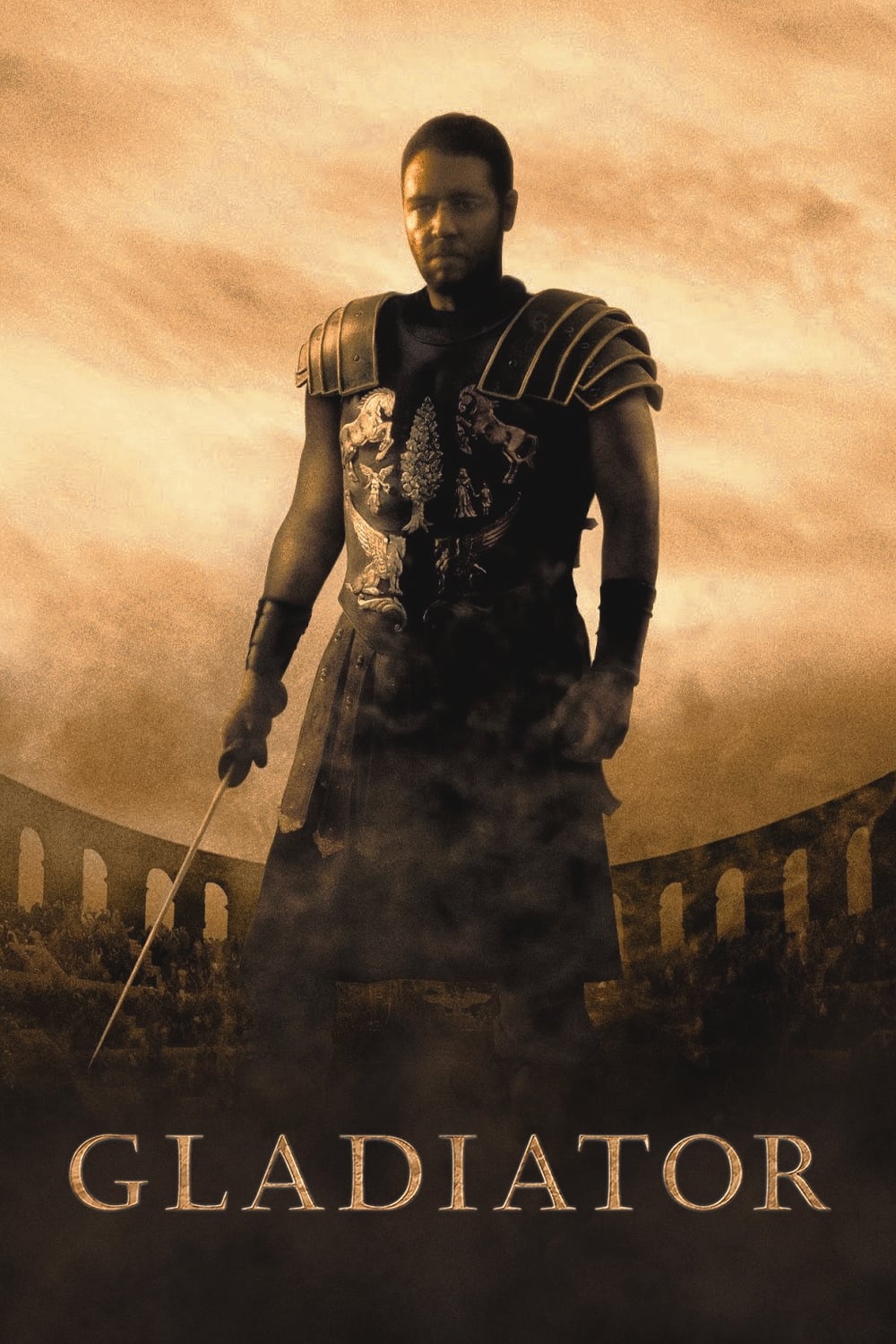
Filming paused when Oliver Reed died while the production was still shooting key scenes for his character. The break gave the studio time to review insurance coverage, consider recasting options, and audit the schedule to understand how much of Reed’s performance remained unfilmed.
Rather than replace him, the team finished his remaining moments using a body double, dialogue captured from existing takes, and digital face replacement for a handful of shots. Some scenes were re-blocked or rewritten to reduce his on-camera presence while preserving the character’s function in the story.
‘Brainstorm’ (1983)
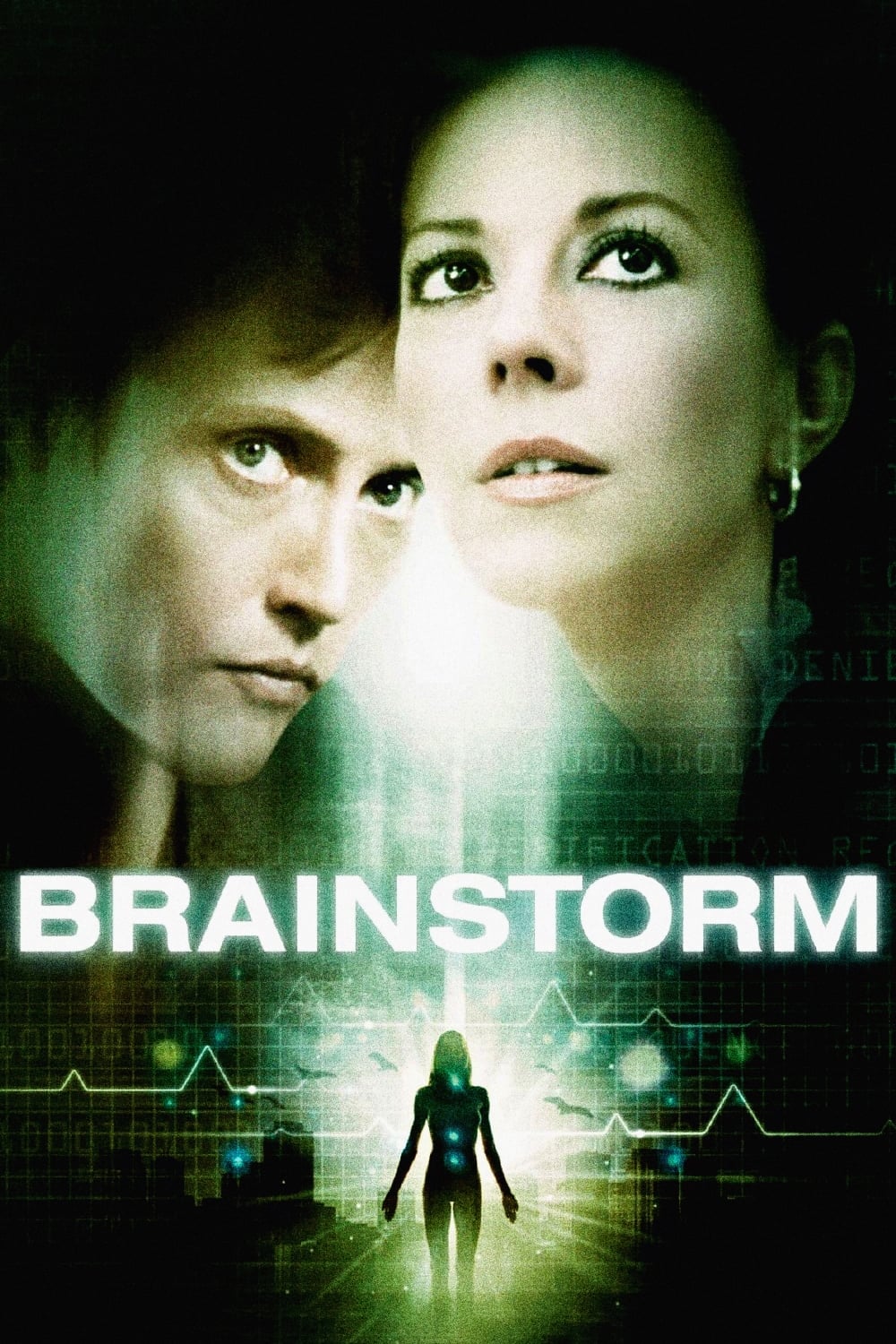
Natalie Wood died during a break from filming, and the studio immediately halted production as authorities investigated and insurers evaluated whether the project could continue. The stoppage left significant character material unfinished, putting the film’s future in question.
Director Douglas Trumbull reconfigured the movie around the completed footage, shifting certain scenes off-screen and restructuring others to work without additional performance days from Wood. After negotiations and editorial problem-solving, the film was completed and released with acknowledgments to the cast and crew who helped bridge the remaining gaps.
‘Something’s Got to Give’ (1962)
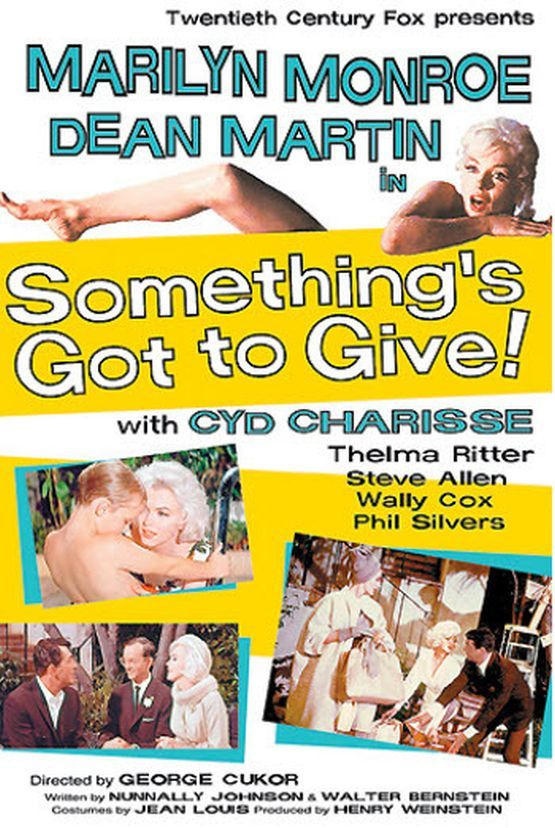
Ongoing delays had already disrupted the shoot when Marilyn Monroe died, leading the studio to suspend the production while weighing options. Executives reviewed footage, costs, and remaining schedule demands, but without its star, the project could not move forward as planned.
The film was ultimately canceled in its incomplete state, and the studio repurposed sets and story elements for a separate production, released as ‘Move Over, Darling’. The captured material from the unfinished film has since been preserved and studied as part of Monroe’s final screen work.
‘Twilight Zone: The Movie’ (1983)
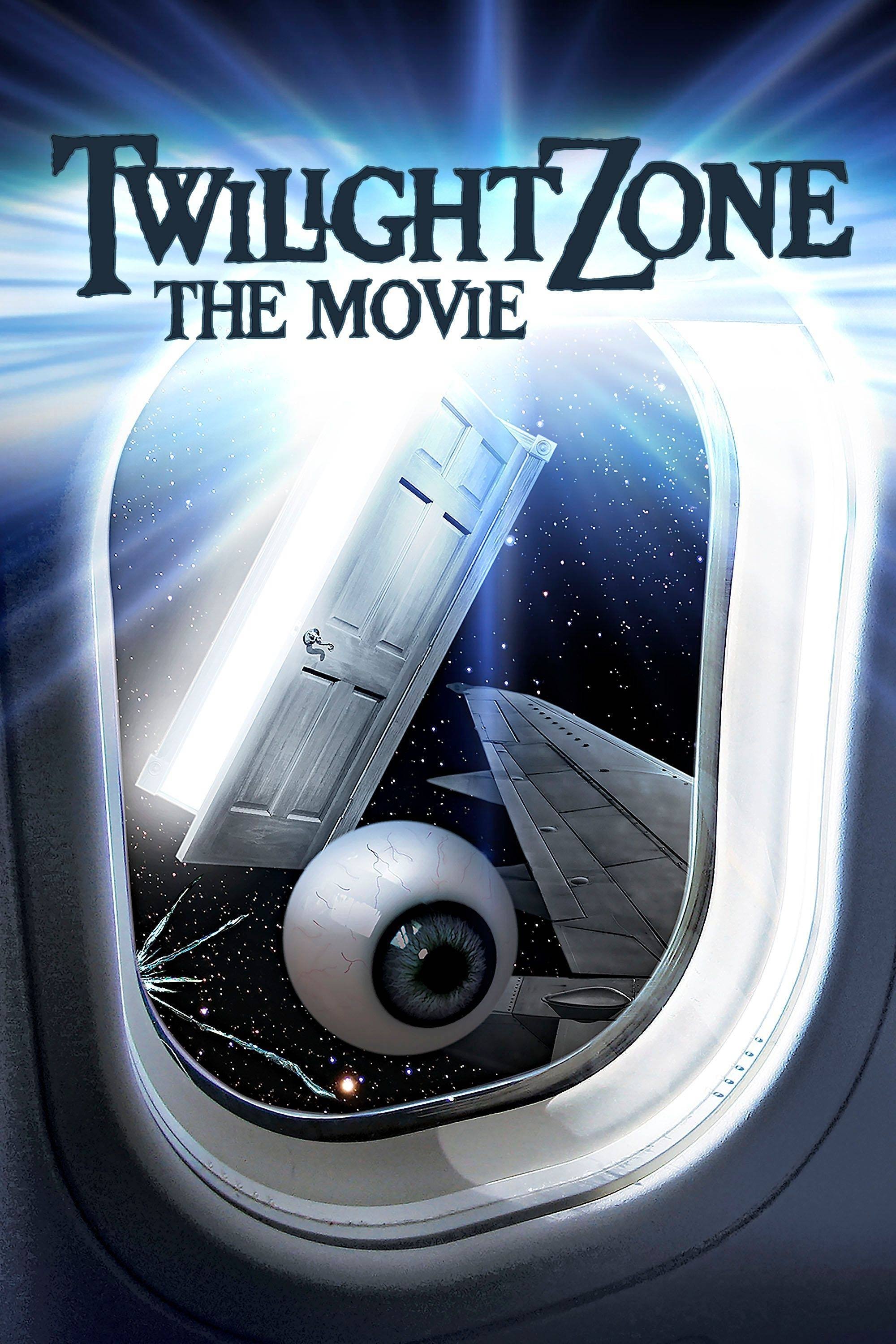
Production stopped after a helicopter crash during a nighttime sequence killed Vic Morrow and two child performers on set. Filming was suspended for investigations by authorities, and the incident triggered legal actions as well as comprehensive safety reviews across the project.
When work resumed, the affected segment underwent significant changes, including removing planned material and restructuring the story to avoid the incomplete footage. The anthology film was ultimately completed, and the accident led to stricter on-set safety practices and permitting oversight for future productions.
‘The Imaginarium of Doctor Parnassus’ (2009)
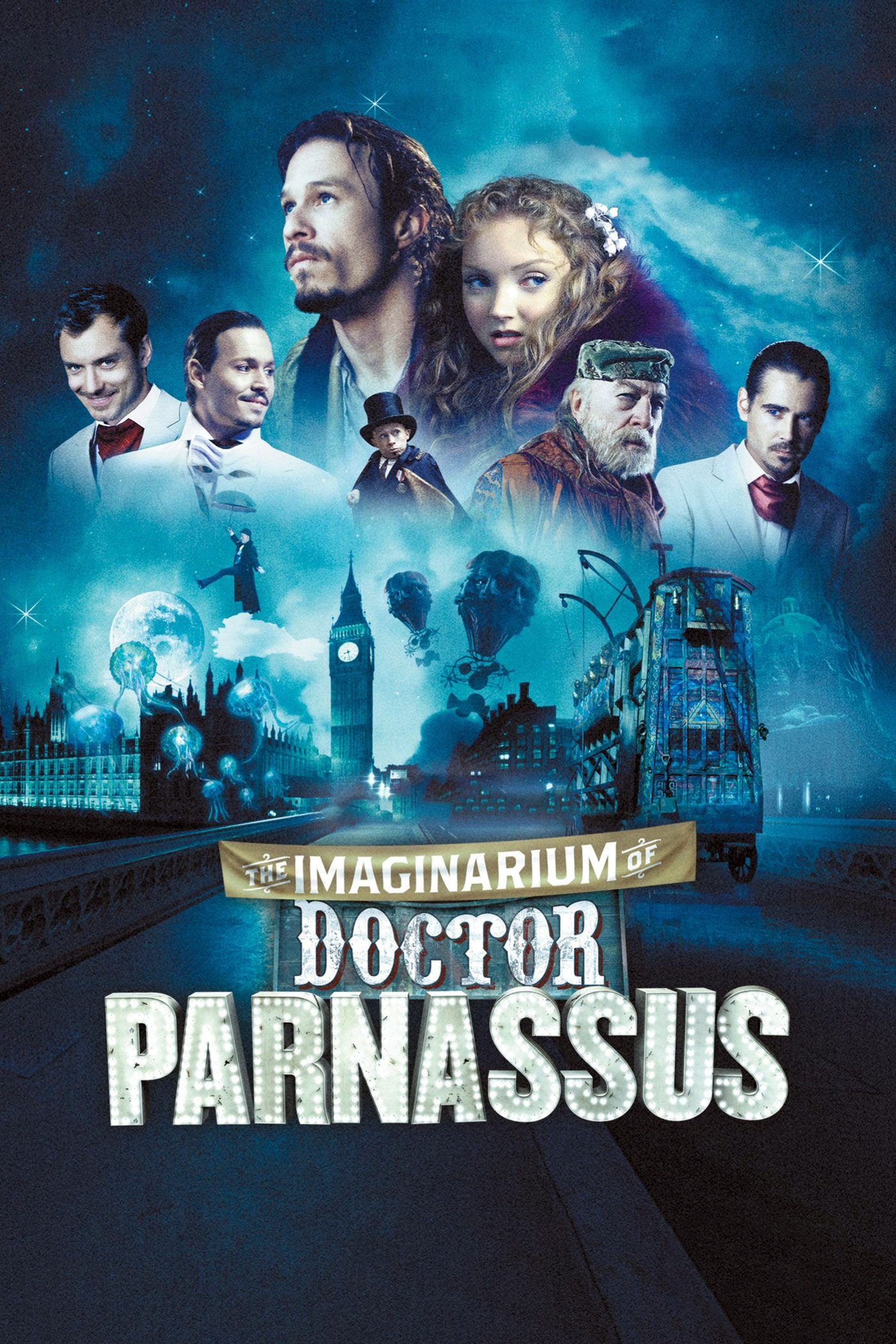
Heath Ledger died while the movie was still filming, and production shut down as the team evaluated how to address scenes not yet shot. Insurers, producers, and the director assessed coverage, schedules, and narrative options to determine if the existing material could be salvaged.
The solution reframed the character so that different versions could appear across sequences, enabling Johnny Depp, Jude Law, and Colin Farrell to portray transformations of Ledger’s role. With rewrites and creative design adjustments, the film completed photography and integrated all performances into a single, continuous narrative.
‘Dark Blood’ (2012)
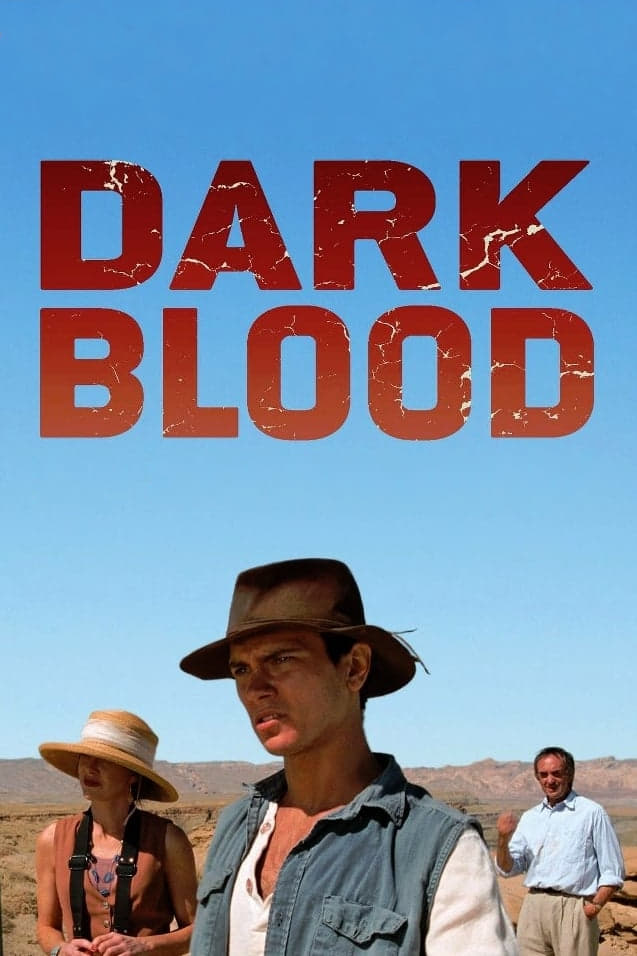
River Phoenix died with key scenes still outstanding, prompting an immediate halt and a protracted dispute over how—if at all—the production could continue. Without its lead available to finish critical story beats, the project was shelved, and the filmed material remained in storage for years.
Director George Sluizer later revisited the footage, constructing a releasable version that used narration and editorial techniques to bridge missing scenes. The completed cut screened at festivals before receiving limited distribution, offering audiences a look at Phoenix’s final work within the constraints of the unfinished production.
‘Game of Death’ (1978)
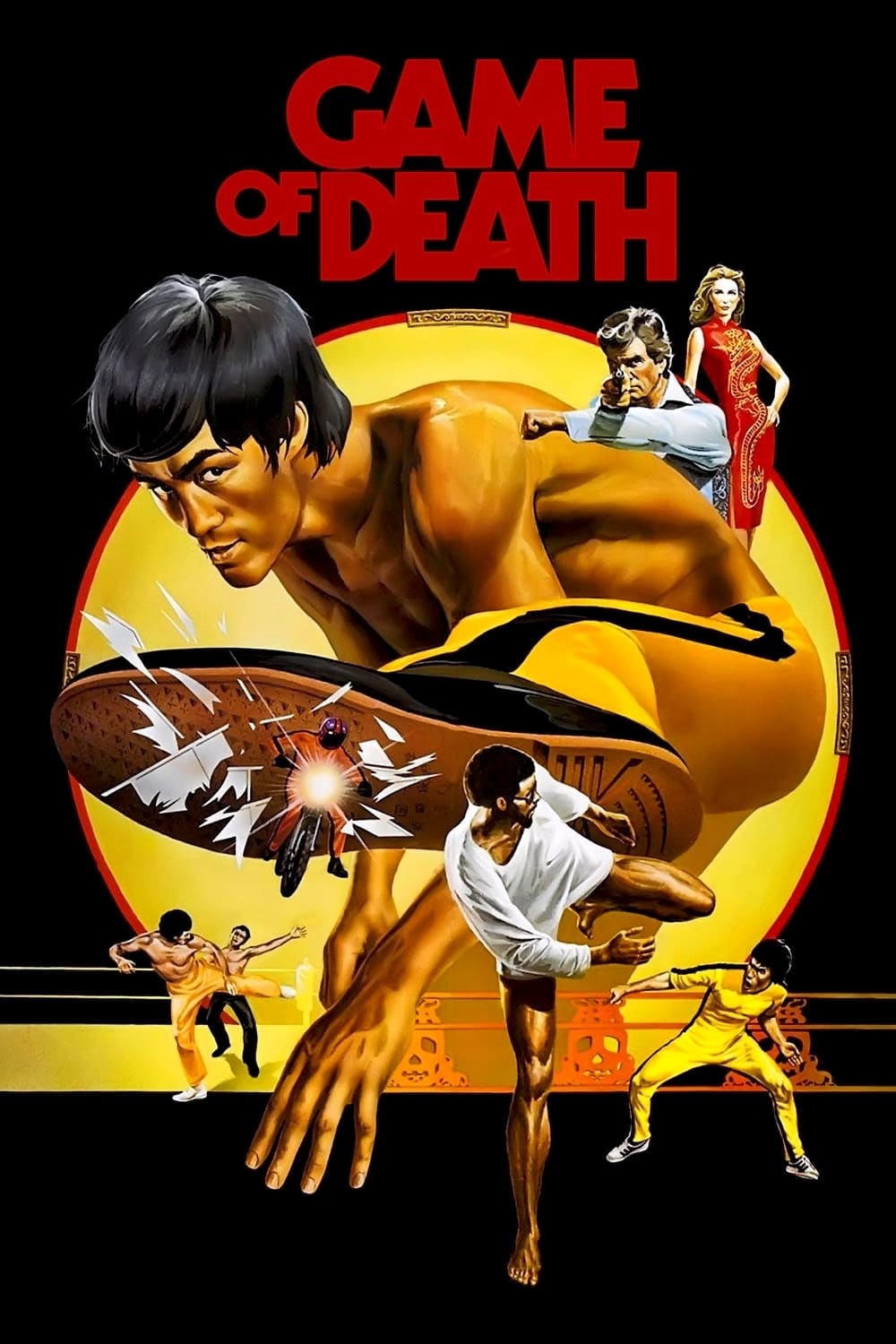
After Bruce Lee died with only portions of the project shot, filming ceased while producers assessed how much could be salvaged. The existing material included extended fight sequences and test footage, but large sections of the plot and character scenes were absent.
Years later, the film was assembled around Lee’s available footage, with stand-ins, newly staged scenes, and voice dubbing used to complete the storyline. The release credits Lee as the star while making extensive use of doubles and editorial devices to connect his original material to the new narrative framework.
‘The Matrix Reloaded’ (2003)
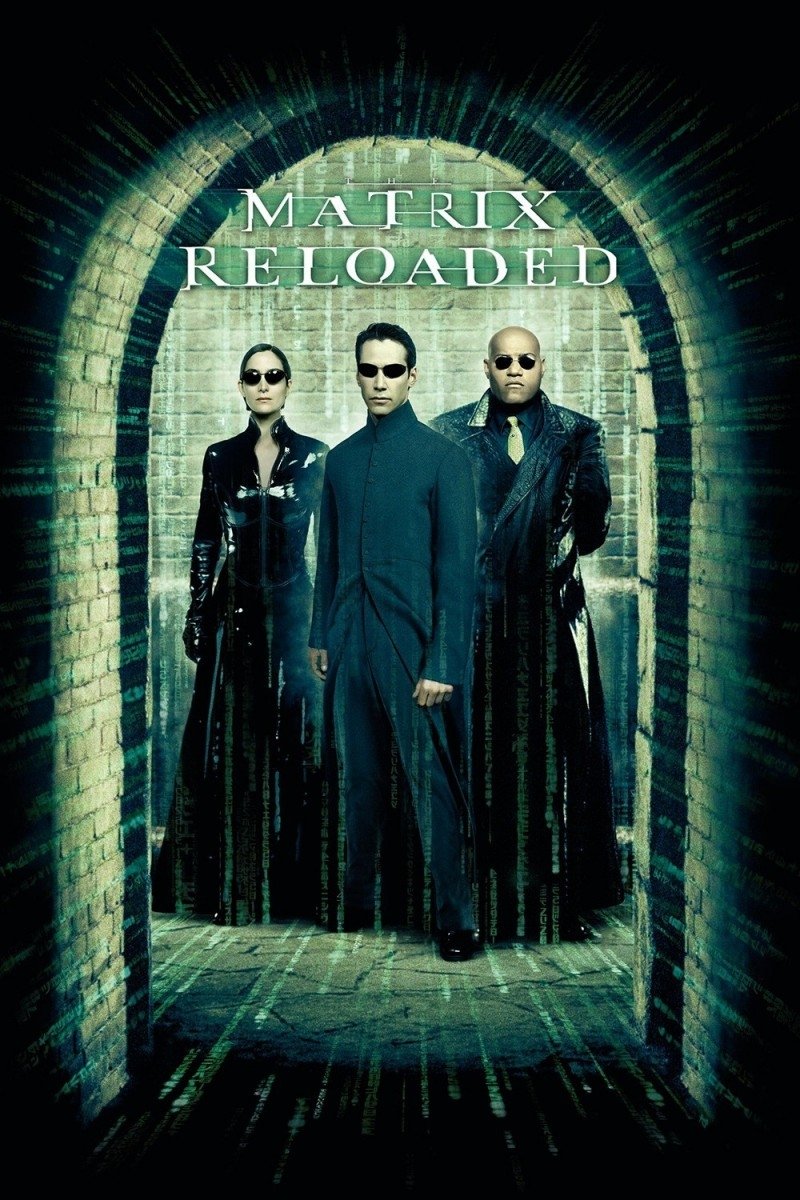
Aaliyah, originally cast as the character Zee, died in a plane crash before she could complete her work on the project, causing a pause while the role was recast. The production reviewed schedules and prior scene work to determine what needed to be remounted and which sequences could shift without affecting continuity.
Nona Gaye ultimately took over the role, and previously planned or partially filmed material was redone to integrate the new casting. The production then continued in tandem with ‘The Matrix Revolutions’, maintaining character and story continuity across the companion releases.
Share your thoughts in the comments: which examples stood out to you, and how do you think productions should handle situations like these?