Movies that Divided Audiences the Most


Some films arrive to universal cheers, others to a thud—and then there are the ones that split the room right down the middle. These are the titles that sparked walk-outs and standing ovations, think-pieces and passionate defenses, and long threads where nobody quite agrees on what they just watched. Love them or loathe them, they left a mark.
Below is a tour through big studio swings, daring art-house gambles, franchise curveballs, and cult lightning rods. For each entry, you’ll find concrete context—who made it, how it was released, what shaped its reception, and the real-world ripple effects—so you can see exactly why the discourse around each title became so intense.
‘Star Wars: Episode VIII – The Last Jedi’ (2017)
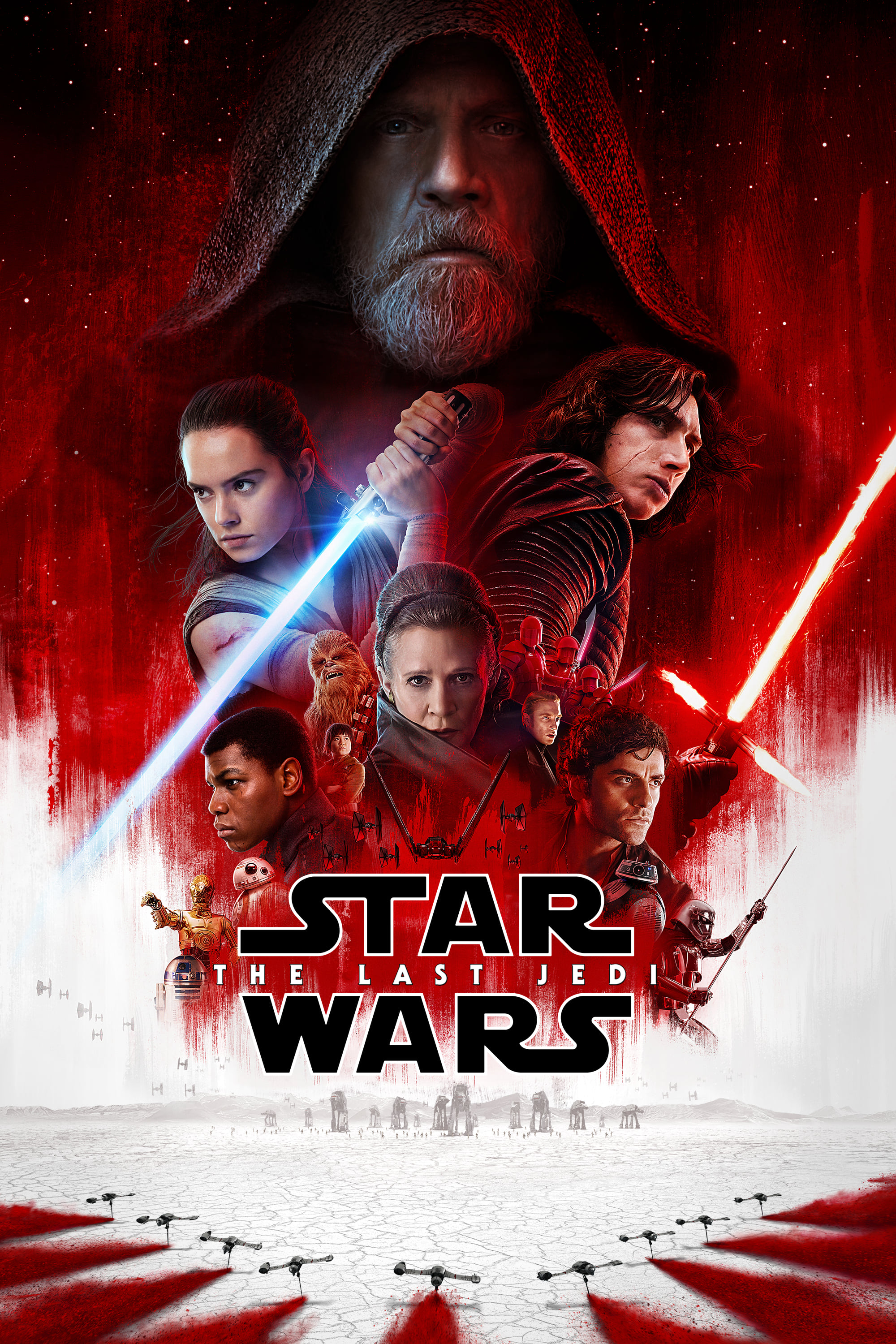
Rian Johnson wrote and directed ‘Star Wars: Episode VIII – The Last Jedi’, steering the saga toward character-driven choices, meta commentary on hero myths, and bold visual sequences. The production shot extensively at Pinewood and on location in Ireland and Croatia, with returning cast members alongside franchise newcomers and a score by John Williams.
On release, the studio reported strong global grosses and a robust theatrical footprint, while social platforms lit up with organized campaigns and hashtag battles around narrative direction and legacy characters. The film’s choices prompted official statements from Lucasfilm creatives, convention panels devoted to Q&A clarifications, and later documentaries and behind-the-scenes features addressing fan responses.
‘Joker’ (2019)
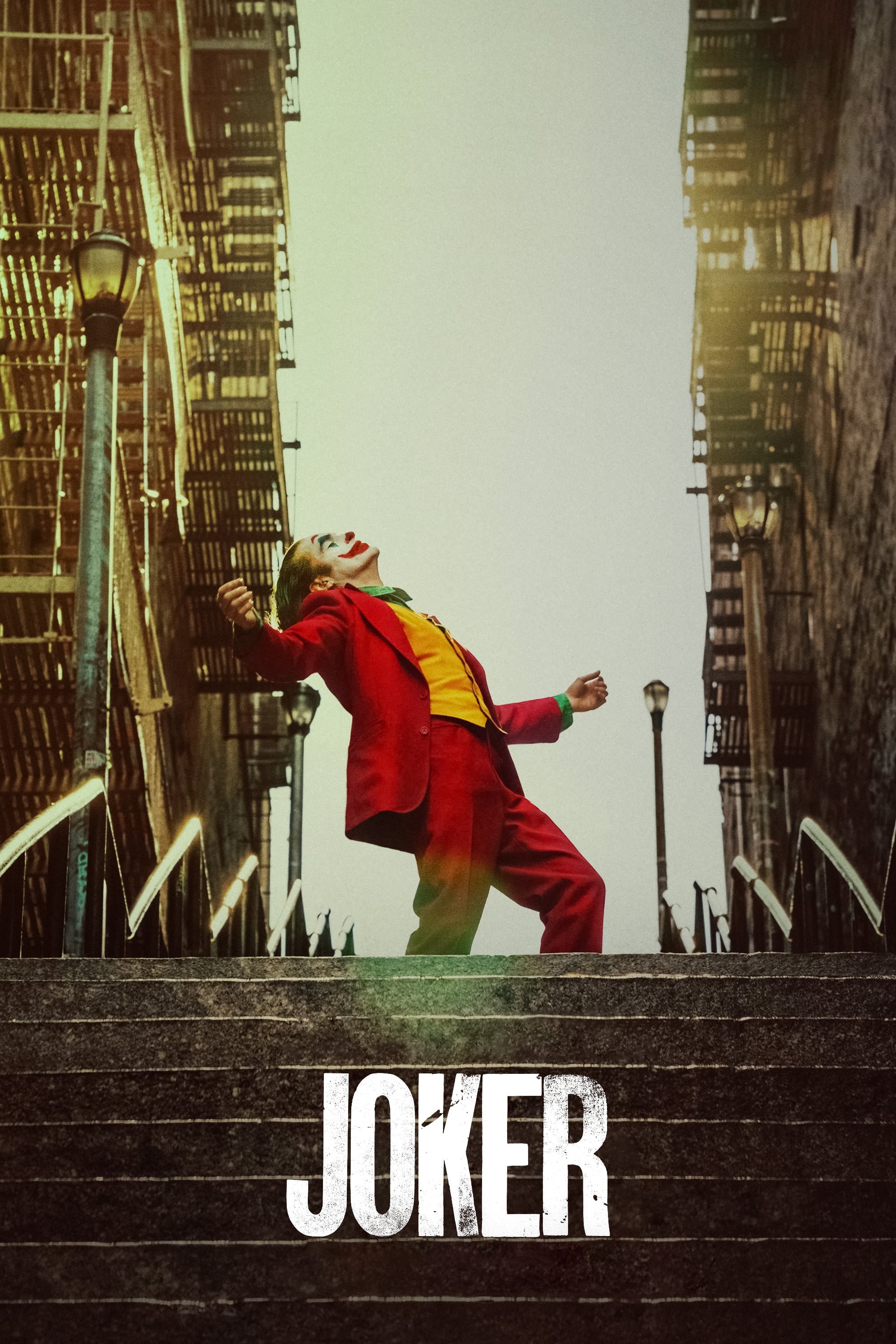
Directed by Todd Phillips and headlined by Joaquin Phoenix, ‘Joker’ presented an origin story set outside the main DC continuity, with production design evoking urban decay and influences from character-study dramas. The score by Hildur Guðnadóttir became a prominent element in marketing and awards-season clips.
The film drew security advisories at select theaters, debate among public officials, and guidance from exhibitors about on-site precautions. It went on to earn major festival recognition, trigger academic panels on media effects, and spark industry conversations about comic-book branding, content ratings, and standalone label strategies.
‘Mother!’ (2017)

Darren Aronofsky’s ‘Mother!’ was developed in secrecy, released with spoiler-averse campaigns, and starred Jennifer Lawrence and Javier Bardem in a parable framed through home-invasion and biblical allegory. The production used a single primary location with tightly choreographed camera movement to heighten subjectivity.
Preview screenings generated rare audience-exit polling extremes, and the studio leaned into the controversy with poster art and trailers designed to provoke. The film’s reception led to wide-ranging interviews in which the director unpacked symbolism, while critics’ roundtables, podcasts, and classroom syllabi dissected themes and structure.
‘Tenet’ (2020)
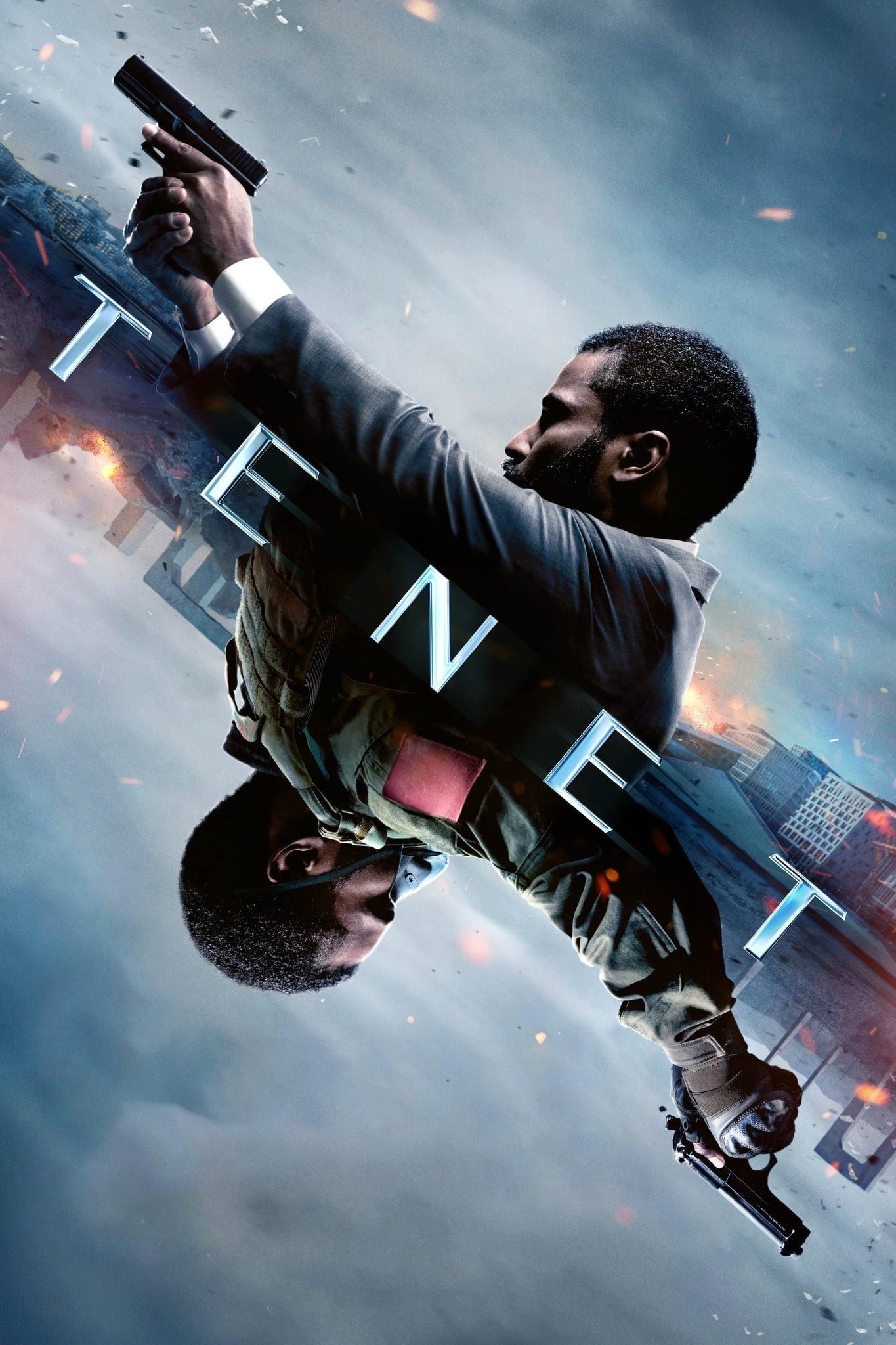
Christopher Nolan’s ‘Tenet’ combined large-format cinematography, in-camera effects, and a global location list, anchored by a high-concept espionage premise involving temporal mechanics. Sound mix choices, practical set-piece execution, and IMAX-forward presentation were central to the release strategy.
Its rollout intersected with shifting theatrical reopenings, creating a high-profile test case for exhibition and windowing. The film’s puzzle-box narrative inspired official making-of books, technical featurettes about stunt design and reverse choreography, and extensive explainer content from science communicators and film analysts.
‘The Tree of Life’ (2011)
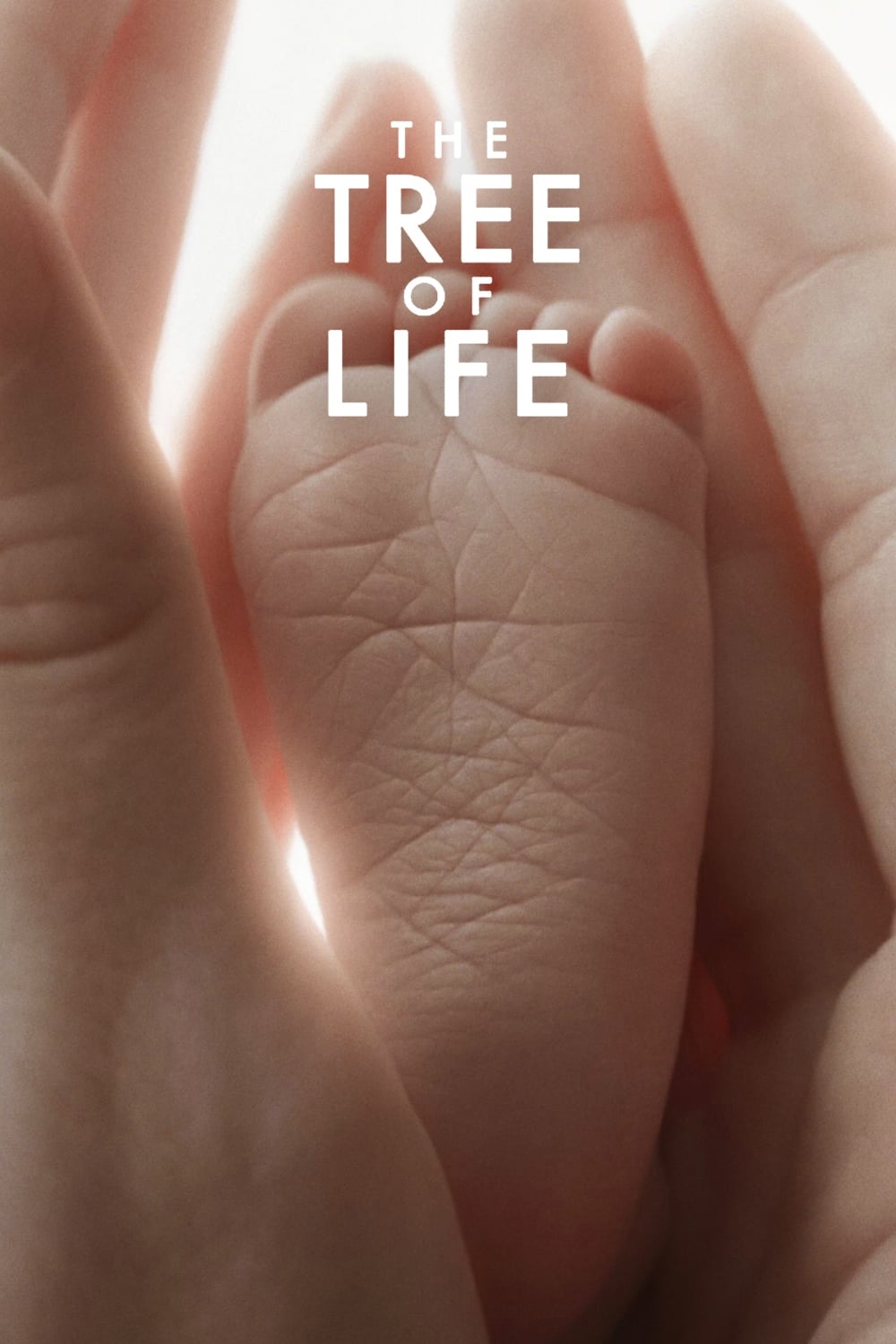
Terrence Malick’s ‘The Tree of Life’ juxtaposed a Texas family story with cosmic imagery, using a combination of natural-light cinematography and visual-effects sequences developed with practical elements like fluids and micro-photography. The score and classical selections were curated to mirror the film’s meditative structure.
The film premiered at a major European festival to both boos and lengthy applause, later winning top honors there while polarizing multiplex audiences. Multiple edits circulated across releases and retrospectives, and museum screenings paired the film with lectures on theology, memory, and non-linear narrative.
‘2001: A Space Odyssey’ (1968)
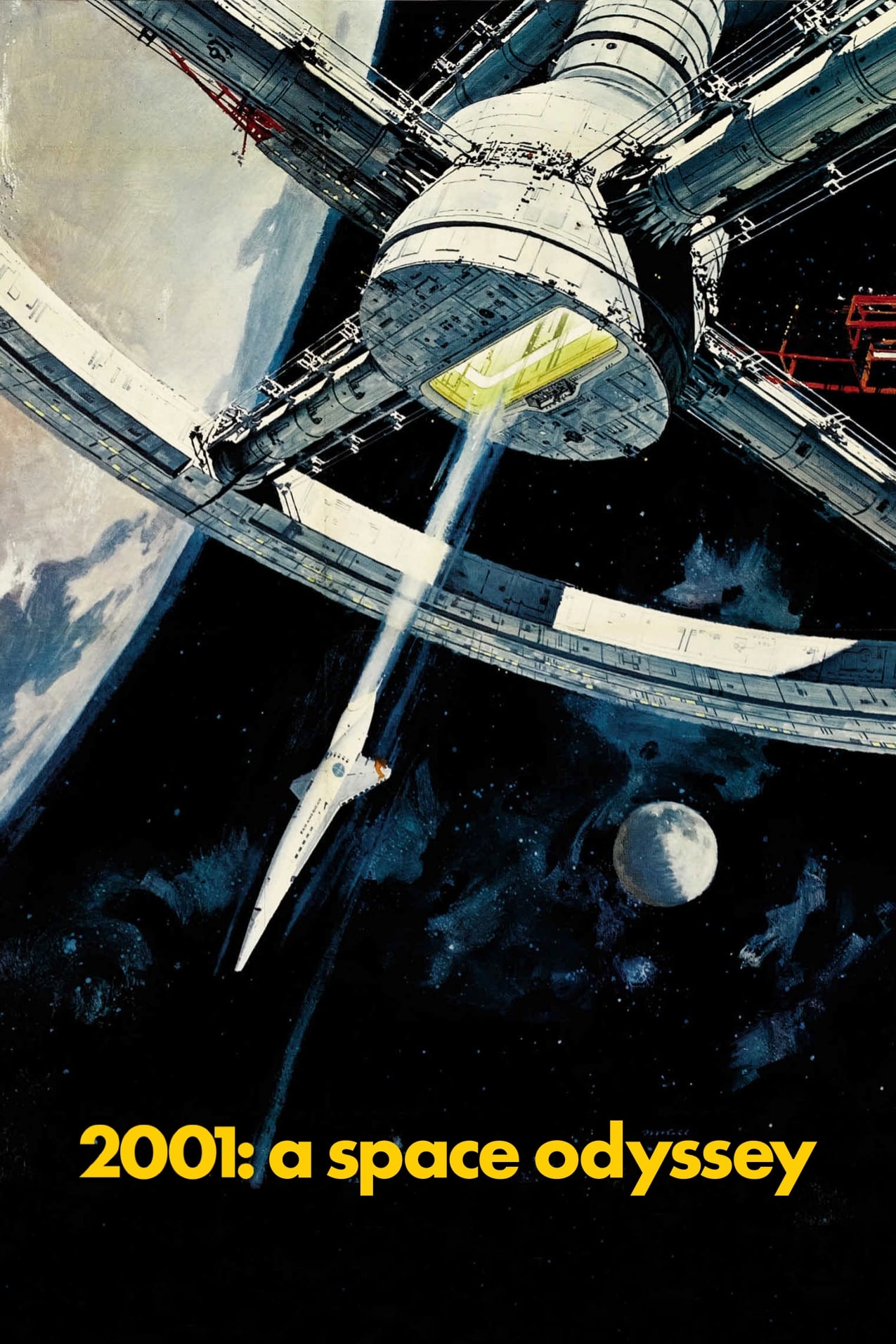
Stanley Kubrick’s ‘2001: A Space Odyssey’ was created with NASA consultants, front-line effects innovations, and a meticulous sound design approach that favored classical music over traditional scoring. The production pioneered front-projection and rotating set rigs to achieve weightless movement.
Initial roadshow engagements saw mixed patron feedback and uneven attendance before word-of-mouth built a long-tail run. The film’s legacy includes restoration premieres, new 70mm prints, and scholarly volumes on its ambiguous storytelling and influence on subsequent science-fiction world-building.
‘The Shining’ (1980)
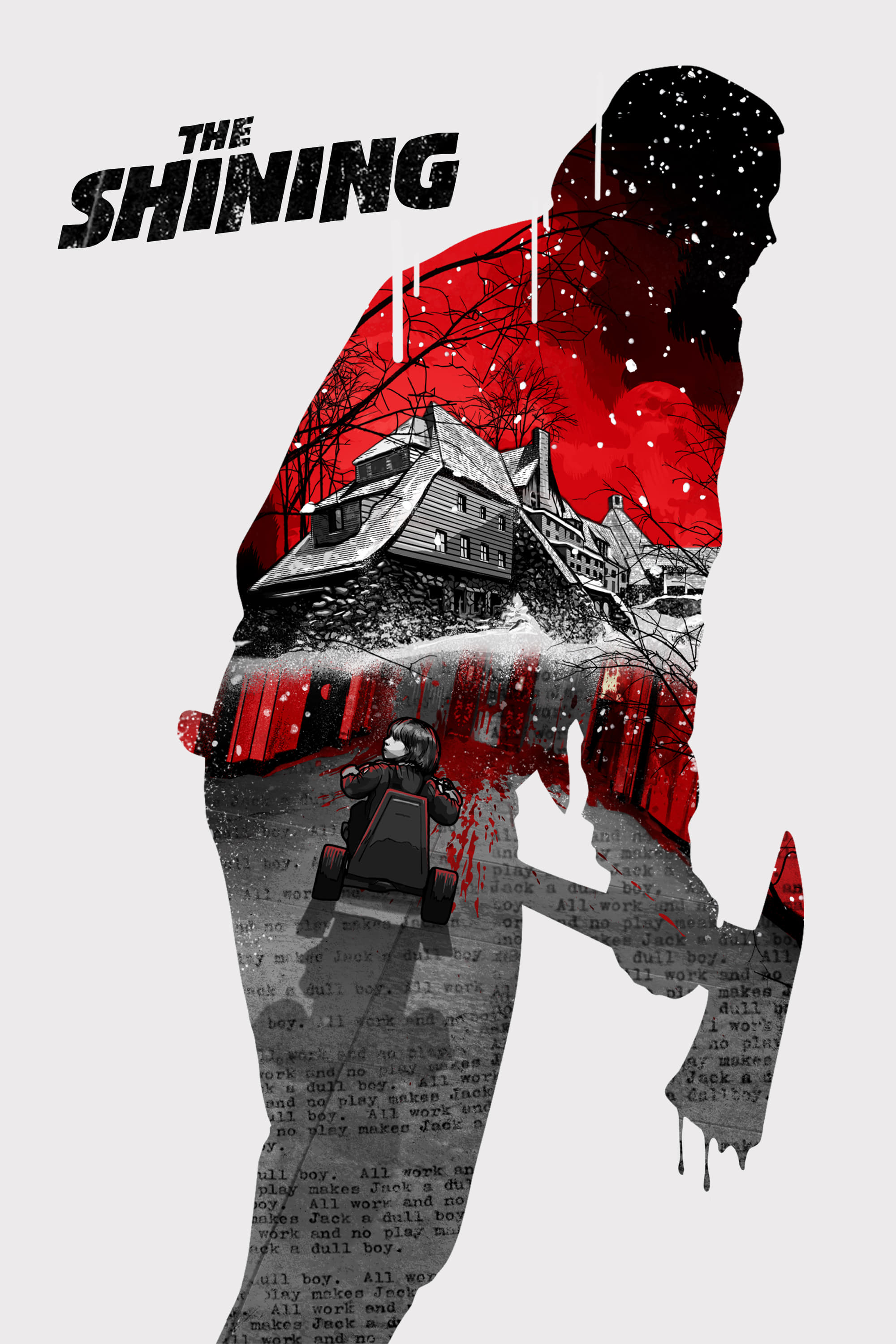
Adapted from Stephen King’s novel, ‘The Shining’ saw Stanley Kubrick collaborate with Garrett Brown to deploy the Steadicam for extensive tracking shots inside elaborate sets. The film’s production drew attention for multiple takes, precise blocking, and an original score blended with modernist compositions.
Upon release, the film received a split critical response and later reappraisal through home video and cable rotations. Competing interpretations of symbolism spurred documentaries, annotated frame-by-frame analyses, and debates about fidelity to source material versus auteur reinterpretation.
‘Fight Club’ (1999)

Directed by David Fincher and adapted from Chuck Palahniuk’s book, ‘Fight Club’ used stylized digital effects, fourth-wall devices, and a distinctive dust-and-neon palette. Its marketing initially downplayed satirical elements in favor of action imagery.
Theatrical performance underwhelmed relative to expectations, but the title’s DVD release became a landmark in special-features packaging and collectible editions. The film entered coursework across media studies and sociology departments, and its iconography circulated widely in advertising case studies and internet culture timelines.
‘Donnie Darko’ (2001)
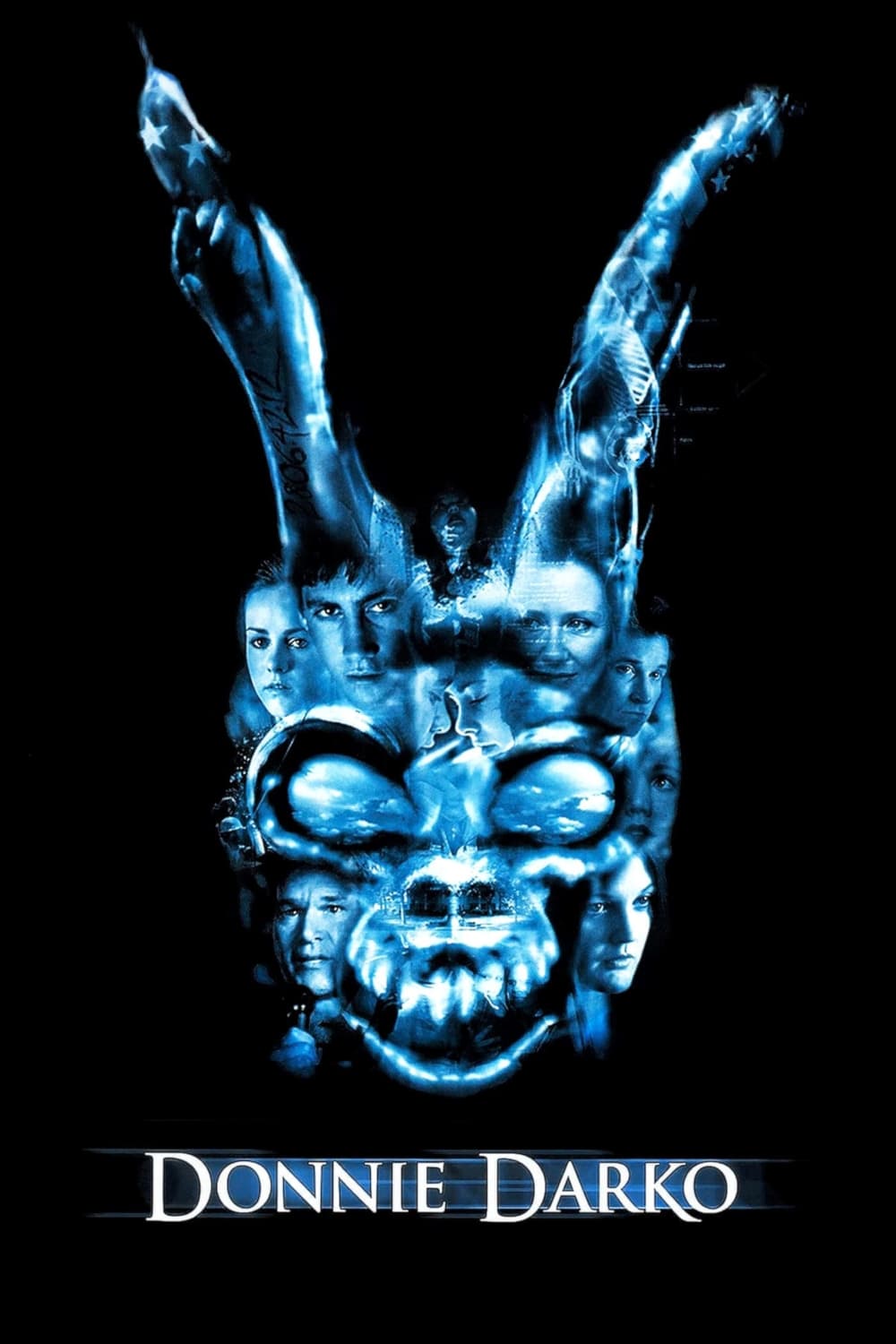
Richard Kelly’s ‘Donnie Darko’ combined suburban drama, speculative fiction, and a curated soundtrack, with an ensemble cast that later became a draw in re-release cycles. The director’s cut expanded mythology through added scenes and on-screen text.
After a modest initial run, midnight screenings and festival slots grew a devoted following, and distributors leveraged anniversary engagements with new transfers. The film’s web-era ARG-style supplemental materials, including official site lore, are often cited in discussions of early online fandom.
‘Interstellar’ (2014)
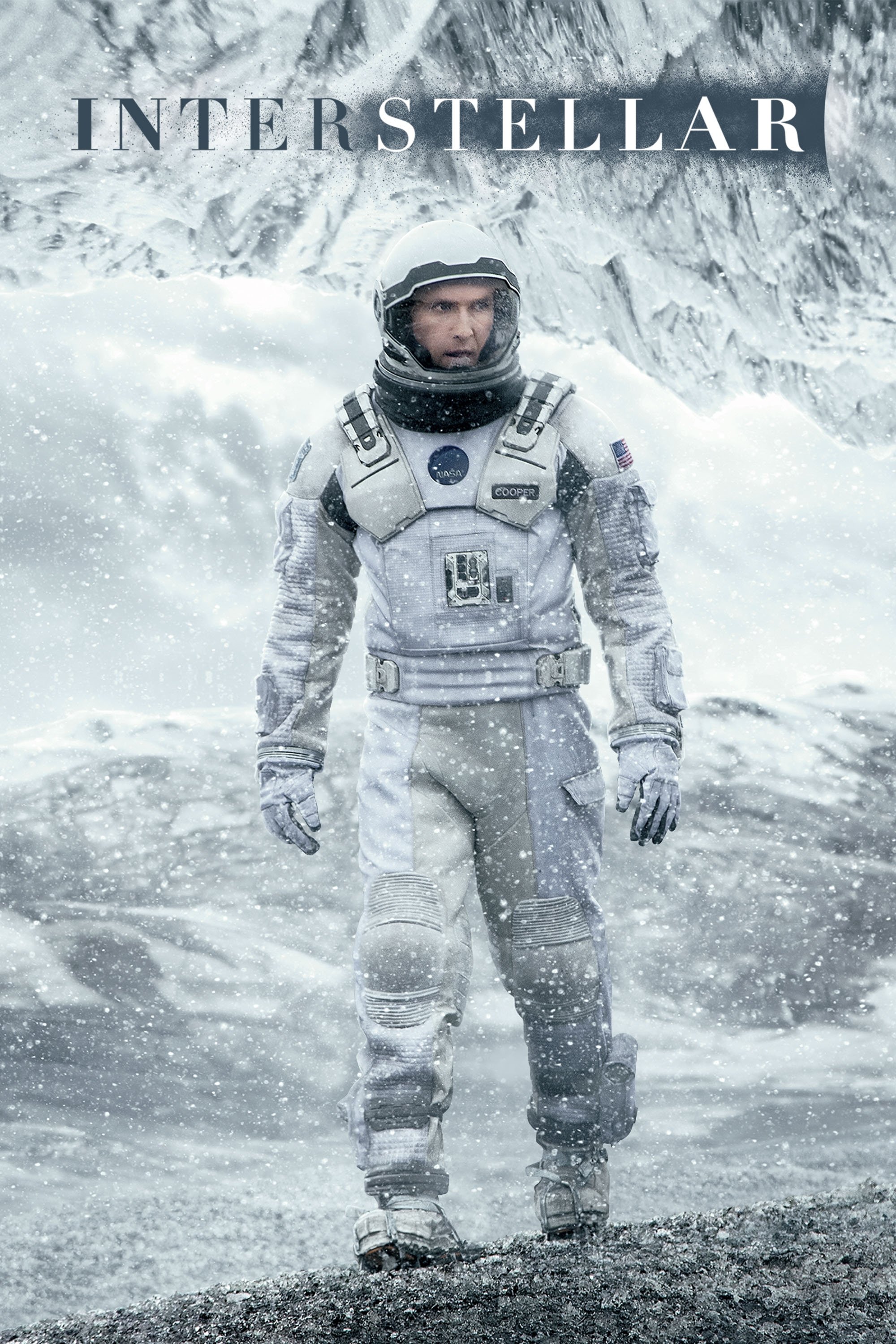
‘Interstellar’, directed by Christopher Nolan, partnered with astrophysicist Kip Thorne to shape visualizations of gravitational phenomena, informing VFX algorithms later documented in academic papers. Large-format cameras, miniatures, and on-location photography in harsh environments reinforced the film’s tactile approach.
Exhibitors offered film-only advance showings, premium-format exclusives, and educational tie-ins with planetariums. Post-release, published production notes and Q&As addressed scientific liberties, audio mixing philosophies, and the film’s bespoke organ-driven score.
‘Prometheus’ (2012)
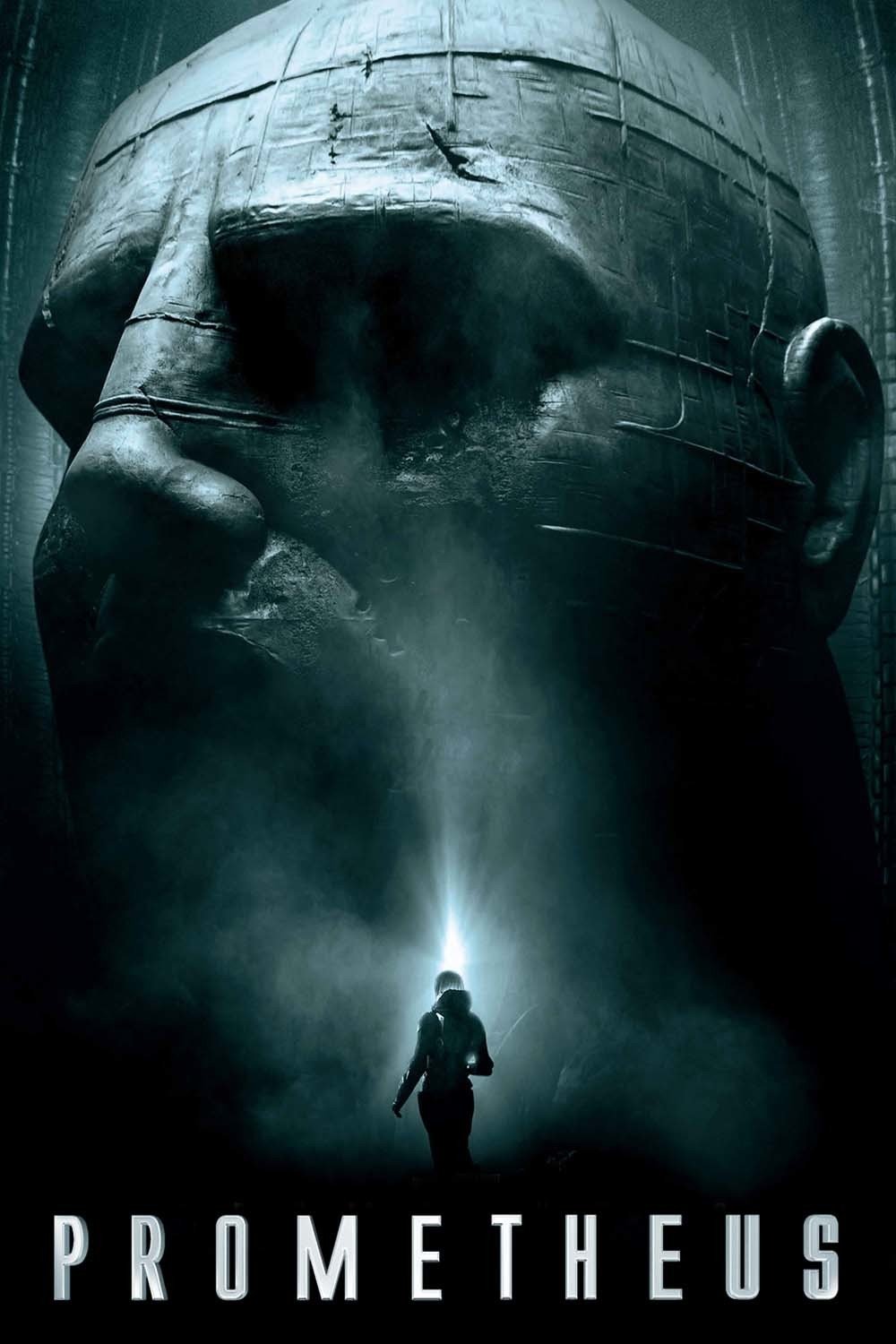
Ridley Scott’s ‘Prometheus’ revisited the ‘Alien’ universe with a new cast, capsule-episode structure, and production design by returning collaborators. Viral marketing—fictional corporate videos and dossiers—seeded lore months ahead of release.
Audience discussion focused on character decision-making and franchise connections, prompting official home-video supplements with extended scenes and commentaries. The title became a frequent reference in studio conversations about prequels, soft reboots, and world-expansion strategies.
‘Alien³’ (1992)
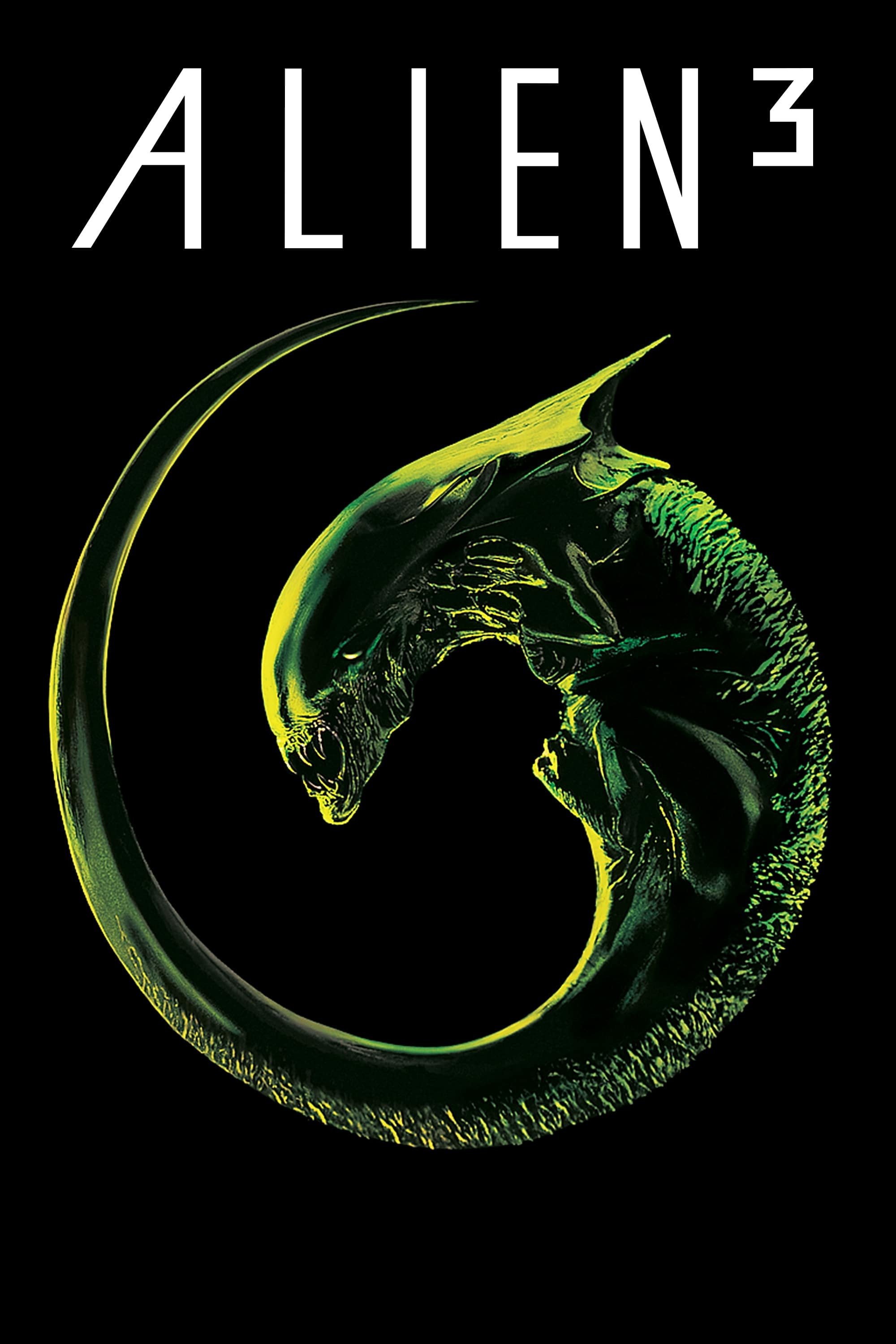
‘Alien³’ marked David Fincher’s feature debut, following a troubled development with competing scripts and significant on-set rewrites. The production’s industrial-gothic sets and creature work maintained continuity with the franchise while introducing a monastery-prison setting.
The theatrical cut drew criticism for narrative turns established in the opening, leading to a later “Assembly Cut” assembled from existing footage. Retrospectives and oral histories have detailed studio-director tensions, alternate drafts, and the editorial process that shaped multiple versions circulating today.
‘Star Wars: Episode I – The Phantom Menace’ (1999)
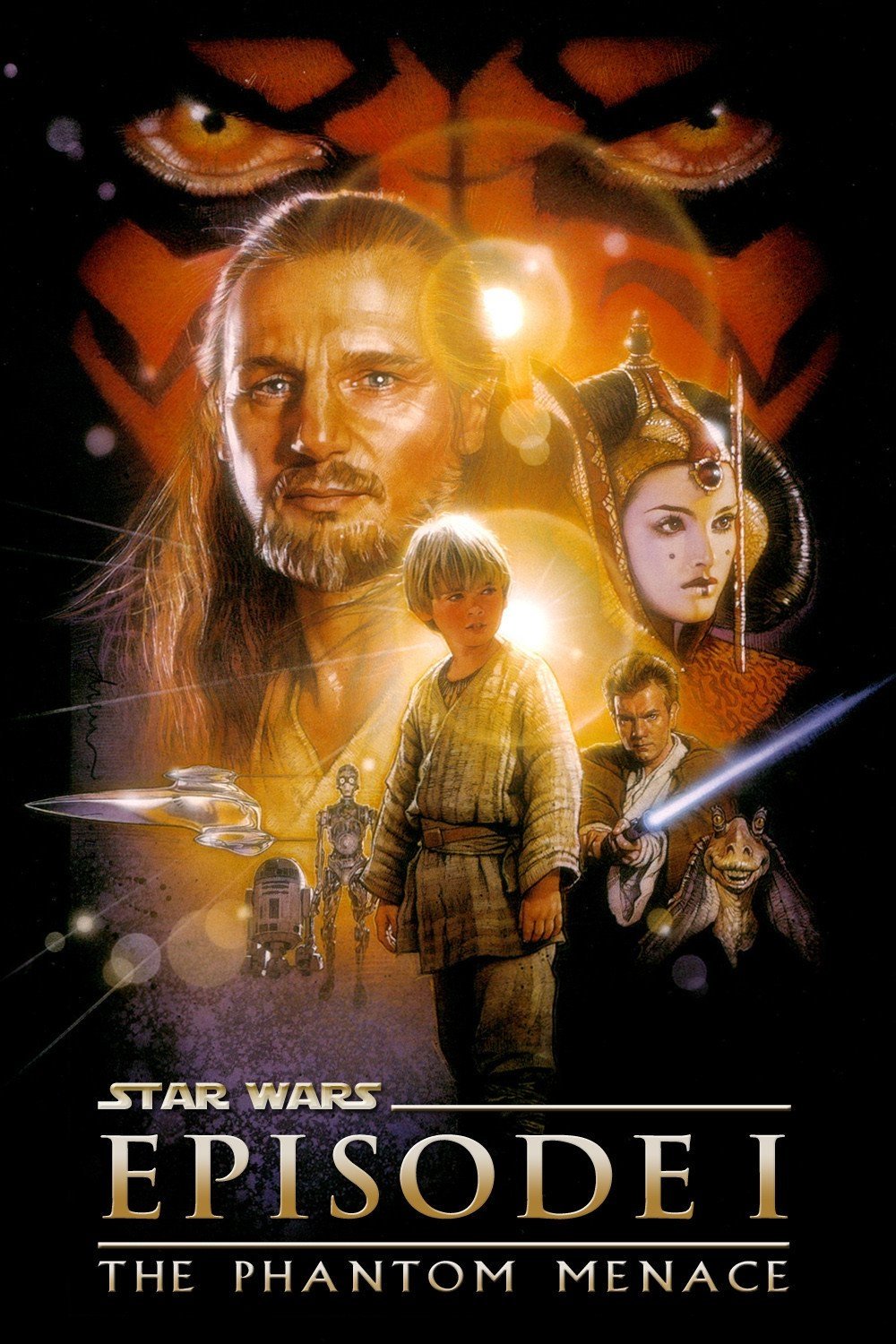
George Lucas returned to the ‘Star Wars’ universe with extensive digital effects, location shooting, and a merchandising plan that dominated retail aisles. The film reintroduced Jedi lore, Senate politics, and pod-racing spectacle alongside a new child protagonist.
Lines wrapped around theaters for advance tickets, while early internet forums amplified critiques of tone and character portrayal. Subsequent re-releases, 3D conversions, and convention panels continued to revisit creative choices and the film’s role in expanding prequel-era canon.
‘Avatar’ (2009)

James Cameron’s ‘Avatar’ leveraged performance-capture innovations, virtual cameras, and a bespoke 3D pipeline developed with hardware manufacturers and exhibitors. Production included constructed Na’vi language resources and ecosystem bibles guiding art and sound design.
The film’s unprecedented global revenue spurred a renewed 3D boom, premium surcharges, and upgrades to projection standards. Its environmental themes and indigenous representation prompted op-eds, academic responses, and ongoing debates during sequels’ publicity cycles.
‘Man of Steel’ (2013)
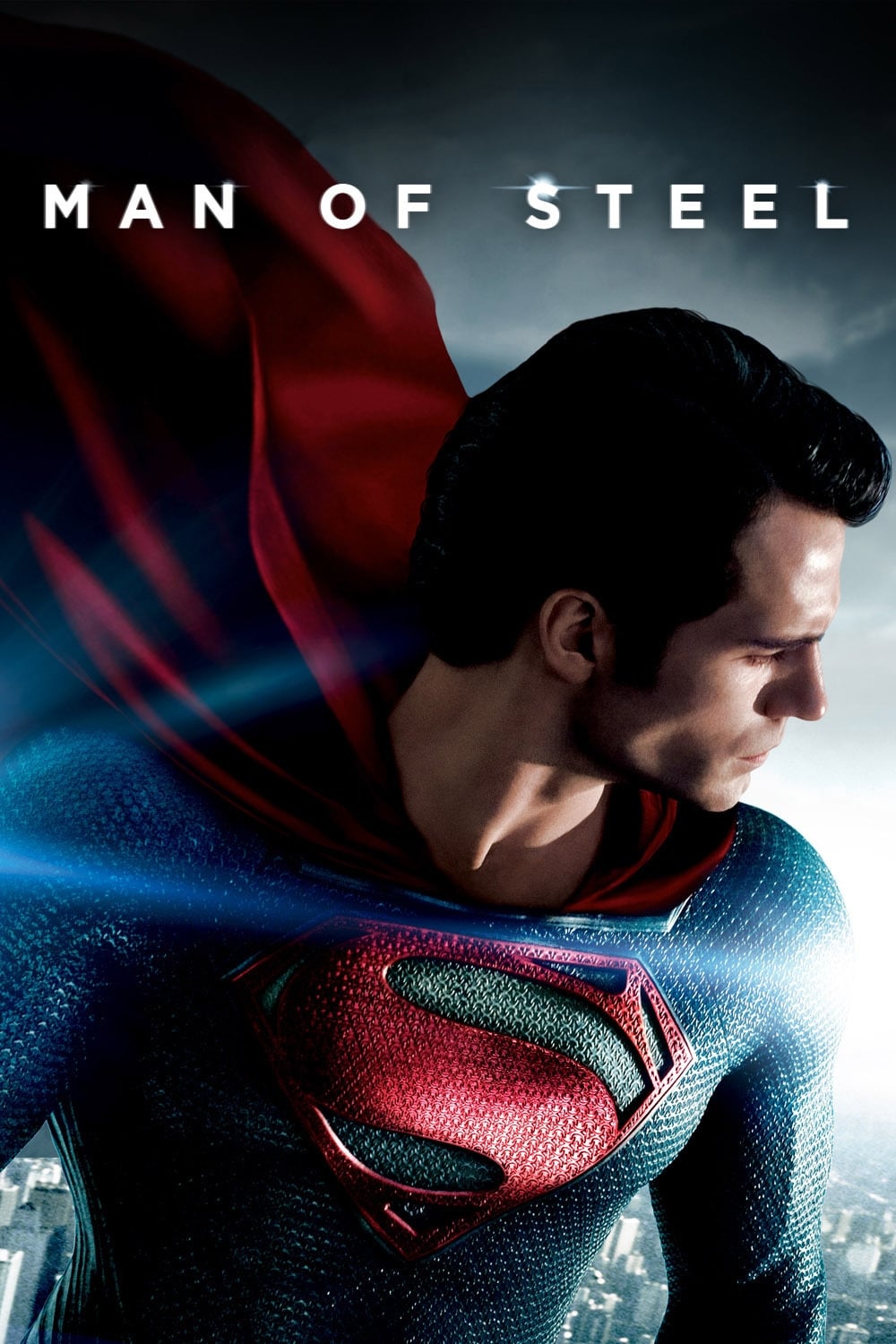
Zack Snyder’s ‘Man of Steel’ repositioned Superman with a grounded aesthetic, handheld photography, and a percussive score by Hans Zimmer. The production emphasized location work and large-scale destruction sequences executed with practical sets and digital extensions.
Release-week conversations centered on character decisions during the metropolis climax, leading to statements from writers and later universe entries that referenced the event’s aftermath. Studio strategy memos and interviews have since cited the film as a pivot point for DC’s screen continuity planning.
‘Batman v Superman: Dawn of Justice’ (2016)
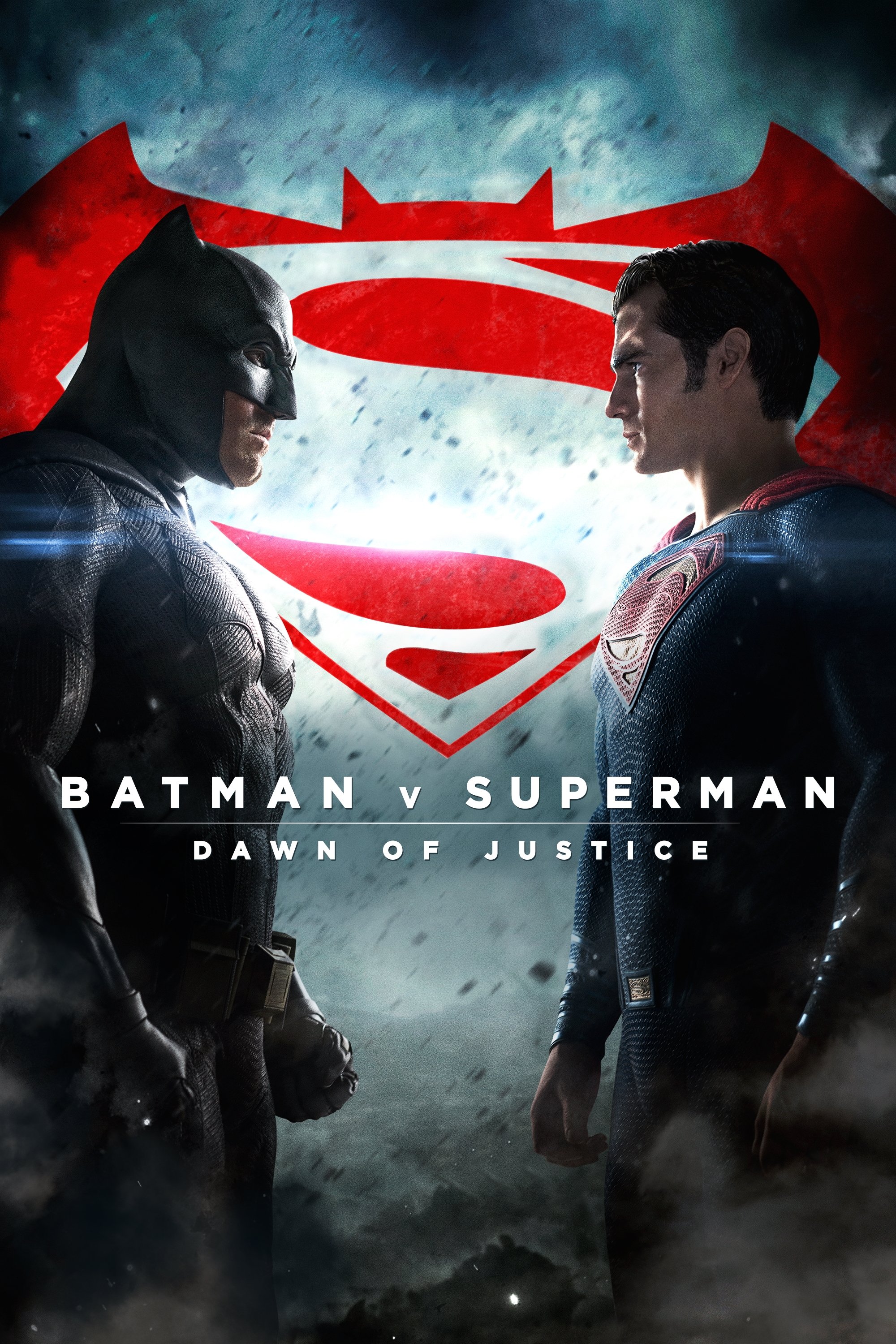
‘Batman v Superman: Dawn of Justice’ continued DC’s shared-world approach, introducing new heroes while staging a philosophical clash between icons. The production rolled out a multi-trailer campaign, surprise cameos, and a prominent orchestral motif collaboration between Zimmer and Junkie XL.
An “Ultimate Edition” home release restored scenes and recontextualized plot beats, becoming a frequent example in conversations about theatrical runtime constraints. Box-office milestones coexisted with sharply split critical notices, fueling years of panel discussions and creator interviews.
‘The Passion of the Christ’ (2004)
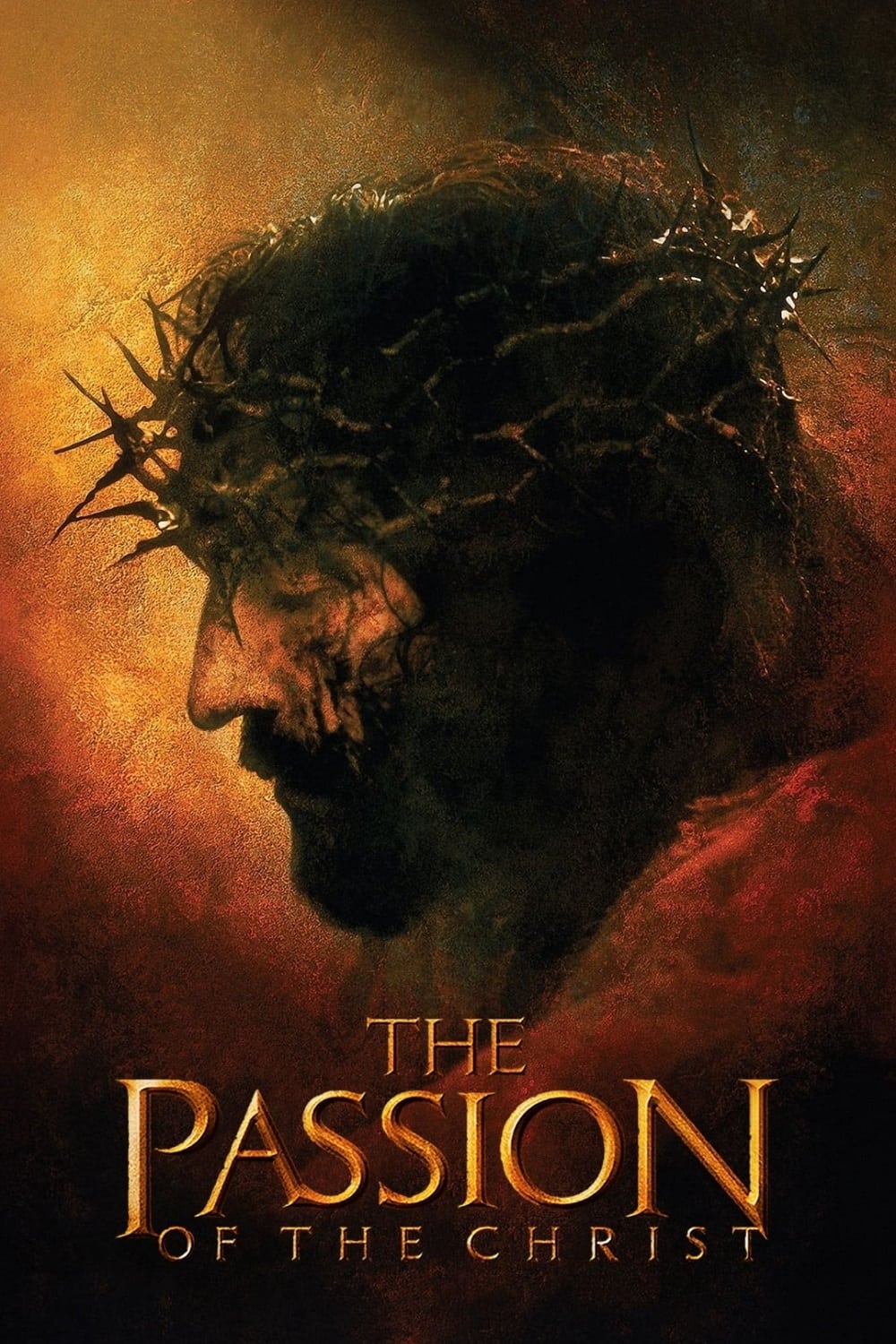
Directed by Mel Gibson and performed in reconstructed Aramaic and Latin, ‘The Passion of the Christ’ prioritized historical languages and detailed period costuming. The production partnered with religious advisers and filmed in Italy with extensive practical effects makeup.
The film drew endorsements from some faith leaders and strong objections from others, prompting security coordination at certain venues and town-hall style debates. It set records for an R-rated release and drove ancillary sales of study guides, devotional materials, and church-group screenings.
‘Crash’ (2004)
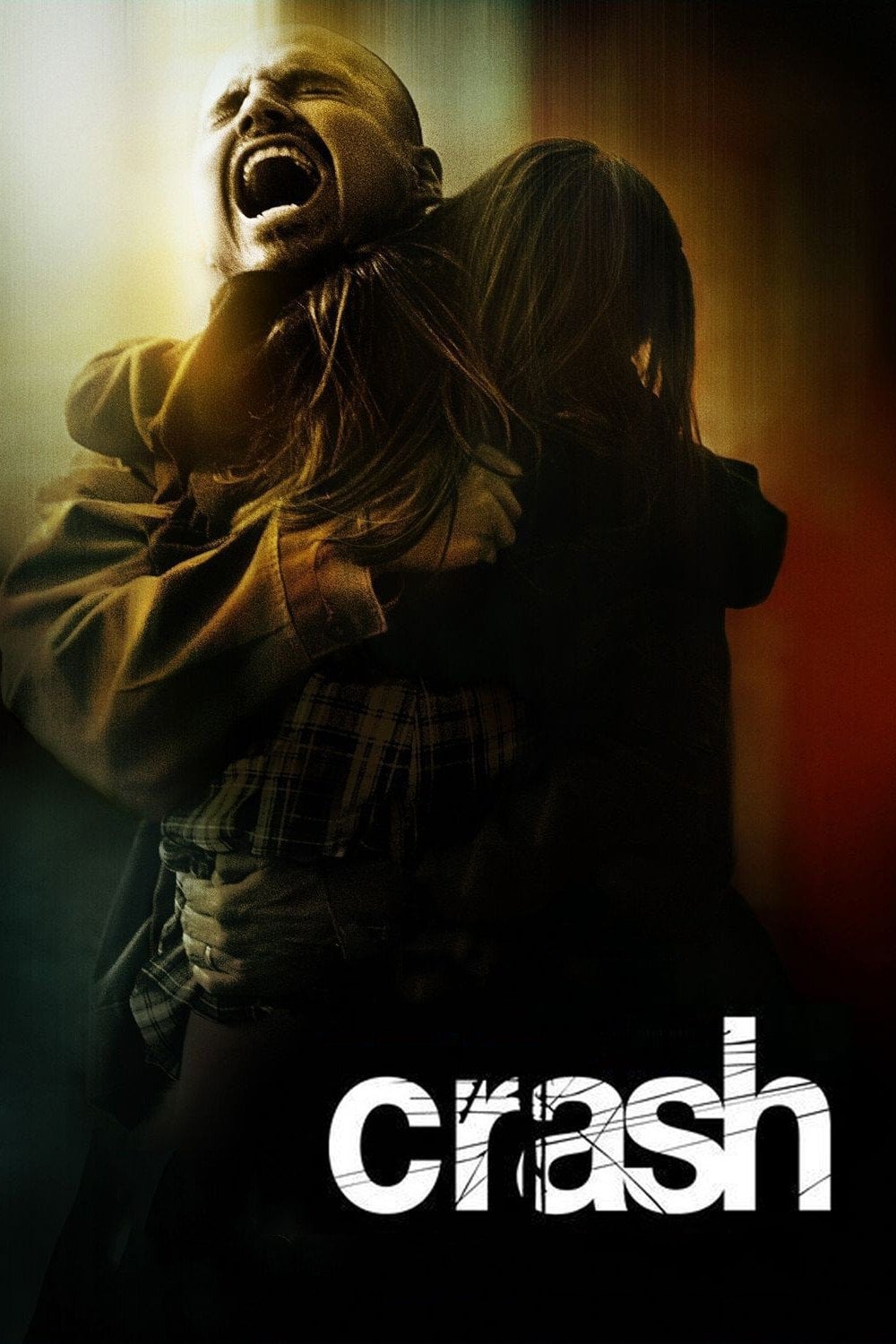
Paul Haggis’s ensemble drama ‘Crash’ interwove multiple Los Angeles storylines addressing bias and chance. The film’s festival path led to specialty-label distribution and a platform release strategy that grew through awards season.
Post-awards discourse revisited the film’s structure and depiction choices, with critics and scholars publishing reassessments. Its win reshaped Oscar-watching narratives for years, becoming a reference point in articles about voting blocs, campaigning, and the gap between industry and critical consensus.
‘A Clockwork Orange’ (1971)
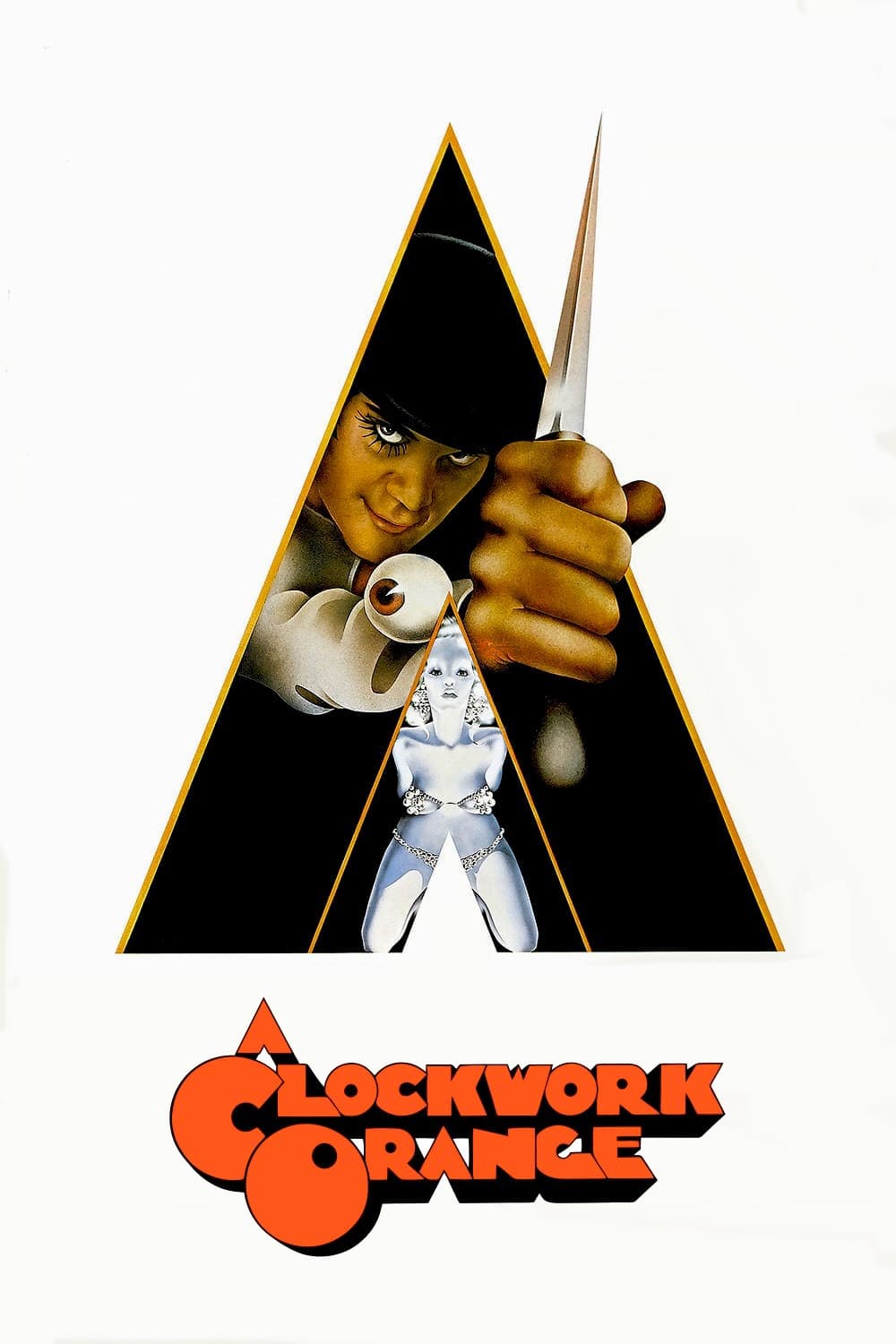
Stanley Kubrick’s ‘A Clockwork Orange’ adapted Anthony Burgess’s novel with stylized violence, experimental production design, and classical music reinterpreted on synthesizers. Notorious for its content, the film faced ratings battles and exhibition restrictions in multiple territories.
Public controversy included calls for censorship, self-imposed withdrawal from some markets, and protracted media coverage. Decades of restorations, museum screenings, and academic conferences have treated it as a touchstone in debates over free expression and social responsibility in cinema.
‘The Blair Witch Project’ (1999)
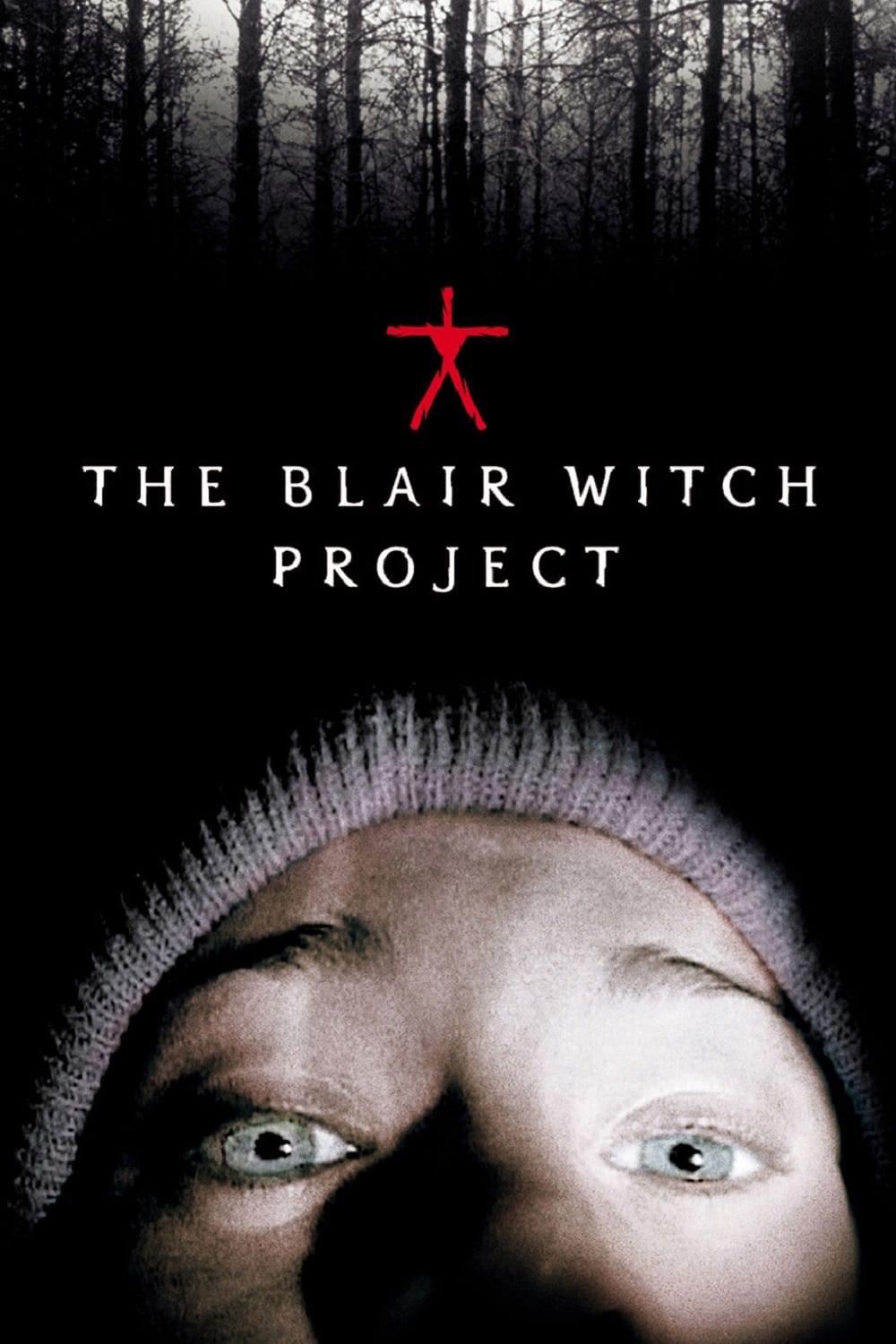
‘The Blair Witch Project’ merged fiction and marketing by launching a website, fabricated police reports, and a mythology dossier that blurred lines for audiences. Shot on consumer-grade cameras, it embraced diegetic aesthetics that matched the campaign.
The micro-budget production became a breakout, with massive returns relative to costs and a surge in found-footage projects afterward. The film’s rollout is now a case study in viral marketing curricula, with later sequels and reboots attempting to re-activate the same playbook.
‘The Village’ (2004)
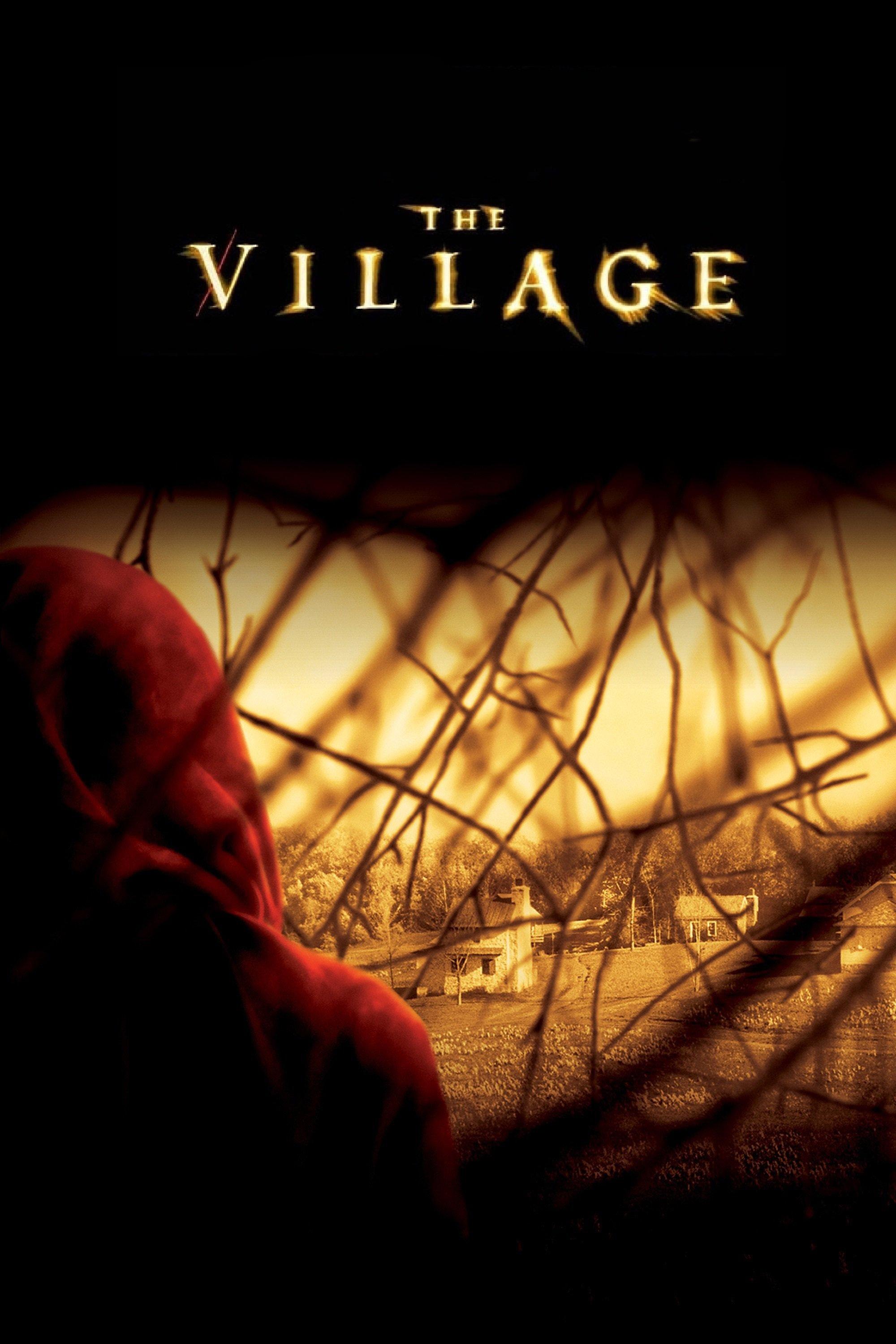
M. Night Shyamalan’s ‘The Village’ was marketed as a horror piece but structured as a period drama with a central reveal, featuring a score by James Newton Howard and violin solos by Hilary Hahn. Its production constructed a full village set to enable immersive camera movement.
Audience expectations shaped by trailers led to strong openings followed by rapid drop-offs, while critics debated genre labeling and twist mechanics. The title has since been revisited in articles about marketing misalignment and the director’s evolving collaboration with studios.
‘Sucker Punch’ (2011)
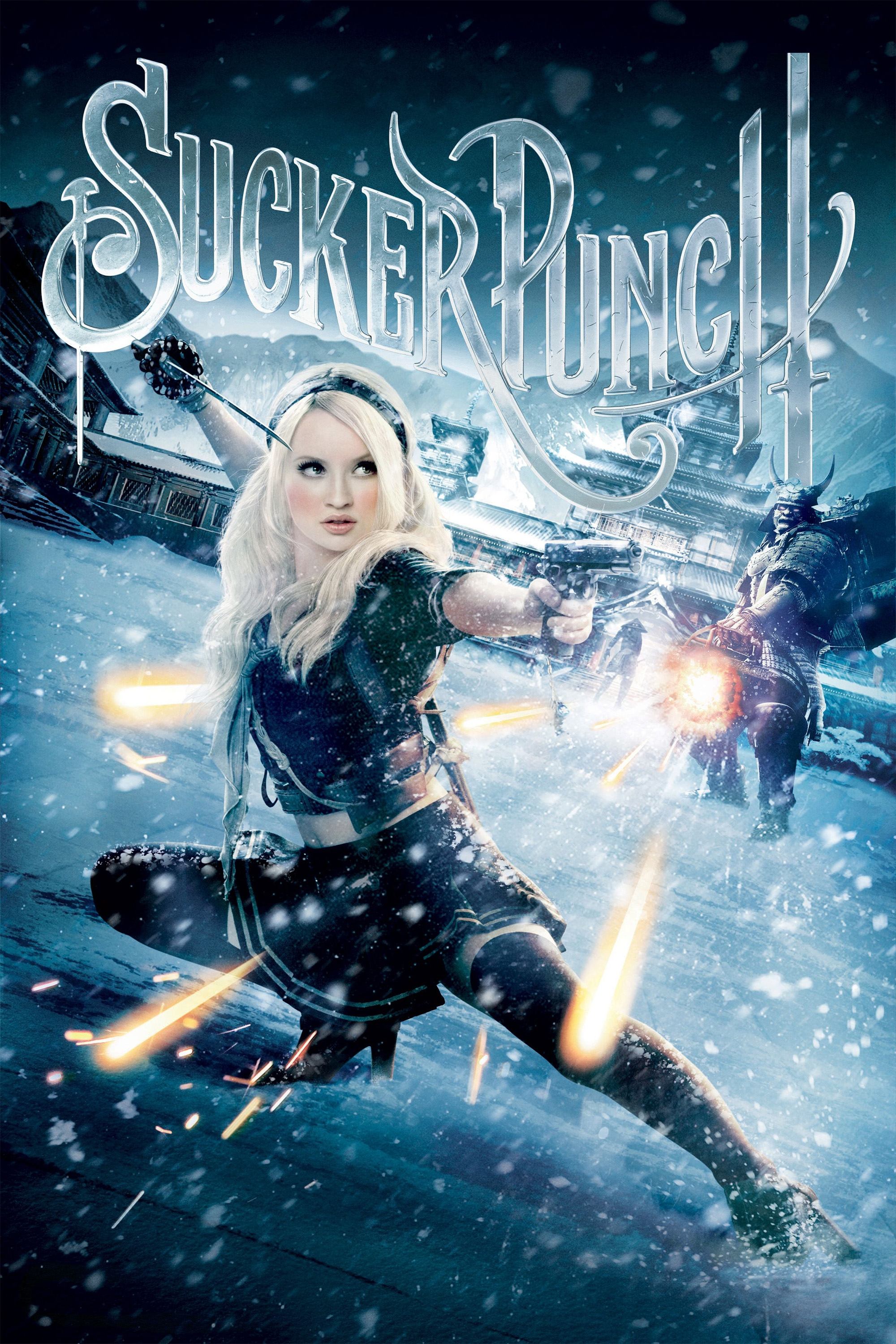
Zack Snyder’s ‘Sucker Punch’ combined fantasy-mission set pieces with a framing narrative set in an institution, using extensive green-screen stages and stylized fight choreography. A companion soundtrack and animated shorts expanded its world.
The film received a PG-13 theatrical release with material that prompted discussions about cuts and an extended version on home video. Commentaries and art books outline symbolism and design intent, contributing to ongoing debates about authorship, gaze, and editorial constraints.
‘Spring Breakers’ (2012)
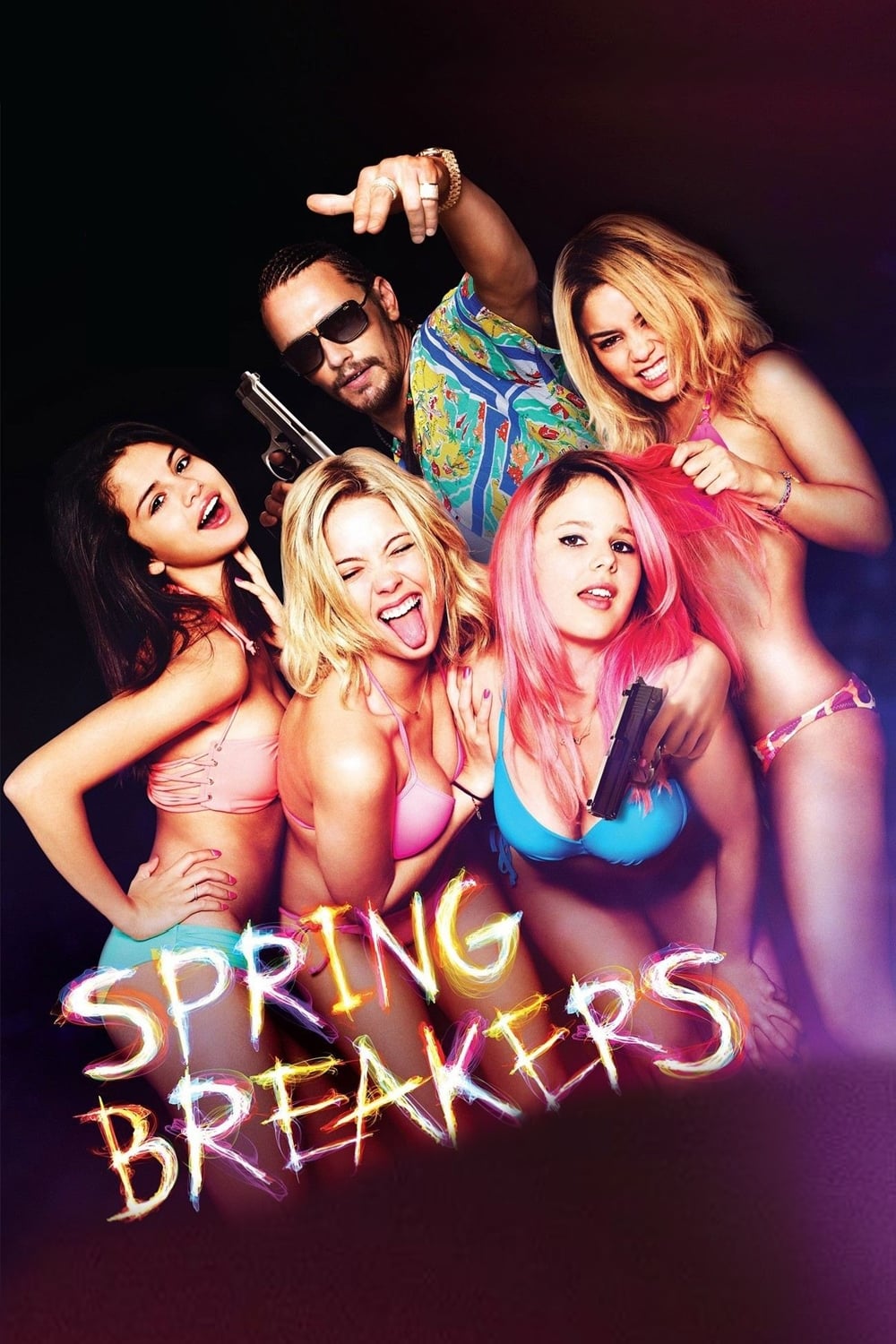
Harmony Korine’s ‘Spring Breakers’ cast former teen-show stars alongside James Franco, pairing neon-drenched visuals with repetition-based dialogue. The film premiered on the festival circuit before a limited release and targeted college-town bookings.
Law-enforcement imagery, pop-culture references, and satirical marketing created a media storm spanning mainstream outlets and niche film blogs. The title fueled research papers on exploitation tropes and celebrity image subversion, as well as industry commentary on micro-budget profitability.
‘Drive’ (2011)
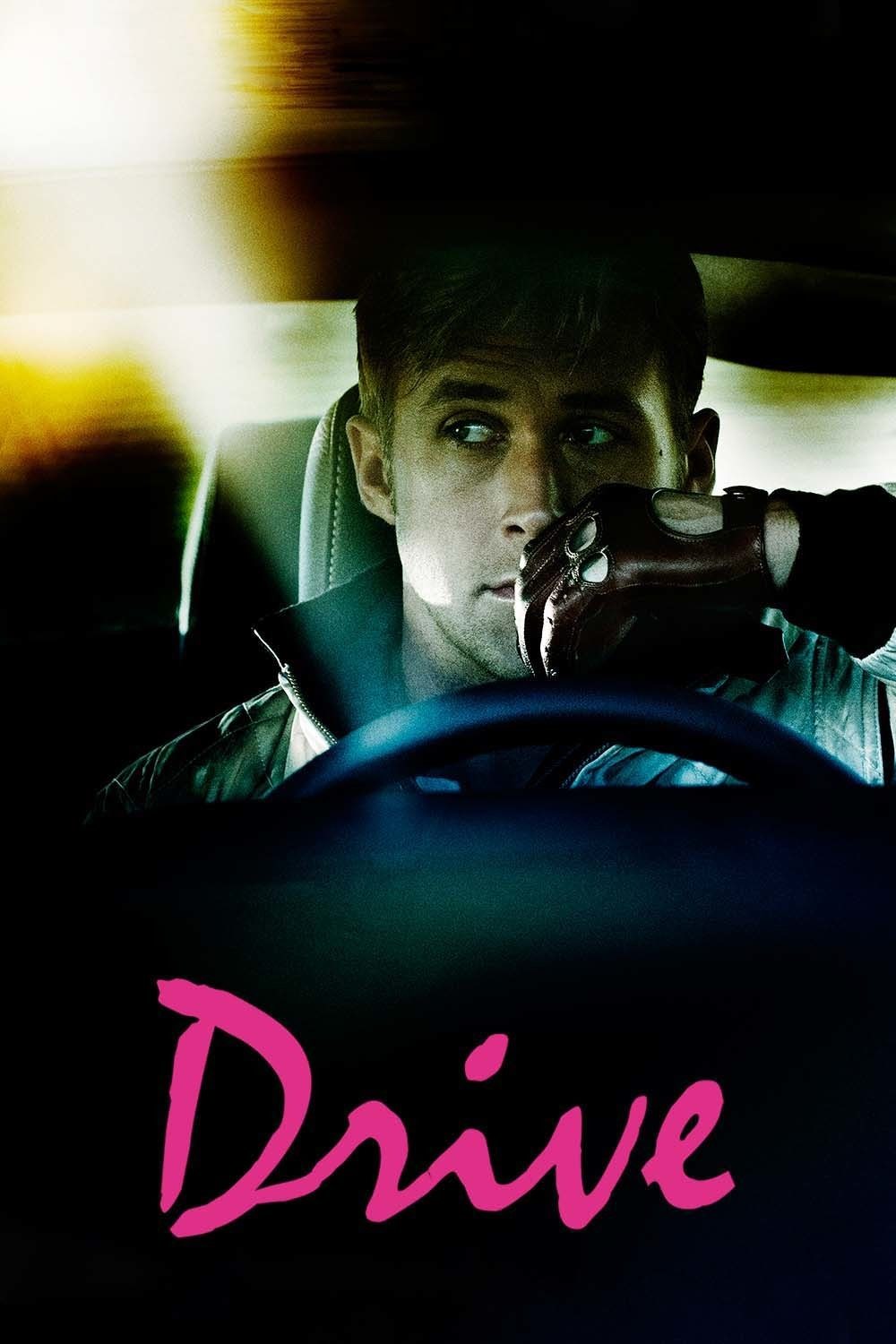
Nicolas Winding Refn’s ‘Drive’ contrasted bursts of violence with a minimalist plot and a synth-heavy soundtrack, earning a best director prize at a major European festival. Its marketing leaned on car-chase imagery and a pink-script retro logo.
A mismatch between promotional materials and the film’s meditative pacing led to consumer complaints and even a well-publicized lawsuit. The title later became a staple in discussions of expectation-setting, trailer editing ethics, and soundtrack-driven branding.
‘Nope’ (2022)
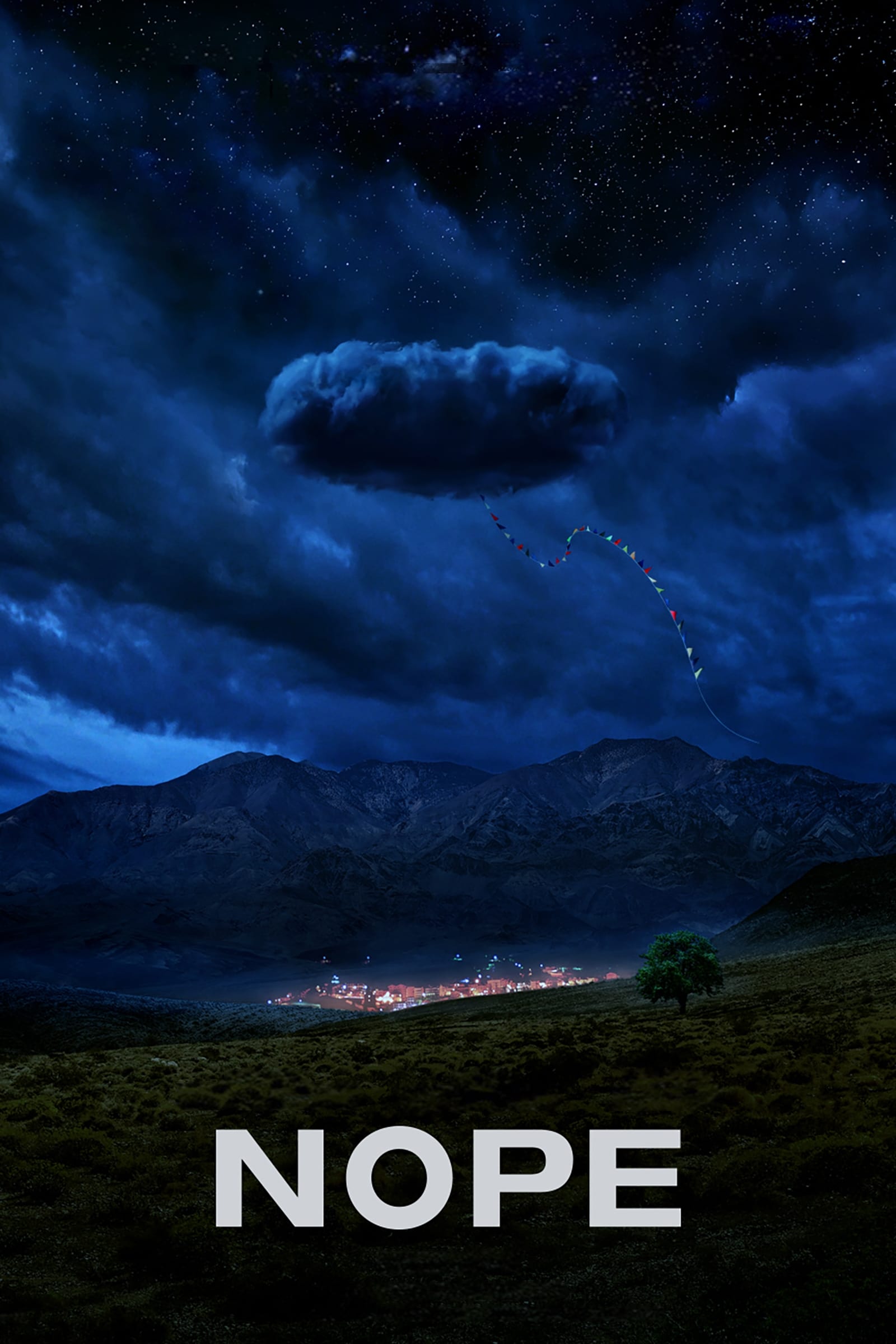
Jordan Peele’s ‘Nope’ blended western iconography, creature-feature spectacle, and media-industry subtext, shot with large-format digital cameras and day-for-night techniques. Hoyte van Hoytema’s cinematography and a tightly embargoed marketing campaign kept reveals minimal.
The film’s nested storytelling generated a surge of theory videos and decoding threads, while box-office tracking showed strong holds across premium formats. Studio-hosted breakdowns and VFX showcases explained cloud rigs, sound design motifs, and the creature’s origami-inspired evolution.
‘The Witch’ (2015)
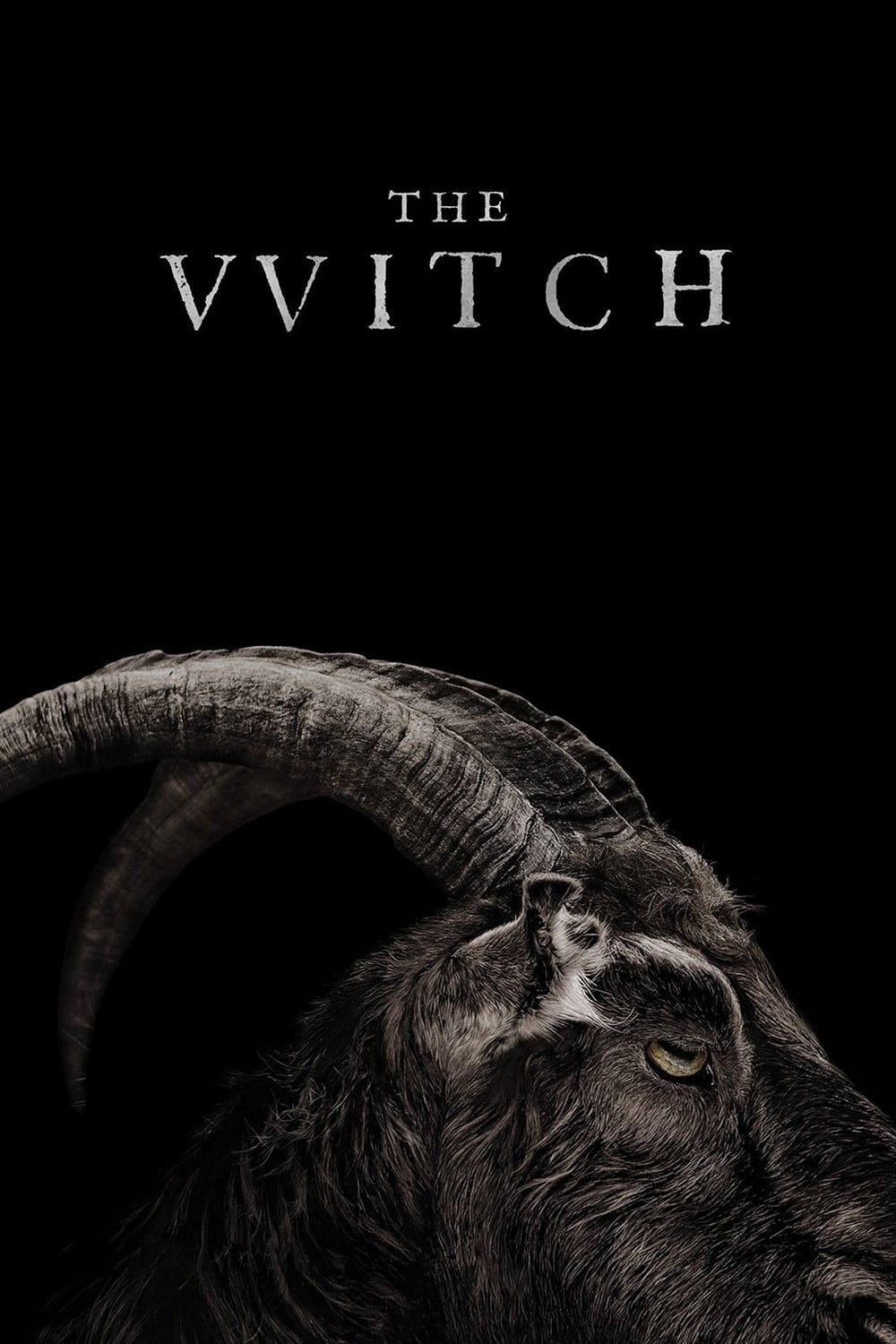
Robert Eggers’s ‘The Witch’ emphasized period accuracy, using diaries and primary sources to inform dialect and production design. Natural-light cinematography and a micro-budget approach delivered a stark, historical folk horror.
Festival enthusiasm translated into mainstream marketing that highlighted scares, creating a gap between expectation and the film’s restrained tone. The release helped A24 define its brand for atmospheric genre, and debates about pacing and authenticity populated both critic circles and general-audience forums.
‘Star Wars: The Rise of Skywalker’ (2019)
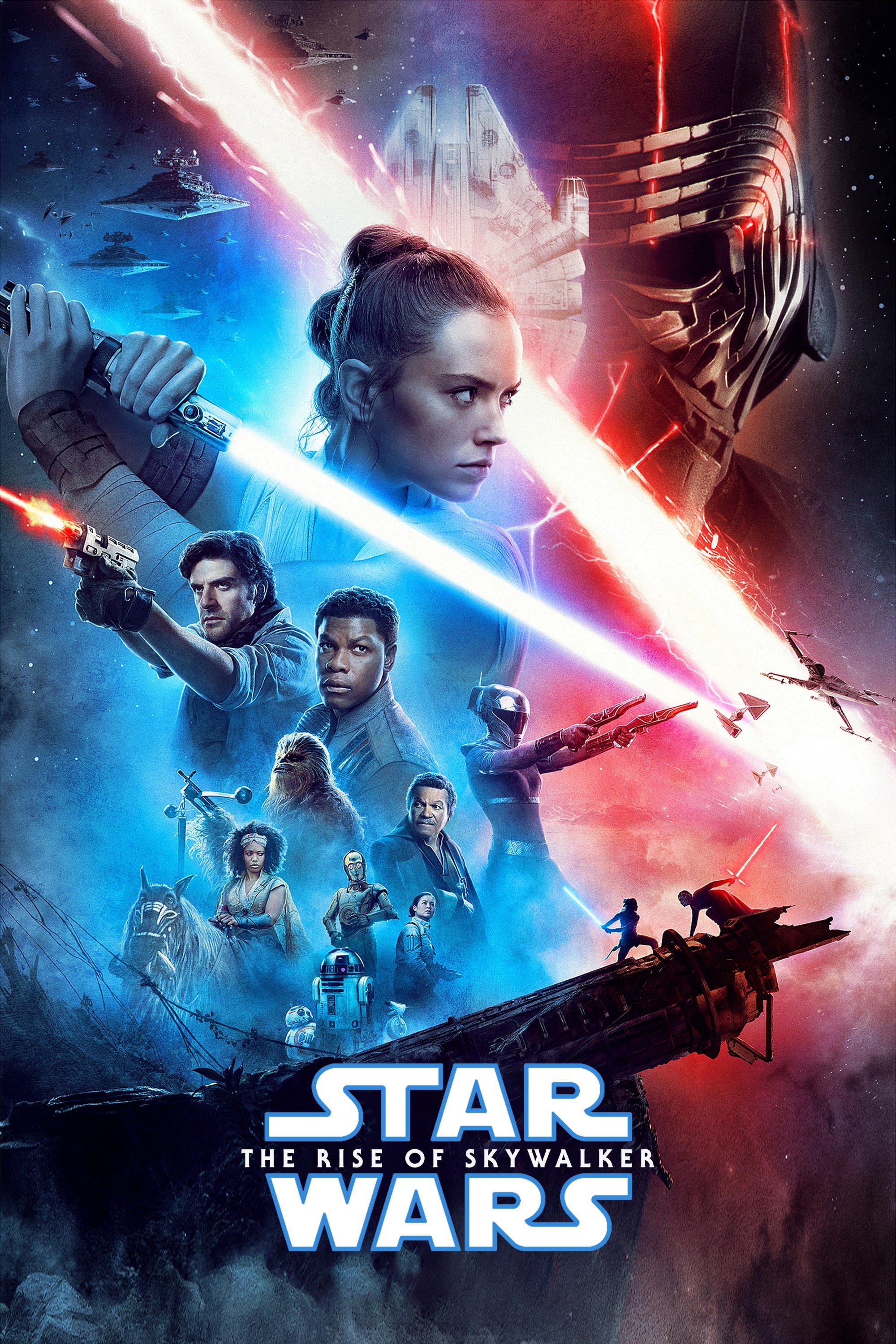
‘Star Wars: The Rise of Skywalker’ concluded the sequel trilogy under director J.J. Abrams, incorporating course-correction headlines, mystery-box reveals, and legacy character returns. The production involved extensive reshoots, editorial iterations, and a merchandising campaign aligned with franchise milestones.
Reception focused on lore decisions, pacing, and retcons, producing a dense wave of timeline explainers and official encyclopedias clarifying canon. The film’s global rollout also included coordinated fan events, streaming-era releases, and ongoing debates at conventions and in licensed reference books.
‘Oldboy’ (2003)
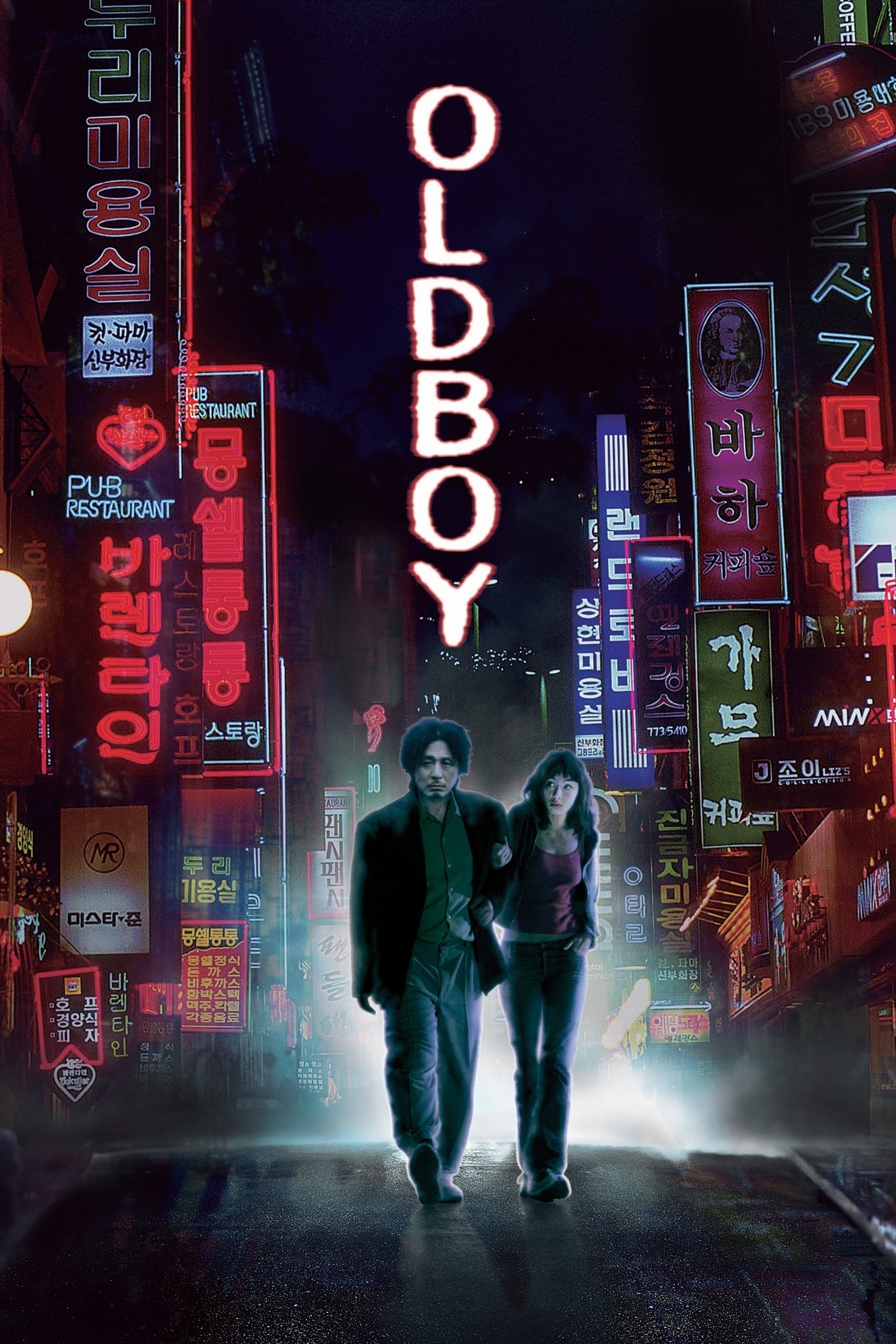
Park Chan-wook’s ‘Oldboy’ fused neo-noir and revenge-tragedy elements with highly choreographed action, most famously a single-take corridor fight. Its graphic content and twist structure made it a flashpoint at international festivals and among censorship boards.
The film’s awards haul elevated South Korean cinema’s global profile, while home-video restorations and remasters kept it in circulation for new audiences. A later English-language remake invited comparisons that reignited debates about adaptation fidelity and cultural context.
‘Blue Velvet’ (1986)
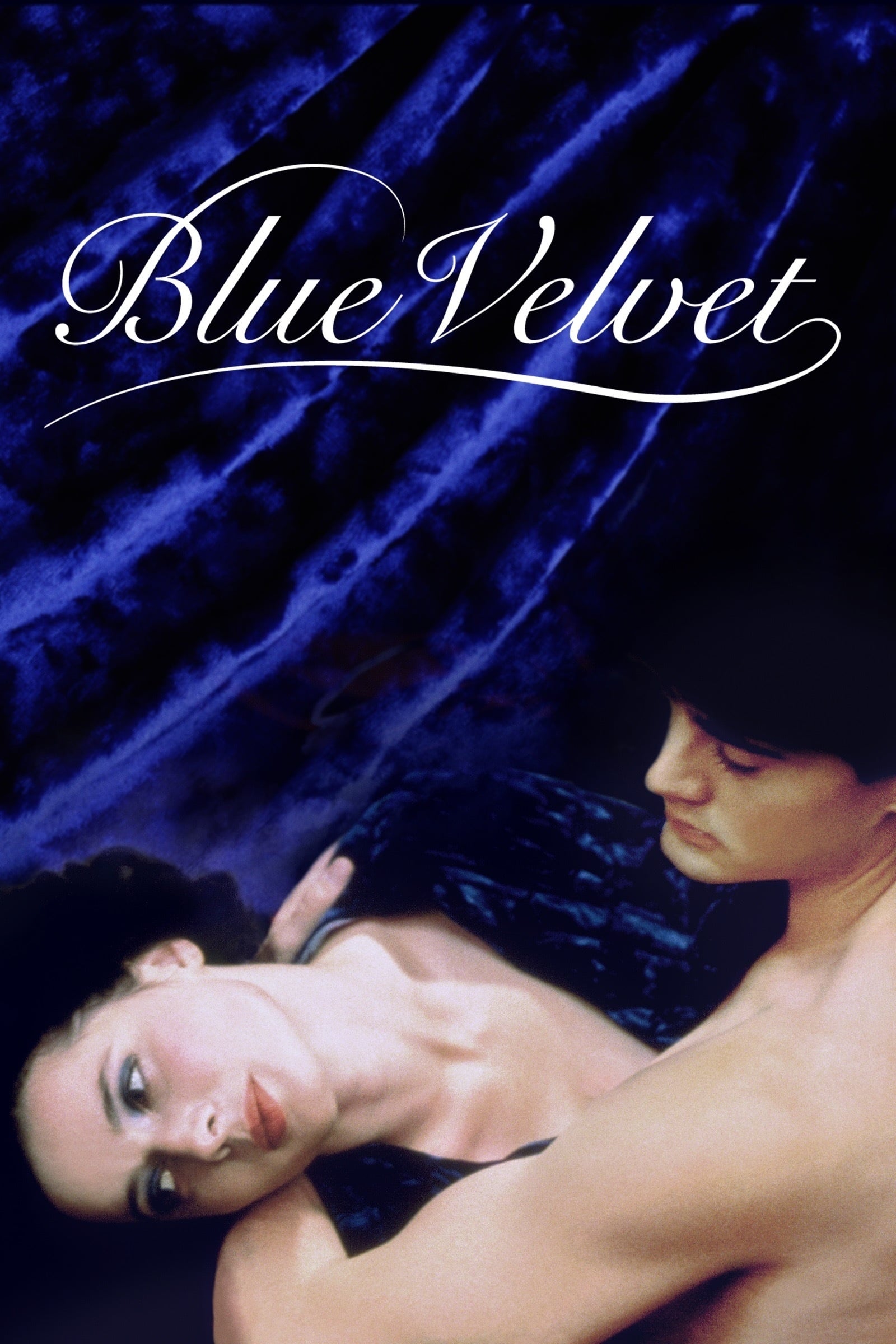
David Lynch’s ‘Blue Velvet’ juxtaposed small-town Americana with nightmarish undercurrents, featuring stylized sound design and production choices that created a dream-logic atmosphere. Its cast delivered career-defining performances that became staples in film-school analysis.
Initial releases faced ratings challenges and trimmed exhibition runs in some areas, followed by critical reevaluations and awards recognition. Archival discoveries and restored deleted scenes have since expanded scholarship on the film’s production history and editorial decisions.
‘Natural Born Killers’ (1994)
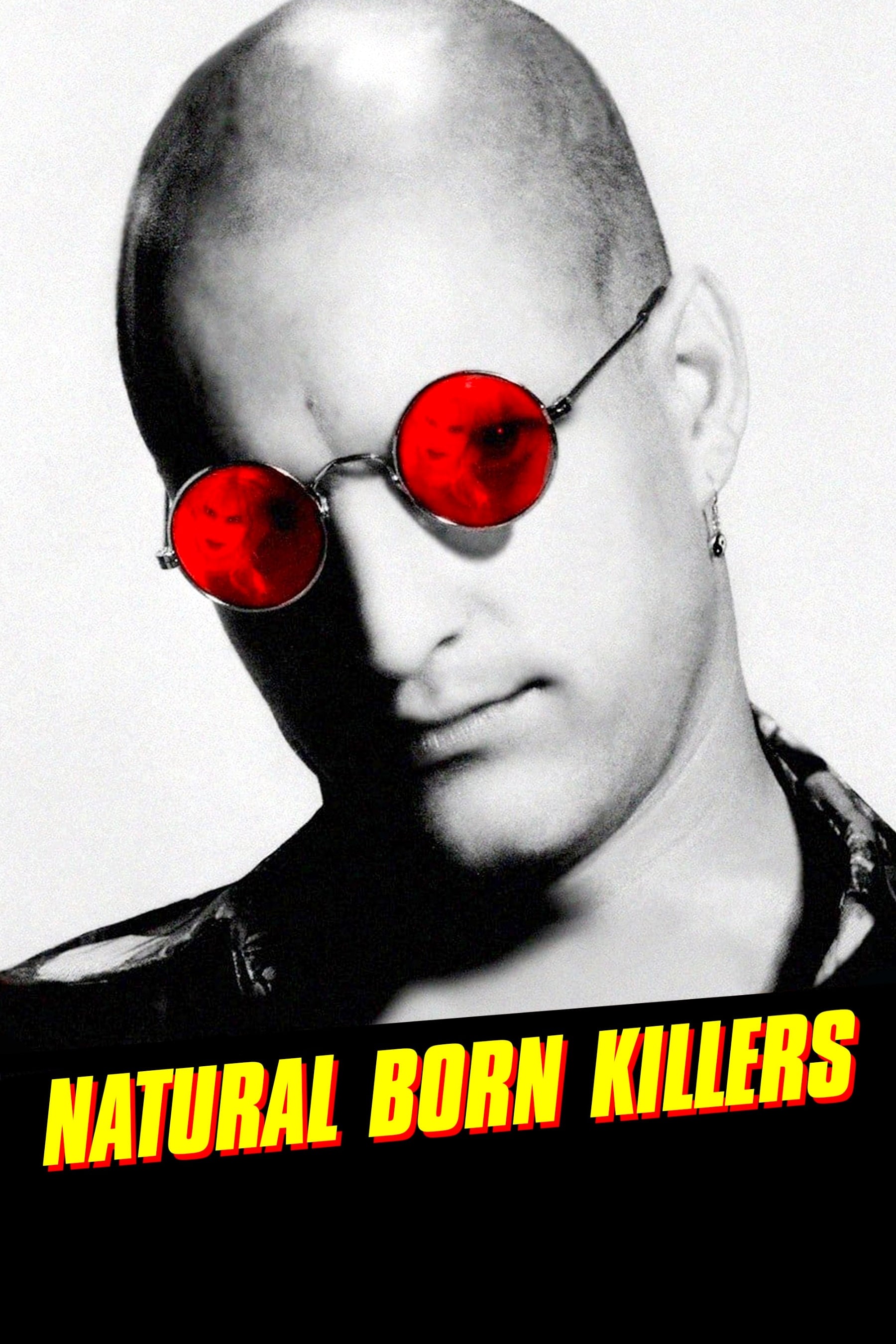
Directed by Oliver Stone from a story by Quentin Tarantino, ‘Natural Born Killers’ used mixed-media formats—16mm, video, animation—to satirize media sensationalism. The editorial process produced a frenetic style that’s been documented in craft interviews and textbooks.
The film encountered ratings disputes, content edits across markets, and lawsuits alleging copycat influence, many of which were widely reported and later dismissed or settled. Uncut editions, commentary tracks, and academic essays continue to trace the film’s legal and cultural footprint.
Share your picks and why they sparked debate for you in the comments!