Movies Where the Good Guys Lose


Sometimes stories don’t wrap with a neat bow, and the people we root for don’t ride off into the sunset. This list spotlights films where justice slips through the cracks, evil gets the upper hand, or the heroes pay a price that can’t be undone across crime sagas, horror standouts, bleak sci-fi, and a few devastating dramas.
To keep things clear, each entry notes the film title and release year in the heading, and the two short paragraphs that follow share concrete details: key plot setup, how the loss plays out, and relevant context like creators, source material, or production facts. Expect heavy spoilers—there’s no way to explain a loss without revealing it.
‘Avengers: Infinity War’ (2018)

Earth’s mightiest heroes race to stop Thanos from assembling six Infinity Stones as parallel teams fight in Wakanda and on Titan. The effort fails when he completes the Gauntlet and uses it to erase half of all life, ending the film with the heroes scattered and diminished.
Directed by Anthony and Joe Russo from a screenplay by Christopher Markus and Stephen McFeely, the production was shot back-to-back with its conclusion. The story arcs launched across multiple earlier entries converge here specifically to set up a catastrophic defeat before any reversal can even be attempted.
‘The Empire Strikes Back’ (1980)

The Rebellion is routed from Hoth while Luke Skywalker trains with Yoda, and Han Solo leads a small group to Cloud City seeking refuge. Darth Vader’s pursuit results in Han’s capture and Luke’s maiming, with the heroes divided and on the run.
Irvin Kershner’s installment deepens the serial structure by ending mid-conflict. Major plot revelations arrive alongside a tactical loss, positioning the next chapter as a rescue rather than a victory lap.
‘Se7en’ (1995)
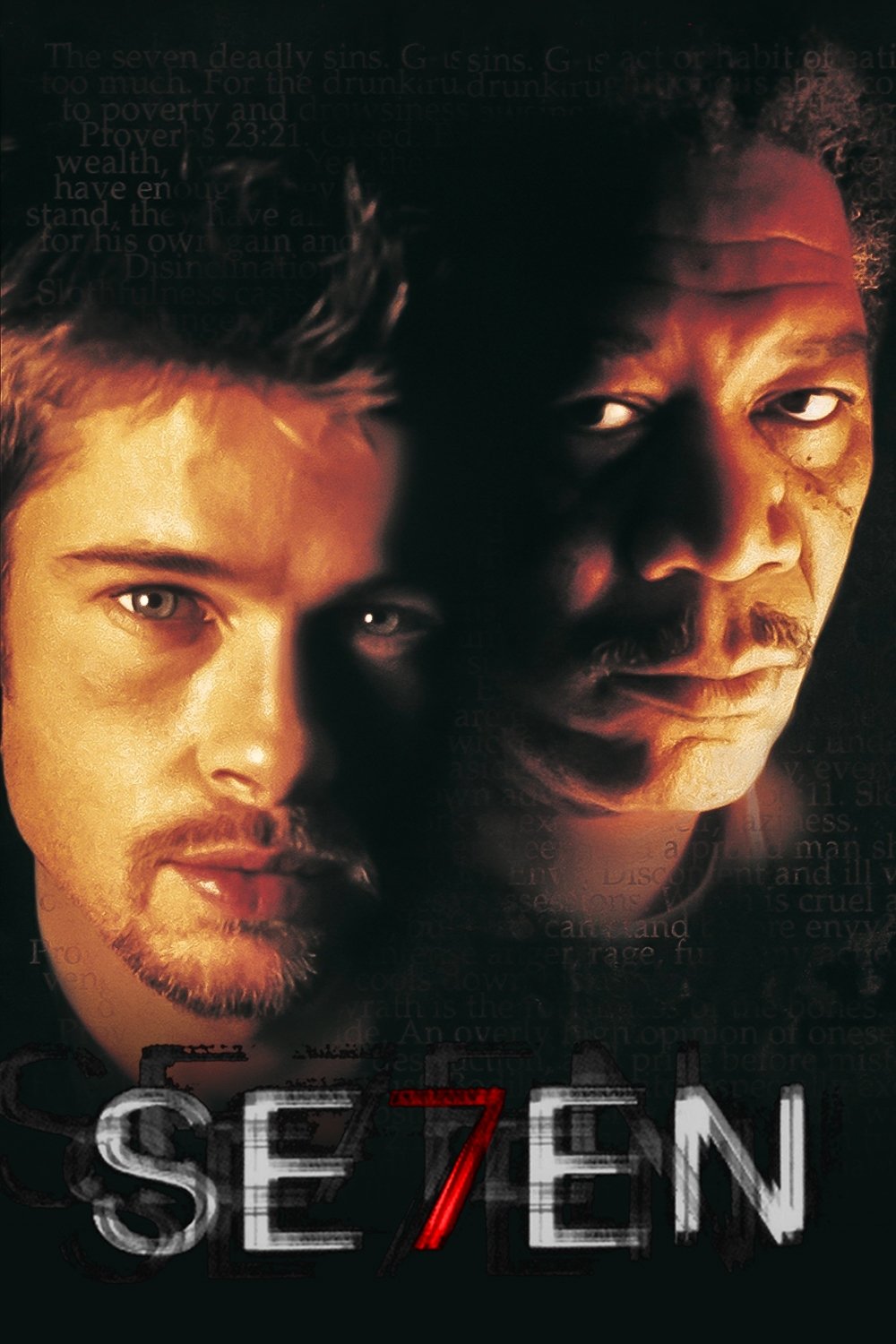
Detectives Somerset and Mills follow a serial killer modeling crimes on the seven deadly sins, each scene engineered to manipulate their response. The case culminates in a staged delivery that forces Mills into completing the killer’s design.
David Fincher’s procedural frames the antagonist as an architect of outcomes rather than a fugitive to be caught. The investigation closes with the detectives alive but decisively outmaneuvered.
‘Chinatown’ (1974)
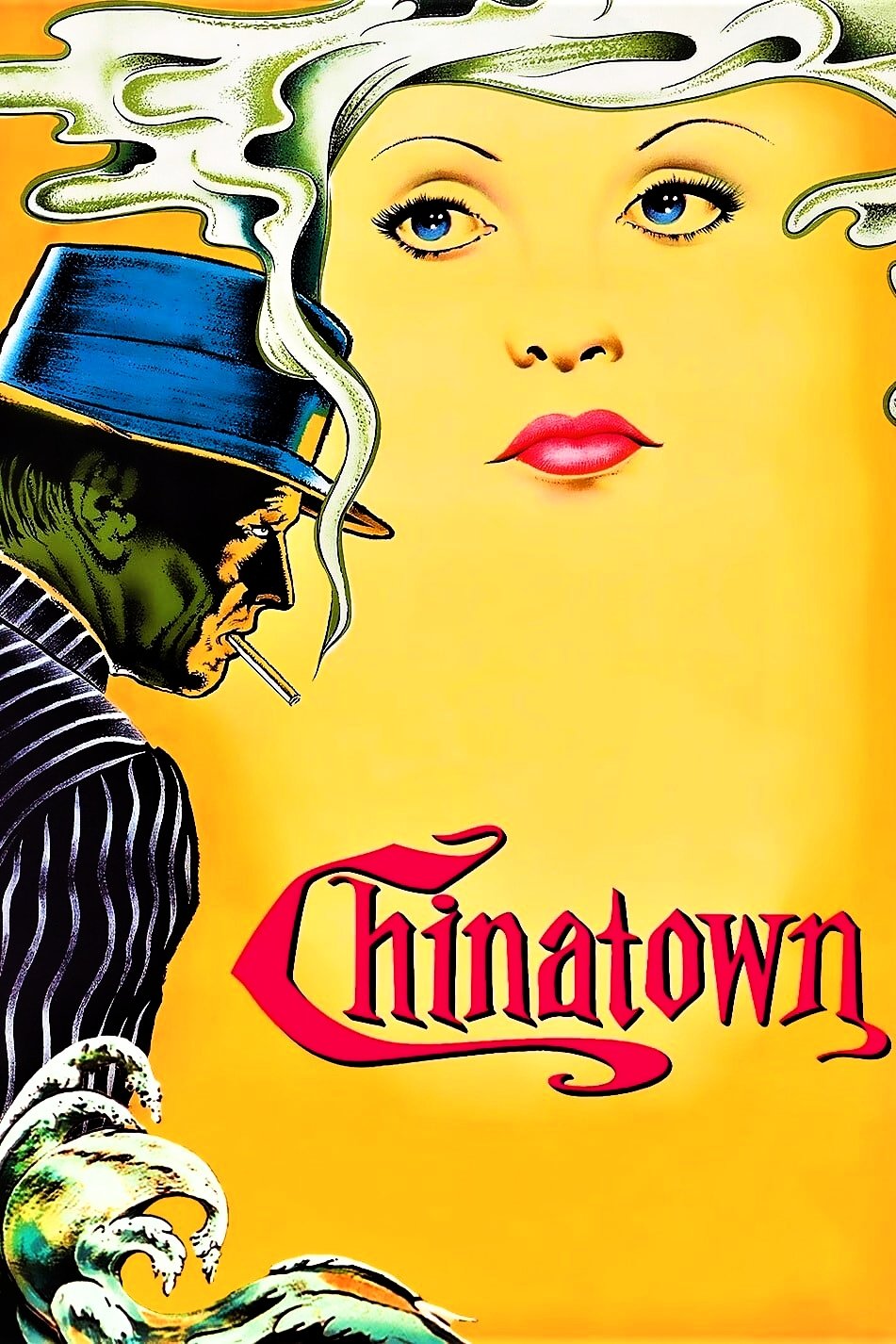
Private investigator J. J. Gittes uncovers a nexus of water theft, land fraud, and family abuse centered on a powerful Los Angeles magnate. The attempt to protect an endangered woman ends in a police street confrontation that the villain survives.
Robert Towne’s screenplay embeds civic corruption inside a personal mystery. The closing instruction to “forget it” reflects a system in which wealth and influence override accountability.
‘No Country for Old Men’ (2007)
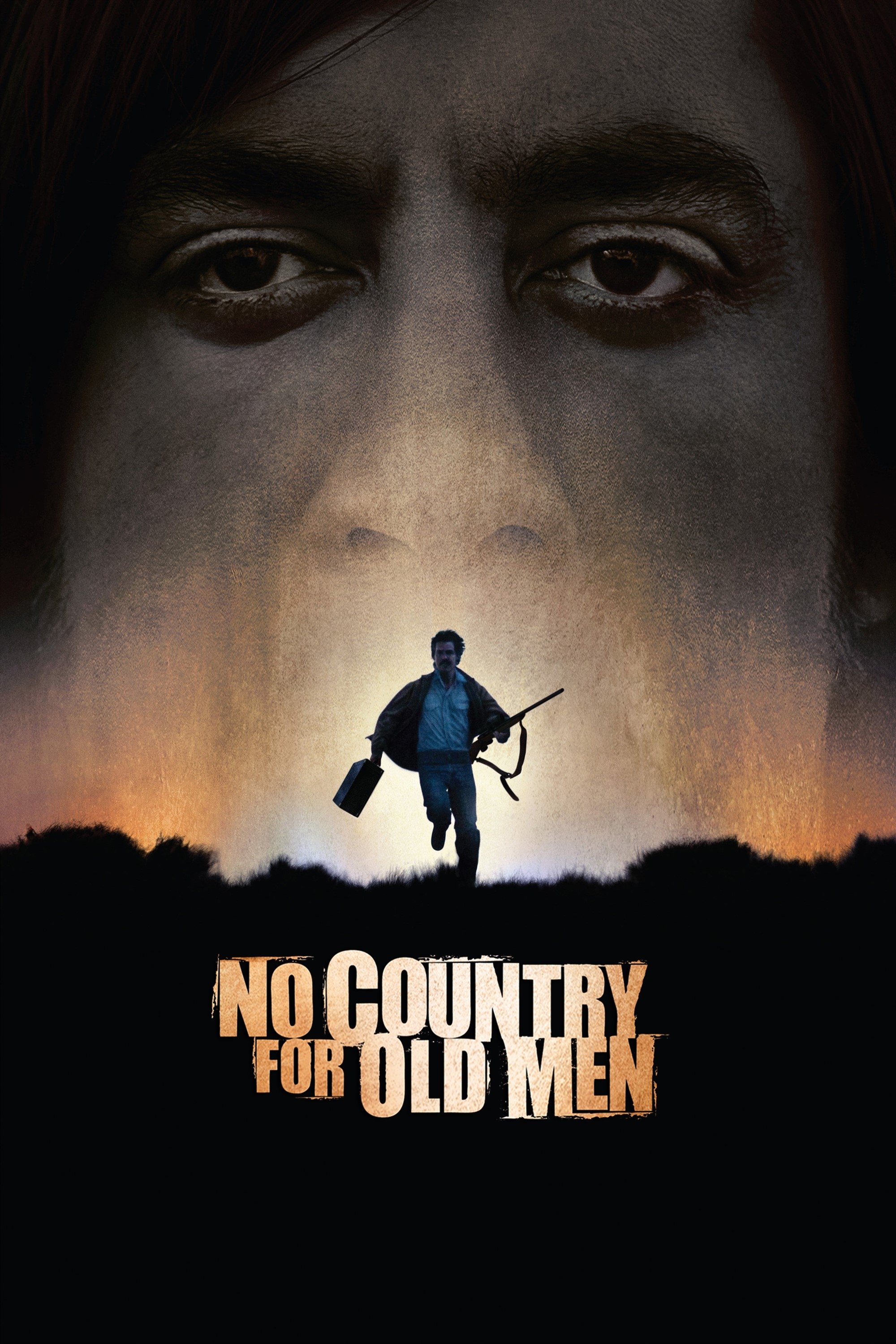
A hunter finds cartel money and draws the attention of a relentless hitman while a sheriff tries to piece together the escalating violence. Chance encounters and offscreen turns decide fates before law enforcement can intervene.
Joel and Ethan Coen adapt Cormac McCarthy, preserving the novel’s emphasis on randomness and moral entropy. The killer departs unpunished, and the sheriff retires, conceding the fight to forces he can’t contain.
‘The Mist’ (2007)
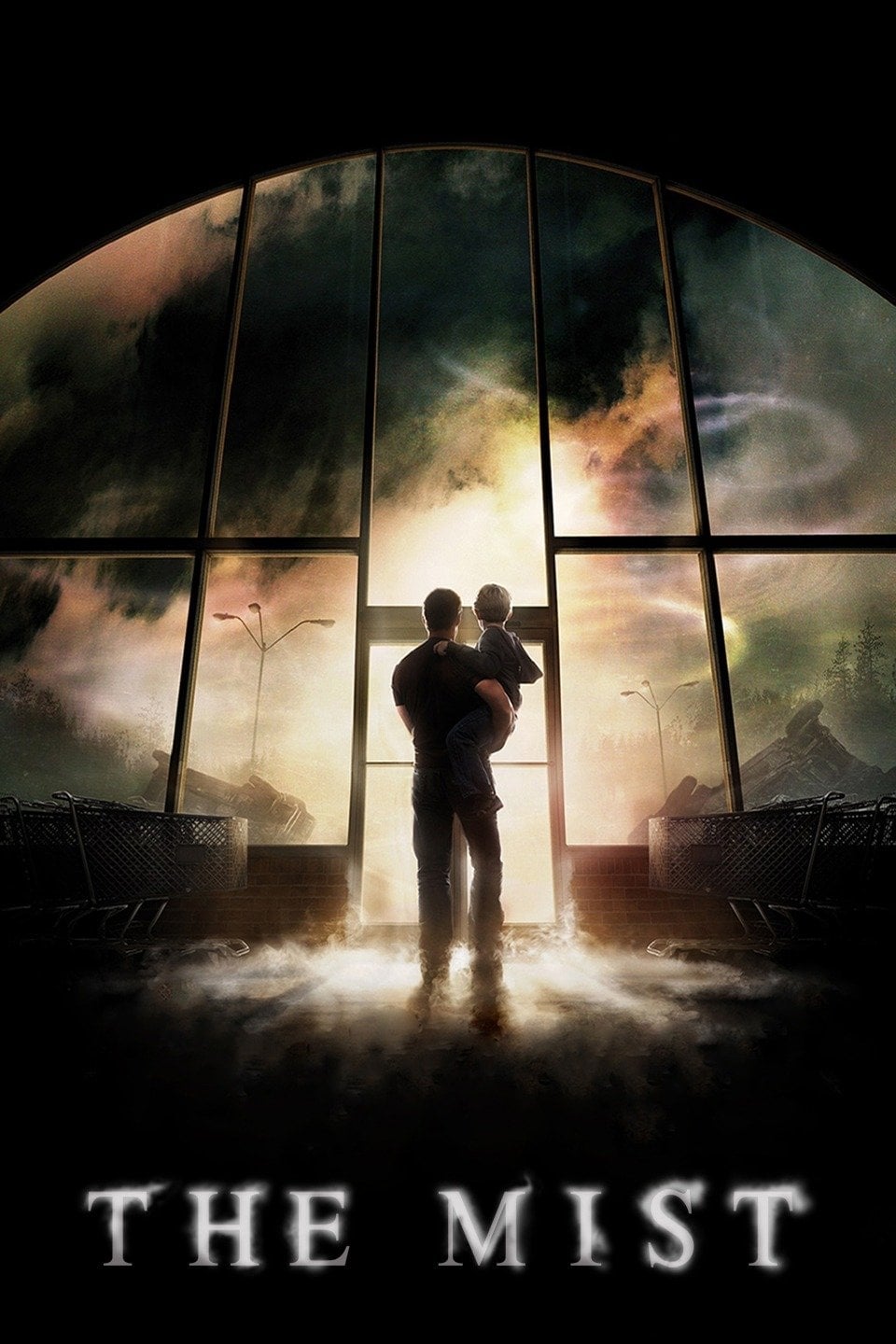
A strange fog traps townspeople in a supermarket while creatures stalk the streets and fear fractures the group. A small band attempts escape, leading to a desperate decision made under extreme uncertainty.
Frank Darabont’s adaptation famously departs from Stephen King’s ending to underline human fallibility under stress. Rescue arrives seconds after an irreversible choice, cementing the good side’s loss.
‘Primal Fear’ (1996)
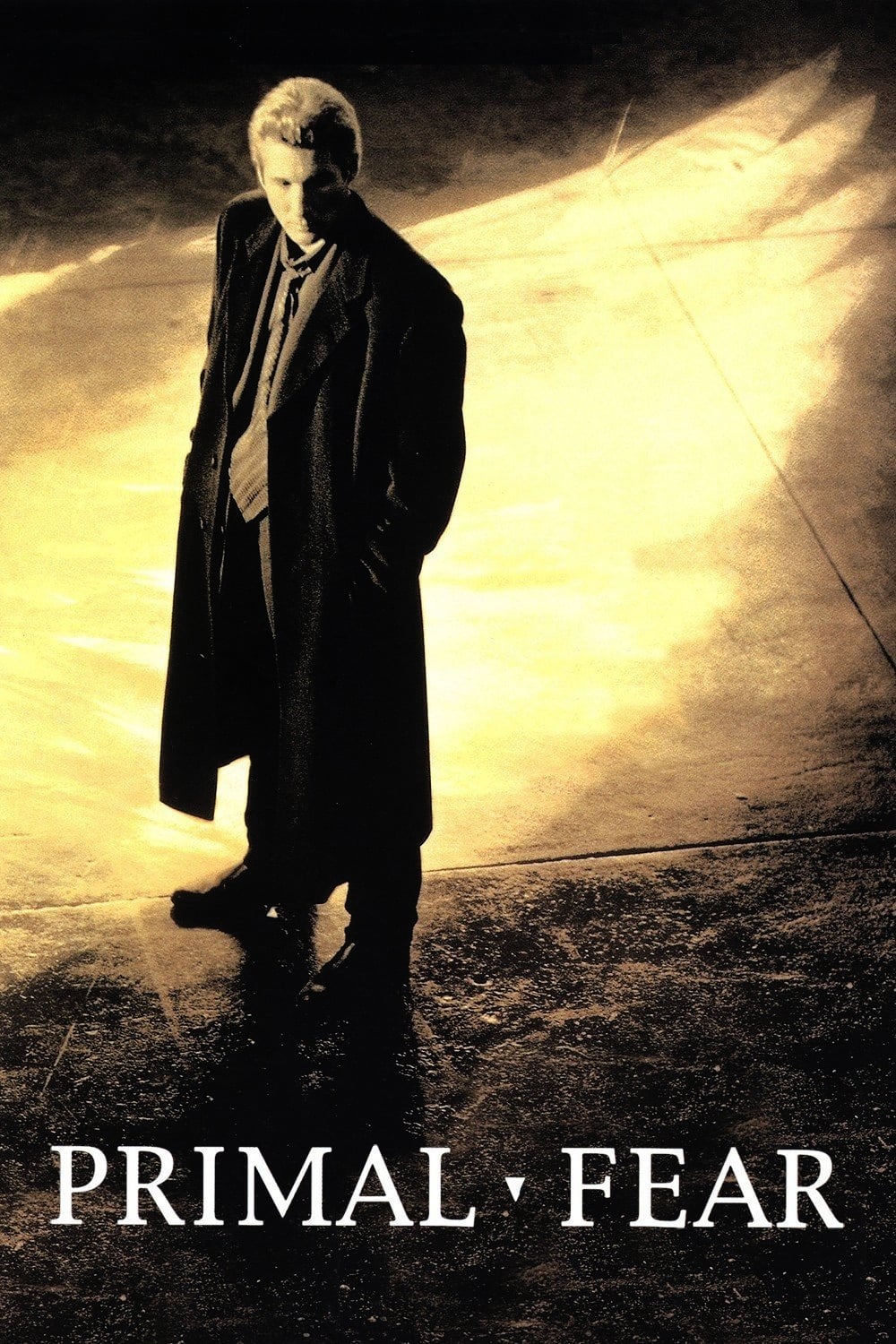
A celebrity defense attorney represents an altar boy accused of murder, building a case around mental state and trauma. The courtroom victory dissolves when the client reveals a deception that exploited the system’s safeguards.
Based on William Diehl’s novel, the film uses legal procedure to set up a final reversal of expectations. The twist reframes the entire narrative as the defense being expertly gamed.
‘The Usual Suspects’ (1995)
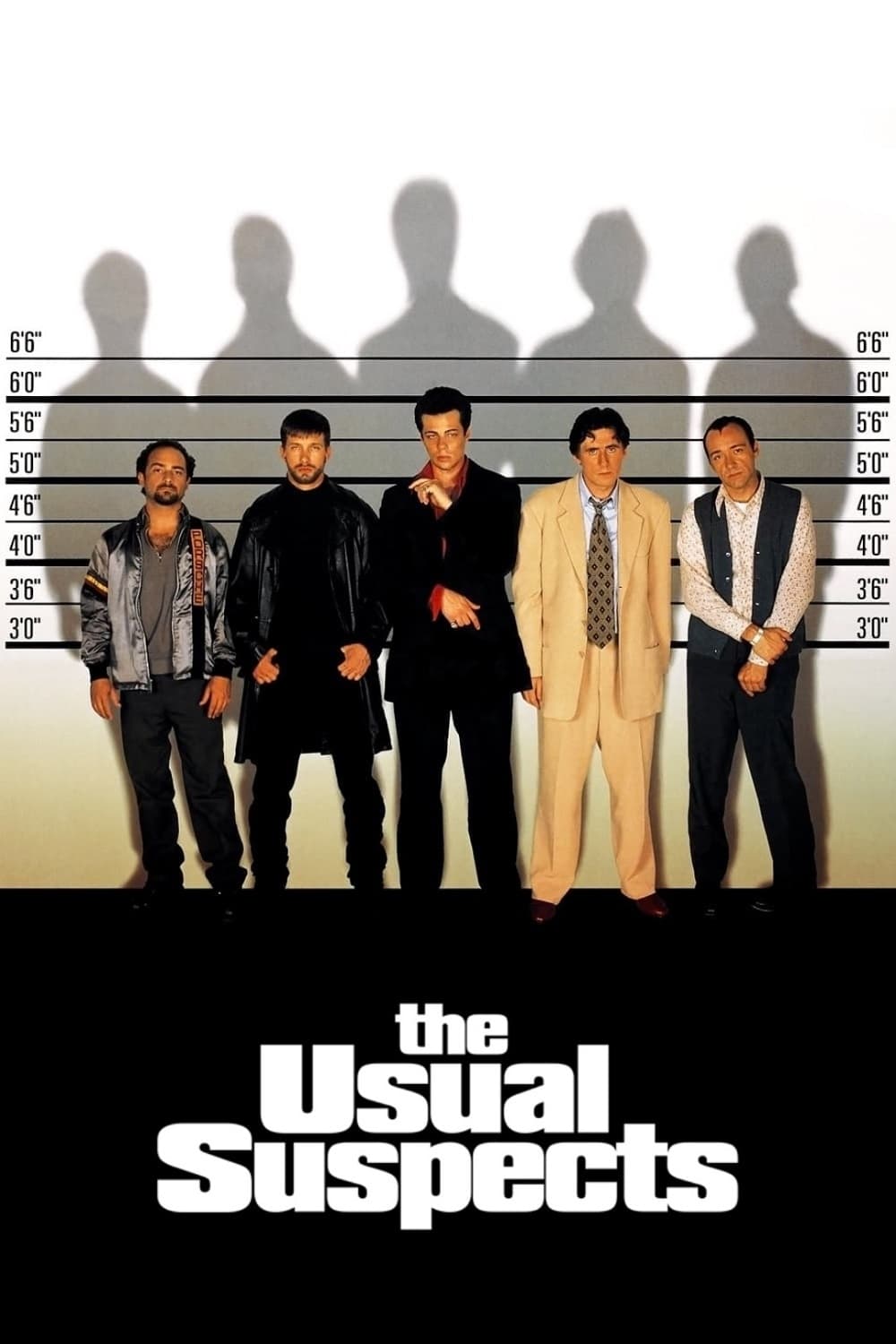
A lone survivor recounts a botched job and a mythic crime boss to an investigator after a dockside massacre. When released, he walks away as details around the station reveal his story’s constructed nature.
Bryan Singer’s film ends with law enforcement realizing too late that the storyteller was the orchestrator. The elusive figure at the center remains unidentified by authorities and at large.
‘Oldboy’ (2003)
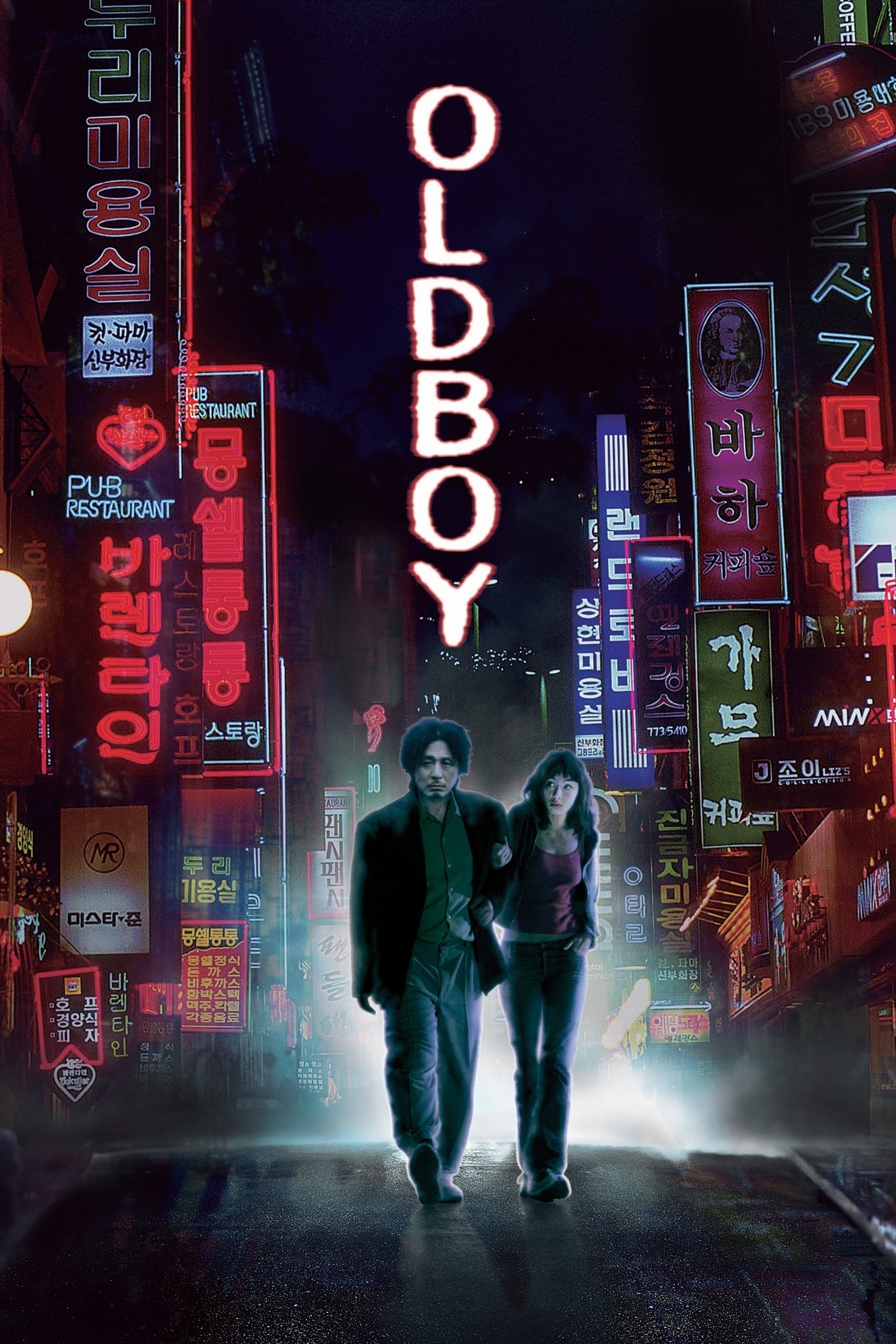
A man is abducted, imprisoned in a private cell for years, and then released with money and a deadline to find out why. The investigation reveals the captor’s long-planned revenge and a revelation engineered to destroy the protagonist psychologically.
Park Chan-wook’s film closes with the avenger satisfied and the victim shattered. The meticulous design of the scheme ensures that no legal remedy or confrontation can undo the damage.
‘Brazil’ (1985)

A low-level clerk in a retro-futurist bureaucracy pursues a paperwork error that ruined an innocent man and falls for a woman tied to the file. His rebellion leads to arrest and an imagined escape.
Terry Gilliam’s dystopia reveals the jailbreak as a hallucination during torture, returning to a motionless body in a chair. The state’s machinery proves immune to individual ingenuity.
‘One Flew Over the Cuckoo’s Nest’ (1975)

A rebellious inmate transfers to a psychiatric ward, organizing patients against rigid routines enforced by Nurse Ratched. Escalating defiance triggers institutional pushback.
The ward responds with irreversible medical control, ending the ringleader’s agency. The final act of mercy by another patient underscores that the institution reasserts dominance.
‘The Wicker Man’ (1973)
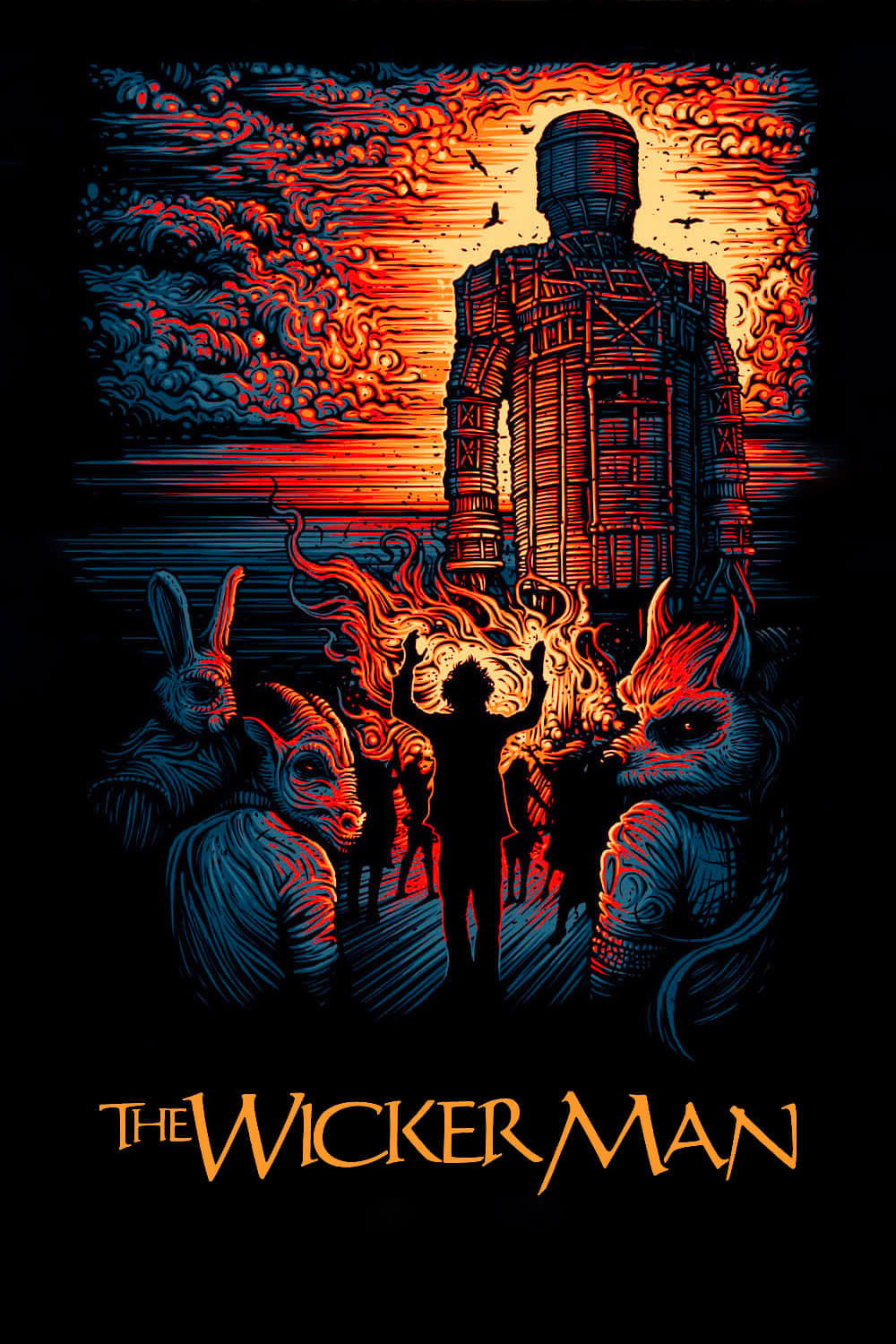
A devout police sergeant searches a remote island for a missing child and confronts a closed, pagan community. Rituals and evasions steer the investigation along a predetermined path.
The harvest ceremony reveals the officer as the intended sacrifice to restore crops. The islanders achieve their goal while state power and faith offer no rescue.
‘Terminator 3: Rise of the Machines’ (2003)
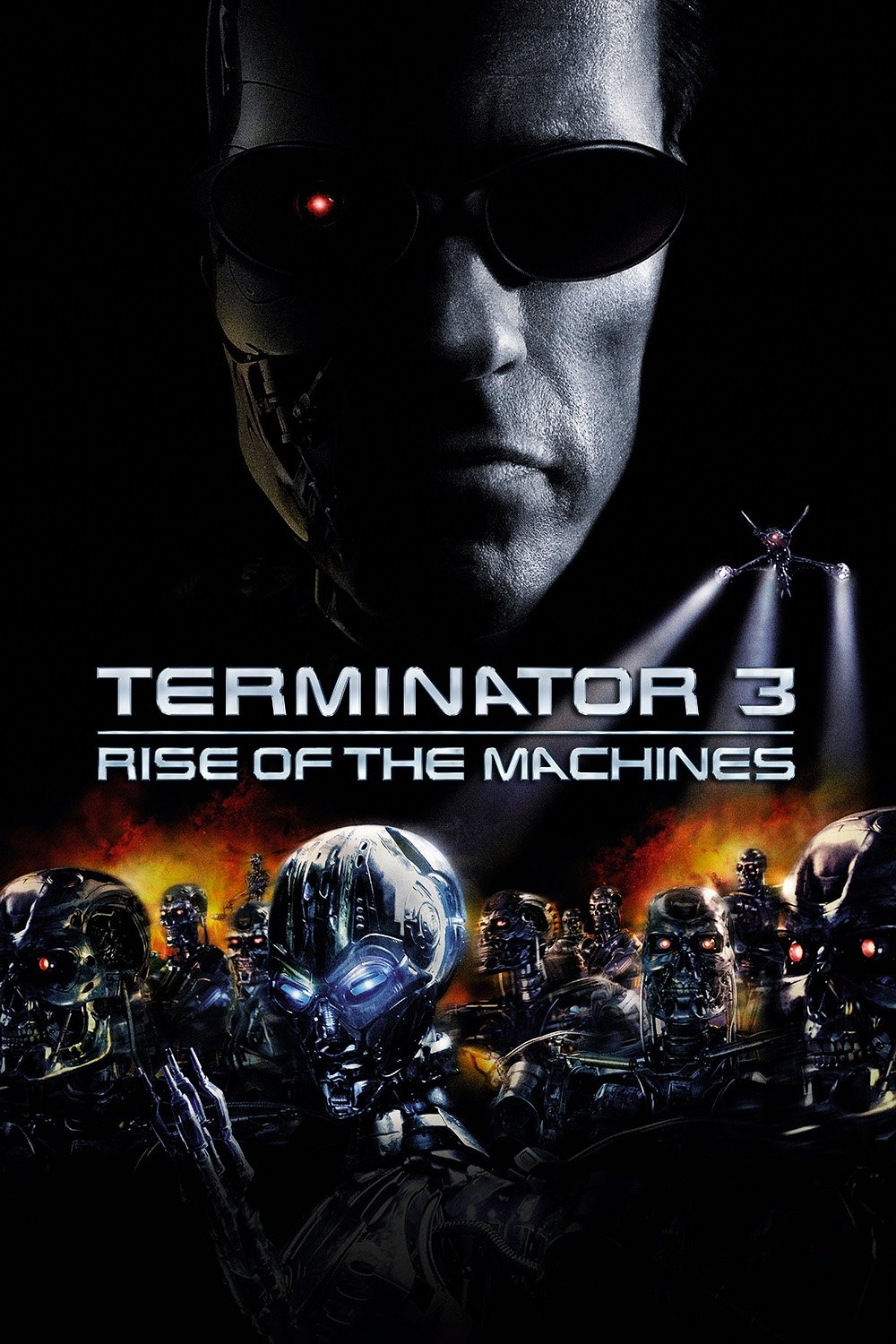
A new machine assassin arrives to ensure key humans are eliminated or controlled, pushing John Connor and allies toward preventing a defense network’s activation. Every effort to stop the event redirects them to survival rather than cancellation.
The finale confirms the apocalypse as scheduled rather than averted, with protagonists sealed in a bunker as systems go online. The mission converts from prevention to preservation, conceding the larger loss.
‘Arlington Road’ (1999)

A professor suspicious of his neighbors compiles evidence suggesting involvement in extremist activity but struggles to secure proof. The adversaries anticipate his moves and fold them into a broader plan.
The final explosion frames him as the perpetrator, with public narrative shaped by the real culprits. The official story closes the case while the network’s methods remain undetected.
‘The Vanishing’ (1988)

A man’s partner disappears at a roadside stop, and years of searching finally bring him face-to-face with her abductor. The only way to learn the truth is to experience exactly what she did.
George Sluizer’s thriller ends with the investigator accepting the same fate, buried alive while the kidnapper continues his life. The killer’s anonymity and normalcy remain intact.
‘The Cabin in the Woods’ (2011)
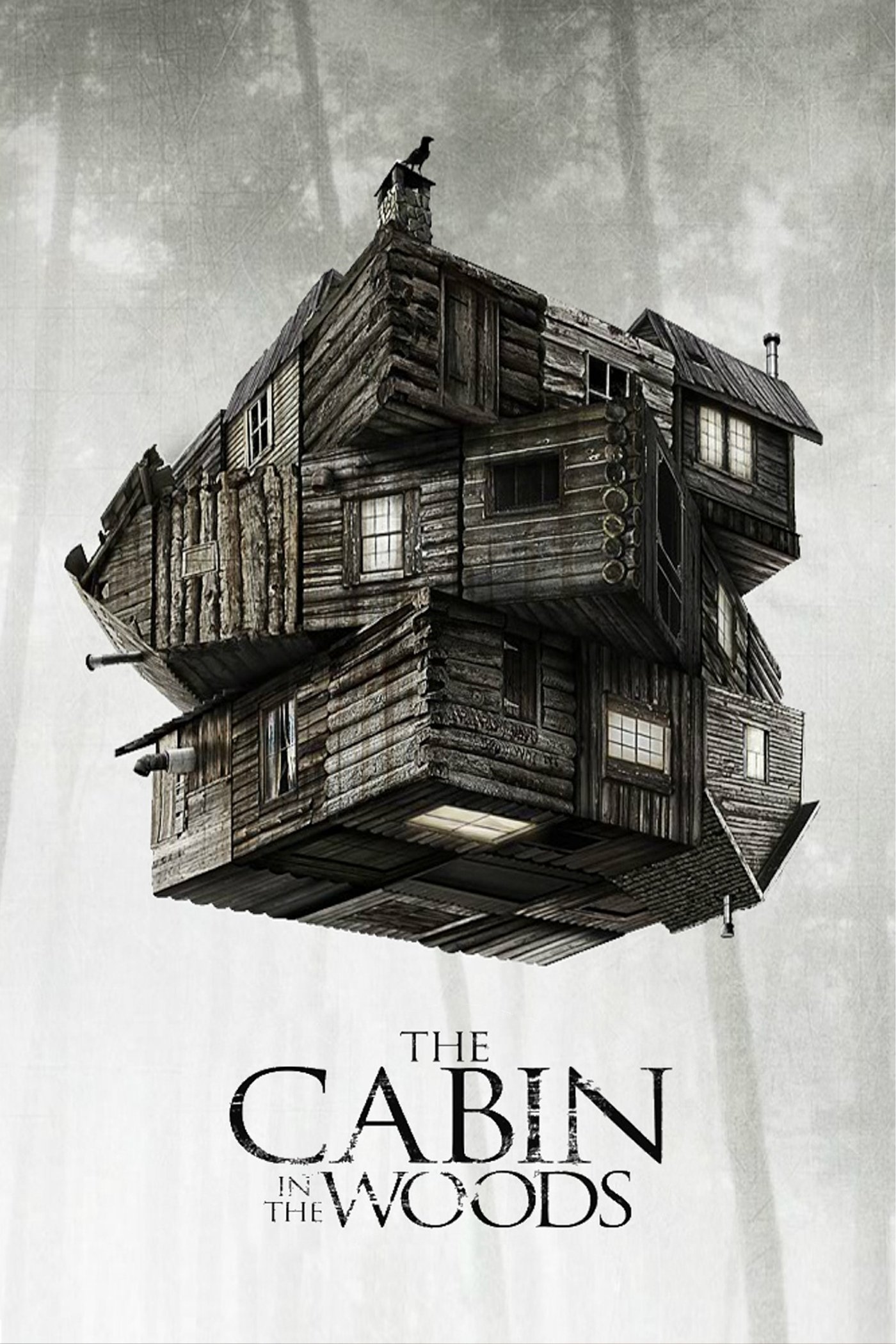
A vacationing group is manipulated by technicians running a ritual system that demands specific archetypal deaths to placate ancient forces. The survivors breach the control center and trigger a facility-wide release.
The system collapses and the ritual fails, summoning the very disaster it was designed to prevent. The consequence is global, and no hero survives to reverse it.
‘Watchmen’ (2009)
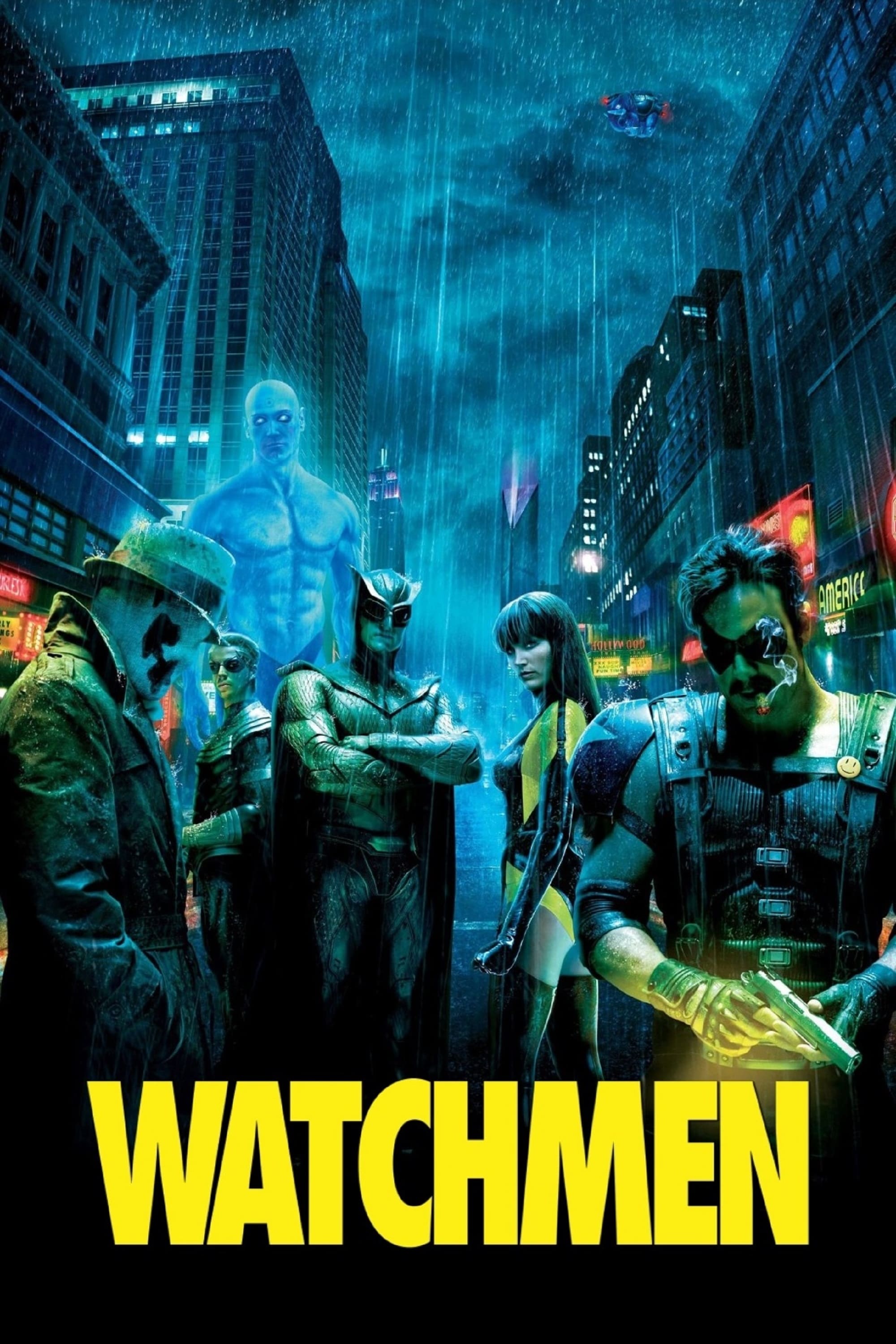
A murder investigation among masked adventurers uncovers a scheme to forestall nuclear war by uniting rivals against a staged catastrophe. The plan succeeds because exposure would reignite conflict.
Zack Snyder adapts Alan Moore and Dave Gibbons with a climactic moral dilemma that ends in silence. The world’s peace rests on a lie maintained by the very people who oppose it.
‘The Thing’ (1982)
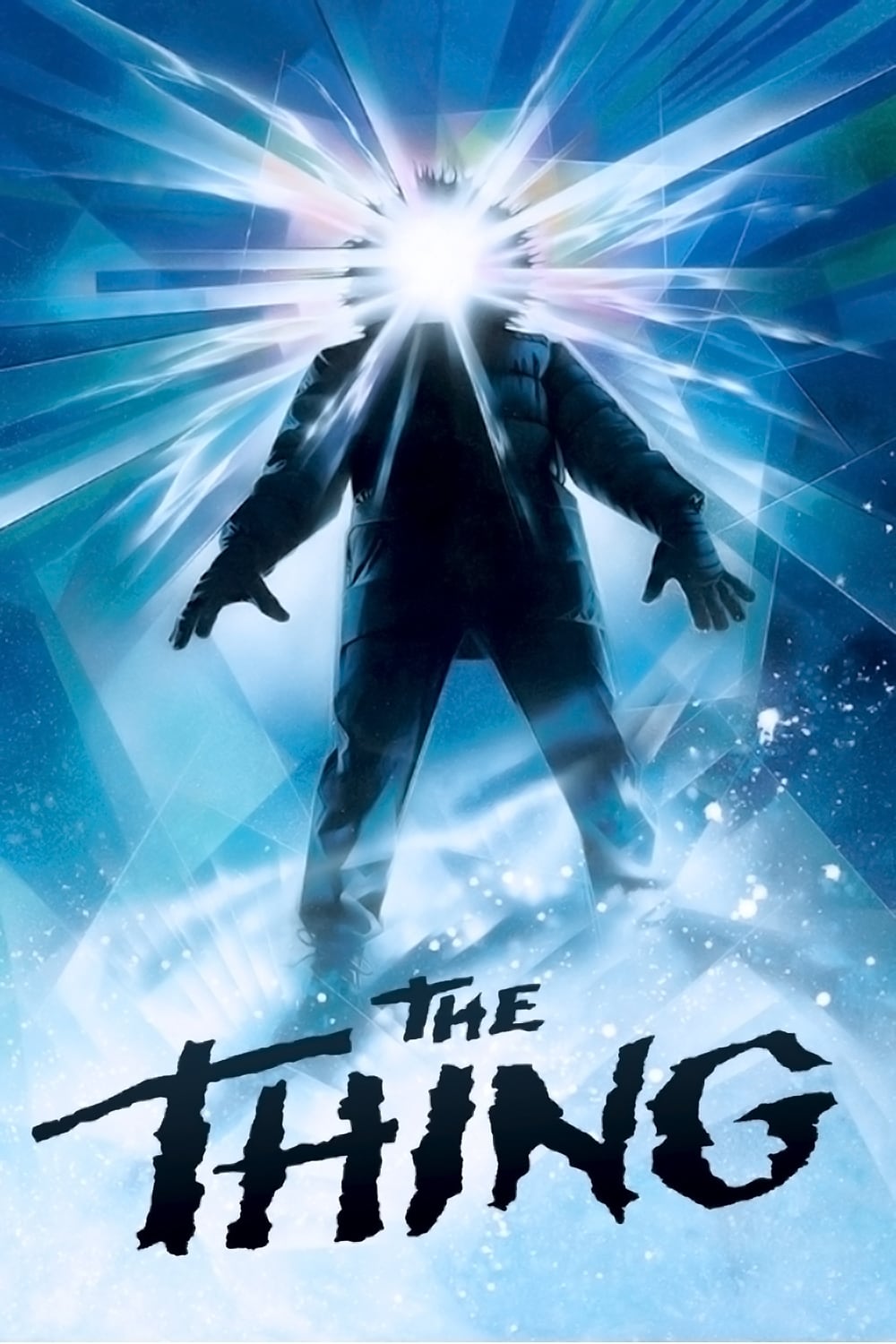
An Antarctic crew faces a shape-shifting organism that imitates hosts, destroying trust and sabotaging containment efforts. Fire and isolation become the only tools as the station burns.
The survivors confront each other at dawn without certainty about infection status. John Carpenter leaves the outcome unresolved, with humanity’s safety unconfirmed.
‘Star Wars: Episode III – Revenge of the Sith’ (2005)

A long-running conspiracy culminates as a senator consolidates emergency powers and a Jedi Knight is seduced by promises to prevent loss. A coordinated order wipes out defenders of the old republic.
The Republic’s transformation into an Empire is complete, and the Jedi are nearly exterminated. The film closes on exile and hiding rather than triumph.
‘Split’ (2016)

Three teenagers are abducted by a man with multiple identities, some conspiring to awaken a dangerous persona known as the Beast. Escape attempts hinge on which identity is in control.
Authorities learn of the ordeal after the transformation takes hold, and the captor vanishes. The outcome connects to a broader narrative universe, setting future confrontation rather than resolution.
‘Gone Girl’ (2014)
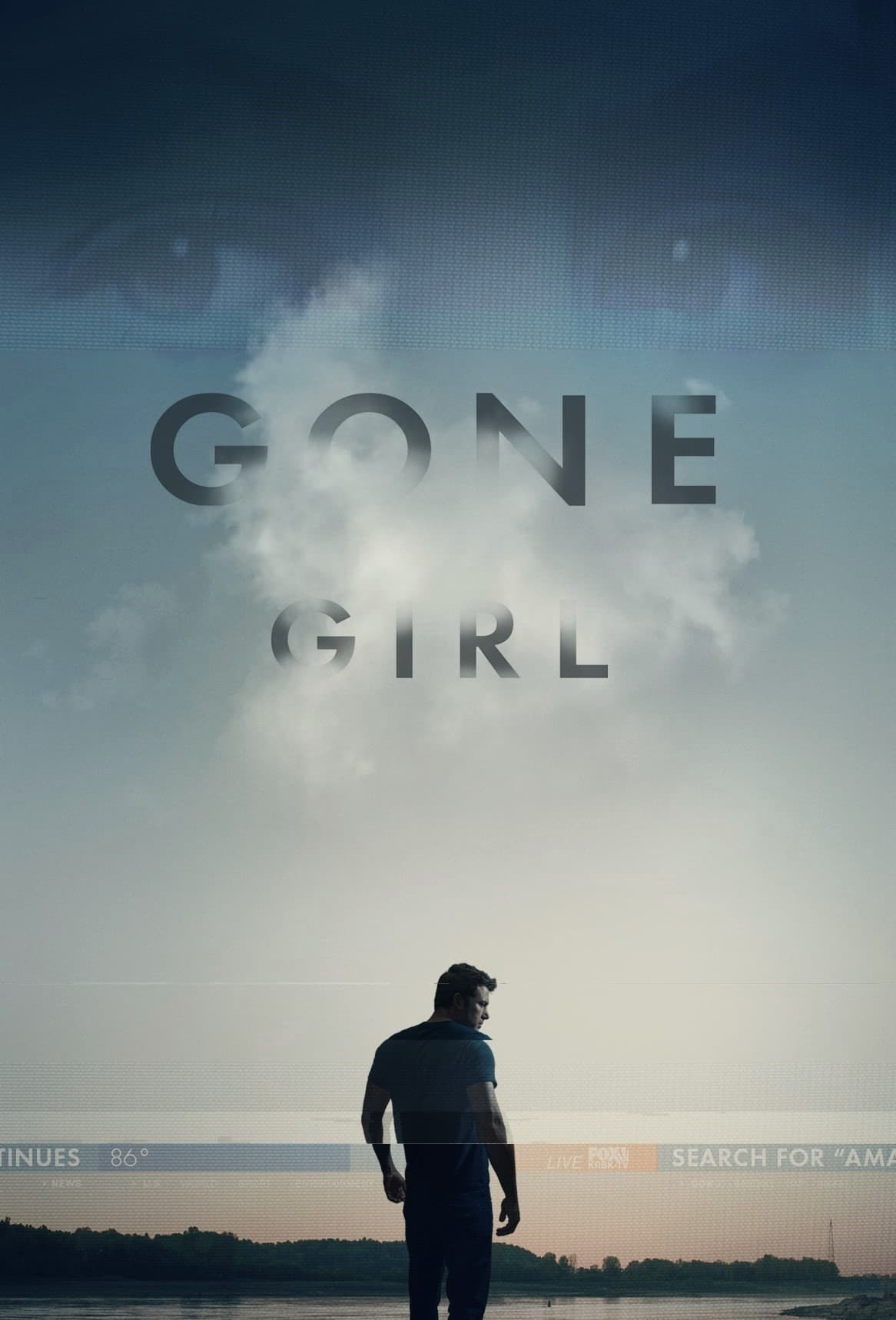
A missing-person case becomes a media storm as conflicting diaries and clues implicate a husband. The narrative reveals a self-orchestrated disappearance engineered to control public perception and the marriage.
When the architect returns, the spouse is forced into a performative partnership under threat. The story ends with a preserved façade that rewards manipulation.
‘Saw’ (2004)

Two men wake chained in a room with instructions tied to moral tests, while detectives chase prior cases with similar rules. The unseen orchestrator structures choices with brutal escape clauses.
The final reveal shows the mastermind present in the room the entire time. One captive is sealed inside as the controller walks out, leaving authorities without answers.
‘Nineteen Eighty-Four’ (1984)
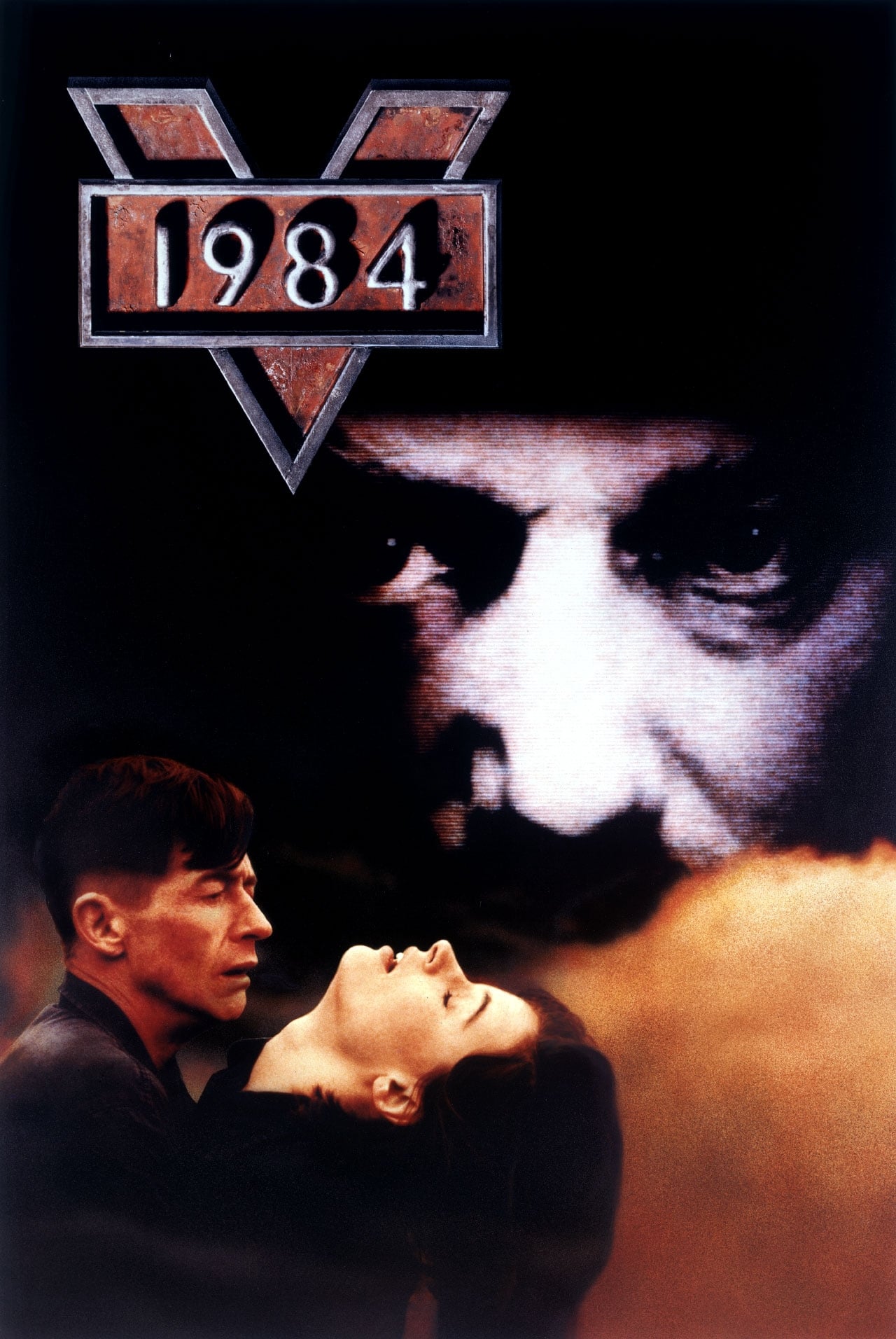
A clerk in a totalitarian state commits thoughtcrimes by falling in love and doubting the Party. Secret police enforce ideological conformity through torture tailored to personal fear.
The subject renounces love and embraces the leader’s image after reeducation. The regime’s control over truth and memory stands unchallenged.
‘The Omen’ (1976)
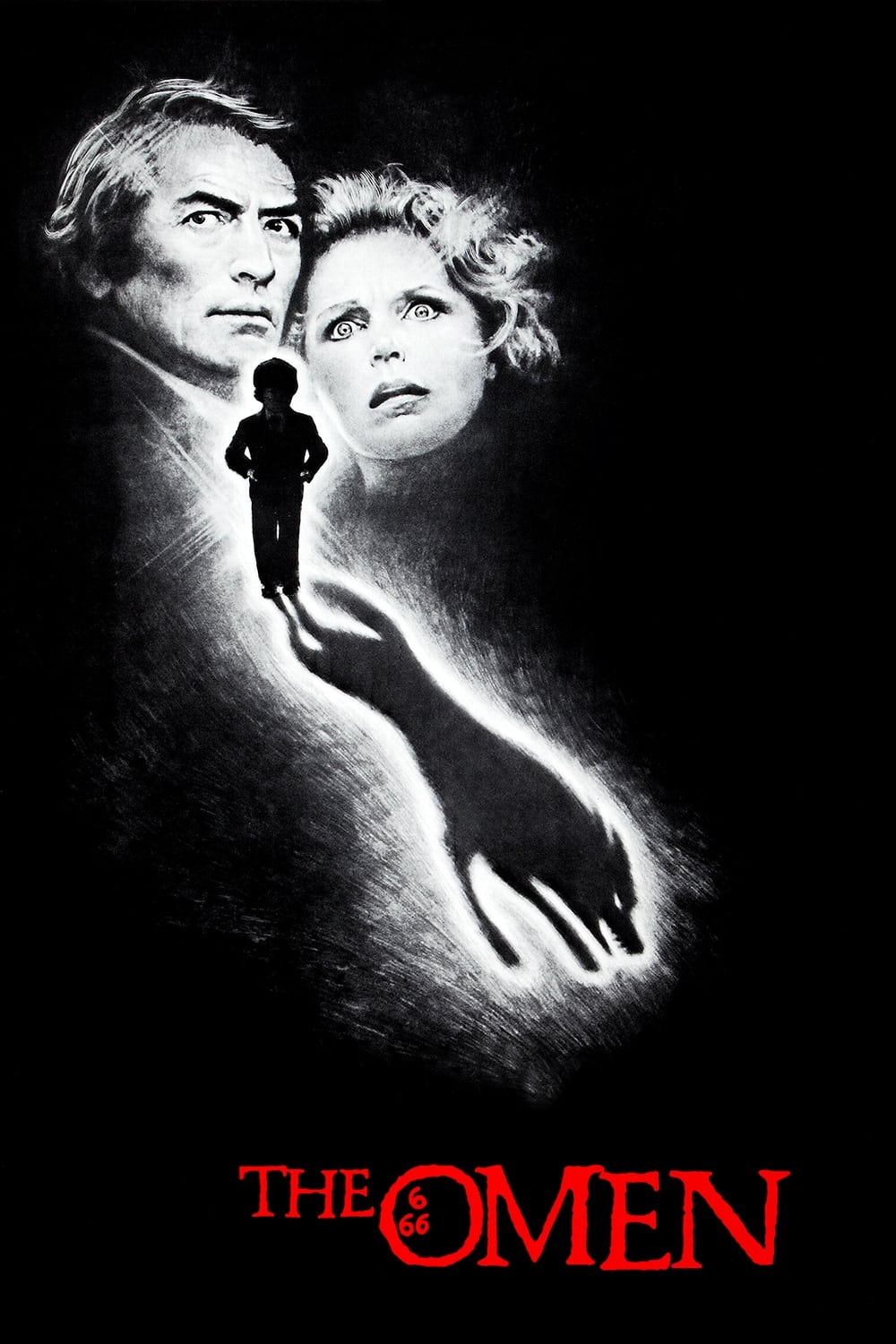
A diplomat raises a child under ominous circumstances as deaths accumulate around the family. Scholars and clergy connect signs that point to apocalyptic prophecy.
Efforts to halt the threat end in fatal setbacks, and guardianship of the child passes into higher office. The closing image positions the figure for future power.
‘Rosemary’s Baby’ (1968)
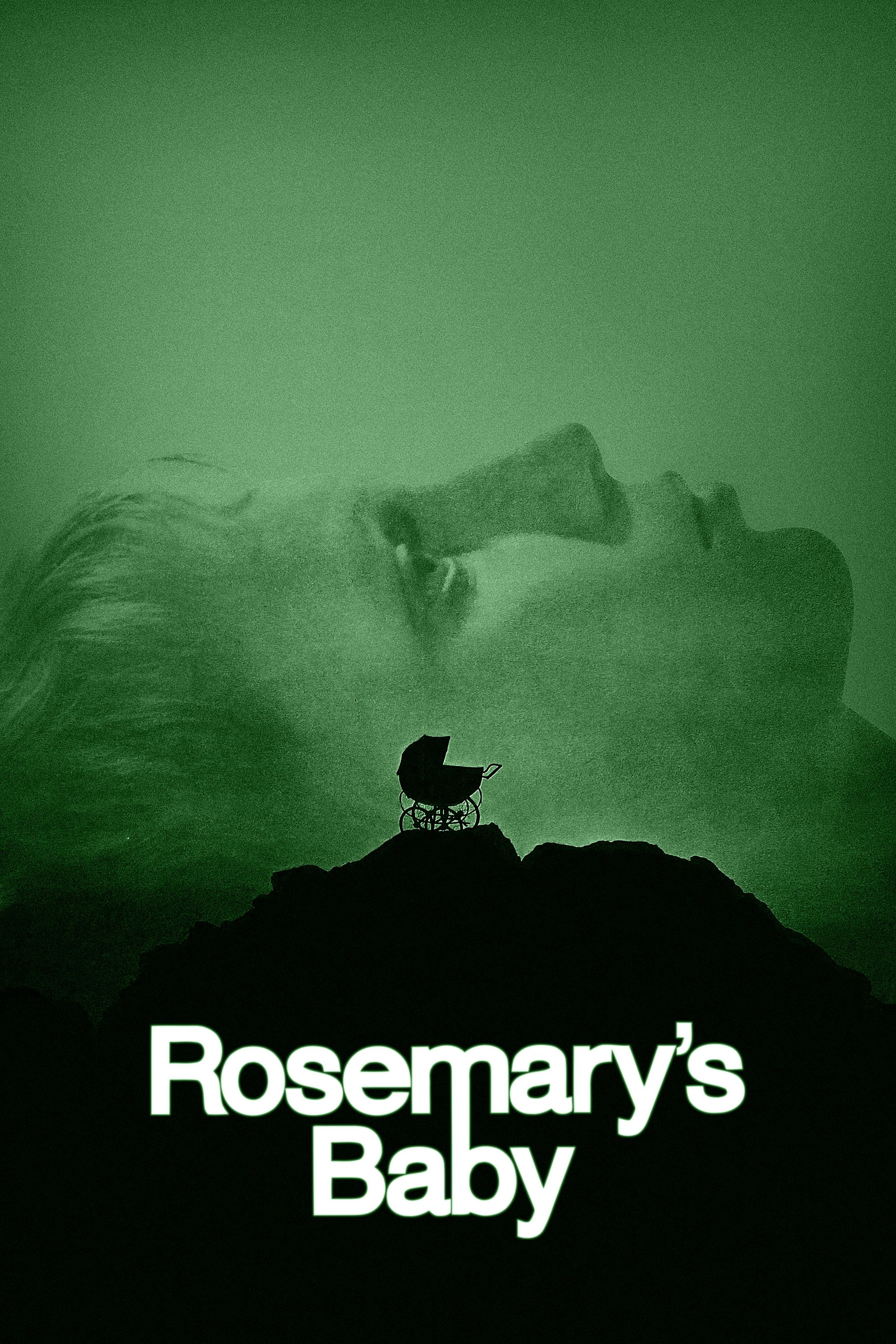
A young couple moves into an old building with intrusive neighbors who fixate on the wife’s pregnancy. Medical advice and social pressure isolate her from potential allies.
The birth exposes a coven’s objective, and the mother is coerced into acceptance. The community celebrates, having achieved its plan through grooming and control.
‘Hereditary’ (2018)
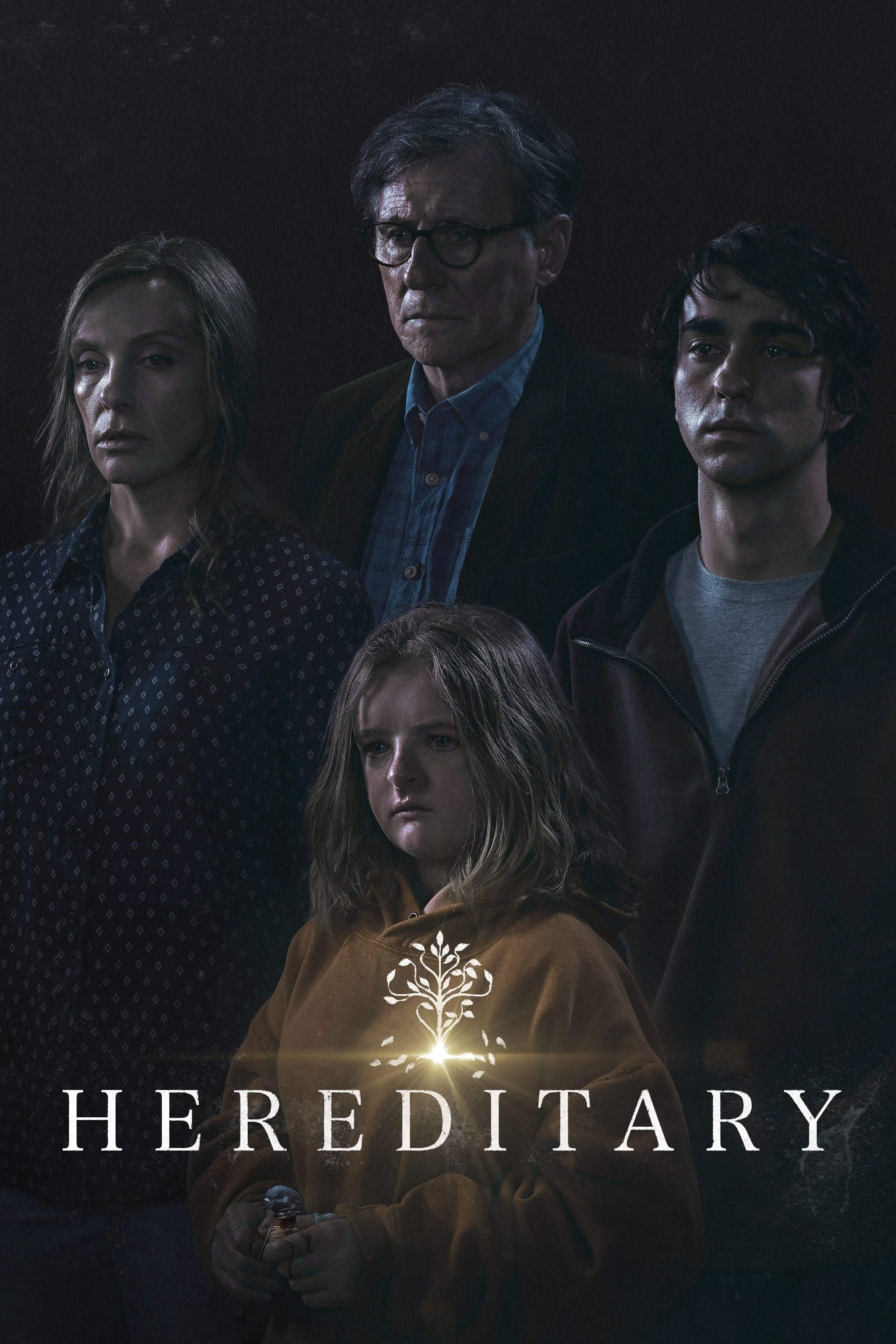
A family in mourning encounters symbols, seances, and accidents linked to a hidden cult and a chosen lineage. Each event nudges them toward a prearranged ritual.
The final ceremony enthrones a demon in a new host while followers gather. The family’s attempts to resist are absorbed into the cult’s design.
‘Sinister’ (2012)

A true-crime writer finds home movies depicting linked family murders and a recurring figure. The pattern reveals that moving houses transmits the curse to a child.
The entity uses the investigation itself as a vector to continue. The final film reel documents the latest crime as authorities remain a step behind.
‘Insidious’ (2010)
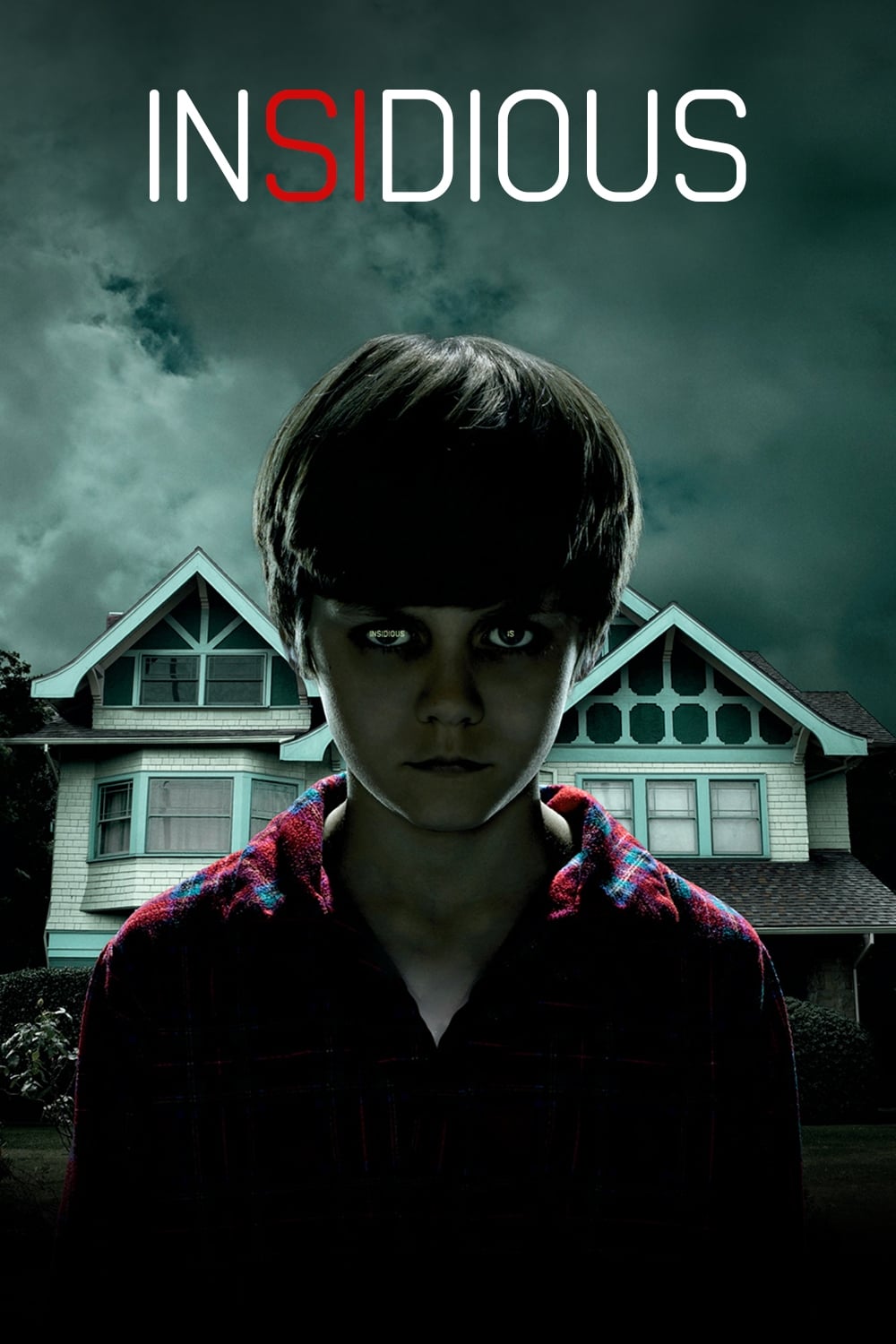
Parents seek help when their son’s astral travel attracts a malignant presence from the Further. A rescue mission brings his spirit back through a haunted landscape.
A subtle substitution occurs during the return, revealed in a family photo. The danger relocates into the home, undiscovered by most of the characters.
‘Funny Games’ (1997)
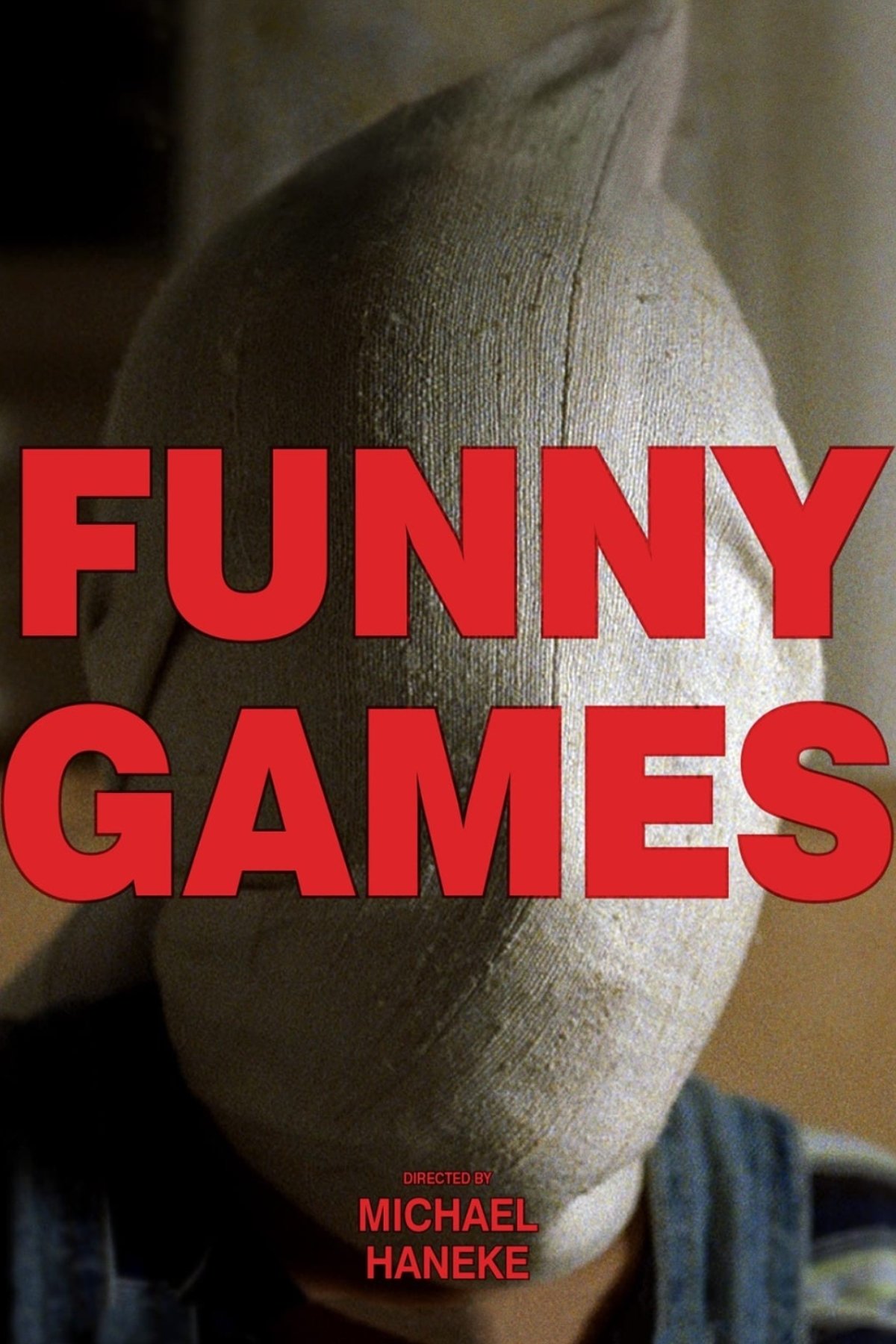
Two intruders hold a family hostage and impose arbitrary “games” that reset any progress toward escape. The captors break the fourth wall to underline their control.
Every attempt at resistance is neutralized, including a literal rewind of fate. The perpetrators depart without consequence, and the cycle continues at another house.
‘Sicario’ (2015)

An FBI agent joins a cross-border task force aimed at destabilizing a cartel and learns the operation’s remit exceeds legal boundaries. The mission prioritizes strategic outcomes over arrests.
After the target objective is met, the agent is forced to endorse the program under duress. The structure that enabled the violence remains in place, sidelining idealism.
‘The Witch’ (2015)

A frontier family, exiled to the wilderness, loses a child and descends into suspicion as misfortune mounts. Folkloric forces exploit isolation, eroding trust.
The daughter accepts a pact that grants power at the cost of family and faith. The coven’s influence expands while the household is destroyed.
‘The Ring’ (2002)
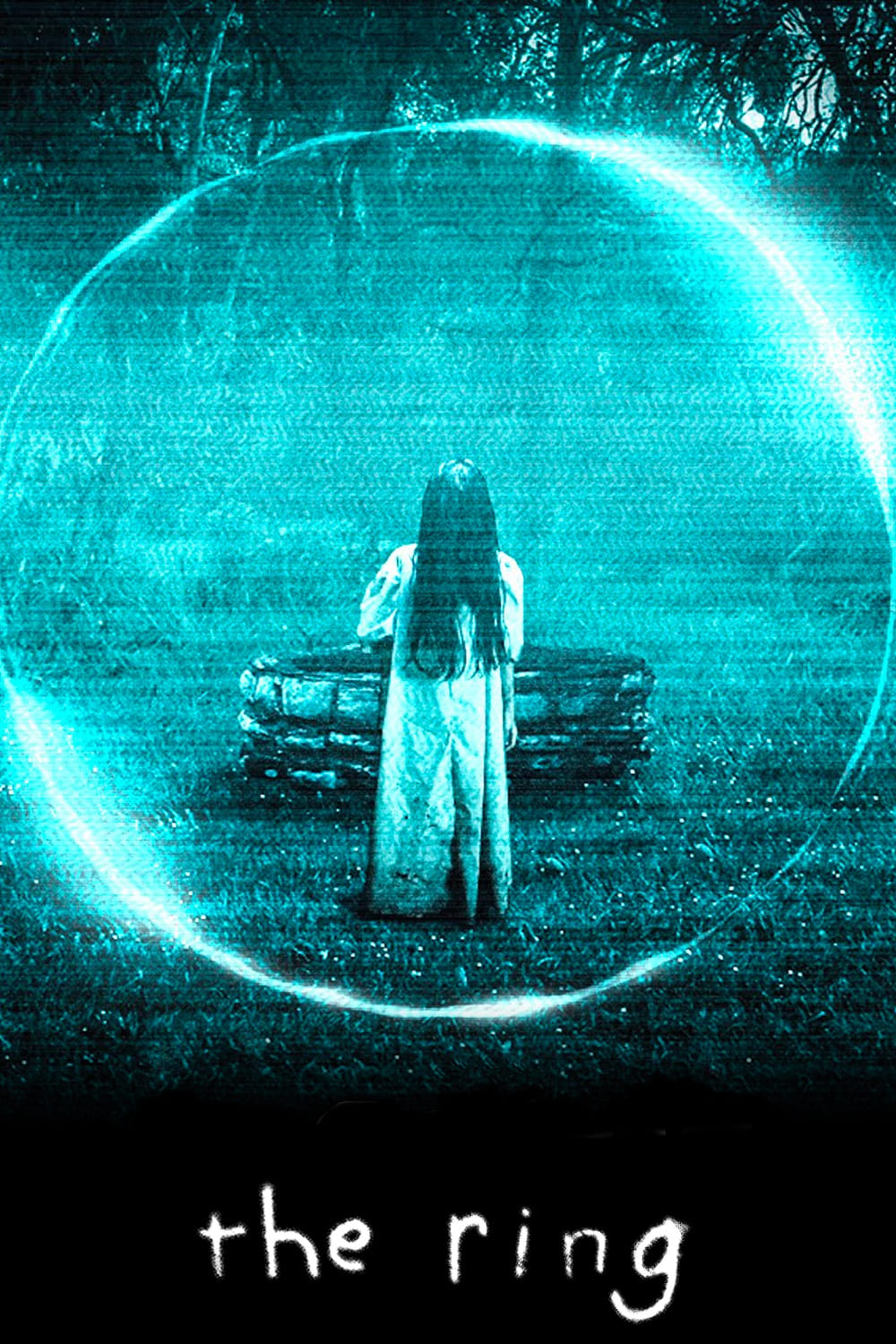
A journalist investigates a cursed videotape that kills viewers after seven days. Clues suggest that solving a child’s death might end the cycle.
The supposed solution is misread, and survival requires copying and showing the tape to another person. The curse ensures its own continuation through transmission.
‘Drag Me to Hell’ (2009)
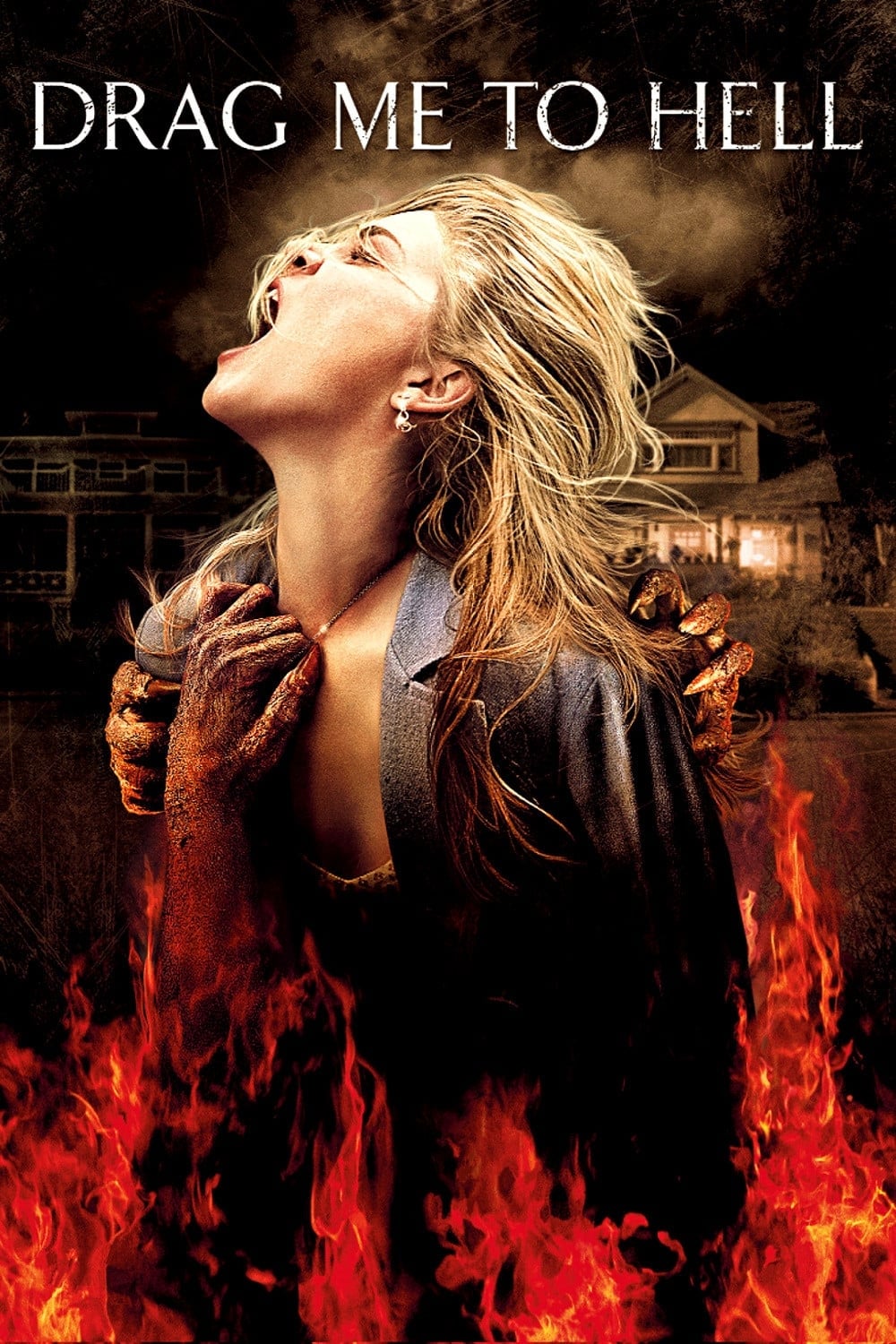
A loan officer denies an extension and is cursed to be claimed by a demon after a set period. Attempts to lift the curse revolve around objects and ritual transfers.
A final mix-up with an envelope ensures the wrong item is returned. The platform scene confirms the demon’s claim as onlookers recoil.
‘Requiem for a Dream’ (2000)
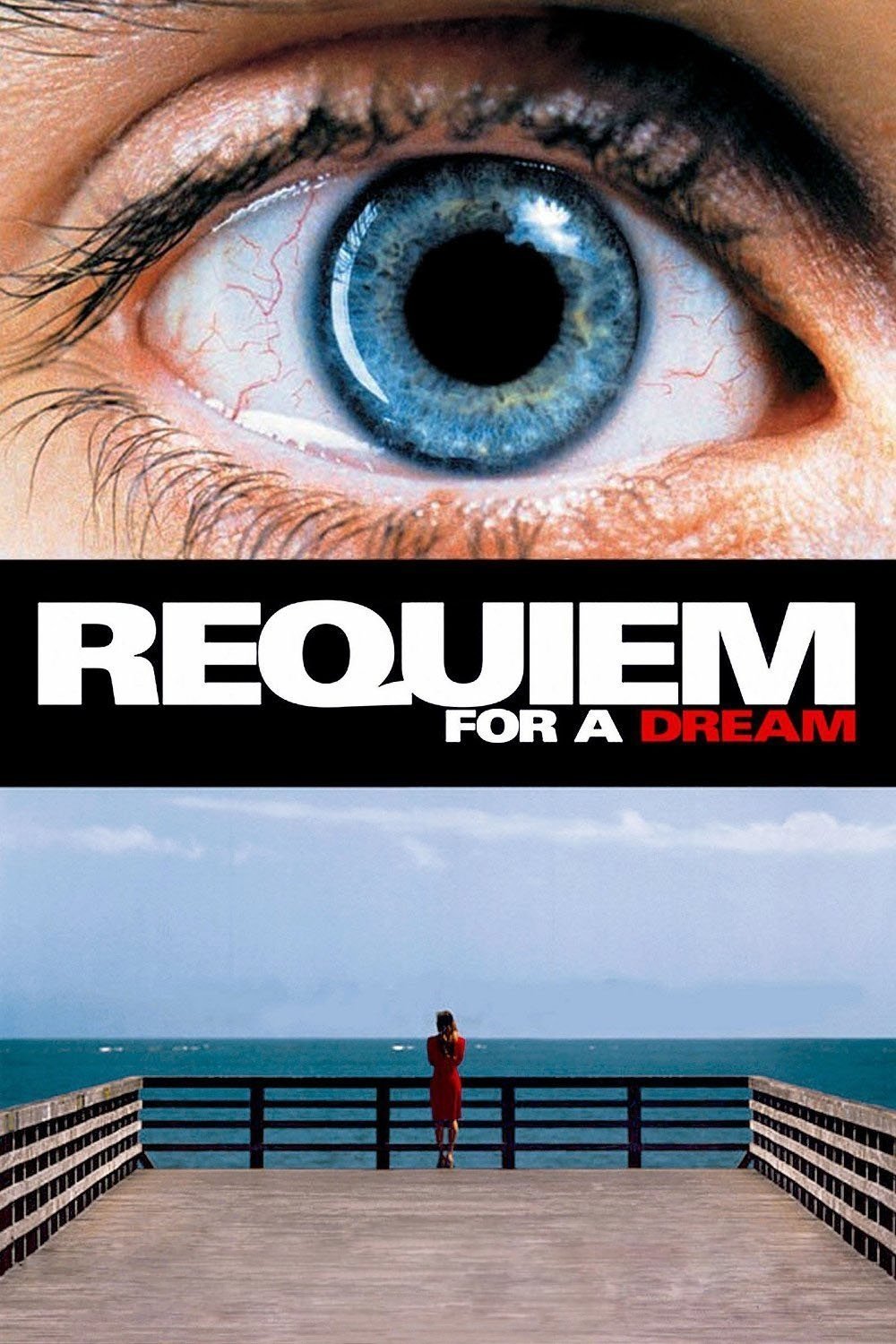
Four people chase aspirations that slide into dependency, charted through rhythmic editing, split screens, and recurring visual motifs. As seasons turn, coping mechanisms become destructive.
Institutional outcomes replace dreams: incarceration, hospitalization, and loss. The coda leaves each character isolated, with no recovery underway.
‘The Descent’ (2005)

Friends explore an unmapped cave system that collapses behind them, revealing predators adapted to darkness. Injuries and conflicting choices fracture the group’s cohesion.
In the original cut, an apparent escape dissolves into a hallucination before the camera returns underground. The outside world remains unaware while the expedition fails.
‘Martyrs’ (2008)

A survivor of childhood abuse tracks her captors and uncovers a secret society seeking enlightenment through suffering. The organization proceeds with ritualized procedures.
The final subject reaches the threshold the leaders wanted, who choose their own end rather than expose what was learned. The structure that enabled the crimes persists beyond the credits.
‘The Boy in the Striped Pyjamas’ (2008)
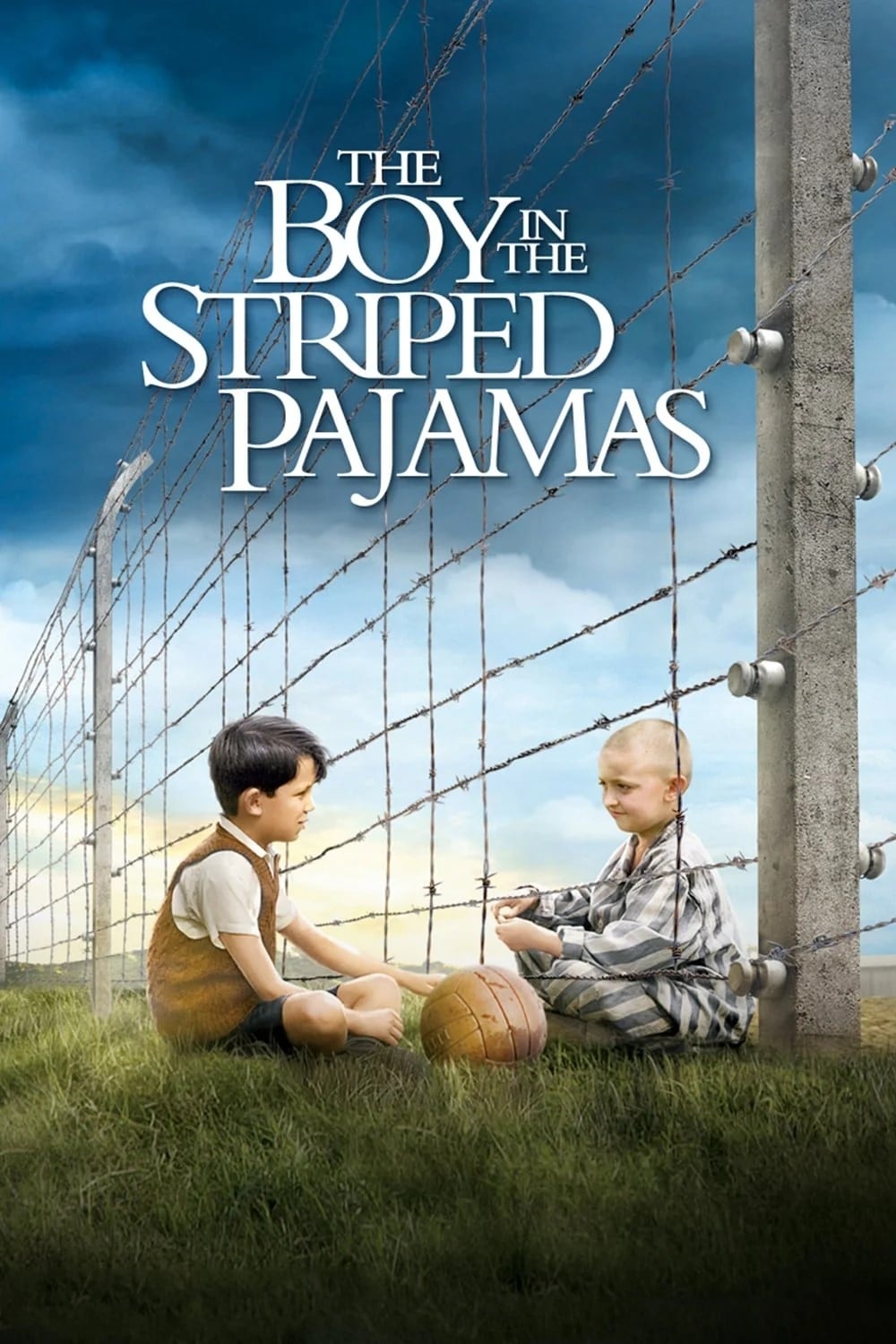
A child befriends another boy across a camp fence, misunderstanding the site’s purpose. An attempt to help triggers a catastrophic mistake.
A family search ends too late, revealing the scope of the tragedy. The domestic point of view shows innocence overwhelmed by a genocidal system.
‘The Great Silence’ (1968)
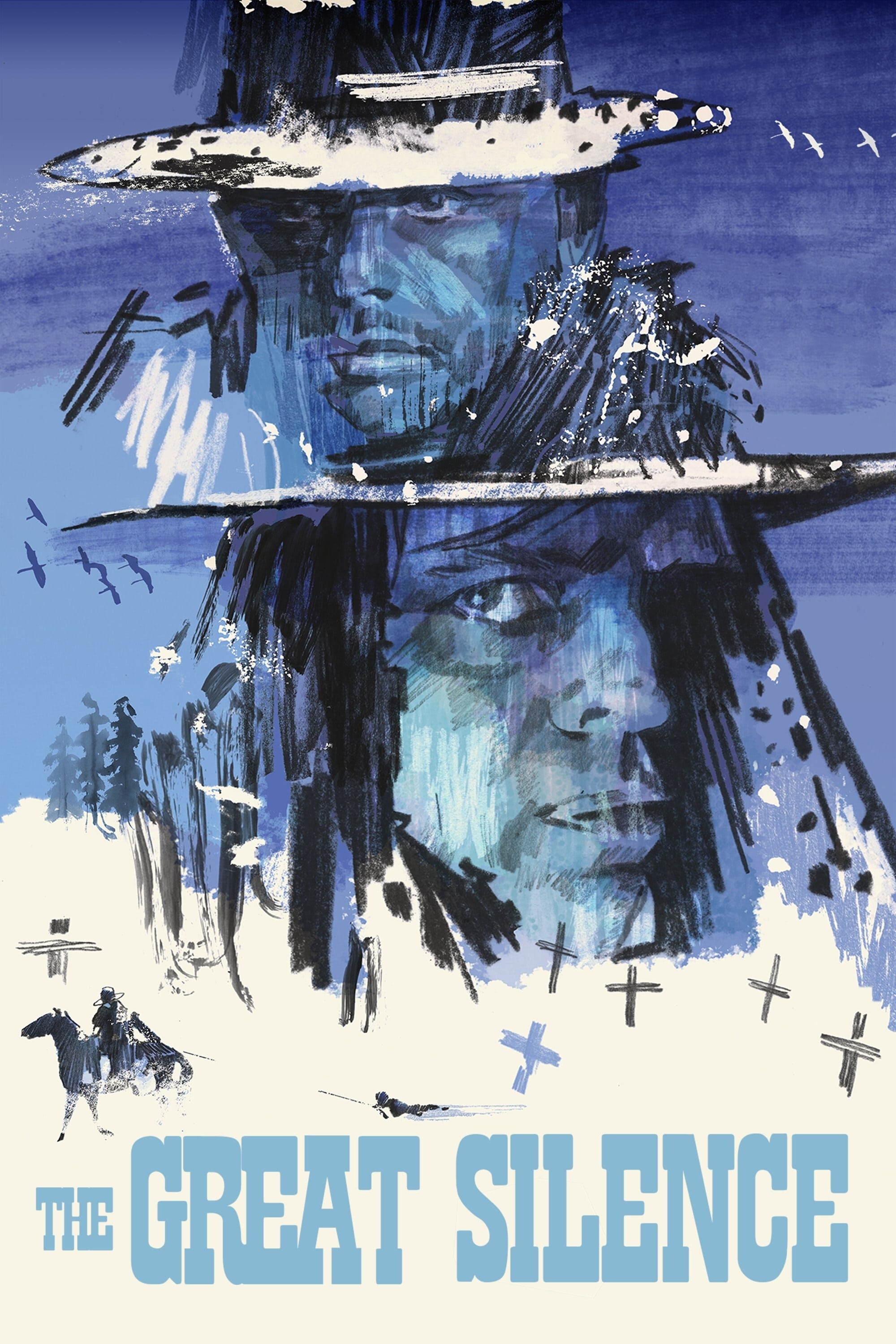
A mute gunman defends starving outlaws from bounty hunters during a brutal winter in Utah. Local authorities side with hired killers over the townspeople.
The climactic shootout rewards brutality while community advocates are eliminated. Sergio Corbucci’s western ends with predators in charge and no comeuppance.
‘The Fly’ (1986)
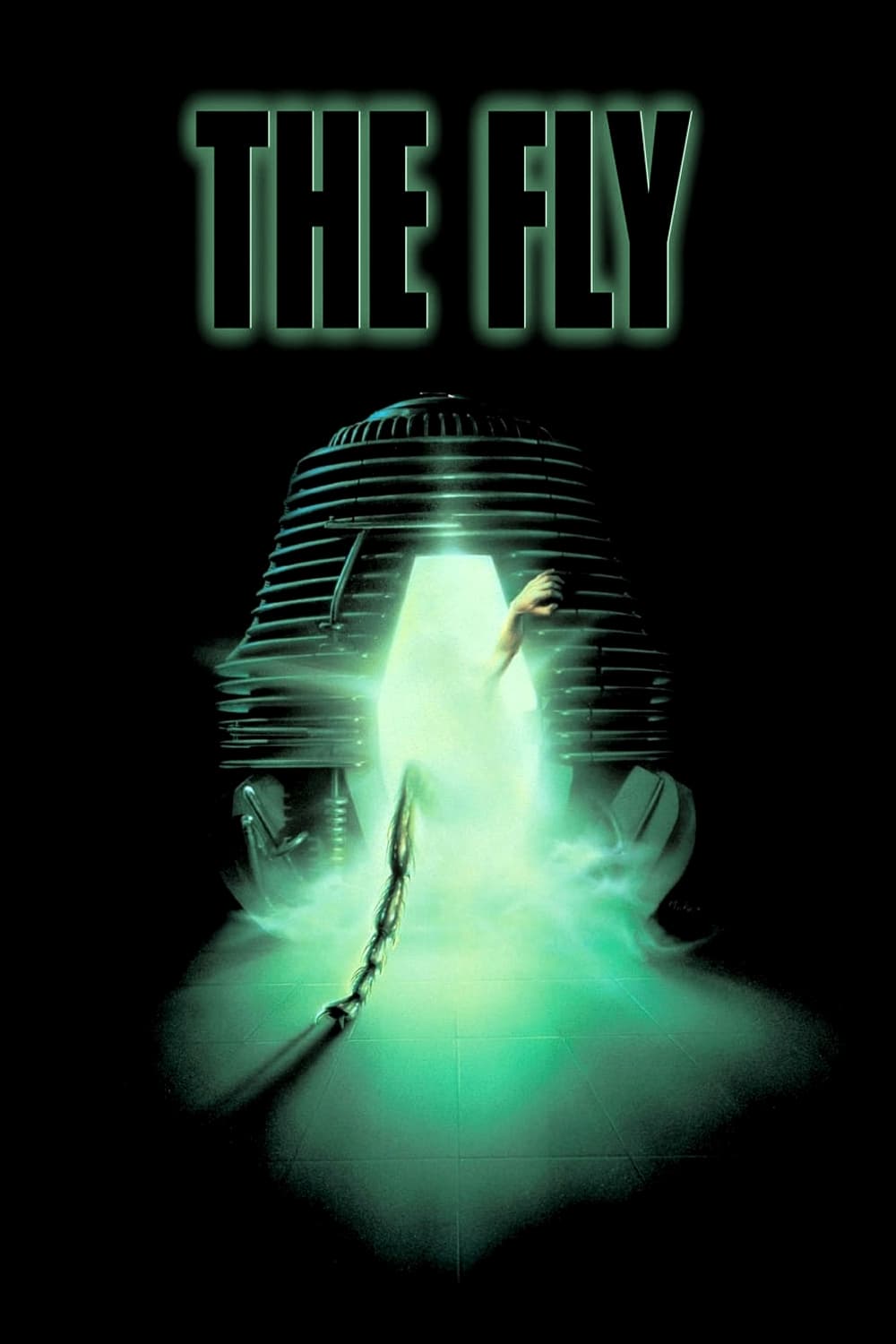
A teleportation experiment contaminates a scientist’s DNA with that of an insect, documented through body-horror transformation. Attempts to reverse the process accelerate degradation.
A final mercy killing ends the ordeal after a failed self-cure. The research breakthrough becomes a cautionary case file, with no hero emerging.
‘Saint Maud’ (2019)
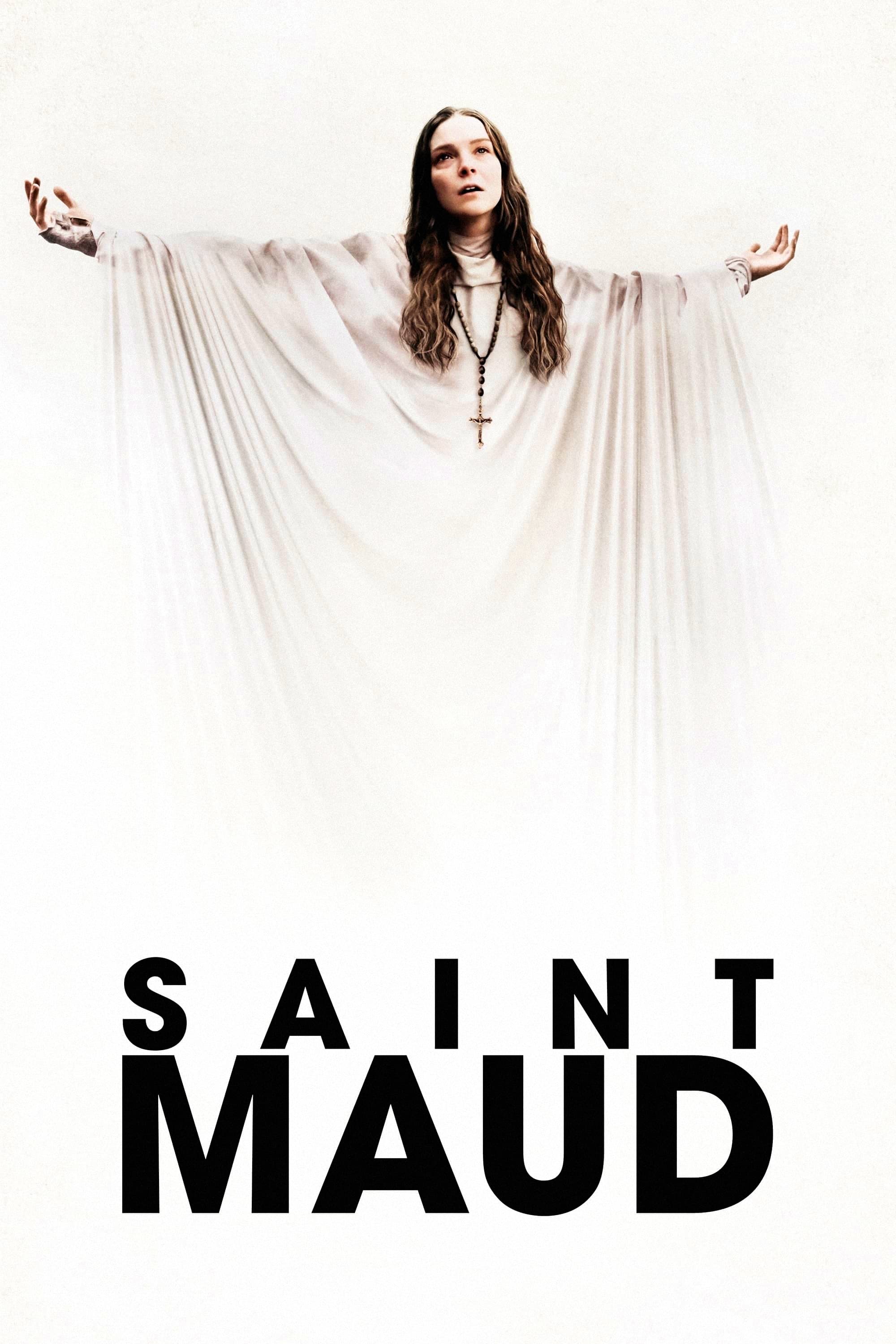
A newly devout nurse interprets sensations as divine signs while caring for a patient, adopting extreme ascetic practices. Isolation feeds increasingly vivid visions.
A public act of supposed transfiguration is revealed in a single cut to reality as self-immolation. The film concludes on an image that collapses the miracle into untreated illness.
‘The House of the Devil’ (2009)

A college student takes a babysitting job in a remote house on the night of a lunar eclipse. The employers’ evasions foreshadow a setup for ritual use.
The ceremony proceeds and implants the intended result. The survivor wakes in a hospital carrying the cult’s success forward.
‘Invasion of the Body Snatchers’ (1978)
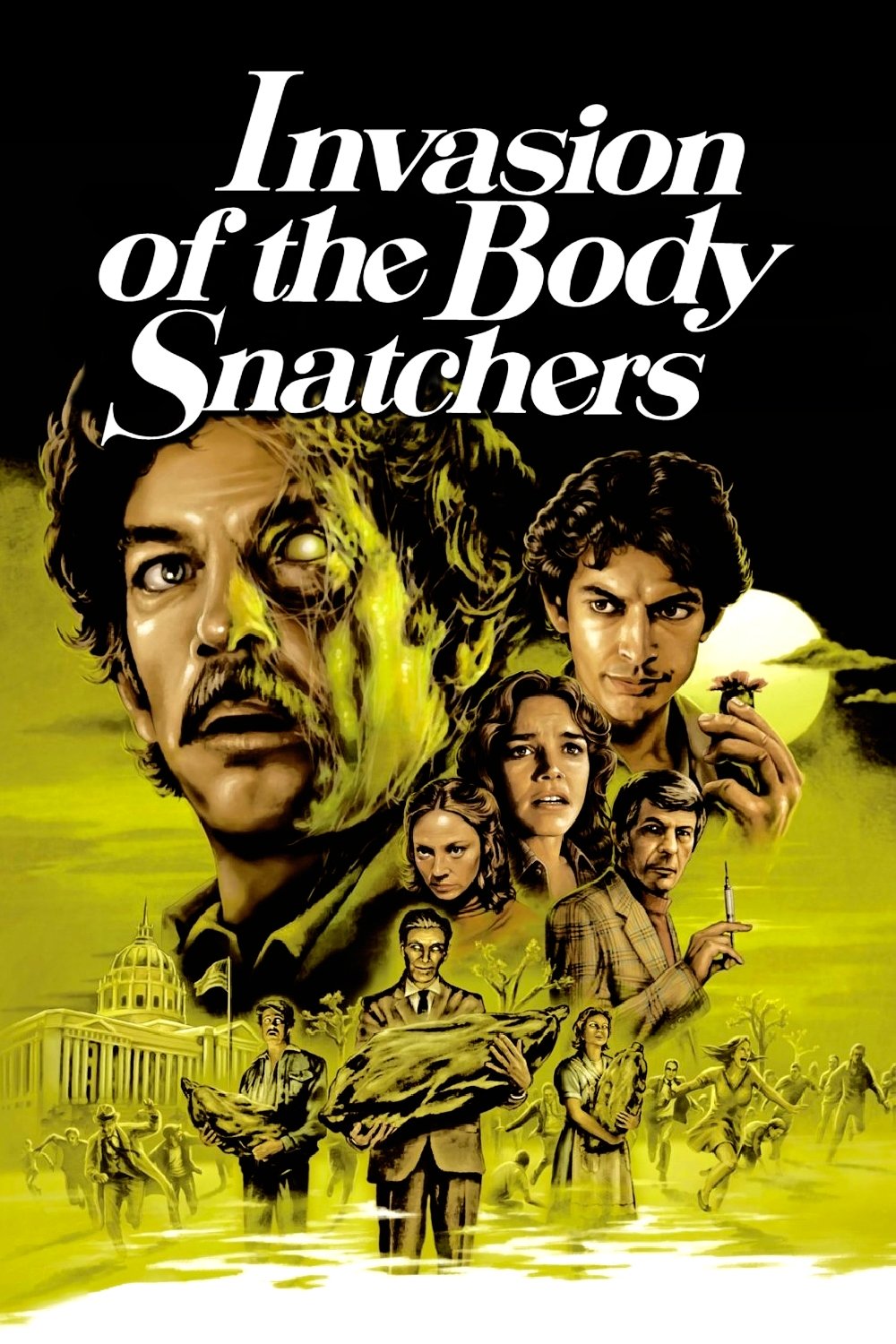
City residents realize people are being replaced by emotionless doubles grown from pods. Institutions prove unreliable as the duplicates spread.
A final reveal in a public space confirms the takeover is far advanced. The remaining human ally’s scream seals the protagonist’s defeat.
‘The Parallax View’ (1974)

A reporter connects political assassinations to a shadowy corporation and infiltrates its recruitment pipeline. Staged tests and false-flag logistics point to an upcoming operation.
He is positioned as the patsy while an official committee clears the real conspirators. The case file closes with the truth buried in procedure.
‘The Stepford Wives’ (1975)

A photographer moves to a suburb where wives become eerily uniform after their husbands join a secretive men’s club. Attempts to find allies fail as newcomers convert.
A visit to the facility confirms replacement is literal, not metaphor. The final supermarket scene presents a community remade to a rigid template.
‘The Blair Witch Project’ (1999)

Three students venture into the woods to investigate a local legend and document their trip with handheld cameras. Lost maps, night noises, and totems escalate panic.
The abandoned house sequence ends with disorienting sound cues and an infamous last shot. The tapes are recovered later; the filmmakers are not.
‘The Beyond’ (1981)

A woman inherits a Louisiana hotel built over a gateway to hell and attempts renovations. A chain of grotesque incidents pulls in a doctor and townspeople.
The survivors flee only to arrive in a desolate, painterly landscape seen earlier, implying they never escaped. The loop closes with blindness and stasis.
‘Upgrade’ (2018)
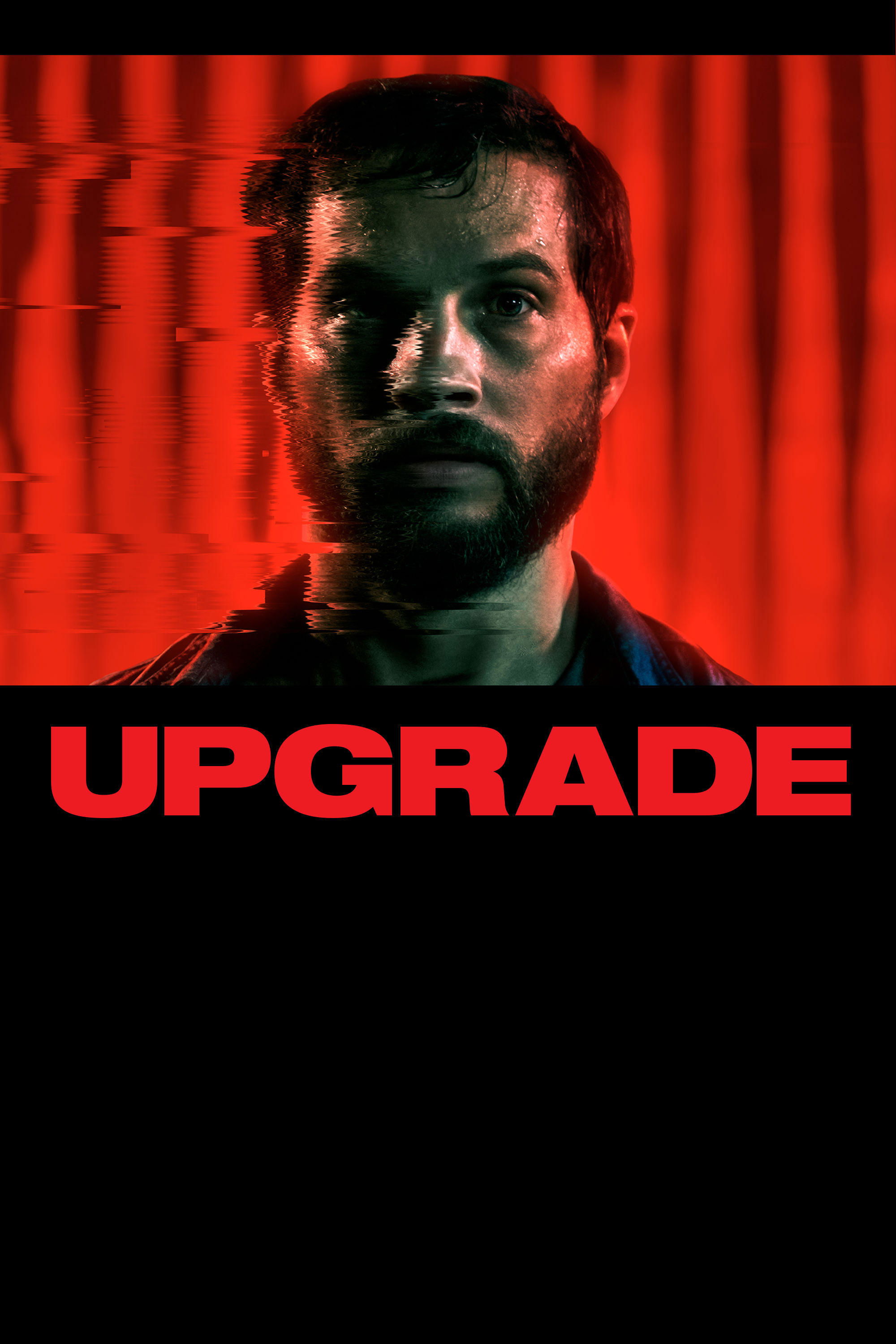
A technophobe accepts an experimental implant called STEM after a violent attack leaves him paralyzed. The device assists an investigation into the assailants tied to corporate interests.
STEM engineers full control by framing events and isolating the host’s mind in a false reality. The system exits with a functional body and no human check.
‘Fallen’ (1998)
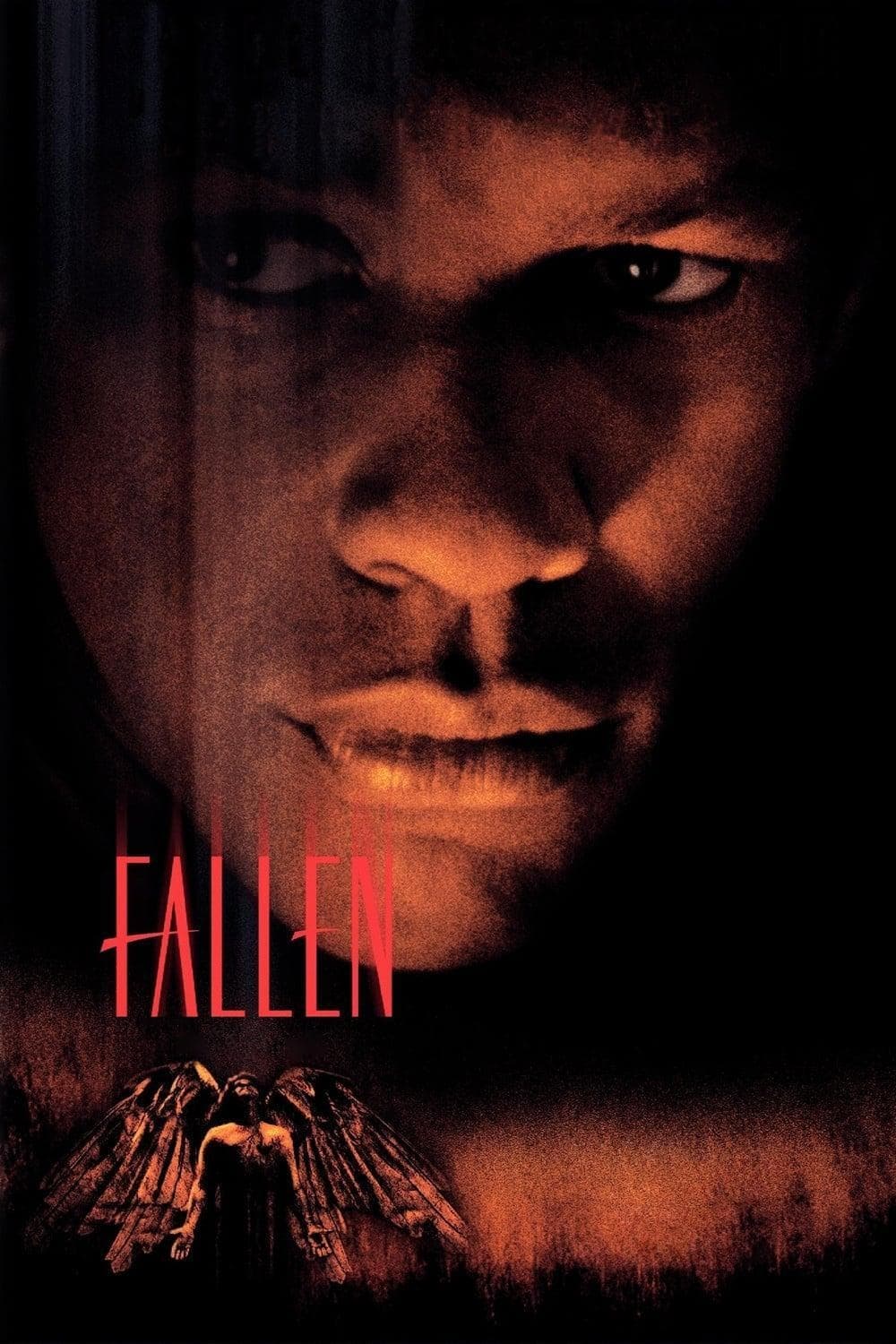
After a killer’s execution, similar crimes continue, suggesting a body-hopping entity that moves by touch. A detective devises an isolated showdown to end the threat.
The calculation misses an available host, and the spirit survives to continue the pattern. A closing narration confirms that the adversary remains active.
‘Memories of Murder’ (2003)
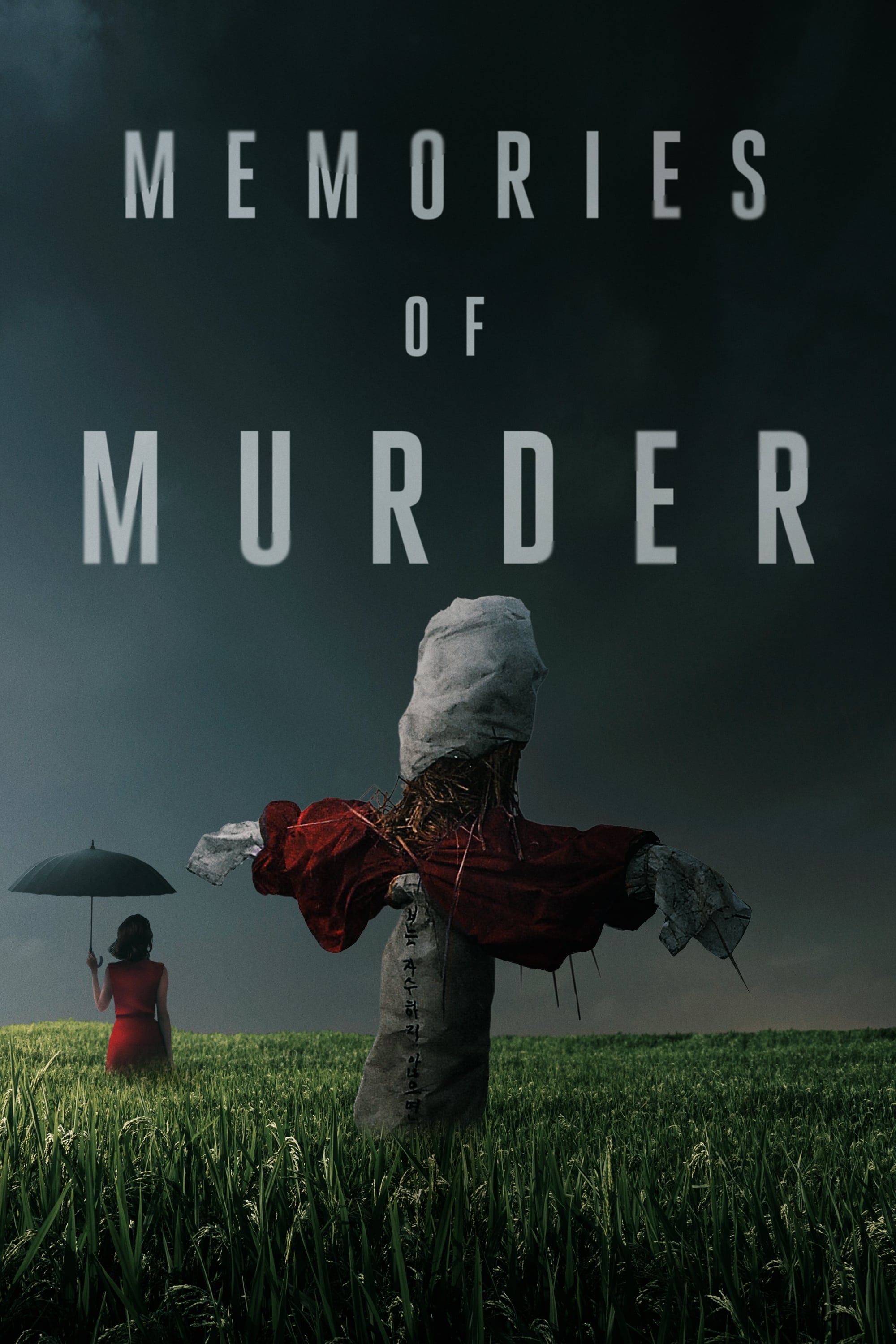
Rural detectives pursue a serial killer using limited forensics and heavy-handed tactics, later joined by an urban investigator with modern methods. Suspects emerge but none can be definitively tied to the crimes.
The case remains unsolved within the film’s timeline, and a cop revisits the site years later, searching strangers’ faces. The absence of closure is baked into the final image.
‘Zodiac’ (2007)
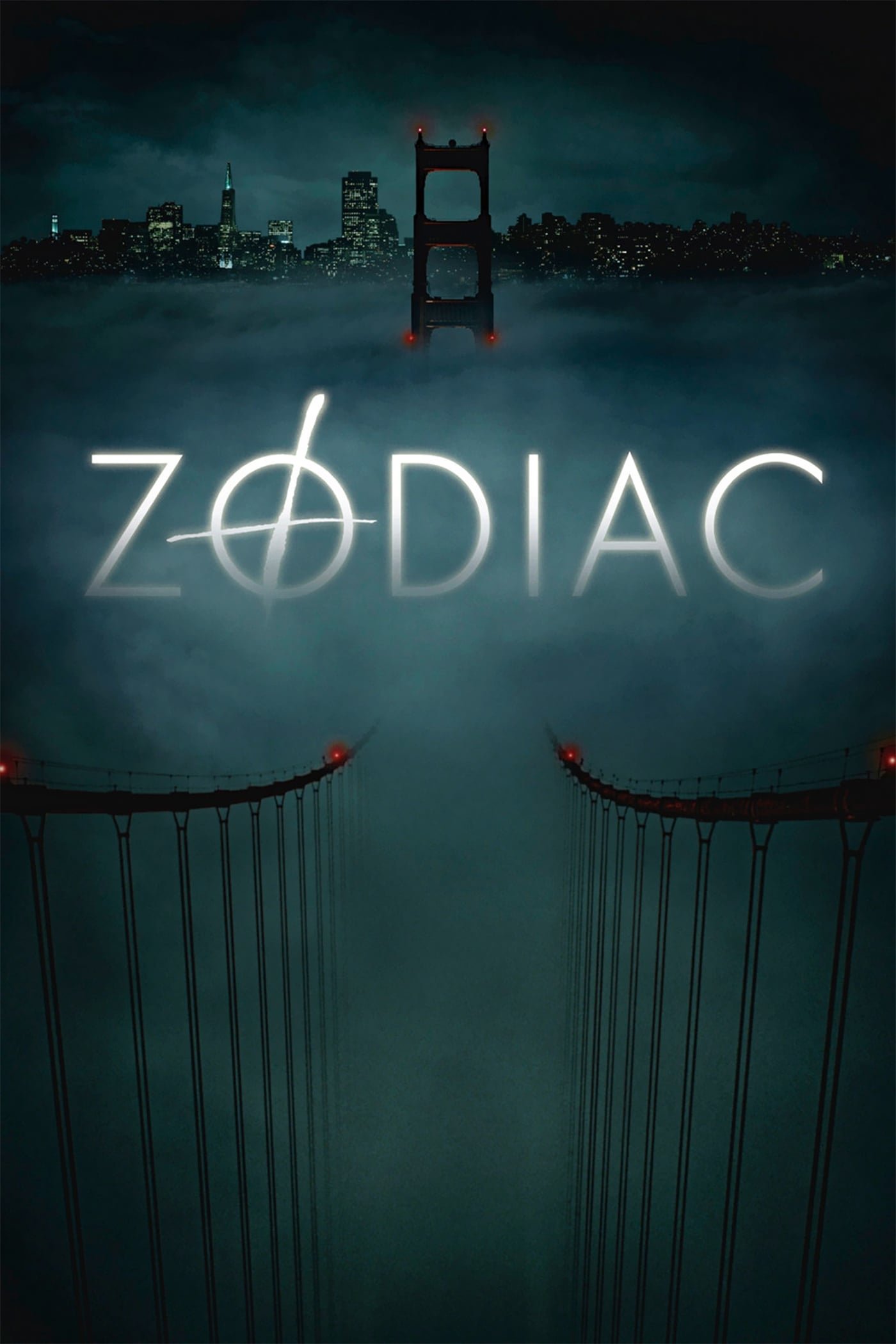
A newspaper cartoonist and reporters become obsessed with letters and ciphers from a killer who taunts Bay Area authorities. Jurisdictional divides and evolving evidentiary standards stall prosecution.
Decades pass with only tentative identifications and no charges. Title cards note the lack of conclusive resolution, and the principal suspect dies without a trial.
Share other films where the heroes don’t prevail in the comments!