Movies You Need to Watch at Least Once in Your Life


There’s no single path through cinema, but some films keep resurfacing because they shaped the medium, broke new ground, or simply told stories with uncommon power and craft. This list brings together essential titles across genres, countries, and eras so you can explore the movies that influenced filmmaking and popular culture in lasting ways.
Each entry includes clear, practical details—who made it, what it’s about, how it was crafted, and why it mattered. Read through, pick a few that speak to you, and let them lead you to directors, movements, and national cinemas you might not have discovered yet.
‘The Godfather’ (1972)
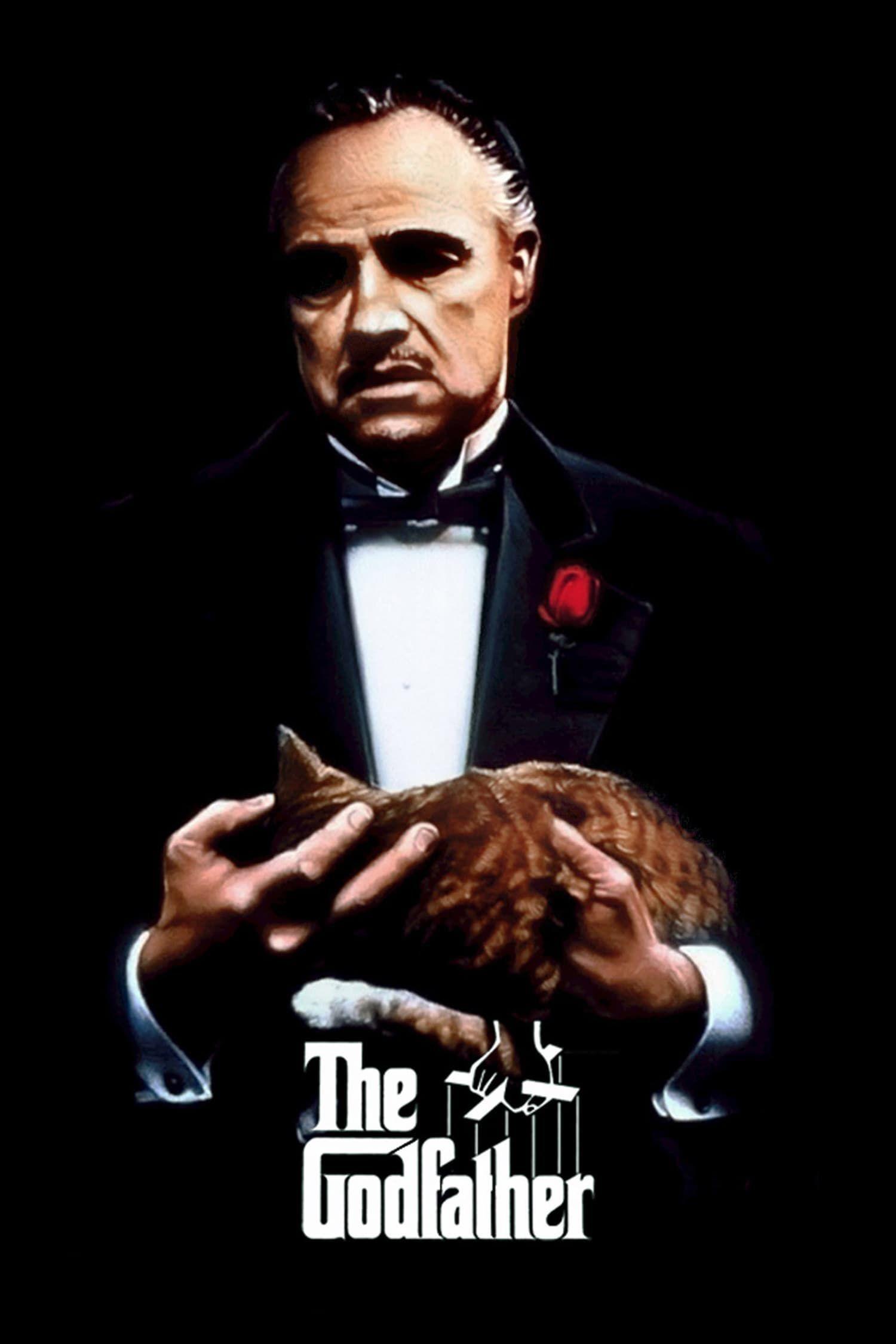
Francis Ford Coppola adapts Mario Puzo’s crime novel into a family saga about the Corleones, focusing on Michael’s reluctant ascent within an organized-crime dynasty. The film blends operatic set-pieces with intimate domestic scenes, emphasizing ritual, loyalty, and shifting power.
Its production is noted for Gordon Willis’s low-key lighting, Nino Rota’s score, and a cast led by Marlon Brando and Al Pacino. The film reshaped the gangster genre, influenced studio filmmaking, and became a touchstone for character-driven epics.
‘The Godfather Part II’ (1974)
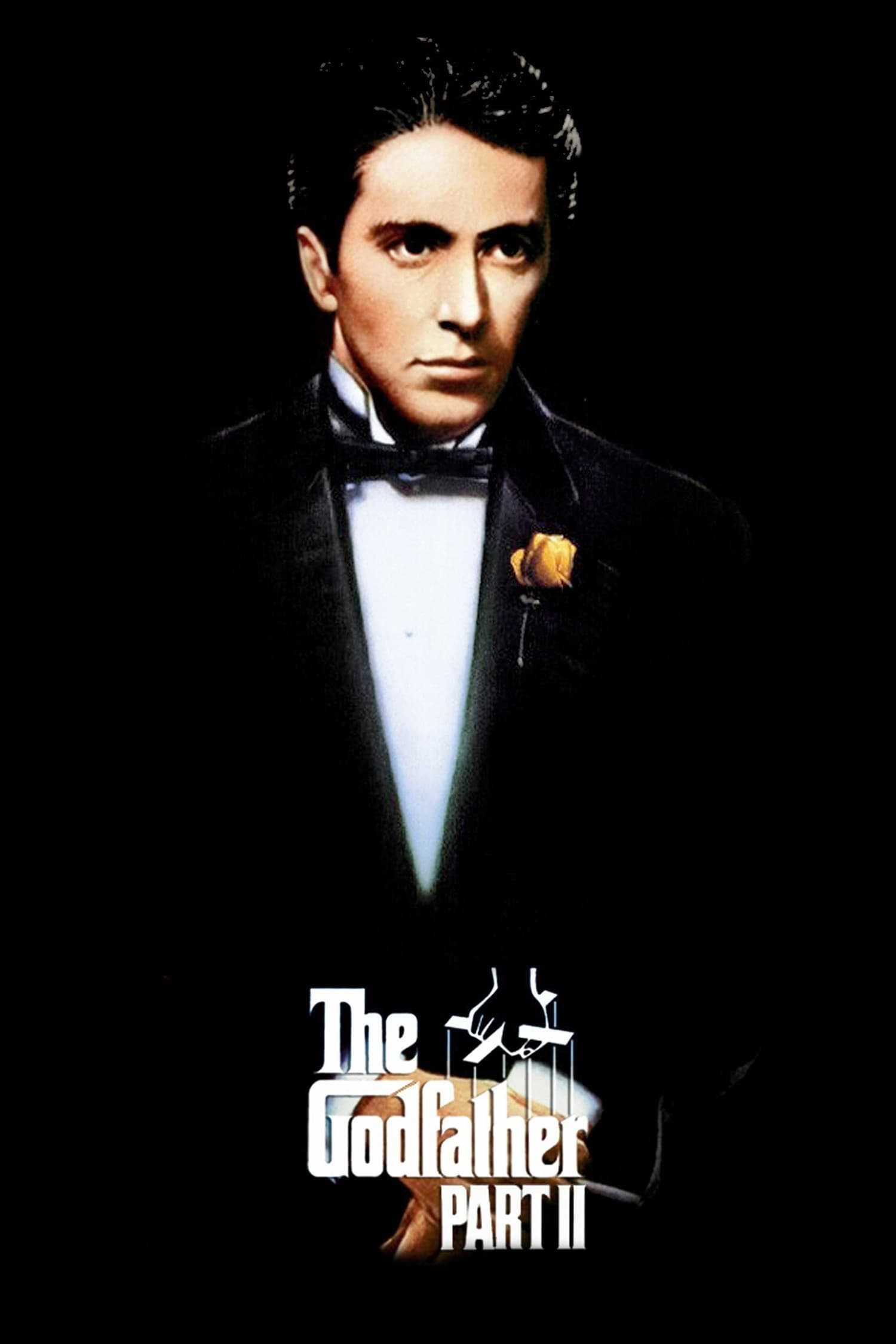
This sequel expands the Corleone story with a dual structure—Michael consolidating power while flashbacks trace young Vito’s rise. Coppola contrasts immigrant assimilation with institutional corruption, showing how power isolates and corrodes.
Robert De Niro’s portrayal of Vito complements Al Pacino’s tightly controlled performance, while Gordon Willis’s photography deepens the visual language. The film’s scale, parallel editing, and ambitious narrative design set a high bar for sequels.
‘Citizen Kane’ (1941)
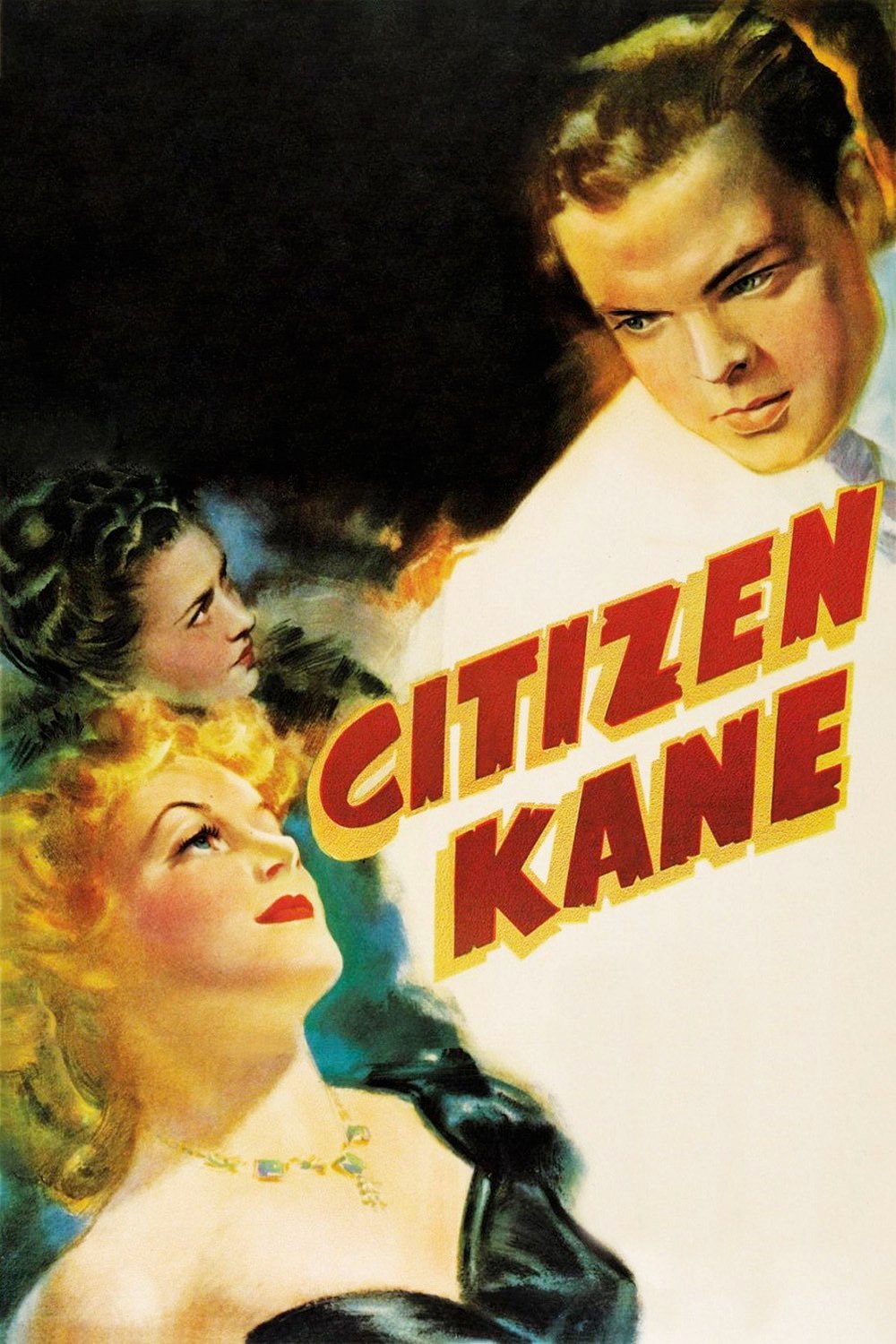
Orson Welles’s debut examines a media magnate through a fractured, investigative structure that pieces his life together from multiple perspectives. The narrative framework uses a reporter’s inquiry to move through memory and myth.
Innovations include deep-focus cinematography by Gregg Toland, bold sound design, and expressive set construction. Its influence can be traced through modern montage, nonlinear storytelling, and the use of unreliable narrators.
‘Casablanca’ (1942)
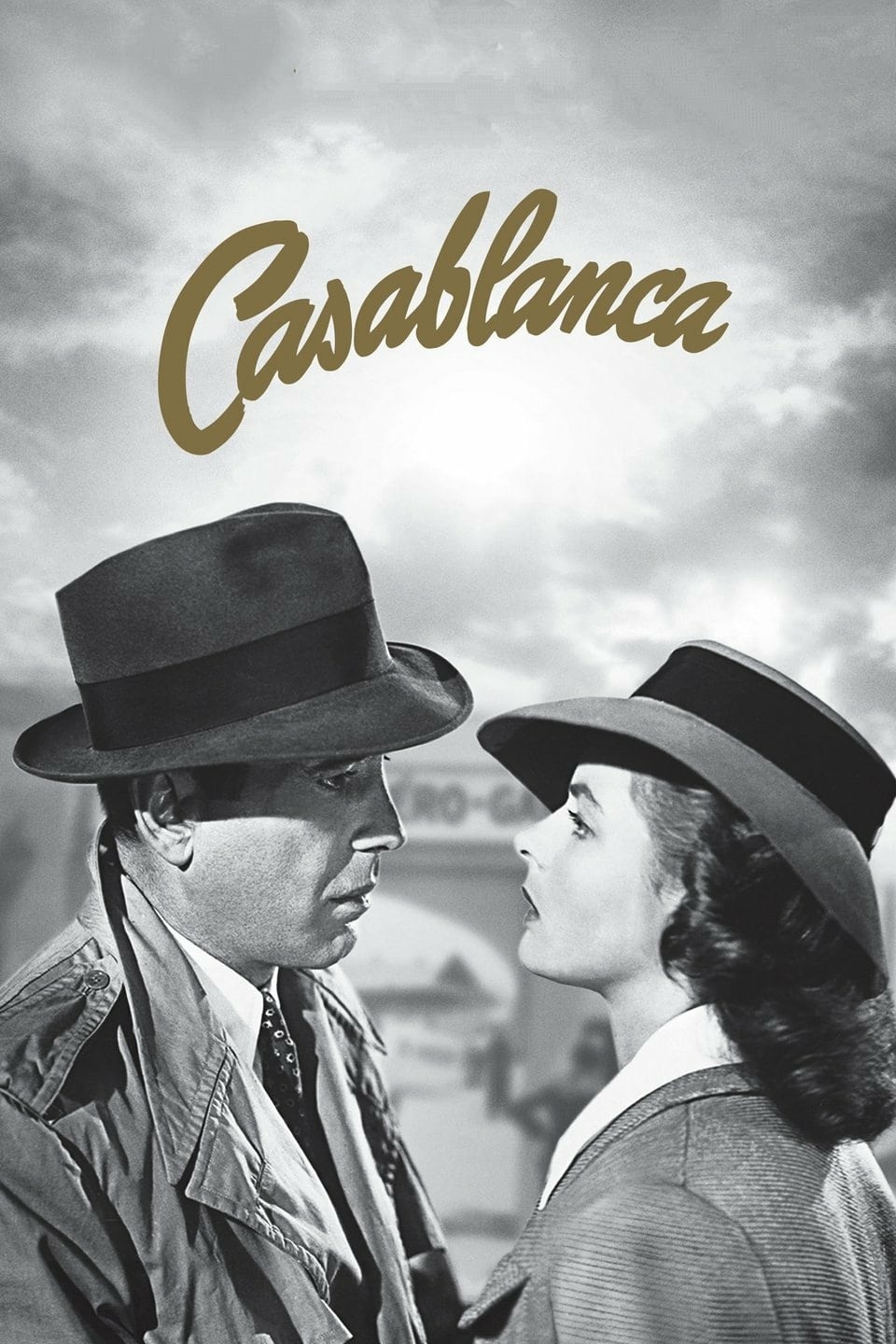
Set in a wartime North African port, the story follows an American expatriate torn between love and resistance politics. The screenplay crystallizes themes of sacrifice and moral choice in a tense, cosmopolitan setting.
Michael Curtiz directs a star ensemble led by Humphrey Bogart and Ingrid Bergman, supported by character actors who enrich the world. The film’s dialogue, music, and studio craftsmanship turned it into a durable classic.
‘2001: A Space Odyssey’ (1968)
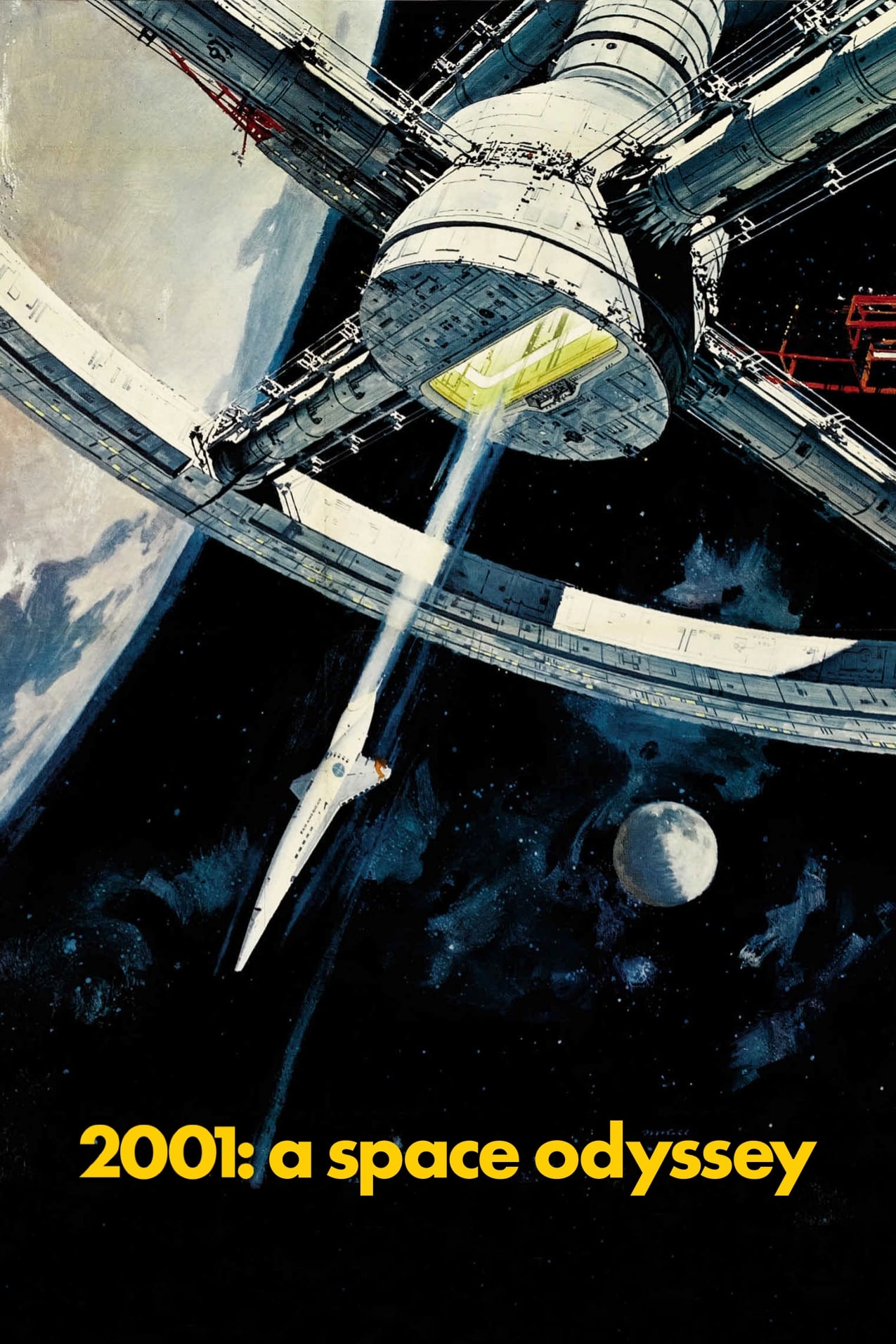
Stanley Kubrick and Arthur C. Clarke craft a meditation on human evolution, artificial intelligence, and cosmic mystery. The minimal dialogue and symphonic pacing foreground image and sound over exposition.
Groundbreaking visual effects, meticulously designed spacecraft, and classical music cues create an immersive experience. Its open-ended symbolism continues to inspire science-fiction world-building and serious treatment of space travel.
‘Schindler’s List’ (1993)
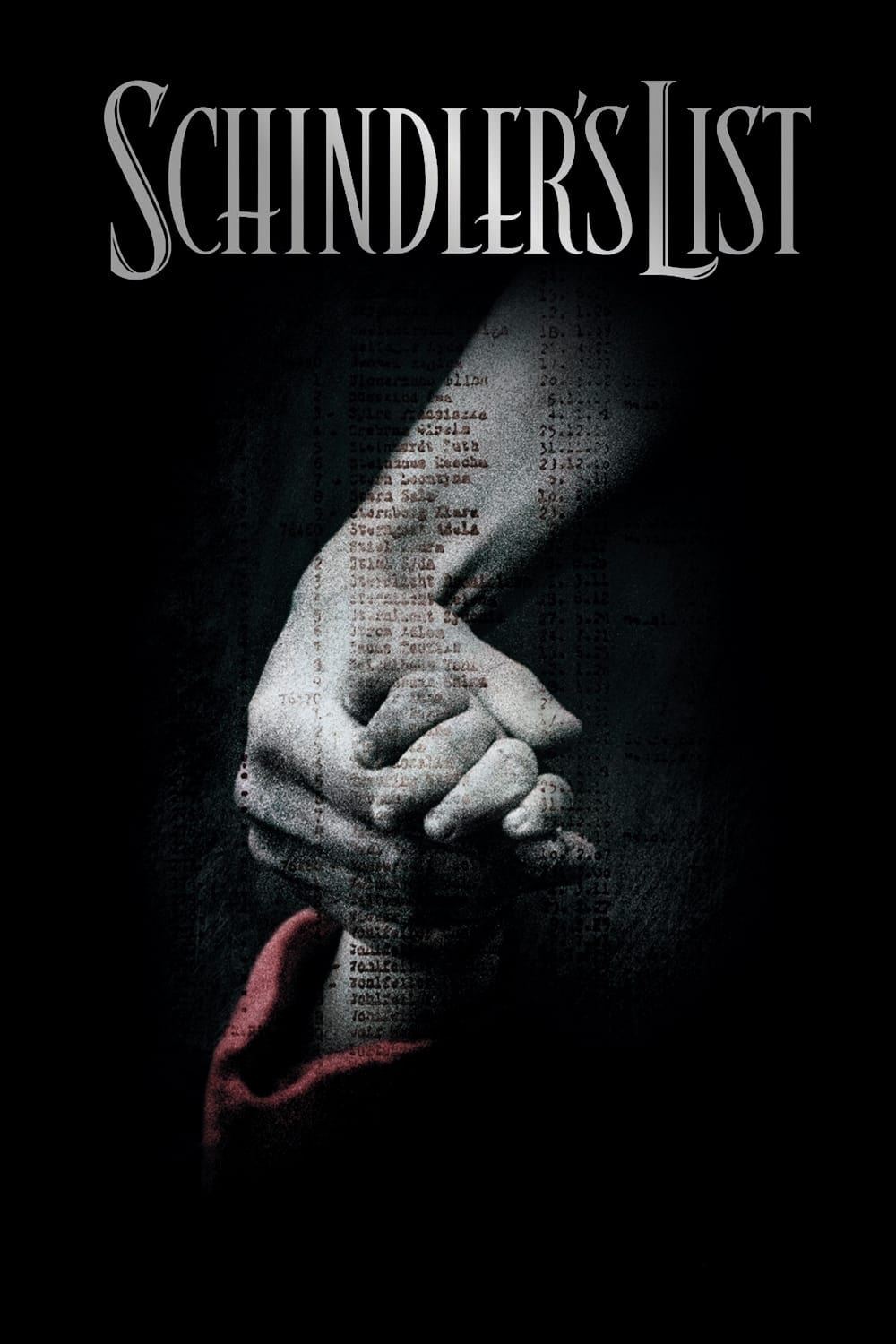
Steven Spielberg recounts Oskar Schindler’s efforts to save Jewish workers during the Holocaust. The film balances individual stories with broader historical context, emphasizing both bureaucracy and human courage.
Janusz Kamiński’s predominantly black-and-white cinematography underscores documentary immediacy, while production design recreates locations with sobering detail. The film has been used widely in education and remembrance initiatives.
‘Pulp Fiction’ (1994)
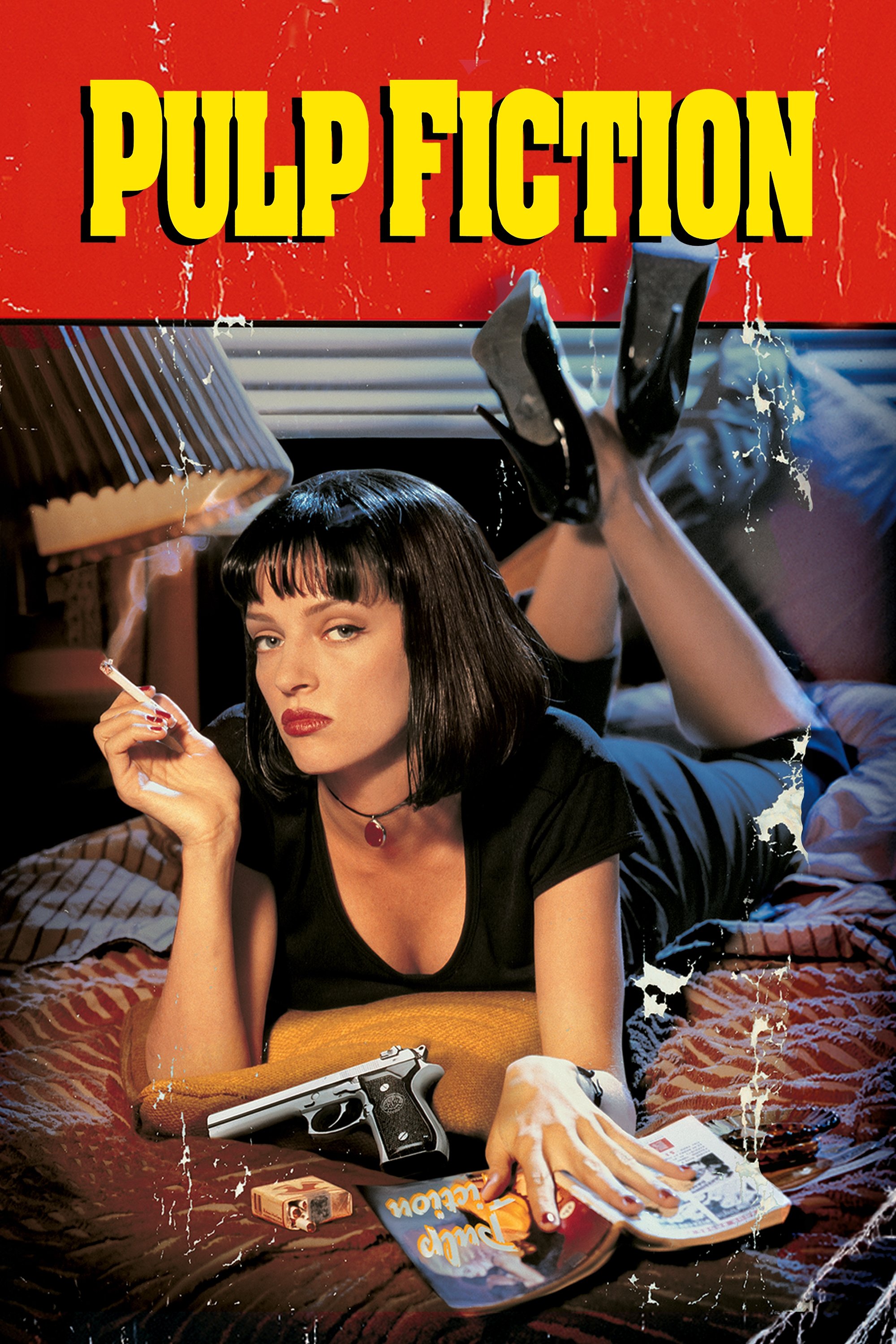
Quentin Tarantino interweaves criminal misadventures through a nonlinear structure that reorders cause and effect. The screenplay’s rhythm, pop-inflected dialogue, and dark humor revitalized independent cinema.
The ensemble cast, eclectic soundtrack, and playful genre mixing—heist, noir, and comedy—gave the film a distinctive identity. Its structure influenced countless screenwriters and editors exploring time shifts.
‘The Shawshank Redemption’ (1994)
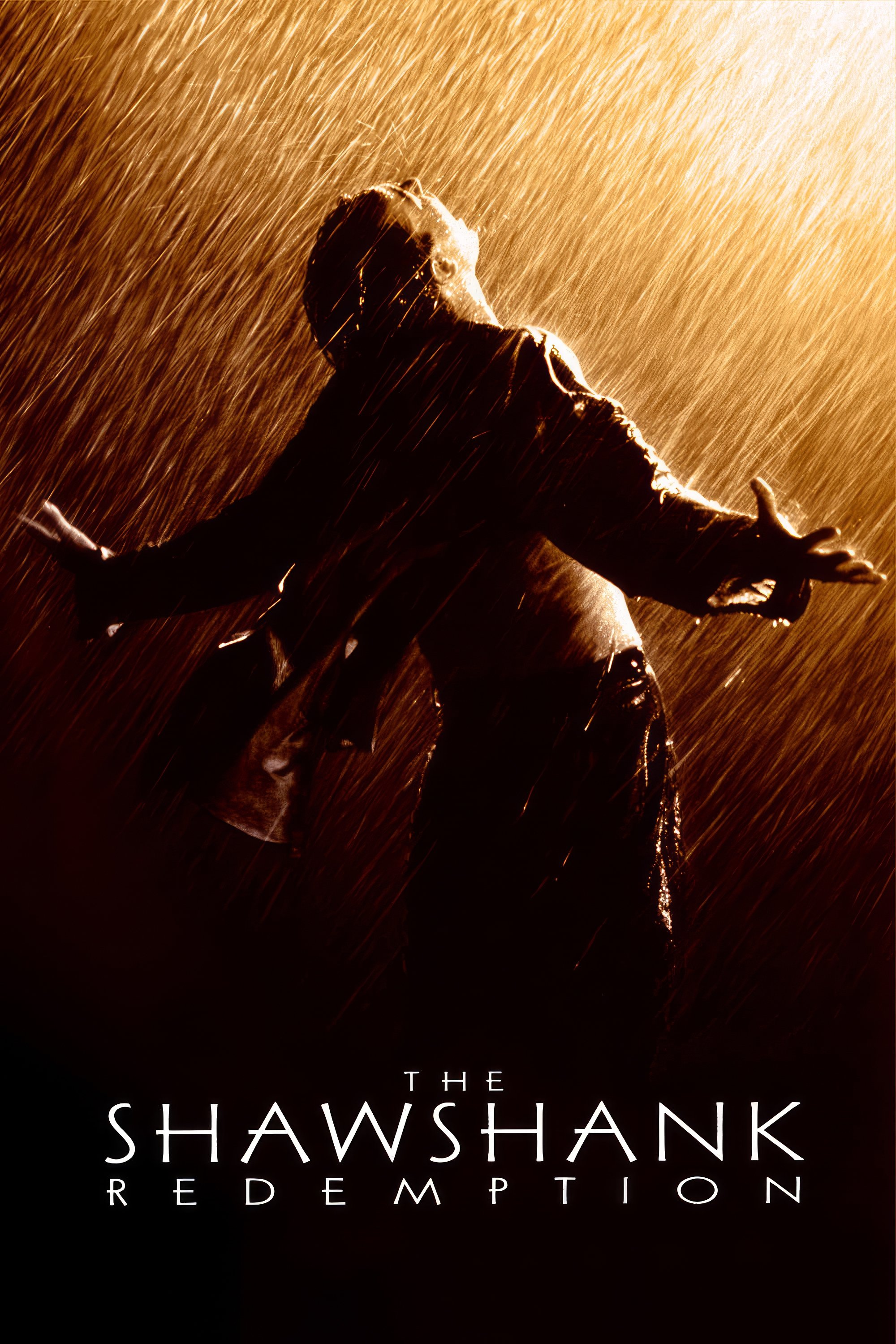
Adapted from Stephen King, the story follows a banker’s long journey through incarceration, centered on friendship, institutional life, and perseverance. The narrative accumulates detail to show how small acts reshape a closed world.
Frank Darabont’s direction emphasizes character, while Thomas Newman’s score and Roger Deakins’s cinematography build a reflective mood. The film’s steady rise in popularity came through audience word-of-mouth and home viewing.
‘The Dark Knight’ (2008)
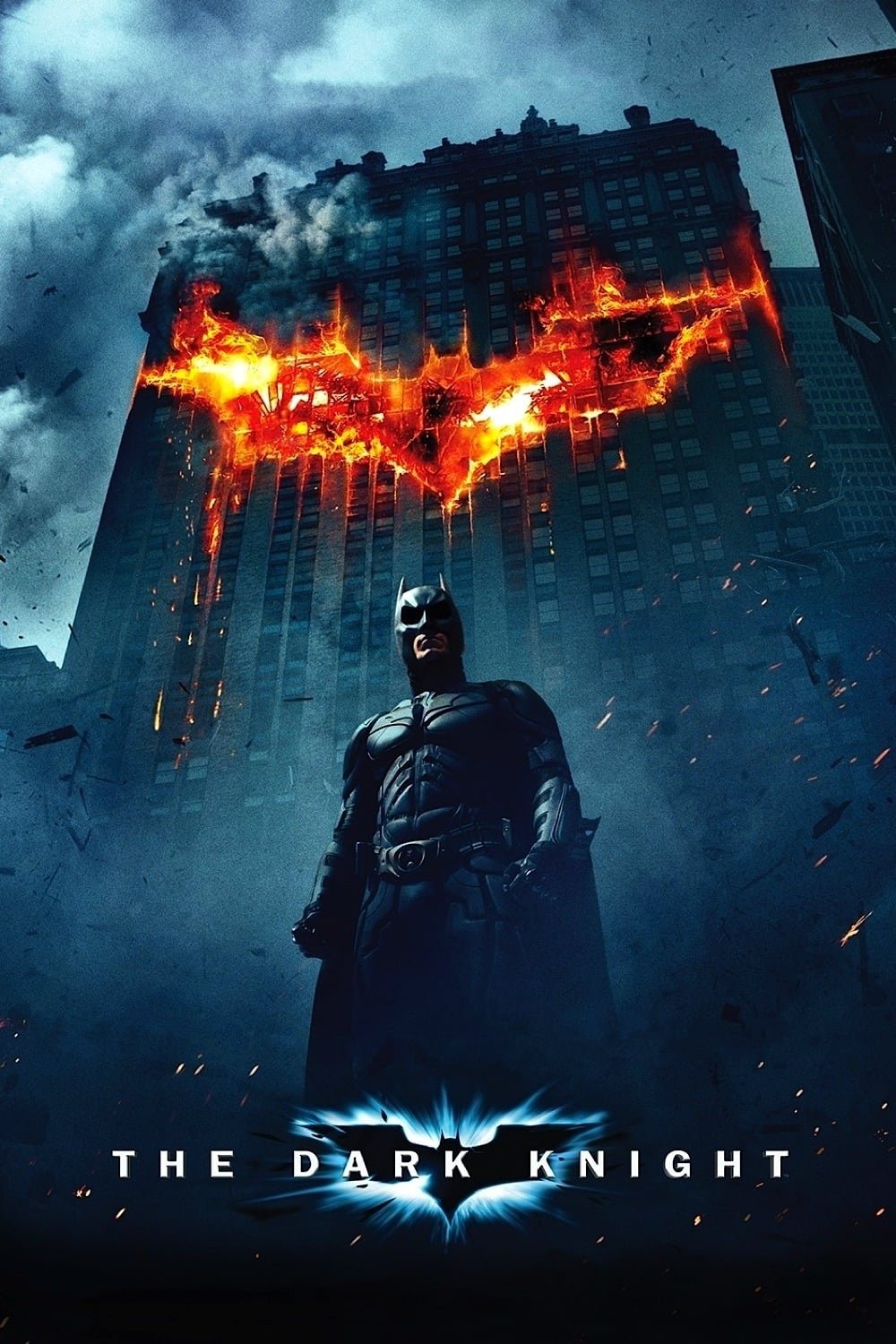
Christopher Nolan grounds a comic-book icon in a sprawling crime thriller about escalation between a vigilante and a chaotic antagonist. The plot explores surveillance, civic fear, and the limits of order.
Large-format camera work, practical stunts, and an intense performance by Heath Ledger anchor the spectacle. The film influenced franchise filmmaking by marrying superhero mythology with procedural realism.
‘The Lord of the Rings: The Return of the King’ (2003)
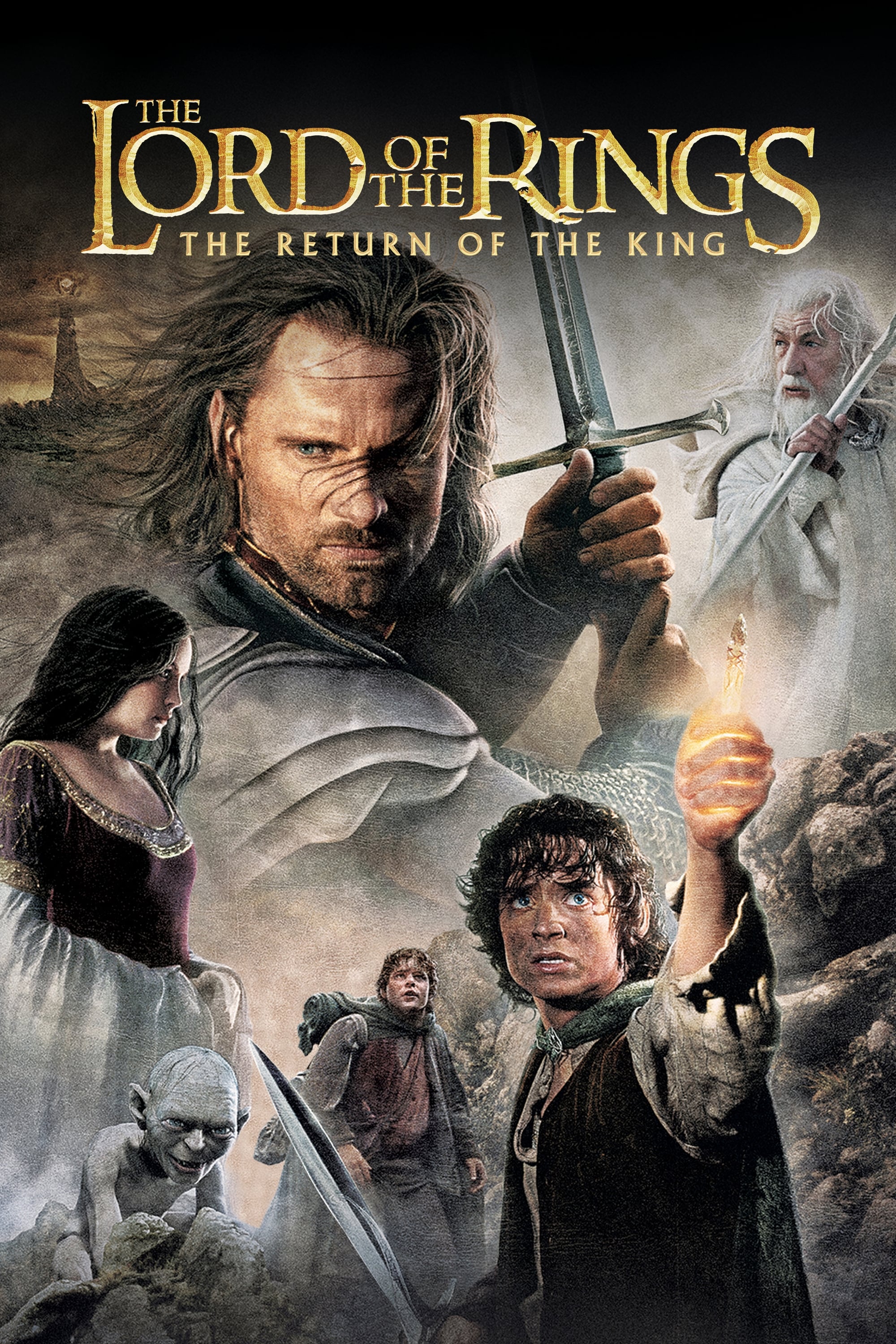
Peter Jackson concludes the Middle-earth trilogy with intertwined battles, political stakes, and a focus on endurance. The story resolves character arcs while highlighting themes of fellowship and sacrifice.
Wētā’s visual effects, large-scale set-pieces, and Howard Shore’s choral score deliver an operatic finale. The film’s industry recognition affirmed the viability of long-form, serialized epic filmmaking.
‘Seven Samurai’ (1954)
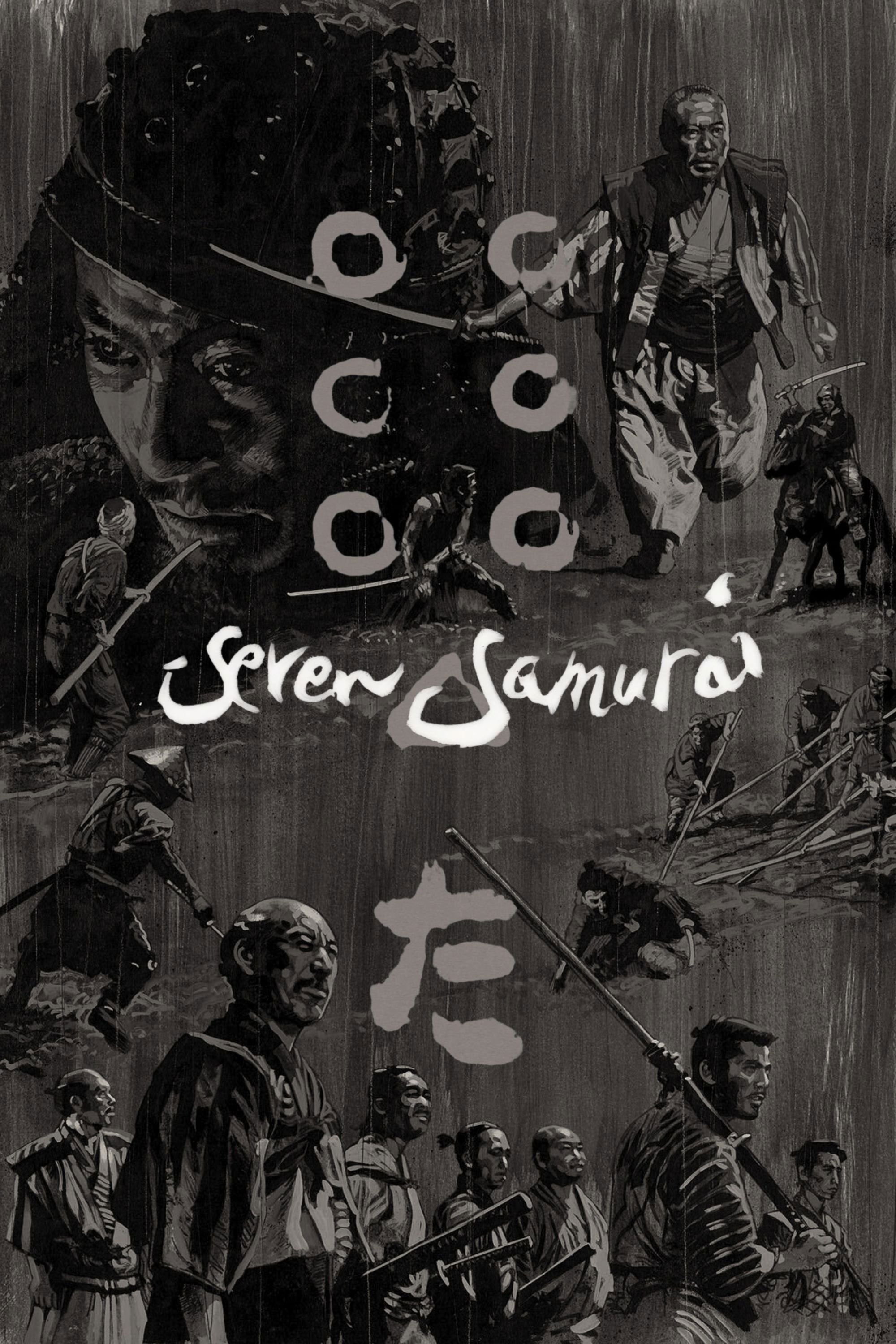
Akira Kurosawa’s period epic assembles masterless warriors to defend a village, balancing strategy, character sketches, and community dynamics. The film structures action around moral responsibility and tactical problem-solving.
Its telephoto lensing, weather-inflected visuals, and carefully staged battles became templates for ensemble action. The story has been remade and reinterpreted across cultures and genres.
‘Psycho’ (1960)
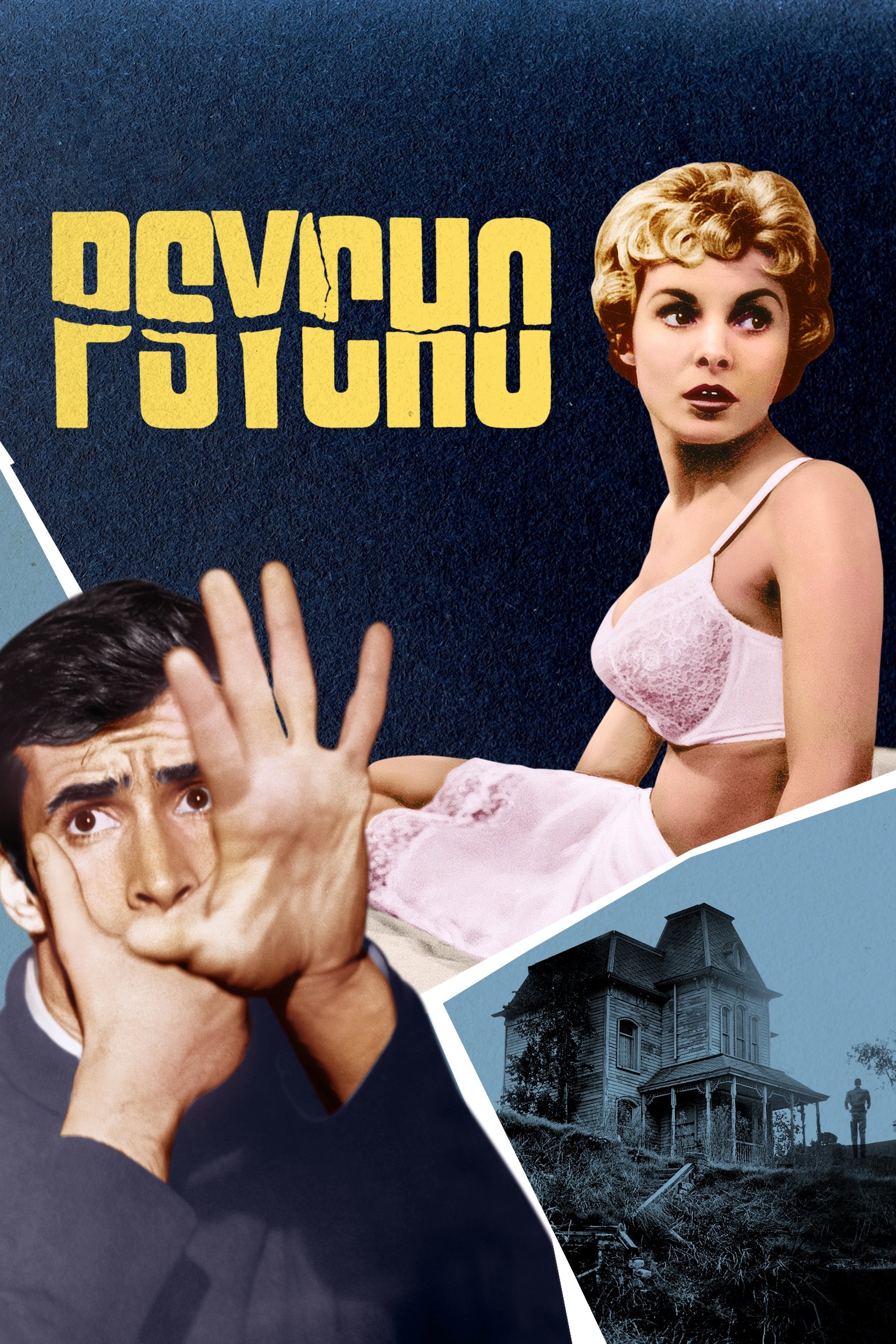
Alfred Hitchcock’s thriller follows a fugitive’s stop at a secluded motel, leading to a notorious switch in narrative focus. The film explores repression, identity, and deception.
Bernard Herrmann’s strings, Saul Bass’s design, and tight editing give the film razor-sharp tension. Its surprises altered audience expectations and redefined rules about protagonists and spoilers.
‘Apocalypse Now’ (1979)
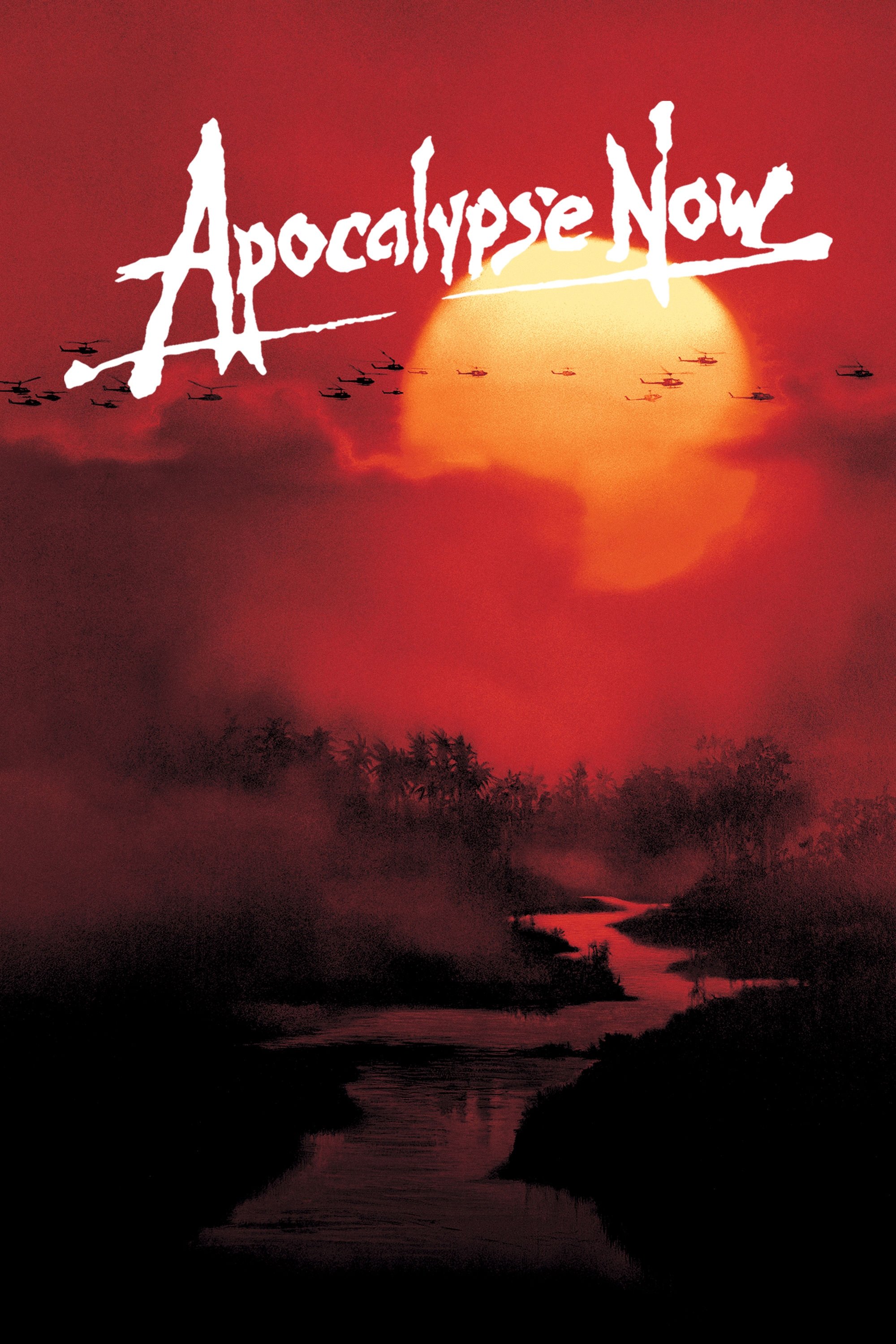
Coppola adapts a river journey into a hallucinatory war odyssey that studies command, obedience, and madness. The film’s structure mirrors psychological descent.
Vittorio Storaro’s color design, location shooting, and a layered soundscape build an overwhelming sensory experience. The troubled production became as famous as the finished film, underscoring the scale of its ambition.
‘Goodfellas’ (1990)
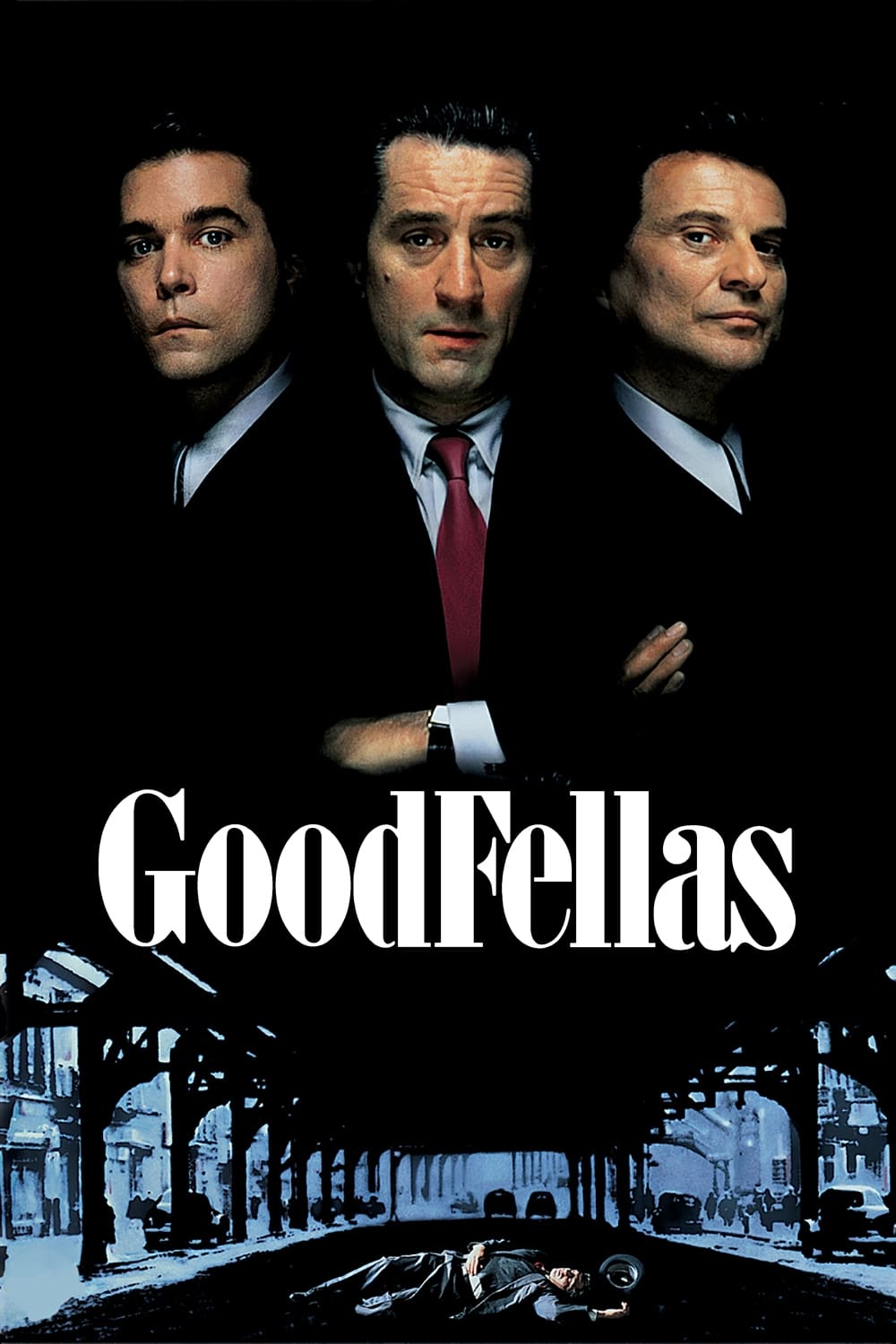
Martin Scorsese charts a gangster’s rise and fall through propulsive narration, needle-drops, and kinetic camerawork. The film details everyday criminal operations rather than focusing solely on hierarchy.
Long takes, rapid cutting, and period design create a vivid sense of milieu. Its depiction of process influenced later crime dramas and prestige television.
‘Fight Club’ (1999)

David Fincher adapts Chuck Palahniuk’s novel about consumer anxiety, identity, and charismatic rebellion. The plot unfolds through an unreliable narrator whose worldview fractures under pressure.
Digital compositing, stylized voiceover, and meticulous production design support the twisty structure. The film’s imagery and lines entered pop culture, fueling wide interpretation and debate.
‘Inception’ (2010)
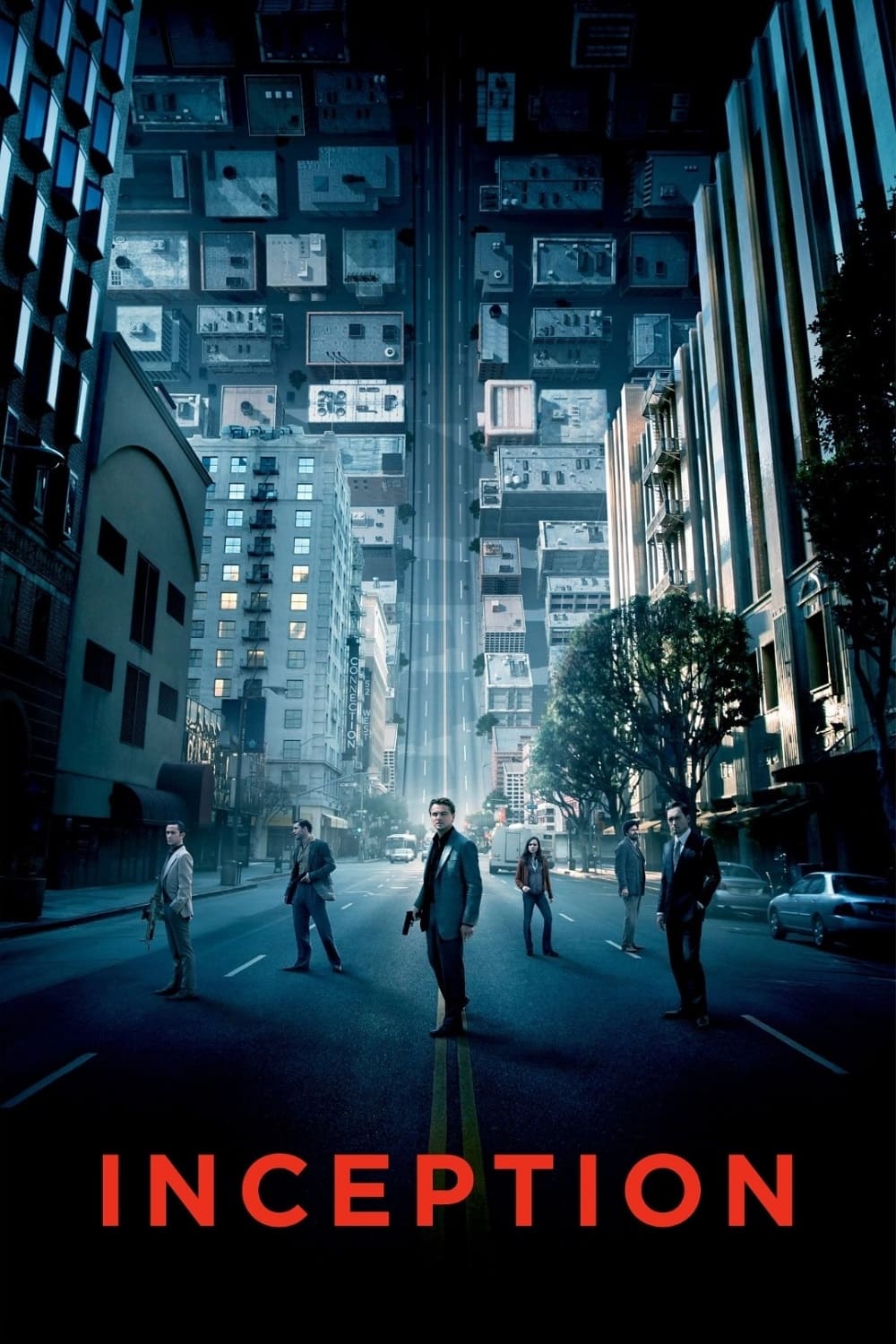
Christopher Nolan stages a heist inside layered dreamscapes, using time dilation and shared subconscious spaces as obstacles. The narrative treats dreams like engineered environments with rules, risks, and architecture.
Practical effects, large-format photography, and Hans Zimmer’s score underpin the scale. The film popularized puzzle-box narratives in mainstream action cinema.
‘The Matrix’ (1999)
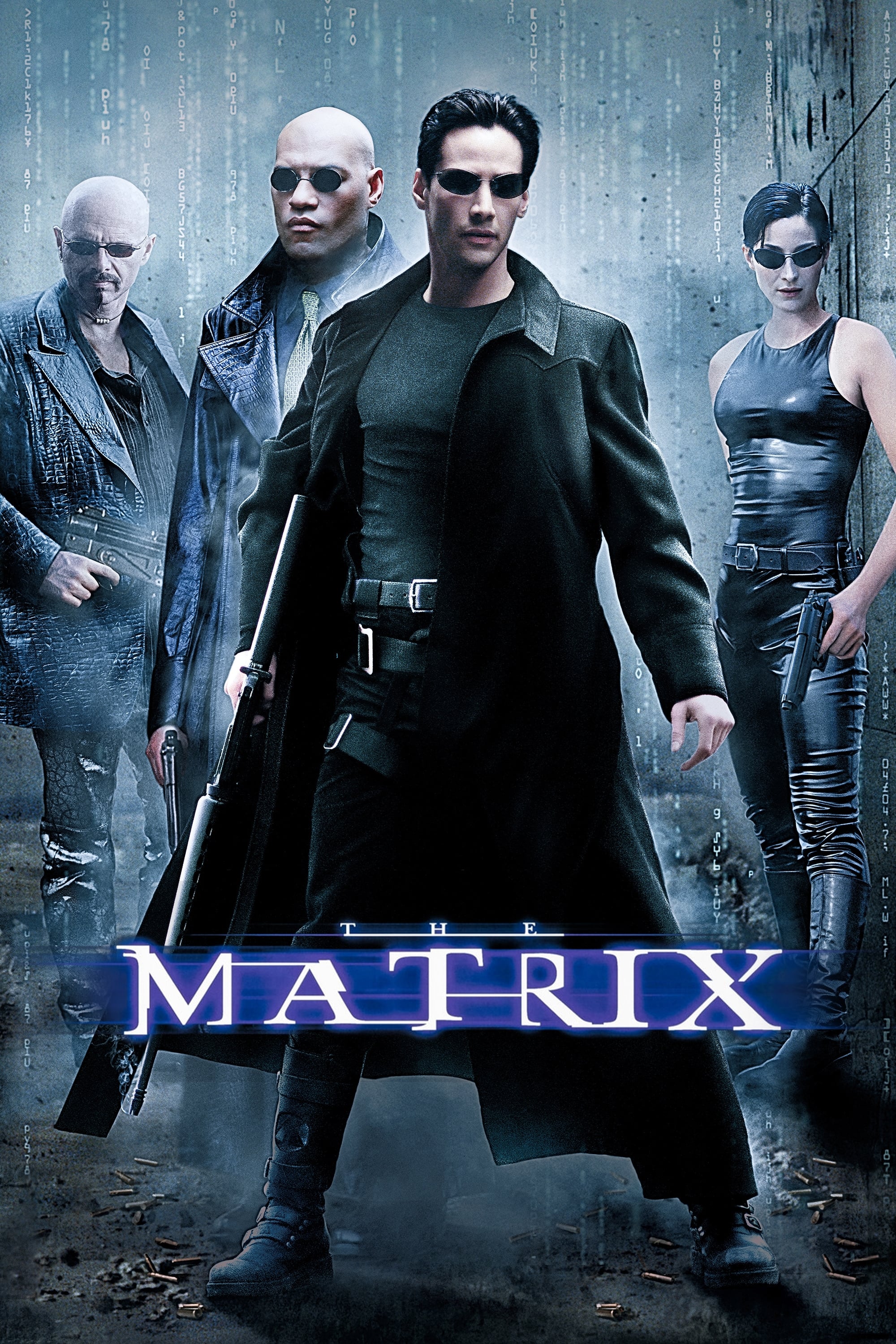
Lana and Lilly Wachowski fuse cyberpunk, martial-arts choreography, and philosophical inquiry into a reality-questioning thriller. The plot follows a hacker awakened to a simulated world’s true nature.
Bullet-time effects, Hong Kong-inspired fight design, and green-tinted visuals became instantly recognizable. The film’s terminology and imagery migrated into everyday language and technology discourse.
‘Spirited Away’ (2001)
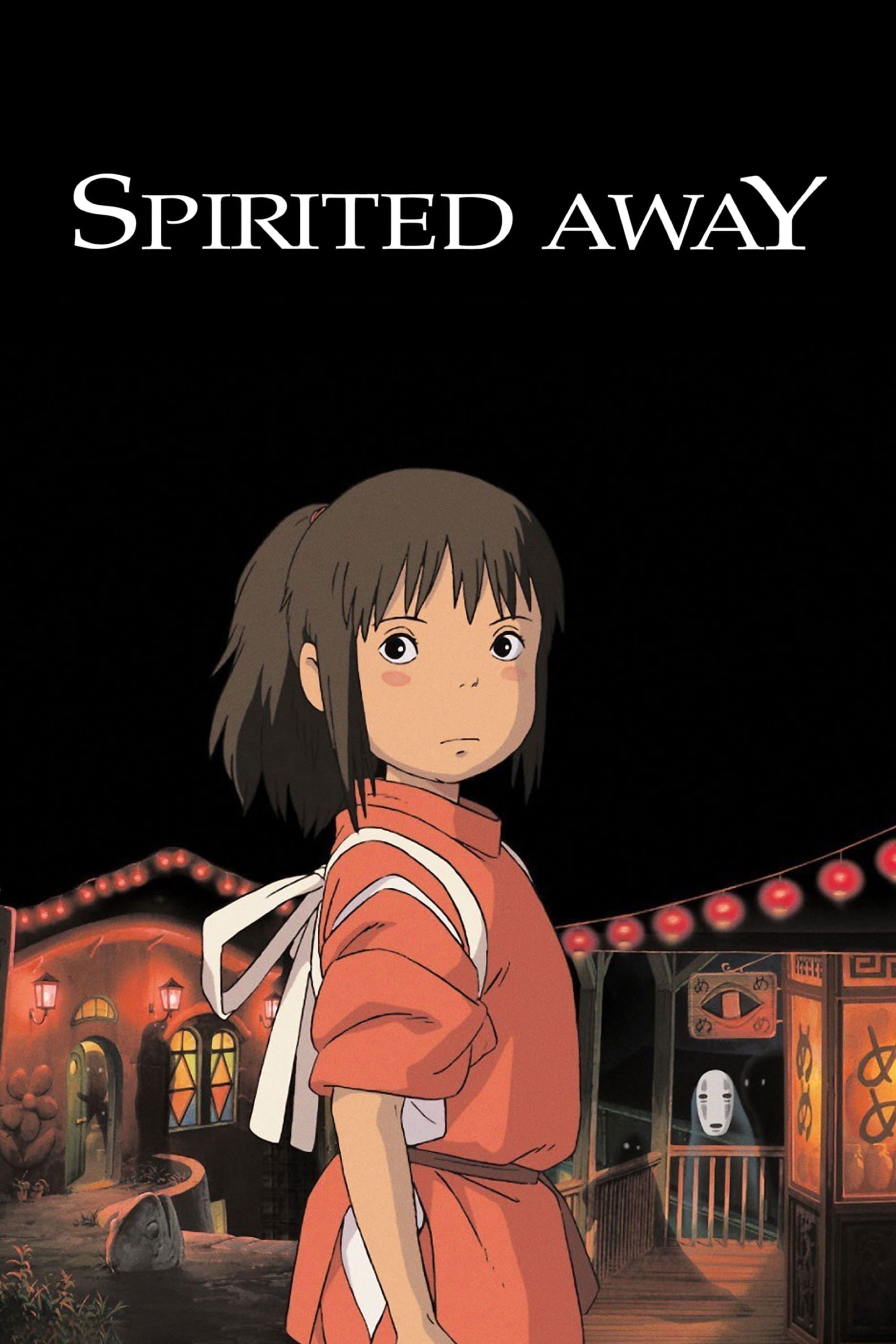
Hayao Miyazaki’s animated fantasy follows a girl navigating a spirit world to rescue her parents. The story moves through richly imagined spaces—bathhouses, trains, and forests—filled with rules and customs.
Studio Ghibli’s hand-drawn animation emphasizes texture, food, and nature spirits. The film broadened global audiences for Japanese animation and won major international awards.
‘Parasite’ (2019)
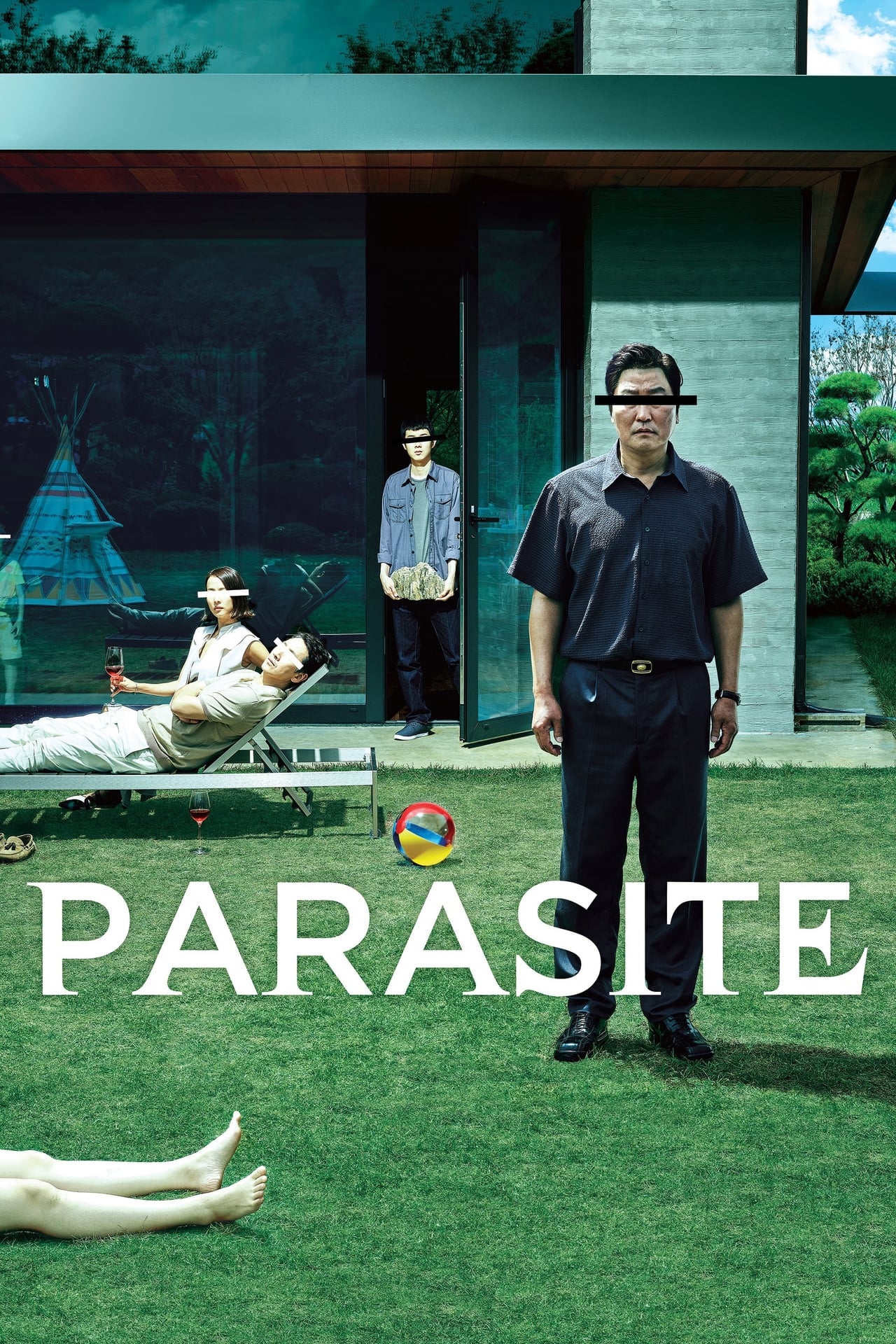
Bong Joon-ho crafts a social thriller about two families whose lives intertwine through employment and deception. The screenplay shifts tones—satire, suspense, and tragedy—while maintaining tight control of space.
The film’s meticulous production design contrasts vertical living and hidden rooms. Its international accolades highlighted the vitality of contemporary Korean cinema.
‘City of God’ (2002)
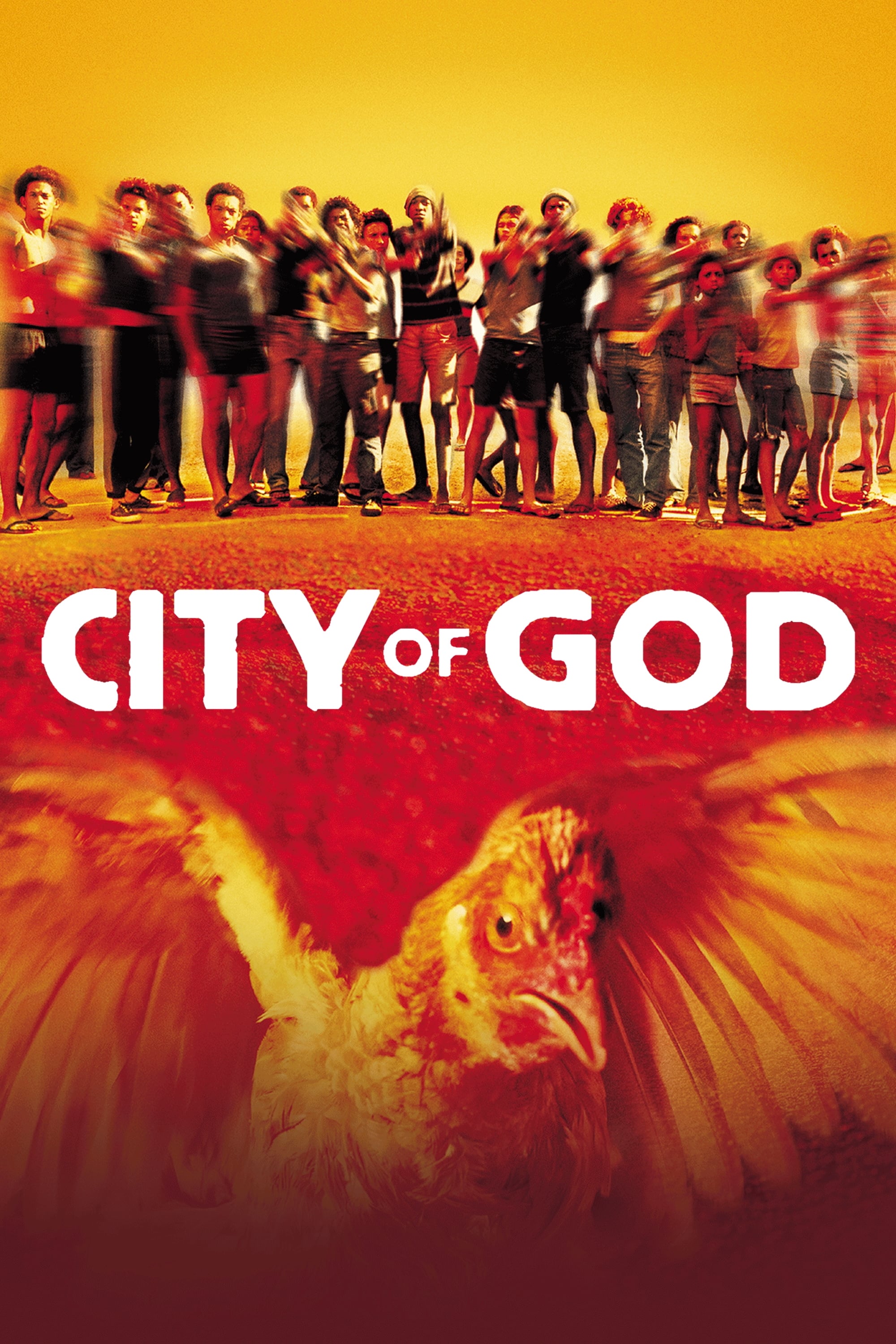
Fernando Meirelles and Kátia Lund depict intertwined lives in a Rio de Janeiro favela, charting how crime networks emerge. The narrative uses multiple perspectives and a documentary-like immediacy.
Handheld camera work, rapid editing, and nonprofessional actors give the film a raw texture. It brought global attention to Brazilian filmmaking and urban storytelling.
‘The Silence of the Lambs’ (1991)
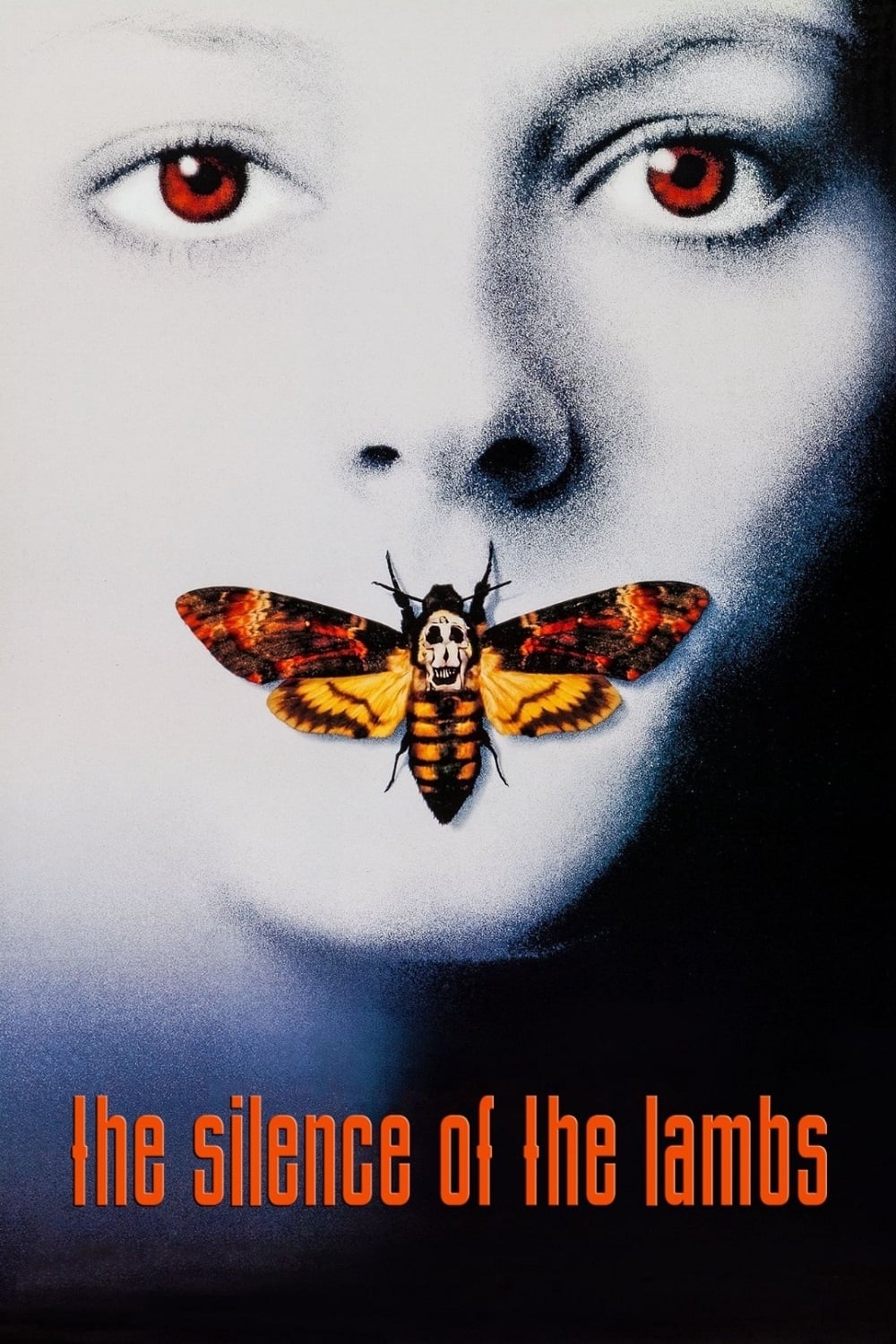
Jonathan Demme’s thriller pairs an FBI trainee with an incarcerated psychiatrist to catch a serial killer. The film emphasizes psychological negotiation and investigative detail.
Close-up-driven conversations, careful sound design, and Jodie Foster’s disciplined performance anchor the tension. The film swept top industry awards across major categories.
‘Forrest Gump’ (1994)
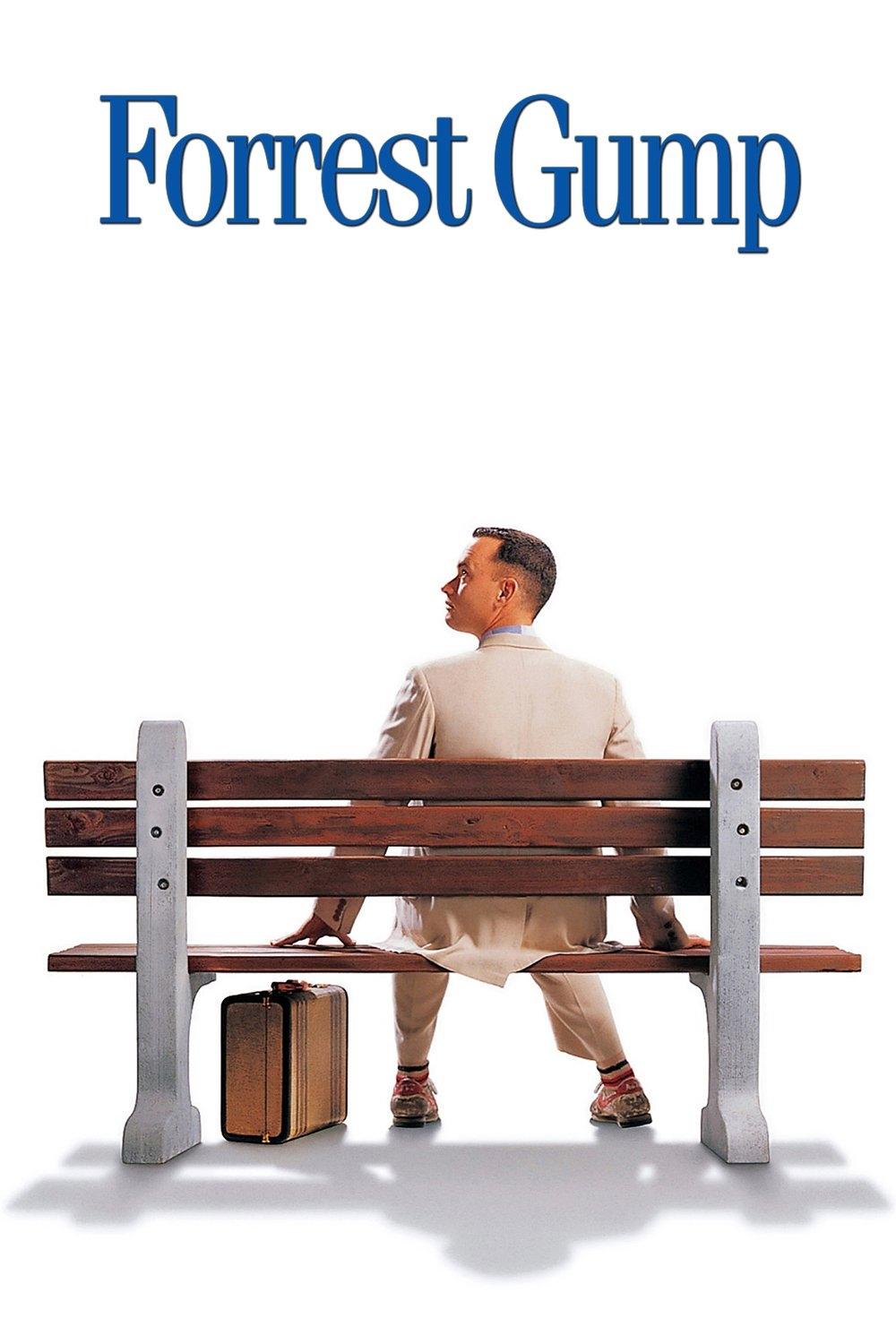
Robert Zemeckis follows a man’s life as it intersects with major American events, framed through storytelling and chance encounters. The narrative uses a single perspective to reframe history’s scale.
Digital effects integrate the protagonist into archival footage, while Alan Silvestri’s music underscores the episodic structure. The film became a cultural reference point across media.
‘Titanic’ (1997)
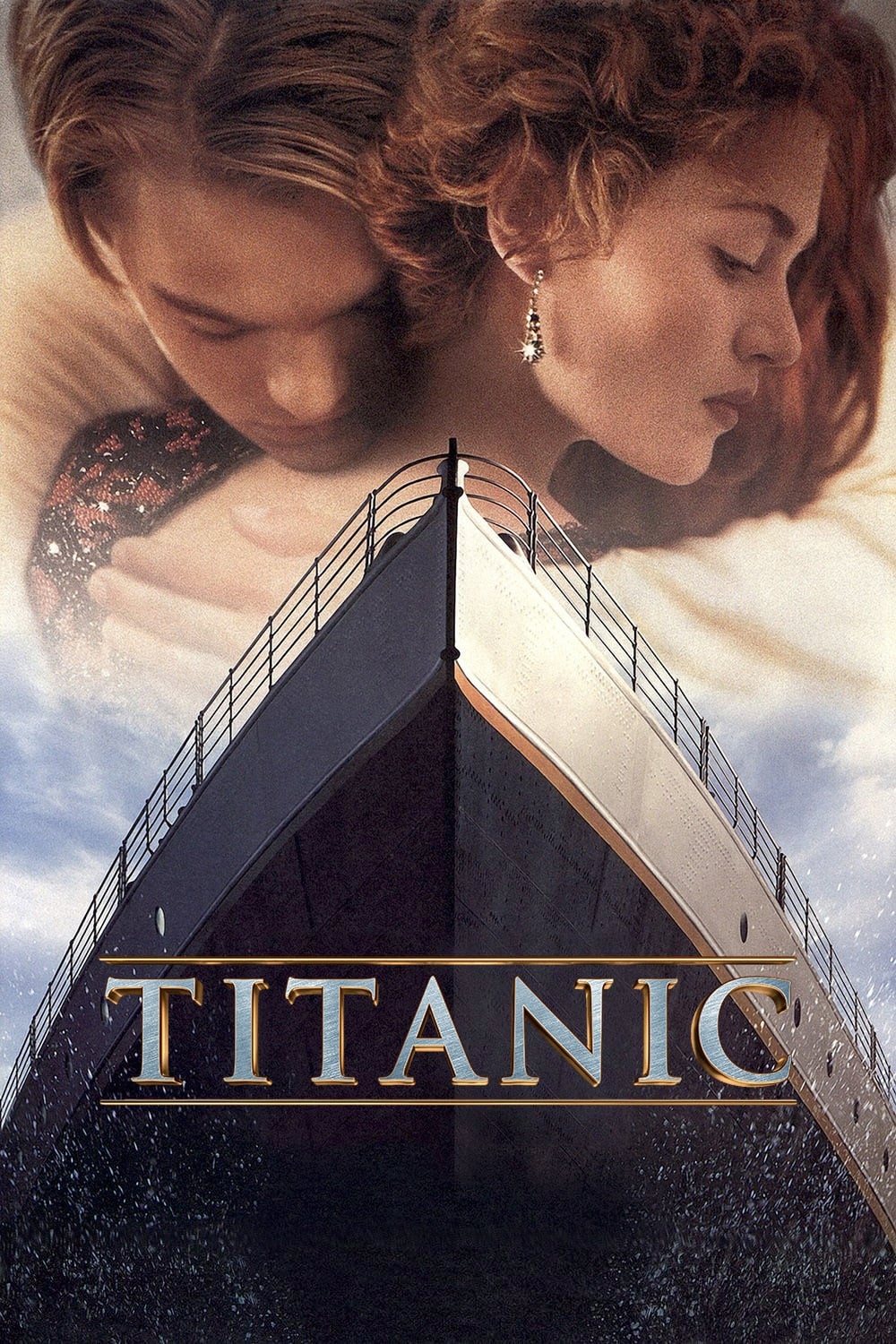
James Cameron stages a romance aboard a doomed ocean liner, balancing intimate drama with large-scale disaster reconstruction. The narrative crosscuts between social classes and ship operations.
Extensive practical sets, miniatures, and digital work recreate maritime engineering with precision. The film achieved record-setting box office and multiple awards.
‘Back to the Future’ (1985)
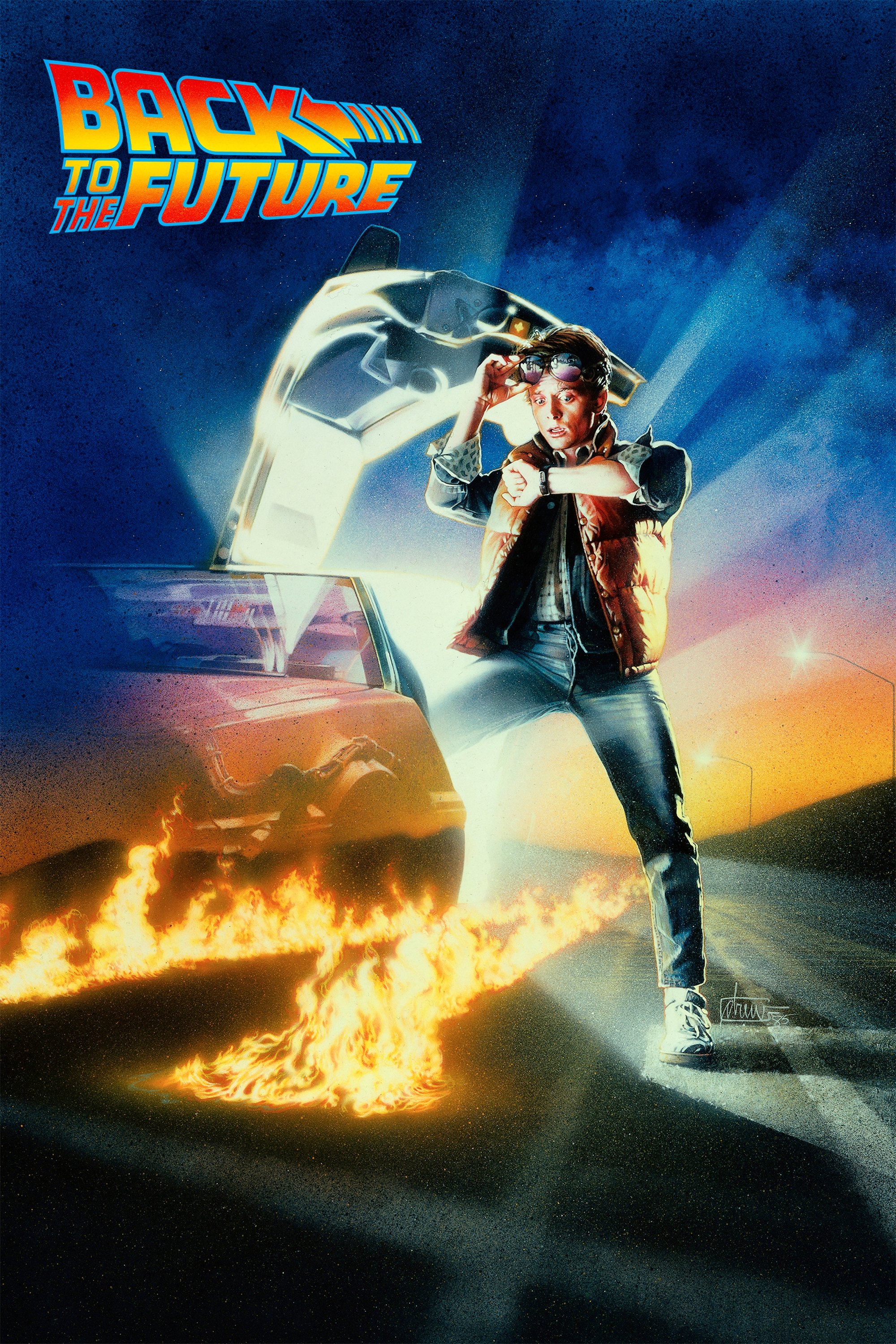
Zemeckis and Bob Gale build a time-travel comedy around cause-and-effect puzzles within a single town’s timeline. The screenplay’s setups and payoffs interlock with satisfying clarity.
Inventive production design, enthusiastic performances, and a memorable score support the brisk pacing. The film spawned sequels, an animated series, and enduring pop-culture references.
‘The Empire Strikes Back’ (1980)
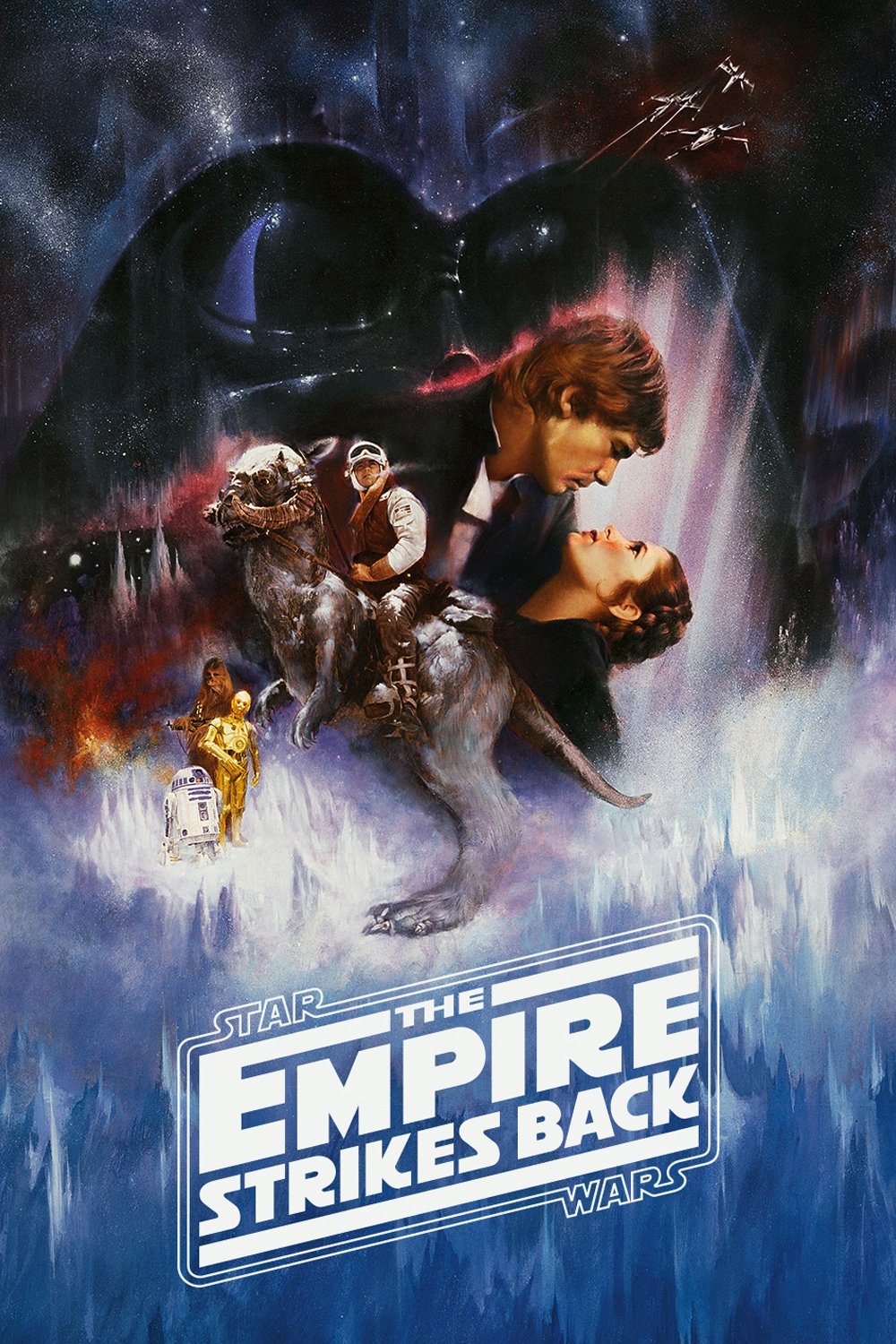
Irvin Kershner’s chapter deepens character arcs while scattering heroes across training, pursuit, and betrayal. The story expands the universe’s philosophy and family history.
Advances in effects, meticulous model work, and location photography broaden the visual palette. The film’s darker turns set a template for middle entries in trilogies.
‘The Good, the Bad and the Ugly’ (1966)
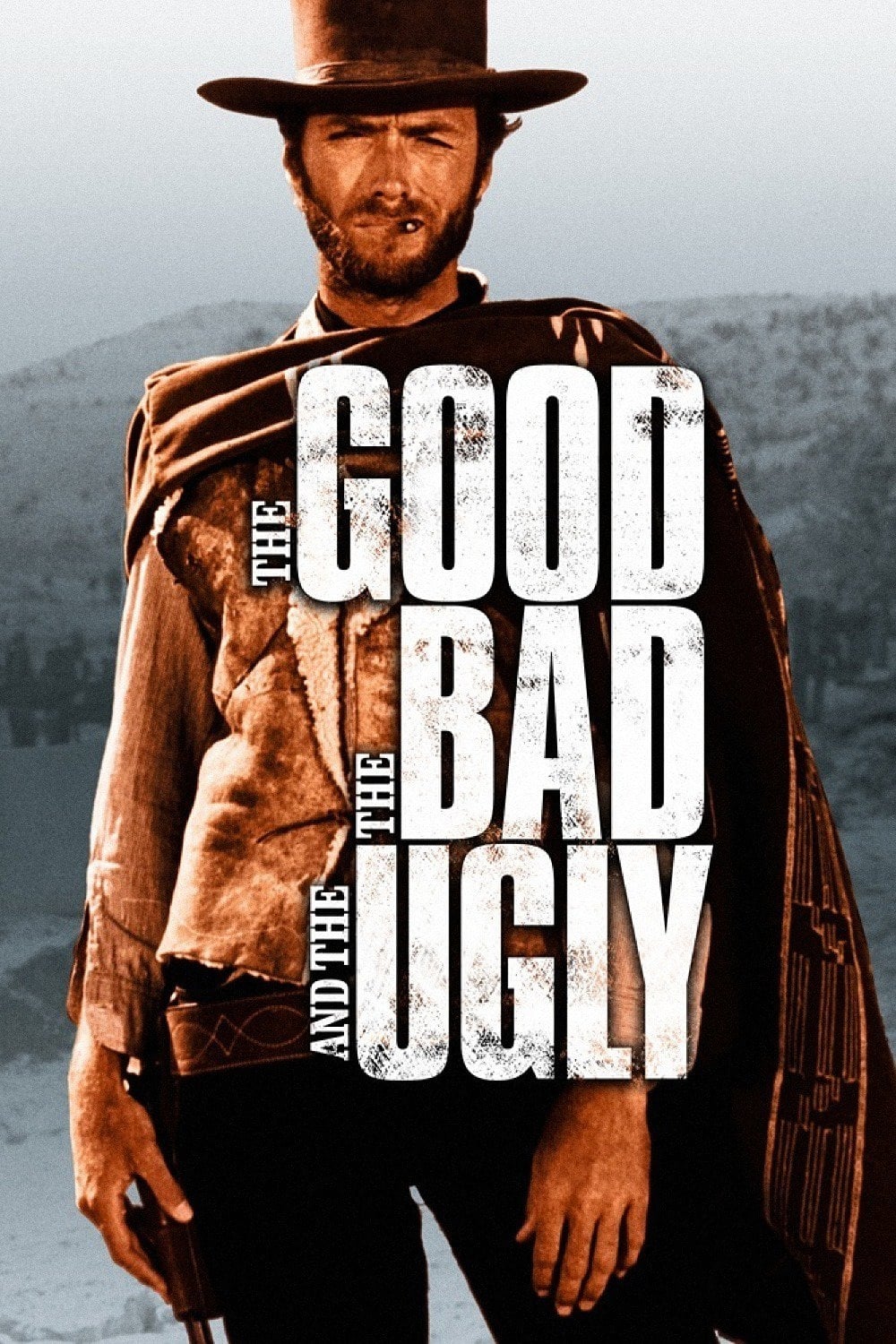
Sergio Leone’s western follows three gunslingers chasing hidden gold against a war-torn backdrop. The plot moves through shifting alliances, duels, and long-distance standoffs.
Ennio Morricone’s score, extreme close-ups, and widescreen landscapes define the spaghetti-western style. The film’s visual grammar influenced action staging for decades.
‘Raiders of the Lost Ark’ (1981)
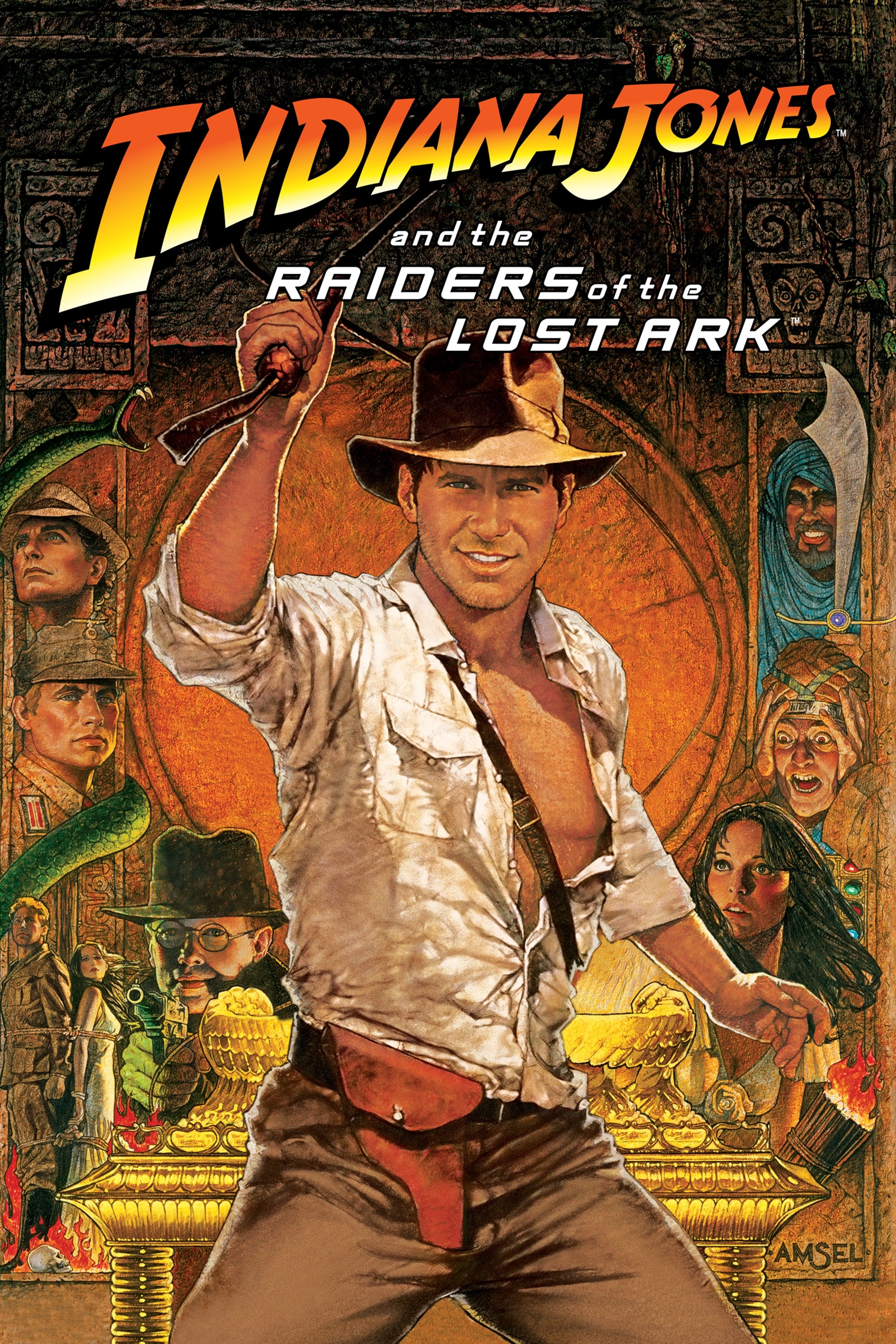
Steven Spielberg introduces an archaeologist-adventurer racing foes to a mythic artifact. The story blends cliffhanger peril with archaeological puzzles and globe-trotting momentum.
Practical stunt work, inspired set-pieces, and John Williams’s themes shaped modern action-adventure. The character became a franchise icon across films, television, games, and parks.
‘One Flew Over the Cuckoo’s Nest’ (1975)

Miloš Forman adapts Ken Kesey’s novel about a rebel in a psychiatric institution, examining authority and conformity. The ensemble cast brings depth to patients’ lives and routines.
Naturalistic camerawork, location shooting, and careful blocking create realism. The film earned top awards in major categories and remains central to discussions of institutional power.
‘Lawrence of Arabia’ (1962)
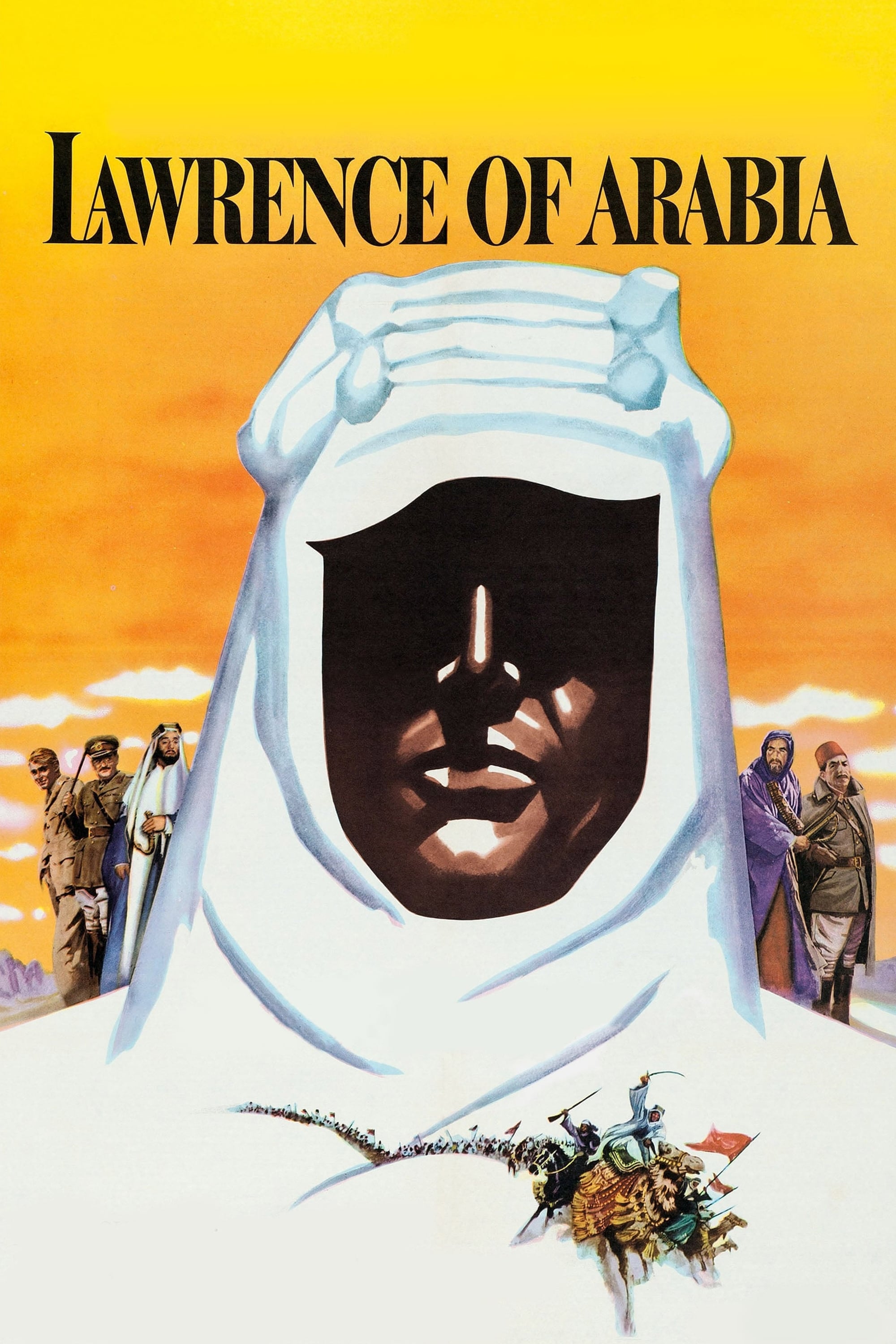
David Lean’s epic traces T. E. Lawrence’s role in the Arab Revolt, focusing on identity, leadership, and shifting loyalties. The narrative balances political strategy with desert crossings and raids.
Super-panoramic visuals, monumental set-pieces, and Maurice Jarre’s music define its grandeur. The film’s location photography set a benchmark for epic cinema.
‘Amélie’ (2001)
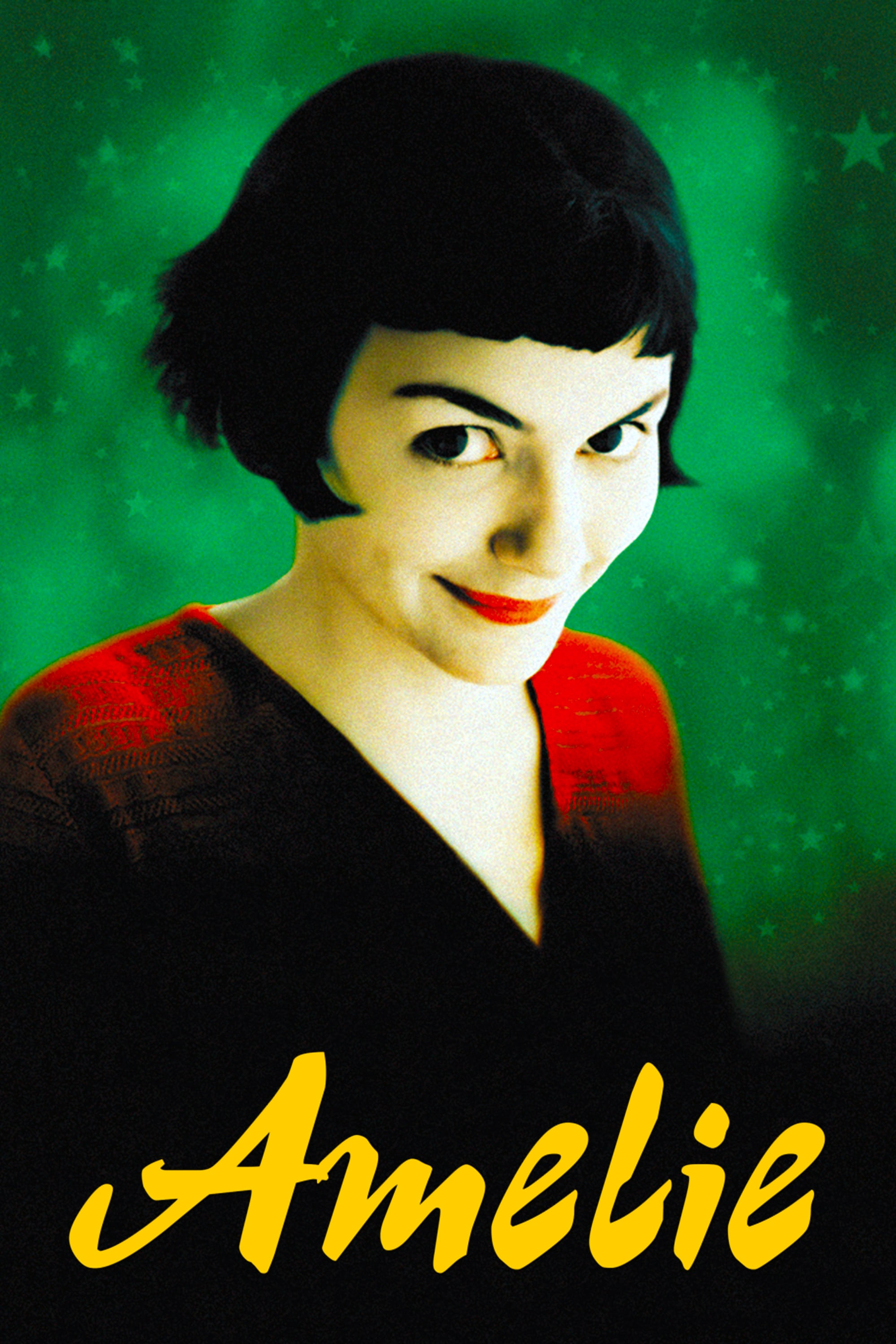
Jean-Pierre Jeunet tells the story of a Parisian woman who decides to improve the lives of those around her. The film uses whimsical narration to map a city of small connections.
Saturated color design, playful visual effects, and Yann Tiersen’s music create a distinctive mood. The film boosted international interest in contemporary French cinema.
‘Cinema Paradiso’ (1988)

Giuseppe Tornatore’s drama follows a filmmaker remembering his childhood friendship with a projectionist in a Sicilian town. The narrative ties personal growth to the communal cinema space.
Ennio Morricone’s score and affectionate depiction of moviegoing celebrate the medium itself. The film helped revive international interest in Italian cinema.
‘Oldboy’ (2003)
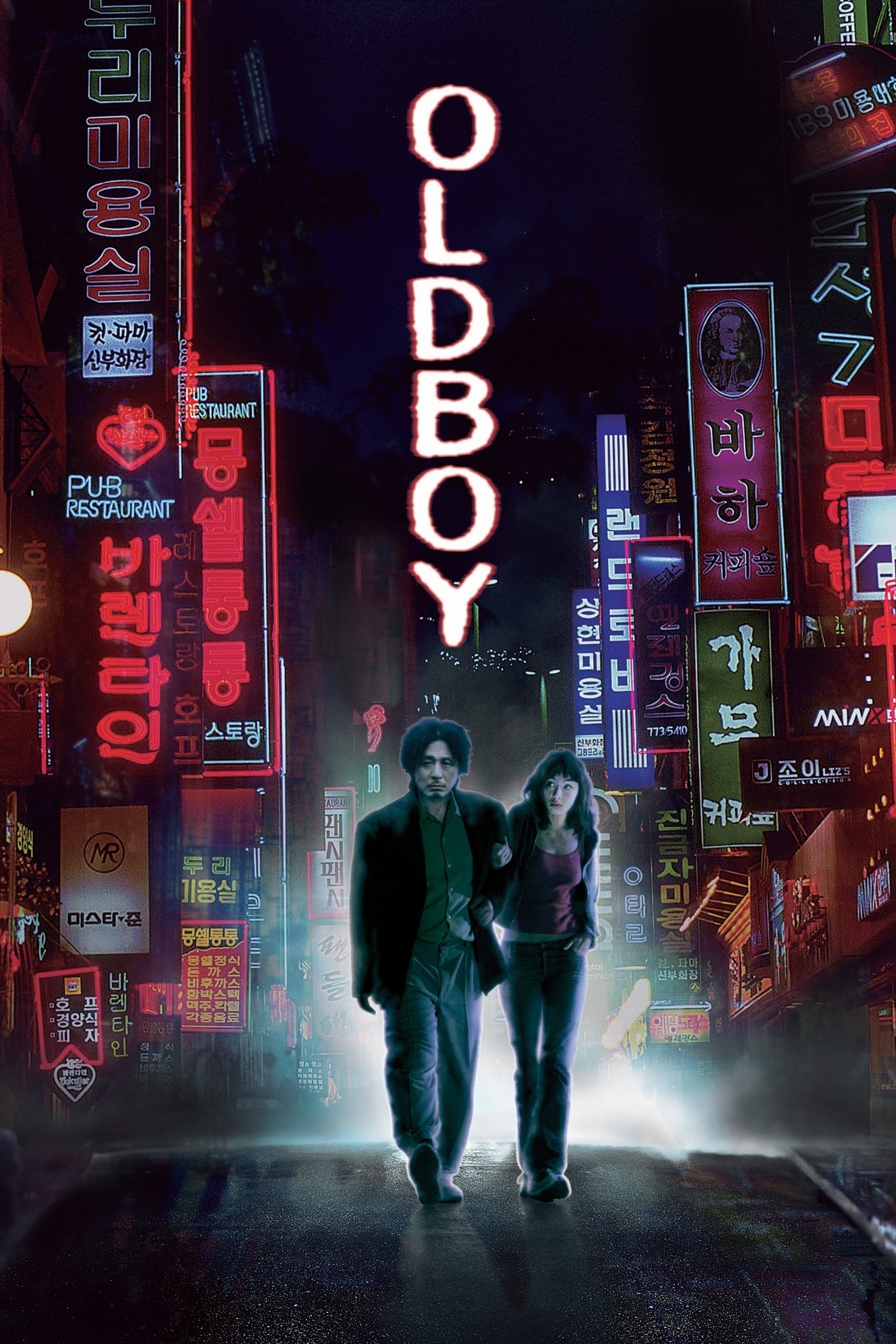
Park Chan-wook crafts a revenge thriller about a man mysteriously imprisoned and released, then driven to uncover the reason. The plot unfolds through escalating confrontations and revelations.
Stylized violence, long-take choreography, and bold color design define its look. The film became a landmark of the Korean New Wave and inspired remakes and homages.
‘Pan’s Labyrinth’ (2006)
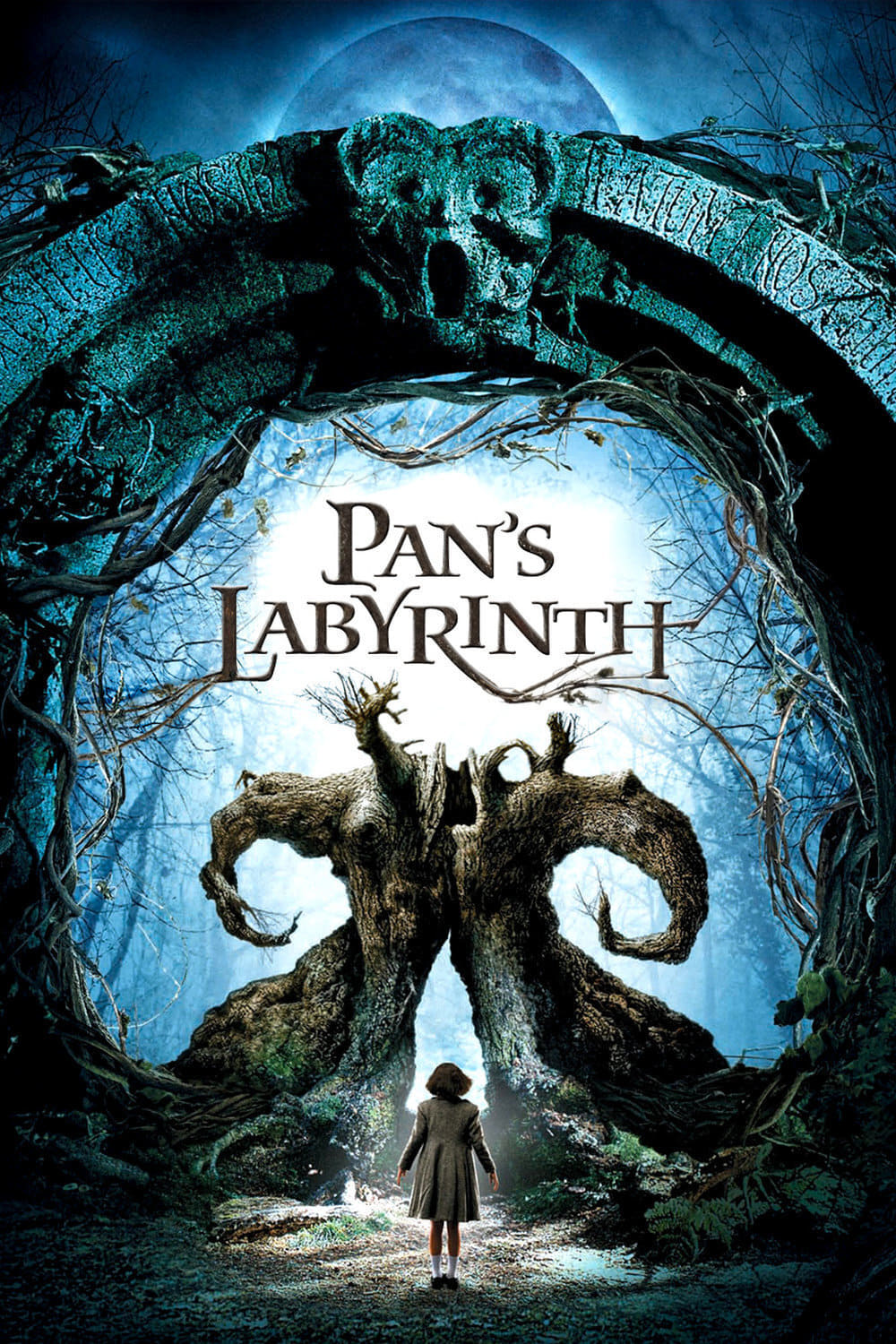
Guillermo del Toro interlaces a dark fairy tale with a fascist-era story about a young girl seeking refuge in myth. The narrative alternates between real-world cruelty and a perilous magical quest.
Creature effects, intricate makeup, and practical sets create tactile fantasy. The film earned international recognition for design, cinematography, and storytelling.
‘Alien’ (1979)
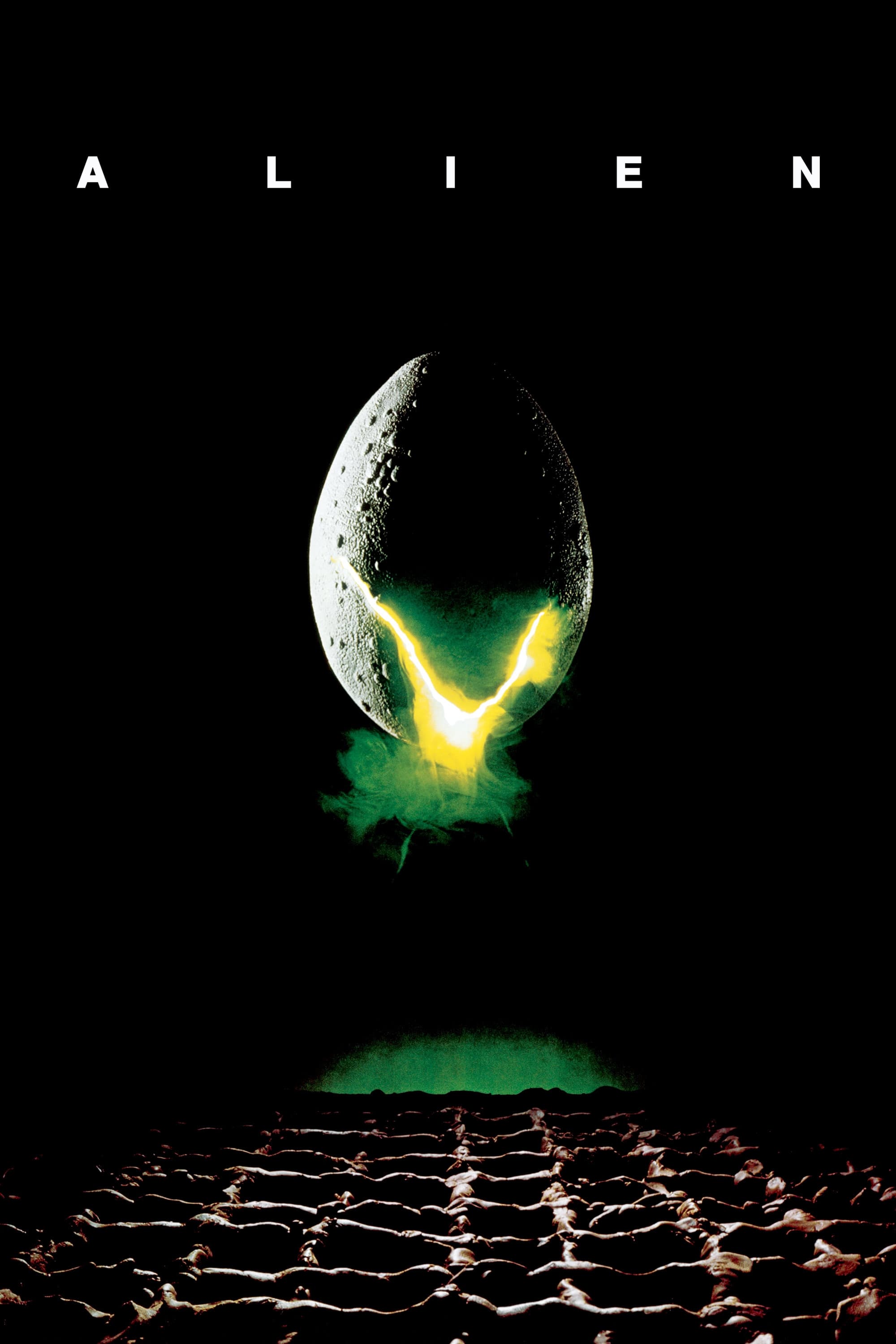
Ridley Scott’s sci-fi horror follows a commercial crew facing a lethal organism aboard a spaceship. The story emphasizes procedure, isolation, and survival under corporate oversight.
H. R. Giger’s creature design, moody lighting, and soundscapes build dread. The film launched a franchise and redefined creature-feature aesthetics.
‘Blade Runner’ (1982)
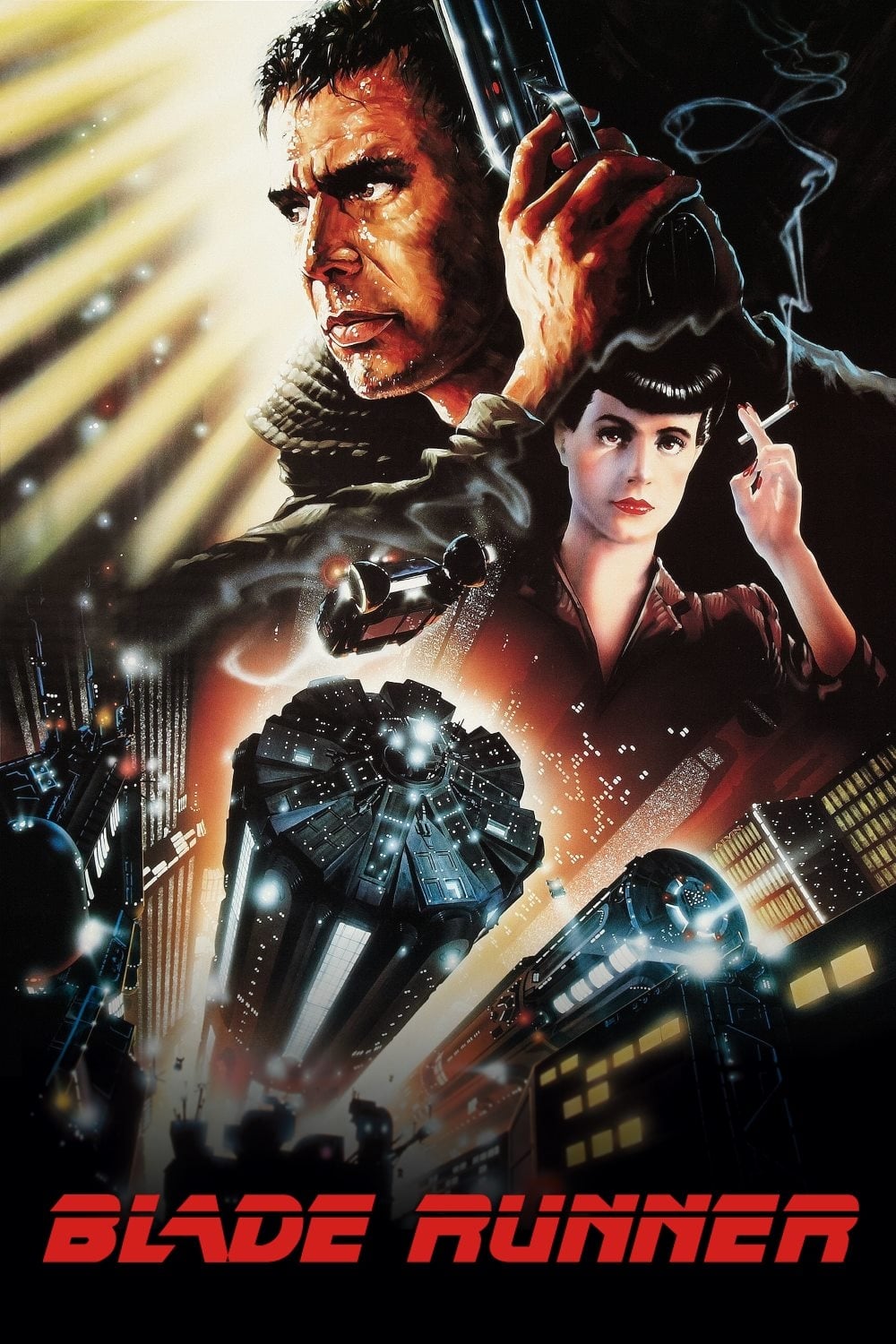
Scott’s neo-noir imagines a future city where an ex-cop hunts bio-engineered beings. The plot circles questions of memory, empathy, and identity.
Miniature cityscapes, rain-soaked production design, and Vangelis’s score craft a dense atmosphere. Multiple cuts and ongoing scholarship sustained its reputation and influence on cyberpunk.
‘Terminator 2: Judgment Day’ (1991)
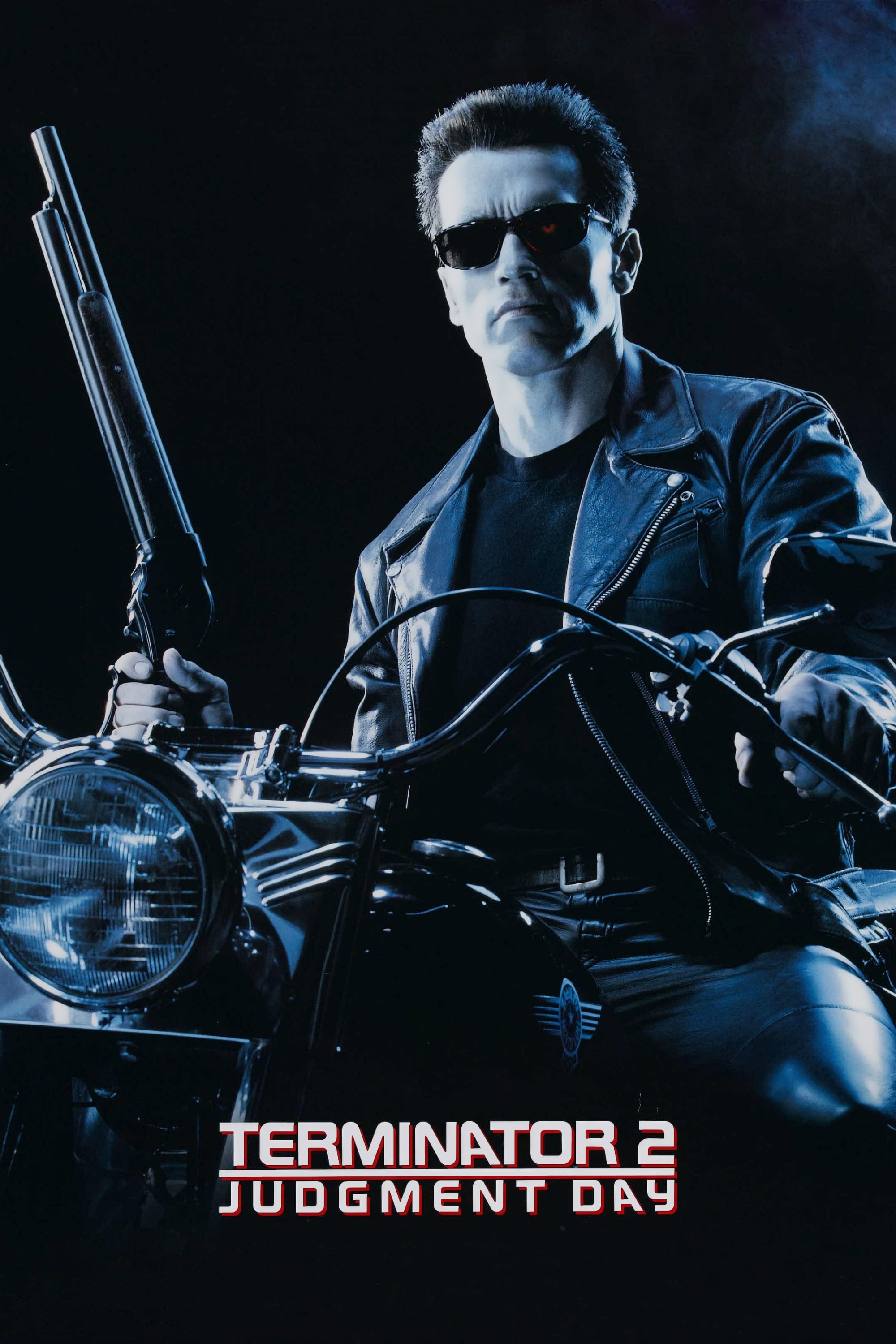
James Cameron evolves a chase thriller into a story about protection, paradox, and technological fate. The narrative pairs a reprogrammed machine with a young target and his mother.
Pioneering digital effects, practical stunts, and muscular pacing define the production. The film advanced CGI adoption across the industry.
‘Whiplash’ (2014)

Damien Chazelle’s drama centers on a jazz drummer and a ruthless instructor locked in a high-pressure mentorship. The film examines ambition, discipline, and the cost of excellence.
Tight editing, metronomic sound design, and performance intensity create relentless momentum. The final concert sequence has been widely studied for rhythm and visual grammar.
‘The Social Network’ (2010)

David Fincher dramatizes the founding of a social-media platform through depositions and shifting alliances. The structure uses legal frameworks to reveal friendship, ambition, and ownership struggles.
Trent Reznor and Atticus Ross’s score, rapid dialogue, and precise editing shape the tone. The film became a reference point for modern tech biopics.
‘The Lives of Others’ (2006)
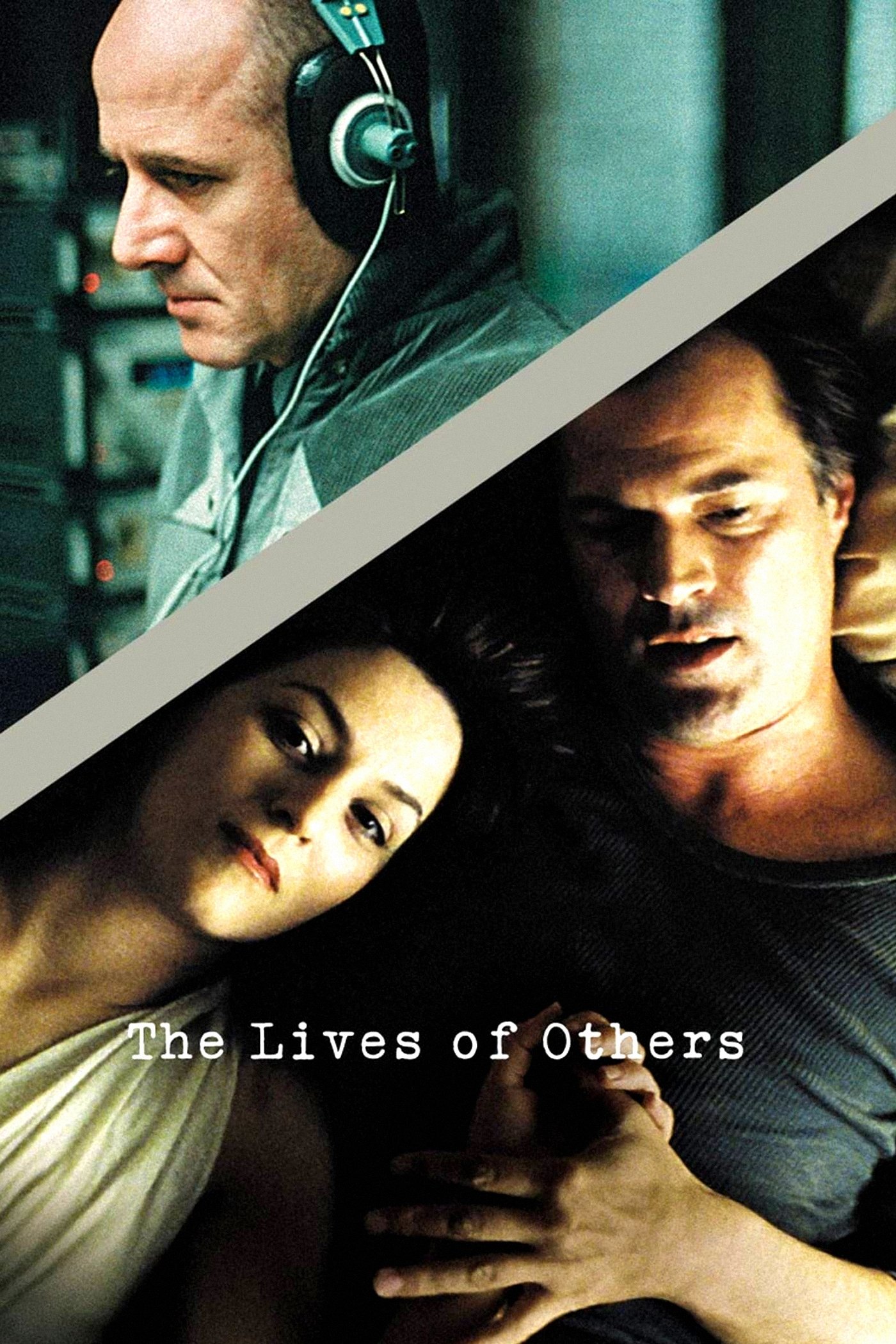
Florian Henckel von Donnersmarck’s thriller follows a Stasi officer surveilling an artist couple and confronting his conscience. The film details surveillance methods, bureaucracy, and artistic resistance.
Subtle performances, restrained color design, and careful pacing enhance the moral stakes. It won major international honors and broadened awareness of East German history.
‘No Country for Old Men’ (2007)
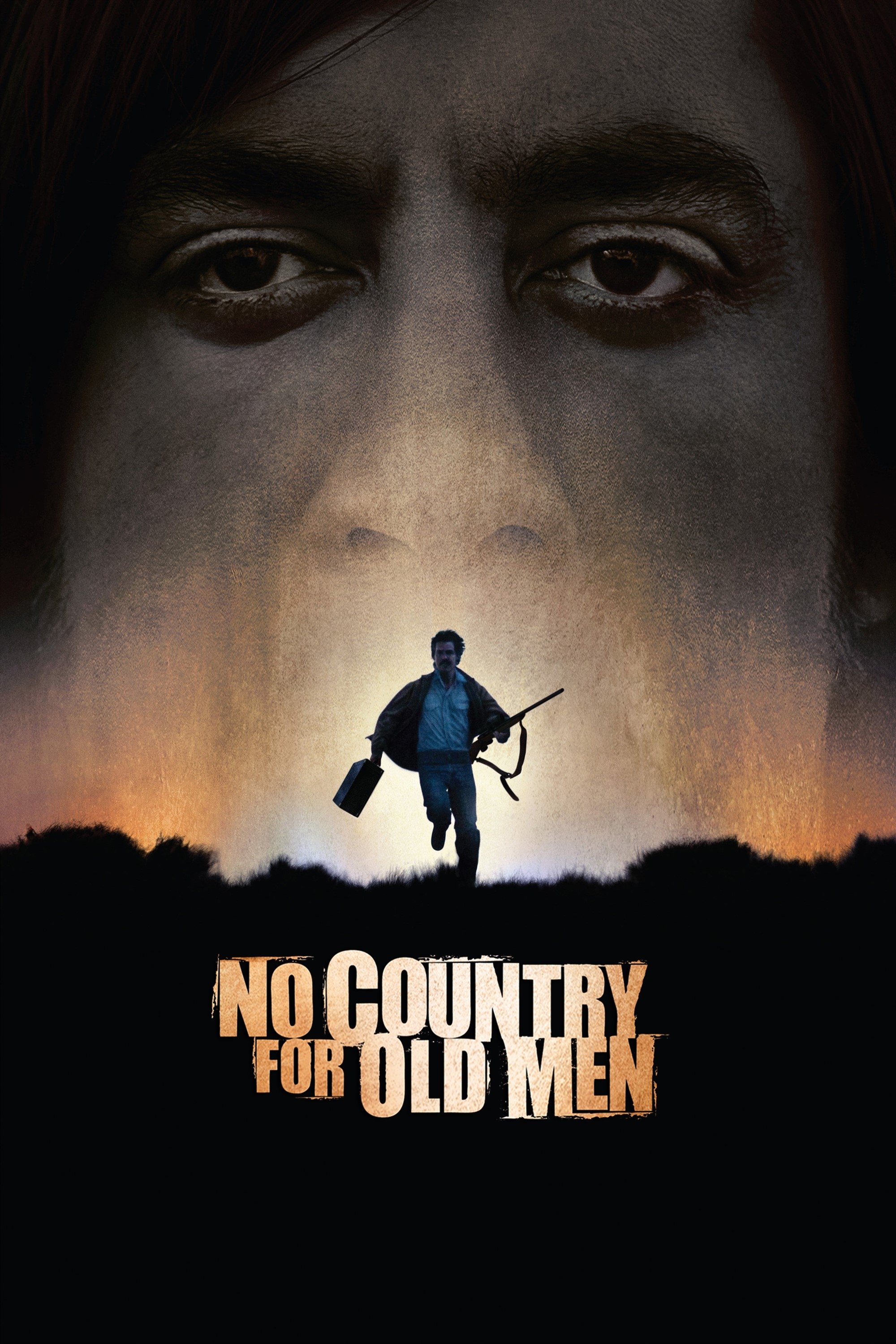
Joel and Ethan Coen translate Cormac McCarthy’s novel into a spare, relentless chase across borderlands. The film examines fate, chance, and shifting codes of violence.
Minimal music, exacting sound design, and widescreen landscapes heighten unease. Javier Bardem’s portrayal of an implacable antagonist became iconic.
‘Mad Max: Fury Road’ (2015)
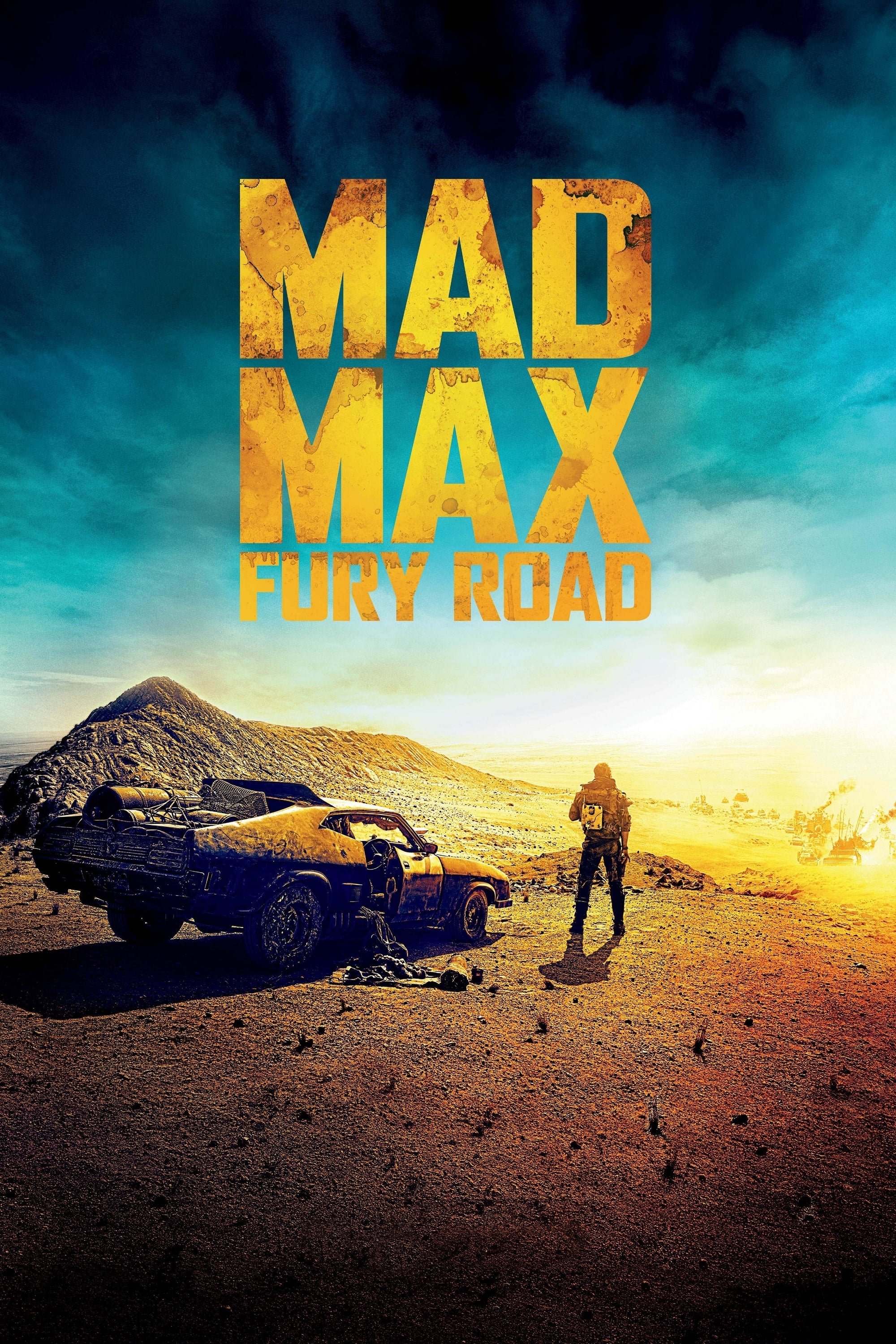
George Miller’s high-octane chase follows fugitives crossing a desert wasteland in an armored convoy. The story uses visual storytelling—gestures, glances, and props—to convey stakes and allegiance.
Practical vehicle stunts, color-rich grading, and kinetic editing create near-continuous motion. The film won multiple craft Oscars and reinvigorated action filmmaking.
‘The Lion King’ (1994)
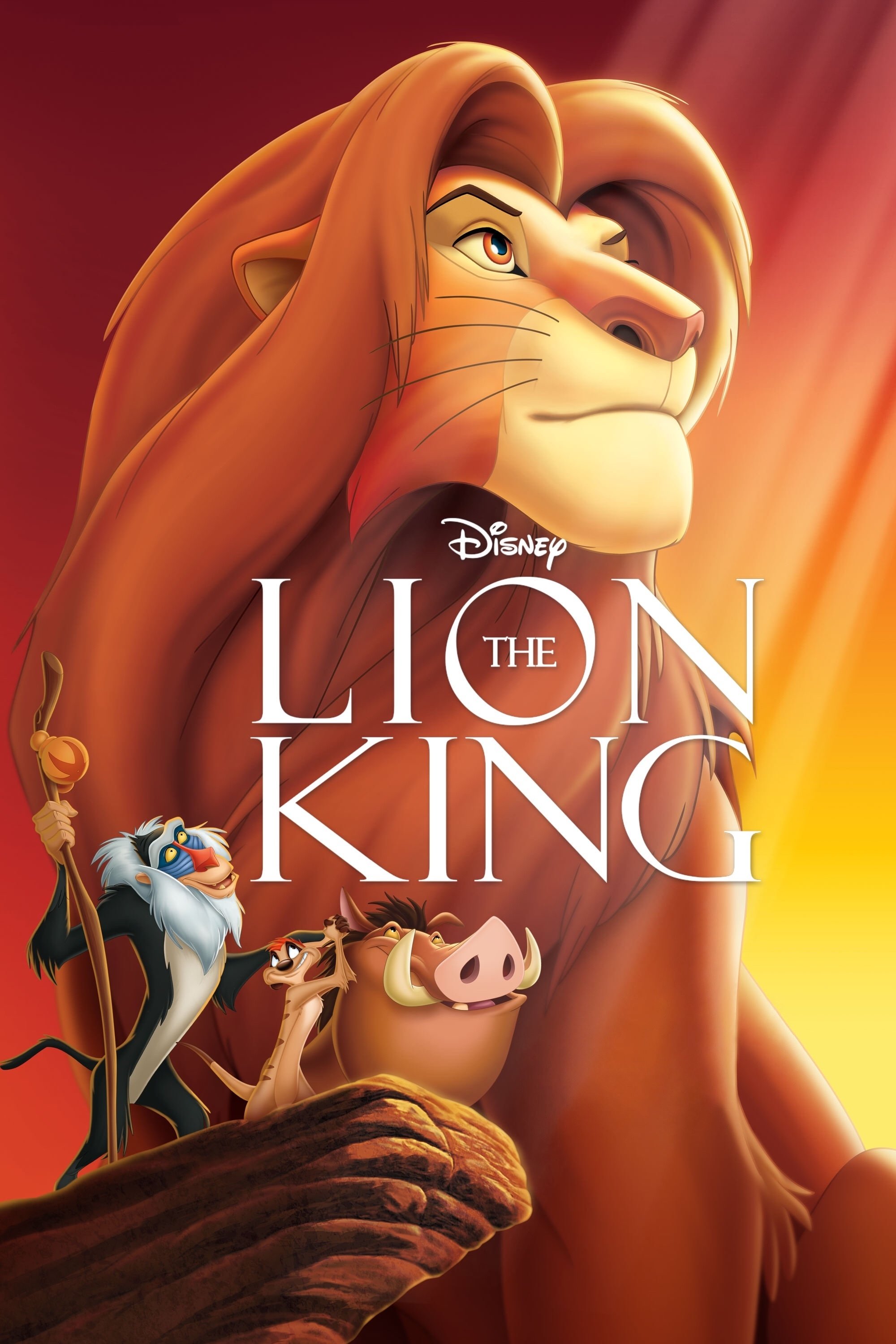
Disney’s animated epic follows a young lion prince confronting exile, heritage, and responsibility. The story draws on mythic structures to chart growth and return.
Hand-drawn animation enhanced by computer tools, memorable songs, and sweeping backgrounds define the production. The film’s success led to a stage adaptation and further screen reinterpretations.
‘Dr. Strangelove or: How I Learned to Stop Worrying and Love the Bomb’ (1964)
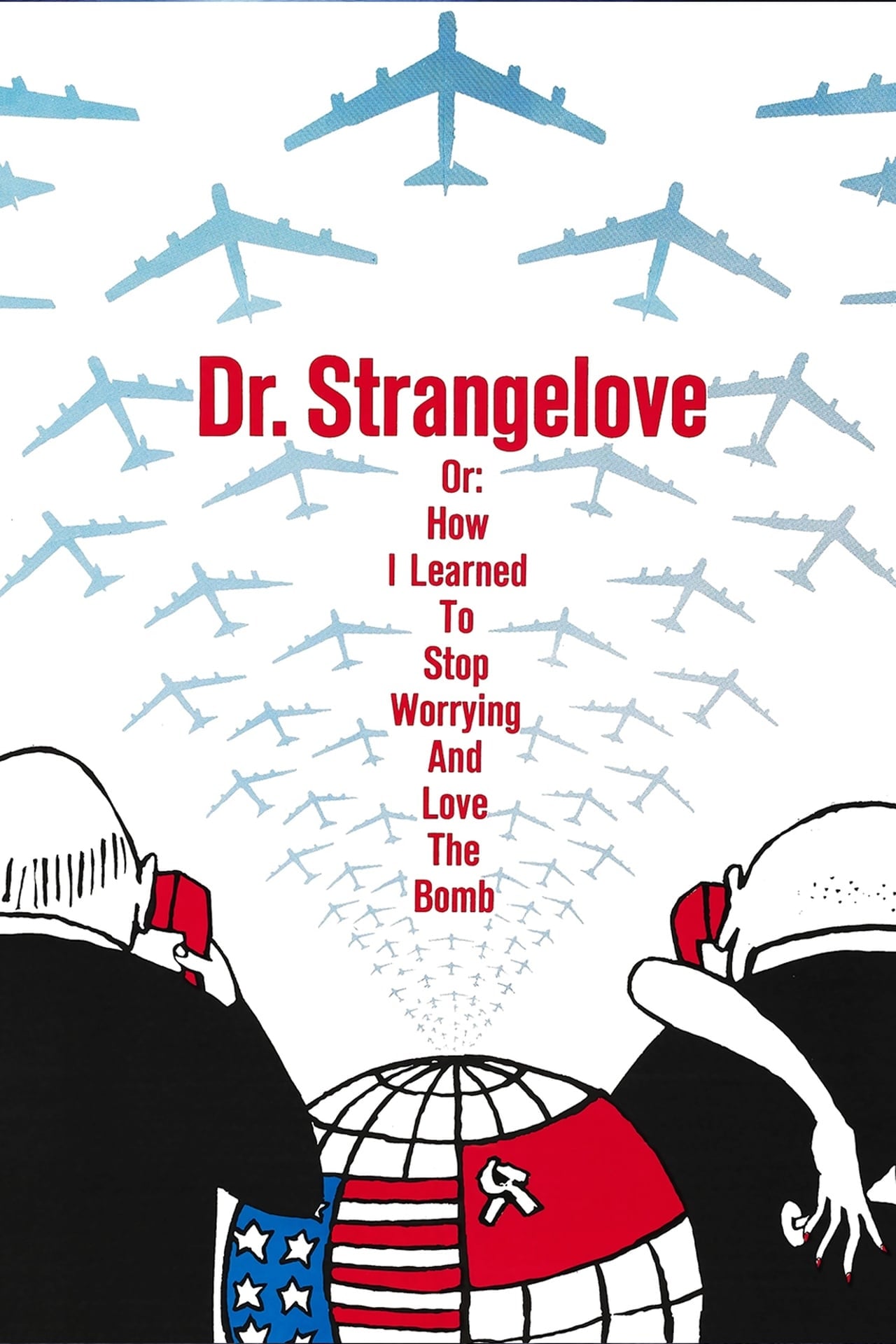
Kubrick crafts a satirical take on nuclear brinkmanship through intersecting storylines in war rooms and the skies. Dialogue exposes bureaucratic absurdities and strategic madness.
Monochrome visuals, precise blocking, and Peter Sellers’s multiple roles concentrate the bite. The film remains central to political satire and military cinema.
‘Metropolis’ (1927)
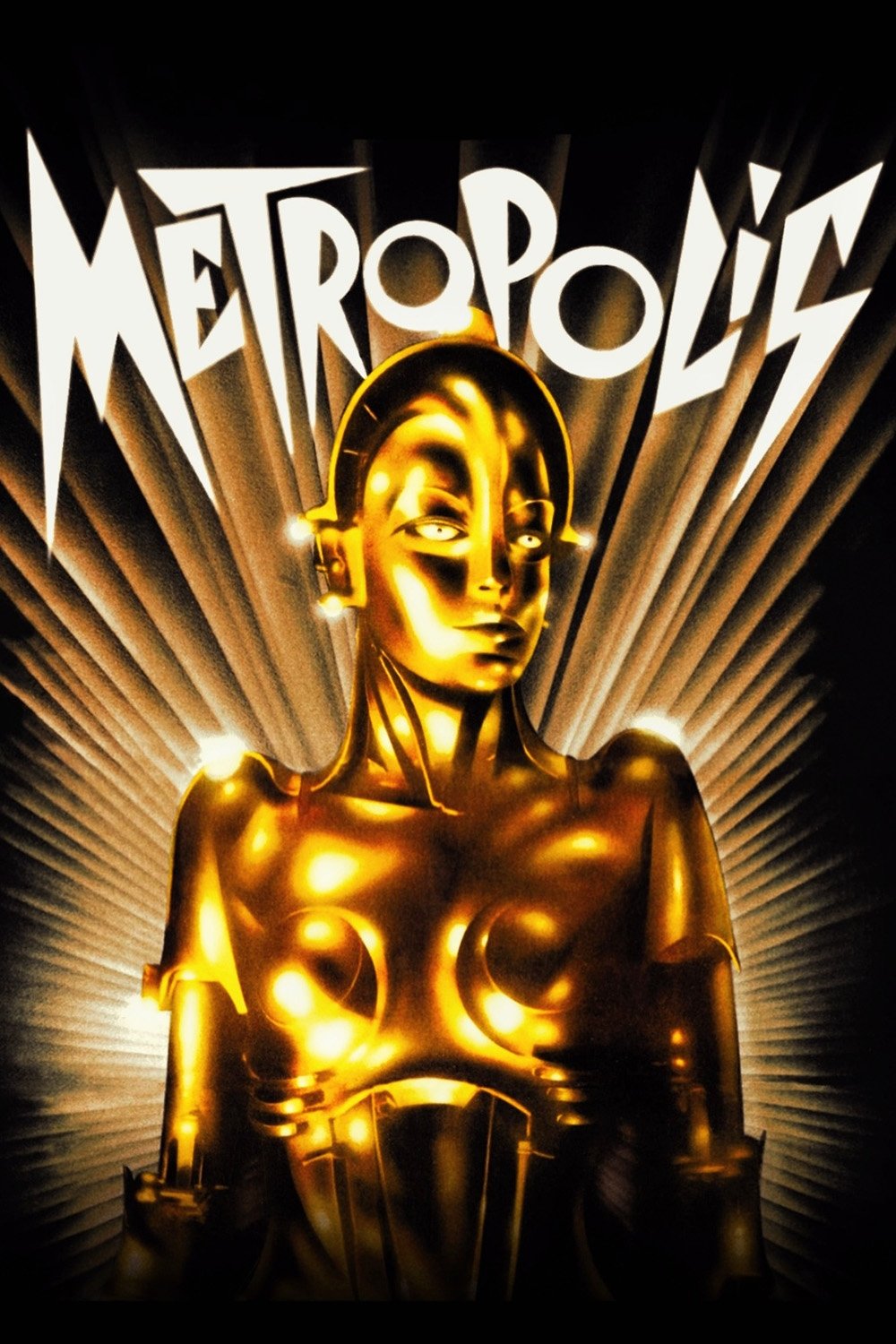
Fritz Lang’s silent landmark depicts a starkly divided future city and a struggle between workers and elites. The plot follows a mediator trying to bridge the divide.
Monumental sets, pioneering special effects, and Expressionist style influenced science fiction’s visual vocabulary. Restorations have recovered lost footage and expanded its narrative.
‘Taxi Driver’ (1976)
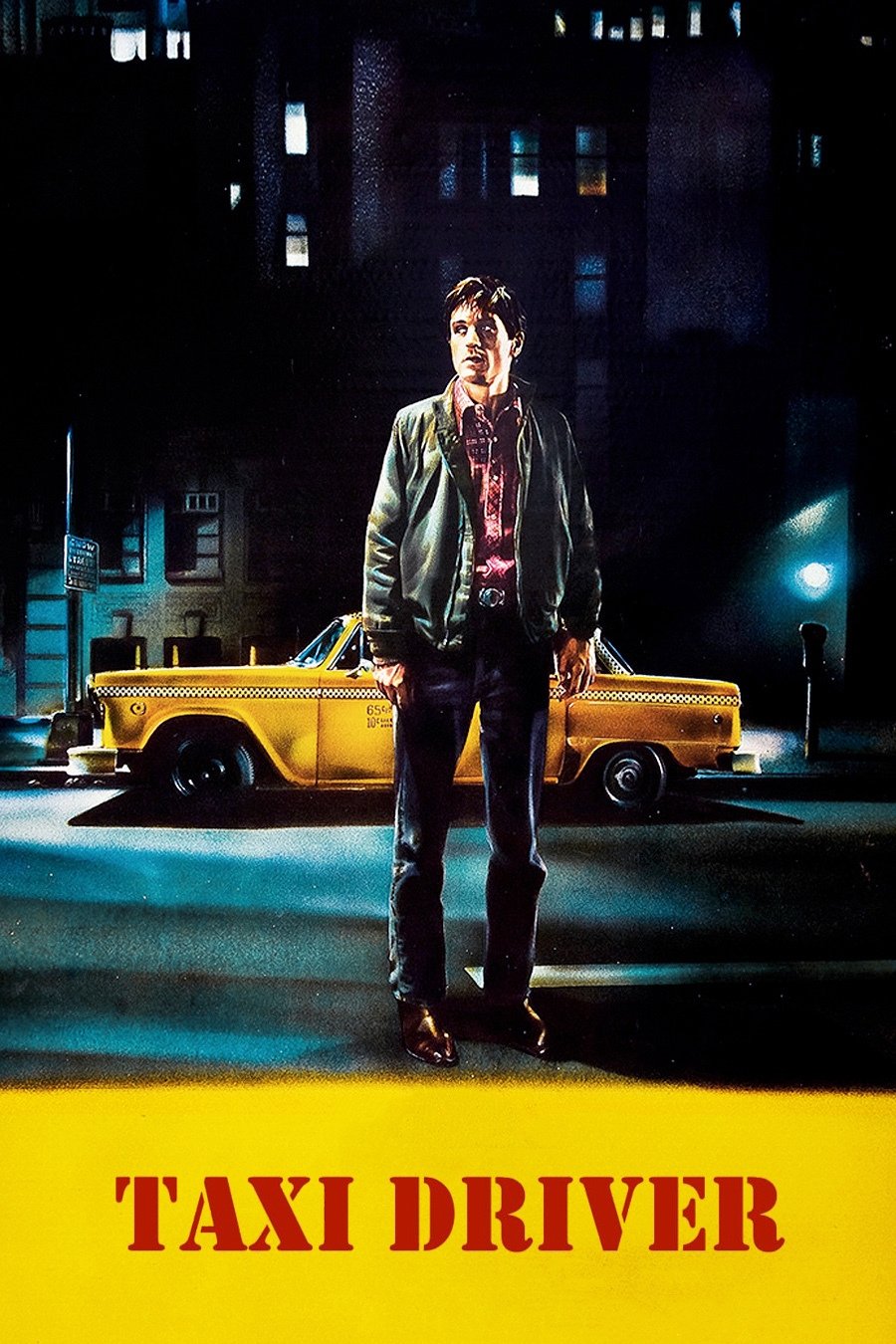
Scorsese follows a night cabbie whose isolation breeds vigilantism in a decaying city. The film charts alienation through diary-like narration and encounters with violence.
Bernard Herrmann’s final score, saturated color, and urban location work create a feverish mood. The film cemented collaborations between Scorsese and Robert De Niro.
‘Rear Window’ (1954)
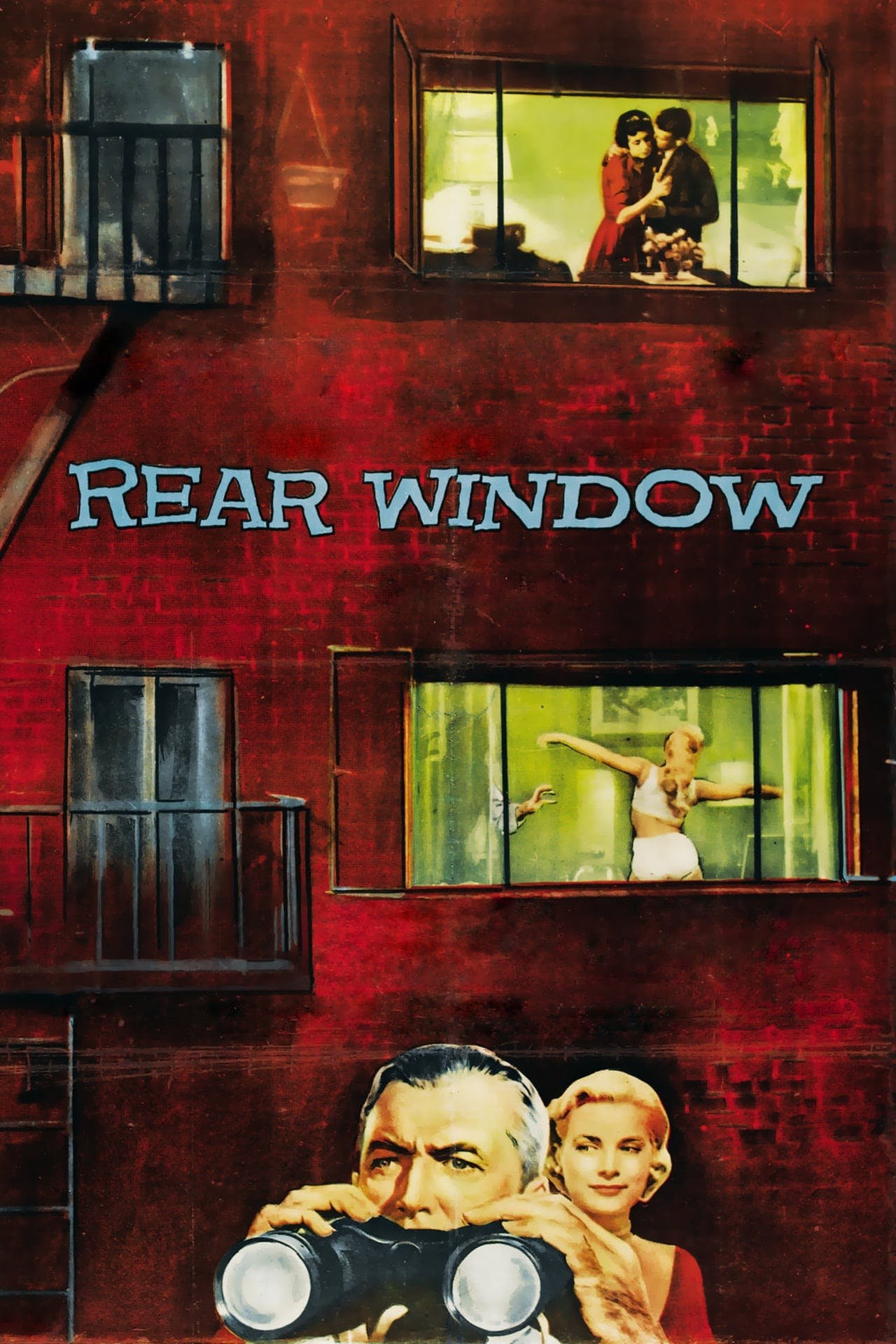
Hitchcock’s thriller confines action to an apartment courtyard where a photographer observes neighbors and suspects foul play. The film studies looking, evidence, and interpretation.
A single massive set, meticulous sound cues, and point-of-view shots sustain tension. It remains a masterclass in spatial storytelling and subjective perspective.
‘The Seventh Seal’ (1957)
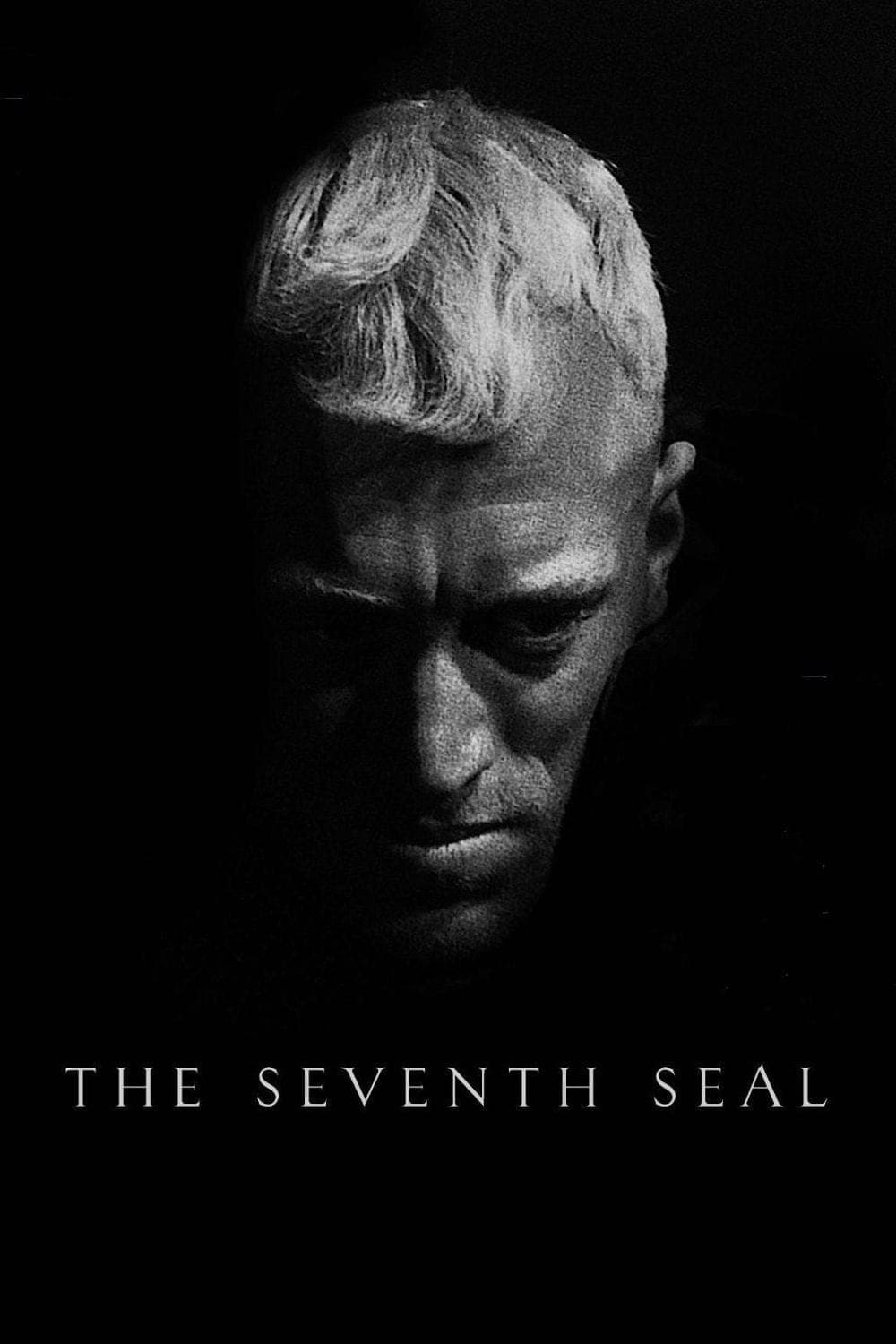
Ingmar Bergman’s medieval tale follows a knight returning from crusade who plays chess with Death while searching for meaning. The journey weaves together vignettes of faith, doubt, and performance.
Stark imagery, allegorical encounters, and philosophical dialogue define its style. The film’s iconography—especially the chess match—became shorthand for existential cinema.
‘The Exorcist’ (1973)

William Friedkin’s horror film centers on a mother seeking help for her afflicted daughter, leading to a climactic rite. Medical tests and investigative steps ground the supernatural.
Makeup effects, sound design, and practical tricks heighten realism. The film’s cultural impact sparked debate, censorship attempts, and a long-running franchise.
‘Eternal Sunshine of the Spotless Mind’ (2004)
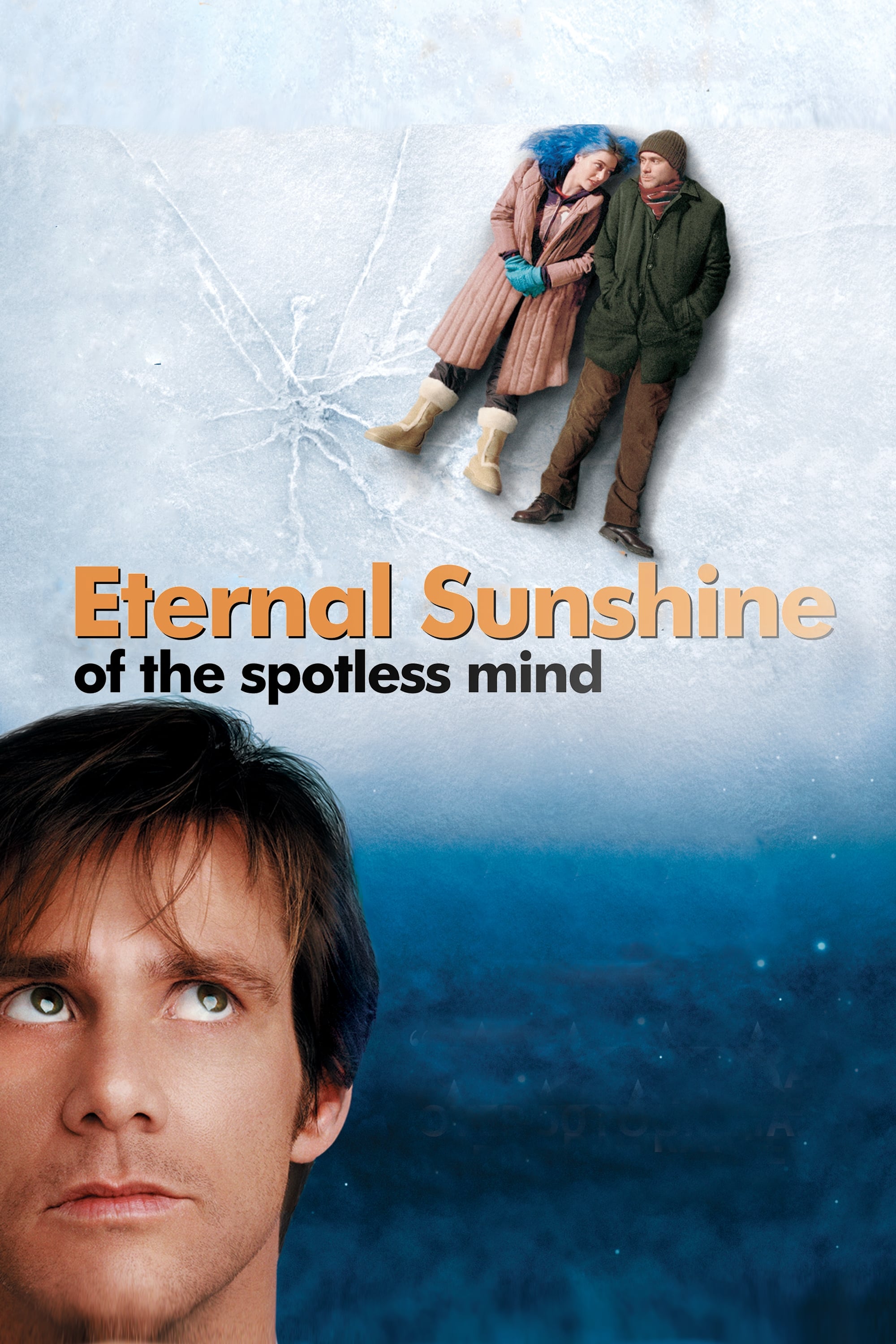
Michel Gondry and Charlie Kaufman tell of lovers who undergo a procedure to erase memories of each other. The story moves through collapsing recollections and renewed connection.
In-camera effects, handheld intimacy, and a melancholic score ground the high concept. The film remains a reference for narrative experimentation in romantic drama.
‘A Separation’ (2011)

Asghar Farhadi crafts a domestic legal drama about a couple’s split and a caretaker’s family, where small decisions spiral outward. The script balances empathy with procedural detail.
Naturalistic performances, tight interiors, and ethical ambiguity drive the tension. The film won major international awards and elevated Iranian cinema on the world stage.
Share your own essential picks and the moments that stayed with you in the comments.