Netflix Series that Divided Audiences the Most


Some Netflix series don’t just rack up views—they spark debates, petitions, and policy statements from schools, advocacy groups, and even lawmakers. Bold adaptations, unusual formats, and high-profile cancellations have kept certain titles in the spotlight long after their premieres.
Below are twenty Netflix series most associated with polarized reactions. For each, you’ll find what the show set out to do, who made it, and the specific flashpoints—adaptation choices, structural swings, marketing, or renewal decisions—that fueled the divide.
’13 Reasons Why’ (2017–2020)
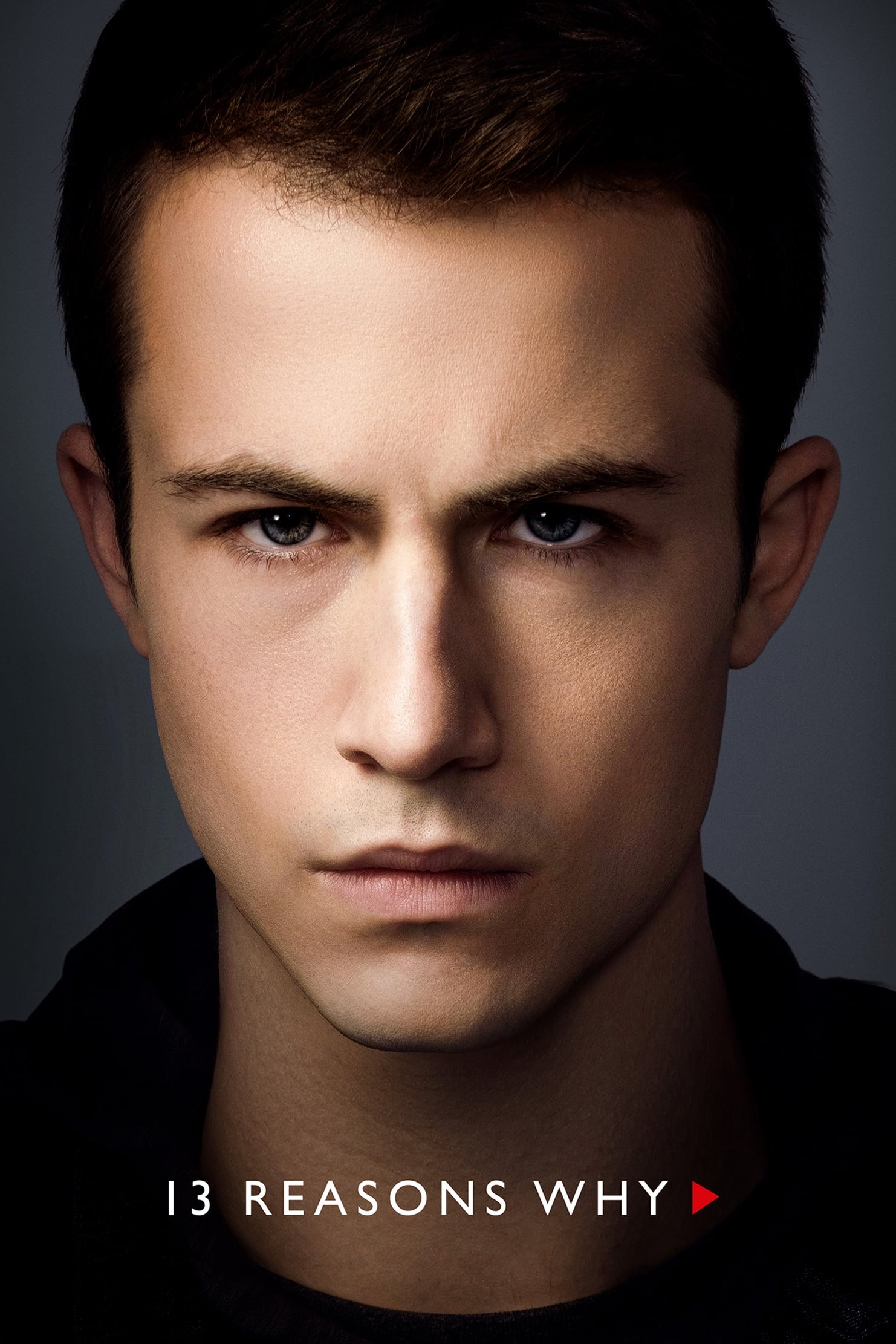
This teen drama, developed by Brian Yorkey and based on Jay Asher’s novel, follows a high school community processing a student’s death through a set of recorded tapes. The production drew widespread attention from educators and mental-health organizations, which prompted content advisories and companion materials addressing sensitive topics.
In response to feedback from medical professionals and advocacy groups, Netflix added warnings, produced an after-show with experts, and later edited a graphic scene. Subsequent seasons expanded into legal proceedings and investigations, keeping institutions and parent groups engaged with the series’ handling of self-harm and assault.
‘Shadow and Bone’ (2021–2023)
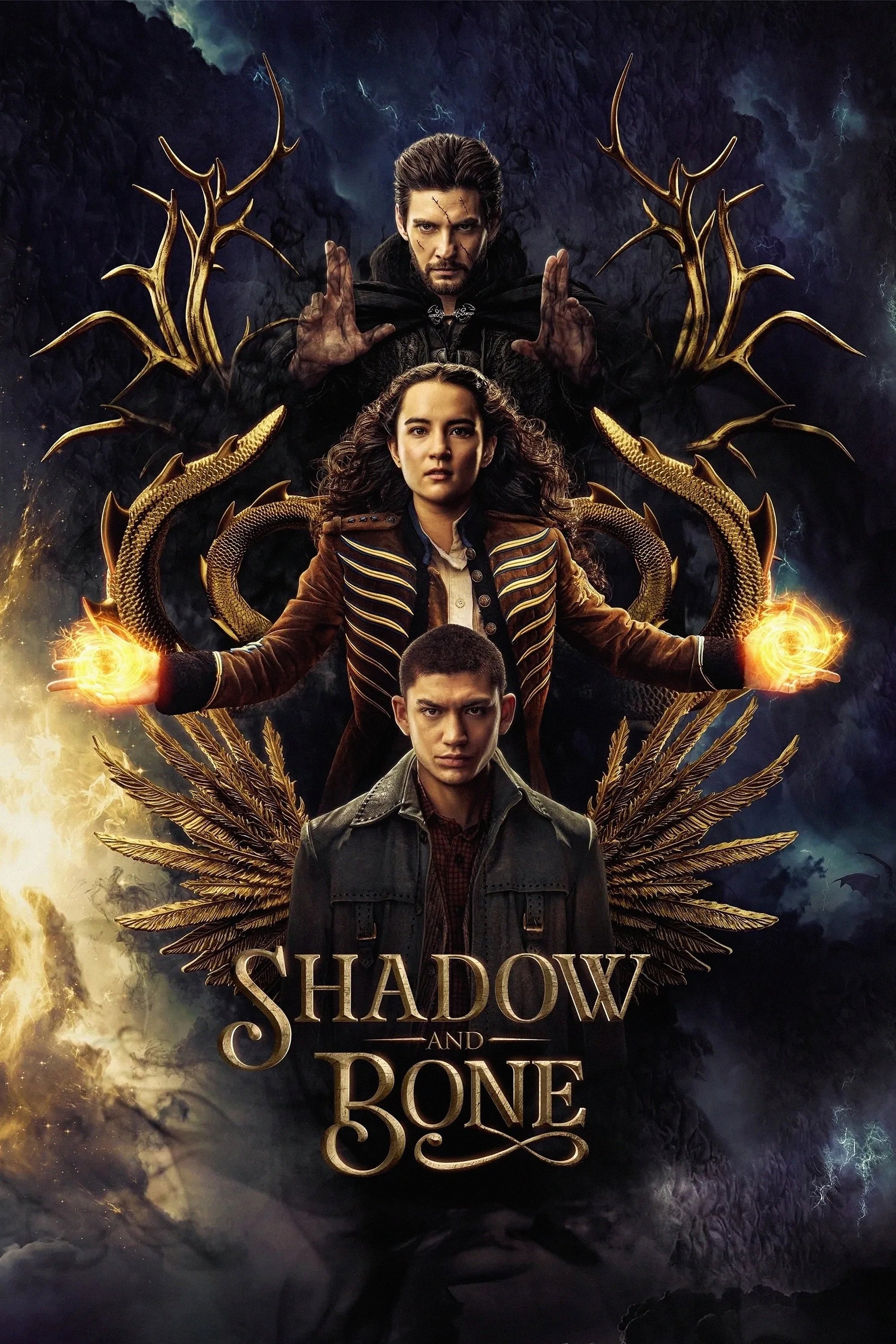
Adapted from Leigh Bardugo’s Grishaverse, this fantasy series united storylines from the original trilogy and the ‘Six of Crows’ duology under showrunner Eric Heisserer. The production combined ensemble heist elements with a military-fantasy war plot, staging large-scale set pieces and magic-system rules across multiple locations.
The decision to merge timelines and characters, as well as to invent connective plot tissue between book arcs, became a lasting point of comparison for readers. Casting choices, lore adjustments, and a later cancellation prompted petitions and organized campaigns advocating for continuations and spinoffs.
‘Resident Evil’ (2022)
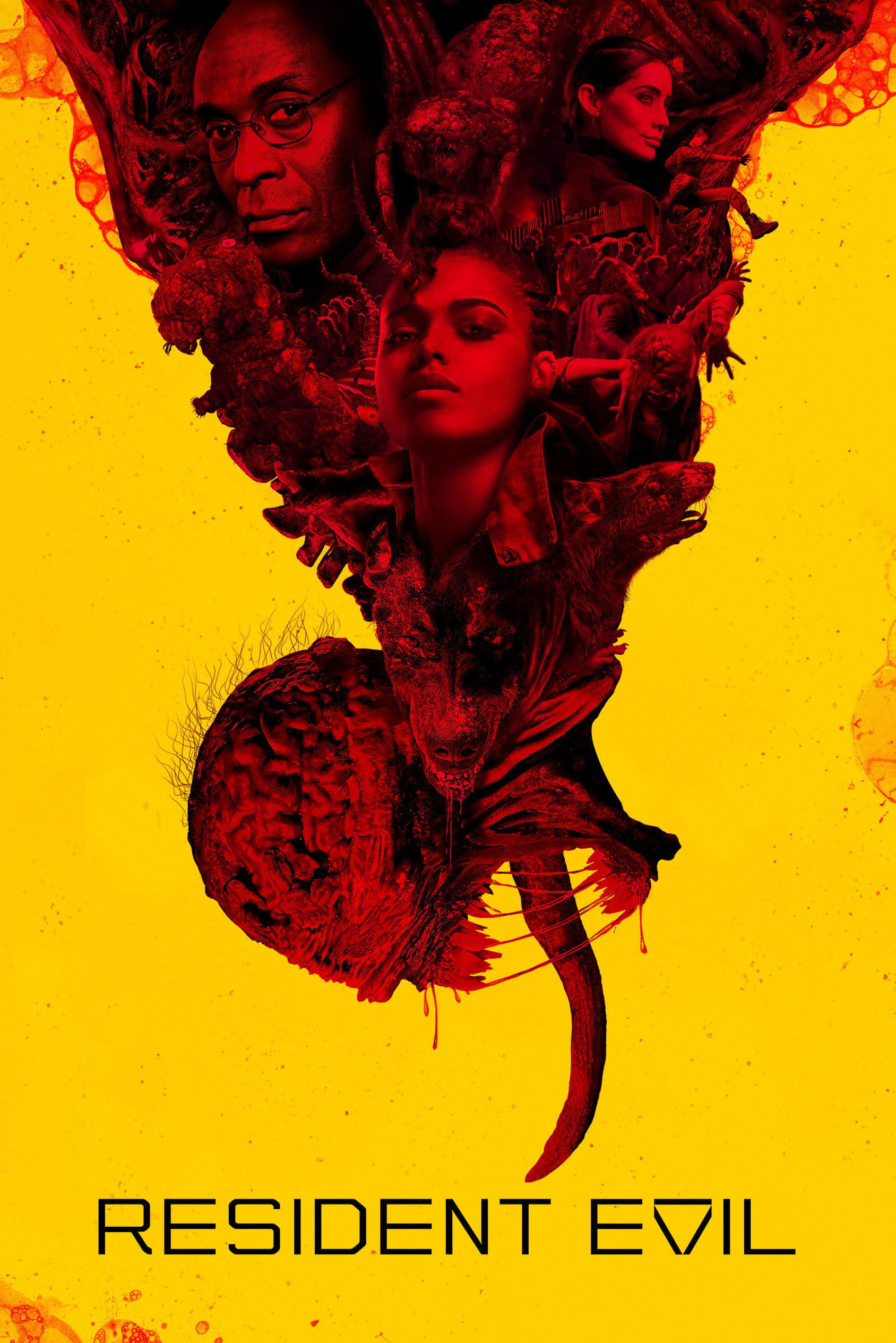
This franchise entry, led by showrunner Andrew Dabb, alternates between a near-future outbreak and earlier events tied to the Umbrella Corporation. It introduces a new Wesker-family dynamic while referencing pathogens, creatures, and corporate history familiar to game audiences.
Debate centered on canon alignment, the portrayal of legacy characters, and the blend of horror, action, and YA elements. After one season, the series was canceled, and discussions focused on adaptation strategy, continuity, and how strongly the show should have mirrored the source material.
‘Cowboy Bebop’ (2021)
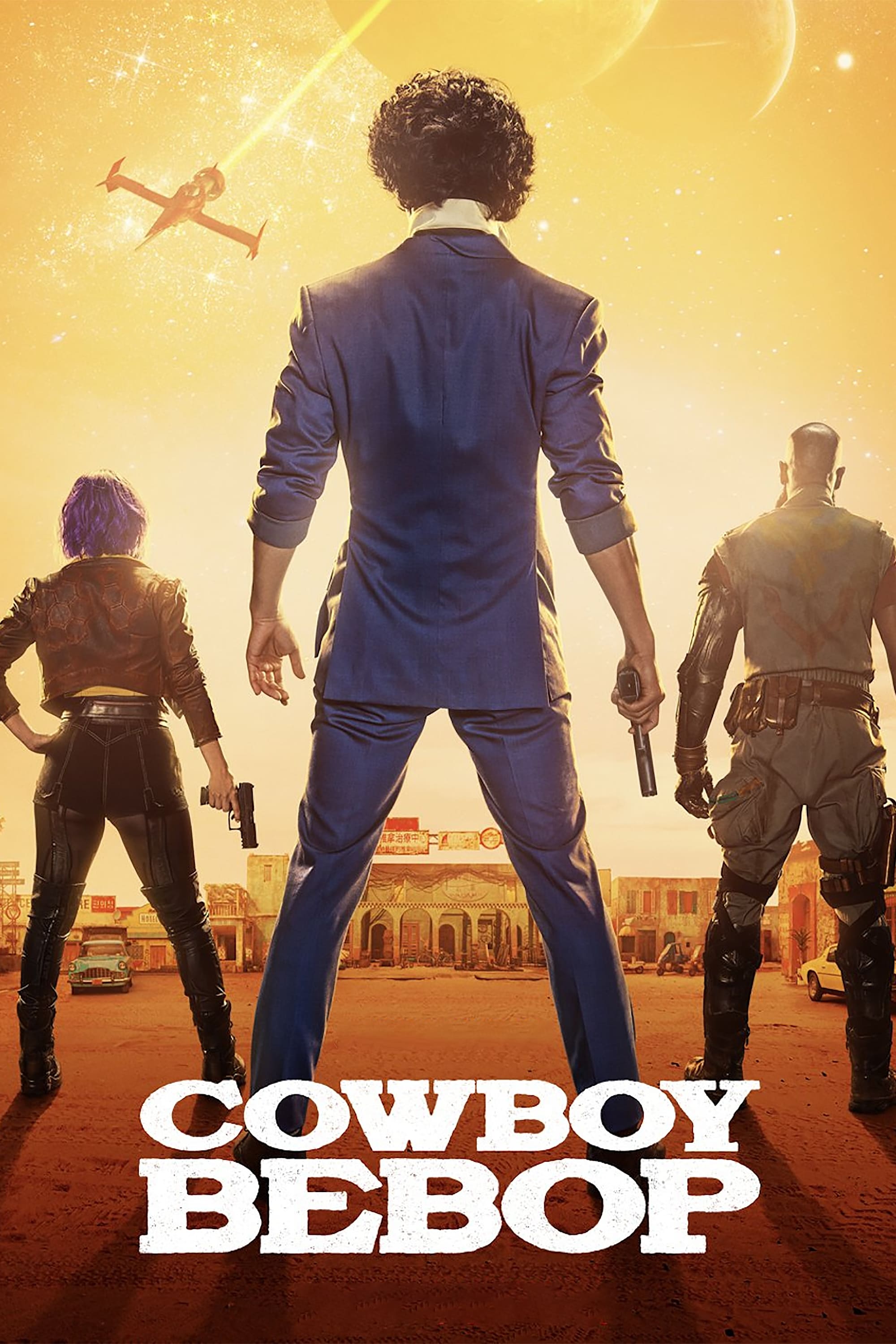
A live-action take on the anime classic, this series follows bounty hunters Spike, Jet, and Faye across a stylized, jazz-inflected sci-fi setting. The production used practical sets, choreographed fight sequences, and an original score by Yoko Kanno to echo the tone and sound of the original.
Viewers dissected changes to character backstories, antagonist focus, and serialized structure, including a season-ending cliffhanger. The swift cancellation after its first season intensified discussion about pacing, tonal calibration, and the extent to which a remake should adhere to or reinterpret the anime.
‘Sex/Life’ (2021–2023)
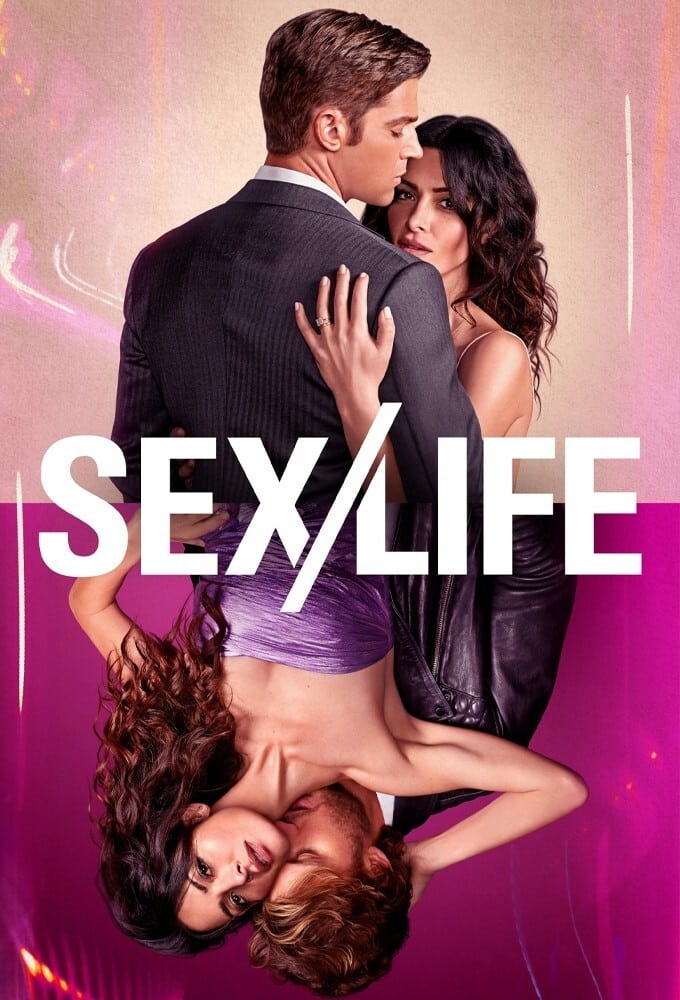
Created by Stacy Rukeyser and inspired by B. B. Easton’s memoir, this drama explores a suburban mother reassessing her marriage through journal entries, flashbacks, and explicit intimacy sequences. A highly publicized moment in one episode turned the show into a trending topic and fueled extensive coverage.
The series’ release cycle involved cast changes and notable production updates between seasons. Following its cancellation, trade reporting and audience analytics became part of the public conversation about renewal thresholds and how completion rates factor into streamer decisions.
‘Tiger King’ (2020–2021)
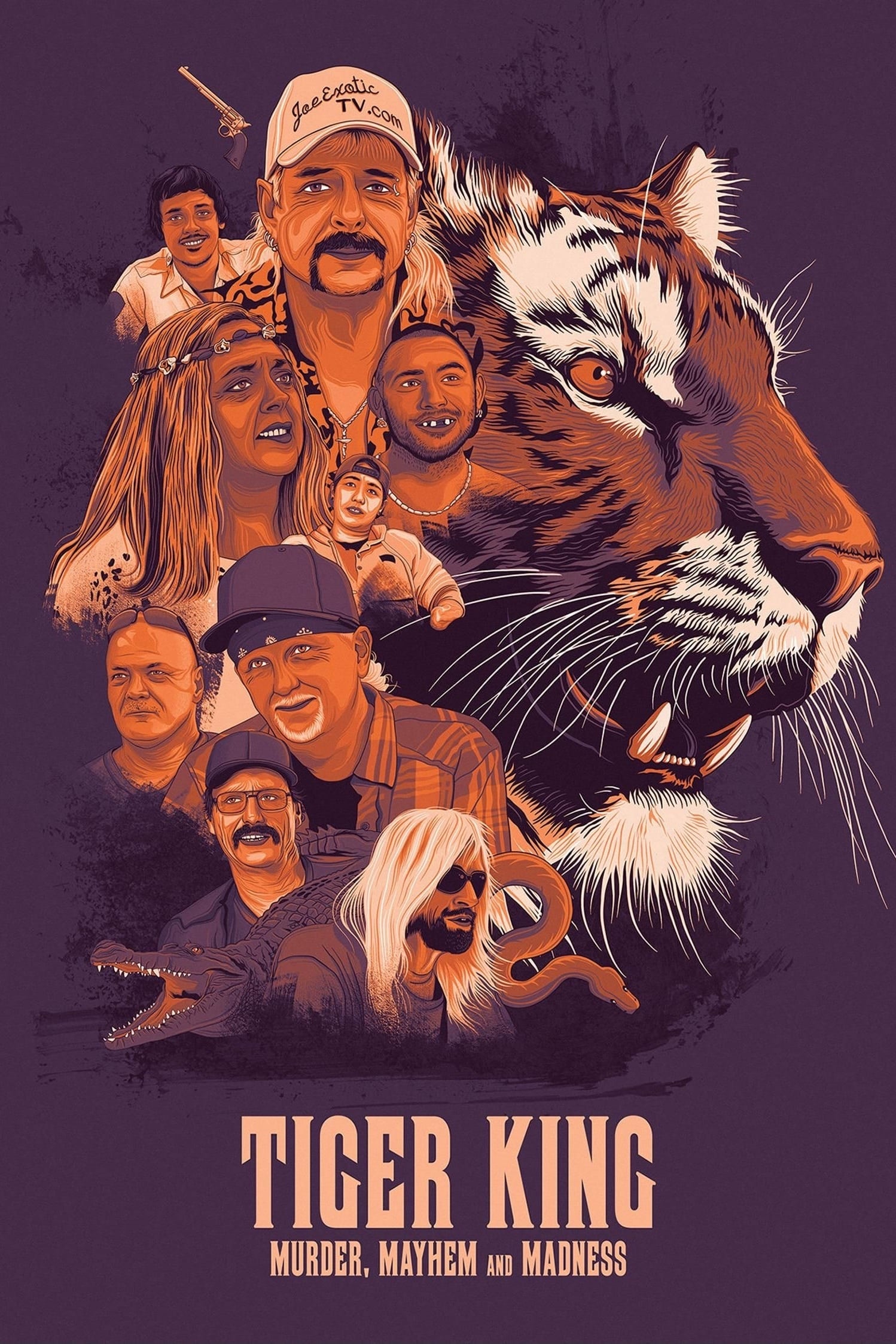
This docuseries from Eric Goode and Rebecca Chaiklin chronicles rivalries among exotic-animal park operators, focusing on disputes between Joe Exotic and Carole Baskin. It documents legal actions, media appearances, and the subculture around big-cat ownership.
After release, animal-welfare organizations, law-enforcement entities, and legal representatives issued statements, while follow-up specials expanded the record with new interviews. Ongoing court developments, petitions, and advocacy campaigns kept the subjects and outcomes in the news cycle.
‘Dear White People’ (2017–2021)
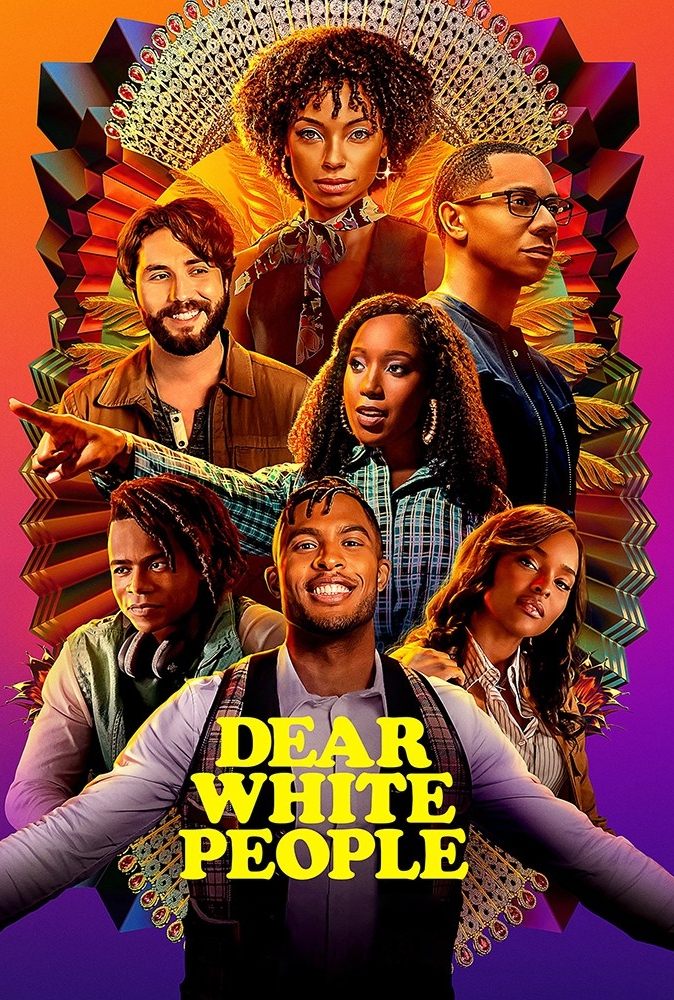
Developed by Justin Simien with co-showrunner Jaclyn Moore, this series follows students at a fictional Ivy League campus navigating race, media, and class. The format spotlights different characters each chapter, pairing satire with serialized arcs about activism and journalism.
The show’s marketing, calls for boycotts from some quarters, and a final-season shift to a musical structure sustained attention across its run. Viewers tracked casting, writers’-room composition, and narrative choices as part of broader discussions about campus politics and representation.
‘The OA’ (2016–2019)
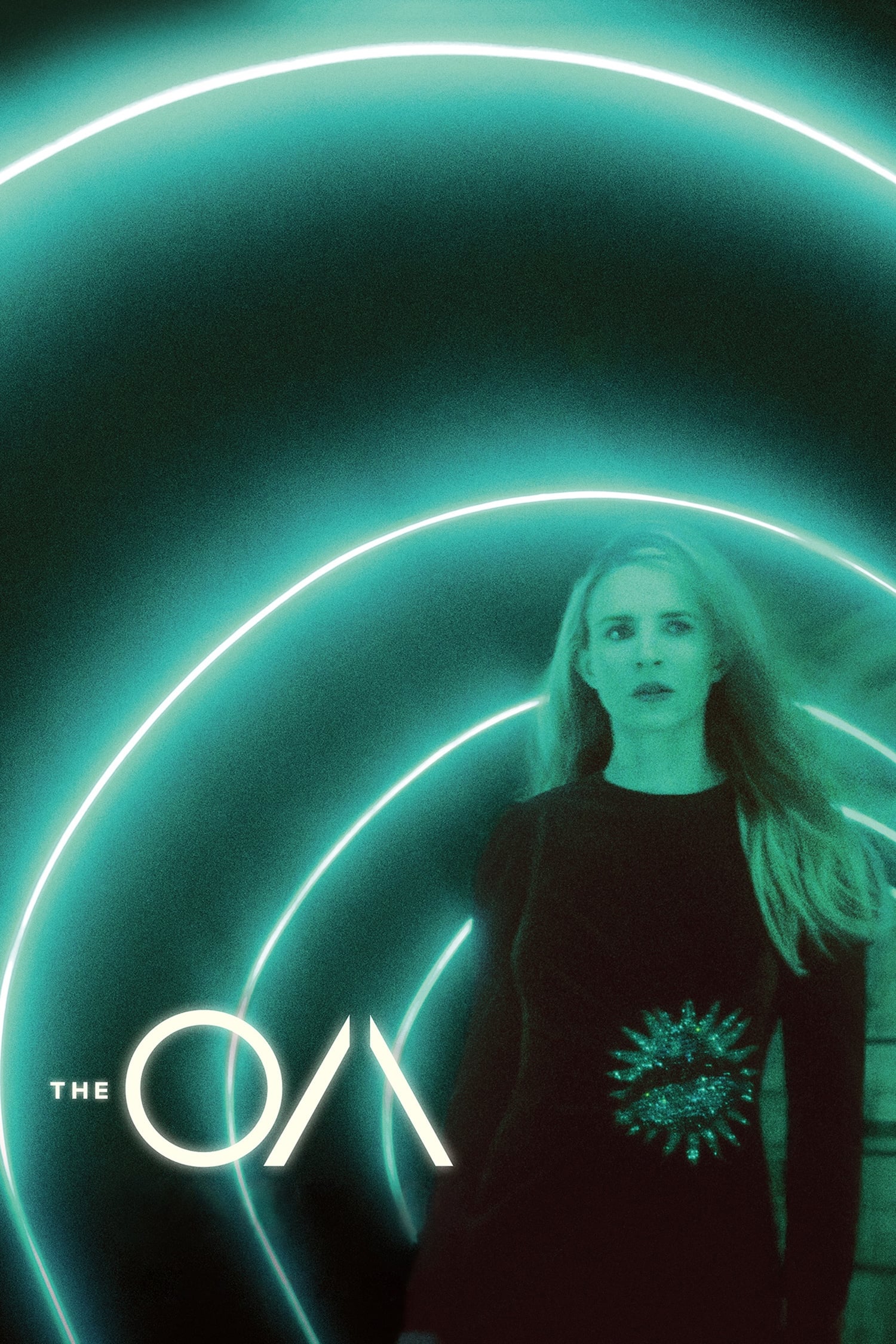
Co-created by Brit Marling and Zal Batmanglij, this mystery-sci-fi series follows a missing woman who returns with unusual abilities and a plan involving alternate dimensions. The story uses collaborative storytelling, symbolic choreography, and scattered clues across episodes.
Its cancellation after two seasons prompted petitions and coordinated appeals for continuation. Fans cataloged transmedia hints and recurring motifs, treating the show as an ongoing puzzle and documenting unresolved threads after the finale.
‘Sense8’ (2015–2018)
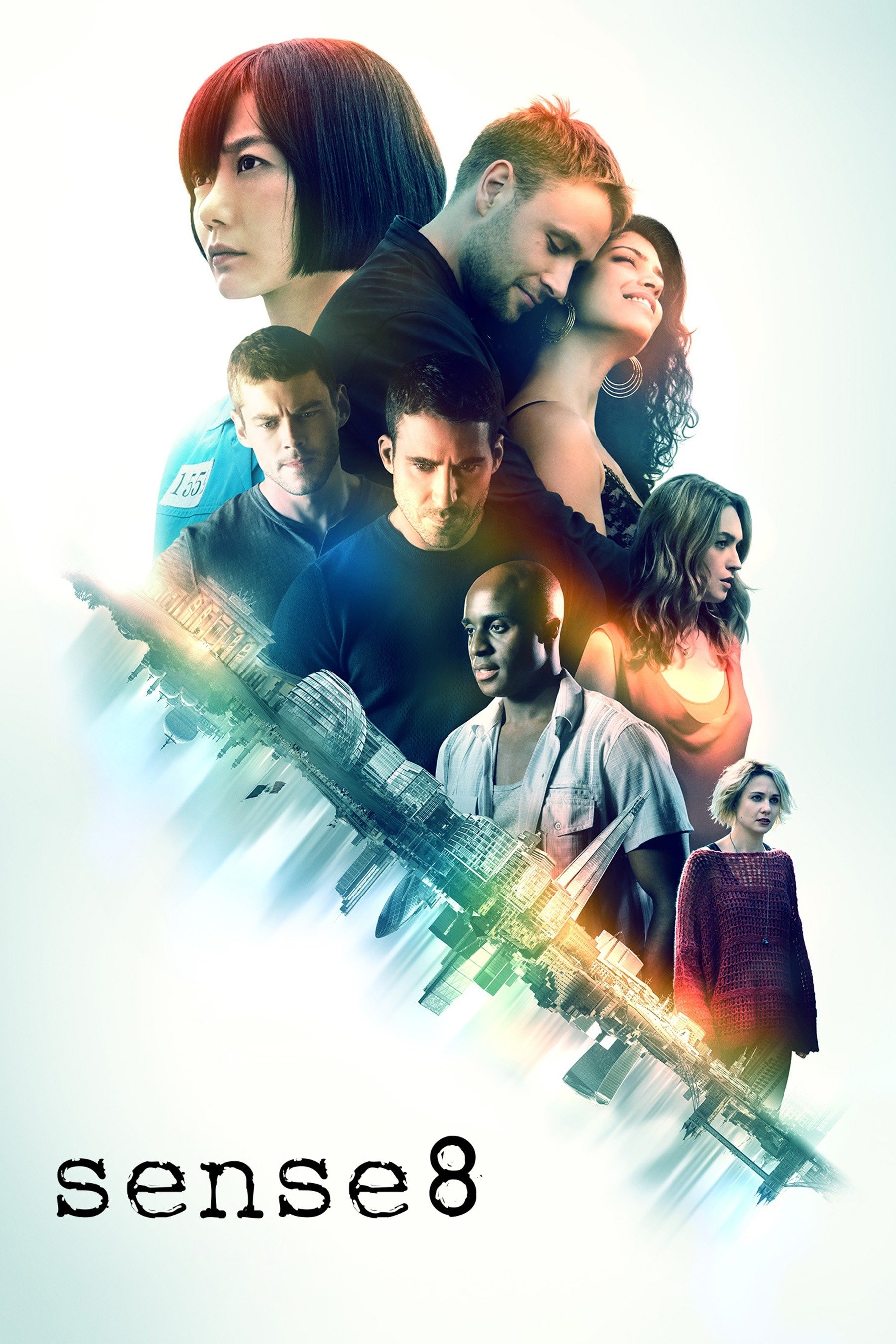
From Lana and Lilly Wachowski with J. Michael Straczynski, this global sci-fi drama centers on eight people mentally linked across continents. The production filmed on multiple international locations, combining action sequences, character-driven arcs, and themes of connection.
The series was canceled and later received a feature-length finale after sustained fan advocacy. Discussions frequently referenced budget scale, logistics of on-location shooting, and how the show’s ensemble structure influenced renewal calculus.
‘Jupiter’s Legacy’ (2021)

Based on Mark Millar and Frank Quitely’s comic, this superhero saga contrasts a founding generation’s code with their children’s approach to power and responsibility. The season alternates between period-piece origins and present-day family conflicts among costumed figures.
Reports of showrunner changes, reshoots, and budget considerations shaped public perception during and after release. The series was canceled following its first season, while the broader IP continued on the platform through ‘Super Crooks’, prompting conversation about shared-universe pivots.
‘First Kill’ (2022)
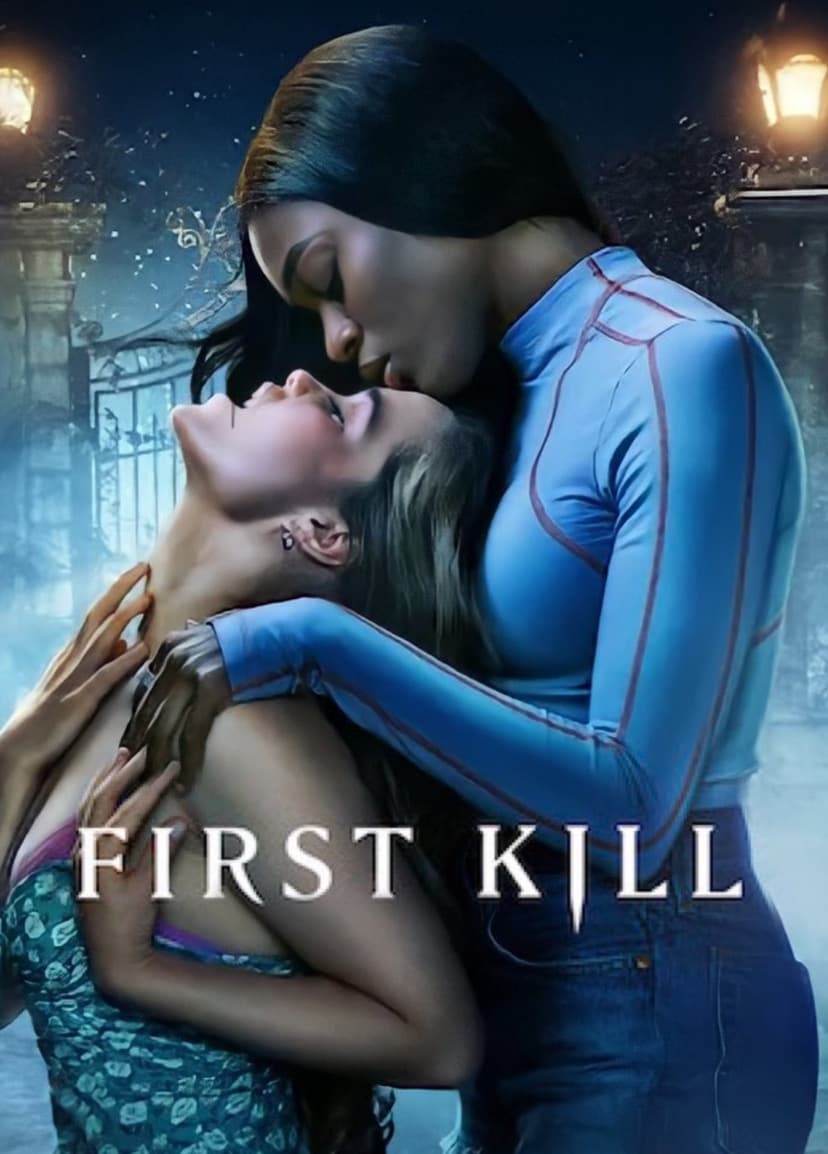
This supernatural teen romance adapts Victoria Schwab’s short story about a vampire and a monster-hunter from rival families. The season combines school life with legacy-driven politics, set against rules for clans, councils, and territorial enforcement.
After cancellation, fans organized petitions and social-media drives highlighting engagement metrics and international interest. The series became a reference point in debates about teen-genre representation and how first-season performance is evaluated by streamers.
‘Q-Force’ (2021)
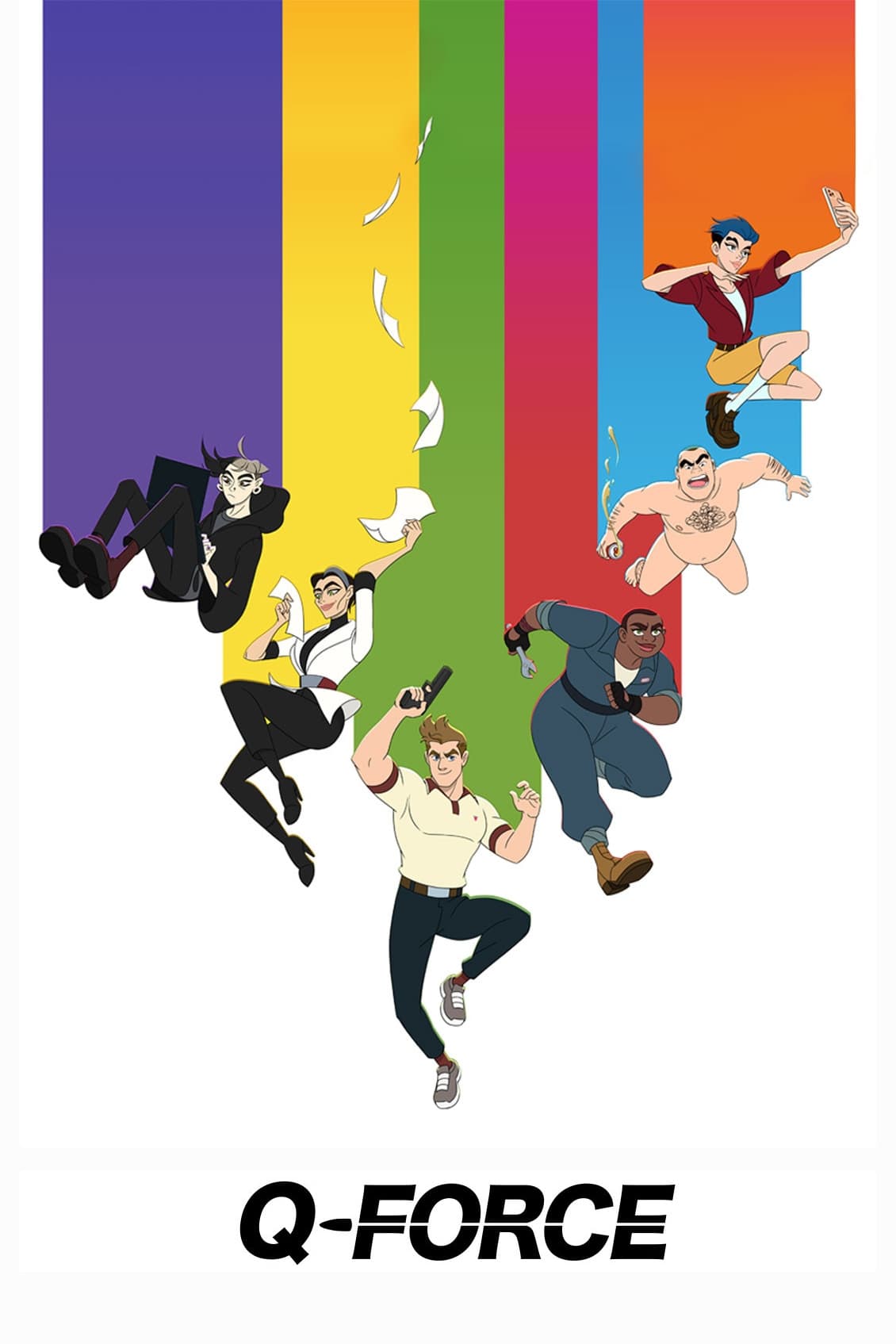
An animated spy comedy created by Gabe Liedman and executive-produced by Sean Hayes, this series follows an LGBTQ intelligence unit headed by a sidelined superspy. The cast features Hayes, Wanda Sykes, Laurie Metcalf, and other well-known performers.
Trailer cuts and early marketing drew scrutiny before the premiere, with commentators discussing character archetypes and comedic framing. Post-release, discourse focused on writers’-room composition, episode structure, and how the show fit within Netflix’s adult-animation slate.
‘The Politician’ (2019–2020)

From Ryan Murphy, Brad Falchuk, and Ian Brennan, this dark comedy follows an ambitious student whose path runs through increasingly elaborate campaigns. The series pairs political satire with musical interludes and guest-star turns across changing settings.
Between seasons, shifts in location and electoral stakes led to comparisons with anthology formats and questions about planned future arcs. Awards recognition for cast members coincided with uncertainty about continuation as the streamer focused on other projects from the same producers.
‘Masters of the Universe: Revelation’ (2021)
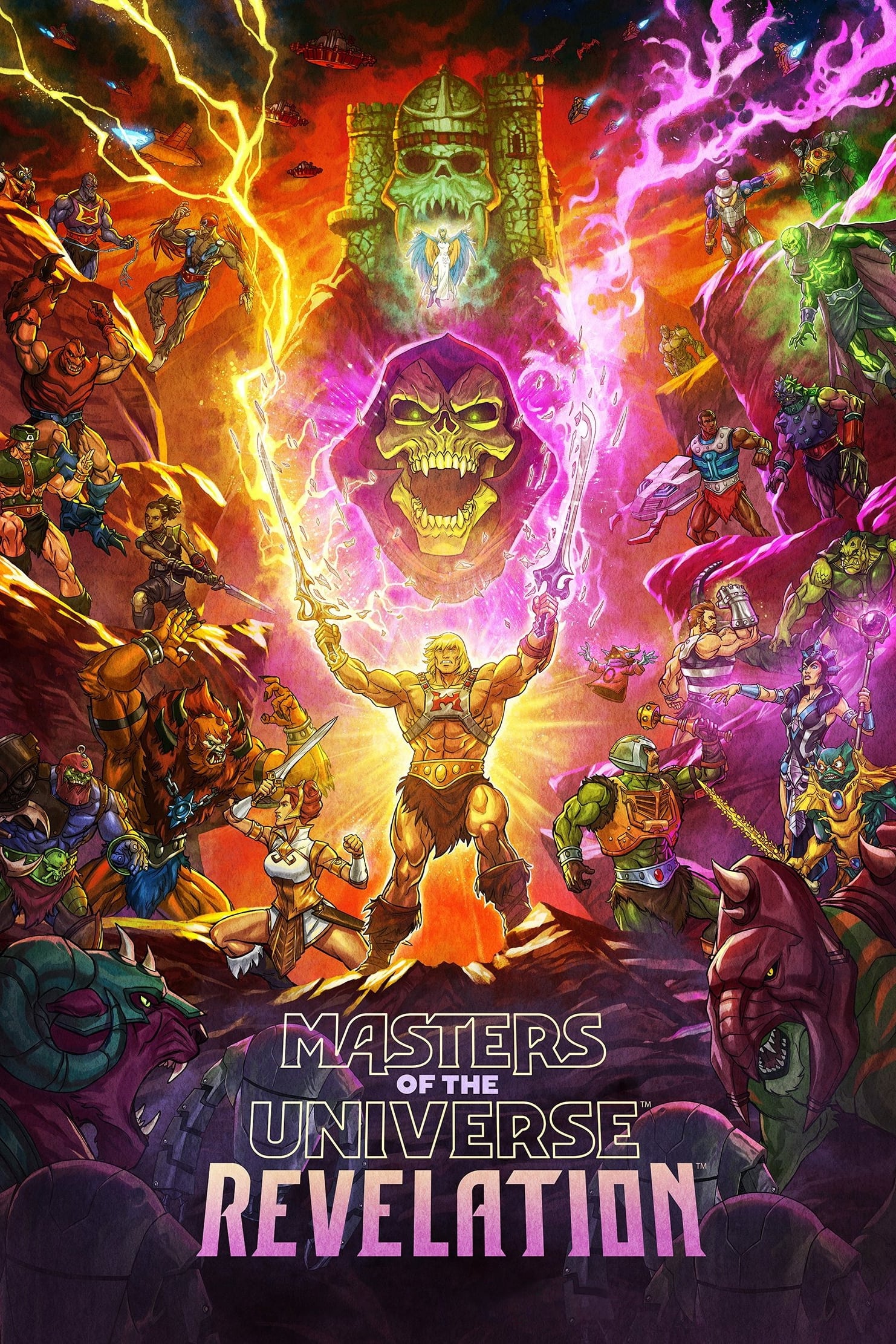
Developed by Kevin Smith, this animated sequel continues the classic continuity of ‘He-Man and the Masters of the Universe’, updating designs and bringing back legacy characters. Voice talent includes Mark Hamill, Lena Headey, and Sarah Michelle Gellar.
Early episodes made structural choices that reshaped character focus and mission objectives, which became the primary topic of community discussion. Netflix released a second batch to complete the arc, clarifying plot trajectories and the status of key relics and factions in Eternia.
‘Warrior Nun’ (2020–2022)
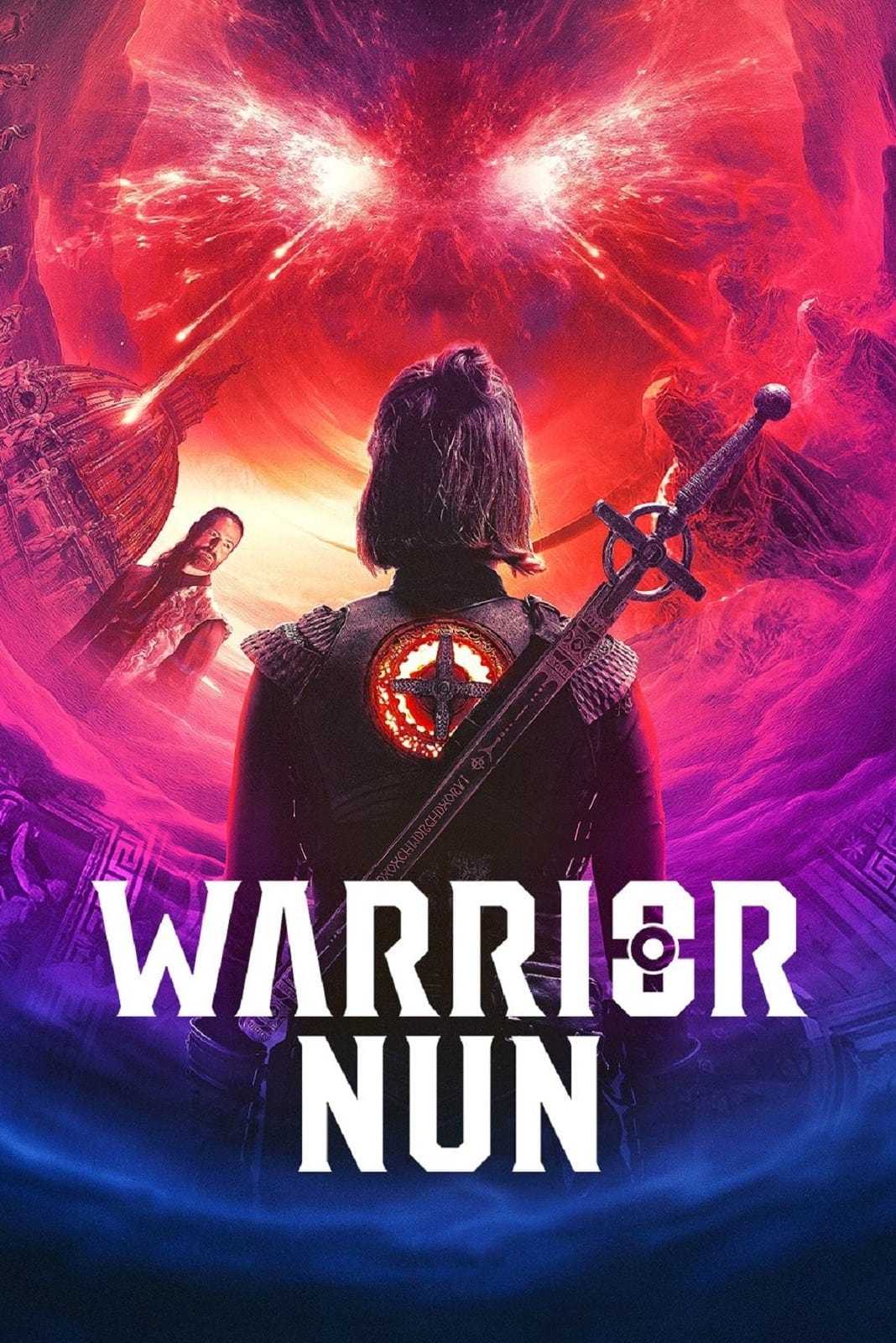
Adapted from Ben Dunn’s comic under showrunner Simon Barry, this fantasy-action series follows an orphan who becomes host to a divine artifact, joining a secret order that fights demonic forces. Filming across European locations supported conspiratorial mysteries and stylized fight choreography.
After cancellation, fans mounted a prolonged campaign that culminated in an announced continuation as feature-length installments separate from the original order. The production’s international cast, location use, and mythology-dense scriptwork remained focal points in save-our-show efforts.
‘Insatiable’ (2018–2019)
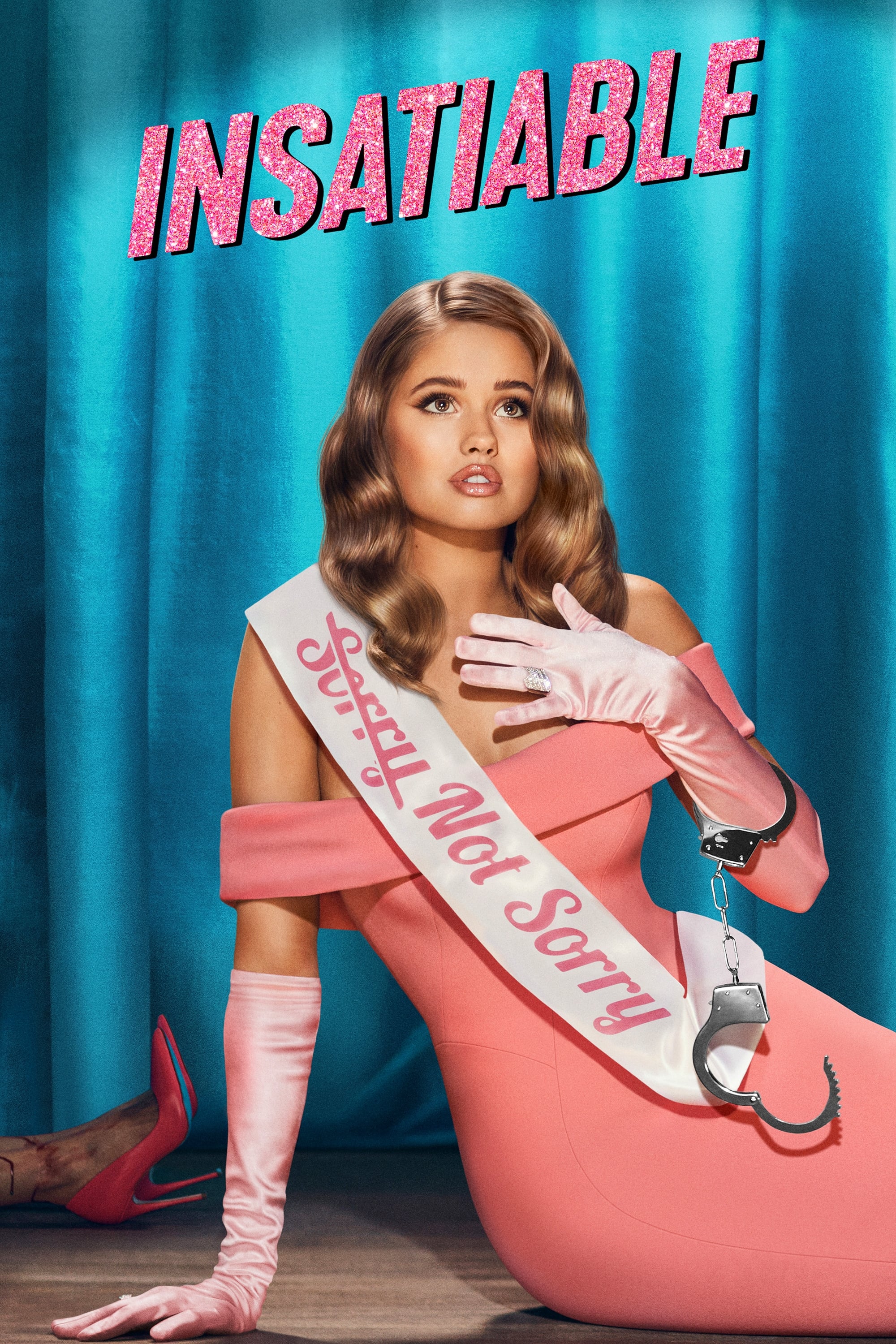
Created by Lauren Gussis, this dark comedy centers on a formerly bullied teen who enters the beauty-pageant circuit with help from a disgraced coach. The narrative combines courtroom antics, pageant subculture, and small-town scandal.
A large petition targeted the show’s premise and trailer framing ahead of release, prompting statements from the creative team and cast. Netflix addressed concerns while the series continued for a second season, keeping attention on satire, marketing, and viewer expectations.
‘You’ (2018–2024)
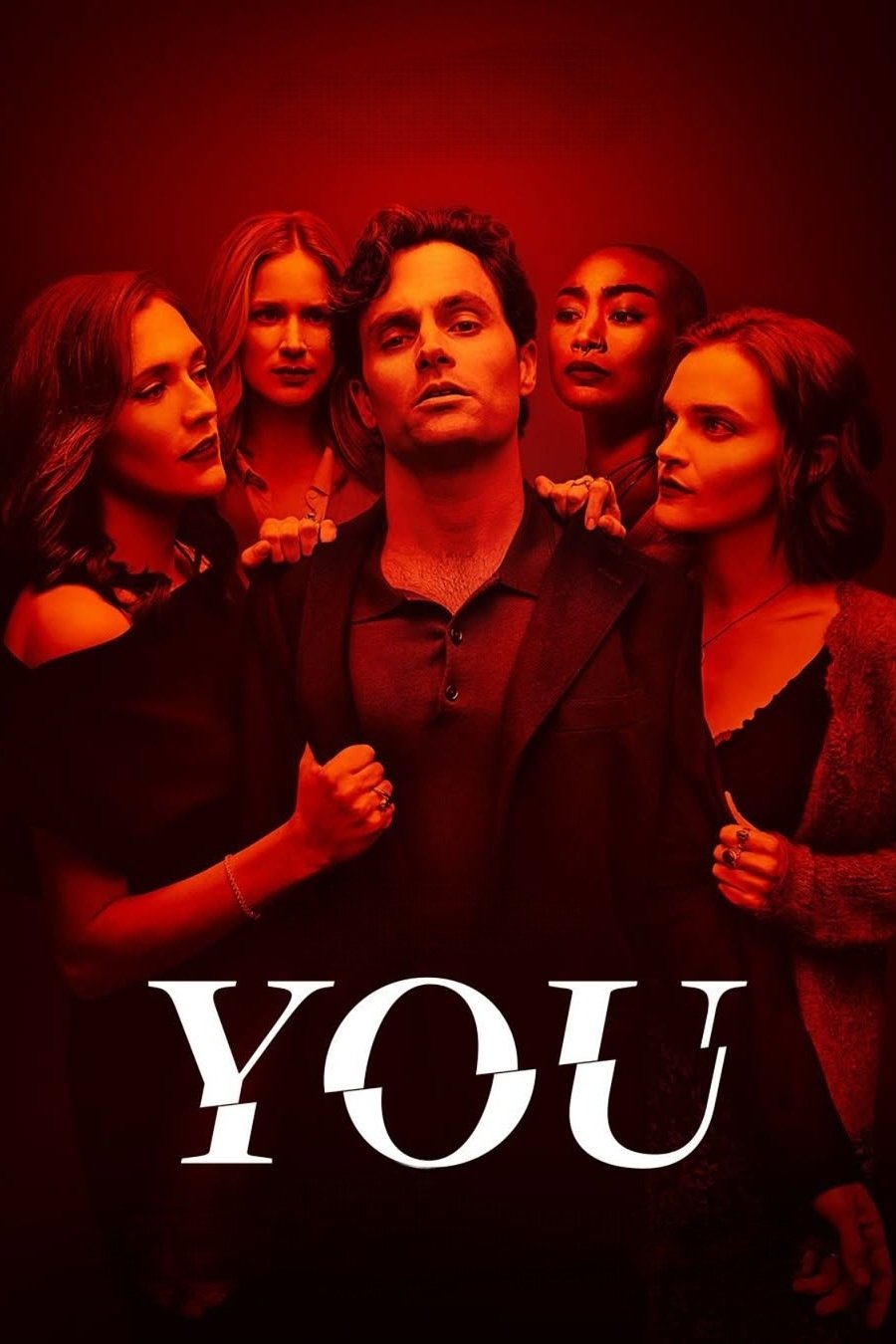
Developed by Greg Berlanti and Sera Gamble from Caroline Kepnes’s novels, this thriller follows a bookseller whose obsessions lead to reinvention across changing cities. The show employs voice-over, second-person address, and season-specific resets to track the protagonist’s methods.
Public-safety advocates, educators, and commentators engaged with the portrayal of stalking and coercive behavior, which led to media-literacy discussions and advisory coverage. Platform shifts, location changes, and new ensemble dynamics each season kept scrutiny on structure and framing.
‘The Umbrella Academy’ (2019–2024)
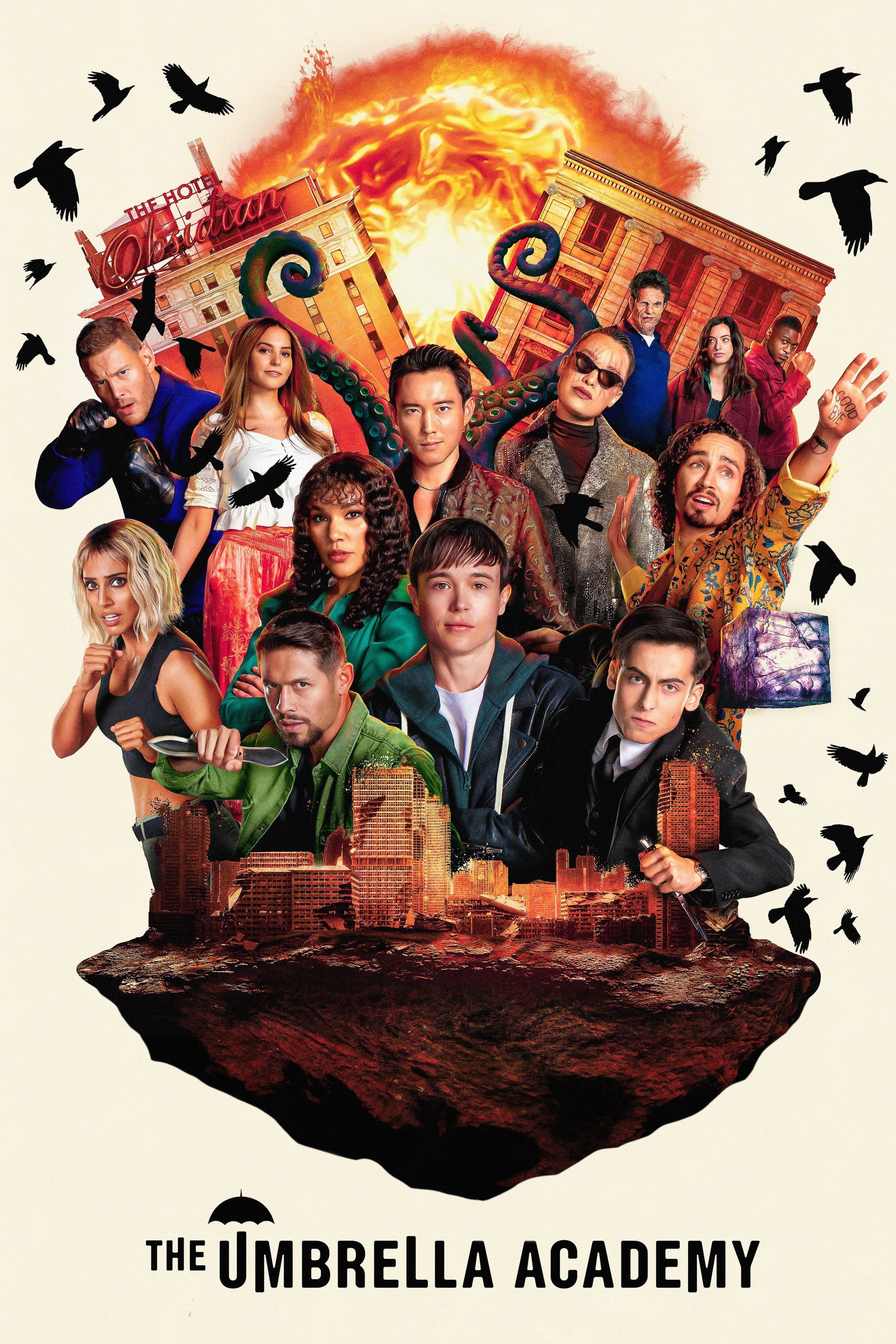
Based on the Dark Horse Comics by Gerard Way and Gabriel Bá, this superhero family drama brings together adopted siblings with extraordinary abilities to prevent apocalyptic threats. The production is known for choreographed ensemble sequences, puzzle-box timelines, and prominent soundtrack choices.
During its run, the writers incorporated Elliot Page’s real-life transition into the character’s journey, coordinated with the star. Viewers tracked divergences from the comics, alternate-timeline mechanics, and the path to a concluding season, keeping adaptation choices in constant comparison.
‘Dahmer – Monster: The Jeffrey Dahmer Story’ (2022)
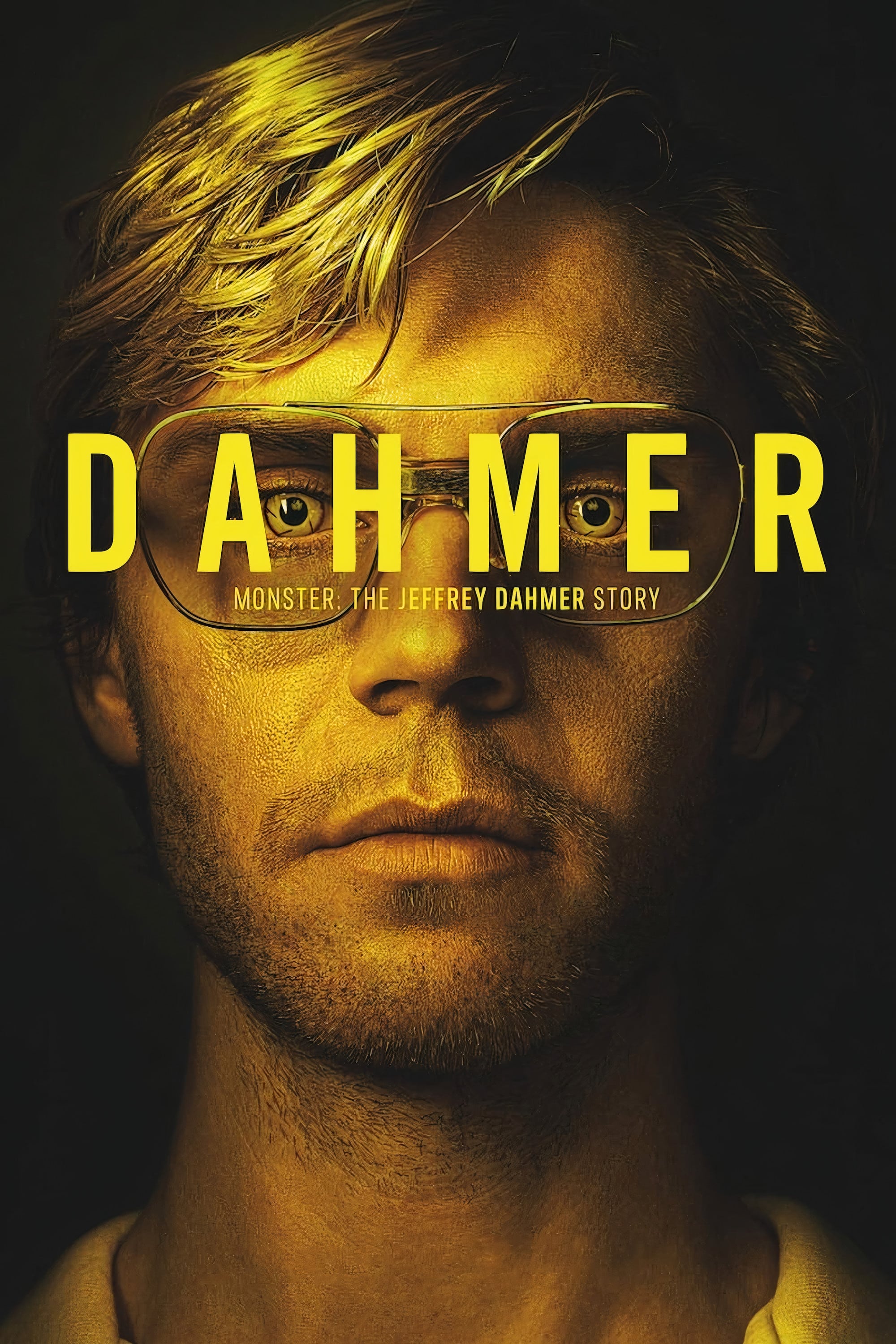
Created by Ryan Murphy and Ian Brennan, this limited series dramatizes crimes associated with Jeffrey Dahmer, with emphasis on law-enforcement failures and the experiences of victims and neighbors. The production featured detailed period design and an ensemble depicting investigators, families, and community members.
The release involved adjustments to on-platform category tags and public statements from people connected to the case. Awards attention and viewership milestones were followed by additional ‘Monster’ anthology entries, while families and advocates raised concerns about dramatization and notification practices.
‘The Witcher’ (2019– )
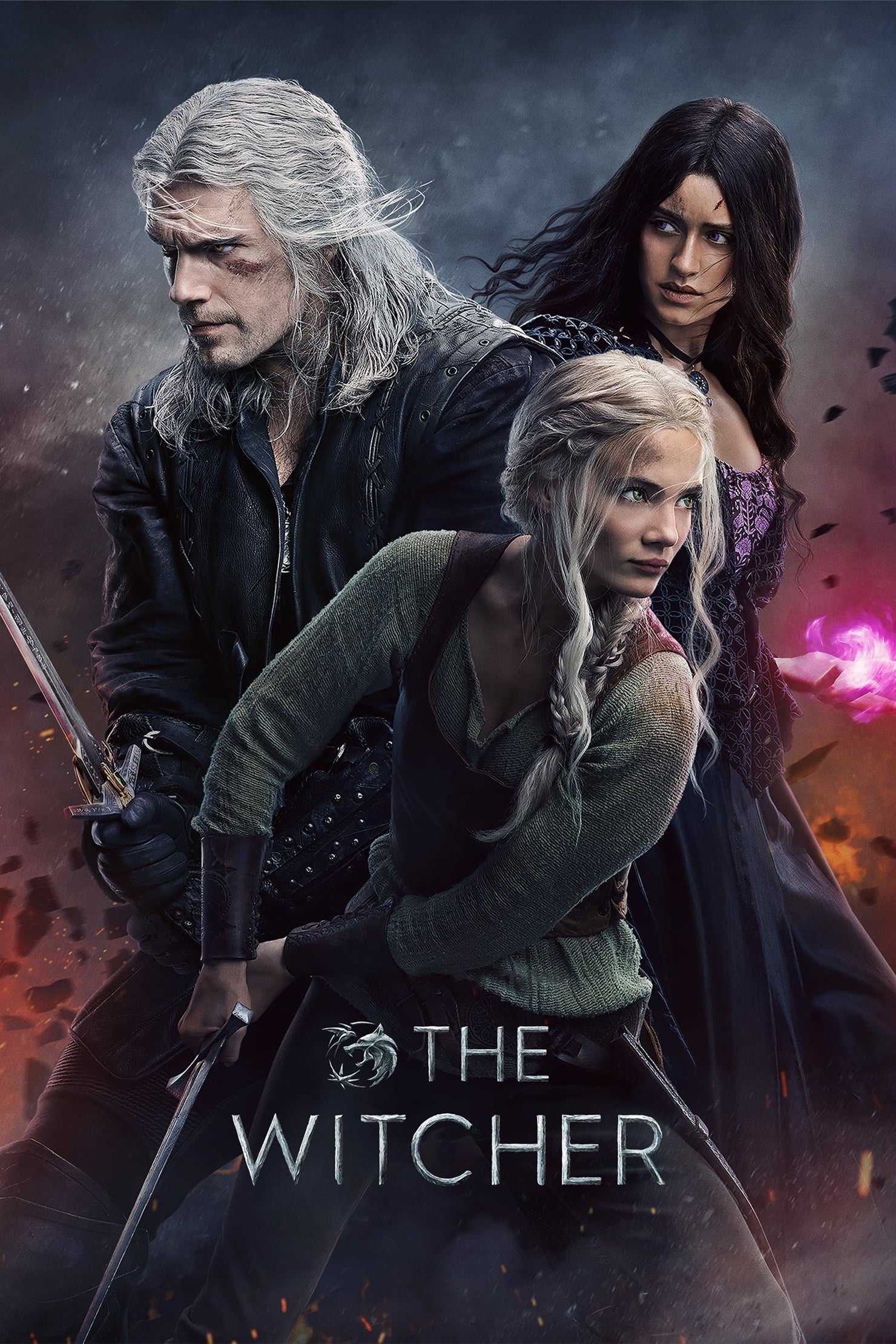
Based on Andrzej Sapkowski’s novels, this fantasy epic follows Geralt of Rivia, Ciri, and Yennefer as their paths intersect across a war-torn Continent. The series combines stunt-driven combat, practical creature effects, and a score that spawned widely shared in-world songs.
Showrunner transitions, lead-role recasting, and multiple side projects—including an animated feature and a prequel miniseries—kept the franchise in flux. Fans regularly examined timeline structures, adaptation decisions, and continuity across spinoffs, sustaining debate about franchise management on the platform.
Share your picks in the comments—which Netflix series split your group chats the most, and what moments set off the biggest debates?