Odysseus and Calypso – Why the Hero Was Really Trapped on Ogygia for Seven Years



Homer’s ‘Odyssey‘ is packed with monsters, storms, and gods meddling in mortal affairs, but one of its quietest and most haunting stretches involves no battle at all. It is the story of a hero stuck on a beautiful island, unable to leave, and it raises a question fans of Greek mythology still love to debate today.
Why exactly was Odysseus trapped on Calypso’s island, and was it really a prison if the setting was paradise.
Odysseus Washed Ashore After Losing Everything
Odysseus did not arrive on Ogygia as a conquering hero. After losing his ship and all of his remaining companions, he was washed ashore on the island, where the nymph Calypso found him and cared for him. He had already survived years of war and disaster by the time he reached her shores, and he had nothing left, no crew, no ship, no way home.
Calypso, described as a daughter of the Titan Atlas, lived in a deep forest on Ogygia surrounded by natural beauty. The island itself was surrounded by trees, vines, birds, and springs, and even the messenger god Hermes was struck by its beauty when he later visited. On paper, it sounds like the last place anyone would want to escape.
Calypso’s Love Turned Ogygia Into a Gilded Cage
The core reason Odysseus could not simply sail away comes down to Calypso’s feelings for him. Calypso essentially kidnapped Odysseus on her island and wanted to make him fall in love with her, though he never returned those feelings the same way. She discovered the exhausted hero on the beach and, taking pity on him, offered him refuge, but that refuge slowly became something closer to captivity.
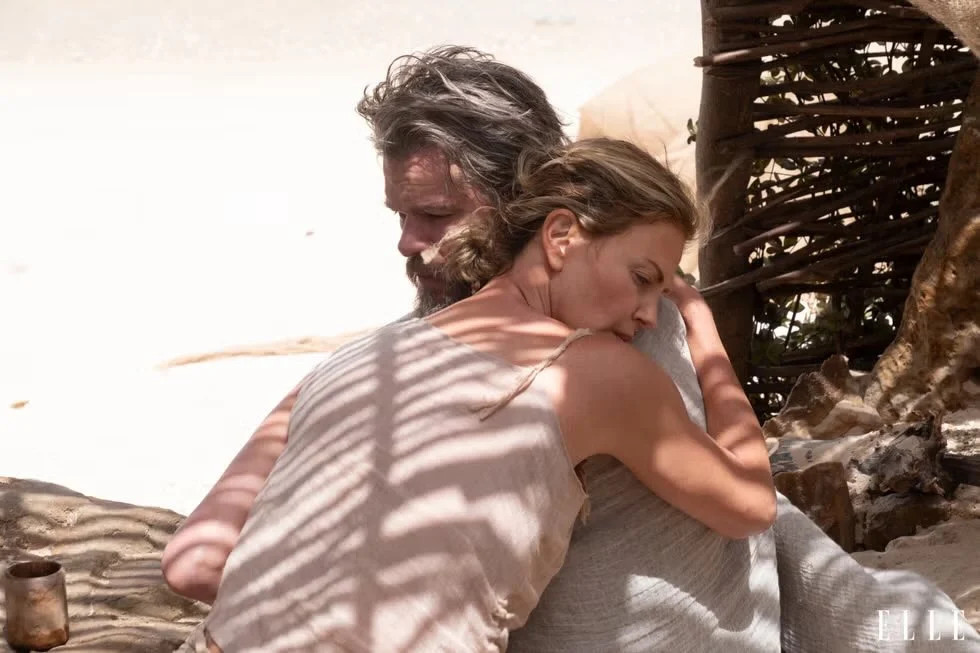
Sources describe him as trapped by comfort rather than chains, with Calypso falling deeply in love and offering him immortality along with an end to all his suffering if he agreed to stay. That is arguably the most fascinating twist in the whole story. This was not a dungeon or a cave sealed shut. It was seduction, luxury, and an offer most mortals could only dream of.
As her feelings intensified, Calypso’s affection grew into something closer to obsession, and when Odysseus later tried to leave on his own, she forcibly kept him on the island. That detail matters a lot for how fans interpret the myth now. It reframes Calypso from a gracious host into someone actively denying Odysseus his freedom.
Seven Years of Longing for Ithaca
However comfortable Ogygia may have looked from the outside, ‘The Odyssey’ makes clear that Odysseus never stopped grieving for his old life. Homer describes him sitting on the shoreline, gazing out to sea with tears in his eyes, consumed by homesickness despite everything Calypso offered him. That image has become one of the most quoted emotional beats in the entire epic.
Calypso offered Odysseus immortality and agelessness if he would remain with her, one of the greatest gifts a mortal could ever receive, yet he turned it down. He refused because accepting would have meant giving up his chance to return home, his wife Penelope, and his entire mortal life back in Ithaca. For a hero defined by cleverness and endurance, that refusal says everything about what actually drove him.
The relationship between Calypso and Odysseus is often read as a meditation on temptation, desire, and longing, weighing love against duty and mortal desire against divine interference. This seven year stretch became a major part of Odysseus’ larger twenty year absence from Ithaca, stretching an already impossibly long journey even further. It’s easy to see why this section of the poem still resonates, since it’s less about monsters and more about what it means to choose home over paradise.
How the Gods Finally Freed Him From Ogygia
Odysseus was not able to talk or fight his way off the island. It ultimately took the assistance of Athena and the other gods to force Calypso to release him from Ogygia. Calypso reportedly gave an impassioned and pointed rebuke to Zeus over the moment, calling out what she saw as double standards in how gods and goddesses were allowed to behave.
At the very start of ‘The Odyssey,’ Athena reminds Zeus that Odysseus is still trapped on Ogygia, which helps set the entire rescue plot into motion. He was finally released only after Zeus sent Hermes to the island carrying a direct divine command. Once that order arrived, Calypso relented, helped build Odysseus a raft, and supplied him for the journey back to Ithaca.
Scholars have long treated Ogygia as a kind of pleasurable prison, one that delays Odysseus’ return home even as it symbolizes a strange, immortal kind of painlessness. It is a fitting way to sum up the whole episode. Ogygia never needed walls or guards, because Calypso’s love and the promise of eternal life did the job just as effectively.
Do you think Odysseus made the right call turning down immortality with Calypso, or would Ithaca have been worth leaving behind for a life without pain or death.