Oscar-Winning Performances Built on One Great Scene


Some Academy Award winners feel inevitable from the moment a single scene lands. One sequence becomes the calling card: the clip every show uses, the moment audiences remember, and the piece that distills everything the performance is doing across the rest of the film. These aren’t the only strong beats in their movies, but they’re the ones that traveled the farthest and did the most heavy lifting.
Below are Oscar-winning turns where one scene became the signature. For each, you’ll find what the scene actually contains—who’s in the room, what’s being said or done, and how the filmmaking isolates the actor—plus how that moment functioned in the awards conversation and the role it played in the wider cultural memory of the performance.
Joe Pesci – ‘Goodfellas’ (1990)
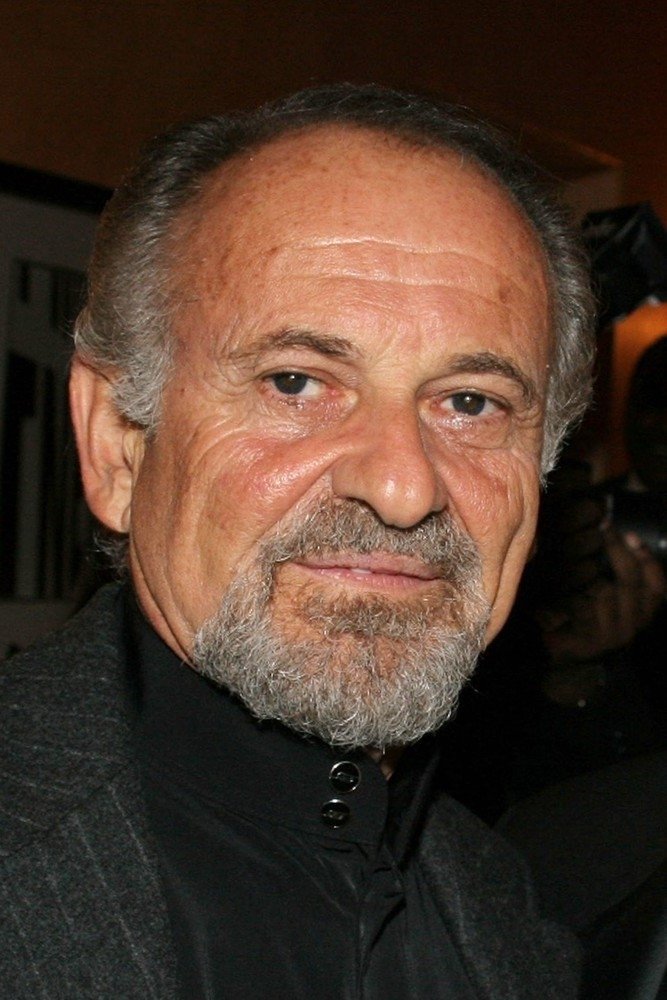
In the “Funny how?” scene, Tommy tests Henry at a crowded nightclub table by turning a casual compliment into a sudden, knife-edge interrogation before snapping back to jokes. The sequence is staged in close quarters with overlapping dialogue, allowing shifts in volume and eye contact to register as the tension mechanism; extras and ambient sound fall away once the confrontation sharpens, then rush back in when the punchline lands.
Clips from this exchange became the standard promo excerpt for the performance, appearing in broadcast packages and retrospectives because it cleanly demonstrates volatility, control of pacing, and status games in a single passage. The moment circulated widely on television and home video anthologies, cementing it as the shorthand reference for the role during awards season coverage and in later critical histories.
Anthony Hopkins – ‘The Silence of the Lambs’ (1991)
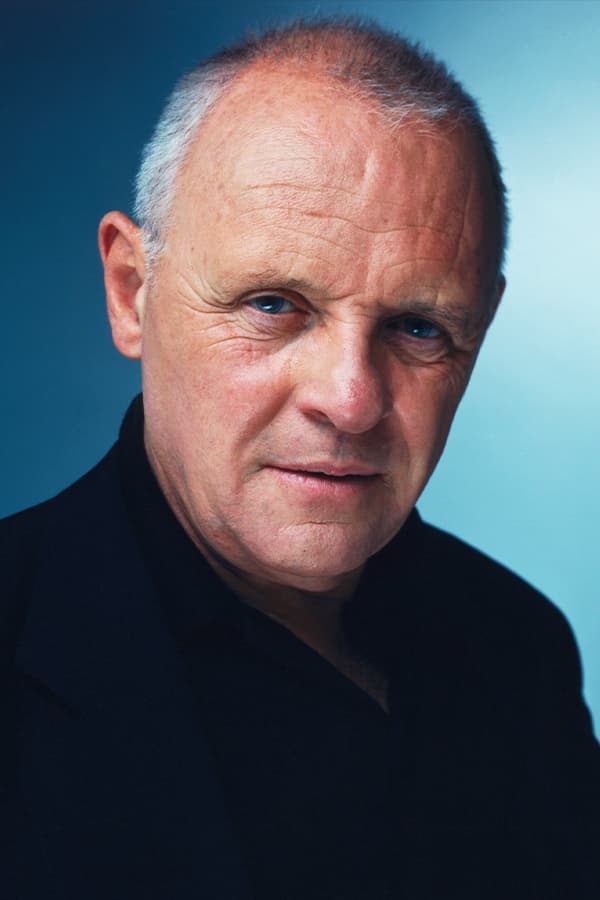
The early quid-pro-quo meeting between Clarice Starling and Hannibal Lecter introduces Lecter behind glass, standing perfectly still, speaking in measured cadences while the camera holds close on unmoving features. Production details—sterile lighting, reflective surfaces, and the lack of background score—serve to isolate line delivery, making each pause and enunciation carry the weight of threat and intelligence.
Awards shows and media outlets routinely selected this exchange for highlight reels because it efficiently delivers the character’s intellect, menace, and peculiar charm without requiring broader plot context. The dialogue’s cadence and the visual framing became the canonical evidence piece in profiles, press kits, and career montages that pointed to the performance’s precision and control.
Mo’Nique – ‘Precious’ (2009)
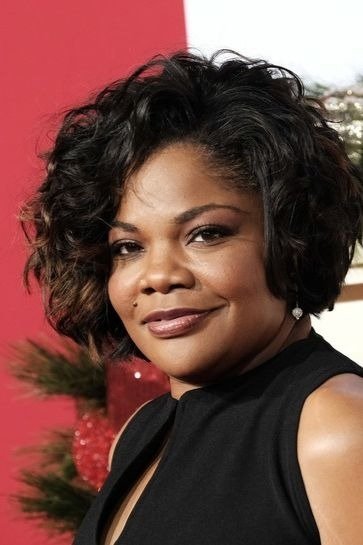
The climactic social-worker meeting places mother and daughter in a small office where testimony, not action, drives the scene. The camera holds on uninterrupted takes as confessions and accusations surface, with the actor playing to stillness and then to physical collapse, using silence and breath to mark each shift in the character’s version of events.
This encounter was the awards-campaign centerpiece, widely excerpted on talk shows and in official screening materials because it compresses backstory, motivation, and consequence into one sustained monologue-driven passage. Entertainment news segments repeatedly used this clip to illustrate range and emotional specificity, turning it into the performance’s definitive reference point.
Christoph Waltz – ‘Inglourious Basterds’ (2009)
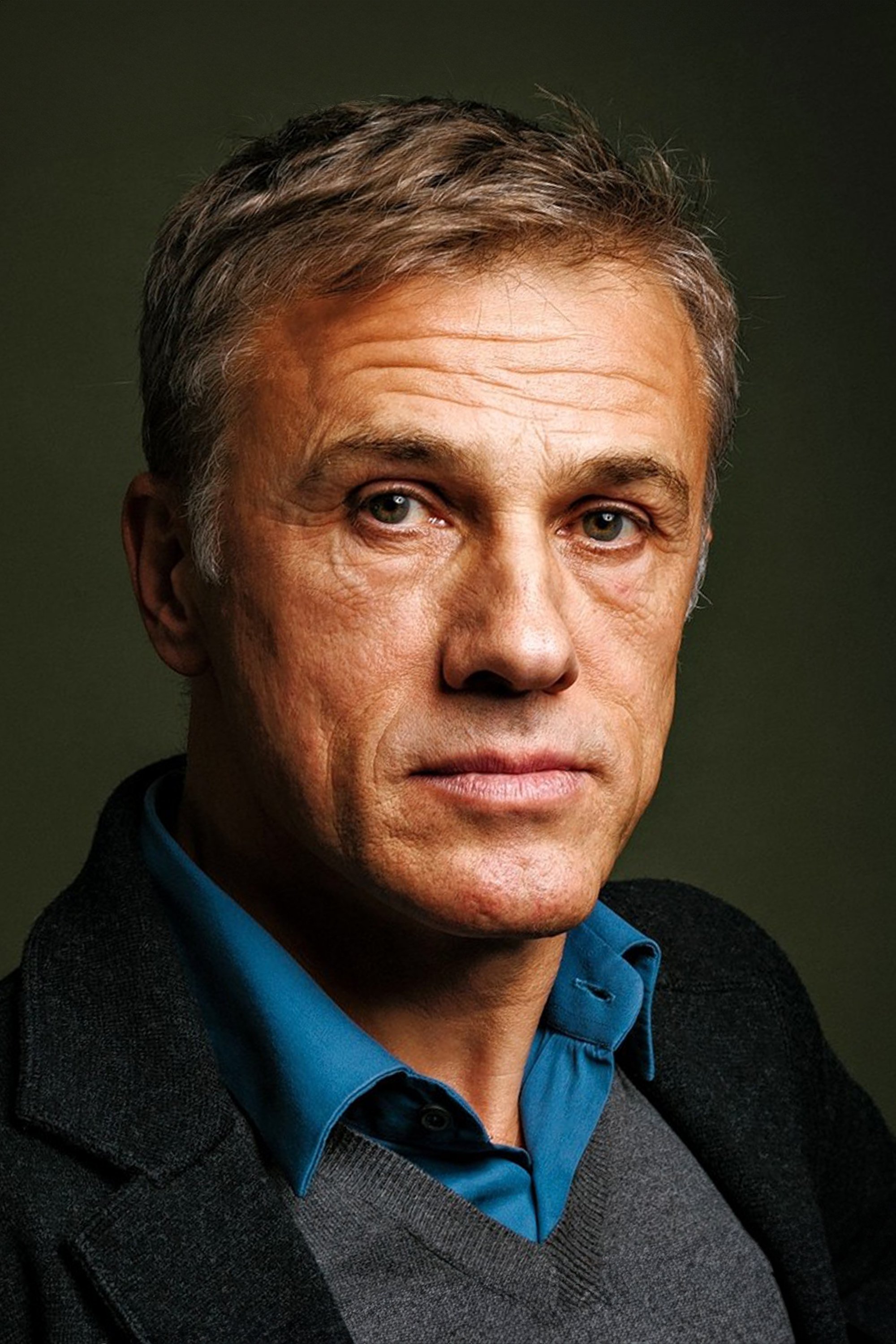
The farmhouse interrogation opens the film with Colonel Hans Landa conducting a polite, relentless search while a family hides beneath the floorboards. The scene is built on bilingual dialogue, shifts between courtesy and pressure, and deliberate pacing that lets the actor modulate tone as the camera alternates between tight close-ups and wide frames revealing concealed stakes.
Festival coverage and awards features consistently singled out this prologue because it showcases verbal dexterity, command of rhythm, and strategic charm in a self-contained unit. Press kits and televised montages leaned on the interrogation as the emblem of the role, ensuring the sequence became the performance’s widely recognized signature.
Anne Hathaway – ‘Les Misérables’ (2012)
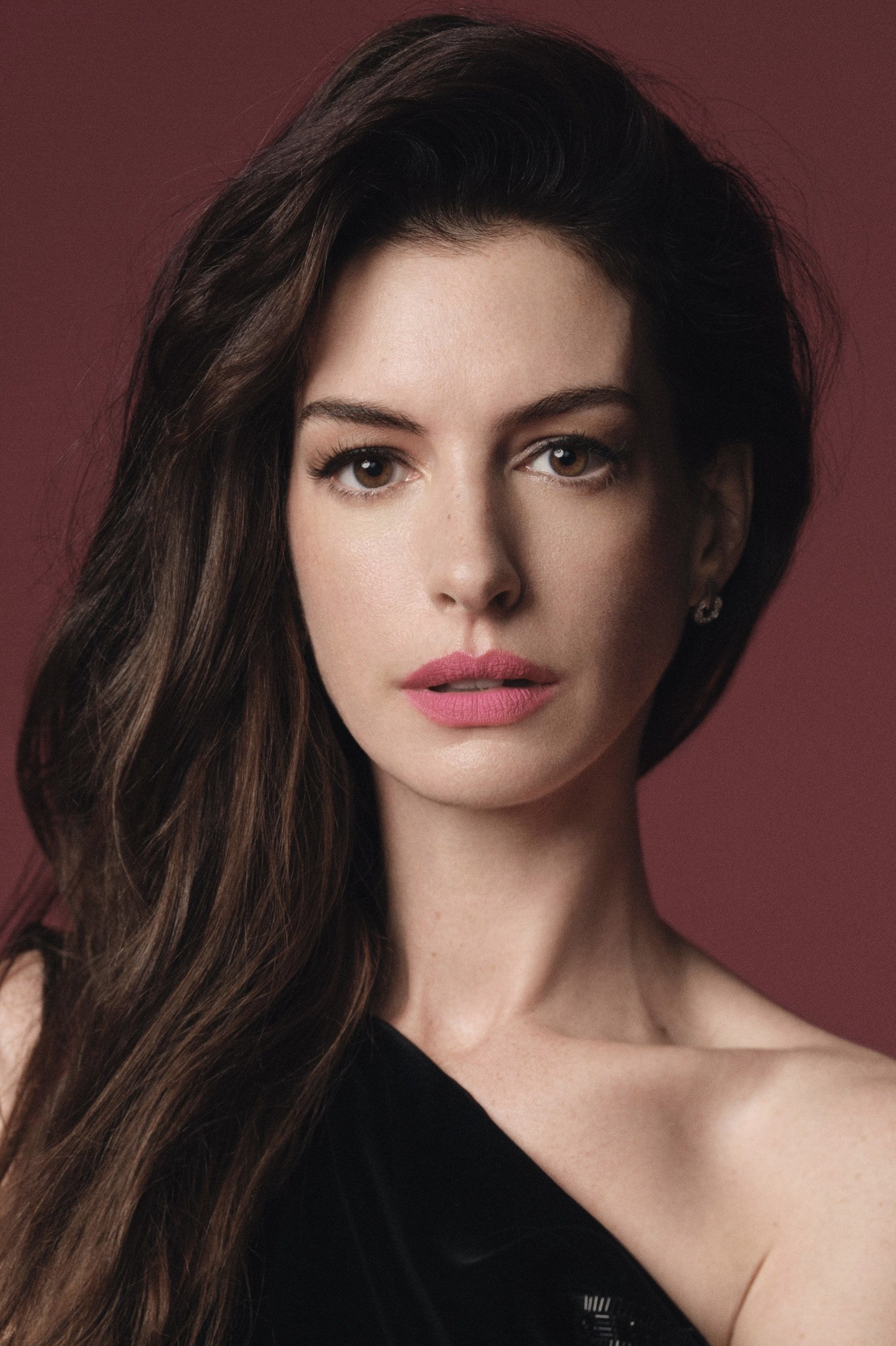
“I Dreamed a Dream” is performed in a single, intimate take, with the camera remaining close as Fantine sings through resignation, memory, and despair. Live on-set vocals remove the safety net of studio polish, so micro-expressions, breathing, and phrasing carry the character’s trajectory while the environment stays largely static around the face.
Television coverage, behind-the-scenes features, and awards clips used this performance of the song as the anchor image for the role. The one-take design made it ideal for excerpting, and it circulated across official channels as the concise demonstration of technique, stamina, and narrative clarity that underpinned the win.
J.K. Simmons – ‘Whiplash’ (2014)
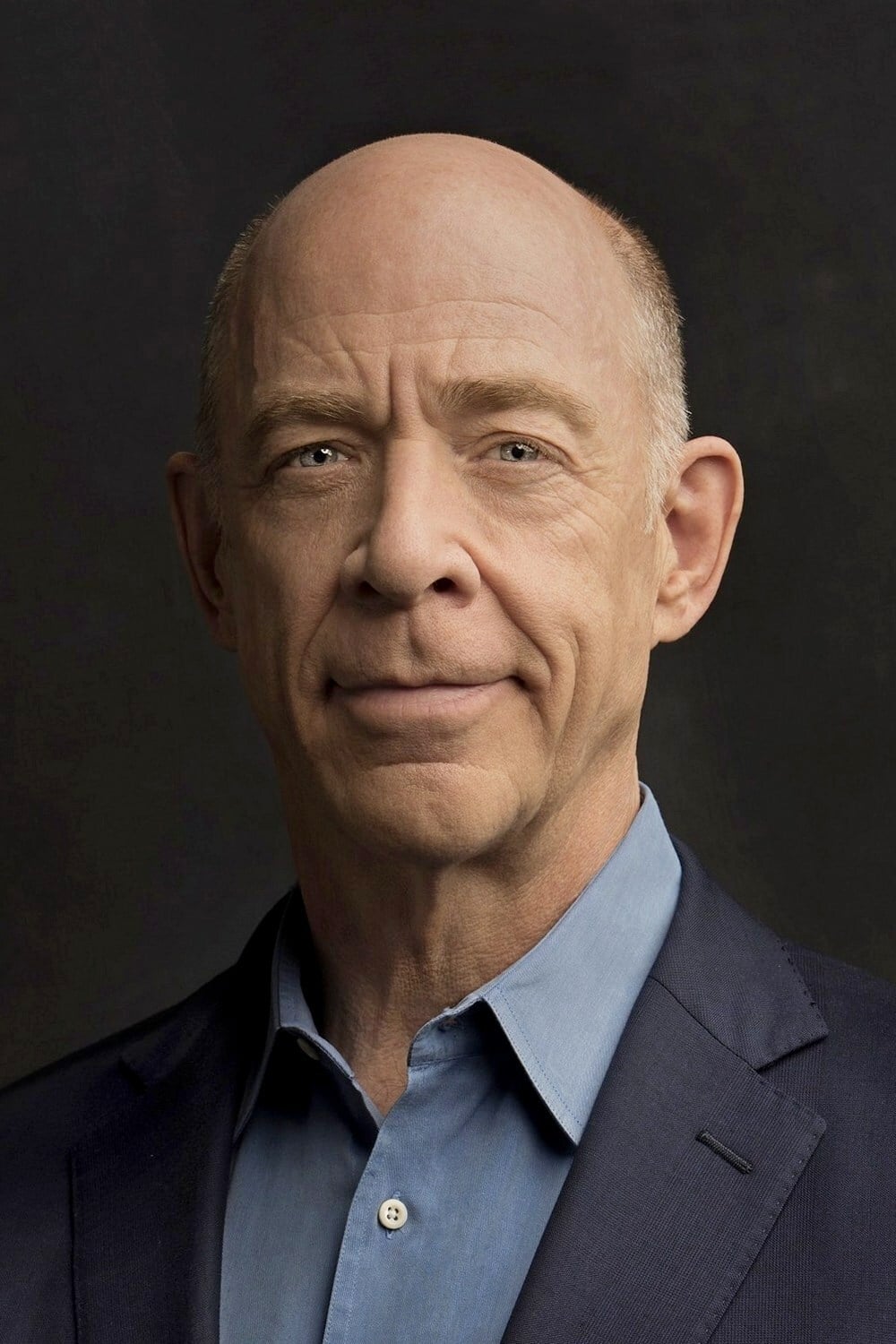
In the rehearsal-room “Not quite my tempo” passage, the instructor calibrates intimidation through tempo calls, sudden stoppages, and exacting corrections, culminating in precise physical cues that set the ensemble on edge. The sound mix emphasizes metronome clicks, stick taps, and abrupt silences, providing a sonic grid against which the actor’s timing lands.
This scene became the go-to clip in talk-show spots and awards packages because it captures authority, method, and volatility without needing plot setup. Trade-press profiles repeatedly embedded the sequence in digital articles and video sizzles, positioning it as the definitive proof of the performance’s control over rhythm and power dynamics.
Viola Davis – ‘Fences’ (2016)
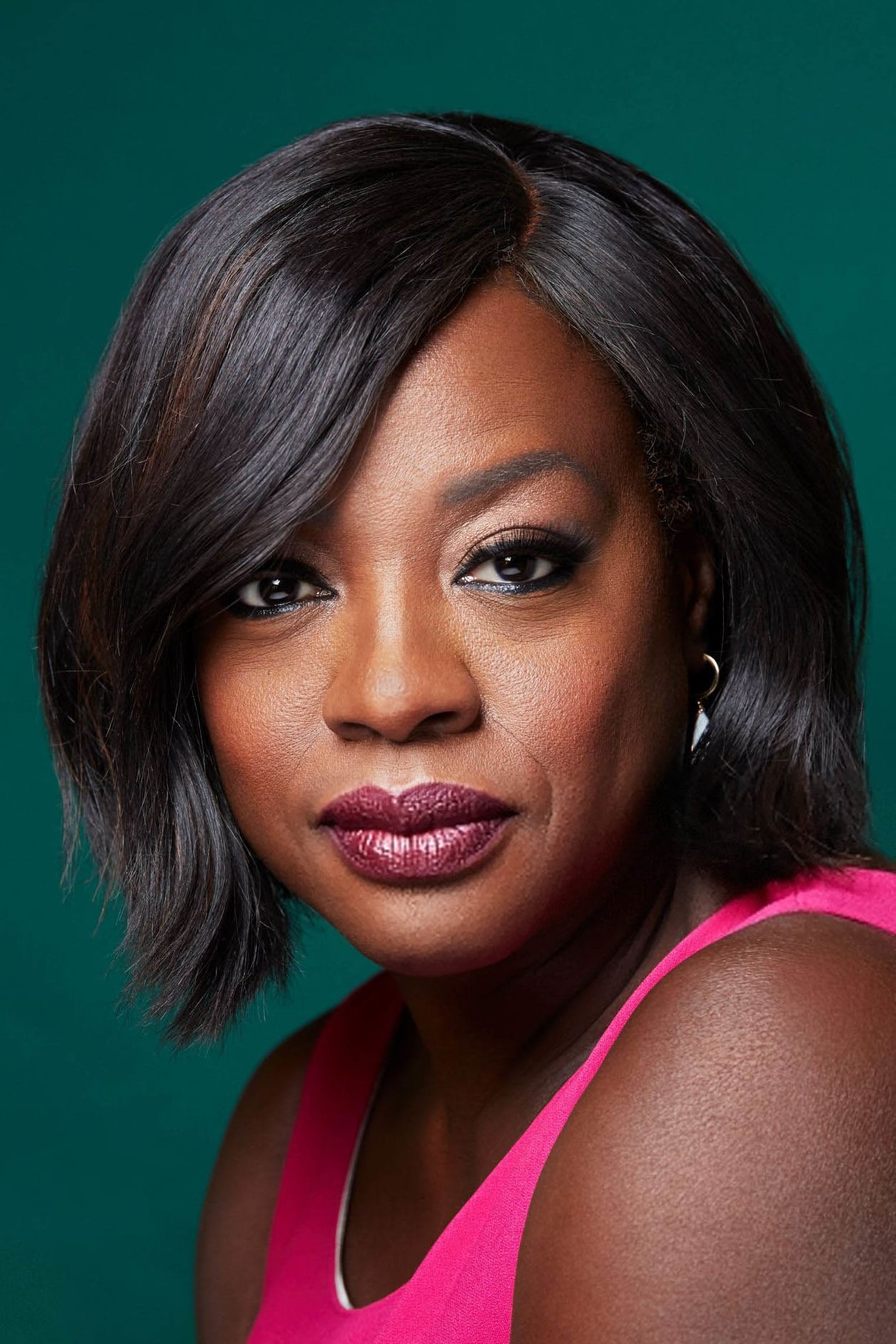
The kitchen and porch confrontation unfolds in extended takes where arguments about duty, love, and betrayal surface in overlapping dialogue. The staging keeps characters at domestic distances—sink, doorway, steps—so each move across the frame marks a negotiation of space, while the actor’s breath, vocal break, and stillness punctuate turns in the conversation.
Campaign materials and televised retrospectives frequently excerpted this exchange because it concentrates the role’s emotional arc into a contained, easily contextualized passage. Critics’ roundups and award-night highlight reels returned to these beats as the most illustrative snapshot of text work, responsiveness, and power across the adaptation.
Mahershala Ali – ‘Moonlight’ (2016)
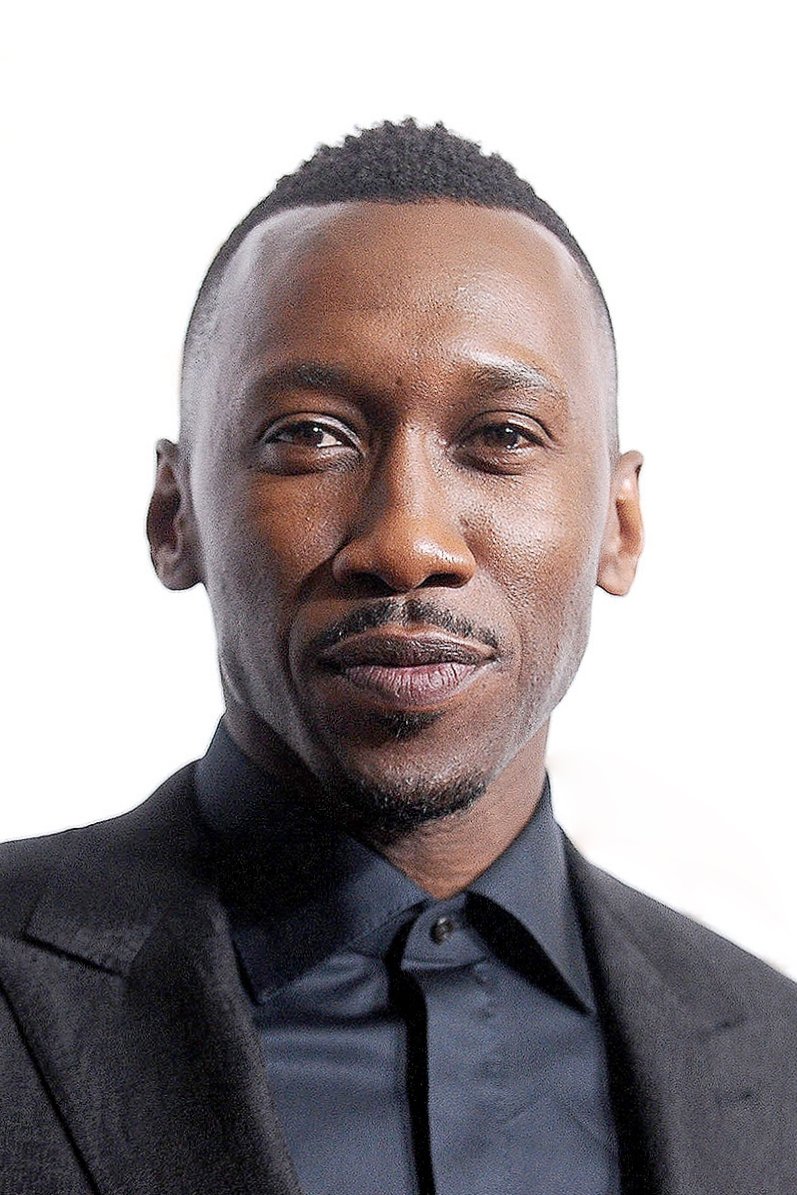
The ocean-lesson sequence places mentor and child in shallow water as floating becomes both literal instruction and character bond. The camera holds at waterline, letting the actor’s posture, hand placement, and measured guidance read clearly while ambient surf sound provides a steady backdrop to short, instructive lines.
This moment circulated heavily in featurettes and award-season promos as a compact demonstration of presence, gentleness, and clarity of action. Media outlets repeatedly used the shot of the lesson as the emblem of the performance, framing it as the concise evidence scene when presenting the role to broad audiences.
Frances McDormand – ‘Three Billboards Outside Ebbing, Missouri’ (2017)
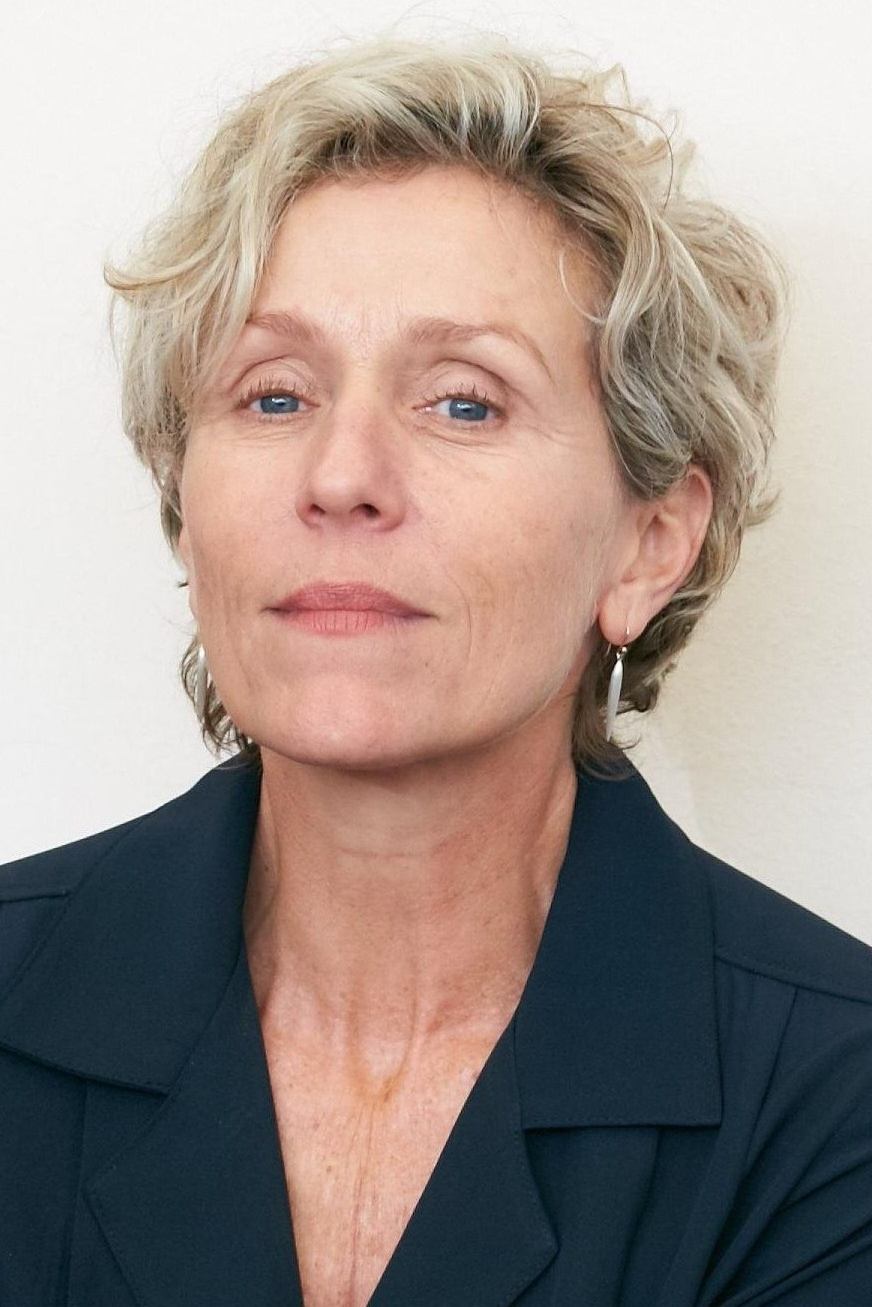
The police-station confrontation compresses months of unresolved conflict into a single visit where clipped questions, calculated pauses, and plain-spoken lines set the tempo. Camera placement favors medium shots that keep posture and gaze in frame, while the set’s everyday details—counters, forms, fluorescent light—underline the matter-of-fact delivery.
Awards shows and entertainment programs chose this visit for clip reels because it communicates resolve, timing, and command without needing narrative recap. Publicity teams and industry profiles leaned on the sequence in packages and interviews, turning it into the widely shared shorthand for the performance’s directness and control.
Rami Malek – ‘Bohemian Rhapsody’ (2018)
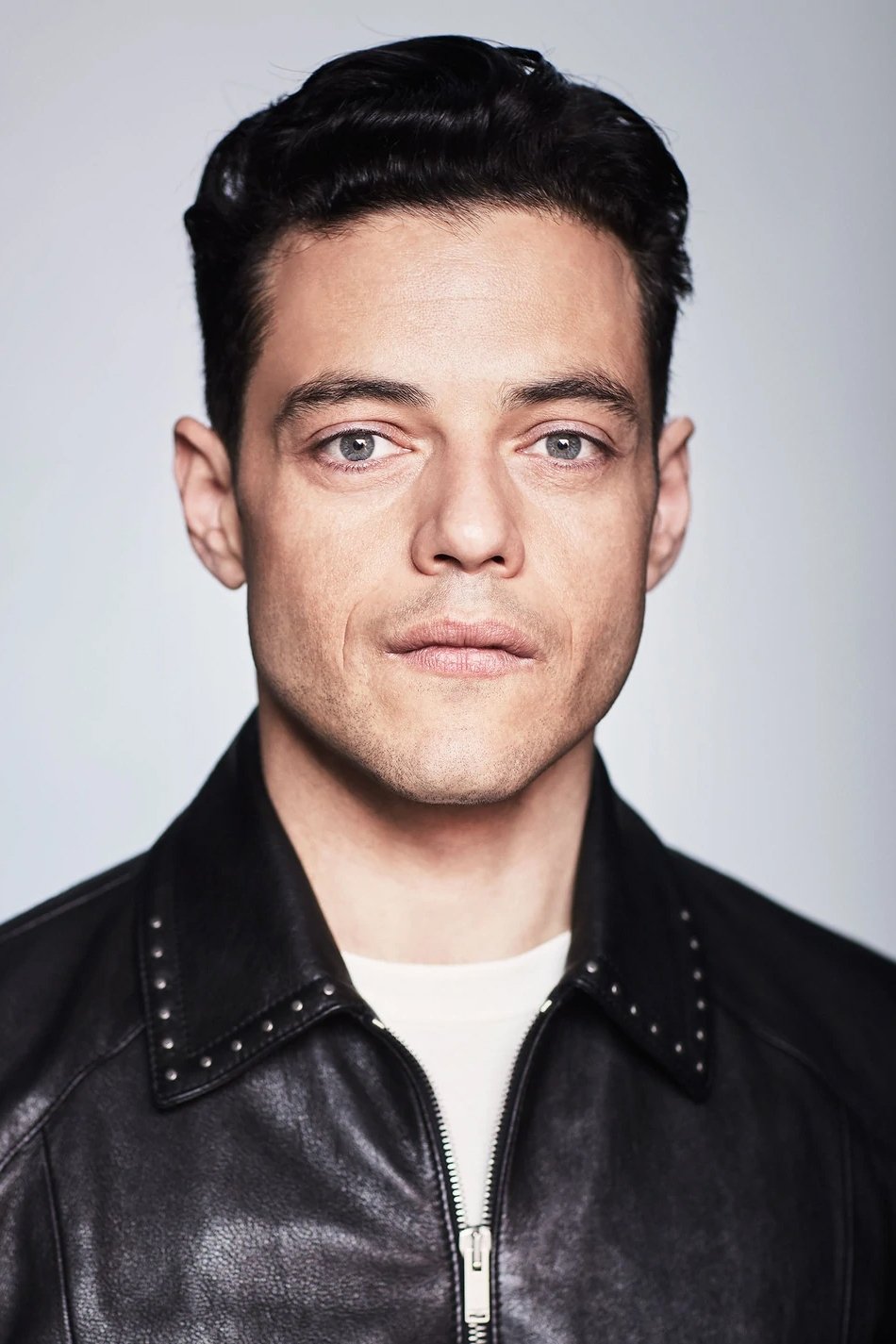
The Live Aid set reconstructs a full stadium performance with sustained coverage on microphone technique, piano posture, and crowd interaction. The scene’s design emphasizes choreography between camera cranes, onstage blocking, and playback alignment, allowing vocal syncing and physical detail to read in wide shots and close-ups.
Broadcast features and award-night montages repeatedly drew from this reconstruction because it delivers a clear, self-contained showcase of stagecraft and embodiment. Press and platform promos used the sequence as the primary excerpt to introduce the performance, making it the most widely replayed and recognized segment tied to the win.
Laura Dern – ‘Marriage Story’ (2019)
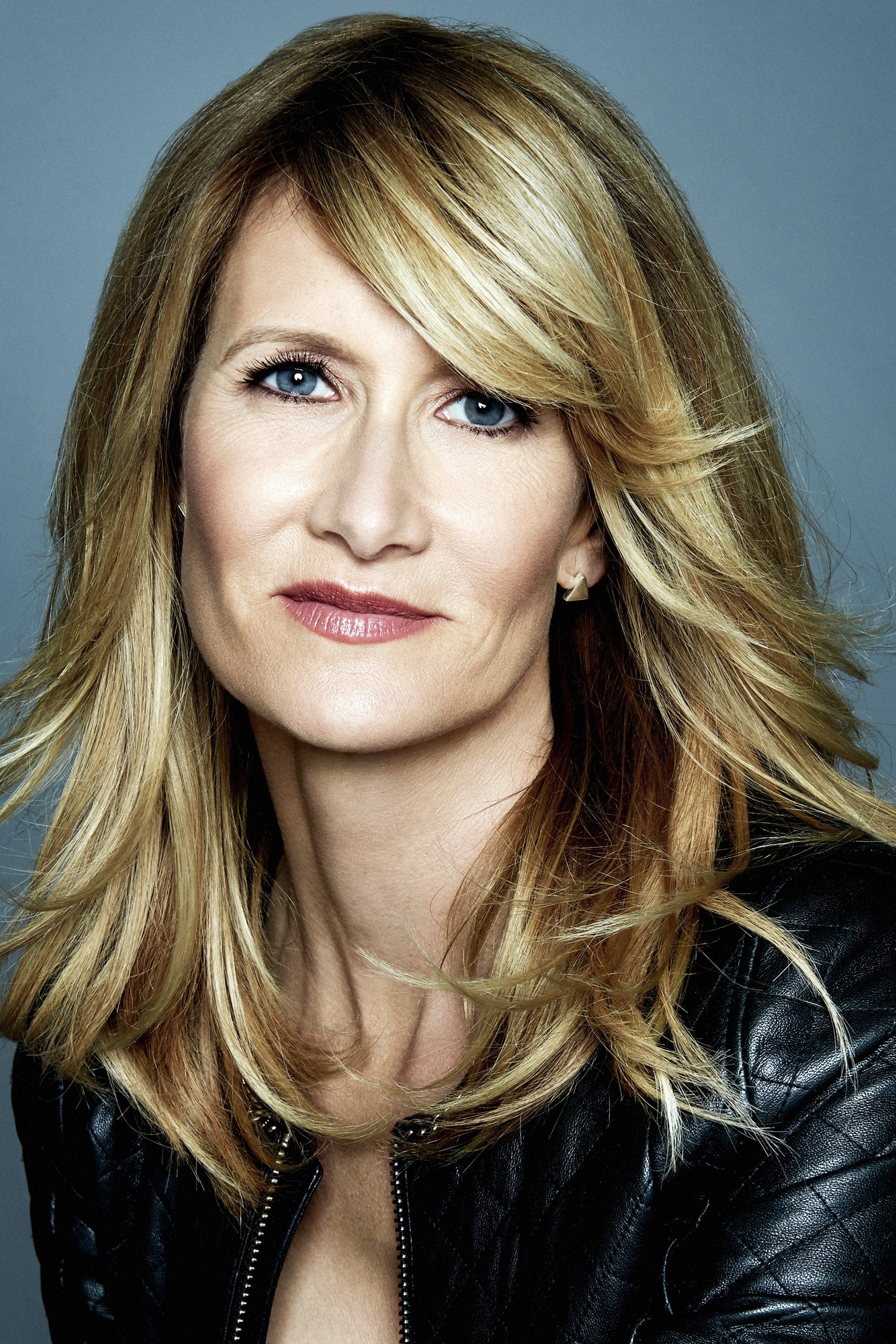
The courtroom monologue lays out a philosophy of divorce in a single, unbroken flow that mixes legal framing with conversational rhythm. The camera isolates the speaker against neutral walls and legal pads, trimming away reaction shots so that gesture, stance, and inflection carry the full argument.
News segments, digital outlets, and award-season reels consistently clipped this monologue because it provides a complete articulation of character in under a few minutes. The excerpt functioned as the definitive sampler for the role across interviews, social embeds, and ceremony packages, giving viewers a compact, highly shareable capsule of the performance.
Ke Huy Quan – ‘Everything Everywhere All at Once’ (2022)
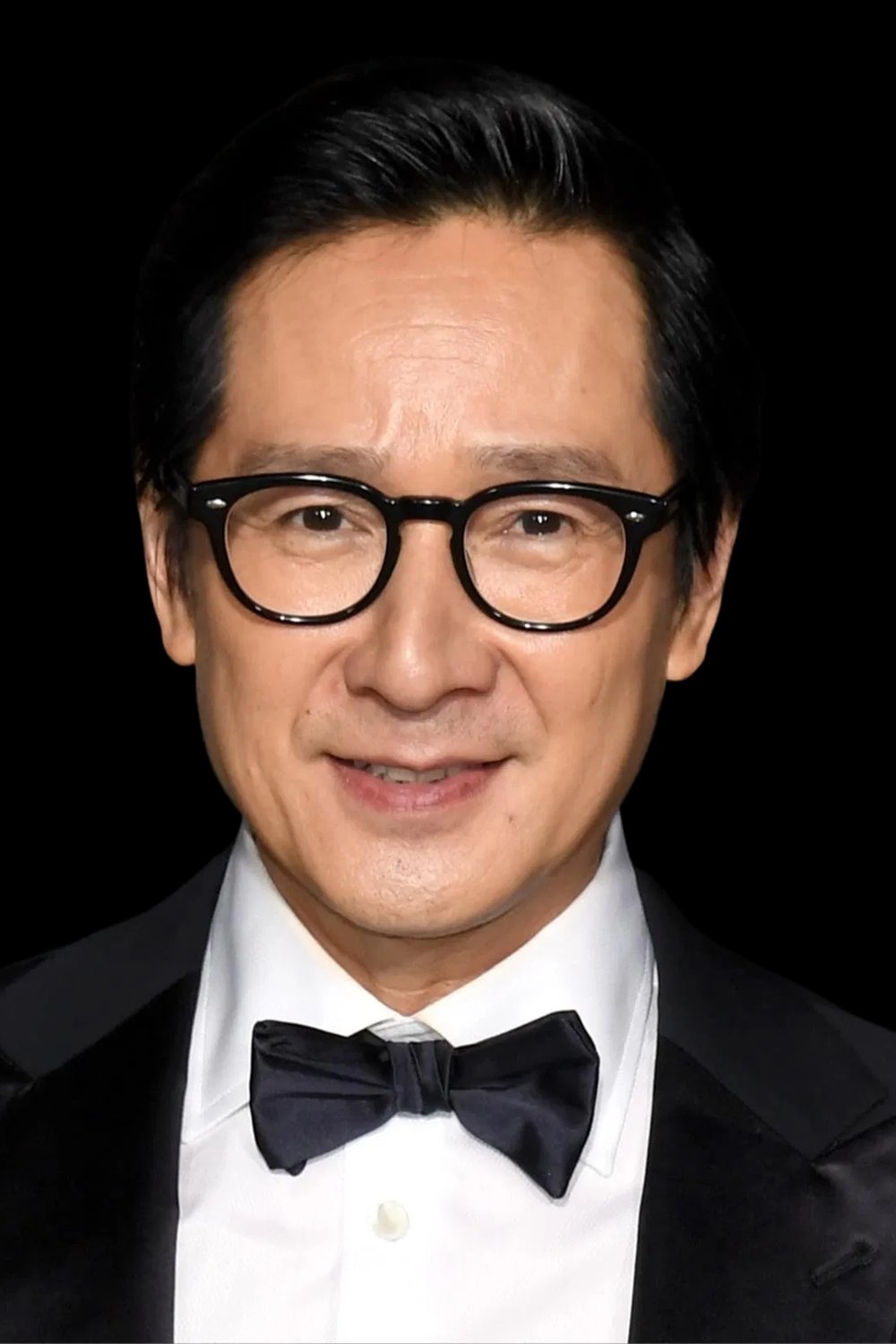
The alleyway exchange presents a sudden shift into a polished, alternate persona delivering a concise speech about choices and partnership. Framing switches to sleek, reflective surfaces and composed angles, and the actor’s carriage, diction, and eye line change in tandem to signal the new register without costume or makeup alterations.
That speech became the most circulated clip in trade coverage and social promos, serving as the cleanest demonstration of range within the role’s multi-mode design. Talk shows, streaming platforms, and awards telecasts repeatedly used this passage as the performance’s emblem, ensuring it anchored the broader narrative around the win.
Share your favorite single scene that sealed an Oscar win—and the one you think belongs on this list—in the comments below.