‘Other Mommy’ Ending Explained: What Does I All Mean for Bela and Her Family?

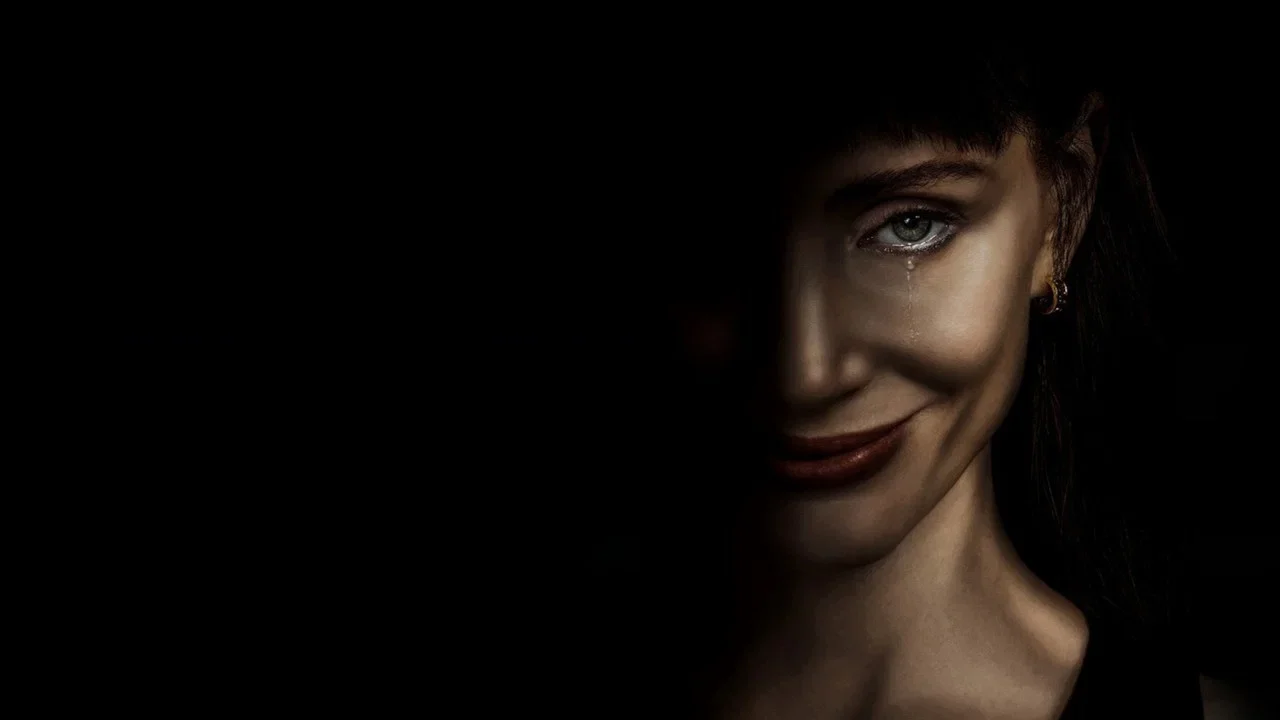

Few horror trailers have rattled audiences quite like the one for ‘Other Mommy‘. It ran ahead of ‘The Odyssey’ and sent plenty of moviegoers jumping, mostly because of one shot of Jessica Chastain folded under a kitchen table with her limbs bent in all the wrong directions. Now that the film is nearly in theaters, fans are already hunting for the Other Mommy ending explained.
Here is the catch. The movie opens exclusively in theaters on October 9, so confirmed spoilers are still thin on the ground. What we can do is lay out how the source novel ends, what early reviews hint at, and what director Rob Savage has said about the story.
Why the Ending Question Matters so Much
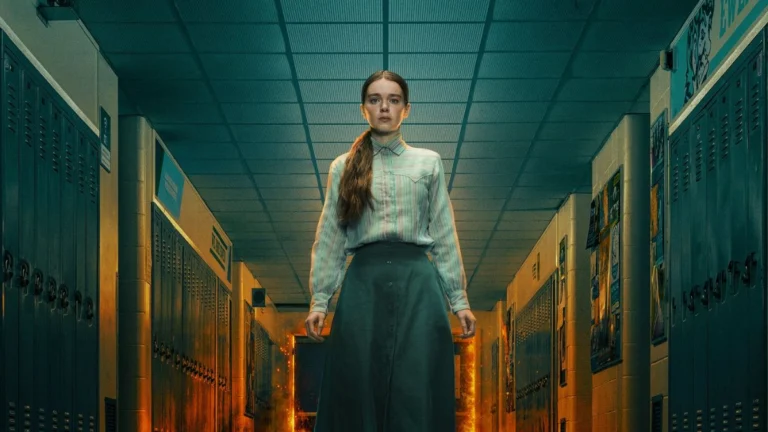
The premise is simple and nasty. Bela, a young girl living in a home with marital problems, confronts a sinister entity that comes out of her closet and grows more threatening to her and her family. The creature asks her the same question again and again, whether it can go inside her heart.
That repeated request is the reason the finale carries so much weight. The official German synopsis frames Bela’s dilemma as a choice between staying silent and giving in, with the entity running out of patience. Every scare in the film seems designed to push her toward that single answer.
Savage has leaned into the uncertainty around it. He describes the film as full of dread and big set pieces, all steeped in a paranoia where you wonder whether you are looking at Ursula or Other Mommy, and whether any of the grown ups can be trusted. Any ending has to resolve that doubt, or deliberately refuse to.
How the Novel Ending Offers Clues to the Film
Consider this a spoiler warning for the book. In ‘Incidents Around the House,’ Bela decides the adults around her have deceived her, so she falsely tells them Other Mommy has vanished, only to spot the entity in Lake Michigan the next morning. It is a bleak turn for a story told through a child’s eyes.
Other Mommy asks to enter her heart one more time, and Bela finally agrees. She finds herself in an immense, empty space while she hears the entity practicing her voice, which suggests Other Mommy has taken over her body and her place in the human world. That image is the chilling core of the book’s closing pages.
One reader guide calls that conclusion ambiguous, with Bela seemingly accepting Other Mommy. Whether the movie follows suit is another matter, because how closely the finished film tracks every event in the novel has not been established ahead of release.
Changes From the Pages Could Reshape the Finale
The trailers already point to some departures. The novel carried subtext about how poverty strains American family life, while the trailer shows a family that seems relatively well off before the incidents begin. One analysis suggests the shift makes the family’s eventual fall from grace hit harder.
The monster has been upgraded too. In the novel the entity posing as Bela’s mother was not always very convincing, but Chastain’s version appears able to imitate Ursula almost perfectly.
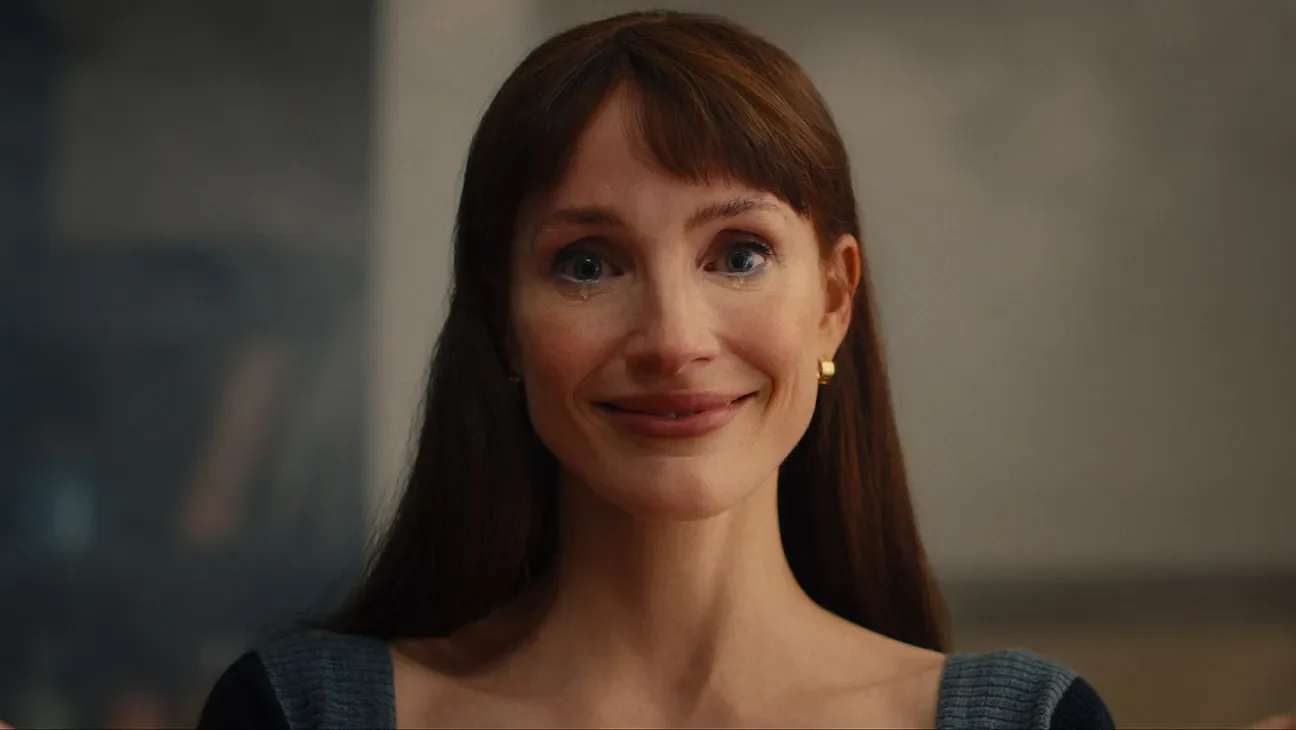
A more flawless double makes the paranoia Savage talks about far more believable, and it raises the stakes of any final showdown. The source material also includes a full-on exorcism, which the film could echo or reinvent.
Early reviews suggest the back half may be less daring than the setup. One critic says the film drifts into a familiar supernatural showdown, and that the ending plays things far safer than the premise deserves. Another writes that the restraint that makes the opening so strong begins to slip in the second and third acts.
Jessica Chastain’s Dual Role Shapes the Ending
Chastain is the beating heart of the whole project. She plays both the worn down mother Ursula and the creature, and one reviewer calls her the strongest reason to buy a ticket. That doubling is what makes the final confrontation so loaded.
Savage has said the double is a way into bigger ideas. He told Entertainment Weekly the story uses the supernatural twin to explore motherhood and the way Ursula’s identity has become splintered. Chastain also performed much of the entity’s unnerving physicality herself, and Savage recalled an ADR session where even she struggled to tell whether a disturbing image was really her.
The performance is only half the point, because the film also borrows the novel’s child’s eye view. Chastain explained that the story unfolds from the perspective of a young girl, which is why the filmmakers favored ‘mommy’ over ‘mother’ in the title. Since the whole film seems built around a child’s view of a mother she cannot quite trust, do you think Bela’s final answer to Other Mommy’s question should be a yes, a no, or a lie, and which of those would haunt you most after the credits?