Ryan Was Right to Reject Butcher in ‘The Boys’ Finale, and the Show Knew It All Along

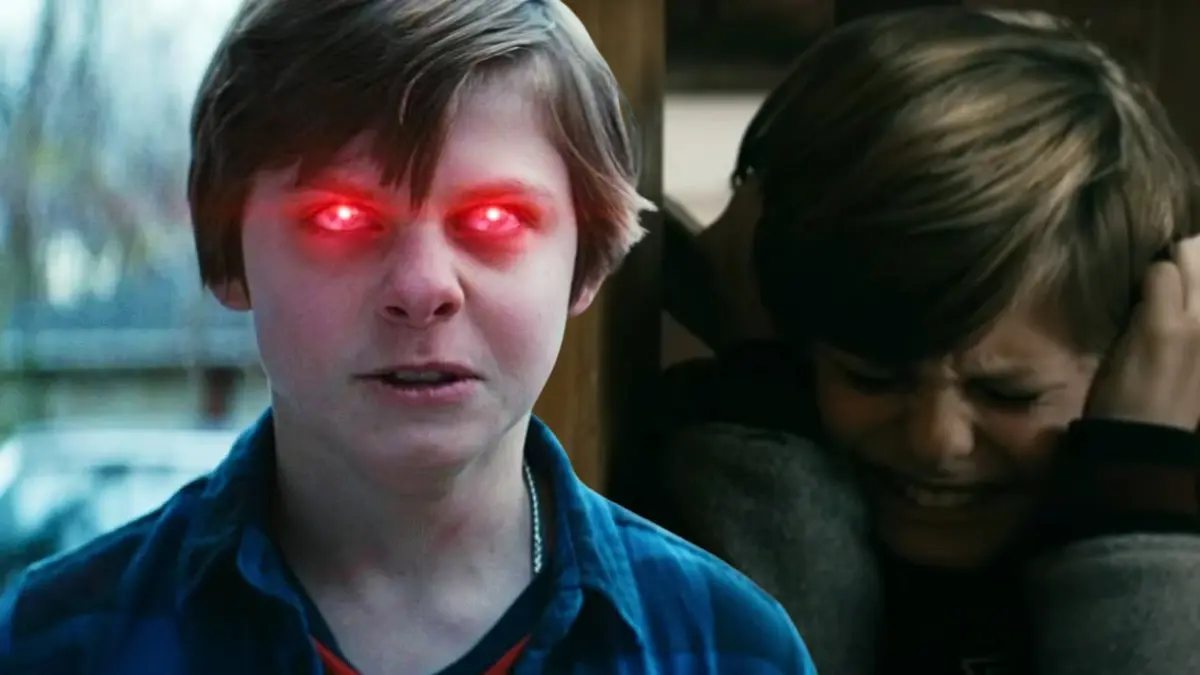

The series finale of ‘The Boys’ delivered one of its most quietly devastating moments not in a blood-soaked action sequence but in a single, plainspoken conversation. After everything Homelander had put him through, young Ryan Butcher finally had the chance to walk away with the man who had always claimed to love him. He turned it down.
That rejection of Billy Butcher is already one of the most talked-about scenes in the finale, and for good reason. Ryan was offered a fresh start by Butcher, but he refused, telling Butcher directly that surviving Homelander’s cruelty did not automatically make Butcher a good person. It is a line that lands like a gut punch, and understanding why Ryan said it requires looking back at nearly five full seasons of damage.
Ryan’s Arc Was Always Building to This Moment
Cameron Crovetti’s young supe spent five seasons caught between two destructive father figures, never fully belonging to either side, and the series finale finally gave him something neither of them ever could. That tension was not a subplot threading through ‘The Boys.’ It was the spine of the entire show’s emotional argument.
After his mother was accidentally killed by his own heat vision, Ryan felt enormous guilt and became deeply uneasy about his powers. When Butcher rejected him and Homelander reunited with him, he took his place at his father’s side. The tragedy is that the initial rejection did not come from Ryan. It came from Butcher first, and Ryan was left to find belonging wherever he could.
One of the most memorable moments in the show is from the season three ending, where Homelander kills a man in broad daylight and Ryan smiles instead of being concerned by his father’s actions, proving that Homelander’s influence was gradually rubbing off on Ryan. That smile haunted the rest of the series because it showed exactly what prolonged exposure to the wrong father figure could do to a child.
The darkening of Ryan’s story had been building steadily since season two, but it was his accidental killing of Grace Mallory in the season four finale that marked the real turning point. After standing over her lifeless body, he turned away from Billy Butcher and flew off, choosing uncertain freedom over either side.
Butcher Was Never the Safe Option Ryan Needed
The show spent years presenting Butcher as a flawed but fundamentally sympathetic antihero. What ‘The Boys’ finale argued, through Ryan’s own words, is that sympathy is not the same thing as safety. This moment emphasizes that, even though Butcher may have been doing what he did for a good reason, he was ultimately a destructive force just like Homelander, and the two both needed to be put down.
Ryan’s rejection of Butcher included one last blunt comparison to Homelander, with the son telling the man who always wanted to be his father “you’re not a good person either.” The parallel is the whole point. Both men used Ryan as a symbol of something they needed, and neither of them was truly there for him as a child who deserved stability and honesty.
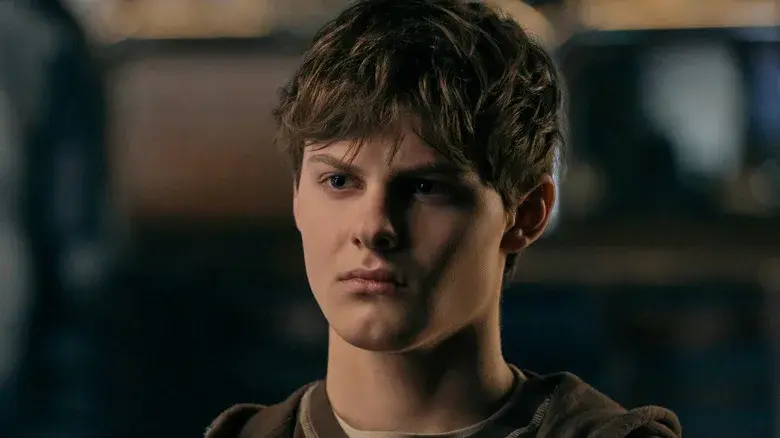
Butcher proposed they find somewhere quiet and start again, just the two of them, but Ryan rejected him, saying he was not a good person and that he did not want that kind of fresh start. The word “either” in Ryan’s phrasing is everything. It is not the vocabulary of a child speaking to a parent. It is the language of someone who has finally seen through both sides of a war he was never supposed to be drafted into.
Showrunner Eric Kripke previously revealed that for Butcher, Ryan crossing a certain line represented the moment Butcher accepted his fate, noting that without Ryan, Butcher had nothing left to hold onto his humanity for. The irony is that Ryan’s rejection in the finale mirrored exactly that logic from Butcher’s own point of view.
The Rejection That Finally Gave Ryan His Own Story
Butcher’s act of running away at the end of season four was, in hindsight, the first genuine decision Ryan ever made entirely for himself. The finale carried that agency all the way through to its conclusion. For the first time, Ryan was not reacting to what Homelander wanted or what Butcher needed. He was making a clear-eyed moral judgment and standing by it.
The finale rejects the idea that salvation comes from the strongest person in the room, with Ryan rejecting the fathers who would define him serving as one of the show’s central thematic arguments in its final hour. That reading makes his scene with Butcher not just emotionally resonant but structurally essential to what ‘The Boys’ was always trying to say about power and the people who wield it.
In the epilogue, Mother’s Milk became Ryan’s legal guardian, giving the boy who had spent years being passed between father figures and institutions the most stable family bond the show had ever offered him. It is the ending Ryan deserved, and it only became possible because he found the courage to say no to the man who had failed him wearing the costume of love.
The emotional weight of Ryan ending the series as a powerless teenager in the care of someone who genuinely wanted to protect him rather than weaponize him lands harder than any action sequence in the finale. It is quiet, it is earned, and it is completely devastating in the best way. Whether you think Ryan was too hard on Butcher or whether that rejection felt long overdue is exactly the conversation ‘The Boys’ wants you to be having right now.