‘Spider-Man: Brand New Day’ Star Mark Ruffalo Gets Massive Show of Support from Jewish Hollywood Figures amid Antisemitism Controversy


Corporate mega-mergers rarely turn into full-blown public feuds involving movie stars, industry executives, and hundreds of entertainment figures weighing in publicly, but that’s exactly where things have landed with Paramount and Warner Bros. Discovery’s ongoing deal. What began as one actor’s pointed criticism of a business transaction has since spiraled into a much larger, more contentious debate playing out across social media and the trade press.
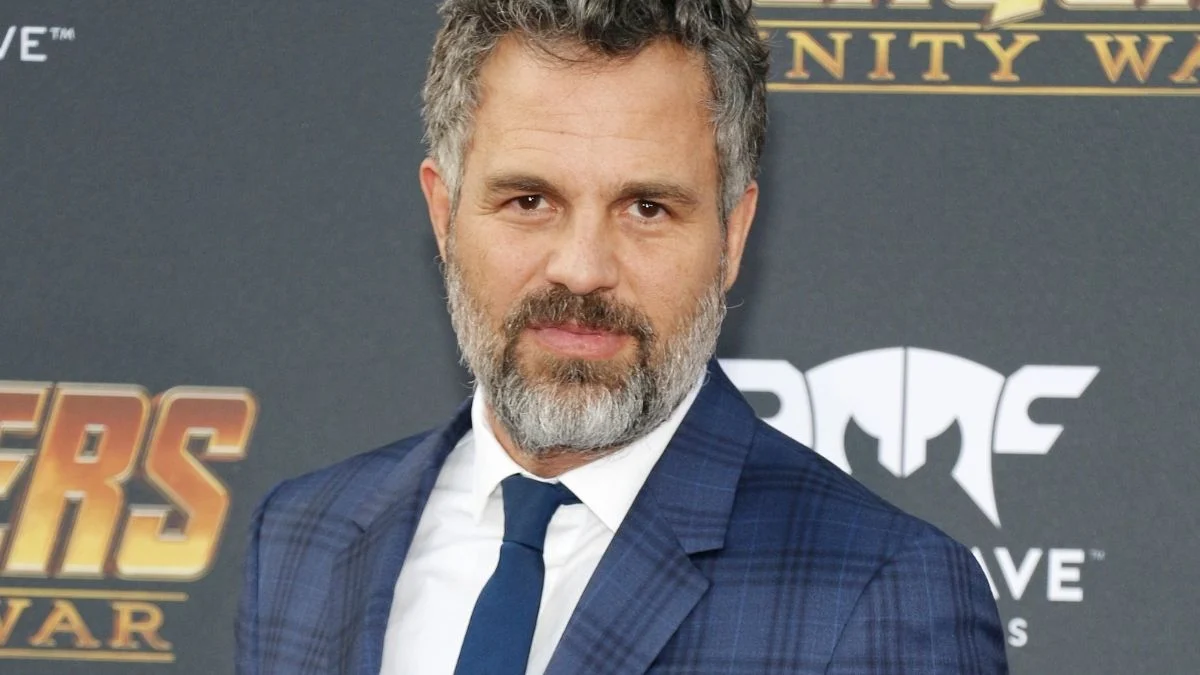
At the center of it all is Mark Ruffalo, who has built a reputation over the years as one of Hollywood’s more outspoken activist voices. That track record made his latest comments about the Paramount-Warner Bros. merger unsurprising in tone, even if the fallout that followed proved to be anything but routine.
The controversy traces back to an Instagram post Ruffalo shared on August 21, in which he criticized the merger’s potential consequences for Hollywood while also accusing the Ellison family of complicity in what he called the “genocide” against Palestinians, connecting that criticism to Oracle’s ties to the Israeli military. Paramount responded swiftly, with a spokesperson calling the remarks “antisemitic” and stating the company was “troubled when antisemitic tropes are invoked in purported service of a business dispute.”
That accusation quickly escalated. A group of industry figures, including Haim Saban, Lawrence Bender, and Teddy Schwarzman, representing The Brigade, a coalition of roughly a thousand Jewish entertainment professionals, signed a statement condemning Ruffalo, arguing his comments portrayed “Jewish executives as a secretive and powerful wealth-hoarding elite delighting in mass death.”
Now Ruffalo has received a substantial counter-response of his own. More than 170 Jewish figures from across the entertainment industry and beyond have signed an open letter defending the actor. Signatories include Joel Coen, Todd Haynes, Ilana Glazer, Hannah Einbinder, James Schamus, and Wallace Shawn, with the letter characterizing the accusations against Ruffalo as a “smear campaign” built on “spurious charges of antisemitism.”
Ruffalo himself has firmly rejected the antisemitism accusation, calling Paramount’s characterization “appalling and fundamentally dishonest” and drawing a distinction between criticizing Israeli government policy and criticizing Jewish people broadly. “Criticizing the actions of the Israeli prime minister, a military technology contract, or the executives who supply it is not the same as criticizing Jewish people,” he said.
“Hacks” star Hannah Einbinder, who is Jewish and has been vocal in her support for Palestinian rights, became one of the first major figures to publicly back Ruffalo. She argued that framing his comments as antisemitic because the Ellison family happens to be Jewish was itself a misuse of the term, and expressed concern that repeatedly equating criticism of Israeli policy with antisemitism ultimately weakens the word’s meaning for situations where Jewish communities face genuine danger.
Oscar-winning filmmaker Kenneth Lonergan also weighed in with his own letter of support, describing the antisemitism accusation against Ruffalo as “overtly preposterous” and calling it a “cynical and disgusting lie.”
The dispute has effectively split into two camps within the Jewish entertainment community itself, reflecting a broader and increasingly public disagreement over where legitimate criticism of Israeli government actions ends and antisemitic rhetoric begins. Both sides have framed their positions as protecting Jewish communities, even as they arrive at starkly different conclusions about Ruffalo’s original comments.
Paramount’s initial statement also emphasized that the company does not “tolerate prejudice of any kind, against anyone,” while standing by its characterization of Ruffalo’s specific language as crossing a line. That framing has done little to quiet the controversy, with both sides continuing to publicly stake out their positions well over a week after Ruffalo’s original post.
With hundreds of industry figures now on record on either side of the dispute, the controversy shows no signs of fading quietly, even as the underlying Paramount-Warner Bros. merger negotiations continue to move forward in the background.
Do you think Mark Ruffalo’s comments were antisemitic?
Have something to add? Let us know in the comments!