Steven Spielberg Shares His Thoughts on AI Use in Filmmaking and the Future of Cinema

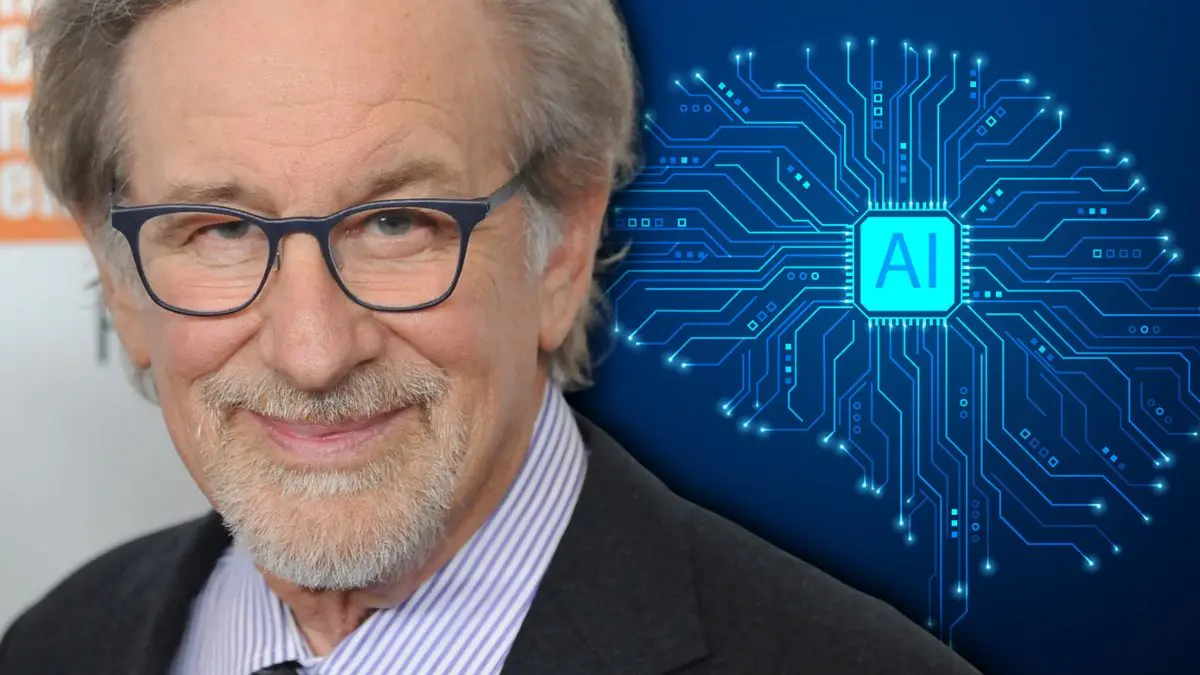

Steven Spielberg has shared his thoughts on the growing use of artificial intelligence in the film industry, but he says he is not ready to make final judgments about it. His comments come at a time when Hollywood is debating how AI should be used in writing, production, and creative work.
During the interview, Spielberg said he is still observing how the technology develops. He explained that AI is already being used in different parts of the world and suggested that some countries may be moving faster than others. He specifically mentioned China as a place where AI development in media and other industries is advancing quickly, based on what he has read and heard.
He said, “I’m kind of withholding judgment on AI until I see really how it is being used. I think it’s even being used more frequently and better currently, I’m reading, in China. China’s ahead of where we are right now in AI. But how it’s being used, I’m not certain about that.”
Spielberg’s comments show that he is cautious rather than fully supportive or fully against AI in filmmaking. He acknowledged that the technology could be helpful in certain areas, such as solving problems in medicine or helping teachers build better learning tools. In those cases, he sees AI as a useful tool rather than a threat.
However, he was much more direct when talking about creative writing and storytelling. He made it clear that he does not support replacing human writers with AI systems in film production. He said he does not believe AI should take the place of people in creative roles.
He explained this idea by pointing to a writers’ room scenario. He said, “Where I don’t love AI is where it takes a position or there’s an empty chair at a writers’ table. There’s six writers and there’s an empty chair and there’s a computer at the empty chair and it’s the seventh writer.”
He continued by saying, “I’m not willing to substitute, because I don’t really believe in sentience. I don’t really believe there’s any substitute for the soul.”
His comments highlight a key concern in Hollywood right now, which is whether AI can truly replace human creativity. Many writers and actors have already expressed similar worries during industry strikes and contract negotiations in recent years.
Spielberg also reflected on his own background as a young filmmaker. He talked about how he used to write scripts just to practice storytelling, even when he did not expect them to be produced. For him, writing was a way to learn how to express ideas and develop a personal voice.
He said, “You can’t write anything until you have something to say. It doesn’t have to be ‘The word according to blank blank blank,’ it simply has to be important to you. Then you become somebody that comes from a place of passion because you want to communicate something that’s important to you.”
These comments connect to his broader view that storytelling should come from human experience and personal emotion. While he does not completely reject AI, he is clear that creativity should remain rooted in human ideas and intention.
Spielberg’s latest project, “Disclosure Day,” is scheduled to be released in theaters on June 12. His recent comments suggest that even as technology continues to change filmmaking, he believes the core of storytelling should stay the same.
As the industry continues to debate AI’s role, Spielberg’s perspective reflects a cautious approach. He is open to watching how the technology evolves, but he draws a firm line when it comes to replacing human writers and creative voices.
Have something to add? Let us know in the comments!