Stop Calling Yourself a Collector if You Don’t Understand the “Whale Logic” Ruining Comic RPGs in 2026



There is a specific type of player in every major comic RPG right now who spends hundreds of dollars a month, never completes a collection, and genuinely believes they are winning. They are not!
They are the engine that is funding the slow destruction of a hobby many people have spent decades caring about. This is not a conversation about casual spending or supporting developers you love. It is about a deliberately engineered spending loop that has infected comic-based role-playing games at every level, and the people who enable it most are the ones who call themselves collectors.
What Is Whale Logic and Where Did It Come From?
To understand whale logic, it is necessary to consult another space entirely. Its roots are in online entertainment, specifically online casino platforms, which are heavily shaped by slot games and the reward structures built around them.
According to the Dimers online slots guide, these games come in many formats and are defined by a variety of reward mechanisms: the wheel of luck, free spins, bonus rounds, near-miss triggers, and escalating jackpots. Once you understand that foundation, the connection to comic RPG loot boxes and gacha systems becomes impossible to ignore, because the mechanics are virtually identical.
In the casino world, a whale is a high-value player who spends dramatically more than the average user. These players are not winning more often; they are simply more psychologically invested in the loop. The platform does not need every player to be a whale. It only takes a small percentage of users spending at an extreme level to make the entire model profitable. Everyone else is essentially filler: people who spend a little, stay engaged, and keep the ecosystem alive, while a small group carries the financial burden.
Game developers, particularly those working on mobile and free-to-play comic RPGs, studied this model closely. The result was gacha systems, battle passes, limited-edition character pulls, and seasonal loot boxes that operate on mathematically identical principles to slot machines. The language changed. The branding changed. The core behavioral loop did not.
How Whale Logic Entered Comic RPGs
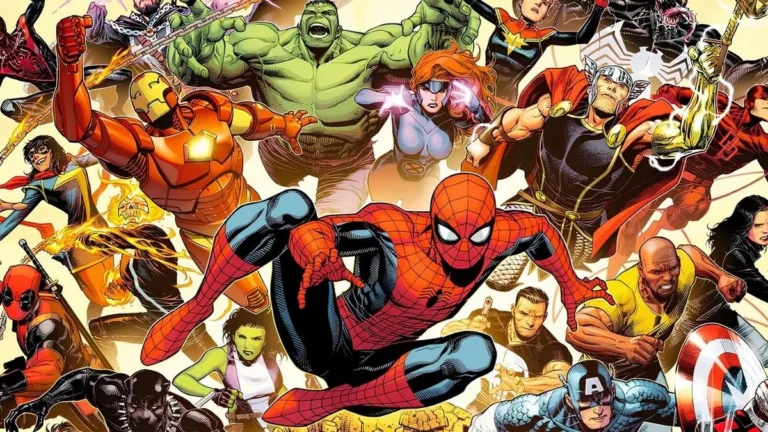
Comic RPGs were a natural target. The audience already had deep emotional attachments to characters (Spider-Man, Batman, Wolverine, Invincible), which meant the stakes of not pulling a favorite character felt genuinely personal. Developers understood this. They structured their rarest drops around the most beloved characters in comic history, ensuring that the emotional pull was as strong as possible for exactly the audience most likely to care.
Early gacha-style mechanics in these games were relatively mild. A few premium currency bundles, some cosmetic rewards. The structure had grown considerably more aggressive. Limited-time banners with fractional pull rates, character shards locked behind paywall events, and the introduction of constellation or awakening systems that required duplicates of already rare characters pushed spending into genuinely unsustainable territory for most players.
What Whale Logic Is Actually Doing to These Games
The most immediate damage is to game balance. When spending determines power, design has to accommodate that reality.
Characters available only through premium pulls must be strong enough to justify the cost; otherwise, players feel cheated. This creates a cycle where free-to-play characters become progressively weaker relative to premium ones, making the game less enjoyable for anyone not spending at a high level.
Long-term, the damage is structural. Games designed around whale spending require constant content injection to keep high spenders engaged and opening their wallets. This means development resources flow into new character releases and limited events rather than story depth, gameplay innovation, or bug fixes. The RPG component, the actual game, atrophies. What is left is a character collection interface with thin gameplay wrapped around it.
There is also the abandonment problem. Games built on whale economics fail when the spending population shrinks, and it always does eventually. When servers shut down, every character, every skin, every dollar spent disappears.
Players who invested thousands into a game have nothing to show for it. No physical item, no transferable asset, no archive. This is not a minor footnote!
Why Comic Collectors Specifically Should Be Paying Attention
Collectors understand value in a way casual fans do not. A first-edition comic has provenance, physical existence, and a market that has functioned for decades. The condition of the book matters. The printing history matters. The scarcity is real, verifiable, and permanent. None of those properties exists in a digital gacha pull.
When someone who identifies as a collector pours significant money into a comic RPG’s gacha system, they are not building a collection. They are renting access to digital assets controlled entirely by a third party, on servers that can be shut down at any notice, under terms of service that explicitly state the player owns nothing.
The psychological experience may feel similar (the excitement of acquiring something rare, the satisfaction of completing a set), but the actual dynamic is fundamentally different.
This distinction matters because whale logic is specifically designed to exploit collector psychology. The language used in these games (rare, limited edition, exclusive, anniversary variant) is borrowed directly from physical collecting culture. It is not coincidental. These terms are used because they carry decades of emotional weight with exactly the audience these games are targeting. A collector who does not recognize this manipulation is a collector whose expertise stops at the comic shop door.
What a Real Collector Should Be Doing Instead
Engaging with comic RPGs is not the problem. Many of them are genuinely fun, and some handle monetization with far more integrity than others. The problem is engaging with them the way a casino visitor engages with a slot machine, while calling it a collecting strategy.
A real collector applies the same scrutiny to digital purchases as to physical ones. Before spending on a gacha pull or premium bundle, ask what the actual ownership terms are. Ask whether the asset retains any value if the game shuts down. Ask whether the scarcity is genuine or manufactured by a timer. Ask whether the spending is emotional or rational.
Supporting games that offer fair, transparent monetization (one-time purchases, cosmetic-only premium content, permanent access to earned rewards) is a meaningful way to push back against whale-logic systems with real spending behavior.
Developers respond to revenue signals. If sparing, principled spending becomes a visible pattern, it does register. Advocacy within communities also matters; many players simply do not understand the mechanics well enough to recognize what is happening to them.
Physical collecting and digital gaming can coexist without conflict. The issue is specifically the uncritical application of collector identity to a spending loop engineered by behavioral economists. The hobby deserves better than funding systems designed to extract maximum spend from its most passionate participants. So do the comics those characters came from.