The 10 Most Underrated Edward Norton Movies, Ranked (from Least to Most Underrated)


Edward Norton’s filmography stretches across crime dramas, period mysteries, courtroom stories, and director-driven indies. Along the way he’s taken on leading roles, precision-tuned supporting parts, and even directing and writing duties, often choosing projects built on strong scripts and careful craft.
Here’s a focused selection of ten Norton films that don’t always sit at the front of the conversation yet show the range of his choices, the crews he works with, and the nuts-and-bolts details that shape each production. The entries highlight story mechanics, collaborators, and behind-the-camera elements that give each title its staying power.
‘Keeping the Faith’ (2000)

Norton directs and stars as a young priest whose lifelong friendship with a rabbi, played by Ben Stiller, is tested when their childhood friend, played by Jenna Elfman, returns to New York. The story builds on interfaith dynamics, congregational responsibilities, and the everyday demands of pastoral work, using real neighborhood settings and community routines to structure the plot.
Developed from a story by Stuart Blumberg and scripted by Blumberg, the Touchstone release features supporting roles for Anne Bancroft and Eli Wallach. Location photography across Manhattan, production design rooted in parish and synagogue life, and a blend of workplace and family scenes give the film its specific cultural backdrop.
‘Death to Smoochy’ (2002)
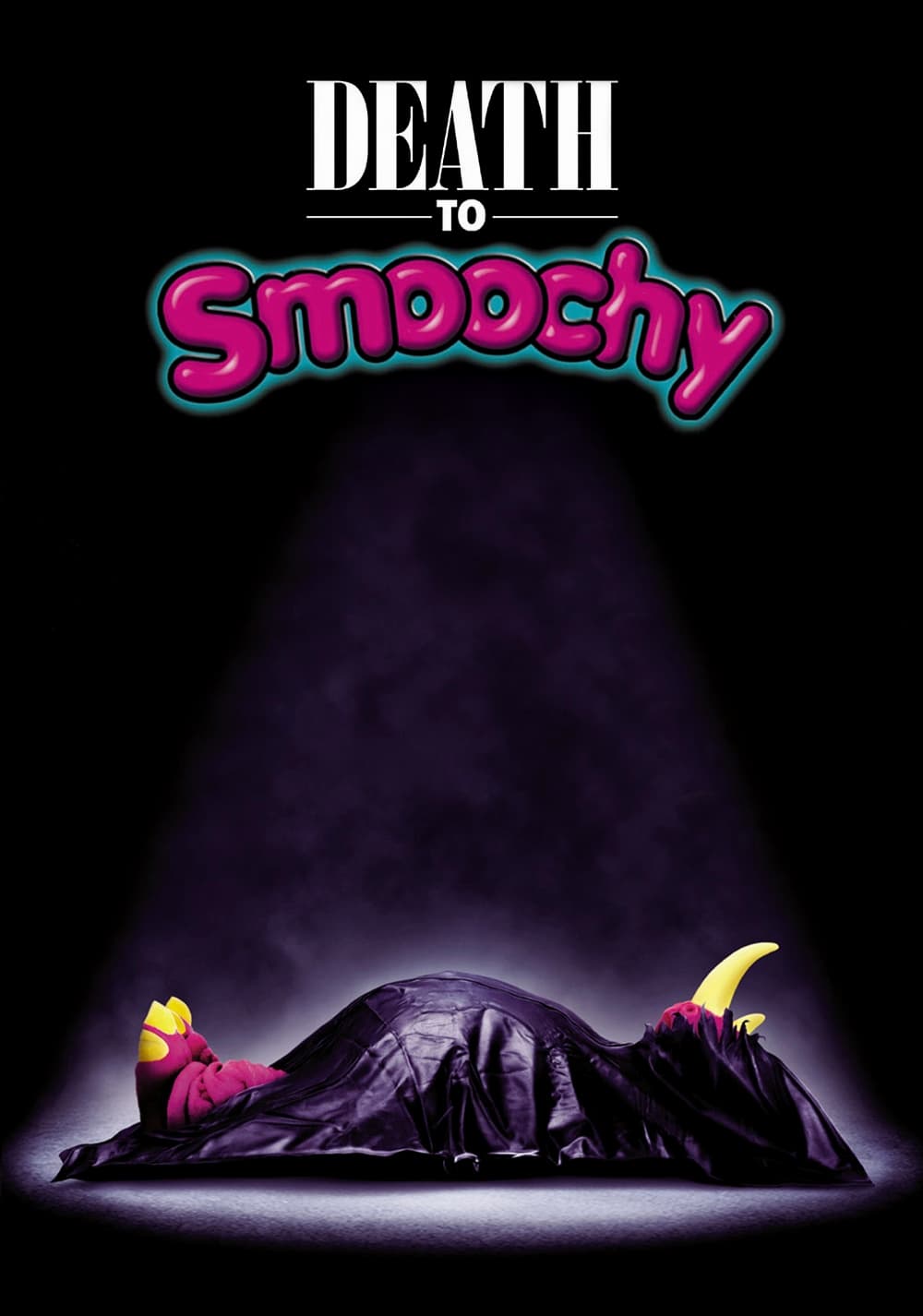
Norton plays children’s performer Sheldon Mopes, who becomes “Smoochy the Rhino” after a network reshuffle pushes him into the spotlight opposite Robin Williams’s disgraced host. The film maps out the business of kids’ television—agents, sponsors, charity events, and broadcast schedules—turning industry logistics into story beats.
Directed by Danny DeVito for Warner Bros., the production folds in Catherine Keener and Jon Stewart along with a large ensemble. Costumes, prop fabrication, and in-show musical numbers construct the Smoochy brand within the narrative, while subplot threads cover union interests, mob influence, and network politics.
‘The Score’ (2001)
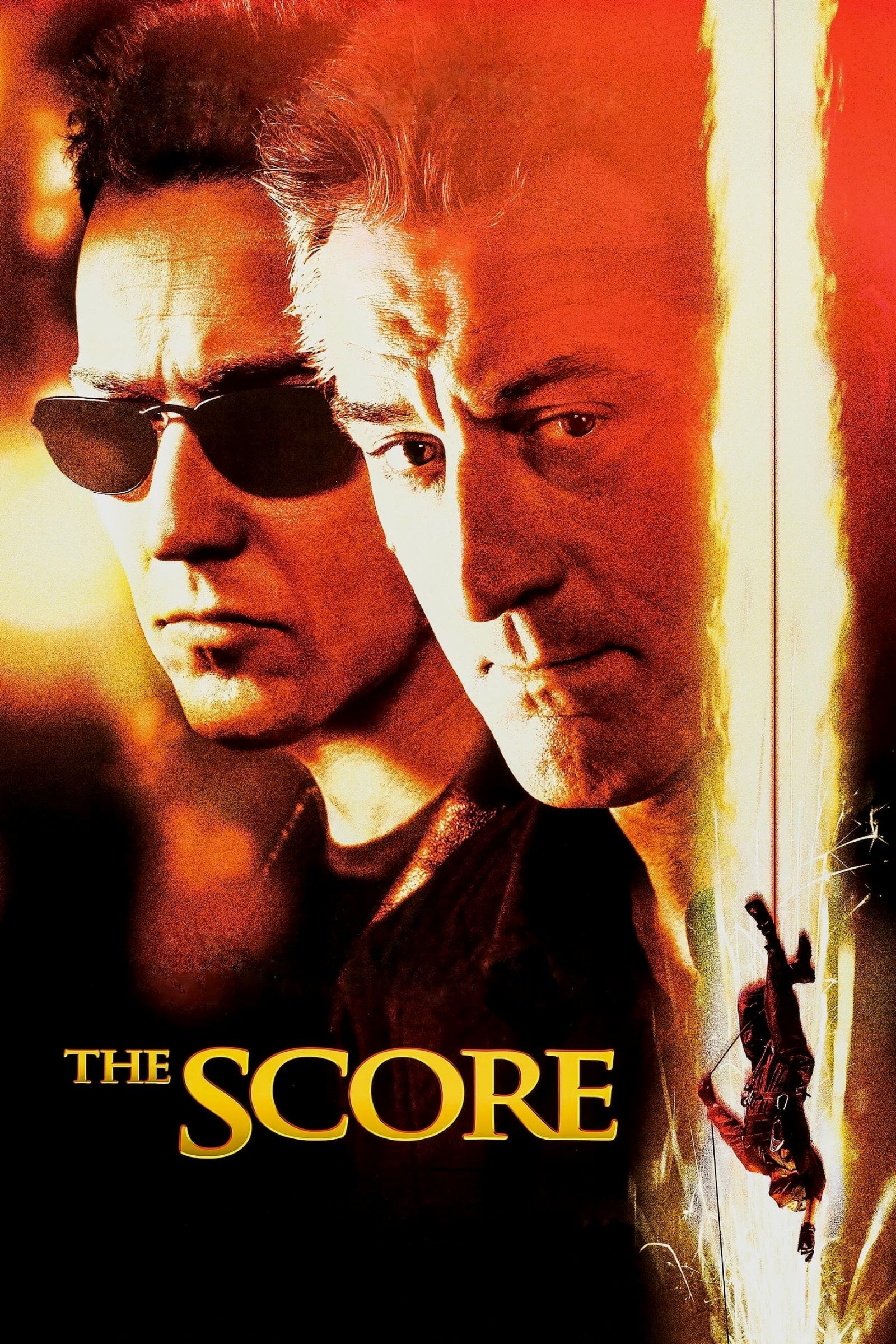
Set in Montreal, Norton’s Jack Teller recruits a veteran safecracker played by Robert De Niro for a museum job financed by a fixer portrayed by Marlon Brando. The heist is built from planning details—guard rotations, customs checks, vault construction, and tool work—contrasting the methods and risk tolerance of the thieves involved.
Frank Oz directs, with cinematography by Dante Spinotti and distribution by Paramount Pictures. The film uses Old Port locations and customs-house architecture, practical effects for cutting and torching, and sound design keyed to metalwork and surveillance to stage its break-in sequences.
‘Motherless Brooklyn’ (2019)
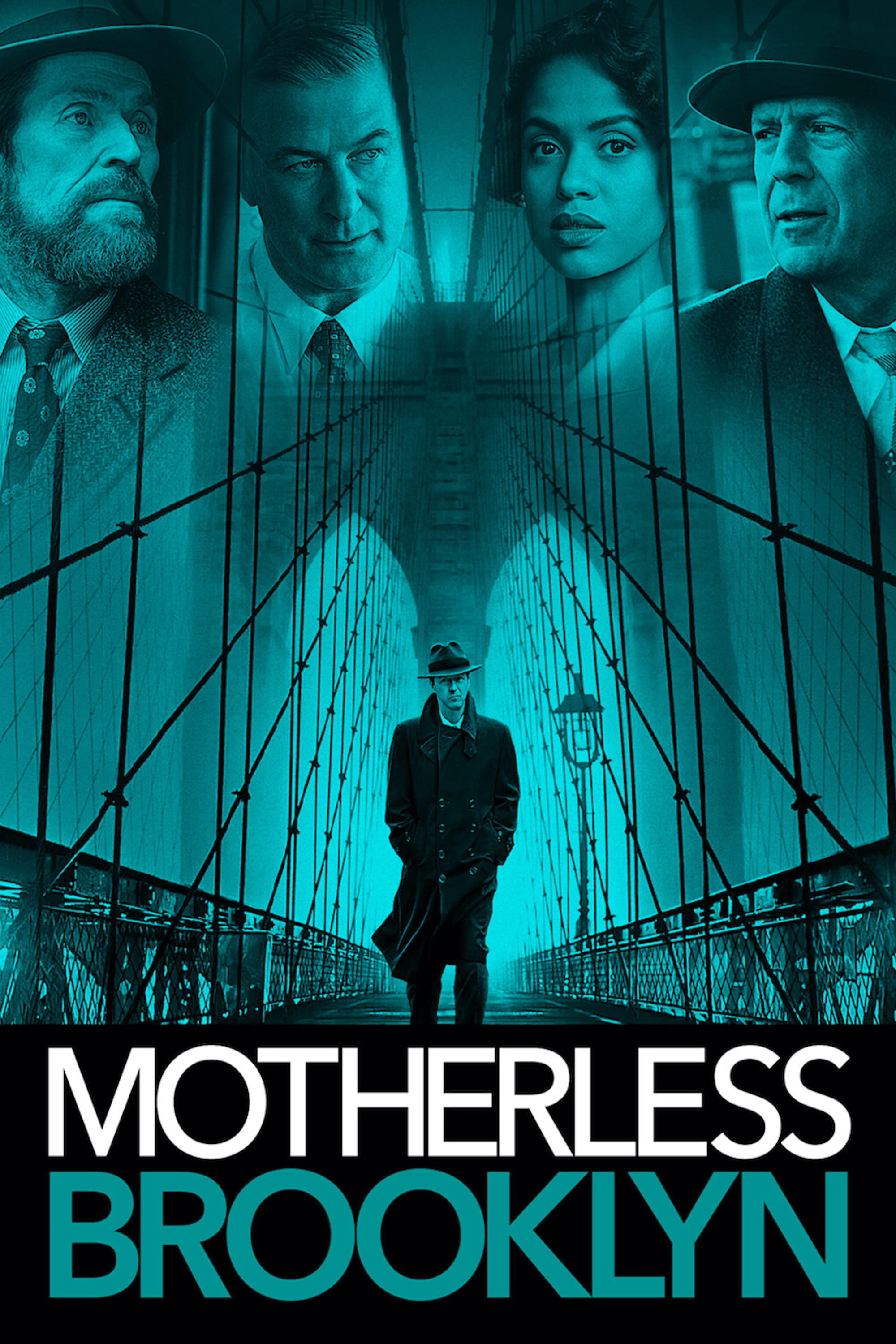
Norton adapts, directs, and stars as Lionel Essrog, a private investigator with Tourette syndrome who follows a case through city-planning offices, real-estate networks, and political backchannels. Moving the novel to a mid-century setting lets the production integrate period transit, jazz clubs, and redevelopment battles into the investigation.
The cast includes Willem Dafoe, Alec Baldwin, Gugu Mbatha-Raw, and Bruce Willis. Daniel Pemberton’s score, new music by Thom Yorke, and performances by Wynton Marsalis’s ensemble anchor the club sequences, while costume and art departments rebuild signage, interiors, and streetscapes to match the era.
‘Red Dragon’ (2002)
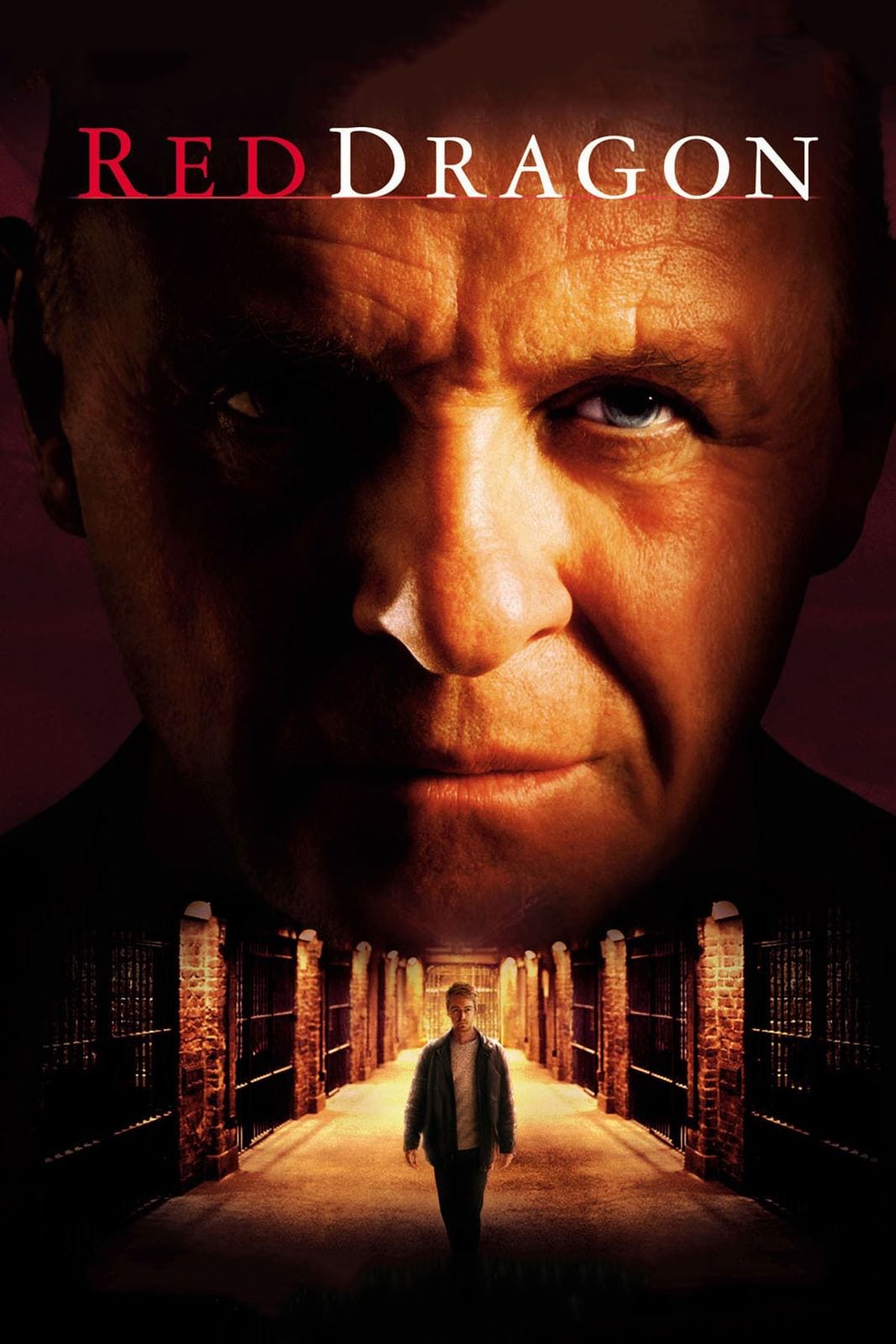
Norton portrays FBI profiler Will Graham, whose casework requires contact with Hannibal Lecter while he tracks a killer known as “The Tooth Fairy.” The narrative follows evidence processing, interagency coordination, and the assembly of a behavioral profile, aligning Graham’s fieldwork with newsroom activity and department procedures.
Brett Ratner directs from Thomas Harris’s novel, with Anthony Hopkins, Ralph Fiennes, Emily Watson, and Philip Seymour Hoffman in key roles. Dante Spinotti serves as cinematographer and Danny Elfman provides the score, while production design emphasizes suburban homes, secure hospital interiors, and editorial offices central to the investigation.
‘The People vs. Larry Flynt’ (1996)
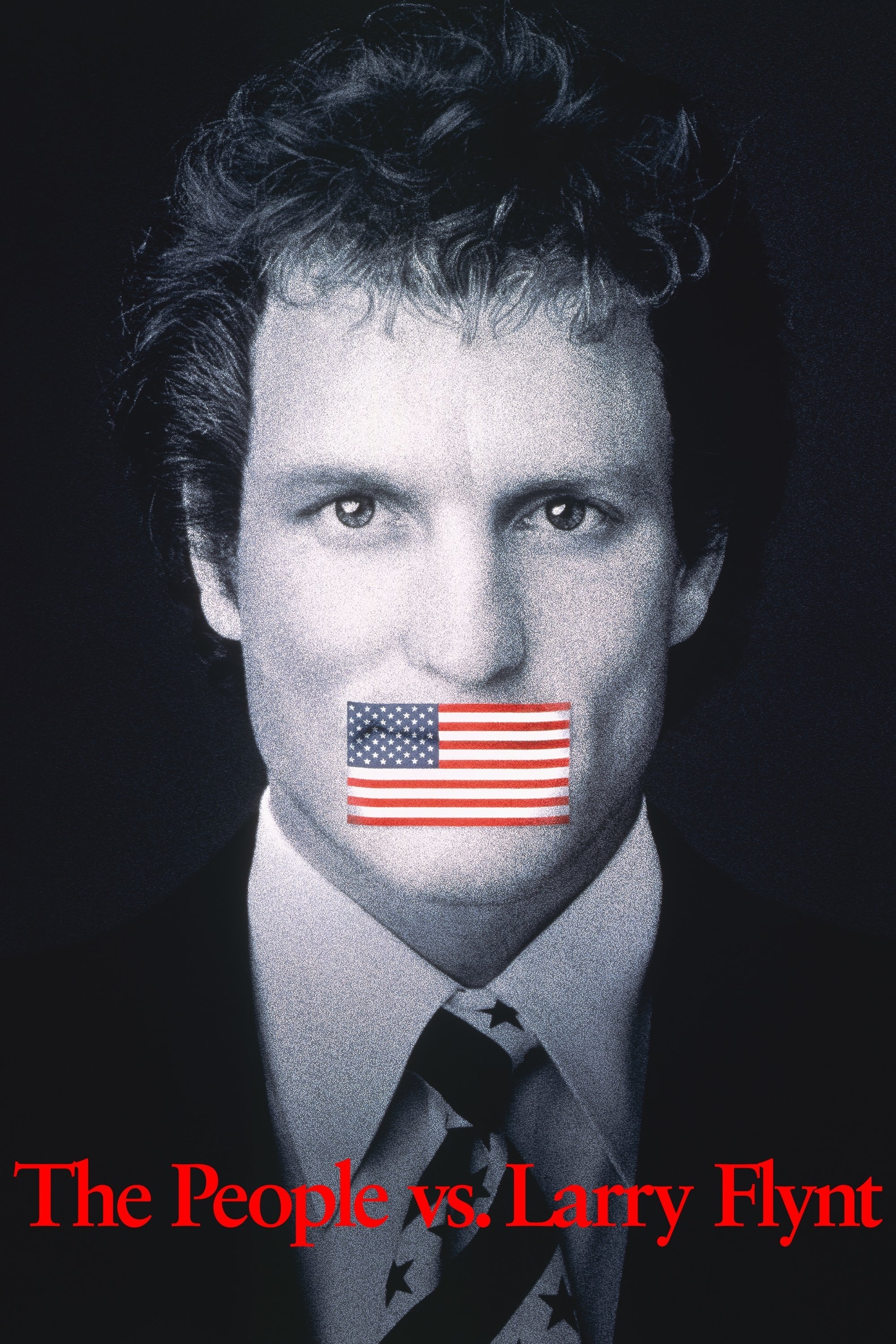
Norton plays attorney Alan Isaacman, whose First Amendment litigation structures the film’s legal milestones around publisher Larry Flynt. The plot tracks filings, depositions, courtroom arguments, and appellate steps, laying out how defamation standards and the public-figure doctrine shape the outcome.
Directed by Miloš Forman from a screenplay by Scott Alexander and Larry Karaszewski, the Columbia Pictures release stars Woody Harrelson and Courtney Love. The production uses period newsroom settings, archival-inspired transitions, and a timeline of legal clashes to situate the magazine’s history within broader press-freedom debates.
‘Rounders’ (1998)
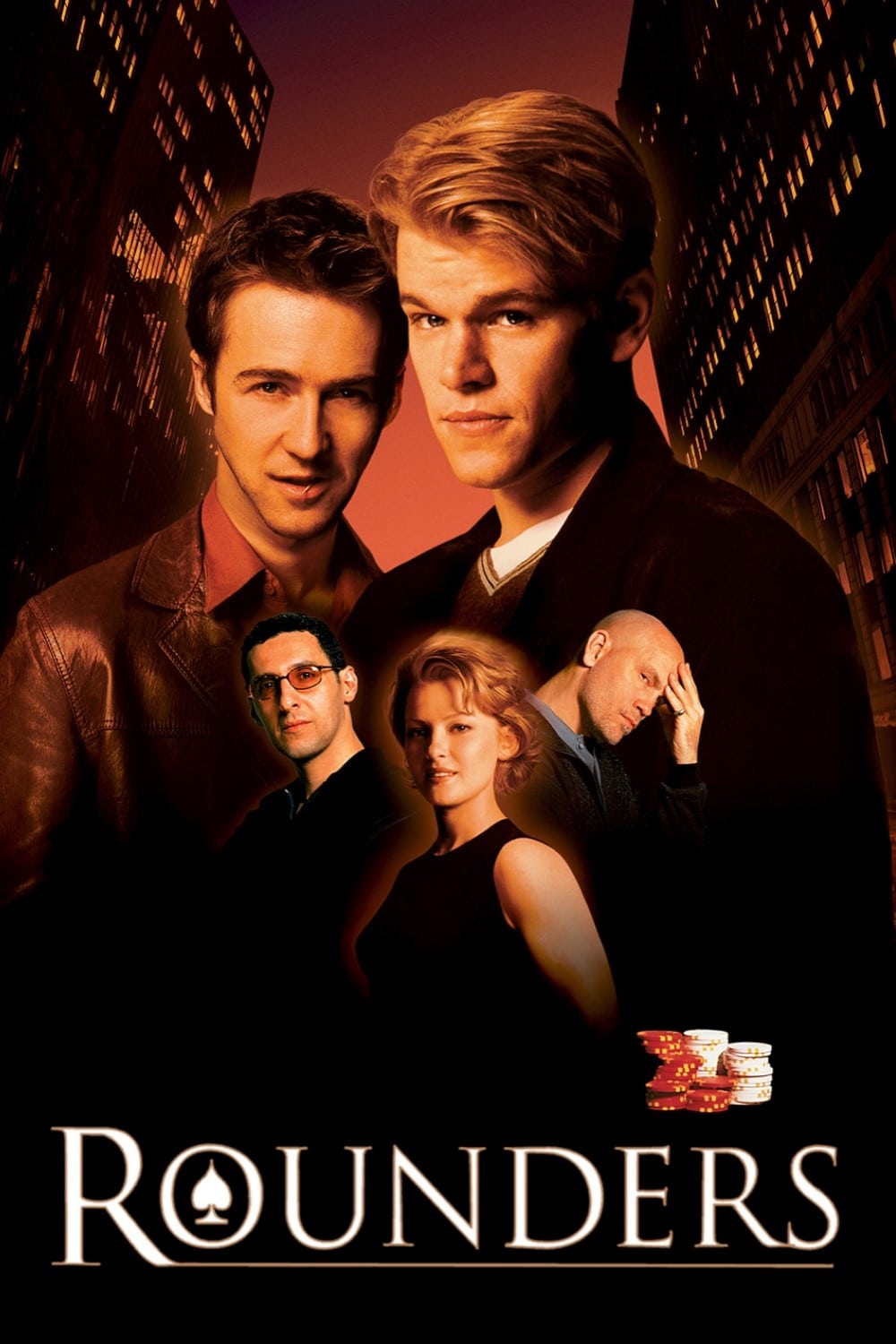
As Lester “Worm” Murphy, Norton reenters the life of a law-student card player played by Matt Damon, bringing debts and tactics that complicate every session. The film details the poker ecosystem—bankroll management, stake-horsing, table selection, and tells—showing how reputations and informal rules govern who gets into which games.
John Dahl directs from Brian Koppelman and David Levien’s script, with John Malkovich, Gretchen Mol, and Famke Janssen among the ensemble. Consultation from professional players, table-level camera setups, and a map of dorms, dive bars, and underground rooms give the play-by-play sequences their structure.
‘The Painted Veil’ (2006)

Norton’s bacteriologist Walter Fane and Naomi Watts’s Kitty travel to a remote region during a cholera outbreak, where medical fieldwork and public-health logistics test their marriage. The story weaves in clinic operations, local governance, and river transport, tracing how limited infrastructure affects treatment and community response.
Directed by John Curran from W. Somerset Maugham’s novel, the production features Liev Schreiber and Toby Jones. Location photography and carefully scaled set work anchor hospital and village scenes, while Alexandre Desplat’s score supports the film’s emphasis on place, routine, and professional duty.
‘The Illusionist’ (2006)
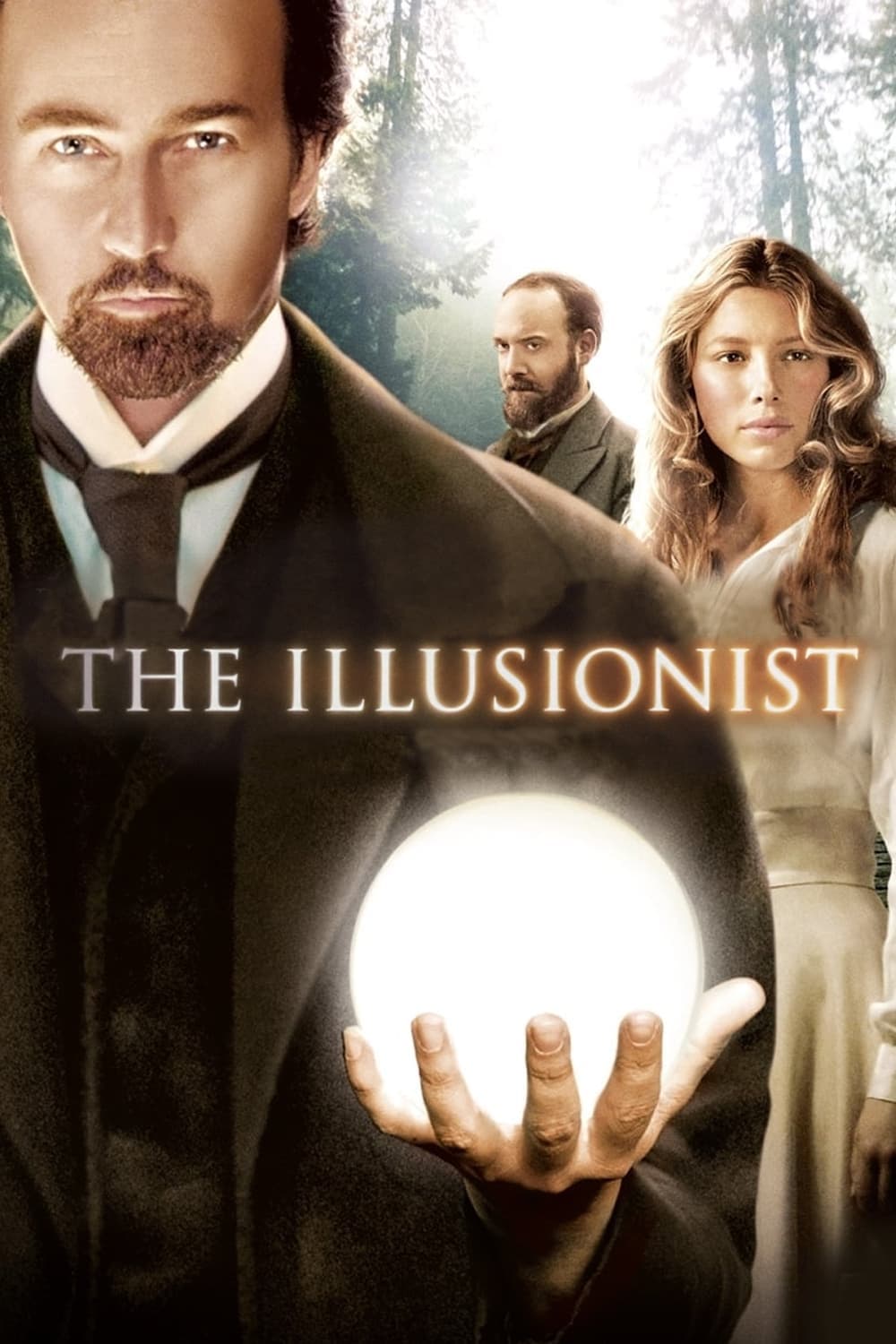
Norton stars as stage magician Eisenheim, whose act collides with police procedure and imperial authority. The plot lays out the mechanics of late-period magic performance—apparatus design, backstage scheduling, and audience management—while a determined inspector, played by Paul Giamatti, conducts a parallel inquiry.
Neil Burger directs from Steven Millhauser’s short story ‘Eisenheim the Illusionist’. Philip Glass composes the score, Dick Pope serves as cinematographer, and Central European locations and studio work supply theaters, streets, and royal interiors that support the film’s stagecraft.
’25th Hour’ (2002)
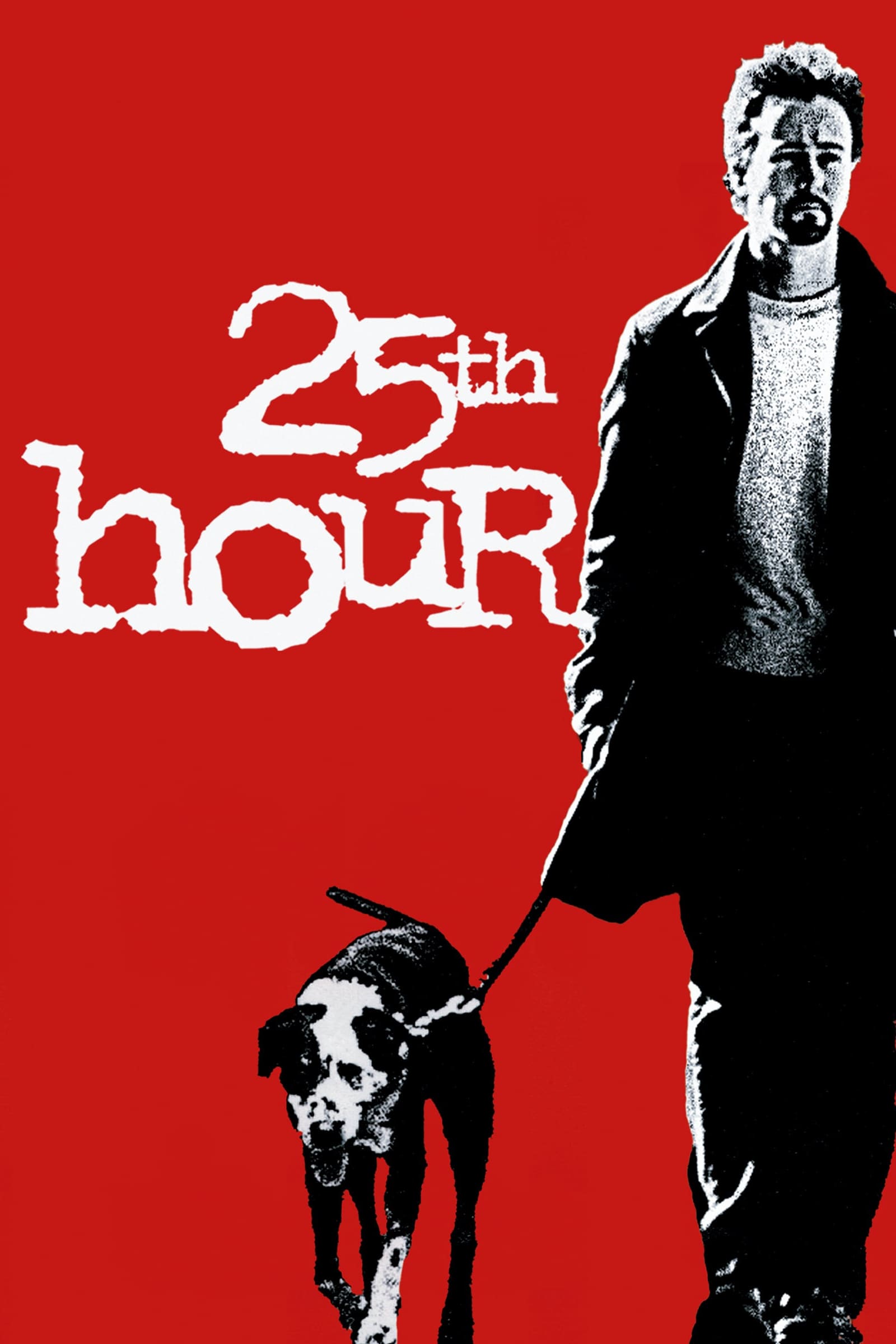
Norton plays Montgomery Brogan, a New Yorker spending his last day before incarceration navigating friends, family, and loose ends tied to earlier choices. The film moves through bars, apartments, and waterfront spaces, incorporating law-enforcement contact, sentencing logistics, and practical steps for final goodbyes.
Spike Lee directs from David Benioff’s adaptation of his own novel, with Philip Seymour Hoffman, Barry Pepper, Rosario Dawson, Anna Paquin, and Brian Cox in the ensemble. Terence Blanchard’s score and extensive location work across outer-borough and Manhattan neighborhoods situate the story within a particular moment in city life.
Have a favorite overlooked Norton performance that belongs here—drop your picks in the comments!