The 10 Most Underrated Margot Robbie Movies, Ranked (from Least to Most Underrated)


Margot Robbie’s filmography stretches from indie dramas to large-scale studio releases, with producing credits through LuckyChap Entertainment alongside starring roles. Across genres she’s worked with directors like Damien Chazelle, Quentin Tarantino, Craig Gillespie, and David O. Russell, and she’s earned major awards recognition while building a reputation for precise character work and sharp project choices.
This list looks beyond the biggest hits to spotlight titles where Robbie’s contributions stand out—whether as lead, key ensemble member, or producer. It’s a countdown from 10 to 1 based on publicly available ratings data, moving from lower-scoring curios to acclaimed standouts, and each entry includes concrete details on creative teams, releases, and what Robbie does in the role.
‘Terminal’ (2018)
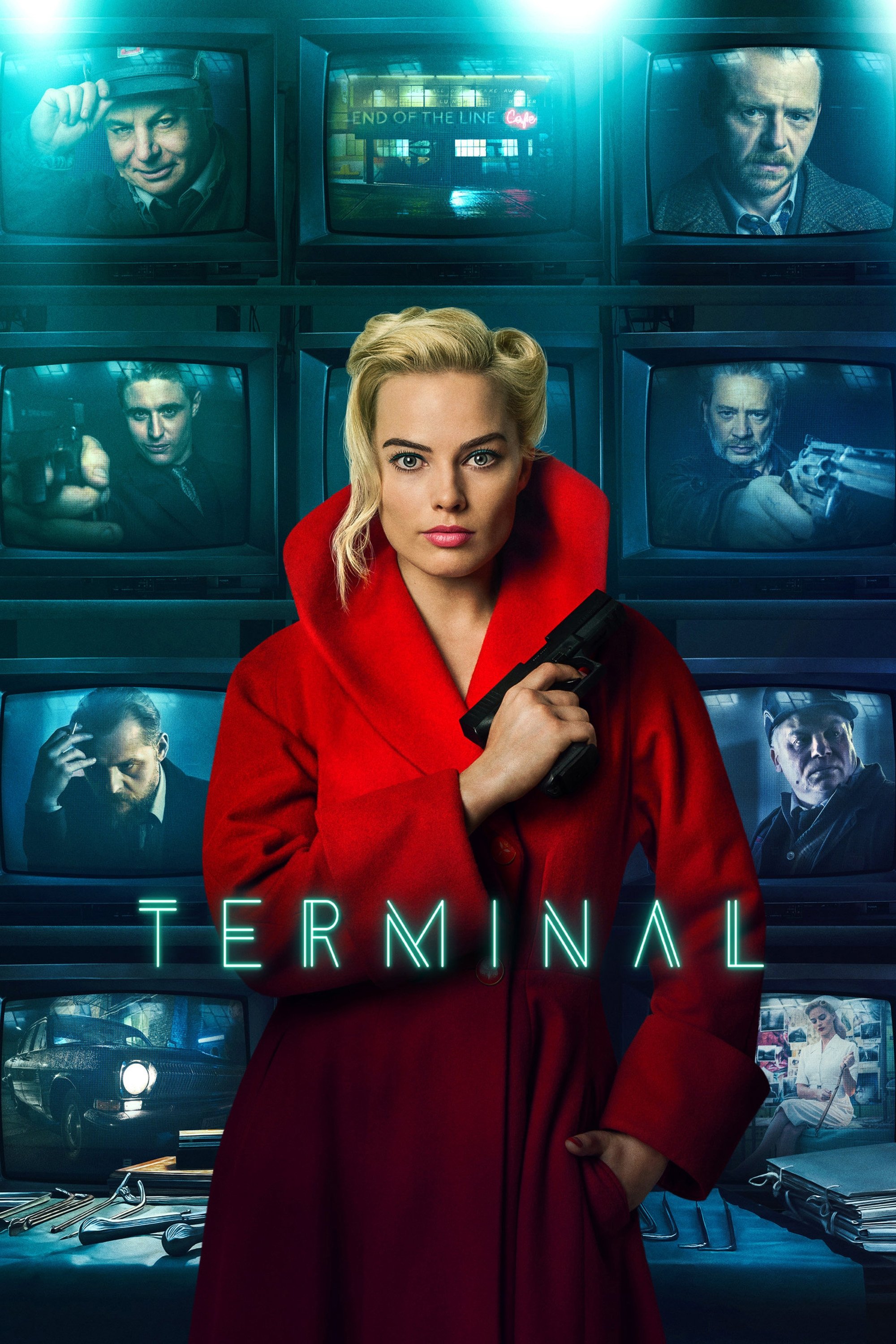
Writer-director Vaughn Stein’s neon-noir thriller casts Robbie as Annie, a mysterious fixer whose intersecting schemes pull in characters played by Simon Pegg, Dexter Fletcher, and Mike Myers. Shot largely in Budapest soundstages to create its stylized underworld, the film runs roughly an hour and a half and was released domestically by RLJE Films following a limited theatrical and VOD rollout.
Behind the camera, Robbie served as a producer through LuckyChap Entertainment, continuing the company’s early focus on female-driven genre projects. The production leans on deliberately artificial sets, saturated lighting, and backlot-style locations to evoke a storybook city, with narrative structure built around out-of-order reveals and converging timelines.
‘Dreamland’ (2019)
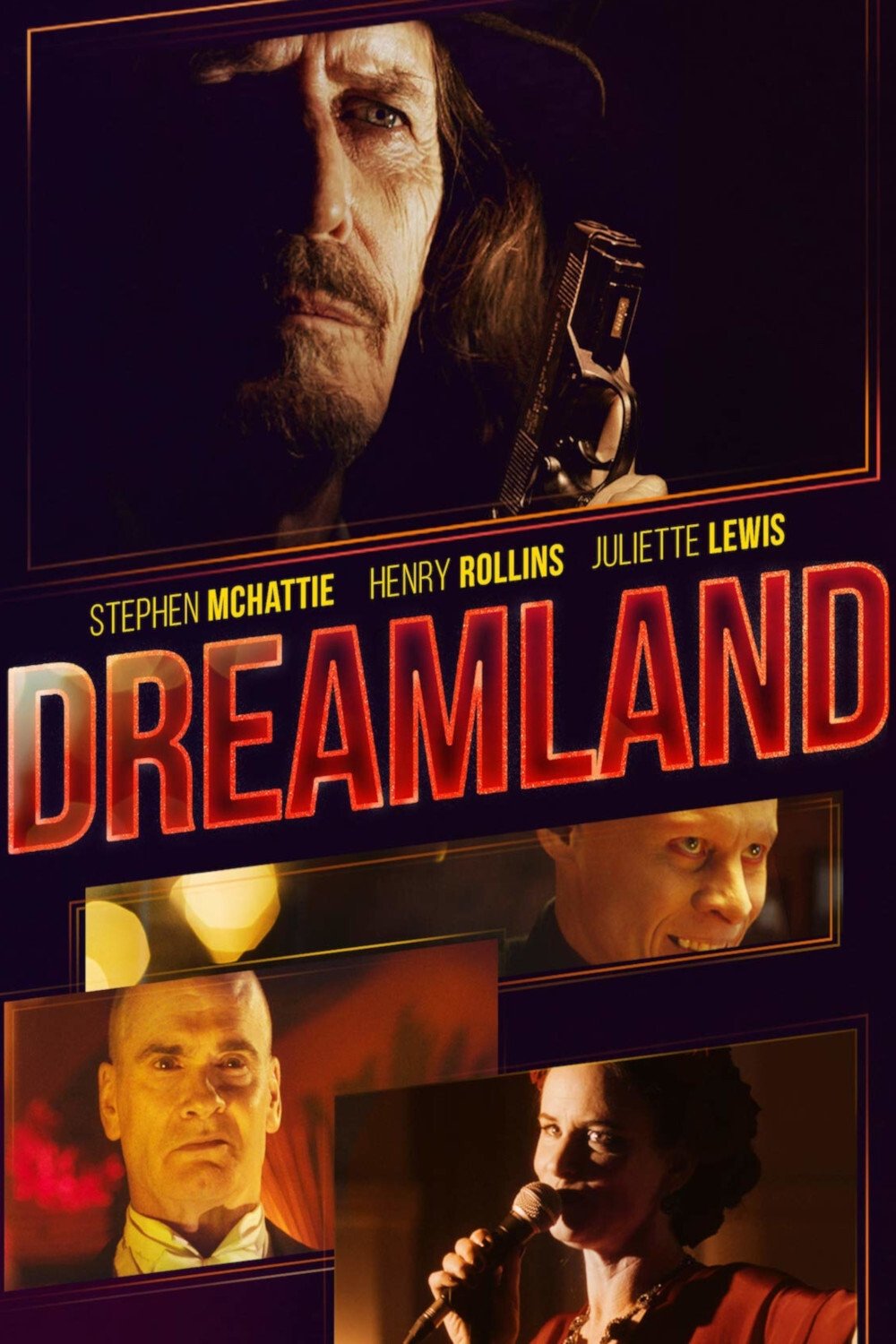
Directed by Miles Joris-Peyrafitte, this Dust Bowl crime drama stars Robbie as fugitive bank robber Allison Wells opposite Finn Cole. The film premiered at the Tribeca Film Festival and later reached audiences via a limited U.S. theatrical release and VOD; it was distributed in the United States by Vertical Entertainment after festival screenings generated acquisition interest.
Robbie also produced through LuckyChap Entertainment, with principal photography taking place in New Mexico to double for Texas plains and small towns. The narrative blends coming-of-age elements with outlaw-on-the-run tropes, and the period detail—costuming, rural locations, and practical vehicles—anchors the setting while foregrounding the central pairing’s shifting power dynamic.
‘Z for Zachariah’ (2015)
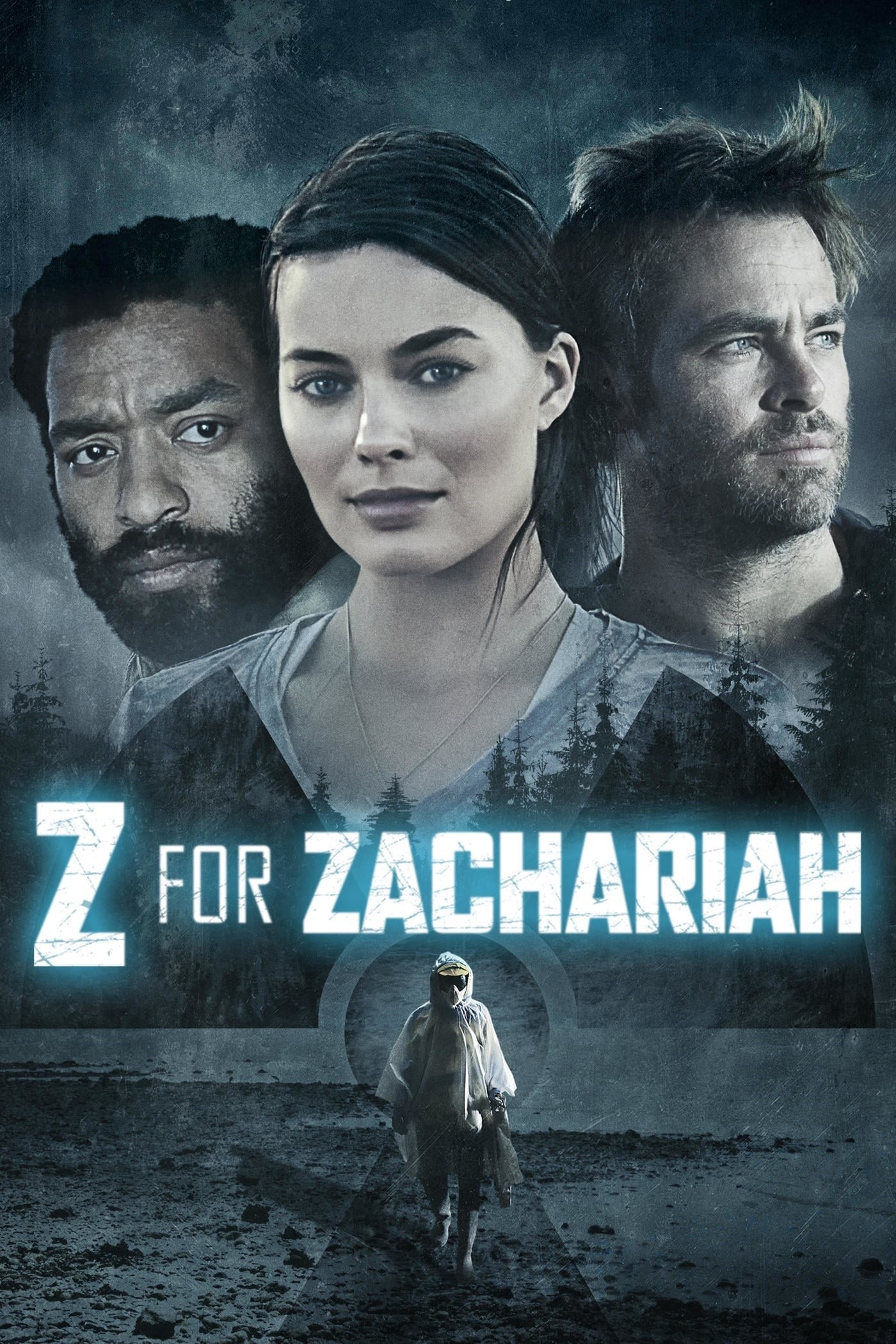
Craig Zobel directs this three-hander adapted from Robert C. O’Brien’s novel, featuring Robbie as Ann alongside Chiwetel Ejiofor and Chris Pine. The story follows a secluded valley spared from a wider catastrophe, with production staging remote farm locations and a small set footprint to emphasize isolation. It premiered at the Sundance Film Festival before receiving an arthouse release in North America.
Filming took place in New Zealand, capitalizing on untouched landscapes to frame the characters’ ethical and survival dilemmas. The screenplay compresses the book’s themes into a minimalist triangle, with sparse dialogue, diegetic sound, and natural light shaping the tone; Roadside Attractions handled U.S. distribution, positioning the film for specialty audiences.
‘Amsterdam’ (2022)

David O. Russell’s ensemble mystery features Robbie as Valerie Voze, a nurse-artist who bonds with characters played by Christian Bale and John David Washington against a backdrop inspired by the historical “Business Plot.” Produced by New Regency and distributed by 20th Century Studios, the film opened wide in theaters with a large, all-star cast and period staging across multiple international locations.
The production reunites Russell with cinematographer Emmanuel Lubezki, emphasizing long takes and period detail—hand-crafted props, vintage lenses, and location builds that mirror interwar design. Music, production design, and costuming jointly reinforce the 1930s setting while Robbie’s character ties the trio’s backstory in Europe to later events in New York through art objects and forged documents.
‘Mary Queen of Scots’ (2018)
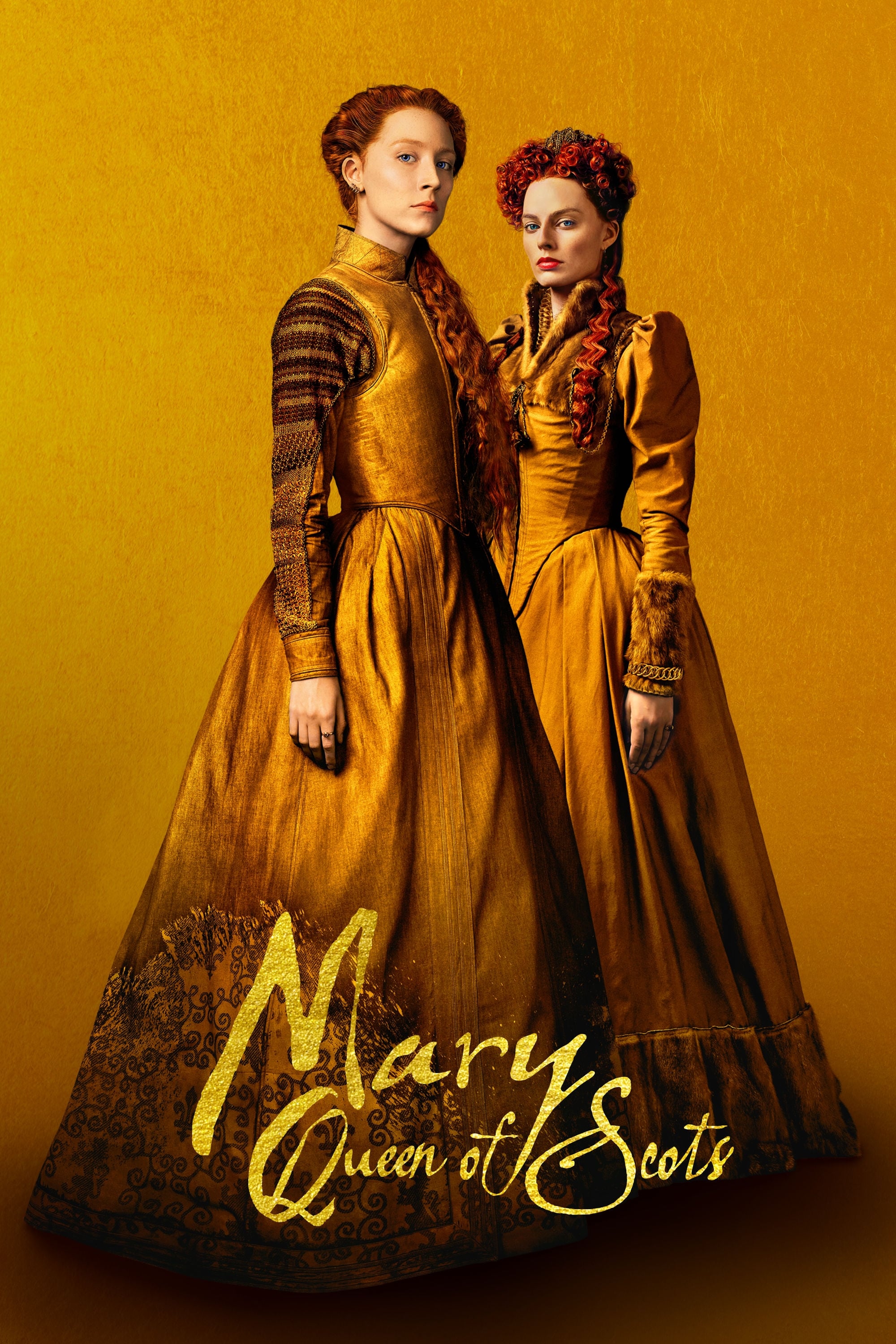
Directed by Josie Rourke, this historical drama casts Robbie as Queen Elizabeth I opposite Saoirse Ronan’s Mary Stuart. Focus Features distributed in the United States following a platform release strategy, and the film earned Academy Award nominations for Best Costume Design and Best Makeup and Hairstyling, reflecting its emphasis on period authenticity.
Principal photography occurred in Scotland and England, with hair and prosthetics teams shaping Elizabeth’s evolving appearance to chart illness and political calculation. The screenplay draws from John Guy’s biography, and court scenes rely on location shooting in castles and manors alongside sets built for Privy Council meetings, royal progresses, and diplomatic exchanges.
‘Focus’ (2015)
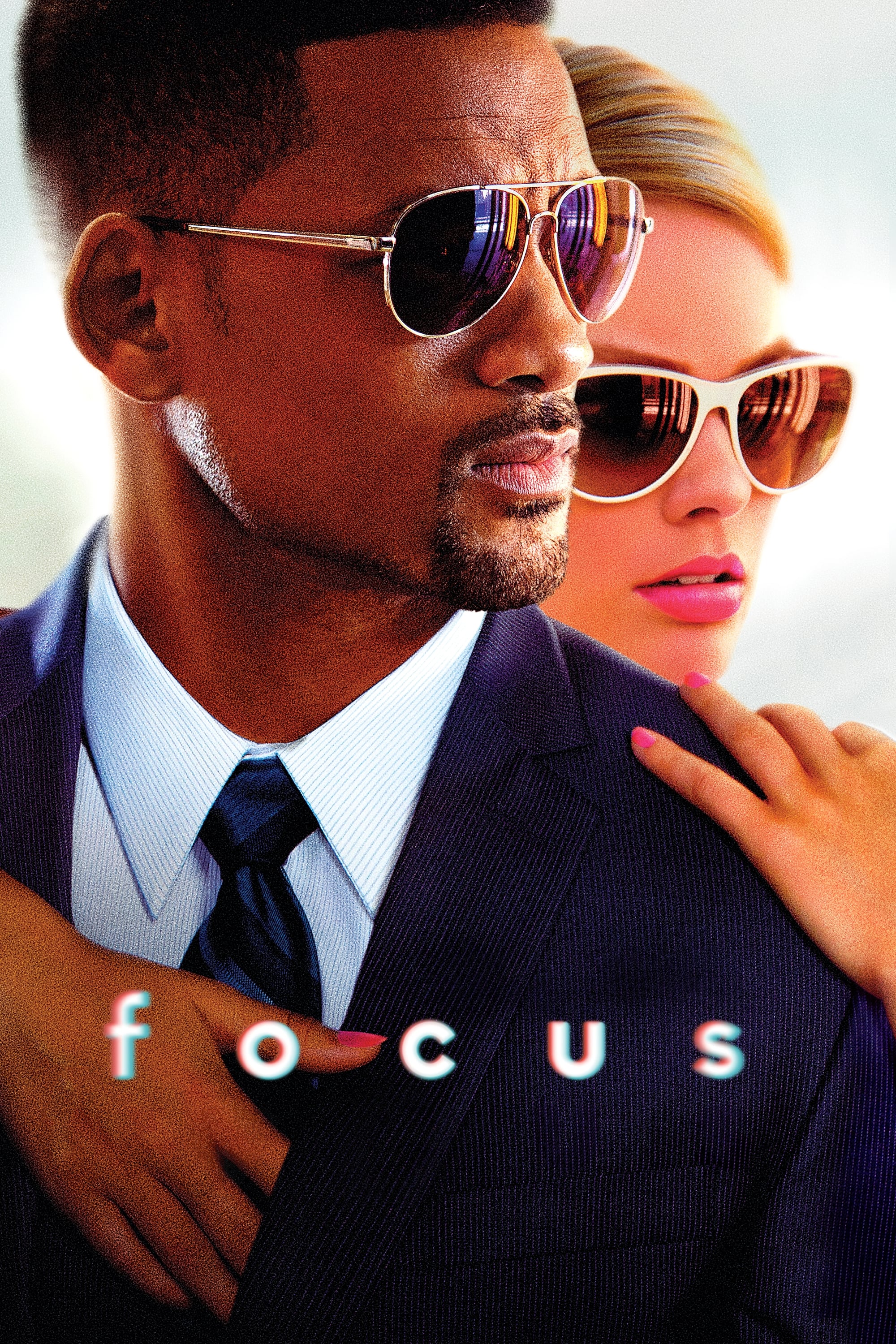
Directed by Glenn Ficarra and John Requa, this romantic crime caper pairs Robbie with Will Smith in a story about a veteran con artist and a rising protégé. Warner Bros. released the film wide, with a production that split principal photography between New Orleans and Buenos Aires to stage large-scale pickpocket set pieces, racetrack sequences, and high-rise hotel cons.
The film’s technical approach uses practical sleight-of-hand choreography coordinated with camera blocking, enabling clean, on-screen reveals rather than relying solely on editing cheats. Costume design provides functional misdirection—pockets, seams, and accessories—while the narrative structure intercuts training montages with high-value heists to showcase confidence games at different scales.
‘Goodbye Christopher Robin’ (2017)
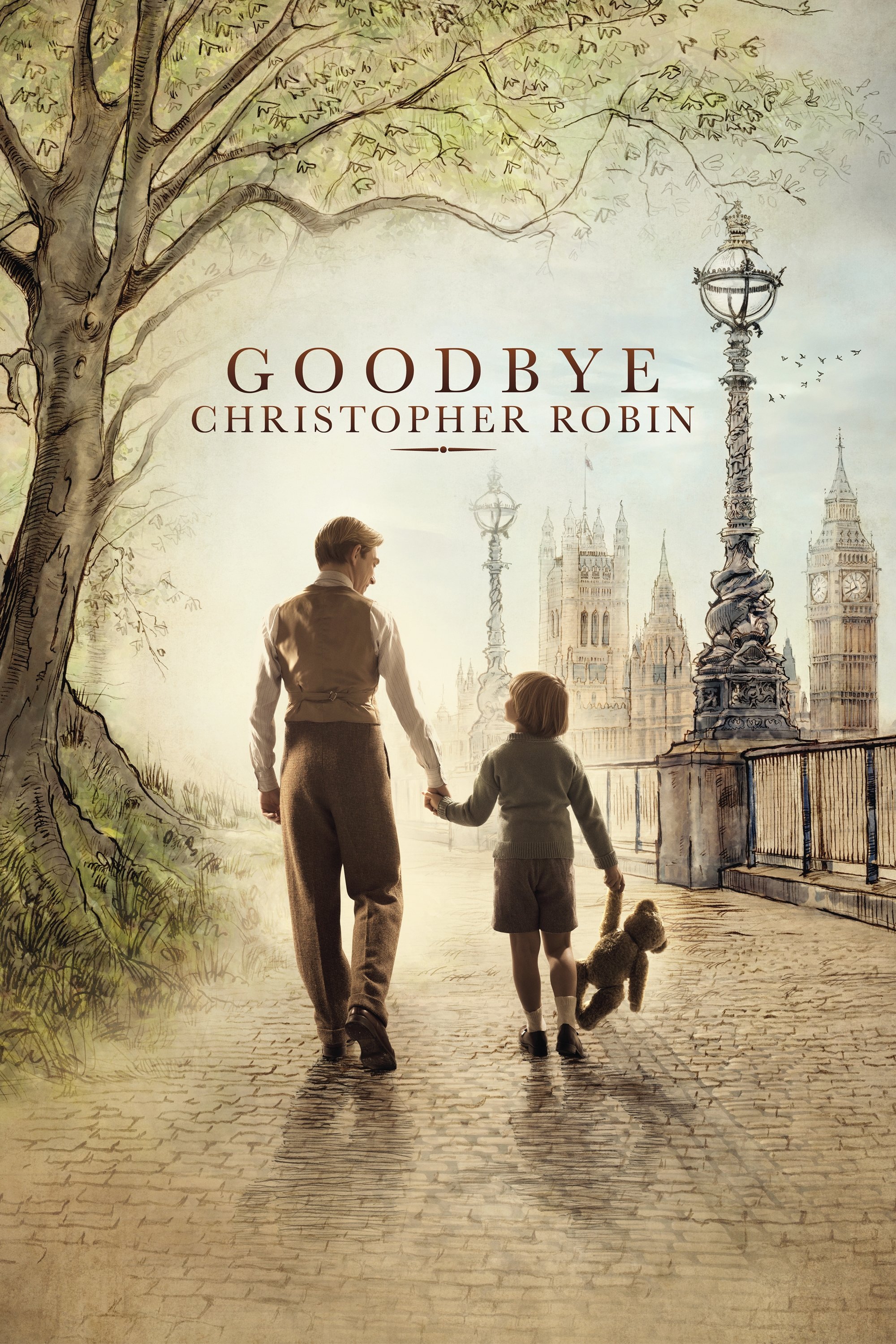
Simon Curtis directs this biographical drama about author A. A. Milne and the creation of the beloved children’s character, with Robbie portraying Daphne de Sélincourt. Fox Searchlight Pictures handled U.S. distribution following a rollout across the UK and international markets, and the film makes extensive use of English countryside locations to evoke the milieu of Milne’s family life.
Production relied on period-accurate wardrobe and set dressing—typewriters, studio interiors, and London townhomes—to situate the literary timeline. The narrative interweaves Milne’s postwar trauma, publishing pressures, and family dynamics, and uses staged publicity shoots and theatre scenes to trace how a private household became a public sensation through book tours and media attention.
‘Babylon’ (2022)
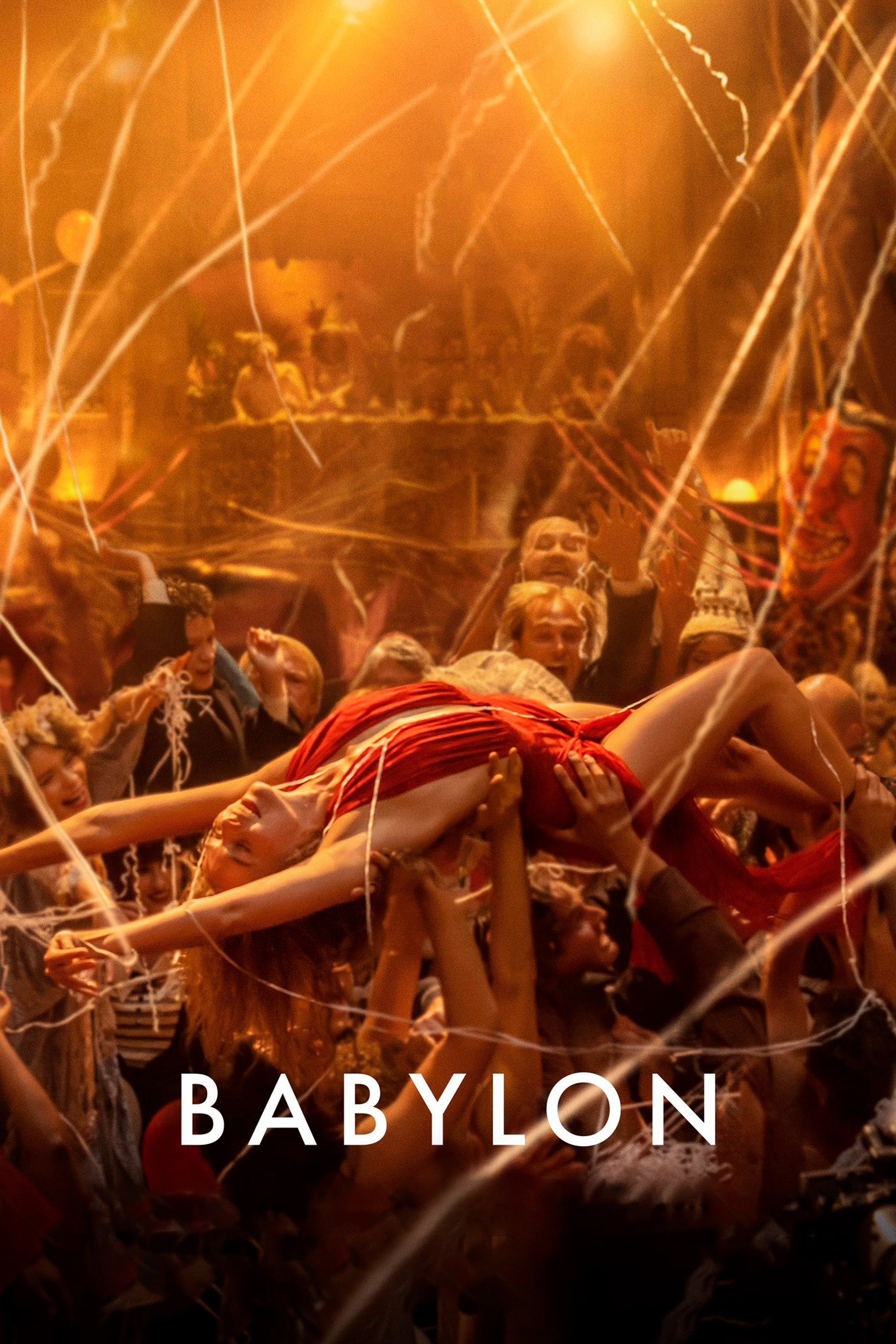
Damien Chazelle’s epic chronicles Hollywood’s late-silent-to-sound transition, with Robbie starring as Nellie LaRoy, an up-and-coming screen performer. Paramount Pictures financed and distributed the film for a wide holiday release, mounting large backlot builds and open-air party sets with hundreds of background performers, along with extended steadicam sequences to chart studio chaos.
The production received Academy Award nominations for Original Score, Production Design, and Costume Design, highlighting its crafts emphasis. Location work combined Southern California ranch properties with soundstage interiors for soundproof stage builds, while editorially the film threads multiple character arcs through studio politics, tabloid coverage, and the technical overhaul from silent film to synchronized dialogue.
‘I, Tonya’ (2017)
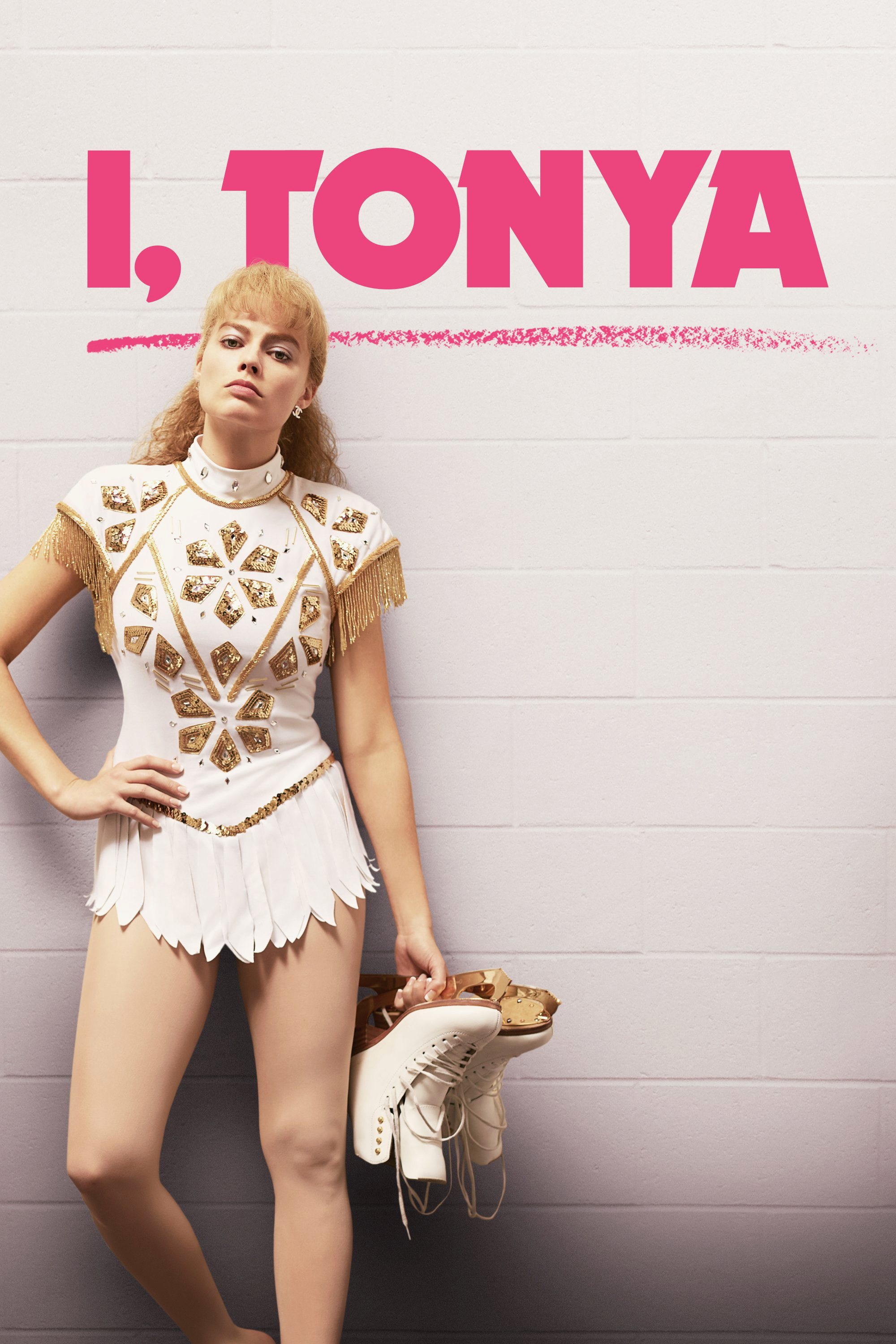
Craig Gillespie directs this biographical drama with Robbie as figure skater Tonya Harding, supported by Sebastian Stan and Allison Janney. NEON distributed in North America following a Toronto International Film Festival premiere, and the film led to a Best Actress nomination for Robbie and a Best Supporting Actress win for Janney at the Academy Awards, underscoring its awards-season traction.
Production combined on-ice doubles with VFX face replacements for certain jumps, using choreographed routines captured across multiple camera speeds. The screenplay by Steven Rogers employs a mock-interview framework, intercutting dramatized events with contradictory testimony, while hair, makeup, and costuming track competitive eras through training outfits, rink uniforms, and televised performances.
‘Once Upon a Time… in Hollywood’ (2019)
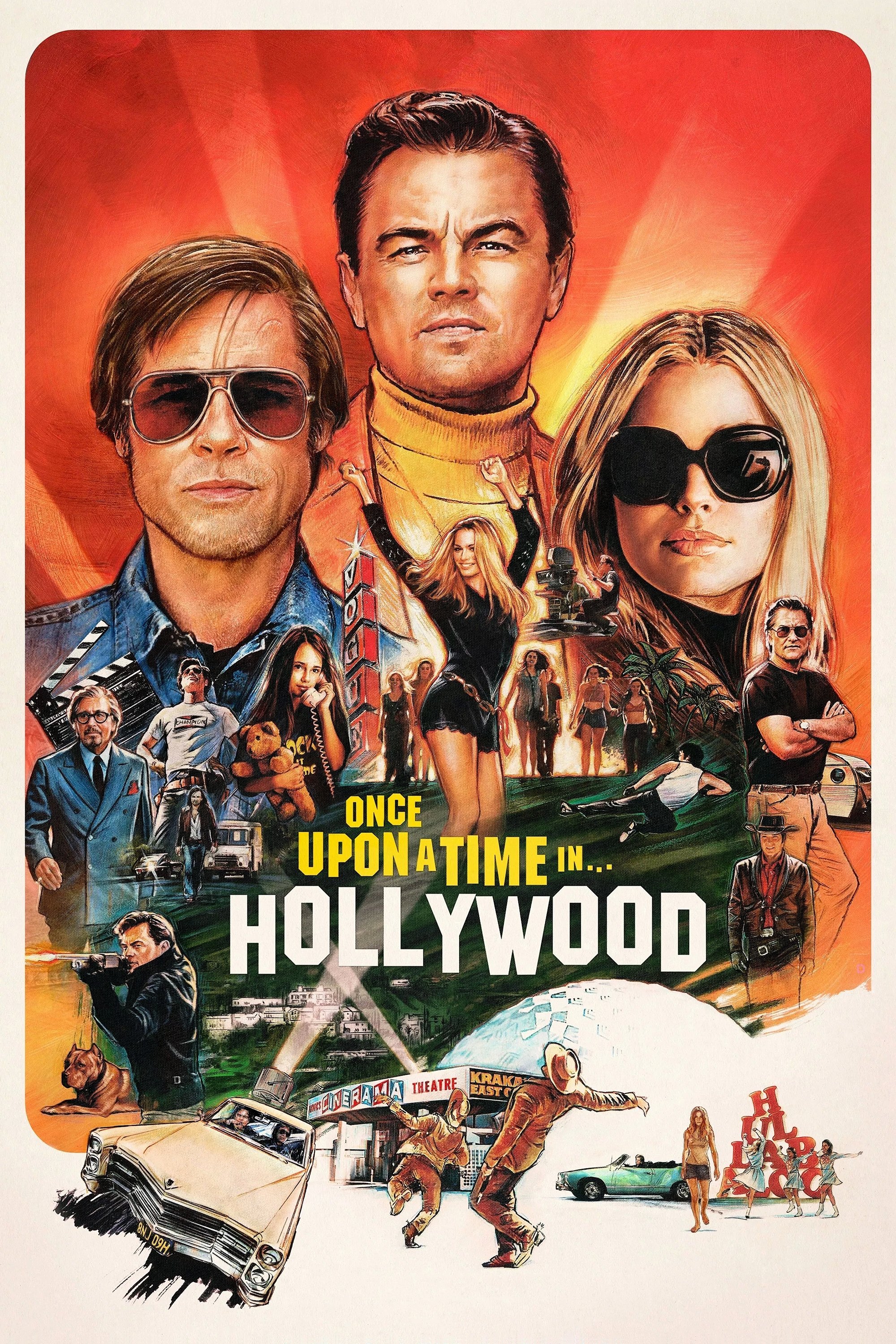
Quentin Tarantino’s period piece casts Robbie as actor Sharon Tate within an ensemble led by Leonardo DiCaprio and Brad Pitt. Sony Pictures released the film after a Cannes Film Festival premiere, and the production recreated Los Angeles streets with vintage storefronts, classic cars, and practical marquee refits to depict the city’s entertainment districts.
The film earned multiple Academy Award nominations and wins, including recognition for Production Design and Supporting Actor. Shooting on 35mm and 70mm formats, the production blended location work on Hollywood Boulevard, Westwood, and surrounding neighborhoods with set builds for studio backlots, while inserting fictional television clips and radio spots to anchor the industry context.
Share your picks for the most overlooked Margot Robbie performances in the comments!