The 10 Most Underrated Mel Gibson Movies, Ranked (from Least to Most Underrated)


Some Mel Gibson titles get talked about constantly, while others quietly deliver strong craft, distinctive performances, and ambitious production choices without the same spotlight. This list pulls together ten projects that deserve more attention within his filmography, whether he’s in front of the camera, behind it, or both.
You’ll find thrillers, historical dramas, and off-beat genre swings—each entry focuses on concrete details such as directors, key cast, production approach, release context, and notable recognition. The goal is to surface lesser-discussed work with clear, useful context you can use to track the films down and place them within his broader career.
‘Edge of Darkness’ (2010)
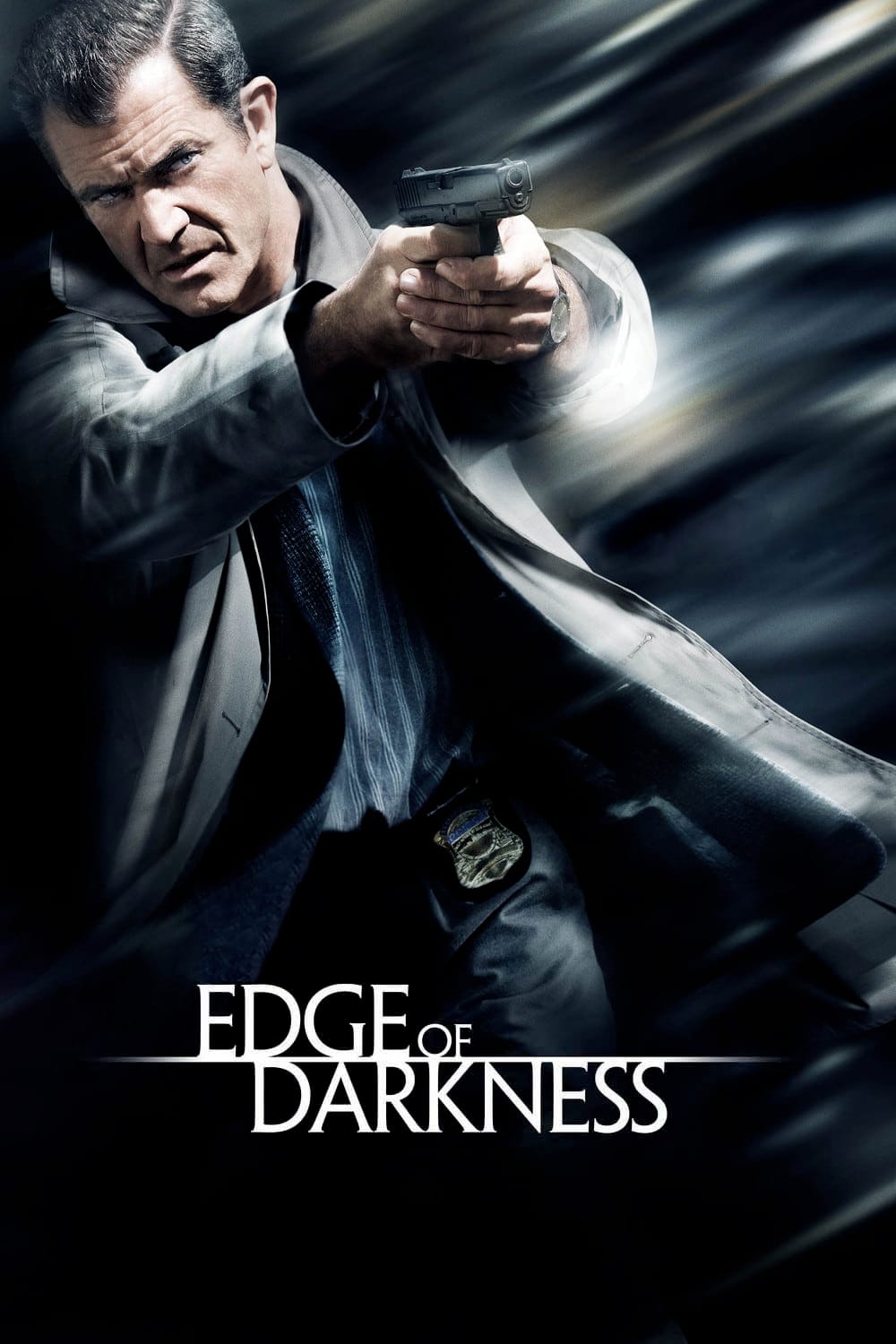
Directed by Martin Campbell and adapted from the BBC miniseries of the same name, this thriller follows a Boston homicide detective who begins investigating his daughter’s murder and uncovers a corporate and government cover-up involving a defense contractor. Mel Gibson plays Thomas Craven, with Ray Winstone as a shadowy government fixer, and Bojana Novakovic and Danny Huston in key supporting roles.
The production was mounted by GK Films and filmed largely in Massachusetts, using locations around Boston to mirror the story’s municipal and corporate settings. William Monahan and Andrew Bovell handled the screenplay, shaping the condensed feature from the original series’ broader arc, and the film marked Gibson’s first starring role after a multi-year break from acting.
‘Ransom’ (1996)
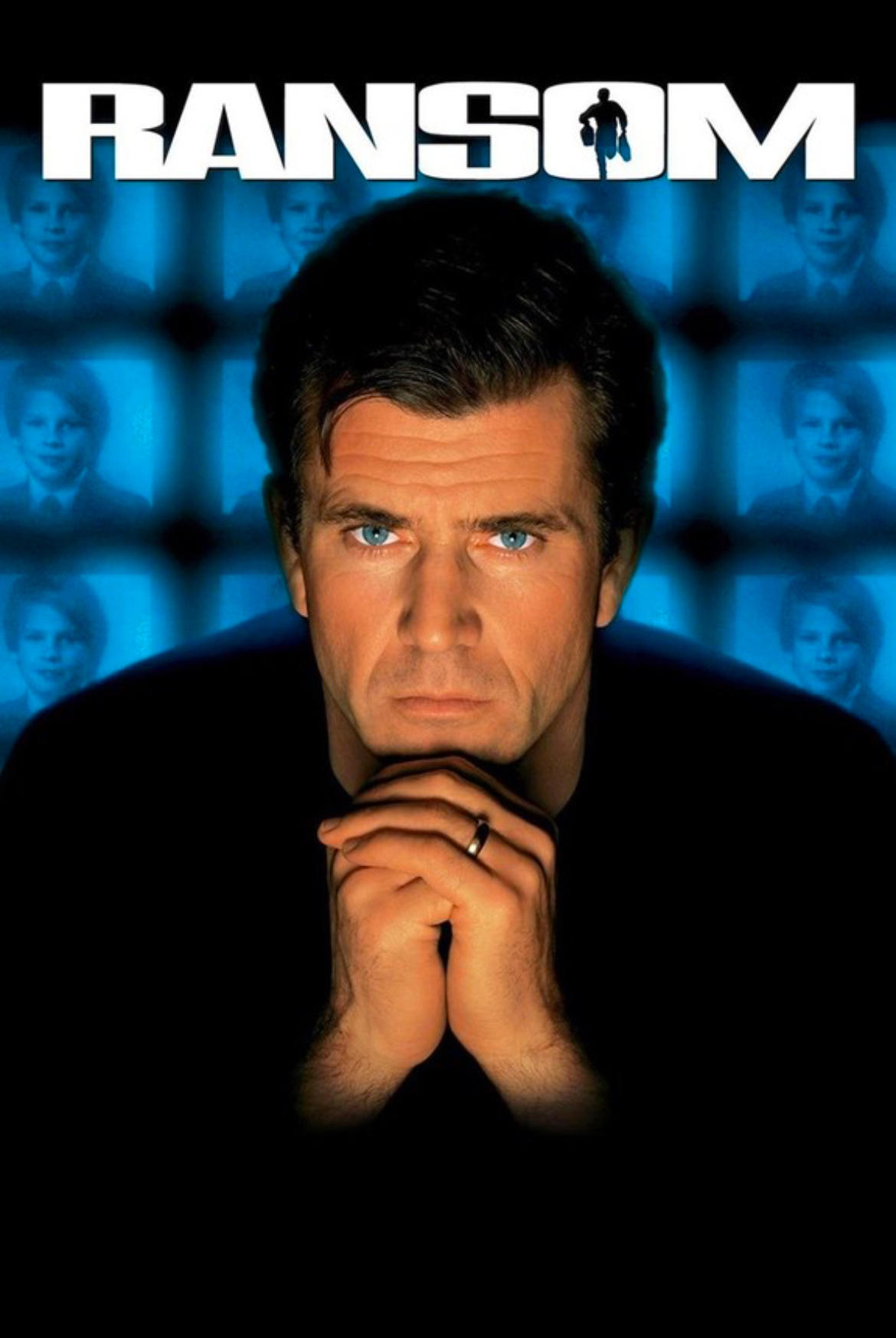
Directed by Ron Howard, this crime thriller centers on airline executive Tom Mullen, whose young son is abducted and held for payment. The story traces the investigation and a risky public strategy that upends the kidnappers’ plan, with a cast that includes Rene Russo, Gary Sinise, Delroy Lindo, Liev Schreiber, and Donnie Wahlberg.
The film reimagines the earlier story told in the anthology teleplay and subsequent feature ‘Ransom!’, updating the setting and tactics to contemporary media and law-enforcement procedures. Notable industry recognition included major awards-show nominations for lead and supporting performances, and the film performed strongly at the box office under Touchstone’s distribution.
‘The Man Without a Face’ (1993)
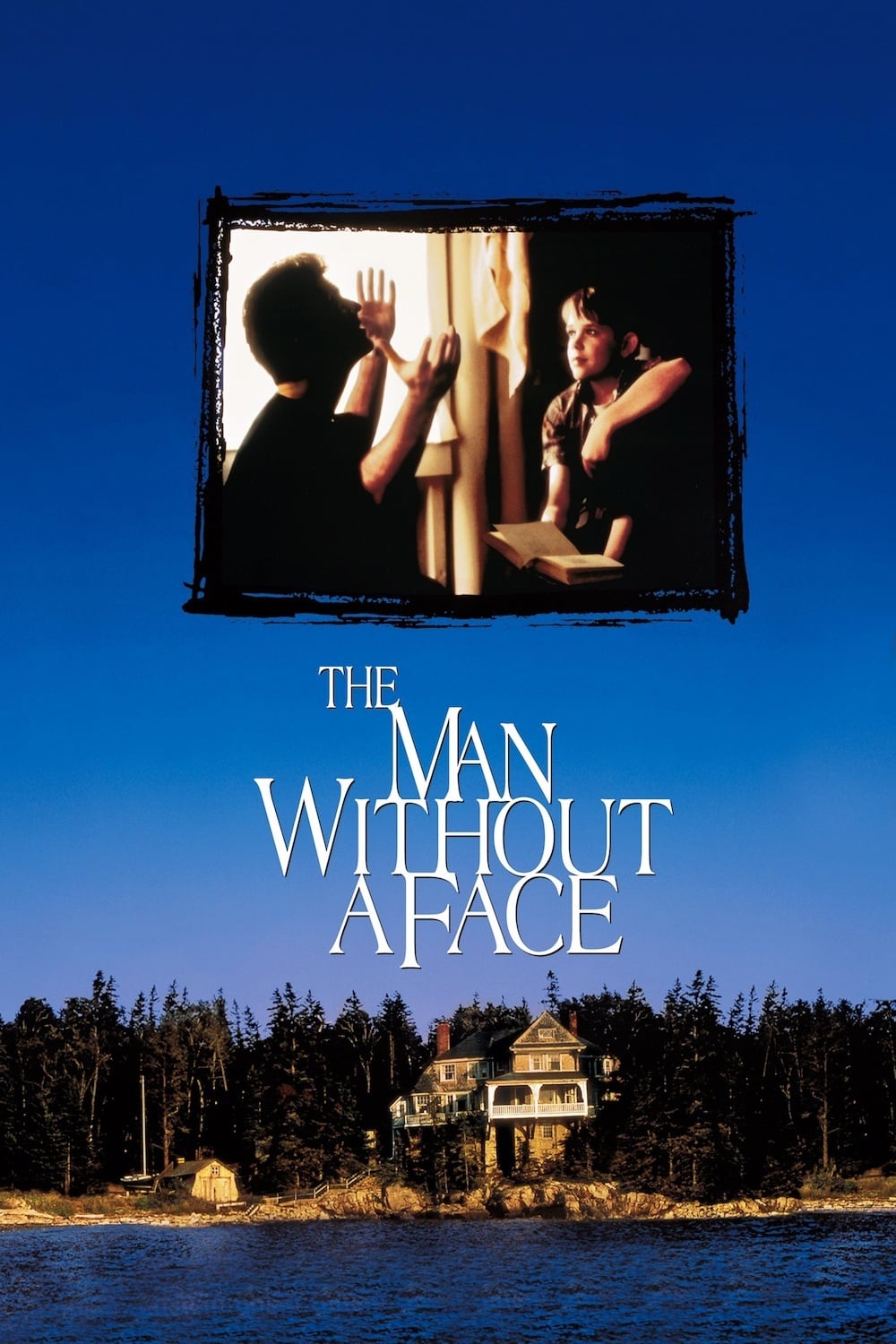
This drama marks Mel Gibson’s feature directing debut and adapts Isabelle Holland’s novel about a reclusive former teacher and a teenage boy preparing for a military-school entrance exam. Gibson plays Justin McLeod opposite Nick Stahl as Chuck, with their mentoring relationship forming the core of the narrative.
Production took place primarily in coastal Maine locations that stand in for the story’s small-town setting. The film focuses on education, mentorship, and community suspicion through a literary adaptation process that kept the book’s character-driven emphasis, and it established Gibson’s long-term interest in directing as well as acting.
‘Dragged Across Concrete’ (2018)
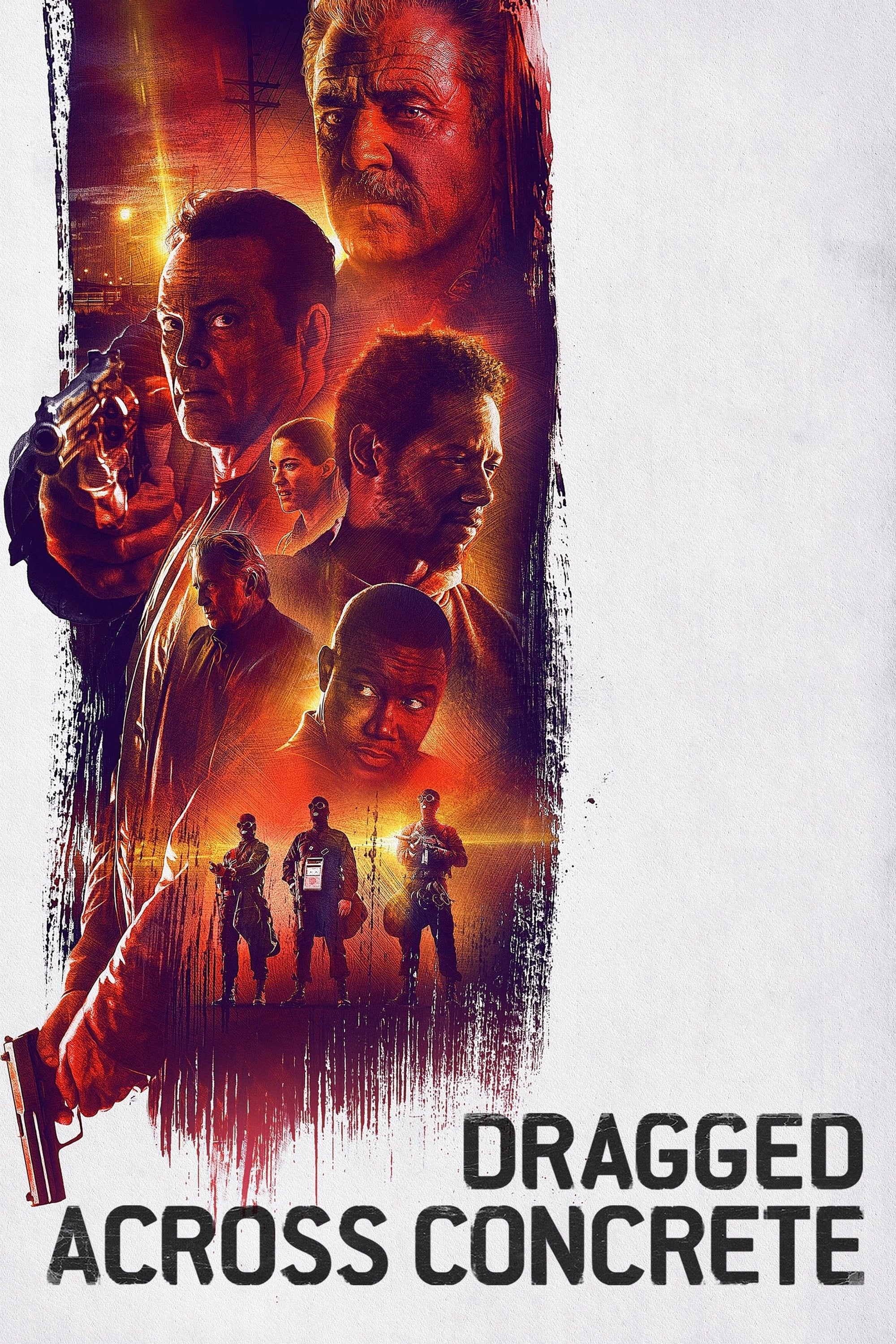
Written and directed by S. Craig Zahler, this crime drama follows two suspended detectives who pursue a risky score that entangles them with career criminals and desperate civilians. Mel Gibson and Vince Vaughn play the partners at the center of the plot, with Tory Kittles, Michael Jai White, Jennifer Carpenter, and Don Johnson rounding out the ensemble.
The project premiered at a major European film festival before a limited theatrical and digital rollout that emphasized specialty audiences. With a lengthy runtime and methodical pacing, the film uses extended dialogue passages and carefully staged set-pieces, reflecting Zahler’s signature approach from earlier work while giving Gibson space in a grounded, procedural context.
‘Get the Gringo’ (2012)
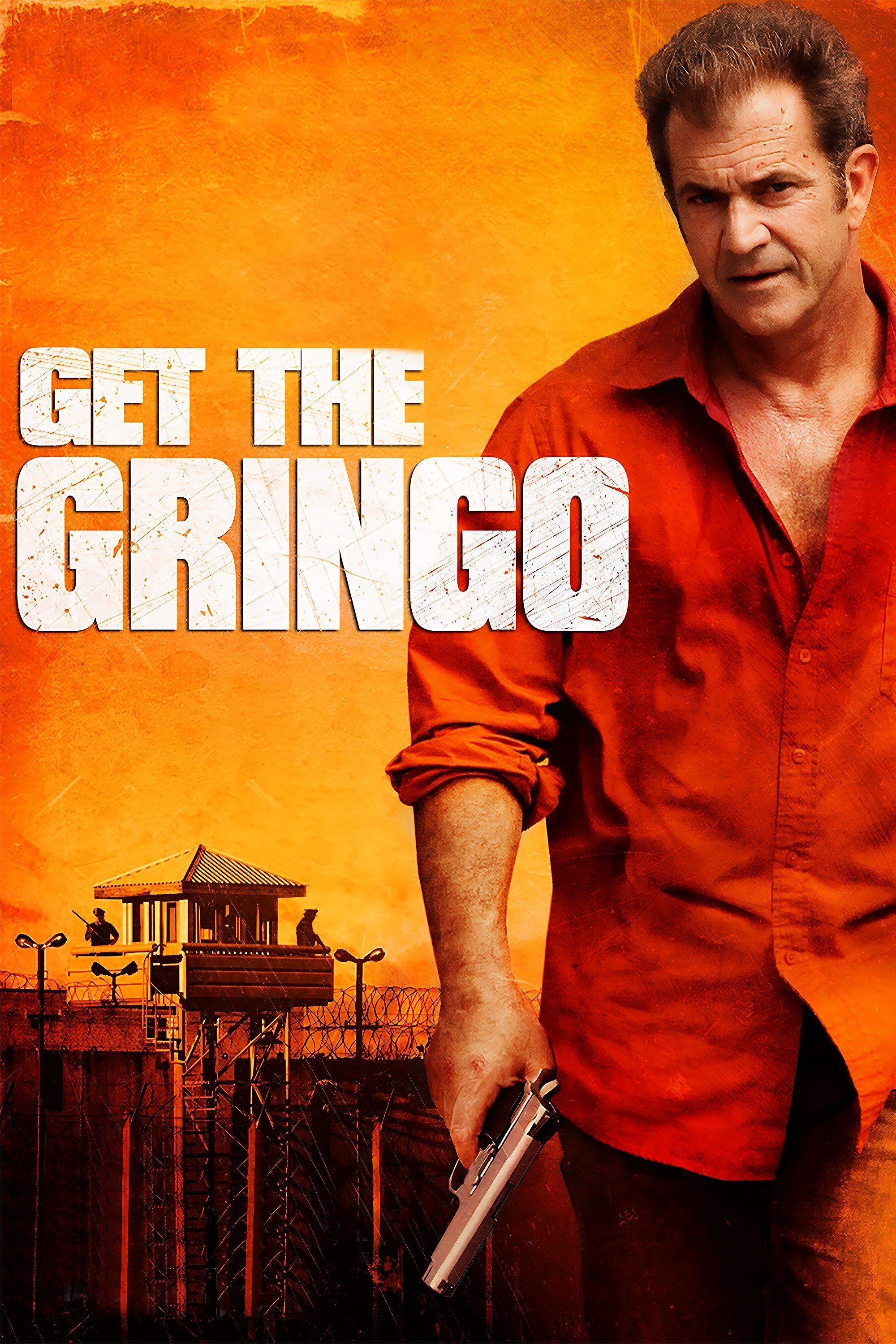
Also released as ‘How I Spent My Summer Vacation’ in several territories, this action-crime film follows an American career criminal who lands in a notorious Mexican prison and learns to survive by navigating its informal economy. Mel Gibson stars as the unnamed “Driver,” with Kevin Hernandez and Dolores Heredia in pivotal roles around the prison community known as El Pueblito.
Directed by Adrian Grunberg and co-written by Gibson with Grunberg and Stacy Perskie, the film used on-location shoots to capture the prison’s marketplace-like structure. Distribution in the United States prioritized video-on-demand and a targeted theatrical footprint, while international markets received wider theatrical releases under the alternate title.
‘Maverick’ (1994)
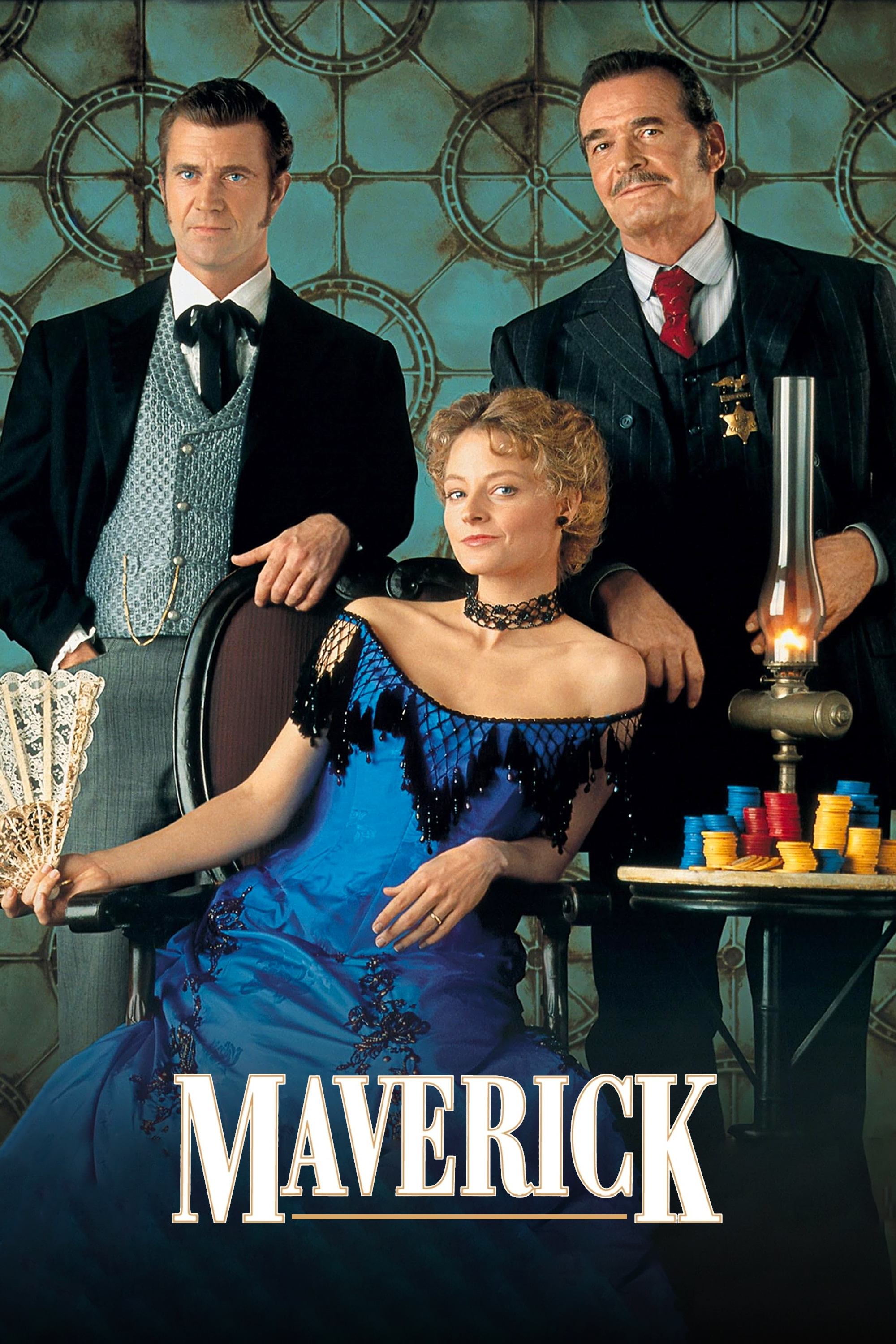
Based on the classic television series ‘Maverick’, this Western caper follows professional cardsharp Bret Maverick as he hustles his way into a high-stakes poker tournament. Mel Gibson stars alongside Jodie Foster and James Garner, whose presence links the feature to the original show’s legacy.
Richard Donner directed from a screenplay by William Goldman, with production traveling to multiple North American locations for riverboat and frontier settings. The film’s ensemble cameos and poker-tournament framework provided opportunities for scripted cons, card-table mechanics, and frontier-era production design, delivering a studio-scale adventure that connected television heritage with big-screen scope.
‘The Year of Living Dangerously’ (1982)
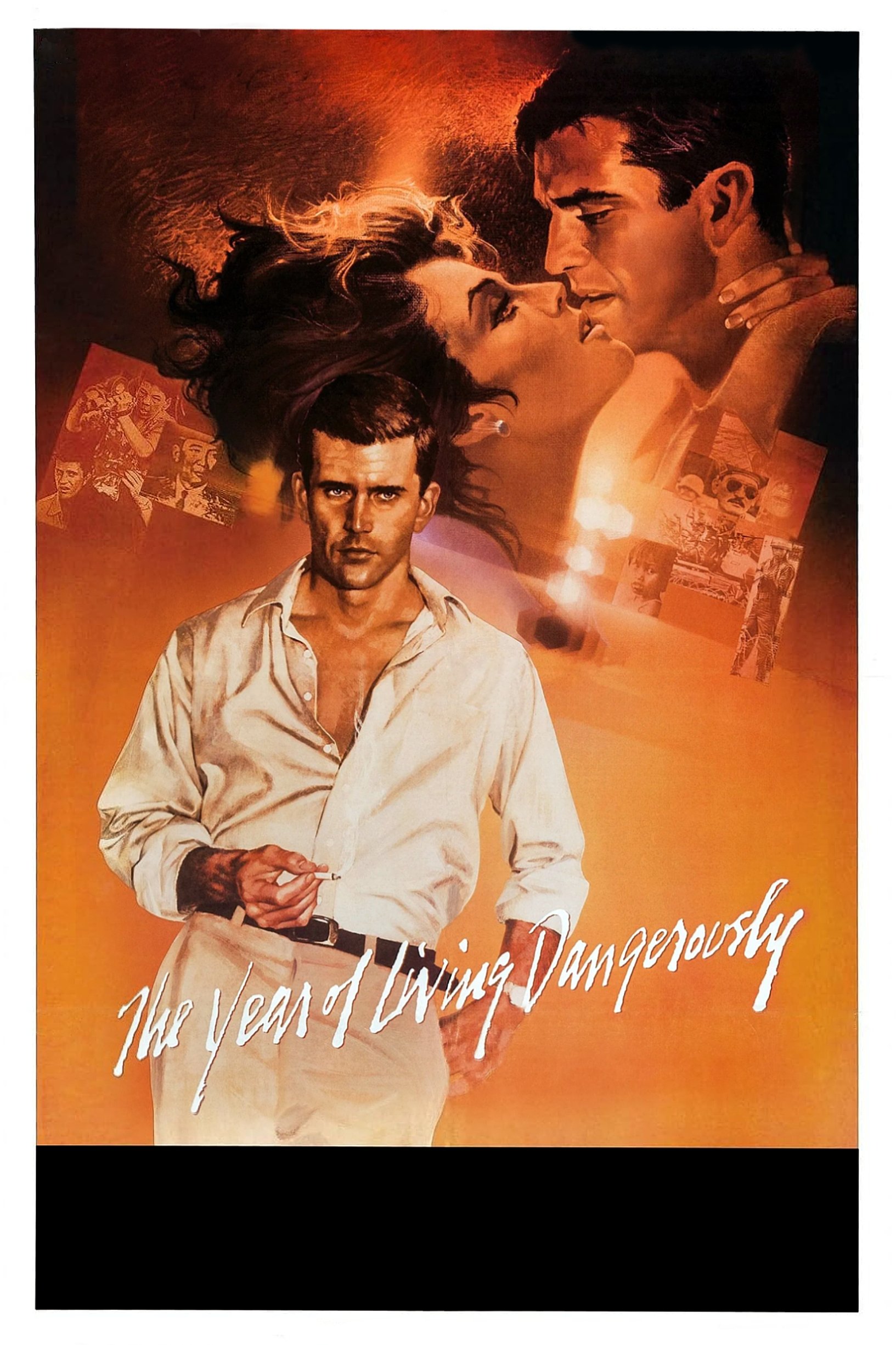
Set in Jakarta during the final months of President Sukarno’s rule, this political drama follows foreign correspondents and diplomats as civil unrest builds around them. Mel Gibson plays Australian journalist Guy Hamilton opposite Sigourney Weaver’s Jill Bryant, with Linda Hunt’s portrayal of Billy Kwan earning major awards recognition.
Peter Weir directed the adaptation of Christopher Koch’s novel, with principal photography staged largely outside Indonesia due to access limitations. The production combines newsroom procedure, diplomatically sensitive fieldwork, and personal relationships against a backdrop of Cold War-era tensions, turning contemporary regional events into an international newsroom narrative.
‘Payback’ (1999)
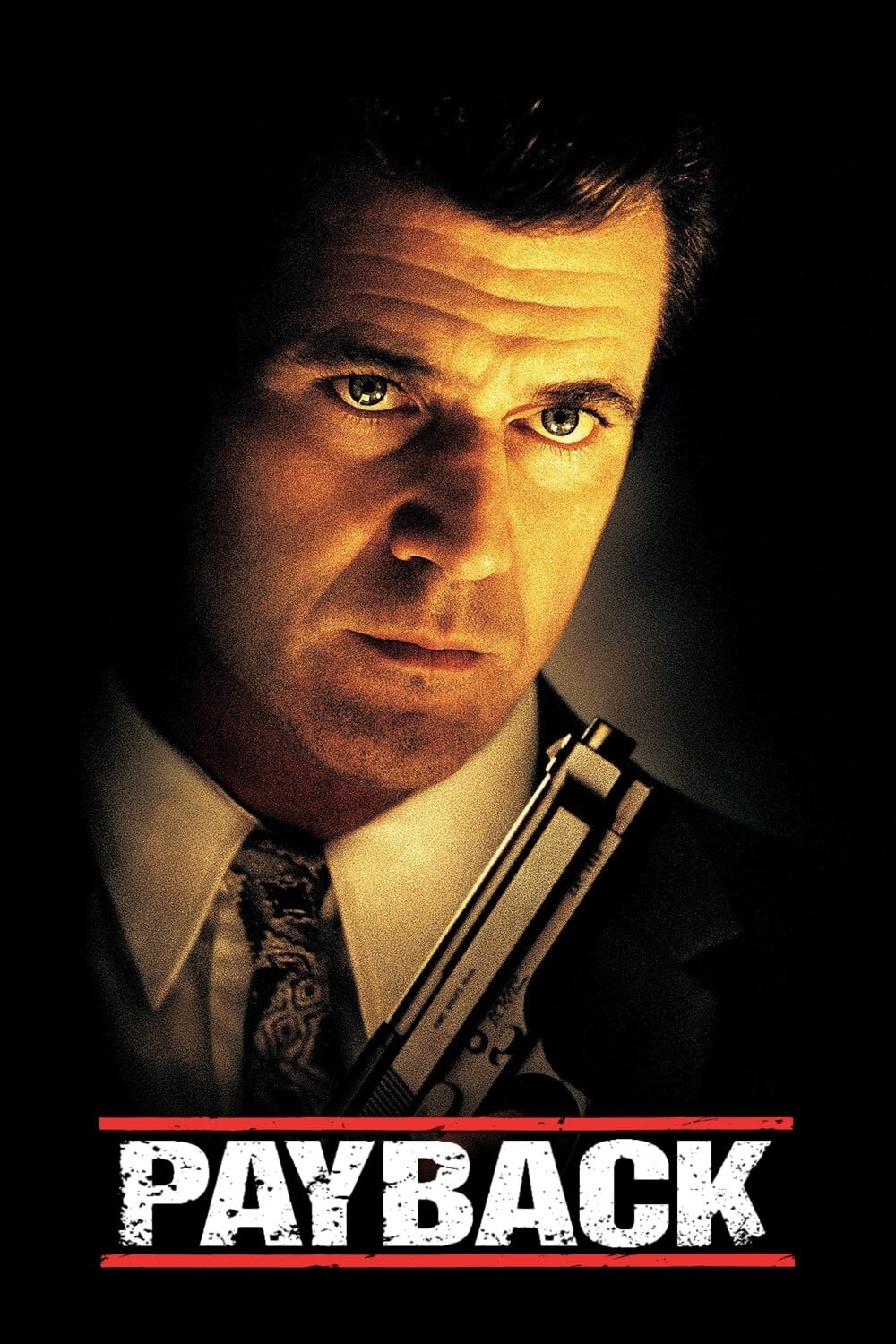
Adapted from Donald E. Westlake’s Parker novel ‘The Hunter’ (written as Richard Stark), this neo-noir crime film follows a professional thief named Porter as he seeks to recover a small but personal cut from a larger heist. Mel Gibson leads an ensemble that includes Maria Bello, Gregg Henry, David Paymer, Kris Kristofferson, and Lucy Liu.
Brian Helgeland directed the feature, which underwent a well-documented post-production process that resulted in two versions: the initial theatrical release and a later “Straight Up: The Director’s Cut” that restored the original vision and altered narrative elements. The property shares lineage with earlier adaptations of the same source material, placing this entry within a broader screen history of the Parker character.
‘Gallipoli’ (1981)
This Australian war drama follows two young sprinters who enlist and serve at the Dardanelles, tracing their journey from rural competitions to the front lines. Mel Gibson co-stars with Mark Lee, and the film situates their friendship within the broader context of the Australian Imperial Force during the Gallipoli campaign.
Peter Weir directed the production with support from Australian cultural bodies, and the film became a landmark title within the country’s modern cinema. Its focus on training, deployment, and the tactical realities of trench warfare is paired with location work that recreates the peninsula’s terrain, while period costuming and props reflect military standards of the time.
‘Apocalypto’ (2006)
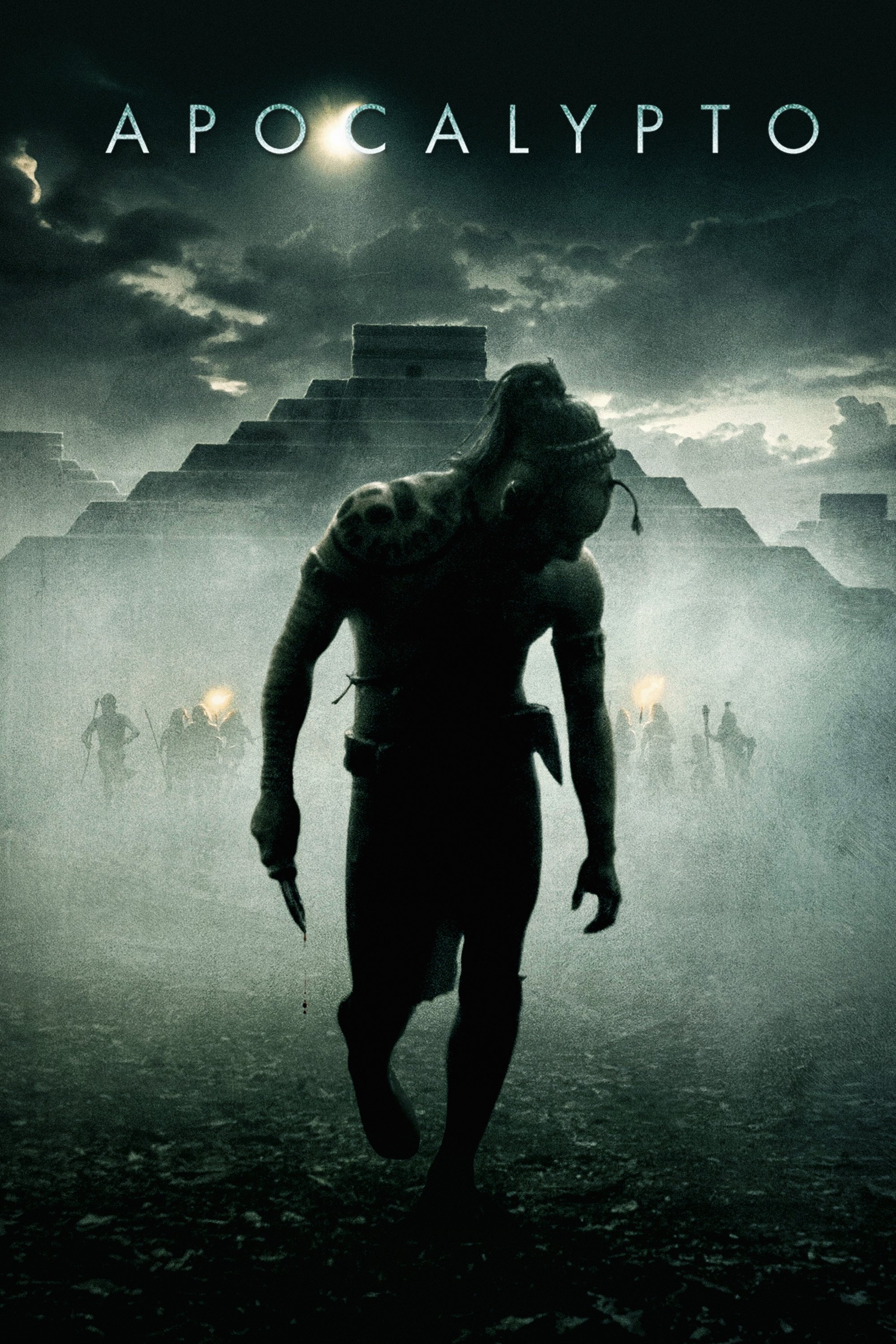
Directed by Mel Gibson and performed primarily in Yucatec Maya, this historical survival epic follows a young hunter captured by raiders and forced on a perilous journey that tests his endurance and ingenuity. The cast features Rudy Youngblood, Raoul Max Trujillo, Dalia Hernández, and Gerardo Taracena, with extensive use of practical effects and indigenous languages.
The production was mounted in Mexico with large-scale set construction, elaborate makeup work, and stunts coordinated to emphasize physical action. The film received multiple Academy Award nominations in craft categories, and its language choice and on-location approach aligned with efforts to reconstruct aspects of Mesoamerican culture through consultation, costume design, and specialized props.
Share your picks for overlooked Gibson titles in the comments and tell everyone which one you think deserves more love.