The 15 Best Alicia Vikander Roles


Alicia Vikander has built a filmography that stretches across intimate European dramas, major studio blockbusters, and inventive television. She moves between languages and genres with ease, taking on historical figures, original characters, and reimagined icons. Across these projects, she has collaborated with filmmakers from around the world and adapted work from classic literature, modern novels, and video games.
This list collects standout roles that showcase the range of her screen work in movies and limited series. You’ll find leading performances, complex supporting turns, and characters rooted in real people. For handy reference, each entry includes the title and role in the heading, followed by two concise paragraphs that focus on concrete details—story setup, collaborators, source material, and production context.
‘Ex Machina’ (2014) – Ava

Alex Garland’s sci-fi story centers on a programmer invited to evaluate a humanoid AI at a remote lab owned by a tech CEO. Alicia Vikander plays Ava, an artificial intelligence whose language, gesture design, and decision-making are pivotal to the film’s testing framework alongside characters portrayed by Domhnall Gleeson and Oscar Isaac.
Production combined motion capture, on-set choreography, and digital compositing to create Ava’s semi-transparent body while retaining human facial nuance. The film’s effects team integrated negative space VFX with live-action plates, and the project earned major awards recognition for visual effects and writing, with the narrative structured around interview sessions and access restrictions.
‘The Danish Girl’ (2015) – Gerda Wegener

Adapted from David Ebershoff’s novel inspired by the lives of artists Lili Elbe and Gerda Wegener, the film follows a married couple whose relationship changes as Lili transitions. Vikander portrays Gerda, a working painter whose commissions, exhibition prospects, and portrait sittings intersect with the couple’s personal decisions.
Tom Hooper directed, with Eddie Redmayne as Lili Elbe and a supporting cast drawn from European and UK productions. Period design recreates studios, salons, and hospitals, while the script uses letters, medical consultations, and gallery scenes to track professional milestones and the historical context of gender-affirming procedures.
‘Tomb Raider’ (2018) – Lara Croft

This action adventure reintroduces Lara Croft in an origin-era storyline that sends her from London to an uncharted island to investigate a family mystery. Vikander trained in climbing, combat, and water work, performing extensive stunts to match the grounded approach of the game continuity the film draws on.
Director Roar Uthaug staged large practical sets, long takes for chase beats, and location shoots that incorporated cliffs, caves, and shipwreck environments. The production referenced gear and puzzle motifs from the game series, aligning the character’s tools and survival scenarios with contemporary franchise design.
‘A Royal Affair’ (2012) – Caroline Mathilde
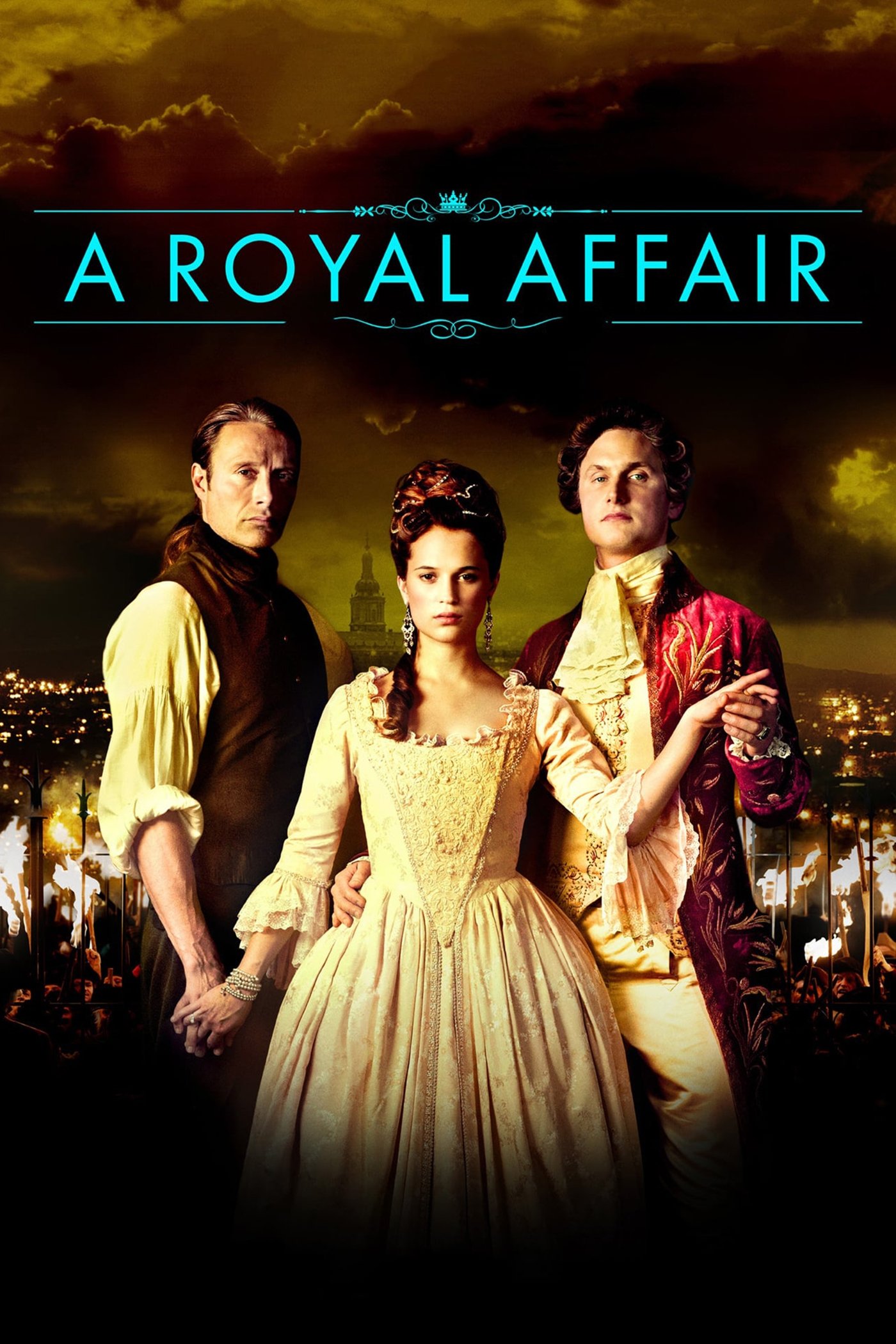
Set at the Danish court, this historical drama follows Queen Caroline Mathilde and physician Johann Friedrich Struensee as they influence reforms during King Christian VII’s reign. Vikander plays Caroline Mathilde, whose correspondence, alliances, and public role at court are central to the political developments depicted.
Directed by Nikolaj Arcel and co-starring Mads Mikkelsen and Mikkel Boe Følsgaard, the film incorporates proclamations, council meetings, and censorship edicts drawn from archival records. Costumes and language choices reflect Enlightenment-era etiquette, while location work and set reconstructions map the governance stakes inside the royal household.
‘The Green Knight’ (2021) – Essel / The Lady

David Lowery’s adaptation of the Arthurian poem follows Gawain on a quest across wilderness and castles. Vikander appears in dual roles: Essel, a working-class companion in Camelot, and the Lady, an aristocratic figure at a secluded estate, with both characters connected to tests of loyalty and desire.
The production emphasizes practical effects, medieval iconography, and composed tableaux. Scenes with Vikander differentiate class and power through dialect work, costuming, and camera distance, while the script’s riddles and bargains mirror the poem’s structure of challenges and returns.
‘Jason Bourne’ (2016) – Heather Lee
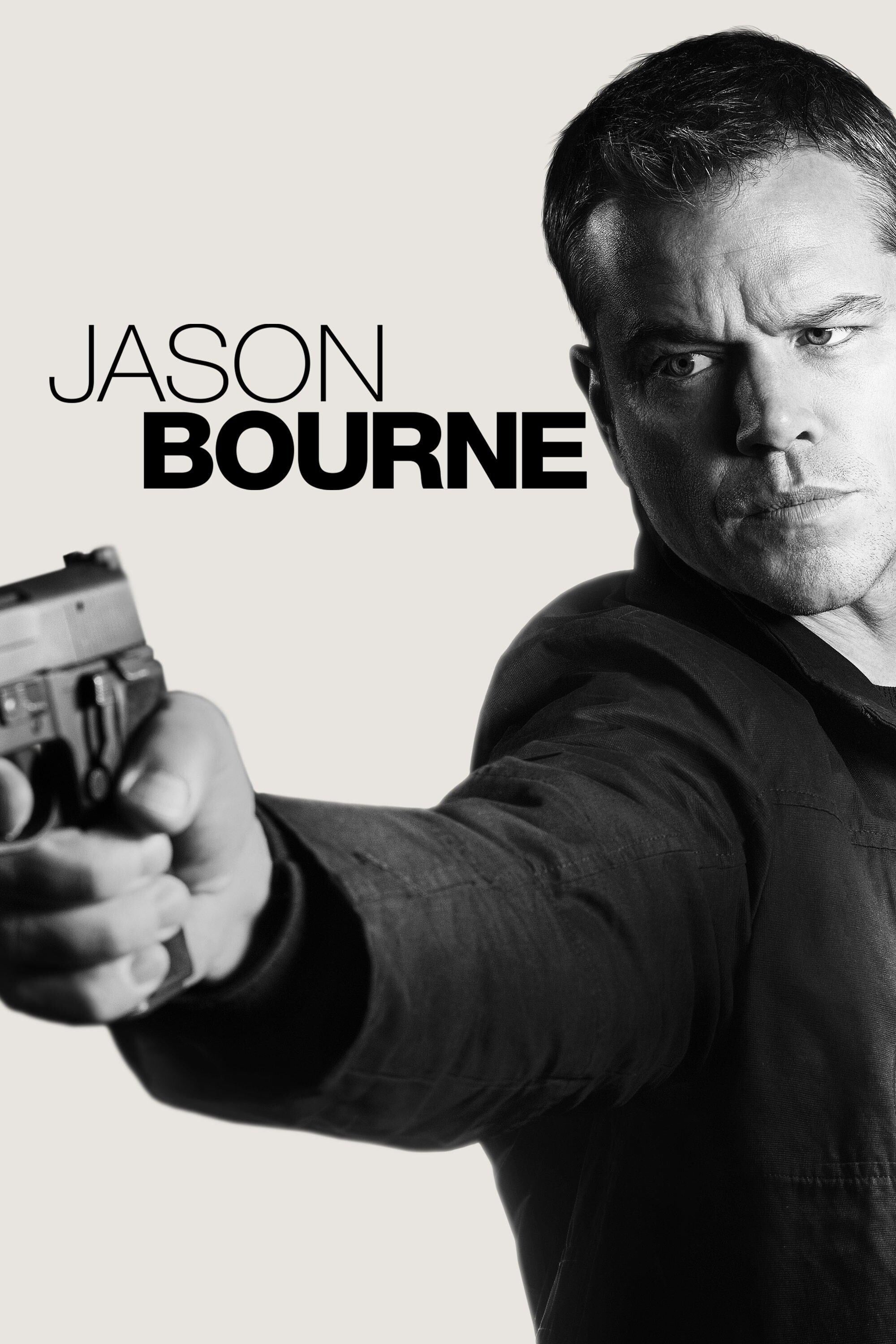
The fifth entry in the franchise reintroduces Matt Damon as Bourne opposite Vikander’s Heather Lee, a cyber-operations lead coordinating surveillance programs and internal responses to leaks. Her character interfaces between technical teams and senior leadership as the agency pursues field assets.
Paul Greengrass directed with handheld coverage and international set pieces, including operations staged during large public events. The plot incorporates data-sharing debates, platform backdoors, and black-ops tooling, situating Lee’s decision-making inside real-time command centers and interdepartmental negotiations.
‘The Light Between Oceans’ (2016) – Isabel Graysmark Sherbourne

Adapted from M. L. Stedman’s novel, the story follows a lighthouse keeper and his wife on a remote island whose discovery of a boat with a baby leads to legal and familial consequences. Vikander’s Isabel initiates choices that shape the narrative’s custody questions and community fallout.
Director Derek Cianfrance filmed on rugged coastal locations, integrating weather conditions and lighthouse mechanisms into the production. The adaptation uses letters, town proceedings, and layered timelines to track the intersecting stories of island life and mainland authorities.
‘Anna Karenina’ (2012) – Kitty Shcherbatskaya

Joe Wright’s stylized adaptation stages much of the action inside a theatrical space that transitions between sets. Vikander plays Kitty, whose early expectations and later growth intersect with Konstantin Levin’s arc, providing a counterpoint to the title character’s storyline.
The ensemble features Keira Knightley, Jude Law, and Aaron Taylor-Johnson. Choreography, costume, and Dario Marianelli’s score support the production’s hybrid theatre-cinema design, while Kitty’s scenes mark shifts in social standing, family arrangements, and rural–urban contrasts adapted from Tolstoy’s text.
‘Testament of Youth’ (2014) – Vera Brittain

Based on Vera Brittain’s memoir, the film charts a young writer’s path from provincial life to Oxford ambitions and wartime nursing. Vikander portrays Brittain through study, service, and advocacy, with letters and diaries structuring the account of losses and later public engagement.
James Kent directed with locations across the UK and mainland Europe to represent training hospitals and front-line stations. The adaptation maintains the memoir’s focus on education, pacifism, and postwar authorship, using examinations, enlistment procedures, and medical routines to frame key chapters.
‘The Man from U.N.C.L.E.’ (2015) – Gaby Teller

Guy Ritchie’s spy caper reimagines the classic television property with an uneasy CIA–KGB partnership at its center. Vikander plays Gaby Teller, the daughter of a missing scientist whose engineering background and undercover work position her inside both sides of the mission.
The production leans on mid-century design, practical driving stunts, and period gadgets. Scenes set in ateliers and racetracks tie the operation’s fashion-world front to its weapons plot, with Gaby’s contacts and technical skills connecting the heist mechanics to the larger case.
‘Earthquake Bird’ (2019) – Lucy Fly

Set in Tokyo and adapted from Susanna Jones’s novel, the film follows a translator whose routines become entangled with a photographer and a new acquaintance from overseas. Vikander plays Lucy Fly, whose language work and city navigation intersect with a missing-person investigation.
Wash Westmoreland directed, with extensive on-location filming across urban neighborhoods and rural sites. Interviews, flashbacks, and police procedure structure the mystery, while workplace details about localization and recording sessions anchor Lucy’s professional context.
‘Tulip Fever’ (2017) – Sophia Sandvoort
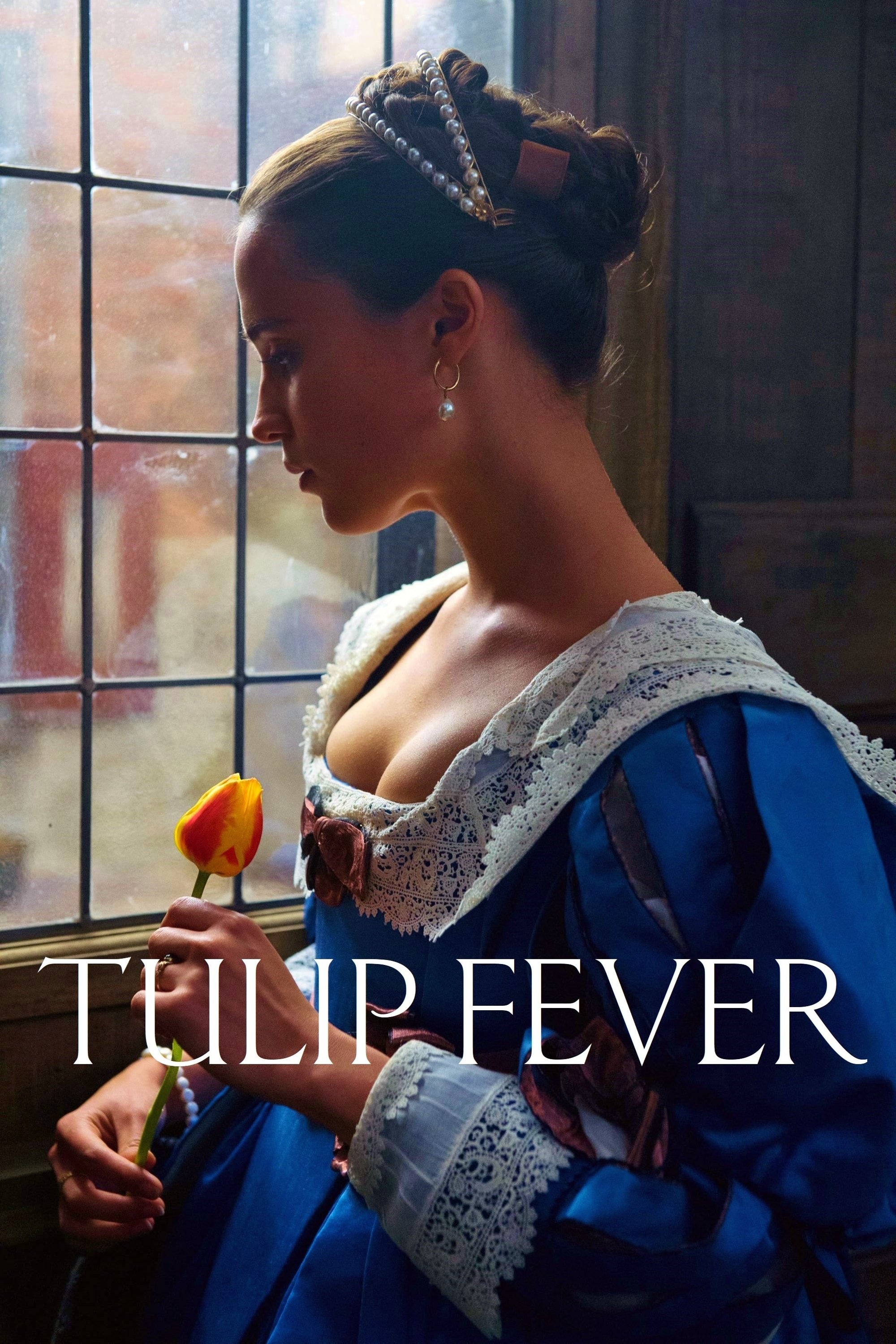
Adapted from Deborah Moggach’s novel, the story unfolds during the tulip market boom and centers on a portrait commission that links a merchant’s household to a young painter. Vikander plays Sophia, whose relationship with the artist fuels a scheme that brings together personal risk and speculative trading.
Director Justin Chadwick staged studio practices, botanical auctions, and household contracts to trace how debts and identities shift across the plot. The production features Christoph Waltz, Dane DeHaan, and Judi Dench, and uses period costume and market details to map the financial stakes.
‘Irma Vep’ (2022) – Mira Harberg / Irma Vep
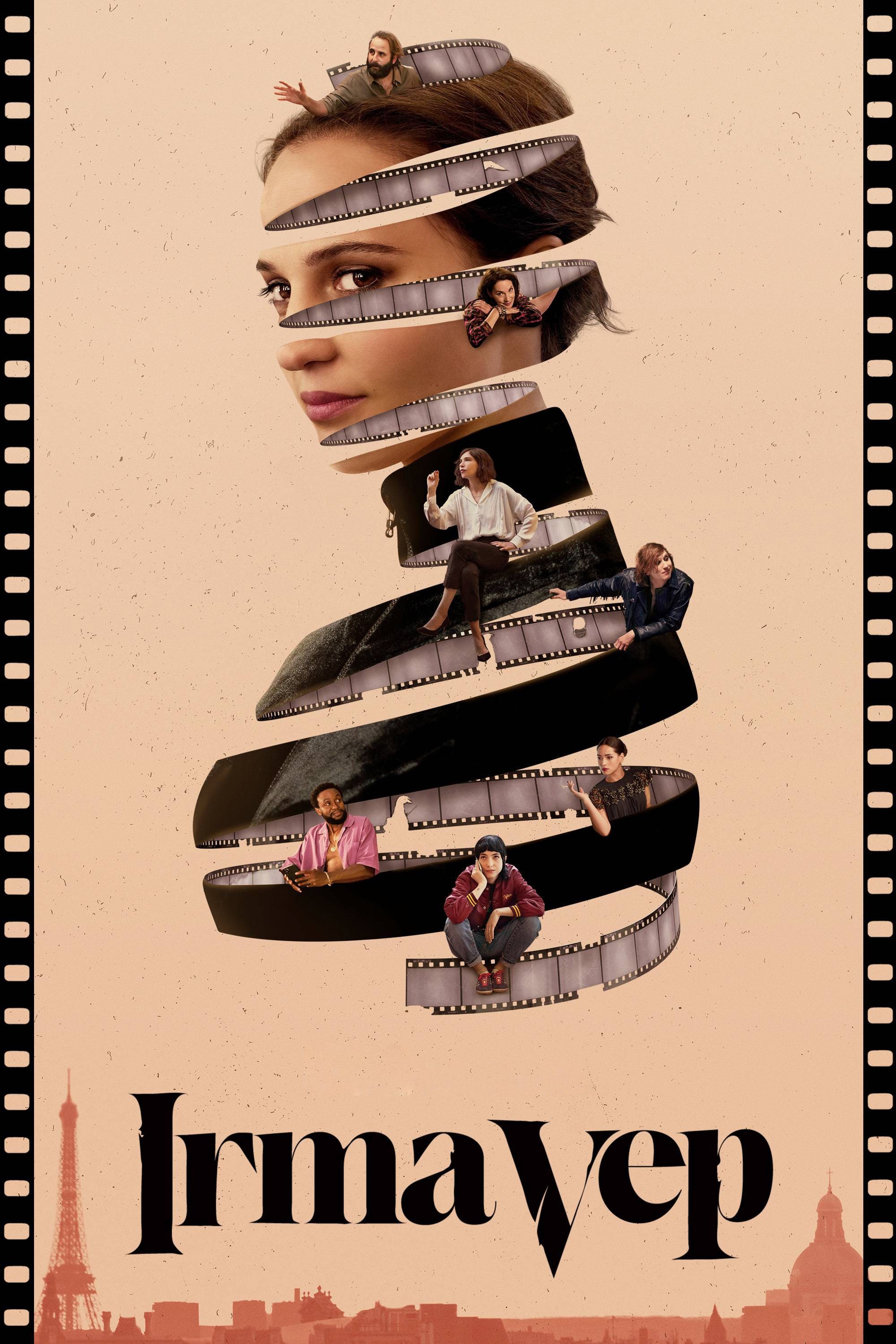
Olivier Assayas’s limited series follows a director remaking the silent serial ‘Les Vampires’. Vikander plays Mira Harberg, an American star who travels to France to lead the production and, within it, dons the Irma Vep catsuit for the in-series shoot.
The show blends set-life logistics with scenes from the remake, using dailies, fittings, and crew meetings to chart creative decisions. Archive nods, script pages, and on-location work frame a meta-production where the character’s costume tests and rehearsals mirror the project’s evolving shoot schedule.
‘Euphoria’ (2017) – Ines

Written and directed by Lisa Langseth, this European drama follows two estranged sisters on a journey with an unusual destination and purpose. Vikander plays Ines opposite Eva Green, with their itinerary revealing medical, legal, and personal arrangements that define the film’s central choice.
The production spans clinics, estates, and forests, using appointments and consent procedures to structure the narrative. Dialogue scenes are built around staff protocols and timed visits, while travel sequences connect paperwork and facility rules to the sisters’ planning.
‘Pure’ (2010) – Katarina

Released in Sweden as ‘Till det som är vackert’, the film follows a working-class young woman who pursues classical music after discovering recordings that change her daily routine. Vikander plays Katarina, whose applications, auditions, and workplace decisions drive the plot toward concert-hall circles.
The production, directed by Lisa Langseth, focuses on rehearsal spaces, administrative hurdles, and mentorship dynamics. The film’s use of performances, letters, and institutional gatekeeping charts how access to training and venues shapes the character’s path.
Share your favorite Alicia Vikander performance in the comments!