The 15 Best Emilia Clarke Roles


From gritty fantasy epics to heartfelt rom-coms and sci-fi blockbusters, Emilia Clarke has built a screen career packed with range and memorable characters. She’s led global phenomena, anchored intimate dramas, and jumped between franchises with ease, all while taking on both live-action and voice roles across film and television.
Below is a curated look at her standout work across movies and shows. Each entry notes the project, the role she played, and context about the story, production, and where her character fits within it—so you can quickly place each performance in Clarke’s filmography and understand why it matters.
‘Game of Thrones’ (2011–2019) – Daenerys Targaryen
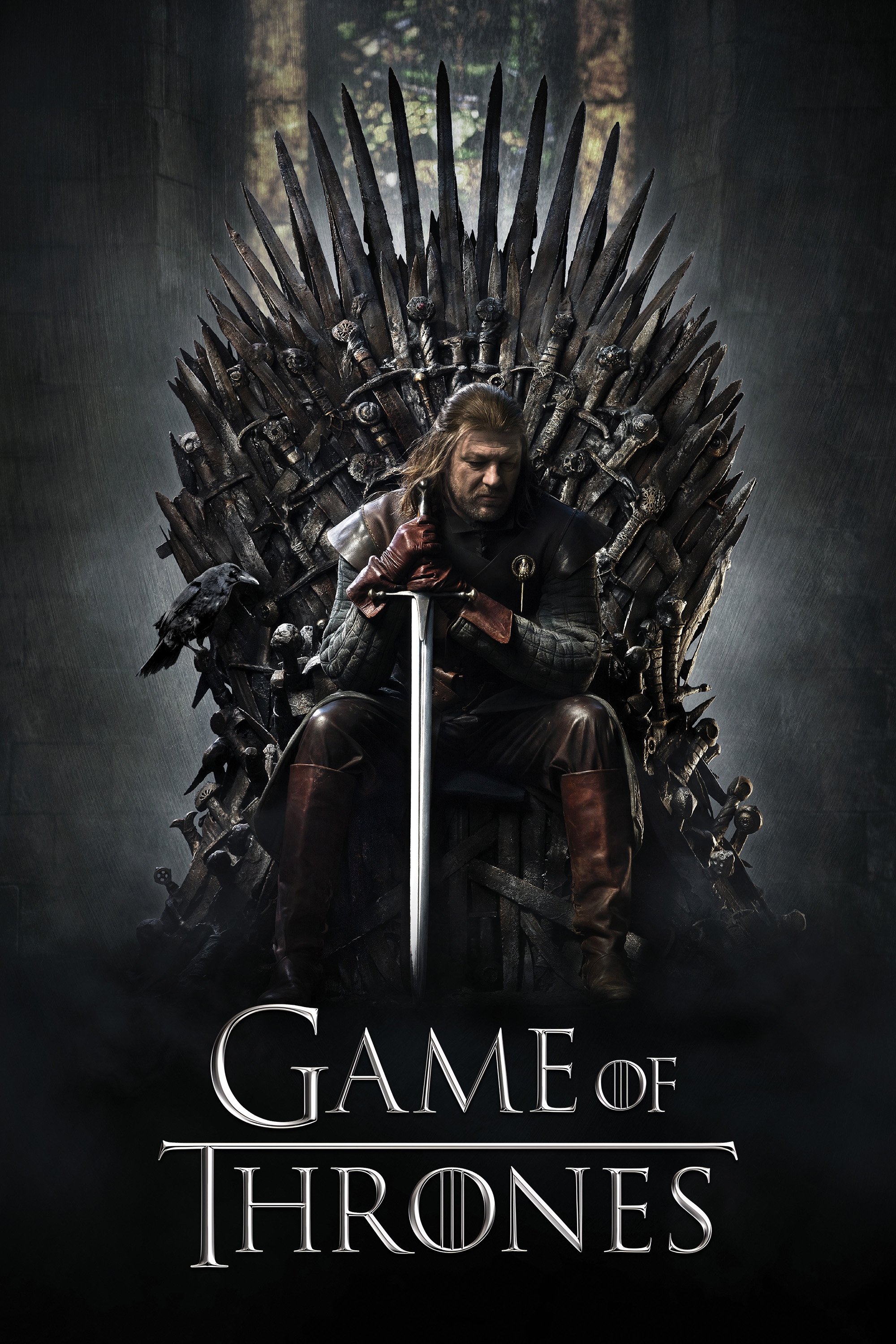
Clarke portrays Daenerys Targaryen, a royal exile who rises from a vulnerable claimant to a commanding leader across multiple continents in ‘Game of Thrones’. The series adapts George R. R. Martin’s ‘A Song of Ice and Fire’, interweaving Daenerys’s journey with the politics of Westeros and Essos, the Dothraki, the Unsullied, and the Targaryen legacy. Her storyline includes alliances with characters like Jorah Mormont, Missandei, and Tyrion Lannister, as well as the growth and deployment of her three dragons.
Production spanned diverse locations and large-scale set pieces, with Daenerys’s arc crossing language barriers, cultures, and shifting military campaigns. Clarke’s performance involved learning constructed languages like Dothraki and Valyrian and participating in extensive VFX sequences. The role became central to the show’s marketing and mythology, culminating in pivotal battles, political negotiations, and claims to the Iron Throne.
‘Me Before You’ (2016) – Louisa Clark

In ‘Me Before You’, Clarke plays Louisa “Lou” Clark, a small-town caregiver hired to look after Will Traynor following a life-altering accident. The film adapts Jojo Moyes’s novel and centers on the evolving relationship between Lou and Will, exploring themes of autonomy, romance, and personal reinvention. Clarke’s character is defined by distinctive fashion choices and a positive outlook that contrasts with Will’s initial cynicism.
The production pairs Clarke with Sam Claflin, with much of the story unfolding in domestic and village settings, emphasizing character interactions over spectacle. The film reached a broad international audience and prompted conversations around caregiving, disability representation, and the adaptation’s approach to the source material’s major decision points.
‘Solo: A Star Wars Story’ (2018) – Qi’ra
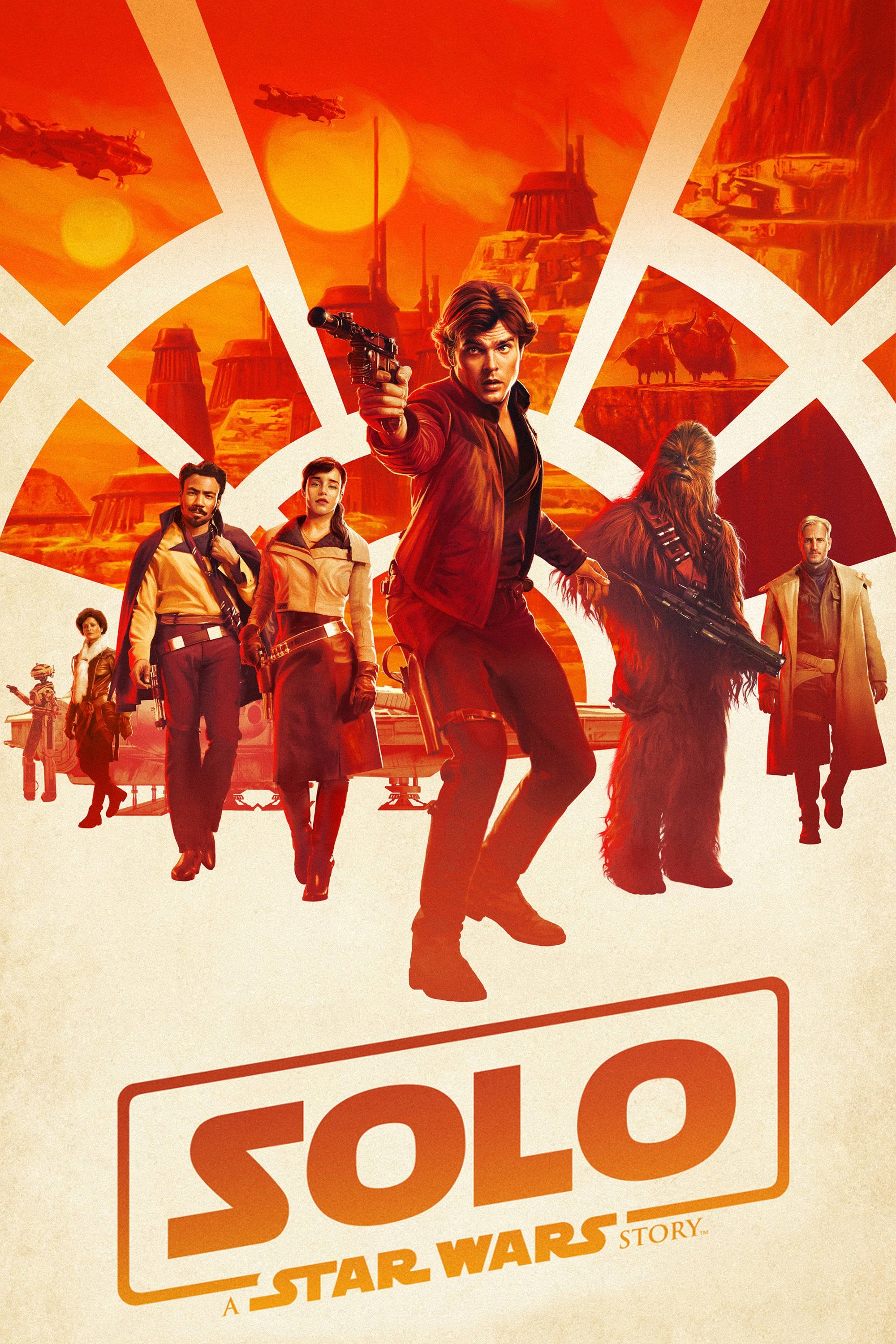
Clarke’s Qi’ra is introduced as Han Solo’s early companion from Corellia who later becomes entangled with the criminal syndicate Crimson Dawn in ‘Solo: A Star Wars Story’. The character moves through smuggling circles, heists, and shifting loyalties alongside figures like Tobias Beckett, Lando Calrissian, and Dryden Vos. Qi’ra’s path highlights the underworld networks that operate parallel to the Empire’s rule.
The production integrates practical sets, legacy designs, and new locations within the ‘Star Wars’ galaxy. Qi’ra’s costuming and fight choreography, including Teräs Käsi references, contribute to worldbuilding that connects the film to wider canon. Her storyline leaves threads that intersect with other underworld figures, positioning the character within ongoing franchise narratives.
‘Terminator Genisys’ (2015) – Sarah Connor
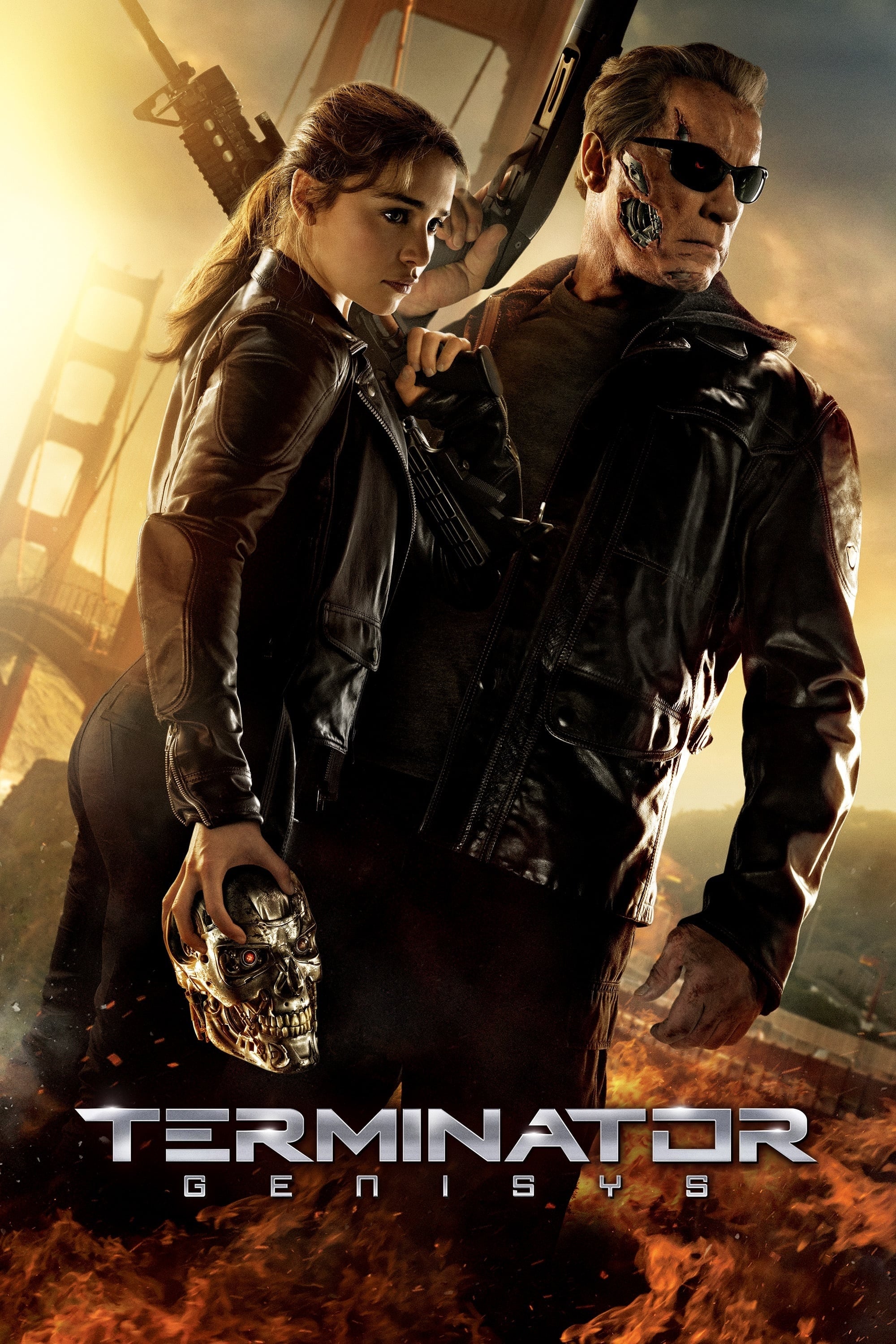
In ‘Terminator Genisys’, Clarke assumes the role of Sarah Connor, reimagining the franchise heroine across an altered timeline. The plot revisits iconic beats from earlier installments while introducing divergences involving Kyle Reese and multiple Terminator models, including the Guardian. Sarah’s portrayal blends survivalist training, tactical planning, and a dynamic partnership with allies and reprogrammed machines.
The film combines extensive practical effects with digital doubles and large-scale action set pieces. Clarke’s Sarah engages with the franchise’s time-travel logic, weaponry, and pursuit sequences, while the narrative reframes the origins of Skynet and the Connor legacy. The role demanded weapons work, stunts, and a reinterpretation of an established character for contemporary audiences.
‘Last Christmas’ (2019) – Kate Andrich

Clarke plays Kate Andrich, a London shop worker and aspiring singer whose life takes unexpected turns after meeting Tom in ‘Last Christmas’. The film pairs holiday-season settings with a soundtrack built around George Michael and Wham! songs, including the title track. Kate’s arc engages with family dynamics, friendship, and personal recovery, with significant scenes set in a year-round Christmas store.
The production makes extensive use of London locations and integrates musical cues into key narrative beats. Clarke performs on-screen singing and comedy, while the script balances romance with themes of volunteering and community. The film’s twist reshapes earlier scenes in retrospect, encouraging viewers to re-examine character motivations and symbols.
‘Secret Invasion’ (2023) – G’iah
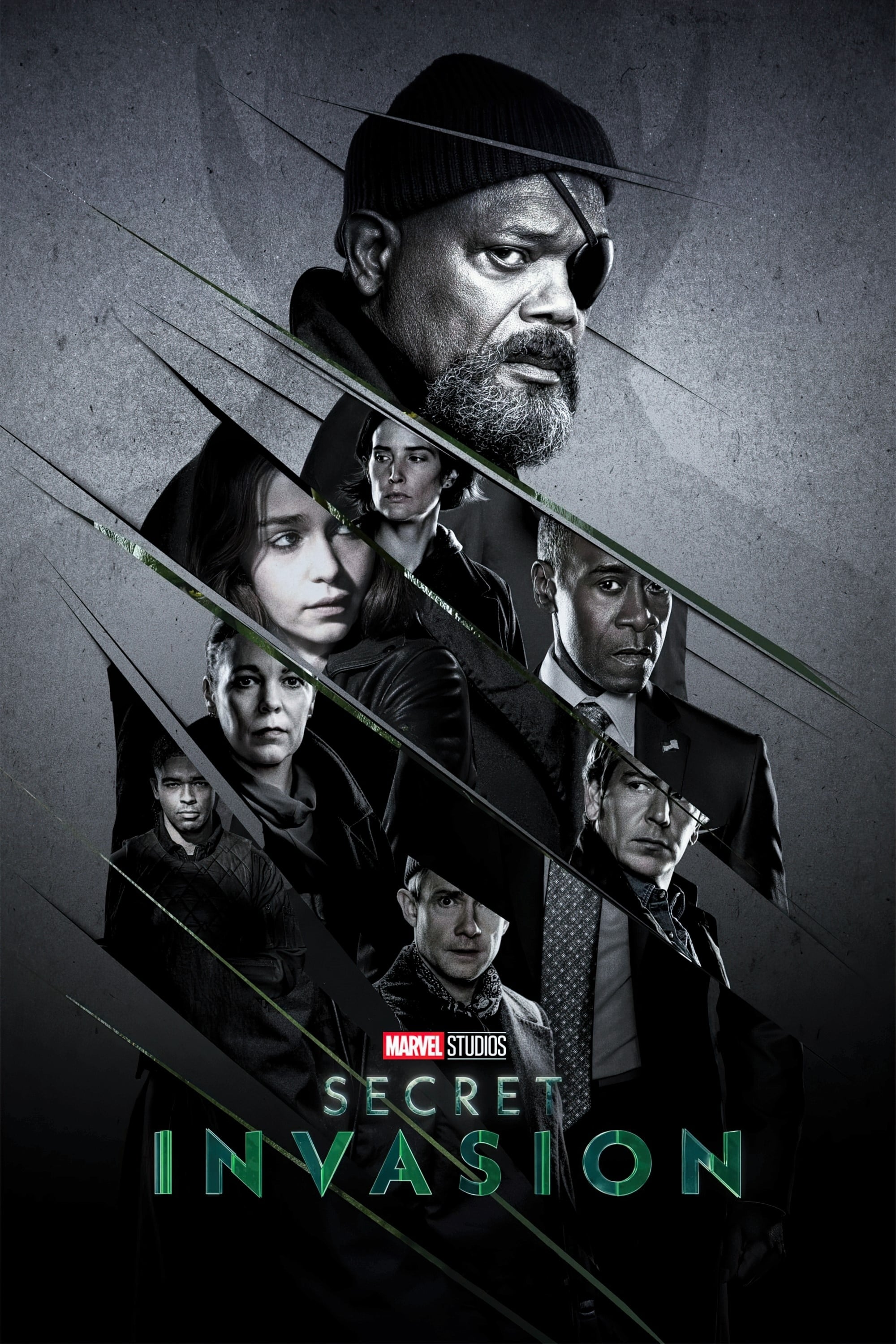
In ‘Secret Invasion’, Clarke portrays G’iah, a Skrull operative navigating espionage, infiltration, and shifting allegiances amid tensions between human and Skrull factions. The series centers on covert operations, identity concealment, and the long-term fallout from earlier superhero-era events. G’iah’s storyline intersects with Skrull leadership, sleeper cells, and human intelligence networks.
The show emphasizes grounded spycraft within a genre universe, featuring safehouses, counterintelligence tactics, and double-agent maneuvers. Clarke’s role involves practical action and effects work representing Skrull abilities and their implications for security and trust. The character’s choices influence the broader status of displaced Skrulls and ongoing diplomatic efforts.
‘Voice from the Stone’ (2017) – Verena
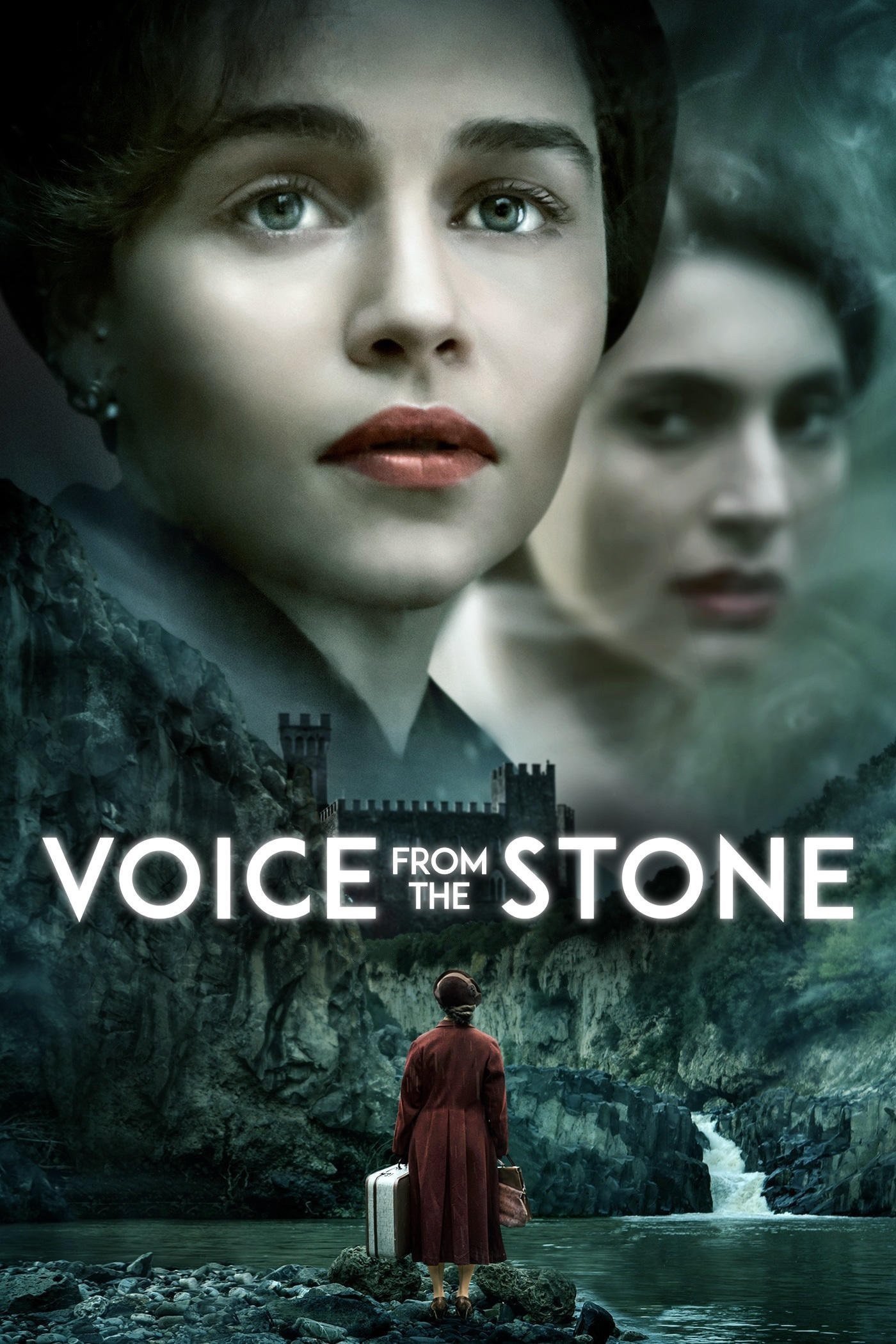
Clarke leads ‘Voice from the Stone’ as Verena, a nurse who arrives at a secluded Italian estate to help a boy who has stopped speaking following a family loss. The narrative blends psychological drama with gothic atmosphere, using the estate’s architecture, sculptures, and surrounding landscape to heighten unease. Verena’s methods and observations drive discoveries about the household and its past.
The film features detailed period costuming and relies on environment-focused tension rather than overt shocks. Production design, soundscapes, and restrained visual effects support a story about grief, memory, and suggestive phenomena within the estate’s walls. Clarke’s character anchors most scenes, guiding viewers through the mystery’s revelations.
‘Above Suspicion’ (2019) – Susan Smith
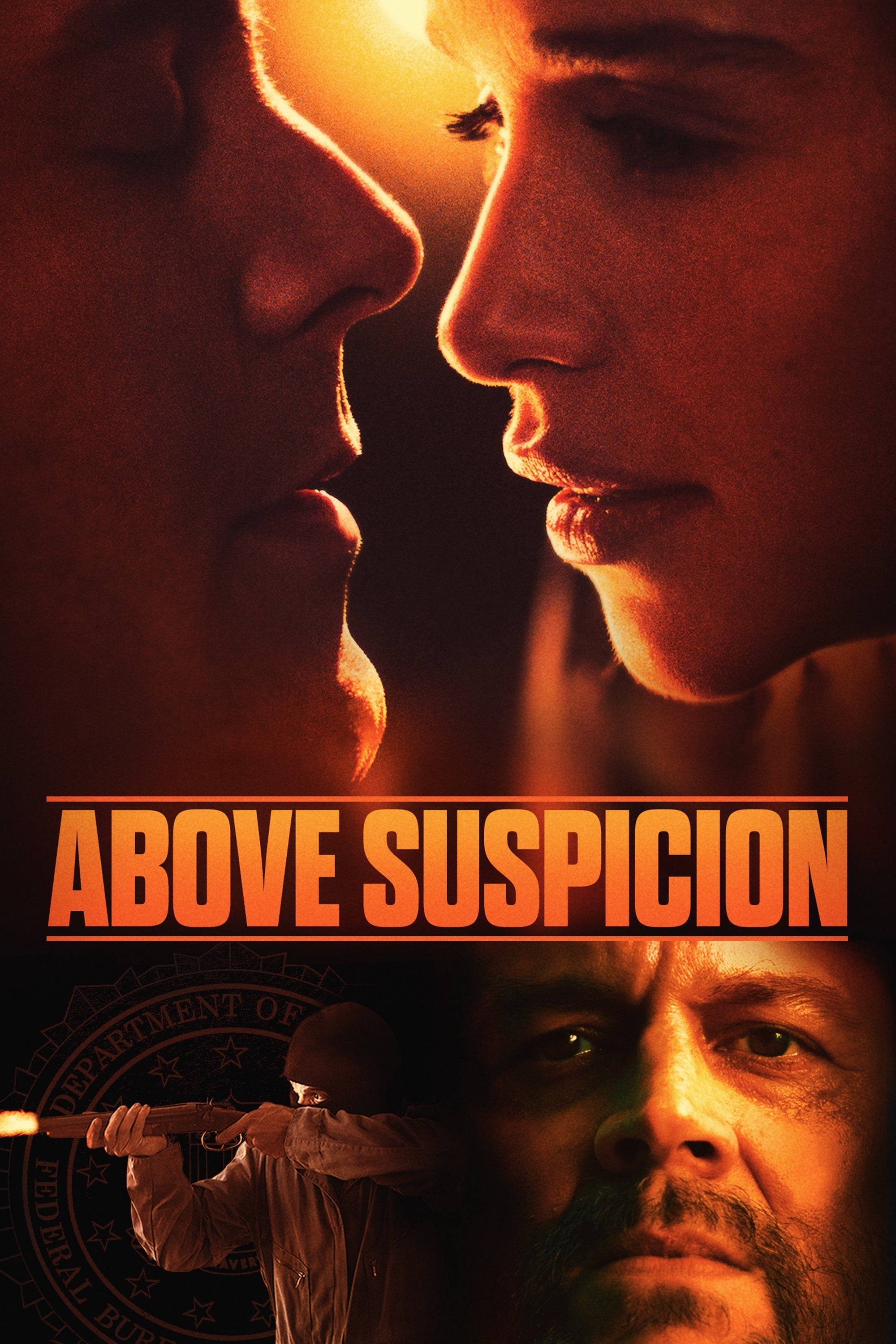
In ‘Above Suspicion’, Clarke plays Susan Smith, an informant in a rural Kentucky community who becomes involved with an FBI agent during a federal case. The plot tracks the development of their relationship, the pressures of small-town dynamics, and the procedural steps that lead to consequences both legal and personal.
The film is based on a true-crime account and recreates settings tied to federal investigations and local environments. Clarke’s role places her at the center of informant-handler interactions, including surveillance risks, case file documentation, and testimony. The narrative examines how compromised relationships affect evidence chains and case outcomes.
‘Dom Hemingway’ (2013) – Evelyn
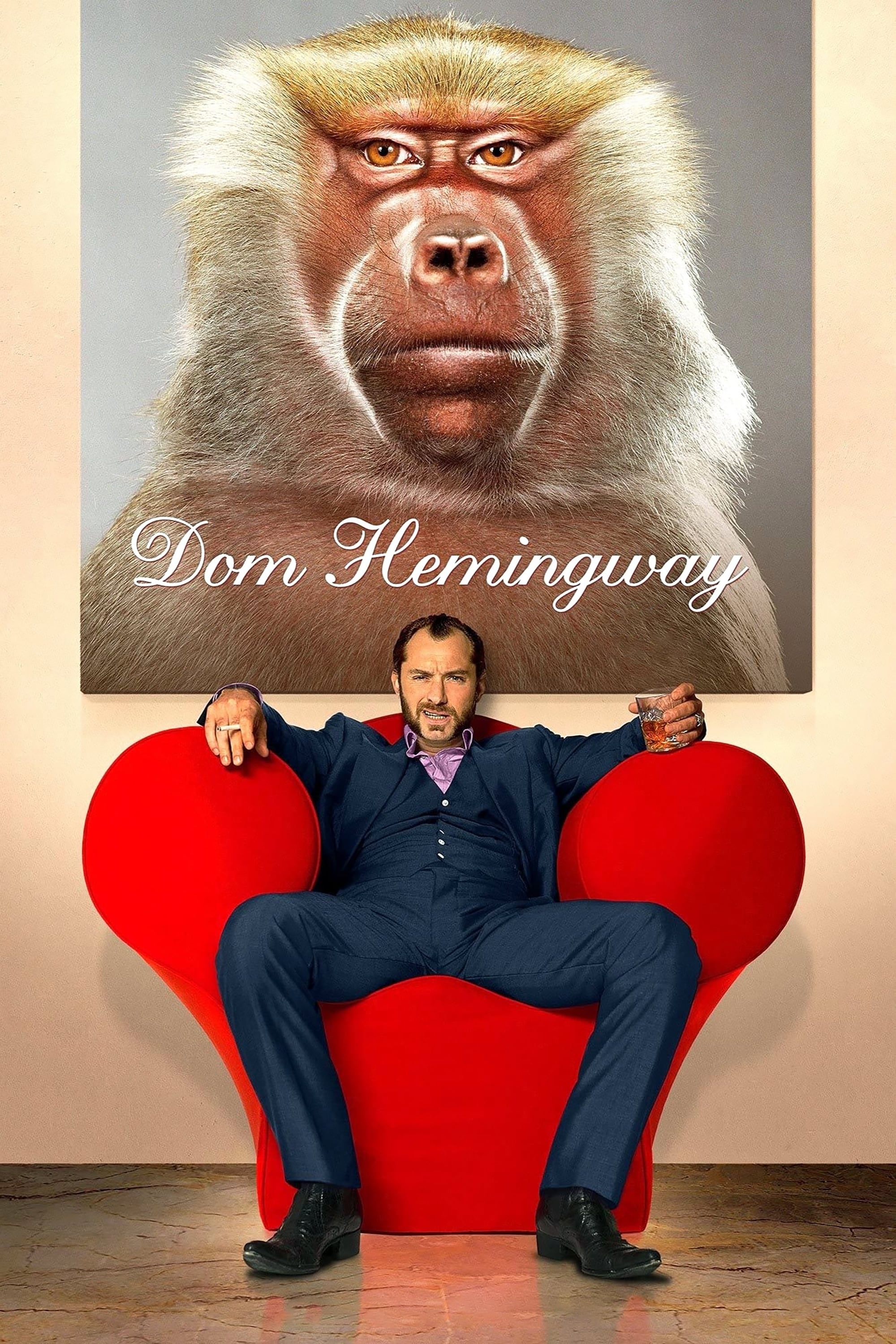
Clarke appears as Evelyn, the estranged daughter of safecracker Dom Hemingway, in the crime dramedy ‘Dom Hemingway’. Evelyn’s scenes chart the difficult reconnection between father and daughter after a long absence, touching on family responsibility and the fallout from criminal careers. Her character provides a counterpoint to Dom’s impulsive behavior, grounding the story’s more chaotic events.
The production blends stylized dialogue with London and coastal backdrops, moving between criminal circles and domestic spaces. Clarke’s role is pivotal to the protagonist’s personal stakes, shaping choices that drive the film’s latter sections. Music cues, pub settings, and supporting characters situate the family thread within the broader underworld narrative.
‘The Amazing Maurice’ (2022) – Malicia (voice)
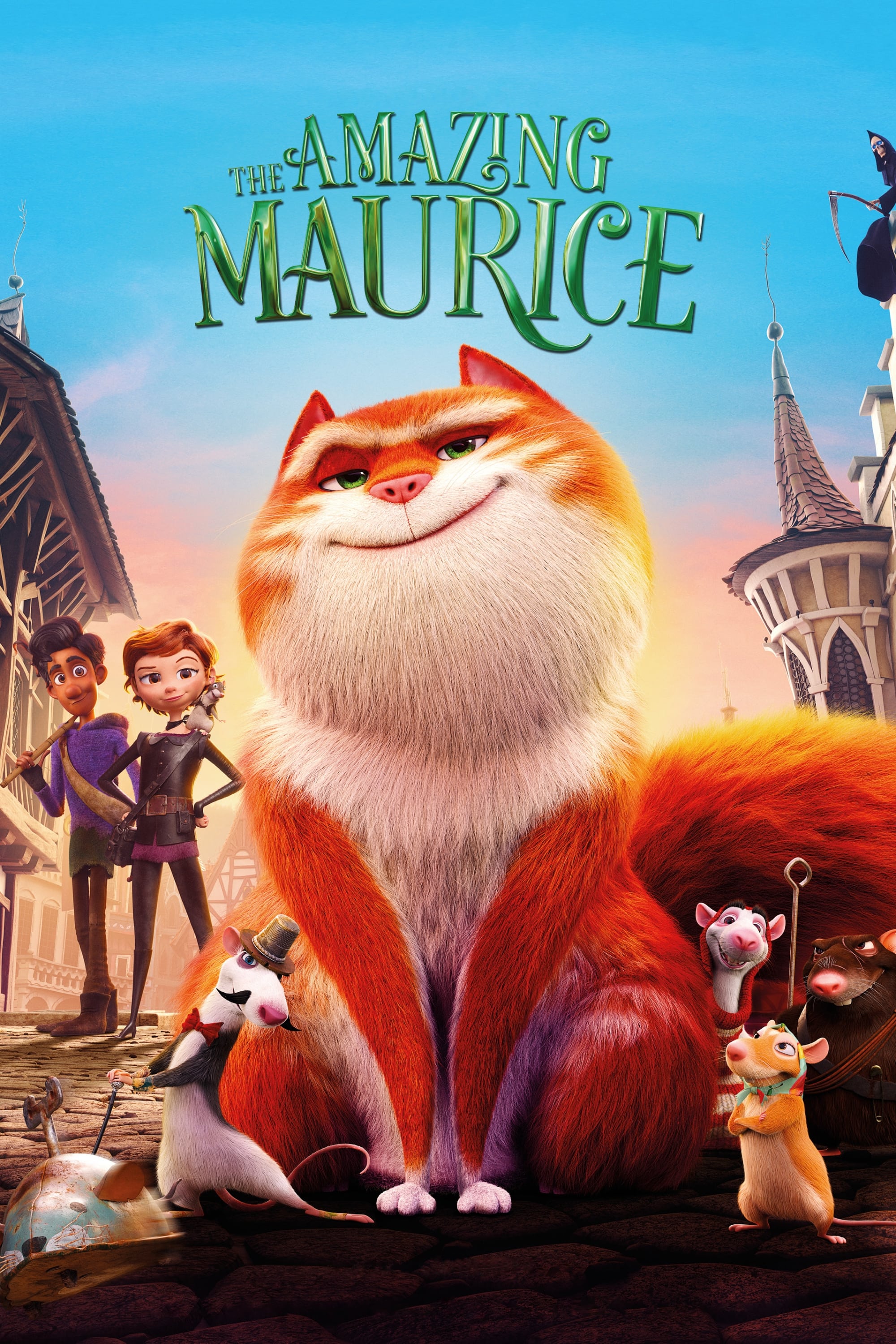
Clarke voices Malicia in the animated adaptation ‘The Amazing Maurice’, based on Terry Pratchett’s Discworld tale about a talking cat and a group of rats who run cons with a human piper. Malicia is a storytelling-obsessed girl who becomes entwined with Maurice and the crew as they uncover a darker situation in a new town.
The production employs stylized animation and a voice cast that includes multiple well-known performers. Clarke’s vocal performance supports Malicia’s rapid-fire references and self-aware commentary on tropes, while the script translates Discworld humor into family-friendly adventure. The film balances comedic set-pieces with plot threads about ethics, fear, and community.
‘The Pod Generation’ (2023) – Rachel Novy

In ‘The Pod Generation’, Clarke stars as Rachel Novy, a tech professional whose relationship is tested when she and her partner turn to an AI-driven, external-gestation device known as a “pod.” The story explores consumer tech’s influence on reproduction, workplace pressures, and privacy concerns. Rachel’s choices reflect corporate expectations and personal desires within a near-future setting.
The film mixes sleek production design with debates over bioethics and nature versus convenience. Clarke’s character participates in counseling sessions, product demos, and policy hurdles that frame the couple’s journey. The narrative uses satire, pitch-decks, and startup culture to interrogate how services reshape intimate life decisions.
‘Murder Manual’ (2020) – Mal
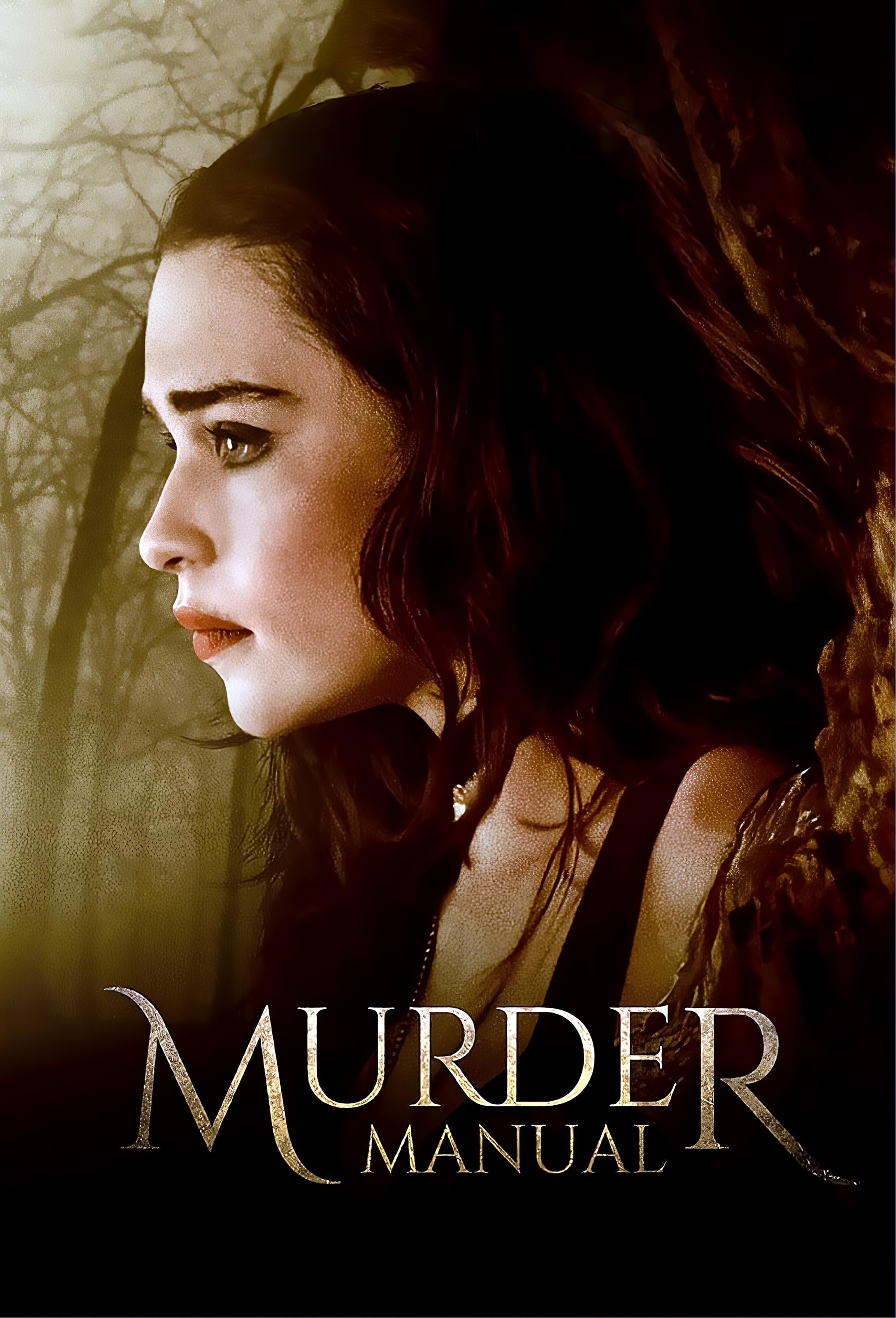
Clarke appears as Mal in ‘Murder Manual’, an anthology feature incorporating the earlier short ‘Shackled’. The segment follows a woman in a carnival setting where illusions, confinement, and unreliable perceptions converge. The role centers on confinement imagery, stagecraft, and the mechanics of escape, using limited locations to create tension.
As an anthology, ‘Murder Manual’ stitches together multiple shorts with distinct tones. Clarke’s segment relies on costume details, prop work, and practical set design over dialogue-heavy exposition. The project highlights how short-form narratives can be repurposed within feature compilations to reach broader audiences.
‘Spike Island’ (2012) – Sally
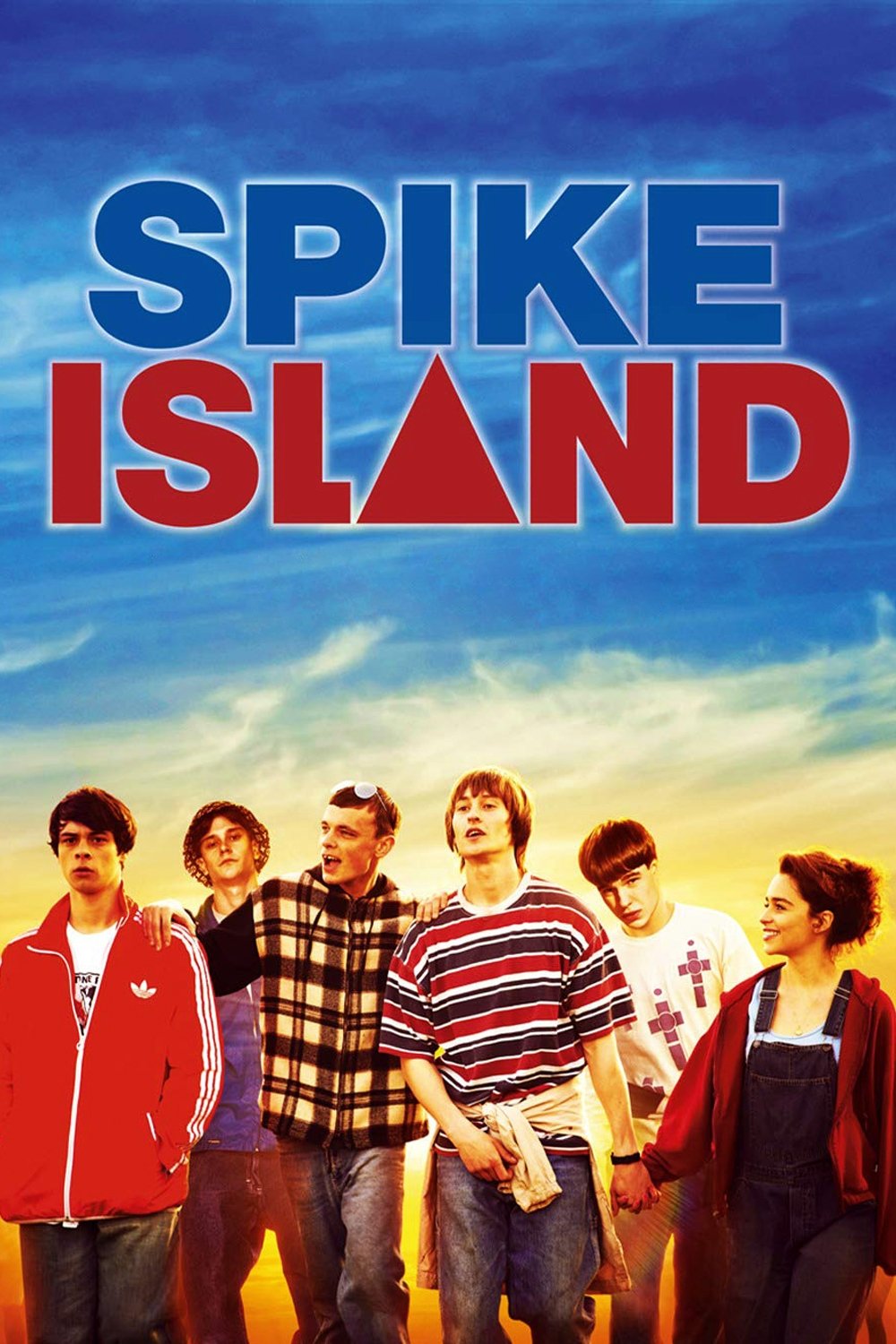
In ‘Spike Island’, Clarke plays Sally, a key figure in the personal lives of a group of friends who are trying to see The Stone Roses perform a legendary concert. Sally’s scenes intersect with the teenagers’ planning mishaps, family issues, and the scramble to reach the event, anchoring quieter moments amid music-driven energy.
The film recreates band-culture devotion, fan logistics, and the social environment around a major gig. Clarke’s role supports subplots about aspiration and hometown ties, with dialogue and settings reflecting youth culture and economic constraints. The production uses period-accurate props and wardrobe to evoke its musical moment.
‘Triassic Attack’ (2010) – Savannah
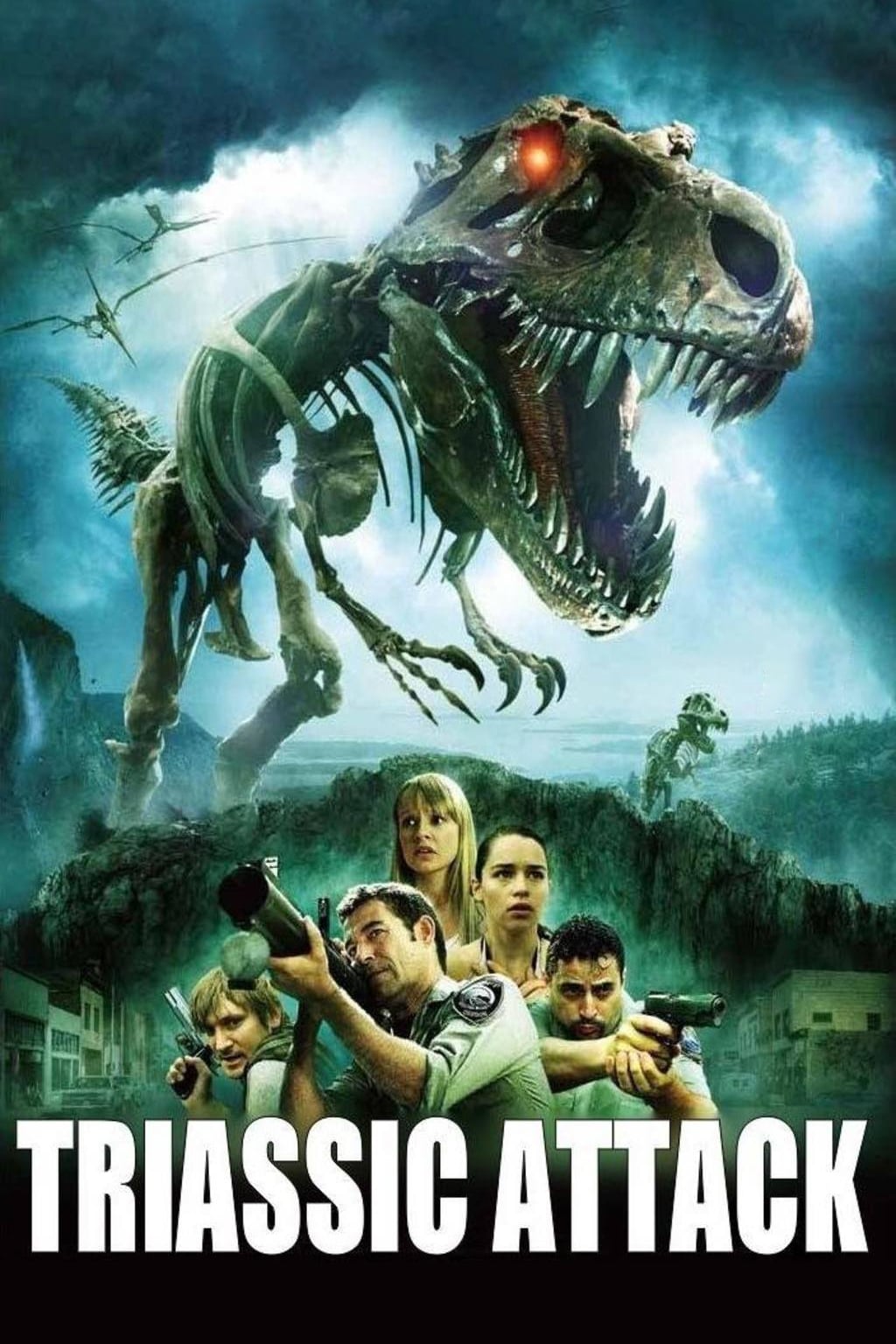
In the Syfy original film ‘Triassic Attack’, Clarke portrays Savannah, involved in a small town’s fight against reanimated dinosaur skeletons after a ritual goes wrong. The story combines creature-feature elements with community responses, emergency planning, and improvised defenses against the threat. Savannah’s scenes connect family stakes to the escalating crisis.
The production employs TV-movie pacing, digital effects, and practical set destruction. Clarke’s role places her in action sequences that leverage vehicles, local landmarks, and limited resources typical of disaster storytelling. The film represents one of her pre-breakout appearances, demonstrating early experience with effects-driven projects.
‘Leading Lady Parts’ (2018) – Herself
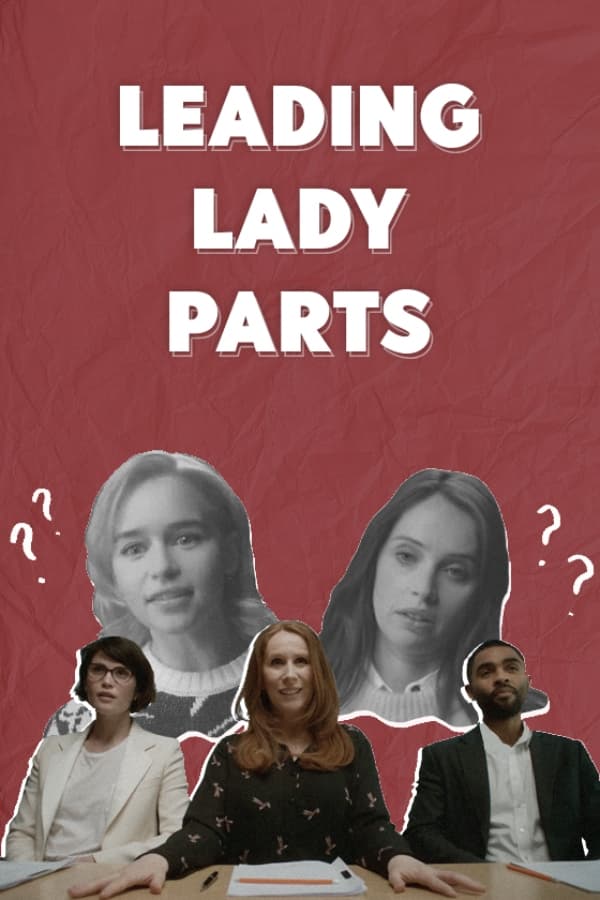
In the short film ‘Leading Lady Parts’, Clarke appears as herself in a satirical take on audition culture and casting expectations. The piece features multiple British actors participating in sketches that examine industry standards, coded feedback, and gatekeeping. Her participation places her alongside peers in a project designed to spark discussion about representation and hiring practices.
The short uses a mock audition format to highlight how “requirements” shift based on biases and trends. Clarke’s scenes contribute to the cumulative critique, employing quick cuts, scripted prompts, and deliberately contradictory direction. The production circulated widely online, joining panel talks and social conversations about equity in casting.
Share your favorite Emilia Clarke role from the list in the comments and tell us which performance you’d cue up next!