The 15 Best Viola Davis Roles


Viola Davis has built a career defined by precision, depth, and an unwavering commitment to character. From intimate dramas to large-scale franchises, she has consistently taken on roles that demand both emotional range and technical control, creating performances that are closely studied by filmmakers and performers alike. Her body of work spans stage-to-screen adaptations, historical biopics, contemporary thrillers, and prestige television—each one showing how carefully she calibrates voice, movement, and silence to serve the story.
This list gathers standout movies and shows in which Davis’s role is central to the narrative’s engine—whether she’s leading the ensemble, anchoring a key subplot, or turning a brief appearance into a plot-defining fulcrum. You’ll find character names, story contexts, and production notes that help place each performance in the larger arc of her career, plus factual details on source material, collaborators, and industry recognition tied to these projects.
‘Fences’ (2016) – Rose Maxson

Adapted from August Wilson’s play, ‘Fences’ centers on a working-class Pittsburgh family and the tensions that build around deferred dreams, responsibility, and generational change. Davis’s character, Rose Maxson, functions as the household’s moral and emotional ballast, providing the story’s clearest view into the cost of the choices made by its central patriarch. The film preserves Wilson’s dialogue-driven structure and retains a strong theatrical cadence by keeping action close to the family home.
Davis originated Rose in a major Broadway revival alongside Denzel Washington before reprising the role on film, bringing an already refined interpretation to the set. The production emphasizes character-driven scenes over spectacle, with extended two-handers and carefully blocked backyard sequences that foreground timing, breath, and subtext—areas where Davis’s craft is especially evident.
‘The Help’ (2011) – Aibileen Clark

Set in Jackson, Mississippi, ‘The Help’ follows domestic workers who collaborate on an anonymous book exposing the realities of their daily lives. Davis plays Aibileen Clark, a seasoned caregiver whose perspective grounds the narrative in the routines and risks of speaking openly about entrenched social structures. The film adapts Kathryn Stockett’s novel and uses multiple viewpoints to trace how personal testimonies circulate and take hold.
Davis’s performance is built around contained gesture and measured delivery, with the screenplay giving her scenes that juxtapose private reflection and public restraint. Production design leans into period-accurate kitchens, uniforms, and neighborhoods, situating Aibileen’s work within a precisely rendered environment that amplifies the film’s attention to labor and voice.
‘How to Get Away with Murder’ (2014–2020) – Annalise Keating

‘How to Get Away with Murder’ follows Annalise Keating, a high-profile defense attorney and law professor whose students become entangled in overlapping criminal cases. The series structures each season around layered mysteries, flash-forwards, and legal turnarounds, making Keating both protagonist and narrative conductor. The show’s format offers Davis a long-form canvas to map the character’s professional strategies alongside personal history.
Across multiple seasons, Davis navigates courtroom sequences, classroom lectures, and tightly framed domestic scenes that track shifting alliances. The writers’ room uses case-of-the-week plots to test Keating’s methods while serialized arcs gradually reveal formative experiences, giving Davis recurring opportunities to recalibrate posture, voice, and tempo as the character processes consequences.
‘Ma Rainey’s Black Bottom’ (2020) – Ma Rainey
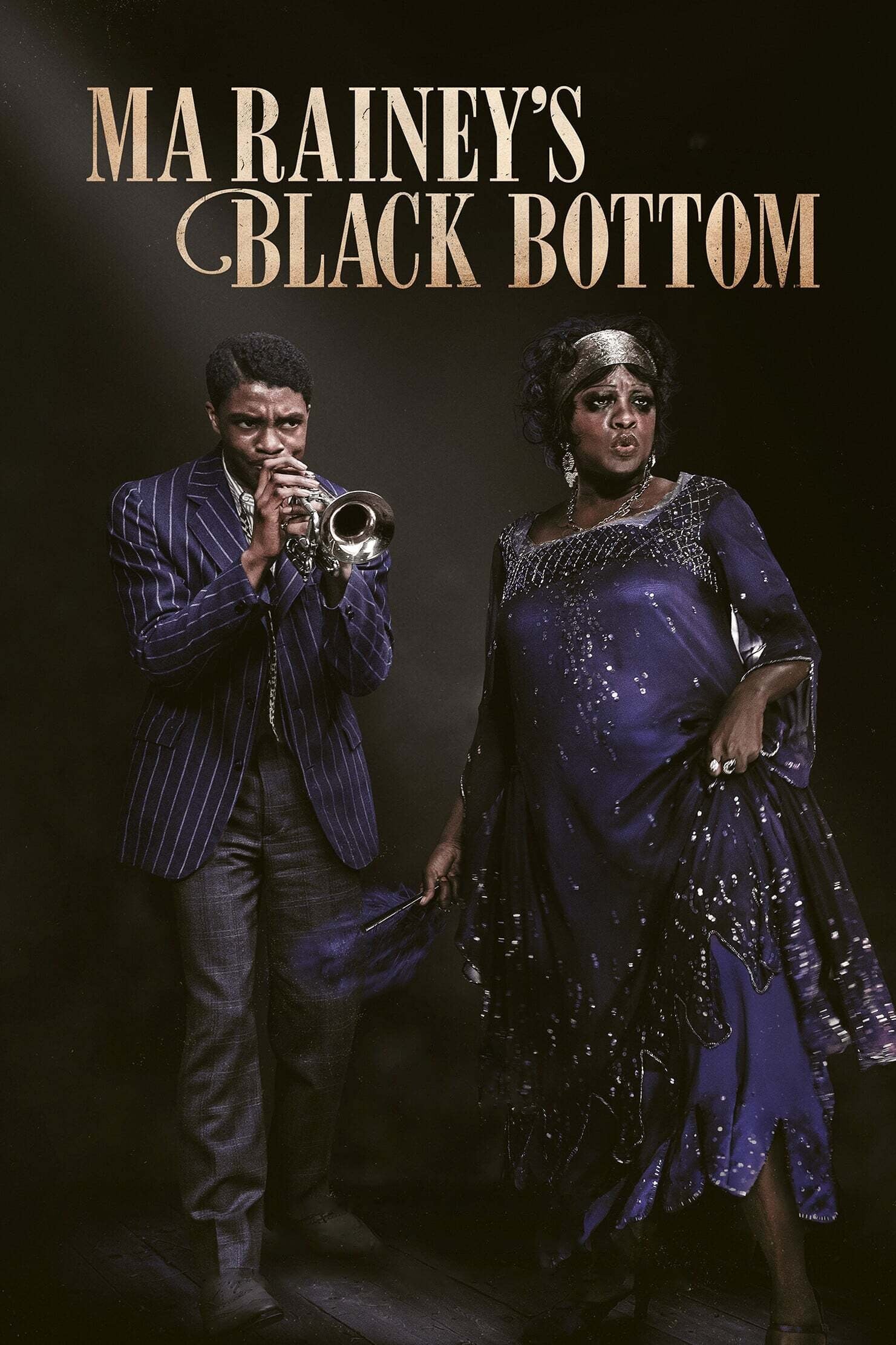
Based on August Wilson’s work, ‘Ma Rainey’s Black Bottom’ concentrates on a single recording-session day with the “Mother of the Blues” and her band. Davis portrays Ma Rainey as an established artist who understands both her audience and the business pressures surrounding her. The film’s contained setting—studio rooms, rehearsal spaces, and a manager’s office—creates a pressure-cooker environment where contracts, credit, and control are constantly negotiated.
Costume, makeup, and sound design collaborate to build Ma’s presence as a touring star who controls her product and image. Davis’s scenes are structured around practical demands—payment, technical setup, and performance conditions—tilting the drama toward the economics of music-making and the logistics of authorship.
‘Doubt’ (2008) – Mrs. Miller
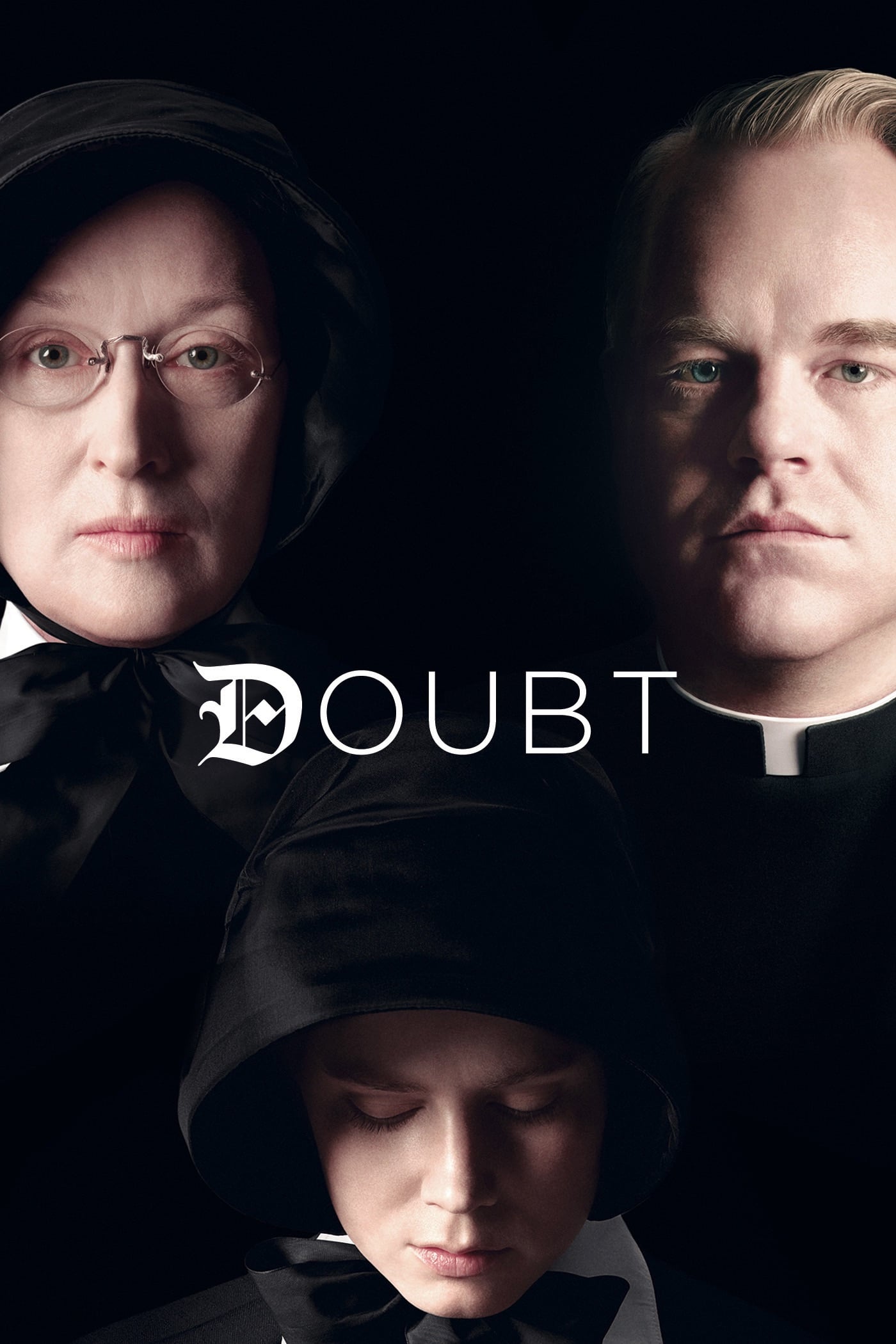
Set in a Bronx Catholic school, ‘Doubt’ adapts John Patrick Shanley’s Pulitzer-winning play about suspicion, authority, and institutional response. Davis appears as Mrs. Miller, the mother of a student at the center of a potential scandal, and her pivotal conversation with the school’s principal reframes the stakes of the story. The film preserves the play’s emphasis on ambiguous evidence and moral tradeoffs.
The production uses close, sustained dialogue scenes to highlight conflicting priorities among adults who occupy different positions in the school and community. Davis’s role is brief in screen time yet essential in function, supplying context that complicates assumptions and redirects the narrative’s ethical focus.
‘The Woman King’ (2022) – General Nanisca

‘The Woman King’ is a historical action-drama centered on the Agojie, an all-women military unit of the Kingdom of Dahomey. Davis plays General Nanisca, a seasoned commander responsible for training recruits and guiding strategic decisions during a period of geopolitical tension. The film blends large-scale battle sequences with training montages and council debates to depict institutional structure and battlefield tactics.
Physical preparation is foregrounded through choreography, stunt coordination, and weapon drills that inform how Nanisca moves and issues commands. Location photography and production design situate the story in fortified compounds, marketplaces, and coastal zones, positioning Davis within a world built around chain-of-command dynamics and resource control.
‘Widows’ (2018) – Veronica Rawlins

‘Widows’ begins with a failed heist and follows the widows of the crew as they confront debt and threats tied to the stolen money. Davis’s character, Veronica Rawlins, organizes an operation that depends on detailed planning, reconnaissance, and divided roles within a small team. The script mixes political campaigns, city patronage networks, and real-estate dealings to show how power moves outside formal institutions.
Director Steve McQueen integrates handheld camerawork with exacting location work, turning city blocks and interiors into operational maps. Davis’s scenes often hinge on logistics—blueprints, timelines, and risk mitigation—placing Veronica at the intersection of personal loss and procedural execution.
‘Suicide Squad’ (2016) – Amanda Waller

In ‘Suicide Squad’, Davis plays Amanda Waller, a government official who assembles incarcerated metahumans for deniable missions. Waller’s authority is codified through briefings, security clearances, and contingency protocols, making the character a bureaucratic counterpart to the film’s combat units. The narrative pairs spectacle with oversight, and Waller functions as the architect who defines mission parameters.
Production emphasizes Waller’s control through conference-room blocking, secure dossiers, and coordinated comms, which shape how task-force members are deployed. Davis builds Waller with clipped phrasing and unflinching eye-lines that match the character’s operational calculus, establishing her as a recurring node in connected franchise entries.
‘Black Adam’ (2022) – Amanda Waller

‘Black Adam’ extends the universe in which Amanda Waller operates, placing her as a liaison who brokers containment strategies across agencies and powered individuals. Davis’s appearance ties separate storylines together through a consistent chain of command and shared intelligence frameworks. Her scenes are designed to relay constraints, assess threat matrices, and authorize responses.
The film uses remote communications, off-site briefings, and inter-agency references to show how Waller’s reach spans multiple teams. Continuity across titles allows Davis to maintain a unified portrayal built on procedural authority, with Waller’s directives influencing outcomes beyond the immediate setting.
‘Air’ (2023) – Deloris Jordan

‘Air’ dramatizes the formation of a landmark athlete–brand partnership, focusing on a small basketball division’s efforts to secure a transformative endorsement. Davis portrays Deloris Jordan, whose evaluation of terms and long-range implications becomes decisive in contract discussions. The narrative tracks scouting trips, corporate presentations, and negotiations that reshape typical endorsement structures.
Davis’s scenes emphasize listening, counteroffers, and leverage—mechanics that clarify how family representation can alter corporate assumptions. The film relies on period-authentic office spaces, consumer data references, and product-development timelines to map how a single deal can recalibrate a company’s trajectory.
‘Prisoners’ (2013) – Nancy Birch
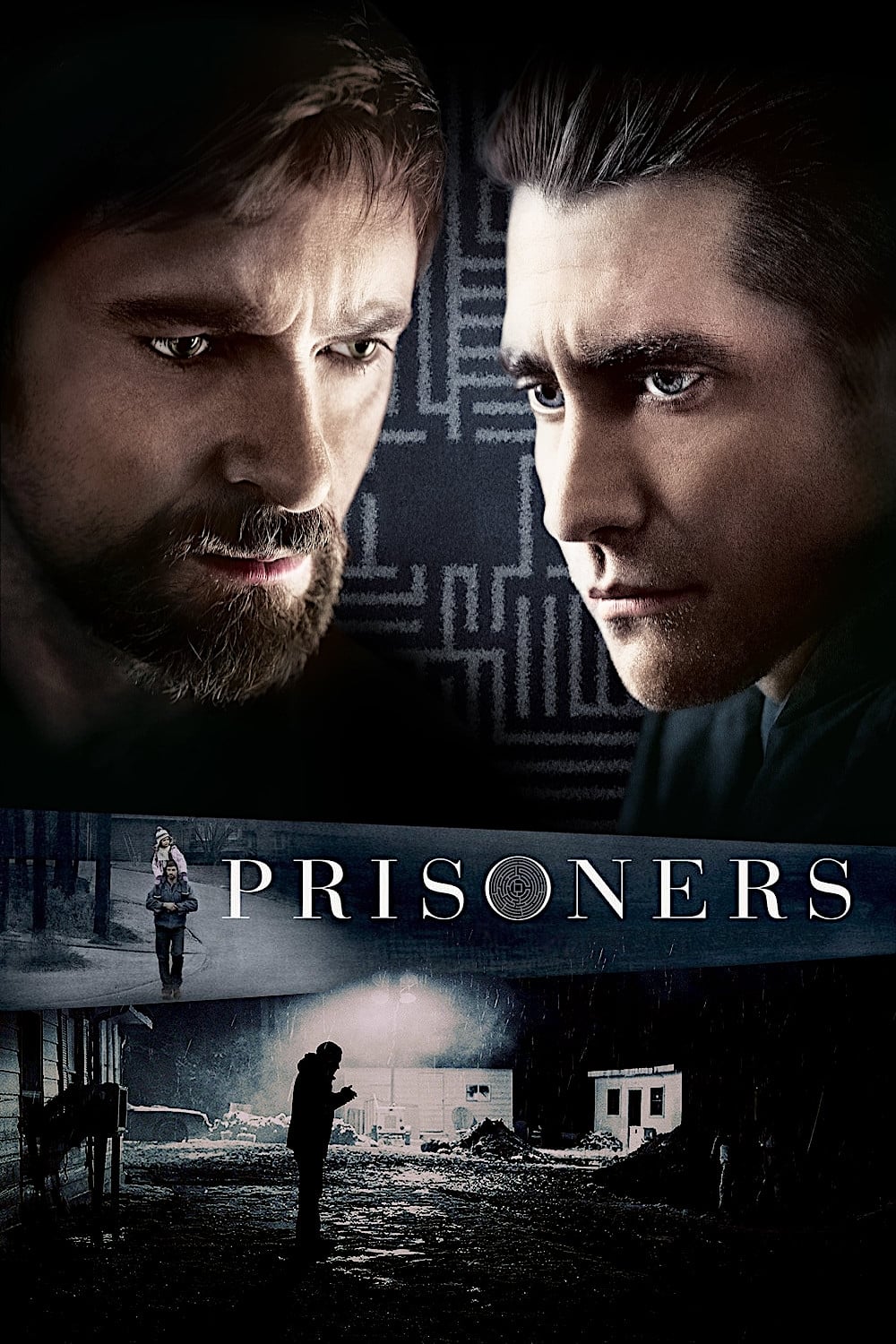
‘Prisoners’ follows two families after the disappearance of their daughters, intercutting a police investigation with an increasingly desperate private search. Davis plays Nancy Birch, a parent whose decisions are influenced by rapidly changing information and limited trust in official progress. The film’s structure places family kitchens, basements, and patrol-car interviews at the center of its momentum.
Editing rhythms, muted color palettes, and weather elements create a procedural atmosphere that keeps attention on small clues and emotional fatigue. Davis’s role situates her within group scenes where partial knowledge and rumor shape choices, aligning the character with the film’s broader study of uncertainty.
‘Get on Up’ (2014) – Susie Brown
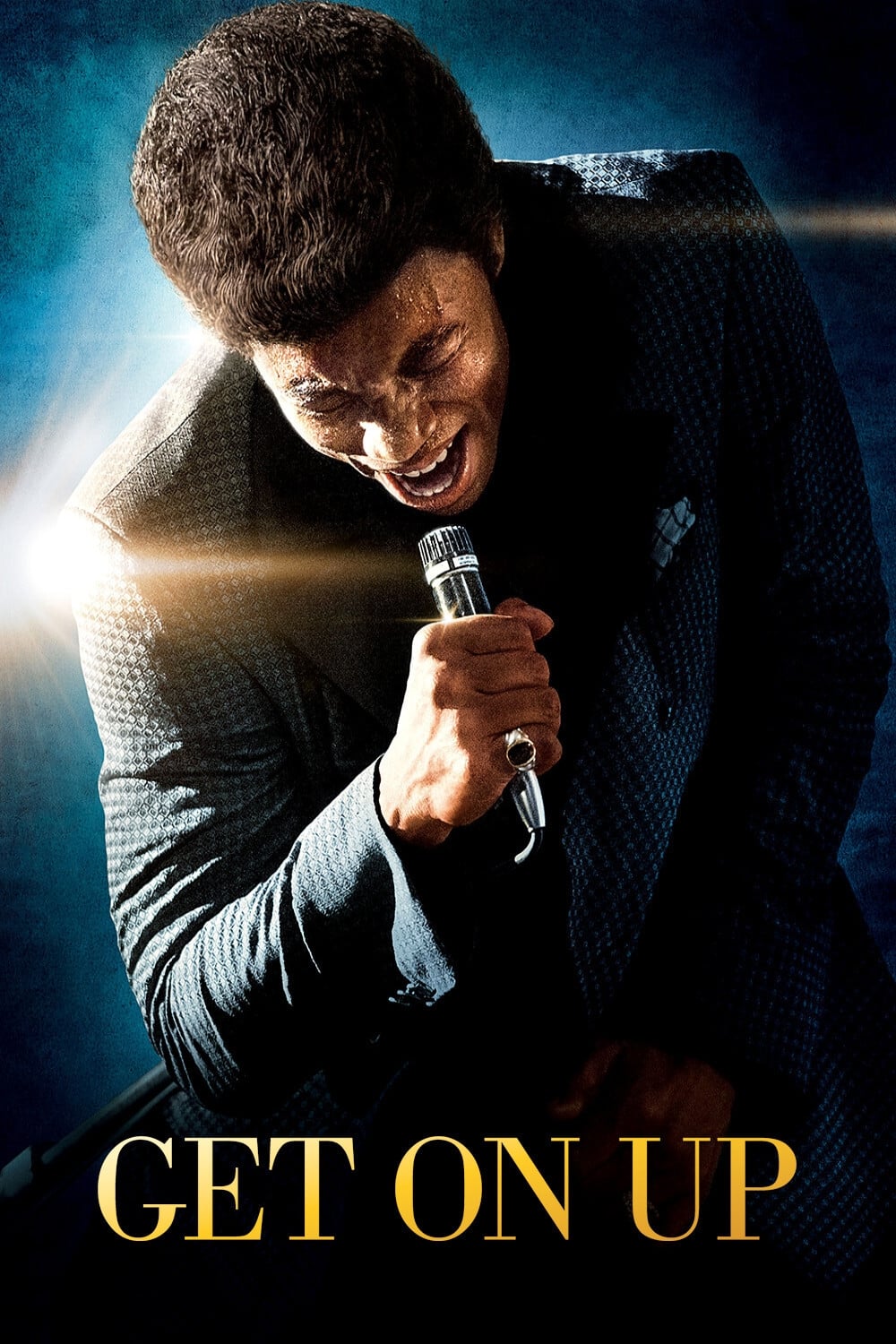
‘Get on Up’ is a biographical account of James Brown that uses non-linear storytelling to move between childhood, early performances, and later career milestones. Davis’s character, Susie Brown, appears in sequences that outline family background and formative conditions affecting Brown’s development. The film alternates concert set-pieces with domestic scenes to balance public persona and private history.
Costuming, hair, and production design shift across decades, and Davis’s scenes are calibrated to those changes, marking transitions in location and circumstance. Her interactions with the young protagonist supply context that anchors the film’s temporal jumps and illuminates early support systems and losses.
‘The First Lady’ (2022) – Michelle Obama
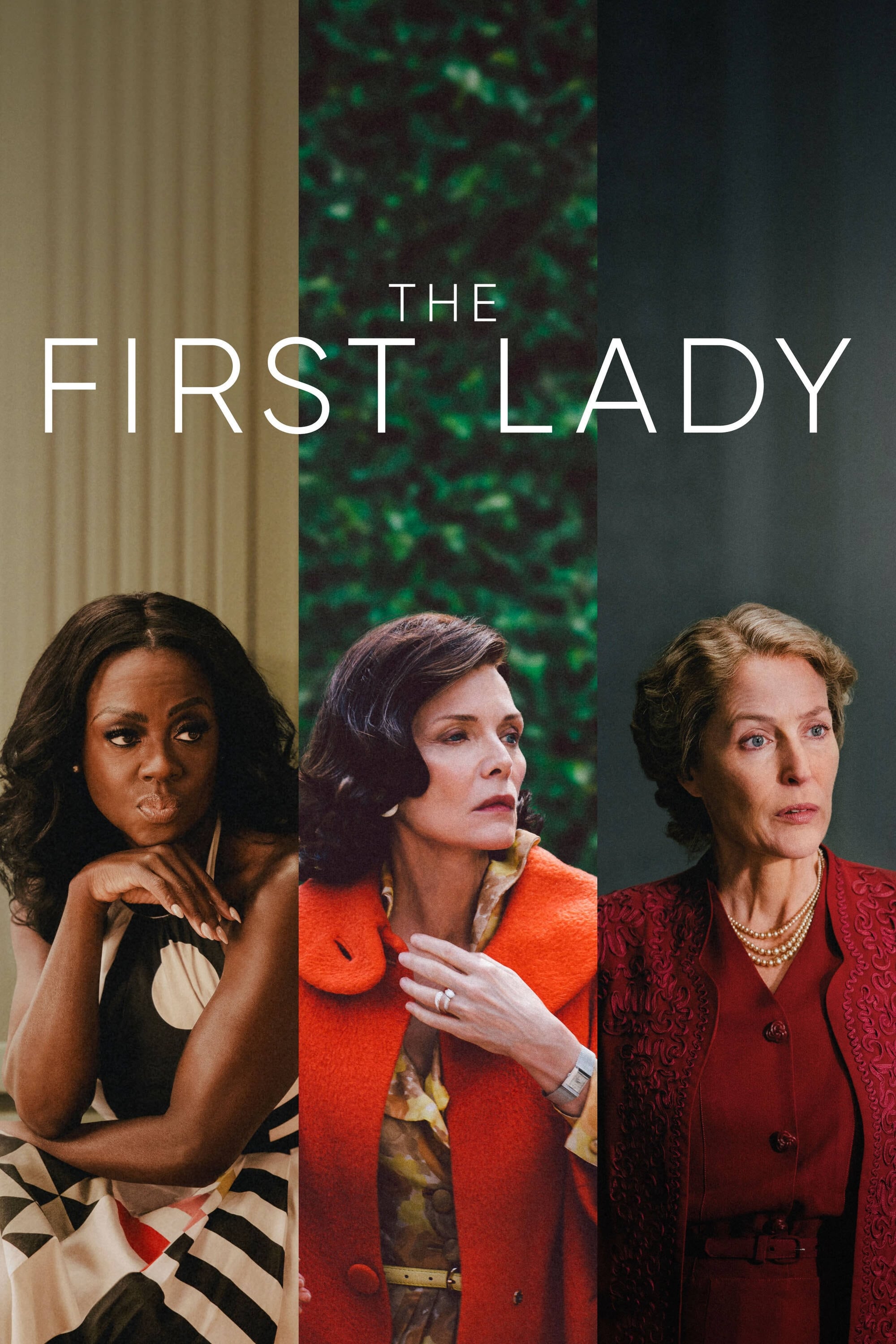
‘The First Lady’ is an anthology series that devotes separate timelines to three presidential spouses, with Davis portraying Michelle Obama. The show intercuts public engagements, West Wing meetings, and family moments to depict the operational scope of the role. It frames ceremonial duties alongside policy initiatives, staffing, and communications strategy.
Research-driven costuming, prosthetics, and set recreations of executive spaces contribute to a documentary-adjacent texture. Davis’s performance is structured around speeches, constituent interactions, and behind-the-scenes planning, mapping how public messaging and private deliberation intersect.
‘Extremely Loud & Incredibly Close’ (2011) – Abby Black

‘Extremely Loud & Incredibly Close’ follows a young boy who searches citywide for answers connected to a key found among his late father’s belongings. Davis plays Abby Black, a stranger whose apartment visit becomes an emotional checkpoint on the boy’s journey. The screenplay uses episodic encounters to track how grief moves through ordinary places and conversations.
Cinematography favors close-ups and tight interiors during Abby’s scenes, mirroring the intimacy of the exchange and the weight of disclosures. Davis’s performance provides specific backstory details that broaden the film’s map of loss and connection, situating her character as one of several pivotal helpers encountered along the way.
‘Antwone Fisher’ (2002) – Eva May
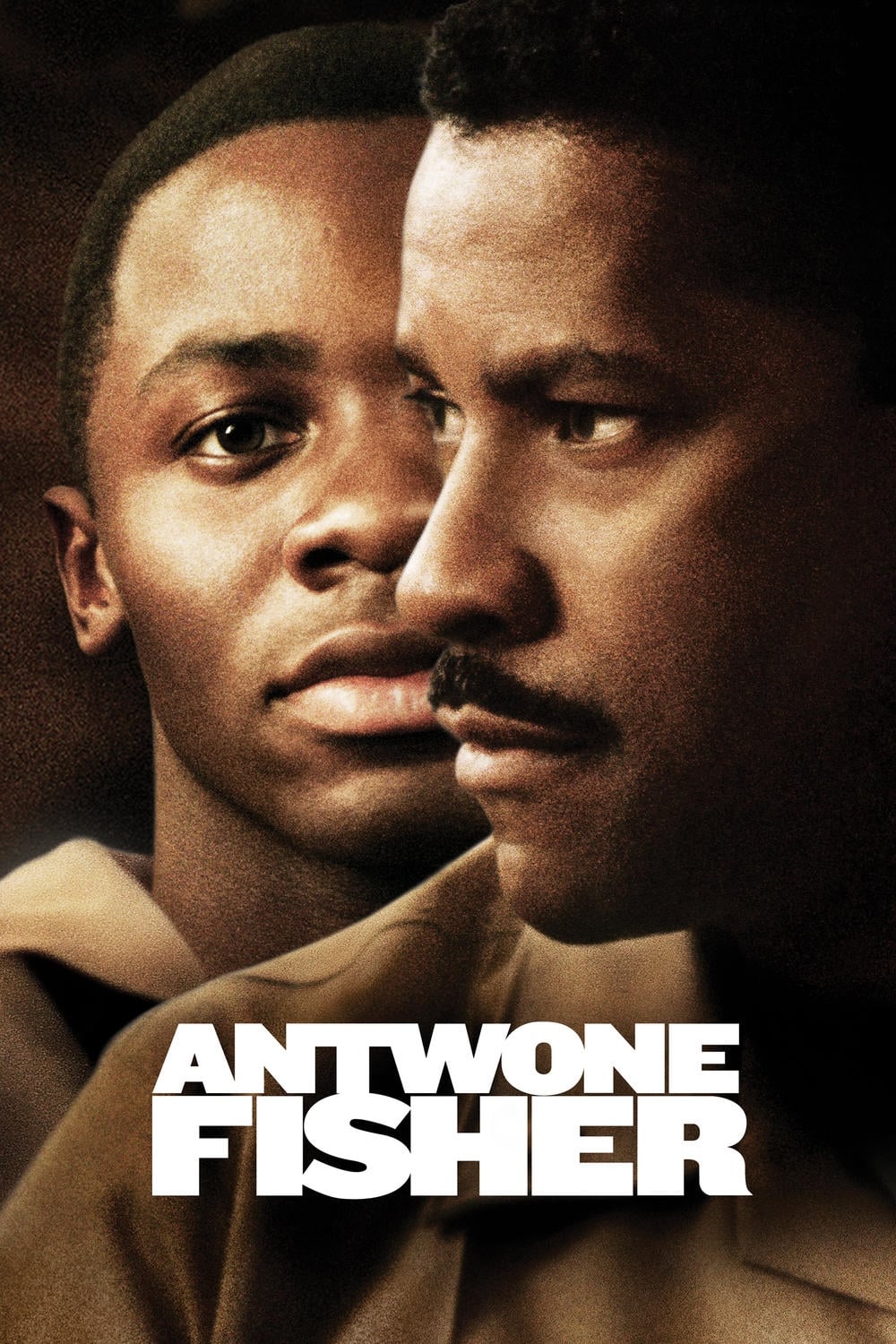
Directed by Denzel Washington, ‘Antwone Fisher’ tells the true story of a young sailor who begins therapy after a violent outburst, eventually confronting his past. Davis appears as Eva May, a key figure whose presence reframes the protagonist’s understanding of family and memory. The film integrates therapy sessions, naval routines, and personal investigations to follow a path from suppression to acknowledgment.
The role places Davis in scenes that require precise emotional modulation within brief screen time, delivering information that reorients the central character’s search. Production balances institutional settings with domestic spaces, allowing the narrative to move from formal authority to private resolution.
Share your picks for Viola Davis’s most compelling roles in the comments!