The 15 Best Zoe Saldaña Roles


Zoe Saldaña has built one of the most versatile filmographies in modern Hollywood, moving between massive franchise universes and grounded dramas with equal ease. Across science-fiction landmarks, comic-book epics, action thrillers, and intimate series work, she’s portrayed characters who drive the story forward—often carrying key emotional arcs and world-building responsibilities.
This list gathers her standout roles across movies and television, highlighting what each project is about, who she plays, and why that role is central to the production’s creative goals. You’ll find franchise pillars like ‘Avatar’ and ‘Guardians of the Galaxy’ alongside formative early features and recent series that expand her range on the small screen.
‘Avatar’ (2009) – Neytiri

James Cameron’s ‘Avatar’ introduced the moon Pandora and the Omaticaya clan through a blend of live-action and performance-capture, with Saldaña’s Neytiri serving as the audience’s guide to Na’vi culture, language, and customs. The production used extensive motion-capture acting and a constructed Na’vi language to depict rituals, ecology, and social structures, placing Neytiri at the center of scenes that explain clan leadership, spiritual beliefs, and relationship protocols.
As a key protagonist, Neytiri mentors Jake Sully in survival, tracking, and rites of passage, anchoring sequences that detail the Omaticaya’s connection to their environment and the neural bond with fauna. Saldaña’s work required full-body capture and facial rigs to translate physical choreography and speech into the film’s CG models, making her performance integral to how the Na’vi emote and communicate on screen.
‘Avatar: The Way of Water’ (2022) – Neytiri

‘Avatar: The Way of Water’ expands Pandora’s geography to reef-dwelling communities, with Neytiri’s responsibilities shifting to family stewardship and inter-clan diplomacy. The production added underwater performance-capture, training cast members in breath-hold techniques so full scenes could be captured submerged, and it introduced new cultural practices involving the Metkayina’s sea travel, craftwork, and marine life bonds.
Neytiri’s arc intersects with questions of kinship, migration, and interspecies conflict, positioning her within a multi-generational story that maps lineage, adoption, and community defense. Her scenes incorporate Na’vi dialects, clan signifiers, and weapon craftsmanship, and they interact with large-scale visual effects pipelines that composite water simulation, bioluminescence, and creature behavior.
‘Guardians of the Galaxy’ (2014) – Gamora
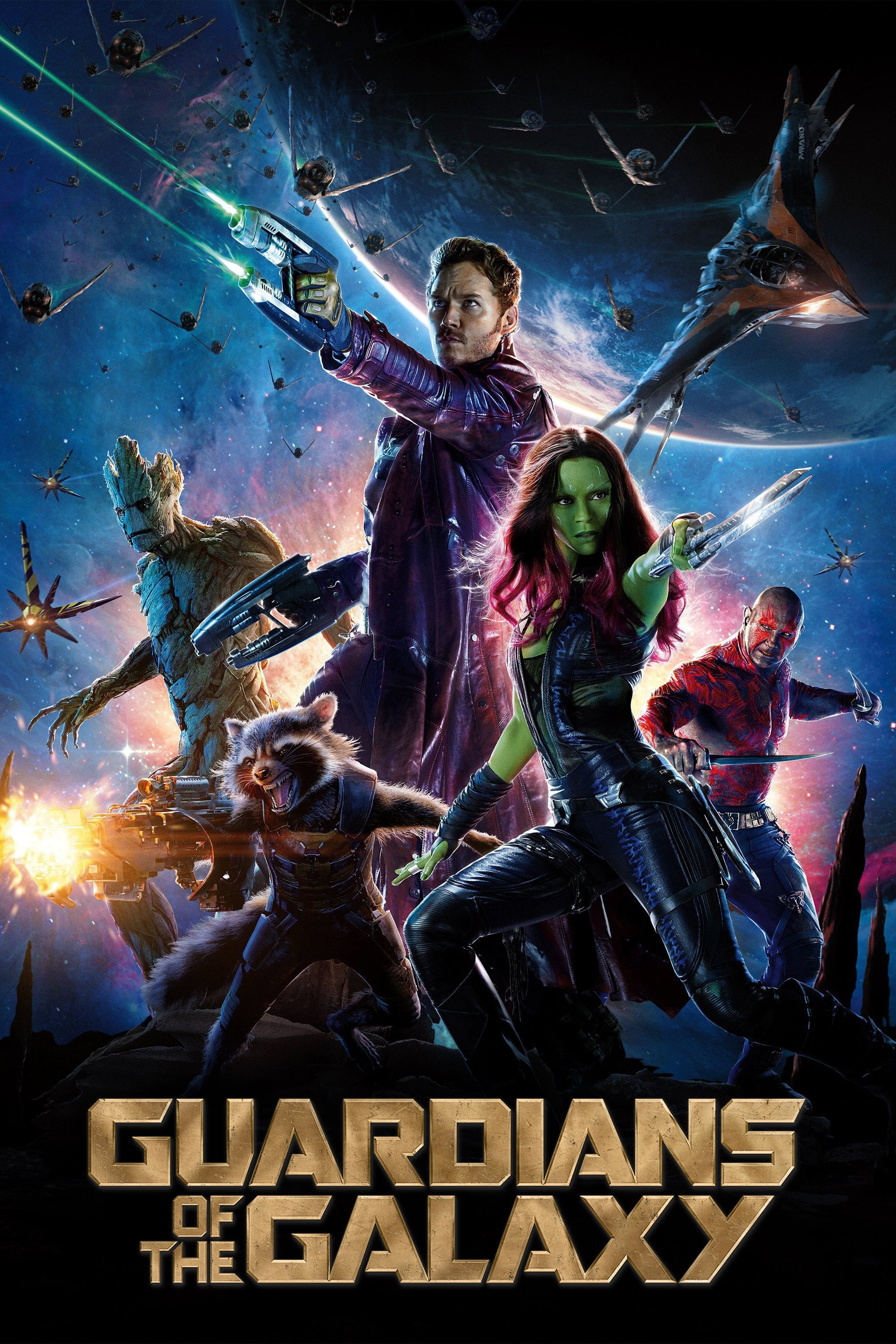
Marvel Studios’ ‘Guardians of the Galaxy’ assembles an interstellar team with Gamora acting as a tactician and combat specialist whose backstory is tied to the film’s central antagonist. The screenplay uses her knowledge of galactic factions, artifacts, and trade routes to drive objectives, and fight choreography showcases distinct weapons training designed for close-quarters engagements and acrobatic movement.
Gamora’s narrative function includes intelligence gathering, strategic planning, and alliance-building among characters who begin as rivals. Production design and makeup effects create the character’s green skin tone and facial detailing, while the film’s editing and stunt coordination integrate her duels and infiltration sequences into the team’s broader heist structure.
‘Guardians of the Galaxy Vol. 2’ (2017) – Gamora

In ‘Guardians of the Galaxy Vol. 2’, Gamora’s role broadens to inter-team mediation and conflict resolution while the plot explores family histories and rivalries that affect mission outcomes. Costuming and props emphasize her dual identity as both elite operative and team member, and the film’s set pieces use multi-level environments that highlight vertical combat and coordinated partner work.
Her interactions with Nebula add information about conditioning, cybernetic augmentation, and past assignments, which the script uses to link personal histories with current threats. Visual effects and wire-work support longer takes and aerial exchanges, allowing Gamora’s fighting style, weapon retrieval, and evasive maneuvers to play out within wider action geography.
‘Avengers: Infinity War’ (2018) – Gamora
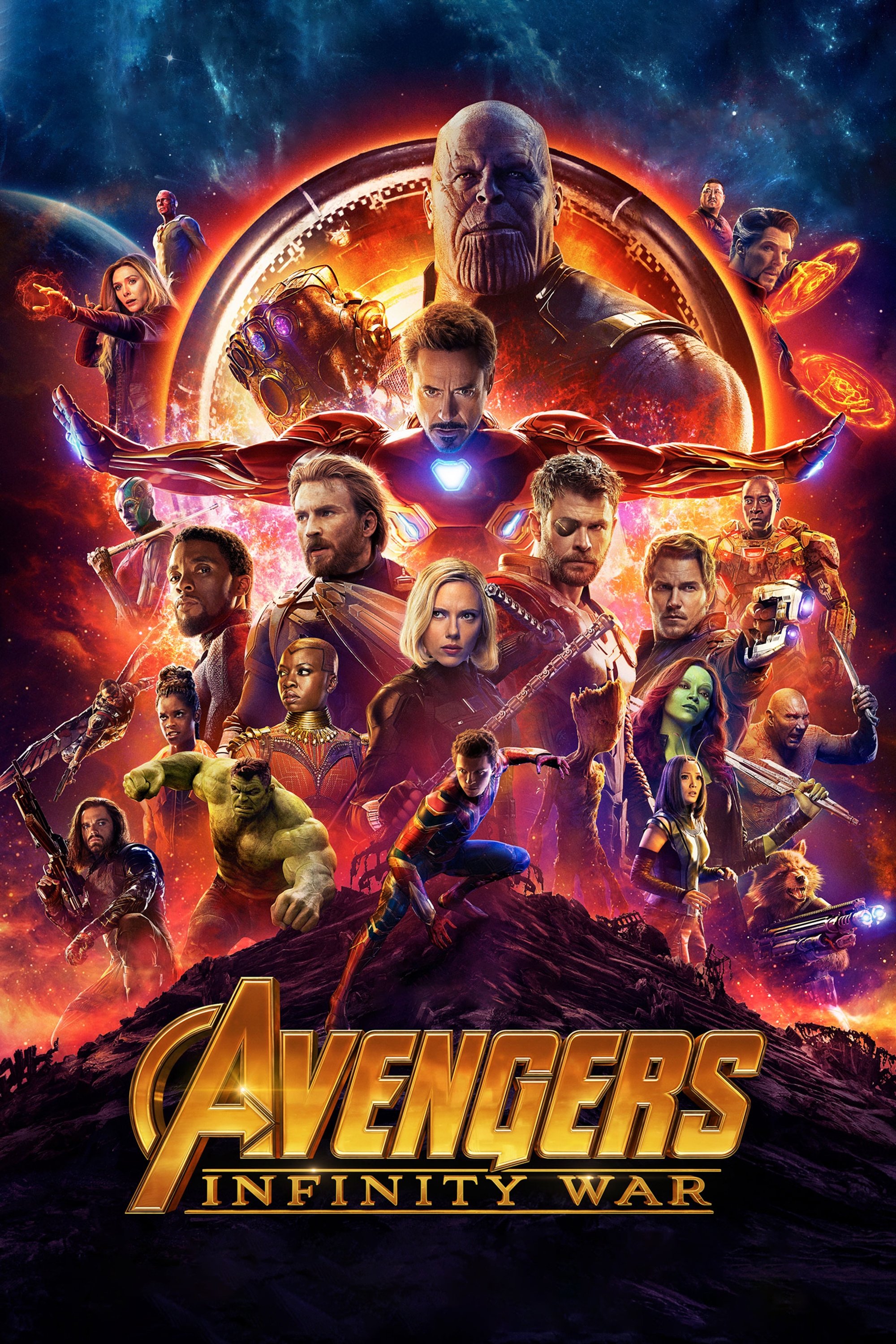
‘Avengers: Infinity War’ places Gamora at the center of the narrative’s search and retrieval storyline, connecting her knowledge of artifact locations to the film’s main objective. Scenes between Gamora and the overarching antagonist provide exposition about planetary campaigns, adoption protocols, and strategic planning within that character’s command structure.
The production intercuts her sequences across multiple units and locations, coordinating performance, stunts, and visual effects to maintain continuity of weapons, wardrobe, and makeup across intersecting timelines. Her decisions initiate several plot pivots, and her presence ties the ‘Guardians of the Galaxy’ ensemble to other teams, aligning space-set operations with ground campaigns.
‘Avengers: Endgame’ (2019) – Gamora
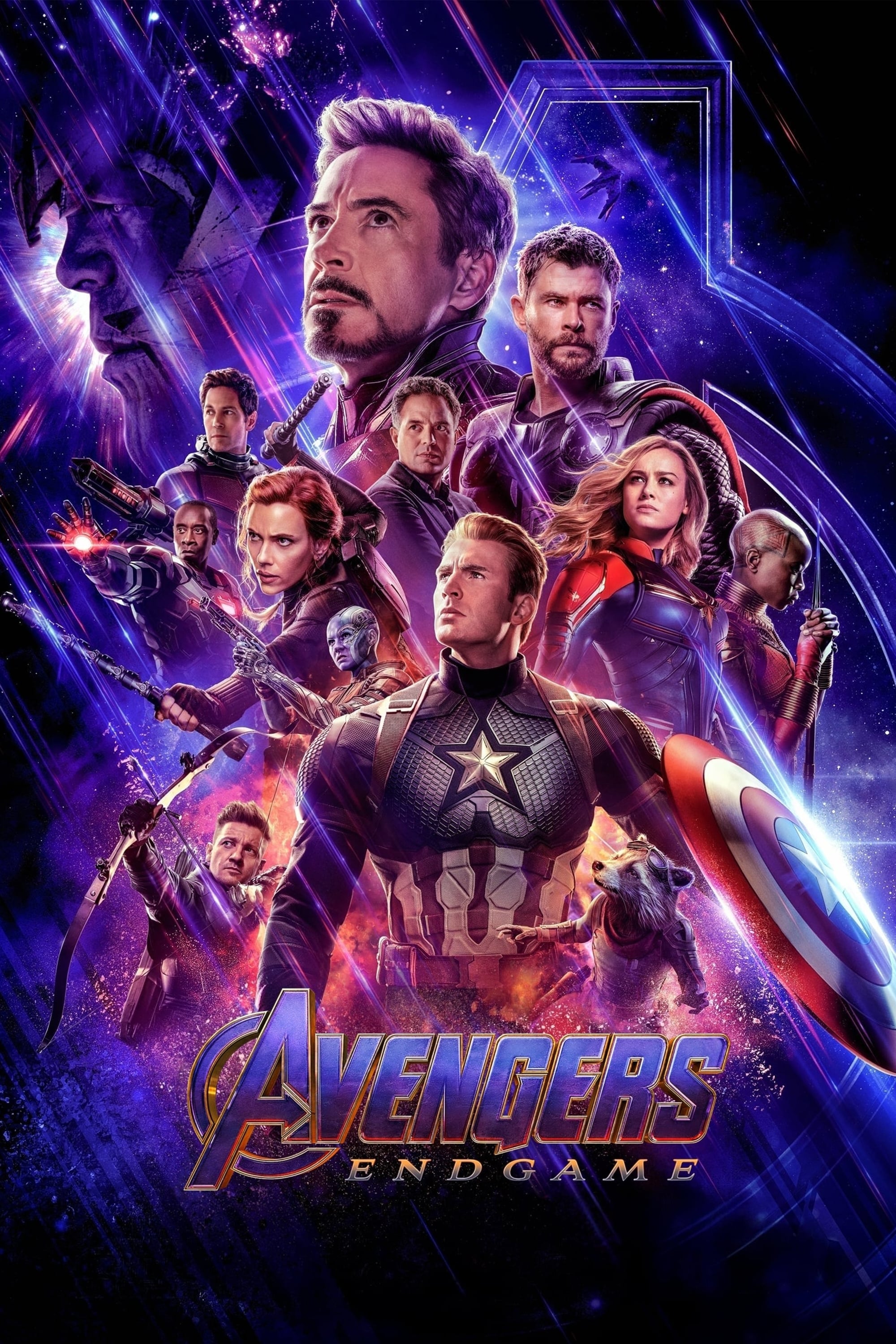
In ‘Avengers: Endgame’, Gamora appears in a way that reconfigures prior relationships and team dynamics, requiring the script to establish recognition, trust, and mission alignment through concise dialogue and blocking. The film uses cross-franchise costuming and props to signal faction, era, and status, ensuring her scenes read clearly amid a large cast.
Her participation in the final engagement involves coordinated formations, relay hand-offs, and large-scale crowd management, which the production maps with previsualization and motion-control camera systems. Continuity teams track makeup tones, scarring, and weapon loadouts to keep her characterization consistent as she navigates shifting alliances and revised objectives.
‘Star Trek’ (2009) – Nyota Uhura

J.J. Abrams’ ‘Star Trek’ reintroduces the Enterprise crew with Nyota Uhura positioned as a linguistics and communications specialist whose skills resolve signal intercepts and first-contact complexities. The screenplay uses her language competencies and decoding work to route mission planning, while production sound design layers shipboard communications, bridge alerts, and hailing protocols around her station.
Costume and set departments model Starfleet insignia, rank details, and console interfaces to map responsibilities on the bridge, and her scenes establish workflow between communications, navigation, and tactical roles. Dialogue exchanges set up academy performance, course placements, and assignment orders that explain how crew hierarchy is determined aboard the flagship.
‘Star Trek Into Darkness’ (2013) – Nyota Uhura
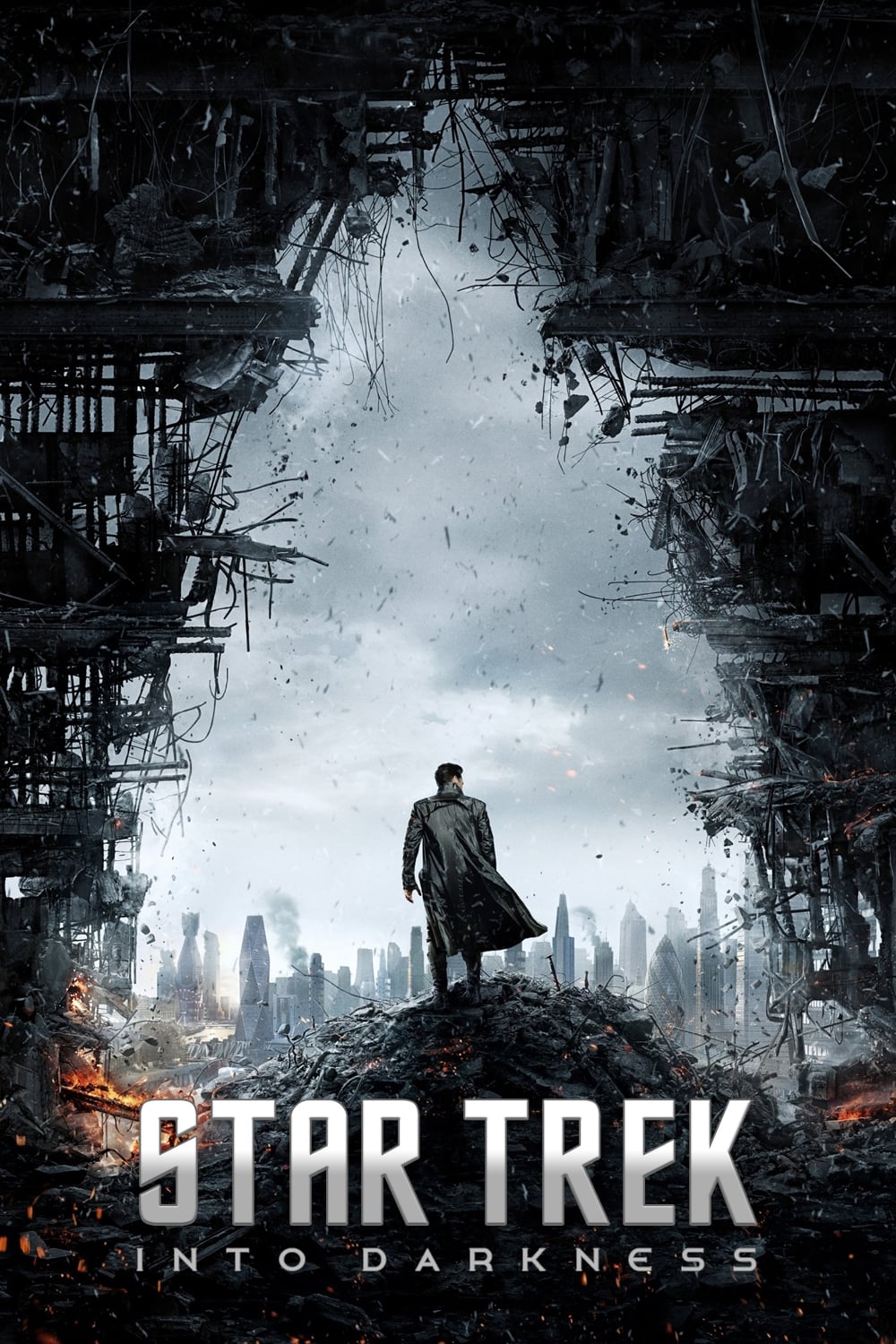
‘Star Trek Into Darkness’ deploys Uhura in field operations, including translation and negotiation that affect tactical choices during pursuit and containment missions. Her sequences illustrate language-based diplomacy and risk assessment, showing how communications strategy can alter engagement protocols within Starfleet directives.
Production elements expand Klingon phonology and cultural markers, giving her linguistic expertise specific stakes in reconnaissance and extraction scenes. The film’s staging integrates helmet audio, environmental noise, and multi-channel comms, situating her as a conduit between command decisions on the bridge and unit-level execution on the ground.
‘Star Trek Beyond’ (2016) – Nyota Uhura
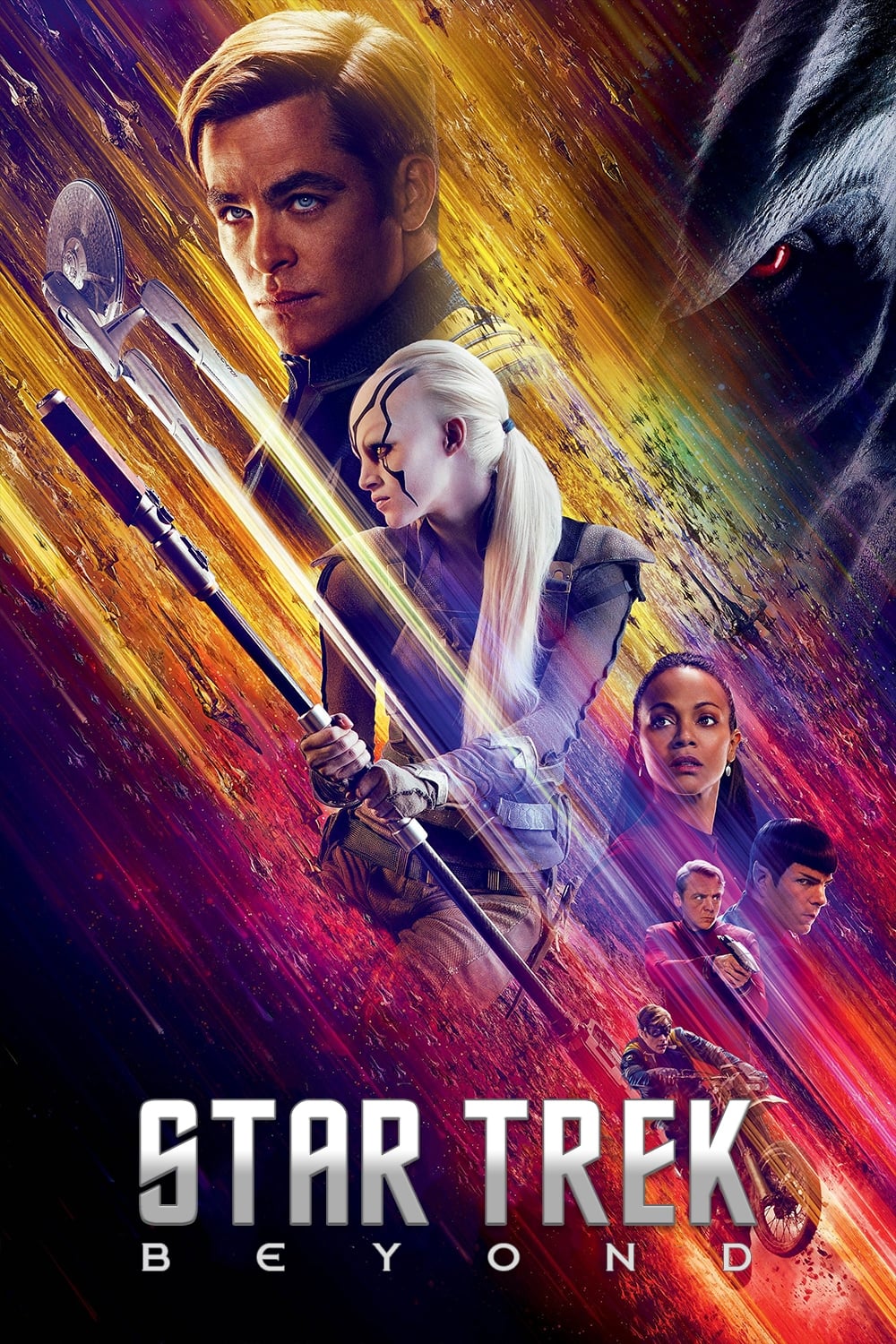
In ‘Star Trek Beyond’, Uhura’s storyline demonstrates communications under duress after a hostile encounter fractures the crew. Her tasks include intercepting enemy transmissions, identifying signal origins, and coordinating regrouping efforts using improvised equipment and terrain-limited channels.
Set design and props introduce stranded outposts, salvaged tech, and frequency-hopping devices that frame her problem-solving sequences. The narrative uses her technical knowledge to reconnect separated crew members, translating intercepted messages and decoding patterns that restore command links and enable the Enterprise team to reassemble.
‘Colombiana’ (2011) – Cataleya Restrepo
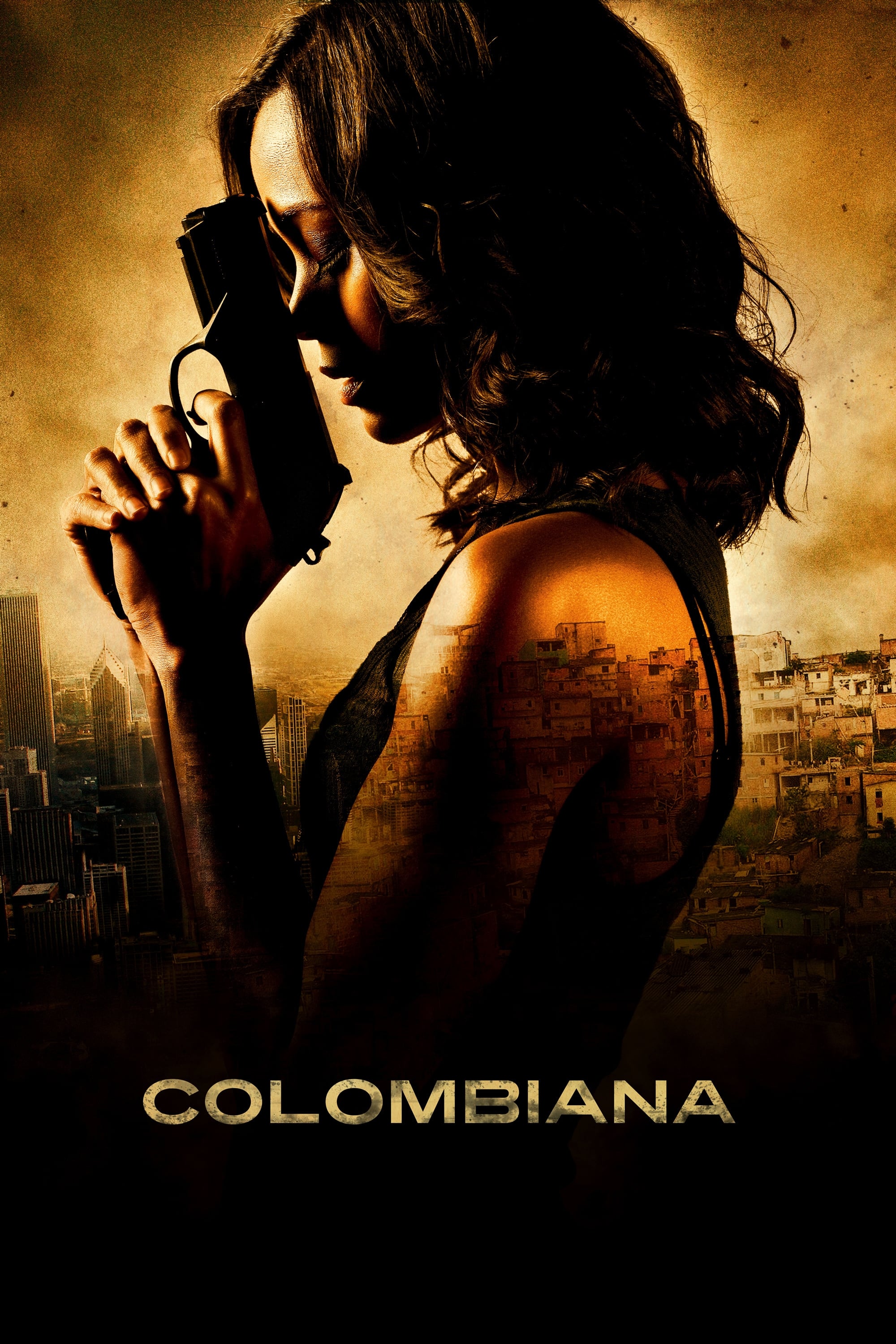
‘Colombiana’ follows Cataleya Restrepo’s trajectory from trauma to professional contract work, outlining training regimens, operational aliases, and signature methods that tie assignments together. The film tracks safe-house logistics, weapons sourcing, and communication protocols, depicting how she plans entries and exits across urban environments.
Choreography combines parkour, close-quarters grappling, and small-arms tactics, with production shooting across multiple cities to map Cataleya’s routes and tactical variations. Props and art direction incorporate coded messages, improvised tools, and misdirection techniques that define her operational style and connect key plot points.
‘Center Stage’ (2000) – Eva Rodriguez
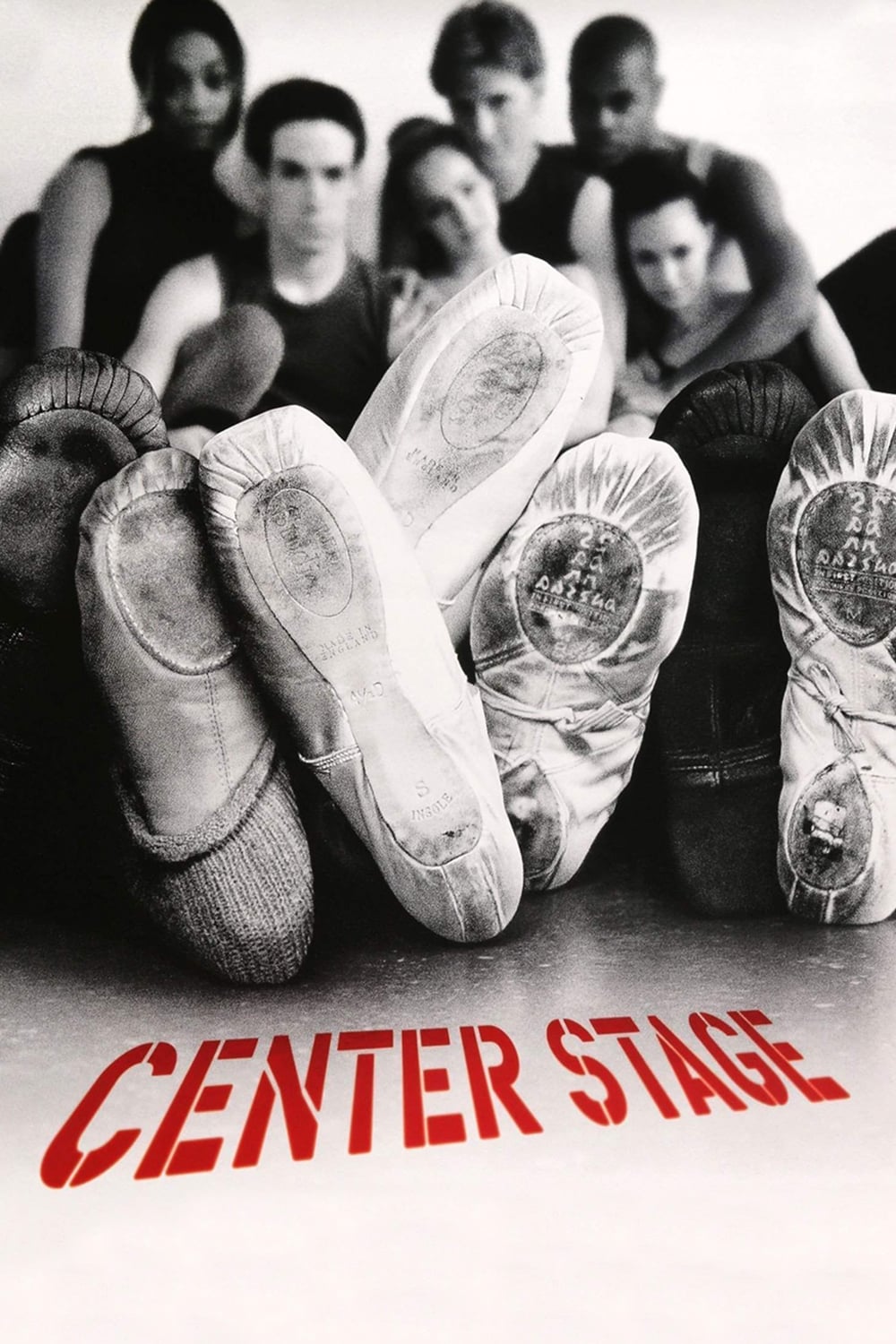
‘Center Stage’ is set inside a competitive ballet academy where Eva Rodriguez’s arc examines casting processes, rehearsal structures, and performance evaluations within pre-professional training. The film outlines technique classes, audition criteria, and repertoire selection, using studio and stage spaces to show how dancers are assessed and placed.
Saldaña’s character engages with teacher feedback, partner assignments, and company-style expectations, bringing attention to pointe readiness, injury prevention, and time-management across rehearsals. Costuming, footwear, and warm-up gear mark levels of experience and role preparation, while choreography sequences demonstrate how corrections translate into performance adjustments.
‘Drumline’ (2002) – Laila
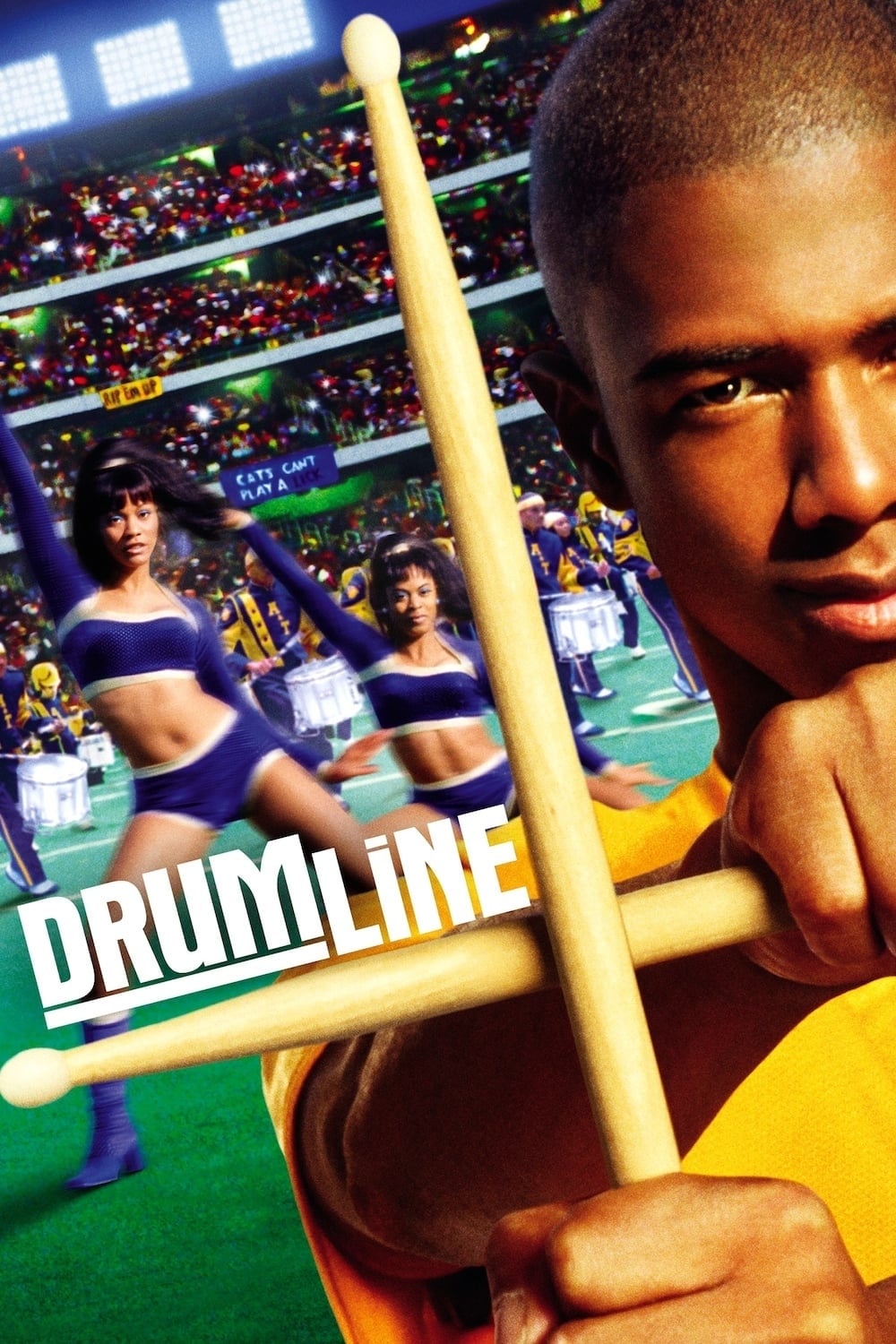
‘Drumline’ centers on a university marching band’s season, and Laila’s storyline intersects with leadership decisions, practice schedules, and performance etiquette within the dance line and band community. Rehearsal scenes cover tempo control, field formations, and halftime show design, aligning her appearances with milestones like tryouts and showcase events.
The production captures on-field audio, metronome practice, and call-and-response cues that define band culture. Wardrobe and prop choices—uniforms, gloves, and equipment bags—support continuity during multi-camera shoot days, while campus locations map the social and academic settings that frame the band’s commitments.
‘The Losers’ (2010) – Aisha al-Fadhil
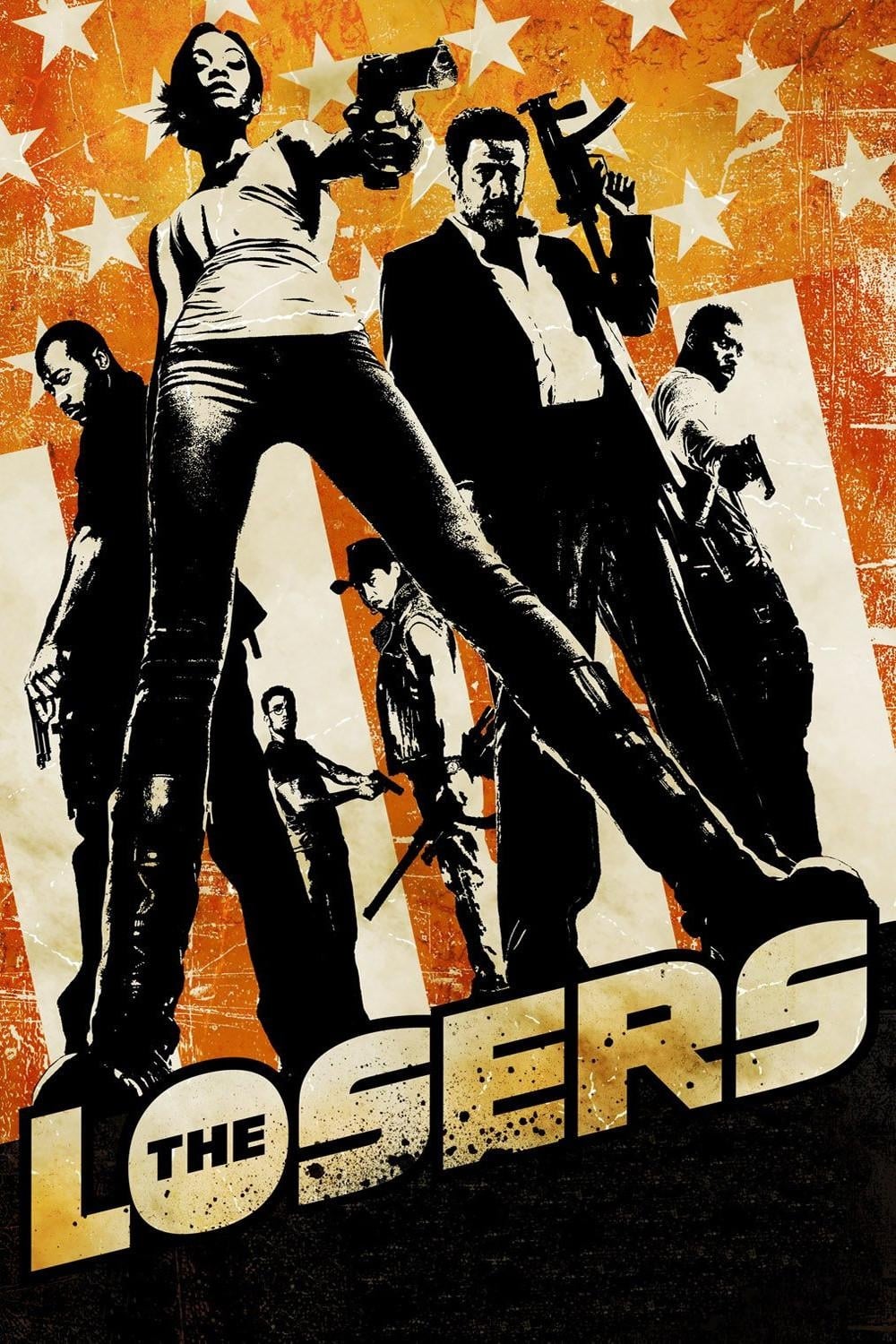
‘The Losers’ adapts a comic-book team story in which Aisha al-Fadhil initiates a mission that brings a covert unit back into play. The plot details resource procurement, target intelligence, and transport coordination, with Aisha operating as liaison and combat asset across international settings.
Action design emphasizes mixed-weapons proficiency, explosives handling, and infiltration tactics, and the production uses practical effects alongside digital enhancements to stage convoy ambushes and facility breaches. Her briefings deliver backstory on the central antagonist’s network, aligning the team’s objectives with timeline-driven checkpoints.
‘From Scratch’ (2022) – Amy Wheeler

‘From Scratch’ is a limited series adapted from Tembi Locke’s memoir, following Amy Wheeler through transcontinental moves, family integration, and career development in the arts. The series structure tracks visa processes, cross-cultural traditions, and healthcare navigation, mapping how administrative and community systems shape the character’s choices.
Production emphasizes location work and culinary practice, incorporating kitchen techniques, market sourcing, and regional recipes as narrative elements. Episodes use time jumps and parallel arcs to depict caregiving, grief logistics, and professional pivots, with Saldaña also serving in a producer capacity that connects creative decisions to the source material.
‘Lioness’ (2023–) – Joe
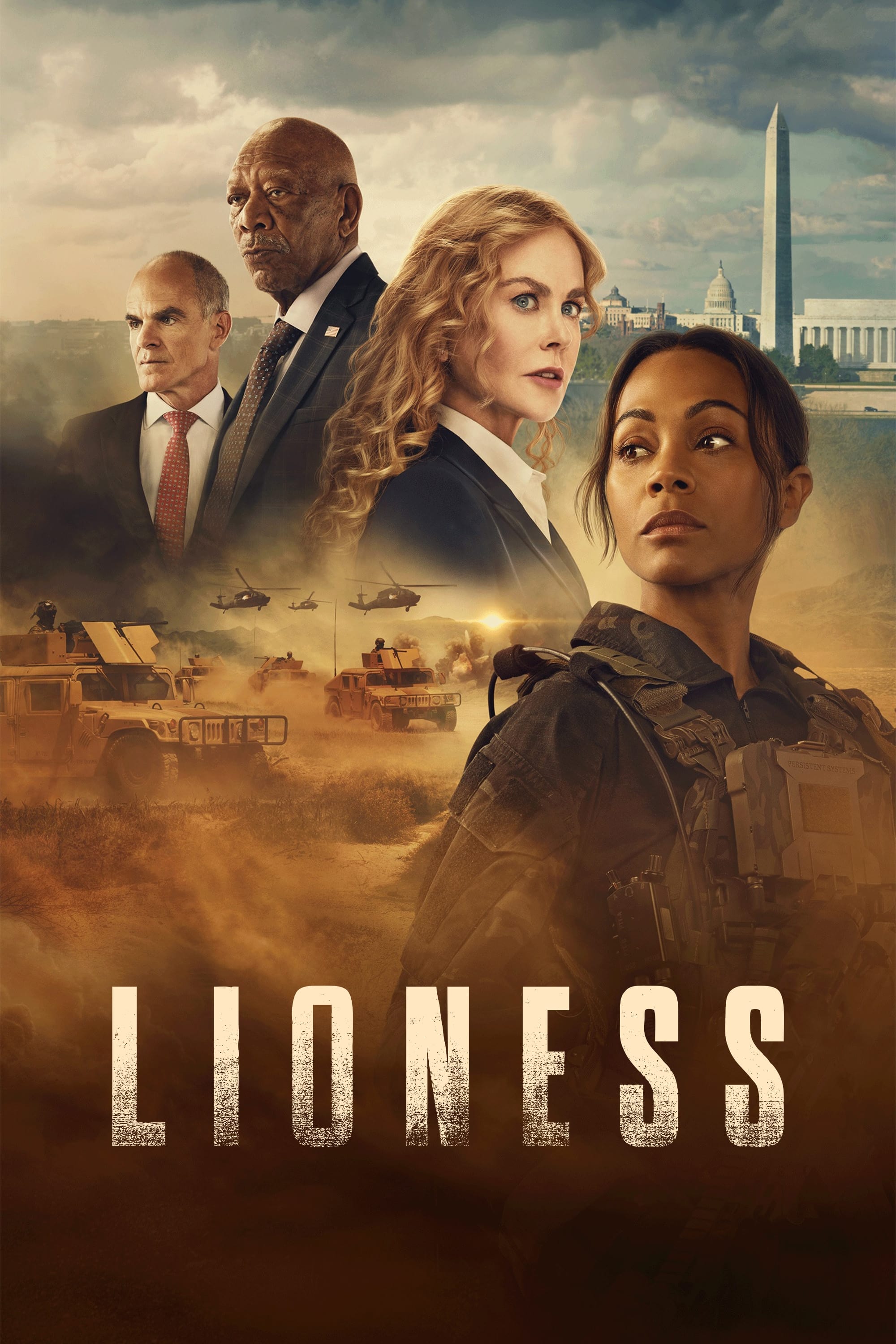
‘Special Ops: Lioness’ is a contemporary espionage series created by Taylor Sheridan, with Saldaña’s character Joe overseeing an embedded program that pairs handlers with assets. Episodes detail recruitment, cover maintenance, and debrief procedures, using operations rooms, training grounds, and field locations to outline agency workflows.
The show’s format alternates between mission execution and administrative oversight, showing budget approvals, inter-agency coordination, and operational security measures around communications and travel. Joe’s scenes connect tactical planning with personnel management, covering risk matrices, extraction planning, and after-action reporting that shape the unit’s next steps.
Share your favorite Zoe Saldaña role in the comments and tell us which performance you’d add to the list!