The Best Indie Movies Ever Filmed


Independent cinema has a way of slipping past the noise to tell bold, human stories with lean resources and a lot of craft. These films were built outside the traditional studio system—often with modest budgets, deep personal stakes, and inventive problem-solving—yet they punched far above their weight in cultural impact and influence.
Below is a wide-ranging tour through landmark indies from the U.S. and around the world. You’ll find microbudget breakthroughs, festival favorites that rewrote filmmakers’ careers, and international sensations that crossed borders through sheer word-of-mouth. Each entry focuses on concrete details—who made it, how it was produced and released, where it premiered, and what set it apart technically and historically.
‘Moonlight’ (2016)
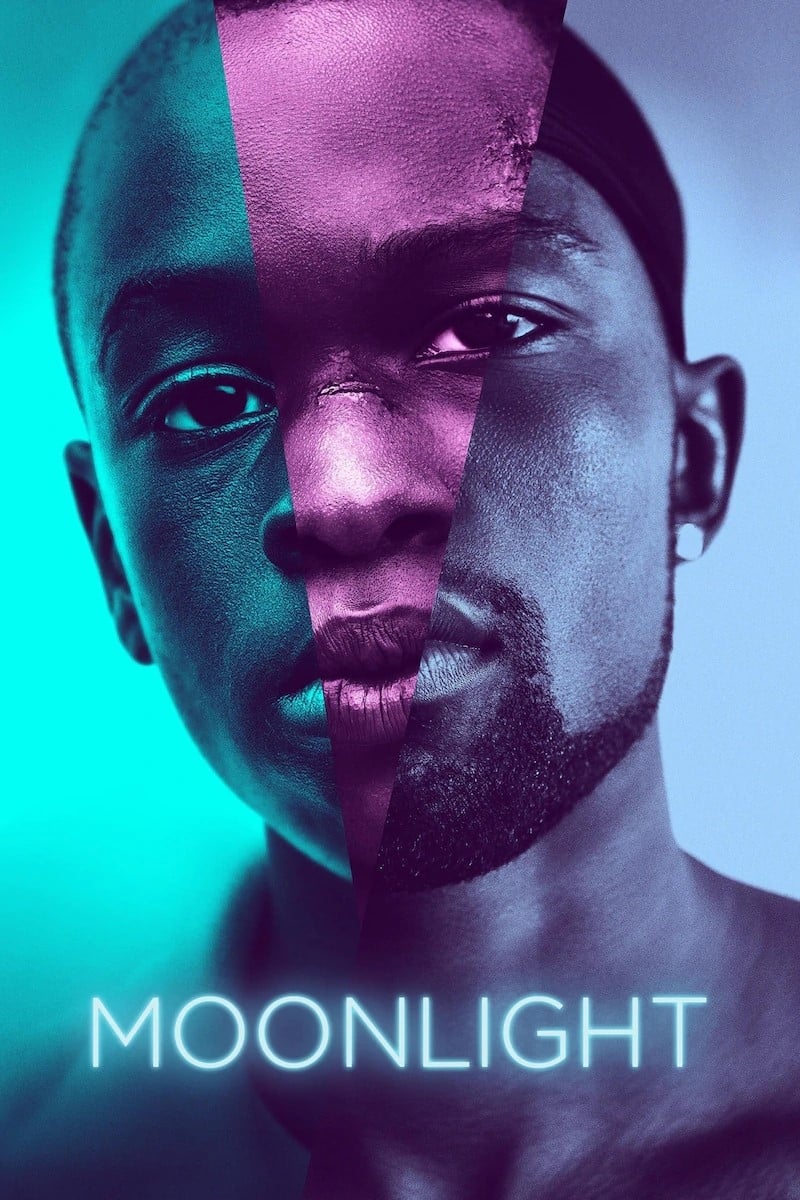
Written and directed by Barry Jenkins, this A24 release adapts Tarell Alvin McCraney’s play into a Florida-set triptych shot by cinematographer James Laxton. Its production leaned on real Miami locations and an ensemble led by Alex Hibbert, Ashton Sanders, and Trevante Rhodes to trace one character across three stages of life.
The film premiered at Telluride before a rollout through major festivals and platform distribution. It won Best Picture at the Academy Awards, with additional wins for Adapted Screenplay and Supporting Actor (Mahershala Ali), and became a touchstone for contemporary independent filmmaking and LGBTQ+ representation.
‘Lady Bird’ (2017)
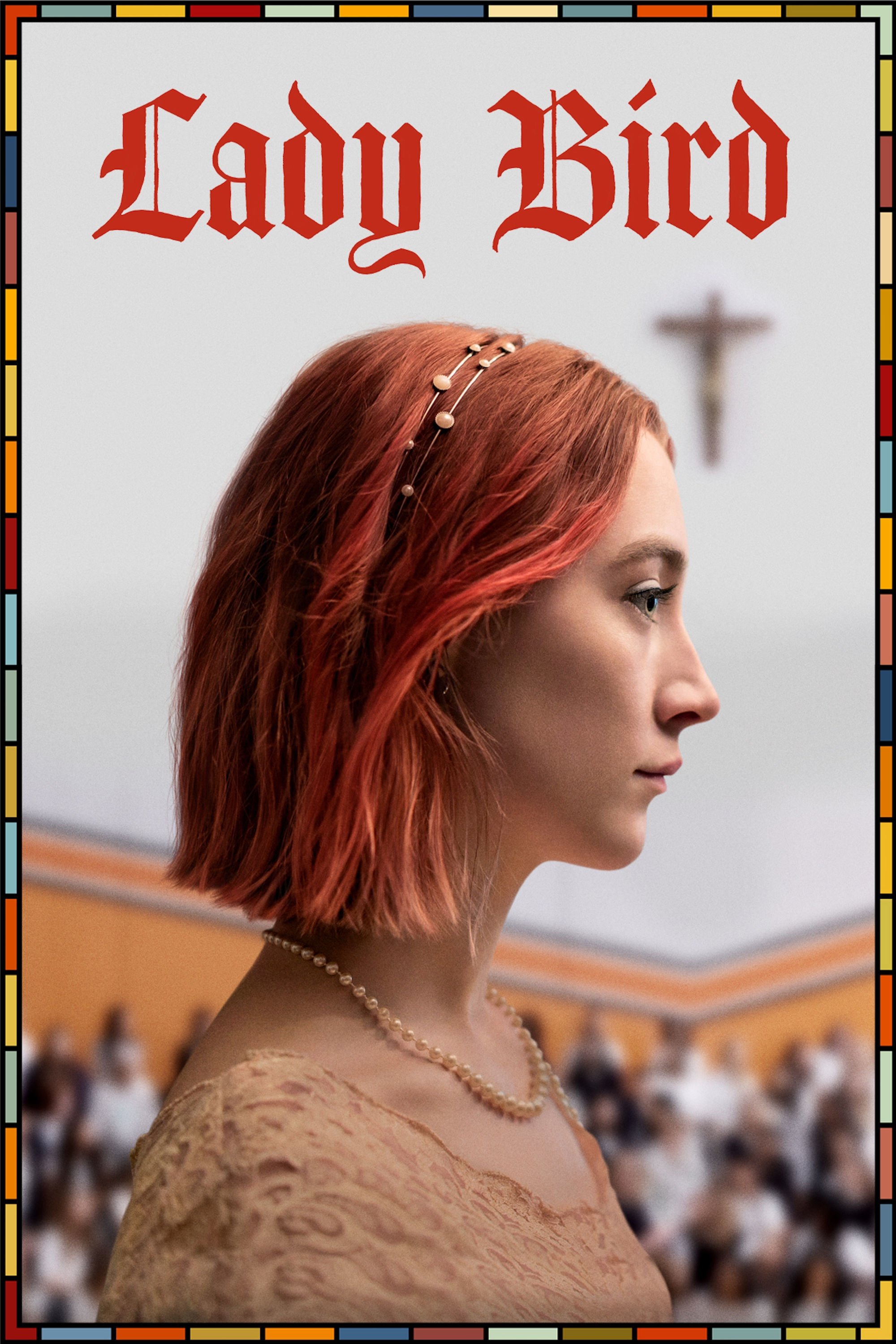
Greta Gerwig wrote and directed this Sacramento-set coming-of-age story produced by IAC Films and Scott Rudin Productions, with distribution by A24. Saoirse Ronan stars alongside Laurie Metcalf, with Sam Levy’s cinematography emphasizing natural light and handheld intimacy.
The production shot on a tight schedule in California locations, then platformed through fall festivals. It earned multiple Oscar nominations, including Best Picture and Director, and became a key title in Gerwig’s transition from actor-writer to acclaimed director.
‘The Florida Project’ (2017)
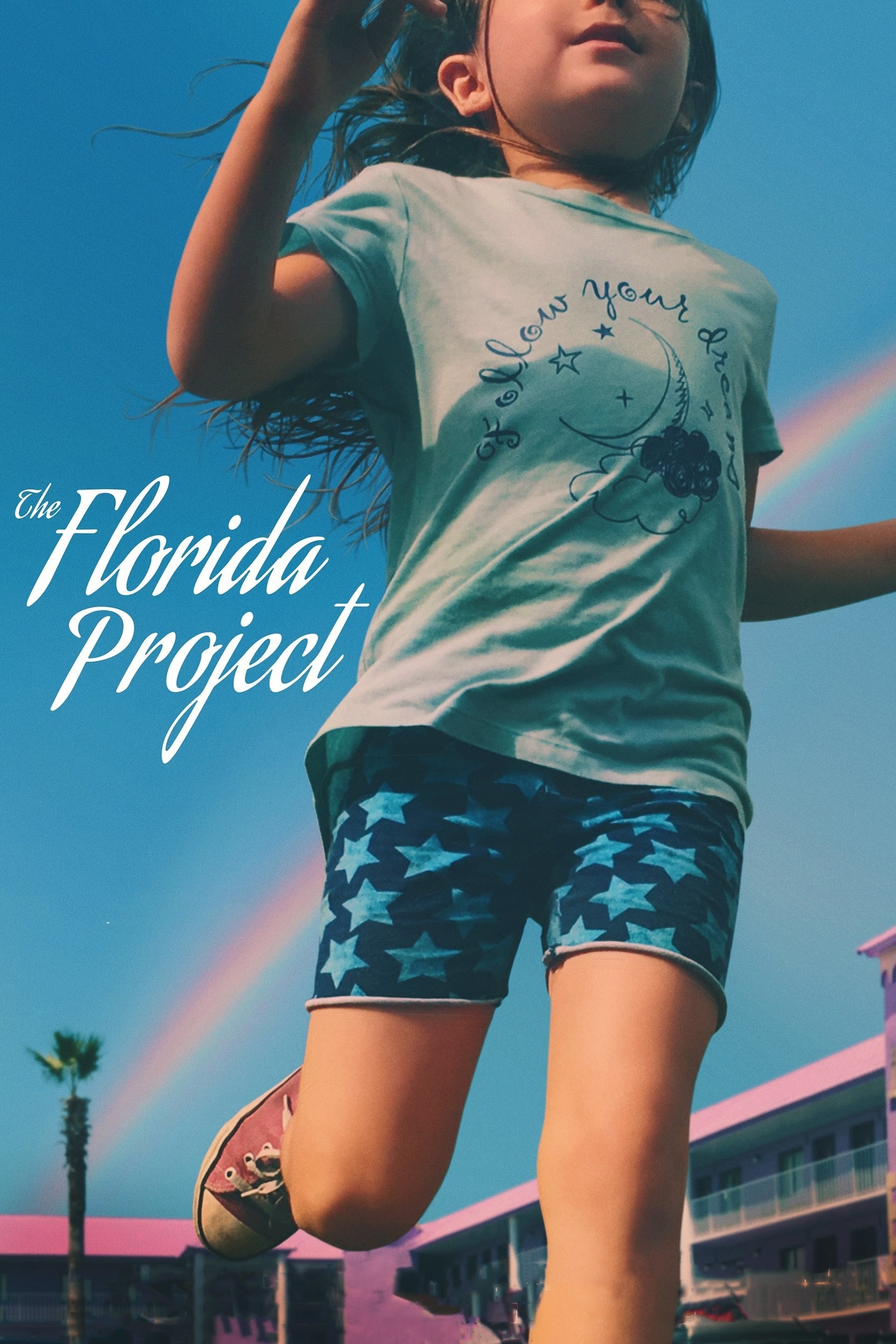
Sean Baker’s film was produced by June Pictures and shot around Kissimmee motels near Walt Disney World, using a mix of nonprofessional actors and seasoned performers like Willem Dafoe. Alexis Zabe’s 35mm cinematography highlights candy-colored facades contrasted with precarious living conditions.
Premiering at Cannes’ Directors’ Fortnight, it earned widespread festival attention and a Supporting Actor Oscar nomination. A24 released it theatrically with strong specialty-box-office legs, and the film is frequently cited in discussions about housing insecurity on screen.
‘Boyhood’ (2014)

Richard Linklater filmed this project intermittently over more than a decade with the same cast, including Ellar Coltrane, Patricia Arquette, and Ethan Hawke. The production stitched together annual shoots into a single narrative, with Lee Daniel and Shane Kelly handling cinematography across changing technologies.
IFC Films released the finished feature after a major festival bow, and it won Best Supporting Actress for Arquette as well as a Golden Globe for Linklater. The film’s long-term production model is often referenced in film schools as a case study in independent scheduling and continuity.
‘Frances Ha’ (2012)
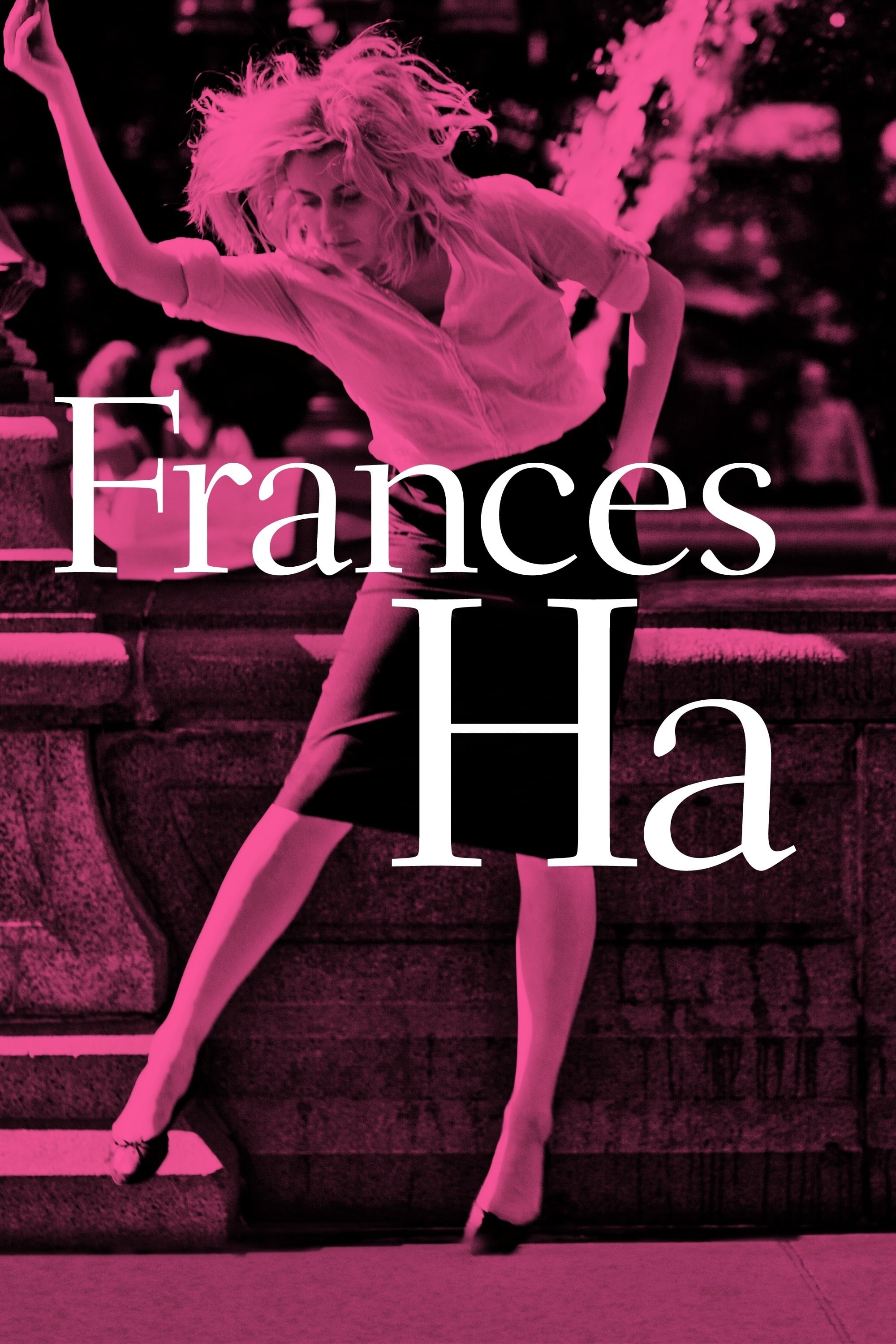
Directed by Noah Baumbach and co-written with Greta Gerwig, this black-and-white New York story was shot digitally to evoke classic street photography. Sam Levy’s cinematography and indie locations across Brooklyn and Manhattan kept costs contained while supporting the film’s kinetic movement.
IFC Films and Pine District released the film following festival play at Telluride, Toronto, and the New York Film Festival. It expanded Gerwig’s profile as a writer-performer and cemented Baumbach’s ongoing collaboration with Levy.
‘American Honey’ (2016)
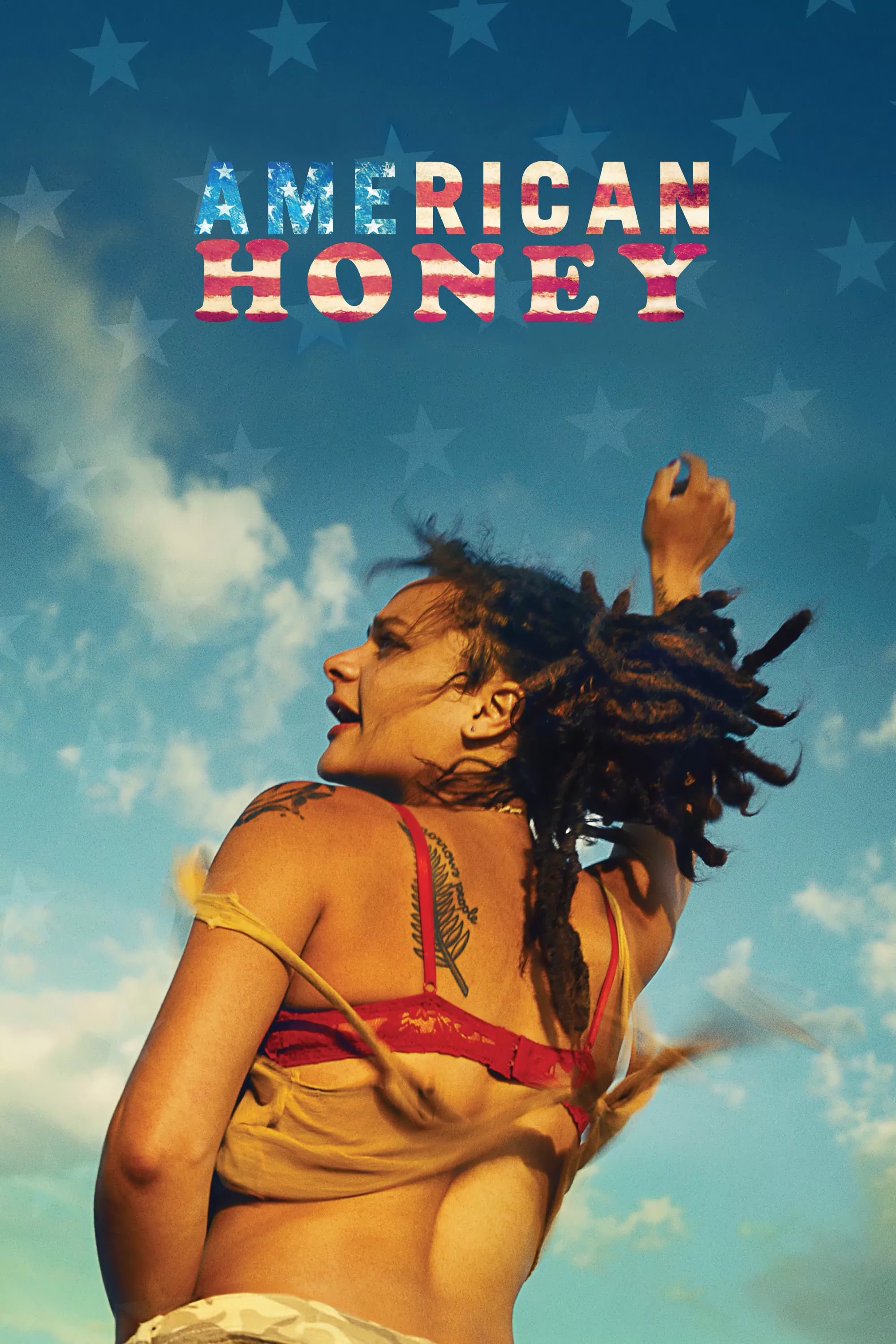
Andrea Arnold directed this road epic about a traveling magazine-sales crew across the American Midwest and South. Shot by Robbie Ryan in the Academy ratio, the production used location sound, found spaces, and a blend of professional and street-cast performers led by Sasha Lane and Shia LaBeouf.
It premiered at Cannes, where it received the Jury Prize, then toured major festivals before an A24 release. The film’s cross-country logistics and casting approach are often discussed in production seminars for location-heavy indie shoots.
‘Beasts of the Southern Wild’ (2012)
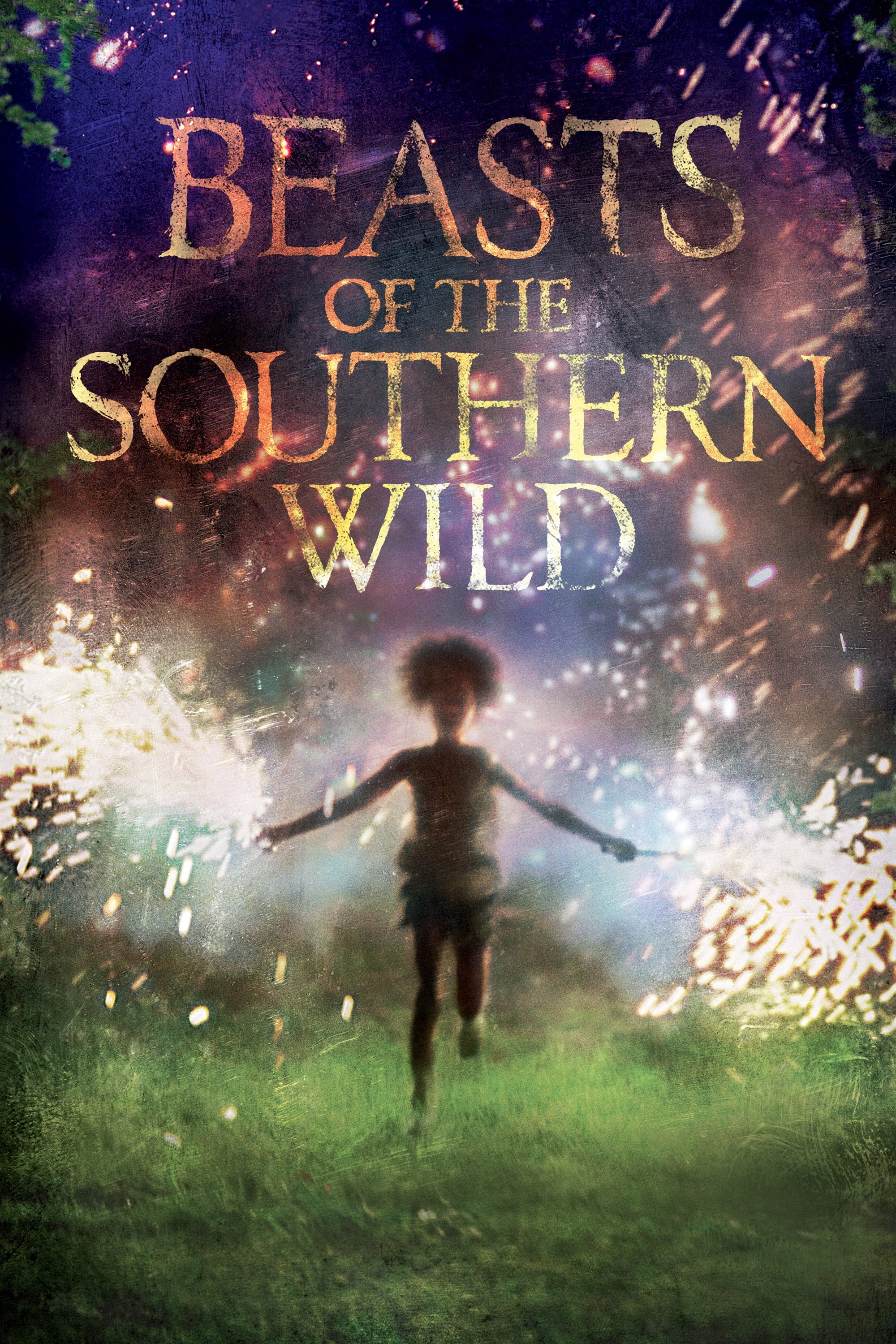
Benh Zeitlin’s feature debut, developed through the Court 13 collective, filmed in Louisiana’s bayou communities with Quvenzhané Wallis and Dwight Henry. Dan Romer and Zeitlin composed the score, and Ben Richardson’s photography captured handmade sets and practical effects built by local crews.
After winning the Grand Jury Prize at Sundance and the Camera d’Or at Cannes, it received multiple Oscar nominations including Best Picture. Fox Searchlight orchestrated a specialty release that showcased regional marketing and grassroots outreach.
‘Winter’s Bone’ (2010)
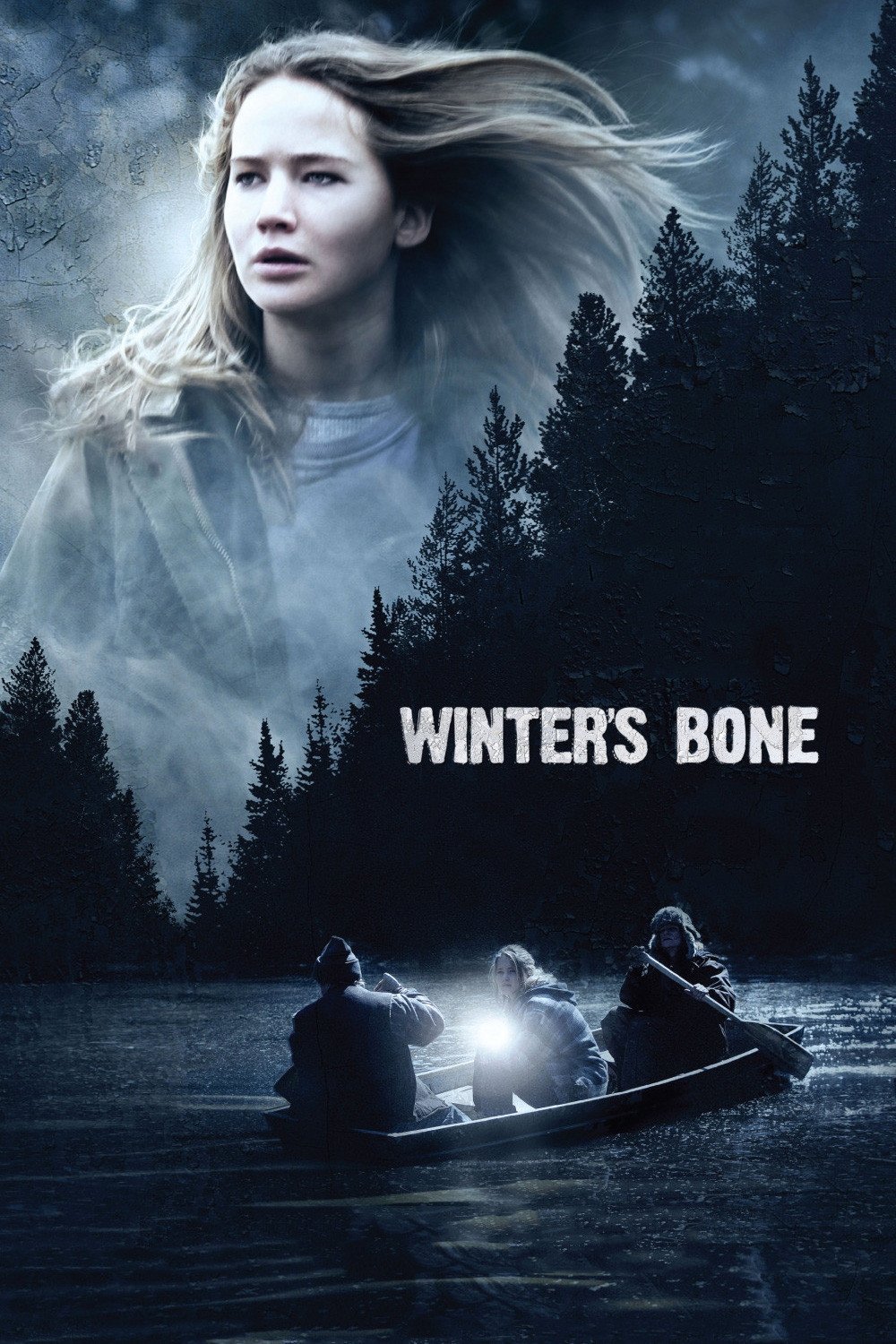
Debra Granik adapted Daniel Woodrell’s novel into a Missouri Ozarks noir anchored by Jennifer Lawrence and John Hawkes. Michael McDonough’s cinematography emphasized natural settings, and the production collaborated closely with local communities for authenticity in locations and music.
The film won the Grand Jury Prize at Sundance and secured Oscar nominations for Picture, Actress, Supporting Actor, and Adapted Screenplay. Roadside Attractions handled distribution, and the film is frequently credited with launching Lawrence’s career.
‘Memento’ (2000)
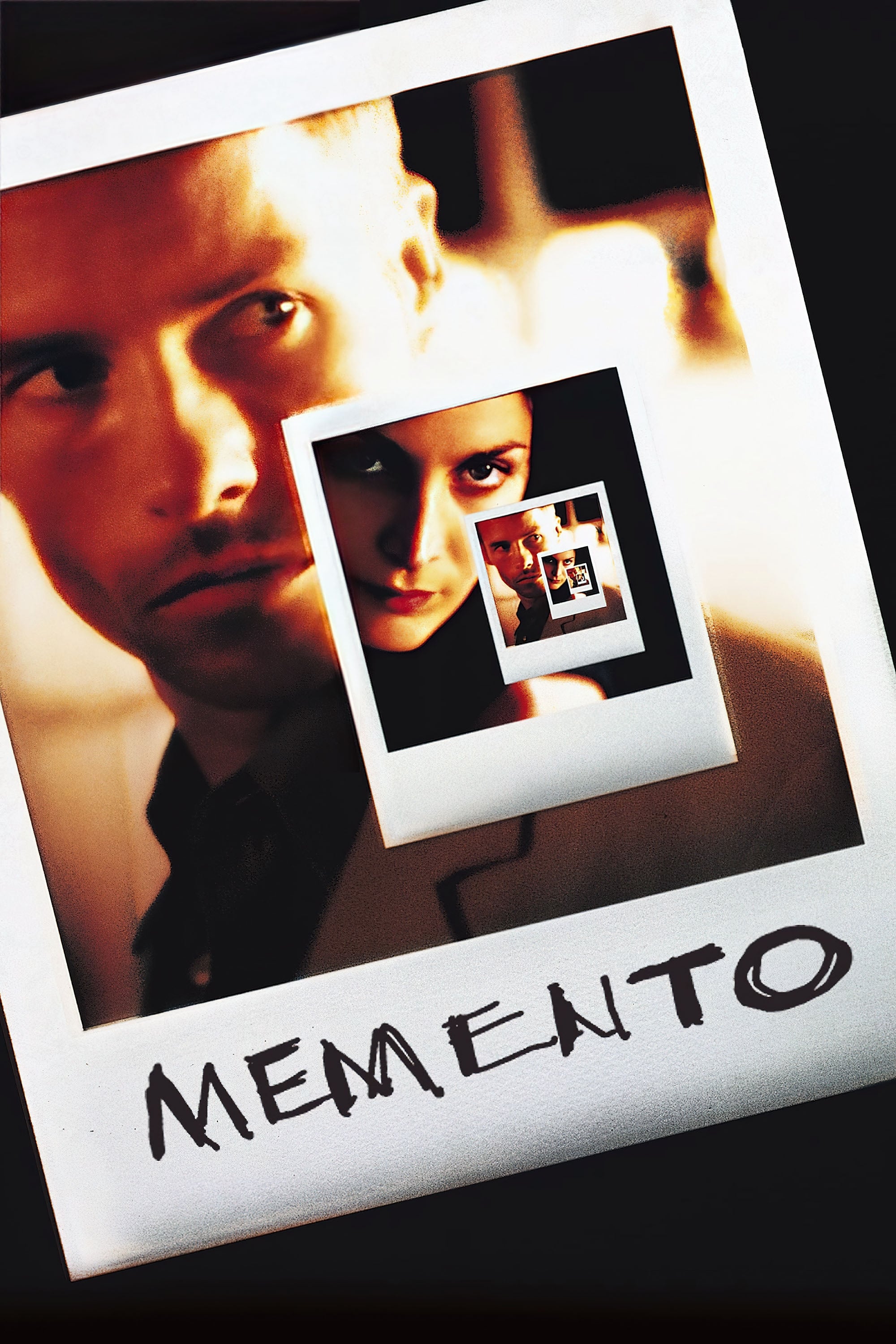
Christopher Nolan’s breakthrough was financed outside the major studio system and produced by Newmarket. Starring Guy Pearce and Carrie-Anne Moss, it employed a reverse-chronology structure, with Wally Pfister’s cinematography establishing a visual grammar for alternating timelines.
The film premiered at Venice and screened at Toronto, securing U.S. distribution after strong critical response. It earned Oscar nominations for Original Screenplay and Editing and opened doors for Nolan’s subsequent larger-scale projects.
‘Pi’ (1998)
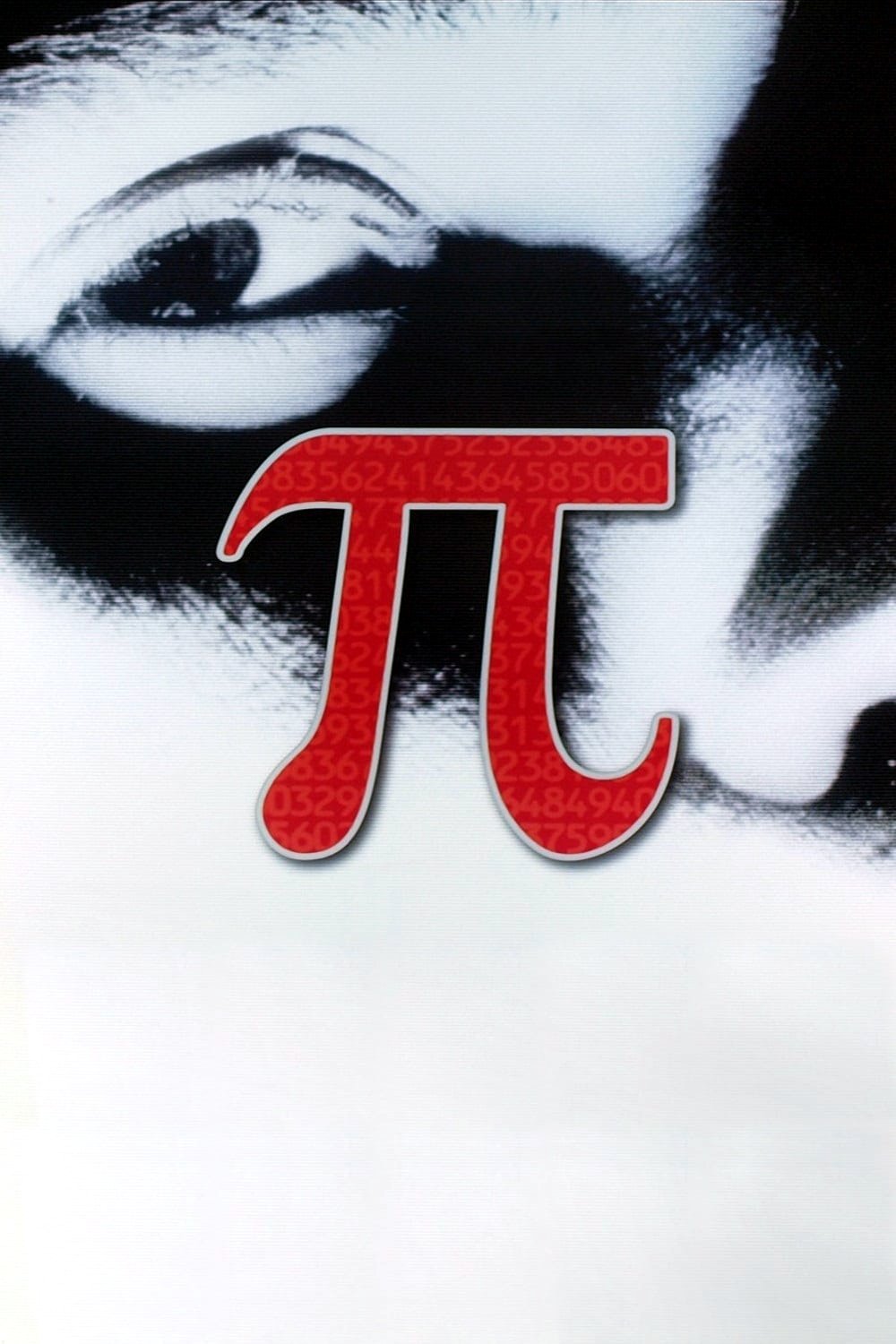
Darren Aronofsky self-financed this mathematical thriller through small investors, shooting in stark black-and-white with DP Matthew Libatique. The production leaned on guerrilla methods in New York apartments and subway stations, using practical lighting and handcrafted sound design.
After winning Directing at Sundance, Artisan acquired the film and launched a successful specialty release. Its microbudget financing model—complete with investor recoupment—became a frequently cited case study in indie producing.
‘Donnie Darko’ (2001)
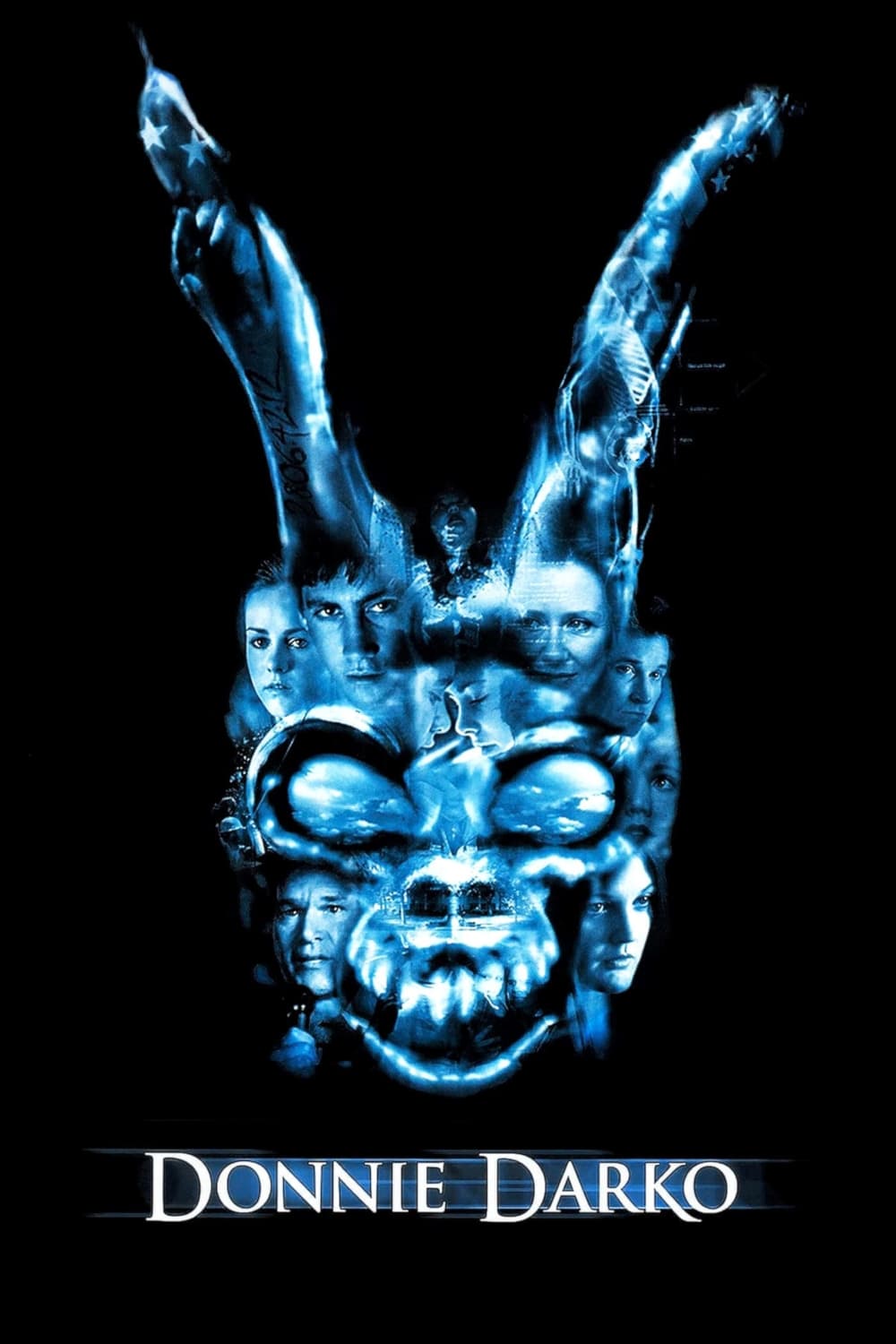
Richard Kelly wrote and directed this suburban sci-fi drama produced by Flower Films and Pandemonium. Jake Gyllenhaal stars, with Steven Poster’s cinematography blending dream imagery and period detail, and Michael Andrews’ score complementing an era-specific soundtrack.
Premiering at Sundance, it later found its audience through home video and repertory screenings, aided by an international release strategy and a director’s cut. The film’s path from modest theatrical run to cult mainstay is often examined in distribution classes.
‘Clerks’ (1994)
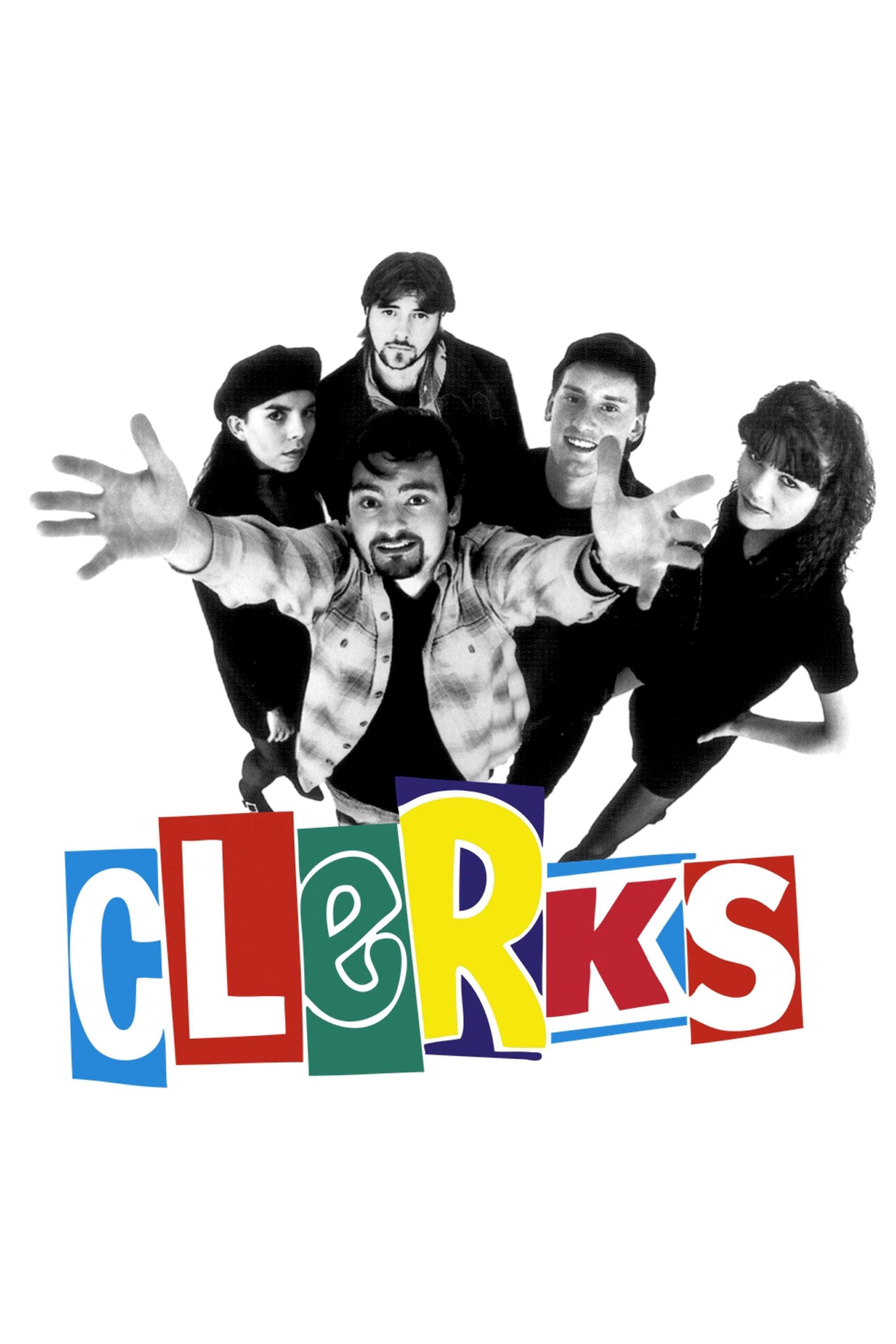
Kevin Smith financed his debut on credit cards, shooting after hours at a convenience store where he worked. Starring Brian O’Halloran and Jeff Anderson, it was filmed in black-and-white for cost reasons, with Walter Flanagan taking multiple bit parts to stretch resources.
Sundance exposure led to acquisition by Miramax and a soundtrack licensing deal that elevated the film’s profile. The project catalyzed Smith’s View Askewniverse and became a touchstone for microbudget dialogue-driven filmmaking.
‘The Blair Witch Project’ (1999)
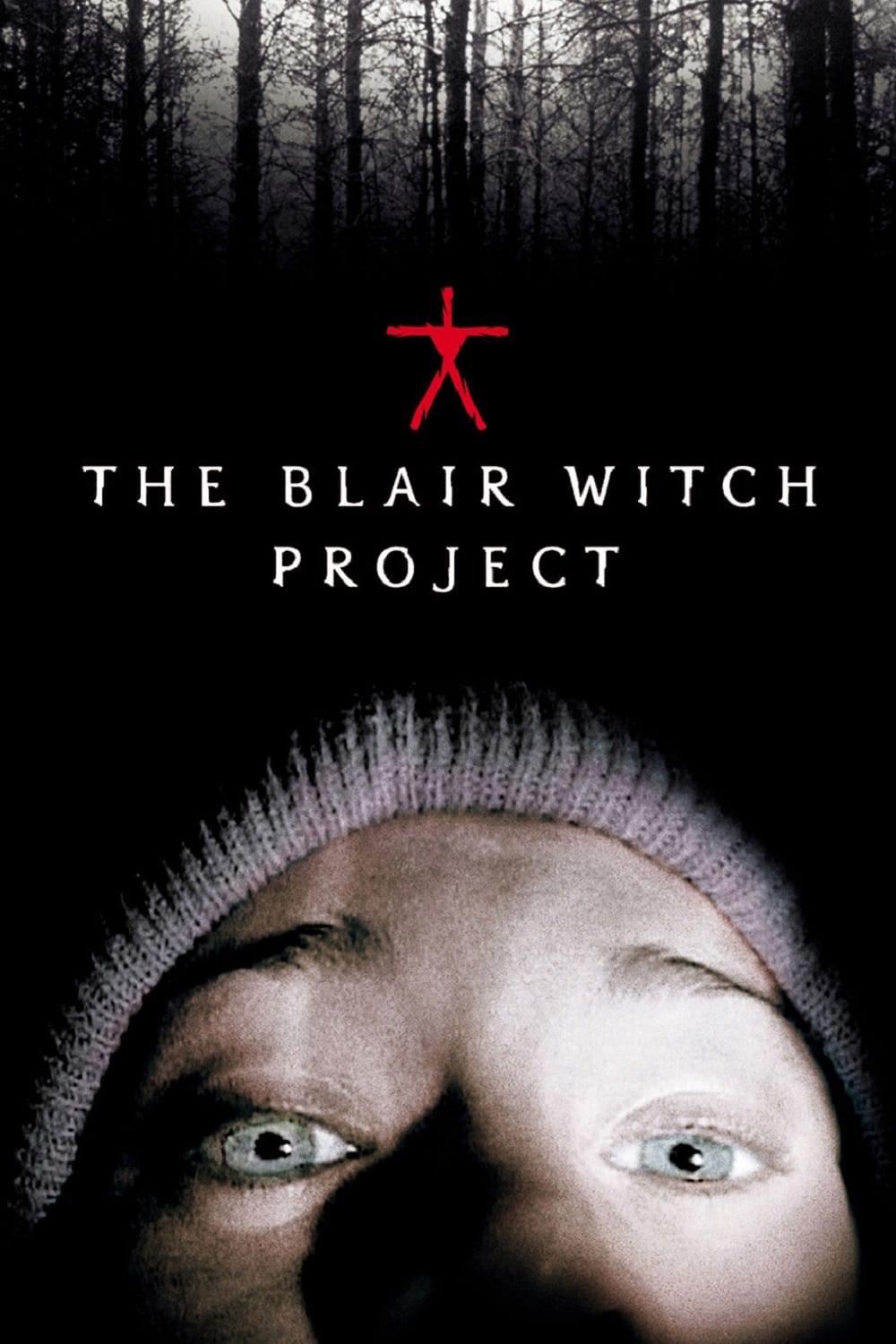
Co-directed by Daniel Myrick and Eduardo Sánchez, this found-footage horror was shot in Maryland forests with improvisational performances. The producers designed an early internet marketing campaign, including faux missing-person materials, that amplified the movie’s faux-documentary conceit.
Premiering at Sundance and later screened at Cannes’ Directors’ Fortnight, it was acquired by Artisan and became a runaway box-office success against a tiny budget. The film’s viral marketing playbook remains a landmark in independent distribution strategy.
‘Lost in Translation’ (2003)
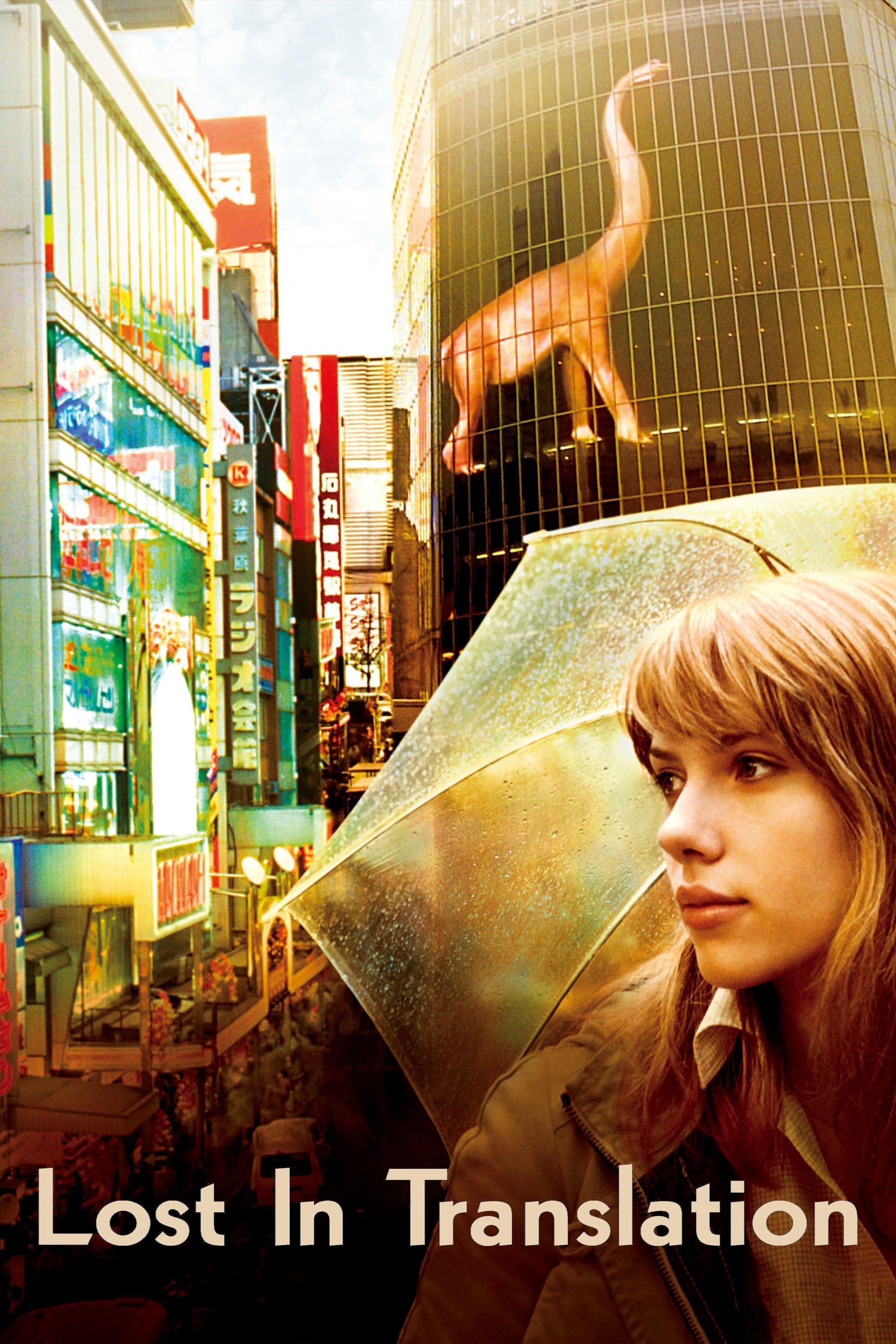
Sofia Coppola wrote and directed this Tokyo-set story starring Bill Murray and Scarlett Johansson, produced independently and shot on location with a lean crew. Lance Acord’s cinematography and a curated soundtrack helped the production secure access to bustling city environments.
It premiered at Telluride and Toronto, leading to a Focus Features release and an Oscar for Original Screenplay. The film’s permitting approach and small-footprint shooting in active public spaces are often cited in production breakdowns.
‘Whiplash’ (2014)

Damien Chazelle expanded his short into a feature produced by Bold Films and Blumhouse. Miles Teller and J.K. Simmons headline, with Sharone Meir’s dynamic camera work capturing music-performance precision and Tom Cross’s editing emphasizing rhythm as storytelling.
After winning both Audience and Grand Jury Prizes at Sundance, it earned multiple Oscars, including Supporting Actor and Editing. The project’s proof-of-concept-short pathway is frequently referenced in indie financing pitches.
‘Little Miss Sunshine’ (2006)
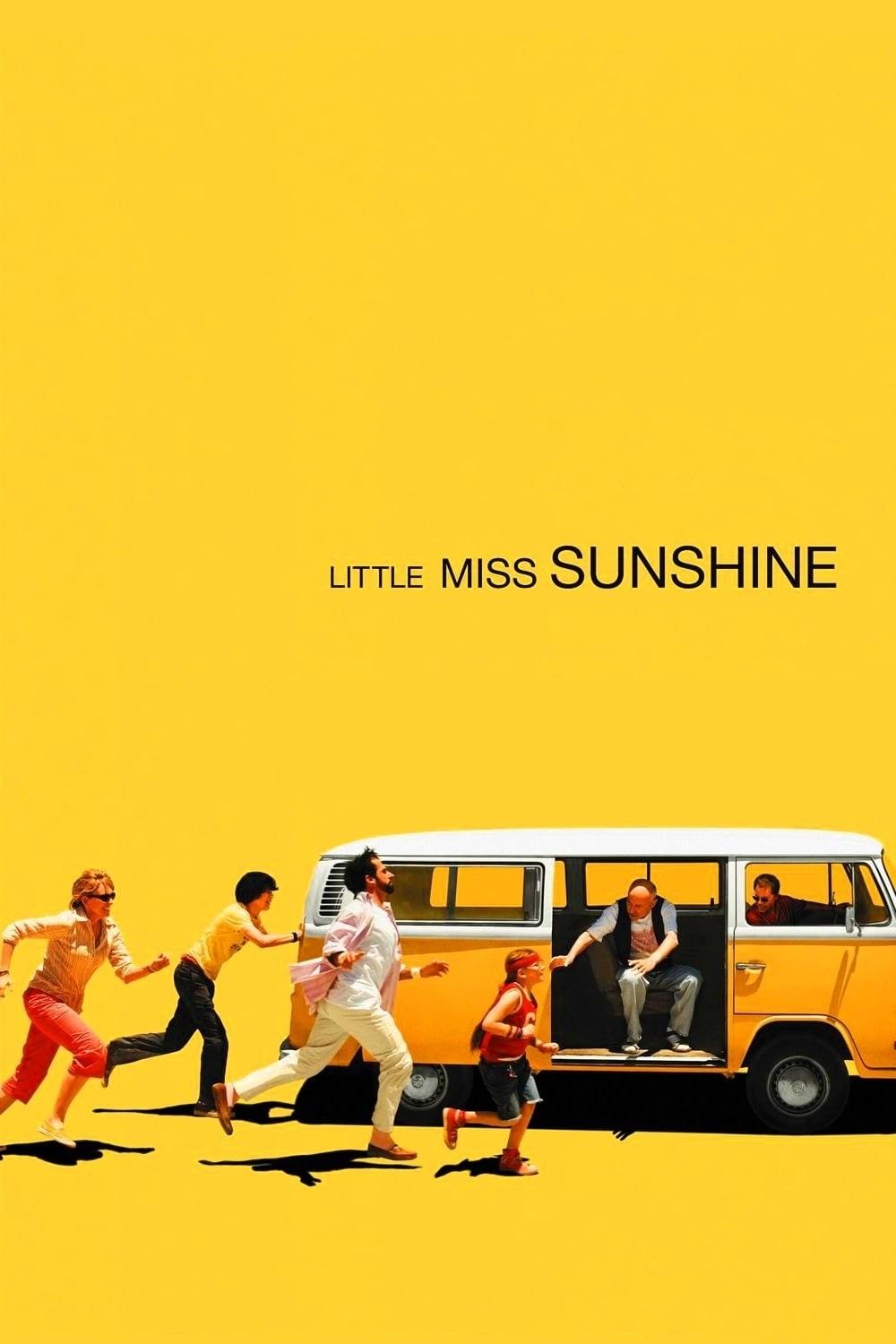
Directed by Jonathan Dayton and Valerie Faris, this road comedy-drama was produced by Big Beach and shot across the American Southwest. The ensemble cast includes Abigail Breslin, Toni Collette, Greg Kinnear, and Steve Carell, with Tim Suhrstedt as DP.
Fox Searchlight acquired the film after Sundance and executed a summer rollout that converted festival buzz into mainstream visibility. It won Oscars for Supporting Actor (Alan Arkin) and Original Screenplay, exemplifying specialty-to-wide crossover potential.
‘Juno’ (2007)
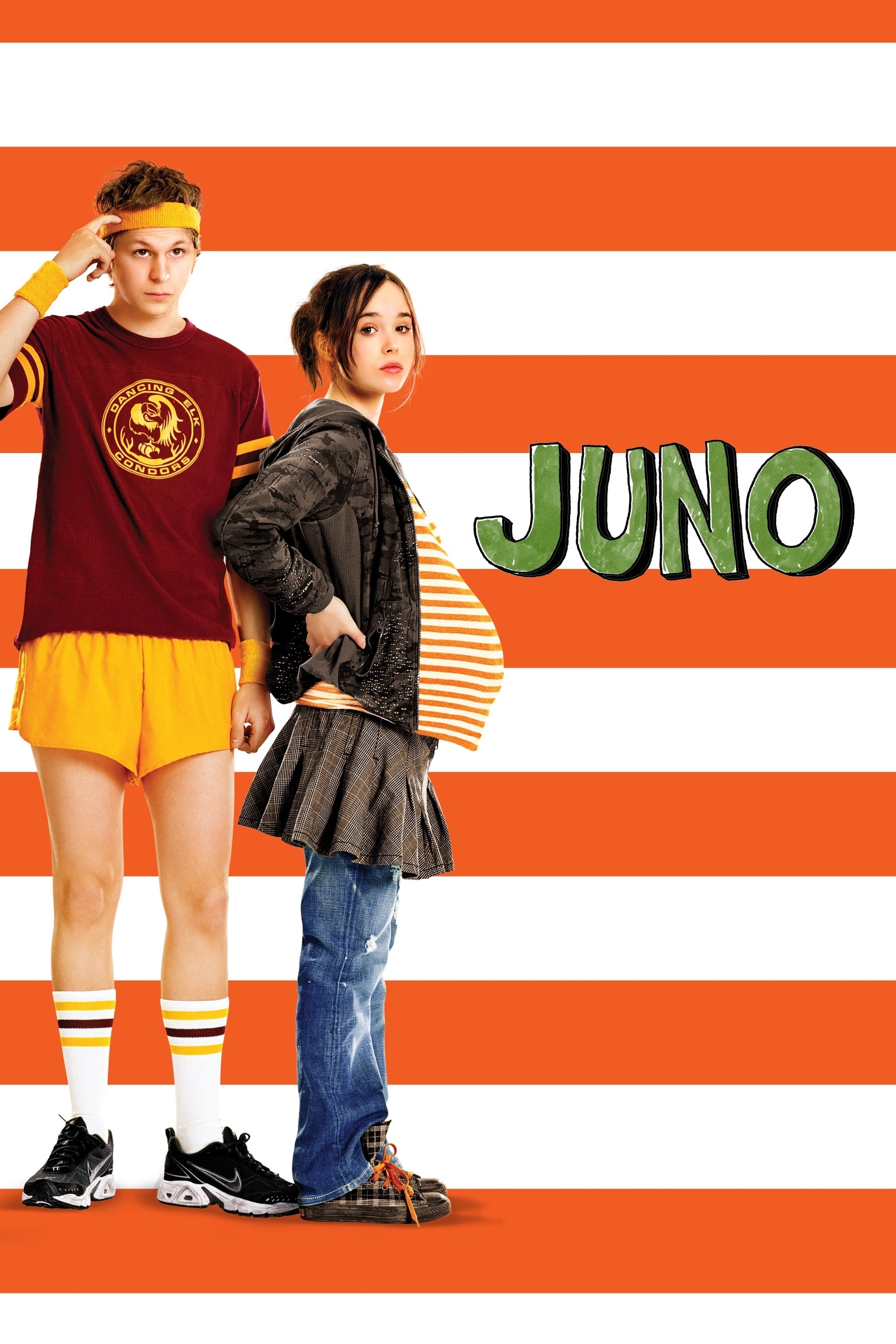
Written by Diablo Cody and directed by Jason Reitman, this pregnancy-themed dramedy was produced independently and stars Elliot Page and Michael Cera. Eric Steelberg’s cinematography and a curated indie-folk soundtrack supported the film’s distinctive voice.
Fox Searchlight handled distribution following Toronto acclaim, and the film won the Oscar for Original Screenplay. Its modest budget and broad commercial performance made it a case study in specialty marketing and demographic outreach.
‘Slumdog Millionaire’ (2008)
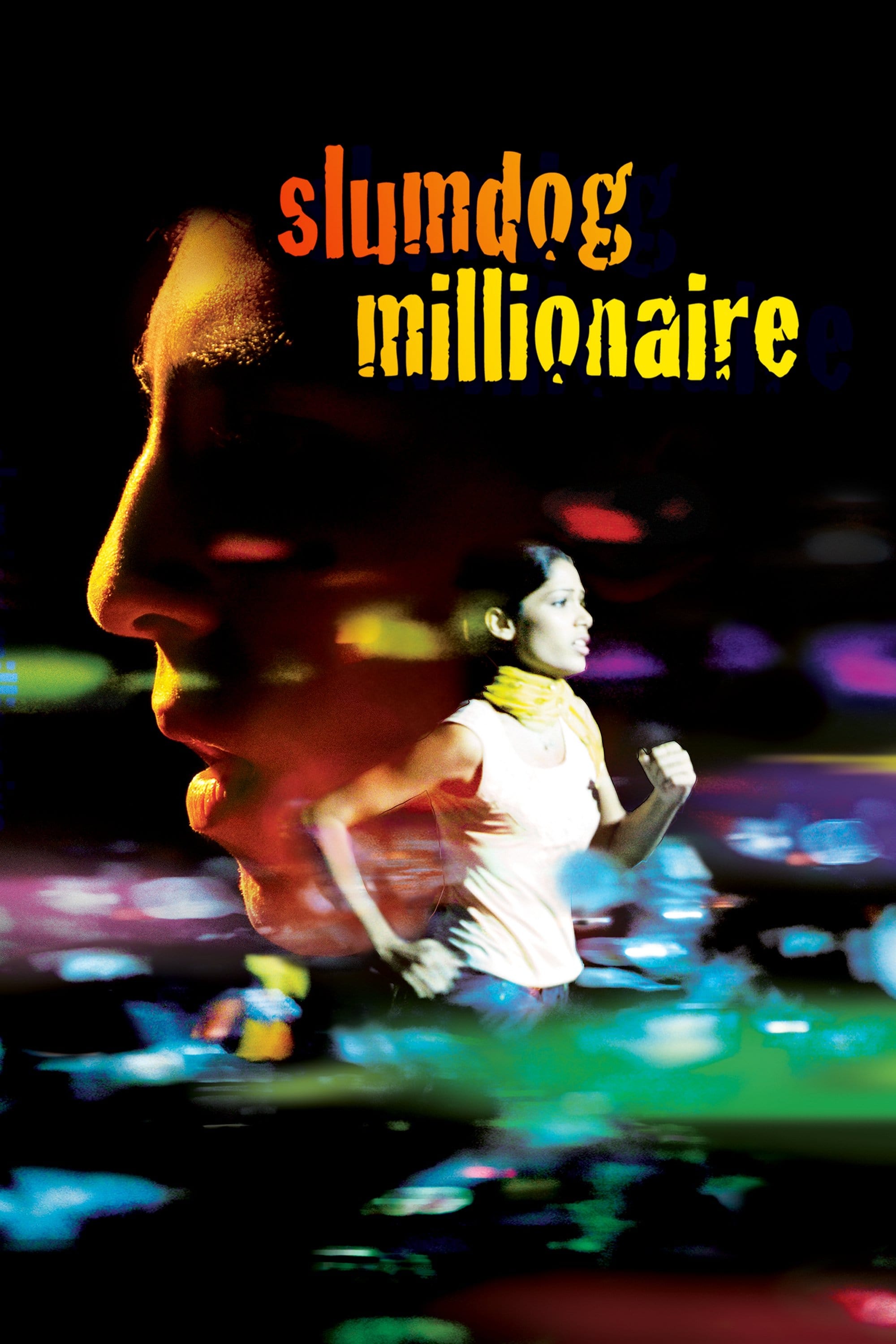
Danny Boyle directed this Mumbai-set adaptation produced by Celador Films and Film4, with Anthony Dod Mantle’s agile digital cinematography. A.R. Rahman composed the score, and the production utilized extensive on-location shooting across crowded urban environments.
After festival premieres, Fox Searchlight and Pathé coordinated a global release that built momentum through awards season. The film won Best Picture and several additional Oscars, demonstrating the international reach of independently originated projects.
‘The Wrestler’ (2008)
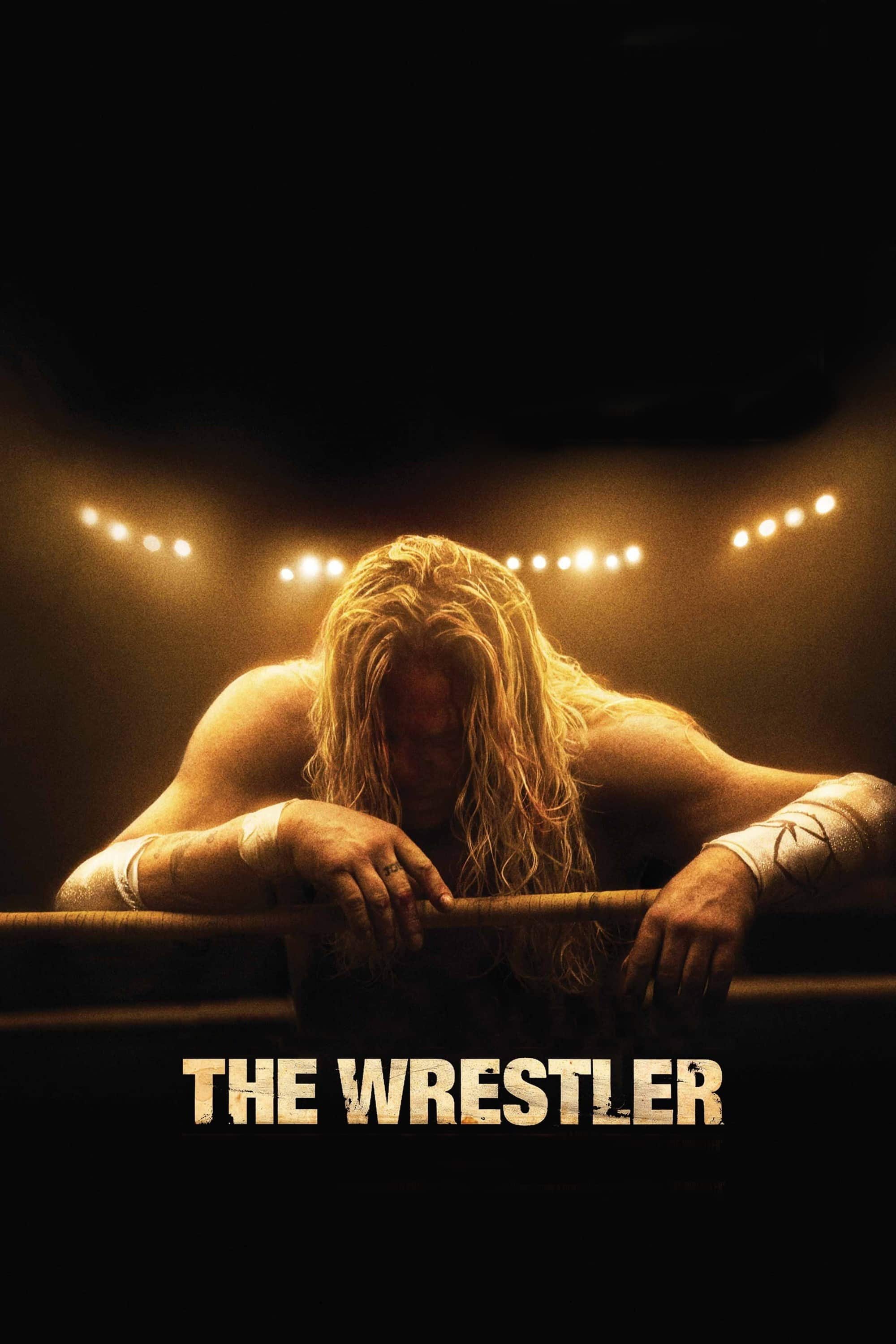
Darren Aronofsky’s drama starred Mickey Rourke and Marisa Tomei, with Maryse Alberti shooting on Super 16 to achieve a gritty texture. The production worked in real wrestling venues and coordinated with regional promotions for ring access and crowds.
Fox Searchlight distributed the film after Venice recognition for Rourke. It received Oscar nominations for Actor and Supporting Actress and is frequently discussed for its low-cost, location-forward production design.
‘The Hurt Locker’ (2008)
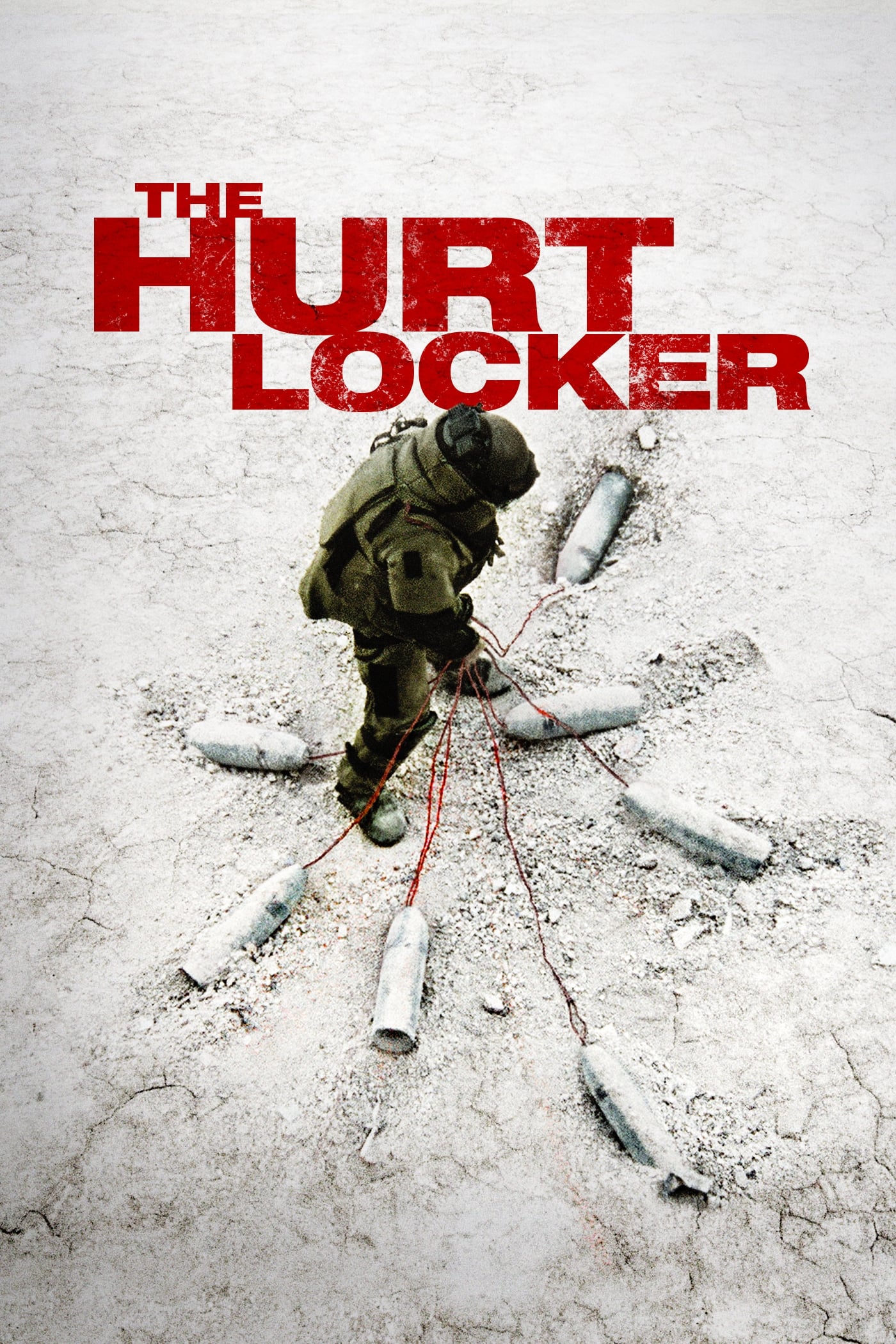
Kathryn Bigelow directed this bomb-disposal drama produced by Voltage Pictures and shot in Jordan and Kuwait. Barry Ackroyd’s handheld cinematography and Mark Boal’s reporting background shaped its procedural approach.
Summit Entertainment released the film after festival runs, and it won Best Picture and Best Director. The production’s collaboration with military advisors and its location choices are often analyzed in war-film production case studies.
‘Drive’ (2011)
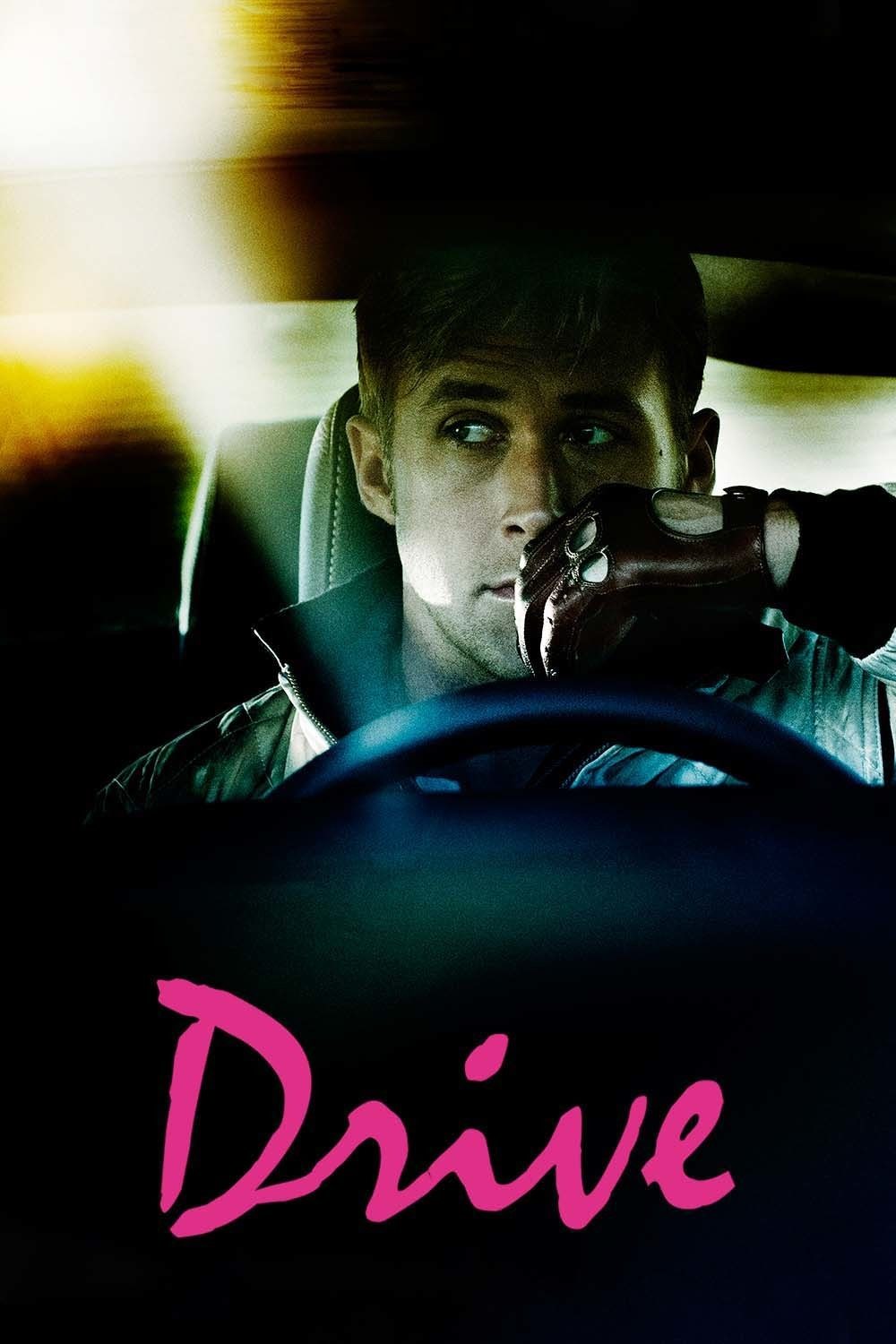
Nicolas Winding Refn directed this Los Angeles neo-noir starring Ryan Gosling and Carey Mulligan, produced by OddLot and FilmDistrict. Newton Thomas Sigel’s night photography and Cliff Martinez’s score defined its aesthetic within an independently financed framework.
The film premiered at Cannes, where Refn won Best Director, and it received a specialty release that emphasized soundtrack partnerships. Its financing involved international pre-sales, a common indie strategy for star-driven projects.
‘Ex Machina’ (2014)
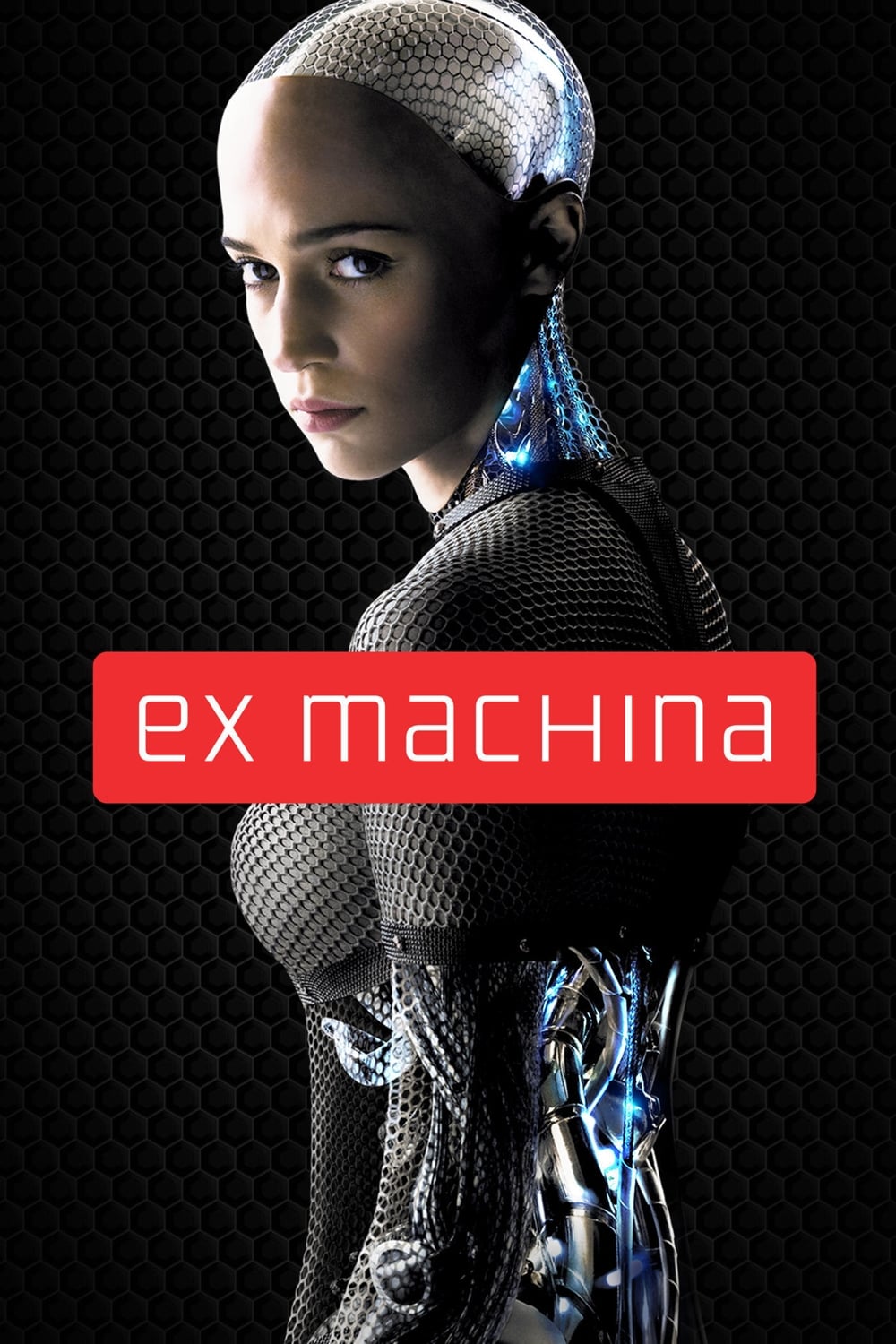
Written and directed by Alex Garland, this sci-fi chamber piece starred Alicia Vikander, Domhnall Gleeson, and Oscar Isaac. The production combined Norway and UK locations, with Rob Hardy as DP and VFX led by Double Negative to create the android character’s seamless design.
A24 released the film domestically after a strong U.K. opening, and it won the Oscar for Visual Effects. Its limited-location approach and controlled effects workload are frequently cited in budgeting discussions for science-fiction on indie scales.
‘Manchester by the Sea’ (2016)
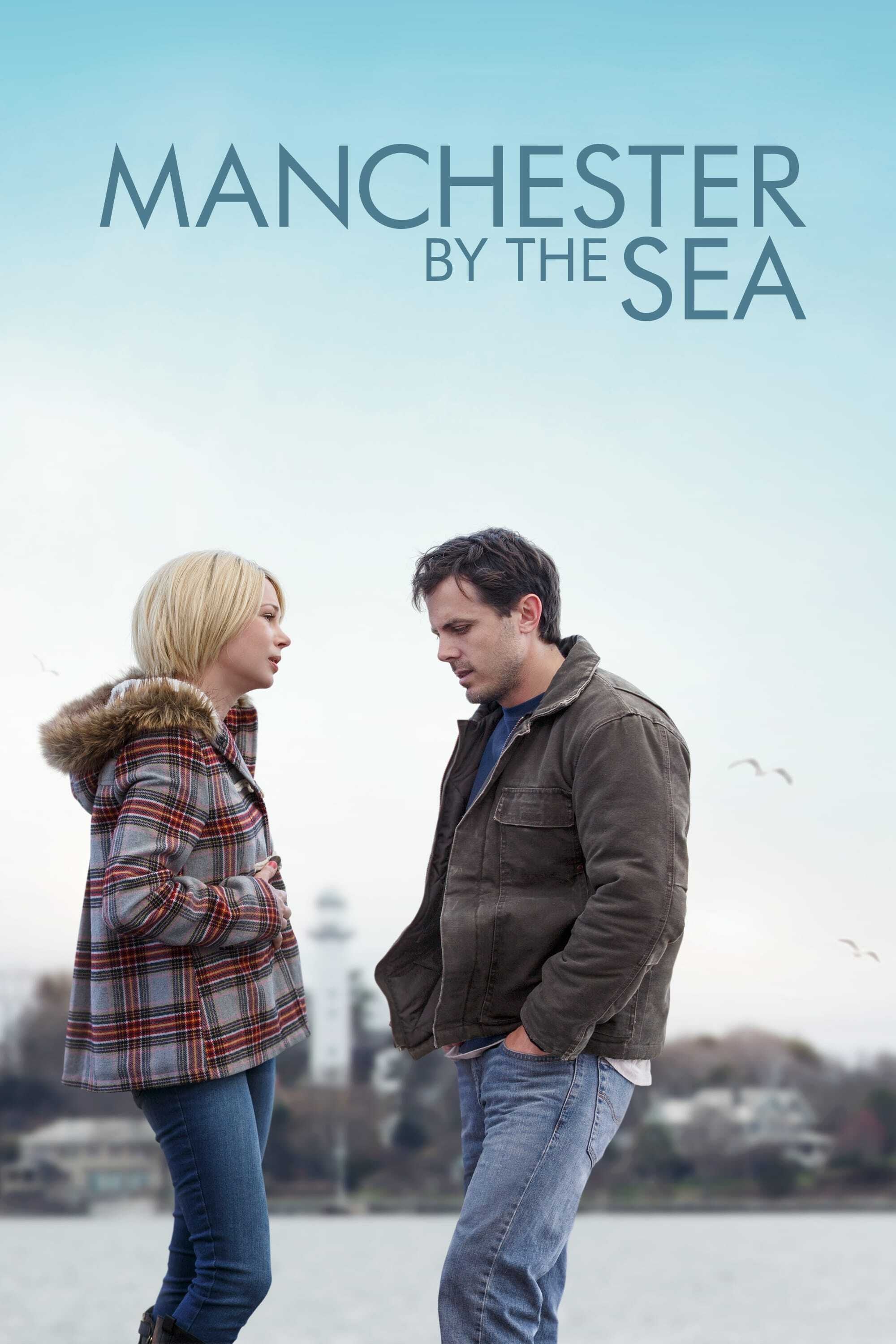
Kenneth Lonergan wrote and directed this Massachusetts-set drama financed by independent partners and distributed by Amazon Studios and Roadside Attractions. Casey Affleck and Michelle Williams lead, with Jody Lee Lipes’ cinematography capturing coastal New England in winter.
The film premiered at Sundance and earned Best Actor and Best Original Screenplay at the Oscars. Its release became an early template for prestige theatrical rollouts by streaming-backed distributors.
‘The Big Sick’ (2017)
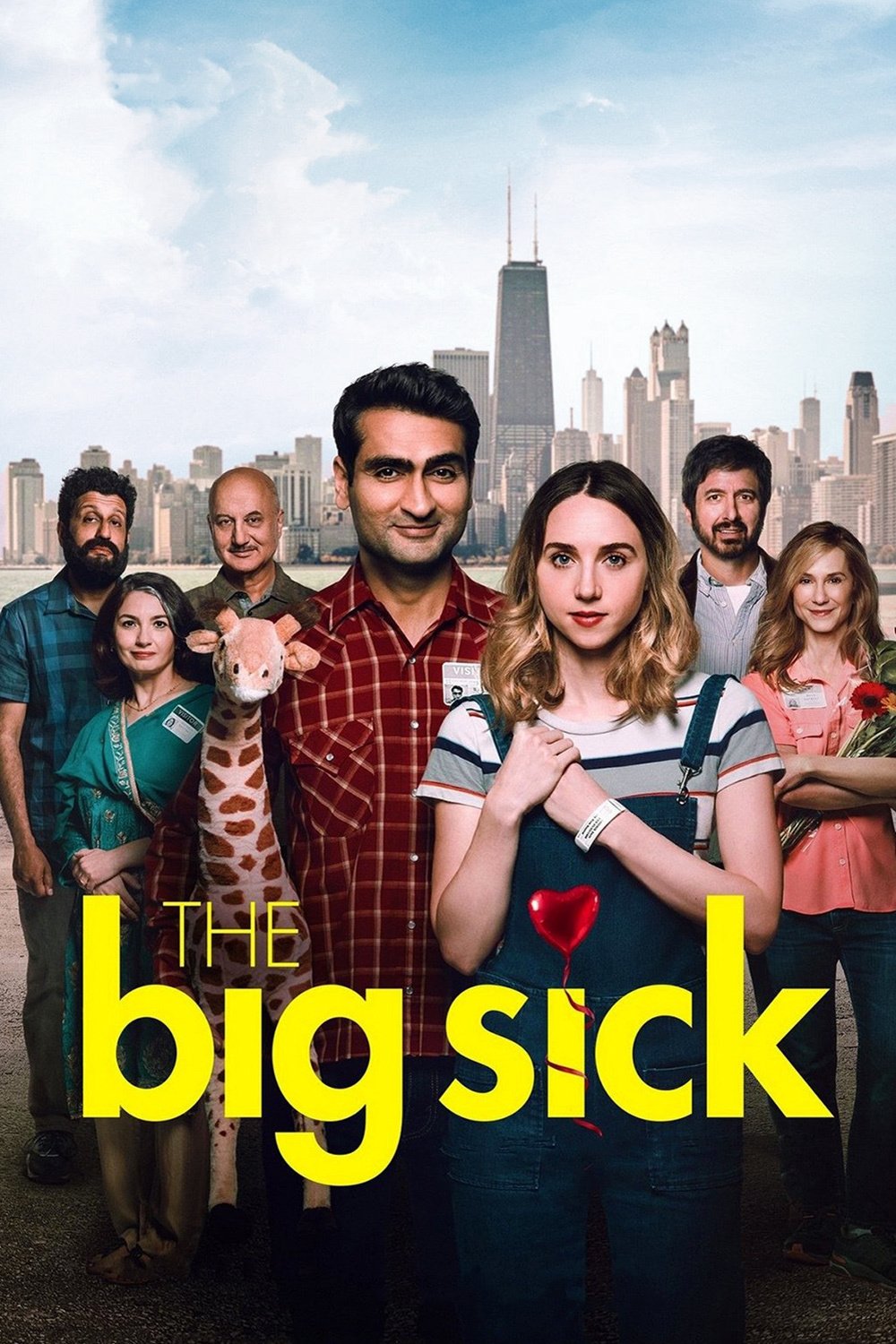
Co-written by Kumail Nanjiani and Emily V. Gordon and directed by Michael Showalter, this romantic dramedy was produced by Judd Apatow and Barry Mendel. It features Zoe Kazan, Holly Hunter, and Ray Romano, with Chicago and New York principal photography.
Amazon Studios acquired it after Sundance and partnered with Lionsgate for theatrical. The film’s development from a semi-autobiographical script and stand-up material offers a practical example of sourcing stories from performers’ lives.
‘Room’ (2015)
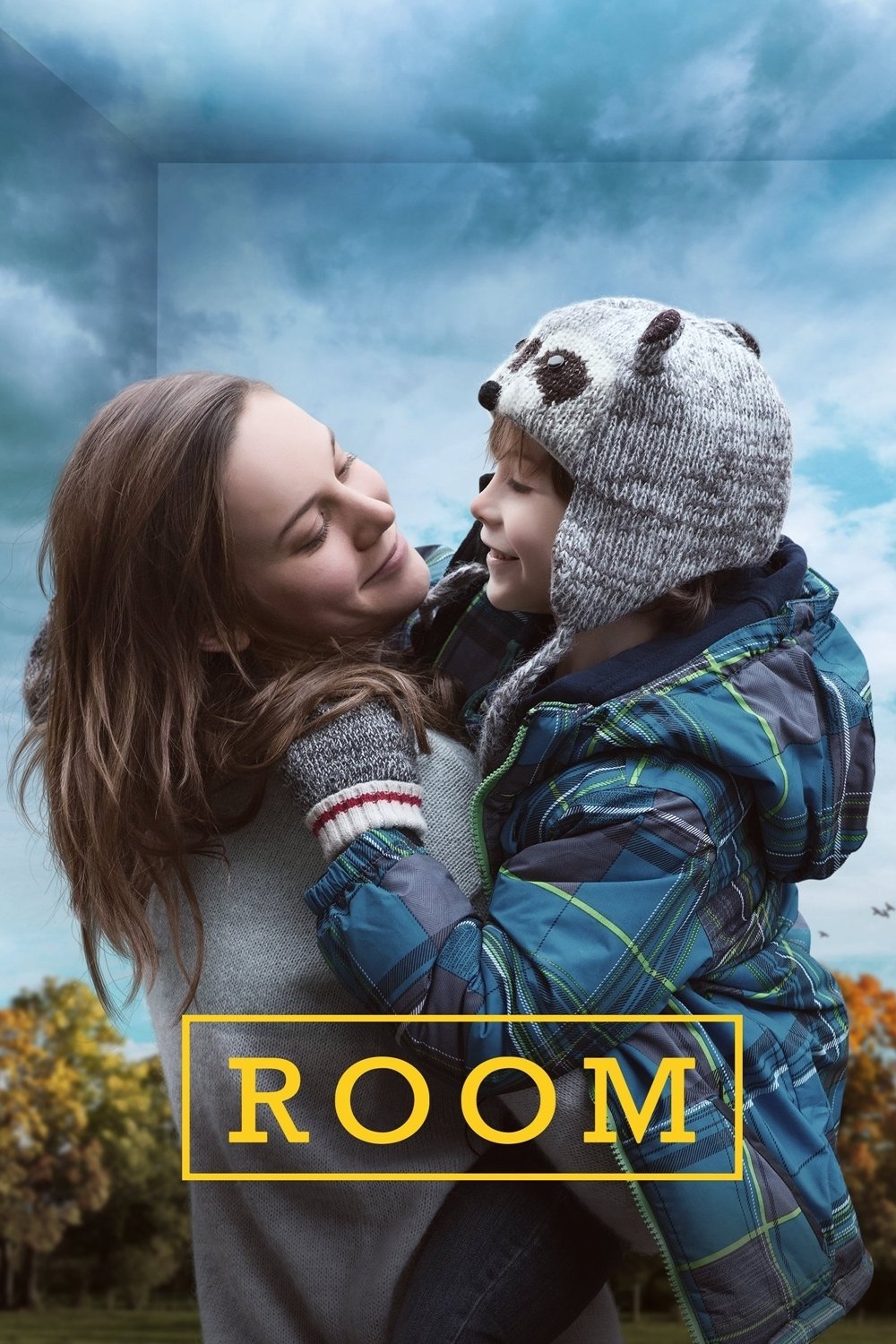
Lenny Abrahamson directed this adaptation of Emma Donoghue’s novel, with Donoghue writing the screenplay. Brie Larson and Jacob Tremblay star, and Danny Cohen’s cinematography navigates confined-space shooting with modular set design for camera access.
A24 distributed the film in North America, and Larson won the Oscar for Best Actress. The production’s child-actor protocols and set construction strategies are commonly discussed in behind-the-scenes breakdowns.
‘Blue Valentine’ (2010)
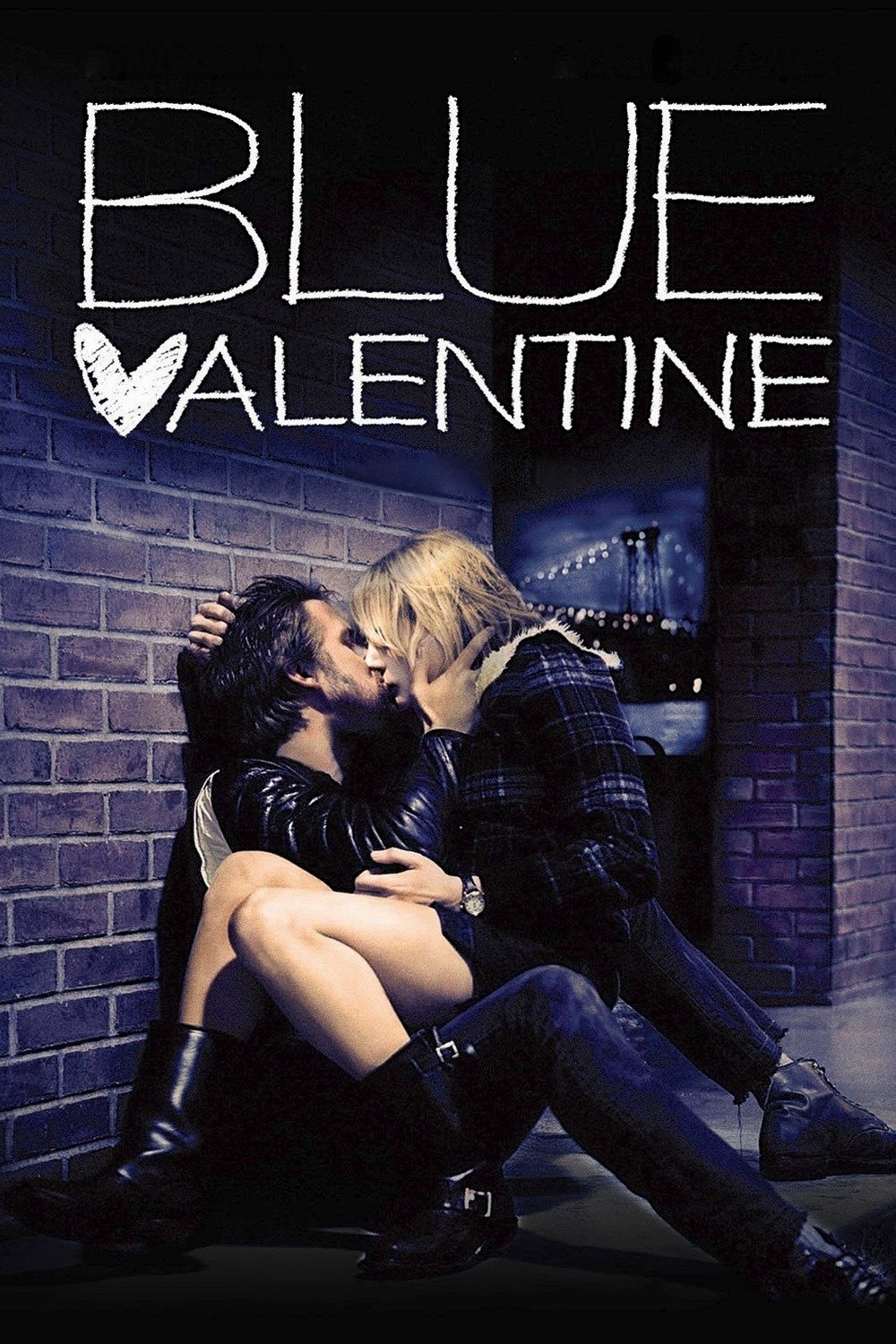
Derek Cianfrance directed this relationship drama starring Ryan Gosling and Michelle Williams, produced by Hunting Lane and Silverwood Films. Andrij Parekh shot on Super 16 and digital formats to differentiate time periods.
The Weinstein Company released the film after a high-profile rating dispute that resulted in an appeals victory, allowing a more accessible rating. Its financing included multiple equity partners typical of indie drama packages.
‘The Lighthouse’ (2019)
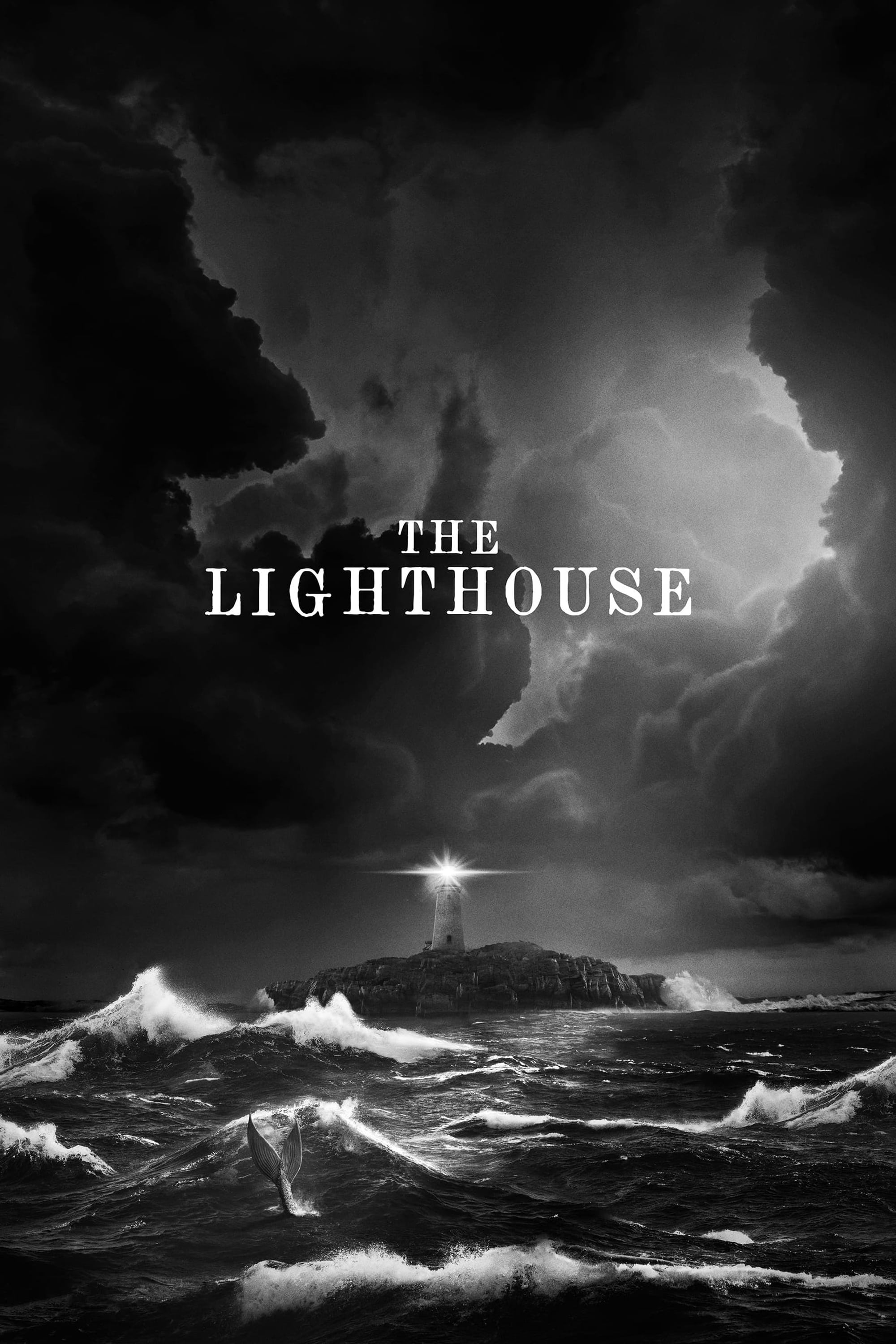
Robert Eggers directed this two-hander starring Willem Dafoe and Robert Pattinson, shot by Jarin Blaschke. The production used custom black-and-white stock emulation, period lenses, and a nearly square aspect ratio to recreate early photographic textures.
A24 released the film following a Cannes Directors’ Fortnight berth, and it earned Oscar recognition for cinematography. The production’s weather-dependent Newfoundland shoot is noted for challenging schedules and practical effects.
‘Hereditary’ (2018)
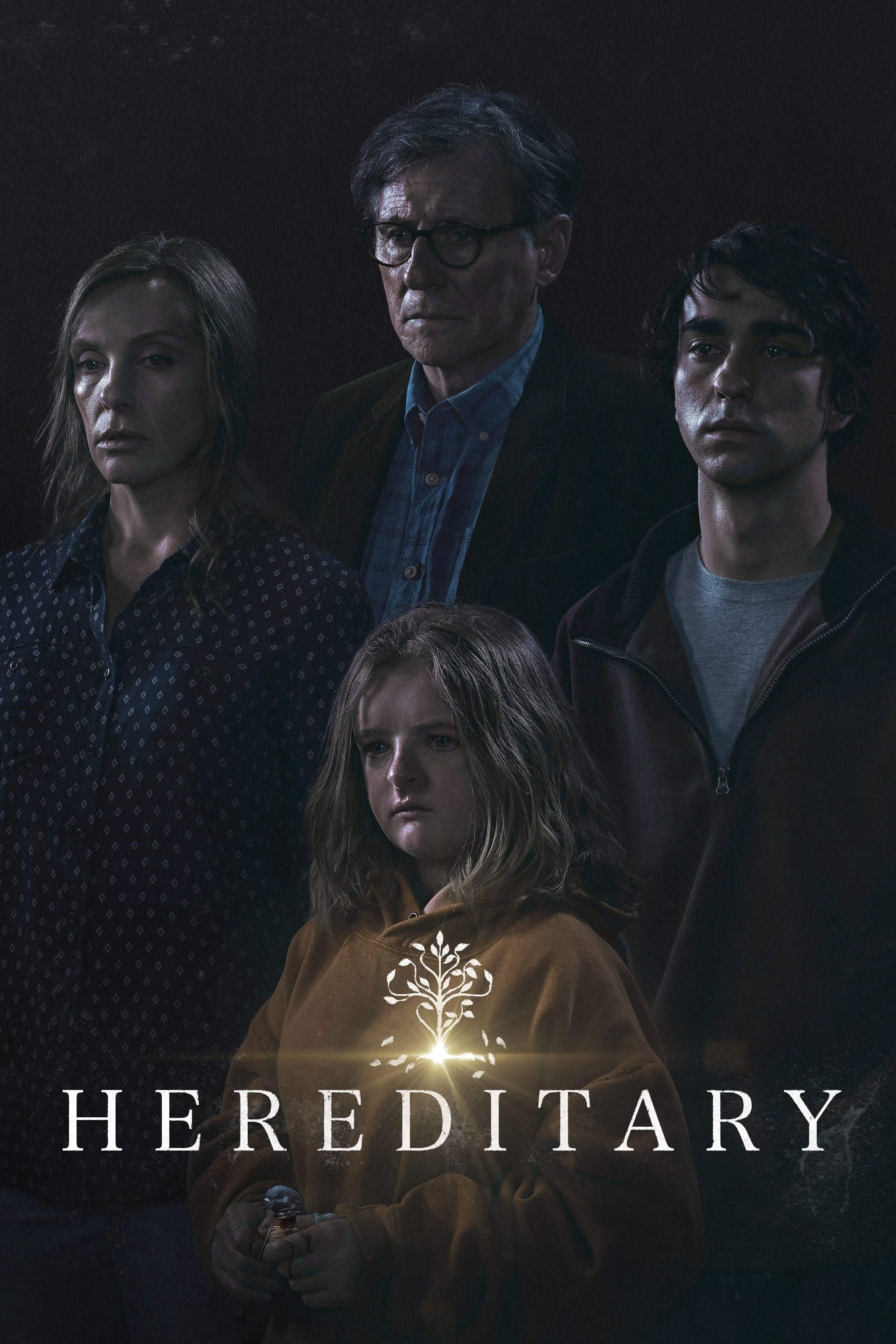
Ari Aster wrote and directed this family horror produced by A24 and PalmStar, led by Toni Collette. Pawel Pogorzelski’s cinematography and miniature-themed production design by Grace Yun crafted a controlled visual architecture.
The film’s Sundance midnight premiere set up a wide specialty opening and strong per-theater averages. It became one of A24’s top-grossing releases and is often cited for its marketing pivot from festival buzz to mainstream horror audiences.
‘The Witch’ (2015)
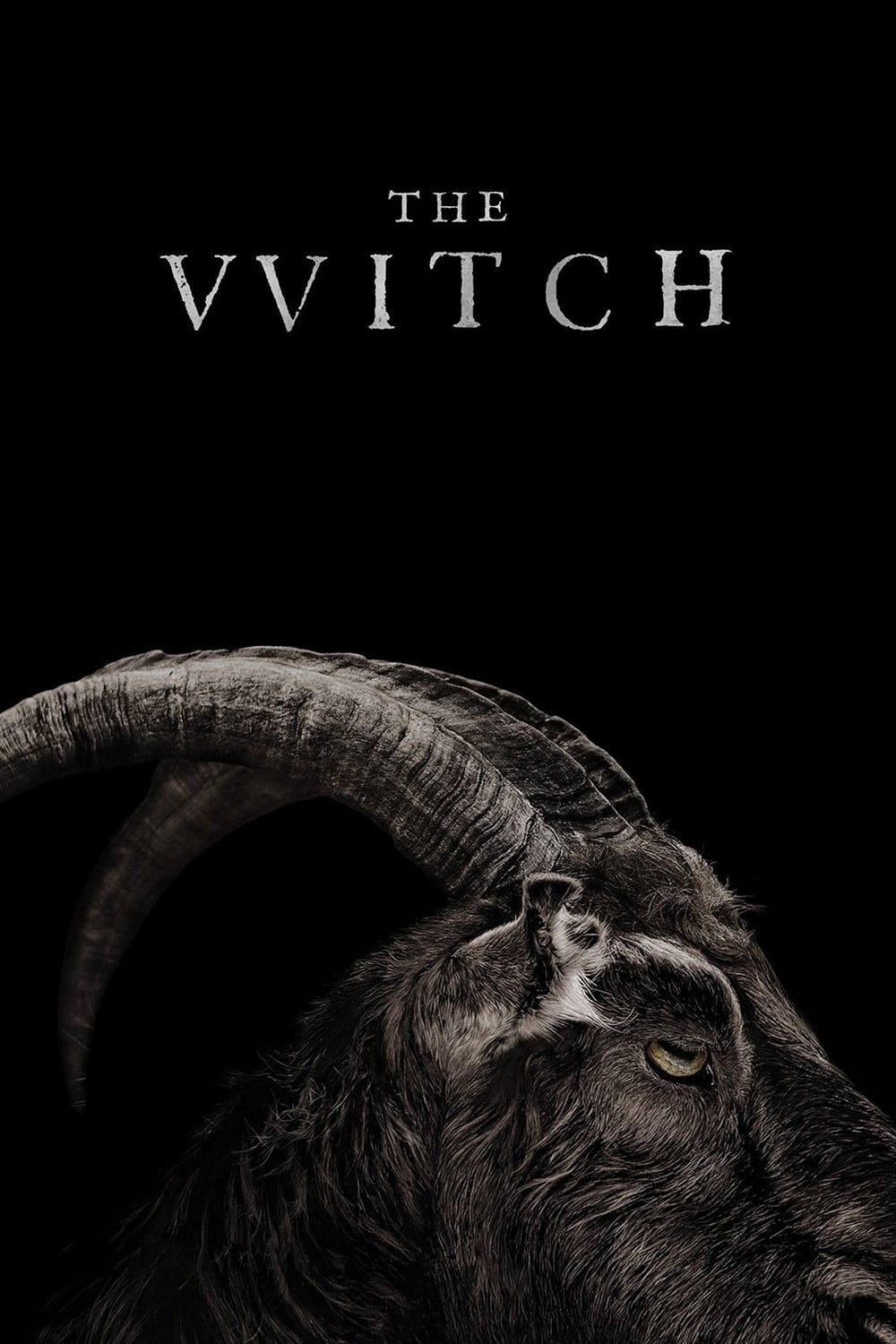
Robert Eggers’ New England folk-horror was produced independently with period-accurate sets and costumes. Jarin Blaschke’s natural-light photography and Arnon Grunberg’s dialect coaching supported historical specificity.
A24 acquired the film after Sundance and executed a smart wide expansion for a period horror title. Its research-driven development and language authenticity are frequent talking points in production design panels.
‘Good Time’ (2017)
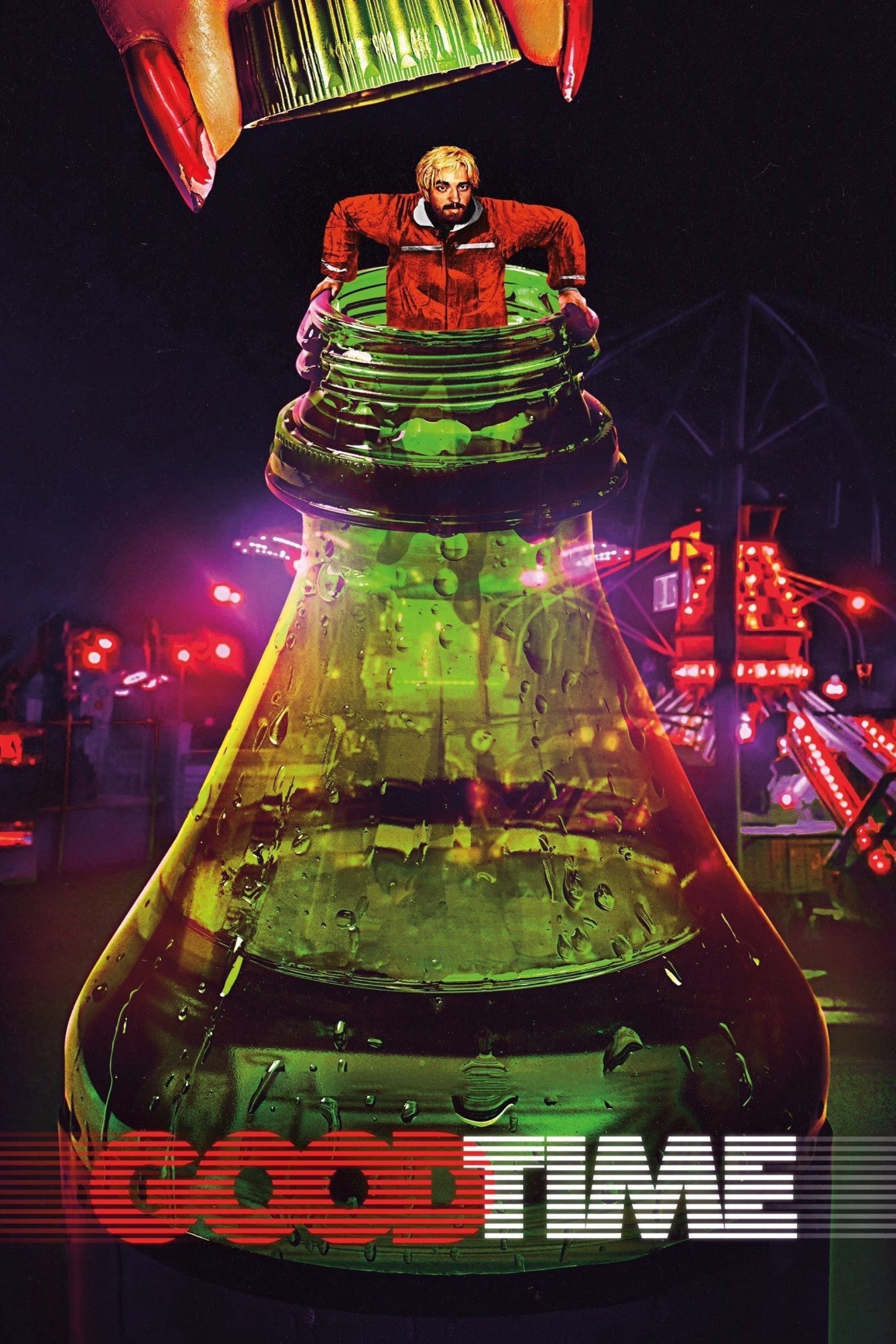
Directed by Josh and Benny Safdie, this nocturnal New York thriller stars Robert Pattinson and Benny Safdie. Sean Price Williams’ on-the-street cinematography and Oneohtrix Point Never’s score shaped its high-velocity style.
A24 released the film after a Cannes Competition premiere, with Pattinson’s transformation central to international sales. The Safdies’ approach to permissions and run-and-gun location work is commonly studied in urban indie filmmaking.
‘Uncut Gems’ (2019)
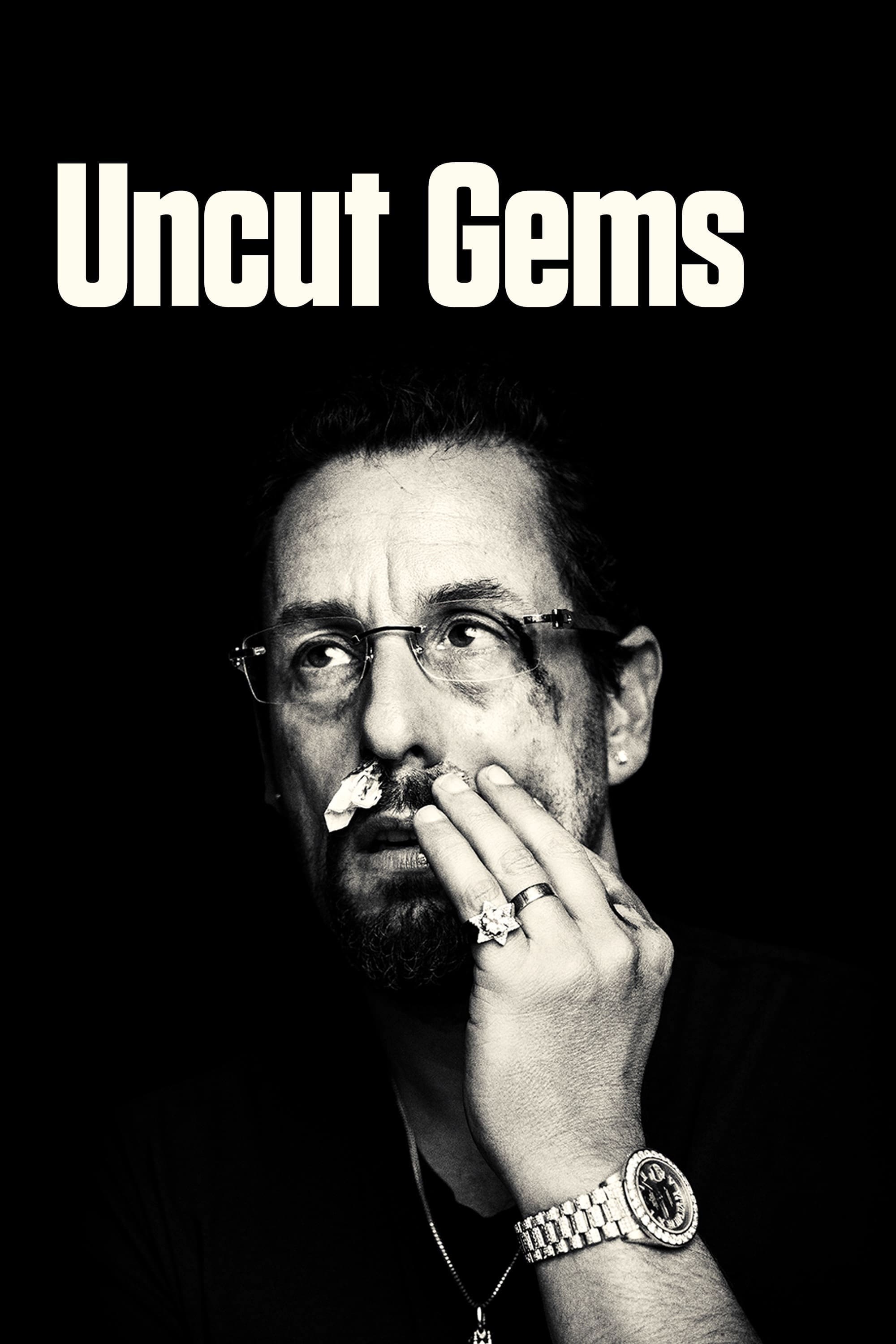
The Safdie brothers’ diamond-district thriller stars Adam Sandler, produced by Elara Pictures and distributed by A24 domestically. Darius Khondji’s cinematography, dense sound design, and on-location shooting inside jewelry-exchange spaces demanded intricate coordination.
The film platformed in major markets during awards season and earned multiple critics’ prizes for Sandler. Its financing involved long-gestating development with shifting attachments—a familiar trajectory for complex indie packages.
‘A Ghost Story’ (2017)
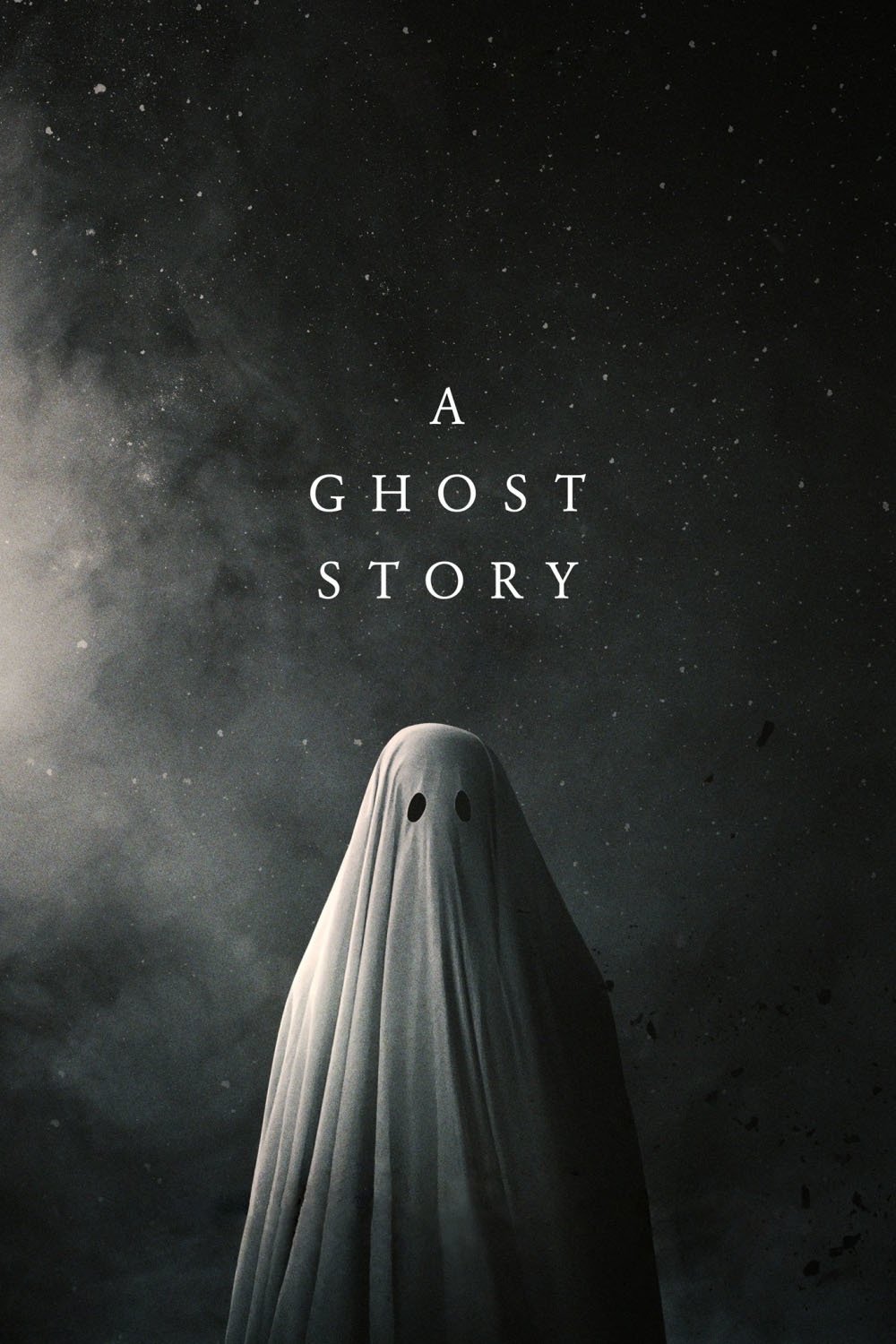
David Lowery wrote and directed this metaphysical drama starring Casey Affleck and Rooney Mara, shot in the almost-square aspect ratio. Andrew Droz Palermo’s imagery and sparse production design supported a minimalist approach.
A24 distributed the film after a Sundance premiere. The production’s limited locations, compact crew, and reuse of a single house set present a clear template for low-overhead indie shoots.
‘Take Shelter’ (2011)
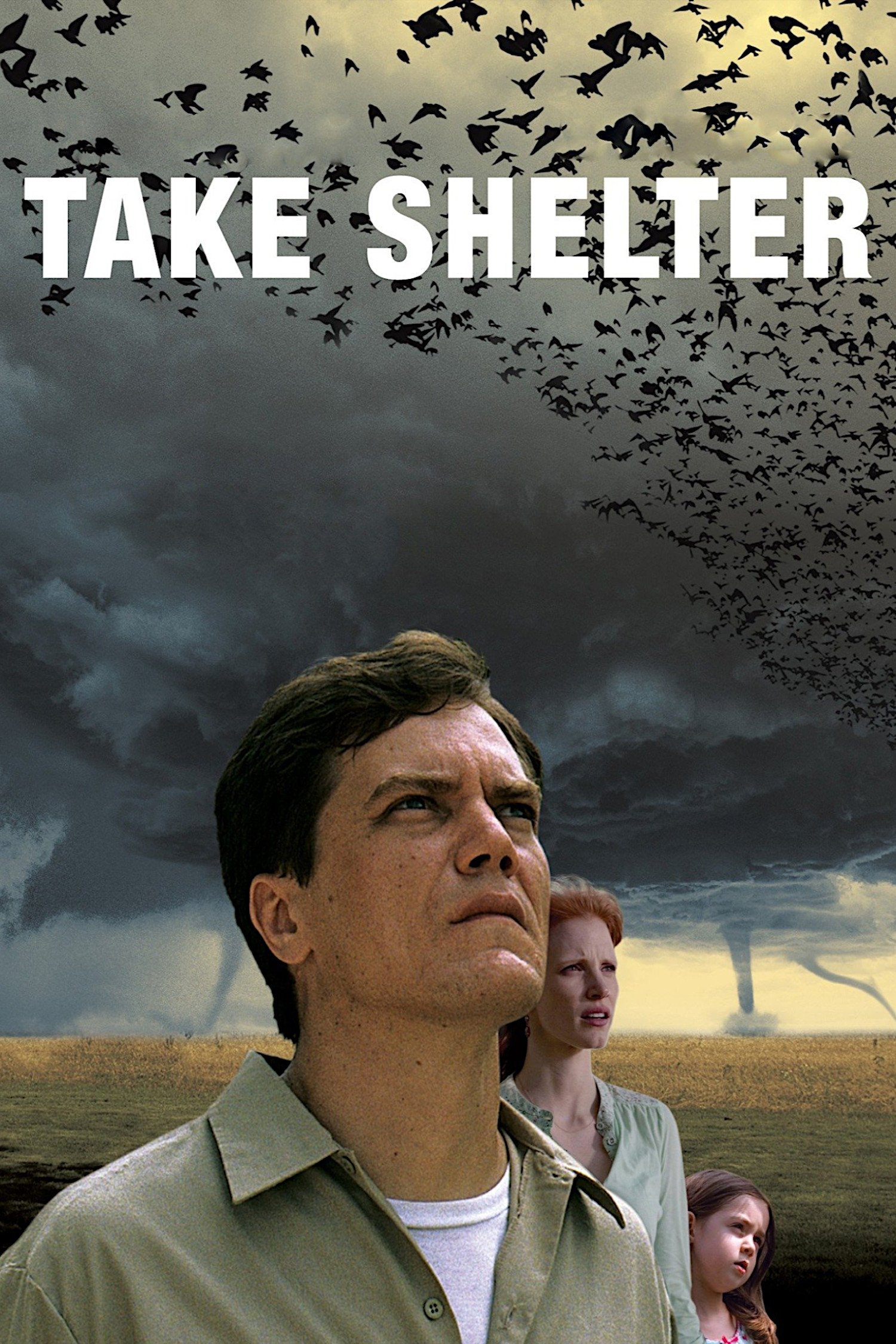
Jeff Nichols’ Midwestern psychological drama stars Michael Shannon and Jessica Chastain, produced by Hydraulx and Grove Hill. Adam Stone’s cinematography and Jeff McIlwain/David Wingo’s score emphasize interior states over spectacle.
Sony Pictures Classics released the film following Cannes Critics’ Week awards and a strong festival circuit. Its VFX strategy prioritized selective, brief effects shots to maintain costs while achieving impact.
‘Primer’ (2004)
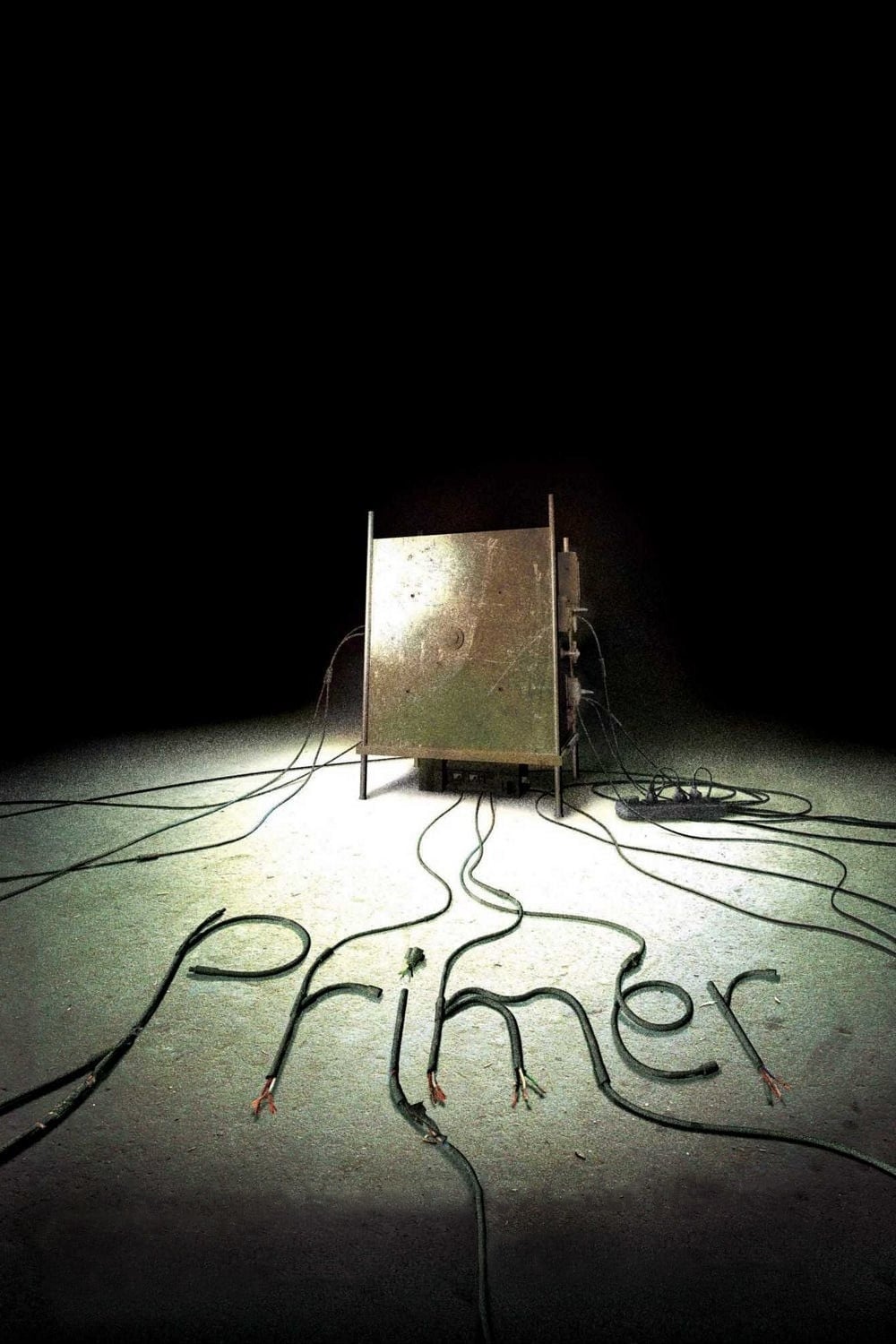
Shane Carruth wrote, directed, produced, scored, and starred in this time-bending feature, shot on Super 16 for a famously tiny budget. The film used real engineering spaces and nontraditional casting drawn from the filmmaker’s professional circle.
Winning the Grand Jury Prize at Sundance, it secured a limited release through THINKFilm and built a lasting cult through home video. Its ultra-lean crew structure and technical script development are often taught in microbudget courses.
‘Once’ (2007)
John Carney’s Dublin-set musical pairs Glen Hansard and Markéta Irglová, capturing performances with live-recorded vocals. Shot on real streets and apartments, the film leaned on natural light and compact crews.
Fox Searchlight released it in North America after a Sundance Audience Award, and the song “Falling Slowly” won an Academy Award. The film’s busking-to-cinema pipeline is a frequently cited example of music-driven indie development.
‘In Bruges’ (2008)
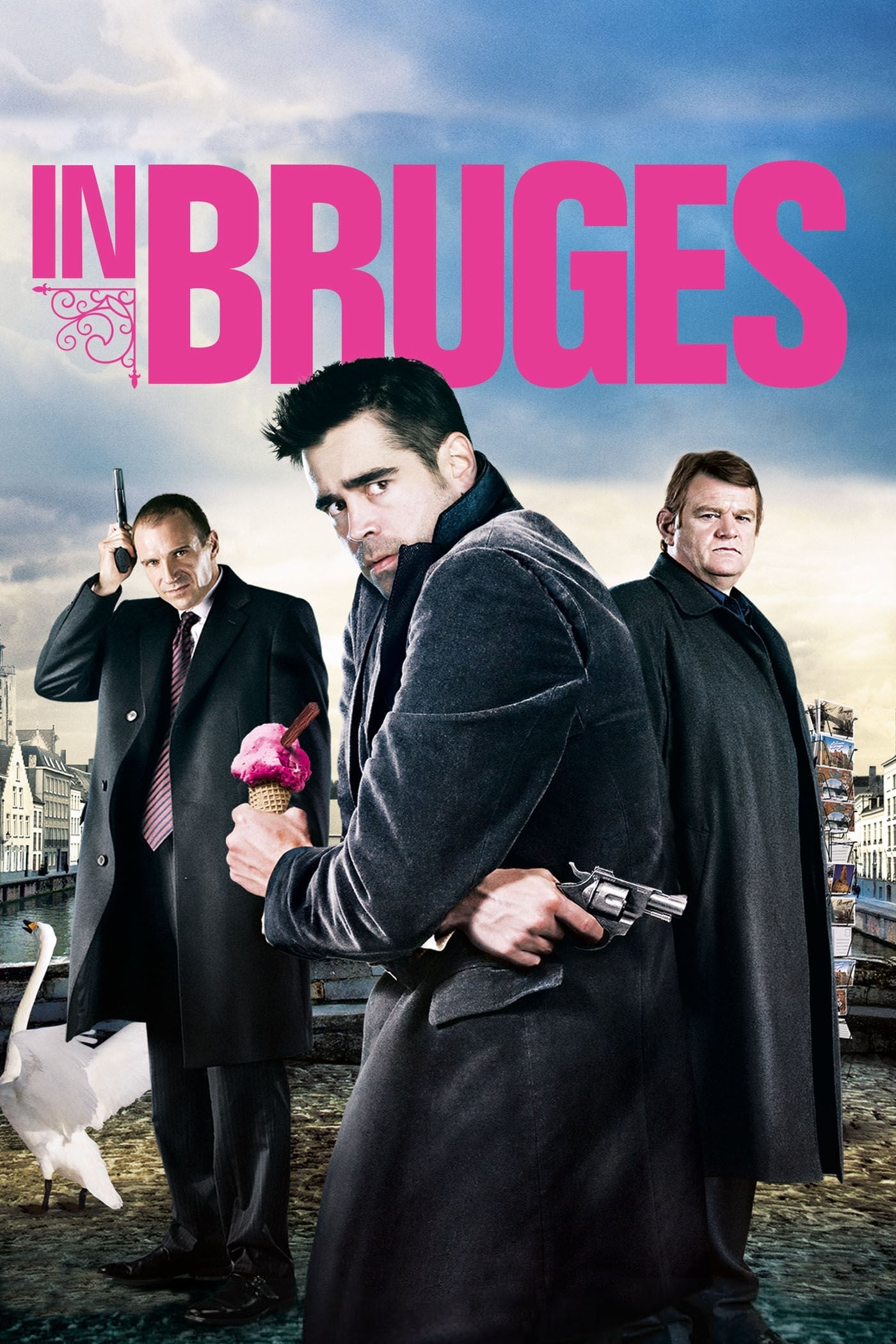
Martin McDonagh wrote and directed this dark comedy starring Colin Farrell and Brendan Gleeson, financed independently with international partners. Shooting on location in Belgium required close coordination with heritage sites and local authorities.
Focus Features handled U.S. distribution after a festival launch, and the film received an Original Screenplay Oscar nomination. Its dialogue-heavy structure and limited primary locations provide a practical template for budget control.
‘Lock, Stock and Two Smoking Barrels’ (1998)

Guy Ritchie’s debut crime caper was financed independently with Matthew Vaughn as producer. Tim Maurice-Jones’ cinematography and a needle-drop soundtrack defined its kinetic style across East London locations.
The film secured distribution after strong U.K. reception, followed by international sales. Its casting of then-unknowns and creative postproduction pacing are often highlighted in indie editing discussions.
‘My Big Fat Greek Wedding’ (2002)
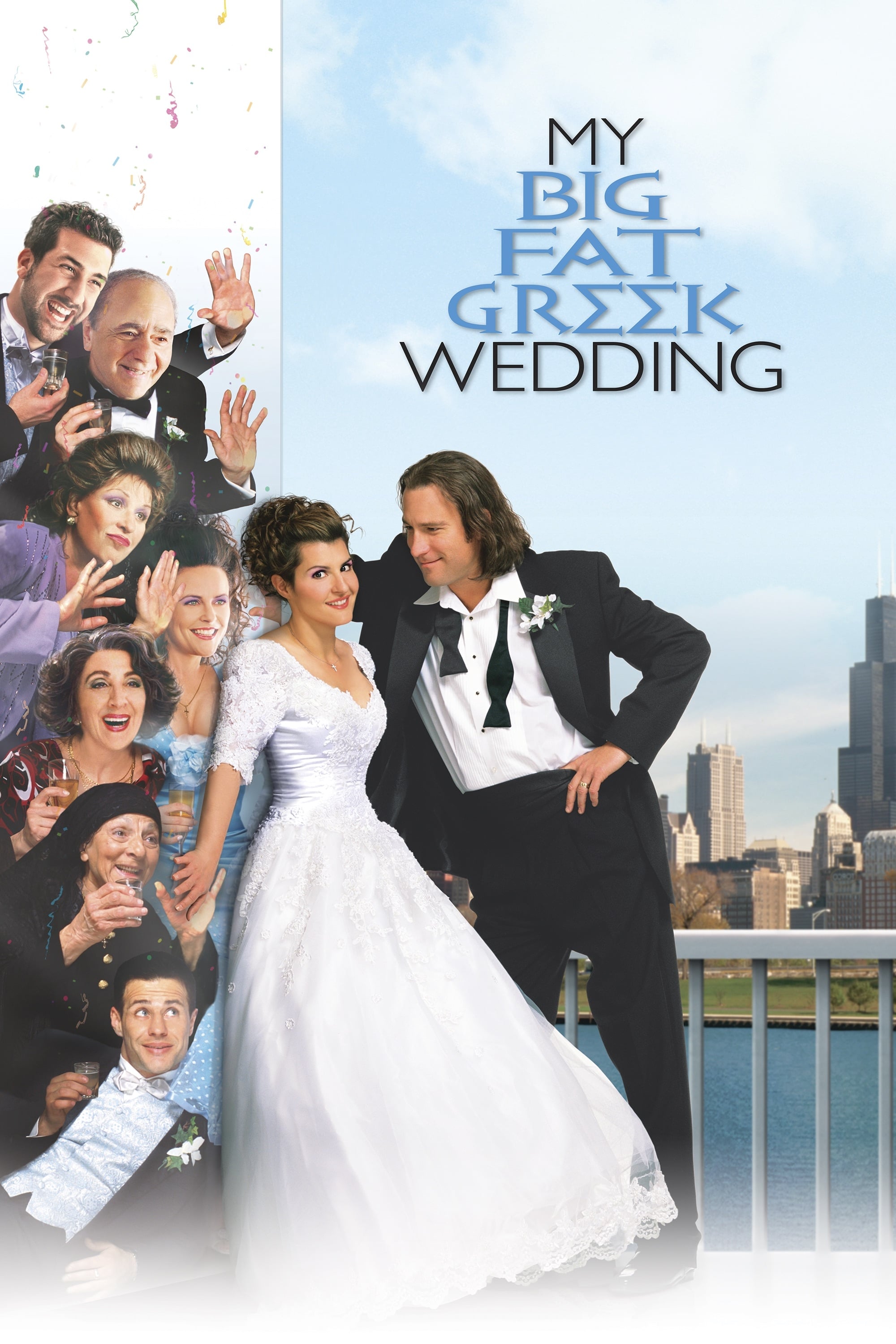
Adapted from Nia Vardalos’s stage show and produced by Playtone, this romantic comedy featured a largely Greek-American ensemble. The production kept costs low through modest locations and a straightforward schedule.
Its independent release strategy leveraged word-of-mouth and long theatrical legs, becoming one of the highest-grossing indies ever. The project demonstrates the stage-to-screen pathway for character-driven comedies.
‘Paranormal Activity’ (2007)
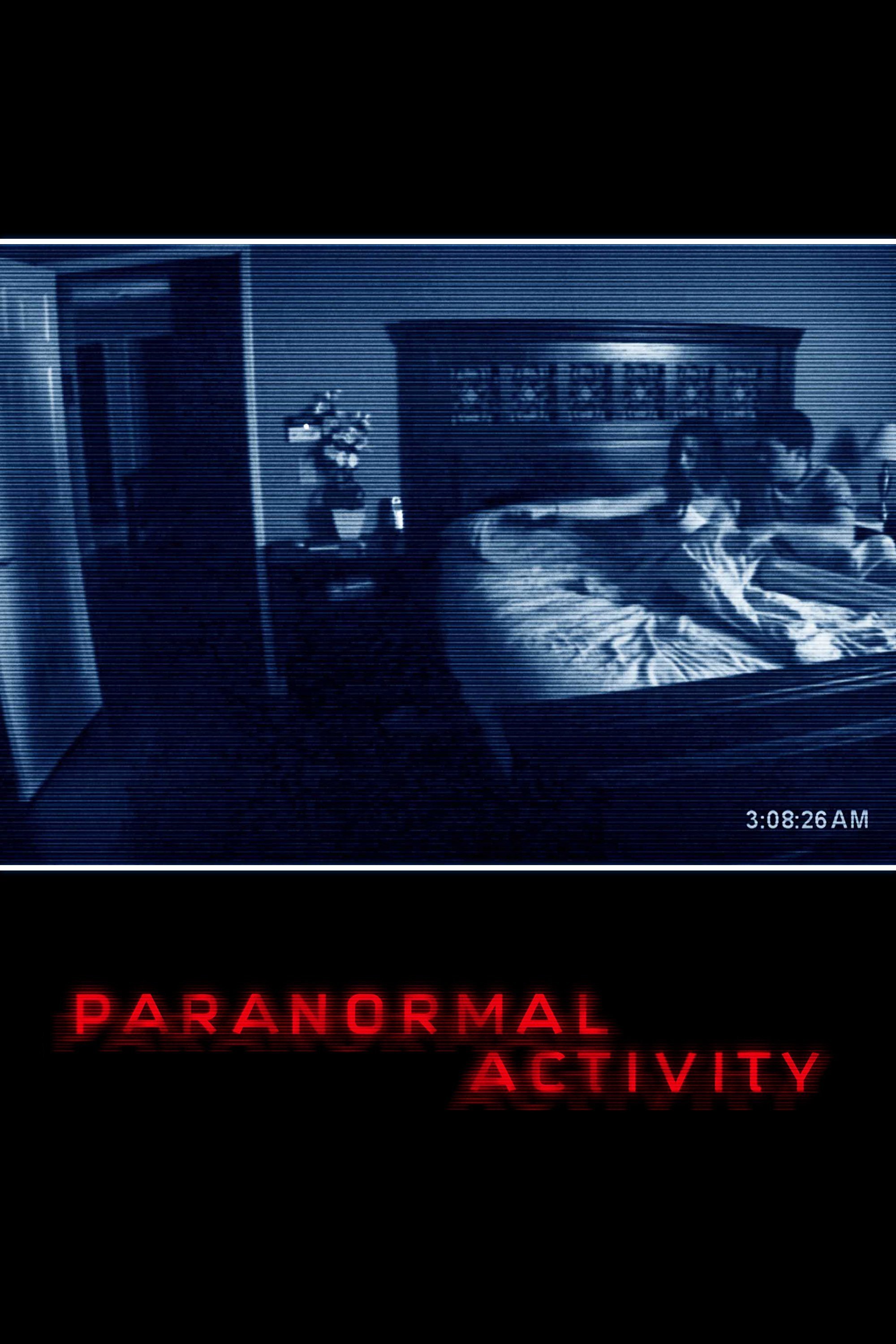
Oren Peli wrote, directed, and shot this found-footage horror almost entirely in his own home with consumer-grade equipment. The production relied on improvisation and practical effects executed by a minimal crew.
Paramount acquired the film and engineered a platform rollout using demand-driven screenings. It became a franchise launcher and a benchmark for microbudget profitability in genre filmmaking.
‘Monsters’ (2010)
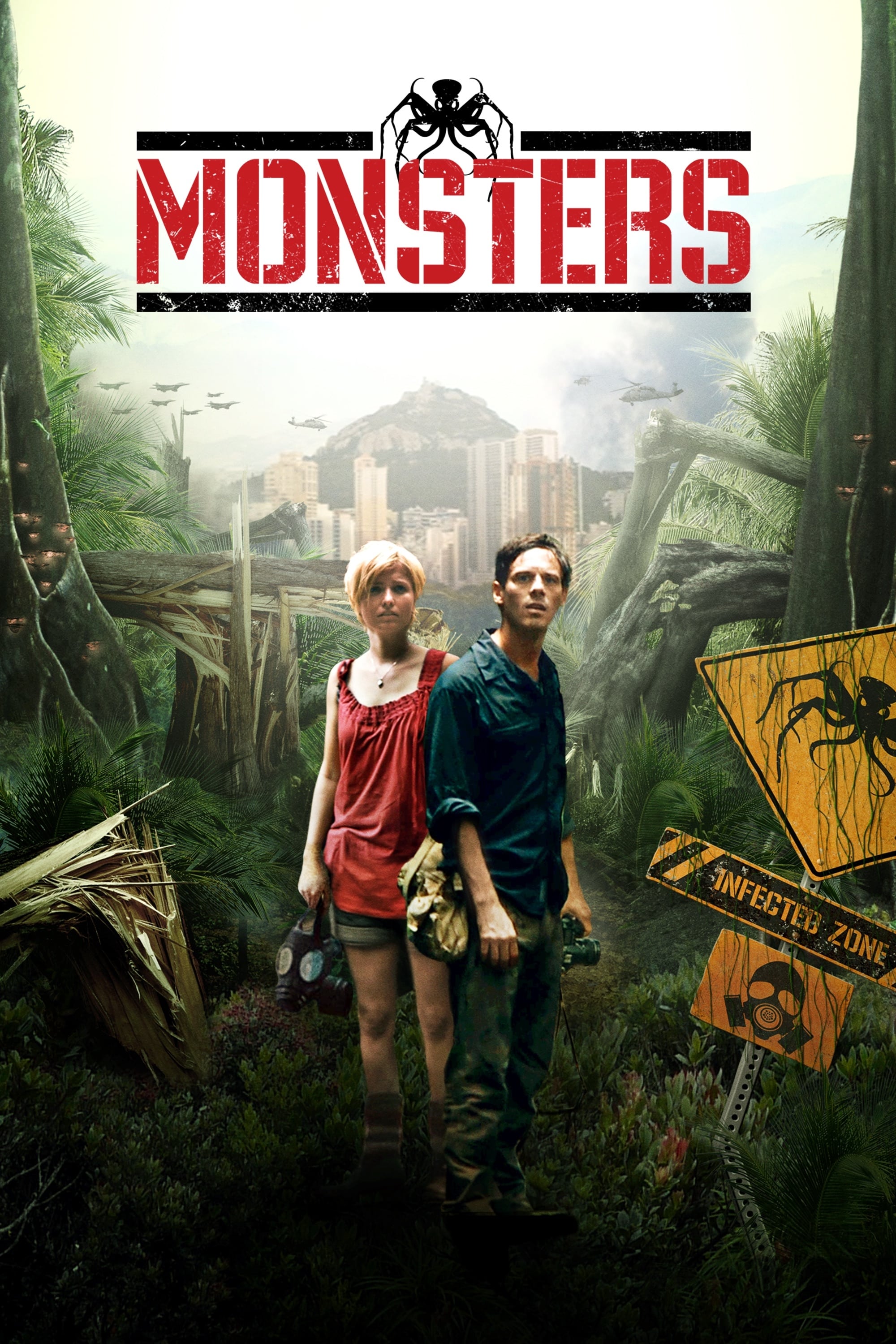
Gareth Edwards wrote, directed, shot, and supervised visual effects for this cross-border sci-fi romance. The film used real locations in Central America and Mexico, with the VFX workload handled primarily by the director using off-the-shelf software.
Vertigo Films and Magnet Releasing distributed it after festival exposure. The film is frequently cited for its one-artist VFX pipeline and efficient production footprint.
‘The Raid’ (2011)

Gareth Evans directed this Indonesian action film starring Iko Uwais, produced by Merantau Films. The production emphasized practical martial-arts choreography and contained locations inside a single high-rise set.
Sony Pictures Classics handled U.S. release after Midnight Madness acclaim at Toronto. The film’s fight-design rehearsals and stunt safety protocols are often referenced in action-cinema workshops.
‘Whale Rider’ (2002)
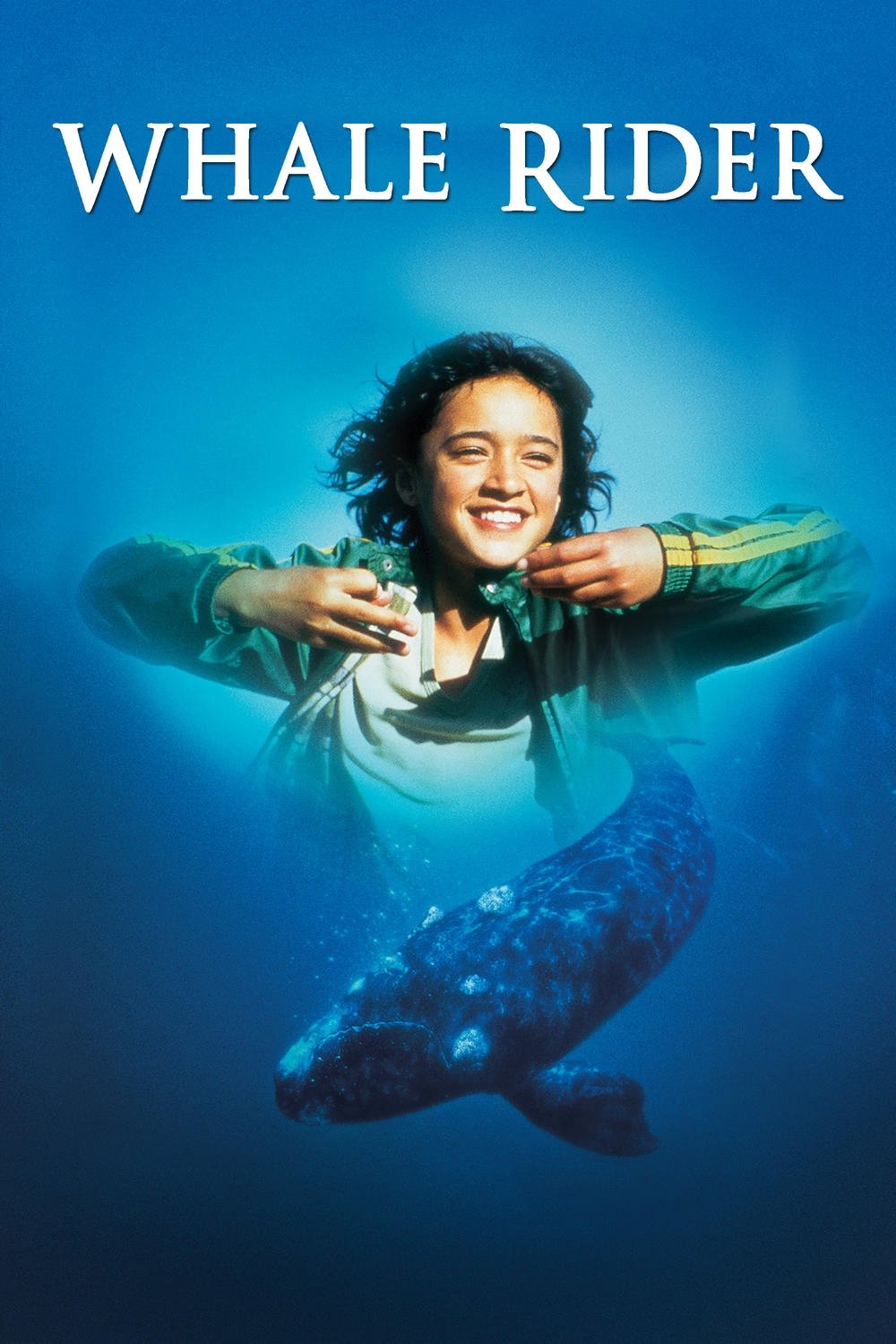
Directed by Niki Caro and adapted from Witi Ihimaera’s novel, this New Zealand film starred Keisha Castle-Hughes. The production worked closely with Māori communities, integrating kapa haka and traditional carving into its design.
It toured international festivals and won audience awards before a specialty release in multiple markets. Castle-Hughes earned a historic Best Actress nomination, and the film is frequently discussed for community collaboration in production.
‘The Babadook’ (2014)
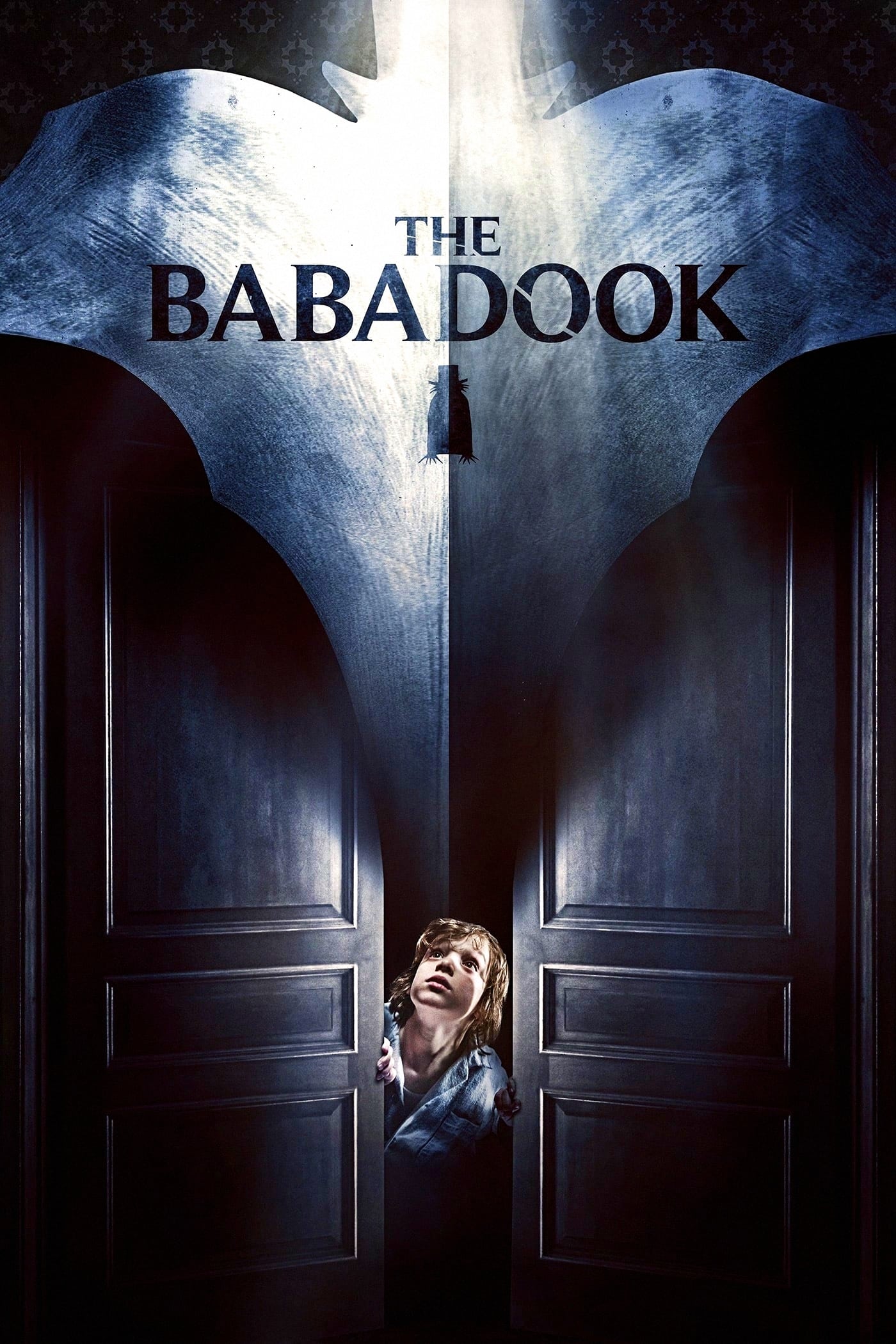
Jennifer Kent’s debut horror was produced in Australia with Essie Davis in the lead. The production built large-scale interior sets to control lighting and sound for an oppressive domestic environment.
IFC Midnight and other specialty labels released the film internationally after Sundance and other festival stops. Its creature design, practical effects, and set construction are often studied in low-budget horror craft.
‘Hunt for the Wilderpeople’ (2016)

Taika Waititi adapted Barry Crump’s work into this New Zealand adventure starring Julian Dennison and Sam Neill. The production shot across varied bush locations, with Lachlan Milne’s cinematography capturing rugged terrain.
It became the highest-grossing New Zealand film domestically at the time of release and traveled widely via festivals. North American distribution by The Orchard broadened Waititi’s international profile.
‘The Farewell’ (2019)
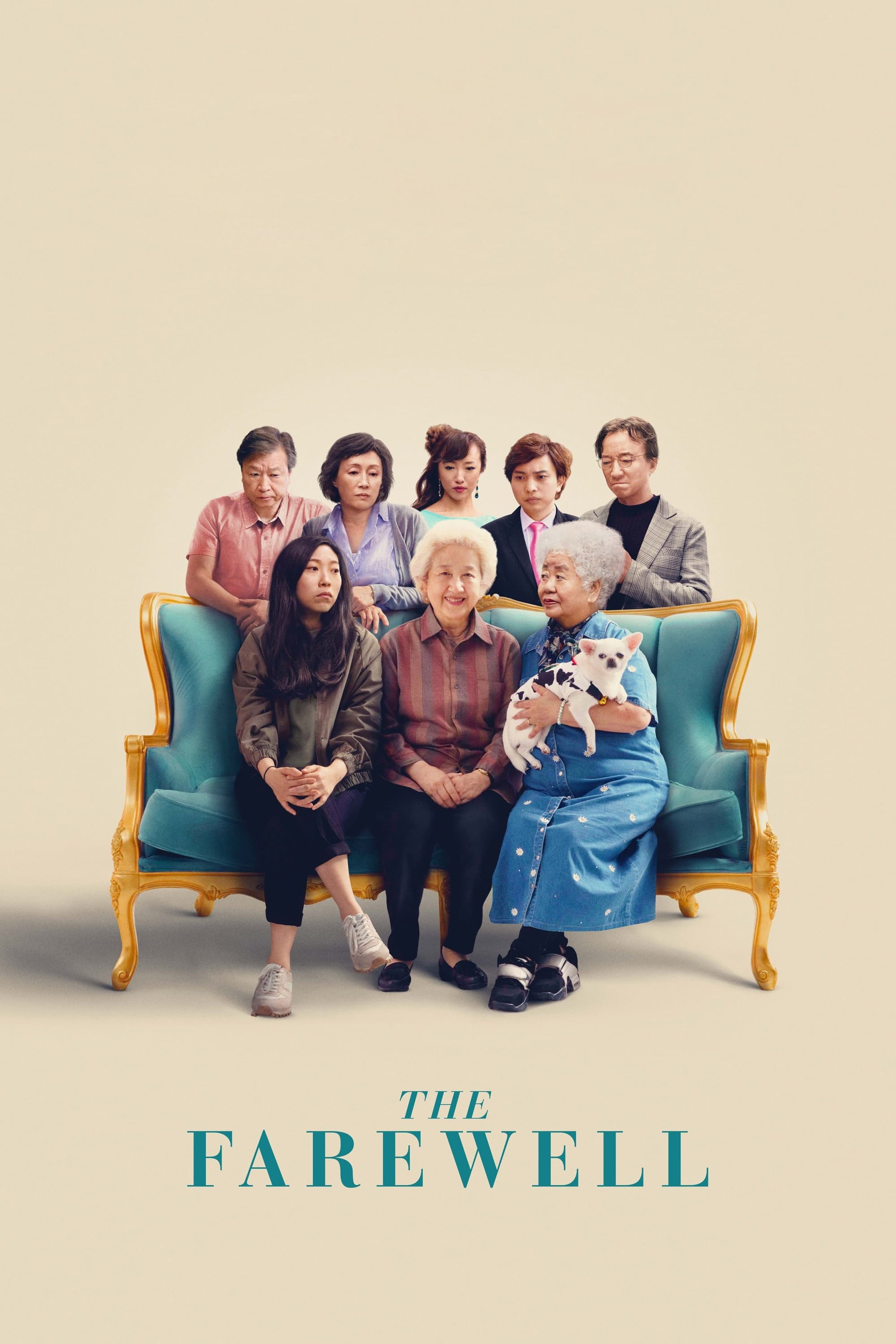
Lulu Wang wrote and directed this bilingual family drama starring Awkwafina, financed independently and distributed by A24. The production shot in China and the U.S., navigating cross-border logistics and multilingual performances.
After a Sundance premiere, it achieved one of the strongest specialty per-screen averages of its year. The film’s development originated from a personal radio story, illustrating alternative IP sources for indie features.
‘Minari’ (2020)
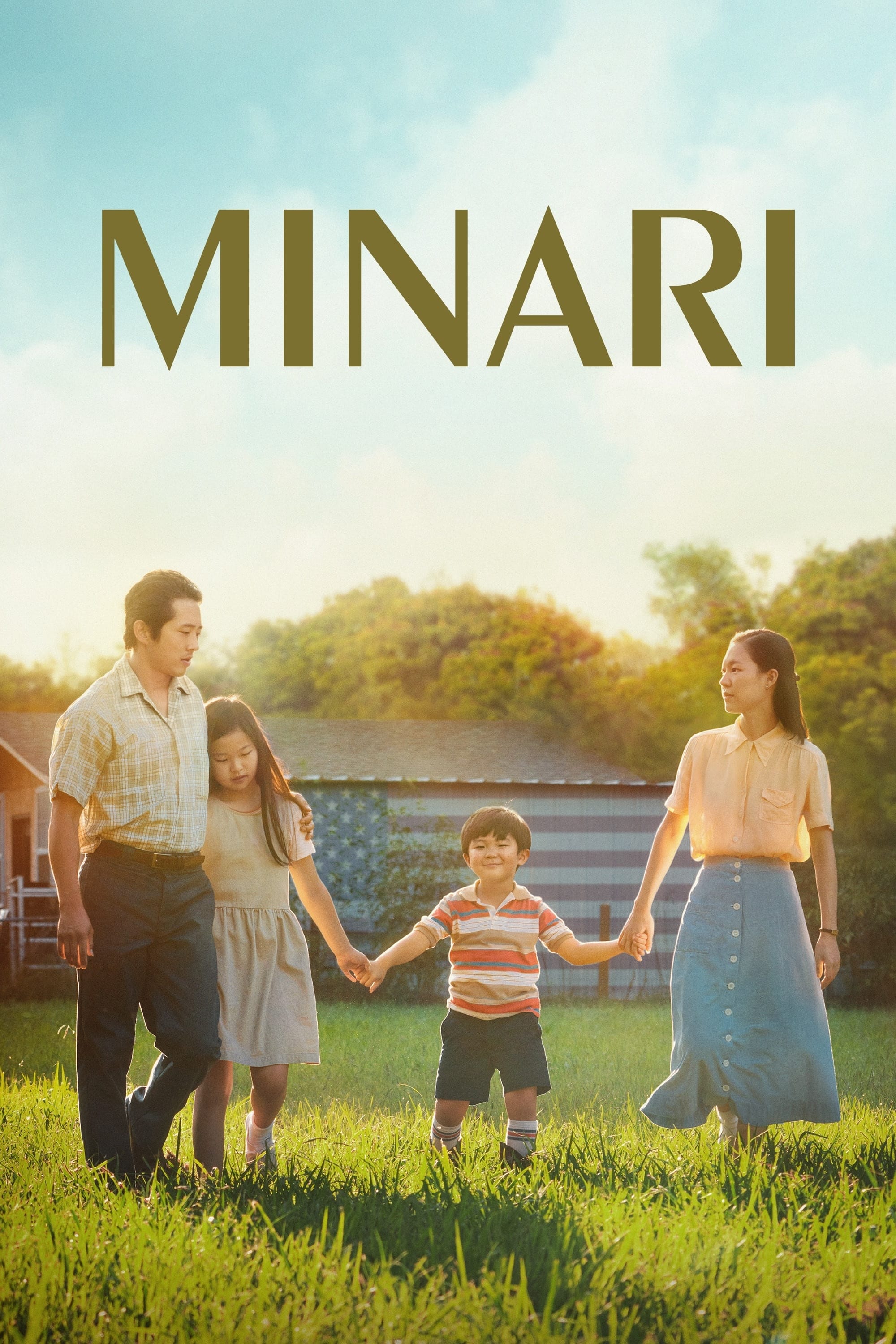
Lee Isaac Chung wrote and directed this Arkansas-set family story starring Steven Yeun and Yeri Han. The production operated largely on rural locations with Hong Kyung-pyo’s cinematography emphasizing natural landscapes.
A24 and Plan B shepherded the film through Sundance, where it won both Grand Jury and Audience awards. It later won Best Supporting Actress for Youn Yuh-jung, and its release strategy balanced awards positioning with community-based outreach.
‘Aftersun’ (2022)
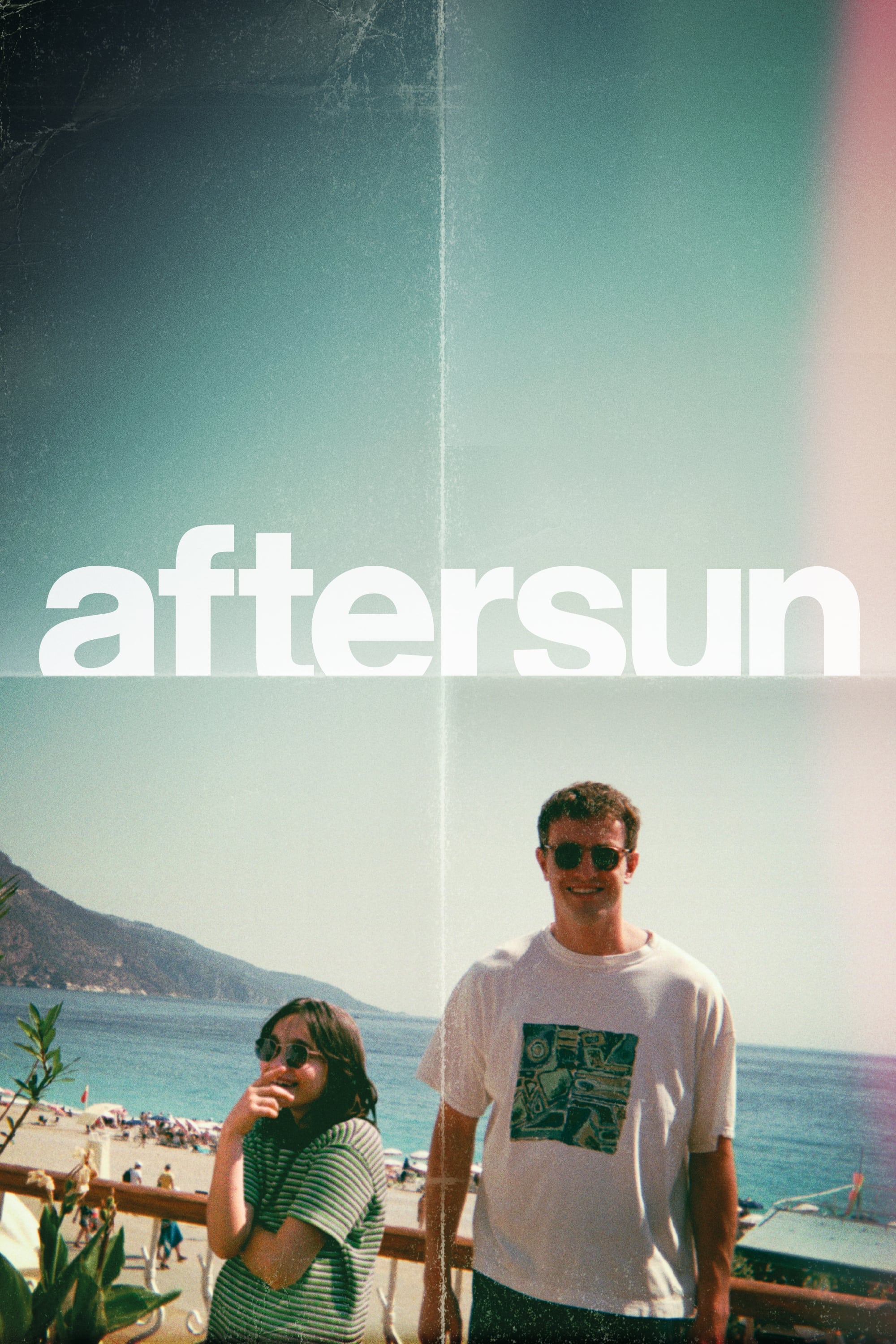
Charlotte Wells directed this father-daughter memory piece starring Paul Mescal and Frankie Corio, produced by Pastel and distributed by A24. Gregory Oke’s 35mm photography and a camcorder motif blended formats to evoke recollection.
The film premiered at Cannes Critics’ Week and expanded through fall festivals before awards recognition for Mescal. Its financing combined U.K. funds and U.S. partners, a common cross-Atlantic indie structure.
‘Past Lives’ (2023)
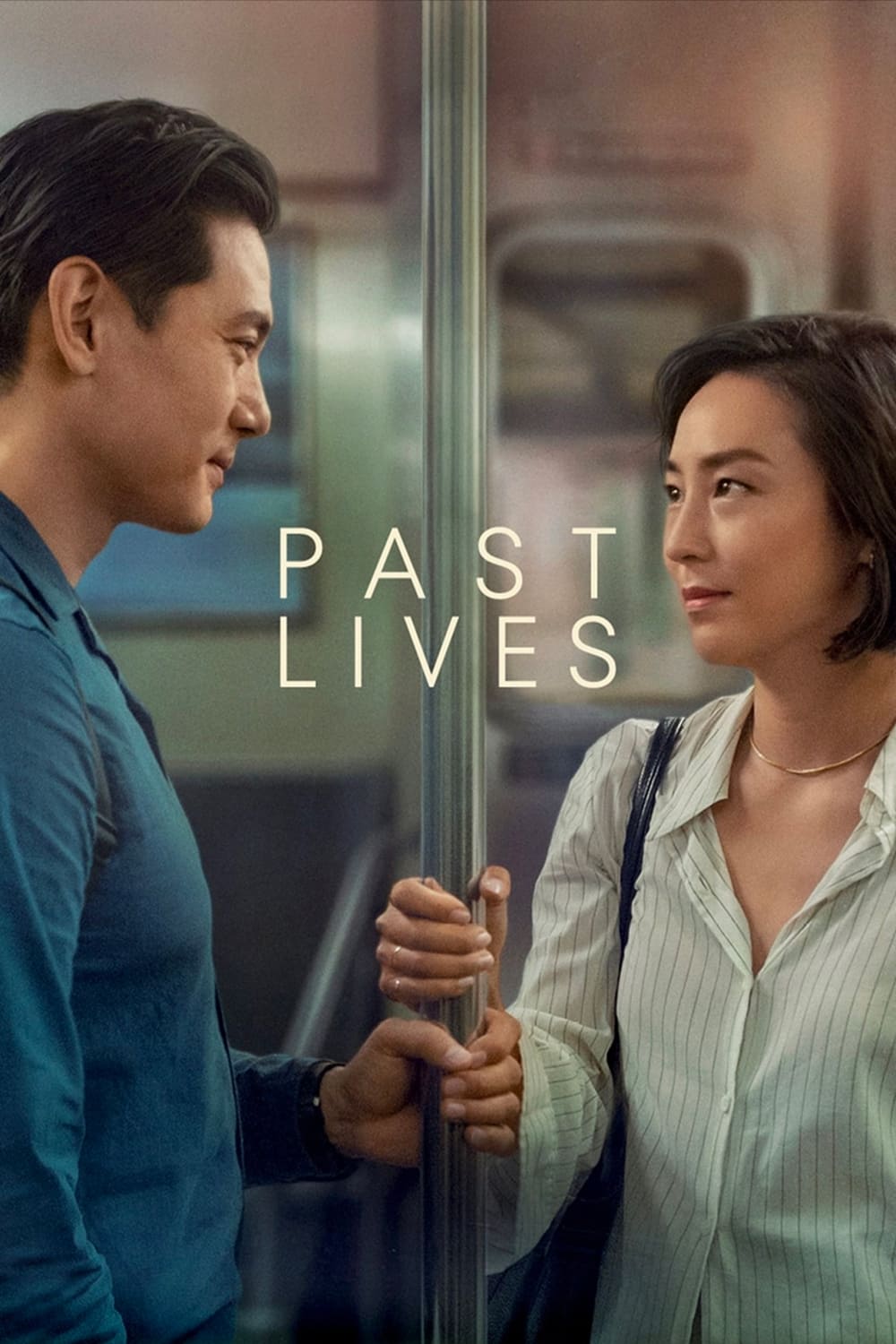
Celine Song wrote and directed this transnational romance produced by A24 and Killer Films. Teo Yoo and Greta Lee star, with Shabier Kirchner’s cinematography capturing New York and Seoul with restrained handheld work.
It premiered at Sundance and Berlin, followed by a carefully paced platform release. The film earned Best Picture and Original Screenplay nominations, demonstrating sustained specialty momentum through word-of-mouth.
‘Sound of Metal’ (2019)
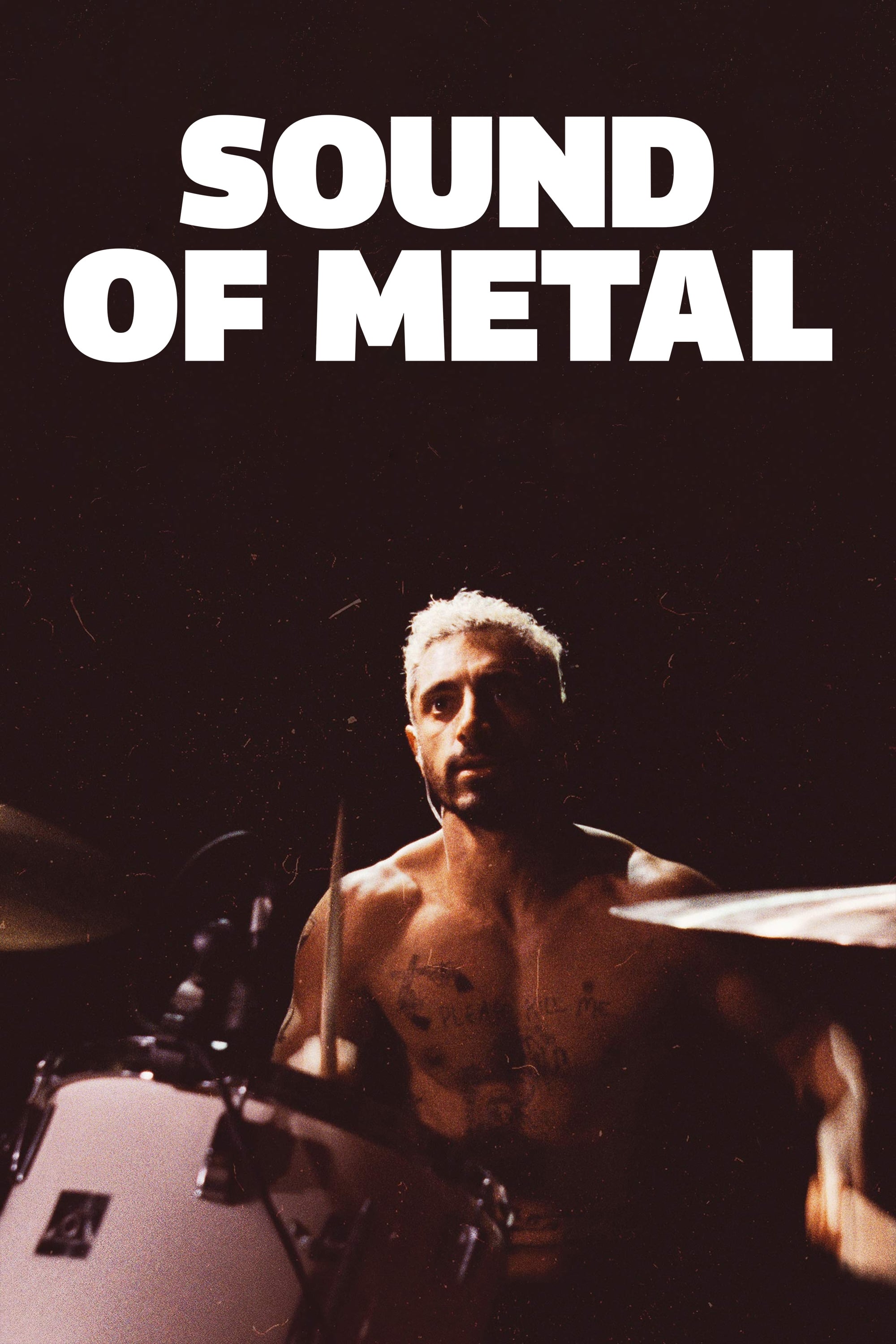
Darius Marder directed this drama starring Riz Ahmed and Olivia Cooke, with production support from Caviar. Nicolas Becker’s sound team designed an intricate auditory perspective, and the film collaborated closely with the deaf community and ASL consultants.
Amazon Studios released it after festival play, and it won Oscars for Sound and Editing. Ahmed received a Best Actor nomination, and the film is frequently used in curricula on sound-driven storytelling.
‘Short Term 12’ (2013)
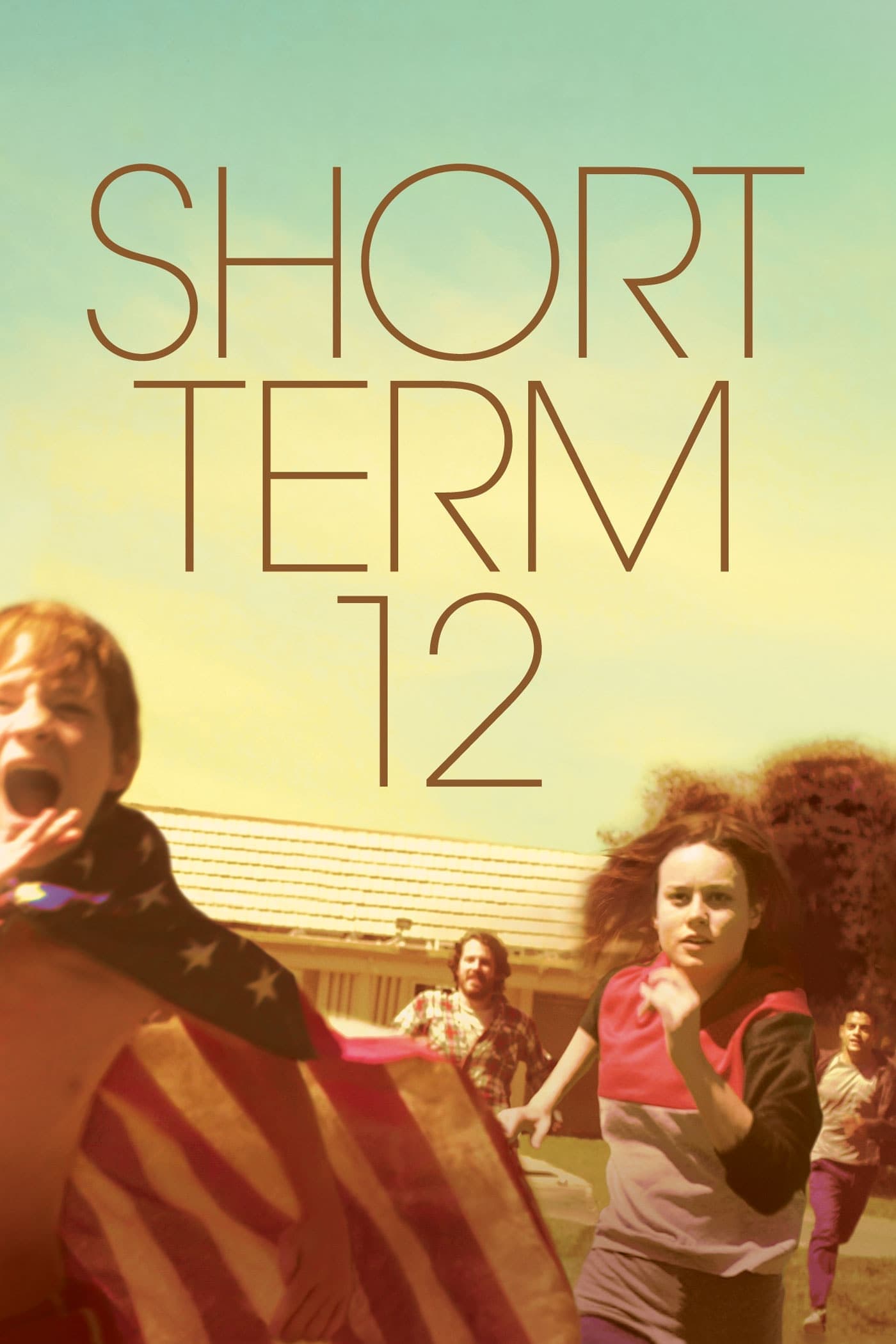
Destin Daniel Cretton expanded his short into a feature set in a group home, starring Brie Larson, Lakeith Stanfield, and Rami Malek. Brett Pawlak’s cinematography highlighted observational scenes with minimal lighting setups.
It won top prizes at SXSW before a specialty rollout. The project’s short-to-feature development path and ensemble casting introduced several actors who later headlined major projects.
Have a favorite indie we missed or a hidden gem you love? Drop your picks in the comments and tell us why they belong on this list!