The Best Spy TV Shows of All Time


Spies have been part of television since the medium’s early days, shifting with world events and technology from Cold War dead drops to cyber-ops and shadowy counterterror missions. Across decades, shows have explored tradecraft, surveillance, and the real-world institutions—intelligence services, special units, and diplomatic fronts—that drive clandestine work. The result is a deep bench of series that blend historical context, fieldcraft detail, and character-driven storytelling to show how espionage actually functions on the ground and behind desks.
This list brings together titles from multiple countries and eras, including period pieces rooted in documented operations, modern dramas built around signals intelligence and data-mining, and lighter romps that still respect the mechanics of infiltration and cover. Each entry highlights the premise, production background, setting, and the specific aspects of spycraft it depicts, from recruitment and legend-building to surveillance detection routes, asset handling, and interagency politics.
‘The Americans’ (2013–2018)
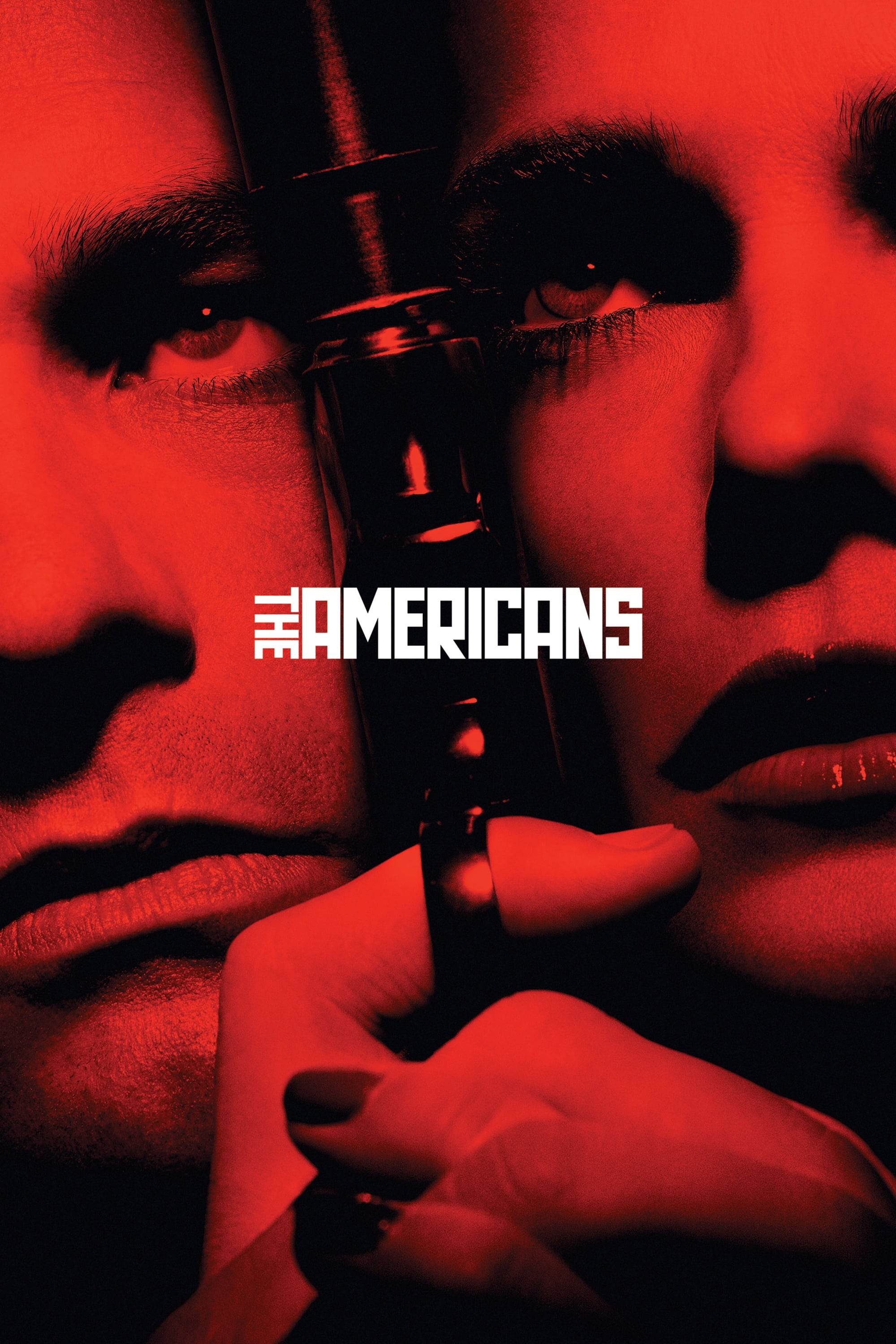
Set in early-1980s Washington, D.C., ‘The Americans’ follows two KGB “illegals” embedded under deep cover as a suburban couple while running operations against U.S. targets. The series tracks recruitment, asset management, and counterintelligence pressure from the FBI’s Washington Field Office, and it threads real geopolitical events—strategic arms talks, proxy conflicts, and shifting Soviet leadership—through long-term operational storylines. Created by a former CIA officer, it emphasizes tradecraft details like brush passes, dead drops, and surveillance detection routes.
Across six seasons on FX, the show examines how maintaining a legend strains family life and how handlers, rezidenturas, and rival services interact. It also shows the analytic side through FBI squads and internal investigations, and it digs into the risks of exfiltration, exfil planning, and blown networks. With recurring arcs in the U.S. and the Soviet Union, the production balances field operations with headquarters dynamics and the bureaucratic realities of both systems.
‘Homeland’ (2011–2020)

‘Homeland’ centers on a CIA case officer balancing counterterror operations with the constraints of legal authorities, liaison relationships, and political oversight. It covers HUMINT recruitment, interrogation protocols, and the frictions between field stations and Langley tasking, while also showing how signals intelligence, drone feeds, and asset validation converge in modern targeting.
Filmed across multiple countries to reflect changing theaters, the series depicts interagency coordination with the FBI and foreign services and the tactical consequences of policy decisions. It also explores security clearances, vetting, and the career impacts of operational compromises, while charting the workflow from surveillance to capture-kill authorities and the after-action audits that follow.
‘Tinker Tailor Soldier Spy’ (1979)
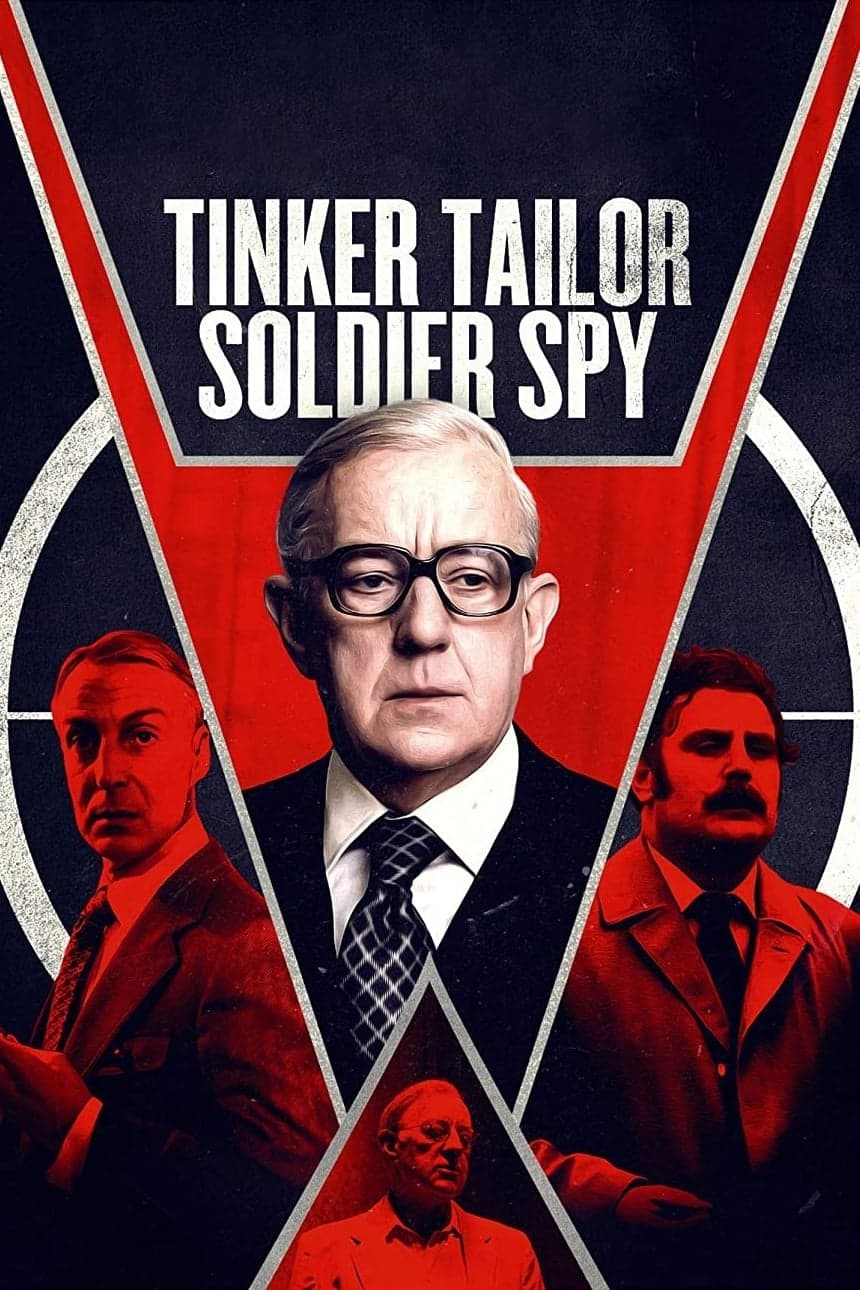
The BBC adaptation of John le Carré’s novel, ‘Tinker Tailor Soldier Spy’ reconstructs a mole-hunt inside Britain’s Secret Intelligence Service during the Cold War. It focuses on the patient analytic work—reconstructing timelines, cross-checking files, and re-evaluating long-accepted assumptions—that drives counterintelligence success, rather than action set pieces.
The production is notable for its procedural rigor, walking through source vetting, compartmentation, and the corrosive effect a high-level penetration has on networks and liaison partners. It is set against the wider context of East–West rivalry, touching on how political pressures shape resourcing, cover appointments, and the careers of officers far from the front page.
‘Smiley’s People’ (1982)
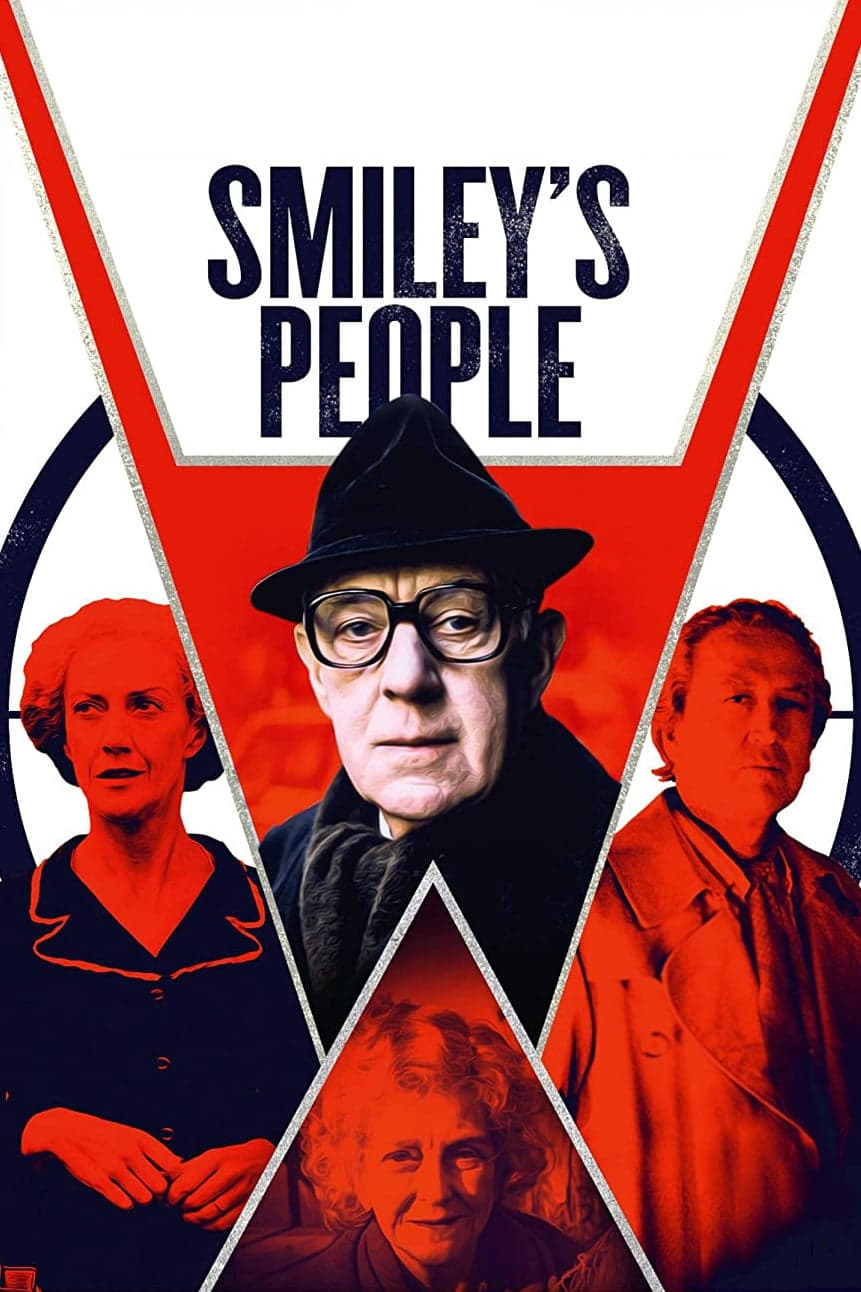
A sequel to the earlier miniseries, ‘Smiley’s People’ follows a retired intelligence officer called back for one last operation involving a Soviet spymaster. The plot unspools like a real case file, building from seemingly minor anomalies into a full-scale operation that spans multiple jurisdictions and legacy assets.
The series examines backstopping, safe houses, and the management of assets whose motivations have shifted over time. It also highlights coordination with allied services and the difficulties of running operations across borders, particularly when national interests conflict and legal constraints differ.
‘Slow Horses’ (2022–present)

Based on Mick Herron’s novels, ‘Slow Horses’ follows MI5 personnel relegated to a dumping-ground unit after career-ending mistakes. The show details internal structures, oversight, and the politically sensitive operations that mainstream departments avoid, while still requiring the team to conduct surveillance, source handling, and crisis response under pressure.
Set in contemporary London, it illustrates the tension between reputation management and mission execution, showing how bureaucratic incentives can shape operational choices as much as field realities do. It also breaks down open-source intelligence work, media manipulation, and the friction points between domestic security and foreign-facing missions.
‘The Bureau’ (2015–2020)
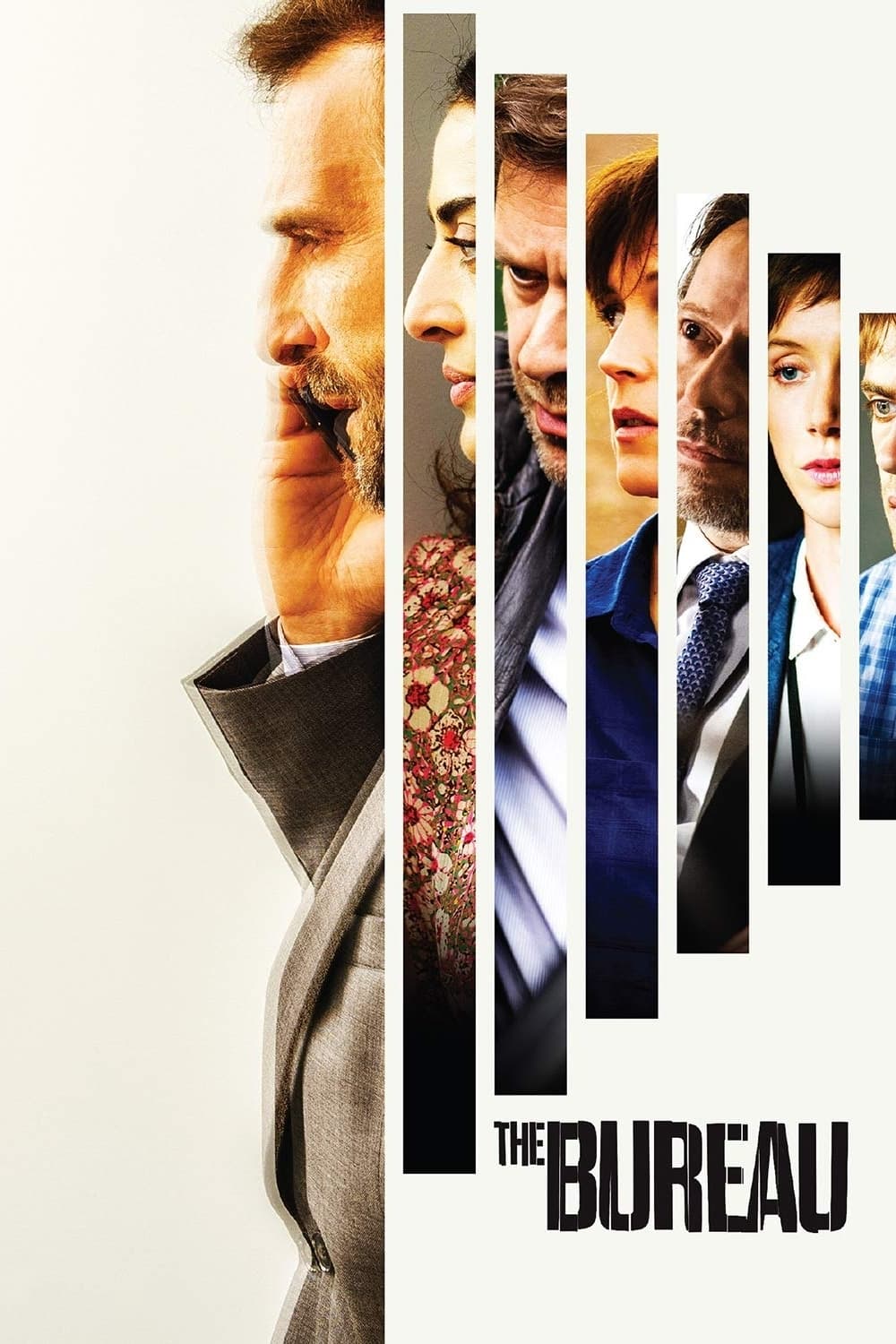
‘Le Bureau des Légendes’ offers a granular look at the DGSE’s “legends” department, where deep-cover officers are trained and managed for long-term placements abroad. The series tracks legend construction—from language immersion to personal backstory—alongside risk assessment, cut-outs, and the psychological toll of extended covers.
The show moves between Paris headquarters and overseas theaters, mapping liaison arrangements, debrief cycles, and the trade-offs between protecting sources and achieving national objectives. Its methodical pace mirrors real operations, emphasizing mission planning, exfiltration contingencies, and the compromises that come with multiyear deployments.
‘Spooks’ (2002–2011)

Known as ‘MI-5’ in some regions, ‘Spooks’ dramatizes domestic security operations in the United Kingdom, from counterterror investigations to counterintelligence probes. Episodes commonly revolve around surveillance teams, technical interception, and rapid-response decisions made under strict legal frameworks and parliamentary oversight.
Filmed in and around London, the production showcases the flow between analysts and field officers, as well as the influence of ministers, committees, and public scrutiny. It covers undercover work, sting operations, and the practicalities of running sources inside extremist cells, criminal networks, and hostile service proxies.
‘The Sandbaggers’ (1978–1980)
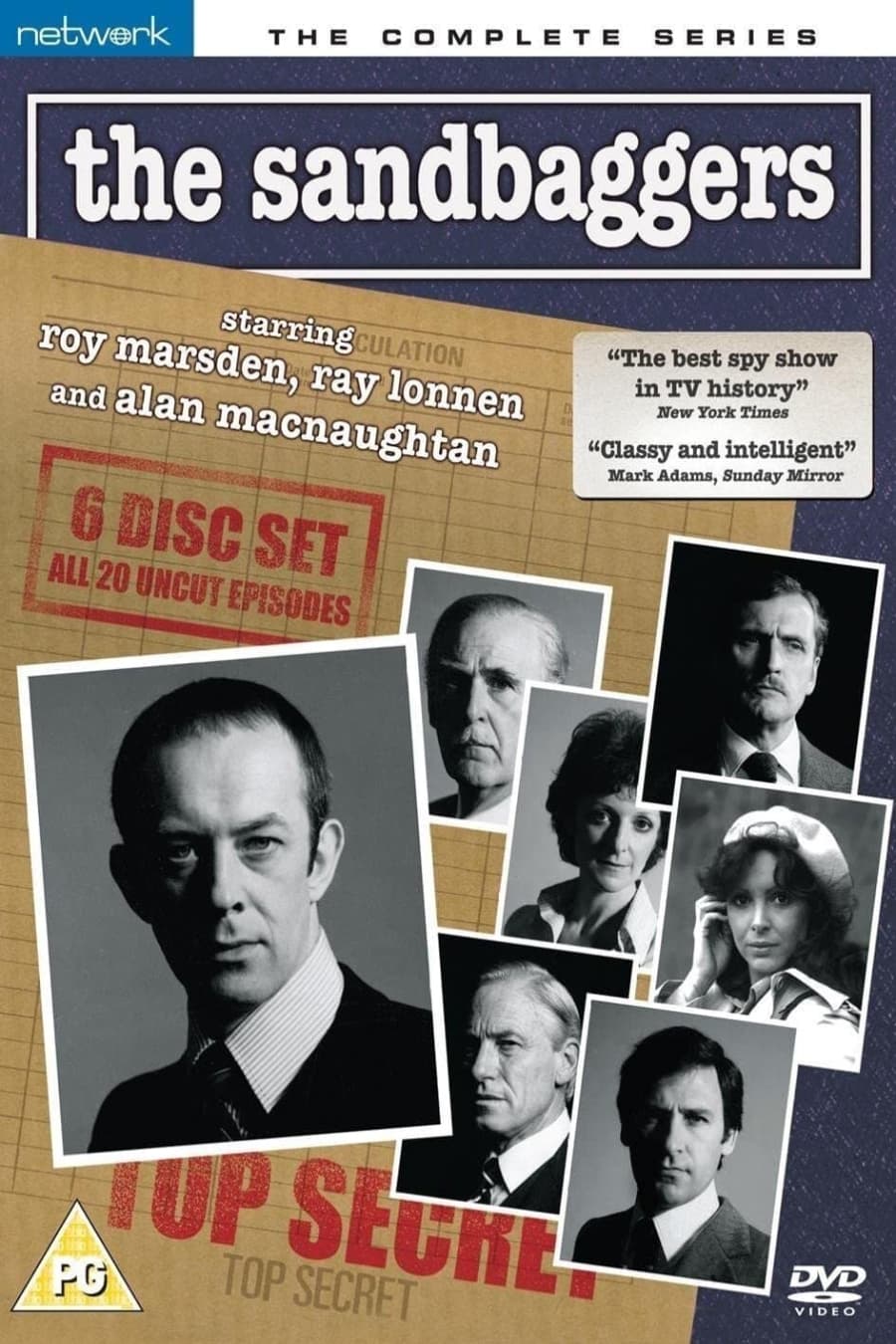
‘The Sandbaggers’ delivers a stripped-down portrait of SIS operations, focusing on budget fights, interdepartmental politics, and the austere tradecraft of the late Cold War. Rather than gadgets, the drama revolves around authorizations, air-cover arrangements, and the consequences of deploying small teams into deniable situations.
Produced for ITV, the series digs into liaison with allied services, the cost of asset losses, and the calculus behind risk approvals. It emphasizes realistic communications constraints, extraction difficulties, and the constant balancing act between strategic goals and officer survivability.
‘The Night Manager’ (2016)
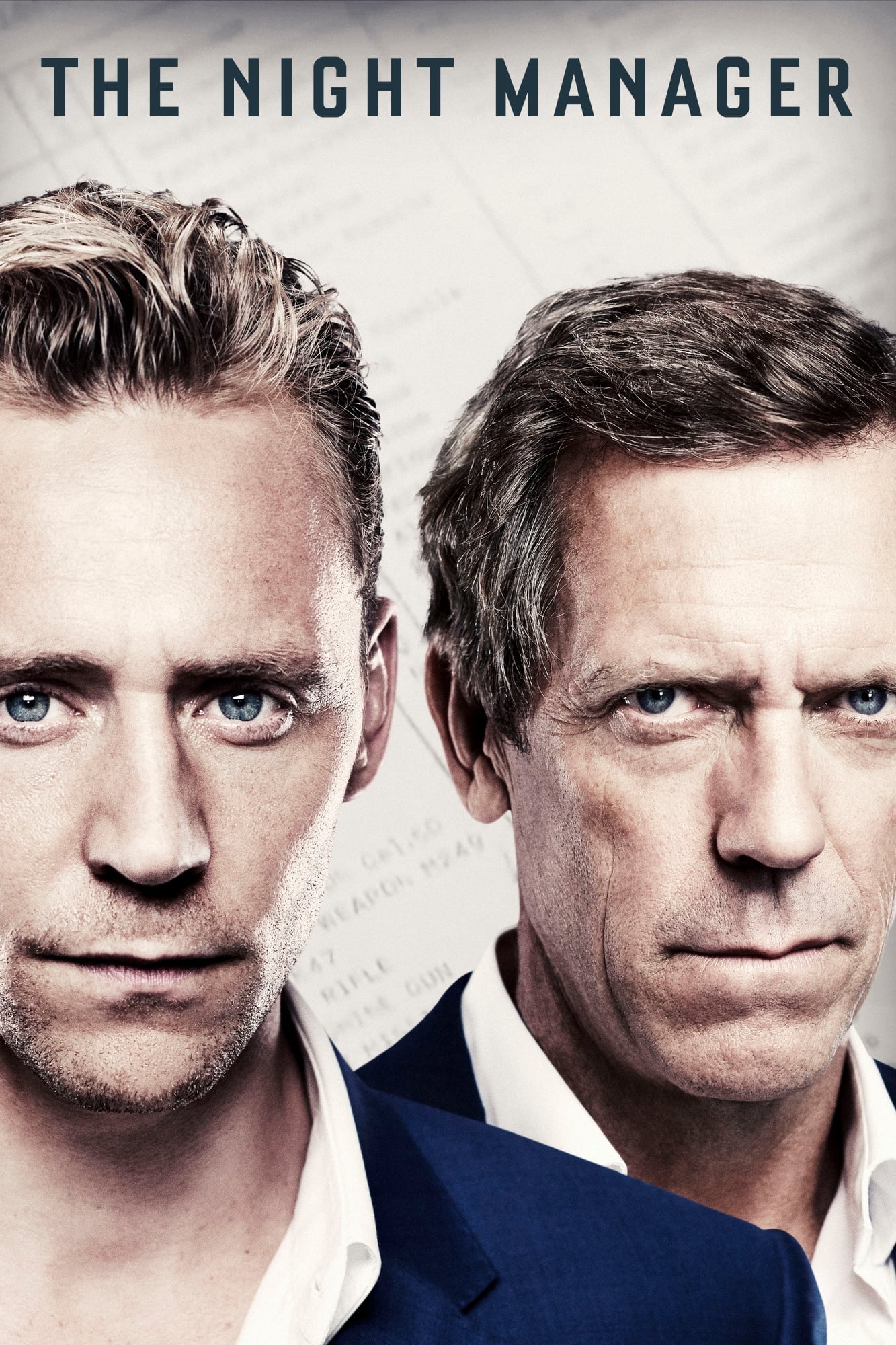
An adaptation of a John le Carré novel, ‘The Night Manager’ follows an ex-soldier recruited by British intelligence to infiltrate an international arms network via a hospitality position. It portrays the step-by-step cultivation of trust, the establishment of a credible criminal cover, and the multinational cooperation required to track illicit shipments.
The miniseries details financial forensics, front companies, and maritime logistics, placing espionage within a broader ecosystem of sanctions, export controls, and corporate compliance. It also shows how covert operations intersect with diplomatic considerations and the legal thresholds for action in multiple jurisdictions.
‘Killing Eve’ (2018–2022)

‘Killing Eve’ pairs an MI6 investigator with a globe-trotting contract killer linked to a shadowy organization. Beneath its stylish exterior, the show maps the workflows of tasking, surveillance, and interservice coordination, along with the difficulties of tracking a highly mobile target who exploits cross-border legal gaps.
The production shifts across European capitals to underline data-sharing, extradition limits, and the role of private security actors in modern operations. It also spotlights the analytical side—pattern analysis, language work, and behavioral profiling—used to narrow targets when signals are sparse or compromised.
‘Tom Clancy’s Jack Ryan’ (2018–2023)
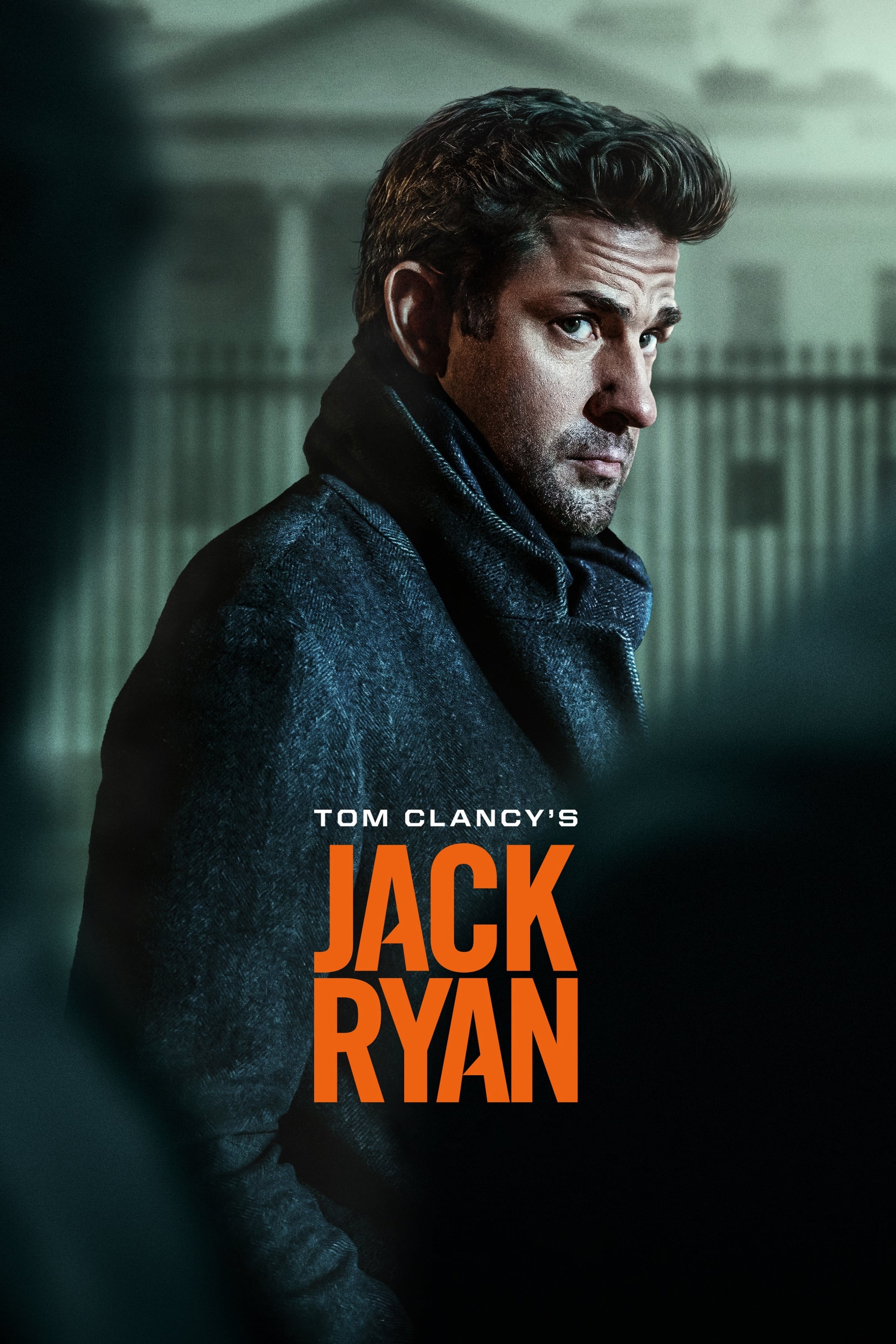
‘Tom Clancy’s Jack Ryan’ follows a CIA analyst who moves from desk work into field operations as crises escalate. The series blends financial tracking, SIGINT, and HUMINT to show how threat pictures are built, revised, and acted on under time pressure and interagency oversight.
Across multiple seasons, the show explores liaison with foreign services, host-nation permissions, and the institutional processes behind targeting packages. It also portrays the demands of operating cover identities, coordinating with special mission units, and managing the downstream political consequences of kinetic actions.
‘Counterpart’ (2017–2019)
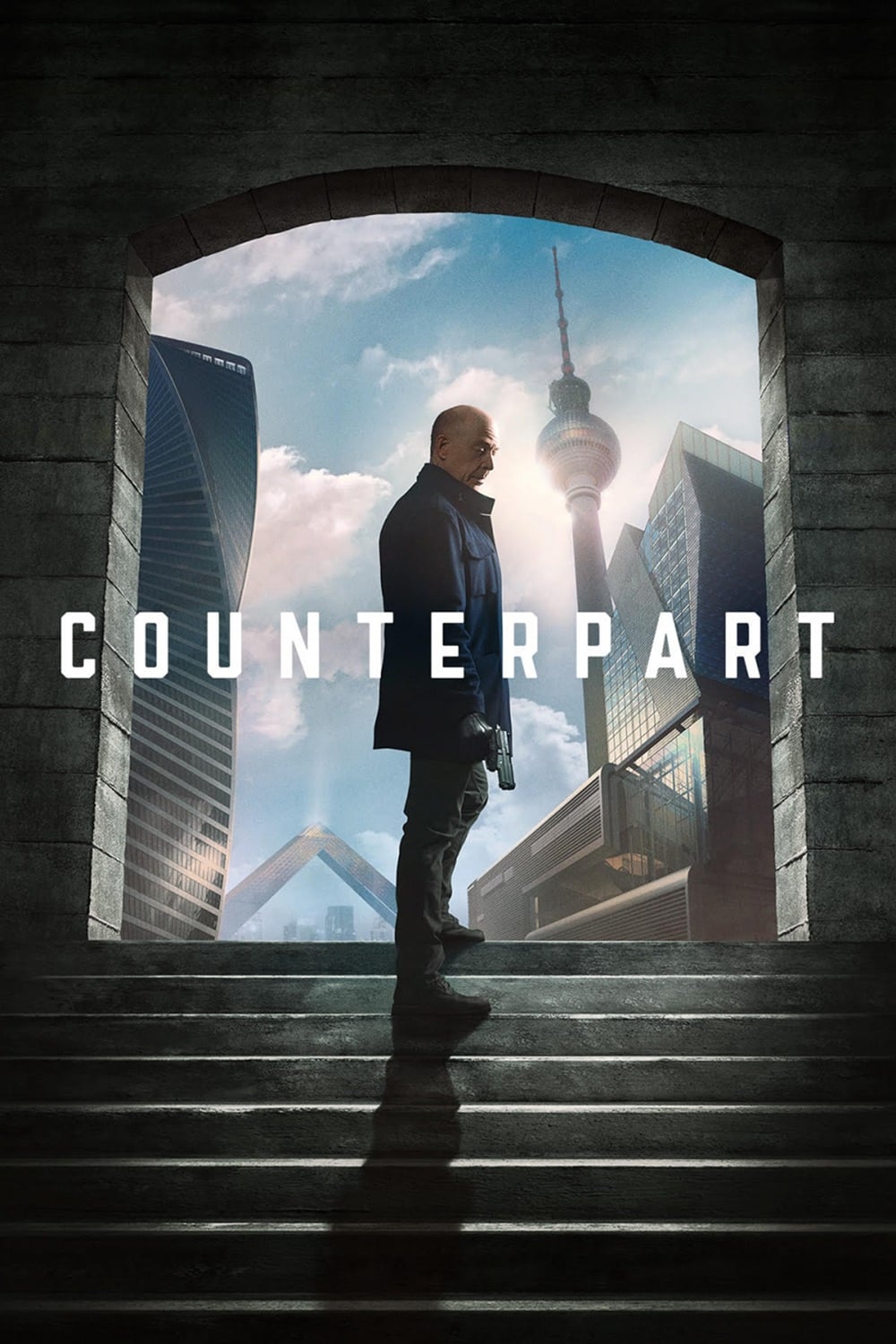
‘Counterpart’ starts with a speculative premise—parallel worlds—but grounds its storytelling in familiar intelligence structures: ministries, checkpoints, and rival bureaus. It builds a convincing framework of passports, visas, and quarantine protocols that behave like real border controls and create operational constraints for spies.
The series examines how tradecraft adapts when two services know each other intimately, right down to personnel files and training doctrines. It emphasizes counterintelligence work, false-flag operations, and the vulnerabilities that arise when an adversary understands your procedures as well as you do.
‘Alias’ (2001–2006)
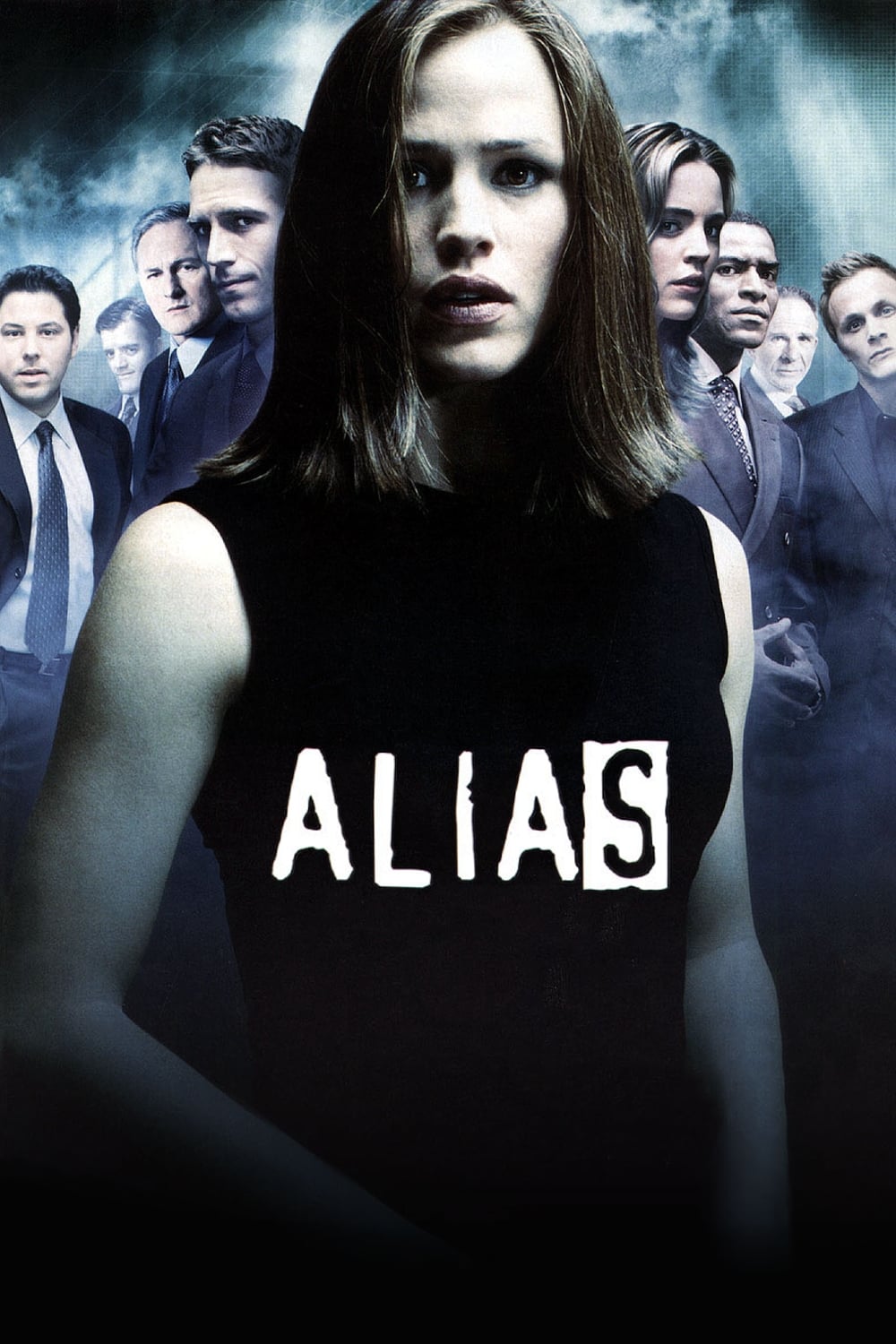
‘Alias’ follows a graduate student recruited into what she believes is a legitimate black-ops unit, only to become a double agent for the CIA. The show structures missions around infiltration, asset retrieval, and the maintenance of multiple covers while navigating internal security checks and polygraphs.
Beyond field missions, it explores handler relationships, dead-drops, and the logistics of moving operatives across borders with forged identities. It also touches on the challenges of compartmentation inside large organizations and how internal breaches trigger audits, mole-hunts, and realignment of operations.
‘Mission: Impossible’ (1966–1973)
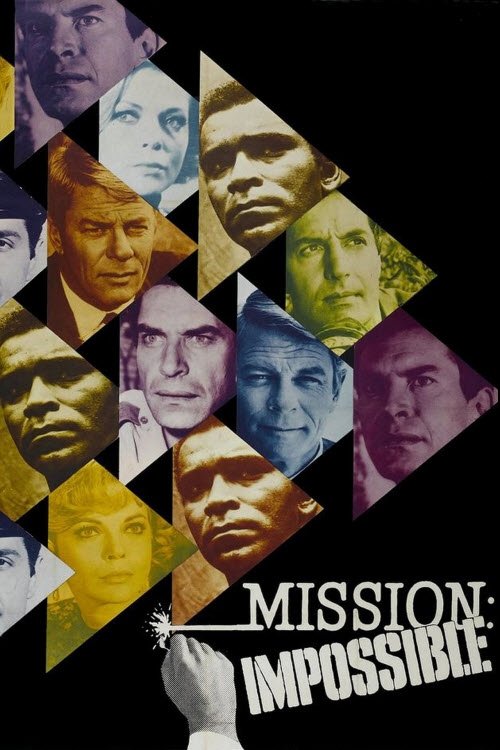
The original ‘Mission: Impossible’ series depicts a small, deniable team tasked with high-risk assignments that require deception, impersonation, and precision timing. Episodes break down planning cycles, rehearsals, and the use of cover legends to manipulate adversaries into self-defeating moves.
While known for elaborate set-ups, the show consistently demonstrates fundamentals: surveillance, communication security, and contingency planning for when covers are blown. Its format highlights the value of specialized skills—linguistics, cryptography, and electronics—in covert operations.
‘The Man from U.N.C.L.E.’ (1964–1968)
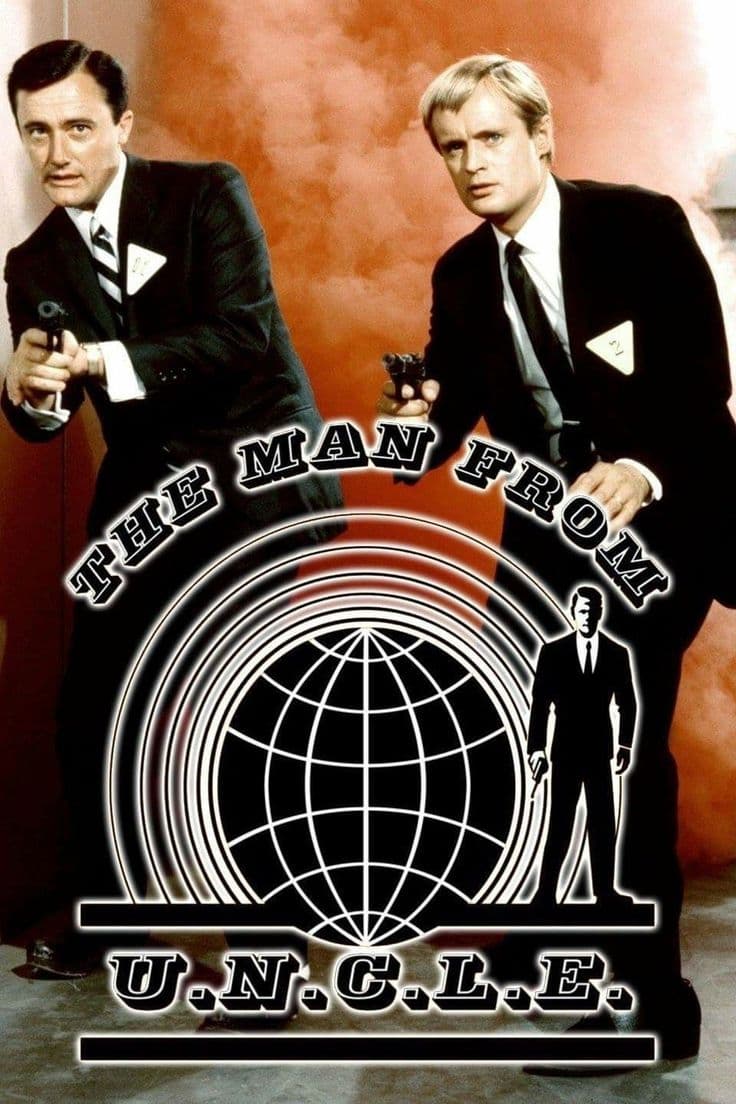
‘The Man from U.N.C.L.E.’ presents a multinational agency tasked with countering global threats, reflecting Cold War aspirations for cooperative security. Storylines feature infiltration of front companies and the disruption of plots by a recurring adversarial organization, with an emphasis on disguises and covert communications.
The series used international settings to explore how cultural fluency and language skills function as operational assets. It also showcased field gadgets alongside more grounded methods like surveillance, dead-letter boxes, and covert meetings arranged through innocuous intermediaries.
‘The Avengers’ (1961–1969)
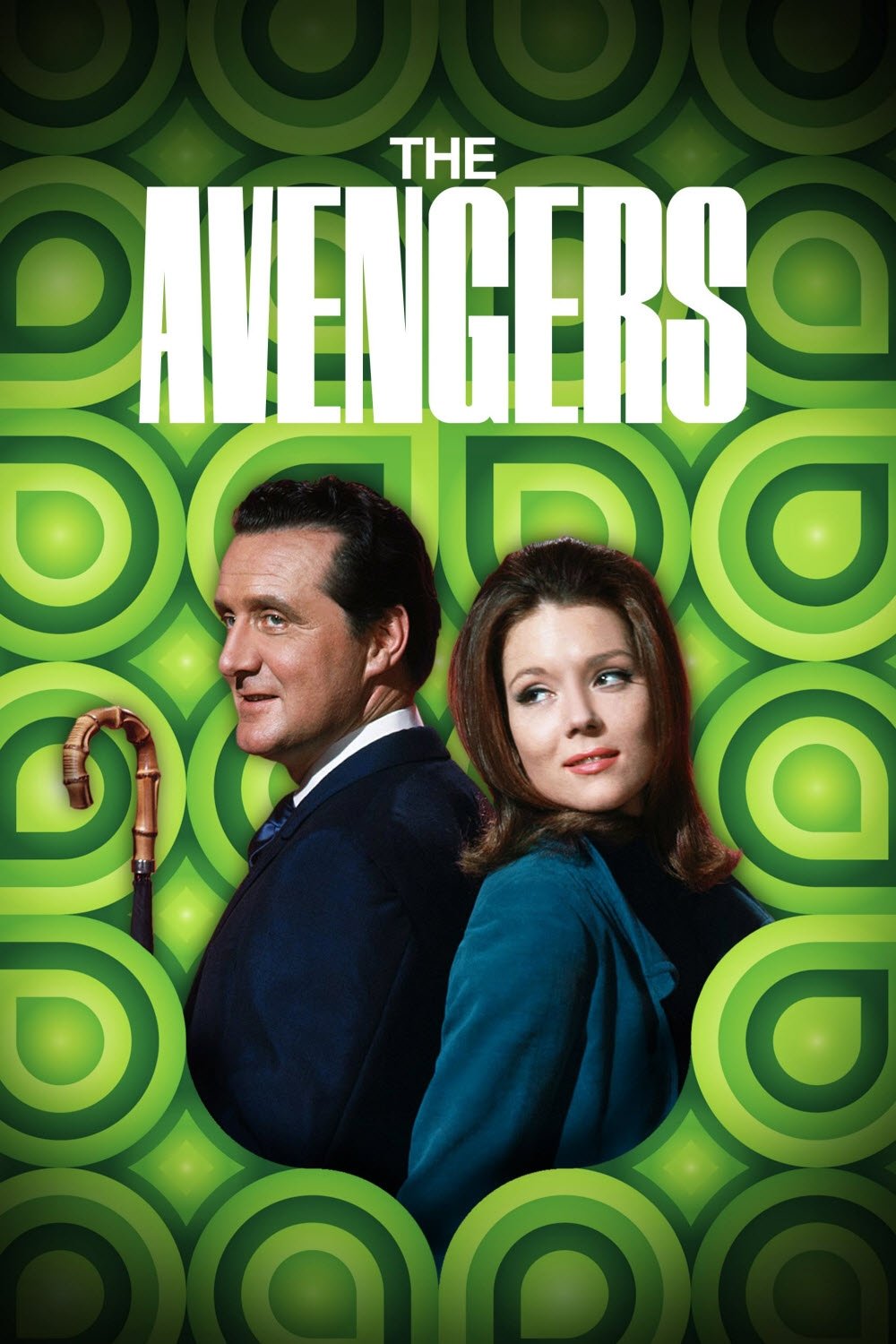
In ‘The Avengers’, British agents investigate conspiracies and foreign plots threatening national security, mixing wit with procedural elements. Cases involve undercover roles, surveillance, and the careful cultivation of sources embedded in criminal or scientific circles.
Despite its playful tone, the production incorporates core spy mechanics such as countersurveillance, the use of safe locations, and controlled introductions to new assets. It also reflects period concerns—technology theft, subversion, and espionage targeting research establishments—common to the 1960s.
‘The Prisoner’ (1967–1968)
‘The Prisoner’ follows a former agent imprisoned in a mysterious coastal village where interrogators use psychological tactics to extract information. The series examines non-violent coercion, identity control, and the erosion of autonomy under constant observation.
Its unique setting becomes a study of surveillance as an instrument of power, demonstrating how controlled environments can be used to break subjects without overt force. The show remains a reference point for discussions about data collection, consent, and compliance in intelligence contexts.
‘Burn Notice’ (2007–2013)

‘Burn Notice’ begins with a covert operative cut off from agency support, forced to rebuild a life while piecing together why he was “burned.” Episodes center on tradecraft repurposed for civilian problem-solving—surveillance, disguises, and social engineering—while advancing a serialized investigation into internal corruption.
Set in Miami, the show highlights improvised gear, front businesses, and the mechanics of running operations without official cover or diplomatic immunity. It also addresses the risks of operating outside formal legal authorities and the importance of trusted partners and local networks.
‘Turn: Washington’s Spies’ (2014–2017)
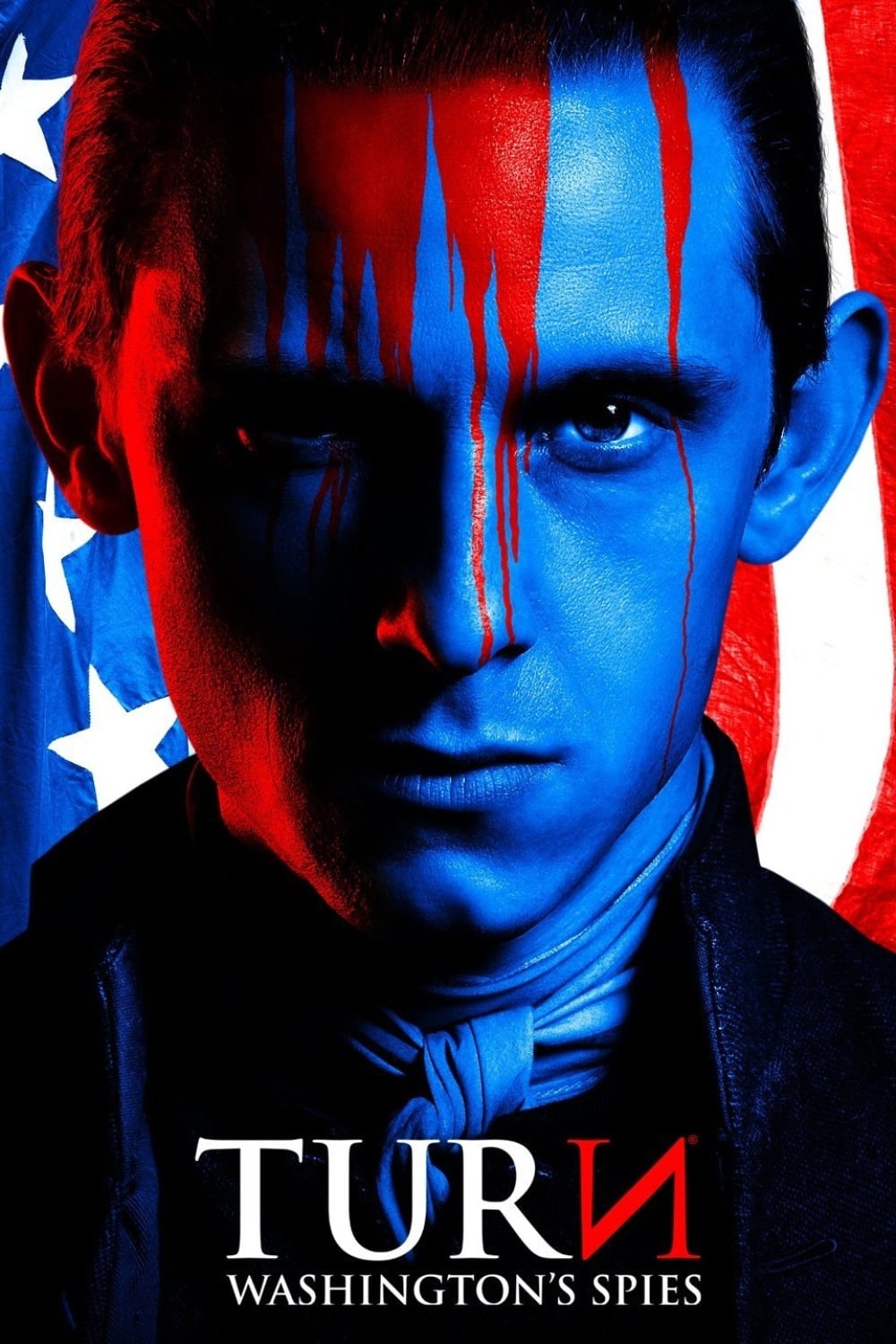
Set during the American Revolutionary War, ‘Turn: Washington’s Spies’ dramatizes the Culper Ring’s intelligence work supporting the Continental Army. It depicts dead drops, coded letters, and concealment methods appropriate to the period, including the use of invisible ink and book ciphers.
The series contextualizes espionage within military campaigns, showing how field intelligence shapes troop movements, supply routes, and diplomatic overtures. It also explores the vulnerabilities of couriers, double agents, and occupation politics in contested towns and ports.
‘A Very Secret Service’ (2015–2018)
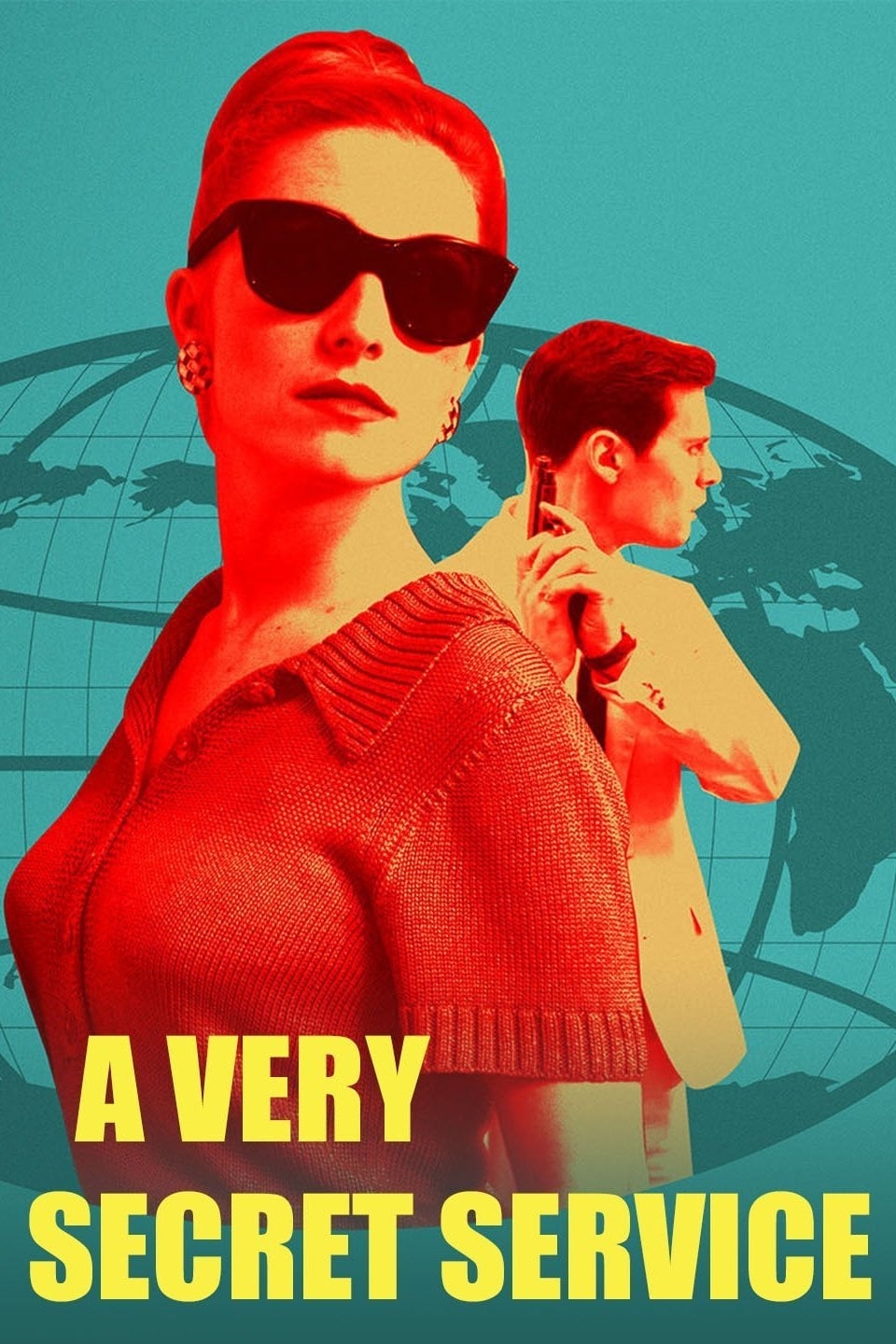
‘A Very Secret Service’ (‘Au service de la France’) portrays France’s SDECE in the early 1960s, during decolonization and Cold War intrigue. While often comedic, it is grounded in bureaucratic procedures, training regimes, and the evolving doctrines of a service adapting to new geopolitical realities.
The show covers recruitment, language training, and the social hierarchies that influence postings and promotions. Storylines engage with real contexts—Algeria, the Congo, and the rise of new states—showing how intelligence priorities shift in response to global change.
‘Tehran’ (2020–present)

‘Tehran’ follows a Mossad cyber-operator infiltrating Iran to disable air defenses and enable a broader mission. The series blends cyber-intrusion, HUMINT, and urban tradecraft—safe apartments, surveillance detection, and covert communications—to show how technical and human operations intersect.
Filmed in multiple locations to approximate the Iranian capital, it illustrates the dangers of operating under non-official cover without consular protection. It also examines the challenges of maintaining a legend in a high-security environment with dense CCTV coverage and active counterintelligence.
‘Fauda’ (2015–present)
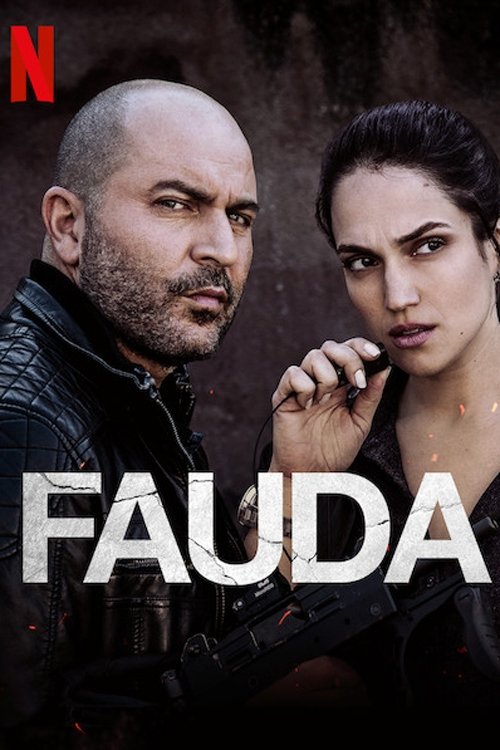
‘Fauda’ focuses on an Israeli undercover unit conducting counterterror operations, emphasizing language skills, cultural fluency, and team coordination. The series depicts live surveillance, informant handling, and the split-second decisions required in densely populated urban settings.
The production shows the full cycle—from intelligence gathering and target development to arrest operations and the aftermath. It also explores liaison with other branches and the operational impacts of political negotiations and ceasefires on ongoing missions.
‘The Spy’ (2019)
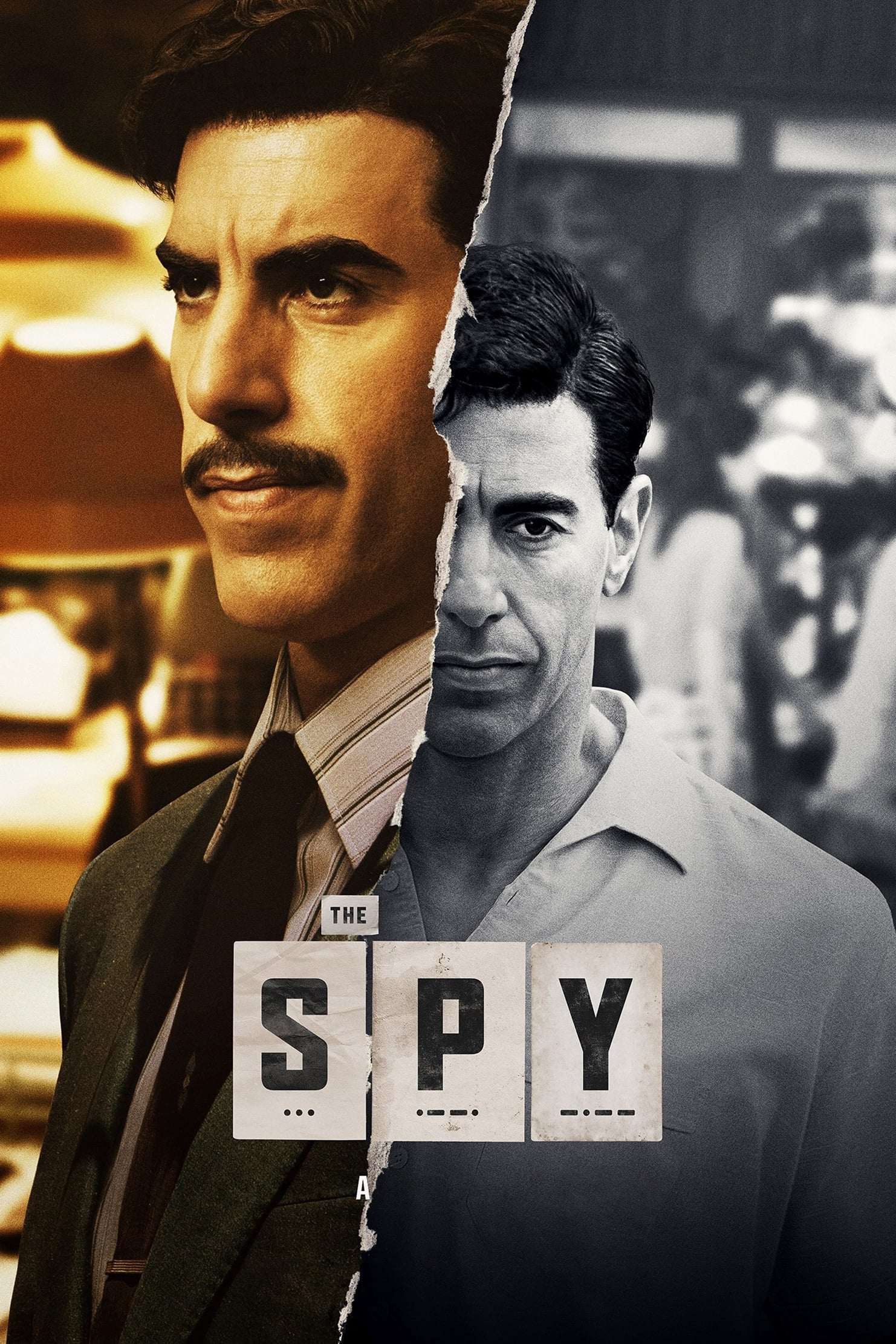
‘The Spy’ dramatizes the real-life infiltration of Syria by Israeli agent Eli Cohen in the 1960s. It chronicles initial assessments, training, and the crafting of a credible business cover that enabled access to elite circles and sensitive information.
The miniseries details communication methods of the era, including radio transmission protocols and the risks of direction-finding by counterintelligence units. It also covers the vulnerabilities of long-term undercover work, from routine patterns to social obligations that strain operational security.
‘The Little Drummer Girl’ (2018)
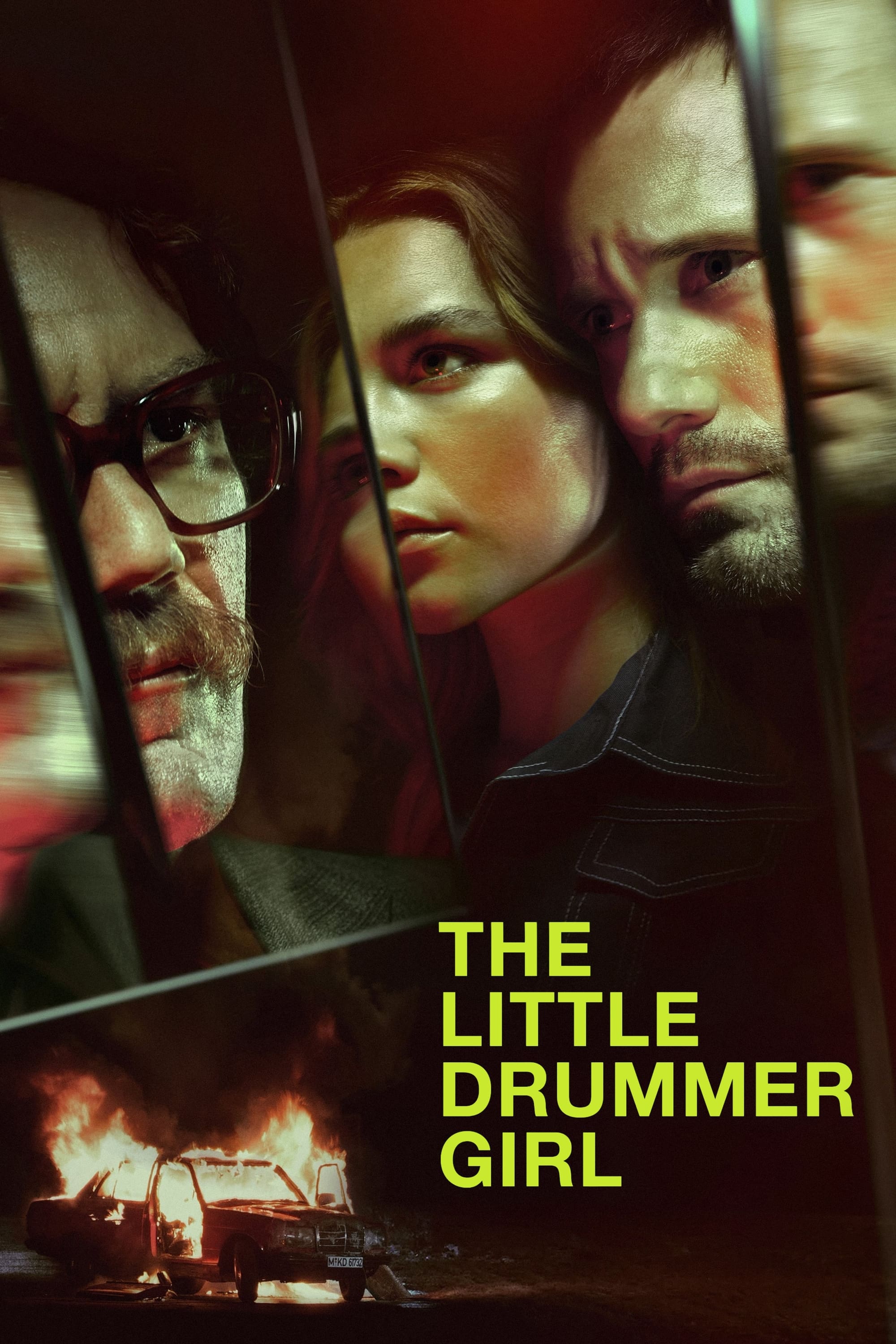
Based on a John le Carré novel, ‘The Little Drummer Girl’ follows a young actor recruited into a complex operation targeting a terrorist network in Europe. The narrative examines the ethics of manipulation, the demands of deep-cover infiltration, and the stress of role-playing under life-threatening conditions.
The production moves through training, rehearsals of cover stories, and staged interactions designed to build credibility with the target. It emphasizes cross-border coordination, document work, and the use of safe houses in an era of evolving European policing and intelligence sharing.
‘Condor’ (2018–2020)
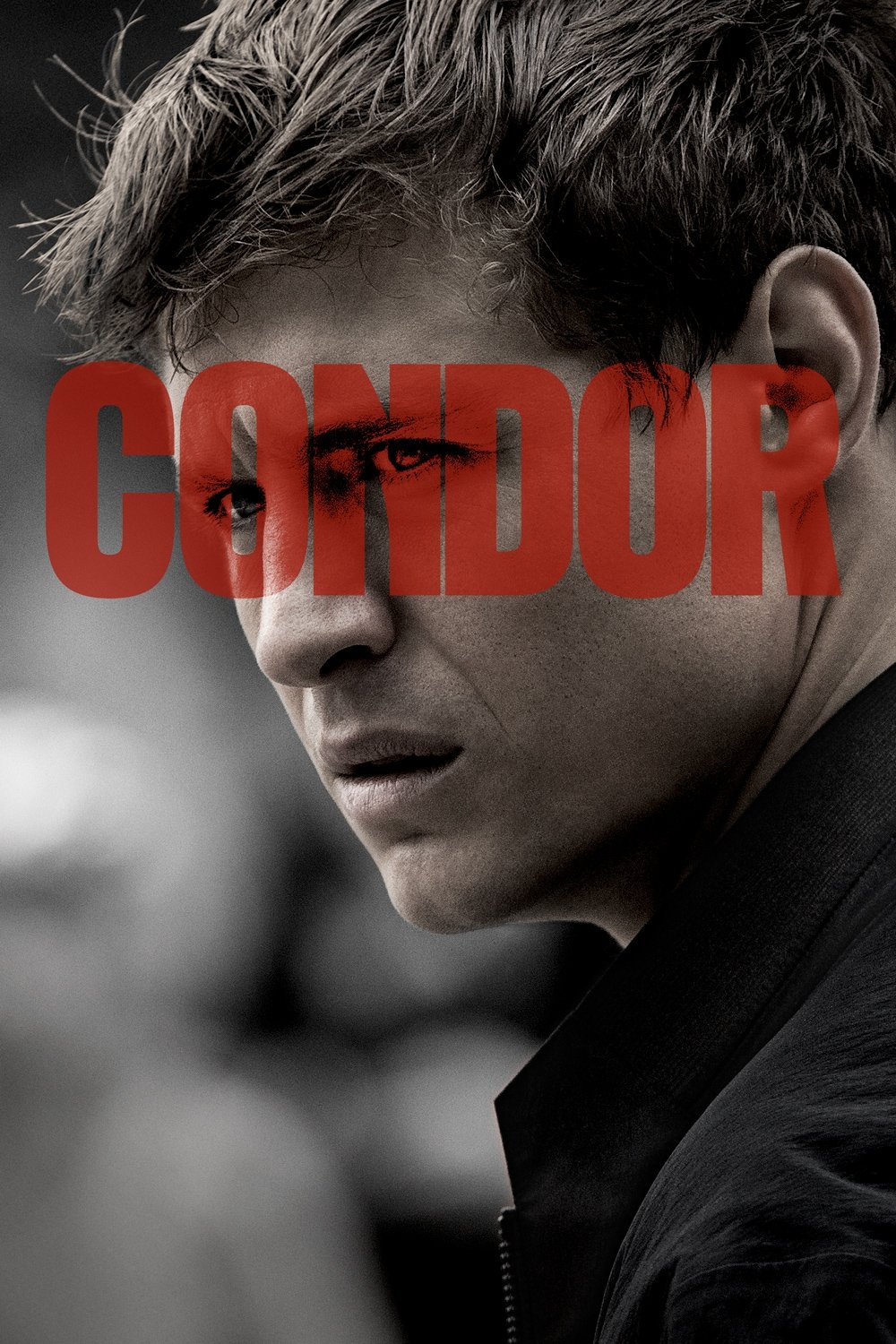
‘Condor’ adapts the novel ‘Six Days of the Condor’ and the film ‘Three Days of the Condor’ into a modern setting, following a young CIA analyst whose algorithmic work triggers a deadly conspiracy. The series highlights insider threats, contractor ecosystems, and the vulnerabilities created by outsourced capabilities.
Set across Washington and overseas locations, it shows how analytic breakthroughs feed into black programs, and how whistleblowing, internal affairs, and outside oversight intersect. It also illustrates the mechanics of going to ground—new identities, cash logistics, and clandestine communication—when targeted by one’s own side.
‘Rubicon’ (2010)
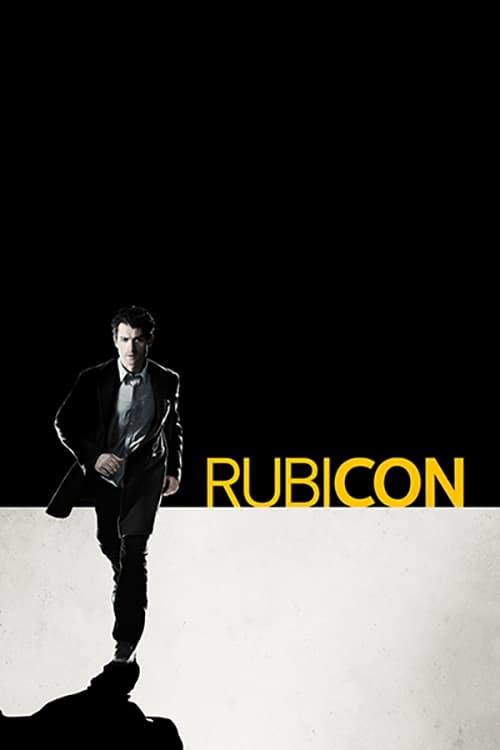
‘Rubicon’ is a slow-burn drama about an intelligence analyst at a New York think tank working with government partners. It depicts the methodical side of the business: document exploitation, pattern recognition, and the peer-review process that turns hunches into actionable assessments.
The series explores how private entities interface with official agencies, the role of compartmentation, and the risks posed by politicized intelligence. It also examines workplace dynamics—mentorship, gatekeeping, and the pressures of secrecy—rarely shown with this level of detail.
‘Nikita’ (2010–2013)

A reimagining of earlier screen stories, ‘Nikita’ follows a former assassin who targets the covert organization that trained her. The show’s mechanics include surveillance, counter-surveillance, and the technical workflows of a clandestine group that conducts off-the-books operations.
It provides a look at recruitment pipelines, psychological conditioning, and the internal security measures used to prevent defections. It also addresses how ex-operatives leverage insider knowledge—protocols, facilities, and personnel—to dismantle an organization from the outside.
‘Covert Affairs’ (2010–2014)

‘Covert Affairs’ tracks a CIA trainee’s rapid ascent into fieldwork, with cases spanning embassy environments, liaison meetings, and covert travel. The series emphasizes the interplay between headquarters analysts, regional desks, and station chiefs who translate national priorities into actionable tasking.
It presents operational basics—cover documentation, surveillance teams, and debrief cycles—alongside legal considerations like status-of-forces agreements and diplomatic immunity. Episodes often hinge on asset handling, including recruitment, vetting, and extraction under time pressure.
‘Secret Army’ (1977–1979)
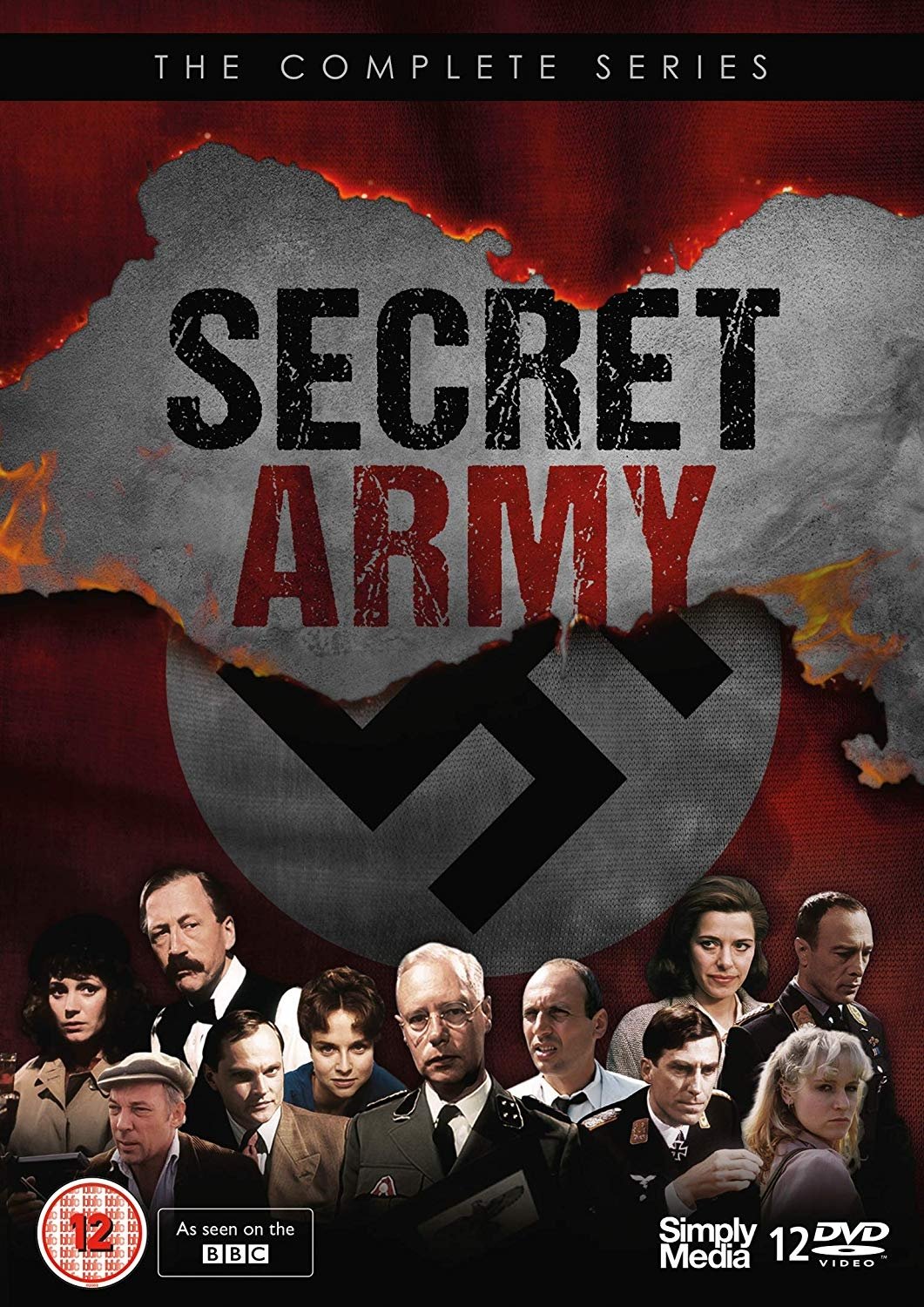
Set in occupied Belgium during World War II, ‘Secret Army’ dramatizes the “Lifeline” escape network that moved Allied airmen to safety. It details safe-house protocols, identity papers, and the layered cells designed to protect the network if one part is compromised.
The series underscores the dangers of informers, infiltrations by enemy intelligence, and the moral pressures on civilians who sustain clandestine activity under occupation. It pays close attention to courier routes, border crossings, and the practicalities of moving people through hostile territory.
‘I Spy’ (1965–1968)
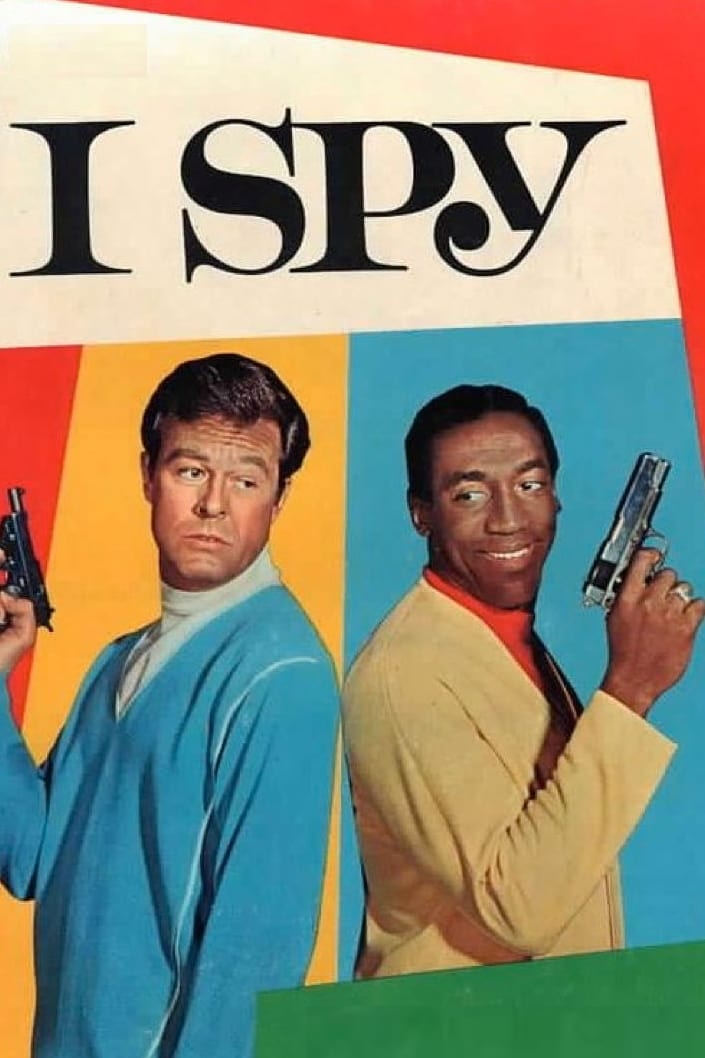
‘I Spy’ pairs two American agents traveling the world under sports-related cover, using their public personas to mask intelligence-gathering and protection missions. The show highlights the logistics of operating with minimal backup in unfamiliar environments, from quick-turn surveillance to emergency exfiltration.
Filmed on location, it demonstrates how language skills, local contacts, and improvisation are central to fieldwork far from home bases. It also reflects the era’s shifting geopolitics, with stories engaging neutral nations, contested regions, and the diplomatic sensitivities of working in public view.
Share your favorites and the titles you think we missed in the comments!