The Best TV Shows about Abduction & Kidnapping


Stories about abduction and kidnapping tap into high-stakes investigations and rescues on television. Whether fictional or based on real cases, these series follow missing-person units, negotiators, families, and survivors as they race against the clock, retrace last steps, and navigate overlapping jurisdictions.
You’ll find procedurals that tackle a new case each week alongside serial dramas that track one disappearance across an entire season. Many titles also explore adjacent issues—human trafficking, ransom negotiations, cults, and cross-border policing—while staying grounded in the mechanics of searches, forensics, and interagency coordination.
‘Without a Trace’ (2002–2009)
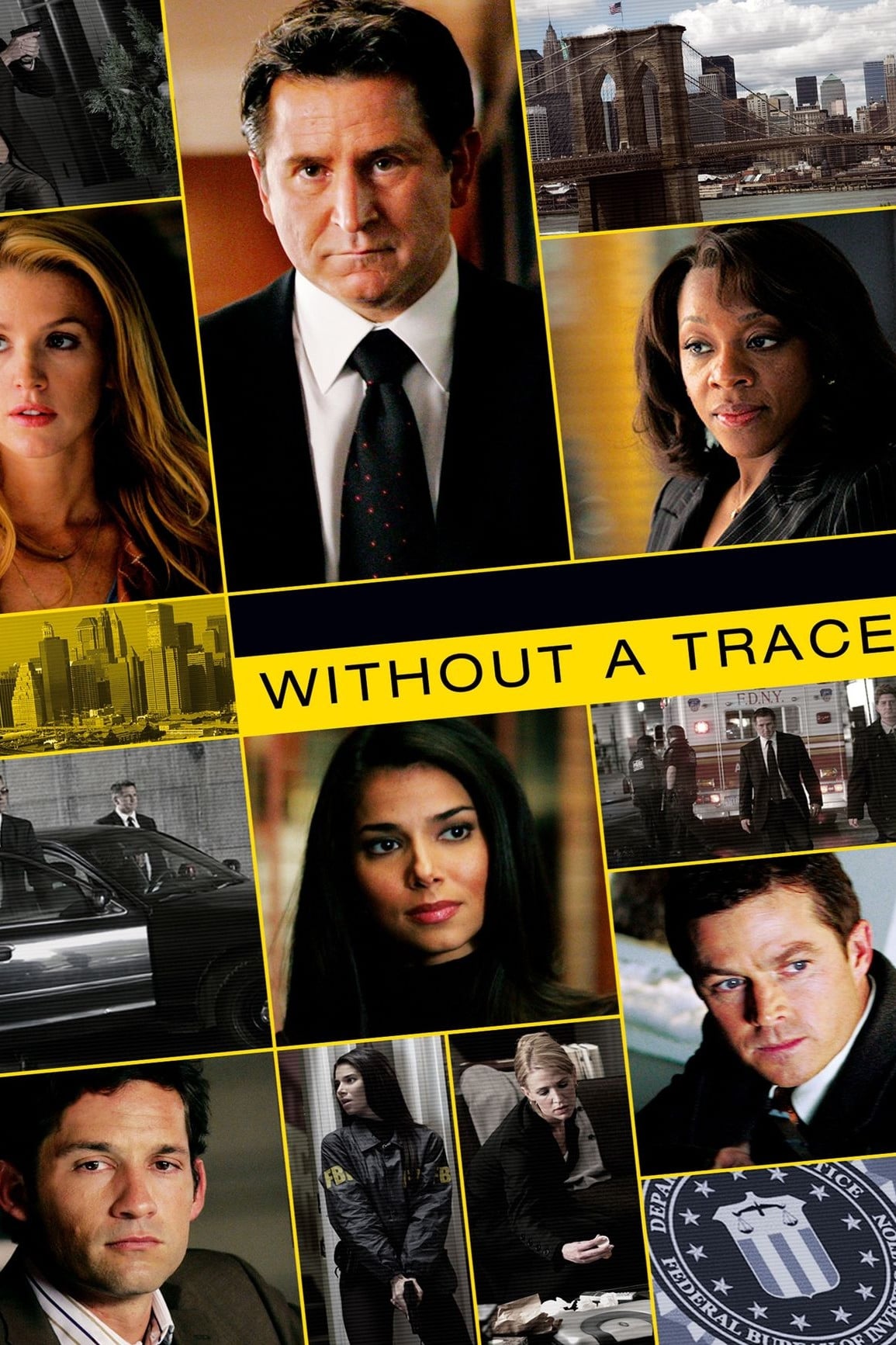
This procedural follows the FBI Missing Persons Unit in New York City as agents reconstruct the last 24 hours of those who vanish. Casework relies on timeline boards, interviews, and geolocation data to identify critical windows for recovery.
Investigations range from familial abductions and ransom schemes to trafficking and witness intimidation. Teams coordinate Amber Alerts, phone record analysis, and media appeals while managing evidence for prosecutable cases.
‘The Missing’ (2014–2016)
This anthology centers on separate child-abduction cases in Europe and the long-term toll on families and detectives. Timelines alternate between initial disappearances and years-later breakthroughs as new forensic avenues open.
A retired investigator re-interviews witnesses, revisits scenes, and cross-checks prior assumptions against fresh evidence. International settings add language barriers, legal differences, and Europol cooperation to the search.
‘Baptiste’ (2019–2021)
A spin-off from “The Missing,” this drama follows retired detective Julien Baptiste as he consults on complex disappearances abroad. Cases take him into organized-crime networks, identity fraud, and cross-border trafficking corridors.
He leverages informants, hotel and port records, and local partnerships to trace victims through unfamiliar jurisdictions. Episodes examine jurisdictional friction, chain-of-custody issues, and interagency data sharing.
‘Missing’ (2012)
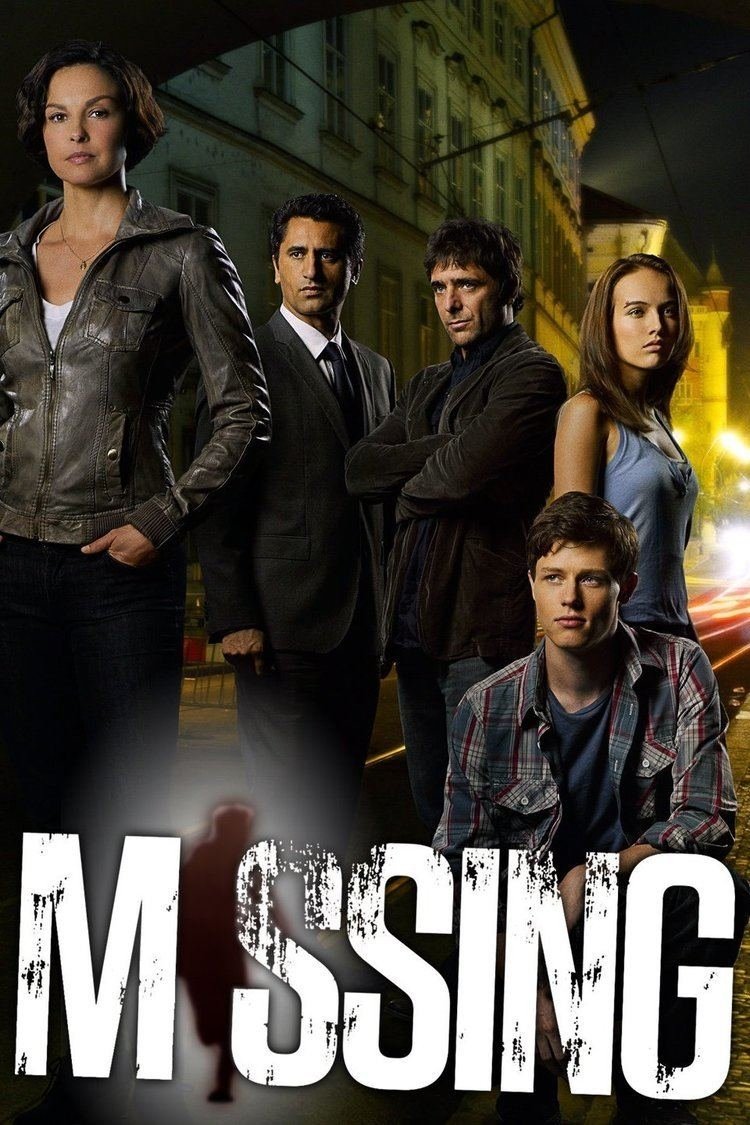
A former CIA operative launches a Europe-wide search when her son vanishes during a study-abroad semester. The hunt moves through safe houses, surveillance grids, and covert contacts across several capitals.
The investigation exposes handlers, intermediaries, and rival agencies with conflicting goals. Travel documents, forged identities, and monitored communications show how kidnappings can be staged across borders.
‘Gone’ (2017–2018)
A survivor of childhood abduction joins an FBI task force dedicated to missing-person cases. Each case examines different entry points—online lures, custody disputes, and opportunistic snatches in public spaces.
Analysts sift cloud backups, messaging apps, and cell-tower dumps for leads. The unit works with NGOs and victim-advocacy groups to bridge gaps between families and law enforcement.
‘Absentia’ (2017–2020)
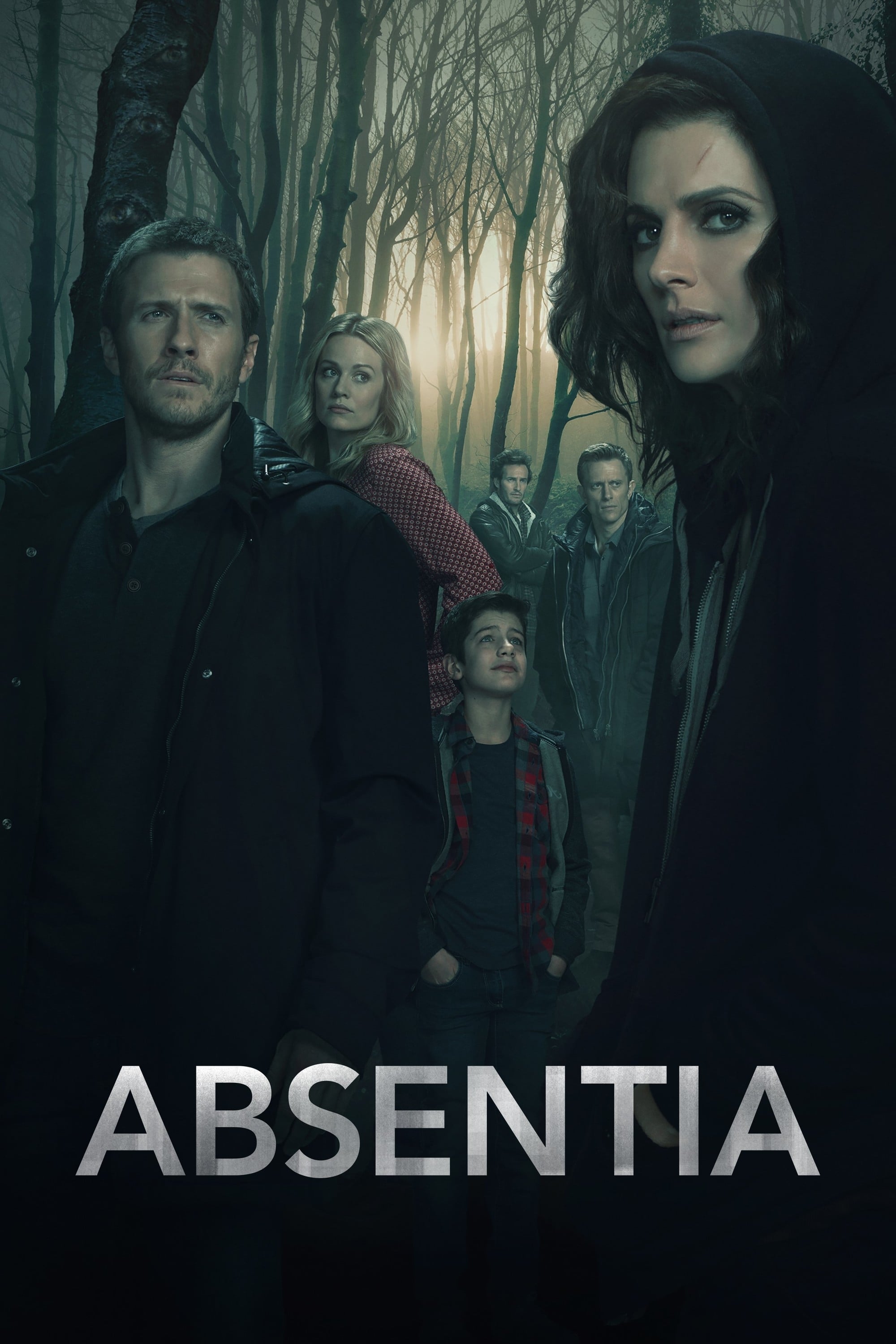
An FBI agent presumed dead reappears after years in captivity with fractured memories. The investigation reconstructs captivity sites, medical evidence, and the network behind the abduction.
Detectives test memory triggers, map possible holding locations, and track copycat crimes linked to the original captor. Legal complications arise as past cases intersect with new evidence.
‘Ransom’ (2017–2019)

A crisis-negotiation team handles kidnappings, extortion, and hostage standoffs worldwide. The lead negotiator applies behavioral science, active-listening techniques, and staged proof-of-life exchanges.
Episodes cover cross-cultural bargaining, third-party intermediaries, and meticulously choreographed ransom drops. The team also audits security practices to reduce repeat targeting.
‘Kidnapped’ (2006–2007)
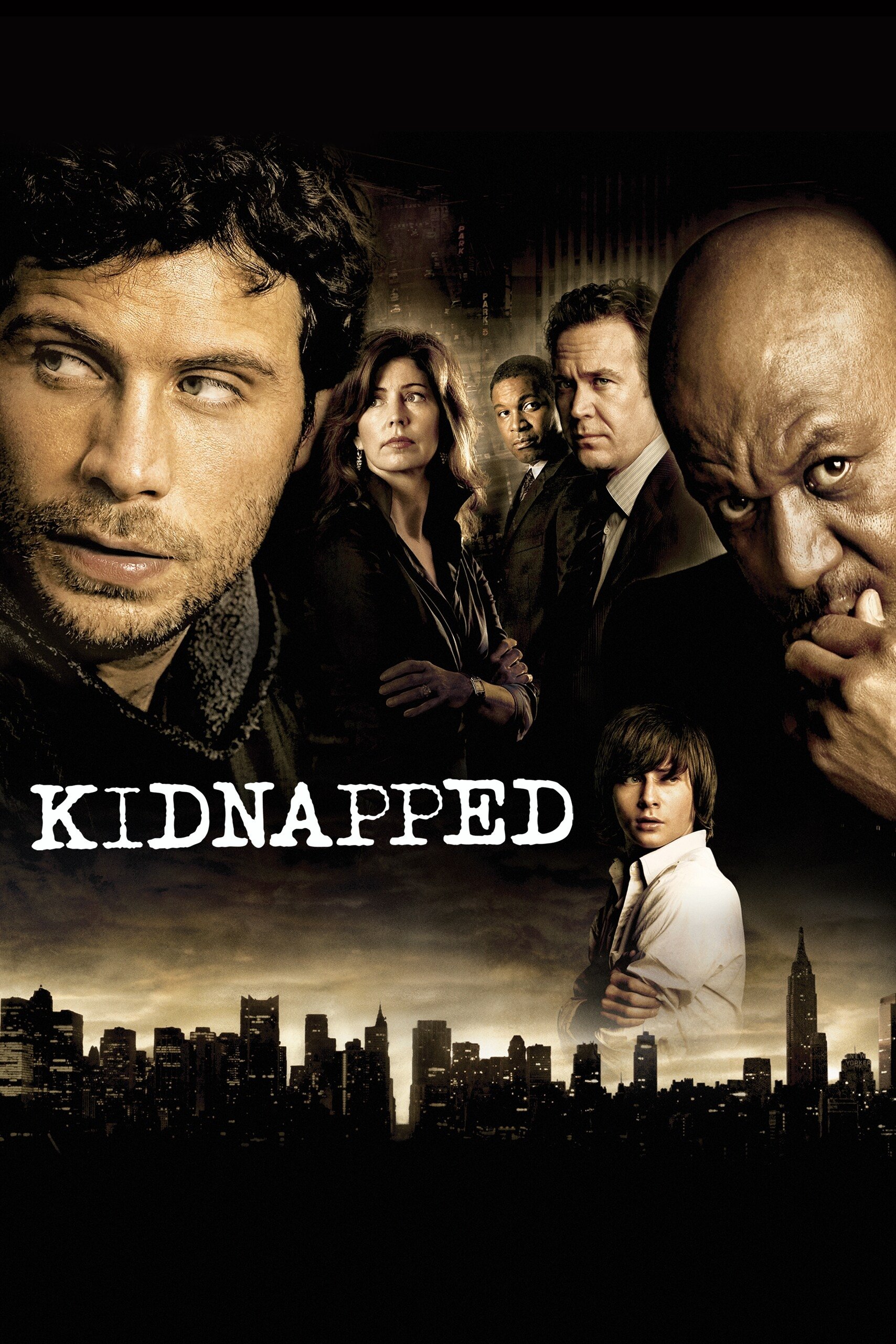
A wealthy family’s son is abducted, and a private fixer cooperates with the FBI while probing the crime’s deeper motives. The trail runs through shell companies, inside-the-house collusion, and offshore accounts.
Ransom communications and parallel investigations complicate recovery plans. Extraction protocols, safe routes, and medical stabilization procedures follow once a location is confirmed.
‘Top of the Lake’ (2013–2017)

A detective investigates the disappearance of a pregnant 12-year-old in remote New Zealand, later confronting linked exploitation cases in Australia. Isolation, terrain, and tight-lipped communities hinder searches.
Search grids, lake dredges, and bushland canvasses define field operations. The show traces how rumor, local power dynamics, and environmental conditions shape a missing-person inquiry.
‘Save Me’ (2018–2020)

After a teenage girl vanishes, her estranged father organizes neighbors on a London estate to find her alongside the police response. The community compiles CCTV clips, mobile data, and nightlife sightings.
Investigators probe potential trafficking links and run decoy operations to reach closed networks. Survivor-support pathways and safeguarding measures appear once victims are located.
‘Dark’ (2017–2020)

A small German town faces a pattern of disappearances connected across decades. Families and police build complex charts of relationships, locations, and repeating dates.
Searches focus on caves, decommissioned plants, and forest trails tied to earlier cases. The investigation documents how generational secrets and recurring locations complicate resolution.
‘The OA’ (2016–2019)

A woman returns after a long disappearance with an account of captivity alongside other abductees. Flashbacks detail selection, confinement, surveillance, and covert communication among captives.
Post-recovery, contacts attempt to verify facilities, movements, and timelines. The narrative tracks the difficulty of corroborating testimony when sites are concealed or dismantled.
‘Clickbait’ (2021)

A viral hostage video triggers a fast-moving search for a missing man while a countdown drives urgency. Investigators parse spoofed profiles, IP trails, and platform metadata to separate real threats from manipulated media.
Multiple points of view—family, police, journalists—converge on the same digital breadcrumbs. The case shows how kidnappers can exploit online attention to misdirect responders.
‘Big Sky’ (2020–2023)
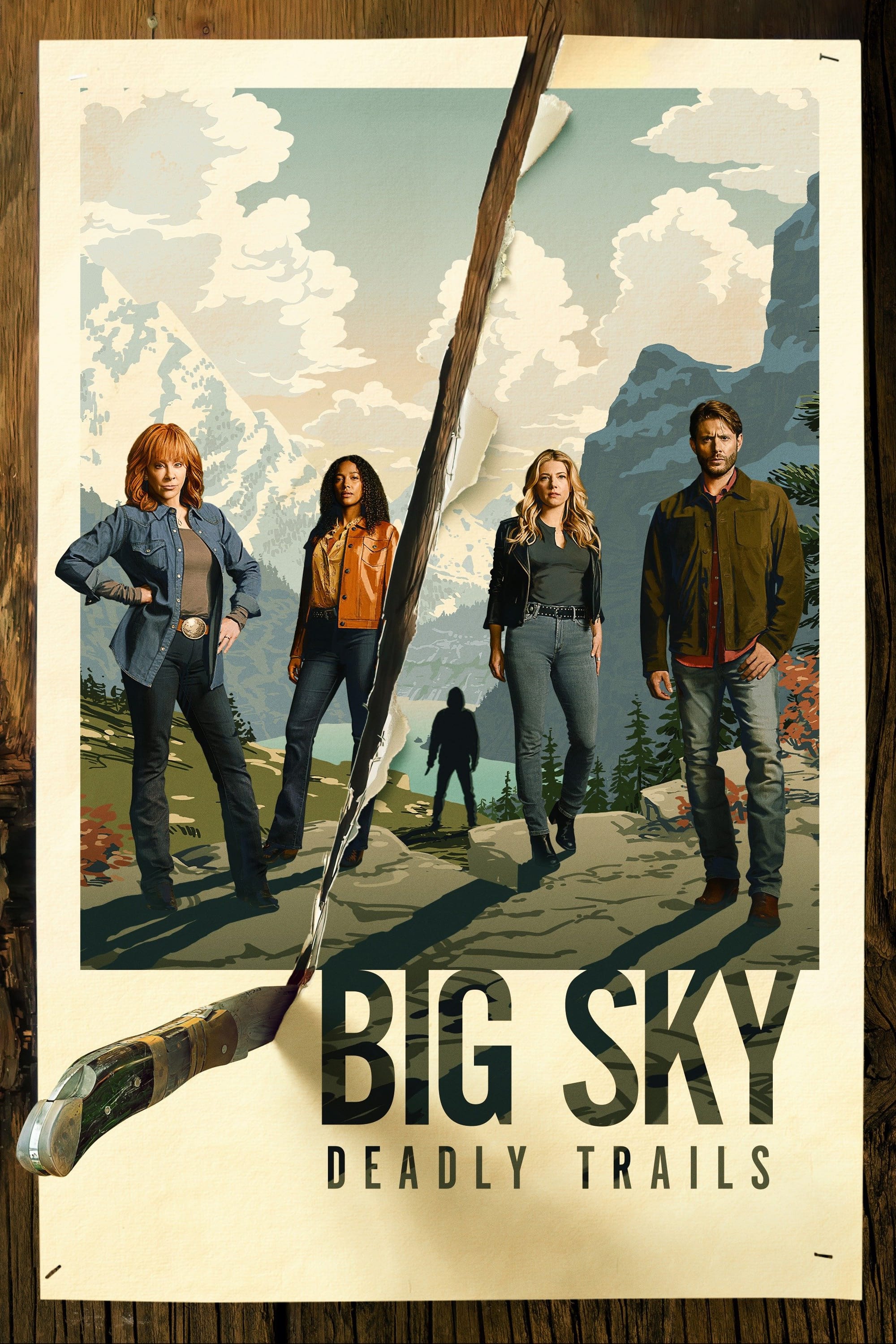
Highway abductions in Montana expose a trafficking pipeline moving victims through remote corridors. Private investigators coordinate with state police for roadblocks, motel canvasses, and trucking-route checks.
Sparse populations, vast distances, and jurisdictional handoffs complicate operations. Survivor statements help identify stash houses and transit patterns across county lines.
‘Alert: Missing Persons Unit’ (2023– )
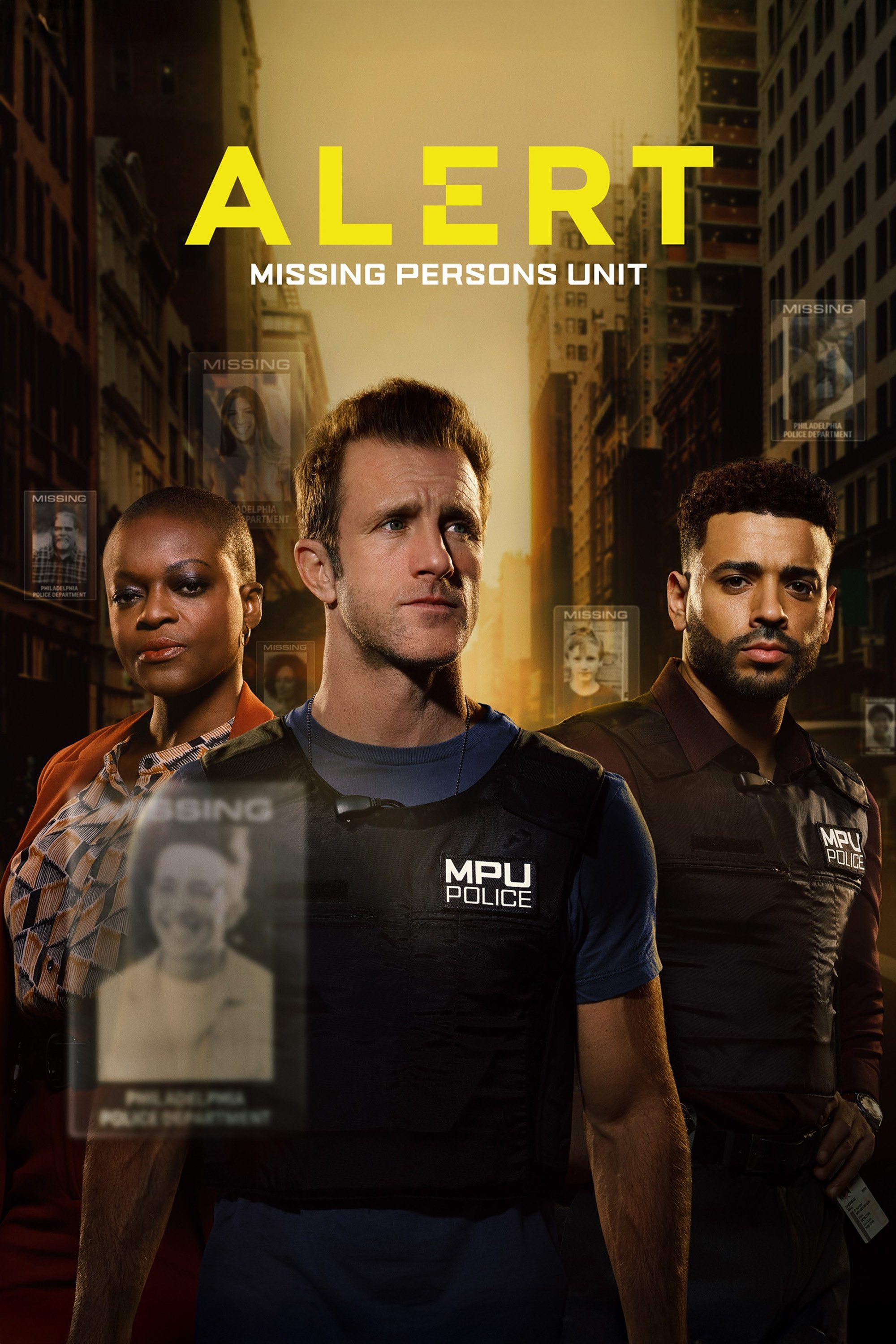
A specialized unit in Philadelphia triages disappearances with risk assessments and rapid alerts. Drone searches, K-9 teams, and geofencing help narrow active search areas.
Cases span familial kidnappings, online grooming, and cold-case reactivations. Analysts reconstruct last-known movements using transit data and citywide camera networks.
‘Found’ (2023– )
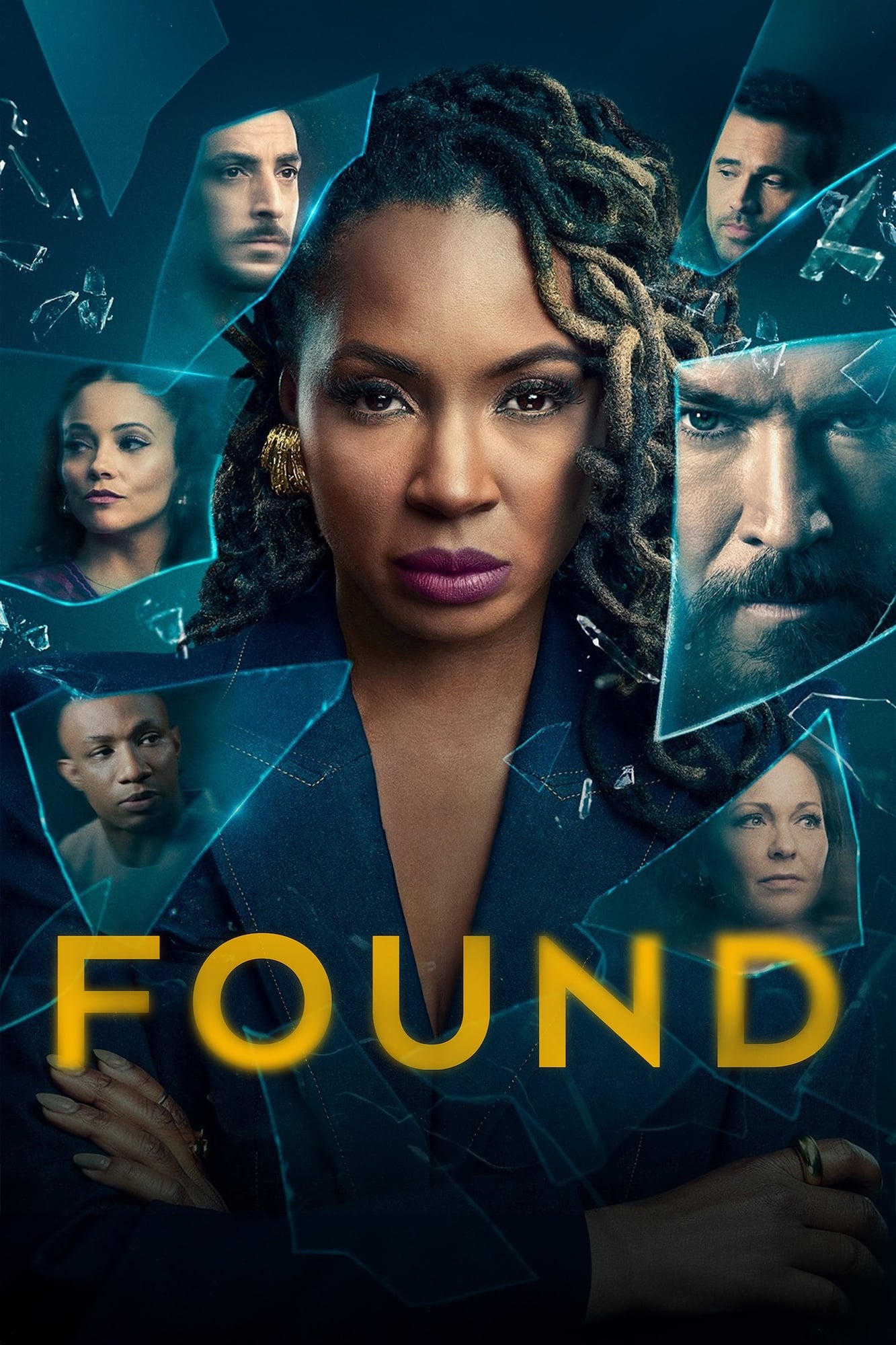
A crisis-management professional leads a private team focusing on people the system overlooks, including long-term missing adults. Undercover work and controlled negotiations bring cases to a point where law enforcement can act.
The group coordinates medical care, legal aid, and safe housing after recoveries. Community partnerships generate tips in neighborhoods wary of official channels.
‘Tracker’ (2024– )
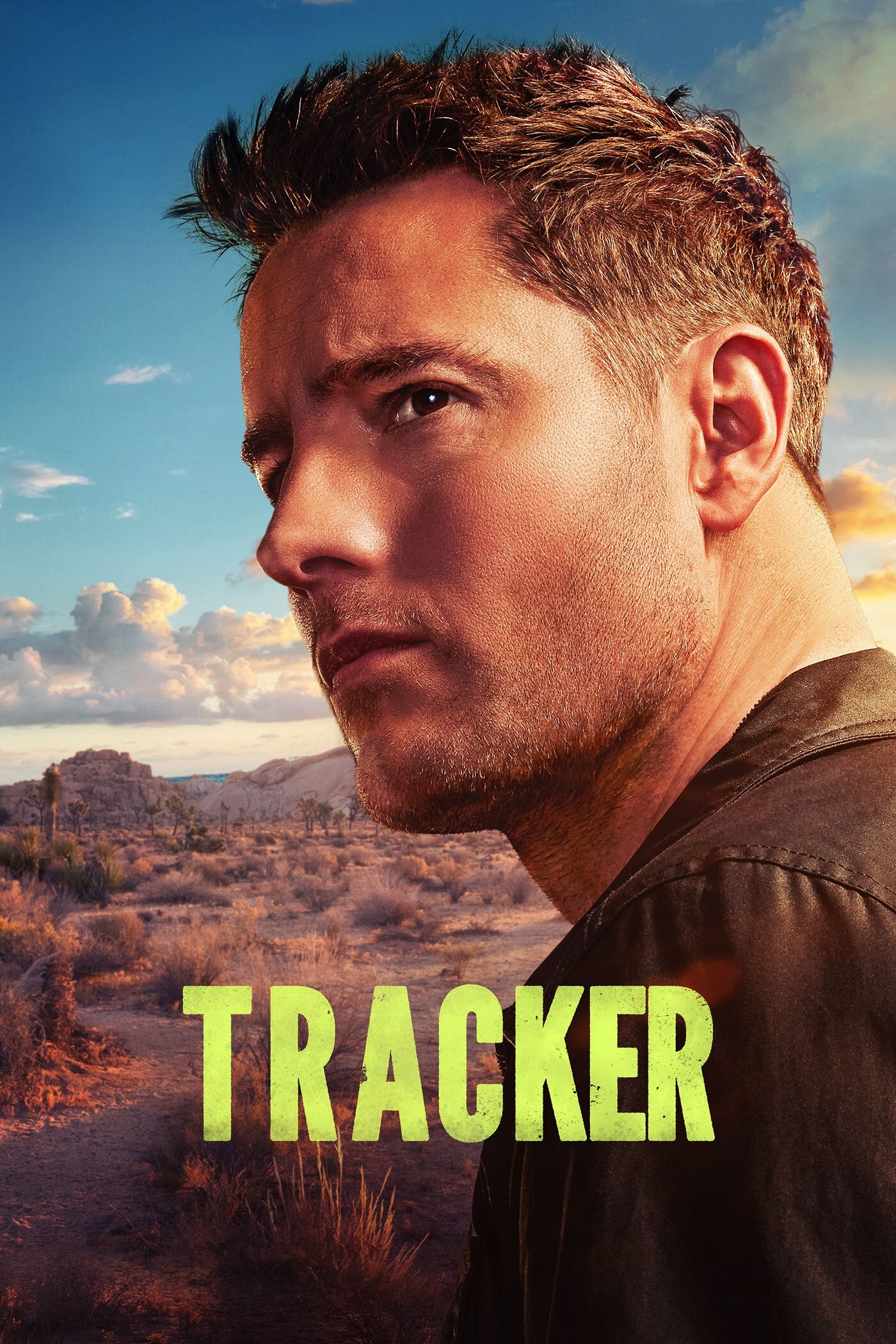
A reward-seeker travels the United States locating missing people, frequently intersecting with kidnappings. Fieldcraft includes reading terrain, interviewing informants, and following financial or travel breadcrumbs others miss.
Coordination with local authorities prevents evidence contamination and ensures admissibility. Episodes highlight documentation practices that support prosecutions after rescues.
‘The Disappearance’ (2017)
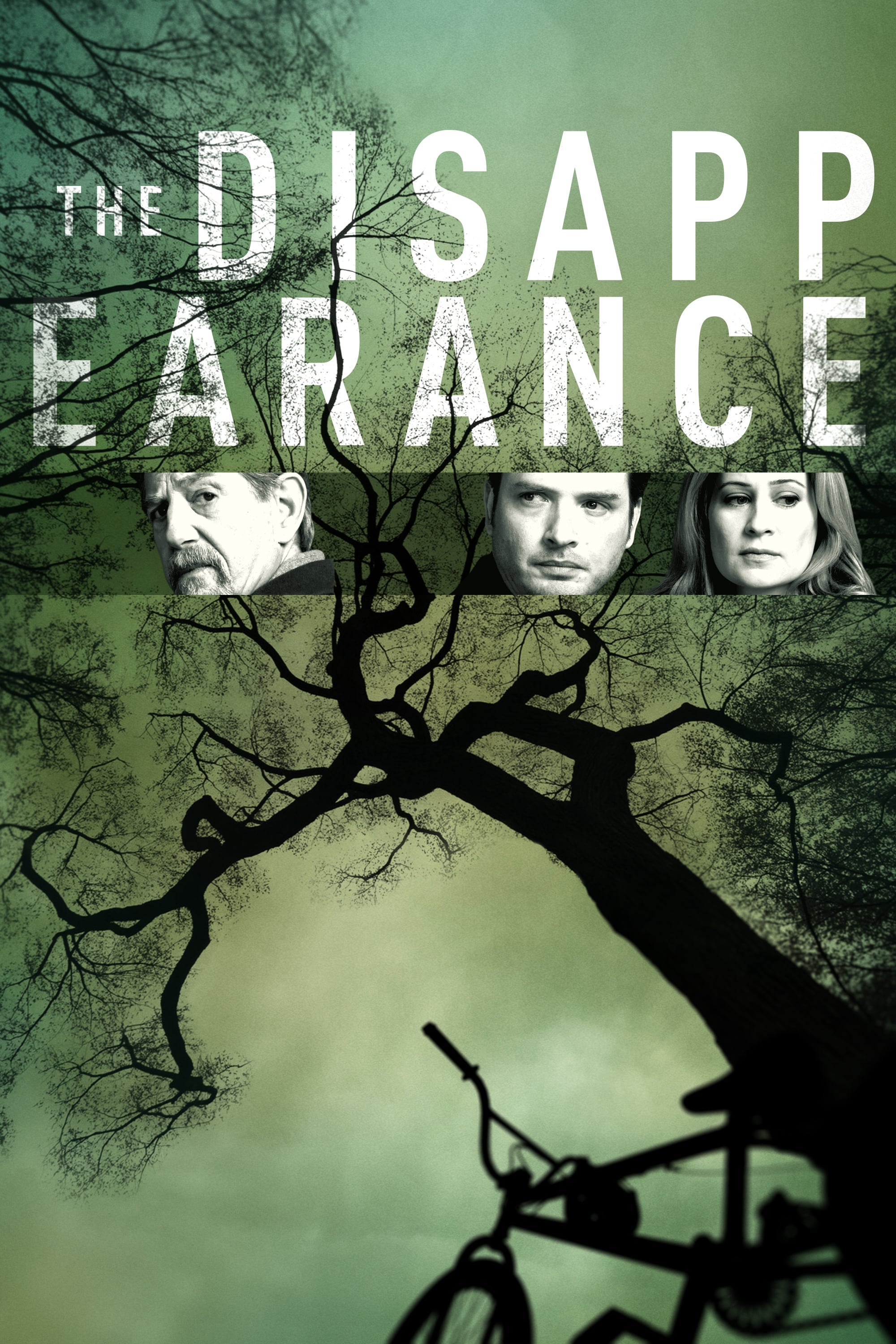
A Canadian family and police unit search for an 8-year-old who vanishes during a scavenger hunt. Early efforts focus on neighborhood canvasses, surveillance gaps, and incident mapping.
As new evidence appears, investigators rebuild minute-by-minute movements and refine suspect pools. Interagency coordination and family-liaison protocols remain central throughout.
‘The Disappearance’ (2015)
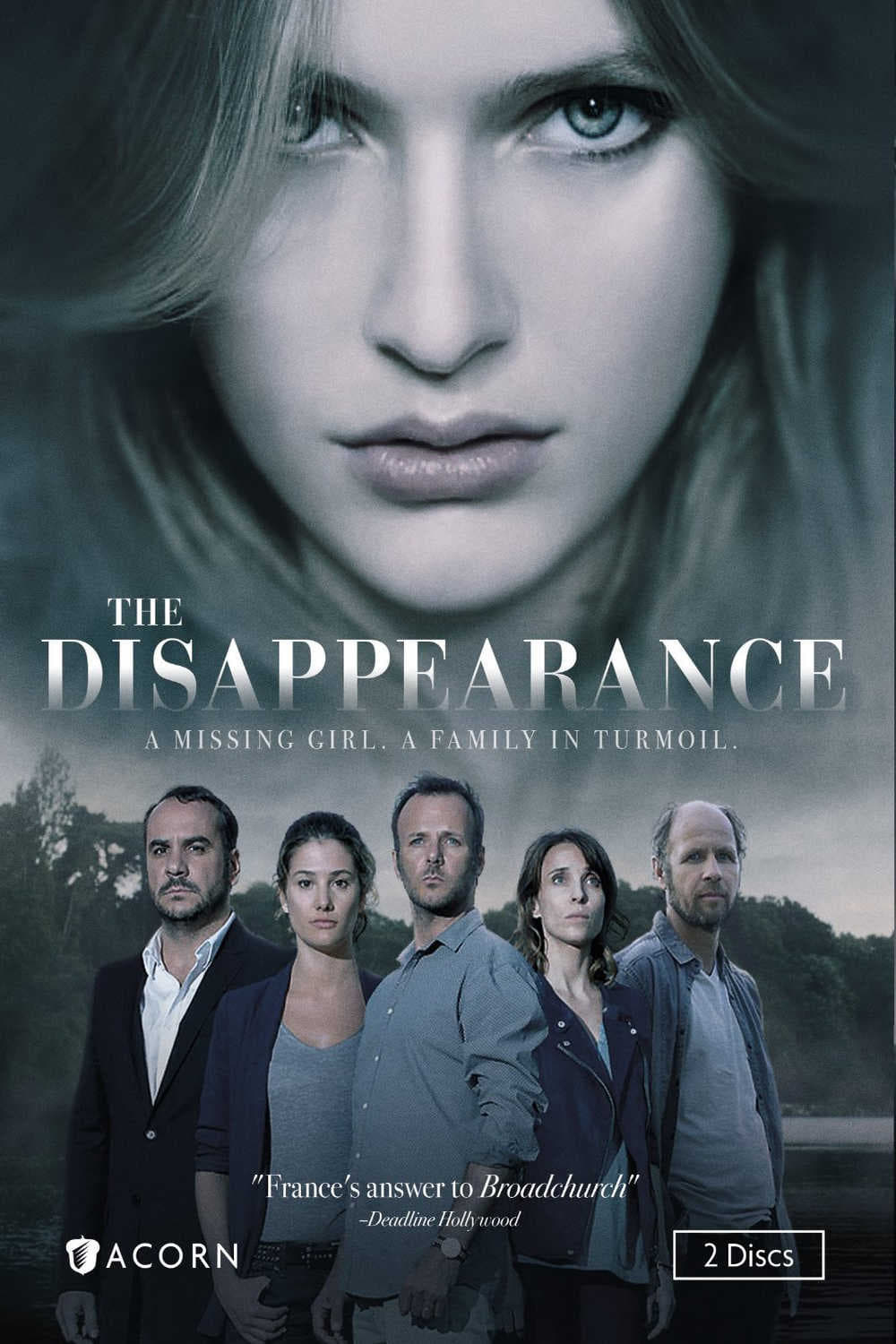
In Lyon, a teenager disappears after a night out, triggering a wide-ranging inquiry. Detectives analyze phone metadata, club-district CCTV, and taxi records.
Family dynamics prompt repeated interviews and credibility checks. Media attention amplifies tips while increasing the volume of false leads to filter.
‘The Forest’ (2017)

Set in the Ardennes, a missing-girl case exposes earlier disappearances connected to forested terrain. Search operations use grid patterns, cadaver dogs, and topographic mapping.
Investigators cross-reference historical cases, local legends, and property records. Rural logistics, volunteer coordination, and weather windows affect fieldwork.
‘The Bay’ (2019– )
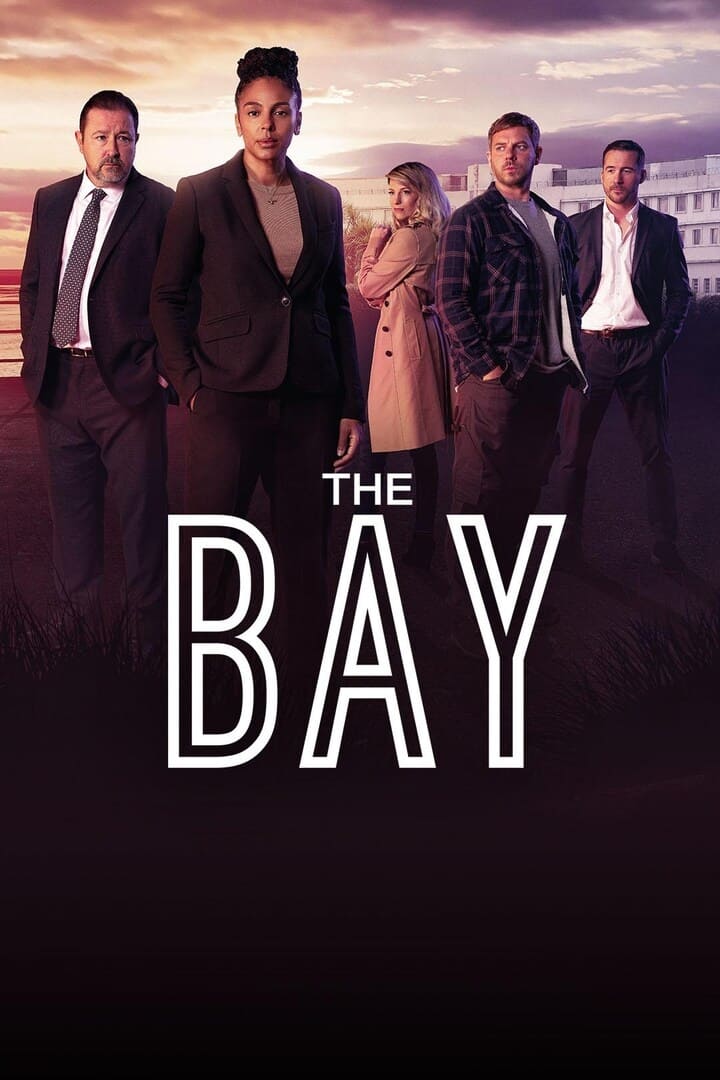
In a coastal English town, multiple seasons open with missing-person cases tied to nightlife and tides. Marine timelines, pier cameras, and ferry schedules inform early searches.
Family-liaison officers maintain communication with relatives while CID compares alibis against geofenced data. Community outreach campaigns produce key witness statements.
‘The Vanishing Triangle’ (2023)

This Irish drama revisits a cluster of disappearances from the 1990s. Journalists and police combine route reconstructions, appeals, and cross-county information-sharing.
Public campaigns elevate investigative priority and resource allocation. The storyline tracks archival review, suspect patterning, and survivor advocacy.
‘Trust’ (2018)

A kidnapping in Italy involving a prominent family unfolds through intermediaries, proof-of-life exchanges, and protracted bargaining. Police tap communications and monitor rendezvous sites.
Negotiations navigate shifting demands, controlled leaks, and conflicting family strategies. Surveillance, wire intercepts, and controlled drops are central tactics.
‘Unsolved Mysteries’ (1988– )

This docuseries regularly features abductions and missing-person cases alongside other crimes. Episodes present timelines, reenactments, and appeals for public tips.
Updates document arrests, identifications, and reunifications sparked by viewer information. The format demonstrates how awareness campaigns can revive dormant investigations.
‘Law & Order: Special Victims Unit’ (1999– )

A New York City unit investigates kidnappings connected to sexual offenses and trafficking. Procedures include trauma-informed interviews, forensic exams, and prosecutor coordination.
Amber Alerts, online-predator stings, and complex custody cases recur. Chain-of-evidence discipline and victim-advocacy services are integral to outcomes.
‘Criminal Minds’ (2005– )
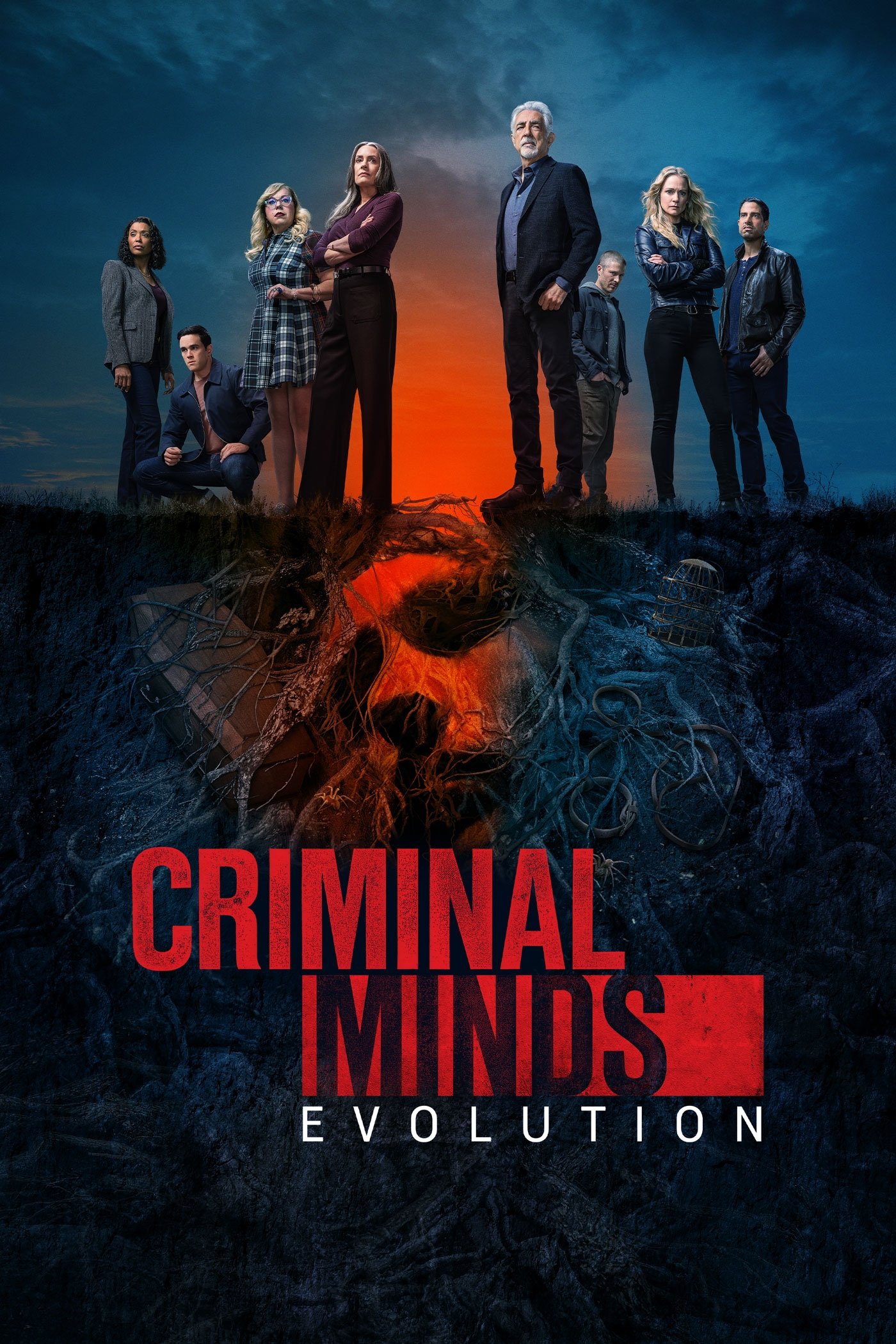
The Behavioral Analysis Unit profiles offenders behind abductions and serial kidnappings. Teams build geographic profiles, analyze crime-scene signatures, and anticipate offender movements.
Operations involve coordinated takedowns and recovery protocols for victims. Behavioral insights guide surveillance, interview strategy, and rescue timing.
‘Mare of Easttown’ (2021)

A small Pennsylvania community confronts an abduction linked to other serious crimes. Detectives juggle overlapping timelines, conflicting statements, and interdepartmental cooperation.
Evidence processing includes phone extractions, vehicle searches, and canvassing overlooked sites. Community relationships shape both credible tips and misdirection.
‘The Snow Girl’ (2023)

During a parade in Málaga, a child disappears and a journalist keeps the case alive over years. The inquiry integrates evolving technology such as improved video analytics and data retention.
Authorities balance public appeals with operational security. Case files are re-tested as new methods become available, producing breakthroughs from old evidence.
‘Captive’ (2016)
This docuseries examines international kidnappings from the perspectives of victims, negotiators, and families. Episodes break down proof-of-life standards, escalation points, and payment risks.
Cultural context influences bargaining strategy and communication channels. Reconstructions show how responders weigh intelligence gathering against hostage safety.
‘The Girl from Oslo’ (2021)

A young woman’s kidnapping in the Sinai triggers diplomacy and back-channel contacts. Multiple governments and non-state actors become stakeholders in negotiations.
Leverage points include prisoner exchanges, public pressure, and controlled media coverage. Travel logistics and security clearances determine rescue timing.
‘Hostages’ (2013–2016)

The Israeli thriller centers on a surgeon coerced through a family hostage situation. Investigators trace support networks, supplies, and communications maintaining control over captives.
Law-enforcement responses include surveillance perimeters, phone tracing, and staged rescue attempts. The plot explores operational planning from both sides of containment.
‘Hostages’ (2013–2014)
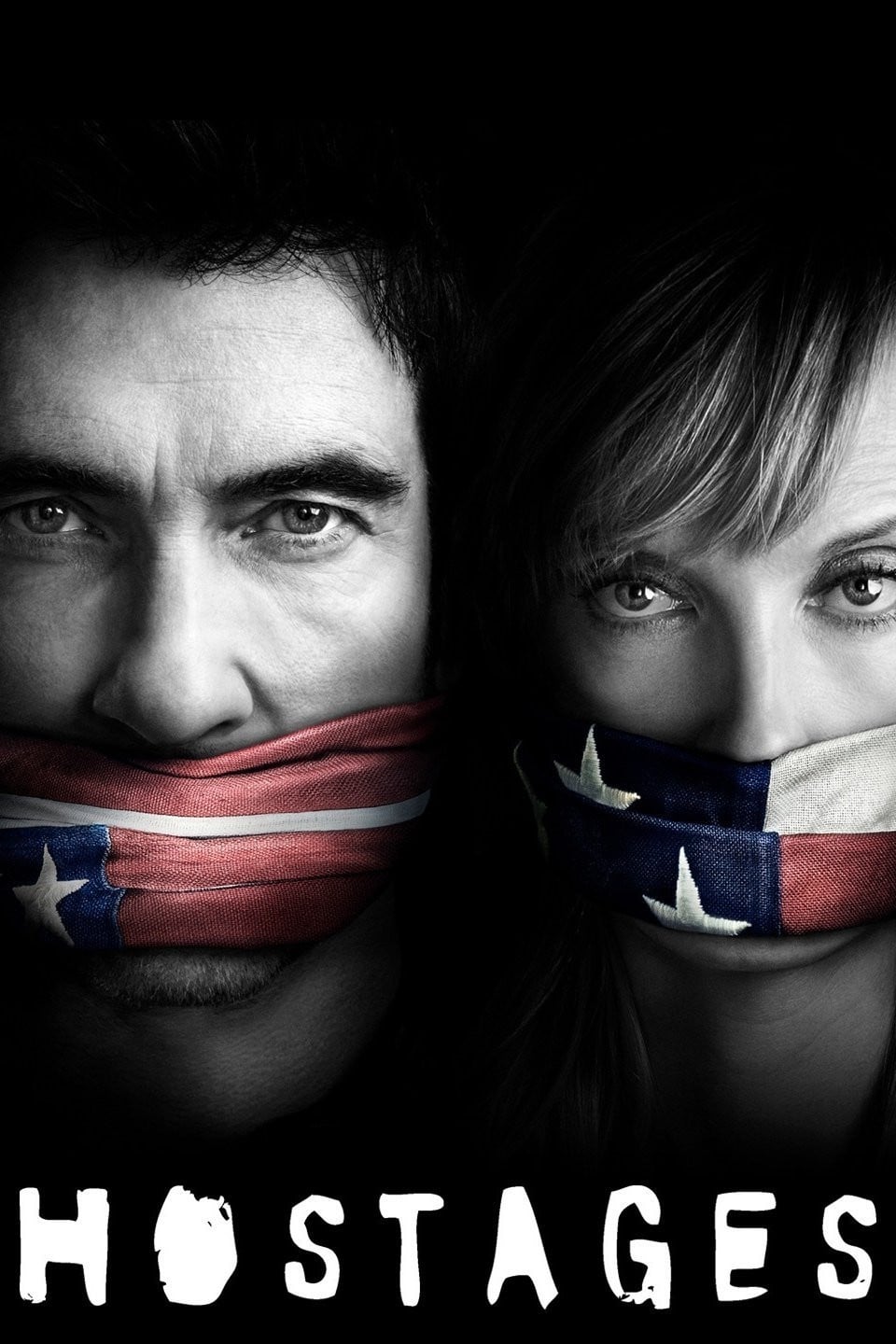
The U.S. adaptation relocates the conspiracy to Washington, D.C., integrating federal agencies. Negotiations balance family safety with broader security stakes.
Containment tactics, wire intercepts, and rescue sequencing feature prominently. Controlled contact windows and scripted calls demonstrate pressure maintenance by captors.
‘The Patient’ (2022)

A therapist is abducted by a patient and held in a concealed basement to provide coerced treatment. The setup examines captivity logistics, soundproofing, and avoidance of detection.
Small communication attempts and coded signals illustrate distress signalling. The narrative highlights how limited movement and controlled supply runs reduce exposure.
‘The Clearing’ (2023– )

This Australian thriller investigates a cult that abducts and indoctrinates children. Police follow missing-child reports, property records, and financial trails tied to the group.
Survivor testimony and historical documents aid cross-state cooperation. The inquiry addresses recovery, deprogramming, and long-term safeguarding.
‘Save Me’ (2017)

This South Korean series follows friends working to free a woman trapped in a violent pseudo-religious cult. Abduction unfolds through isolation, forced dependency, and control of movement.
Civilians and police gather recordings, witness statements, and financial evidence to build a case. Legal hurdles arise when victims are conditioned to deny abuse.
‘The Kidnapping Day’ (2023– )

A man becomes entangled in a kidnapping plot involving a gifted child, exposing a larger conspiracy. Hospital records, school files, and surveillance footage provide early leads.
Authorities track movements via traffic cameras and transaction trails. The duo at the center pieces together who engineered the abduction and why.
‘Voice’ (2017– )

An emergency-call center and field team respond to kidnappings and violent crimes in real time. Call-takers extract critical details—ambient sounds, timing, and background clues—to guide units.
Rapid responses triangulate locations using cellular data and witness updates. The framework emphasizes coordination between dispatch, patrol, and specialized squads.
‘Missing: The Other Side’ (2020–2023)

Investigators pursue unresolved missing-person cases with a supernatural device that points toward victims. Clues from an otherworldly village are compared against real-world evidence.
The focus includes identification, recovery, and family closure. Administrative processes—declarations, guardianship, and records—appear as parallel storylines.
‘Signal’ (2016)

A profiler communicates across time with a detective from the past to solve cold cases, many involving abductions. Files are reopened using advances in DNA analysis, timelines, and offender profiling.
The narrative demonstrates how preserved evidence enables future re-testing. Procedural gaps from earlier eras are corrected through modern techniques.
‘Erased’ (2016)

An adult repeatedly rewinds to his childhood to prevent a series of abductions. He monitors risk locations, observes offender behavior, and stages protective interventions.
Safety tactics include buddy systems, chaperoned routes, and community vigilance. Small changes in routine disrupt patterns that predators exploit.
‘The Five’ (2016)
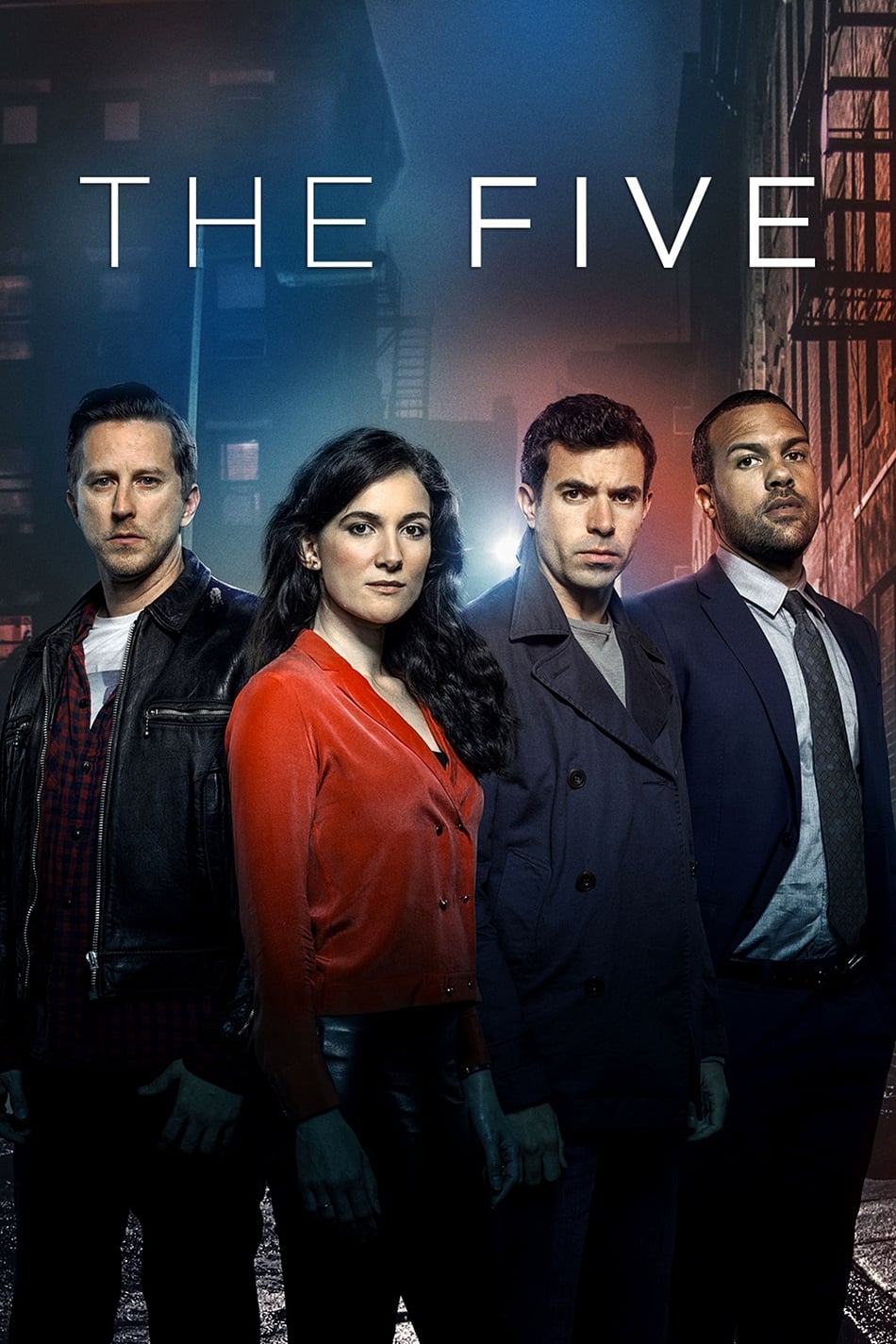
DNA from a boy who disappeared years earlier surfaces at a new crime scene, reigniting an old case. Detectives and the boy’s friends reconstruct the original day with updated methods.
Modern databases and forensic tools reframe the investigation, prompting searches of previously cleared areas. Evidence-chain integrity across long intervals becomes critical.
‘Safe’ (2018)

After a teenager vanishes from a gated community, her father uncovers secrets that complicate the search. Private security footage, party photos, and peer messages rebuild a precise timeline.
Police coordinate interviews and reconcile alibis against new video sources. Controlled information releases aim to protect ongoing operations.
‘Stay Close’ (2021)
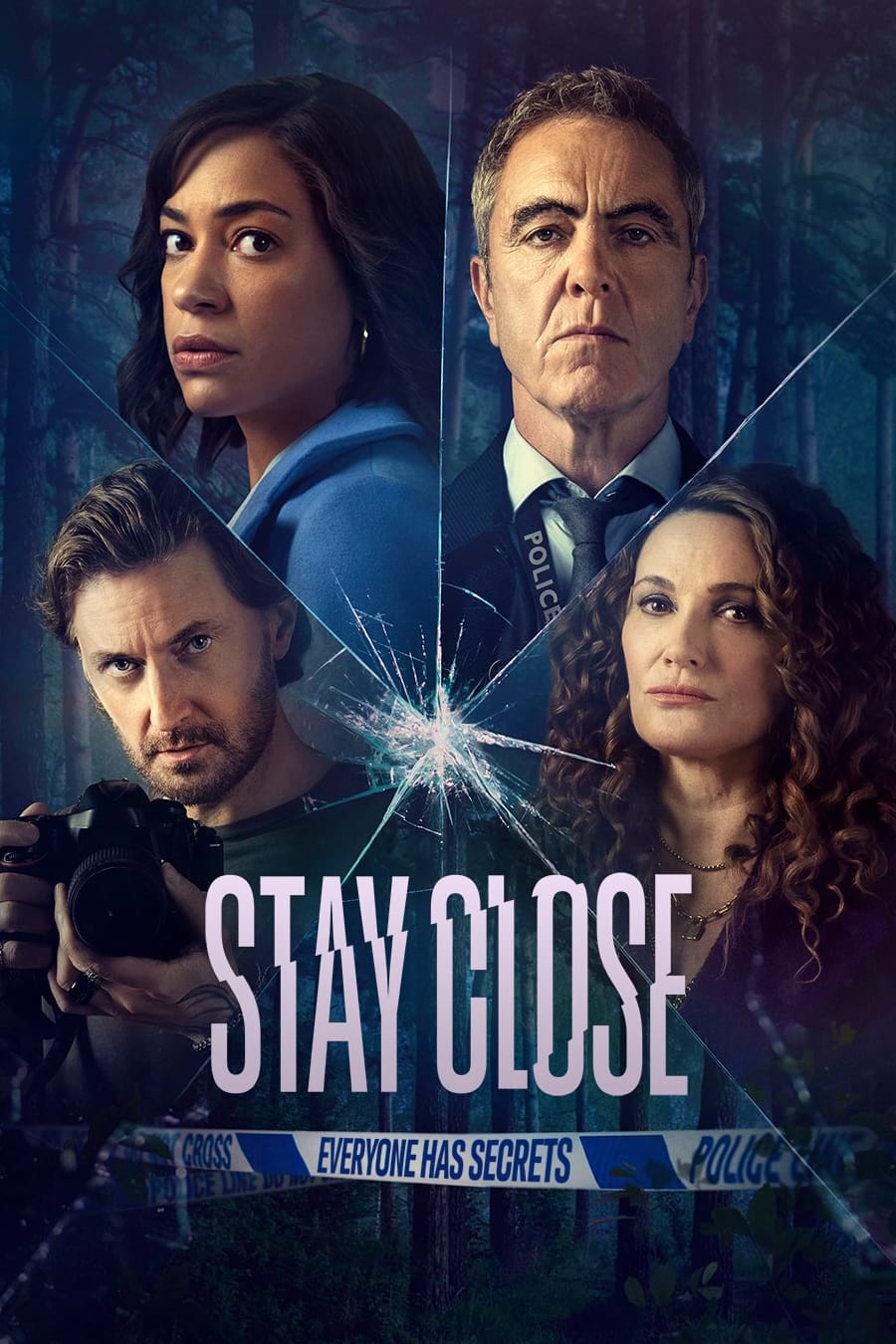
A present-day disappearance links to an older case around nightlife districts and ride routes. Detectives cross-reference ride-share logs, cell-site data, and venue cameras.
Cold-case tips return with new witnesses and digital trails. Warrants for historic data access play a role in uncovering movements.
‘Who Killed Little Gregory?’ (2019)

This French docuseries re-examines a child’s abduction and murder from the 1980s using archival material and police files. Anonymous letters, family conflicts, and media coverage shape the inquiry.
Experts discuss forensic limits of the era alongside modern possibilities. Judicial milestones and appeals trace the case’s legal path.
‘The Disappearance of Madeleine McCann’ (2019)

A high-profile case of a British child missing in Portugal is recounted through interviews with investigators, journalists, and witnesses. The series tracks apartment examinations, search perimeters, and suspect timelines.
Cross-border cooperation, Interpol notices, and media management appear throughout. Private-investigator efforts complement official leads at different stages.
‘The Truth About the Harry Quebert Affair’ (2018)
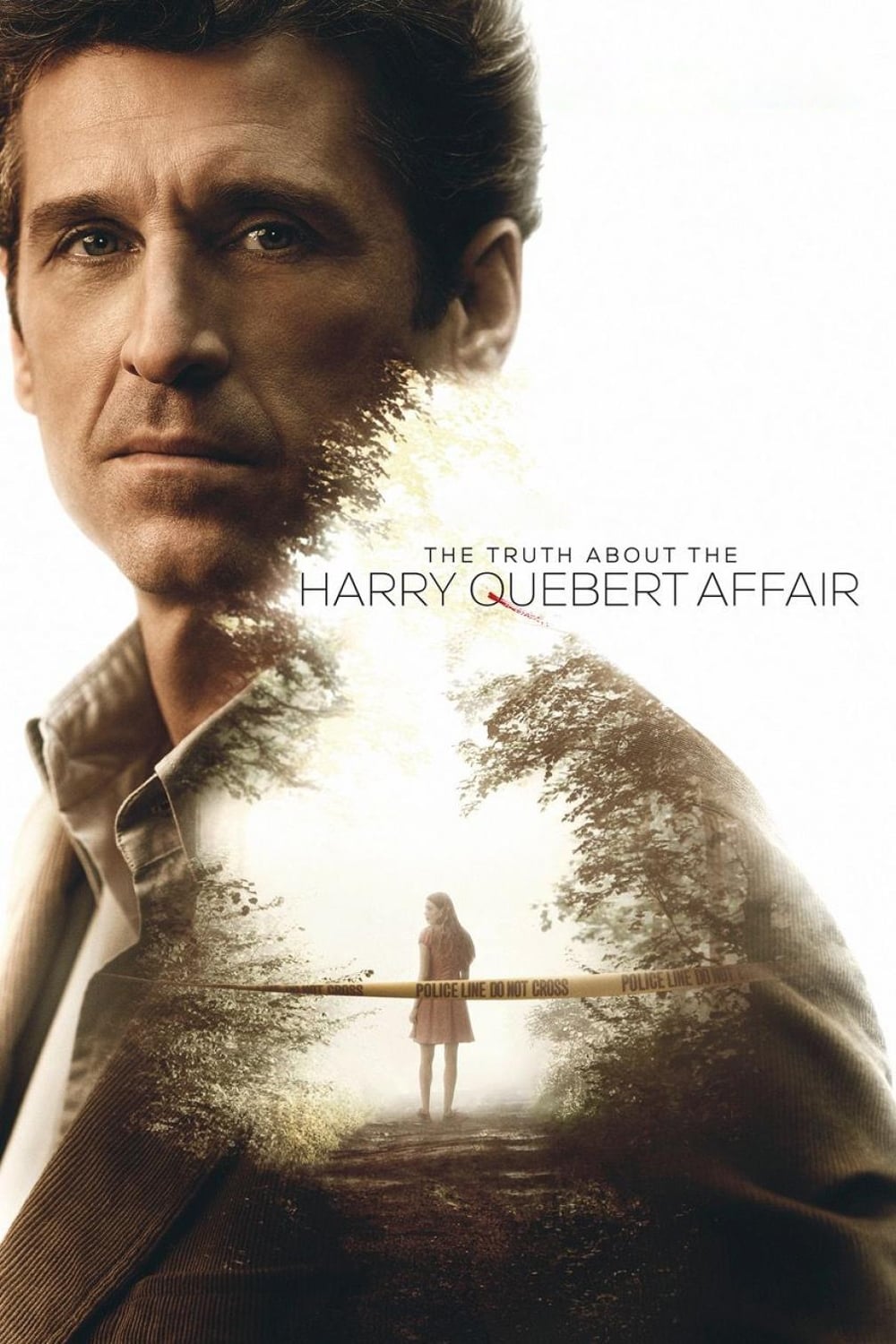
An author becomes implicated when new evidence resurfaces in a teenager’s disappearance. Investigators and reporters sift manuscripts, letters, and property records to reconstruct events.
Searches of rural properties and storage sites follow emerging motives and relationships. Publicity complicates police work as attention increases.
‘Harlan Coben’s Shelter’ (2023– )

A New Jersey teen investigates a classmate’s disappearance and uncovers a network linked to other missing youths. School records, neighborhood cameras, and online forums offer starting points.
Safe houses and historical cases connect current events to a longer operation. Community tips and digital sleuthing trigger formal action.
‘Taken’ (2017–2018)
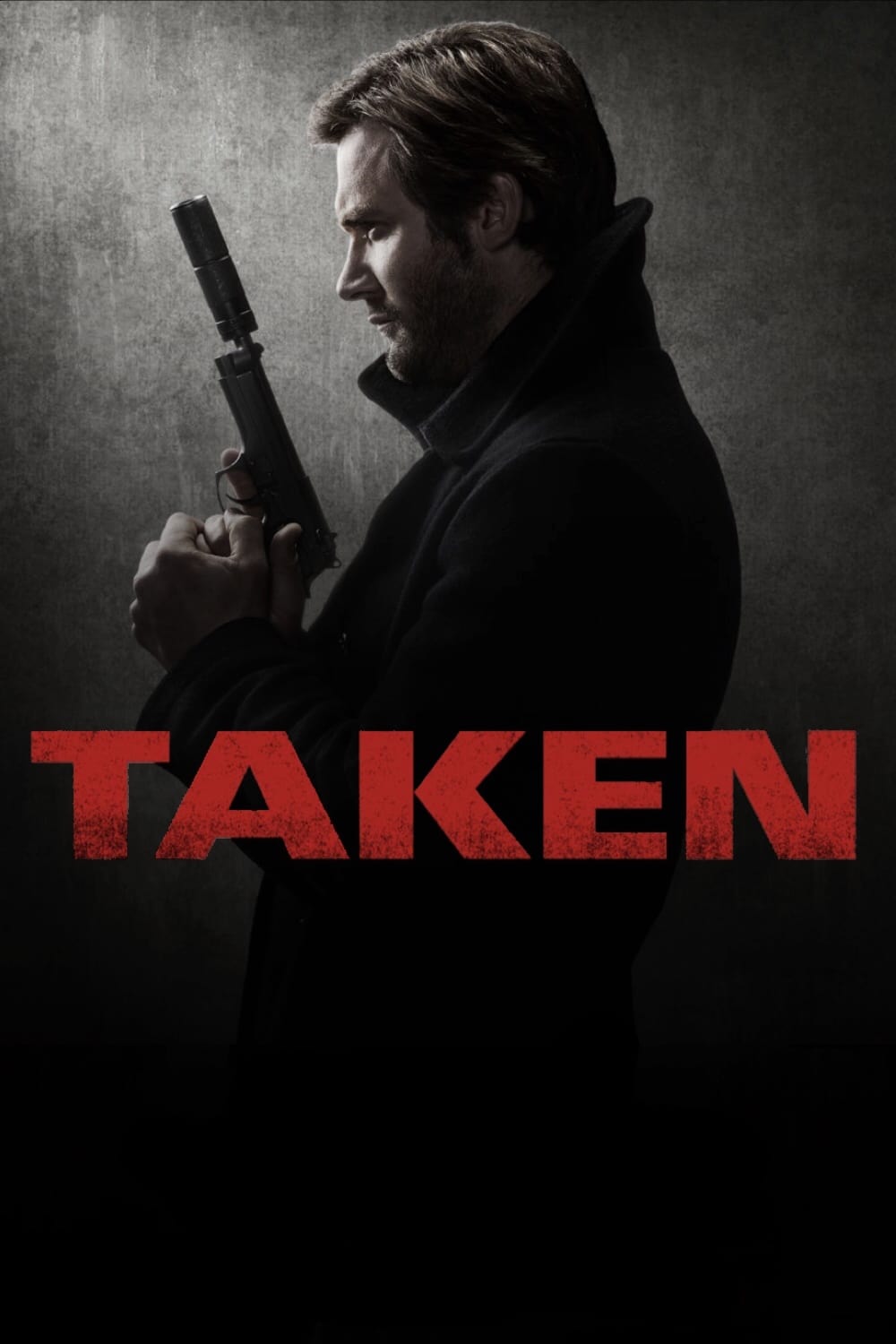
A prequel to the film franchise follows a rookie operative drawn into counter-kidnapping missions. Teams track satellite phones, spoof communications, and plan extractions with foreign partners.
Operations include controlled buys, surveillance, and coordinated raids. Debriefs document intelligence gathered during hostage recovery.
‘Bordertown’ (2016–2020)

Set on the Finnish-Russian border, several arcs involve abductions shaped by cross-border movement. Investigators work with customs officials, intelligence services, and local police.
Forensic labs process trace evidence from forests, cabins, and vehicles used to transport victims. Language and legal differences influence strategy and timelines.
‘The Bridge’ (2011–2018)
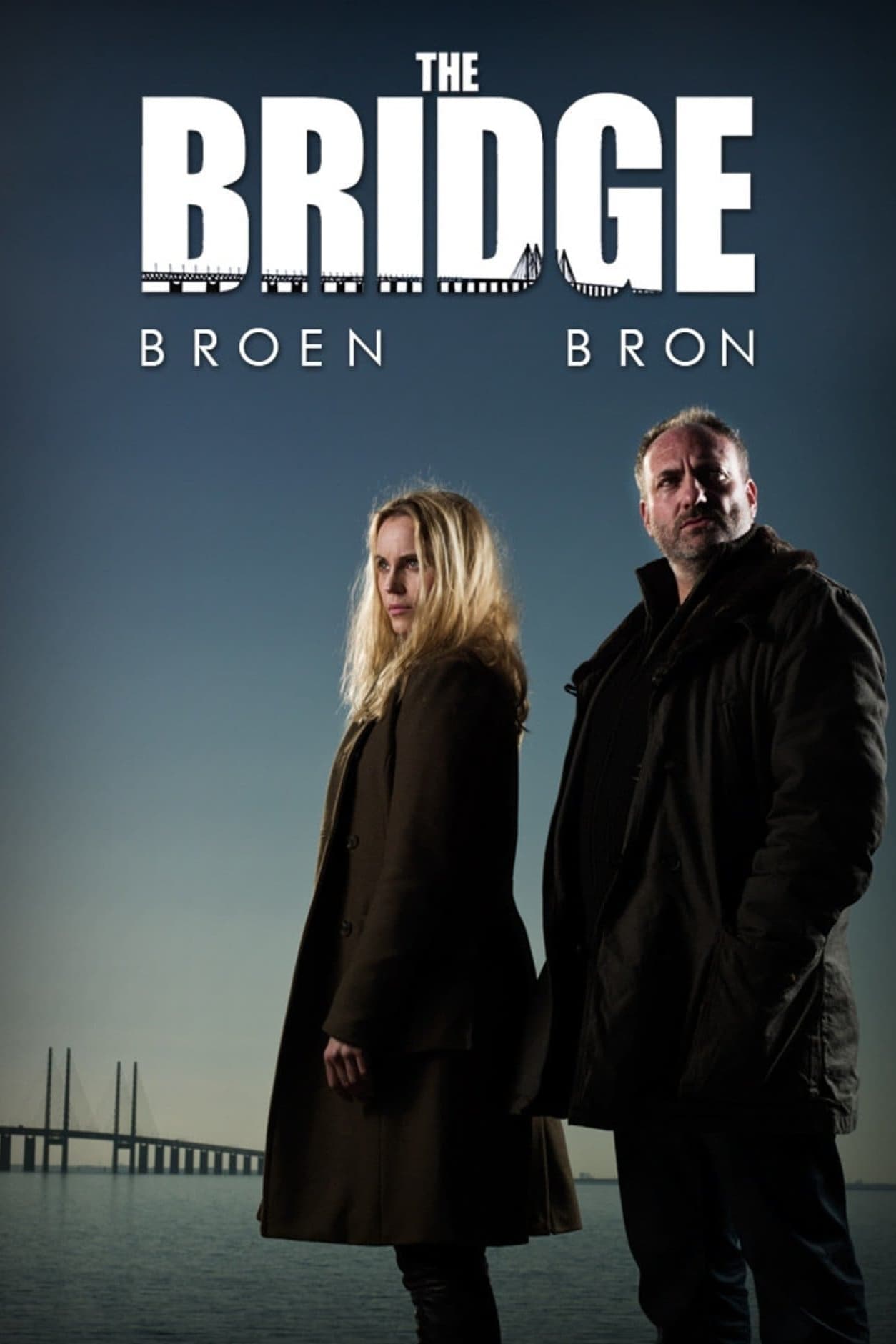
Danish and Swedish police form a joint team after crimes—including kidnappings—intersect on the Øresund Bridge. Joint-investigation protocols share databases and procedures across two systems.
Cases depend on traffic-camera networks, ferry manifests, and cellular records that cross national lines. Evidence exchange and extradition processes are part of the workflow.
Share which shows you think handled abduction and kidnapping most effectively in the comments.