The Best TV Shows Based on True Stories


Real life has a way of writing stories you couldn’t make up, and that’s exactly why shows drawn from actual events hit so hard. Whether they recreate headline-grabbing trials, trace the rise and fall of notorious figures, or bring long-ago history into sharp focus, these series lean on court records, memoirs, declassified files, news reporting, and first-hand accounts to build something gripping and grounded.
Below is a wide-ranging roundup that spans crime, politics, war, sport, business, and royalty. Each entry notes what the show adapts, the real people and incidents involved, and how the production approached the material—from source texts and key locations to creative teams—so you can zero in on what fascinates you most.
‘Chernobyl’ (2019)
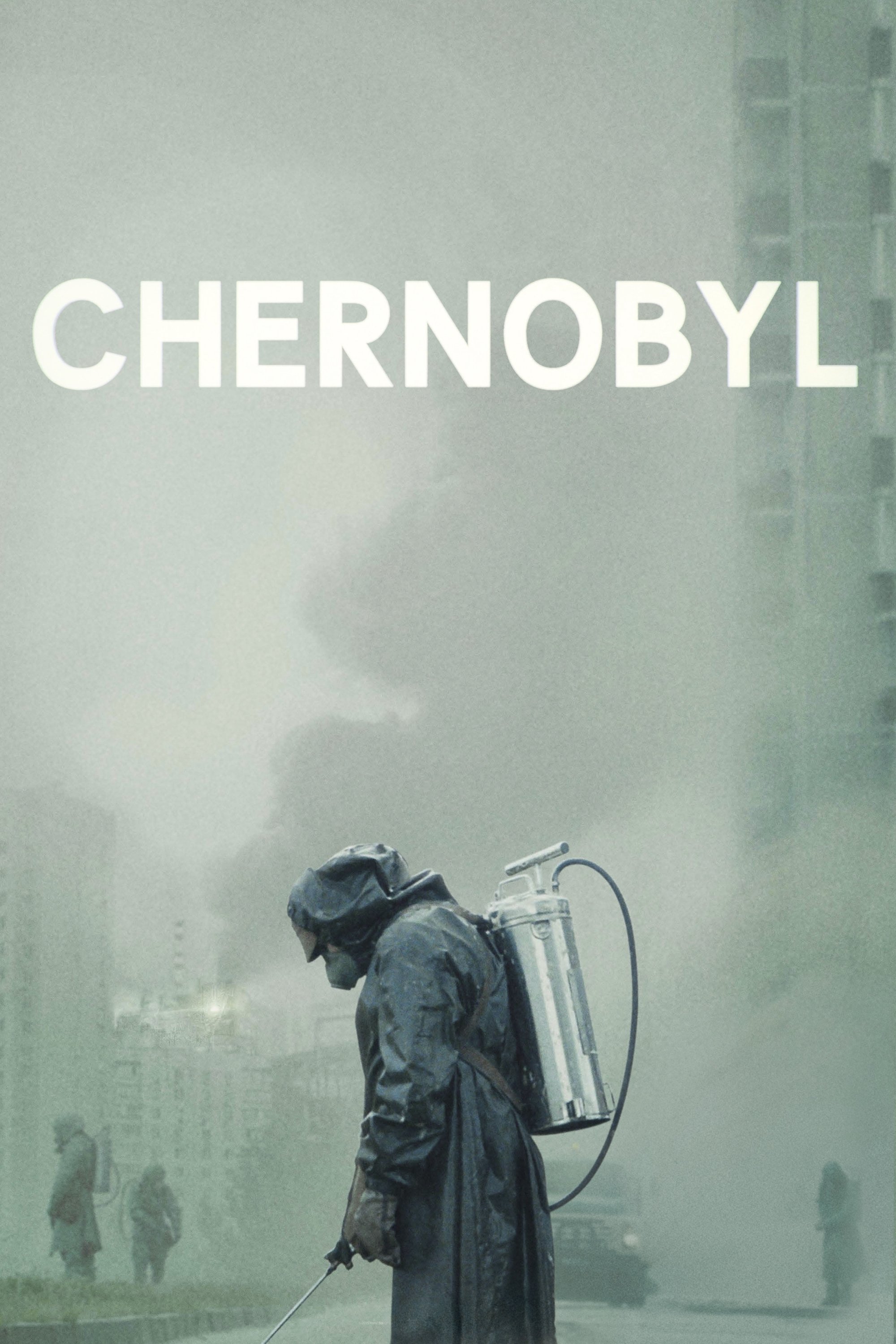
This miniseries reconstructs the Soviet nuclear disaster and its aftermath, drawing on investigative reporting, survivor testimony, and official records to chart the cascade of technical failures and human decisions. It follows scientists, plant workers, and officials as they confront radiation, secrecy, and containment challenges across Ukraine and beyond.
Created by Craig Mazin and directed by Johan Renck, the production consulted nuclear experts and used extensive on-location filming in Eastern Europe to recreate control rooms, housing blocks, and response efforts. The show examines how misinformation spreads during crises and dramatizes key inquiries that sought accountability.
‘Band of Brothers’ (2001)
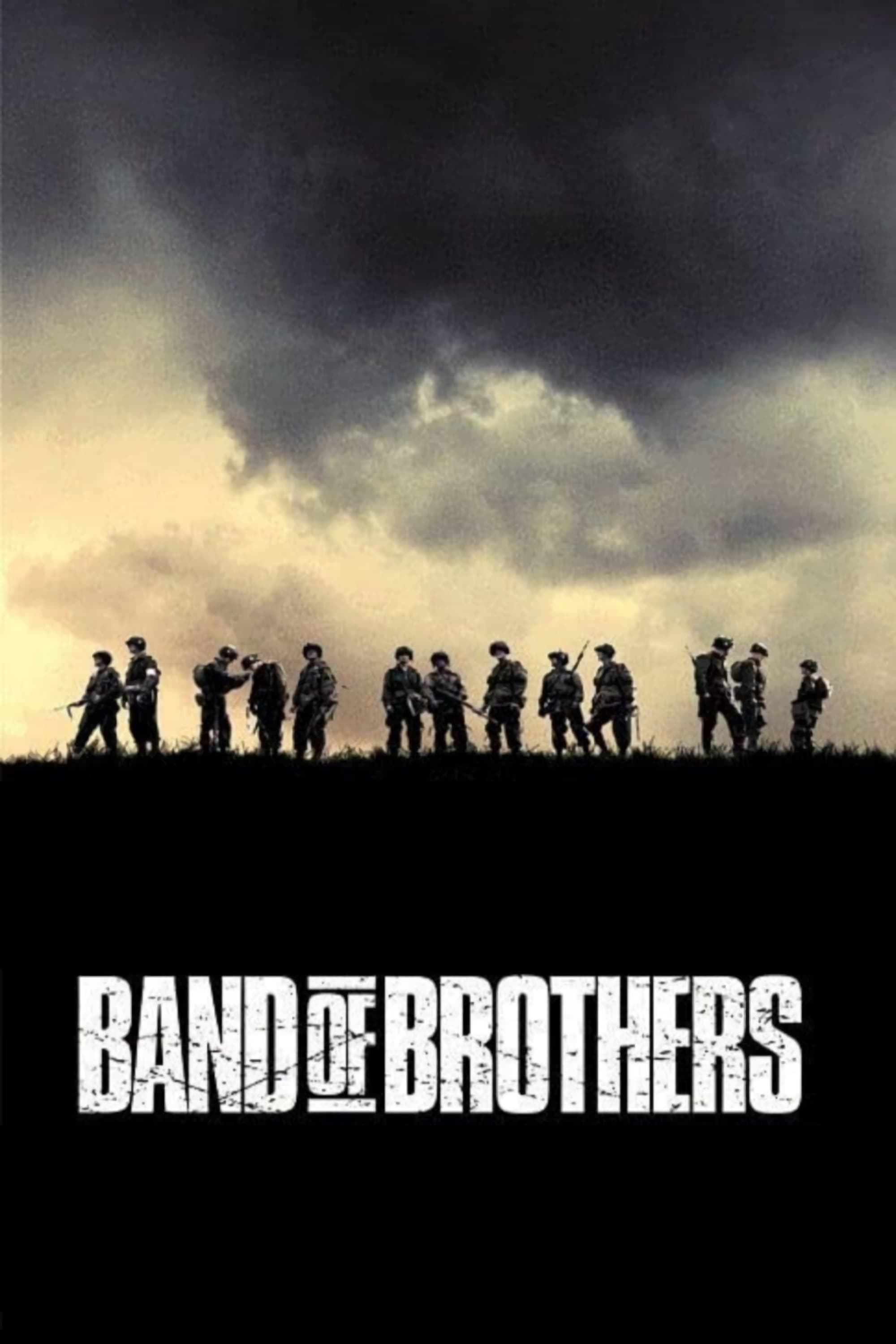
Based on Stephen E. Ambrose’s nonfiction book, this series follows Easy Company of the 506th Parachute Infantry Regiment from training through major European campaigns. It incorporates interviews with surviving veterans and uses military records to track movements, leadership changes, and battlefield conditions.
The production relied on detailed boot-camp style preparation for actors, historically accurate uniforms and equipment, and large-scale outdoor sets. Each episode spotlights specific operations, documenting logistics, morale, and the unit’s evolving tactics across towns, forests, and fortified positions.
‘The Pacific’ (2010)
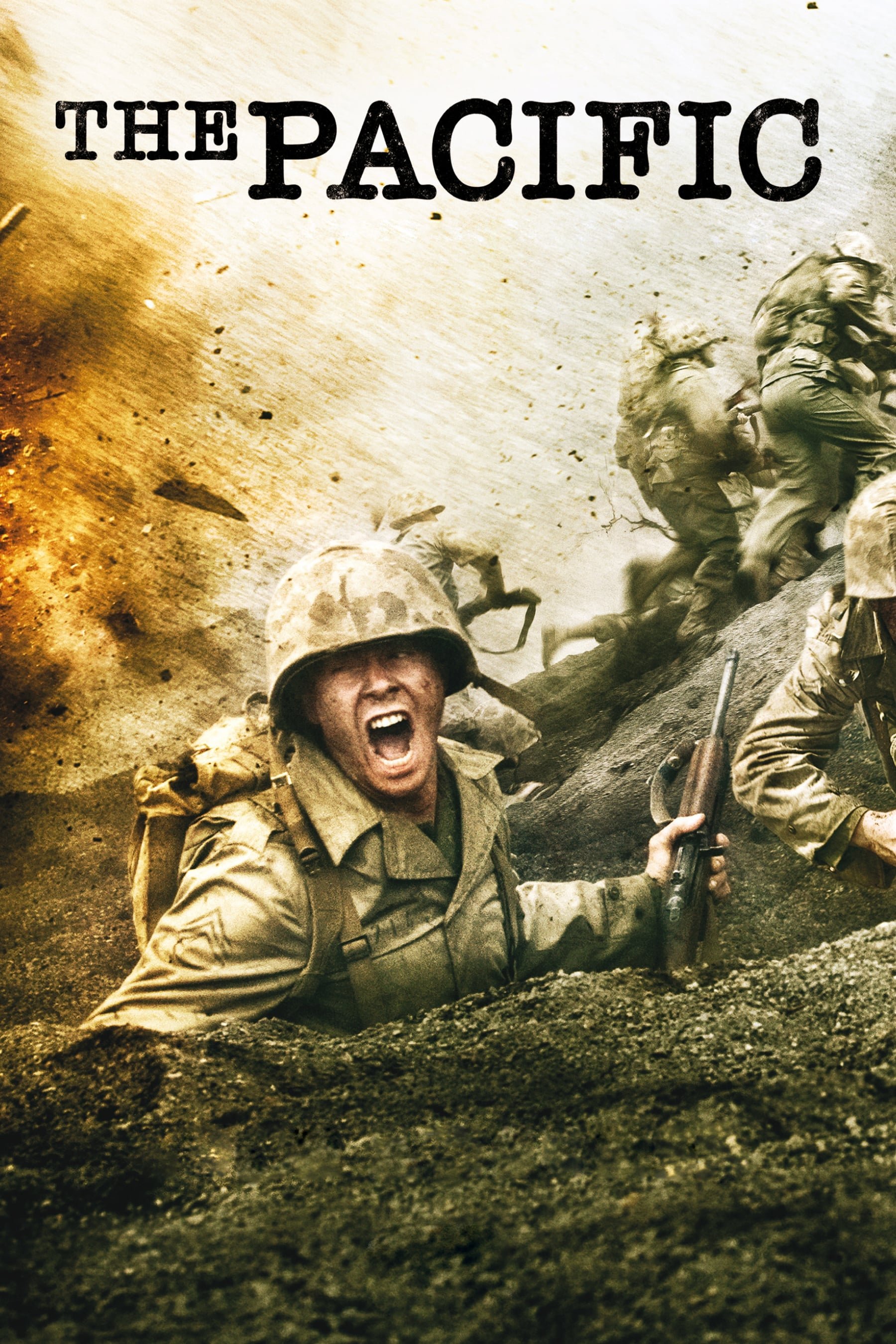
Adapted from the memoirs of Marines Eugene Sledge and Robert Leckie and other first-hand accounts, this companion series to ‘Band of Brothers’ chronicles combat across island campaigns. It explores training, amphibious assaults, disease, and psychological strain through multiple intersecting perspectives.
Meticulous attention to equipment, landing craft, and battlefield layouts anchors the action. The series also tracks home-front correspondence, post-deployment care, and the logistical constraints of supply, terrain, and weather that shaped each operation.
‘The Crown’ (2016–2023)
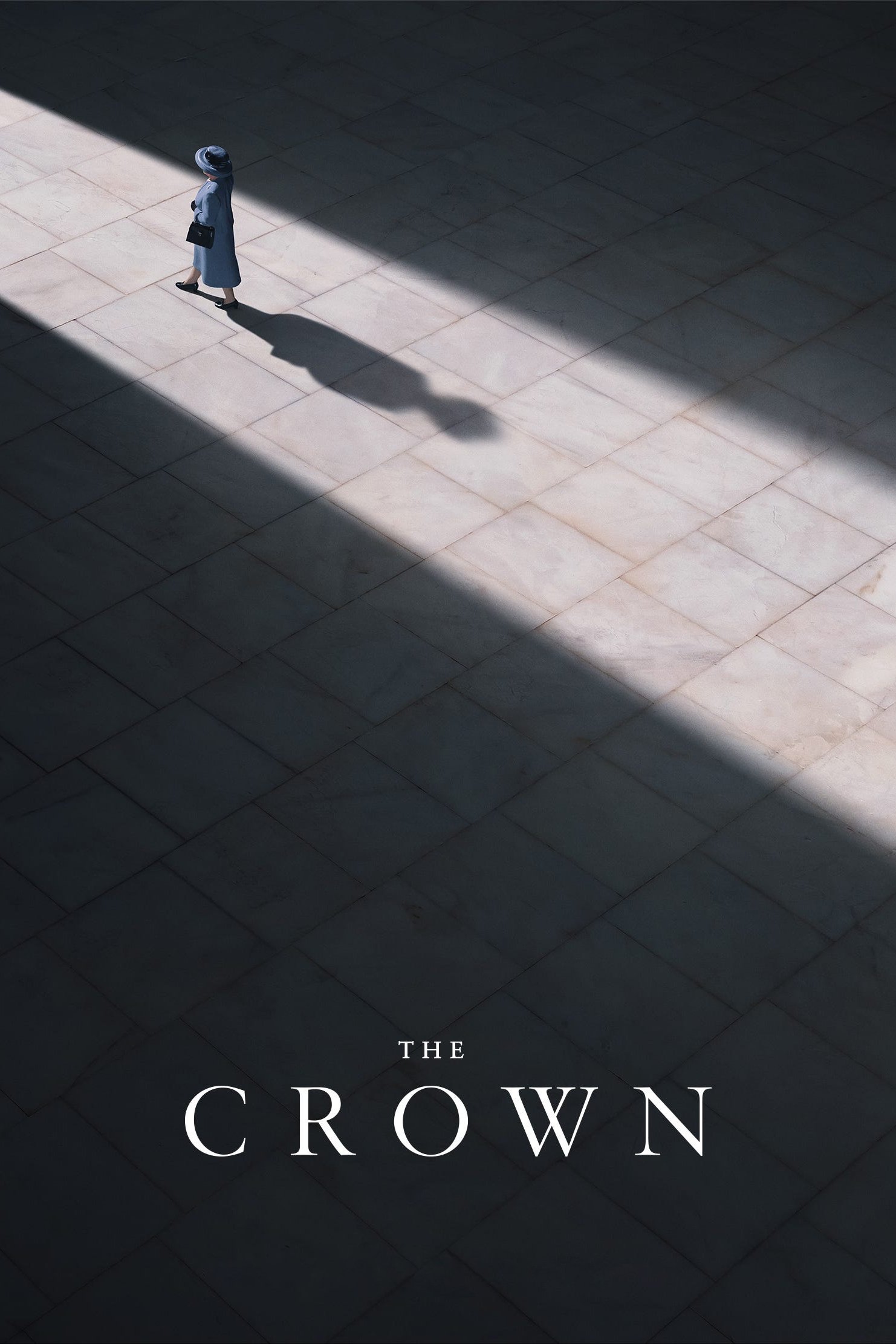
This biographical drama traces the reign of Queen Elizabeth II, referencing biographies, press archives, and public records to depict statecraft, family dynamics, and constitutional conventions. Episodes interweave diplomatic crises, parliamentary tensions, and ceremonial duties with private moments.
Production design recreates royal residences, government offices, and international venues with period-correct costumes and props. The show highlights the roles of prime ministers, courtiers, and global counterparts, illustrating how protocol, media, and public sentiment influence decision-making.
‘Mindhunter’ (2017–2019)
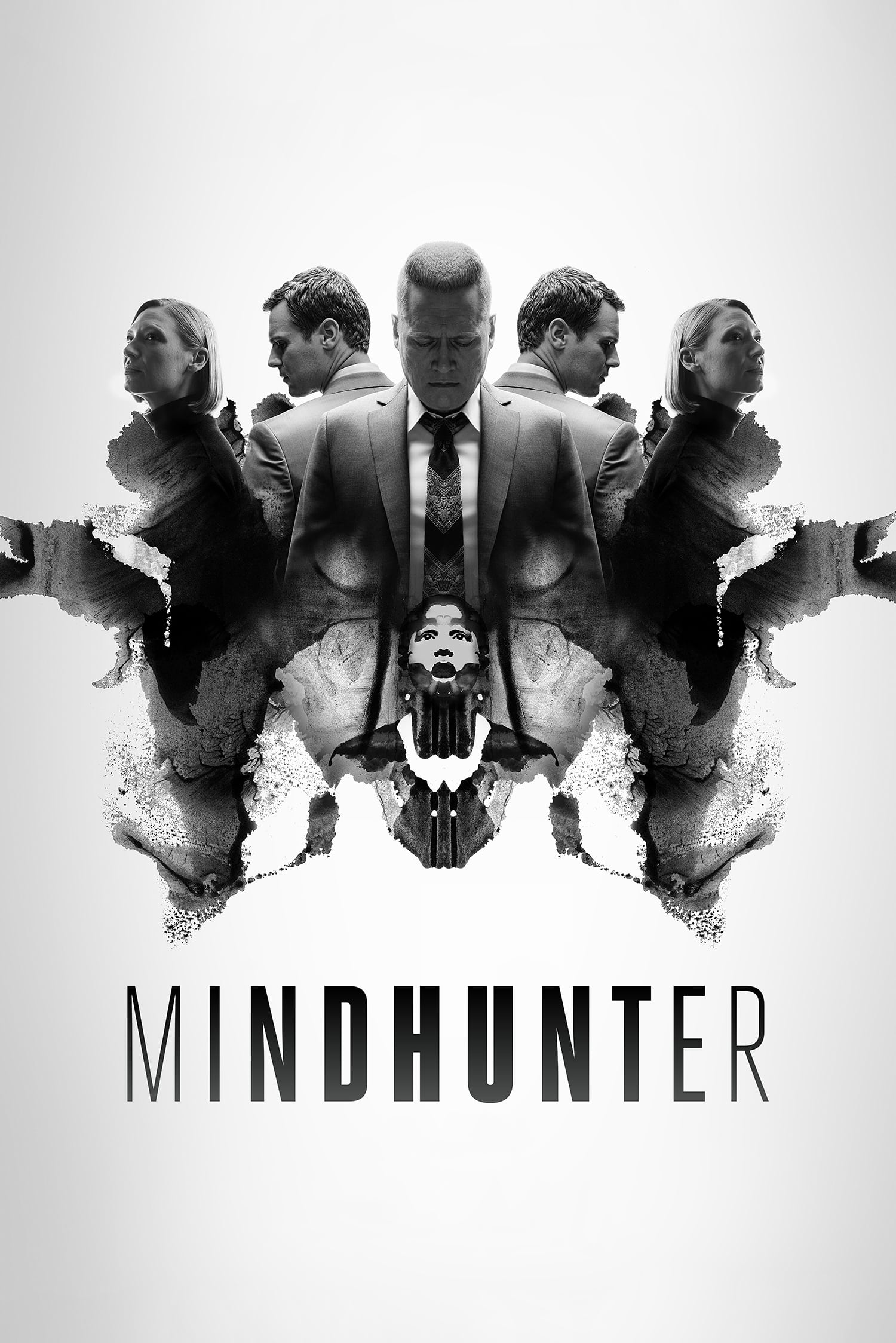
Built on the book by John E. Douglas and Mark Olshaker, this series follows early FBI behavioral science work interviewing imprisoned killers to systematize investigative psychology. It dramatizes the creation of terminology, interview protocols, and offender profiling used in major cases.
The production stages composite and real-case elements with period-accurate investigative tools, lab workflows, and inter-agency dynamics. It shows how academic partnerships, data collection, and field application fed into training manuals and case support for local law enforcement.
‘The People v. O. J. Simpson: American Crime Story’ (2016)

Adapted from Jeffrey Toobin’s reporting, this season chronicles the investigation and trial that captivated the United States, including prosecution strategy, defense tactics, and media pressure. It reconstructs key motions, evidence debates, jury management, and public demonstrations.
Courtroom scenes align with trial transcripts and depositions, while production design recreates offices, press scrums, and crime-lab spaces. The series maps the roles of lead attorneys, detectives, and witnesses, showing how timing, narrative control, and jury perception shaped outcomes.
‘The Assassination of Gianni Versace: American Crime Story’ (2018)
This season examines the crimes of Andrew Cunanan and the killing of designer Gianni Versace, drawing on investigative journalism and law-enforcement files. It traces Cunanan’s movements, victim connections, and the multi-state manhunt.
Locations mirror documented travel routes and communities, while costume and set design capture fashion-industry settings and social circles. The show explores interagency coordination, tips handling, and the public’s role in disseminating information.
‘Narcos’ (2015–2017)
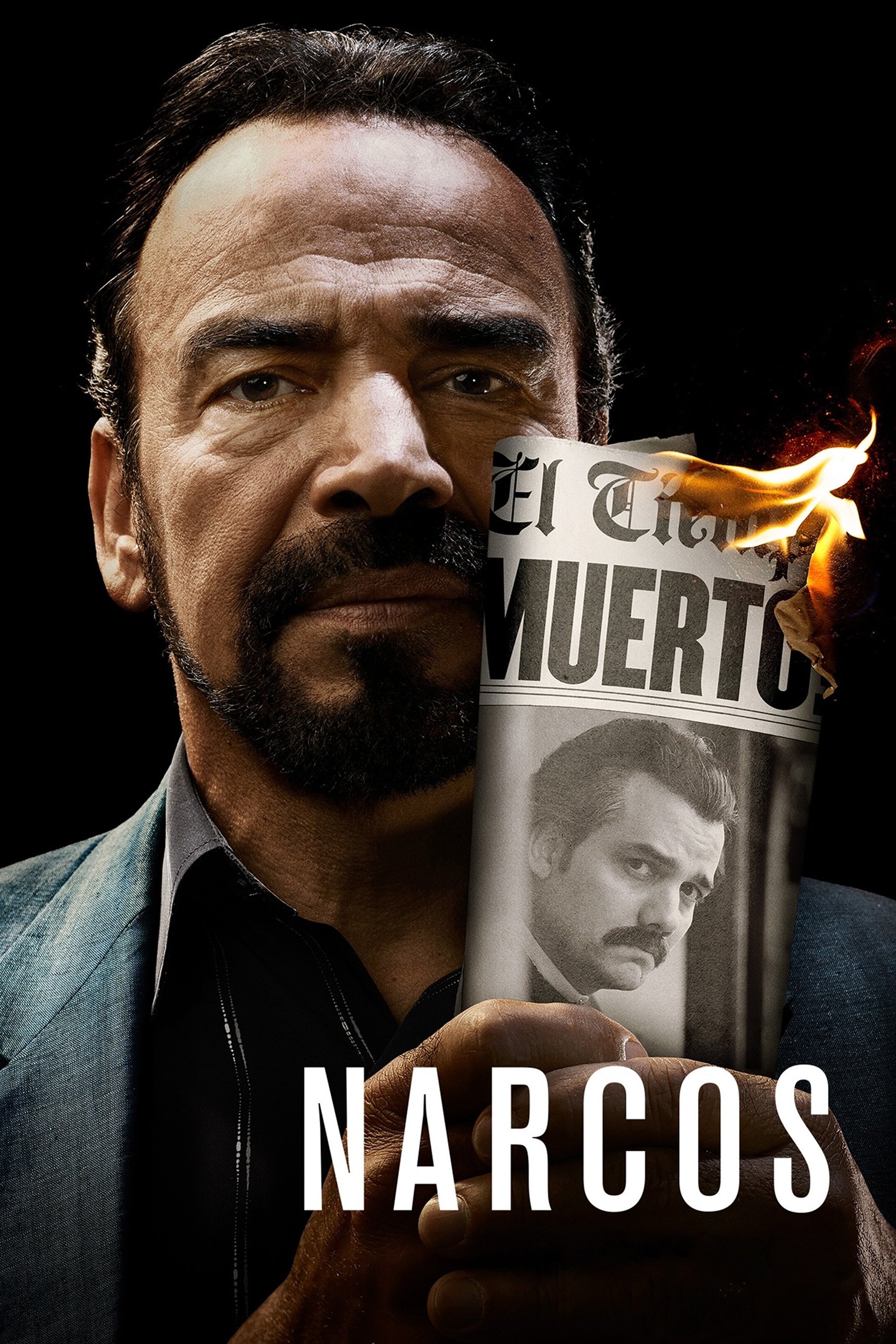
Based on DEA archives, Colombian reports, and journalist accounts, this series chronicles the rise of Pablo Escobar and the Medellín Cartel. It covers traffickers’ logistics, political influence, and the state’s response from surveillance to special units.
Spanish- and English-language narration, archival footage integration, and on-the-ground filming provide context for extradition disputes, rival factions, and financial operations. The production depicts informant networks, wiretaps, and cross-border coordination.
‘Narcos: Mexico’ (2018–2021)
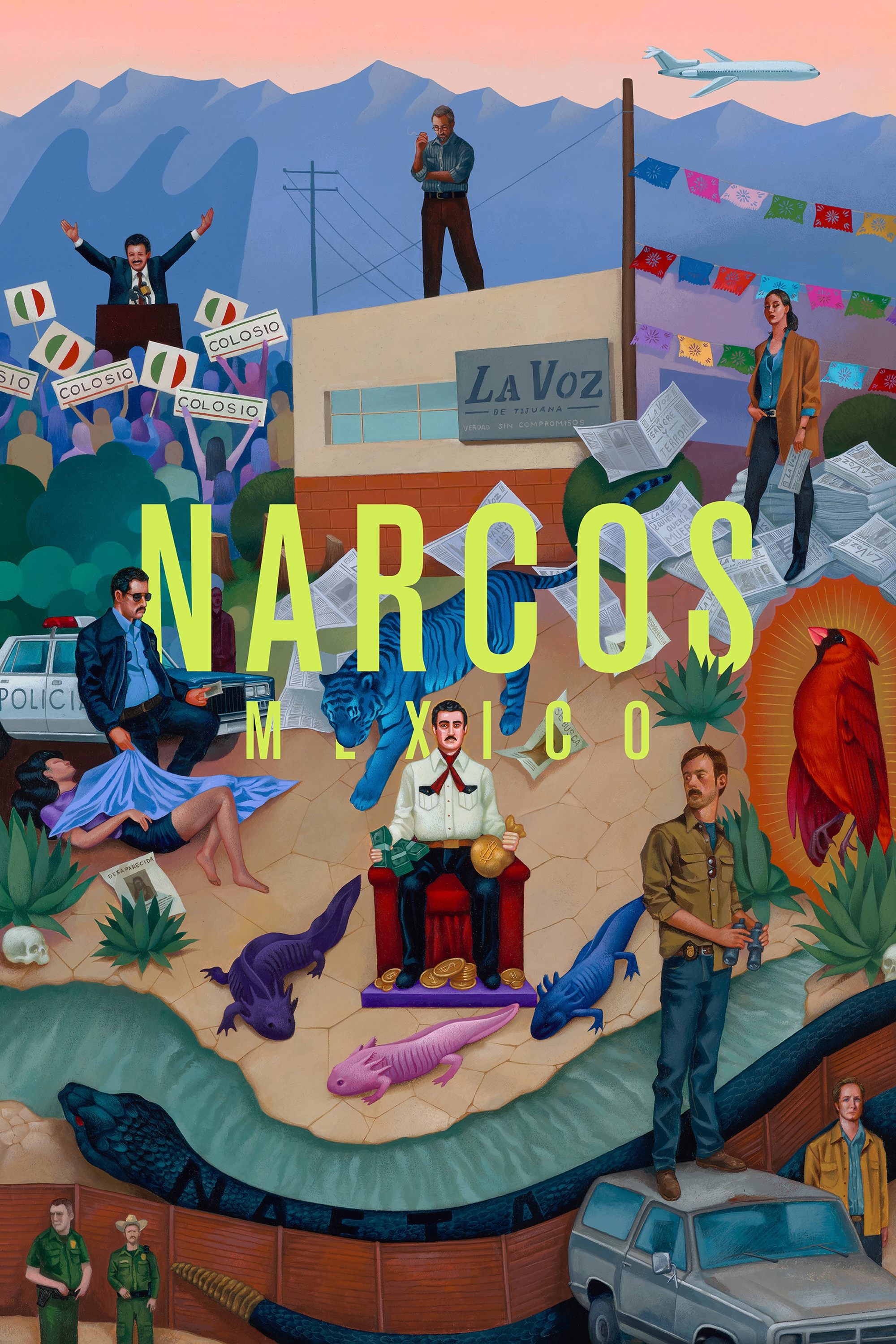
A companion series tracing the Guadalajara Cartel’s consolidation, it draws on court documents, memoirs, and investigative reporting about traffickers, agents, and politicians. It shows how routes, crops, and enforcement shaped regional power.
The show details interlinked operations across ranches, warehouses, and ports, highlighting covert surveillance, clandestine finance, and the evolution of cartels. It foregrounds the impact on communities, institutions, and bilateral relations.
‘When They See Us’ (2019)
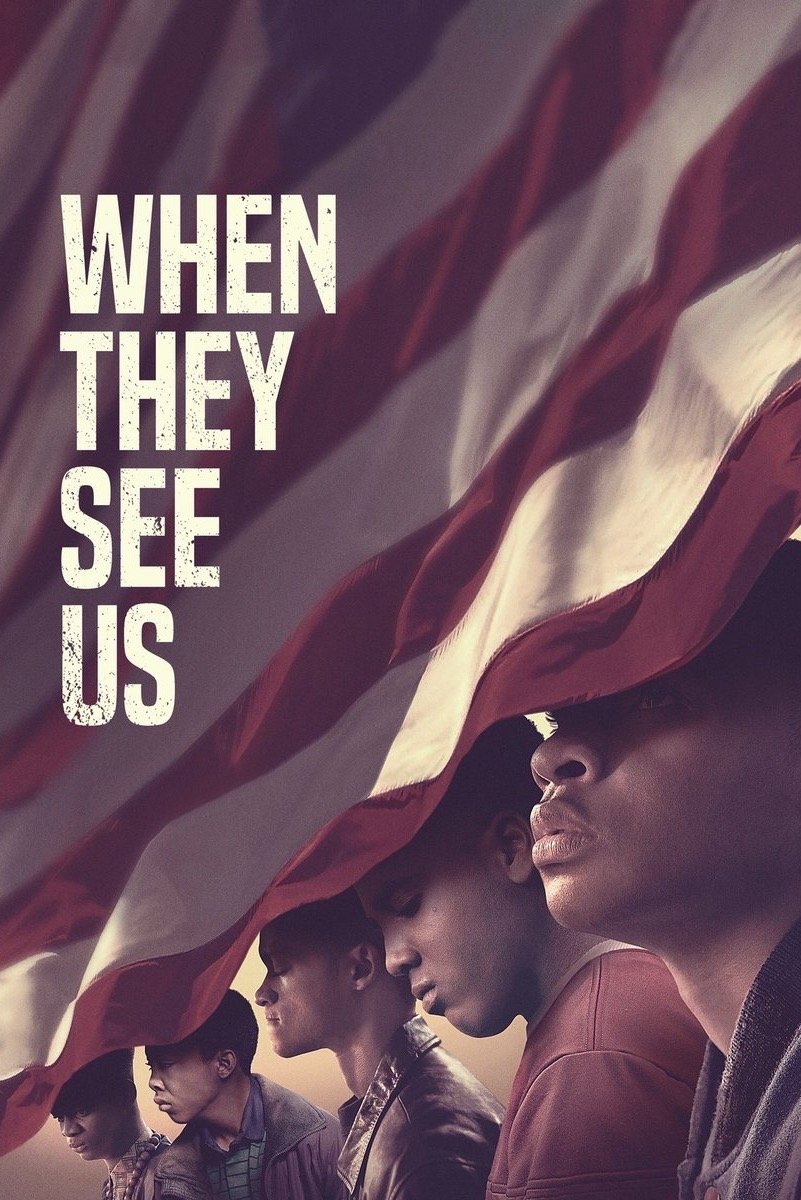
This miniseries dramatizes the Central Park Five case using interviews, legal records, and documentary reporting to follow arrests, interrogations, trials, and exonerations. It examines policing practices, media framing, and the legal paths to vacating convictions.
Filming emphasizes interrogation rooms, courtrooms, and community spaces, with close attention to procedures like lineup construction and appeals. The show documents advocacy efforts, civil litigation, and policy conversations that followed.
‘Unbelievable’ (2019)

Adapted from a Pulitzer-winning investigation and a nonfiction book, this series follows two detectives linking assault cases across jurisdictions, while another narrative tracks a survivor’s path through skepticism and bureaucracy. Casework emphasizes evidence collection and cross-agency data-sharing.
The production illustrates how task-force coordination, report synthesis, and victim services intersect. It foregrounds differences in investigative approach, paperwork standards, and interdepartmental communication that can alter outcomes.
‘The Dropout’ (2022)
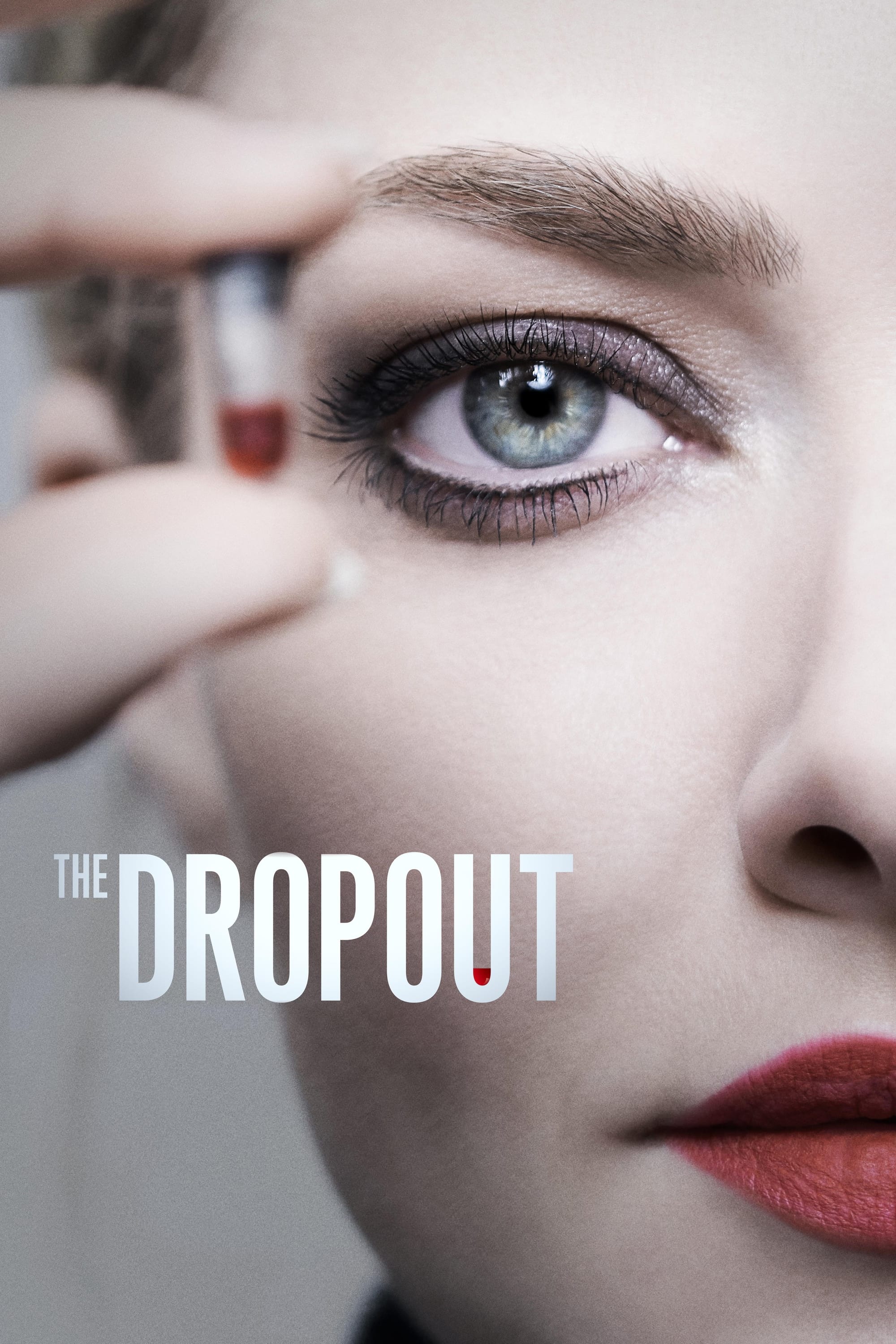
Based on a podcast and extensive reporting, this miniseries charts Elizabeth Holmes and Theranos from startup claims to regulatory scrutiny. It covers lab validation, investor relations, and whistleblower engagement with oversight bodies.
The show recreates workplaces, boardrooms, and demonstration spaces, explaining assay reliability, quality-control protocols, and the role of certification agencies. It follows legal correspondence, media inquiries, and staff turnover as scrutiny intensifies.
‘Dopesick’ (2021)
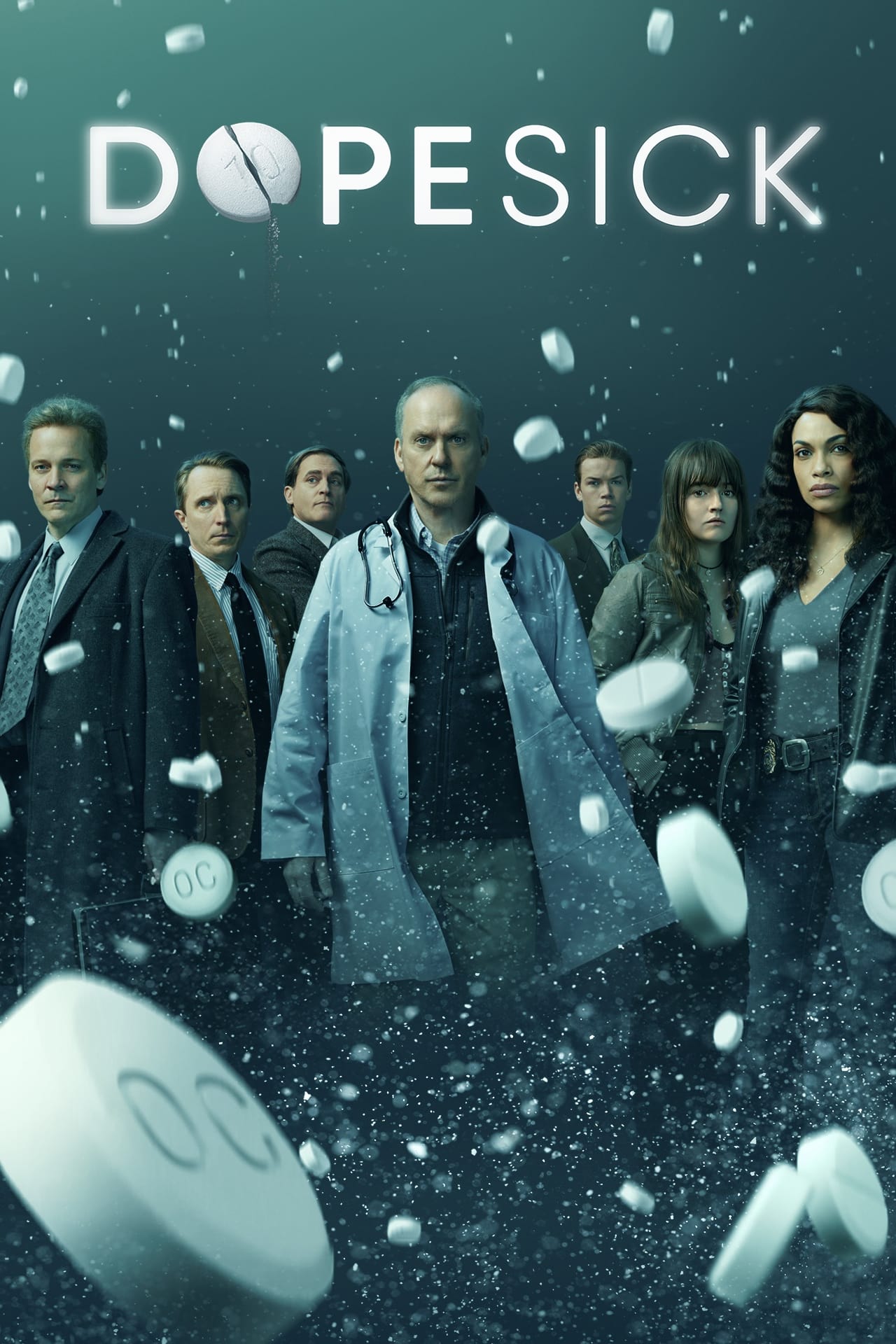
Drawing from Beth Macy’s book and public records, this drama tracks the opioid crisis through regulators, prosecutors, medical providers, and communities. It reconstructs marketing strategies, prescriber education, and enforcement actions.
The production shows how case files, depositions, and internal documents inform investigations. It traces distribution channels, pharmacy monitoring, and policy responses across rural clinics, corporate offices, and federal agencies.
‘The Looming Tower’ (2018)
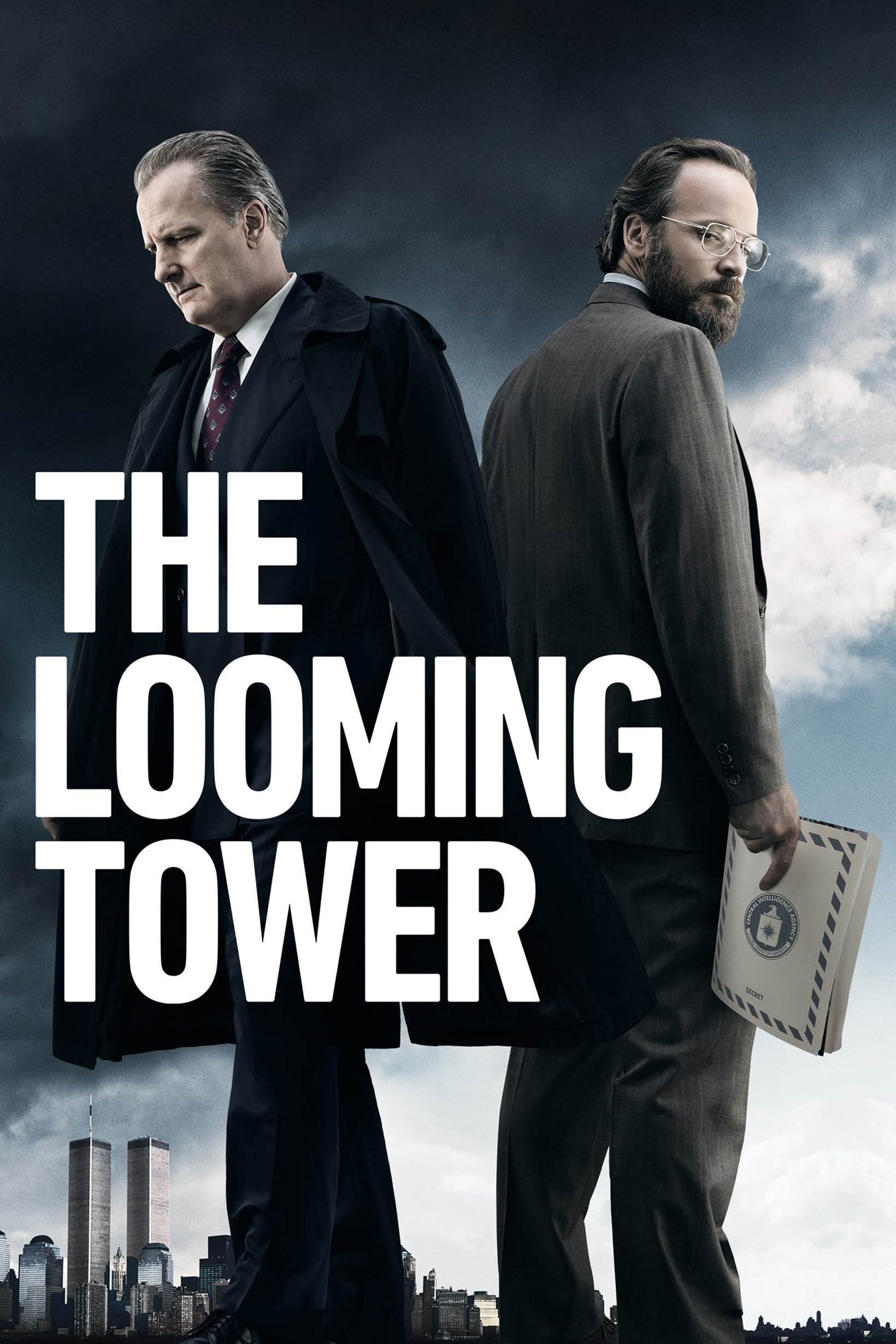
Adapted from Lawrence Wright’s work, this series explores the lead-up to attacks on U.S. soil, focusing on agency rivalries, intelligence flows, and overseas operations. It details field reports, surveillance, and information-sharing barriers.
The show recreates stations, briefing rooms, and safe houses, tracking analytical debates and mission planning. It highlights legal constraints, collection methods, and coordination with foreign partners.
‘Manhunt: Unabomber’ (2017)
Based on FBI case materials, this season follows the forensic linguistics that helped identify the bomber. It explains analytical techniques, anonymous manifesto publication, and the decision-making within investigative leadership.
Production stages key mailroom scenes, lab work, and interview strategies that connected writings to a suspect. It depicts interagency tasking, search warrants, and evidence preservation.
‘Manhunt: Deadly Games’ (2020)
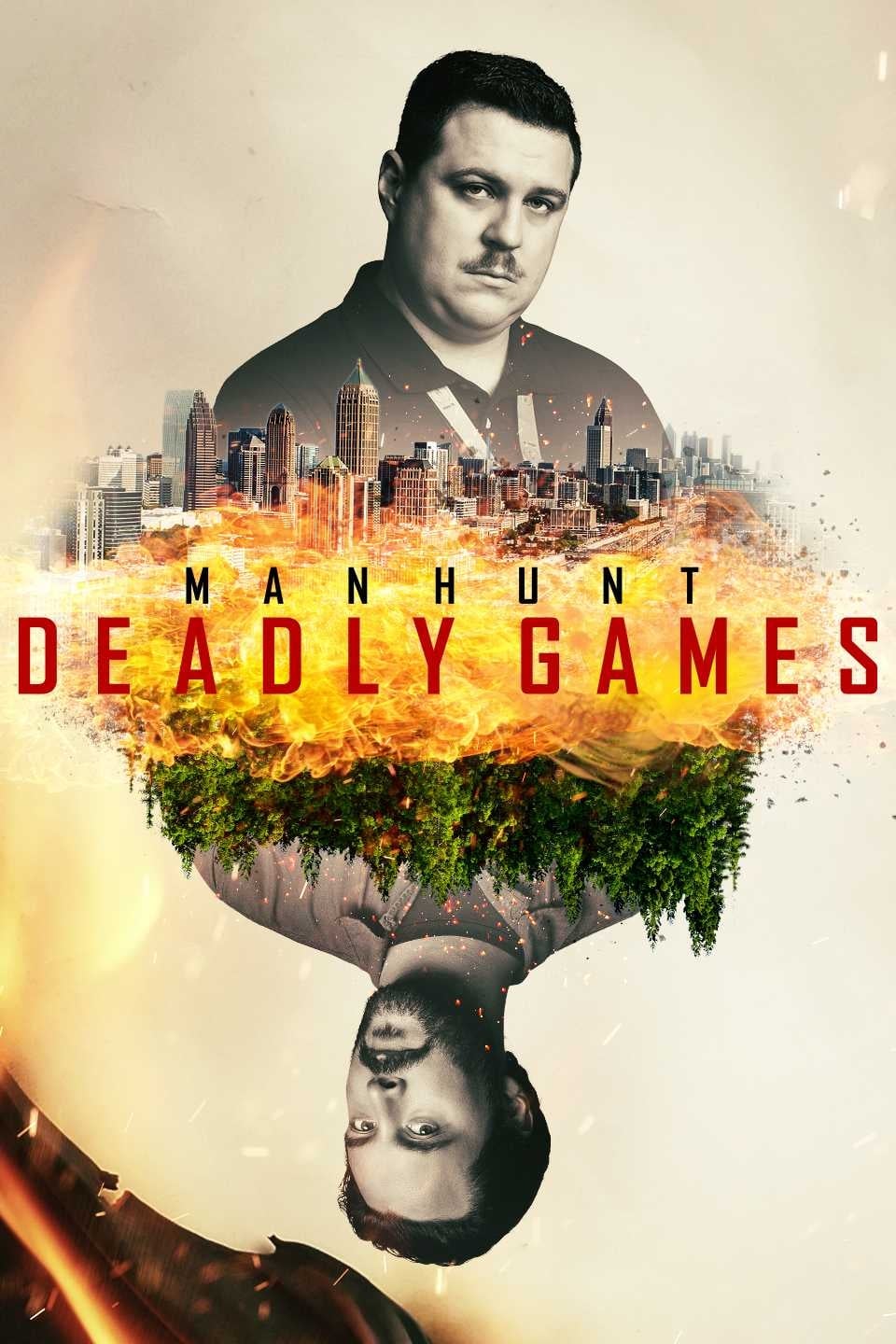
This season examines the investigation surrounding the Centennial Park bombing and the subsequent pursuit of Eric Rudolph. It outlines media dynamics, suspect identification errors, and long-term fugitive tracking.
The series reconstructs field operations in urban and rural terrain, showing investigative pivots, public-information strategies, and community impact during extended searches.
‘Inventing Anna’ (2022)

Inspired by magazine reporting and court records, the show charts Anna Sorokin’s impersonation of a wealthy heiress and the fraud investigations that followed. It maps financial transactions, social engineering, and venue-specific cons.
The production recreates hotels, galleries, and private clubs, illustrating how due diligence, banking controls, and insider introductions intersect. Legal proceedings are drawn from filings and testimony.
‘The Act’ (2019)
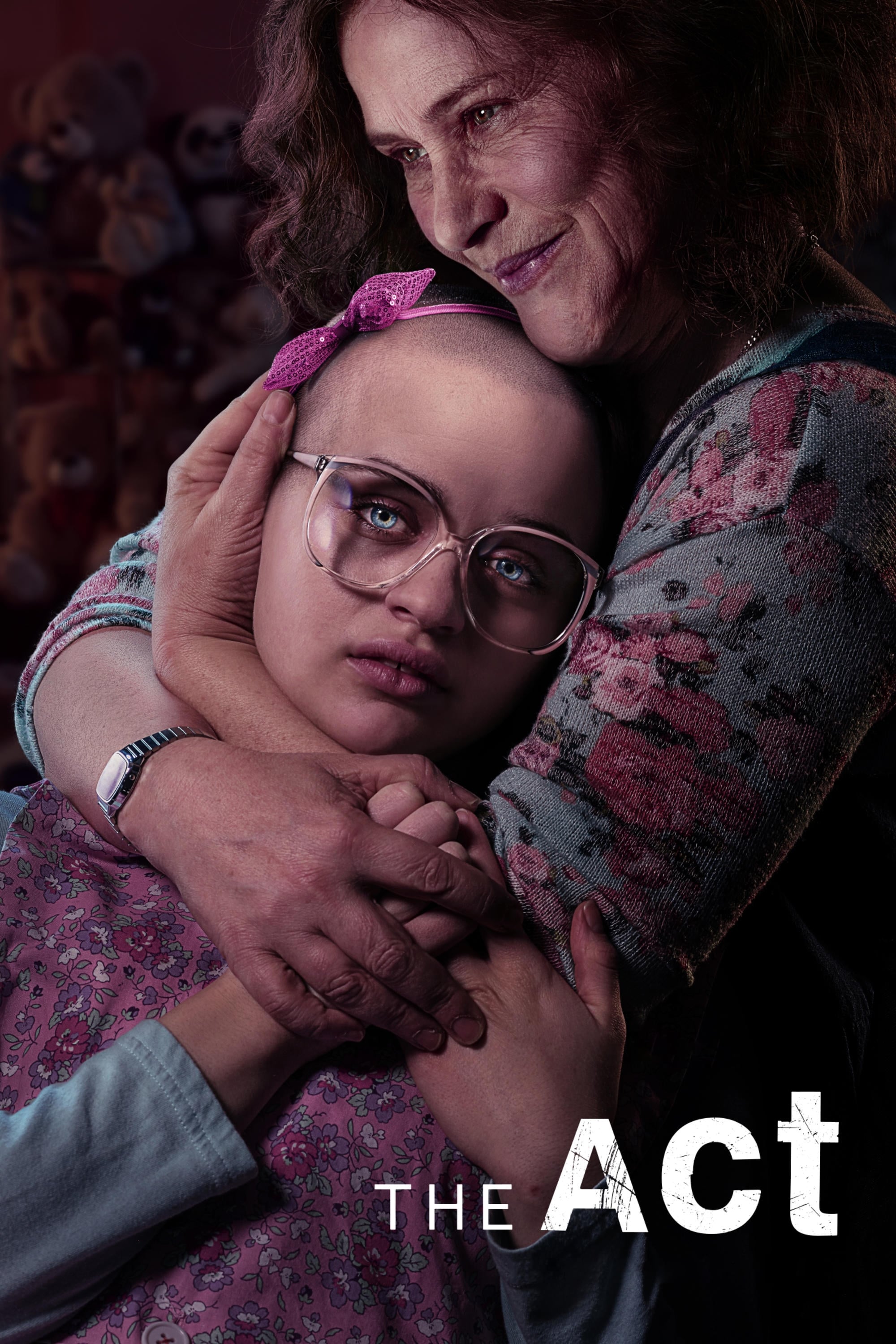
This miniseries adapts reporting on Gypsy Rose Blanchard and Dee Dee Blanchard, focusing on medical deception and the criminal case that emerged. It traces medical records, charitable interventions, and law-enforcement timelines.
Sets reproduce clinical environments, social-services interactions, and neighborhood contexts. The show follows communications evidence, online activity, and prosecutorial decisions.
‘Escape at Dannemora’ (2018)
Based on a real prison break in New York State, the series follows two inmates and a civilian employee’s involvement, referencing investigative files and interviews. It details contraband movement, tool acquisition, and facility routines.
Production filmed near correctional sites to capture layout accuracy, depicting guard shifts, cell checks, and escape logistics. The show tracks the manhunt’s coordination among agencies and community alerts.
‘Black Bird’ (2022)
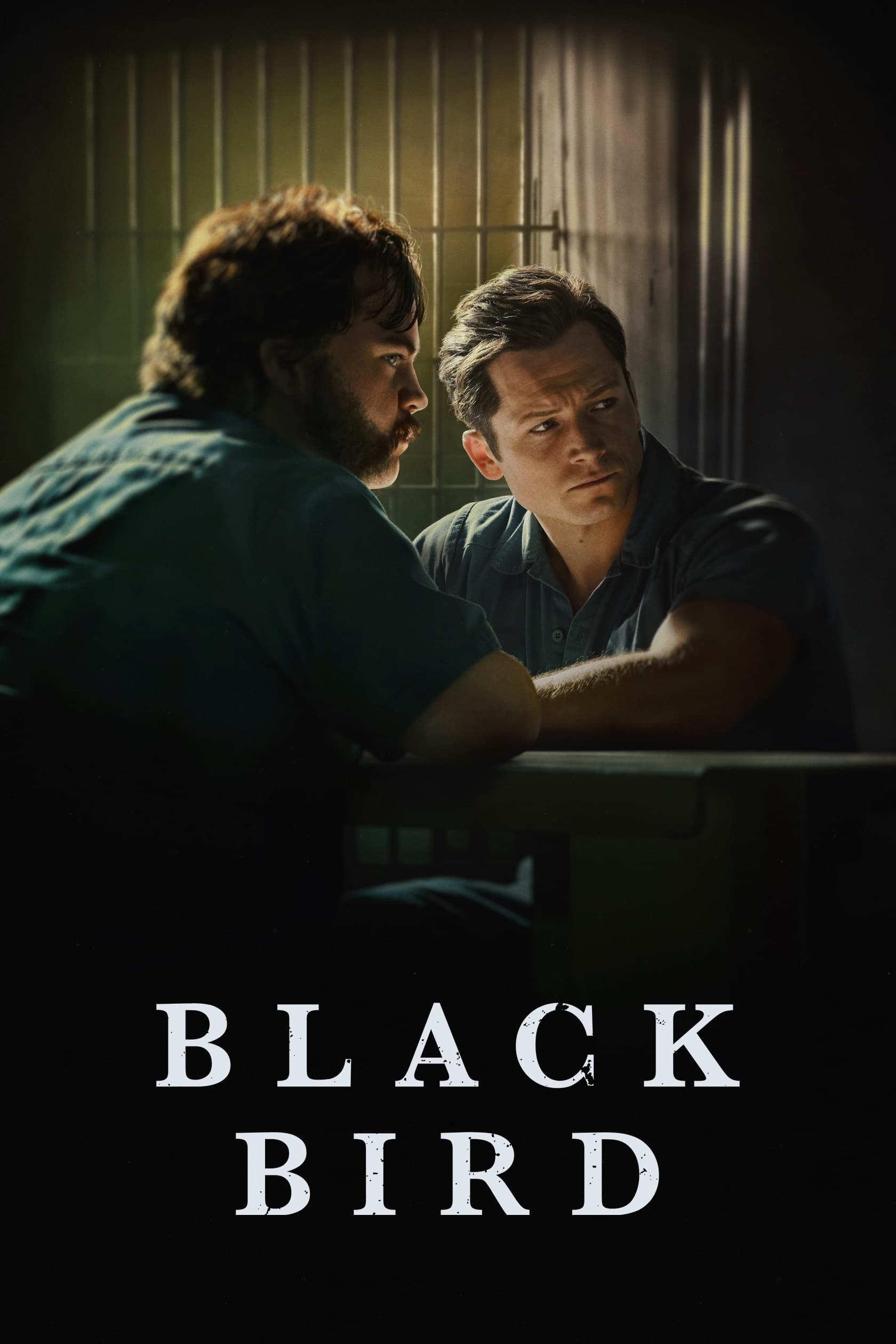
Adapted from a memoir and case files, this miniseries follows an inmate’s cooperation to elicit confessions from a suspected serial killer. It covers negotiation with prosecutors, prison transfers, and intelligence collection inside a facility.
The series shows how recorded conversations, corroborating detail, and corroboration with ground searches support case development. It explores risks of informant work and protocols for safeguarding evidence integrity.
‘Tokyo Vice’ (2022– )

Inspired by Jake Adelstein’s memoir, this drama follows a reporter covering crime and organized groups in Tokyo. It depicts newsroom practices, source cultivation, and the complexities of working with law enforcement.
Production recreates districts, clubs, and police precincts, emphasizing language, etiquette, and legal frameworks governing reporting. It shows how tip lines, beat coverage, and cross-cultural communication shape stories.
‘The Serpent’ (2021)
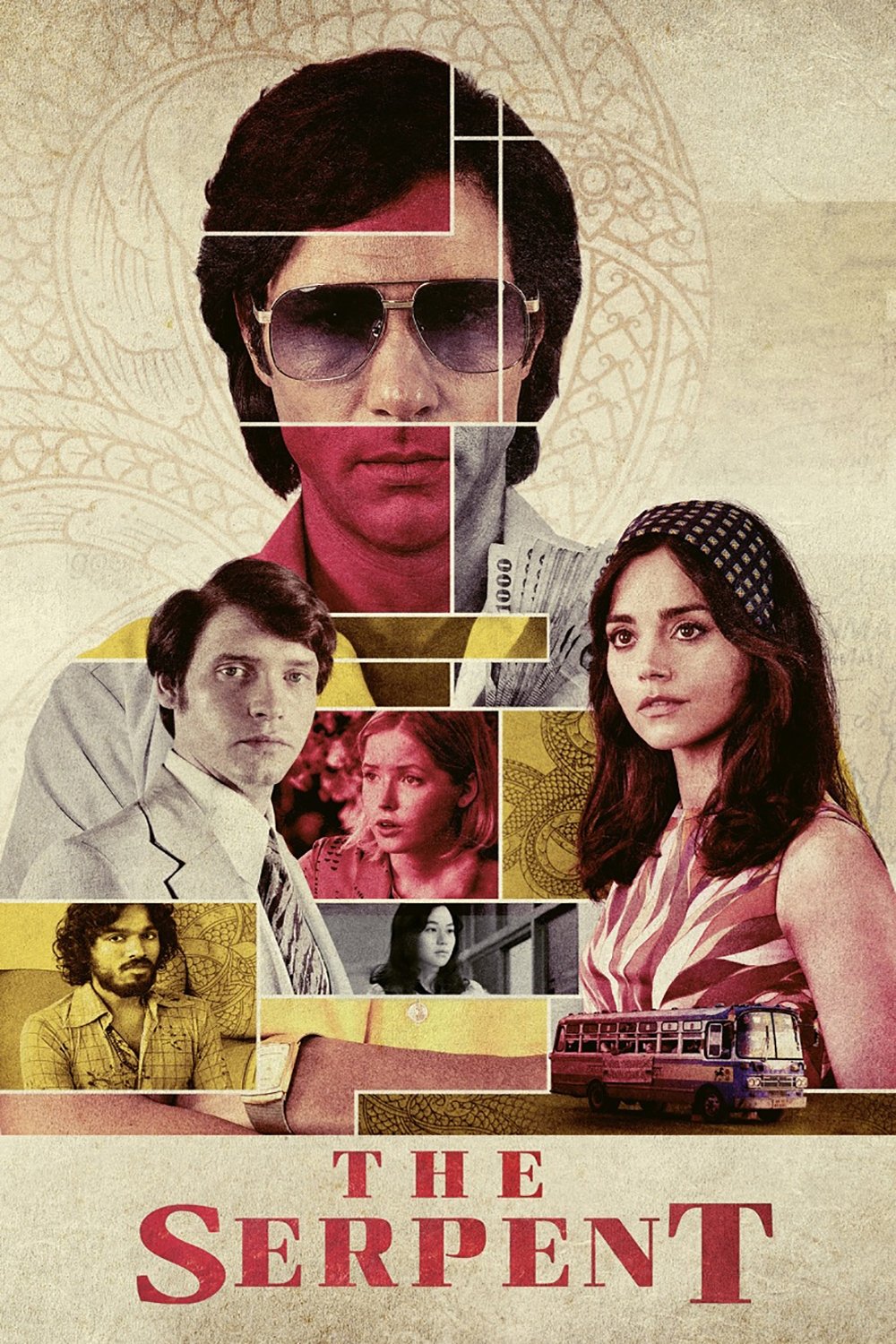
This miniseries dramatizes the crimes of Charles Sobhraj across the “Hippie Trail,” drawing from international police work and survivor accounts. It traces passport fraud, gem dealing, and jurisdictional cooperation.
Filming across multiple countries supports accurate settings for embassies, hostels, and border points. The show details extradition hurdles, document analysis, and coordination among consular staff and detectives.
‘A Very English Scandal’ (2018)
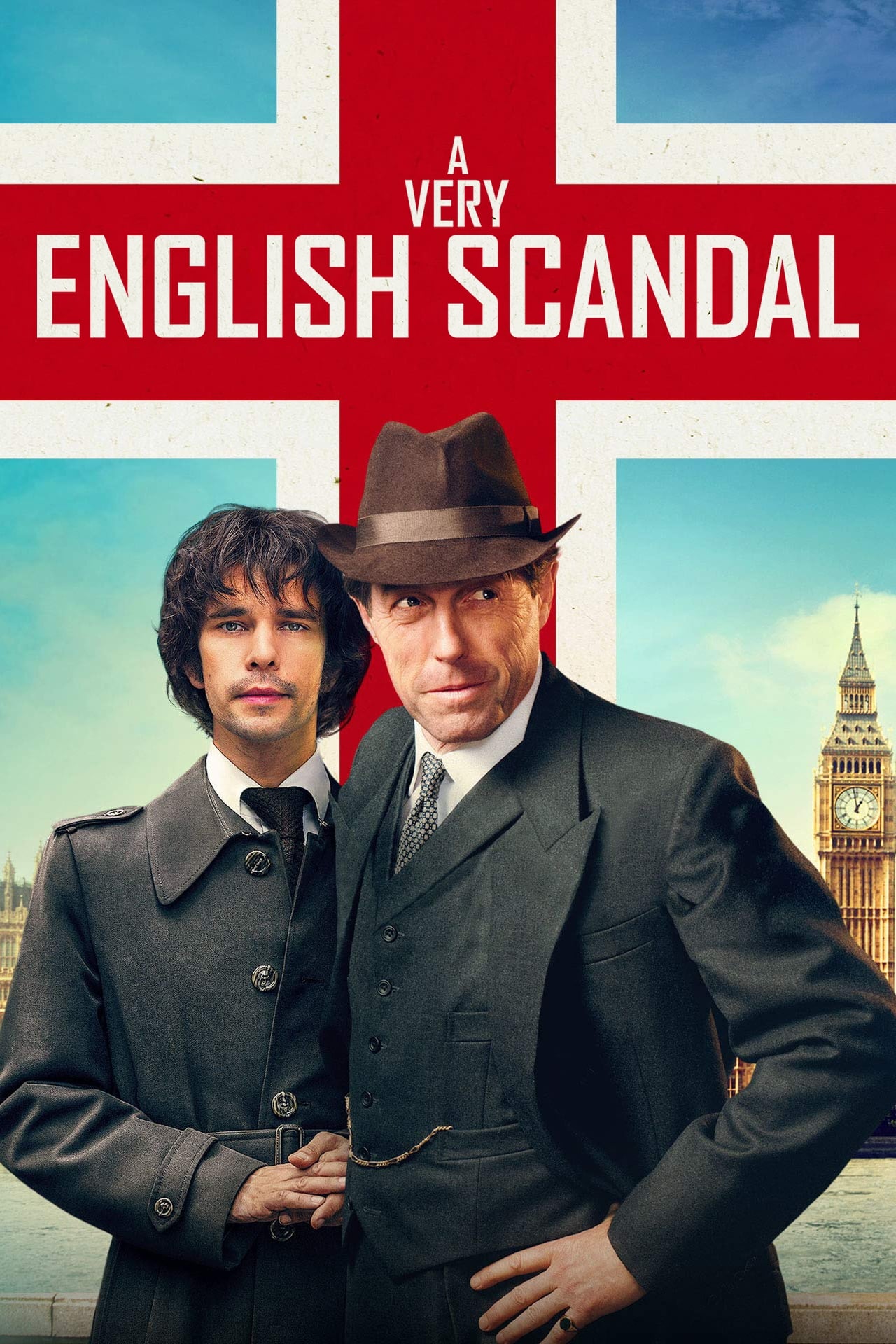
Based on John Preston’s book, this series covers the Jeremy Thorpe affair, highlighting political risk, alleged conspiracy, and courtroom strategy. It uses parliamentary records, press coverage, and legal documentation.
The production recreates party conferences, legal chambers, and rural locations central to the case. It examines media management, internal party dynamics, and the mechanics of British criminal trials.
‘A Confession’ (2019)
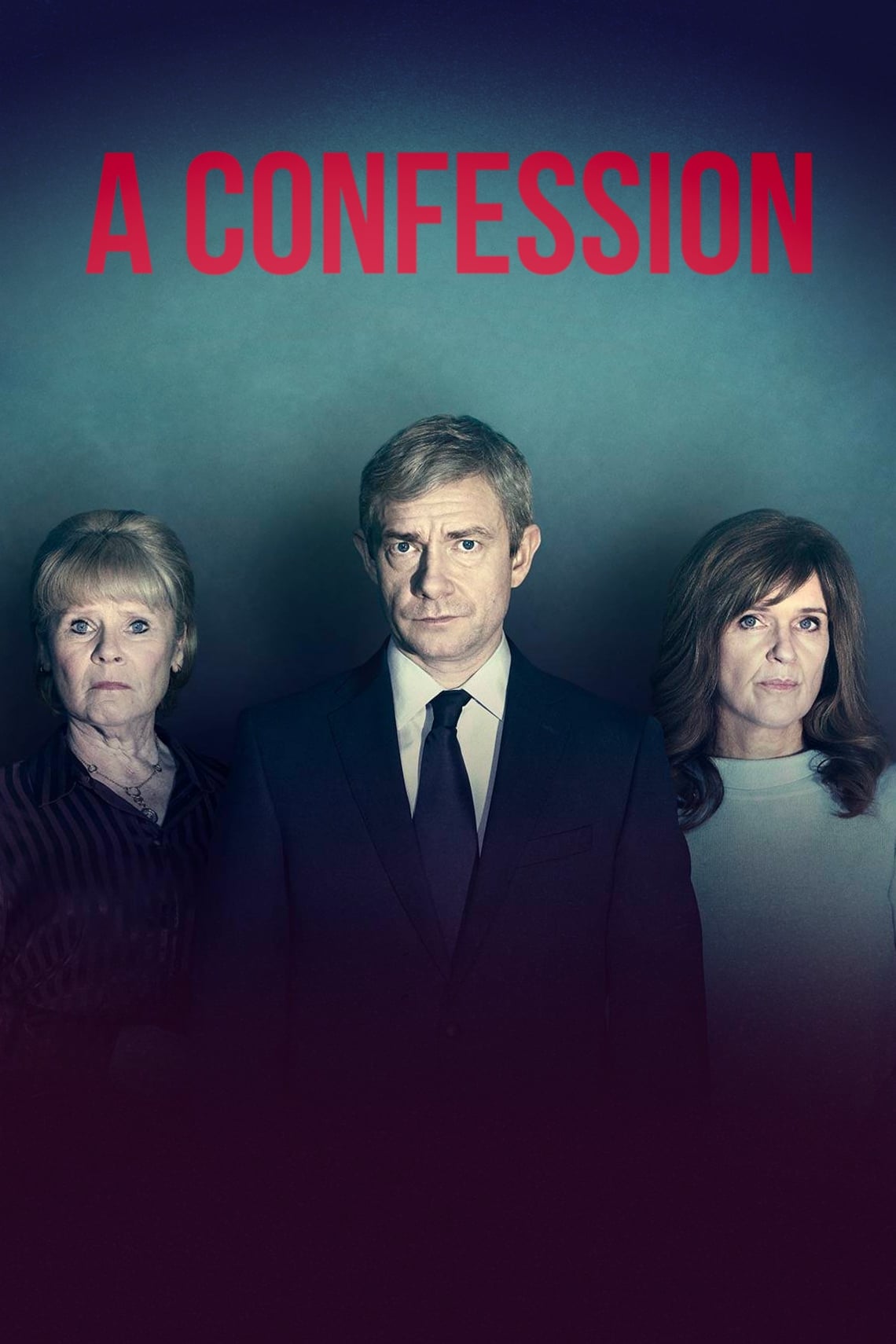
This drama adapts the real investigation into a missing-person case in Wiltshire, focusing on procedural choices by senior officers. It references interviews, search grids, and evidence handling.
The series highlights the intersection of operational decisions and oversight bodies. It maps community liaison work, family support, and the administrative reviews that followed.
‘Mrs. America’ (2020)
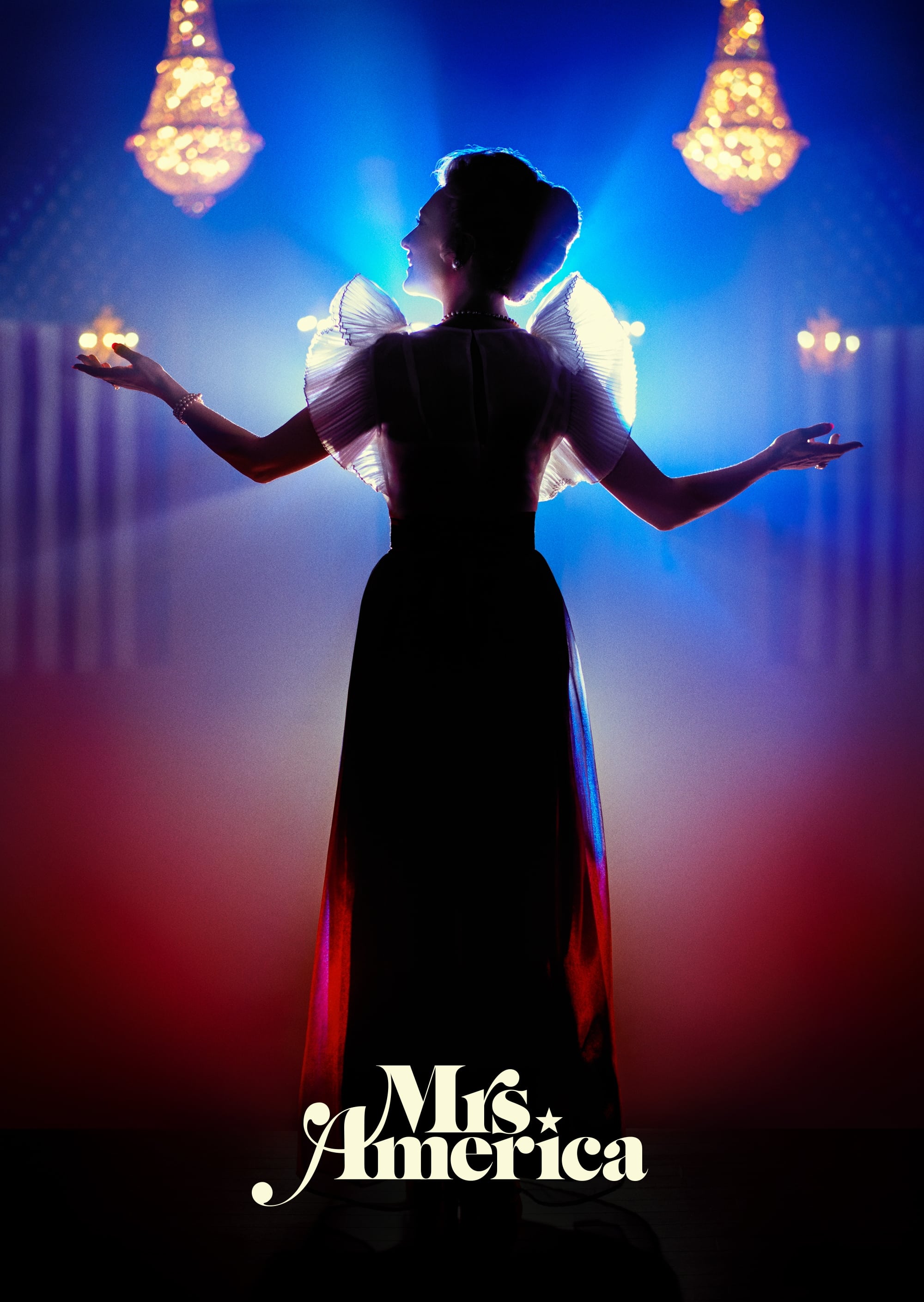
Drawing on biographies and archives, this miniseries explores the campaign around the Equal Rights Amendment, tracking advocacy groups, opposition coalitions, and legislative maneuvers. It recreates rallies, conventions, and media debates.
Production design mirrors offices, living rooms, and broadcast studios where strategy took shape. The show follows lobbying tactics, regional organizing, and the role of newsletters, TV appearances, and donor networks.
‘Wormwood’ (2017)
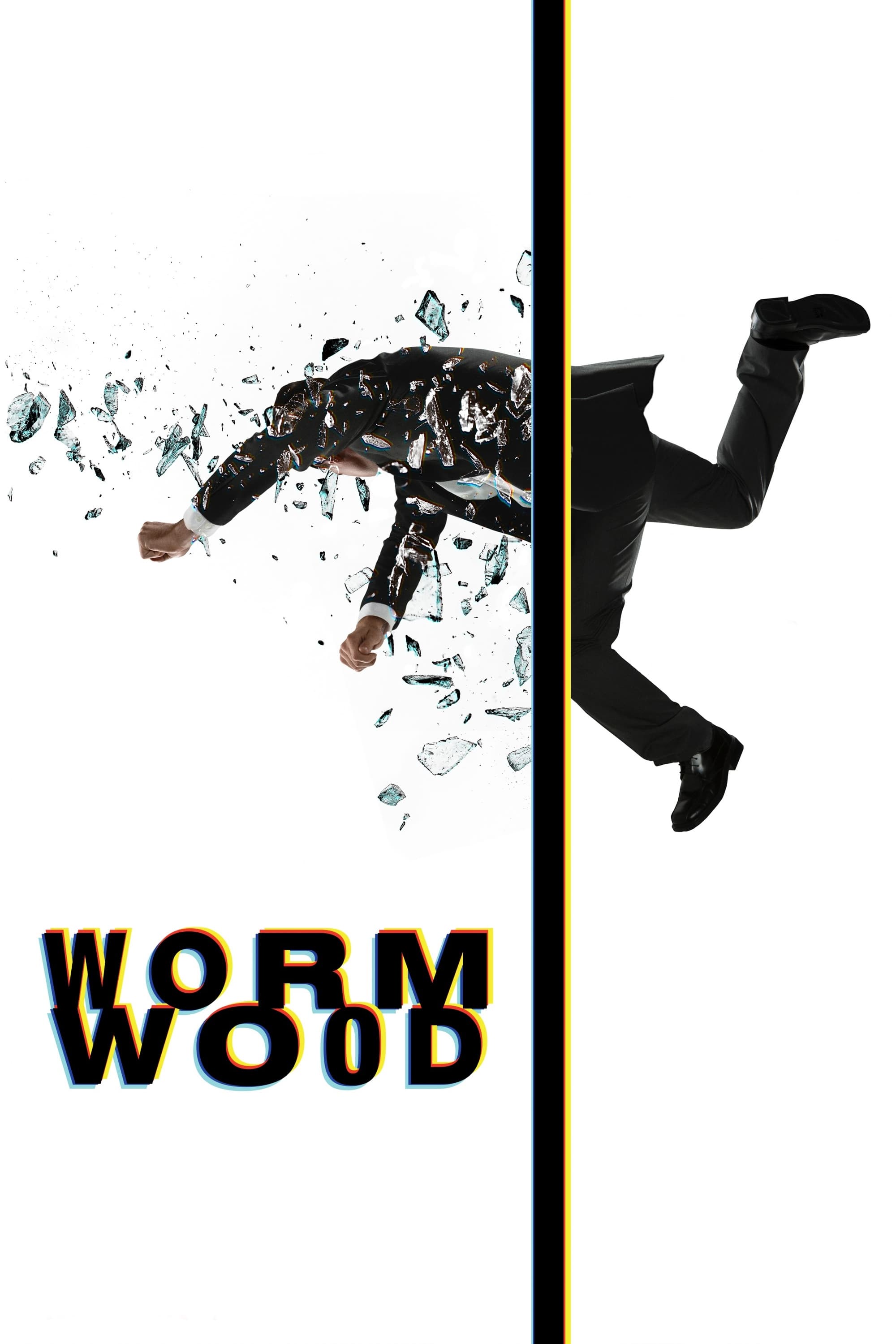
Errol Morris blends documentary interviews with scripted sequences to investigate the death of scientist Frank Olson and the secrecy surrounding government programs. It juxtaposes classified material, family testimony, and declassified memos.
The series uses reenactments to test competing narratives, while archival research and legal filings frame the inquiry. It illustrates how freedom-of-information requests and congressional oversight intersect with personal investigations.
‘John Adams’ (2008)
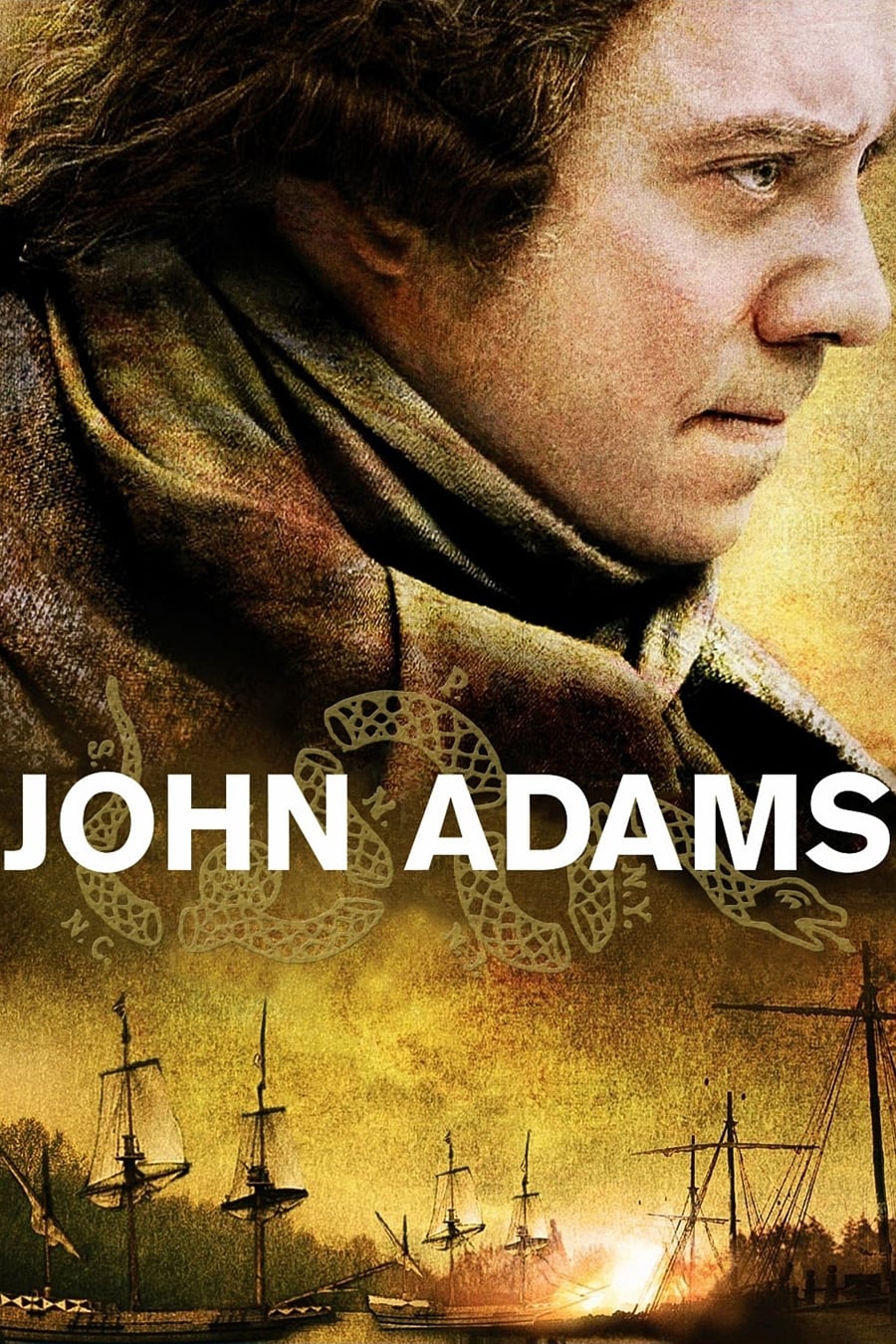
Adapted from David McCullough’s biography, this miniseries charts the statesman’s legal work, diplomacy, and presidency. It depicts treaty negotiations, cabinet fractures, and family correspondence.
Historical advisors guided costuming, protocol, and set dressing for colonial courts, European salons, and early American institutions. The series references letters, diaries, and legislative records to ground key decisions.
‘The Spy’ (2019)
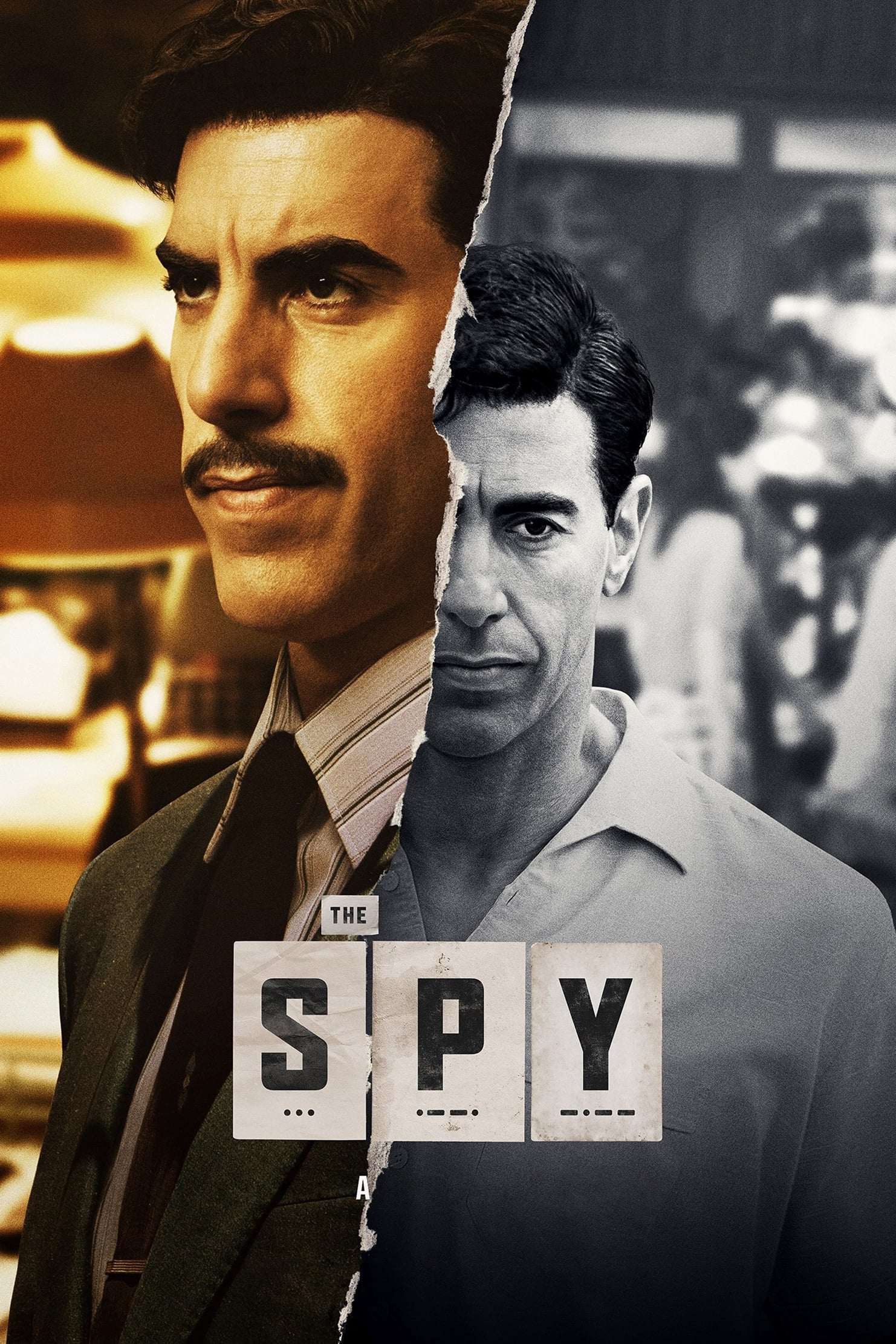
Based on the operations of Eli Cohen, this miniseries follows infiltration, tradecraft, and intelligence flows in the Middle East. It depicts cover identities, dead drops, and diplomatic receptions as operational venues.
Production recreates apartments, offices, and border crossings, highlighting counterintelligence risks and communications methods. The narrative tracks how field reports informed strategic choices.
‘Waco’ (2018)
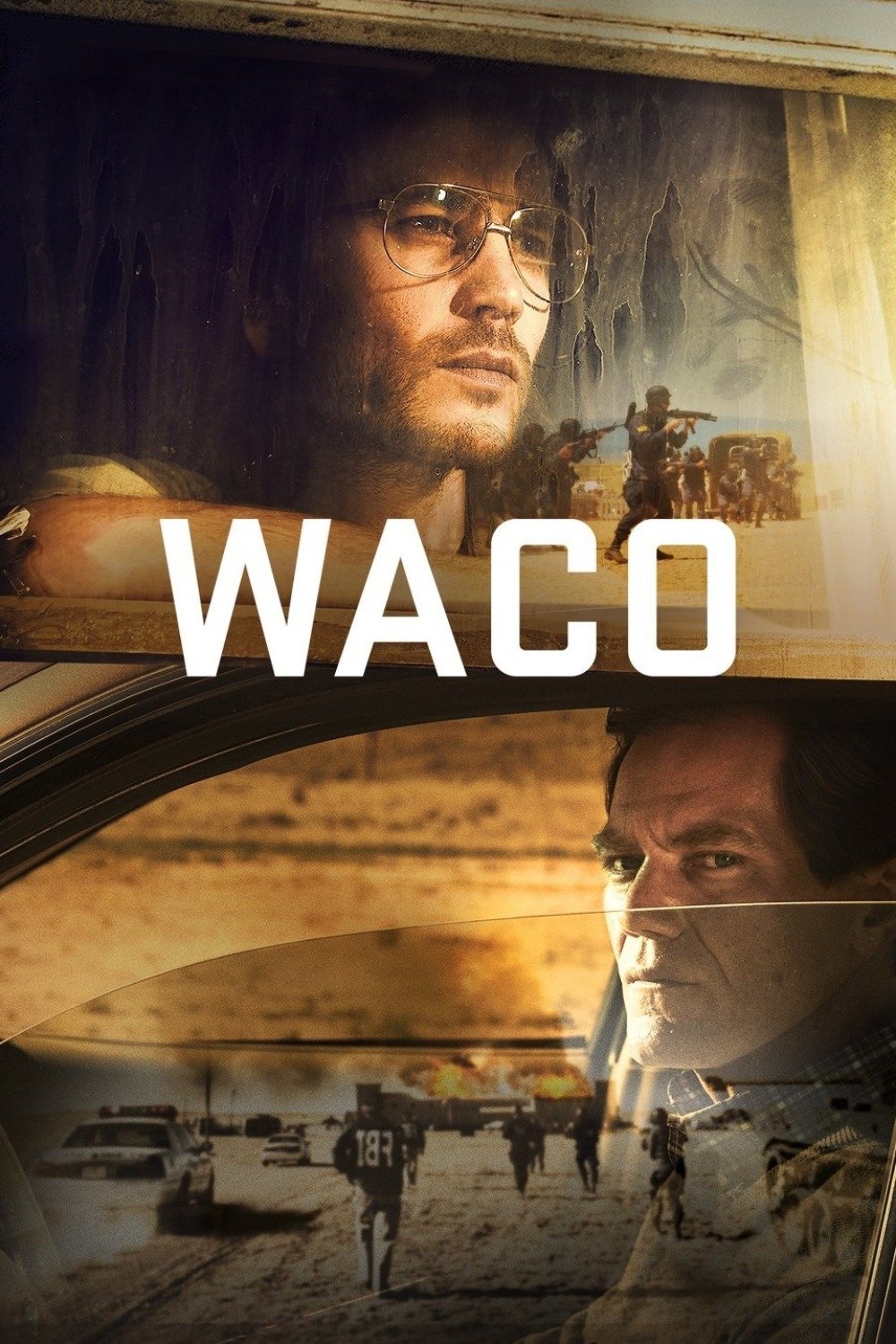
This series revisits the siege near Waco, Texas, using survivor accounts, official reports, and investigative journalism to reconstruct planning, negotiations, and tactical escalations. It shows negotiation transcripts and command-center dynamics.
Sets re-create structures, staging areas, and media perimeters. The show examines jurisdictional issues, rules of engagement, and post-incident reviews.
‘The Staircase’ (2022)

A scripted retelling of a high-profile death investigation, this series draws from documentary footage, court records, and expert testimony. It reconstructs forensic debates, family dynamics, and legal tactics.
Filming replicates residences, labs, and courtrooms central to the case, emphasizing evidence collection and reenactment methodologies. It follows appeals, expert challenges, and media involvement.
‘The Girl From Plainville’ (2022)

Adapted from long-form journalism and legal documents, this miniseries examines a texting-related manslaughter case and the digital evidence at its core. It explores how messages, phone records, and metadata were analyzed.
The show recreates police interviews, school settings, and courtroom proceedings, tracing the roles of prosecutors, defense counsel, and expert witnesses. It addresses mental-health evaluations and evidentiary standards.
‘Love & Death’ (2023)
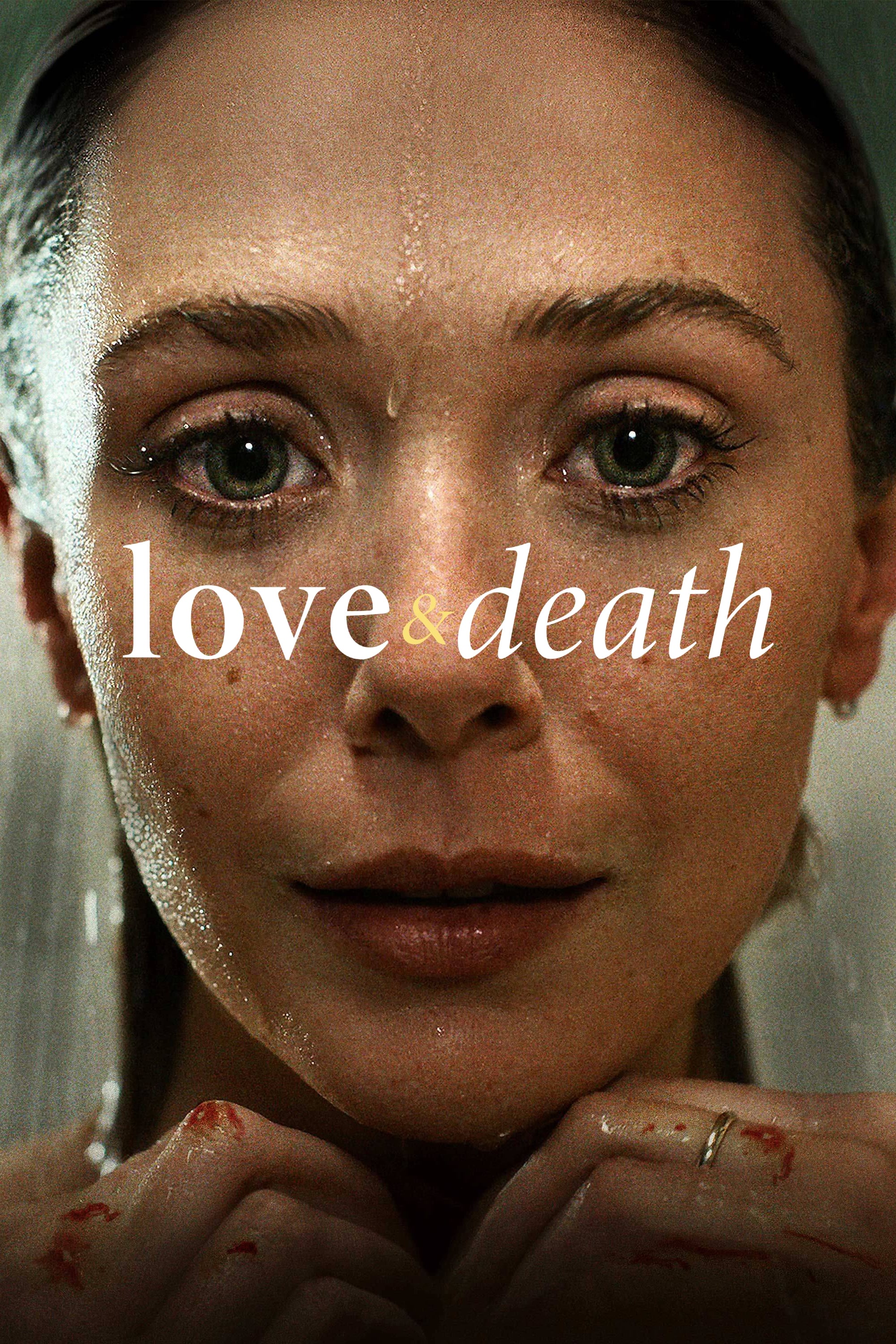
Based on reporting and a nonfiction book, this miniseries covers a Texas homicide case entangled with suburban life and church communities. It traces investigative timelines, jury selection, and the interplay of forensic and character evidence.
Production emphasizes domestic spaces, community centers, and legal settings, while following how media coverage shaped public understanding. It details witness examination, expert testimony, and strategy on both sides.
‘Inside Look: Feud – Bette and Joan’ (2017)
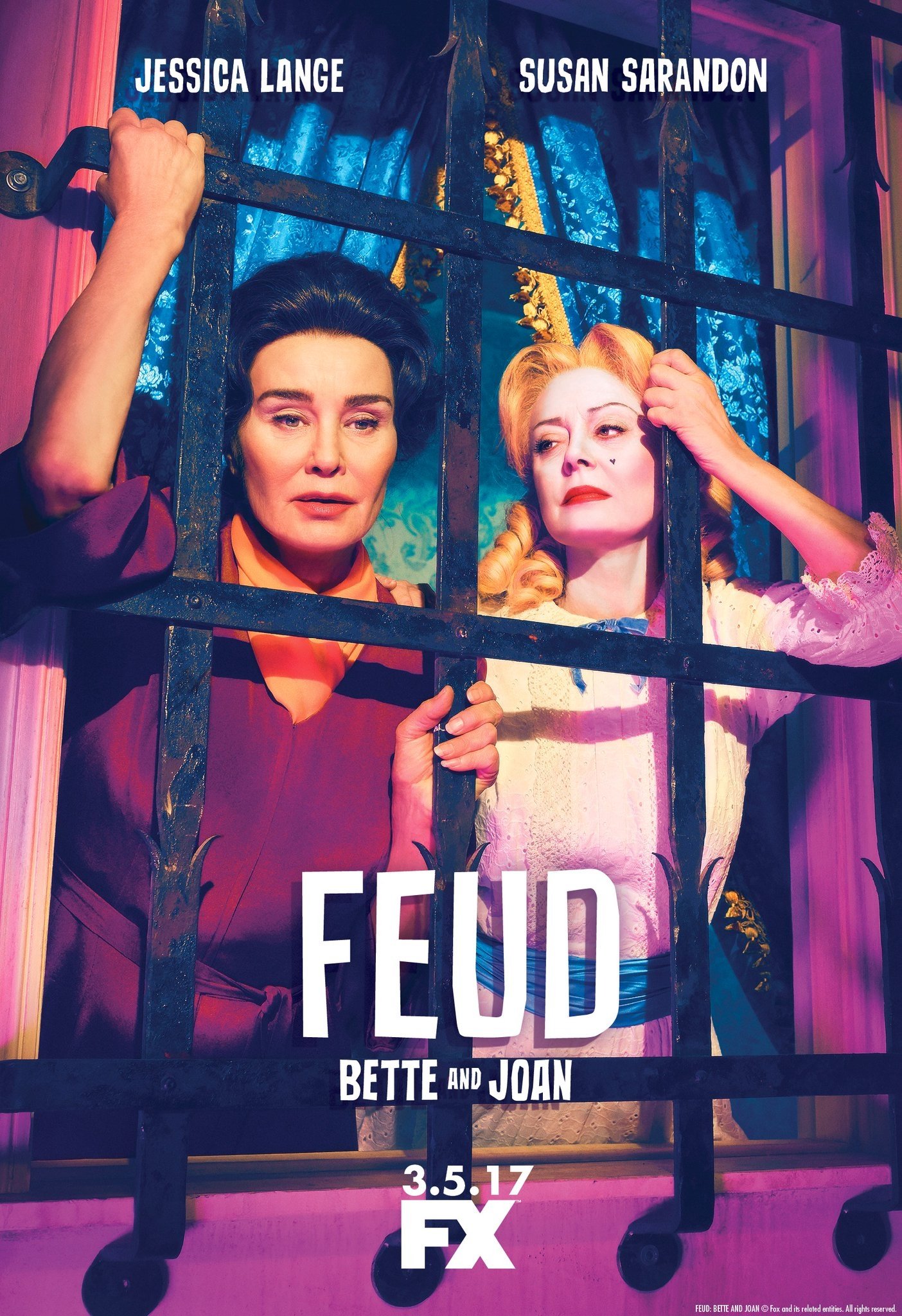
This anthology season dramatizes the professional rivalry between Bette Davis and Joan Crawford, referencing studio records, biographies, and trade-press reporting. It depicts contract negotiations, marketing strategies, and awards campaigning.
Sets and costumes reproduce studio lots, theaters, and publicity shoots. The series maps agent relationships, press management, and the economics of star vehicles in a changing industry.
‘The Kennedys’ (2011)
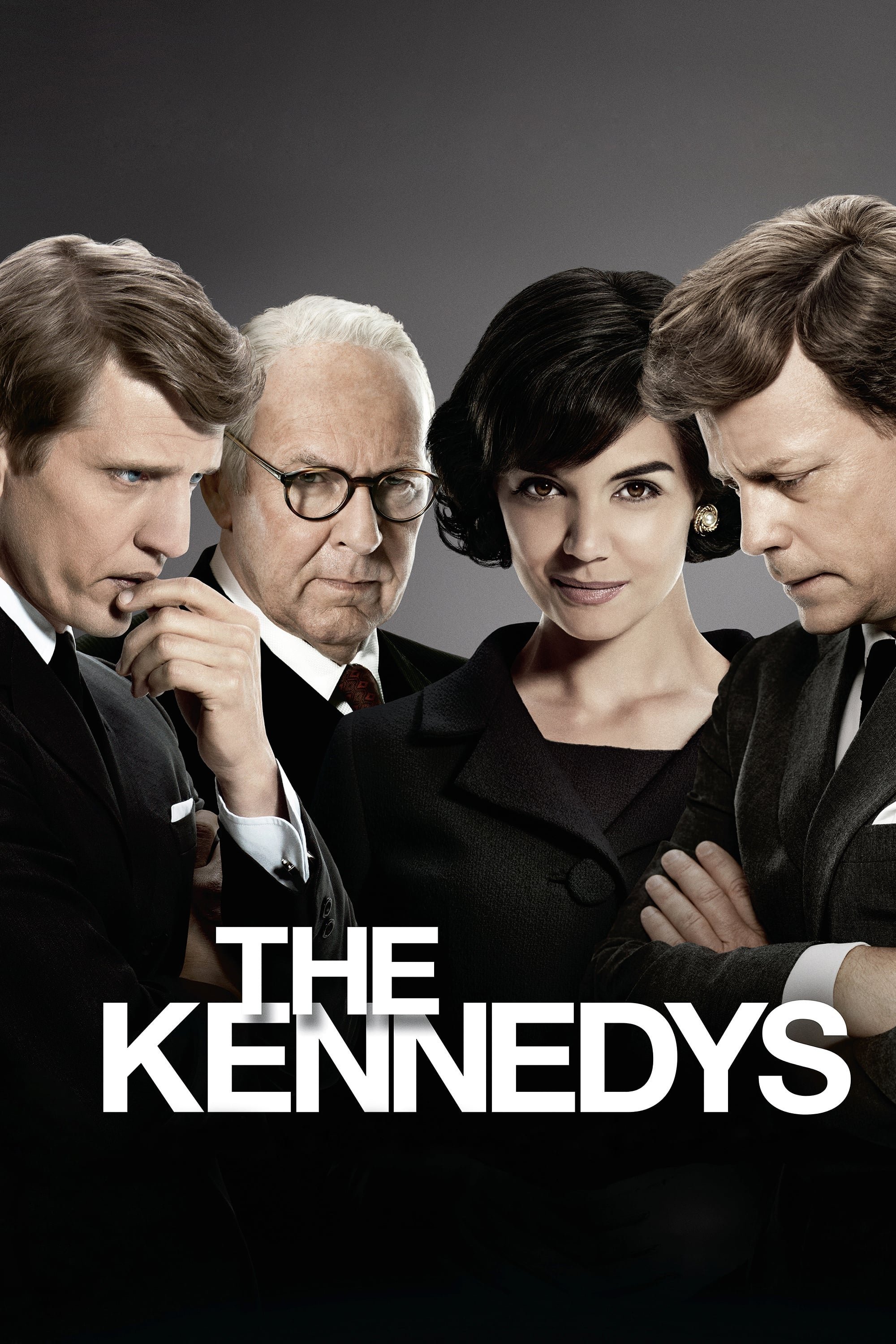
A biographical miniseries, it charts political campaigns, foreign policy crises, and family dynamics using memoirs, declassified documents, and press archives. It depicts internal debates, advisory roles, and public appearances.
The production reconstructs cabinet rooms, campaign trails, and diplomatic venues, reflecting protocol and security details. It follows legislative initiatives, media strategies, and crisis communications.
‘Masters of Sex’ (2013–2016)
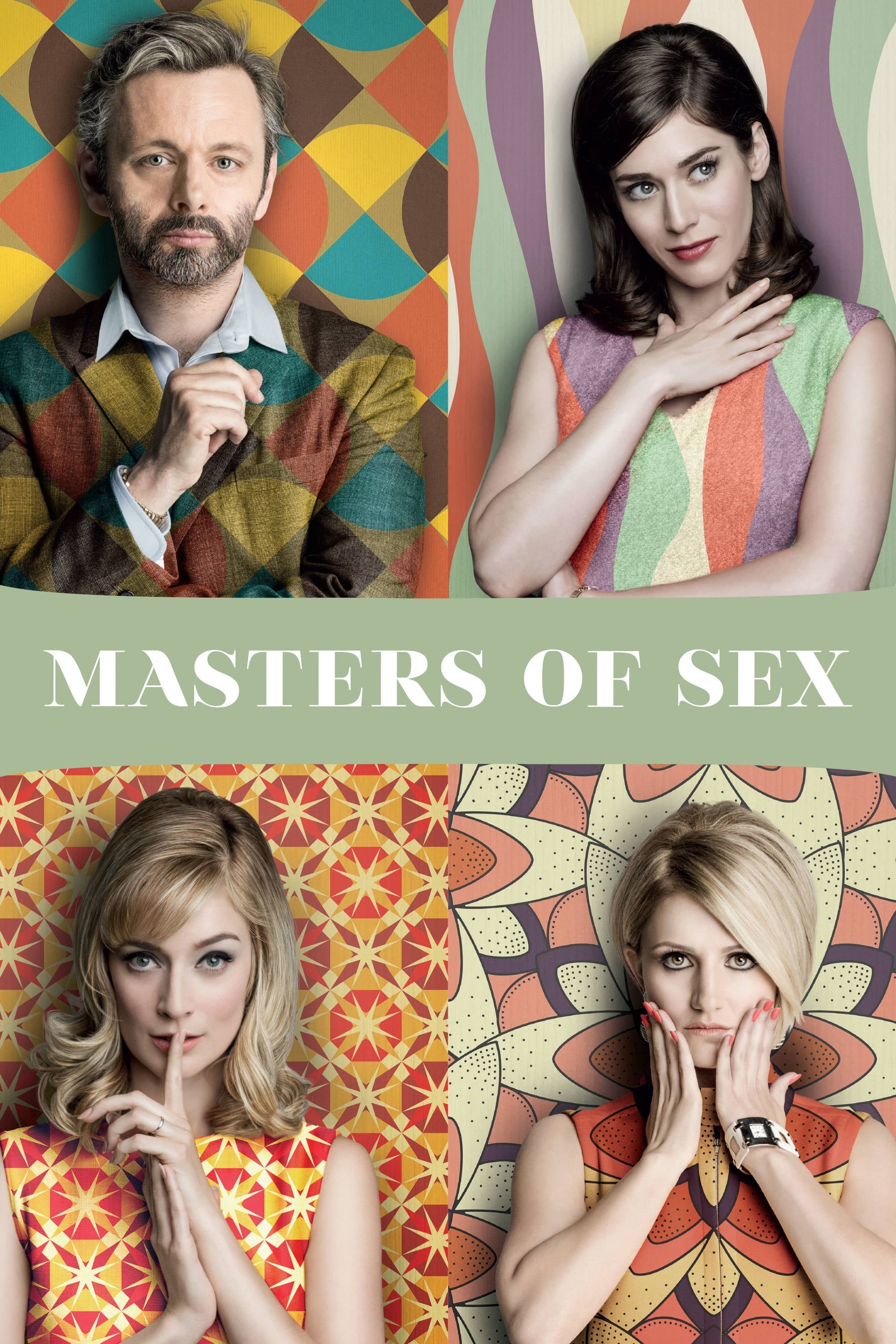
Based on Thomas Maier’s biography, the show follows researchers Masters and Johnson and their pioneering human-sexuality studies. It covers research design, hospital politics, and public reception.
Production recreates clinical labs, observation rooms, and academic settings, tracking publication cycles and collaboration with institutions. It explores funding, ethics boards, and evolving methodologies.
‘Genius’ (2017– )
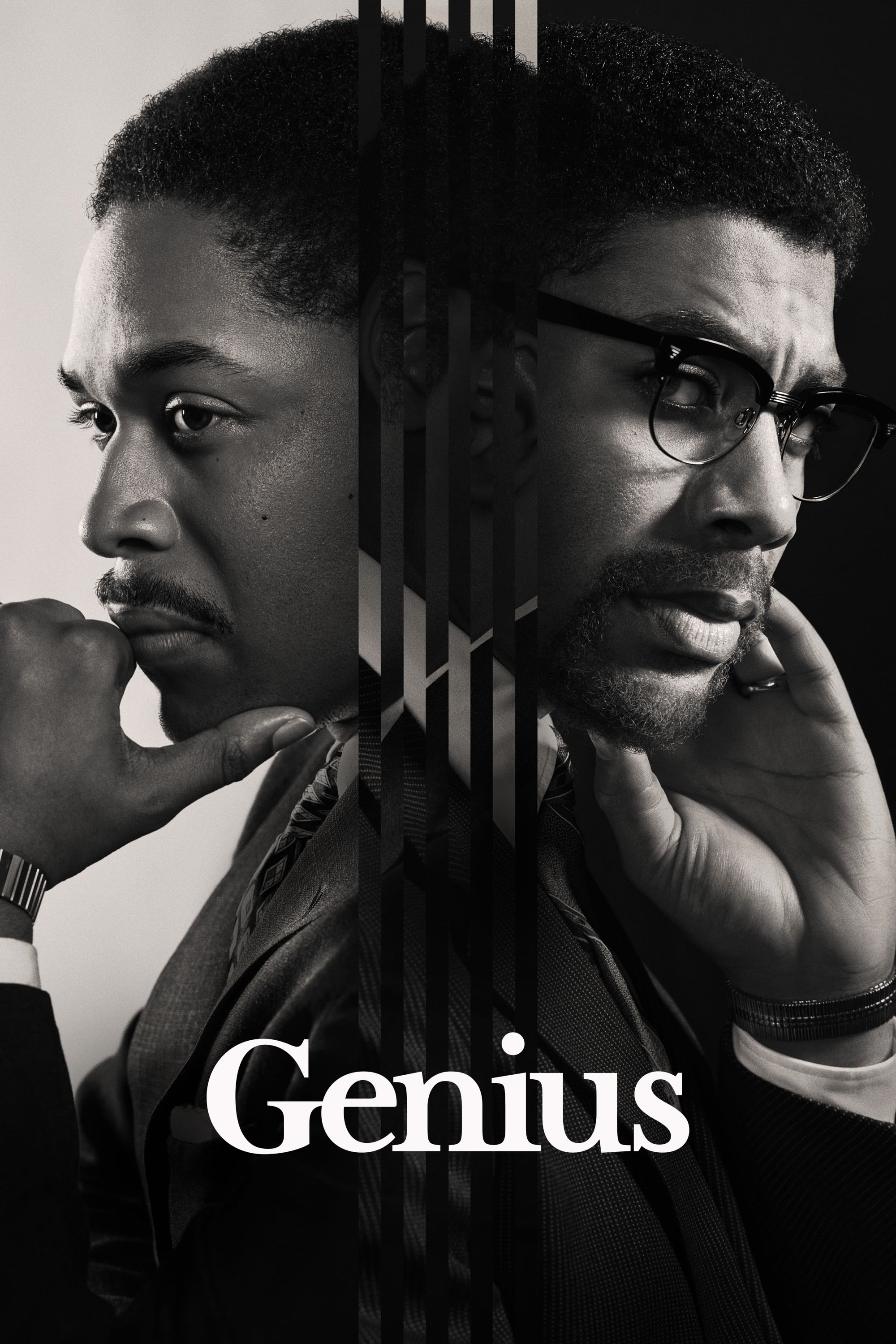
This anthology dramatizes the lives of notable figures such as Albert Einstein, Pablo Picasso, Aretha Franklin, and more, using biographies, letters, and archival material. It follows breakthroughs, partnerships, and cultural impact.
The production shifts settings each season to reflect workplaces, studios, and concert halls. It emphasizes research notes, correspondence, and contemporaneous criticism that framed each figure’s legacy.
‘Dirty John’ (2018–2020)
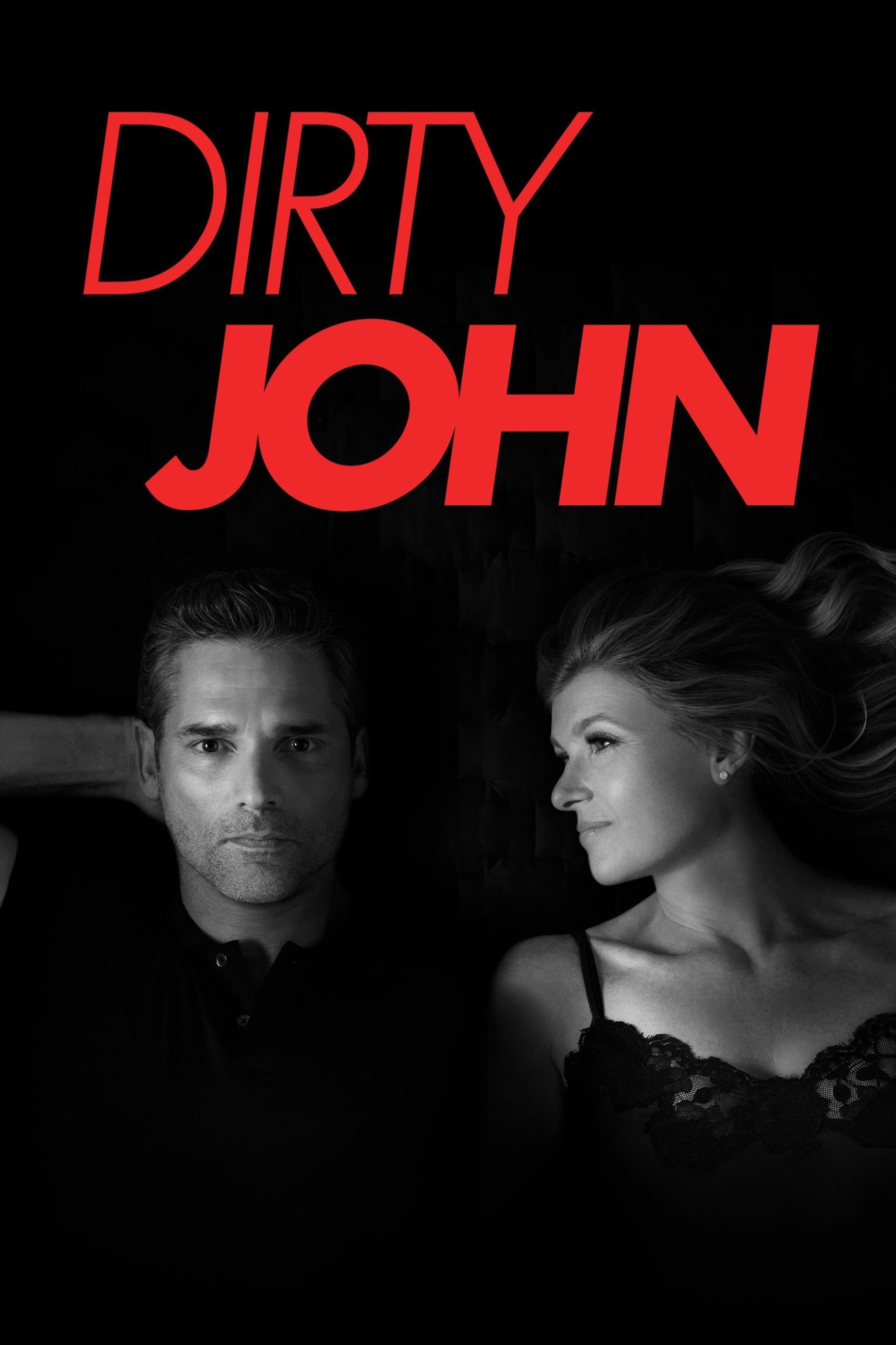
Adapted from podcast reporting, this anthology explores real cases of deception and abuse, with the first season focusing on con artistry within a relationship. It draws on interviews, police files, and court records.
The show reconstructs digital footprints, financial transactions, and restraining-order processes. It tracks law-enforcement responses, safety planning, and legal remedies available to victims.
‘The Salisbury Poisonings’ (2020)
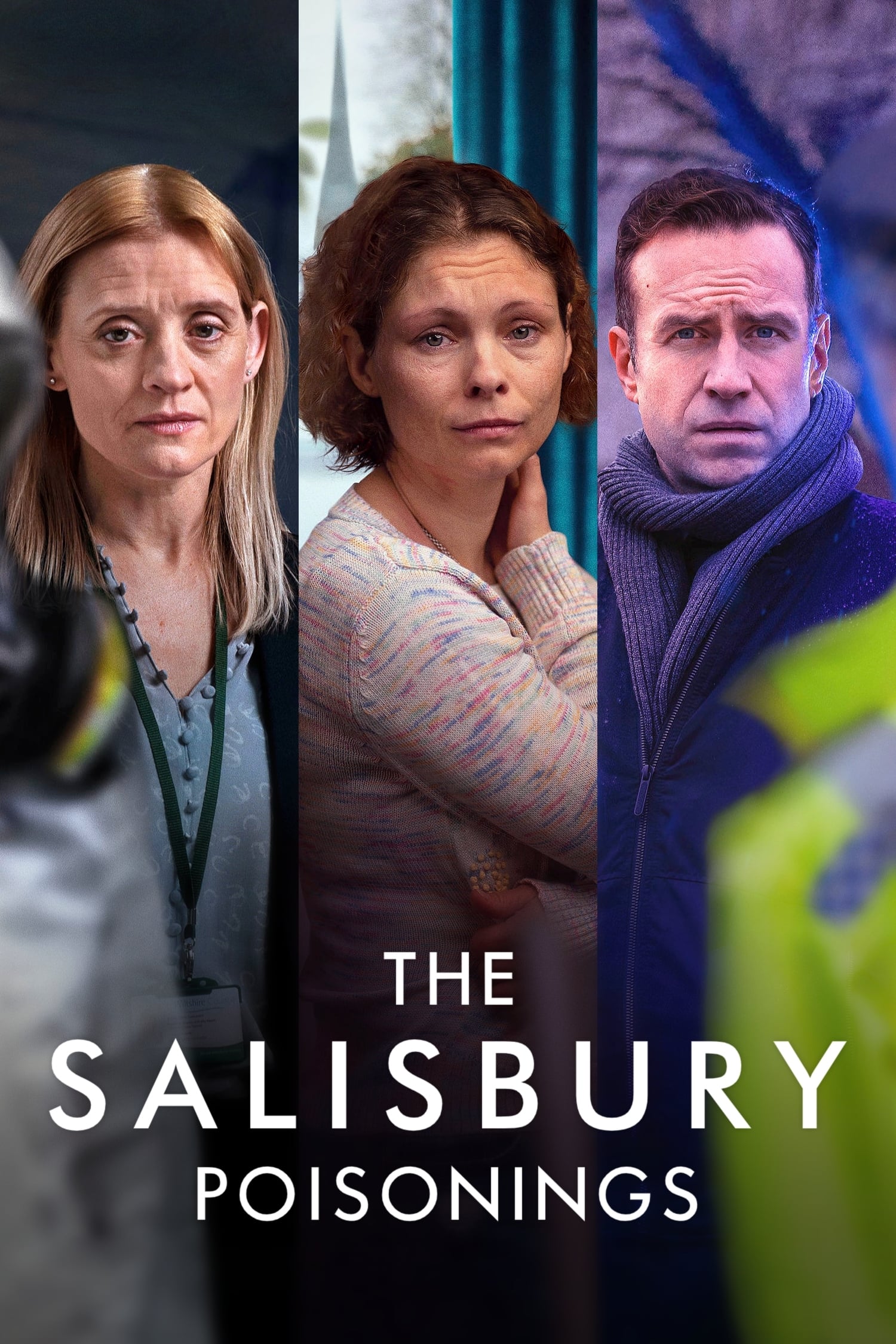
This miniseries depicts the public-health response to nerve-agent exposure in a British city, using official reports and interviews with responders. It details contact tracing, decontamination, and community communication.
Production recreates command centers, hospitals, and clean-up operations, illustrating interagency coordination. The series follows risk assessments, scientific testing, and support for affected residents.
‘Medici: Masters of Florence’ (2016–2019)
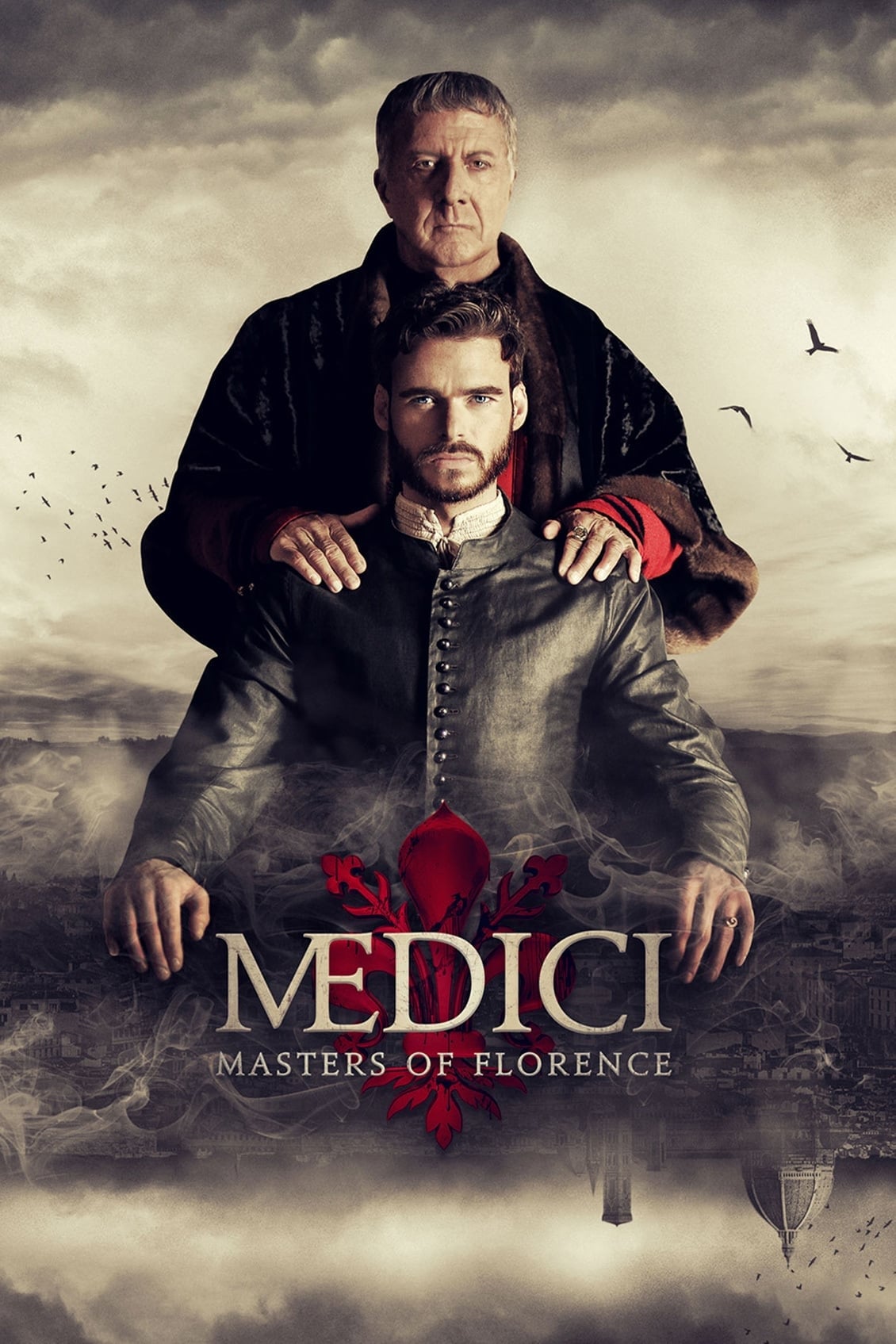
This historical drama follows the Medici banking dynasty, drawing on accounts of finance, art patronage, and Florentine politics. It connects banking innovations to influence over civic institutions.
The series uses Tuscan locations and recreated palazzi to stage elections, council meetings, and financial dealings. It tracks relationships with artists, rival families, and foreign powers.
‘Rome’ (2005–2007)
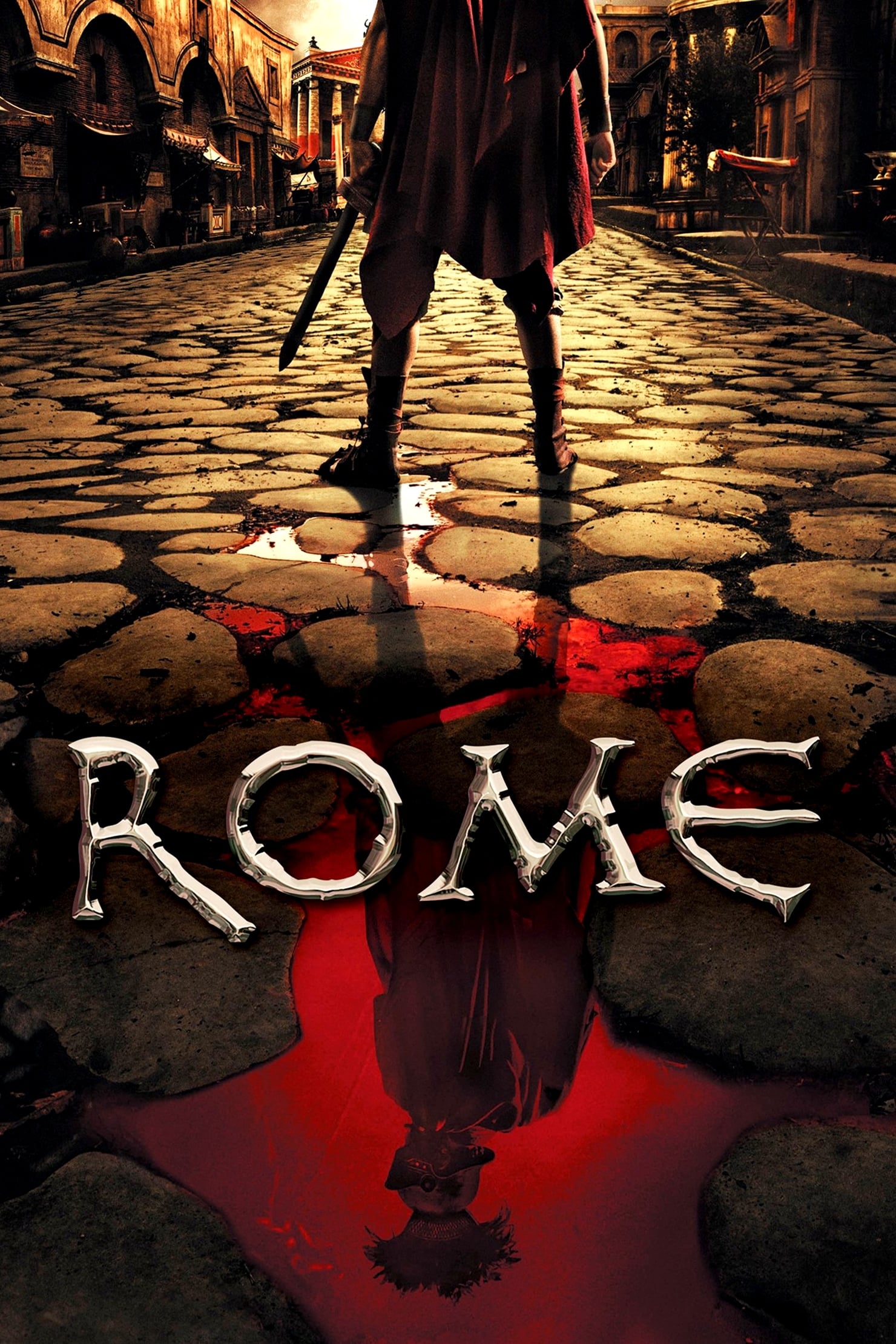
Set during the transition from Republic to Empire, this drama builds from Roman histories, inscriptions, and archaeological research. It depicts senate debates, legions on campaign, and shifting alliances.
Large standing sets recreate forums, barracks, and villas, while props reflect material culture and military organization. The show maps political maneuvers, patronage networks, and ceremonial customs.
‘Peaky Blinders’ (2013–2022)
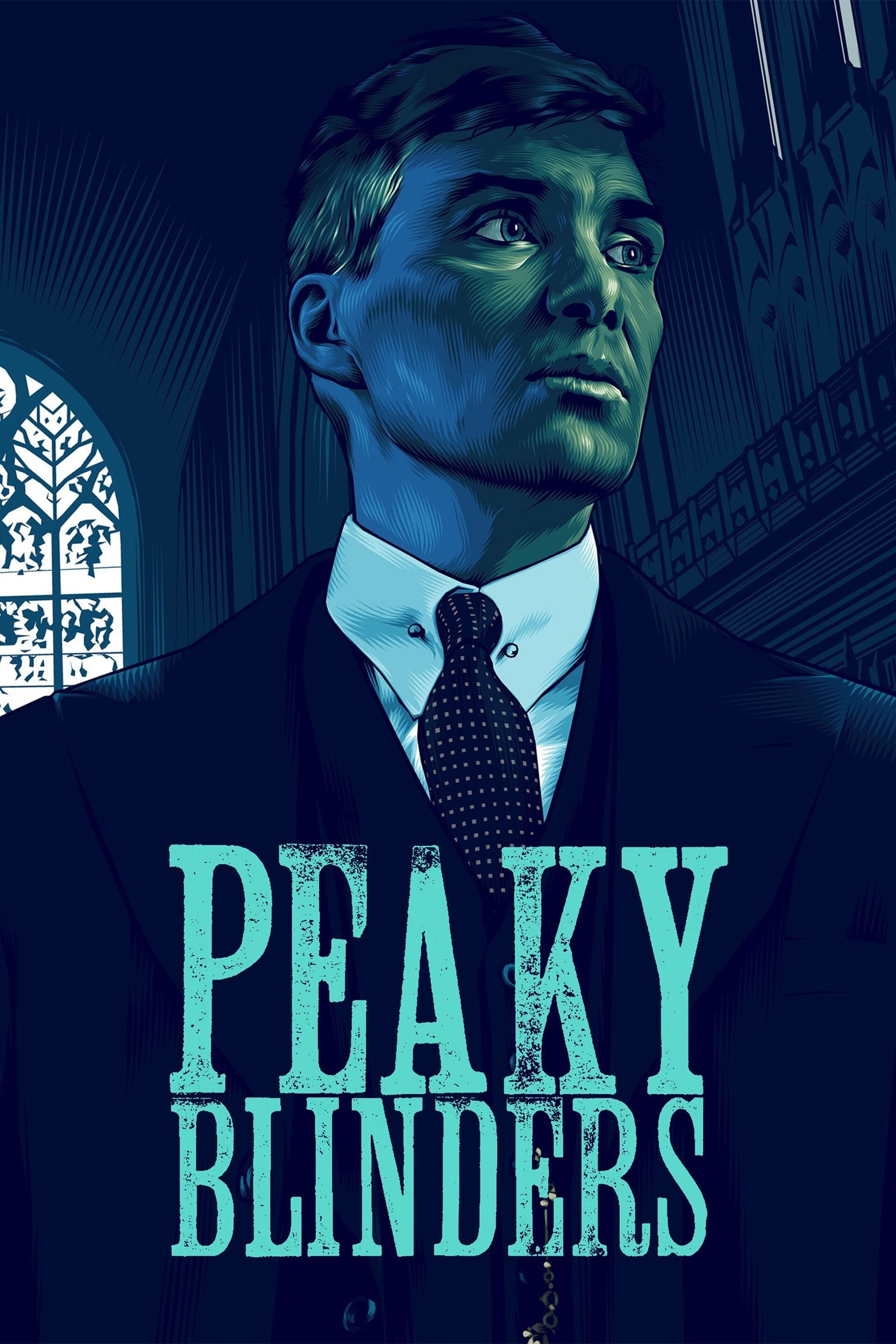
Inspired by a real Birmingham gang, the series blends documented criminal enterprises with fictionalized family arcs. It details rackets, labor disputes, and interactions with law enforcement and intelligence services.
Production design reconstructs factories, canals, and betting shops, highlighting post-war economics and urban change. It shows how smuggling routes, protection schemes, and political ties evolve.
‘Boardwalk Empire’ (2010–2014)
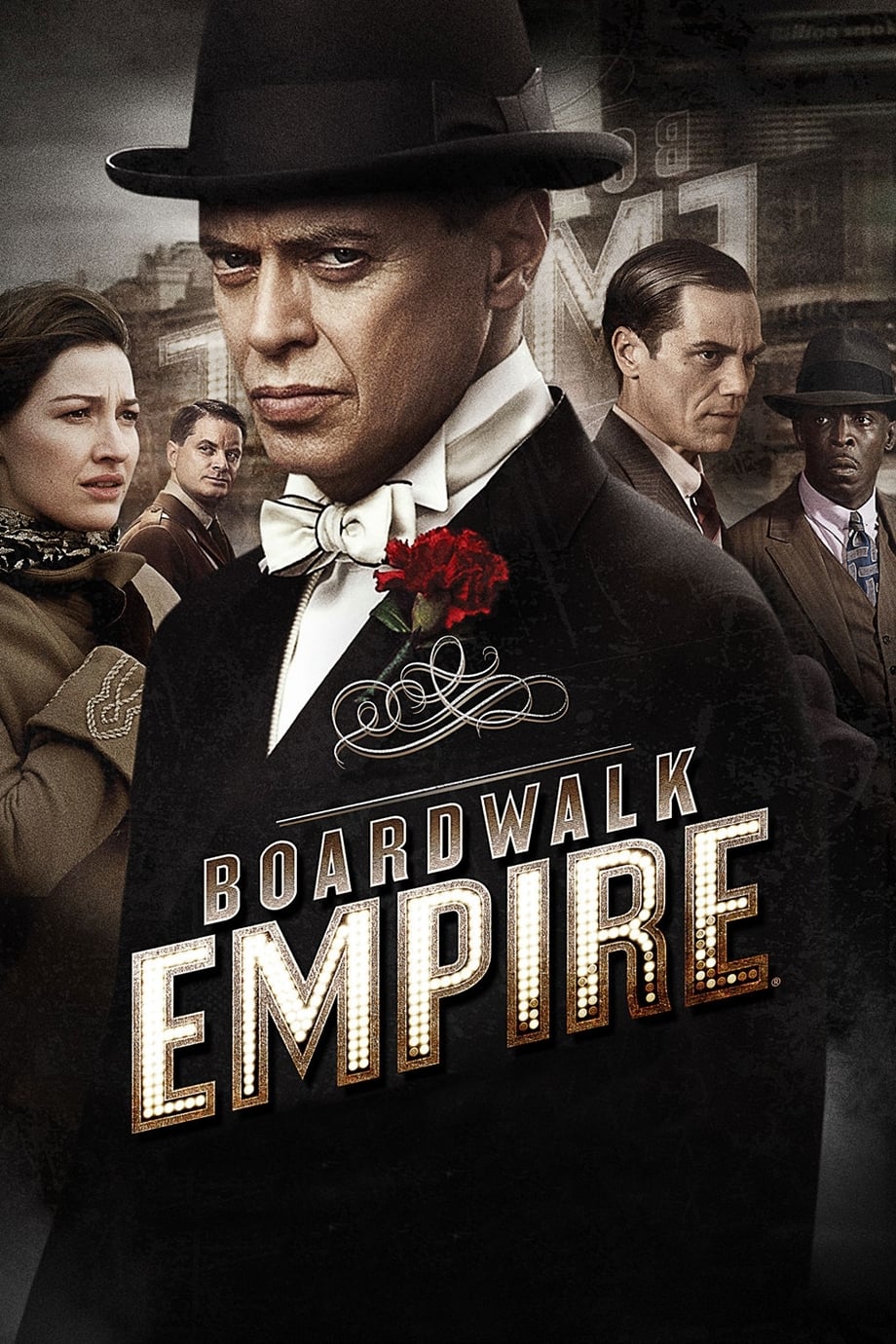
Based in part on a nonfiction history, this show profiles organized crime and politics in Atlantic City during Prohibition. It charts bootlegging logistics, patronage systems, and federal enforcement.
The series builds a detailed boardwalk set and period-correct interiors for clubs, hotels, and municipal offices. It tracks alliances among crime figures, business infrastructure, and regulatory pressures.
‘Winning Time: The Rise of the Lakers Dynasty’ (2022–2023)
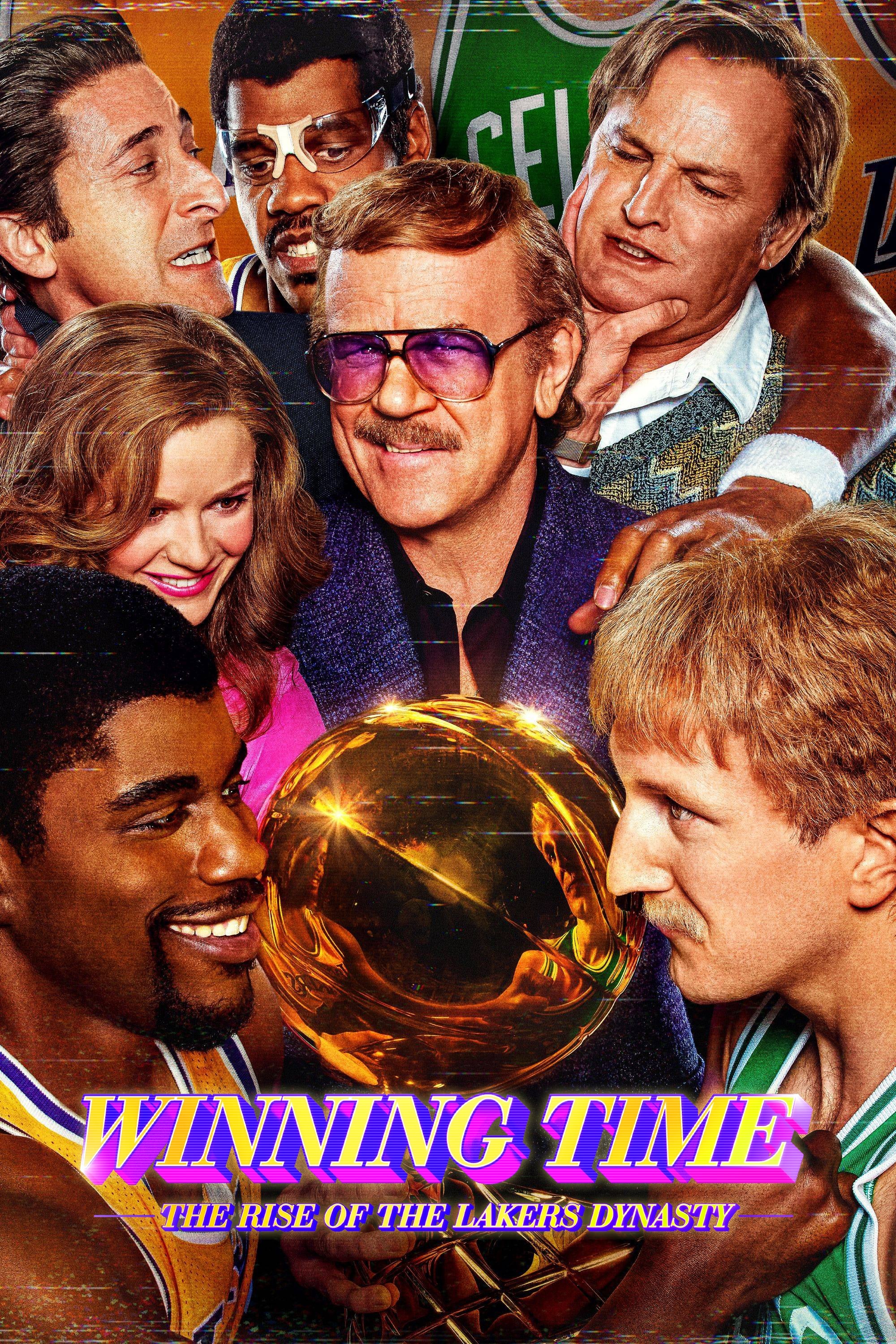
Adapted from Jeff Pearlman’s book, this series examines a basketball franchise’s transformation, covering ownership shifts, coaching strategies, and player development. It uses playbooks, press coverage, and behind-the-scenes reporting.
The production recreates arenas, training facilities, and broadcast sets, showing ticketing trends, media deals, and front-office decisions. It traces rivalry narratives, merchandising, and staff dynamics.
‘Alias Grace’ (2017)
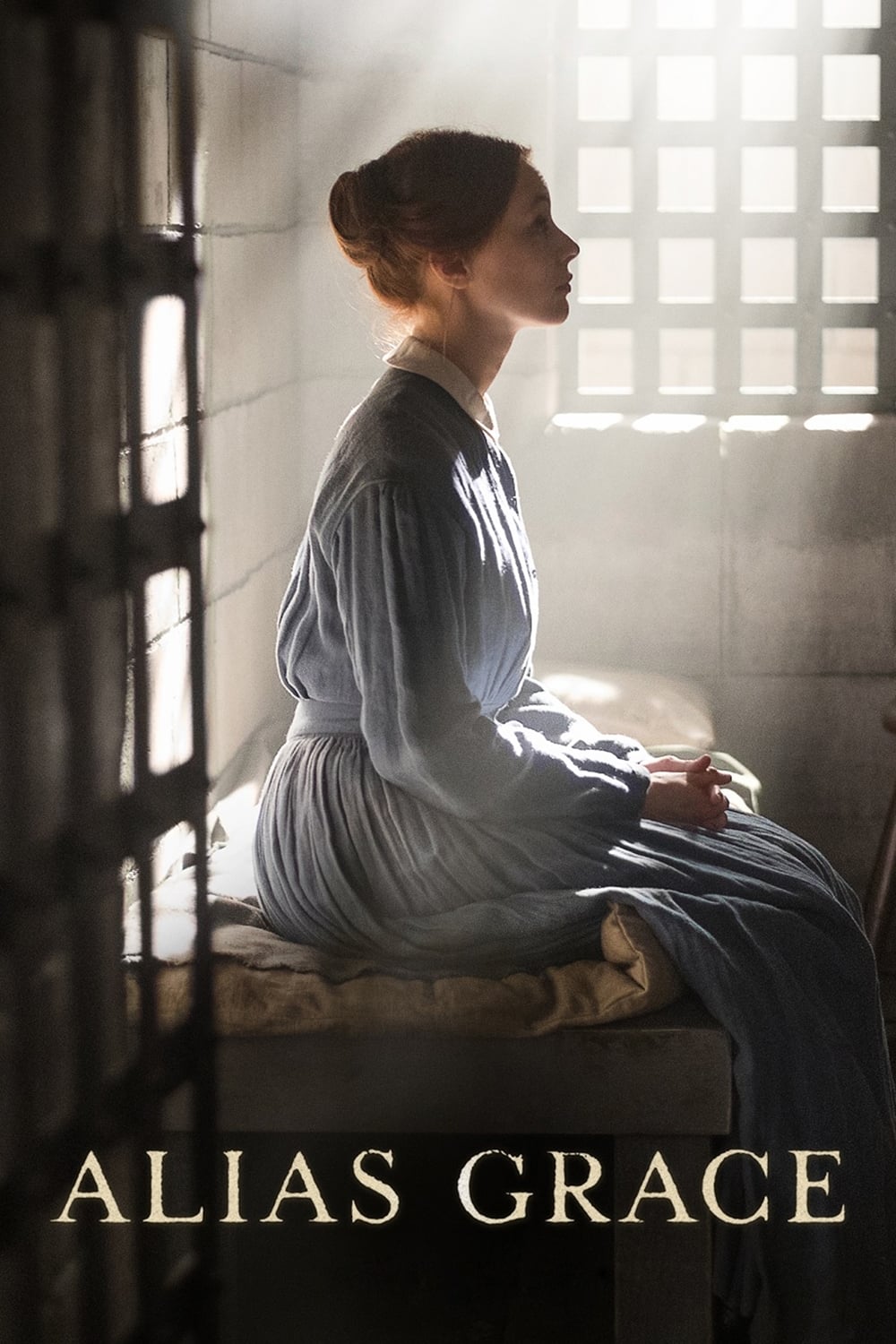
Based on Margaret Atwood’s novel drawn from a historical case, this miniseries explores a convicted servant at the center of a notorious murder. It references trial records, press clippings, and period medical theories.
The show stages interviews, domestic workplaces, and carceral settings, examining confession reliability and class dynamics. It integrates contemporary methods of narrative analysis with historical documentation.
‘Masters of the Air’ (2024)
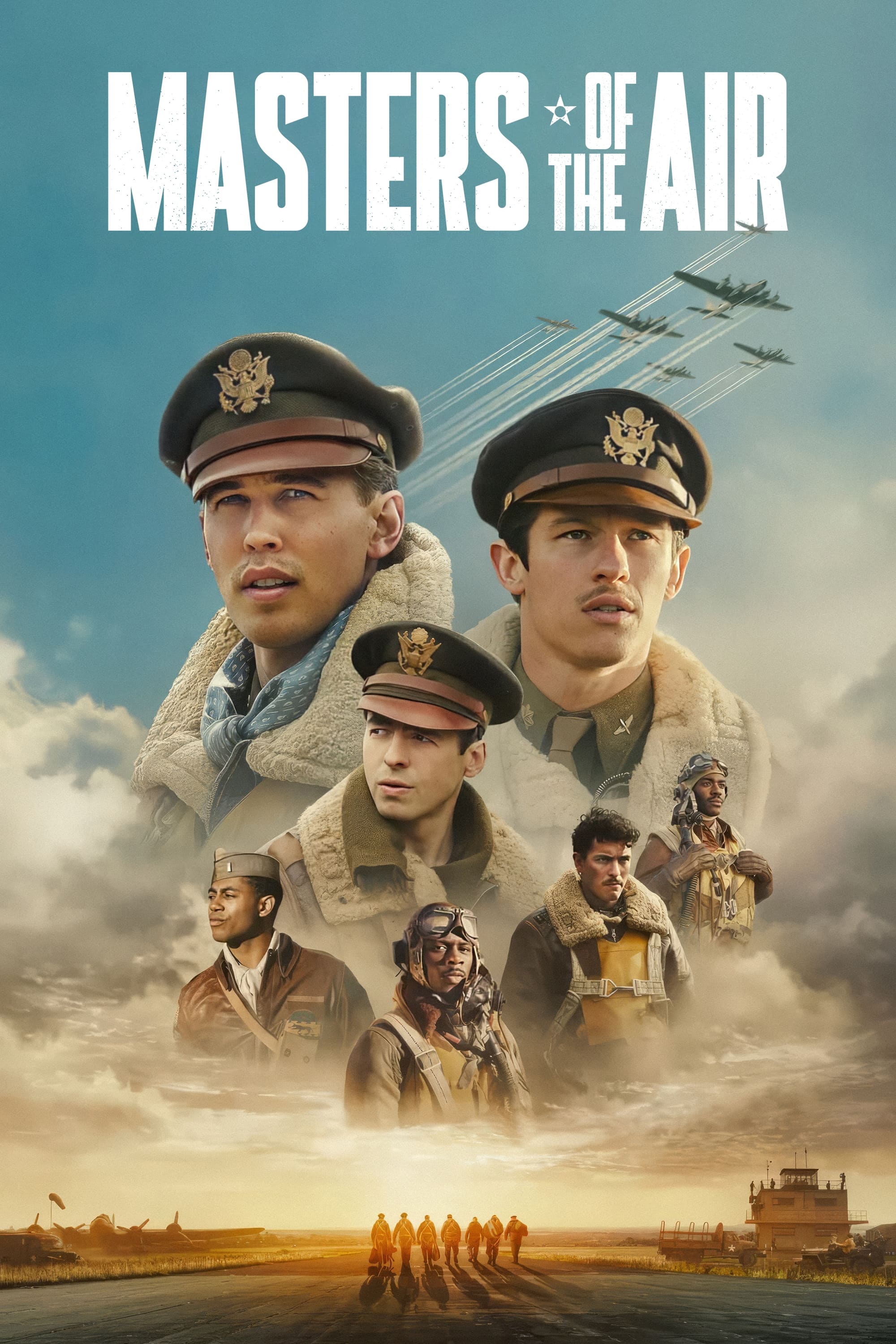
Based on Donald L. Miller’s nonfiction work, this series follows a U.S. Army Air Forces group conducting strategic bombing missions in Europe. It covers crew training, mission planning, and aircraft maintenance cycles.
The production uses large-scale aerial cinematography, reconstructed airfields, and period technical manuals to depict formation flying, navigation challenges, and survival equipment. It tracks intelligence briefings, debriefs, and the logistics supporting air campaigns.
‘Griselda’ (2024)
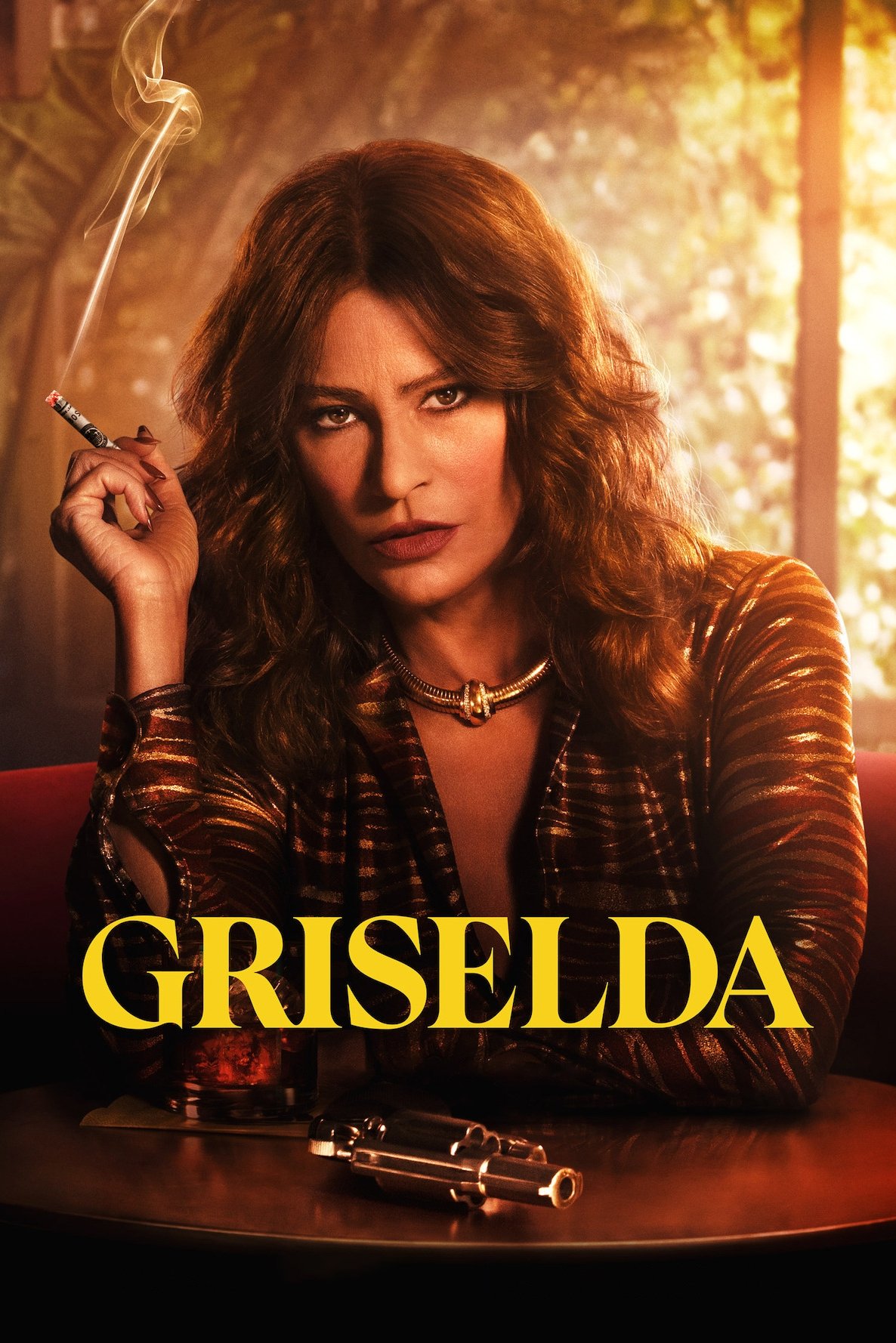
This miniseries dramatizes the life of trafficker Griselda Blanco, referencing court filings, newspaper investigations, and law-enforcement records. It covers smuggling routes, front businesses, and enforcement responses in multiple cities.
The show reconstructs distribution networks, financial laundering mechanisms, and intercartel dynamics. It illustrates surveillance methods, confidential sources, and prosecutorial strategies across jurisdictions.
‘I, Claudius’ (1976)
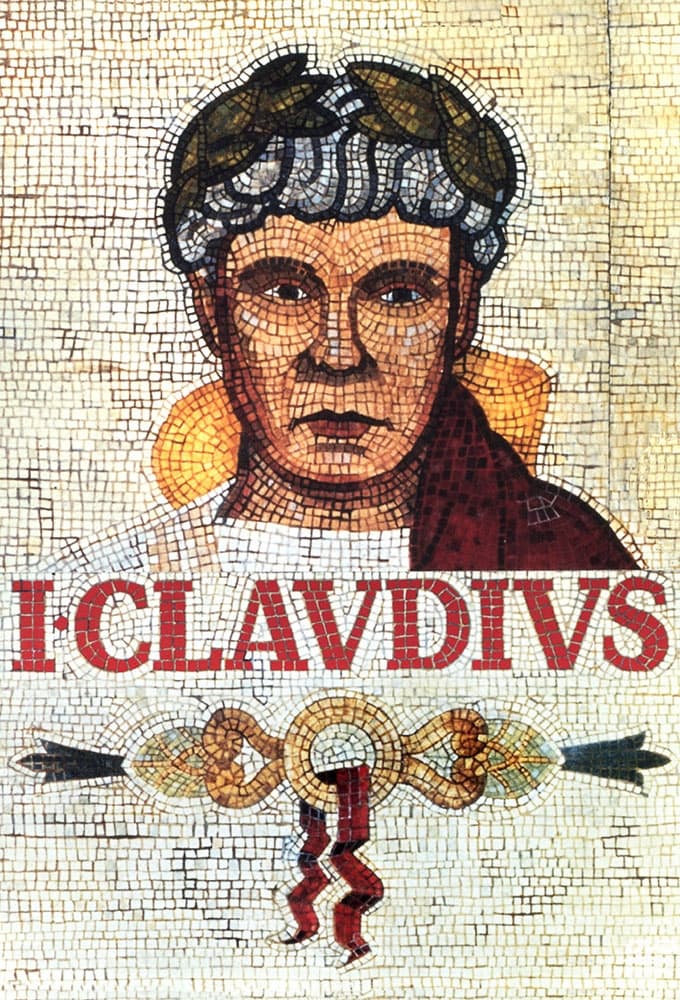
Adapted from Robert Graves’s novels rooted in ancient sources, this classic series covers Julio-Claudian emperors through palace politics, senate intrigue, and succession crises. It uses classical texts and epigraphic references to frame events.
The production focuses on dialogue-driven scenes in courts and villas, showcasing governance norms, legal traditions, and imperial ceremony. It maps alliances among elites and the mechanisms of power transfer.
‘The Trial of Christine Keeler’ (2019–2020)
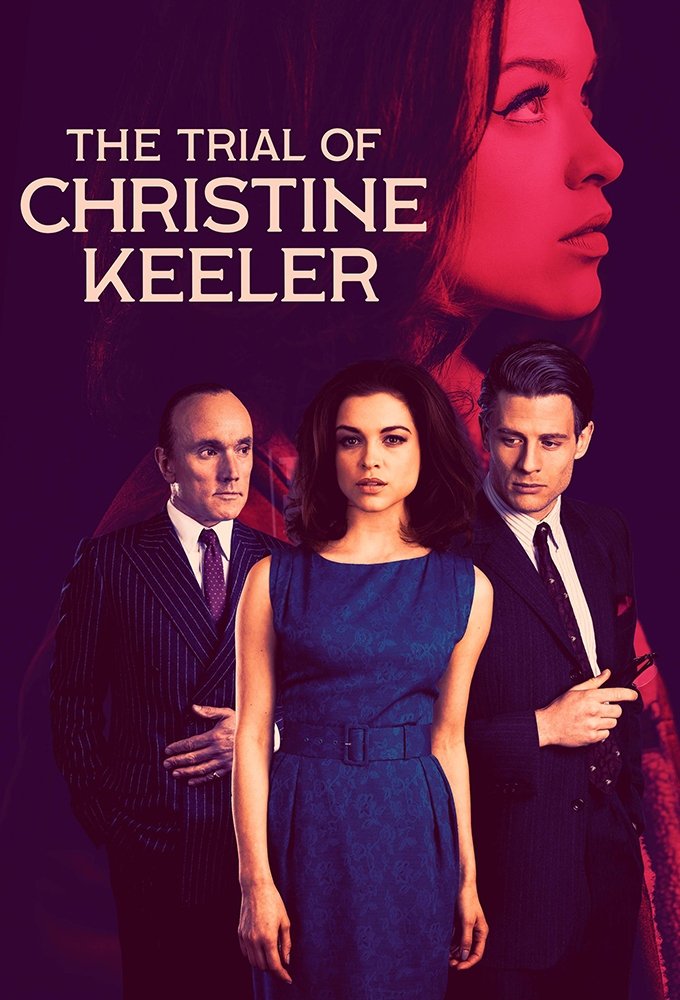
This drama dramatizes the Profumo affair in the United Kingdom, relying on parliamentary records, press coverage, and personal testimony. It follows security concerns, legal proceedings, and cultural fallout.
Sets recreate clubs, chambers, and residences, with attention to protocol and public statements. The series documents inquiries, committee hearings, and the reshaping of reputations through media narratives.
‘Mind Over Murder’ (2022)
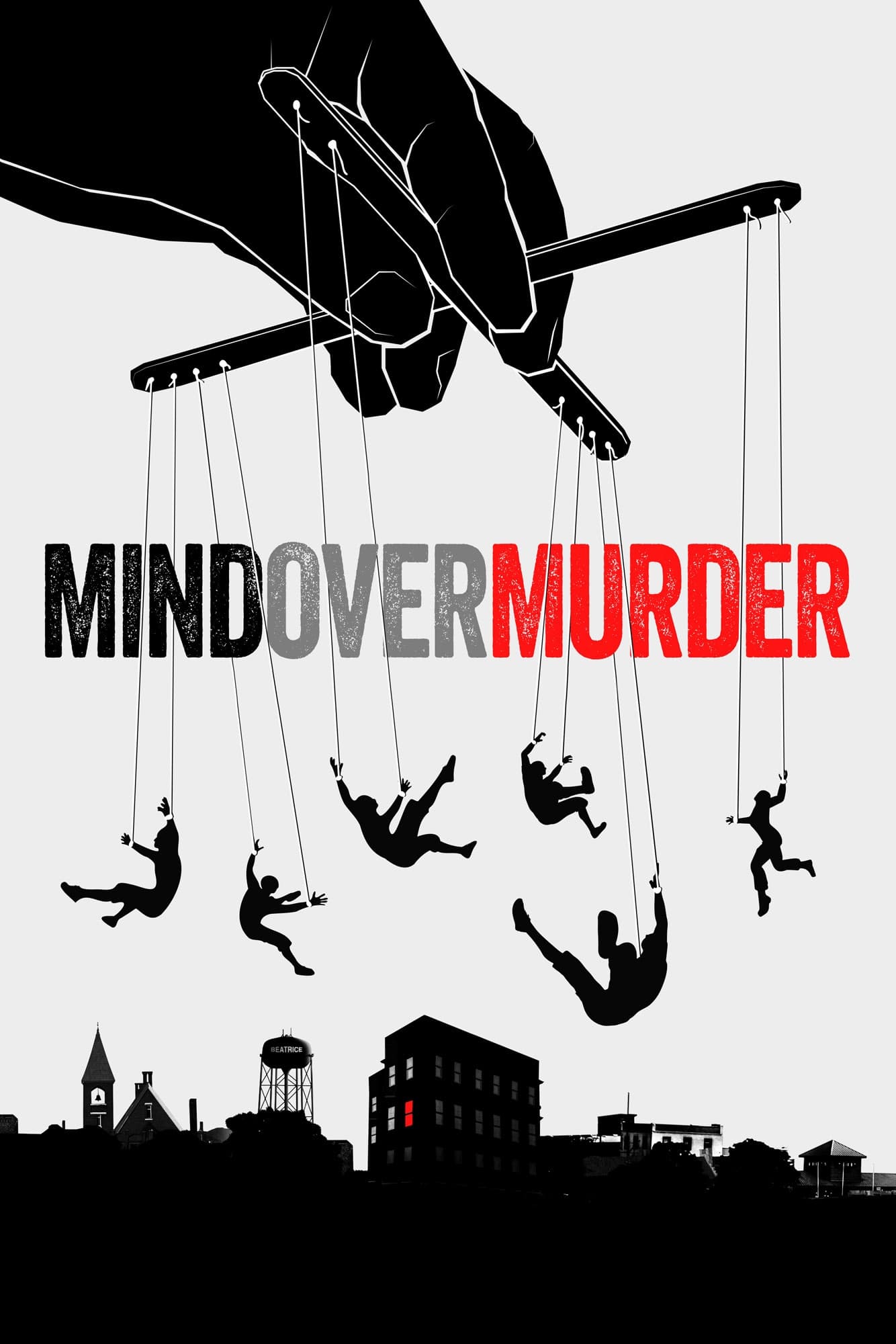
A documentary-drama hybrid, it re-examines the Beatrice Six case using interviews, archived footage, and court documents. It traces wrongful convictions, memory reliability, and the steps toward exoneration.
The series maps investigative techniques, forensic practices, and legal appeals, showing how reinterpretation of evidence can alter case outcomes. It engages community perspectives and victim-family voices.
‘A Spy Among Friends’ (2022)
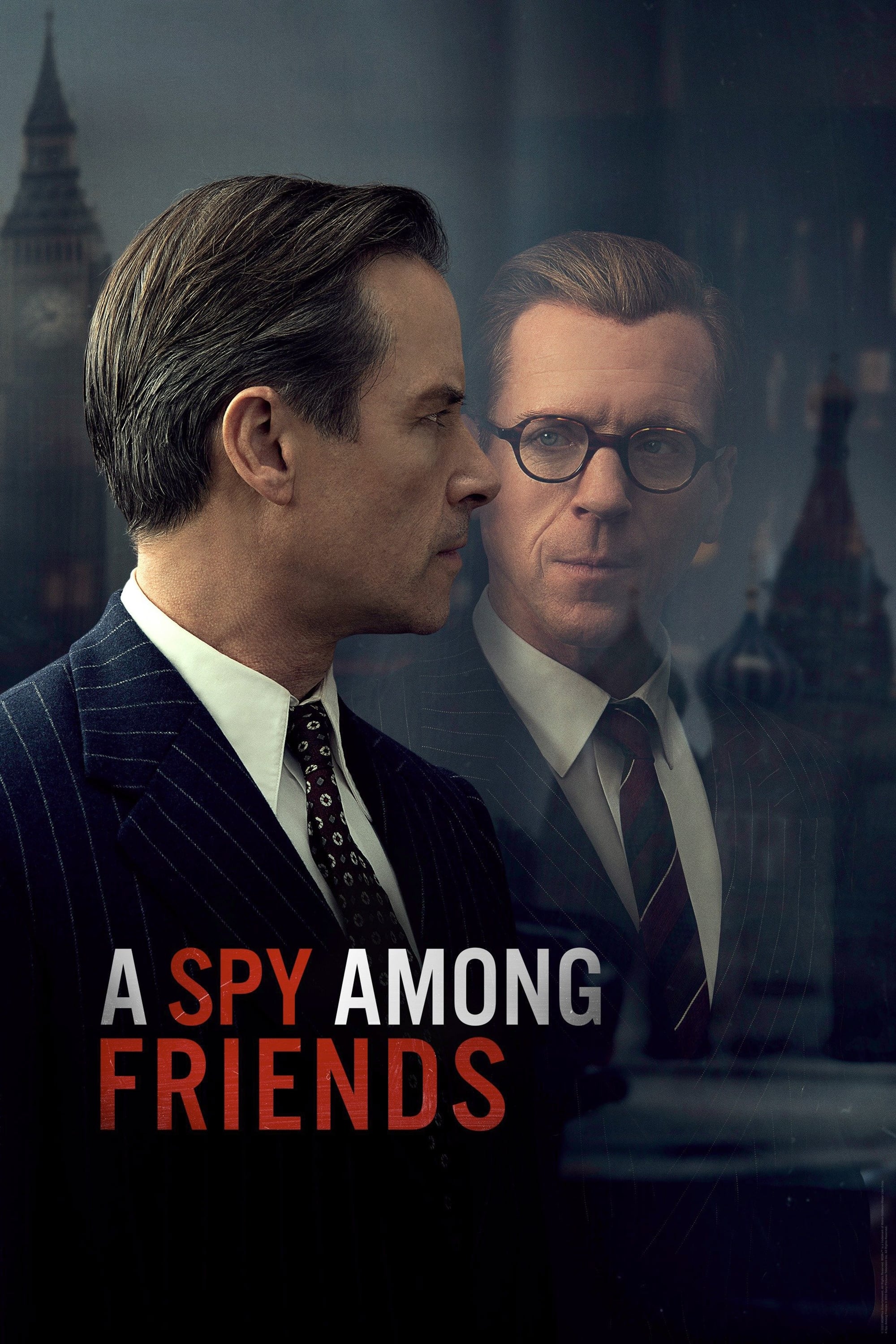
Based on Ben Macintyre’s book, this series explores the friendship at the heart of a major espionage betrayal. It details debriefings, counterintelligence tradecraft, and diplomatic repercussions.
Production design includes safe houses, ministries, and clubs, with dialogue grounded in transcripts and memoirs. It follows interservice rivalries, cover maintenance, and the handling of double agents.
Got another true-story series you think belongs on this list? Drop your pick in the comments!