The Biggest TV Flops of All Time


Some TV shows arrive with big stars, buzzy concepts, and serious money behind them, only to vanish almost as quickly as they premiered. This list looks at high-profile misfires that struggled to find an audience, shut down early, or fell far short of expectations despite recognizable casts, ambitious ideas, and major network support.
For each series, you’ll find the essentials: what the show was about, who made it, who starred in it, where it aired, and how long it lasted. No hot takes—just the key details that explain what each project actually was before it bowed out.
‘Cop Rock’ (1990)
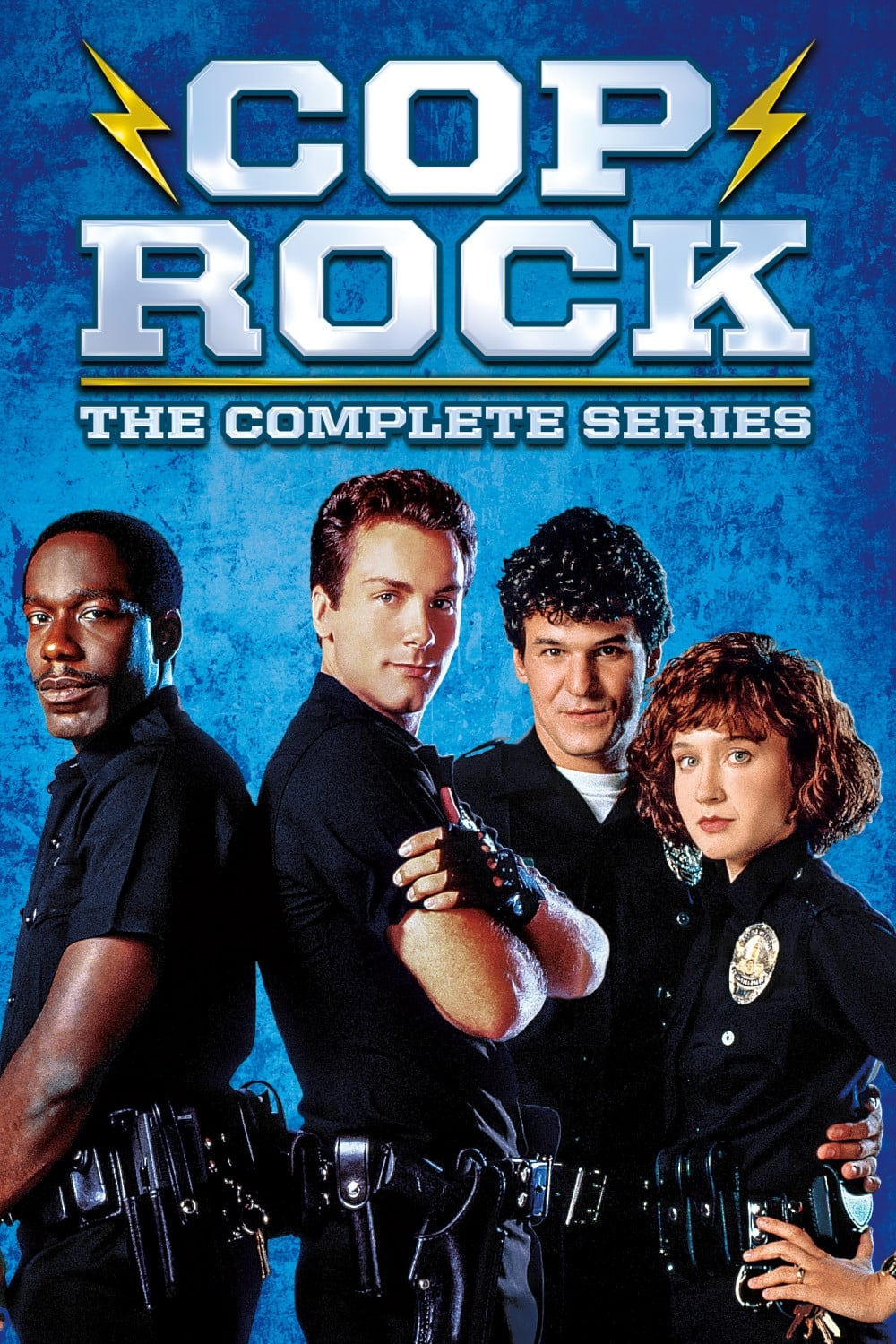
Created by Steven Bochco for ABC, ‘Cop Rock’ fused a police-procedural framework with original musical numbers composed by Randy Newman. The series followed detectives and officers in a Los Angeles–area department, intercutting casework with choreographed songs that advanced plot and character beats. The ensemble included Anne Bobby, Ronny Cox, James McDaniel, and Vondie Curtis-Hall.
Produced as an hour-long drama with a single-season order, it aired a limited run totaling 11 episodes. Directors across the season included frequent Bochco collaborators, and the show employed full studio recording for vocals and live staging for dance sequences. ABC canceled the series after its initial batch of episodes concluded.
‘Viva Laughlin’ (2007)
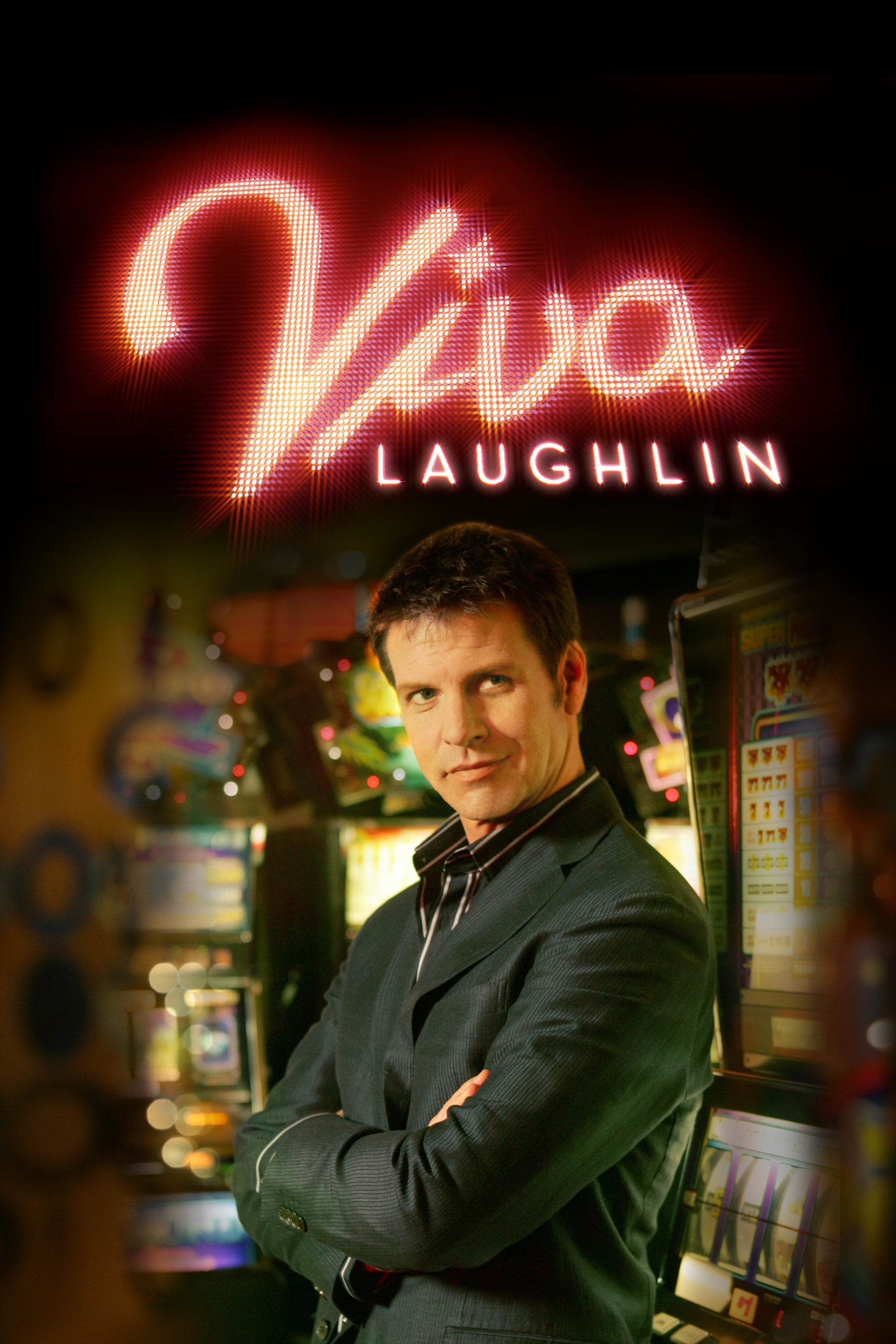
Developed for CBS and based on the British series ‘Blackpool’, ‘Viva Laughlin’ was an American musical drama set around a casino owner navigating rivalries and family ties. Hugh Jackman executive produced and appeared in a recurring role, with Lloyd Owen, Mädchen Amick, D. B. Woodside, and Ellen Woglom among the main cast.
Sony Pictures Television produced the show, blending crime-of-the-week elements with classic pop songs performed in-story by characters. CBS pulled the series after two episodes aired; several additional episodes had been produced but did not run on the network.
‘Cavemen’ (2007)
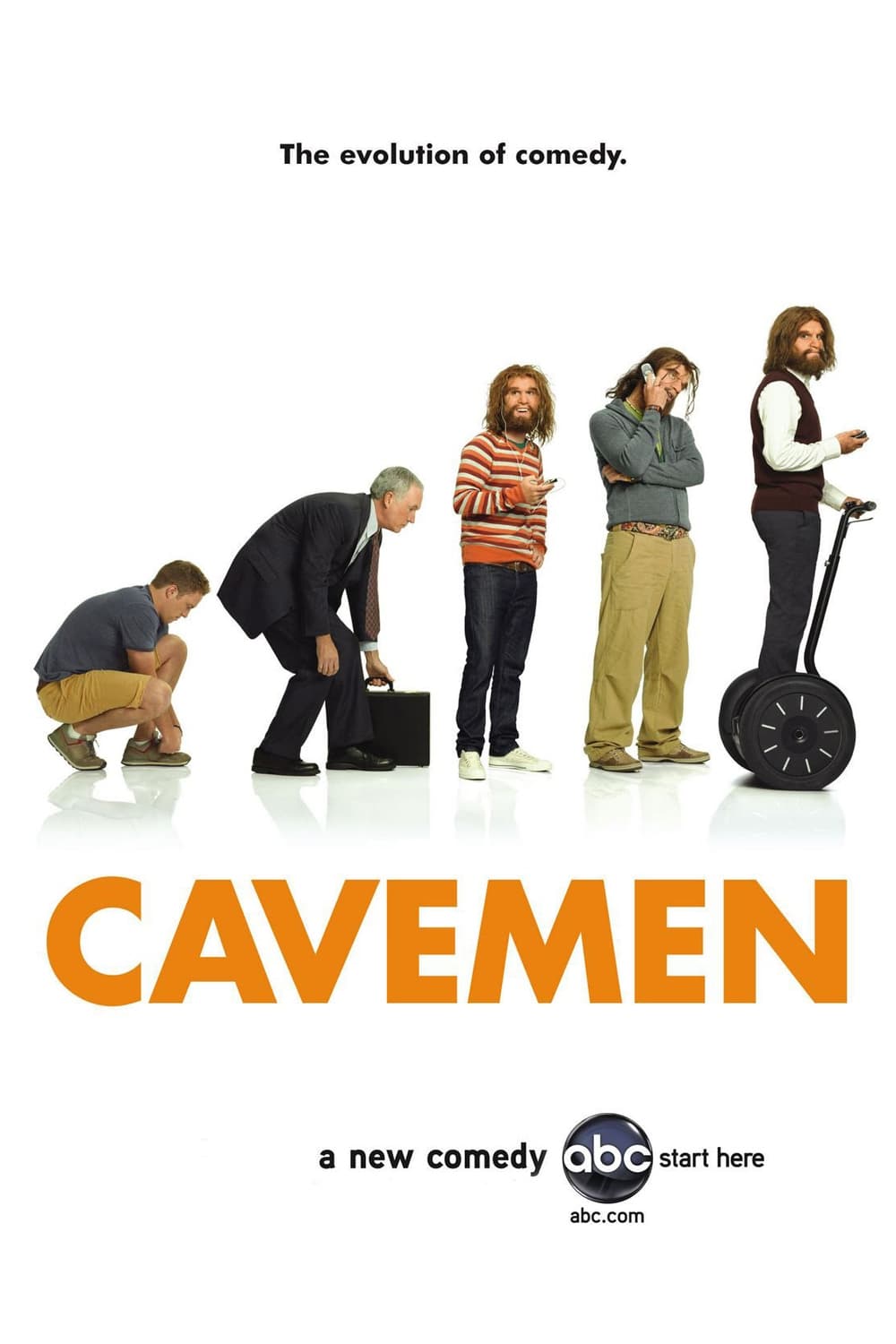
ABC’s ‘Cavemen’ adapted the talking-caveman characters popularized in GEICO commercials into a half-hour sitcom about three prehistoric men living in modern Atlanta. The main roommates were played by Nick Kroll, Sam Huntington, and Bill English, with Kaitlin Doubleday and Stephanie Lemelin in supporting roles.
The show used heavy prosthetic makeup and positioned its leads in workplace and dating storylines. ABC ordered 13 episodes; a portion aired in prime time while the network held back others. Production was handled on a multicamera stage with extensive makeup turnaround times that shaped the series’ shooting schedule.
‘My Mother the Car’ (1965–1966)
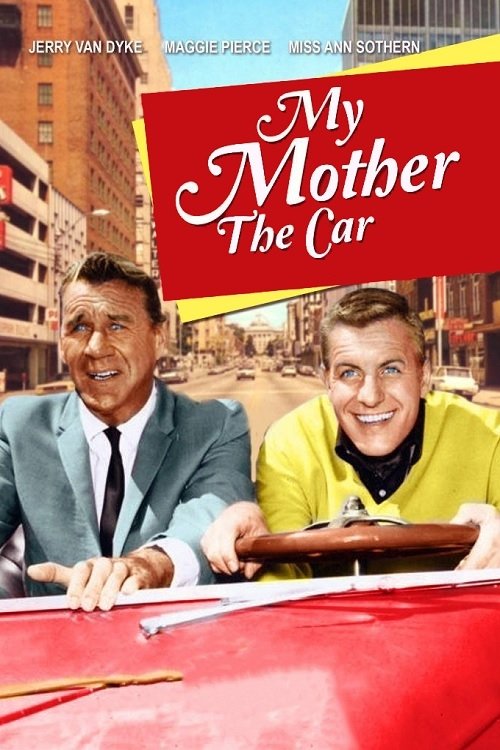
NBC’s ‘My Mother the Car’ starred Jerry Van Dyke as a lawyer whose late mother communicates through a vintage Porter automobile, voiced by Ann Sothern. Each episode revolved around protecting the car from collectors and keeping the secret from family and friends. The series was created by Allan Burns and Chris Hayward, who later worked on other notable sitcoms.
Across a single season, the show produced 30 episodes with location and backlot driving sequences. Guest stars rotated through episodic plots, and the production relied on multiple car bodies for stunts and interior dialogue scenes. NBC ended the series after its initial run.
‘Joey’ (2004–2006)
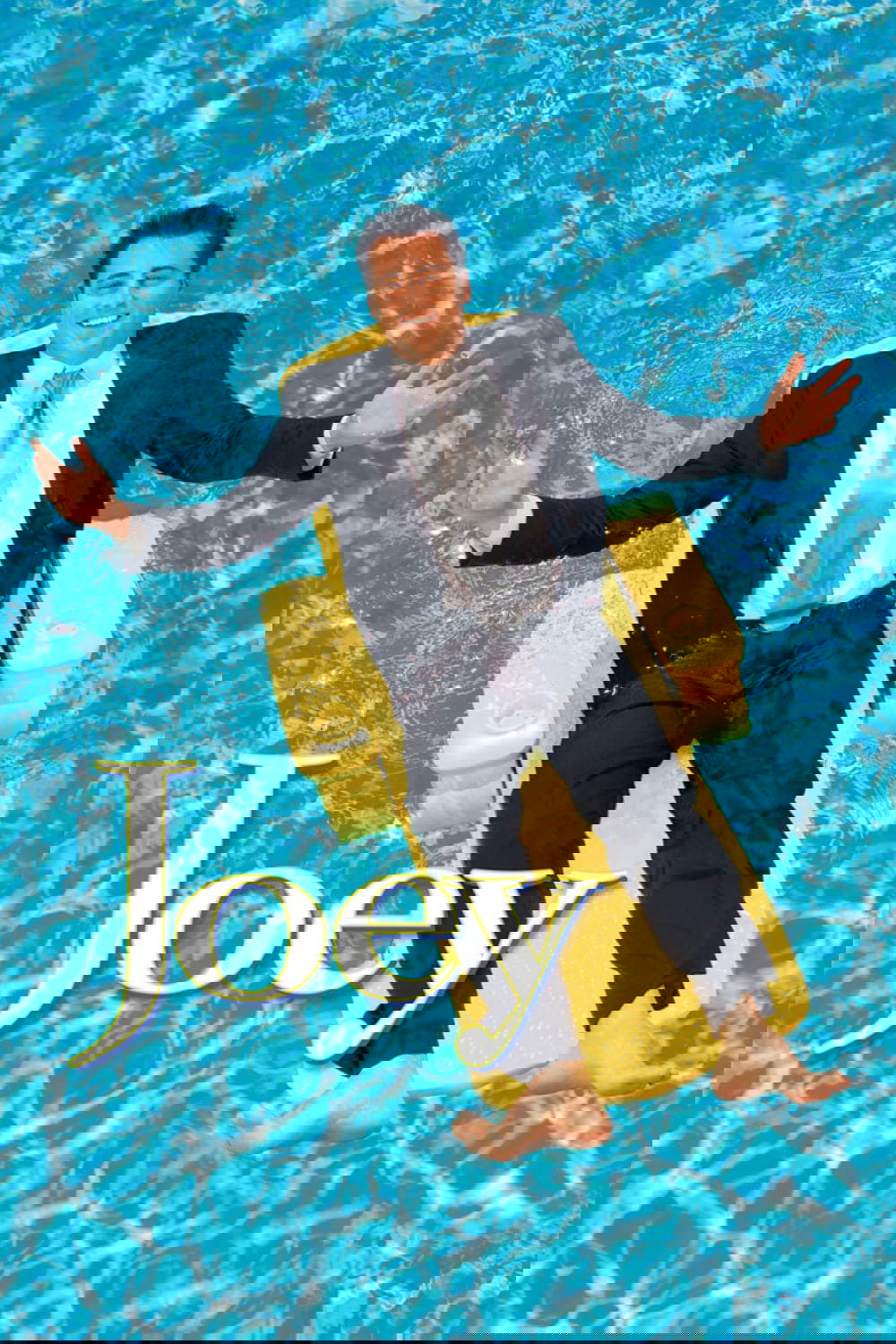
A ‘Friends’ spin-off for NBC, ‘Joey’ followed Joey Tribbiani’s move to Los Angeles to pursue acting. Matt LeBlanc reprised the role, joined by Drea de Matteo as his sister, Andrea Anders as a neighbor, and Paulo Costanzo as a nephew and roommate. The series was created by Scott Silveri and Shana Goldberg-Meehan.
Produced as a multicamera sitcom with a studio audience, it ran for two seasons totaling 46 episodes, with several episodes initially unaired in some regions. NBC ultimately canceled the series as scheduling moved it around the lineup, and international broadcasters later aired remaining episodes.
‘Lone Star’ (2010)
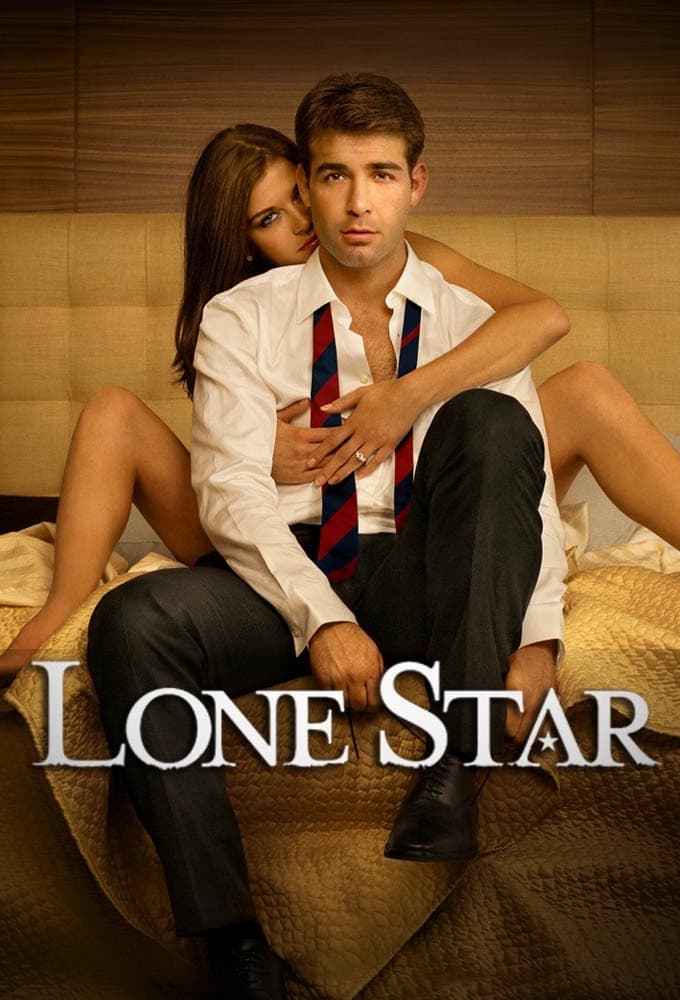
From creator Kyle Killen for Fox, ‘Lone Star’ centered on a charismatic con man leading a double life between two Texas communities and two romantic relationships. James Wolk headlined, with Adrianne Palicki, Eloise Mumford, David Keith, and Jon Voight in key roles.
The series was produced as a serialized drama with oil-business intrigue and family power struggles. Fox aired two episodes before canceling the show; several more had been produced and were later released through digital platforms. Twentieth Century Fox Television handled production.
‘Emily’s Reasons Why Not’ (2006)

Based on Carrie Gerlach’s novel, ‘Emily’s Reasons Why Not’ premiered on ABC as a single-camera romantic comedy starring Heather Graham as a publishing executive navigating love and friendship. The cast included Nadia Dajani, Khary Payton, and Smith Cho. Jessica Bendinger developed the TV adaptation.
ABC aired the pilot as a special launch before halting broadcast. Additional produced episodes did not initially air on the network. The show was produced by Sony Pictures Television with a fashion-forward visual design and voice-over narration structuring each episode’s “reasons.”
‘Work It’ (2012)
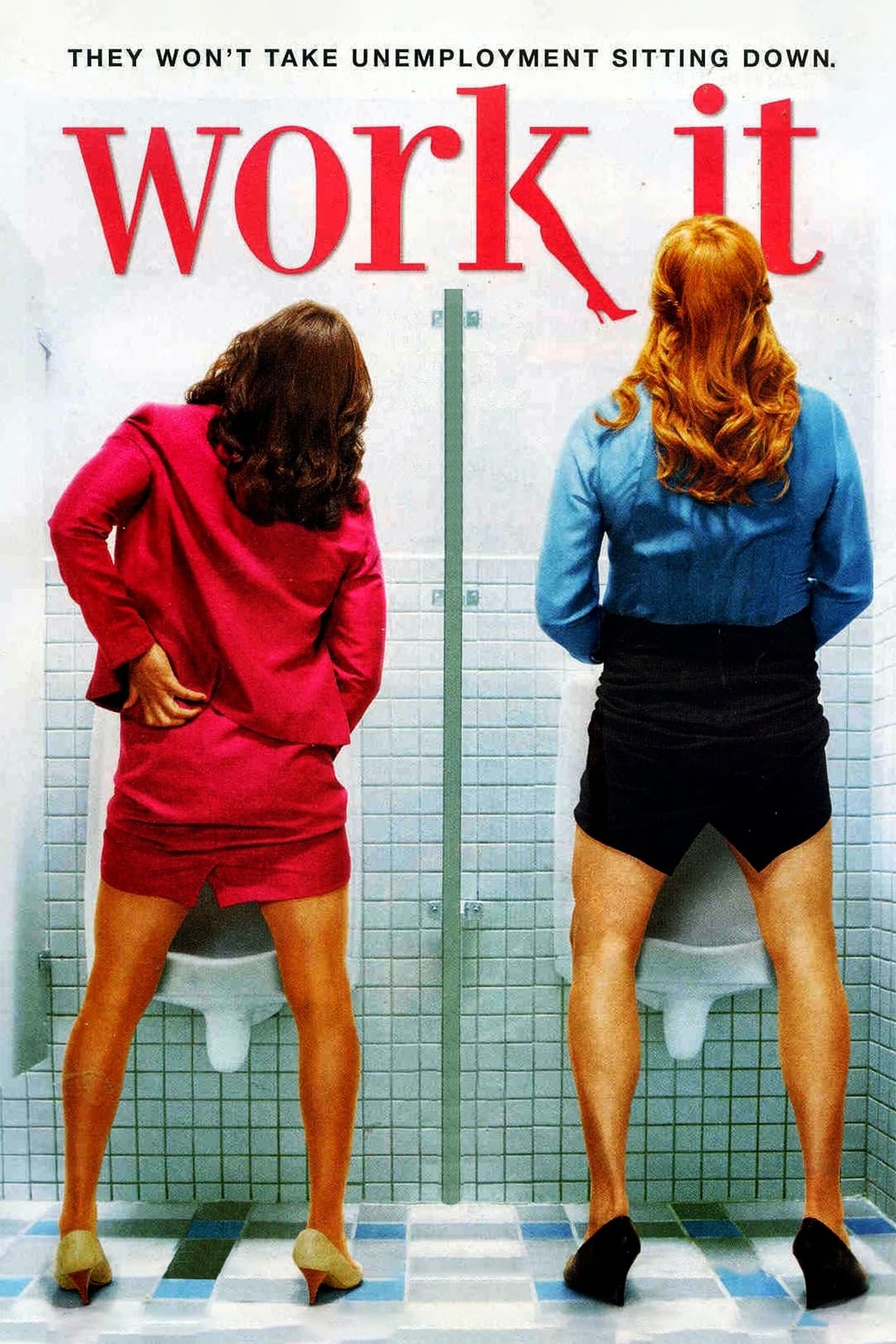
ABC’s ‘Work It’ followed two out-of-work pharmaceutical reps who disguise themselves as women to land sales jobs, resulting in workplace and home-life complications. Ben Koldyke and Amaury Nolasco led the cast, with Rochelle Aytes, Kate Reinders, and Beth Lacke in supporting roles.
Created by Andrew Reich and Ted Cohen, the series used a multicamera format and traditional sitcom beats. ABC aired two episodes before canceling the show. A small number of additional episodes had been produced as part of the initial order.
‘The Paul Reiser Show’ (2011)

NBC launched ‘The Paul Reiser Show’ as a meta, single-camera comedy with Paul Reiser playing a version of himself juggling family life and industry meetings. The ensemble included Amy Landecker, Ben Shenkman, Duane Martin, Omid Djalili, and Andrew Daly.
The series was shot on location and soundstages in Los Angeles with short, vignette-style scenes. NBC canceled the show after airing two episodes; several more had been produced as part of the season’s plan. Sony Pictures Television handled production.
‘The Michael Richards Show’ (2000)
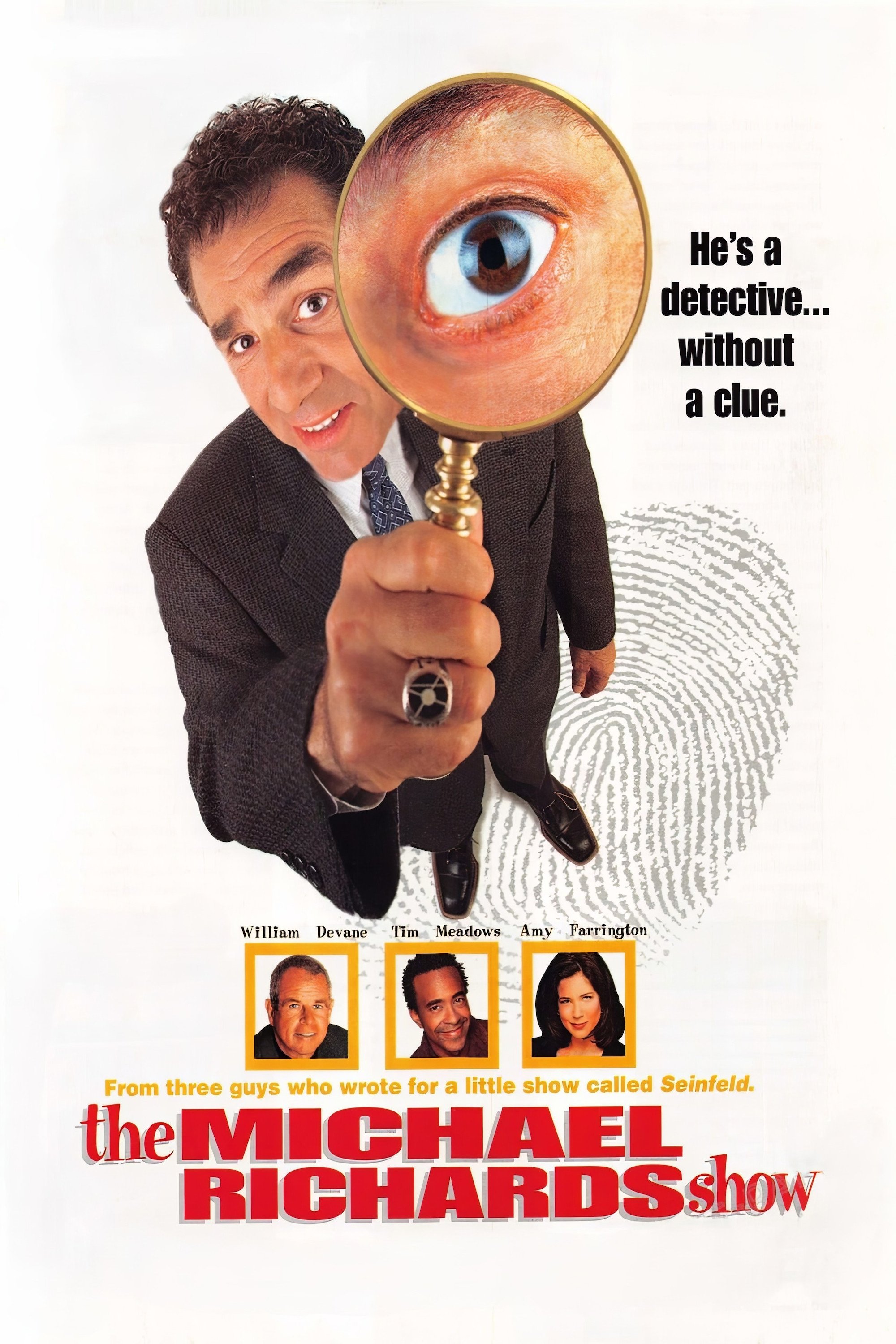
‘The Michael Richards Show’ on NBC starred Michael Richards as private investigator Vic Nardozza, a rule-bending gumshoe working for a security firm. The cast featured William Devane as the boss, with Amy Farrington and Tim Meadows among the team.
Designed as a workplace comedy with case-of-the-week elements, the series combined location work with practical stunt gags. NBC stopped production within its first season; nine episodes aired in prime time. Castle Rock Entertainment produced the show.
‘The Playboy Club’ (2011)
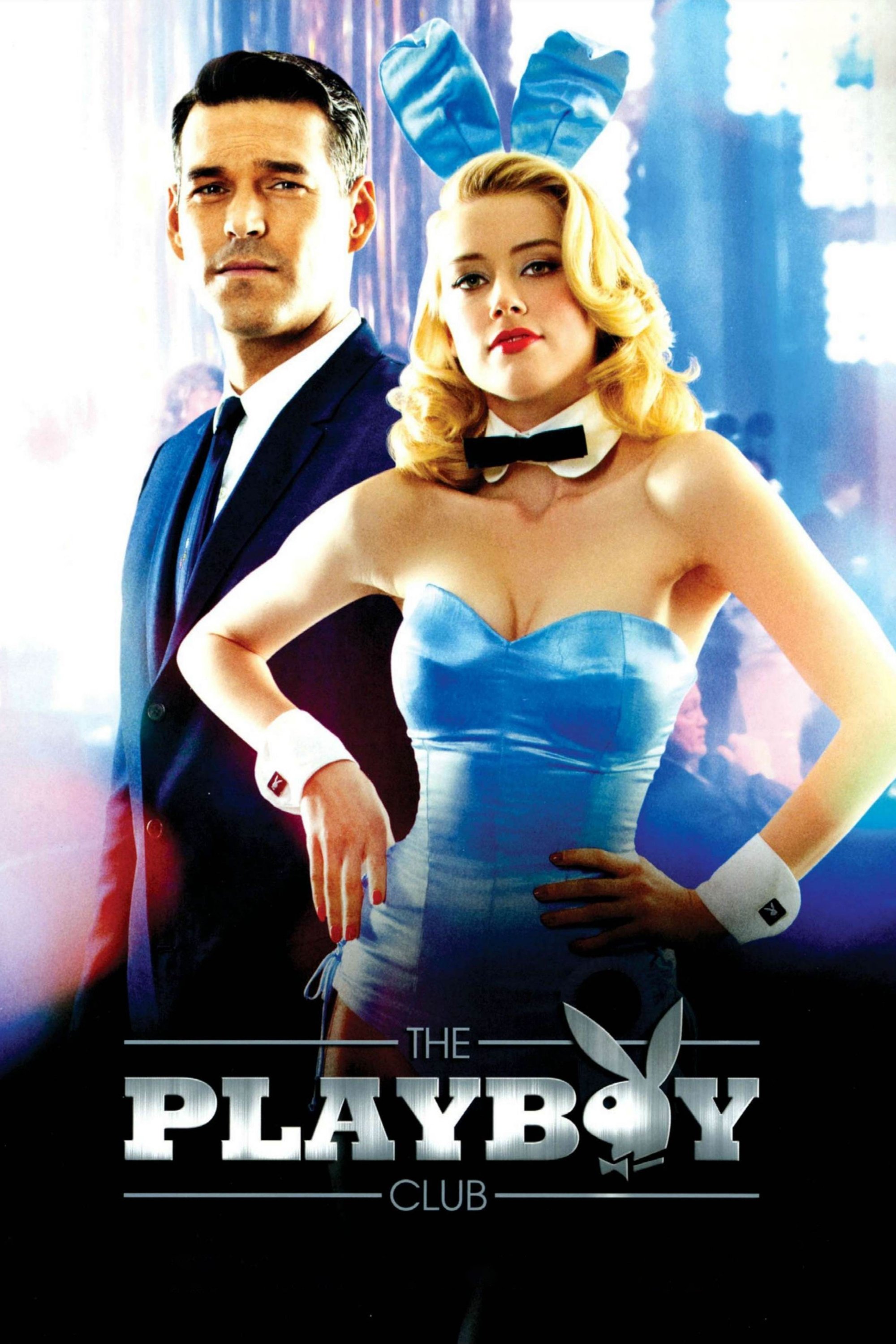
NBC’s ‘The Playboy Club’ was a period drama set inside the Chicago club, following a new Bunny whose entanglement with a mob-connected guest drives the season’s central storyline. The main cast included Amber Heard, Eddie Cibrian, Laura Benanti, Jenna Dewan, and Naturi Naughton. Chad Hodge created the series.
The show filmed on elaborate club sets with period costumes and music licensing to match the setting. NBC canceled the series after three episodes aired. Additional completed episodes did not initially make the network schedule.
‘Do No Harm’ (2013)
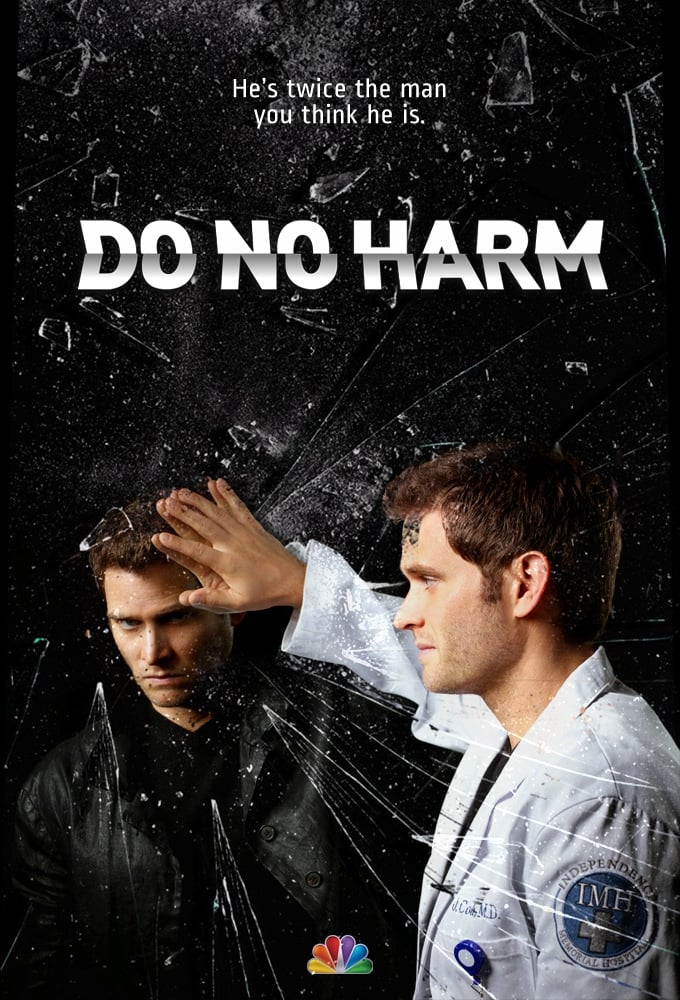
A modern twist on a dual-identity premise, ‘Do No Harm’ starred Steven Pasquale as a neurosurgeon battling a violent alter ego named Ian. The ensemble included Alana De La Garza, Lin-Manuel Miranda, Phylicia Rashad, and Michael Esper. David Schulner created the series for NBC.
Produced as a medical thriller with operating-room sequences and nighttime psychological set pieces, the show was shot in Philadelphia. NBC canceled it after two episodes aired, later burning off the remaining episodes. Universal Television handled production.
‘Bionic Woman’ (2007)

Developed by David Eick and Jason Smilovic for NBC, ‘Bionic Woman’ followed bartender Jaime Sommers after a near-fatal accident leads to cutting-edge cybernetic enhancements and recruitment into covert missions. Michelle Ryan starred, with supporting turns from Miguel Ferrer, Will Yun Lee, and Katee Sackhoff.
The series used a darker action tone, heavy stunt work, and extensive visual effects across its order. NBC ended the show within its first season after eight episodes aired, with production impacted by industry-wide labor disruptions. NBC Universal and GEP Productions produced the series.
‘Utopia’ (2014)
Fox’s unscripted ‘Utopia’ brought together participants to build a new community on a secluded compound while living on camera around the clock. Conceived by John de Mol, the format paired weekly broadcast episodes with multiple online live feeds.
The network assembled a long-term set in Southern California and cycled in new participants as part of the premise. Fox canceled the series within its first season after low live-viewing figures; a collection of episodes had aired alongside the streaming feeds. Talpa Media and Endemol USA produced.
‘Quarterlife’ (2008)
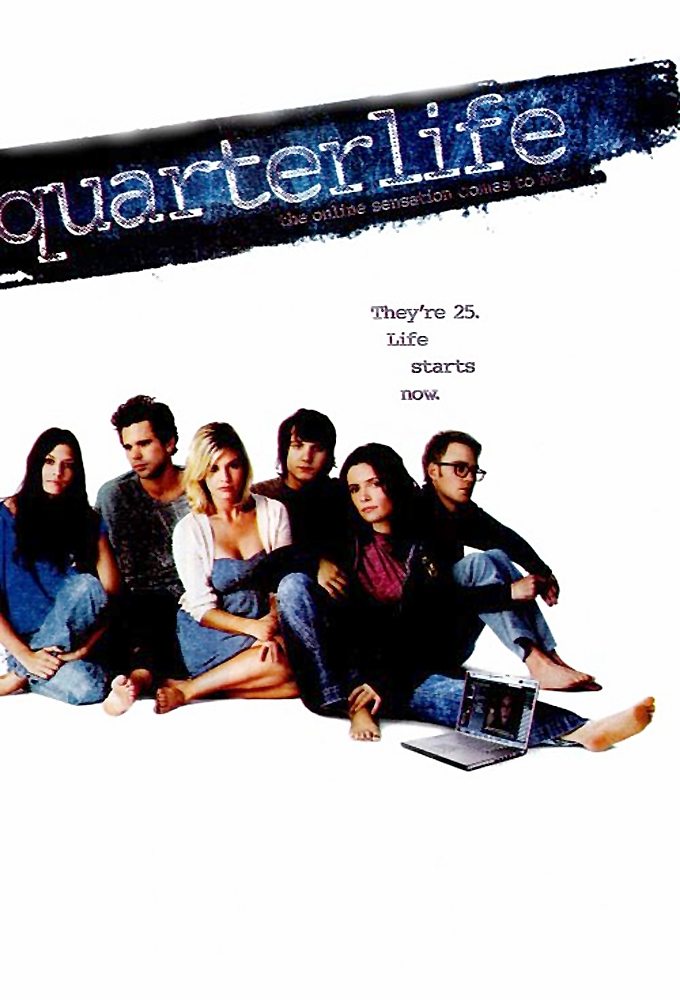
Originating as a digital series from creators Marshall Herskovitz and Edward Zwick, ‘Quarterlife’ followed creative twentysomethings in Los Angeles whose personal blog posts complicated friendships and careers. Bitsie Tulloch, Scott Michael Foster, and Majandra Delfino led the cast.
NBC aired a single episode as a broadcast launch and pulled it thereafter. The remaining episodes were distributed through digital platforms and cable partners. The show’s production repurposed web-series episodes into hour-long television installments.
‘Manimal’ (1983)
‘Manimal’ on NBC starred Simon MacCorkindale as Dr. Jonathan Chase, a wealthy professor with the ability to shapeshift into animals to fight crime. Melody Anderson and Michael D. Roberts co-starred as allies, with guest villains anchoring episodic cases. Glen A. Larson developed the series.
The production employed practical make-up and creature effects from Stan Winston’s team, intercut with real animal footage. NBC aired eight episodes before ending the series. Universal Television produced the show with a mix of studio and location shoots.
‘Terra Nova’ (2011)
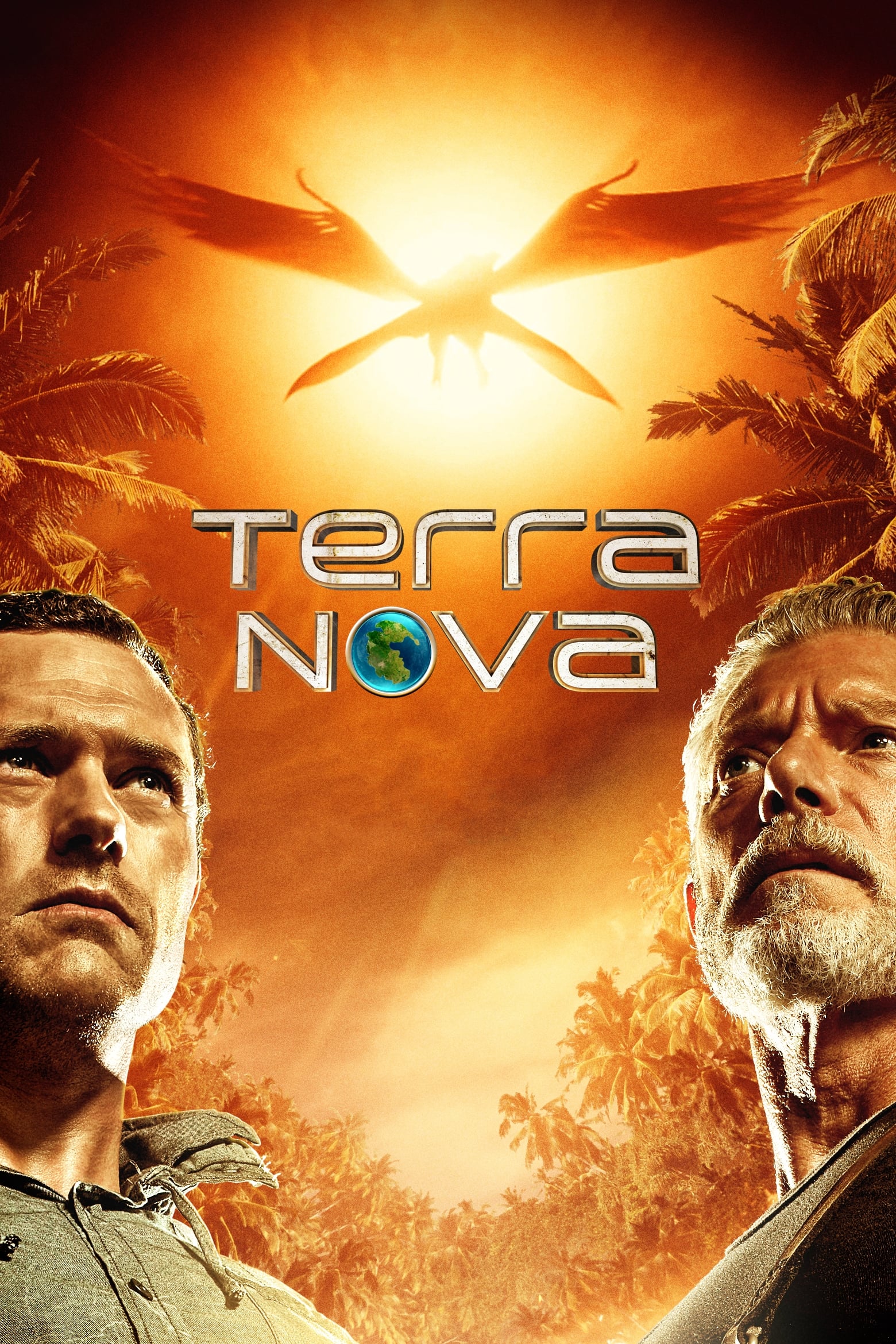
A Fox adventure drama executive produced by Steven Spielberg, ‘Terra Nova’ followed a family joining a colony established in Earth’s distant past, where settlers contend with dinosaurs and internal power struggles. Jason O’Mara and Shelley Conn starred, with Stephen Lang, Allison Miller, and Christine Adams in key roles.
Filmed primarily in Australia with large exterior sets, the series combined practical jungles with extensive CGI. Fox aired a single season, concluding its initial story arc while leaving room for continuation. Chernin Entertainment and 20th Century Fox Television produced.
‘Marvel’s Inhumans’ (2017)
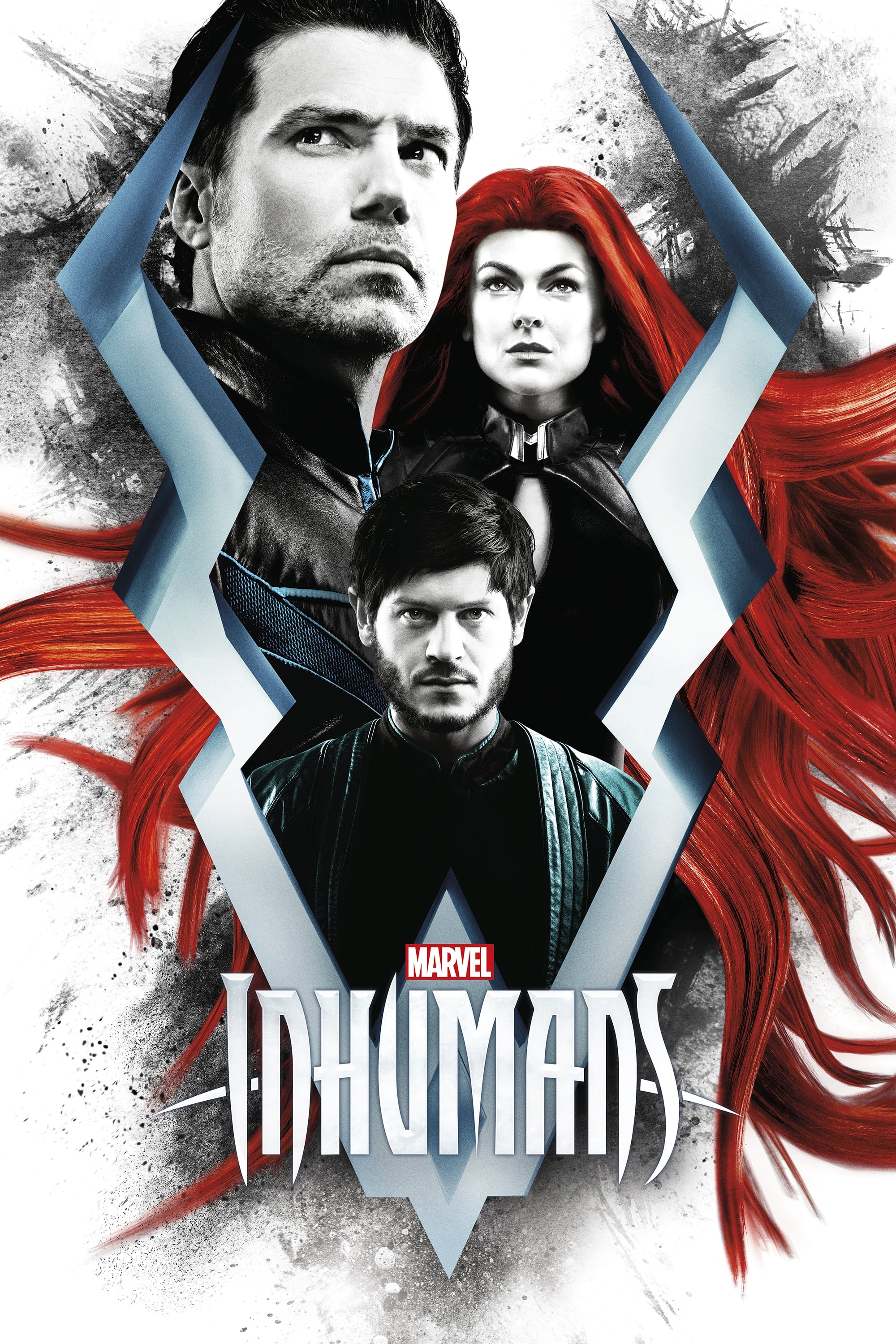
Marvel and ABC launched ‘Inhumans’ as a limited-run series about the royal family of Attilan—Black Bolt, Medusa, and their court—struggling with a coup and life on Earth. Anson Mount, Serinda Swan, Iwan Rheon, Ken Leung, and Eme Ikwuakor starred, with Scott Buck as showrunner.
The first two episodes premiered in IMAX theaters before television broadcast, showcasing large-format cinematography and effects. ABC aired eight episodes and concluded the story within that run. Marvel Television and ABC Studios co-produced.
‘Kings’ (2009)
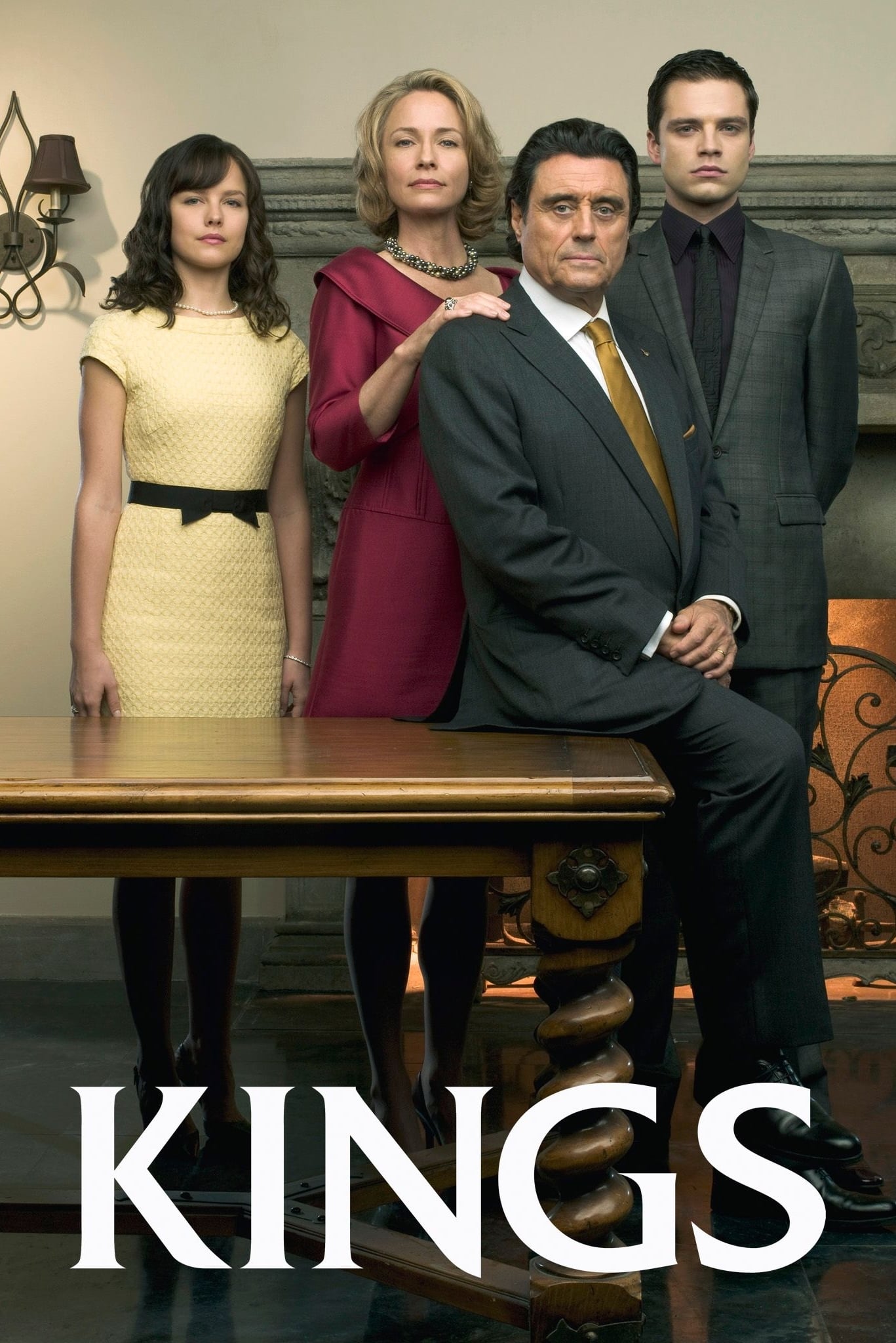
‘Kings’ on NBC reimagined the biblical story of David in a modern monarchy, focusing on political intrigue, military conflict, and succession. Ian McShane played King Silas, with Christopher Egan as David, plus Susanna Thompson, Allison Miller, and Sebastian Stan in major roles. Michael Green created the series.
The production built lavish sets and used New York locations to represent the capital city of Shiloh. NBC broadcast a single season, shifting the show to a different slot partway through its run. Universal Media Studios handled production.
‘Pan Am’ (2011–2012)
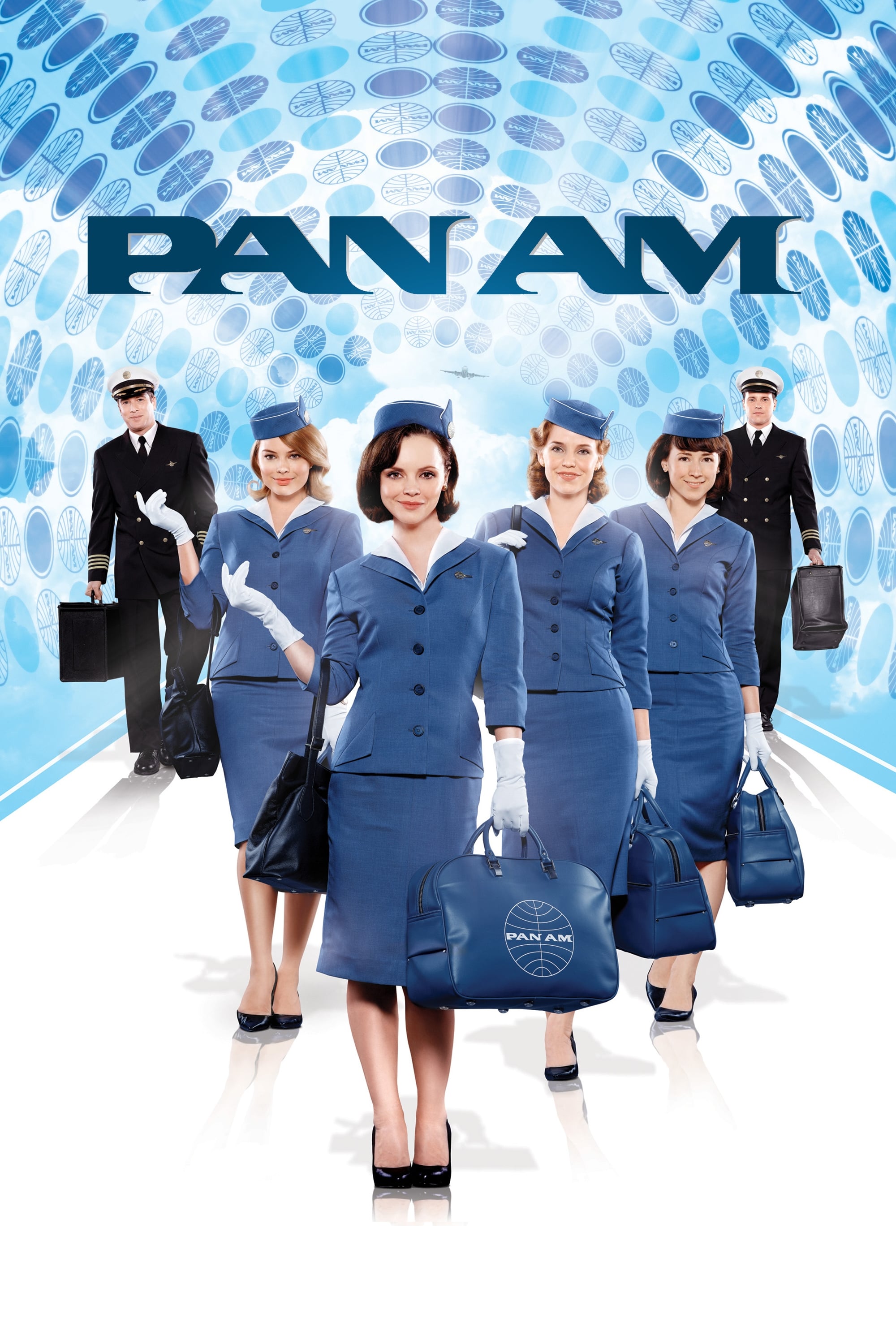
ABC’s ‘Pan Am’ was a period ensemble drama about flight attendants and pilots working international routes at a glamorous airline, blending workplace plots with espionage threads. The cast included Christina Ricci, Margot Robbie, Kelli Garner, Karine Vanasse, and Michael Mosley. Jack Orman created the series.
The show shot in New York with large airplane-set builds, extensive wardrobe design, and global backdrops achieved through location and visual effects. ABC ran a full slate of episodes for one season and then canceled the series. Sony Pictures Television co-produced with ABC Studios.
‘666 Park Avenue’ (2012–2013)
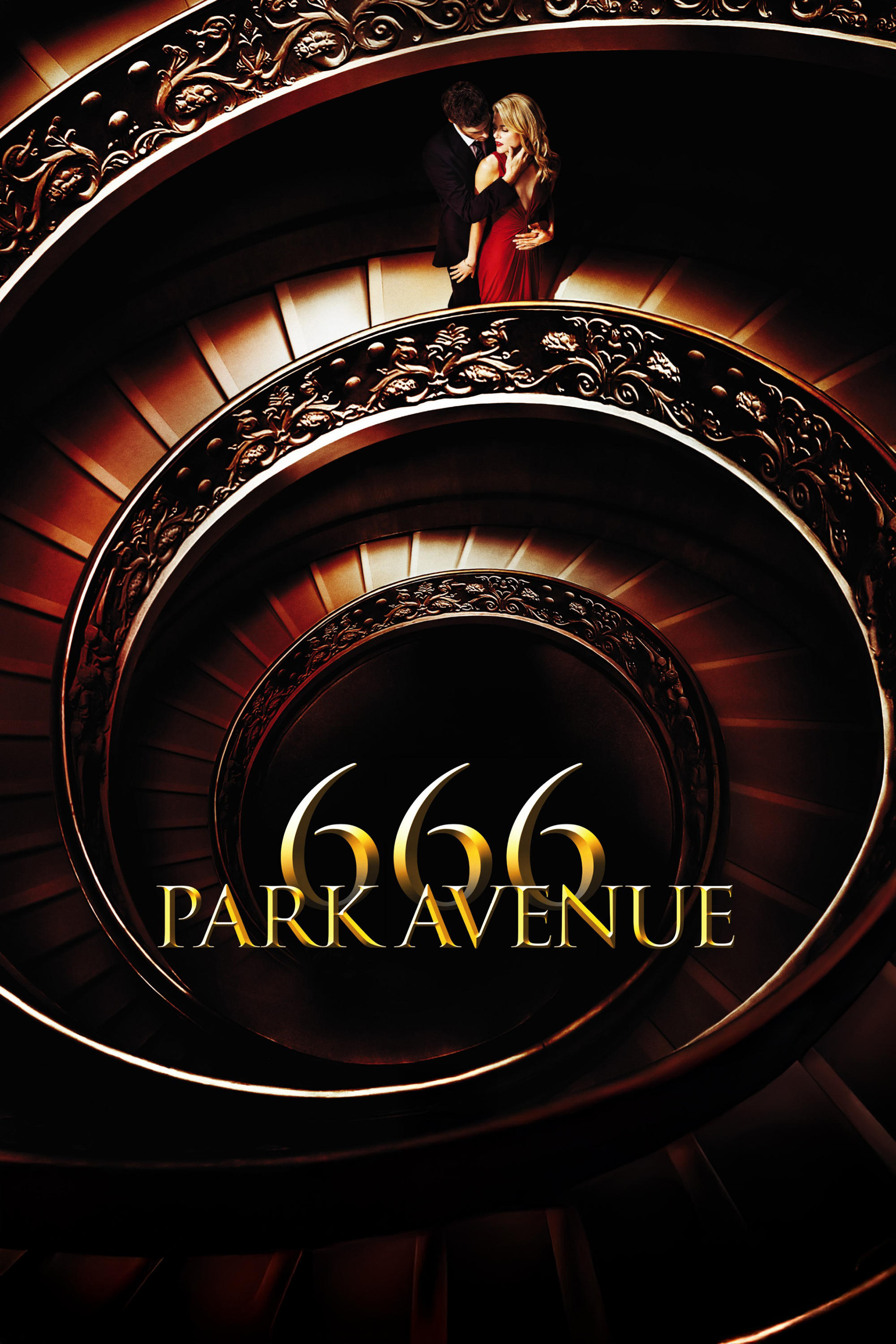
Based on novels by Gabriella Pierce, ‘666 Park Avenue’ followed a young couple hired to manage an Upper East Side apartment building where tenants’ desires come with supernatural costs. Terry O’Quinn and Vanessa Williams starred as the building’s owners, with Rachael Taylor and Dave Annable as the new managers.
David Wilcox developed the show for ABC, blending serialized mythology with case-of-the-week tenant stories. The network ordered one season, aired most episodes, and scheduled the remaining installments later to complete the narrative. Warner Bros. Television produced.
‘The Event’ (2010–2011)
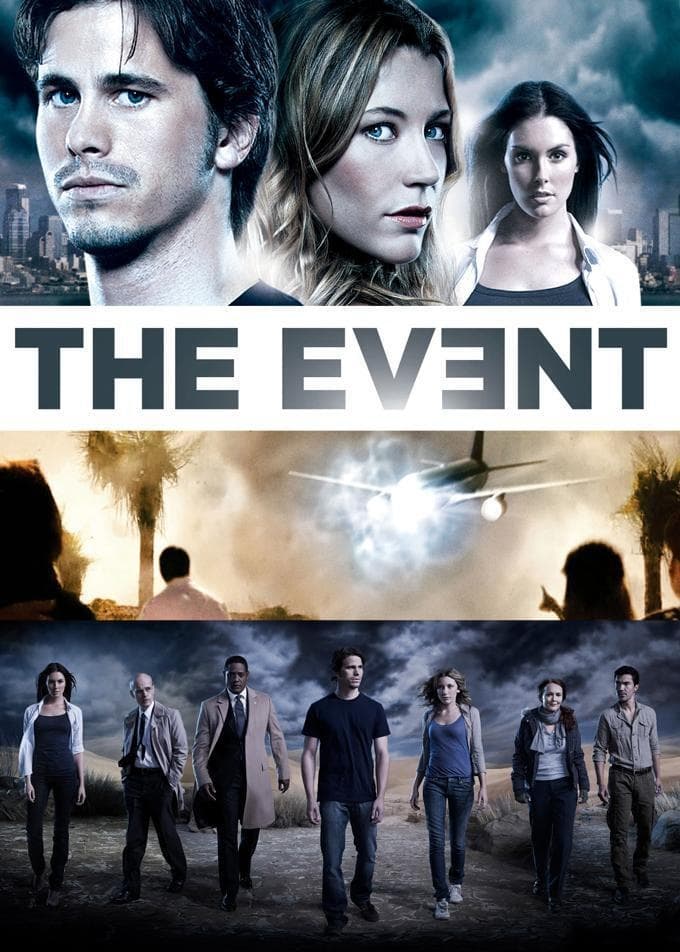
NBC’s ‘The Event’ was a serialized conspiracy thriller about a man searching for his missing fiancée and uncovering a secret detention of extraterrestrial beings in the United States. Jason Ritter, Sarah Roemer, Blair Underwood, Laura Innes, and Željko Ivanek led the ensemble. Nick Wauters created the series.
The season unfolded across multiple timelines and locations, using action set pieces and political storylines. NBC aired a complete season order before canceling the series. Universal Media Studios and Steve Stark Productions produced.
‘Studio 60 on the Sunset Strip’ (2006–2007)
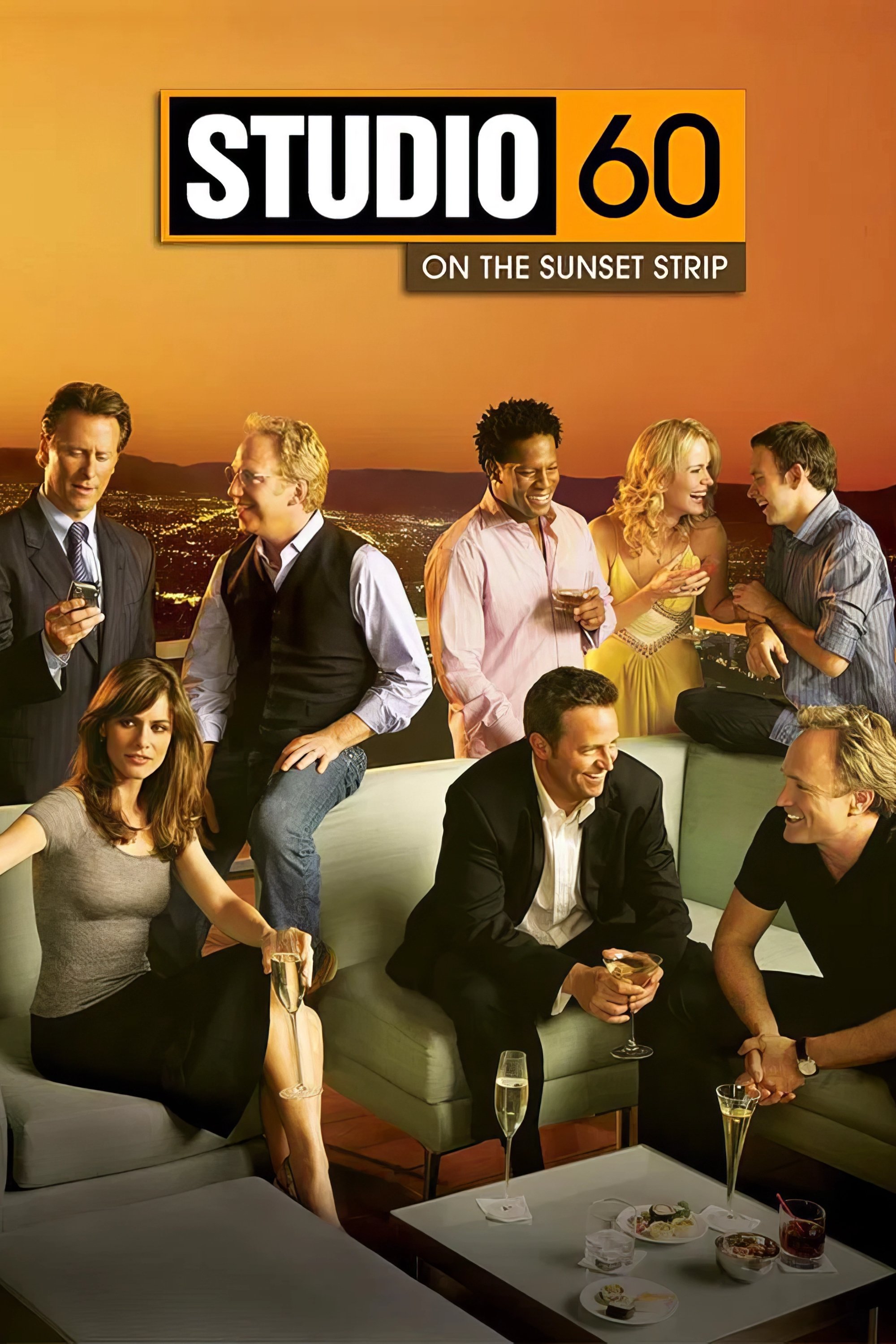
Created by Aaron Sorkin for NBC, ‘Studio 60 on the Sunset Strip’ chronicled the behind-the-scenes making of a network sketch-comedy show. The cast featured Matthew Perry, Bradley Whitford, Amanda Peet, Sarah Paulson, and D. L. Hughley.
The hour-long drama mixed writers’ room debates with live-show staging, using a hybrid of standing sets and multi-camera performance sequences. NBC produced and aired a full season and then ended the series. Warner Bros. Television handled production.
‘FlashForward’ (2009–2010)
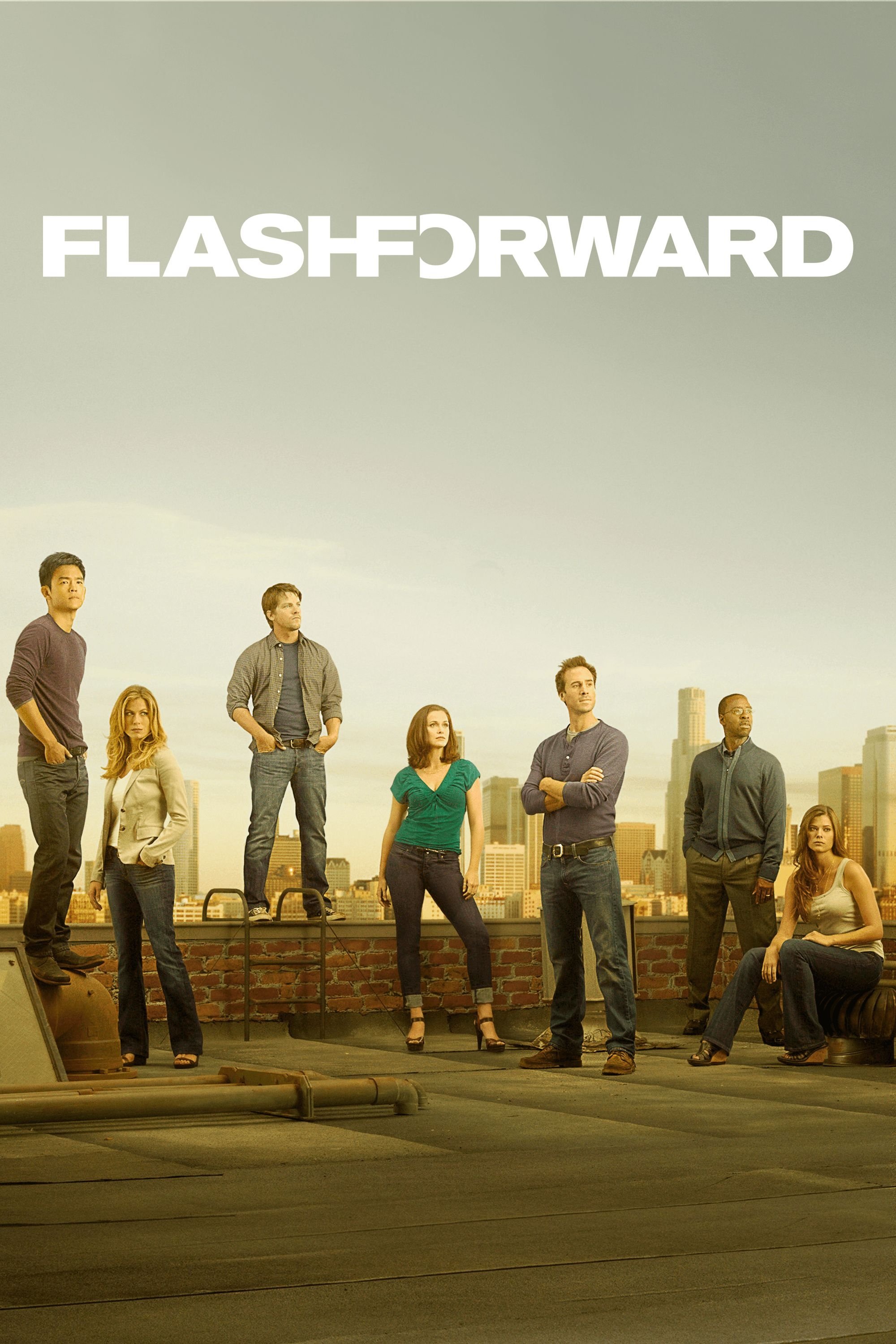
Adapted from Robert J. Sawyer’s novel, ABC’s ‘FlashForward’ explored a global blackout during which everyone glimpsed their future, sparking investigations and ethical dilemmas. Joseph Fiennes, John Cho, Sonya Walger, Courtney B. Vance, and Jack Davenport starred. The series was developed by Brannon Braga and David S. Goyer.
Shot across international locations and Los Angeles sets, the show combined high-concept mystery with police procedural elements. ABC aired a single season comprising 22 episodes before canceling it. ABC Studios co-produced with co-financing partners.
‘Alcatraz’ (2012)
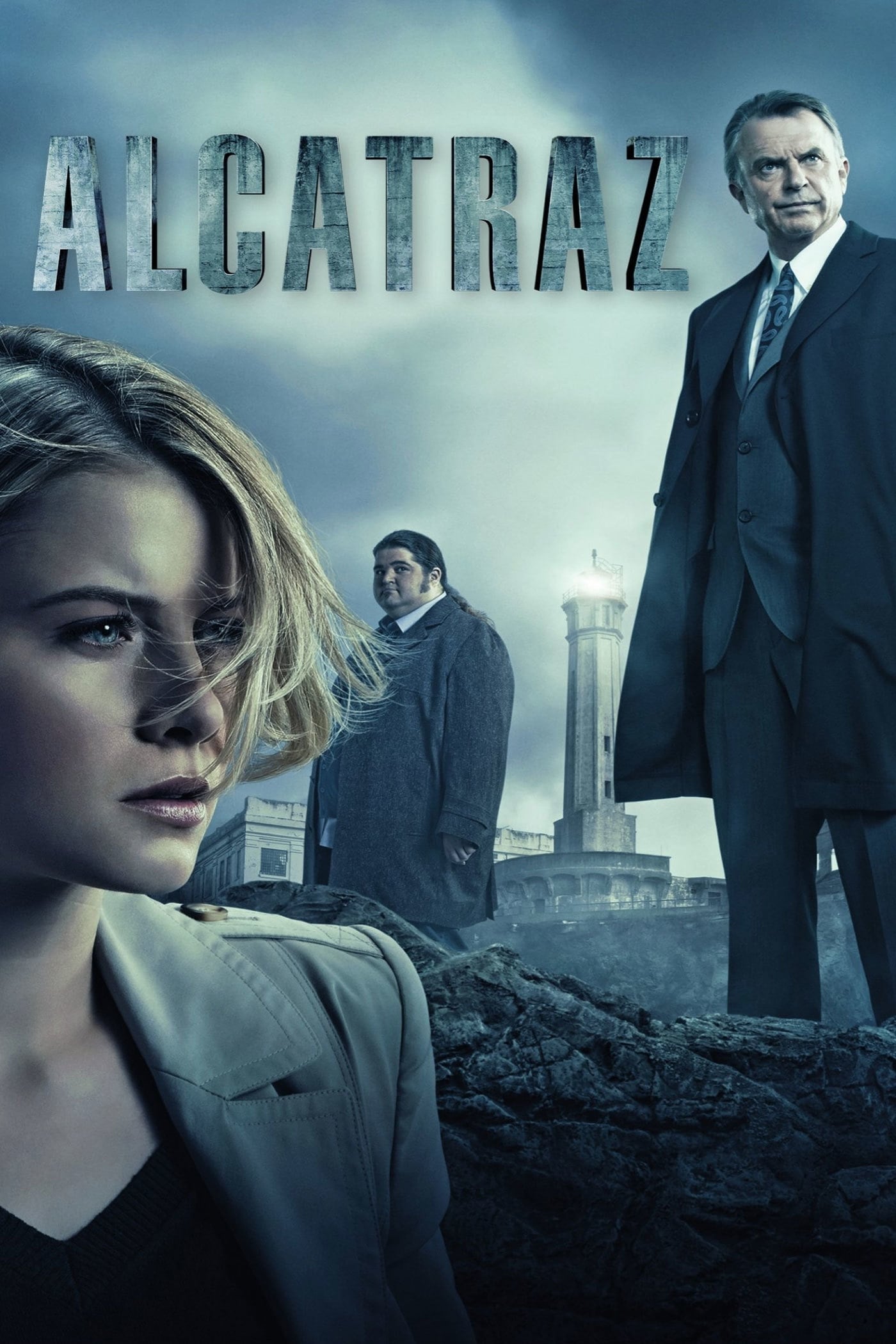
From executive producer J. J. Abrams for Fox, ‘Alcatraz’ followed a task force investigating notorious inmates who vanished from the prison and began reappearing in present-day San Francisco. Sarah Jones, Jorge Garcia, and Sam Neill led the cast, with Parminder Nagra and Robert Forster in supporting roles. Elizabeth Sarnoff developed the series with Steven Lilien and Bryan Wynbrandt.
The production used location filming around the Bay Area and employed a case-centric structure with an overarching mystery. Fox aired 13 episodes and then canceled the series at season’s end. Warner Bros. Television produced in association with Bad Robot.
Share your own picks for famous small-screen misfires in the comments below!