The Disturbing Literary Origin That Inspired Netflix’s ‘The Trap’

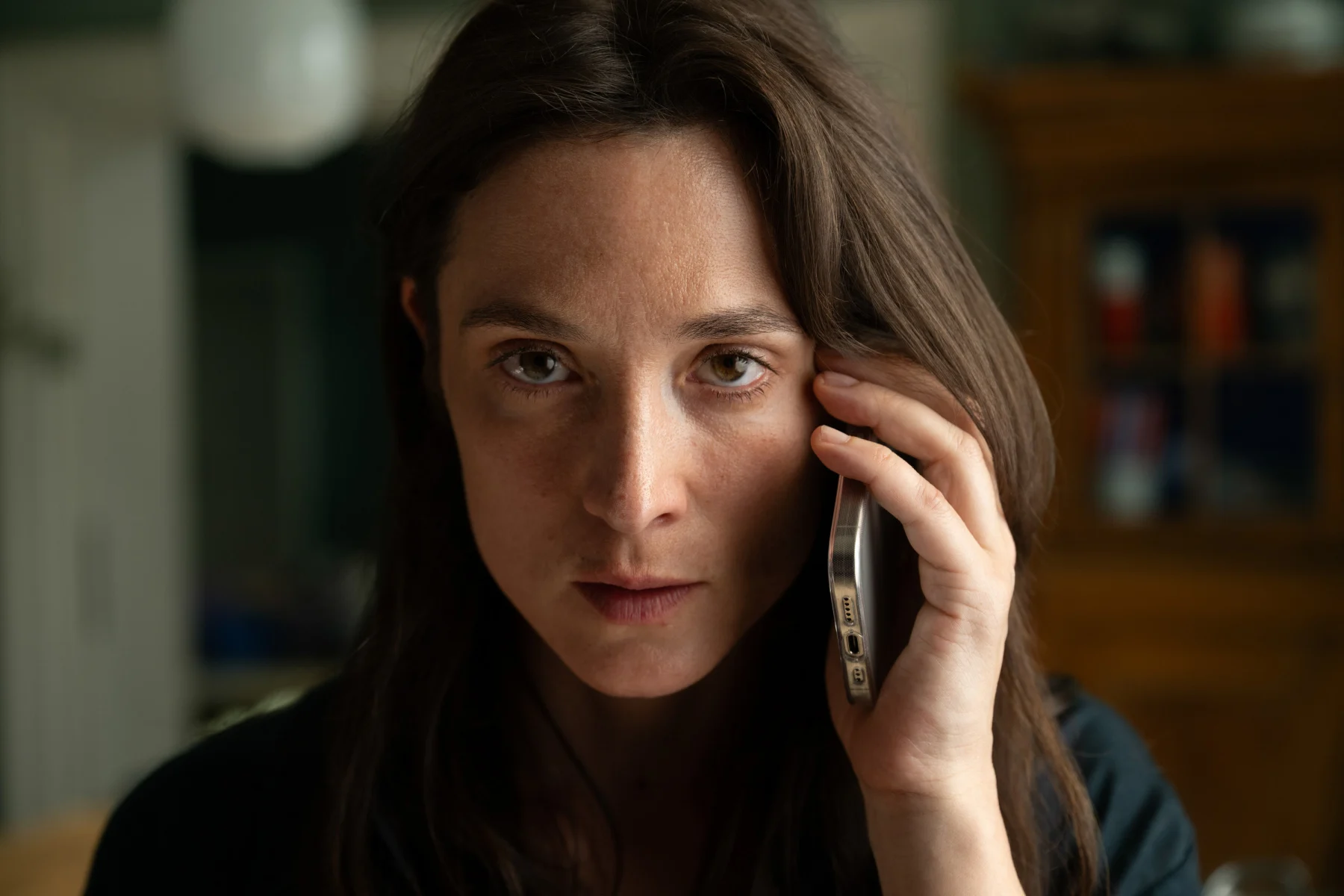

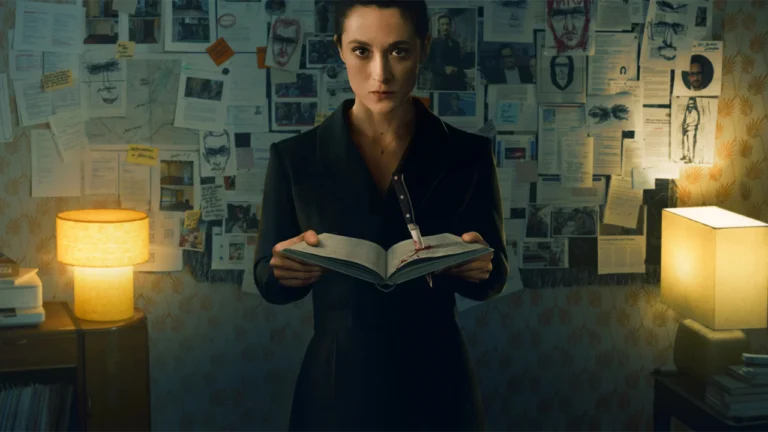
Streaming viewers seeking their next psychological obsession have turned their attention toward Netflix’s ‘The Trap’, an atmospheric German miniseries centered on obsession, guilt, and lingering trauma. The intense six episode drama follows an agoraphobic novelist who believes she has identified the man responsible for her sister’s violent demise and decides to risk everything by luring him directly into her home. Because the narrative relies on such an intricate cat and mouse dynamic between two people in an enclosed setting, many viewers are curious about what inspired the production.
While the premise might seem like an eerie true crime case plucked from real police records, the narrative actually originates from a renowned piece of European mystery fiction. Acclaimed German author Melanie Raabe established the story in her hit debut book, which captivated international readers before finding a home on the streaming giant. The adaptation translates that literary duel to the screen with a celebrated creative team, delivering a tense exploration of grief and unreliable memory.
What Netflix’s ‘The Trap’ Is Actually Based On
The screen adaptation of ‘The Trap’, released internationally and under its German title ‘Die Falle’, is directly based on the 2015 debut thriller by novelist Melanie Raabe. When the book first hit shelves in Germany, it quickly became an international publishing phenomenon that sparked bidding wars across multiple territories. Raabe crafted a story driven entirely by psychological manipulation, focusing on a reclusive woman whose entire reality is shaped by an unresolved tragedy. Rather than relying on standard police procedural tropes, the source material focuses closely on the claustrophobia of trauma and suspicion.
In both the literary original and the streaming series, the protagonist is an acclaimed author named Lisa Konrad who has spent nearly a full decade locked inside her residence. Years earlier, she walked in on the bloody aftermath of the murder of her younger sister Anna and caught only a fleeting look at the killer escaping the premises.
The police never caught the culprit, leaving Lisa consumed by terror, debilitating panic attacks, and severe agoraphobia that prevent her from crossing her own threshold. Her sanctuary shatters when she spots television journalist Robert Lenzen during a broadcast and instantly recognizes him as the man from that terrible night.
Convinced that traditional law enforcement will dismiss her claims because of her fragile mental state, Lisa formulates an audacious plan of revenge. She pens a fictional crime thriller that mirrors the exact, unpublicized details of Anna’s murder, knowing it will grab Robert’s professional curiosity. Lisa then breaks her long public silence by offering Robert an exclusive one on one interview at her secluded estate, effectively turning herself into bait to extract a confession. The television project captures this exact premise, pulling viewers into an unpredictable chamber piece where both individuals harbor dangerous secrets.
The Bestselling Novel Behind ‘The Trap’
Melanie Raabe originally wrote the book while working as a journalist and freelance writer in Cologne, drawing upon themes of isolation, memory, and personal perception. Upon its debut at the Leipzig Book Fair, the title generated immediate acclaim, eventually winning the prestigious Stuttgart Crime Fiction Prize. The novel was translated into numerous languages worldwide, proving that a story set almost entirely inside a single house could sustain unbearable suspense. Raabe demonstrated a remarkable talent for playing with reader expectations by questioning whether the protagonist’s memories were factual or distorted by years of grief.
Readers of the original novel will notice that the protagonist was originally named Linda Conrads before being adjusted to Lisa Konrad for the screen production. In the book, Linda’s house is described as a luxurious villa near Lake Starnberg, serving as both a comfortable refuge and an inescapable emotional prison.

She manages to build a massively successful literary career while remaining completely isolated from the outside world, communicating with the public only through her publisher and a close assistant. This isolated lifestyle forms the perfect backdrop for her psychological trap, as every room becomes a calculated stage for her confrontation.
The novel also gained widespread praise for its ingenious meta narrative structure, featuring excerpts of Lisa’s fictional book woven directly into the main story. As the fictional murder mystery inside the novel progresses, it mirrors the real life trauma that Lisa experienced, blurring the line between creative invention and lived memory. This multilayered storytelling device allowed Raabe to explore how writers process unresolved pain through the act of storytelling. The streaming adaptation preserves that central narrative device, using it to keep audiences perpetually off balance.
How The Psychological Thriller Compares to the Book
Bringing a tightly wound, internal novel to television requires careful expansion, which director and screenwriter Isabel Kleefeld accomplished across six suspenseful episodes. While the book is narrated primarily through the first person perspective of the traumatized author, the series opens up the surrounding world to enhance the mystery. Viewers spend significant time observing Robert Lenzen, whose ambiguity and unsettling composure make him a far more enigmatic figure on screen. This creative choice heightens the dramatic stakes, ensuring that audiences never feel completely certain about who is telling the truth.
The television series features Friederike Becht in the demanding lead role of Lisa Konrad, alongside Hans Löw as the suspected journalist Robert Lenzen. Both performers deliver nuanced, emotionally exhausting performances that transform their extended verbal sparring matches into gripping psychological battles.
Becht spent weeks preparing physically and mentally for the role, capturing the nervous energy and physical vulnerability of a woman who has spent ten years in complete seclusion. Löw balances charm with a creeping sense of menace, leaving viewers constantly guessing whether his character is an innocent reporter or a calculated predator.
The adaptation also enriches the supporting cast to deepen the emotional stakes around the central duel. Matthias Brandt portrays Lisa’s protective publisher Norbert Rudow, while Josephine Thiesen appears as her deceased sister Anna in haunting flashback sequences. Actresses Miriam Ohlmeyer and Malaya Stern Takeda further flesh out the world, portraying Lisa’s fictional character Sophie and her dedicated assistant Yuma respectively. These expanded roles give the television version greater emotional texture, allowing the audience to feel the full weight of the tragedy that shattered Lisa’s family.
Why The Creative Team Adapted This Mystery
The journey of Raabe’s bestselling book to the screen was a long one that initially began in Hollywood. Major studio TriStar Pictures originally acquired the film rights to the novel shortly after its European debut, with plans to develop an American feature film adaptation. However, that cinematic project stalled in development for years, ultimately opening the door for German producers to craft an authentic native language adaptation. When Constantin Film secured the rights, they recognized that the intricate narrative was far better suited to an expansive limited series format than a condensed two hour feature.
To guide the production, Netflix and Constantin Film reassembled the creative powerhouse behind the international hit limited series ‘Dear Child’, known in German as ‘Liebes Kind’. Writer, director, and creative producer Isabel Kleefeld joined forces once again with producers Tom Spiess and Friederich Oetker.
Their previous collaboration on ‘Dear Child’ earned widespread global acclaim and won an International Emmy Award, proving their exceptional ability to adapt complex psychological crime novels. Kleefeld approached Raabe’s book with the same atmospheric visual style and emotional precision that defined her earlier triumph.
The technical craft behind ‘The Trap’ reflects that elevated creative standard, featuring cinematography by Martin Langer and a haunting original score composed by Oscar winner Volker Bertelmann alongside Ben Winkler. Bertelmann, who previously won an Academy Award for ‘All Quiet on the Western Front’, infuses the series with tense, disquieting musical themes that mirror Lisa’s fraying psychological state. By blending premier literary material with top tier European filmmaking talent, the streaming service has delivered a complex mystery that honors its literary roots. Tell us in the comments whether you believe Lisa’s memories can truly be trusted or if the chilling duel between Friederike Becht and Hans Löw caught you completely off guard.