The ‘Everybody Hates Chris’ Ending Finally Explained — That Sopranos Homage, the GED Cliffhanger, and What the Sequel Revealed

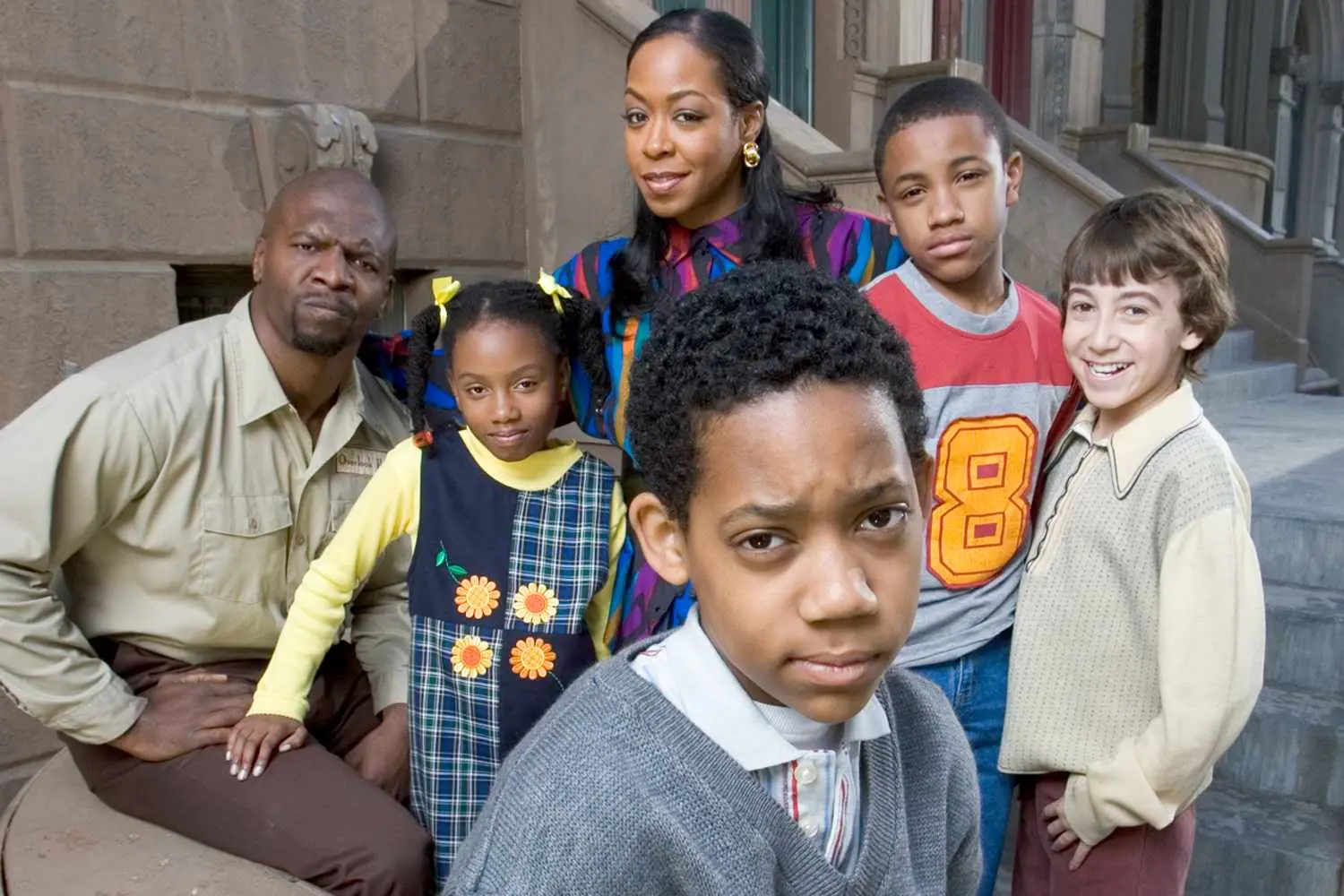

For a show built on one teenager’s relentless bad luck, it is fitting that ‘Everybody Hates Chris’ chose to go out with one of the most deliberately maddening finales in sitcom history. The series finale, titled “Everybody Hates the G.E.D.,” aired in May 2009, and it left millions of fans staring at a black screen with more questions than answers.
What looked like an unresolved ending was actually something far more intentional, layered with hidden clues, a bold cultural reference, and a real-life parallel that tied directly back to the comedian behind it all. Fifteen years later, the animated sequel ‘Everybody Still Hates Chris’ finally gave the story the closure it always deserved.
The Series Finale of ‘Everybody Hates Chris’ Broke All Its Own Rules
The finale centers on Chris being told that if he is late to school one more time, he will have to repeat the tenth grade. After inevitably arriving late for the thirtieth time despite his best efforts, Chris makes the bold decision to drop out of high school and get his G.E.D. instead.
At first Rochelle and Julius are against the idea, but they ultimately decide to support him. Rock did not need to hear any network announcement to know his show was on the chopping block, and he responded by ending the series exactly how he wanted.

By the end of the episode, Drew has performed a pail drumming act at the Apollo that goes over very well, Tonya graduates from sixth grade, and Chris has taken his exam. He waits for his results at the local diner while his mother and siblings arrive one by one, and the family sings along to “Livin’ on a Prayer” by Bon Jovi on the booth’s jukebox.
Notably, this episode does not end with the familiar “Everybody Hates Chris” jingle that closes every other episode. Nothing bad happens to Chris at the end, so there is no reason for the theme. It is a small but meaningful break in the show’s own formula, signaling that something genuinely different is happening in this final chapter.
The Sopranos Connection That Changed Everything
The ending is a direct spoof of “Made in America,” the finale to the HBO drama ‘The Sopranos.’ The last line of the series is “What’s it say?” spoken by Chris about his G.E.D. results, just before the screen cuts to black.
In the scene, Chris and his family are sitting around a restaurant table, mirroring the famous diner scene from ‘The Sopranos,’ while “Livin’ on a Prayer” plays in the background, a stand-in for “Don’t Stop Believin'” from the HBO drama. Julius arrives holding the results of Chris’s G.E.D. test, and the screen cuts to black before he can reveal them.
A suspicious stranger is also present in the diner, paralleling the creepy figures in ‘The Sopranos’ finale, though this character carries no real narrative weight in the ‘Everybody Hates Chris’ universe. The whole sequence is a comedic bit, playing with the absurdity of mapping a heavyweight mob drama’s iconic ambiguity onto a heartfelt family sitcom.
There is also a clever layer of meaning baked into the cliffhanger. In the show’s usual format, the closing joke always involves Chris failing or being the butt of the punchline. By ending before revealing what happens, the finale actually breaks the running gag for the first time, which is itself a sign that things may have finally turned out in Chris’s favor.
The Hidden Clue Inside Julius’s Truck
In the scene where Julius parks his truck before entering the diner, there is a camera close-up of the number 735 painted on his vehicle. This detail implies Chris’s G.E.D. score, which would be a passing grade, since the G.E.D. test is scored out of 800.
Fans who were paying attention to Chris Rock’s real life could find another breadcrumb. Rock never graduated from high school but did earn his G.E.D. before working at Red Lobster, a detail that was also referenced directly within the original series finale. The show’s entire premise is rooted in Rock’s semi-autobiographical Brooklyn upbringing, and this ending was designed to leave audiences with just enough truth to piece together the answer on their own.
‘Everybody Hates Chris’ was moved to the Friday night time slot for its fourth season, a well-known industry signal that a network has lost faith in a series. Rock responded by steering the show toward a deliberate conclusion rather than waiting for an official cancellation. It was a creator taking control of his own story.
What ‘Everybody Still Hates Chris’ Finally Revealed
One of the biggest cliffhanger endings in television history was finally resolved with the release of ‘Everybody Still Hates Chris,’ an animated sequel series that premiered on Comedy Central on September 25, 2024. The series picks up where the original left off, and it confirms that Chris failed the G.E.D. exam.
Showrunner Sanjay Shah told IndieWire that the animated reboot quite literally picks up from the diner scene, with Chris receiving his G.E.D. results and realizing he failed. That revelation causes his mother to slap him so hard that the entire world turns into animation. It is a wildly imaginative way to justify the show’s new visual medium while honoring the emotional continuity of the original.
The first episode of the sequel then adds another twist, revealing that Chris may have actually passed after all, with an error traced back to his use of a number three pencil. Rochelle and Julius also manage to get Chris unexpelled and pushed up into eleventh grade by threatening to sue the school after finally learning the full extent of the mistreatment he endured.
Shah described his creative goal as wanting to trap Chris in a “floating timeline” period before his road to fame begins, similar to the way ‘The Simpsons’ operates, where time feels like it is moving but the characters remain essentially where they started. “I wanted to trap Chris in this period of time where he’s still a Black Charlie Brown,” Shah explained. The ending that once felt frustrating now reads as the beginning of a longer, richer story that was always waiting to be told.
Whether you are revisiting the original finale with fresh eyes or diving into the animated continuation for the first time, the question of whether Chris passed or failed turns out to matter far less than what that uncertainty says about a kid who never stopped trying — so what did you make of the way ‘Everybody Hates Chris’ chose to close the book on Chris’s high school years, and did the animated sequel give you the ending you actually wanted?